
Barn finds represent every car collector’s ultimate fantasy. Imagine stumbling upon a dust-covered Ferrari in a forgotten warehouse or discovering a rare Porsche hiding under decades of hay bales in a rural barn. These aren’t just stories from movies or urban legends.
Real people actually find genuine automotive treasures hiding in the most unexpected places, preserved by time and circumstance.
Sometimes, an elderly owner passed away without family members knowing about the valuable car stored away. Other times, someone parked a sports car decades ago, intending to restore it “someday,” but that never came.
What makes these discoveries so thrilling isn’t just the monetary value, though finding a six-figure car for pennies certainly doesn’t hurt. It’s the history and mystery surrounding each vehicle. Each barn find comes with questions that may never get fully answered, creating stories that fuel imaginations and preserve automotive heritage.
Not every barn find is a million-dollar Ferrari or a priceless Shelby Cobra. Some are more attainable classics that regular enthusiasts can actually dream about discovering. But whether it’s a $50,000 Datsun or a $5 million Bugatti, the thrill of discovery remains the same.
That moment when you pull back a tarp and see chrome gleaming through decades of dust creates excitement that money can’t buy. This collection examines ten incredible barn find sports cars that actually happened.
These aren’t rumors or internet myths. Real people discovered these machines in barns, warehouses, and forgotten storage facilities.
Each story proves that automotive treasures still hide in plain sight, waiting for lucky individuals to find them. Some required extensive restoration, while others miraculously survived remarkably intact. All of them represent pieces of automotive history that nearly vanished forever before chance intervened.
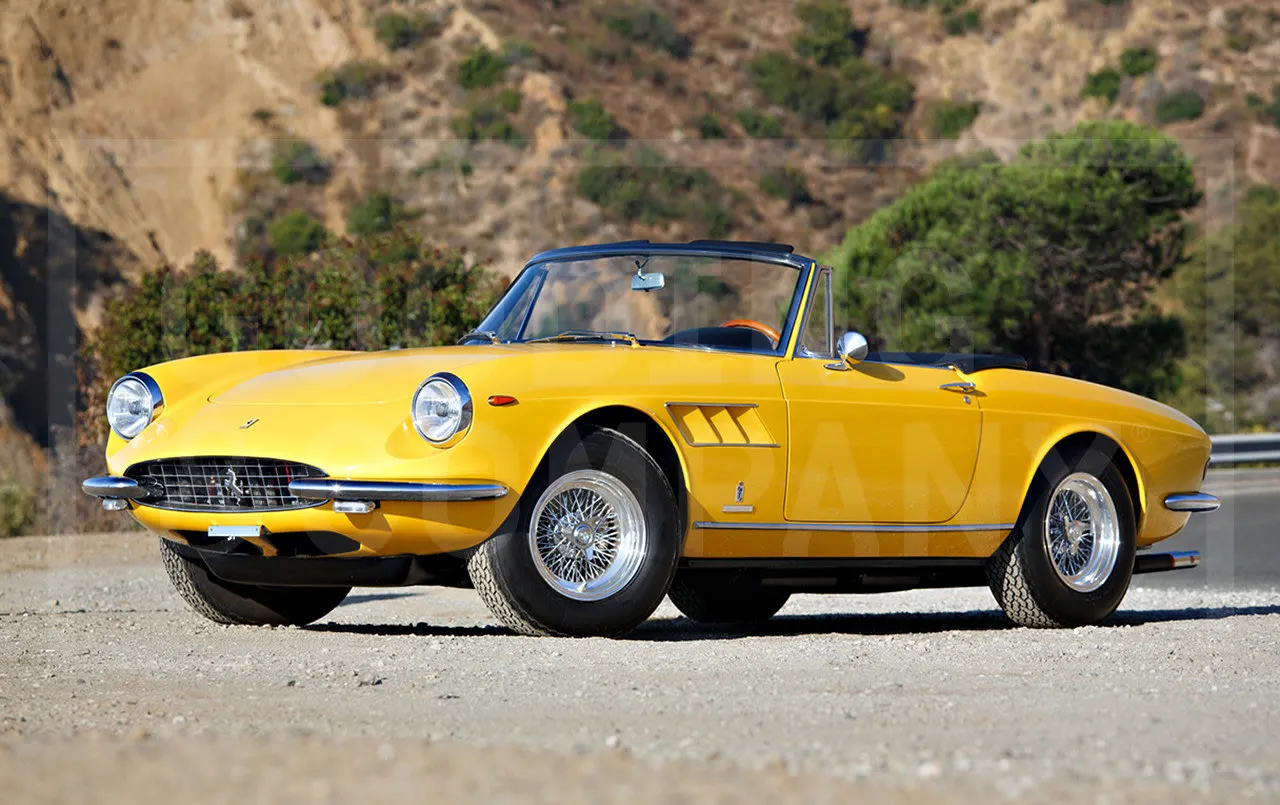
1. 1967 Ferrari 330 GTS
Picture a dusty North Carolina barn hiding one of Ferrari’s most elegant convertibles. That’s exactly what happened when a local attorney stumbled upon a 1967 Ferrari 330 GTS that had been sitting untouched for over 40 years.
This particular Ferrari represented Maranello’s answer to those wanting GT comfort combined with open-air driving. Only 100 examples were ever built, making each one incredibly rare today.
This particular car belonged to a successful businessman who purchased it new in the late 1960s. He drove it regularly for several years before parking it in his barn during the mid-1970s with vague plans to restore it eventually. Life got busy, years passed, and the Ferrari sat waiting.
After the owner passed away, his estate needed sorting, and that’s when the attorney handling the case discovered the treasure hiding under decades of accumulated junk. Condition reports described the car as surprisingly complete despite its long storage period.
Mice had nested in the interior, surface rust covered much of the body, and the engine had seized from sitting. But all the original components remained, including the rare factory hardtop that many 330 GTS models lost long ago. No one had attempted amateur repairs or installed incorrect parts. It was a time capsule frozen in the 1970s.
Auction results at a major collector car sale saw bidding exceed $2 million, far more than the restoration costs. But for the new owner, this car represented more than just investment potential.
It was a piece of automotive history rescued from obscurity, a Ferrari that survived when so many others got crashed, parted out, or modified beyond recognition. That barn in North Carolina nearly became this car’s tomb, but instead became the setting for its resurrection.
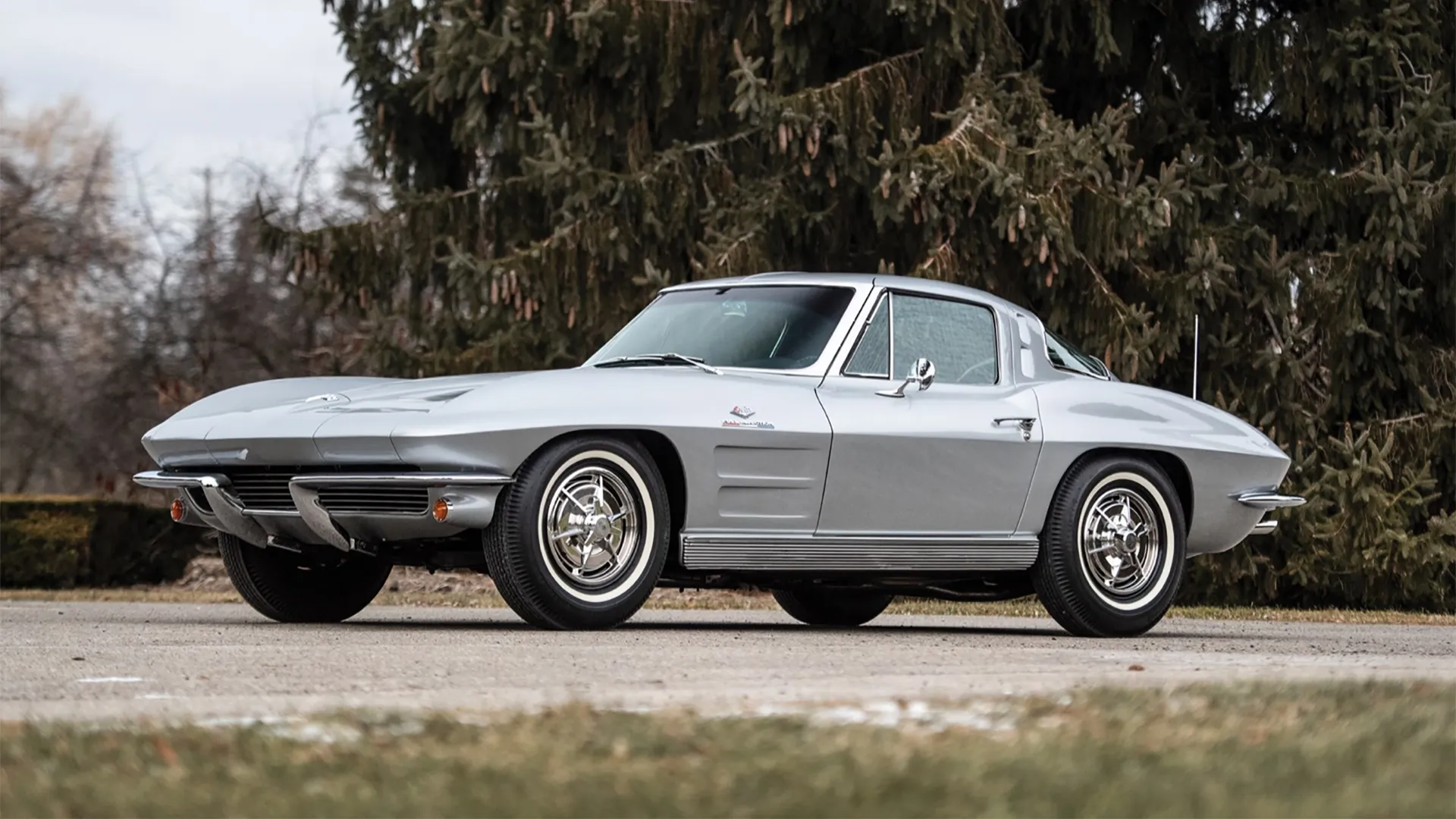
2. 1963 Chevrolet Corvette Split-Window Coupe
Rural Massachusetts barns hide all sorts of forgotten treasures, but few as desirable as a 1963 Corvette split-window coupe. This particular example sat undisturbed in a family barn for 35 years before being discovered during an estate settlement.
What makes this find special isn’t just that it’s a first-year split-window model, but that it retained its original drivetrain and remarkably low mileage.
According to the odometer and supporting documentation, this Corvette had covered just 38,000 miles when parked in 1984. Its original owner had been a Chevrolet dealer who kept the car as a personal vehicle.
He maintained it meticulously during his years of ownership, keeping every service record and original purchase document. When health issues forced him to stop driving, the Corvette went into storage, where it sat untouched until his passing decades later.
Discovery happened almost by accident. Family members cleaning out the estate assumed the barn contained only old farm equipment and household items.
Someone noticed the distinctive shape under a canvas tarp and investigated further. What they found was a dusty but remarkably preserved Corvette wearing its original Riverside Red paint and showing minimal rust despite decades of New England humidity.
Mechanical inspection revealed the 327 cubic inch engine turned freely, suggesting proper storage preparation before parking. Brakes had seized, tires had dry-rotted, and various rubber components needed replacement.
But these represented expected issues from long-term storage rather than indicators of serious problems. Someone had cared enough to prepare this Corvette for storage properly, preserving it for future discovery.
Collector car auctions value matching-numbers split-window Corvettes at $100,000-$150,000, depending on condition. This particular example, with its documented history and originality, commanded premium pricing.
But more than monetary value, this Corvette represented American sports car history preserved through fortunate circumstance. It survived when so many others got modified, crashed, or simply wore out from use.
Also Read: Top 10 Used Hybrid Cars That Make the Most Sense in 2025
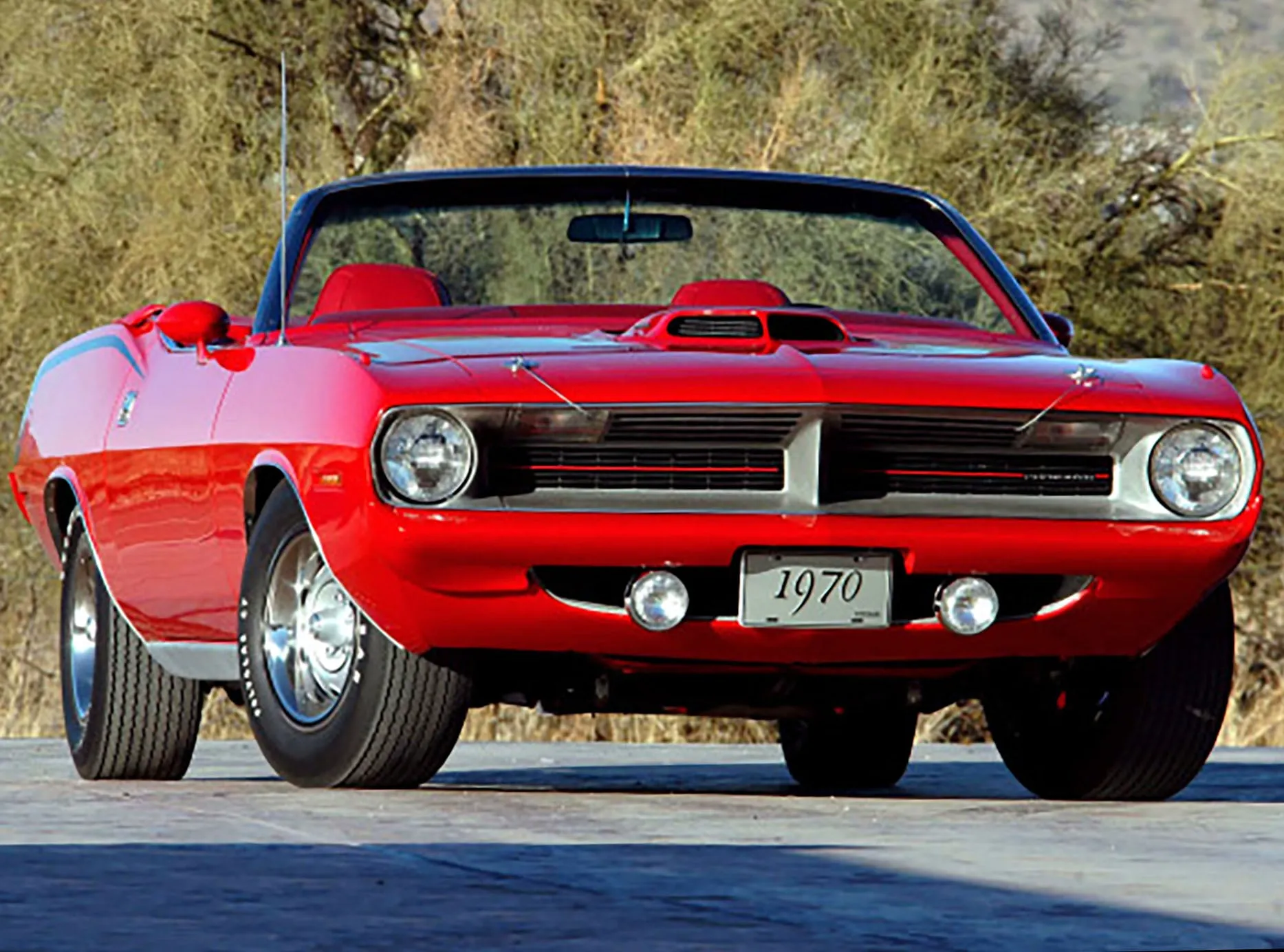
3. 1970 Plymouth Hemi Cuda Convertible
Alabama barn finds don’t get much better than a 1970 Plymouth Hemi Cuda convertible. This particular discovery ranks among the most valuable American muscle car barn finds ever, given that only 14 Hemi Cuda convertibles were built for 1970.
Finding any Hemi Cuda qualifies as remarkable. Finding a convertible version borders on miraculous. Finding one that survived 45 years in a barn defies probability.
Condition assessment revealed extensive rust in typical Plymouth problem areas, but all original sheetmetal remained. Someone had removed the engine and transmission at some point, storing them separately in the same barn.
Finding both components together meant this car retained matching numbers status despite being disassembled. Interior showed typical wear and deterioration, but no evidence of modifications or amateur repairs.
Restoration required two years and cost approaching $200,000. Extensive rust repair, complete mechanical rebuilding, and accurate refinishing in original colors consumed time and money.
But when finished, this Hemi Cuda represented one of the finest examples of an extraordinarily rare muscle car. Auction sales for comparable cars have reached $3-4 million, making this barn find’s restoration economically justifiable.
What makes this discovery particularly special is how easily this car could have been lost forever. Had the owner not documented his collection or had the family simply scrapped the buildings’ contents without investigation, this Hemi Cuda might have ended up crushed. Instead, it survived to become one of the most celebrated barn finds in American muscle car history.
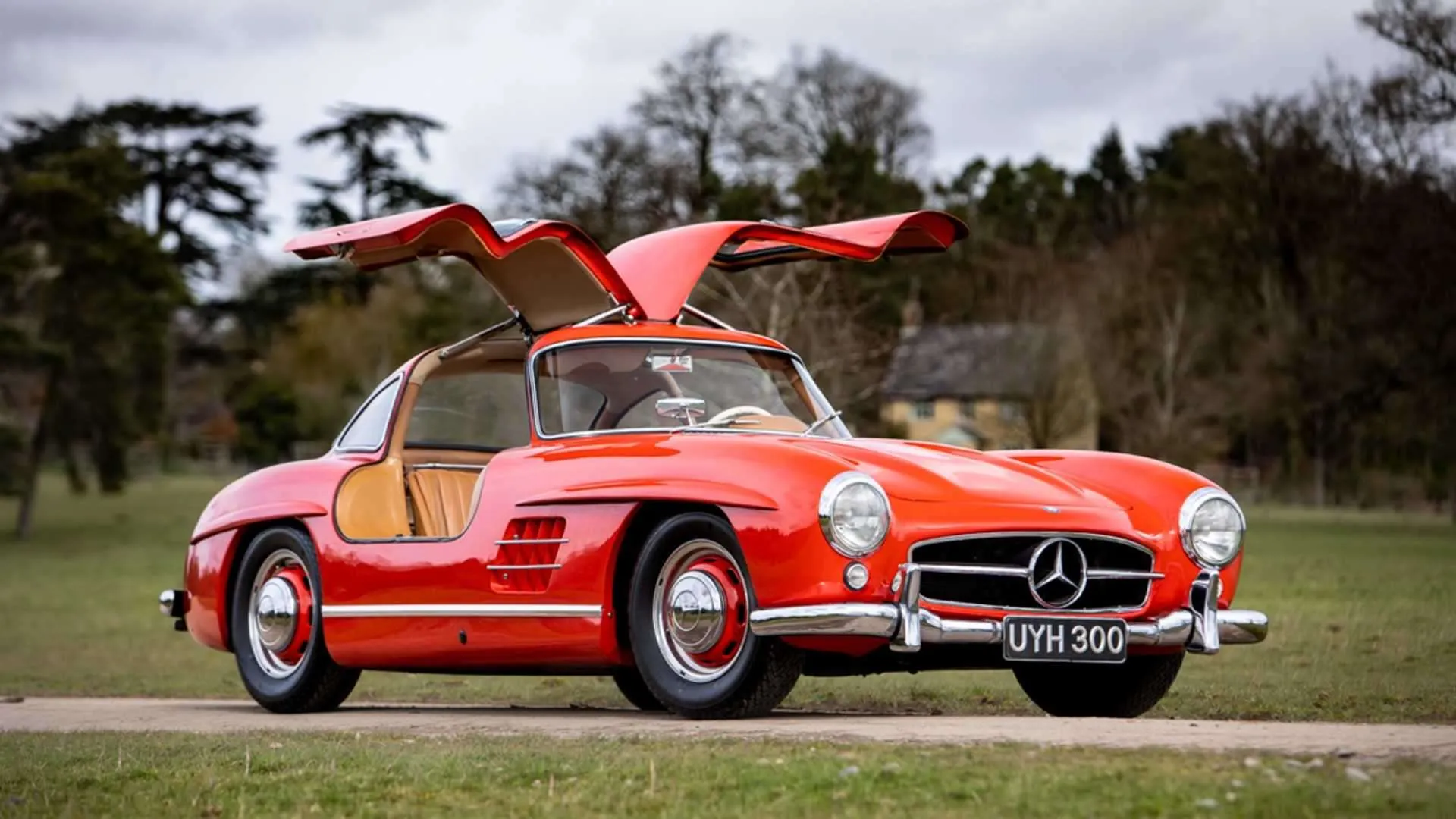
4. 1954 Mercedes-Benz 300SL Gullwing
California wine country seems an unlikely place to find a Mercedes-Benz 300SL Gullwing, yet that’s exactly where one turned up in 2016.
This particular example had been stored in a barn on a vineyard property for over 30 years, forgotten after its owner passed away unexpectedly. Family members knew vaguely about “an old Mercedes” but had no idea of its value or rarity until automotive experts examined the covered car hiding in the barn.
300SL Gullwings rank among the most valuable and desirable sports cars ever built. Mercedes produced just 1,400 examples between 1954 and 1957, and surviving examples in any condition command six-figure prices.
Finding one that had been off the radar for decades created immediate excitement in the collector car community. Questions arose about its history, originality, and condition after such long storage.
Investigation revealed this Gullwing had been delivered new to a San Francisco doctor in 1954. He drove it regularly for about 15 years before parking it due to mechanical issues.
Rather than repair it immediately, he stored the car at his vacation property, where it sat untouched for decades. After his death, the property passed through inheritance without anyone realizing what sat in the barn.
The restoration debate ensued immediately. Some argued for complete restoration, returning the car to as-new condition. Others advocated for conservation, preserving as much original material as possible.
The new owners chose the conservation route, stabilizing the car mechanically while preserving original paint, interior, and patina. This approach maintained the car’s history and authenticity while making it drivable again.
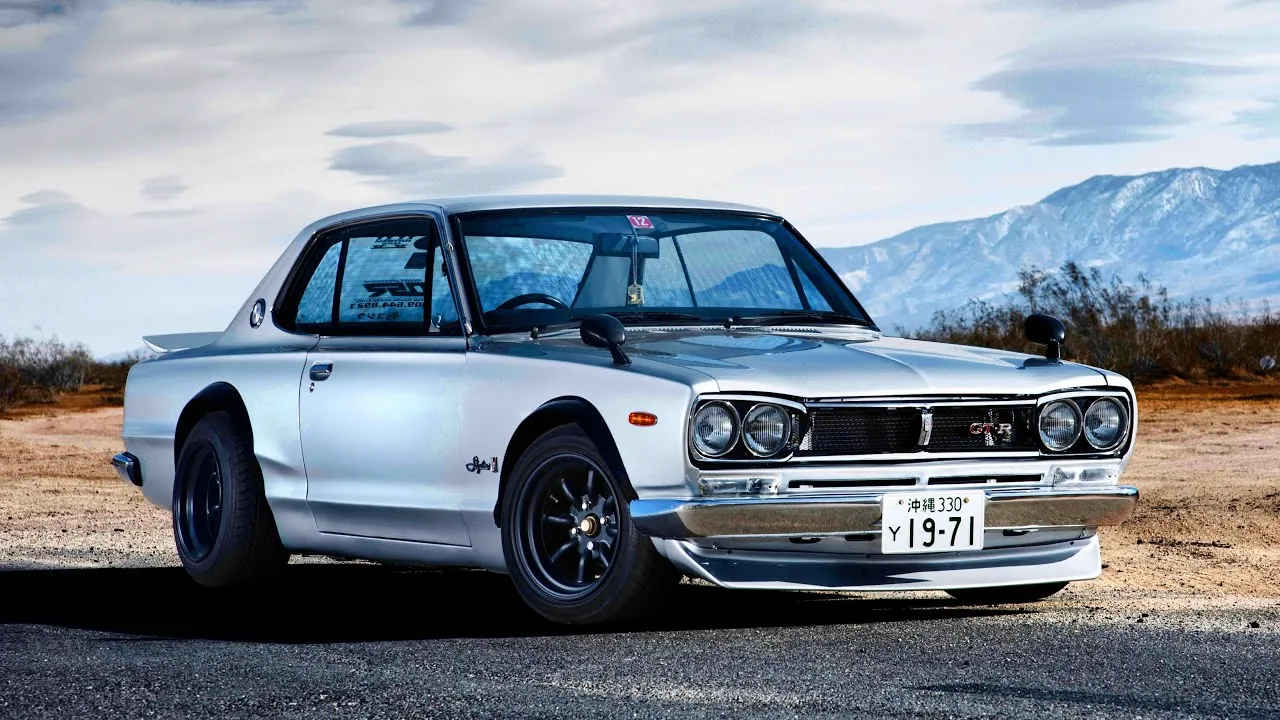
5. 1969 Nissan Skyline GT-R Hakosuka
Japanese barn finds don’t often make international headlines, but a 1969 Nissan Skyline GT-R discovered in rural Japan certainly did. These early Hakosuka GT-Rs are legendary among Japanese car enthusiasts, representing Nissan’s first serious attempt at building a high-performance sports car.
Production numbers stayed relatively small, and surviving examples have become incredibly valuable as interest in classic Japanese cars has exploded worldwide. This particular GT-R spent nearly 40 years hiding in a barn outside Tokyo.
Its original owner had been a racing enthusiast who bought the car new and competed in local events during the early 1970s. After marriage and family obligations reduced his racing activities, the Skyline went into storage.
He intended to restore it for vintage racing but never found the time or resources. When he passed away in 2018, family members discovered the forgotten GT-R while settling his estate.
The condition surprised everyone familiar with how harshly Japanese winters treat stored vehicles. Despite decades of humidity and temperature cycles, the Skyline showed remarkably little rust. Someone had prepared it properly for storage, draining fluids, and protecting vulnerable areas.
Paint had faded, and clearcoat had failed, but body panels remained solid. The interior showed typical deterioration from time and mice, but the original seats and dashboard remained intact. Japanese classic car values have soared in recent years, with early GT-Rs leading the charge.
Auction results for well-restored Hakosuka GT-Rs have exceeded $500,000, making this barn find extremely valuable.
But beyond money, this car represents Japanese automotive history at a crucial moment when Nissan proved it could build world-class performance machines. That heritage makes barn finds like this important cultural artifacts worth preserving.
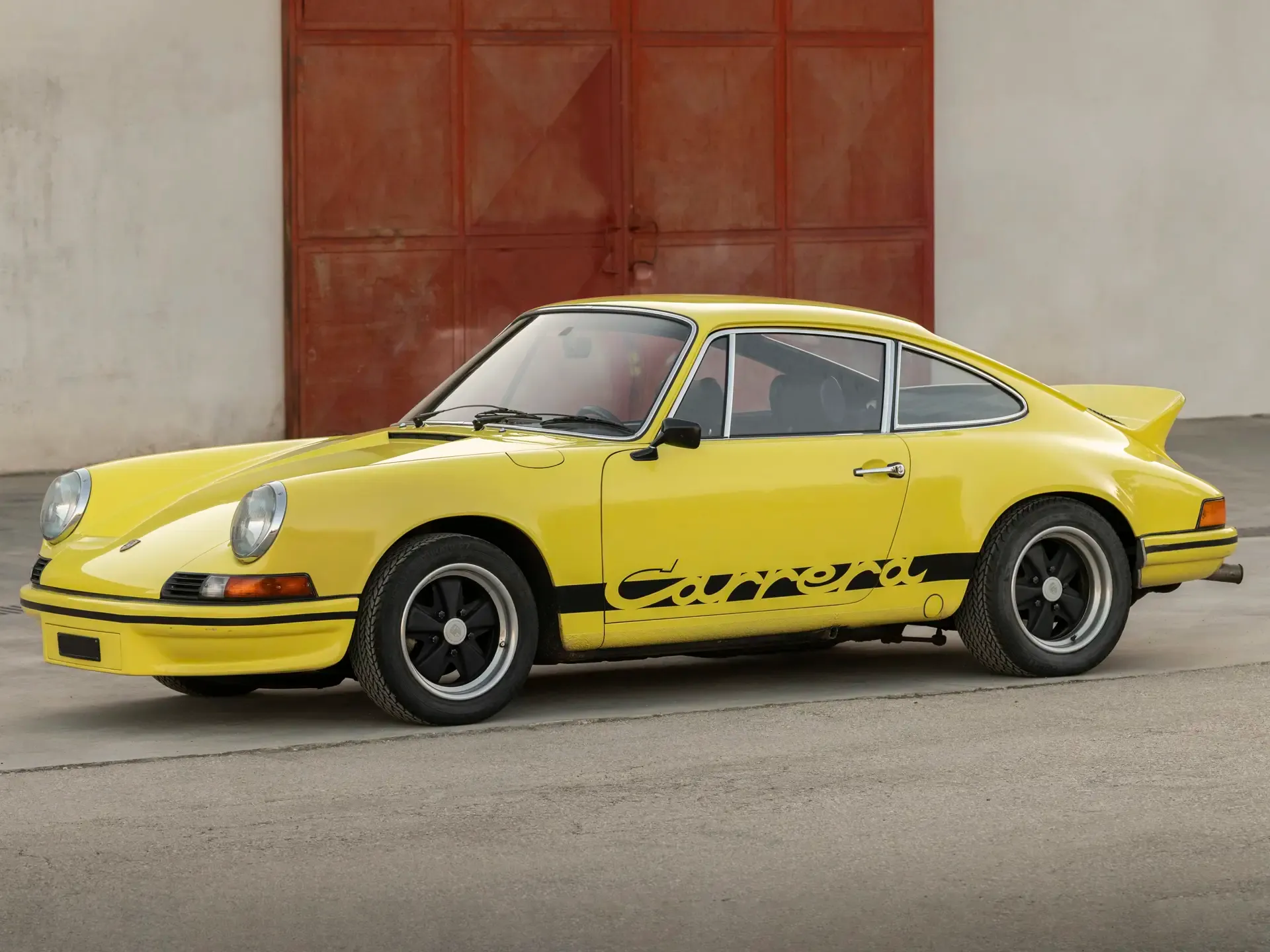
6. 1973 Porsche 911 Carrera RS 2.7
Belgium’s countryside conceals surprising treasures, including a legendary 1973 Porsche 911 Carrera RS 2.7 found in a rural barn near Bruges in 2019. Porsche built just 1,580 examples of this lightweight homologation special, creating one of the most desirable 911 variants ever produced.
Collectors worldwide hunt these cars relentlessly, paying premium prices when examples appear at auction. Finding one that had been off the market for decades created immediate excitement. The story begins with a successful Belgian businessman who purchased the Carrera RS new in 1973.
He enjoyed spirited driving on European roads for several years before marriage, and children changed his priorities. Rather than sell the Porsche, he stored it at a rural property owned by his family. Years became decades, and the Carrera RS sat forgotten as life moved forward.
When the owner passed away in 2017, estate settlement took time, and the car remained hidden until 2019. Discovery happened when the deceased owner’s son finally visited the rural property to assess what needed clearing. Pulling back a dusty tarp revealed the distinctive ducktail spoiler and Carrera graphics of the RS.
He immediately recognized the car’s potential value and contacted Porsche specialists for authentication. What they found exceeded hopes. This was a genuine RS 2.7, wearing its original Grand Prix White paint and retaining a matching numbers engine and transmission.
Interior condition surprised everyone positively. Black leatherette seats showed wear but no serious damage. Original carpets remained intact.
Factory instruments and switches all survived. Mice had nested in the engine compartment but hadn’t penetrated the cabin. That preservation meant interior restoration could focus on refurbishing original materials rather than complete replacement.
Mechanical inspection found the legendary 2.7-liter flat-six engine seized from sitting, but complete and unmolested. Removing the engine revealed it retained proper factory markings matching the car’s documentation.
Transmission, suspension components, and brakes all appeared original. This represented a completely unmolested RS 2.7, increasingly rare as many examples have been modified, crashed, or restored incorrectly.
The restoration debate centered on how much originality to preserve. Some argued for complete restoration, eliminating all rust and returning the car to concours condition. Others preferred conservation, maintaining original paint and interior wherever possible.
Owners chose a middle approach: thorough mechanical restoration while preserving original paint on body panels that remained solid. Rusty sections got replaced with new metal, but original panels received conservation rather than refinishing.
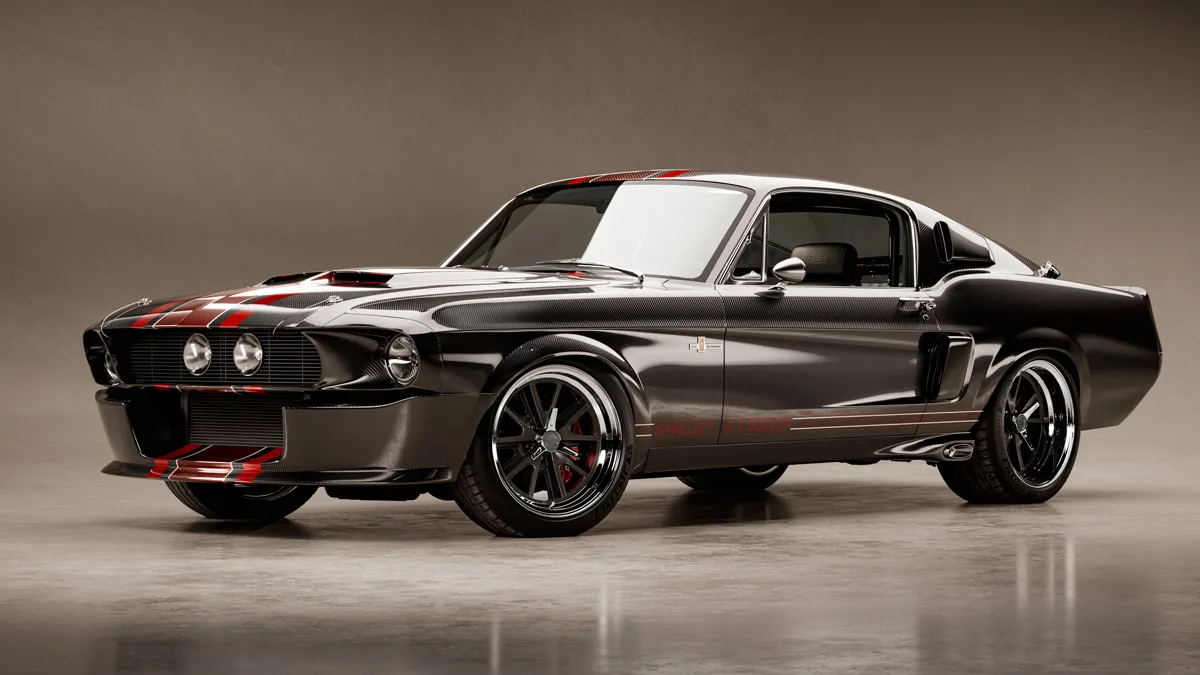
7. 1967 Shelby GT500
Texas barns hide all sorts of automotive treasures, but few as American as a 1967 Shelby GT500. This particular example surfaced in 2020 when a family cleaning out their deceased father’s property discovered the dusty Mustang hiding under years of accumulated storage.
Recognition of the Shelby badging prompted calls to classic car experts who authenticated it as a genuine GT500, one of just 2,048 built for 1967.
The original owner purchased this GT500 new from a Dallas-area dealer in late 1967. Documentation preserved in the car showed he special-ordered it in Lime Gold metallic paint with black stripes, one of the less common color combinations.
He drove it regularly through the early 1970s, accumulating about 60,000 miles before parking it following a minor accident. Plans to repair and restore it never materialized, and the Shelby sat forgotten as decades passed.
What made this discovery particularly valuable was finding that it retained all original Shelby-specific components. Many GT500s lost their original engines, transmissions, or Shelby parts during their lifetimes.
This one kept everything, including the 428 Police Interceptor engine, four-speed transmission, and special Shelby suspension components. Matching numbers cars command premium prices in the collector market.
Restoration required 18 months and substantial investment. Complete mechanical rebuilding consumed time and money.
The body required extensive metalwork and refinishing in the original colors. The interior needed complete replacement using correct reproduction materials. But when finished, this GT500 looked as it did leaving Shelby American in 1967.
Auction results for comparable GT500s range from $180,000 to $250,000, depending on originality and condition. This barn find example, with its documented history and matching numbers status, achieved pricing near the higher end.
Yet the true value extends beyond money. This car represents American muscle car heritage at its peak, when companies like Shelby transformed ordinary Mustangs into tire-shredding street machines. That heritage makes every surviving example worth preserving.
8. 1957 BMW 507 Roadster
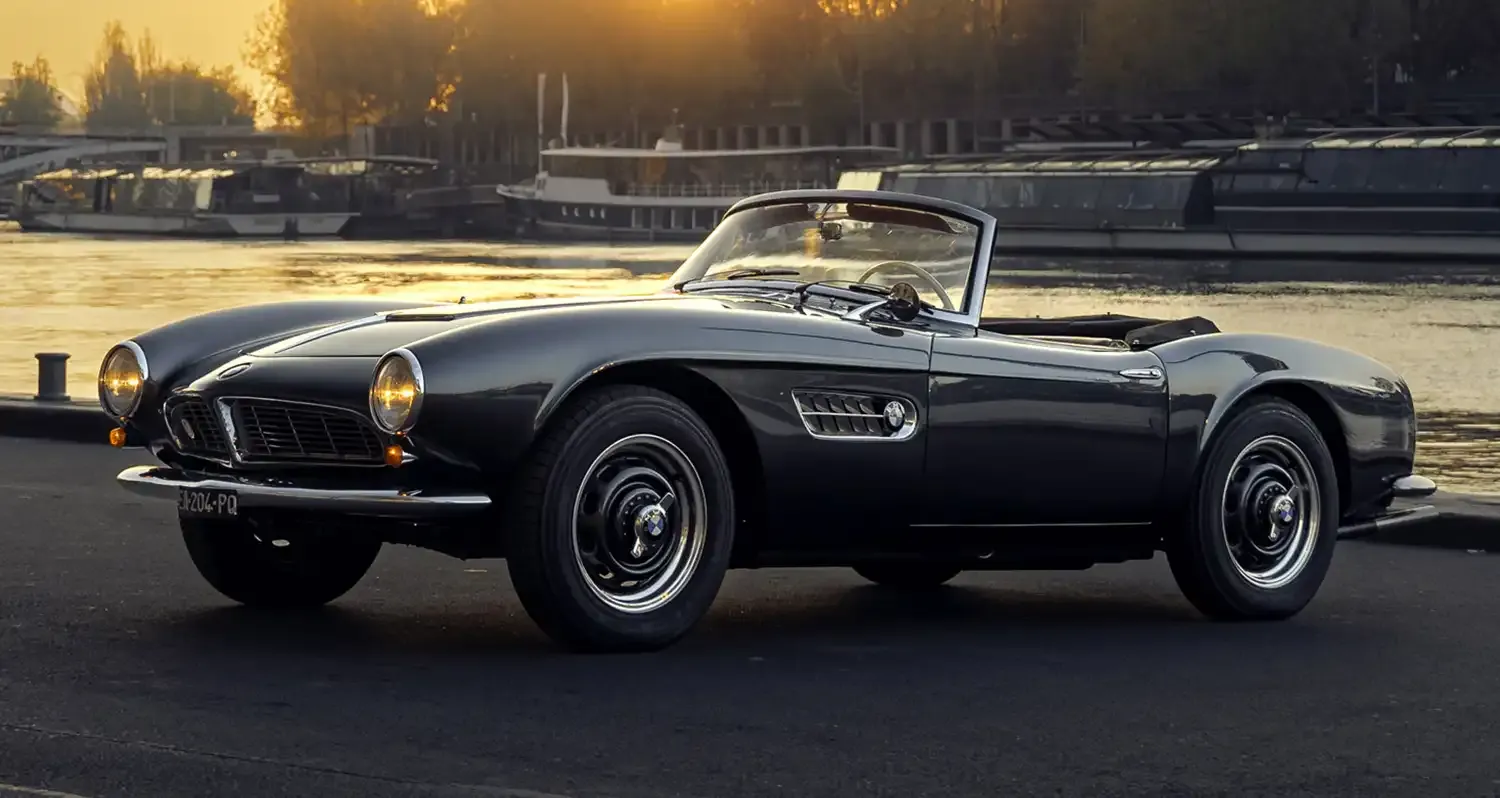
Austrian barn finds reached legendary status when a 1957 BMW 507 Roadster surfaced in 2014. BMW built just 252 examples of this stunning roadster between 1956 and 1959, making each one extraordinarily rare.
Elvis Presley famously owned one during his military service in Germany, cementing the 507’s place in popular culture. Finding any example qualifies as remarkable. Finding one that had been hidden for decades was miraculous.
This particular 507 belonged to an Austrian industrialist who purchased it during the late 1950s. He drove it regularly for several years, enjoying the attention its beauty attracted. When mechanical problems developed during the mid-1960s, he parked it at a rural property, intending to repair it eventually.
Life intervened, the car stayed parked, and decades passed while the 507 sat forgotten in a barn. Condition challenged even optimistic restorers.
Austrian weather had taken a toll, with rust attacking body panels and chassis. Interior leather had deteriorated beyond saving. Chrome trim had pitted extensively.
But all the original components remained, including the alloy body panels that made these BMWs so special. Someone hadn’t attempted repairs or modifications. Everything was original, just damaged from time and neglect.
BMW’s Classic division got involved, recognizing this car’s historical importance. They undertook a complete restoration lasting over two years. Every component got rebuilt or refinished to factory specifications.
Body panels received careful metalwork, preserving as much original metal as possible. Interior got re-trimmed using materials matching original specifications. Mechanical components received complete rebuilding using the correct parts.
9. 1971 Lamborghini Miura SV
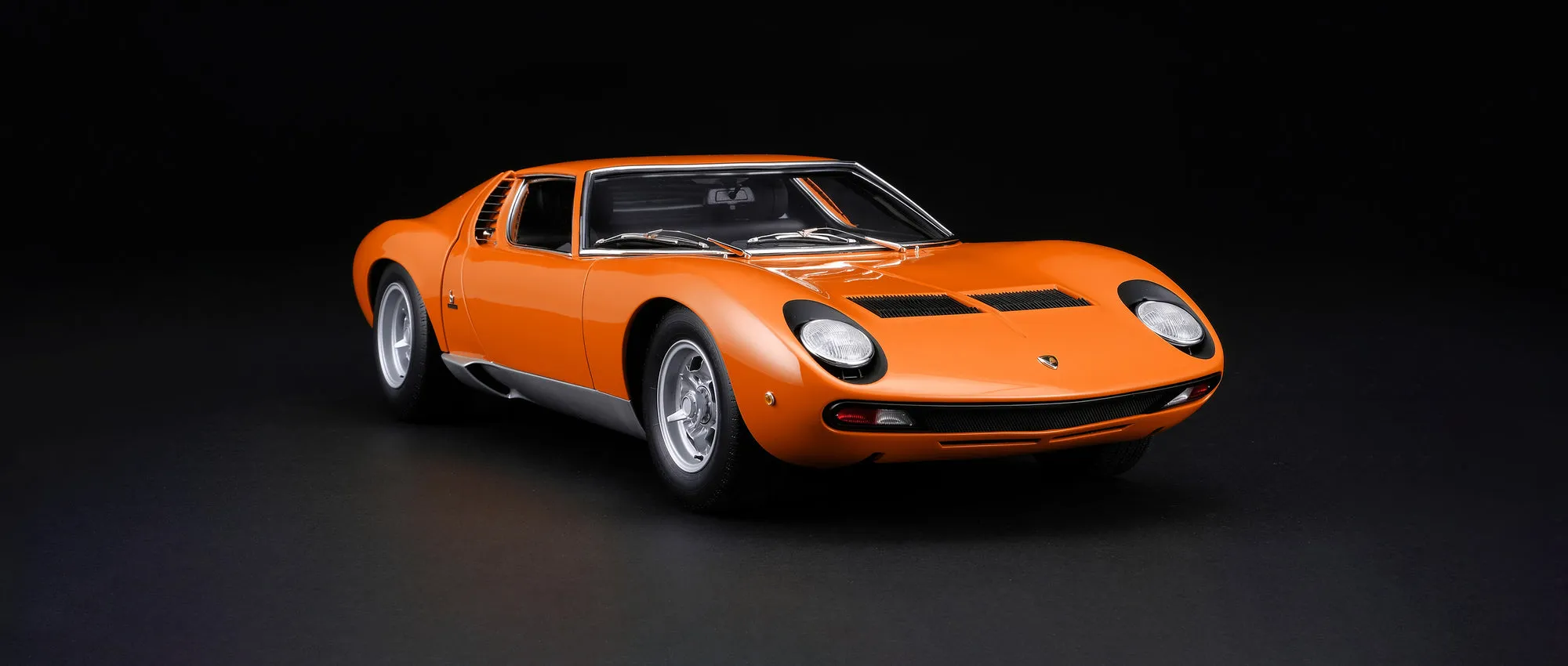
French countryside barns sometimes hide Italian exotics, proven when a 1971 Lamborghini Miura SV surfaced outside Lyon in 2017.
Lamborghini built just 150 SV models, representing the ultimate evolution of their groundbreaking mid-engine supercar. Finding any Miura qualifies as exceptional. Discovering an SV that had been off the market for decades created immediate excitement among collectors worldwide.
The original owner purchased this Miura SV new from a Parisian dealer in 1971. He enjoyed several years of spirited driving on French roads before mechanical issues prompted him to park it.
Rather than immediately repairing it, he stored the Lamborghini at a rural property and apparently forgot about it as years turned into decades. When he passed away in 2015, estate settlement took time, and the car remained hidden until 2017.
Discovery occurred when estate liquidators examined the deceased owner’s properties. Finding a Lamborghini hiding under tarps in a rural barn seemed too good to be true, but authentication confirmed it was a genuine Miura SV.
What made this find particularly special was discovering it retained its original V12 engine and transaxle, both matching the car’s documentation. Matching numbers SVs command premium prices, given how many Miuras have been modified or rebuilt incorrectly.
Condition assessment revealed extensive challenges. French humidity had created rust in the steel chassis and subframes. Aluminum body panels had corroded where they contacted steel mounting points.
Interior leather had rotted from moisture and time. Paint had deteriorated badly, with clearcoat failure exposing bare metal in places. But crucially, all original components remained. Someone hadn’t attempted amateur repairs or installed incorrect parts.
Completed restoration revealed why enthusiasts consider the Miura among the most beautiful cars ever designed. Its dramatic wedge shape and aggressive stance remain stunning 50+ years after its creation. Auction values for properly restored Miura SVs approach $3 million, reflecting their rarity and desirability.
This barn find example, with its documented history and originality, commanded pricing at that level. But more than money, this car represented automotive design at its peak, when Lamborghini created machines that redefined what supercars could be.
Also Read: Top 10 Low-Maintenance Performance Cars Worth Buying in 2025
10. 1969 Dodge Charger Daytona
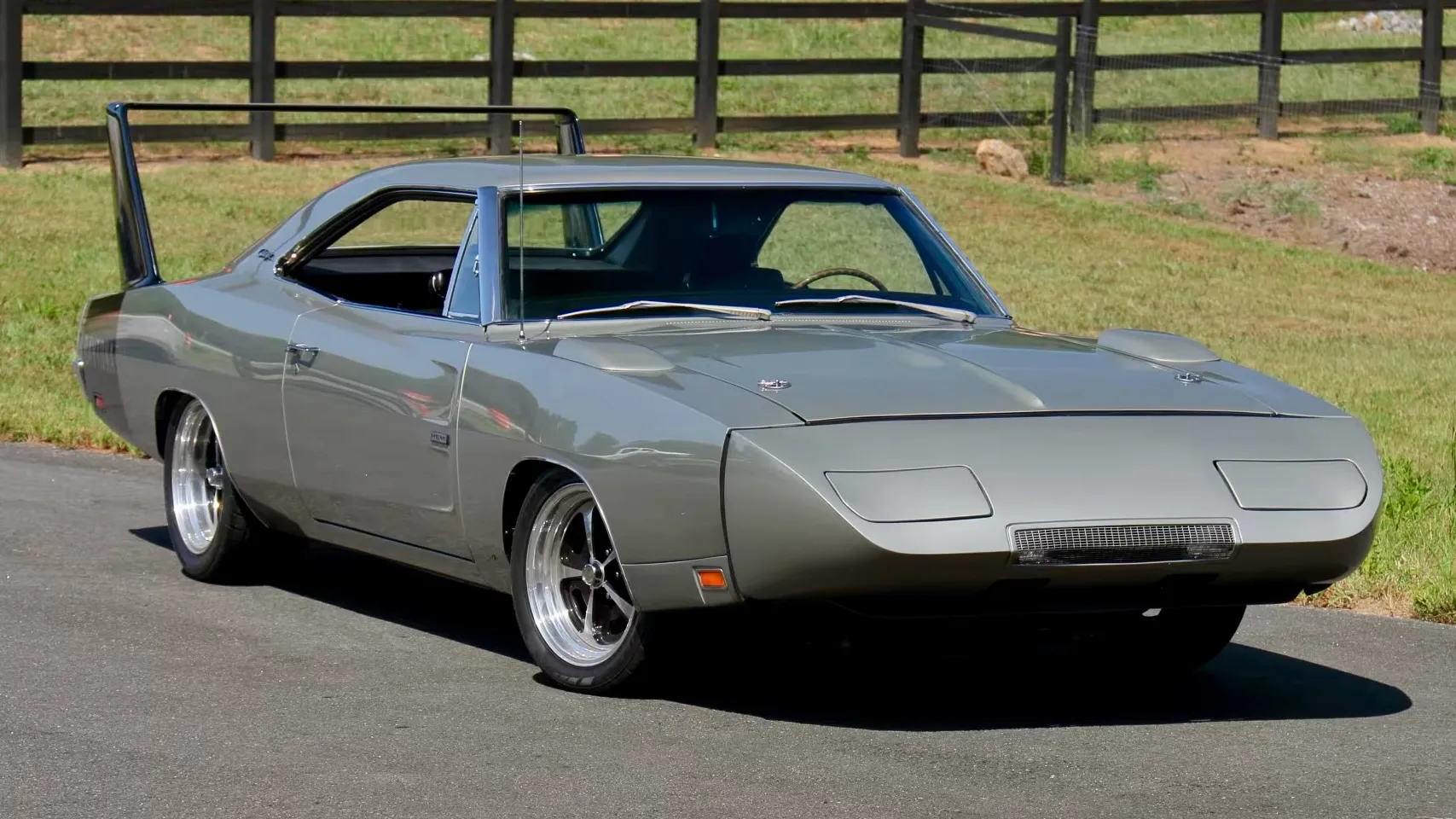
Oklahoma barn finds reached legendary status when a 1969 Dodge Charger Daytona surfaced in 2021. Chrysler built just 503 Daytonas to homologate the radical aerodynamic design for NASCAR racing. That massive rear wing and extended nose cone created one of the most distinctive muscle cars ever produced.
Finding any Daytona qualifies as remarkable, given their rarity and value. Discovering one hidden in a barn created immediate excitement. This particular Daytona was sold new to an Oklahoma resident who drove it regularly through the early 1970s.
When rising insurance costs and concerns about parts availability prompted him to park it around 1975, he stored it in his barn with vague intentions of keeping it as a future collector car. Life moved forward, the car sat untouched, and decades passed while the Daytona remained hidden.
Discovery happened during the estate settlement after the owner passed away in 2020. Family members knew about “Dad’s old race car” but didn’t realize what they had until automotive experts examined it.
Authentication confirmed it as a genuine 1969 Daytona, incredibly still wearing its original B5 Blue paint and retaining a matching numbers 440 Magnum engine.
The condition presented typical challenges for cars stored long-term in agricultural buildings. Mice had nested throughout the interior. Surface rust covered much of the body. The engine had seized from sitting. Tires had dry-rotted completely.
But all original components remained, including the distinctive nose cone and rear wing. Someone hadn’t attempted modifications or stripped parts during storage. Everything was original, just deteriorated over time. What made this find particularly special was its documented history.
Original window sticker, build sheet, and owner documentation survived, providing complete provenance. That paperwork proved the car’s authenticity and originality, adding tremendous value. The collector car market treats documentation seriously, with well-documented examples commanding premium prices.
Restoration took 18 months and cost an approaching $150,000. Complete mechanical rebuilding, extensive rust repair, and accurate refinishing consumed time and money. Interior required complete replacement using correct reproduction materials. But when finished, this Daytona looked as it did leaving Dodge’s factory in 1969.
