
Driving long distances in Texas, especially for daily work commutes in areas like Longview, demands vehicles that can handle heat, sustained highway speeds, and extended mileage. Some cars excel in these conditions, offering reliability, fuel efficiency, comfort, and modern safety features that reduce driver fatigue and stress.
Models such as the Toyota Camry Hybrid, Honda Civic, Hyundai Elantra, Toyota Corolla, Honda CR-V, and Nissan Altima are designed to provide smooth rides, strong fuel economy, spacious interiors, and dependable performance, making them ideal for long Texas drives.
In contrast, other vehicles can struggle under the same conditions. Cars like the Cadillac Northstar, Ford Triton, Toyota RAV4, BMW 5 Series Mk5, Land Rover Range Rover Sport Mk1, and Chevrolet Suburban are prone to overheating, oil leaks, suspension and brake wear, and electronic failures during extended drives.
These issues often lead to costly repairs and downtime, making them less suitable for demanding Texas commutes.
6 Cars for Longview Work Drives
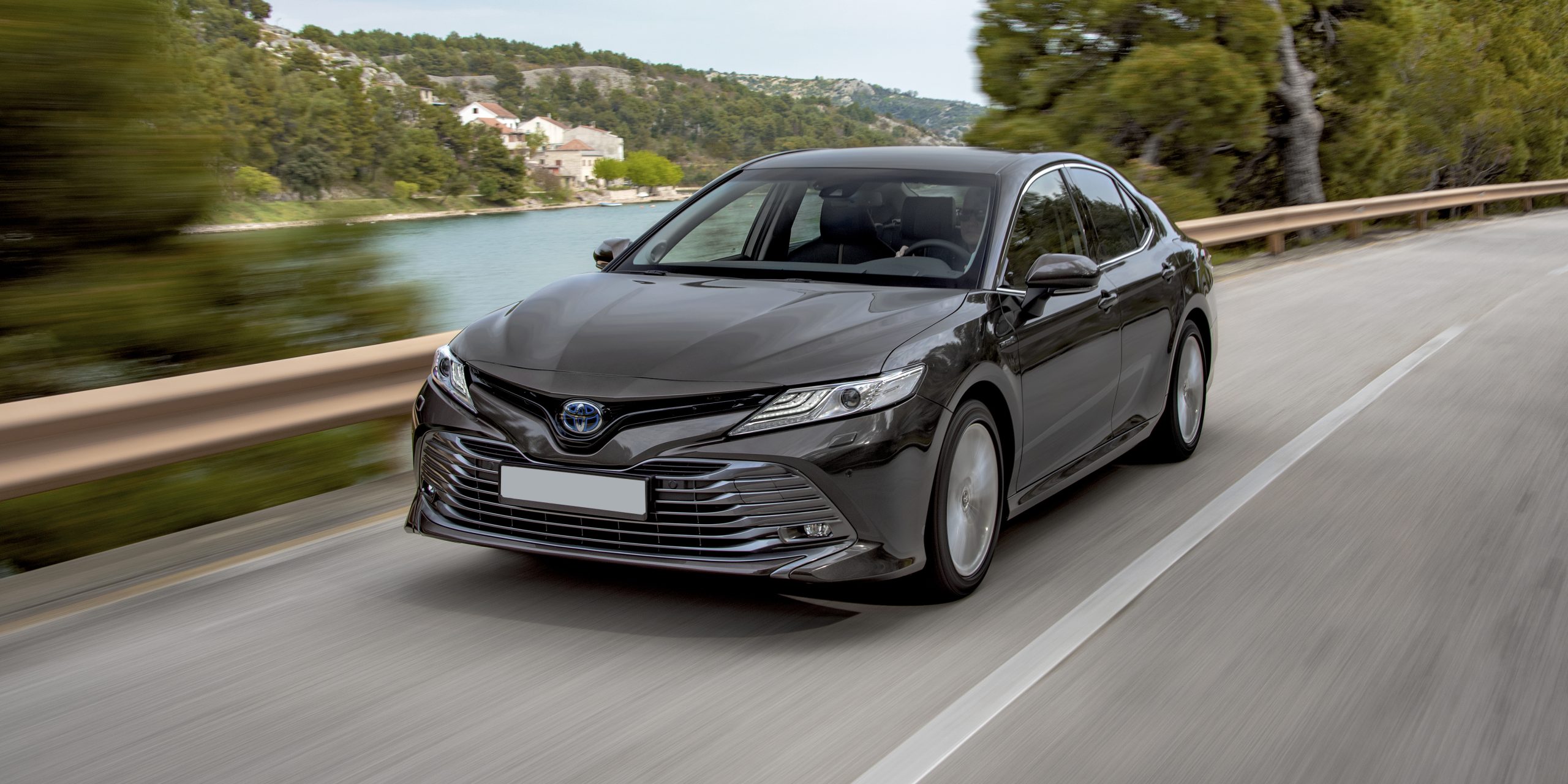
1. Toyota Camry Hybrid
The Toyota Camry Hybrid is a well-rounded midsize sedan that stands out for its impressive fuel efficiency, refined ride quality, and long-distance comfort. It is especially well-suited for Texas driving, where long highway stretches and high temperatures demand reliability, efficiency, and strong climate control.
With fuel economy often exceeding 45 MPG and a smooth, quiet cabin, the Camry Hybrid is designed to make extended road trips both economical and relaxing.
The Camry Hybrid offers two hybrid powertrain options. Front-wheel-drive models combine a 2.5-liter four-cylinder engine with two electric motors for a total of 225 horsepower. All-wheel-drive models add a third electric motor to power the rear wheels, increasing output to 232 horsepower.
A continuously variable automatic transmission comes standard. Acceleration is responsive thanks to electric motor torque, with the Camry XSE AWD reaching 60 mph in 6.8 seconds. Sport-oriented trims such as the SE, XSE, and Nightshade feature firmer suspension tuning for improved handling, though steering feedback remains light.
Fuel efficiency is a major strength of the Camry Hybrid. Previous EPA ratings show up to 53 mpg city and 50 mpg highway in front-wheel-drive models. Even less efficient trims still achieve over 40 mpg. This efficiency allows drivers to cover long Texas distances with fewer fuel stops, making it ideal for highways like I-10 and I-35.
Inside, the Camry Hybrid offers a spacious and comfortable cabin with supportive seating for both front and rear passengers. Dual-zone automatic climate control with rear air vents helps manage Texas heat.
Higher trims add leather upholstery, heated seats, a heated steering wheel, ambient lighting, and acoustic glass for a quieter ride. Infotainment options include an 8.0-inch or 12.3-inch touchscreen with wireless Apple CarPlay and Android Auto.
Every Camry Hybrid comes standard with Toyota Safety Sense, which includes automated emergency braking, lane-keeping assist, adaptive cruise control, and curve-assist braking. Toyota also backs the vehicle with a strong warranty, including a ten-year or 150,000-mile hybrid component warranty.
With excellent fuel economy, a quiet and comfortable interior, dependable hybrid technology, and advanced safety features, the Toyota Camry Hybrid is a practical and confidence-inspiring choice for long Texas drives.
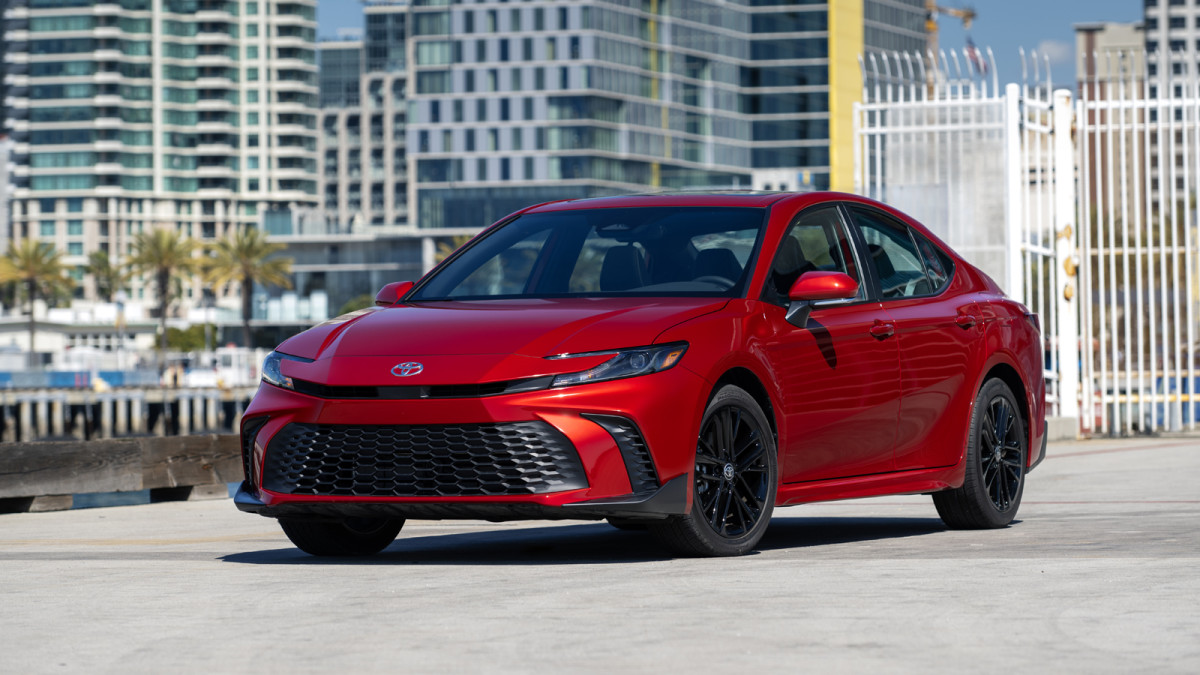
2. Honda Civic
The Honda Civic is one of the most trusted compact cars on the market, valued for its strong fuel efficiency, proven reliability, and affordable ownership costs. For Texas drivers who frequently deal with long commutes or extended road trips, the Civic delivers a smart mix of practicality and comfort.
Although classified as a compact sedan, it offers a roomy cabin and a refined driving experience that works well for both city streets and open highways.
Fuel economy is a major advantage of the Honda Civic. Many modern models achieve more than 40 mpg on the highway, with some trims reaching up to 42 mpg. In a state as large as Texas, where distances between cities can be significant, this efficiency helps reduce fuel expenses and limits the number of stops required on long drives.
Honda has earned a reputation for building long-lasting vehicles, and the Civic is a prime example. With proper maintenance, Civics frequently surpass high mileage milestones without major mechanical issues. This reliability provides confidence during long-distance travel and helps owners avoid unexpected repair costs, making the Civic an appealing choice for drivers who rack up miles each year.
Despite its compact size, the Civic delivers a comfortable and stable ride at highway speeds. Newer generations benefit from improved sound insulation, supportive seating, and aerodynamic styling that minimizes wind noise. The suspension is tuned for smooth cruising, allowing drivers to remain comfortable during long stretches of uninterrupted driving.
Many recent Civic models include Honda Sensing, a comprehensive suite of driver-assistance technologies. Features such as adaptive cruise control, lane-keeping assist, collision mitigation braking, and road departure mitigation add an extra layer of security and reduce driver fatigue on extended highway journeys.
Low running costs make the Civic easy to own beyond fuel savings, as insurance and maintenance expenses remain reasonable. Drivers should be mindful of the vehicle’s low ride height when dealing with steep driveways or large speed bumps. Performance-focused trims like the Civic Type R provide excitement but trade fuel efficiency for power.
The Honda Civic stands out as a dependable and economical option for Texas roads. Its combination of efficiency, durability, comfort, and modern safety technology makes it a strong choice for long commutes and extended road trips across the state.
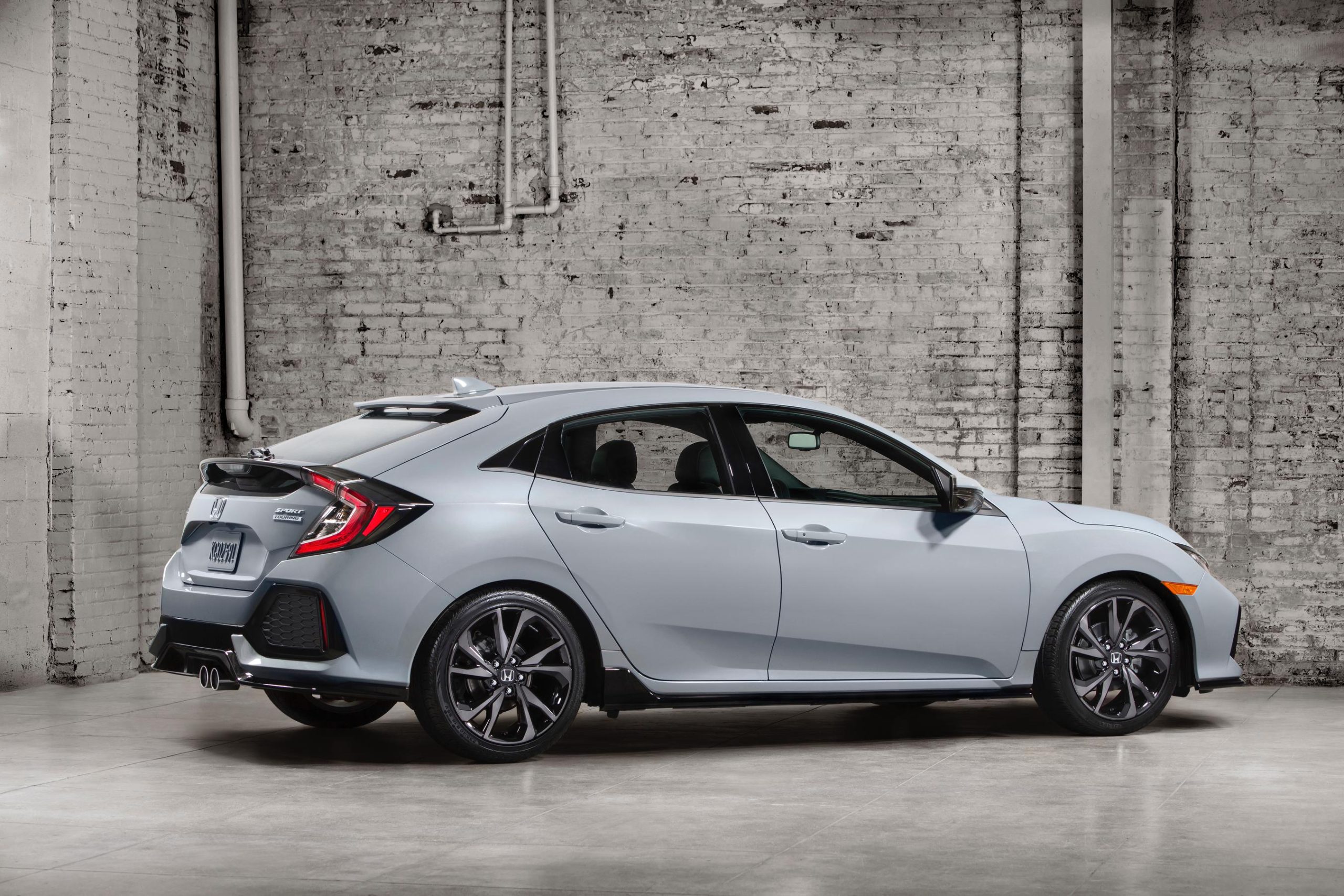
3. Hyundai Elantra
The Hyundai Elantra is a budget-friendly compact sedan that delivers strong value through excellent fuel efficiency, modern technology, and one of the best warranties in its class.
Well-suited for long Texas drives, the Elantra balances comfort, efficiency, and affordability, making it an appealing option for commuters and road trip drivers alike. Its sleek design, spacious cabin, and competitive pricing help it stand out among compact sedans.
The Elantra offers a wide range of powertrains to suit different driving needs. Base models use a 147-horsepower 2.0-liter four-cylinder engine paired with a continuously variable automatic transmission. The sportier N Line trim features a 201-horsepower turbocharged engine with a seven-speed dual-clutch automatic, delivering noticeably stronger acceleration and sharper handling.
For drivers focused on efficiency, the Elantra Hybrid combines a 1.6-liter engine with an electric motor for a total of 139 horsepower, using a six-speed dual-clutch automatic that helps reduce engine noise at highway speeds. While acceleration is modest in nonhybrid and hybrid trims, the Elantra remains smooth and capable for everyday and highway driving.
Fuel efficiency is a major strength of the Elantra, particularly for Texas highways. Nonhybrid models achieve up to the low 40 mpg range on the highway, while the Elantra Hybrid delivers impressive EPA estimates of up to 58 mpg highway. Real-world testing shows the hybrid can still reach close to 50 mpg at highway speeds, significantly reducing fuel costs and minimizing stops on long-distance trips.
Inside, the Elantra offers a roomy cabin with generous legroom in both rows. The interior design is driver-focused, with intuitive controls and available dual 10.3-inch screens for the instrument cluster and infotainment system. Apple CarPlay and Android Auto are available, along with optional Bose audio on higher trims. Cargo space is practical, easily accommodating luggage for extended trips.
Standard safety features include automated emergency braking, lane-keeping assist, and lane-departure warning. Adaptive cruise control and lane-centering assist are available on higher trims, enhancing long-distance comfort. Hyundai’s warranty coverage is a standout feature, with a 10-year or 100,000-mile powertrain warranty and complimentary maintenance for three years.
With strong fuel economy, comfortable highway manners, modern technology, and exceptional warranty coverage, the Hyundai Elantra is a smart and economical choice for long Texas drives, especially for drivers seeking maximum value and low ownership costs.
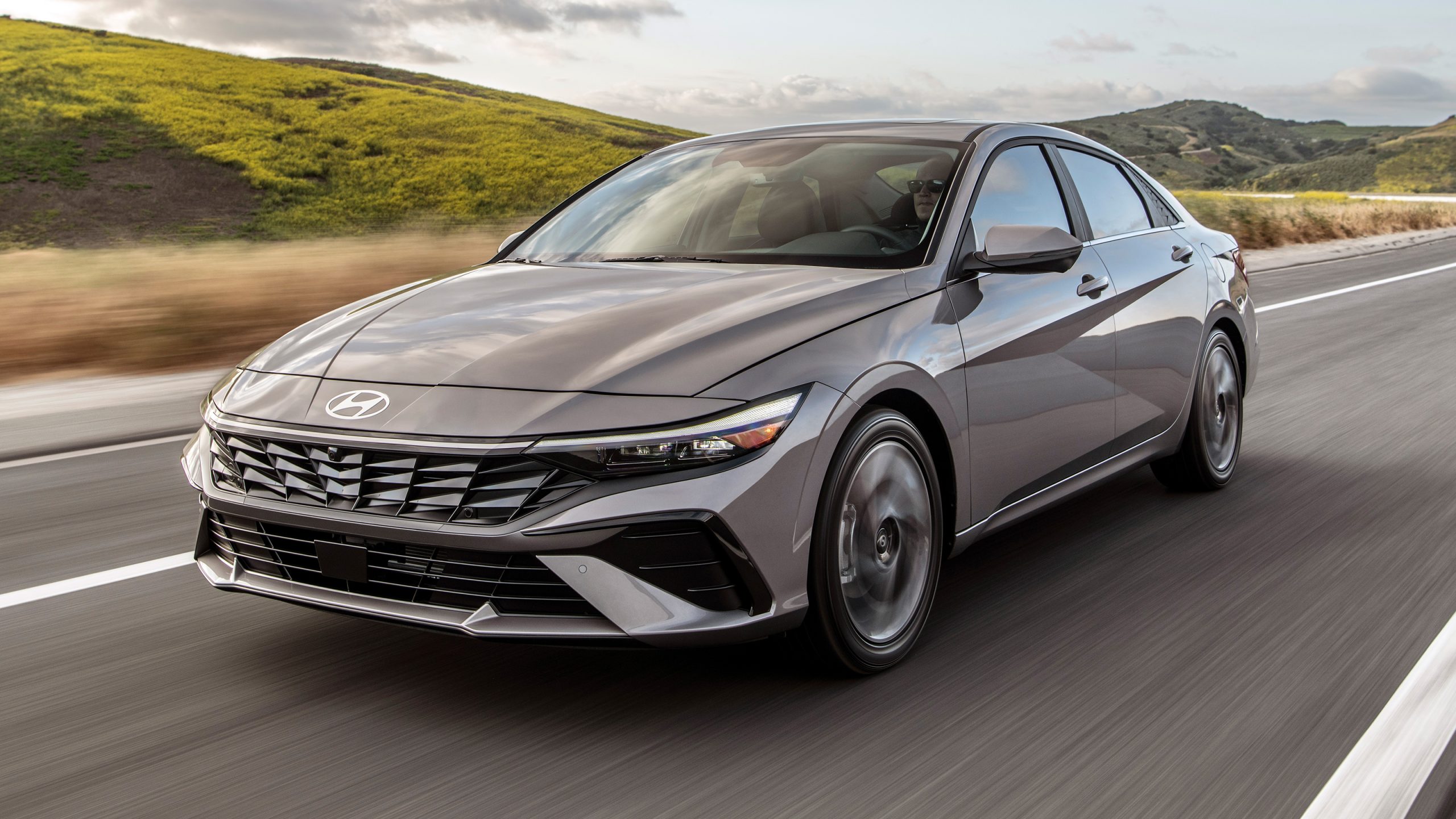
4. Toyota Corolla
The Toyota Corolla has long been known for its exceptional reliability, low maintenance costs, and consistent fuel efficiency. As a practical and no-nonsense compact car, it appeals to drivers who value dependability and economy above all else.
For Texas drivers facing long highway stretches and high annual mileage, the Corolla provides peace of mind through proven durability, stable performance, and modern safety technology designed to reduce fatigue.
Most Corolla models use a 169-horsepower 2.0-liter four-cylinder engine paired with a continuously variable automatic transmission and front-wheel drive. A hybrid powertrain is also available on the sedan, offering significantly higher fuel efficiency.
Acceleration is modest, with 0 to 60 mph times ranging from about 8.3 to 9.0 seconds, but the Corolla remains smooth and predictable at highway speeds. Ride quality is comfortable, absorbing rough pavement while maintaining good body control. Sport-oriented trims such as the SE and XSE feature firmer suspension tuning for slightly improved handling.
Fuel efficiency is one of the Corolla’s strongest attributes. Gas-only models are rated up to 41 mpg on the highway and about 35 mpg combined. The Corolla Hybrid delivers even stronger results, with EPA estimates reaching 50 mpg combined. Real-world testing confirms that both versions perform well at sustained highway speeds, helping drivers save significantly on fuel during long Texas road trips.
The Corolla’s interior is straightforward but well built, with supportive seating and available features such as dual-zone climate control, heated front seats, and ambient lighting. The sedan offers more rear-seat legroom than the hatchback, making it better suited for passengers on longer journeys.
Cargo space is practical, and both body styles provide enough room for luggage. An 8.0-inch touchscreen with Apple CarPlay and Android Auto is standard, with a larger 10.5-inch display available.
Every Corolla includes Toyota Safety Sense 3.0, which provides adaptive cruise control, lane-keeping assist, forward-collision warning, and automated emergency braking. These features help reduce stress and improve safety on long highway drives.
With excellent fuel economy, legendary reliability, a comfortable ride, and advanced safety features, the Toyota Corolla is a dependable and economical companion for long-distance driving across Texas.
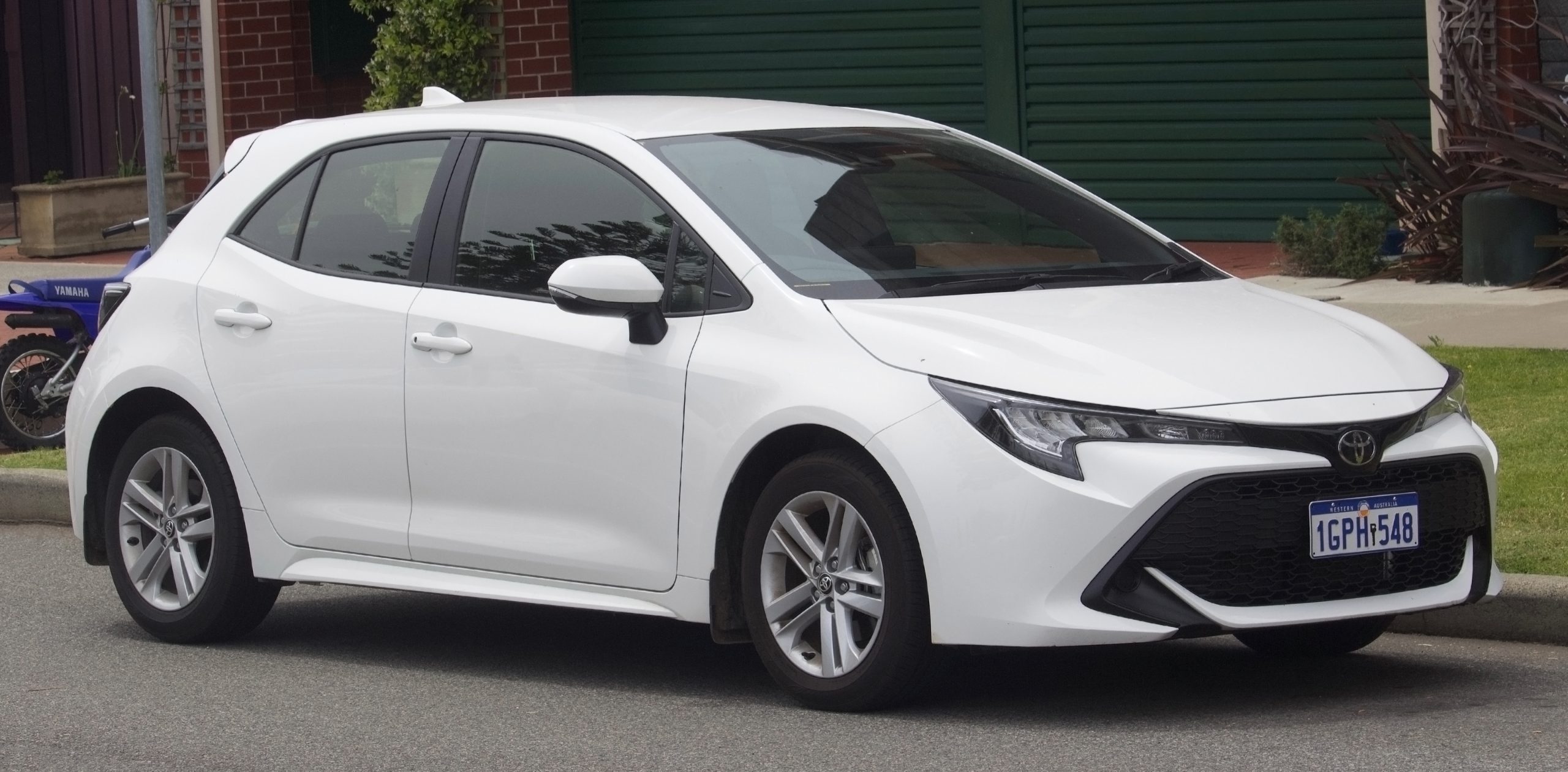
5. Honda CR-V and CR-V Hybrid
The Honda CR-V is a popular compact SUV that appeals to drivers who want extra ride height, interior space, and versatility without sacrificing comfort or efficiency.
For long Texas drives, the CR-V, especially the Hybrid version, delivers a smooth ride, a quiet cabin, and advanced safety technology that make extended highway travel more relaxed. Strong air conditioning performance and ergonomic seating further enhance its suitability for hot, long-distance trips.
Gas-powered CR-V models use a 190-horsepower turbocharged 1.5-liter four-cylinder engine paired with a continuously variable automatic transmission. This setup provides steady acceleration and a comfortable ride, though engine noise becomes more noticeable under heavy throttle.
The CR-V Hybrid offers a smoother driving experience thanks to its electric motors, which deliver instant torque for confident highway merging. While acceleration is not sporty, the hybrid feels more refined during daily driving and cruising. Front-wheel drive is standard, with all-wheel drive available for added traction in changing weather conditions.
Fuel economy is a strong point for the CR-V. Gas models achieve up to 34 mpg on the highway in front-wheel-drive form, while real-world testing shows all-wheel-drive versions returning about 31 mpg at highway speeds.
The hybrid version improves efficiency further, especially in city and mixed driving, while still delivering solid highway mileage for an SUV. This balance helps reduce fuel costs on long Texas road trips.
Inside, the CR-V features a thoughtfully designed cabin with supportive seats intended to reduce fatigue during long drives. Rear passengers benefit from generous legroom and reclining seatbacks.
Cargo capacity is a standout feature, offering up to 39 cubic feet of space behind the second row, which easily accommodates luggage and travel gear. The quiet ride and stable suspension contribute to a relaxed highway experience.
The CR-V includes a 9.0-inch touchscreen with Apple CarPlay and Android Auto, along with available navigation, wireless charging, and rear USB-C ports. Honda Sensing comes standard and includes adaptive cruise control, lane-keeping assist, forward-collision warning, and automated emergency braking. These features help reduce stress and fatigue on long highway stretches.
With its comfortable ride, practical space, efficient powertrain options, and comprehensive safety technology, the Honda CR-V, particularly the Hybrid, is a dependable and versatile choice for long-distance driving across Texas.
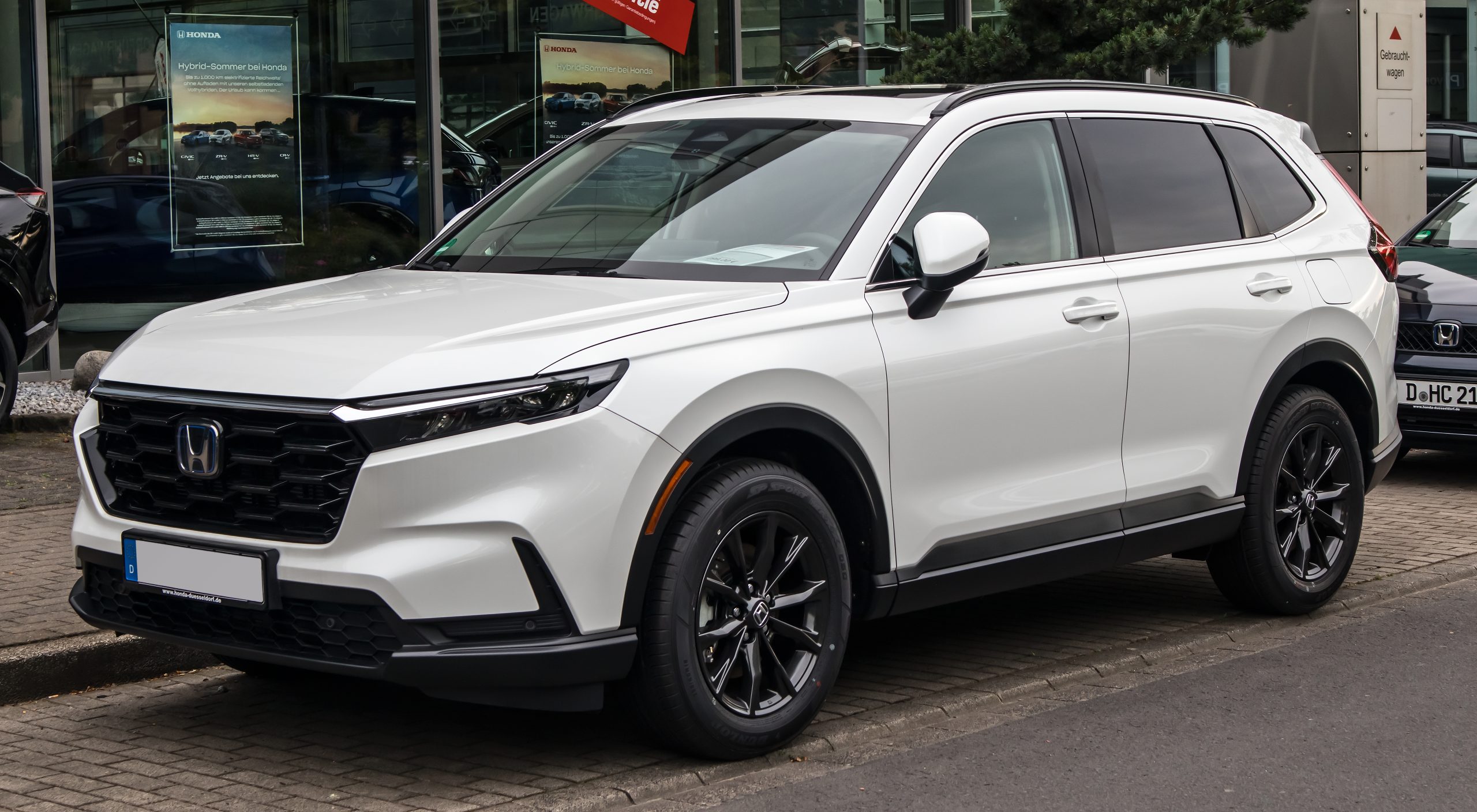
6. Nissan Altima
The Nissan Altima is a midsize sedan designed with comfort, efficiency, and everyday practicality in mind. Its smooth ride quality, spacious interior, and strong highway fuel economy make it a solid option for long drives across Texas.
With features such as Zero Gravity seats, advanced driver-assistance technology, and available all-wheel drive, the Altima helps reduce fatigue while providing confidence on extended highway trips and daily commutes.
One of the Altima’s standout features is its Zero Gravity front seats, which are engineered to support natural body posture and reduce muscle strain. These seats are especially beneficial during long highway drives.
The cabin offers generous legroom and headroom for both front and rear passengers, allowing adults to remain comfortable over extended periods. Interior materials focus on durability and ease of use, with intuitive controls and practical storage areas throughout the cabin.
Every Altima comes equipped with a 188-horsepower 2.5-liter four-cylinder engine paired with Nissan’s Xtronic continuously variable transmission. While acceleration is not sporty, with a 0 to 60 mph time of about 7.6 seconds, the powertrain delivers smooth and consistent performance for highway cruising.
The suspension is tuned for comfort, effectively absorbing road imperfections and maintaining a stable ride even on larger wheels.
Fuel efficiency is a major strength of the Altima. Front-wheel-drive models achieve EPA highway ratings of up to 37 mpg, while real-world testing shows all-wheel-drive versions returning around 35 mpg at highway speeds. This efficiency allows drivers to cover long Texas distances with fewer fuel stops, helping keep travel costs manageable without relying on a hybrid system.
The Altima offers modern infotainment with available large touchscreens, wireless Apple CarPlay, and optional Bose audio. Safety technology is extensive, with standard forward-collision warning, automated emergency braking, blind-spot monitoring, and rear cross-traffic alert.
Available ProPILOT Assist combines adaptive cruise control and lane-keeping features, easing driver workload on long highway stretches.
With its comfortable seating, smooth ride, strong fuel economy, available all-wheel drive, and helpful driver-assistance features, the Nissan Altima is a practical and comfortable choice for long commutes and road trips across Texas.
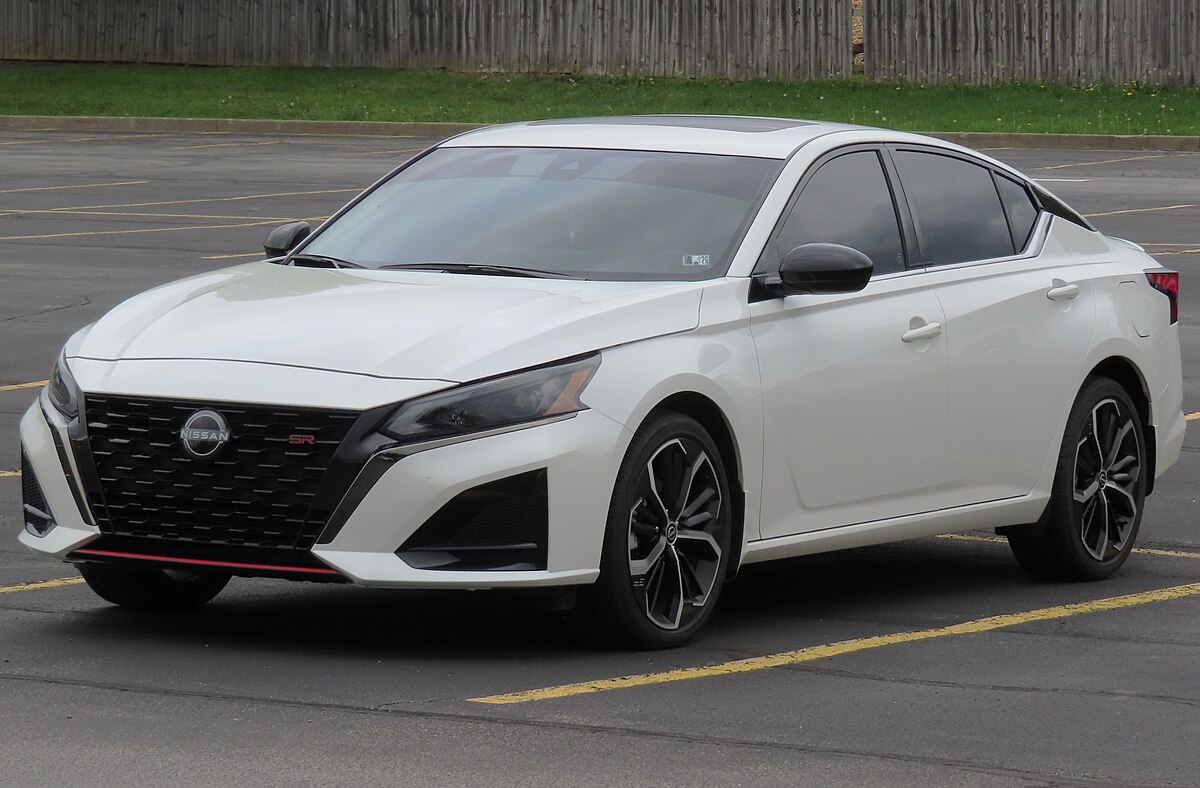
Also Read: 5 Cars for Cheyenne High-Altitude Driving vs 5 That Lose Power
5 That Break Often
1. Cadillac Northstar Engines
Cadillac Northstar engines are often remembered as advanced and powerful for their time, but they also developed a reputation for costly and sometimes catastrophic failures, especially during long-distance driving. This reputation is most strongly tied to earlier models, particularly those built before 2003, which suffered from a well-known head gasket and head bolt design flaw.
The core issue involved torque-to-yield head bolts threaded into an aluminum engine block. Under high heat and stress, the steel bolt threads could pull out of the aluminum, leading to head gasket failure.
When this occurred, coolant could leak into the engine cylinders or oil passages, causing rapid overheating and eventual engine failure. Long highway drives placed sustained thermal stress on the engine, making these failures more likely.
Heat also contributed to secondary problems, such as a leaking valve cover and oil pan gaskets. As oil levels dropped, lubrication and cooling efficiency suffered, further increasing engine temperatures. This created a cycle where heat, oil loss, and gasket failure reinforced each other.
Maintenance played a major role in accelerating these issues. The Northstar required specific Dex-Cool coolant and regular coolant flushes. When neglected, the coolant could become acidic, degrading seals and weakening already vulnerable components. Missed oil changes further worsened heat and wear.
Environmental factors made the problem more pronounced. Extended driving in hot climates like Texas pushed cooling systems to their limits, often exposing weaknesses that might not appear during short trips.
General Motors made improvements to casting and thread design in later versions, and models built after the early 2000s showed better reliability. However, the engine’s early failures left a lasting negative reputation.
In most cases, a Northstar engine failing on a long road trip reflects a combination of inherent design weaknesses, extreme heat, and insufficient maintenance rather than a single isolated fault.
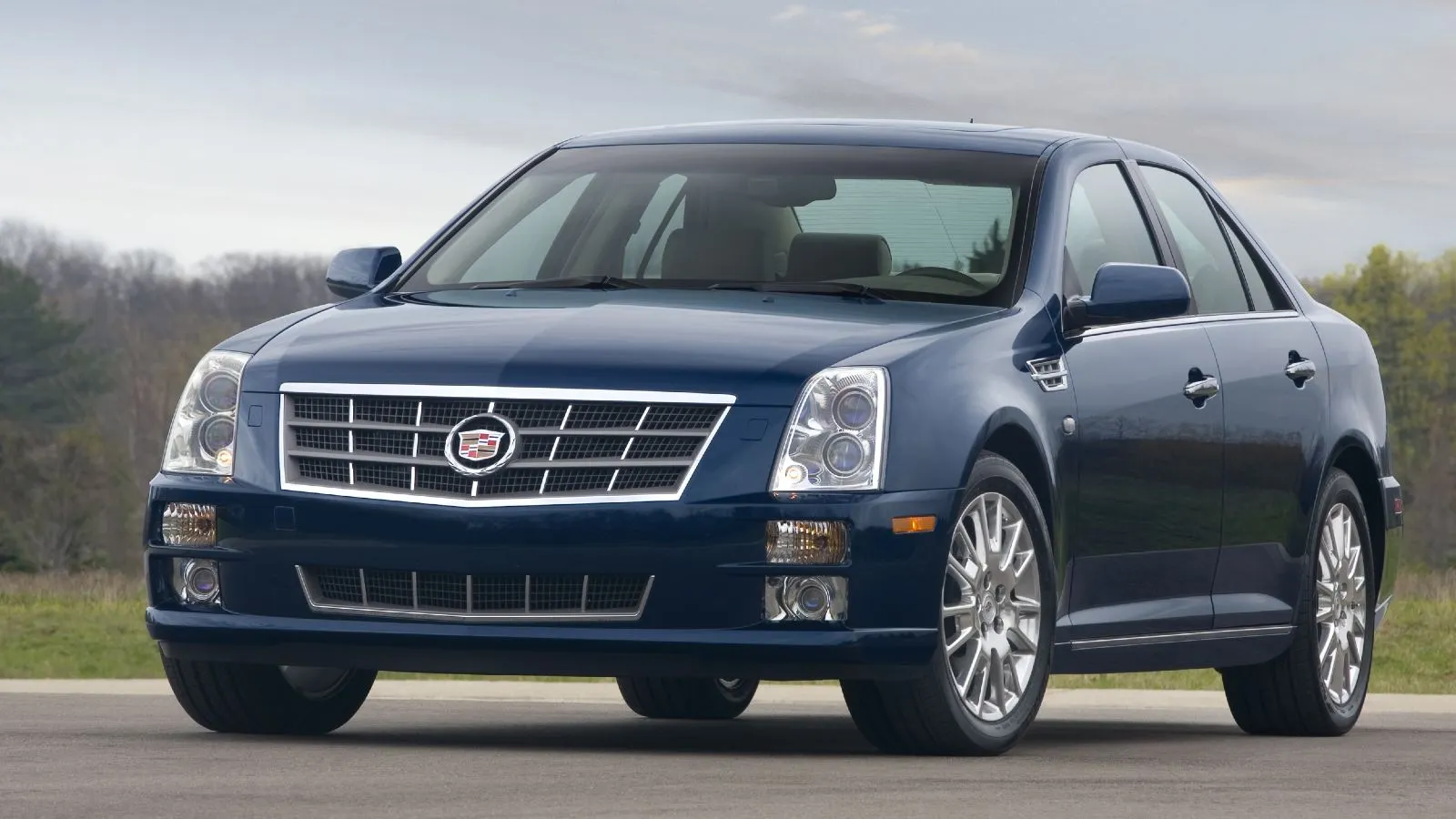
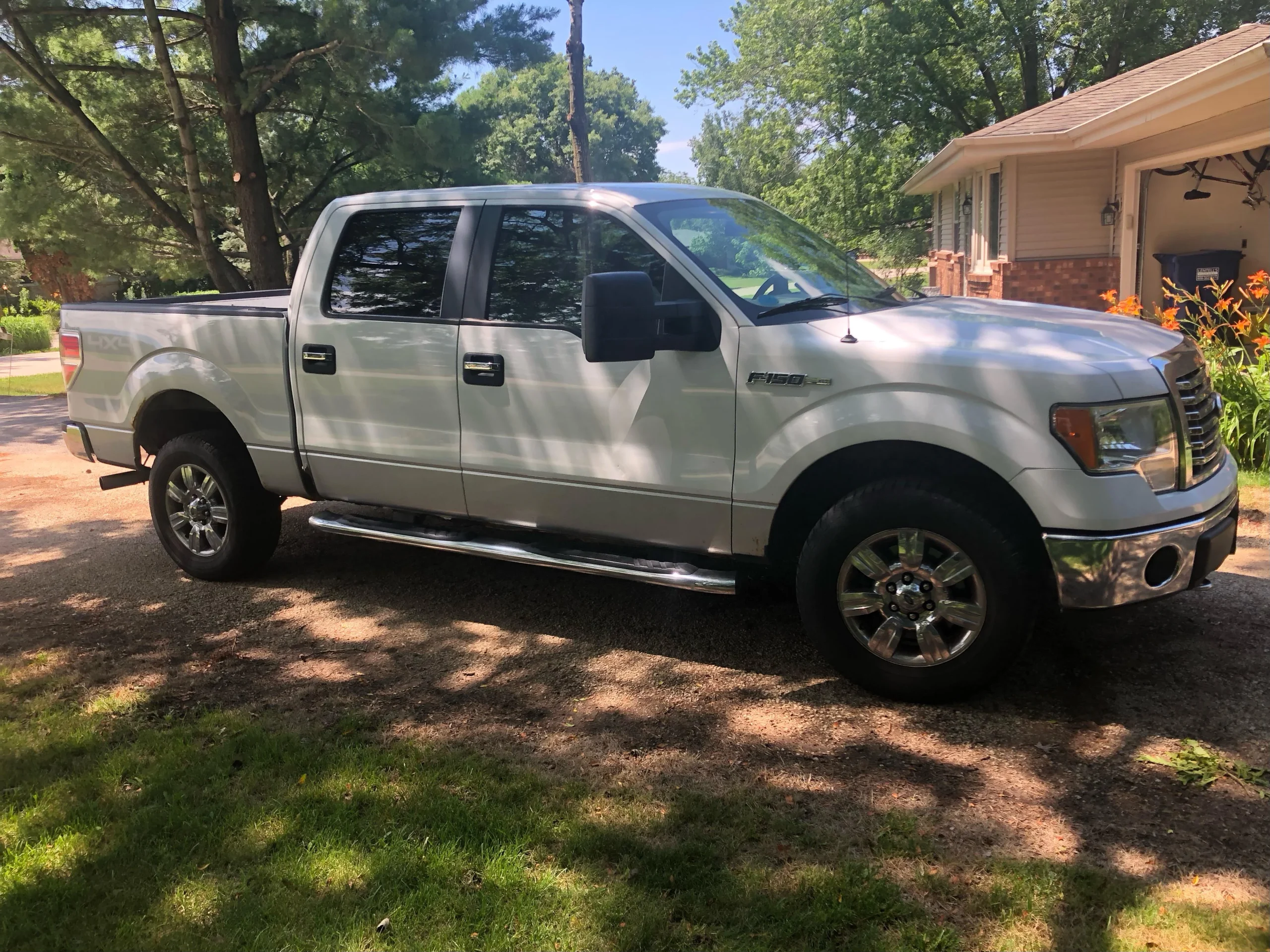
2. Ford Triton
The Ford 5.4L Triton 3-Valve engine is known for high repair costs and reliability issues, particularly during long highway drives in hot climates like Texas. The engine’s most critical weakness lies in its timing chain system, where tensioners, guides, and cam phasers are prone to failure.
Infrequent oil changes allow sludge to build up, starving variable valve timing components and causing chains to jump or damage guides. These failures can result in pistons contacting valves, leading to catastrophic engine damage.
Secondary problems compound the issue. Spark plugs, especially in two-valve variants, can blow out of the cylinder head, creating misfires and expensive repairs. Catalytic converters also often fail prematurely, sometimes under 100,000 miles, due to heat stress or underlying engine issues.
Long Texas drives exacerbate these weaknesses. Sustained highway speeds and high ambient temperatures increase engine heat, placing continuous stress on the timing components, oil system, and catalytic converters. Problems that may not appear during short city trips often surface during extended drives, making preventive maintenance essential.
Owners of the 5.4L 3V Triton can reduce risk by performing frequent, high-quality oil changes and proactively replacing timing chains, guides, phasers, and oil pumps. Addressing these components before long road trips is critical to avoid the costly failures for which this engine has become notorious.
3. Toyota RAV4
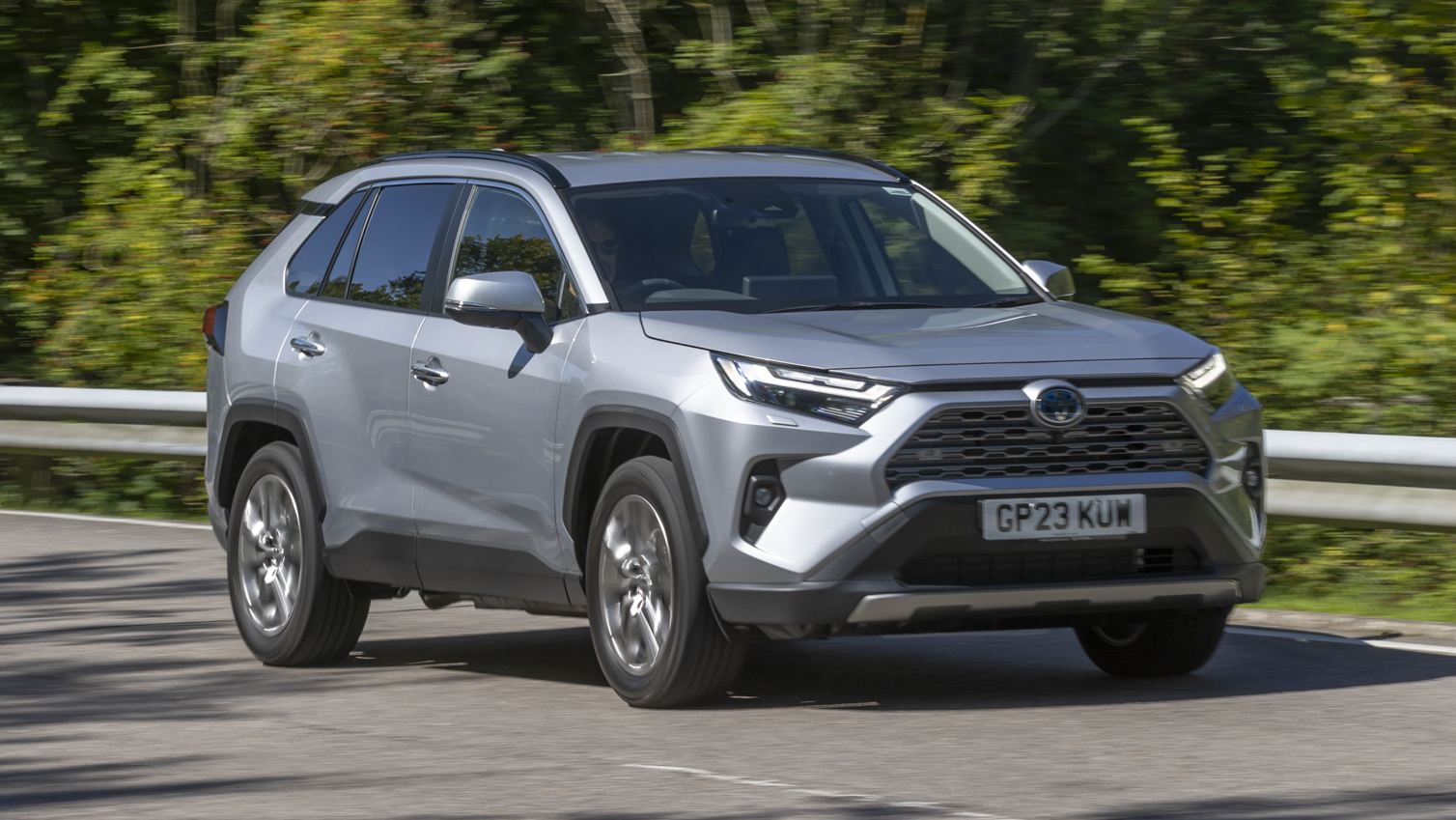
Toyota RAV4s are generally reliable, but long Texas drives can reveal weaknesses in brakes, transmissions, fuel systems, and engines, making them seem prone to issues. Brake components are particularly stressed in hot climates.
Frequent hard stops, steep descents, and sustained highway driving generate excessive heat, causing rotors to warp and brake pads to wear faster. This results in vibrations, pulsations, or squealing, especially when carrying heavy loads or dealing with stop-and-go traffic.
Older RAV4 models may experience transmission issues. Eight-speed automatic and CVT transmissions can shift roughly if fluid changes are neglected, with heat and continuous highway driving accelerating wear.
Fuel system problems, such as clogged filters or failing pumps, can lead to stalling or reduced performance in certain model years, particularly 2019-2020. Some engines also consume oil at higher rates, requiring frequent top-ups during demanding drives.
Texas conditions make these issues more likely. High ambient temperatures increase stress on brakes, transmissions, and engines, while long stretches of highway or heavy traffic put continuous strain on vehicle components.
Preventive maintenance is essential to avoid breakdowns. Regular inspections, timely fluid changes, and monitoring oil levels help reduce wear and address minor issues before they escalate. By staying proactive, RAV4 owners can maintain reliability and performance even under the challenges of extended driving in hot Texas conditions.
4. BMW 5 Series Mk5
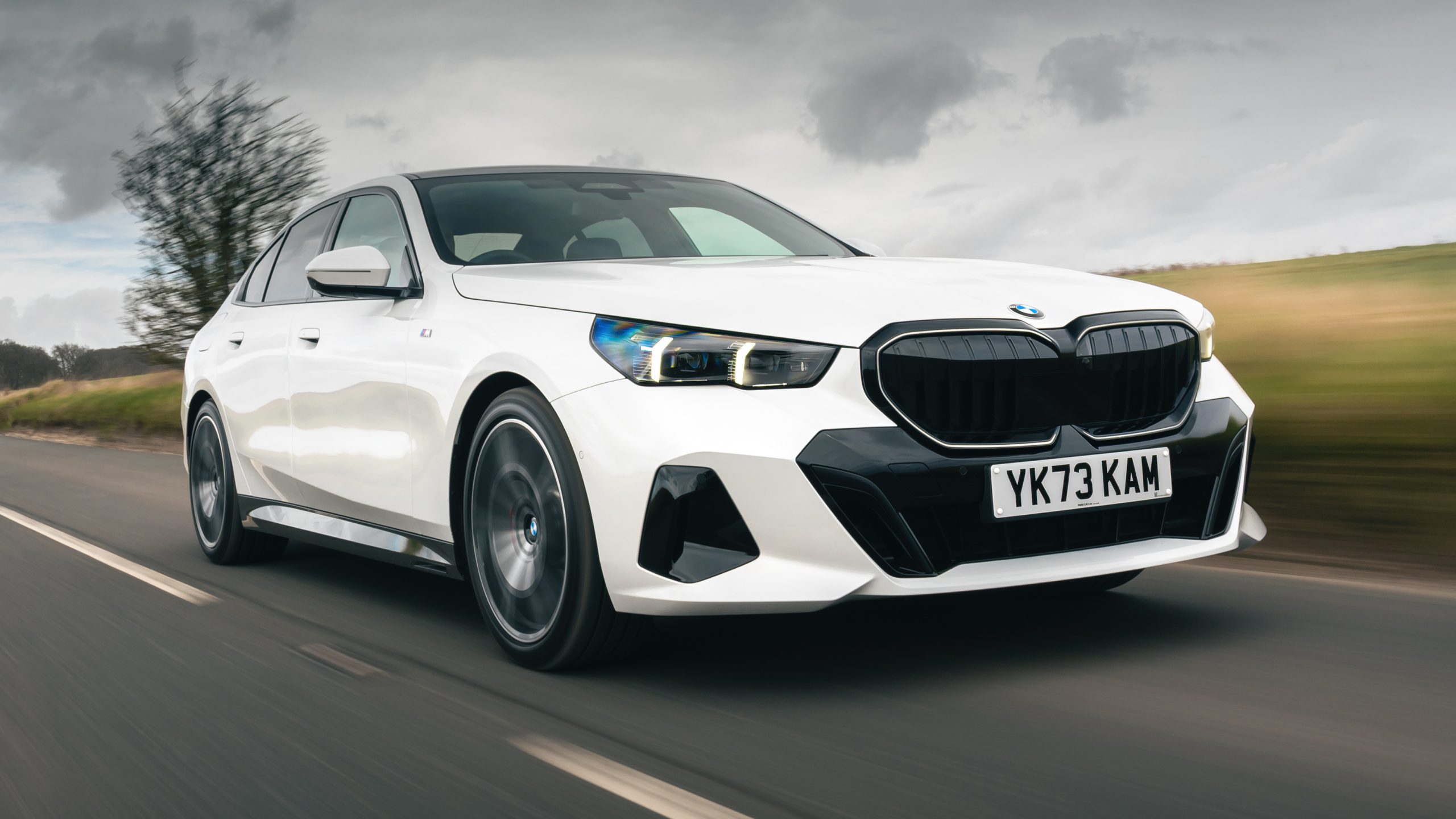
The BMW 5 Series Mk5 (E60/E61, 2003-2010) is known for a high reported breakdown rate, particularly during long drives in hot climates like Texas. Its complex systems, including cooling, electronics, oil management, and fuel delivery, are prone to failure under extended use and heat stress.
Common issues often lead to limp mode, engine damage, or other serious malfunctions if not addressed proactively.
Cooling system failures are frequent. Water pumps and thermostats can fail under sustained high temperatures, causing overheating and engine strain. Oil leaks from valve cover gaskets or crank pulleys are accelerated by heat, which degrades rubber components and can result in belt failures.
Electronics and sensors, including coolant temperature sensors, are also vulnerable to heat and vibration, potentially causing rough running or incorrect fuel mixtures.
Diesel models face additional risks, such as clogged DPFs, broken swirl flaps, and glow plug failures, all worsened by short trips or high-heat conditions. Fuel system components like pumps and pulleys can fail under stress, leading to injector damage.
Texas heat magnifies wear on rubber, plastic, and cooling components, while long highway stretches push the engine and turbo systems to their limits.
Preventive maintenance is essential: regular coolant flushes, oil changes with the correct specification, gasket and hose inspections, and pre-trip checks of belts, hoses, and fluids can help mitigate risks. Proactive care significantly improves reliability for Mk5 5 Series owners facing long drives in demanding conditions.
5. Land Rover Range Rover Sport Mk1
The Land Rover Range Rover Sport Mk1 has a high breakdown rate, especially during long drives in hot climates. Its complex systems, including air suspension, cooling, electrical, and drivetrain components, are vulnerable when subjected to heat and extended use.
Cooling system failures are common. Radiator or hose leaks, water pump malfunctions, and faulty thermostats can cause engine overheating and serious damage. The air suspension is another frequent issue. Long drives can overwork the compressor, and leaks in air springs or airlines may lead to a sagging vehicle and a rough ride.
Oil leaks occur as seals and gaskets wear over time. Hot conditions worsen leaks, causing burning smells or fire risks and increasing engine wear. Electrical systems are sensitive to heat, leading to problems that range from minor infotainment glitches to engine reduced performance or stalling.
Transmission problems such as rough shifting or delayed acceleration are also reported. Brake wear is accelerated by the vehicle’s weight and continuous driving, often resulting in warped rotors or prematurely worn pads.
Preventive maintenance is crucial for avoiding these issues. Regular inspections of the cooling system, air suspension, oil seals, electrical components, transmission, and brakes, along with timely repair, can help improve the reliability and lifespan of the Mk1 Range Rover Sport during long drives in hot Texas conditions.

6. Chevrolet Suburban
Chevrolet Suburbans, particularly older models from 2007 to 2009, are prone to breakdowns on long Texas drives due to engine, electrical, fuel system, and suspension issues. Their large size and weight, combined with sustained highway speeds and high temperatures, place extra stress on critical components, making regular maintenance essential for reliability.
The 5.3L Vortec engine is a common source of problems, including excessive oil consumption caused by worn piston rings or a faulty PCV system, misfires, and overheating, all worsened by Texas heat.
Fuel system issues, such as failing pumps or leaks, can reduce performance and cause interruptions on long trips. Electrical problems, including faulty sensors, draining batteries, and failing infotainment systems, are also frequent and can leave drivers stranded.
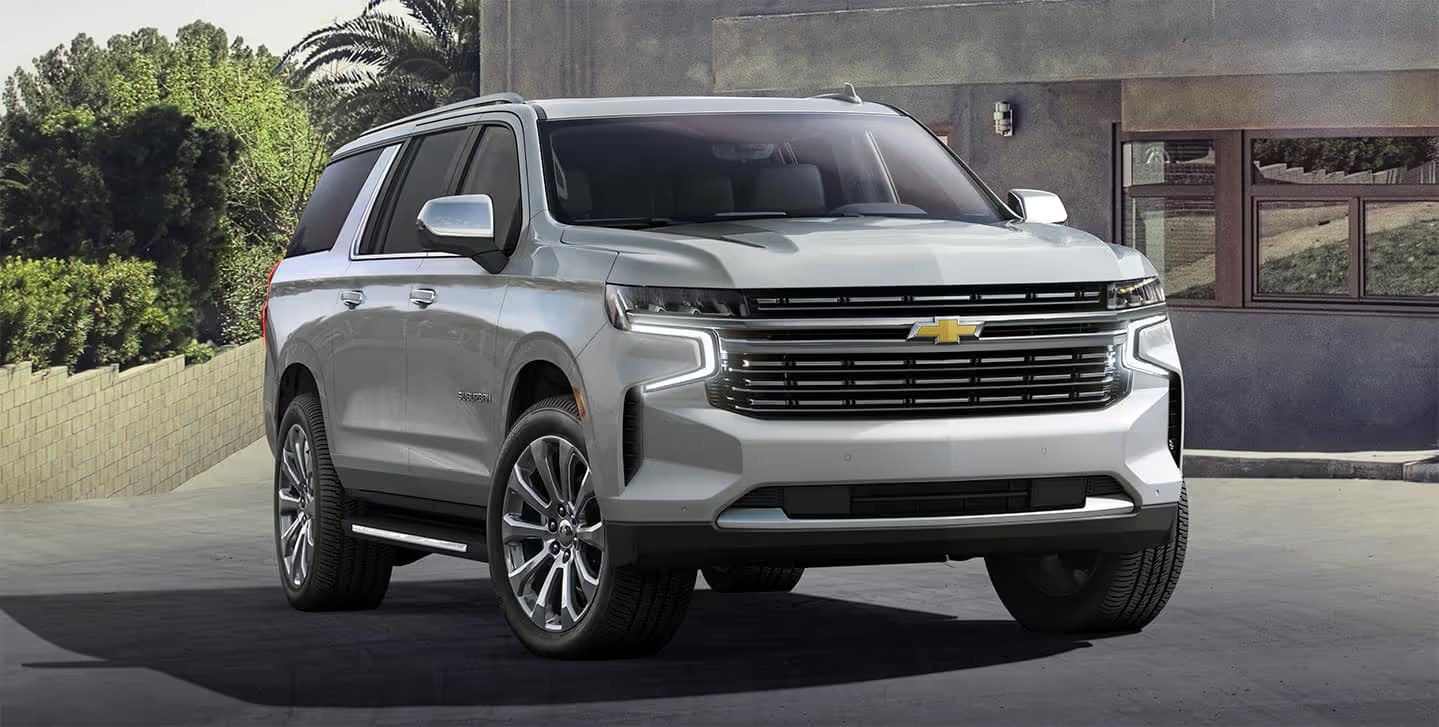
Brakes and suspension components, especially in older Suburbans, struggle under heavy loads and continuous driving, often leading to noise, reduced performance, or failure. Texas conditions intensify these problems due to extended highway driving and high ambient temperatures, which place additional strain on cooling systems, engines, tires, and other mechanical components.
To maintain reliability, owners should follow a strict maintenance schedule, including regular oil changes, brake and suspension inspections, and cooling system checks. Addressing known issues like the 5.3L Vortec’s oil consumption before long drives is critical to ensuring safe and trouble-free travel across Texas.
Also Read: 10 Cars That Look Stunning But Disappoint True Enthusiasts
