
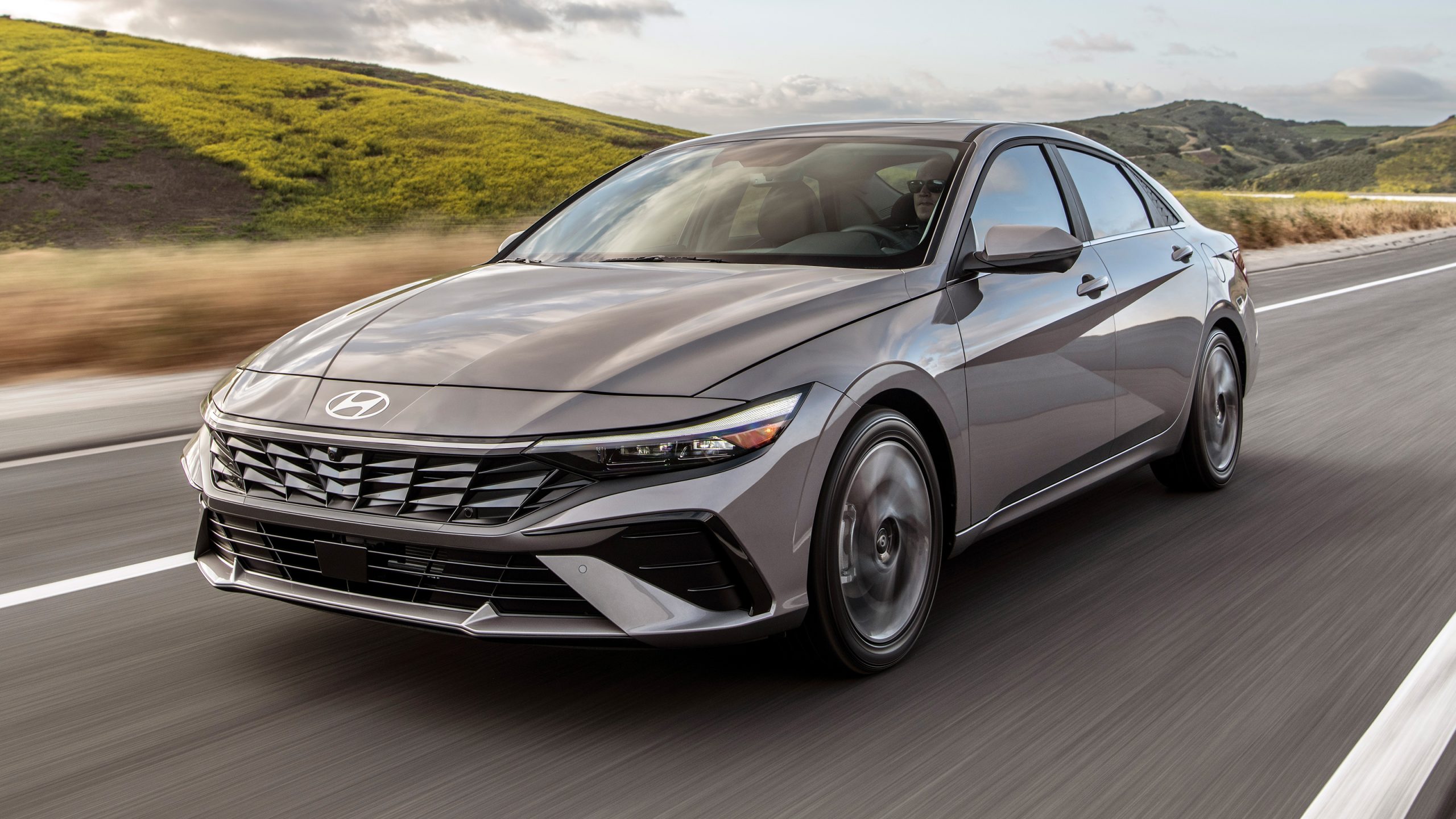
Asheville’s driving environment is defined by elevation changes, winding roads, and constant uphill and downhill transitions.
Unlike flat cities where speed and efficiency dominate buying decisions, Asheville demands torque, traction, and power delivery that can handle real gradients without strain. From daily commutes to mountain roads and scenic parkway drives, vehicles here are constantly tested by terrain.
This article examines two sides of car ownership in Asheville. The first focuses on vehicles that are well-suited for hilly driving cars that climb confidently, maintain momentum on steep grades, and feel composed rather than stressed when elevation changes quickly.
These vehicles offer usable torque, smart gearing, and drivetrains that work with the landscape rather than fighting it.
The second half looks at cars that struggle uphill. These vehicles are often perfectly fine on flat ground, but Asheville’s hills expose their weaknesses.
Insufficient torque, poorly matched transmissions, underpowered engines, and drivetrain limitations turn climbs into noisy, slow, and uncomfortable experiences. Over time, that strain also increases mechanical wear and driver frustration.
In mountain cities, performance isn’t about speed it’s about effortlessness. Cars that constantly downshift, scream at high RPMs, or lose speed on grades make everyday driving tiring. Cars that climb smoothly and predictably make Asheville driving feel natural.
By covering both sides, this article helps buyers understand why terrain matters more than spec sheets. Choosing the right car for Asheville means choosing one that respects the hills. Choosing the wrong one means battling them every day.
Also Read: 5 Cars for Bend Outdoor Lifestyles and 5 That Don’t Handle Dirt Roads
5 Cars for Asheville Hilly Drives
Hilly driving places very specific demands on a vehicle, and Asheville drivers feel those demands daily. Steep grades, switchbacks, and elevation changes require more than basic horsepower.
Cars need usable torque, responsive transmissions, and drivetrains that don’t hesitate when climbing. Vehicles that feel fine on flat roads can quickly feel overwhelmed in Asheville’s terrain.
This section focuses on five cars that handle Asheville’s hills with confidence. These vehicles are selected because they maintain speed uphill without excessive strain, deliver torque smoothly, and remain composed on winding climbs. They don’t rely on constant high RPMs or aggressive throttle input to get the job done.
Another important factor is driver comfort. Uphill driving can become stressful when a car feels underpowered. Vehicles that climb smoothly reduce noise, vibration, and constant shifting, making daily driving more relaxed. In a city where hills are unavoidable, that calm matters.
Weather and road conditions also play a role. Asheville drivers frequently encounter rain, fog, and seasonal changes that affect traction on grades. Cars that pair power with control inspire confidence rather than caution.
Each car in this list is written about because it matches Asheville’s terrain rather than tolerating it. These vehicles don’t just survive hills they make them feel manageable, predictable, and even enjoyable.
1. Subaru Outback
The Subaru Outback is one of the most natural fits for Asheville’s hilly driving conditions, and it earns its place through balanced power delivery and confident traction. Hills demand torque at low and mid speeds, and the Outback delivers exactly that without drama.
One of its biggest strengths is how it maintains momentum uphill. The engine doesn’t feel strained on long climbs, and the transmission responds quickly when additional power is needed. Instead of hunting for gears or revving excessively, the Outback settles into a steady climb, which makes mountain driving feel controlled rather than rushed.
Standard all-wheel drive adds another layer of confidence. On steep or damp roads, power is distributed predictably, reducing wheel slip and hesitation. This matters in Asheville, where weather can change quickly and traction on hills is not always guaranteed.
The Outback’s suspension and chassis tuning also support hilly driving. Body control remains stable on inclines and curves, allowing drivers to focus on the road rather than correcting the vehicle. Downhill transitions are equally composed, preventing the “floaty” feeling some cars develop.
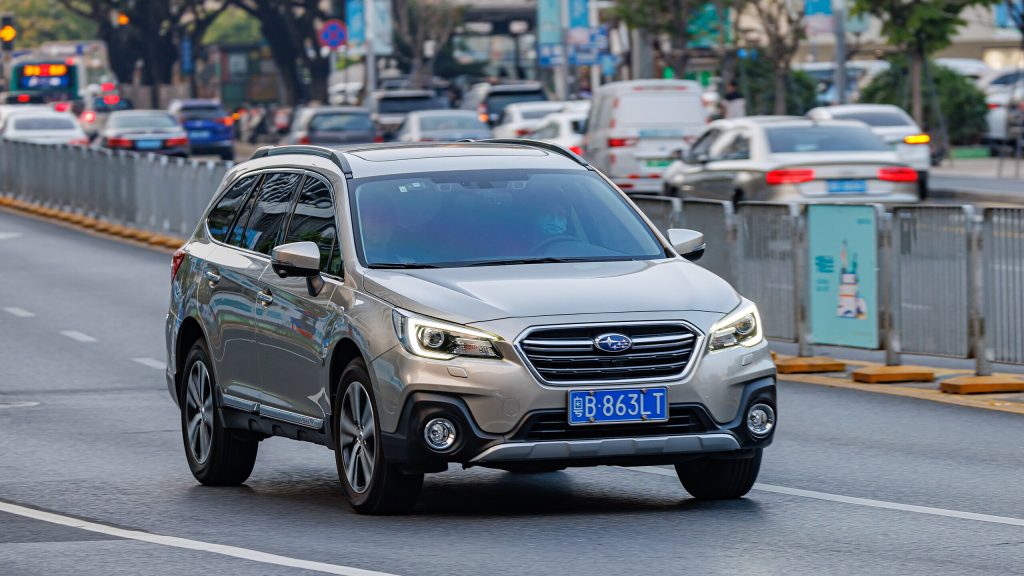
The Outback is written about because it handles elevation as a normal condition, not an obstacle. For Asheville drivers, that natural confidence makes daily hill driving far less demanding.
2. Toyota RAV4 Hybrid
The Toyota RAV4 Hybrid stands out for Asheville because it combines efficiency with instant torque, which is critical for uphill driving. Unlike traditional engines that need to rev before delivering power, the hybrid system provides immediate response when climbing.
This instant torque makes a noticeable difference on steep grades. The RAV4 Hybrid accelerates smoothly uphill without hesitation, even at lower speeds. Drivers don’t need to floor the throttle or wait for downshifts, which reduces strain and noise.
Another advantage is how the drivetrain manages sustained climbs. The electric motor assists the engine, preventing it from working excessively hard. This results in quieter operation and a calmer driving experience on long inclines.
The RAV4 Hybrid’s stability also supports mountain driving. The vehicle feels planted on uphill curves and remains predictable during elevation changes. This inspires confidence, especially on winding Asheville roads.
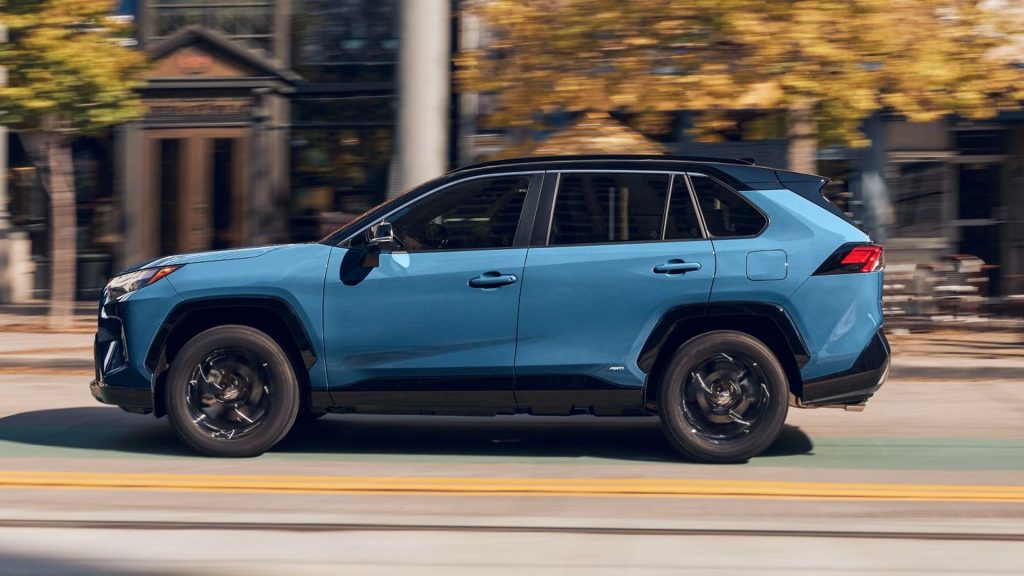
The RAV4 Hybrid is written about because it shows how modern powertrains can simplify hill driving. It doesn’t fight gravity it works around it, making Asheville’s terrain feel far less demanding.
3. Mazda CX-5
The Mazda CX-5 is a strong performer in Asheville’s hilly terrain because it delivers balanced, usable power rather than chasing headline horsepower numbers. In mountain driving, the way power is delivered matters more than how much power exists on paper and the CX-5 excels at exactly that.
One of the CX-5’s biggest strengths uphill is responsive torque delivery. When climbing steep grades, the engine responds quickly to throttle input without excessive delay.
Drivers don’t need to push the engine aggressively to maintain speed, which keeps climbs quieter and less stressful. This is especially noticeable on winding uphill roads where constant speed adjustments are required.
Transmission behavior plays a major role here. The CX-5’s gearing is well-matched to hilly environments, allowing it to hold gears confidently during climbs instead of constantly hunting for ratios. This stability improves driver confidence and reduces the “busy” feeling that underpowered vehicles often exhibit in Asheville’s terrain.
Chassis tuning also contributes to its uphill competence. The CX-5 remains composed on inclines and curves, keeping weight transfer controlled. This makes uphill cornering feel predictable rather than top-heavy or strained an important factor on mountain roads where curves and elevation changes come together.
Another advantage is traction management. Even without aggressive off-road systems, the CX-5 distributes power smoothly, minimizing wheel spin on damp or uneven uphill surfaces. In Asheville’s frequently changing weather, that consistency adds a layer of reassurance.
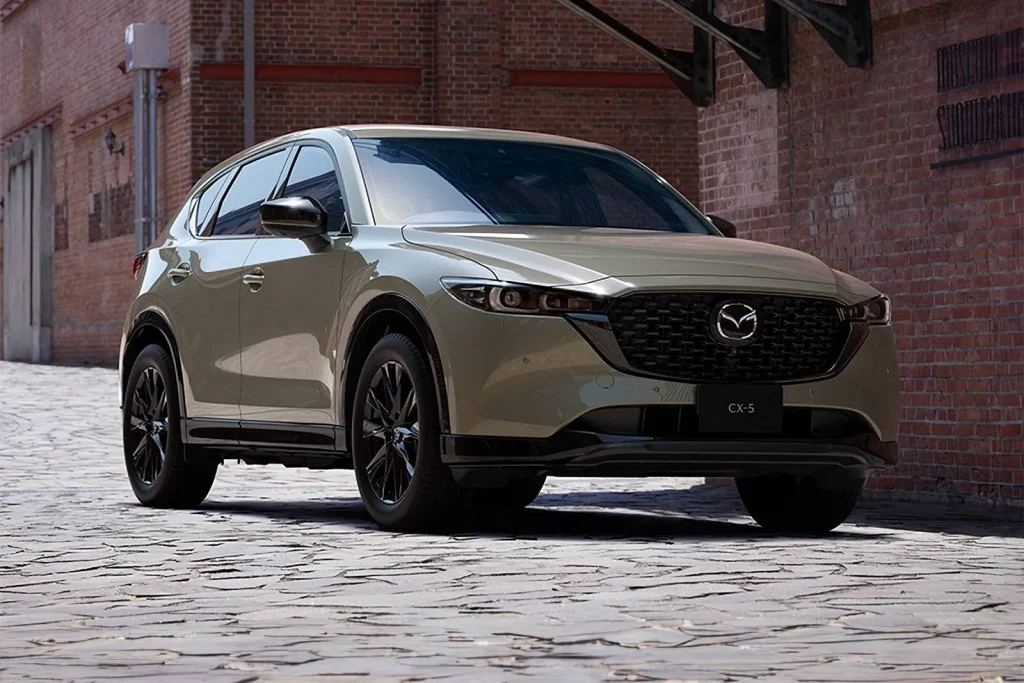
The CX-5 is written about because it demonstrates how refinement and real-world drivability outperform raw numbers in mountainous areas. It doesn’t overpower hills it climbs them smoothly, making daily driving feel calm rather than demanding.
4. Ford Bronco Sport
The Ford Bronco Sport earns its place on this list because it’s engineered specifically for terrain variation, including steep climbs and uneven elevation conditions that define Asheville driving. Unlike many crossovers that struggle once grades increase, the Bronco Sport feels purpose-built for uphill challenges.
One of its standout traits is low-end torque availability. The Bronco Sport delivers power early in the rev range, which is exactly what uphill driving requires. This allows it to climb grades without excessive throttle input or engine noise, even when the road steepens suddenly.
Drivetrain tuning further enhances its uphill performance. The transmission is programmed to anticipate load changes, holding gears confidently during climbs rather than shifting repeatedly. This reduces power interruption and keeps momentum steady critical on mountain roads.
The Bronco Sport’s traction systems also shine in Asheville’s environment. On steep or damp inclines, power is managed in a way that reduces wheel slip and hesitation. This inspires confidence when climbing roads that are wet, leaf-covered, or uneven.
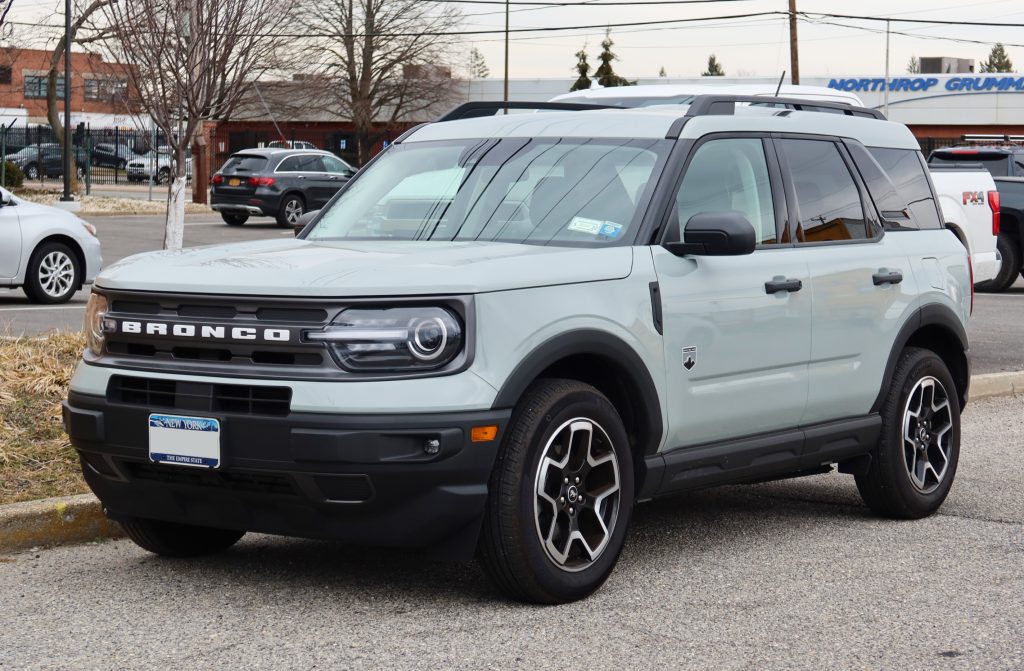
Suspension tuning adds to its capability. The Bronco Sport absorbs elevation changes without feeling unsettled, keeping tires planted and steering predictable. On uphill curves, this stability makes the vehicle feel composed rather than strained.
The Bronco Sport is written about because it treats hills as a normal condition, not an exception. In Asheville, where climbs are unavoidable, that mindset makes daily driving easier, smoother, and more enjoyable.
5. Audi Q5
The Audi Q5 completes this list because it combines refined power delivery with the kind of drivetrain confidence that hilly regions demand. Luxury alone doesn’t guarantee uphill capability but the Q5’s engineering ensures it performs just as well climbing mountains as it does cruising highways.
One of the Q5’s biggest advantages is consistent torque across elevation changes. The engine delivers smooth, sustained power that doesn’t fade as grades increase. This makes long climbs feel effortless rather than strained, reducing driver fatigue over time.
All-wheel drive plays a crucial role here. Power is distributed intelligently, maintaining traction on steep or slick inclines. This is especially valuable in Asheville, where rain and fog often reduce grip on hills.
Transmission tuning further enhances the experience. The Q5 avoids unnecessary gear changes during climbs, allowing the engine to stay in its optimal power range. This results in quieter operation and smoother acceleration uphill.
Ride and handling balance also matter in mountainous areas. The Q5 remains stable on uphill curves, resisting body roll and maintaining predictable steering response. Drivers feel in control rather than reacting to the terrain.
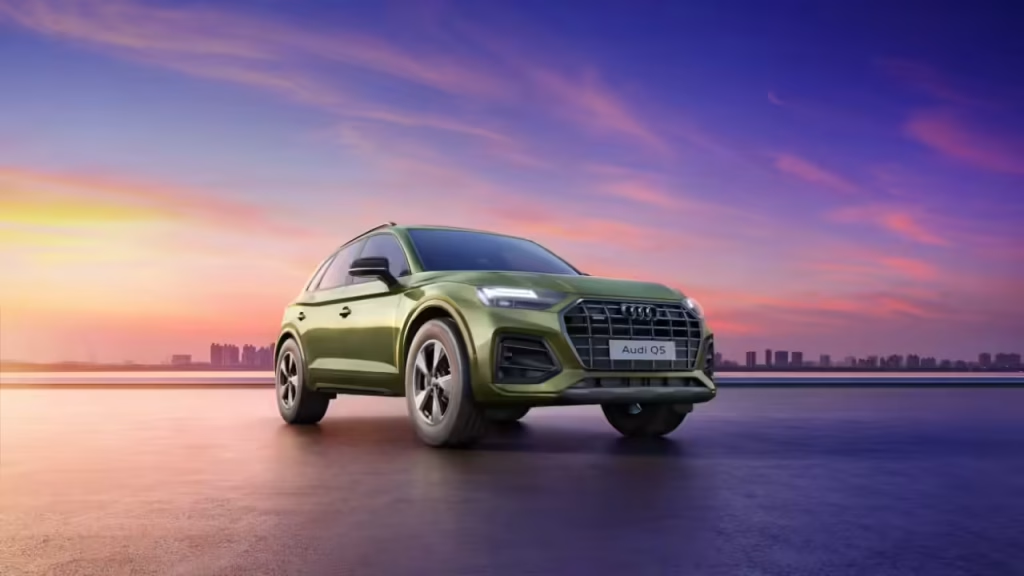
The Audi Q5 is written about because it proves that refinement and capability can coexist. It doesn’t just climb hills it does so with composure, making Asheville’s elevation feel like part of the journey rather than an obstacle.
5 That Struggle Uphill
Uphill driving exposes weaknesses that flat terrain easily hides. In a hilly city like Asheville, engines are constantly asked to work harder, transmissions must manage sustained load, and drivetrains need to deliver usable torque without hesitation.
Cars that are underpowered, poorly geared, or mismatched to elevation quickly reveal their limitations once the road tilts upward.
This section focuses on vehicles that struggle uphill not because they are unusable, but because Asheville’s terrain pushes them beyond their comfort zone.
These cars often rely on small, naturally aspirated engines, economy-focused gearing, or drivetrain designs optimized for flat roads. On steep grades, that results in loud engines, frequent downshifts, loss of speed, and a general feeling of strain.
Another issue is driver fatigue. Cars that constantly hunt for gears or require heavy throttle input make uphill driving stressful. Over time, this leads to more noise, more vibration, and a sense that the vehicle is always working at its limit. In a city where hills are unavoidable, that becomes exhausting.
These vehicles are written about to highlight how terrain should influence buying decisions. Many of these cars perform well in flatter cities and are popular for their efficiency or affordability. In Asheville, however, their compromises become daily frustrations.
Understanding which cars struggle uphill helps buyers avoid choosing vehicles that fight the landscape instead of adapting to it. In mountain driving, effortlessness matters and these cars lack it.
1. Toyota Corolla
The Toyota Corolla appears on this list because its economy-focused powertrain struggles to deliver confident uphill performance in Asheville’s terrain. While the Corolla is an excellent car for flat cities and daily commuting, hills expose the limits of its design priorities.
The main issue is limited torque at low and mid speeds. On steep grades, the Corolla requires aggressive throttle input just to maintain momentum. This often results in high engine revs, frequent downshifts, and a noticeable increase in noise. The car isn’t failing but it is clearly working much harder than intended.
Transmission behavior further highlights the problem. The Corolla’s gearing prioritizes fuel efficiency, which works against it on inclines. The transmission frequently hunts for the right ratio, creating jerky acceleration and inconsistent power delivery during climbs.
Another concern is load sensitivity. With passengers or cargo onboard, uphill performance degrades further. What feels acceptable with one occupant quickly becomes sluggish when the car is fully loaded common in everyday use.
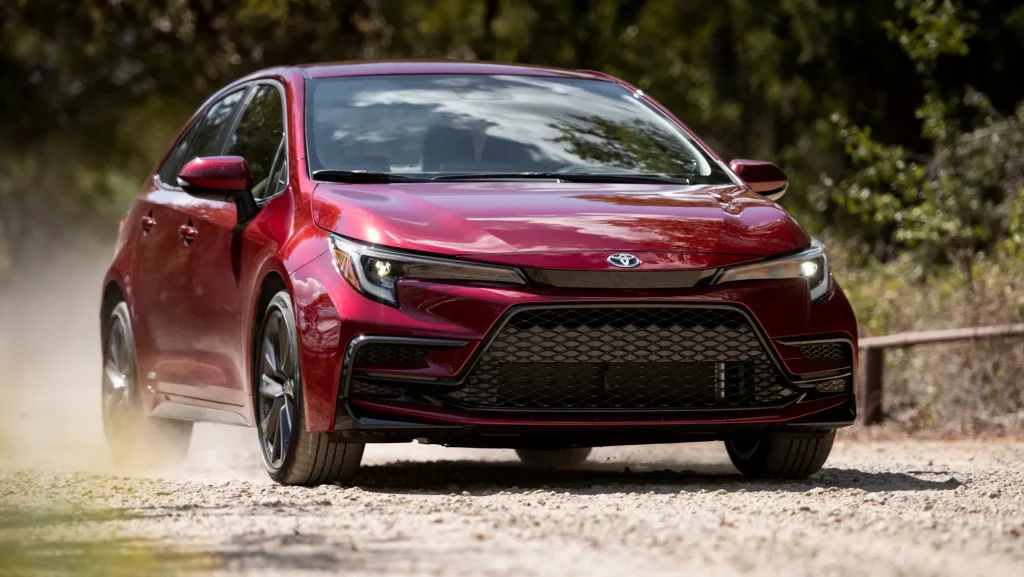
The Corolla is written about because it shows how reliability doesn’t equal suitability. While dependable and economical, its lack of uphill confidence makes Asheville driving feel strained and noisy, especially on longer climbs.
2. Nissan Sentra
The Nissan Sentra earns its place here because it struggles to maintain composure on sustained uphill grades. Designed primarily for efficiency and affordability, the Sentra’s powertrain lacks the torque reserves needed for Asheville’s elevation changes.
One of the most noticeable issues is slow throttle response. When climbing, there is often a delay between pedal input and actual acceleration. This makes merging uphill or maintaining speed on steep roads more difficult than it should be.
The transmission compounds the issue by frequently downshifting and holding high RPMs. This results in excessive engine noise without a corresponding increase in speed. Drivers often feel as though the car is revving hard but going nowhere a common complaint in mountainous areas.
Another weakness is how the Sentra reacts to sustained climbs. On longer uphill stretches, momentum fades quickly unless the engine is pushed aggressively. This not only reduces comfort but also increases mechanical stress over time.
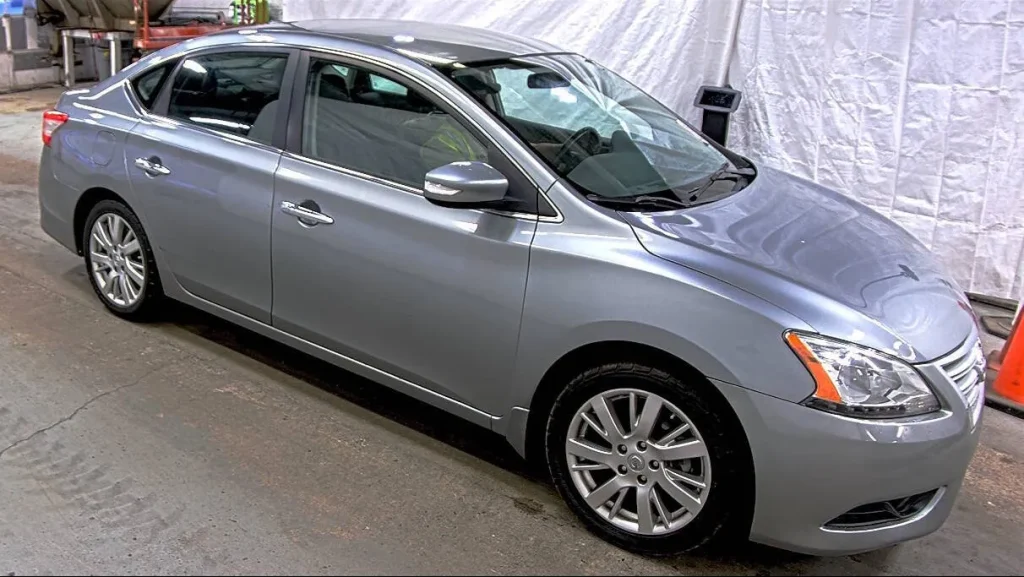
The Sentra is written about because it highlights how economy tuning struggles in mountain cities. While affordable and efficient on flat roads, its uphill performance in Asheville feels labored and unsatisfying.
3. Hyundai Elantra
The Hyundai Elantra is included in this section because its powertrain tuning prioritizes efficiency and smoothness over sustained climbing ability.
In flat or gently rolling cities, the Elantra performs well enough to feel competent and comfortable. In Asheville’s hilly terrain, however, its limitations become obvious very quickly especially during longer or steeper uphill stretches.
The primary issue is insufficient usable torque. While the Elantra’s engine delivers acceptable output on paper, much of that power sits higher in the rev range.
On steep inclines, the engine must be pushed hard to access that power, resulting in frequent downshifts and high RPM operation. This makes uphill driving louder and less refined, even when the vehicle is lightly loaded.
Transmission behavior compounds the problem. The Elantra’s gearing is designed to maximize fuel economy, which works against it on climbs. The transmission often hesitates before downshifting, causing brief losses of momentum.
When it does downshift, it tends to hold gears aggressively, keeping the engine revving loudly without delivering a proportional increase in climbing confidence.
Another weakness is load sensitivity. With passengers, cargo, or even just a full fuel tank, the Elantra’s uphill performance drops noticeably. Maintaining speed on longer grades requires sustained throttle input, which increases noise, vibration, and mechanical strain. Over time, this constant effort can make daily hill driving feel tiring rather than routine.
Throttle response is also less reassuring on inclines. There is often a delay between pedal input and actual acceleration, which can make uphill merges or passing maneuvers feel uncertain. In a mountainous city like Asheville, that hesitation reduces driver confidence.
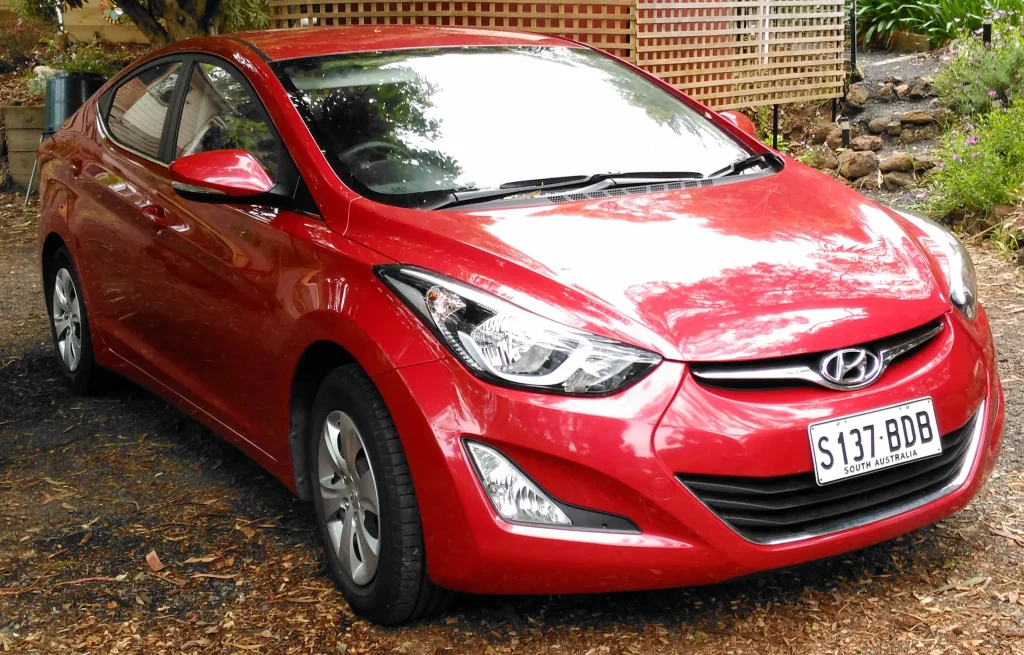
The Elantra is written about because it demonstrates how a well-rounded commuter car can still be mismatched to terrain. It’s reliable, affordable, and efficient but in Asheville, its uphill performance feels labored. For drivers who face hills daily, that constant strain becomes a quality-of-life issue rather than a minor inconvenience.
4. Mitsubishi Mirage
The Mitsubishi Mirage is one of the clearest examples of a car that simply isn’t designed for mountainous driving. While it succeeds at being lightweight, affordable, and fuel-efficient, Asheville’s hills expose its extreme power limitations immediately and consistently.
The Mirage’s biggest issue is very low engine output. On flat ground, the car can keep pace with traffic if driven patiently. On uphill grades, however, momentum disappears almost instantly. Even moderate inclines require full throttle, and steep climbs reduce the Mirage to a slow, noisy struggle.
Transmission behavior worsens the situation. The Mirage’s gearing forces the engine to operate near its limits during climbs, producing a high-pitched, strained sound without meaningful acceleration. Despite the noise, speed increases slowly, making uphill driving feel stressful and unrefined.
Another major concern is loss of speed under sustained load. On longer hills, the Mirage often cannot maintain posted speeds without aggressive throttle input. With passengers or cargo onboard, performance degrades further, sometimes forcing drivers to accept significantly slower speeds just to complete a climb.
Driver confidence also suffers. The Mirage’s limited reserve power makes uphill merging and lane changes more difficult, especially on winding mountain roads. Drivers must plan far in advance and accept long acceleration times, which isn’t always practical in real traffic.
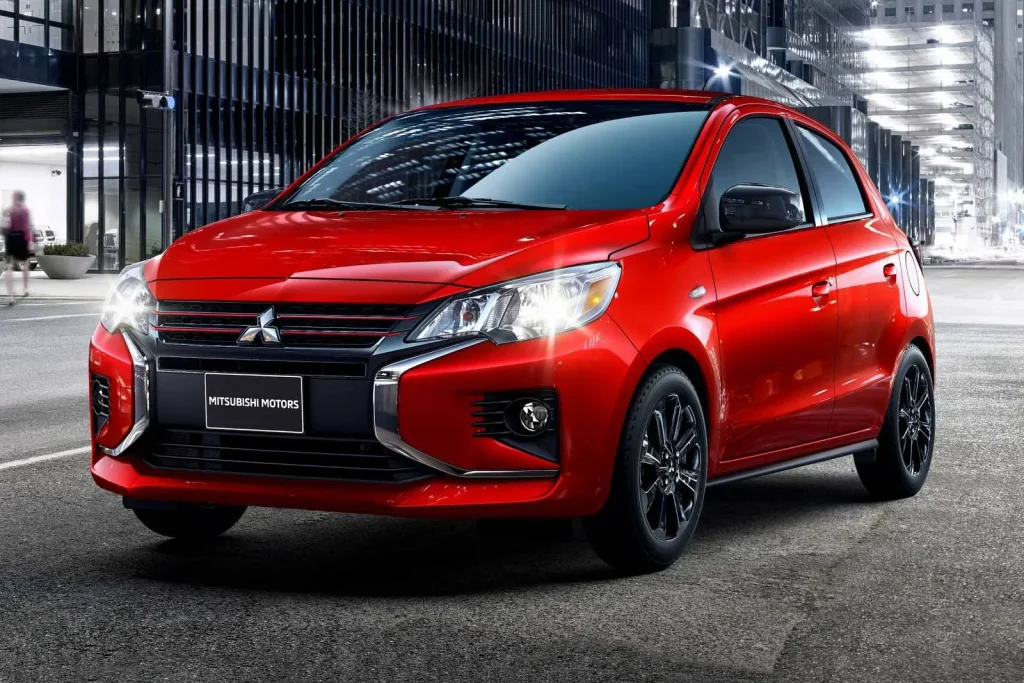
The Mirage is written about because it represents the extreme end of economy-focused design. While it may work in flat urban environments, Asheville’s terrain overwhelms it. Hills turn routine driving into a constant test of patience, making it one of the least suitable choices for this region.
5. Chevrolet Spark
The Chevrolet Spark completes this list because it shares many of the same uphill struggles as other ultra-compact economy cars, but with additional drawbacks that become especially noticeable in mountainous driving.
Designed primarily for affordability and city maneuverability, the Spark is simply underprepared for Asheville’s elevation changes.
The Spark’s engine output is modest, and while acceptable on flat roads, it lacks the torque needed for confident climbing. On hills, the engine must be revved aggressively just to maintain forward progress. This leads to constant high RPM operation, increased noise, and a general sense that the vehicle is being pushed beyond its comfort zone.
Transmission tuning further exposes the problem. The Spark frequently downshifts on inclines and holds lower gears for extended periods. Despite this, acceleration remains weak, and the engine noise rises dramatically without delivering reassuring performance.
Another issue is hill recovery. Once speed is lost on a steep climb, the Spark struggles to regain it. This makes uphill starts, slow traffic, or sudden stops especially frustrating. Drivers often find themselves unable to return to normal speed quickly, which increases stress in flowing mountain traffic.
Load sensitivity again plays a role. With passengers or cargo, the Spark’s uphill capability drops sharply. What is already marginal performance becomes outright inadequate, forcing drivers to accept slow climbs and reduced control.

The Spark is written about because it highlights how urban-focused design fails in mountainous regions. While compact and efficient, it simply doesn’t have the mechanical reserves needed for Asheville’s hills. For daily mountain driving, that lack of capability becomes a constant compromise.
This article explored how driving in Asheville fundamentally changes what makes a good car.
Unlike flat cities where speed and efficiency dominate purchasing decisions, Asheville’s constant elevation changes, winding roads, and sustained uphill climbs place far greater emphasis on torque delivery, transmission behavior, and drivetrain confidence.
Vehicles here are tested daily by gravity, and those tests quickly separate capable performers from cars that feel permanently strained.
The first half of the article focused on cars that handle Asheville’s hilly drives well. These vehicles were selected because they deliver usable power where it matters most at low to mid speeds during climbs.
A key theme across this group was smooth, accessible torque rather than raw horsepower. Whether through intelligent transmission tuning, hybrid assistance, or drivetrain design, these cars maintain momentum uphill without excessive noise, constant gear hunting, or aggressive throttle input.
Another shared strength among hill-capable vehicles was driver comfort. Uphill driving can be mentally taxing when a car feels underpowered, but the right vehicles make climbs feel predictable and controlled.
Reduced engine strain, stable handling on inclines, and confident traction especially in wet or foggy conditions, allow drivers to focus on the road rather than managing the car. In a mountain city like Asheville, that ease significantly improves everyday driving quality.
The second half of the article examined cars that struggle uphill, revealing how efficiency-focused designs often fall apart when faced with sustained climbs.
Many of these vehicles perform adequately on flat terrain, which makes their shortcomings surprising to owners who relocate to or regularly drive in mountainous areas. Insufficient torque, economy-oriented gearing, and delayed throttle response combine to create loud, slow, and stressful climbs.
A major issue highlighted in this section was loss of momentum. Cars that struggle uphill often require frequent downshifts, high RPM operation, and full throttle just to maintain speed.
On longer grades, speed fades quickly especially when the vehicle is carrying passengers or cargo. This not only reduces comfort but also increases mechanical stress and driver fatigue.
Another recurring theme was confidence erosion. Underpowered cars make uphill merges, lane changes, and recovery from slow traffic more difficult. Drivers must plan far in advance, accept reduced speeds, and tolerate constant engine noise. Over time, this transforms routine driving into a daily compromise.
Overall, the article reinforced a clear takeaway: terrain matters more than specifications. A car that looks capable on paper may feel overwhelmed in real mountain driving, while one with well-matched power delivery and drivetrain tuning can make Asheville’s hills feel natural and manageable.
Choosing the right vehicle for hilly environments improves not just performance, but comfort, safety, and long-term satisfaction.
For Asheville drivers, the best cars don’t fight gravity they work with it. The worst ones turn every climb into a reminder that efficiency alone isn’t enough when the road keeps going up.
Also Read: 5 Cars for Tyler Daily Drivers and 5 That Rack Up Bills
