
Helena’s driving conditions are shaped by elevation, rocky surfaces, and constant changes in grade. Unlike cities built on flat grids, Helena demands vehicles that can handle uneven pavement, gravel stretches, steep inclines, and thinner air.
Daily driving here isn’t just about commuting it’s about traction, torque, and durability. Cars that feel perfectly fine elsewhere can feel overwhelmed once the road turns rocky or climbs sharply.
This article explores two critical sides of vehicle ownership in Helena. The first focuses on cars that are well-suited for rocky roads and rugged surfaces vehicles that maintain composure over uneven ground, deliver torque confidently, and don’t feel fragile when the pavement ends.
These cars are built to tolerate bumps, elevation changes, and imperfect road conditions without constant wear or driver stress.
The second half examines cars that lose power uphill. These vehicles often perform acceptably on flat terrain but struggle once elevation and grades increase.
Thin air, long climbs, and load sensitivity expose weaknesses in power delivery and gearing. Drivers experience excessive downshifting, high engine noise, fading acceleration, and a general sense that the car is always working too hard.
In a place like Helena, power isn’t about speed it’s about retaining momentum. Vehicles that climb steadily and stay composed on rough roads make daily driving predictable and comfortable. Vehicles that lose power or feel underbuilt turn every hill into a chore.
By comparing both categories, this article helps Helena drivers choose cars that work with the terrain instead of against it. In rocky, elevated environments, the wrong choice becomes obvious very quickly.
Also Read: 5 Cars for Springfield MO Daily Use and 5 That Break Often
5 Cars for Helena Rocky Roads
Rocky roads demand more than basic transportation. In Helena, drivers regularly encounter uneven pavement, gravel shoulders, frost-heaved surfaces, and roads that combine rough texture with steep elevation. Vehicles must be able to absorb impacts, maintain traction, and deliver power smoothly without stressing mechanical components.
This section focuses on five cars that handle Helena’s rocky roads confidently. These vehicles are chosen for their suspension tuning, drivetrain balance, ground clearance, and ability to stay composed on imperfect surfaces. They don’t rattle, scrape, or lose control when the road quality drops.
Another important factor is durability. Rocky terrain accelerates wear on suspension, tires, and driveline components.
Cars that are too stiff, too low, or too lightly built often develop rattles, alignment issues, and premature component failure. The vehicles in this list are written about because they tolerate rough use without becoming liabilities.
Power delivery also matters. On rocky inclines, sudden throttle response or delayed power can cause traction loss. Vehicles that deliver torque smoothly make climbs feel controlled rather than chaotic, especially on loose surfaces.
Each car in this list is written about because it matches Helena’s terrain. These vehicles don’t just survive rocky roads they make them feel manageable, stable, and predictable.
1. Subaru Outback
The Subaru Outback is one of the most natural fits for Helena’s rocky roads, earning its place through balance rather than brute force. Designed for varied terrain, the Outback combines ground clearance, all-wheel drive, and compliant suspension in a way that suits Montana’s uneven surfaces exceptionally well.
One of the Outback’s biggest strengths is ride compliance. Its suspension absorbs sharp bumps and rough patches without transmitting harsh impacts into the cabin. On rocky roads, this keeps the vehicle composed and reduces long-term stress on suspension components.
All-wheel drive adds critical traction. On loose gravel or uneven inclines, power is distributed predictably, minimizing wheel slip and hesitation. This makes rocky climbs feel controlled instead of unpredictable especially when surfaces are wet or dusty.
Ground clearance also plays a role. The Outback avoids scraping on uneven terrain while remaining stable at speed. Unlike taller SUVs, it maintains a low center of gravity, which improves balance on uneven surfaces.
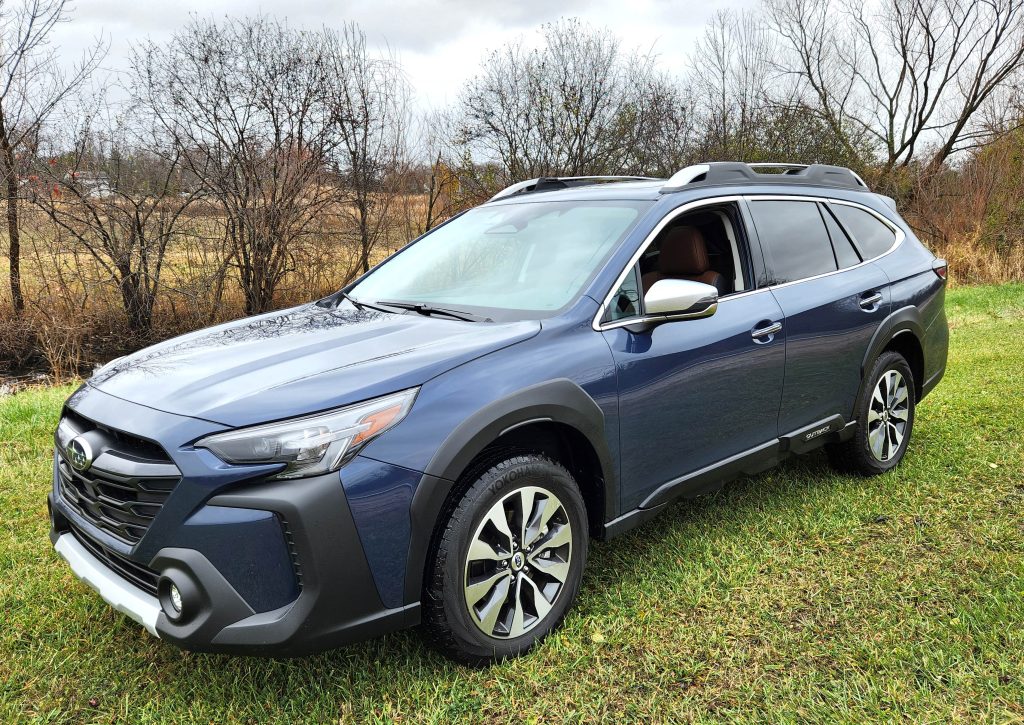
The Outback is written about because it treats rocky roads as normal driving conditions. For Helena drivers, that everyday confidence makes it an ideal match.
2. Toyota 4Runner
The Toyota 4Runner earns its place on this list by offering true rugged capability for Helena’s most demanding roads. While more truck-like than some drivers need, its durability and suspension strength make it exceptionally comfortable on rocky terrain.
The biggest advantage is suspension robustness. The 4Runner’s suspension is built to absorb repeated impacts without developing rattles or alignment problems. Rocky roads that unsettle lighter vehicles barely faze it.
Ground clearance and approach angles further enhance confidence. The 4Runner clears obstacles easily, making it suitable for roads with uneven surfaces, potholes, or exposed rock.
Power delivery is another strength. The engine provides steady torque at low speeds, allowing smooth climbs without wheel spin or hesitation. This is especially useful on loose or rocky inclines.
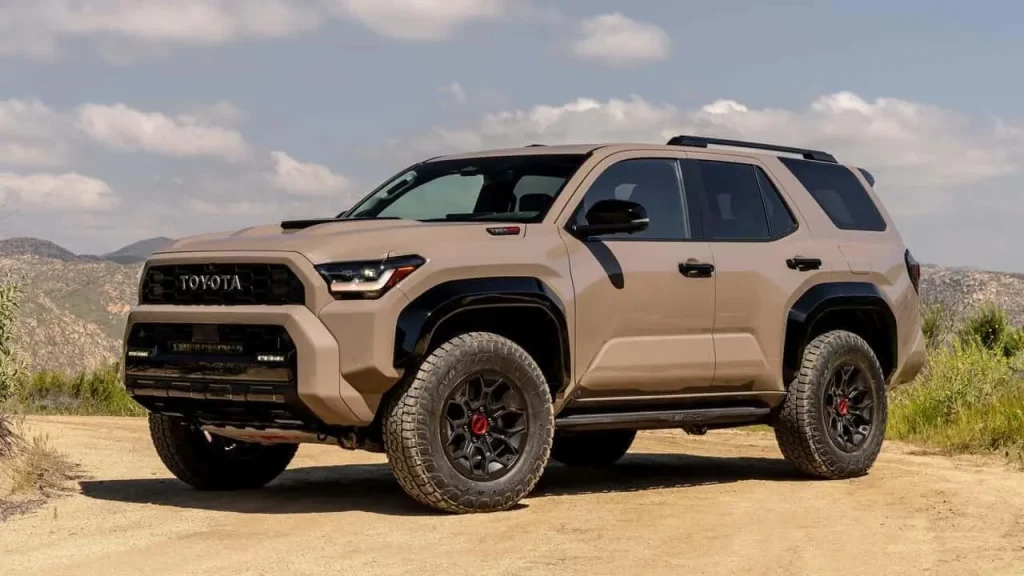
The 4Runner is written about because it prioritizes durability over refinement. In Helena’s rocky environment, that toughness translates directly into long-term reliability and confidence.
3. Jeep Grand Cherokee
The Jeep Grand Cherokee earns its place on this list because it blends real-world ruggedness with everyday drivability an important balance for Helena drivers who face rocky roads without wanting a purely off-road vehicle.
Helena’s terrain demands suspension durability, steady torque delivery, and traction that doesn’t break composure on loose or uneven surfaces, and the Grand Cherokee delivers all three effectively.
One of its biggest advantages is suspension tuning. The Grand Cherokee is designed to absorb repeated impacts without transferring harshness into the cabin.
On rocky pavement, gravel transitions, and frost-heaved roads, the suspension remains controlled instead of jarring. This reduces wear on suspension components over time and makes daily driving far less tiring.
Traction is another critical strength. With its advanced four-wheel-drive systems, the Grand Cherokee distributes power smoothly when climbing loose or uneven surfaces. Instead of abrupt wheel spin or hesitation, the vehicle maintains steady forward momentum exactly what rocky uphill driving requires.
Ground clearance further enhances its suitability. The Grand Cherokee clears uneven road surfaces without scraping, allowing drivers to focus on the road rather than avoiding every bump or rock. This is particularly valuable on rural routes around Helena where road conditions change without warning.
Power delivery also works in its favor. The engine provides usable torque at low speeds, which helps on rocky inclines where smooth throttle control matters more than outright speed. The transmission holds gears confidently instead of hunting, keeping climbs predictable.
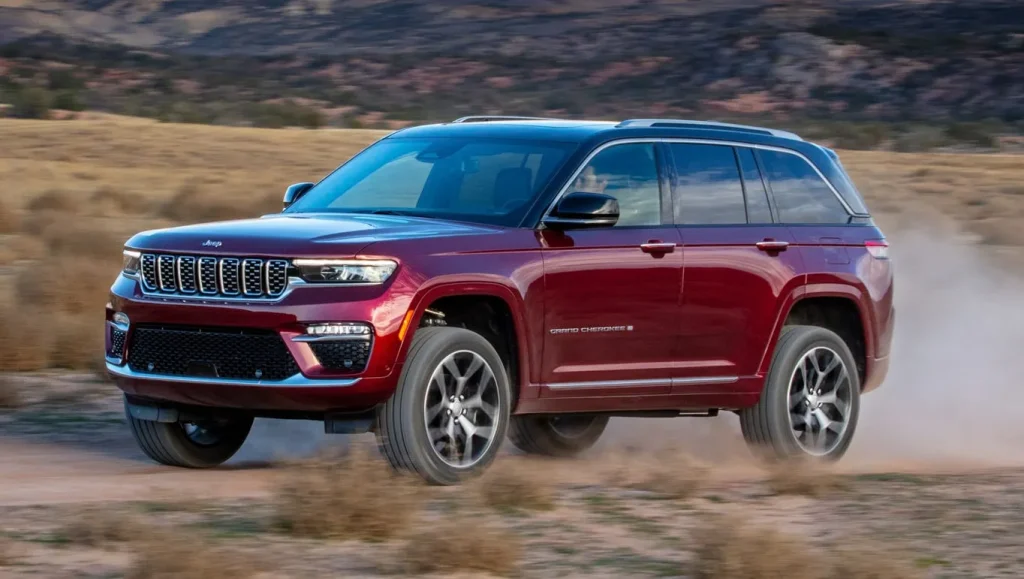
The Grand Cherokee is written about because it strikes a practical balance between toughness and comfort. For Helena drivers who want a vehicle that can handle rocky roads daily without feeling crude or overbuilt, it fits the environment exceptionally well.
4. Ford Bronco Sport
The Ford Bronco Sport stands out as a vehicle designed with uneven terrain in mind, making it a strong performer on Helena’s rocky roads. Unlike many compact SUVs that struggle once pavement deteriorates, the Bronco Sport is engineered to remain stable and confident when surfaces become unpredictable.
One of its defining strengths is low-speed control. On rocky roads, the Bronco Sport delivers torque smoothly and early, allowing drivers to maintain traction without aggressive throttle input. This controlled power delivery reduces wheel slip and keeps the vehicle settled on loose or broken surfaces.
Suspension design plays a major role here. The Bronco Sport absorbs sharp impacts better than most vehicles in its class, preventing the jolts and rattles that develop in less rugged crossovers. Over time, this resilience translates into fewer alignment issues and less component fatigue an important consideration in Helena’s environment.
The Bronco Sport’s drivetrain tuning also supports rocky driving. Gear ratios are well-matched for climbing uneven grades, allowing the vehicle to hold momentum without constant shifting. This makes uphill travel feel composed rather than strained.
Ground clearance further enhances confidence. While not a full off-road SUV, the Bronco Sport clears rocks and uneven pavement easily, reducing the risk of underbody contact on poorly maintained roads.
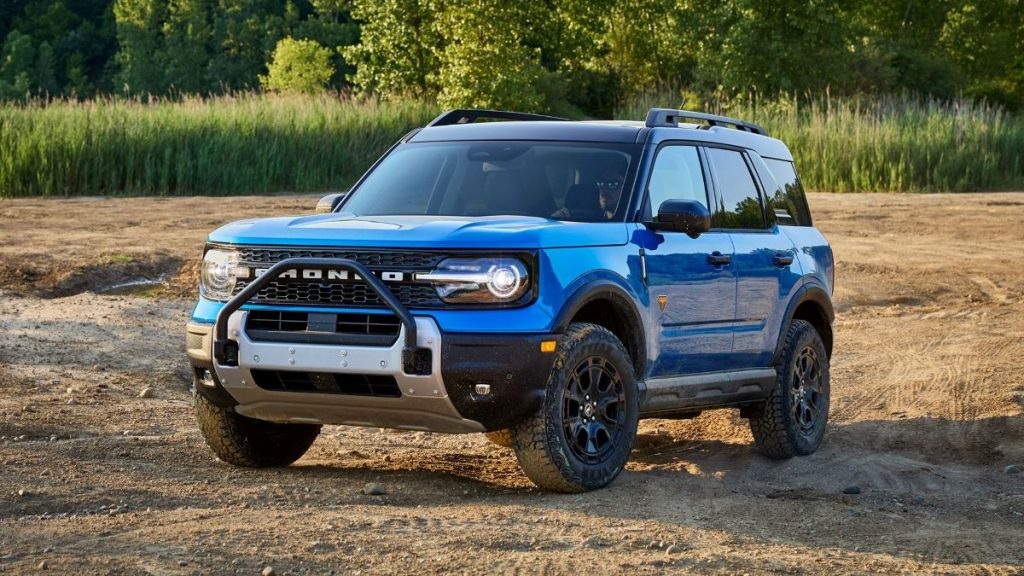
The Bronco Sport is written about because it brings purpose-built ruggedness into a manageable size. For Helena drivers who want rocky-road confidence without stepping into a full-size SUV, it’s an excellent match.
5. Subaru Forester
The Subaru Forester completes this list because it delivers consistent traction, suspension compliance, and everyday usability qualities that matter deeply on Helena’s rocky roads. While not aggressive in appearance, its capability becomes obvious once the pavement deteriorates.
The Forester’s biggest advantage is predictable traction. Subaru’s all-wheel-drive system distributes power evenly, minimizing wheel slip on loose gravel and uneven surfaces. This consistency makes rocky driving less stressful, especially on inclines where traction loss can quickly become dangerous.
Suspension tuning further supports its role. The Forester absorbs rough surfaces without excessive stiffness, maintaining composure over rocks and broken pavement. Unlike lower vehicles, it doesn’t feel fragile or unsettled when roads worsen.
Ground clearance also plays a key role. The Forester rides high enough to avoid scraping while maintaining a stable, balanced feel. This combination allows drivers to traverse uneven terrain without sacrificing control.
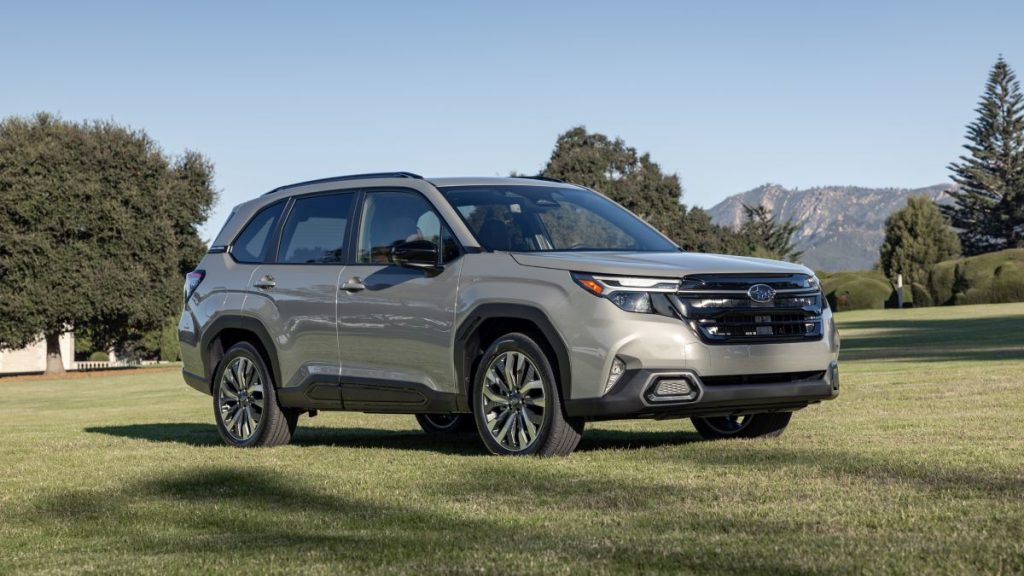
Power delivery is smooth and usable. While not designed for speed, the Forester’s engine delivers steady torque that supports climbing rocky roads without dramatic throttle input. The transmission holds ratios appropriately, keeping engine behavior calm and predictable.
The Forester is written about because it excels through consistency rather than aggression. For Helena drivers navigating rocky roads daily, that predictable capability translates into confidence, comfort, and long-term durability.
5 That Lose Power Uphill
Uphill driving in Helena exposes a vehicle’s weakest traits faster than almost any other condition. Thin mountain air, sustained grades, and rocky surfaces demand engines that can hold torque under load and transmissions that manage elevation without panic.
Cars that are engineered primarily for flat urban driving often lose their composure once the road starts climbing and in Helena, that happens every day.
This section focuses on vehicles that lose power uphill, not because they are poorly made, but because their design priorities don’t align with mountainous terrain.
These cars often rely on small, naturally aspirated engines, economy-focused gearing, or transmissions tuned for efficiency rather than load. On steep climbs, those choices result in sluggish acceleration, constant downshifting, and engines that rev loudly without delivering meaningful forward momentum.
Another major factor is altitude sensitivity. As elevation increases, naturally aspirated engines lose power due to reduced oxygen availability. Vehicles without sufficient torque reserves feel noticeably weaker uphill in Helena than they would at sea level. What feels “adequate” elsewhere can feel underpowered here.
Driver confidence also suffers. Cars that lose speed on climbs force drivers to plan far in advance, avoid passing, and accept reduced performance just to maintain traffic flow. Over time, this creates frustration and fatigue especially on longer uphill routes or when carrying passengers and cargo.
Mechanical strain is another hidden cost. Vehicles that must operate near their limits during every climb experience more heat, wear, and stress on driveline components. While breakdowns may not be immediate, long-term reliability often suffers when a car is consistently pushed beyond its comfort zone.
These vehicles are written about to help Helena drivers understand that not all cars adapt well to elevation. Flat-road competence does not translate automatically to mountain capability. In hilly, rocky regions, retaining power uphill is not optional it’s essential.
1. Toyota Corolla
The Toyota Corolla appears in this section because its powertrain is optimized for efficiency and reliability, not sustained climbing in mountainous terrain. While the Corolla excels in flat cities and suburban commuting, Helena’s elevation changes reveal the limits of its design.
The primary issue is low usable torque at climbing speeds. On steep grades, the Corolla requires aggressive throttle input just to maintain momentum. The engine frequently revs high, producing significant noise without delivering reassuring acceleration. Drivers often feel as though the car is working extremely hard for minimal progress.
Transmission behavior magnifies this weakness. The Corolla’s gearing is tuned to maximize fuel economy, which means the transmission often hesitates before downshifting on inclines. Once it does downshift, it tends to hold high RPMs for extended periods, making uphill driving loud and uncomfortable. Despite the noise, speed gains remain modest.
Altitude further compounds the problem. Naturally aspirated engines lose power as elevation increases, and the Corolla lacks sufficient torque reserves to compensate. On longer climbs around Helena, performance fades noticeably, especially when carrying passengers or cargo.
Load sensitivity is another concern. A full cabin or added weight in the trunk significantly reduces uphill performance. What already feels strained becomes outright sluggish, forcing drivers to accept slower speeds and reduced confidence.
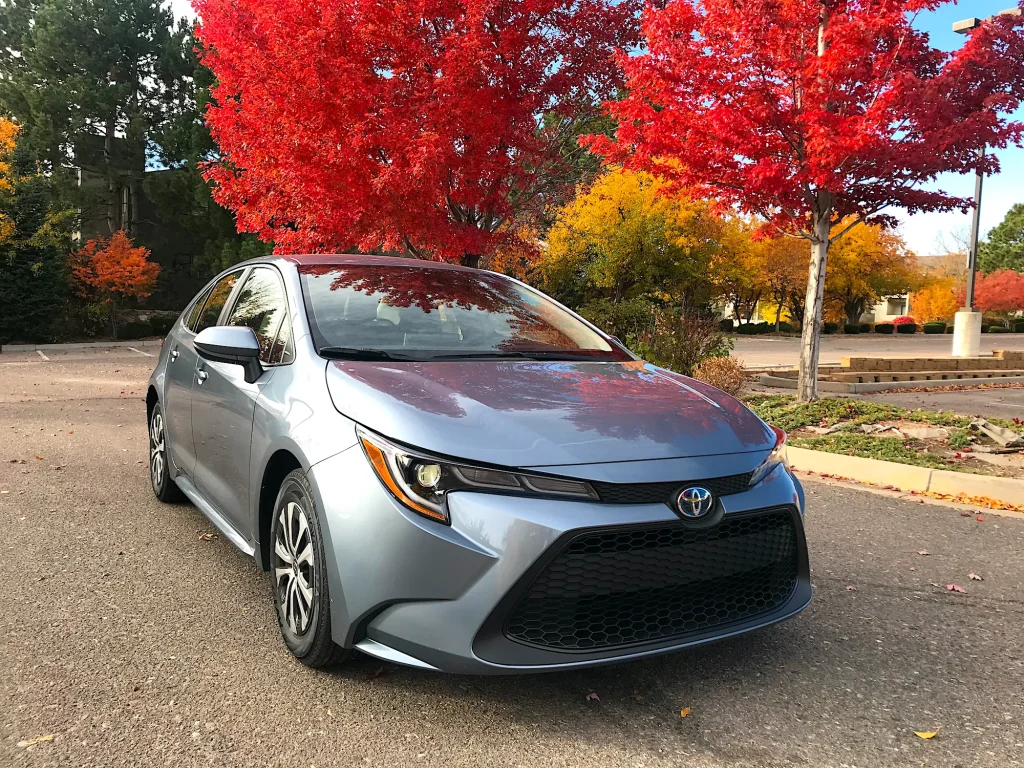
The Corolla is written about because it demonstrates how reliability does not equal suitability.
It’s dependable and economical, but Helena’s terrain pushes it beyond its comfort zone. For drivers who regularly face steep climbs, the Corolla’s uphill weakness becomes a daily frustration rather than an occasional inconvenience.
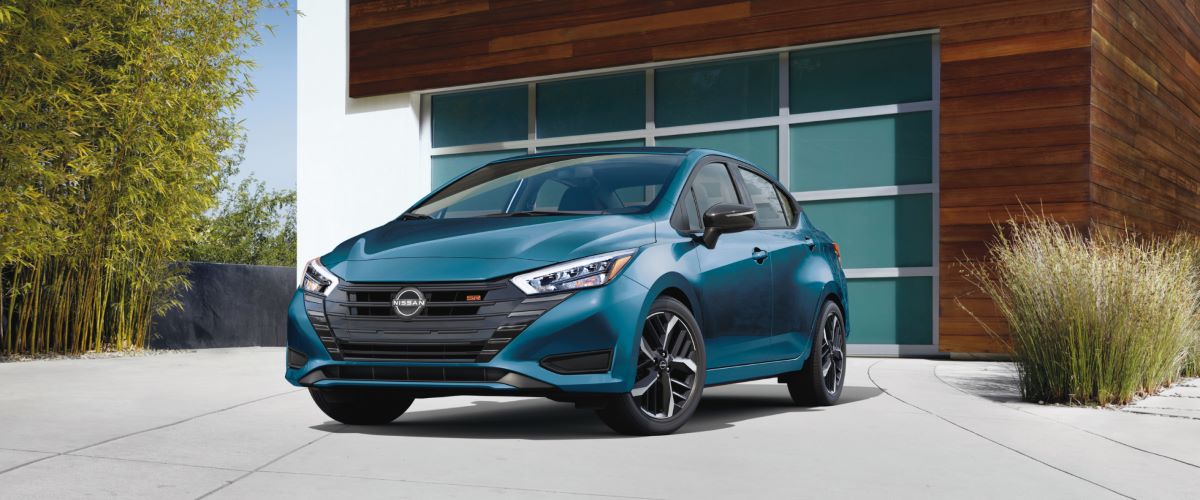
2. Nissan Versa
The Nissan Versa earns its place here as one of the clearest examples of a car that loses power uphill in elevated terrain. Designed primarily for affordability and efficiency, the Versa struggles significantly once Helena’s roads begin to climb.
The most obvious issue is insufficient engine output. On flat roads, the Versa can function acceptably with patient driving. On uphill grades, however, momentum disappears quickly. Even moderate inclines require full throttle, and steep climbs reduce the car to a slow, strained crawl.
Transmission tuning worsens the experience. The Versa’s gearing forces the engine to operate near its limits during climbs, resulting in loud, constant high-RPM operation without corresponding acceleration. Despite the noise, speed increases slowly, making uphill driving feel exhausting.
Altitude sensitivity further erodes performance. With less oxygen available at higher elevations, the Versa’s already modest power output drops further. This makes sustained climbs especially difficult, particularly when the car is loaded with passengers or gear.
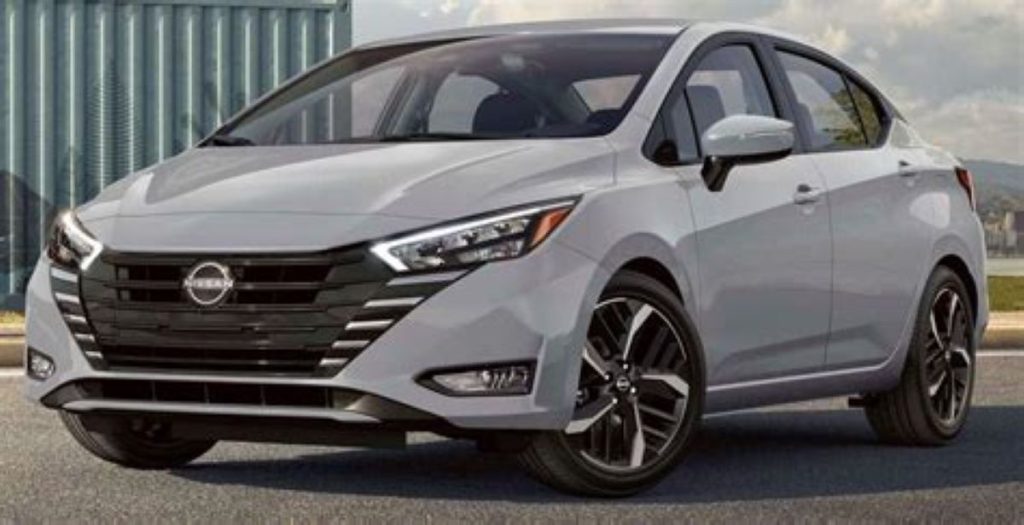
Driver confidence takes a major hit. Uphill merging, passing, or even maintaining traffic speed requires extensive planning and patience. The lack of reserve power means there is little margin for error something that becomes stressful on Helena’s winding mountain roads.
The Versa is written about because it represents economy design pushed too far for mountain use. While affordable and efficient, it simply lacks the mechanical reserves needed to handle Helena’s climbs with confidence or comfort.
3. Mitsubishi Mirage
The Mitsubishi Mirage is one of the clearest examples of a car that loses power dramatically on Helena’s uphill roads. While it succeeds at being lightweight, affordable, and fuel-efficient, those strengths collapse once elevation, thin air, and sustained climbs enter the picture. In Montana’s rocky, rising terrain, the Mirage feels constantly outmatched.
The Mirage’s biggest limitation is extremely low engine output. On flat ground, careful throttle input can keep it moving with traffic.
On uphill grades, however, gravity immediately overwhelms its modest power reserves. Even moderate inclines require full throttle, and longer climbs force the engine to operate at very high RPMs just to maintain forward motion.
Transmission behavior amplifies the issue. The Mirage’s gearing keeps the engine revving loudly during climbs, but that noise does not translate into meaningful acceleration. Drivers often experience the unsettling sensation of the engine working at its limit while speed barely increases. This makes uphill driving feel stressful and exhausting rather than controlled.
Altitude sensitivity is another major problem. Naturally aspirated engines already lose power at higher elevations, and the Mirage has almost no margin to absorb that loss. As air thins around Helena, the car feels noticeably weaker than it would at lower elevations, especially on sustained climbs outside the city.
Load sensitivity further exposes its weakness. Adding passengers, cargo, or even driving with the air conditioning engaged significantly reduces uphill capability. Situations that are common in real life carrying gear, groceries, or friends, turn hills into slow, noisy struggles.
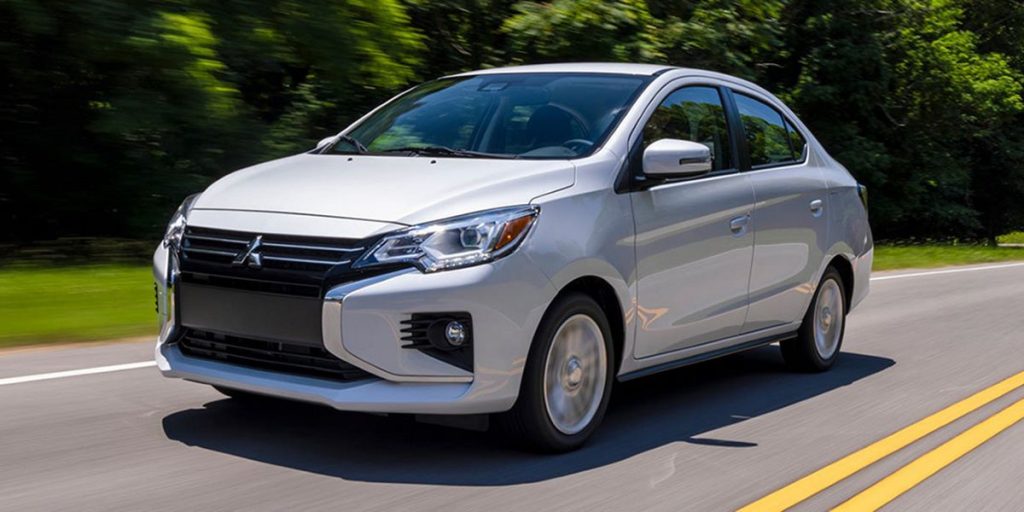
Driver confidence erodes quickly in these conditions. Uphill merging, passing, or recovering speed after slowing becomes nearly impossible without long planning and patience. On winding mountain roads, this lack of reserve power creates constant anxiety.
The Mirage is written about because it represents efficiency without capability. While it may suit flat urban environments, Helena’s terrain pushes it beyond its mechanical limits. For drivers who regularly face elevation and rocky climbs, the Mirage turns everyday driving into a continuous compromise.
4. Hyundai Accent
The Hyundai Accent struggles uphill in Helena not because it is poorly engineered, but because it is fundamentally tuned for flat, efficiency-focused driving. In mountainous conditions, its design priorities work against it, revealing weaknesses in torque delivery, gearing, and altitude resilience.
The Accent’s engine produces adequate power for city use, but usable torque is limited at climbing speeds. On steep grades, drivers must apply heavy throttle to maintain momentum. This causes frequent downshifts and sustained high RPM operation, increasing noise without delivering confident acceleration.
Transmission tuning further contributes to the problem. The Accent’s gearing prioritizes fuel economy, leading to hesitation before downshifting on inclines. Once it does downshift, the engine remains revved loudly, creating the sense that the car is straining constantly just to keep moving uphill.
Altitude compounds these issues. As elevation increases, naturally aspirated engines lose efficiency, and the Accent lacks sufficient torque reserves to compensate. Long climbs around Helena feel progressively weaker, especially when the car is carrying passengers or cargo.
Another issue is momentum loss. Once speed drops on an uphill stretch, the Accent struggles to regain it quickly. This makes stop-and-go traffic on inclines particularly frustrating and increases driver stress when traffic flow is unpredictable.
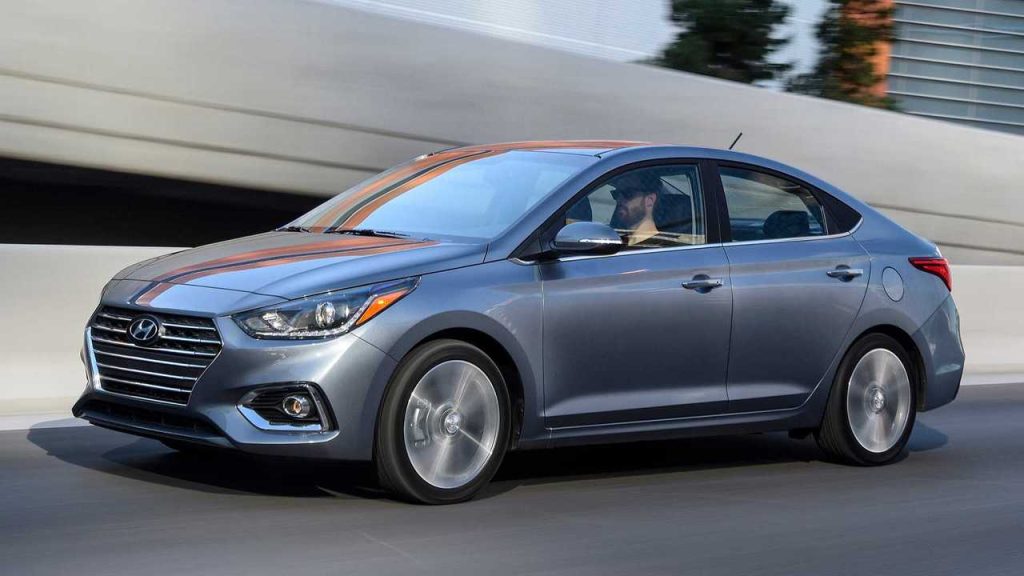
The Accent is written about because it highlights how a competent commuter car can still be mismatched to mountain terrain. In Helena, its uphill performance feels busy, noisy, and strained qualities that undermine comfort and long-term satisfaction.
5. Chevrolet Spark
The Chevrolet Spark completes this list as another example of an ultra-compact car that loses power dramatically on Helena’s uphill roads. Designed primarily for affordability and urban maneuverability, the Spark lacks the mechanical reserves needed for high-altitude, rocky climbs.
The Spark’s engine output is modest, and while sufficient for flat city driving, it struggles immediately when faced with steep grades. On uphill roads, the engine must be revved aggressively just to maintain basic speed. Despite the noise, acceleration remains weak and inconsistent.
Transmission behavior worsens the experience. The Spark frequently downshifts and holds lower gears for extended periods during climbs. This results in loud engine operation without corresponding confidence, making uphill driving feel forced rather than natural.
Altitude sensitivity again plays a major role. Helena’s elevation reduces available engine power, and the Spark has little capacity to offset that loss. Sustained climbs quickly drain momentum, especially when the vehicle is loaded with passengers or cargo.
Another key issue is recovery after slowdown. If traffic slows or the vehicle must stop on an incline, regaining speed is difficult. This makes uphill starts and merging particularly stressful, especially on winding or narrow roads.

The Spark is written about because it illustrates how urban-first design fails in mountainous regions. While compact and economical, it simply cannot retain power uphill in Helena’s environment. For drivers facing daily climbs, that limitation becomes impossible to ignore.
This article examined vehicle suitability through the lens of driving conditions in Helena, where rocky roads, steep grades, and higher elevation place far greater demands on cars than flat urban environments. In Helena, daily driving tests suspension durability, traction systems, and power delivery in ways many vehicles were never designed to handle.
The first half of the article focused on cars that perform well on Helena’s rocky roads. These vehicles were selected because they remain composed on uneven surfaces, absorb impacts without excessive wear, and deliver power smoothly on loose or broken pavement.
A key theme among these models was balance rather than brute force. Vehicles with compliant suspension, usable ground clearance, and well-matched drivetrains made rocky driving predictable instead of jarring.
Traction systems played an important role, especially on gravel and uneven inclines, helping drivers maintain control without wheel spin or hesitation. These cars treated rough terrain as a normal condition rather than a challenge, which translated into comfort, confidence, and long-term durability for Helena drivers.
The second half examined cars that lose power uphill, revealing how elevation and sustained climbs expose weaknesses in efficiency-focused designs. Many of these vehicles perform acceptably on flat roads, which makes their struggles in Helena especially frustrating for owners.
Insufficient torque, economy-oriented gearing, and altitude-sensitive engines result in constant downshifting, high engine noise, and fading acceleration on hills. Over time, this creates driver fatigue and increases mechanical stress as vehicles operate near their limits during everyday climbs.
Another major takeaway was loss of confidence. Cars that struggle uphill make merging, passing, and speed recovery more difficult, forcing drivers to plan far ahead and accept slower traffic flow.
In a mountainous environment, that lack of reserve power turns routine drives into stressful experiences. Load sensitivity further compounds the issue, as adding passengers or cargo dramatically worsens uphill performance.
Overall, the article reinforced a clear conclusion: terrain should shape vehicle choice. Helena’s rocky roads and steep climbs reward cars built for durability, traction, and steady torque delivery.
Vehicles optimized purely for efficiency or flat-city use quickly reveal their limitations. For Helena drivers, the right car works with elevation and rough surfaces, making daily driving calmer and more reliable.
The wrong one fights the landscape at every turn, turning hills into a constant reminder of mechanical compromise.
Also Read: 5 Cars for Norman College Runs and 5 cars That Students Should Avoid
