
Living and driving in a Gulf Coast city like Beaumont, Texas places very different demands on a car than inland or dry-climate regions. This is a place where heat, humidity, salt-laced air, heavy rain, and occasional flooding are not exceptions they’re part of daily life.
Vehicles here face constant exposure to moisture, corrosive sea air drifting in from the Gulf, and year-round warmth that accelerates chemical reactions on metal surfaces.
As a result, corrosion resistance, build quality, and long-term durability matter far more here than flashy features or headline horsepower numbers.
This article is written to separate cars that are well-suited for Beaumont’s Gulf Coast conditions from those that tend to corrode quickly and age poorly in this environment.
Many buyers focus on fuel economy, styling, or price alone, only to discover a few years later that rusted brake lines, corroded subframes, or bubbling paint can destroy resale value and safety. In coastal cities, choosing the wrong car isn’t just inconvenient it can be expensive.
The first half of this article highlights five cars that handle Beaumont’s climate exceptionally well.
These models are chosen for their rust protection, sealed underbodies, proven reliability in humid regions, and ownership histories that show resilience near the coast. They are vehicles that make sense not just when new, but after five, ten, or even fifteen years of Gulf Coast exposure.
The second half shifts focus to five cars that corrode quickly, especially in salty, humid environments. These vehicles often come from regions where corrosion protection wasn’t a design priority or where cost-cutting compromised long-term durability.
The goal isn’t to criticize brands blindly, but to help buyers understand why certain cars struggle in Beaumont’s conditions, so costly mistakes can be avoided.
Also Read: 5 Muscle Cars for Oklahoma City Workhorses and 5 That Aren’t Towing-Ready
5 Cars for Beaumont Gulf Coast Use
Choosing the right car for Beaumont means thinking beyond basic transportation. Gulf Coast ownership is a long-term durability test, where moisture creeps into seams, salt settles into crevices, and metal components are constantly under attack.
The cars in this section are selected because they’ve shown real-world resistance to corrosion, not just in lab testing but in everyday coastal use.
These vehicles typically share a few key traits. First, they use better-quality steel alloys and galvanization, slowing down rust formation. Second, their underbody coatings, suspension components, and brake lines are better protected than average.
Third, their manufacturers have strong track records in coastal regions places where rust complaints surface quickly if protection is inadequate.
Another reason for highlighting these cars is ownership cost. In Beaumont, corrosion-related repairs often appear quietly: seized bolts, rusted exhausts, failing sensors, or weakened suspension mounts. Cars that resist corrosion don’t just look better over time they’re cheaper to maintain, safer to drive, and easier to resell.
This section is written for buyers who plan to keep their cars for many years, park outdoors, or drive regularly in rain and humidity. These aren’t necessarily luxury vehicles or the most expensive options on the market. Instead, they are practical, proven choices that align with the realities of Gulf Coast living.
Each car below is discussed in detail, explaining why it performs well in Beaumont’s climate, how its construction helps fight corrosion, and why it makes sense specifically for coastal ownership rather than general U.S. driving conditions.
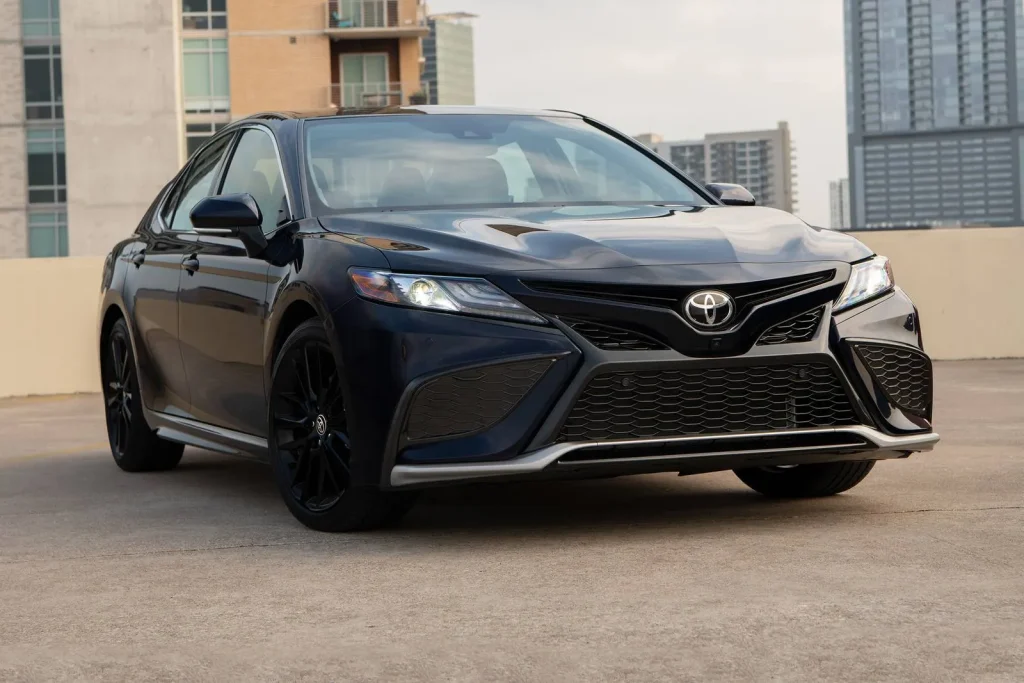
1. Toyota Camry
The Toyota Camry earns its place at the top of this list because it has quietly become one of the most coast-friendly sedans in the U.S. market.
While many midsize sedans struggle with underbody rust and aging suspension components in humid environments, the Camry has consistently proven more resilient especially in Gulf Coast and Southeastern states.
One major reason is Toyota’s long-standing focus on corrosion-resistant steel and comprehensive undercoating. The Camry’s chassis components, brake lines, and mounting points are better protected than average, reducing the risk of rust-related failures.
Owners in coastal Texas frequently report that even older Camrys maintain solid structural integrity despite years of humidity exposure.
Another advantage is mechanical simplicity. The Camry avoids overly complex turbo systems and unnecessary metal-heavy components that can accelerate corrosion when moisture is present.
Its naturally aspirated engines and conservative engineering choices make it less vulnerable to heat-and-humidity-related degradation. This matters in Beaumont, where summer heat amplifies corrosion processes.
The Camry’s paint quality also deserves attention. Toyota’s clear-coat durability has improved significantly over the years, helping resist the bubbling and peeling that salt air can cause. Even when parked in reality for many Beaumont drivers, the Camry tends to age gracefully.
This car is included because it represents a low-risk ownership choice in a challenging climate. It may not be flashy, but for Beaumont drivers who value longevity, low maintenance, and corrosion resistance, the Toyota Camry consistently delivers where many rivals fall short.
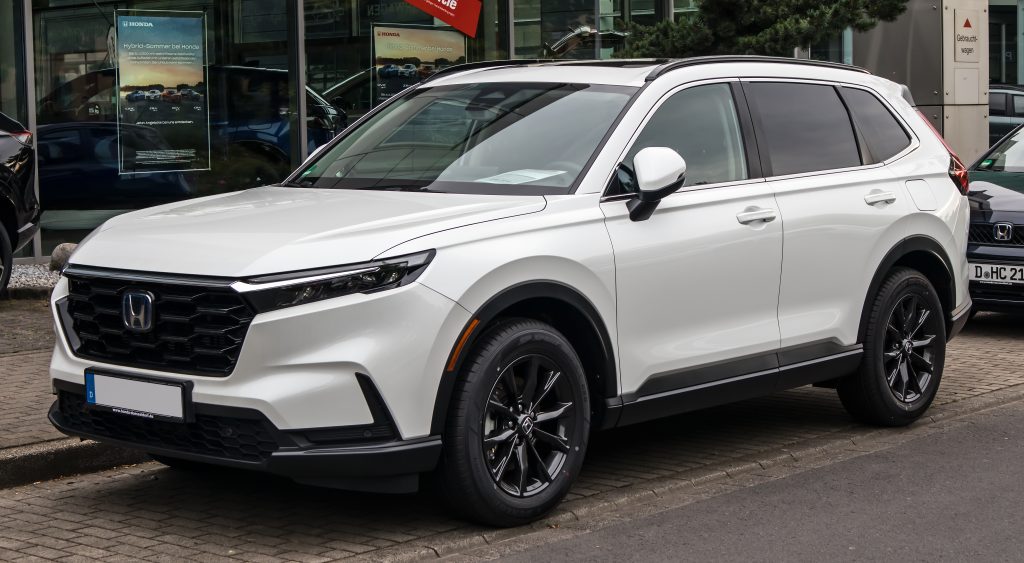
2. Honda CR-V
The Honda CR-V is one of the most sensible vehicles for Beaumont’s Gulf Coast conditions because it blends practical SUV design with long-term corrosion resistance.
While many compact SUVs suffer from rusted suspension components and deteriorating exhaust systems in humid climates, the CR-V has built a reputation for aging cleanly even when exposed to salt air and constant moisture.
Honda’s use of galvanized steel panels and improved seam sealing plays a key role here. Critical rust-prone areas such as door bottoms, wheel arches, and rear hatch seams tend to hold up better than competitors in the same class. This matters in Beaumont, where humidity rarely drops low enough to let moisture fully evaporate from hidden crevices.
Ground clearance is another advantage. Coastal rainstorms often create standing water, and while the CR-V is not a hardcore off-roader, its ride height reduces prolonged water exposure to underbody components. Less water contact means slower corrosion of exhaust systems, brake hardware, and subframe mounts.
The CR-V is included in this list because it offers coastal durability without luxury pricing. For families, commuters, and retirees alike, it represents a vehicle that tolerates Beaumont’s climate rather than fighting it.
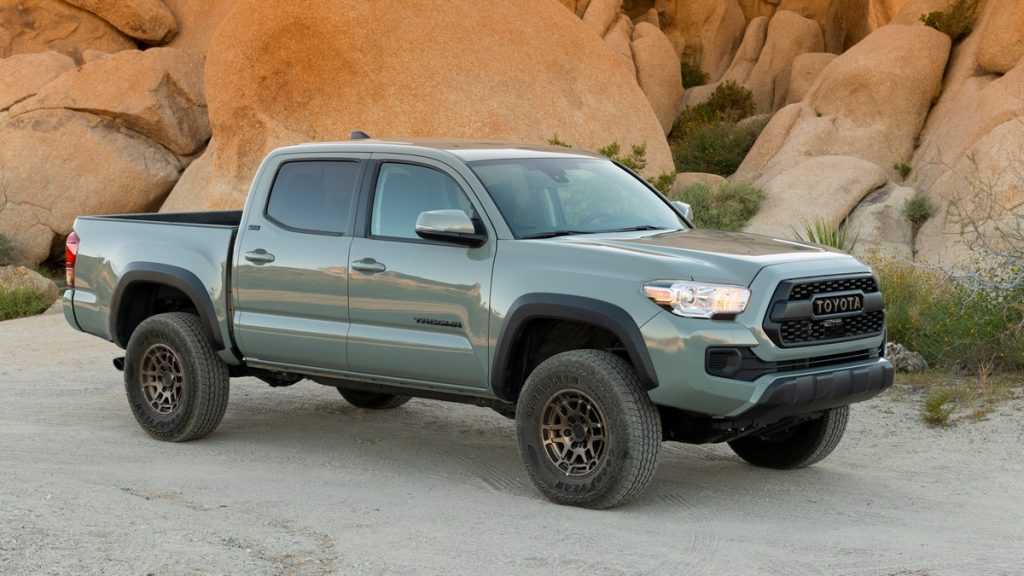
3. Toyota Tacoma
The Toyota Tacoma stands out as one of the few pickup trucks that genuinely thrives in Gulf Coast environments when properly maintained. Trucks often suffer the worst corrosion near the coast due to exposed frames and hardware, yet the Tacoma has consistently proven more resistant than most midsize rivals.
Toyota’s improved frame coatings and anti-corrosion treatments in later generations significantly reduced the rust issues that plague many body-on-frame vehicles. In humid regions like Beaumont, this makes a substantial difference over time. While surface rust may appear, structural degradation progresses far more slowly than in many competitors.
Another advantage is simplicity. The Tacoma avoids unnecessary electronic complexity underneath the vehicle, reducing the number of exposed connectors and sensors that can corrode in damp air. This results in fewer electrical headaches a common issue for coastal truck owners.
The Tacoma is included because it serves a dual-purpose role in Beaumont. It handles daily driving comfortably while remaining capable of hauling, towing, or dealing with flooded roads and rough coastal terrain.
For buyers who need a truck without accepting rapid rust as a trade-off, the Tacoma remains one of the safest long-term bets.
4. Subaru Outback
The Subaru Outback earns its place here due to its excellent underbody protection and weather-focused design philosophy. Subaru engineers vehicles with harsh climates in mind, and while they’re often associated with snow, many of those same protections benefit humid coastal regions like Beaumont.
The Outback’s extensive plastic underbody cladding shields critical components from constant moisture exposure. Brake lines, fuel lines, and suspension mounting points are better protected than in many sedans and crossovers. This significantly slows corrosion caused by salt-laden air and road spray.
Subaru’s paint and sealing quality has also improved notably. Door seams, tailgates, and roof rails are prone to rust in coastal climates and hold up better over long-term ownership. For Beaumont drivers who park outdoors or near industrial areas, this matters more than most realize.
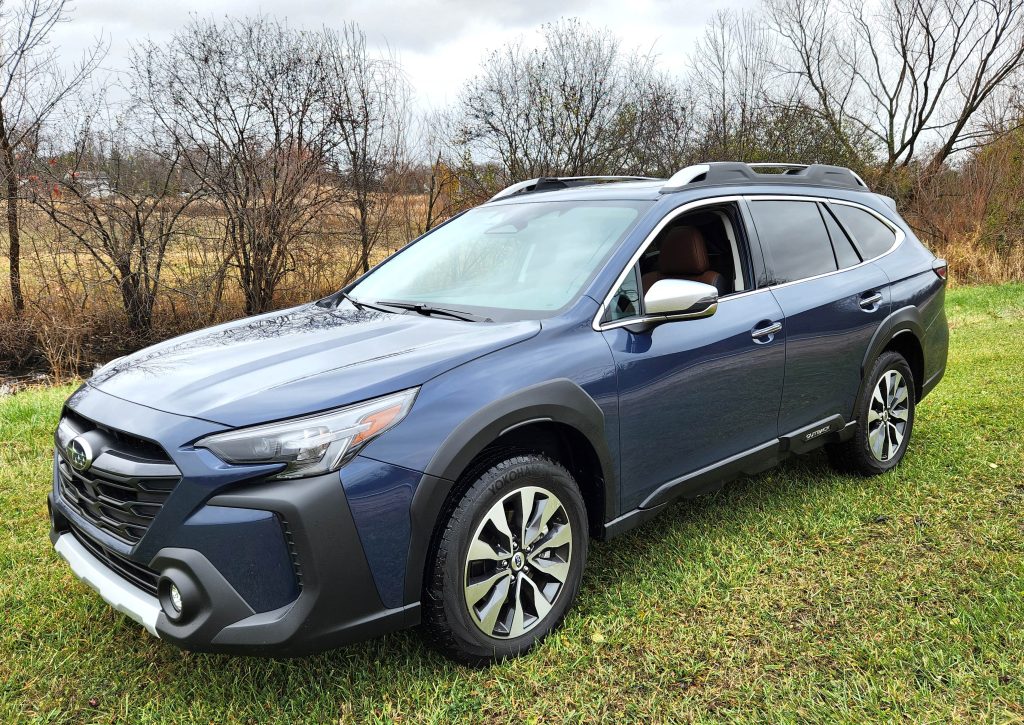
The Outback is included because it represents a quietly durable choice. It doesn’t advertise corrosion resistance, but it consistently delivers it. For drivers who want comfort, safety, and long-term resilience in a Gulf Coast environment, the Outback is a smart and often overlooked option.
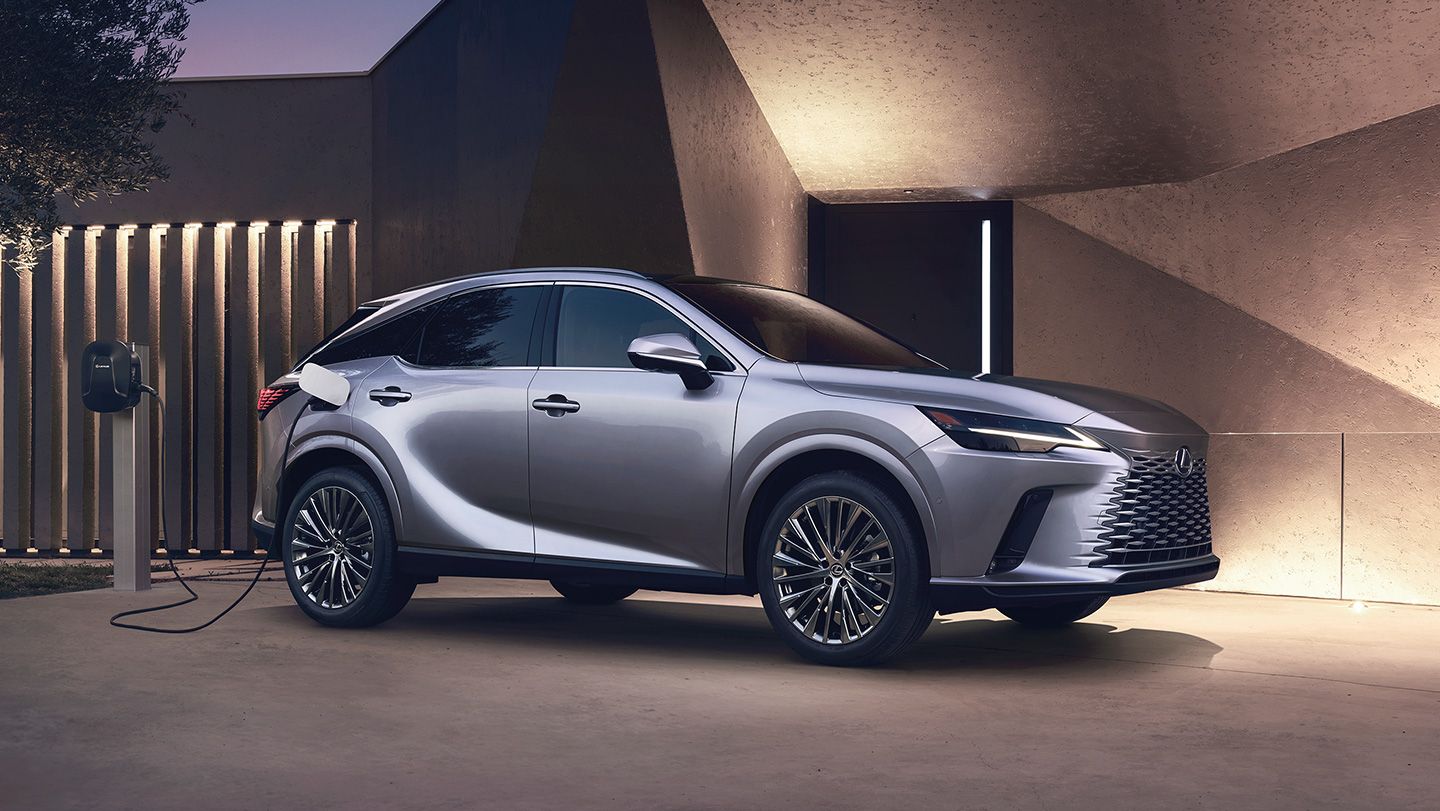
5. Lexus RX
The Lexus RX closes out the list of cars well-suited for Beaumont Gulf Coast use because it combines luxury-level comfort with exceptional long-term durability in humid, corrosive environments.
While many luxury vehicles struggle near the coast due to complex electronics and exposed metal components, the RX has earned a reputation for aging gracefully even when exposed to heat, salt air, and moisture year-round.
One of the RX’s biggest strengths is Toyota’s top-tier corrosion protection, which is noticeably more robust than what’s found on many competitors in the luxury SUV segment.
The underbody features extensive coatings, sealed seams, and well-protected fasteners that resist rust far better than average. In Beaumont’s climate, this means fewer seized bolts, fewer exhaust failures, and less suspension deterioration over time.
The RX also benefits from conservative mechanical design. Rather than relying heavily on turbocharged engines and intricate cooling hardware, Lexus favors proven powertrains with fewer heat-sensitive metal components.
This reduces the likelihood of moisture-driven degradation in engine bays and undercarriage areas an important consideration in constant humidity.
Interior durability also matters in Gulf Coast ownership. High moisture levels can accelerate wear in cabins, but Lexus materials resist mildew, corrosion of seat frames, and electronic failures better than most. This contributes to strong resale value even after years of coastal exposure.
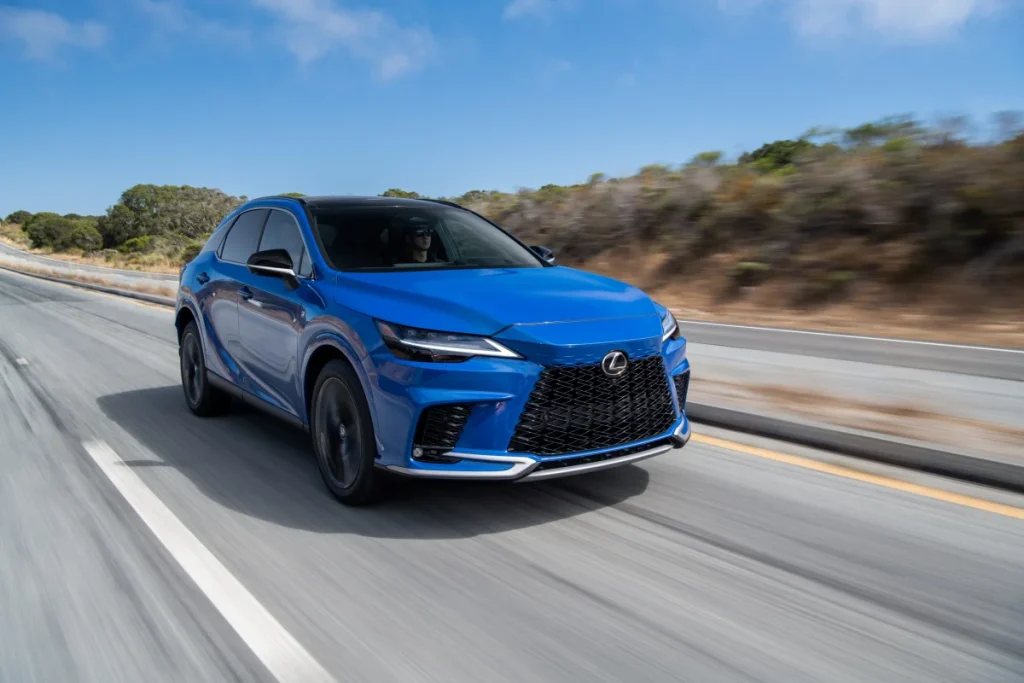
The Lexus RX is included because it proves that luxury and coastal durability don’t have to be mutually exclusive. For Beaumont drivers seeking refinement without sacrificing long-term reliability, it remains one of the safest choices on the market.
5 Cars That Corrode Quickly
Not every car is built to survive a Gulf Coast environment. In places like Beaumont, corrosion doesn’t wait a decade to show up it can begin quietly within just a few years.
High humidity, salt particles carried inland from the Gulf, frequent rain, and warm temperatures combine to create ideal conditions for rust formation. Vehicles that perform acceptably in dry or cold climates often struggle badly once exposed to this combination.
This section focuses on cars that tend to corrode quickly in coastal conditions, not because they are universally bad vehicles, but because their design priorities, materials, or cost-cutting measures leave them vulnerable in environments like Southeast Texas.
Thin paint, poor underbody sealing, exposed fasteners, and insufficient drainage channels are all common contributors to accelerated rust.
Another reason these vehicles are highlighted is buyer expectation. Many of them look solid when new and may even have strong performance or attractive pricing. Unfortunately, owners in humid coastal regions often discover hidden corrosion issues only after warranties expire when repairs become expensive and resale value collapses.
This portion of the article is written as a preventive guide, especially for Beaumont buyers considering used vehicles or relocating from drier regions. Understanding which models struggle with corrosion can help avoid structural issues, safety risks, and costly repairs tied to rusted brake lines, weakened frames, and deteriorating suspension mounts.
Each car listed below is discussed in detail, explaining why it corrodes faster, how those weaknesses show up in Gulf Coast climates, and why these vehicles are risky long-term choices for Beaumont ownership.
1. Jeep Compass
The Jeep Compass is one of the more problematic vehicles for Gulf Coast ownership due to its weak corrosion resistance and inconsistent build quality. While it may appeal with styling and affordability, the Compass has a history of rust-related complaints in humid and coastal regions.
A major issue lies in underbody protection or the lack of it. Many Compass models feature minimal coating on suspension components, exhaust hardware, and fasteners. In Beaumont’s moisture-heavy environment, this leads to early surface rust that can quickly progress into seized bolts, deteriorated control arms, and failing exhaust systems.
Paint quality is another concern. Owners frequently report premature paint bubbling around door seams, tailgates, and hood edges, classic entry points for corrosion. Once moisture penetrates these areas, rust spreads internally, where it’s difficult and expensive to repair.
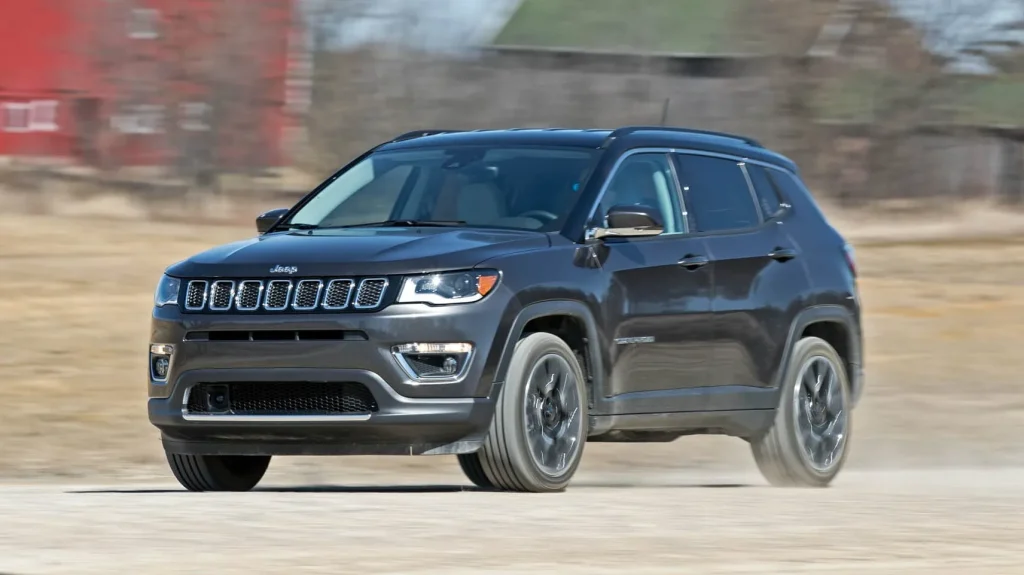
The Compass is included here because it represents a vehicle that performs far better in dry inland regions than along the Gulf Coast. In Beaumont, its corrosion weaknesses become visible sooner than most buyers expect, making it a risky long-term investment despite its initial affordability.
2. Ford Focus
The Ford Focus is a car that often surprises Gulf Coast owners and not in a good way. While it performs adequately in cooler or drier climates, prolonged exposure to Beaumont’s humidity and salt-laced air exposes several corrosion-related weaknesses that shorten its usable lifespan.
One of the biggest problems is thin paint and inconsistent corrosion sealing, especially around wheel arches, rocker panels, and door seams. These areas are constantly exposed to moisture kicked up from wet roads.
Once the paint barrier is compromised, rust spreads beneath the surface before it becomes visibly obvious, making repairs expensive and often impractical.
Underneath, the Focus suffers from poorly protected suspension and brake components. Brake lines, calipers, and subframe mounts are particularly vulnerable in coastal regions. In Beaumont, where moisture rarely evaporates fully, owners frequently encounter seized bolts, rusted exhaust joints, and premature suspension wear linked directly to corrosion.
Interior corrosion issues also appear over time. Moisture intrusion through door seals and aging weather stripping can lead to corrosion on seat mounts, wiring connectors, and electronic modules problems that are far more common in humid environments than Ford anticipated when designing the car.
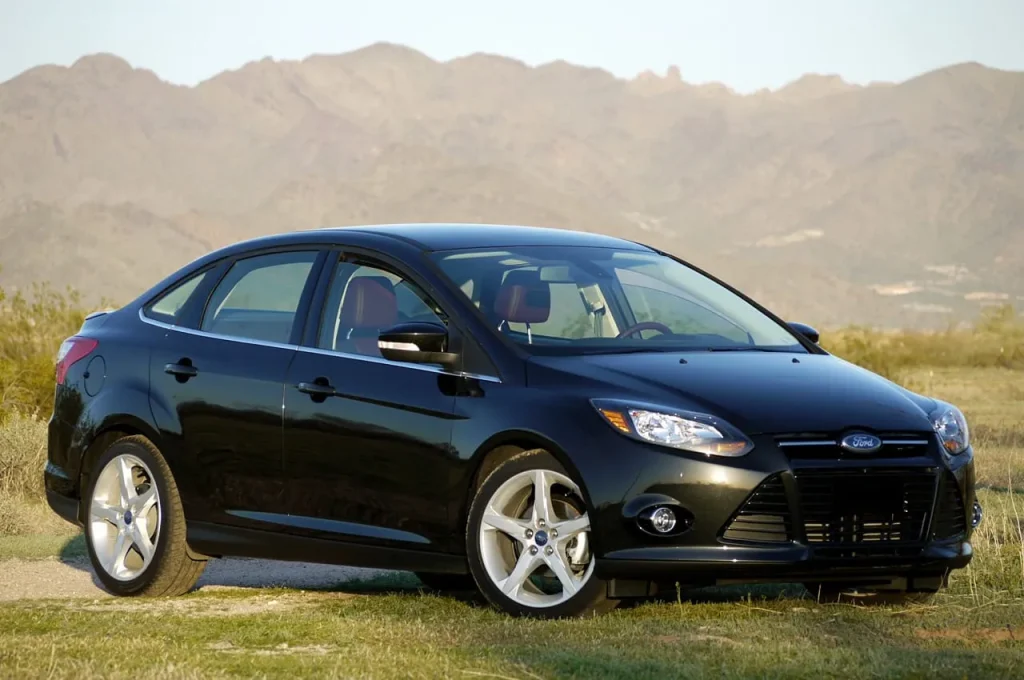
The Ford Focus is included here because it highlights how cost-focused design choices can backfire in harsh climates. While affordable upfront, its long-term durability near the Gulf Coast is compromised. For Beaumont drivers planning to keep a car beyond the short term, the Focus often becomes more trouble than it’s worth.
3. Chevrolet Cruze
The Chevrolet Cruze is another compact car that struggles significantly with corrosion in humid coastal areas like Beaumont. Despite modern styling and competitive pricing when new, the Cruze lacks the long-term rust protection needed for Gulf Coast ownership.
One of the Cruze’s main weaknesses is its underbody exposure. Key components such as exhaust heat shields, suspension arms, and fasteners are minimally coated. In a salt-heavy environment, these parts develop surface rust quickly, which then progresses into structural weakening and mechanical failures.
Paint durability is another issue. Cruze models are particularly prone to paint thinning and chipping, especially around the hood, roof edges, and rear quarter panels. Once salt air penetrates these vulnerable areas, rust begins internally and spreads outward often unnoticed until resale inspections or safety checks.
The Cruze is also known for cooling and drainage issues that worsen corrosion. Poor water evacuation allows moisture to sit inside door panels and trunk areas. Over time, this leads to rusted seams, corroded wiring, and electronic glitches that become costly to diagnose and repair.
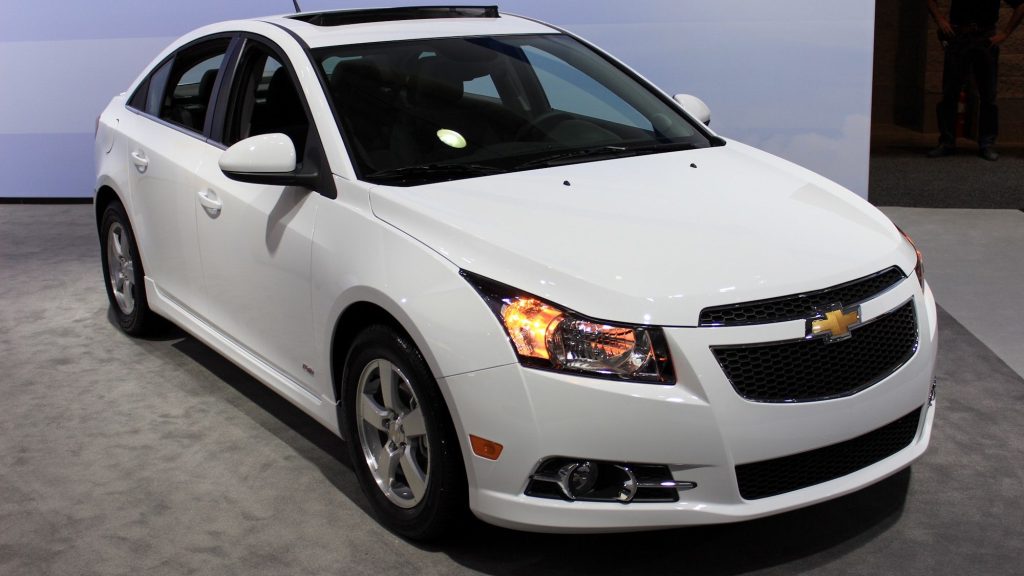
This car is included because it represents a common Beaumont mistake: choosing a modern-looking car without considering regional climate suitability. In Gulf Coast conditions, the Chevrolet Cruze often deteriorates faster than owners expect, making it a poor long-term choice despite its initial appeal.
4. Nissan Versa
The Nissan Versa is frequently purchased for its low price and fuel efficiency, but in Beaumont’s climate, those savings can evaporate quickly due to corrosion-related issues. As one of the most cost-cut compact sedans on the market, the Versa lacks many of the protective measures needed for humid coastal environments.
Rust problems commonly begin in door seams, trunk lids, and underbody weld points. Thin paint and minimal seam sealing allow moisture to penetrate quickly, especially during extended rainy periods common along the Gulf Coast. Once rust begins, it spreads aggressively due to constant humidity.
Underneath the vehicle, exposed fasteners and suspension hardware corrode at an accelerated rate. Brake components are particularly vulnerable, leading to uneven braking performance and costly replacements well before expected service intervals.
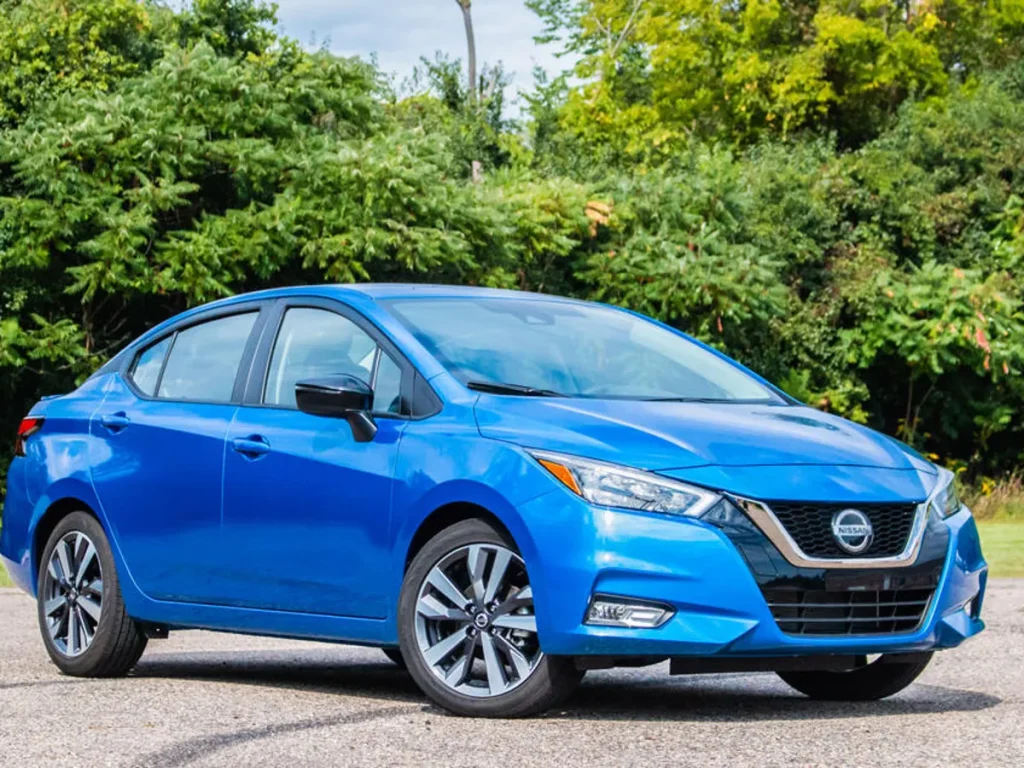
The Versa is included here because it demonstrates how budget-focused engineering can leave buyers exposed to climate-related durability issues. In Beaumont, what looks like an economical choice often becomes a short-lived one.
5. Mini Cooper
The Mini Cooper rounds out this list as a car that struggles disproportionately in Gulf Coast conditions despite its premium branding and fun driving experience. Minis are engineered primarily for urban European environments, not for constant humidity and salt exposure.
Corrosion issues frequently appear around body seams, hood edges, and rear hatch areas. The complex body construction and tight panel gaps trap moisture, accelerating rust formation. Paint bubbling is a common early warning sign in coastal regions.
Underbody corrosion is another concern. Minis feature densely packed mechanical components, making drainage and airflow poor underneath the car. This allows moisture to linger, attacking exhaust components, suspension mounts, and electrical connectors.
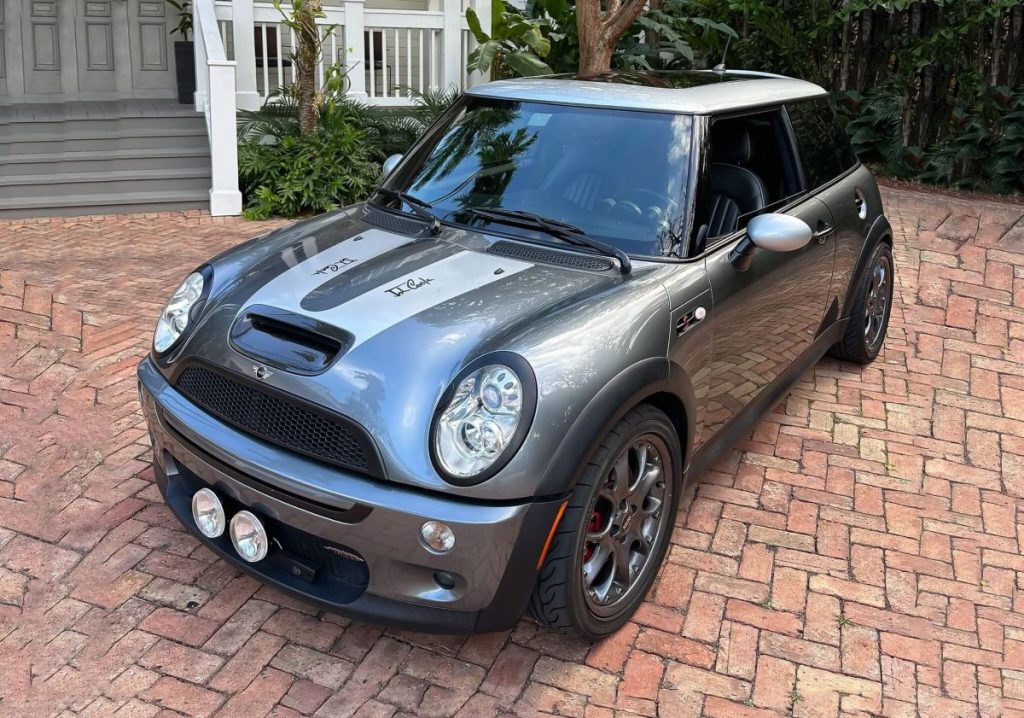
The Mini Cooper is included because it highlights how design complexity can work against durability. In Beaumont’s climate, the Mini often becomes expensive to maintain long before its mechanical components wear out.
Driving and owning a vehicle in Beaumont, Texas, is fundamentally different from owning one in a dry or cold region. The Gulf Coast climate defined by high humidity, salt-laden air, frequent rain, and long stretches of heat, accelerates corrosion in ways many buyers underestimate.
This article was written to highlight how dramatically climate affects vehicle longevity and to help buyers avoid costly mistakes that only reveal themselves after years of ownership.
The first half of the article focused on five cars that are well-suited for Beaumont’s Gulf Coast environment. These vehicles share common strengths: better-quality corrosion-resistant steel, thorough underbody coatings, sealed seams, and proven reliability in humid regions.
Models like the Toyota Camry and Honda CR-V stand out because their manufacturers prioritize durability over aggressive cost-cutting. Their paint quality, drainage design, and protected brake and suspension components help slow rust formation, even when exposed to moisture year-round.
Vehicles such as the Toyota Tacoma and Subaru Outback further demonstrate how thoughtful engineering can make a difference near the coast. Higher ground clearance reduces prolonged water exposure, while protective underbody cladding shields critical components from constant spray and salt buildup.
The Lexus RX shows that luxury vehicles can still perform well in coastal climates when conservative mechanical design and premium corrosion protection are applied correctly.
Together, these five cars represent low-risk, long-term ownership choices for Beaumont drivers who want reliability, safety, and strong resale value.
The second half of the article shifted focus to five cars that corrode quickly in Gulf Coast conditions. These vehicles often perform acceptably in drier regions but struggle once exposed to Beaumont’s environment.
Common issues include thin paint, poor seam sealing, exposed underbody components, and inadequate drainage. Cars like the Jeep Compass, Ford Focus, and Chevrolet Cruze highlight how cost-driven engineering can lead to early rust in suspension hardware, exhaust systems, and structural mounting points.
Budget models such as the Nissan Versa show how low upfront prices can mask long-term durability problems. In humid coastal regions, minimal corrosion protection often leads to premature brake failures, seized fasteners, and rapidly declining resale value.
The Mini Cooper illustrates a different issue: design complexity. Tight panel gaps, dense underbody layouts, and moisture-trapping body construction can cause corrosion to spread faster than expected, even on vehicles positioned as premium products.
Across all examples, the key lesson is clear: climate compatibility matters as much as reliability ratings or fuel economy.
A car that lasts 15 years in Arizona or the Midwest may struggle to reach 8–10 years near the Gulf without expensive repairs. For Beaumont buyers, corrosion resistance should be considered a core feature not an afterthought.
Ultimately, this article reinforces the idea that smart car buying is regional. Choosing vehicles that are engineered to withstand humidity and salt exposure can save thousands of dollars over time, improve safety, and preserve resale value.
In a Gulf Coast city like Beaumont, the right car doesn’t just get you from point A to point B it protects your investment against an environment that never stops testing it.
Also Read: 5 Cars for Norman College Runs and 5 cars That Students Should Avoid
