
Blacksburg is a true college town, shaped by student life, tight budgets, and daily movement between campus, housing, part-time jobs, and nearby essentials.
Driving here is less about long highway trips and more about short, frequent runs class commutes, grocery trips, late-night food stops, and weekend drives home. For students, a car isn’t a luxury; it’s a tool that must work reliably without draining limited finances.
This article looks at two critical sides of college car ownership in Blacksburg. The first focuses on vehicles that make sense for college runs cars that are affordable to buy, cheap to maintain, easy to park, and dependable under repeated short trips.
These vehicles fit student life, where predictability matters more than performance or image. They don’t require constant repairs or premium fuel, and they tolerate being driven daily without complaint.
The second half examines cars students should avoid. These are vehicles that often look appealing to younger buyers with sporty designs, luxury badges, or bargain prices but become financial traps once real ownership begins.
Frequent breakdowns, high repair costs, insurance expenses, and poor reliability quickly overwhelm student budgets. In a town like Blacksburg, where many students balance classes, work, and limited income, those issues become serious burdens.
By comparing both categories, this article aims to help students and families make smarter, experience-based decisions.
College driving exposes weaknesses quickly. Choosing the right car can support student life smoothly for years. Choosing the wrong one can turn transportation into a constant source of stress.
Also Read: 5 Cars for Bend Outdoor Lifestyles and 5 That Don’t Handle Dirt Roads
5 Cars for Blacksburg College Runs
College driving in Blacksburg rewards simplicity, efficiency, and reliability. Most student trips are short but frequent, which places unique stress on vehicles.
Cars that struggle with repeated cold starts, stop-and-go driving, or minimal maintenance quickly become liabilities. The best college cars are those that fade into the background starting every time, costing little to run, and requiring minimal attention.
This section focuses on five cars that are particularly well-suited for Blacksburg college runs. These vehicles are chosen because they match student realities: tight budgets, limited mechanical knowledge, and the need for dependable daily transportation.
They are easy to maneuver around campus, simple to park in crowded lots, and affordable to maintain even as mileage accumulates.
Another important factor is long-term ownership. Many students keep the same car throughout their college years and beyond. That makes reliability, parts availability, and low repair frequency essential. Cars that age well under short-trip conditions save students money and reduce disruption to academic life.
Each car in this list is written about because it supports student independence without creating financial strain. These are not status symbols or performance machines they are tools that help students focus on school, work, and life rather than repairs and breakdowns.
1. Toyota Corolla
The Toyota Corolla is one of the best possible cars for Blacksburg college runs because it prioritizes reliability and low ownership cost above everything else.
For students, that combination matters more than features or styling. College driving exposes cars to repeated short trips, inconsistent maintenance schedules, and limited budgets and the Corolla handles those conditions exceptionally well.
One of the Corolla’s biggest strengths is mechanical simplicity. Its engine and transmission are designed to operate reliably even when driven frequently for short distances. Cold starts, stop-and-go traffic, and campus driving don’t cause the kinds of wear that lead to frequent repairs in more complex vehicles.
Fuel efficiency is another major advantage. Students often drive small distances multiple times per day, and predictable fuel costs help manage tight budgets. The Corolla delivers consistent mileage in both city and highway conditions, keeping weekly expenses low.
Maintenance and repair costs are also student-friendly. Parts are widely available, repairs are straightforward, and almost every shop knows how to work on a Corolla. This reduces labor costs and downtime, which is critical for students who can’t afford repeated shop visits.
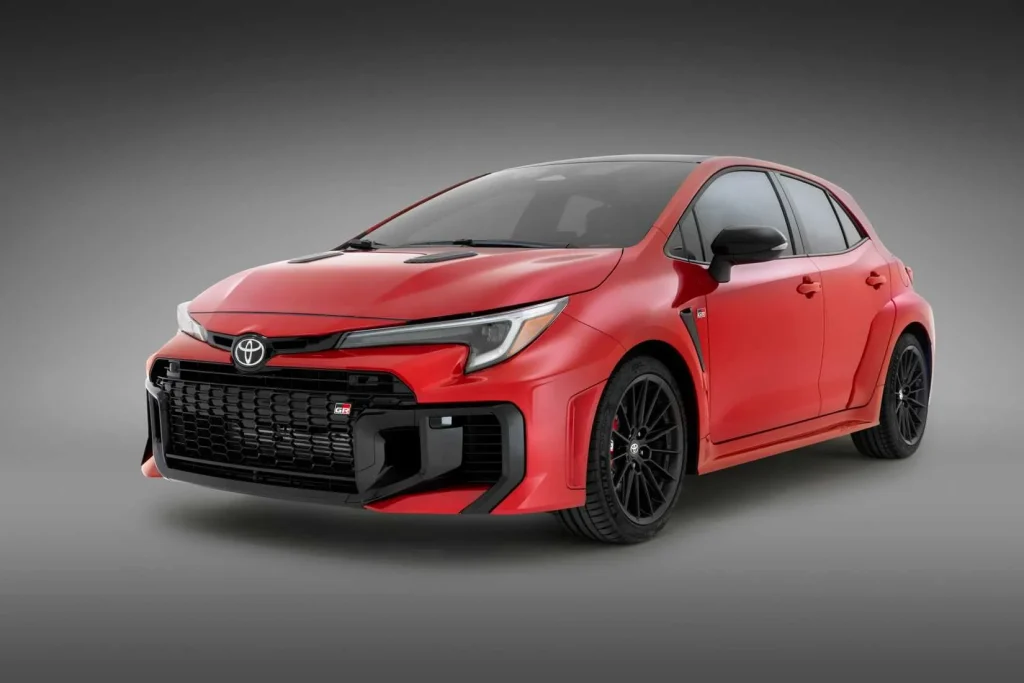
The Corolla is written about because it removes uncertainty from college driving. It doesn’t demand attention, it doesn’t surprise owners with expensive failures, and it supports student life quietly and reliably exactly what a college car should do.
2. Honda Civic
The Honda Civic is highlighted because it offers dependable daily transportation with slightly more refinement while remaining student-friendly. In Blacksburg, where parking is tight and driving is frequent, the Civic’s balance of reliability, efficiency, and ease of use makes it an excellent college car.
One reason the Civic works well for students is its tolerance for daily use. Frequent starts, short trips, and campus traffic don’t overwhelm its powertrain. The Civic starts reliably, warms up quickly, and doesn’t require special care to remain dependable.
Fuel economy also plays a key role. The Civic delivers strong mileage across everyday driving scenarios, which helps students control recurring costs. Over a semester or full academic year, this efficiency adds up significantly.
The Civic’s compact size is another advantage. It’s easy to park near campus, simple to maneuver in crowded areas, and less likely to pick up parking damage compared to larger vehicles. For new or inexperienced drivers, this ease matters.
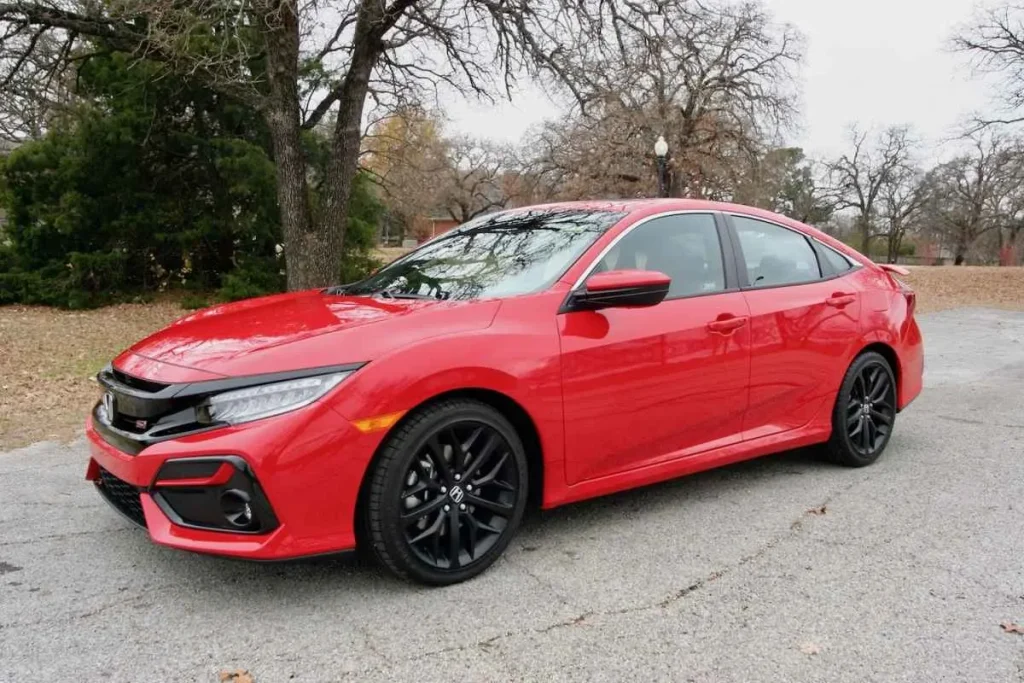
The Civic is written about because it supports independence without excess cost. It’s reliable, efficient, and forgiving qualities that align perfectly with the realities of student life in Blacksburg.
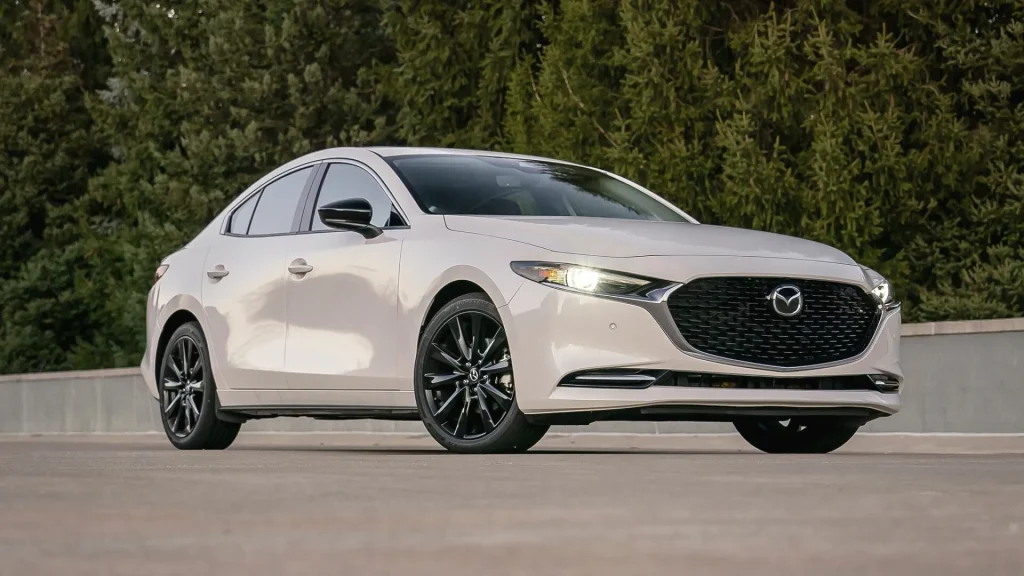
3. Mazda3
The Mazda3 earns its place as a strong college car for Blacksburg because it blends reliability, efficiency, and a slightly more refined driving experience without introducing unnecessary ownership risk. For students who want something that feels modern and enjoyable but still fits a realistic budget, the Mazda3 strikes an effective balance.
One of the Mazda3’s biggest advantages for college use is mechanical simplicity paired with solid engineering. Its naturally aspirated engines are known for durability under frequent short trips, which are common in campus driving.
Unlike turbocharged or performance-oriented cars, the Mazda3 doesn’t rely on delicate components that suffer under stop-and-go conditions.
Fuel efficiency is another major benefit. Students often drive small distances multiple times a day, and the Mazda3 delivers consistent mileage that keeps weekly fuel costs manageable. Over the course of an academic year, this predictability makes budgeting far easier.
The Mazda3’s compact size also suits Blacksburg well. Parking near campus can be tight, and the Mazda3’s dimensions make it easier to squeeze into crowded lots or narrow street spaces. Visibility is good, and steering response is predictable, which helps newer drivers build confidence.
Interior quality matters more than many students expect. The Mazda3’s cabin materials hold up well under daily use, backpacks, and frequent entry and exit. Controls are intuitive, reducing distraction while driving around campus.
The Mazda3 is written about because it offers student-friendly ownership without feeling disposable. It’s reliable, efficient, and comfortable enough to remain satisfying throughout college and beyond an important trait for students planning long-term ownership.
4. Hyundai Elantra
The Hyundai Elantra is included because it delivers strong value, reliability, and low ownership costs three qualities that are essential for college students in Blacksburg. It may not be flashy, but it excels at the fundamentals that matter most when budgets are tight and transportation is essential.
One of the Elantra’s biggest strengths is predictability. Its engine and transmission are designed for efficiency and daily use, handling frequent starts and short trips without complaint. For students juggling classes and work, a car that starts every time is non-negotiable.
Fuel economy further supports its college appeal. The Elantra keeps fuel expenses low across city and highway driving, helping students stretch limited funds. Over multiple semesters, this savings become significant.
Maintenance costs are another key advantage. Parts are affordable and widely available, and most service centres are familiar with the Elantra. This reduces labor costs and repair downtime critical for students who can’t afford extended time without a car.
Interior space also adds value. The Elantra comfortably carries friends, groceries, and gear without feeling cramped. This versatility supports changing needs throughout the school year.
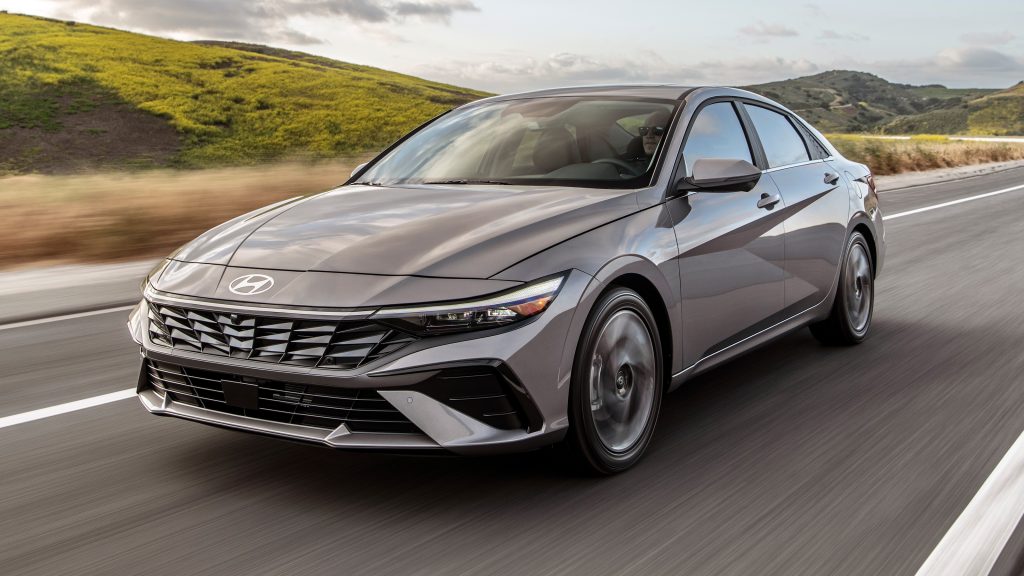
The Elantra is written about because it represents low-stress student ownership. It doesn’t surprise owners with frequent repairs or high costs. Instead, it quietly supports daily college life, allowing students to focus on priorities beyond their car.
5. Toyota Prius
The Toyota Prius completes this list because it offers unmatched fuel efficiency and long-term reliability two traits that are especially valuable for college students planning extended ownership. While not everyone loves its styling, its practicality is hard to ignore.
One of the Prius’s biggest advantages is exceptional fuel economy. Students who drive frequently but short distances benefit enormously from reduced fuel costs. For those commuting to part-time jobs or traveling home on weekends, the savings add up quickly.
Reliability is another major reason it’s included. The Prius’s hybrid system has proven durable over high mileage, and many examples last well beyond college years with minimal major repairs. For students looking to keep a car long-term, this durability is invaluable.
The Prius also handles short trips well. Unlike some traditional engines that suffer under repeated cold starts, the hybrid system reduces engine strain, extending component life.
Insurance costs are often reasonable, and maintenance while slightly different, is predictable. Brake wear is reduced due to regenerative braking, further lowering long-term expenses.
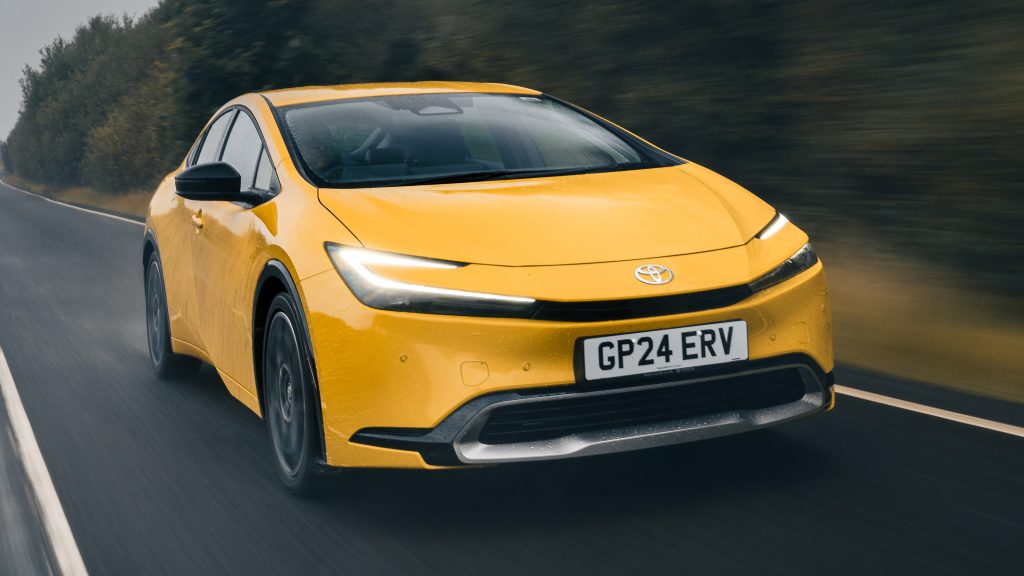
The Prius is written about because it rewards practical thinking. It may not be exciting, but it minimizes costs and maximizes reliability qualities that matter far more than style during college years.
5 Students Should Avoid
College students shopping for cars often face a dangerous combination: limited budgets, limited experience, and unlimited temptation.
In a town like Blacksburg, where student life is fast-paced and money is tight, the wrong car choice can quietly turn into a financial disaster. Vehicles that look exciting, luxurious, or aggressively priced often hide ownership costs that students are simply not equipped to handle.
This section focuses on cars that students should avoid not because they can’t be driven, but because they conflict directly with student realities.
College driving involves frequent short trips, irregular maintenance habits, tight parking, and heavy reliance on a single vehicle. Cars that demand expensive repairs, premium fuel, specialized service, or constant attention quickly overwhelm student budgets and schedules.
A common trap is false affordability. Some cars are cheap to buy used because they depreciate heavily or have known reliability issues. For students, that low entry price feels like a win until repair bills begin stacking up.
Others carry sporty or luxury badges that raise insurance costs and maintenance complexity far beyond what a student income can sustain.
Another major issue is maintenance sensitivity. Many students lack the time, tools, or money to follow strict service schedules. Cars that punish even small maintenance delays with major failures are poor matches for college life. What works for an enthusiast owner becomes a nightmare for a student trying to get to class on time.
These vehicles are written about to protect students from long-term regret. A car that breaks down frequently doesn’t just cost money it costs time, focus, and peace of mind. Missed classes, missed shifts, and emergency repair bills create stress that directly impacts academic performance.
In Blacksburg, where reliable transportation supports independence, the wrong car can become an anchor instead of a tool. This section highlights vehicles that consistently fail to meet student needs not because they’re terrible cars in every context, but because they are fundamentally mismatched to college ownership.
1. BMW 3 Series (Older Models)
The BMW 3 Series frequently appears on student “dream car” lists, but it is one of the worst choices a college student in Blacksburg can make. While it offers strong performance and premium branding, older 3 Series models come with ownership demands that far exceed student resources.
The biggest issue is the maintenance and repair cost. BMWs are engineered with tight tolerances and complex systems that require specialised parts and service. Routine repairs cooling components, sensors, and suspension parts cost significantly more than mainstream vehicles. For students, even minor repairs can consume months of discretionary income.
Reliability under short-trip driving is another concern. College driving patterns involve frequent cold starts and short distances, which accelerate wear on components like ignition coils, cooling systems, and emissions equipment. Older BMWs are particularly sensitive to this usage, leading to warning lights and recurring failures.
Insurance costs further compound the problem. Even older BMWs are classified as performance or luxury vehicles, which raises premiums especially for young drivers. That ongoing cost drains budgets long after the excitement of ownership fades.
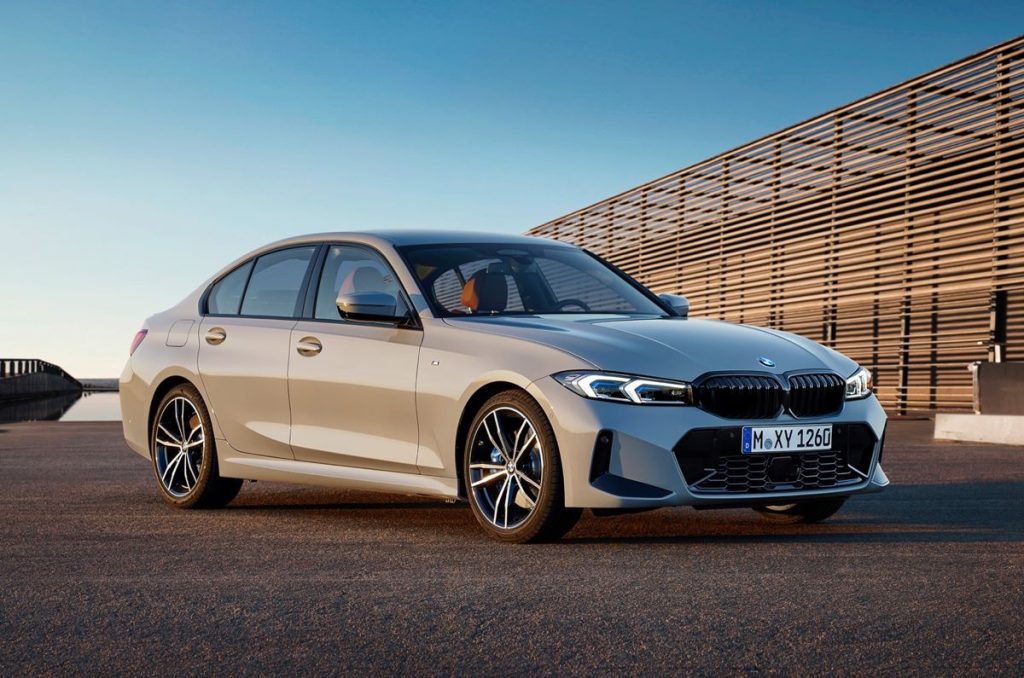
Parts availability and labor complexity also work against students. Many repairs require specialized tools or dealership-level diagnostics, increasing downtime and expense. For a student who depends on one car for everything, extended repair times are devastating.
The BMW 3 Series is written about because it represents status over sustainability. It may feel like a step up, but for college students, it becomes a constant financial and logistical burden rather than a benefit.
2. Jeep Wrangler
The Jeep Wrangler is another vehicle students should avoid, despite its popularity and rugged image. While it looks fun and adventurous, the Wrangler’s ownership reality clashes sharply with college life in Blacksburg.
One major issue is ride quality and daily usability. Wranglers are designed for off-road capability, not daily campus driving. The stiff suspension, vague steering, and loud cabin make short, frequent trips more tiring than enjoyable. Over time, this wears on both the vehicle and the driver.
Reliability concerns also surface quickly under daily use. Wranglers are known for electrical issues, suspension wear, and drivetrain problems that worsen with frequent short trips. Repairs are not always catastrophic but they are frequent enough to become costly and disruptive.
Fuel economy is another drawback. Students driving daily will feel the impact of poor mileage quickly, especially as fuel prices fluctuate. Compared to efficient compact cars, the Wrangler burns through budgets unnecessarily.
Insurance costs add further strain. The Wrangler’s high replacement cost and rollover risk classification often result in higher premiums, particularly for young drivers.
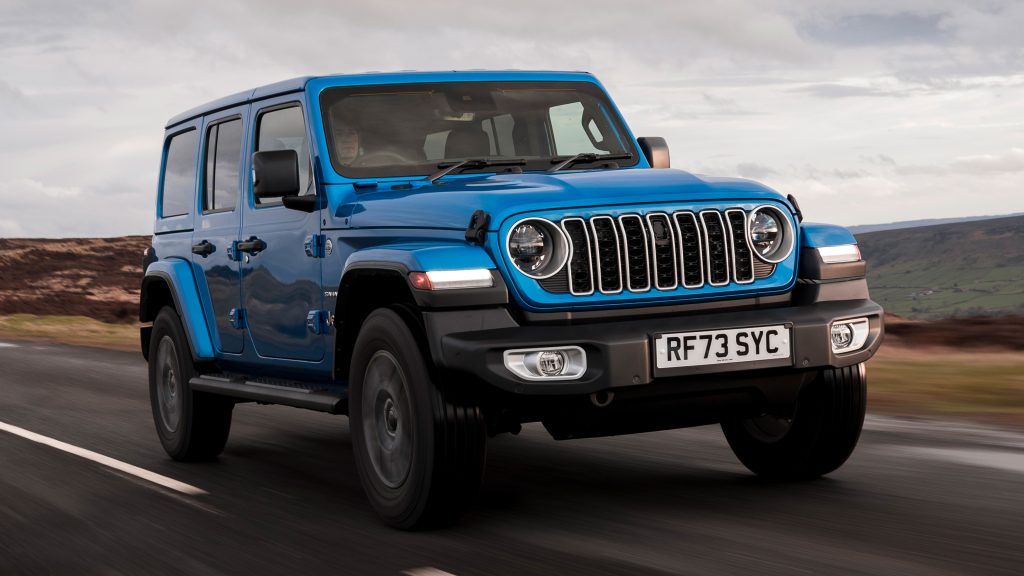
The Wrangler is written about because it embodies lifestyle fantasy over practical reality. For students, it delivers higher costs, lower comfort, and more frequent issues than college life can support.
3. Mini Cooper
The Mini Cooper is often seen as a stylish, fun, and compact car qualities that initially appeal to college students in Blacksburg. Unfortunately, those same qualities hide a set of ownership challenges that make the Mini a poor fit for student life.
While it may look perfect for campus parking and short trips, daily ownership quickly reveals why it’s better admired than owned by students.
The biggest issue is reliability under short-trip driving. Minis are mechanically complex for their size, with tightly packaged engines and electronics that do not tolerate frequent cold starts well.
College driving involves many short runs between classes, housing, and errands, which accelerates wear on ignition components, sensors, and emissions systems. Over time, this leads to warning lights, rough idle, and repeated repair visits.
Maintenance cost is another major problem. Minis require specialized parts and service knowledge, which drives labor costs up.
Even routine repairs such as cooling system components, suspension parts, or electrical fixes tend to cost significantly more than comparable mainstream vehicles. For students operating on limited budgets, these costs can quickly become unmanageable.
Electrical issues are especially common. Owners frequently report malfunctioning sensors, random fault codes, and inconsistent electronic behavior.
These problems are difficult to diagnose and often recur even after repairs, leading to frustration and lost time. For students who rely on their car daily, unpredictability is the worst possible trait.
Insurance costs also tend to be higher than expected. Despite its small size, the Mini is often classified in ways that increase premiums for young drivers. Combined with repair expenses, this raises total ownership costs far beyond what most students anticipate.
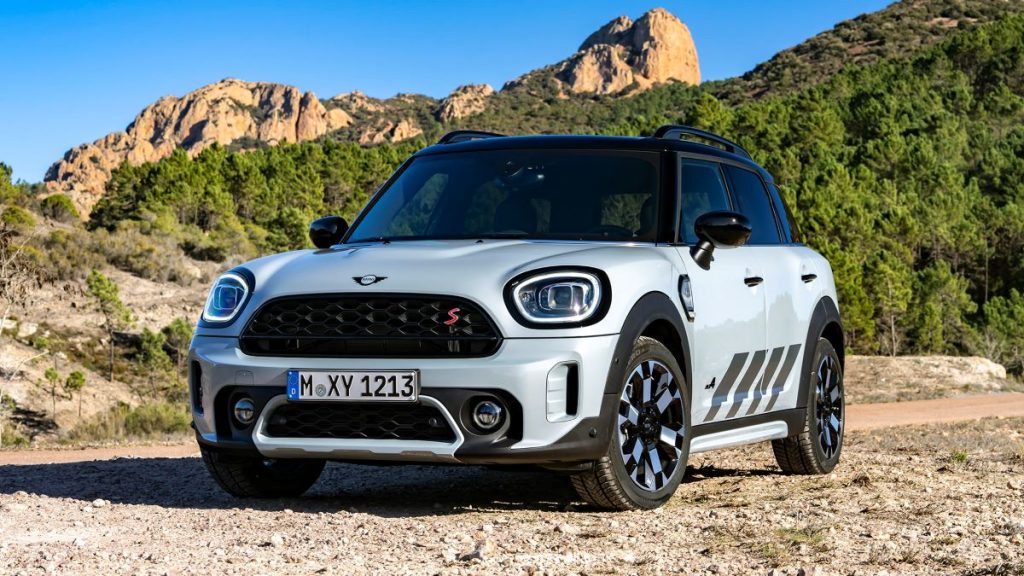
Interior durability further undermines its suitability. While stylish, many interior components wear quickly under daily use buttons, trim, and switches tend to feel tired well before high mileage. This cosmetic decline often mirrors deeper mechanical fatigue.
The Mini Cooper is written about because it represents style over sustainability. It’s fun in theory, but in practice, it demands far more attention, money, and patience than college life allows. For Blacksburg students, the Mini becomes a distraction rather than a dependable tool.
4. Audi A4
The Audi A4 is another vehicle that frequently tempts college students with its luxury badge, refined styling, and used-market affordability. However, beneath that premium image lies a level of complexity and cost that makes it one of the worst choices for student ownership in Blacksburg.
The primary issue is maintenance intensity. Audi vehicles are engineered with advanced systems that require strict service schedules.
Missed oil changes, delayed fluid replacements, or skipped inspections often lead to cascading failures. College students, juggling academics and work, are rarely in a position to maintain this level of attention and the A4 punishes neglect quickly.
Repair costs are significantly higher than mainstream cars. Common issues include timing components, cooling system failures, suspension wear, and electrical faults.
Even minor repairs often require specialized tools and dealership-level diagnostics, which raises both labor costs and repair time. For students relying on one car, extended downtime is a serious problem.
Short-trip driving further accelerates wear. Frequent cold starts and brief drives prevent the engine from reaching optimal operating temperature, increasing stress on emissions systems, sensors, and turbo components. Over time, this leads to warning lights, performance issues, and expensive fixes.
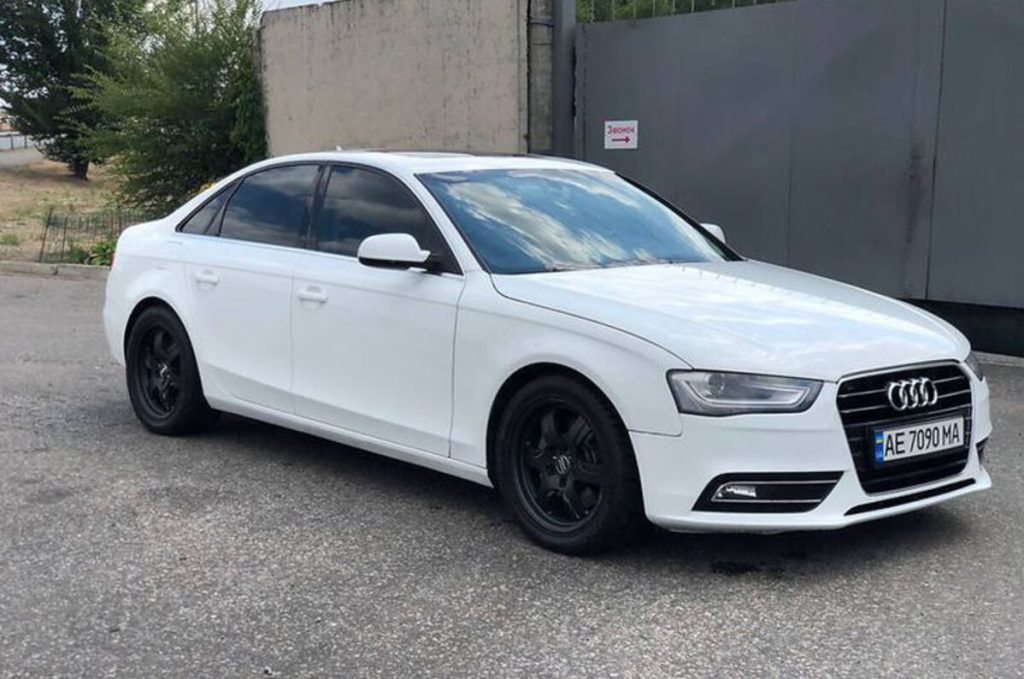
Insurance premiums also tend to be high. As a luxury sedan, the A4 is costly to insure especially for young drivers with limited driving history. This recurring expense adds pressure to already tight budgets.
Parts availability and pricing further complicate ownership. While Audi parts are available, they are rarely cheap, and aftermarket options often don’t provide the same longevity. For students trying to minimize expenses, this becomes a constant financial drain.
The Audi A4 is written about because it illustrates badge appeal over practicality. It may feel like an upgrade, but for college students in Blacksburg, it introduces stress, expense, and risk that outweigh any perceived benefits.
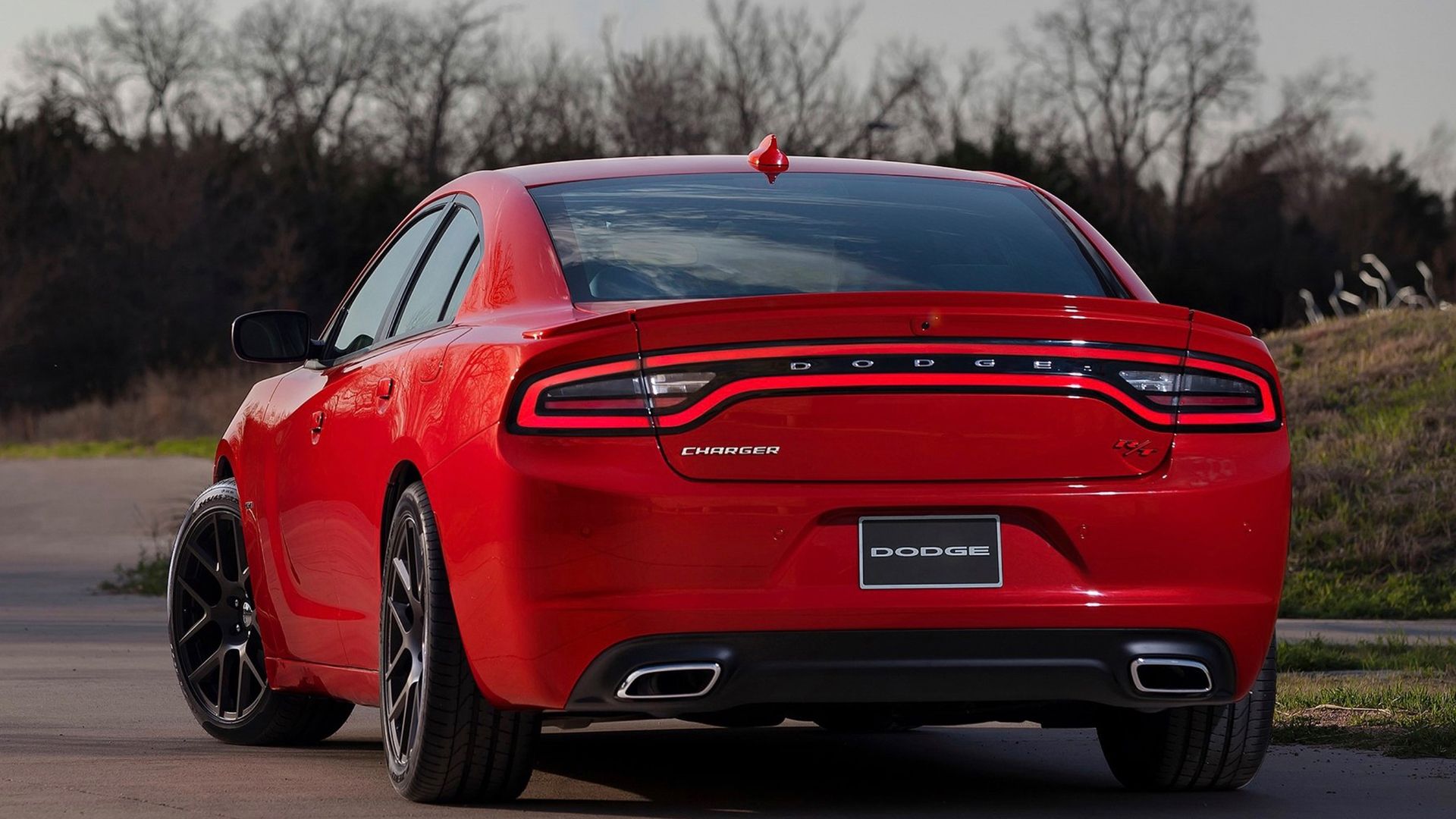
5. Dodge Charger
The Dodge Charger is often attractive to college students because of its aggressive styling, strong performance image, and widespread availability on the used market.
Unfortunately, those same qualities make it one of the most impractical and costly choices a student in Blacksburg can own. While it looks exciting on campus, daily ownership quickly reveals why it clashes with student life.
One of the biggest problems is operating cost. The Charger is a large, heavy vehicle, and that weight translates directly into higher fuel consumption.
College driving involves frequent short trips classes, errands, late-night food runs and the Charger’s fuel appetite becomes expensive very quickly. For students budgeting week to week, fuel costs alone can become a constant source of stress.
Insurance is another major drawback. Chargers are often classified as performance-oriented vehicles, even in lower trims. For young drivers, that classification leads to significantly higher insurance premiums. Over the course of a semester or year, insurance can quietly cost more than maintenance on a more sensible car.
Reliability under daily use is also a concern. Chargers are known for electrical issues, suspension wear, and drivetrain problems, particularly as mileage increases.
Short-trip driving accelerates these issues, leading to warning lights, rough operation, and repeated repair visits. Even when repairs are not catastrophic, they are frequent enough to disrupt student schedules and finances.
Size works against the Charger in a college-town environment. Parking around campus and student housing is often tight, and the Charger’s long body and wide turning radius make maneuvering stressful. Minor parking damage is more likely, and navigating crowded lots becomes a daily annoyance rather than a convenience.
Maintenance costs further compound the issue. Parts and labor are more expensive than those for compact, student-friendly cars. Suspension components, brakes, and tires wear faster due to the car’s weight, increasing routine maintenance expenses that students rarely anticipate.
Another overlooked issue is ownership temptation. Chargers often encourage spirited driving, which increases wear, fuel use, and insurance risk. For younger drivers, this combination can quickly spiral into higher costs and greater likelihood of accidents or citations both of which carry long-term financial consequences.
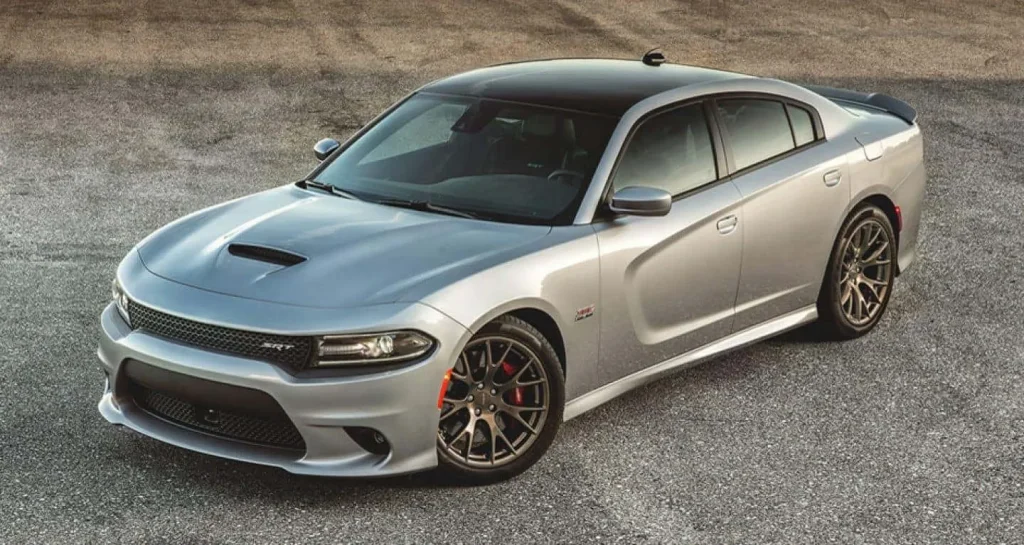
The Dodge Charger is written about because it represents image over infrastructure. It looks powerful and confident, but college ownership demands efficiency, reliability, and restraint.
In Blacksburg, where students need a car that supports academics rather than distracts from them, the Charger becomes an expensive liability instead of a useful tool.
This article examined car ownership from the perspective of college life in Blacksburg, highlighting which vehicles support student routines and which ones create financial and practical problems.
The first section focused on cars well-suited for college runs models that are affordable, reliable, fuel-efficient, easy to park, and tolerant of short, frequent trips.
These vehicles help students manage tight budgets and busy schedules without constant repairs. The second section warned against cars students should avoid, including models with high maintenance costs, frequent breakdowns, expensive insurance, and poor daily usability.
The core takeaway is clear: reliability and affordability matter far more than image during college ownership.
Also Read: 5 Cars for Wichita Practical Buyers and 5 That Have Costly Transmissions
