
Shreveport’s work-commuting environment blends short urban drives, highway stretches, and year-round vehicle dependence. While Louisiana is known for heat and humidity, North Louisiana still experiences cold snaps that catch many drivers off guard.
Morning commutes can swing from mild to freezing overnight, exposing weaknesses in vehicles that aren’t built or maintained to handle temperature shifts reliably. For working commuters, dependability matters more than anything else especially when being late isn’t an option.
This article looks at two very different sides of commuter car ownership in Shreveport. The first focuses on cars that make sense for daily work commuting vehicles that start reliably, handle stop-and-go traffic well, deliver reasonable fuel economy, and don’t demand constant attention.
These cars are chosen for consistency, not excitement. They fit the rhythm of early mornings, predictable routes, and long-term ownership.
The second half examines cars that struggle when temperatures drop. Even brief cold spells can expose issues with batteries, fuel delivery, sensors, and engine design.
Some vehicles develop reputations for hard starts, weak cold cranking performance, or electronic glitches when temperatures fall. These problems are frustrating anywhere but especially costly for work commuters who rely on their car every day.
By covering both sides, this article aims to help Shreveport drivers make smarter, reliability-focused decisions. Choosing a car that fits local commuting conditions can reduce stress, prevent missed workdays, and keep ownership costs under control. Choosing the wrong one can turn a cold morning into a costly problem.
Also Read: 5 Cars for Birmingham Urban Drivers and 5 That Don’t Fit City Streets
5 Cars for Shreveport Work Commuters
Work commuting in Shreveport places specific demands on vehicles. Most drivers face predictable daily mileage, frequent starts, and a mix of city traffic and highway cruising. In this environment, the best commuter cars are those that start every time, warm up quickly, and operate efficiently without drama. Comfort matters, but reliability matters more.
This section focuses on five cars that suit Shreveport’s work-commuting lifestyle particularly well. These vehicles are chosen because they deliver consistent performance across seasons, handle daily use without complaint, and keep operating costs manageable.
They don’t rely on overly complex systems or fragile components that increase the risk of breakdowns during early morning starts.
Another key factor is ownership longevity. Many Shreveport commuters keep vehicles for years, which makes durability, predictable maintenance, and fuel efficiency critical. Cars that tolerate frequent short trips and varying temperatures tend to age better and cause fewer disruptions to work schedules.
Each vehicle in this list is written about because it supports dependable daily routines. These are cars that get you to work on time, don’t punish you financially, and remain trustworthy even as mileage accumulates. In a commuter-focused city like Shreveport, that kind of reliability is the real luxury.
1. Toyota Corolla
The Toyota Corolla is one of the most dependable choices for Shreveport work commuters, and it earns its place here through sheer consistency. Daily commuting demands a car that starts reliably every morning, regardless of temperature or how long it’s been sitting overnight. The Corolla has built its reputation on exactly that kind of dependability.
One of the Corolla’s biggest strengths is mechanical simplicity. Its engine and electrical systems are designed to work without drama, which reduces cold-start issues during winter mornings.
Even when temperatures dip unexpectedly, the Corolla typically starts cleanly and settles into a smooth idle quickly an important trait for early work commutes.
Fuel efficiency is another major advantage. Shreveport commuters often drive the same routes every day, and predictable fuel costs make budgeting easier. The Corolla delivers consistent mileage in both city traffic and highway driving, keeping operating expenses under control over time.
Reliability also translates into fewer disruptions. Missed work due to bringing a car into the shop is costly, and the Corolla minimizes that risk. Maintenance requirements are straightforward, parts are widely available, and repairs, when needed, are generally affordable.
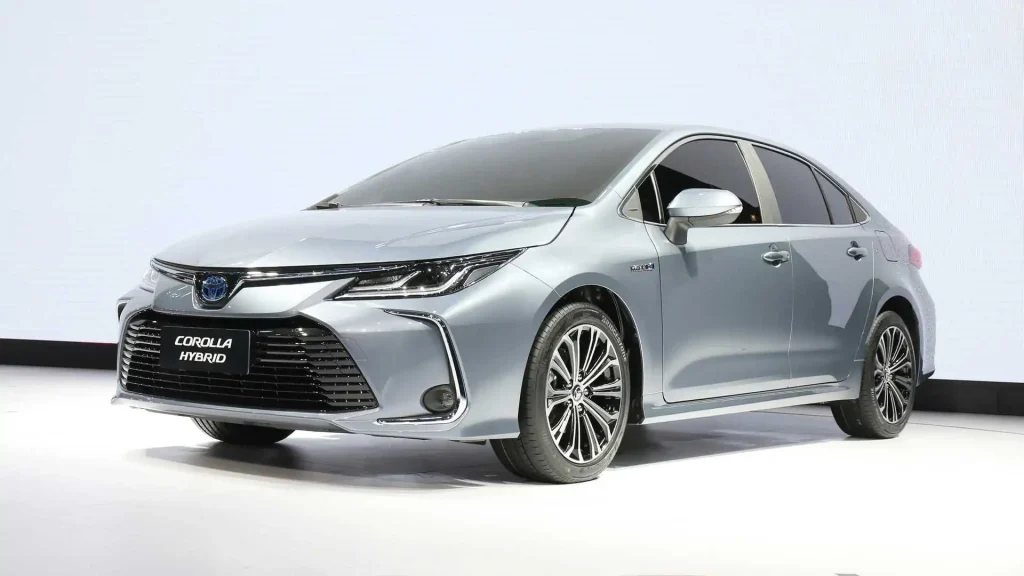
The Corolla is written about because it removes uncertainty from commuting. It may not excite, but it delivers what work commuters need most: reliability, efficiency, and peace of mind.
2. Honda Civic
The Honda Civic is highlighted because it balances efficiency, reliability, and comfort in a way that fits Shreveport’s daily commuting patterns extremely well. For workers who rely on their car every morning, the Civic offers predictable behavior and dependable cold-start performance.
One reason the Civic works so well as a commuter is its responsive yet durable engine design. Even during colder mornings, it typically starts without hesitation and reaches operating temperature quickly. This reduces strain on components and improves long-term reliability important for drivers putting consistent miles on their vehicles.
The Civic’s fuel efficiency also supports commuter life. Whether navigating city streets or cruising highways, it delivers strong mileage that helps offset daily driving costs. Over years of commuting, this efficiency adds up to significant savings.
Interior comfort is another factor. Shreveport commuters often spend extended time behind the wheel, and the Civic’s supportive seating, intuitive controls, and relatively quiet cabin reduce fatigue. A comfortable commute makes a noticeable difference over time.

The Civic is written about because it offers dependable daily performance without complexity. It’s a car that quietly supports work life starting reliably, driving efficiently, and holding up well under repeated use.
3. Hyundai Elantra
The Hyundai Elantra earns its place on this list because it offers dependable daily commuting performance without unnecessary complexity. For Shreveport work commuters, consistency is everything, and the Elantra is designed to handle frequent starts, short trips, and long-term daily use without becoming temperamental.
One of the Elantra’s strengths is reliable cold-start behavior. While Shreveport does not experience prolonged winters, sudden cold mornings can still stress weaker systems. The Elantra’s electrical and fuel systems are generally quick to respond, allowing the engine to start cleanly and settle into a steady idle without excessive hesitation.
Fuel efficiency is another reason it suits work commuting well. Repetitive daily routes make fuel costs predictable, and the Elantra delivers strong mileage in both city and highway conditions. This efficiency helps keep monthly commuting expenses under control over years of ownership.
Comfort also plays a meaningful role. The Elantra’s cabin is quiet enough for early-morning drives, and its seating position supports longer commutes without discomfort. Controls are intuitive, reducing distraction during stop-and-go traffic.
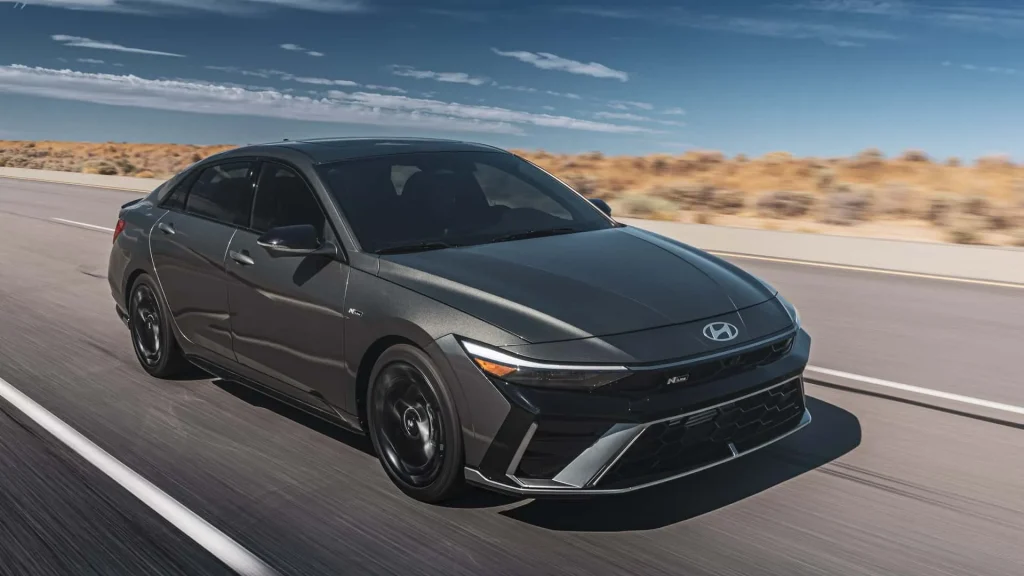
The Elantra is written about because it represents solid commuter value. It doesn’t demand attention, doesn’t overcomplicate ownership, and consistently delivers reliable transportation exactly what most Shreveport work commuters need.
4. Mazda3
The Mazda3 is included because it combines reliability with a slightly more engaging driving experience, without sacrificing commuter dependability. For Shreveport workers who want a car that feels responsive yet trustworthy, the Mazda3 strikes a practical balance.
Cold starts are rarely an issue with the Mazda3 when properly maintained. Its engine management system handles temperature changes well, allowing it to start promptly even after overnight cold snaps. This predictability is crucial for commuters who can’t afford delays.
Fuel economy supports daily use. The Mazda3 remains efficient on highways and in city traffic, making it suitable for drivers with consistent routes and regular schedules. Over time, this efficiency reduces overall ownership costs.
Another advantage is build quality. The Mazda3’s interior materials and construction hold up well under daily use, which matters for commuters spending hours each week in their vehicle. A solid-feeling cabin contributes to a sense of reliability beyond mechanical performance.
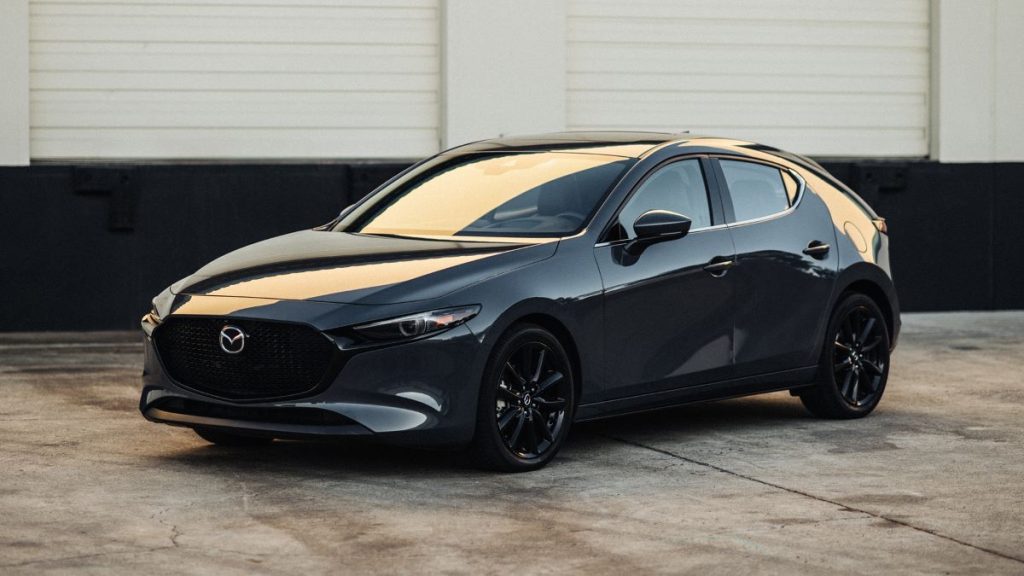
The Mazda3 is written about because it proves commuter cars don’t have to feel disposable. It supports daily work routines while offering a level of refinement that makes commuting less monotonous.
5. Toyota Camry
The Toyota Camry completes this list because it offers a higher level of comfort and stability for commuters with longer drives. In Shreveport, where some workers travel between suburbs or neighboring areas, the Camry’s highway manners become a significant advantage.
Cold-start reliability is one of the Camry’s strongest points. Even during colder mornings, it typically starts without hesitation and warms up smoothly. This consistency reduces stress on components and helps maintain long-term reliability.
The Camry’s ride quality also suits work commuting. It absorbs road imperfections well and remains stable at highway speeds, reducing fatigue on longer drives. For commuters spending significant time on the road, this comfort becomes increasingly important.
Fuel efficiency remains reasonable for its size, and maintenance costs are predictable. The Camry’s reputation for durability makes it a popular choice for drivers who plan to keep their car for many years.
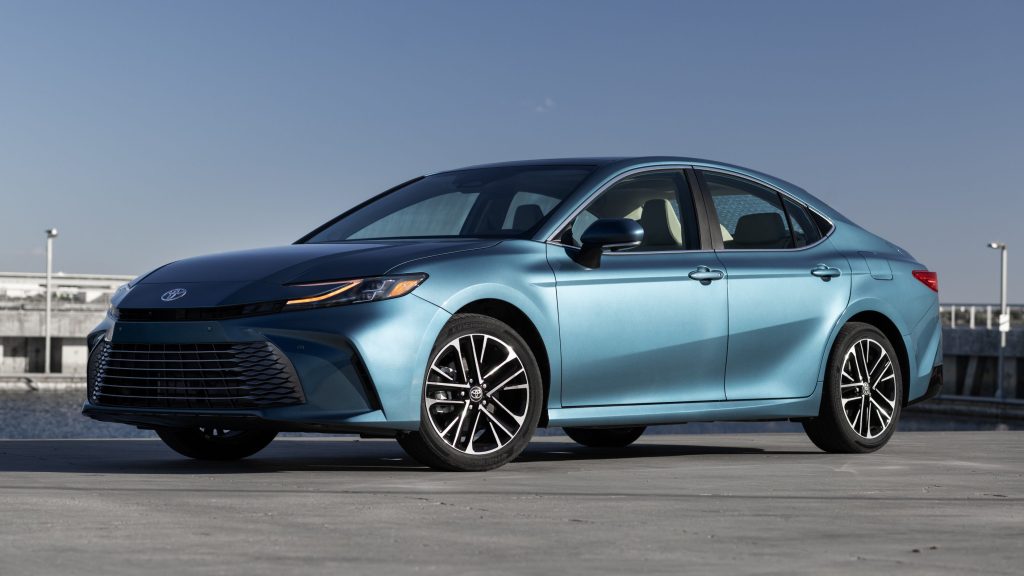
The Camry is written about because it offers commuter confidence at a higher comfort level. It’s dependable, comfortable, and built to handle daily work routines without becoming a liability.
5 That Don’t Start in Cold
Cold-start reliability is one of the most underestimated aspects of car ownership especially in regions like Shreveport, where winters are short but unpredictable. While the city is better known for heat and humidity, sudden cold fronts can drop temperatures overnight, creating early-morning conditions that expose weaknesses in certain vehicles.
For work commuters, these moments matter most. A car that struggles to start even a few times a year can cause missed shifts, late arrivals, and costly repairs.
Unlike consistently cold regions where vehicles are designed and maintained with winter in mind, warmer climates often lull owners into a false sense of security. Batteries age faster in heat, oil thickens when temperatures drop, and fuel delivery systems that rarely face cold conditions can suddenly struggle.
Cars that rely on sensitive electronics, complex ignition systems, or weak cold-cranking setups are especially vulnerable during these temperature swings.
This section focuses on vehicles that have developed reputations for cold-start issues, even when temperatures are not extreme. These problems don’t always mean complete failure. Sometimes it’s long cranking times, rough idle, warning lights, or repeated battery drain.
Over time, these issues add stress to engines, starters, and electrical systems components that commuters rely on every single morning.
The cars discussed here are not universally bad vehicles. Many perform well in mild or warm conditions and offer strong features or performance. The problem is consistency. When temperatures drop unexpectedly, these models are more likely to hesitate, misfire, or refuse to start altogether without intervention.
They are written about to help Shreveport drivers understand that cold reliability isn’t just a northern issue. Sudden cold mornings punish marginal systems more than sustained winter climates do. Vehicles that aren’t built with strong cold-start margins often reveal their weaknesses at the worst possible time right before work.
Knowing which cars struggle in cold conditions helps buyers avoid frustration, missed workdays, and unnecessary repair costs. For commuters, reliability isn’t about perfection it’s about predictability. This section highlights what happens when that predictability breaks down.
1. Jeep Grand Cherokee
The Jeep Grand Cherokee is included in this list because it has a long history of cold-start complaints, particularly related to electrical systems and battery performance. While it is capable and comfortable in many driving conditions, sudden cold snaps like those that occur in Shreveport often expose its vulnerabilities.
One of the most common issues involves battery drain and weak cold cranking performance. The Grand Cherokee relies heavily on electronics, infotainment systems, sensors, and modules that continue drawing power even when the vehicle is off.
In warm climates, aging batteries may go unnoticed. When temperatures drop, those weakened batteries often fail to deliver enough power to start the engine reliably.
Cold weather also affects the Grand Cherokee’s complex electrical architecture. Owners frequently report long crank times, warning lights, or complete no-start conditions during colder mornings. These issues are often traced back to sensors or control modules that struggle when temperatures shift rapidly.
Another contributing factor is oil viscosity sensitivity. Engines that already run warm in hot climates can experience thicker oil flow during cold starts, increasing resistance during cranking. Combined with marginal battery output, this creates inconsistent starting behavior.
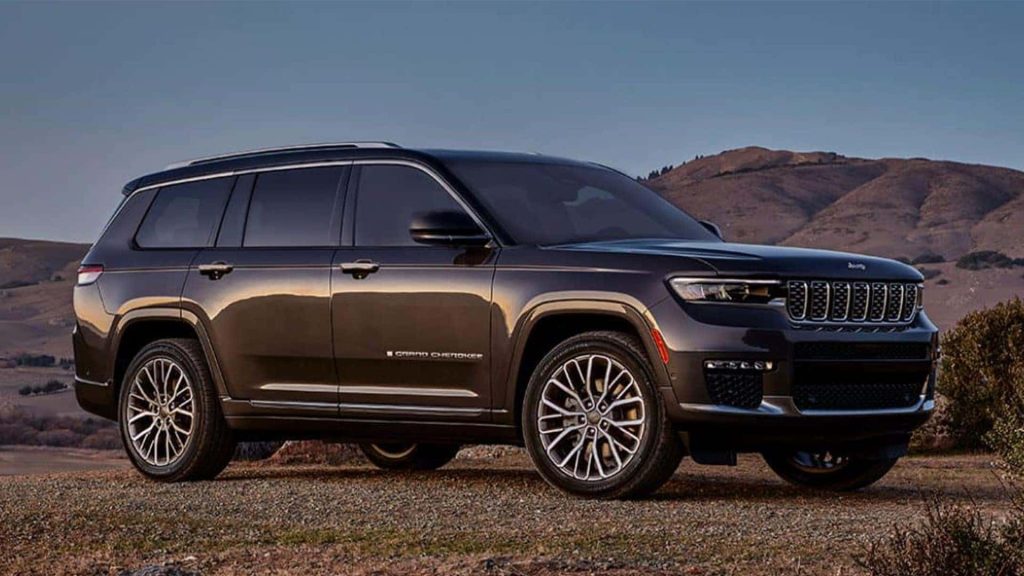
The Grand Cherokee is written about because it highlights how complexity increases cold-start risk. While it may perform well most of the year in Shreveport, sudden cold mornings frequently reveal weaknesses that disrupt daily commuting reliability.
2. BMW 3 Series
The BMW 3 Series appears on this list because it demonstrates how performance-oriented engineering can compromise cold-start reliability especially outside consistently cold regions. While the car delivers excellent driving dynamics, its tight tolerances and electronic complexity make it more sensitive to temperature changes.
One major issue is battery sensitivity. BMWs are known for requiring strong, properly coded batteries. In warmer climates, owners often delay battery replacement, unaware that reduced capacity becomes critical during cold starts. When temperatures dip, insufficient voltage can prevent the engine from starting altogether or trigger cascading electronic faults.
Fuel delivery and sensor calibration also contribute to cold-start problems. The 3 Series relies on precise air-fuel mixtures, and colder air can disrupt combustion if components are even slightly out of tolerance. This often results in rough idle, misfires, or extended cranking during cold mornings.
Another factor is maintenance sensitivity. BMWs require strict adherence to service intervals and correct fluids. When these standards slip even slightly, cold-start reliability suffers more than in simpler commuter vehicles.
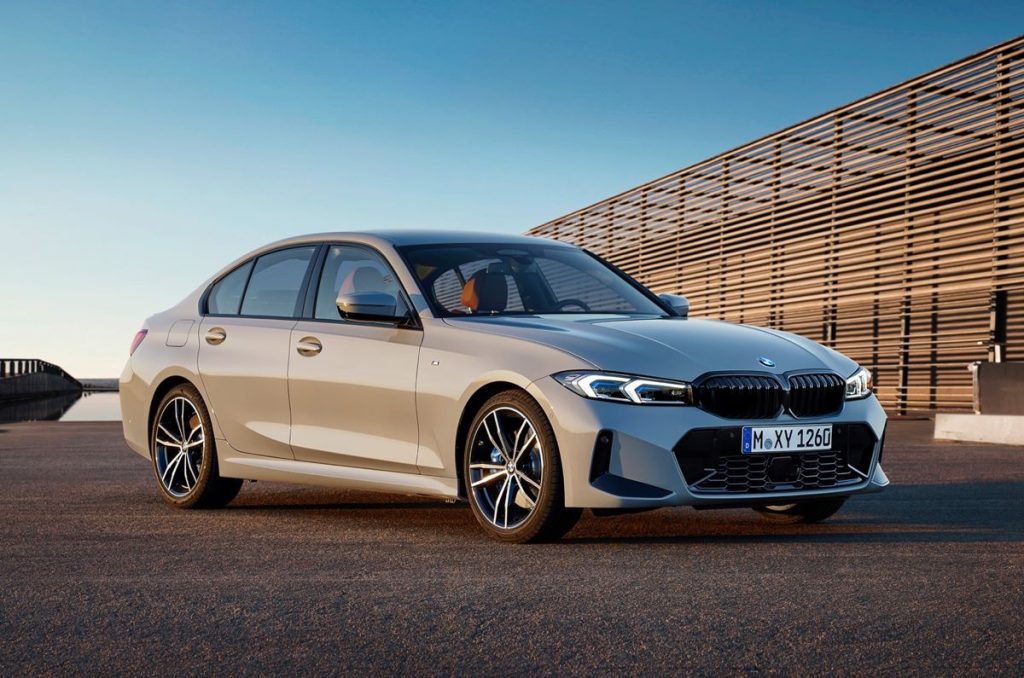
The BMW 3 Series is written about because it shows how precision comes at a cost. In Shreveport’s unpredictable winter mornings, its cold-start behavior can be inconsistent, making it a risky choice for commuters who need guaranteed reliability.
3. Mini Cooper
The Mini Cooper is included in this list because it has a long-standing reputation for cold-start difficulties that become especially noticeable in regions like Shreveport, where vehicles are rarely prepared for winter conditions.
While the Mini is often praised for its fun driving dynamics and compact size, its cold-weather reliability is one of its most common owner complaints.
One of the primary issues lies in the Mini’s electrical system. Minis rely on tightly packaged electronics, multiple control modules, and sensitive sensors. When temperatures drop suddenly, voltage demands increase at the same time battery output decreases.
In warmer climates, aging batteries often go unnoticed, but the first cold morning exposes the weakness immediately. Many owners report clicking starters, long crank times, or complete no-start conditions after overnight temperature drops.
Fuel delivery is another concern. Mini engines, particularly turbocharged variants, are tuned aggressively for performance and efficiency.
Cold air alters fuel vaporization, and when combined with carbon buildup or slightly worn injectors, the engine may struggle to fire cleanly. This often results in rough idle, misfires, or stalling shortly after startup.
Oil viscosity sensitivity also contributes to the problem. Minis tend to use thinner, specification-specific oils. When oil thickens in cold conditions even briefly, it increases resistance during cranking. If the starter motor or battery is already marginal, the engine may fail to turn over consistently.
Maintenance sensitivity amplifies these issues. Minis require strict adherence to service schedules and correct parts.
Delayed battery replacement, worn ignition components, or overdue software updates increase the likelihood of cold-start failure. In Shreveport, where cold weather is infrequent, owners are less likely to proactively address these items.
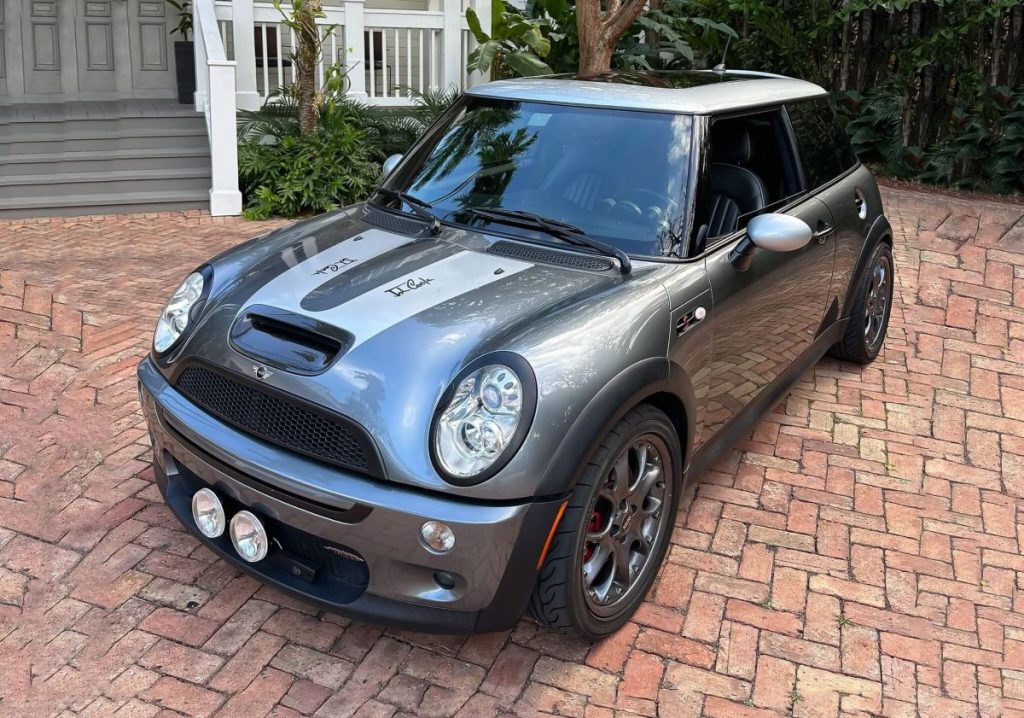
The Mini Cooper is written about because it illustrates how tight tolerances and compact design reduce cold-start margin. While enjoyable most of the year, sudden cold mornings expose its vulnerabilities, making it a risky choice for work commuters who need guaranteed starts.
4. Dodge Charger
The Dodge Charger earns its place on this list because its large-displacement engines and electrical demands make it particularly vulnerable to cold-start issues when temperatures drop unexpectedly.
Although the Charger is known for power and presence, those same traits work against it during cold mornings in climates not accustomed to winter preparation.
One major issue is battery load. Chargers especially V6 and V8 models, require significant cranking power to start. In warmer months, a marginal battery may perform adequately.
When cold weather hits, reduced battery output often isn’t enough to turn the engine over reliably. Many owners report slow cranking, repeated attempts, or complete failure to start after cold nights.
Oil thickness also plays a role. Larger engines contain more oil, which thickens noticeably when temperatures fall. This increases resistance during startup, placing additional strain on starters and batteries. In regions like Shreveport, where oil viscosity is often chosen for heat rather than cold, this problem is magnified.
The Charger’s electrical complexity adds another layer of risk. Modern Chargers rely on numerous modules and sensors that must initialize correctly before startup. Cold temperatures can slow or disrupt this process, triggering warning lights or preventing ignition altogether until the vehicle warms up.
Another contributing factor is usage pattern. Many Chargers are driven infrequently or used primarily for short trips. This prevents batteries from fully recharging, making them especially vulnerable when cold weather arrives.
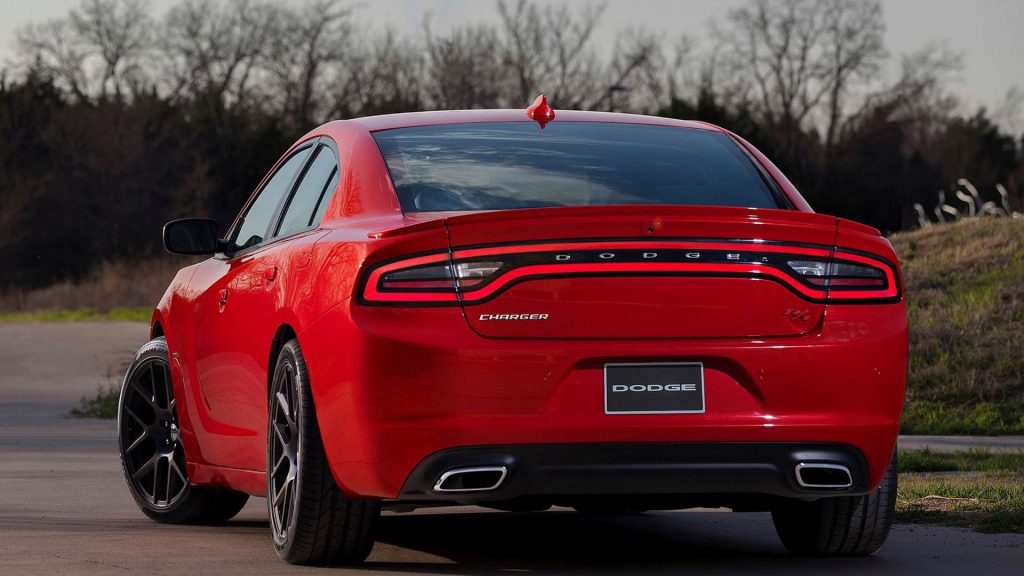
The Charger is written about because it demonstrates how size and power reduce cold-start forgiveness. In Shreveport’s sudden cold snaps, its starting reliability can become inconsistent, making it a poor choice for commuters who depend on their vehicle every morning.
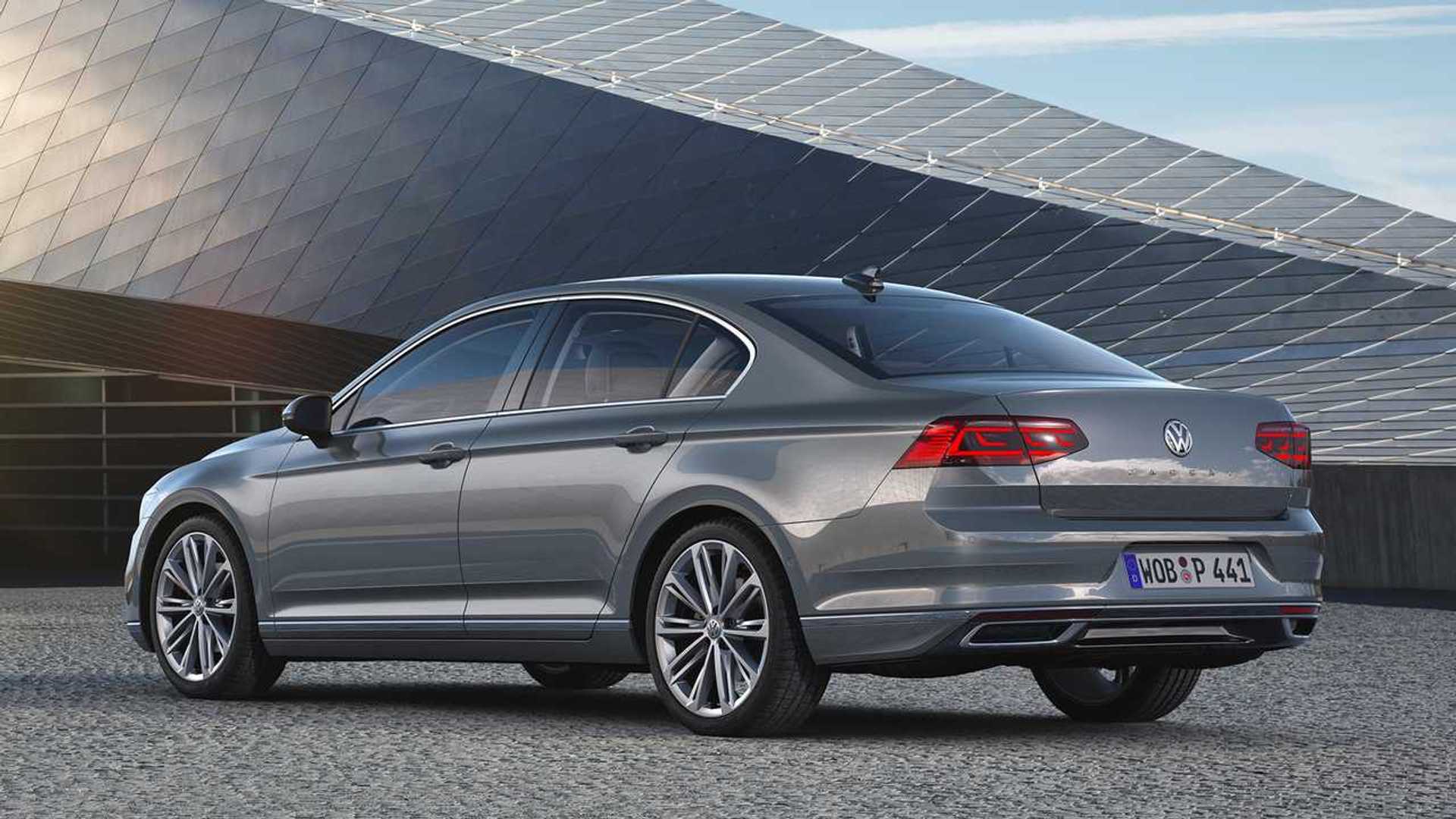
5. Volkswagen Passat
The Volkswagen Passat is included in this list because it highlights how everyday commuter sedans can still struggle with cold-start reliability when design priorities favor efficiency and refinement over robustness.
While the Passat offers a comfortable ride and strong highway manners, its behavior during unexpected cold mornings has been a recurring concern for many owners especially in regions like Shreveport that are not consistently cold.
One of the most common cold-start issues with the Passat involves battery sensitivity. Volkswagen vehicles typically require strong, healthy batteries to support their electronics-heavy startup sequence.
In warm climates, batteries degrade faster due to heat, yet symptoms often remain hidden. When a cold snap arrives, reduced battery output combined with increased startup demand frequently leads to slow cranking, warning lights, or complete failure to start.
Fuel delivery and ignition timing also play a role. The Passat’s engine management system is tuned for smoothness and efficiency, relying on precise air–fuel ratios.
Cold temperatures disrupt fuel vaporization, and if injectors, sensors, or ignition components are even slightly worn, the engine may crank longer than normal or start roughly before stabilizing. For work commuters, that hesitation creates immediate uncertainty.
Oil viscosity sensitivity further complicates cold starts. Many Passat owners run oil grades optimised for warm-weather efficiency.
When temperatures drop suddenly, thicker oil increases internal resistance during cranking, placing additional strain on the starter and battery. In marginal conditions, this can be the difference between a clean start and a no-start morning.
Another issue is electronic initialization. The Passat relies on multiple control modules that must communicate correctly before ignition is allowed.
Cold temperatures slow electrical response times, occasionally triggering fault codes or startup delays. While these problems may resolve once the vehicle warms, they undermine confidence especially for commuters who need instant reliability.
The Passat is written about because it represents a subtle but costly mismatch. It’s a comfortable and capable sedan most of the year, but its limited tolerance for sudden cold exposes weaknesses at the worst possible time.
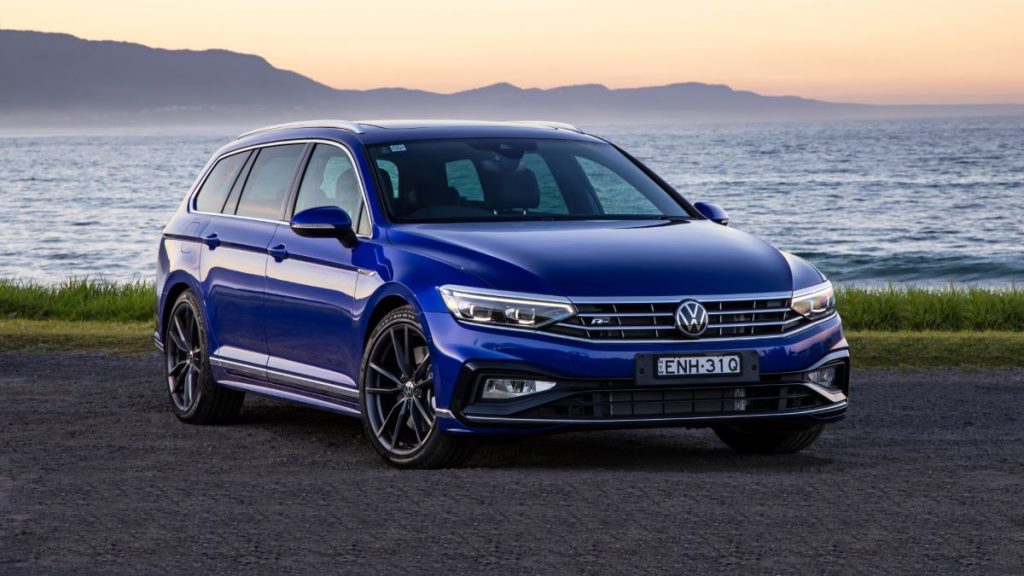
For Shreveport work commuters, those unpredictable cold mornings turn the Passat from a pleasant daily driver into a reliability gamble.
This article examined vehicle ownership through the practical lens of work commuting in Shreveport, Louisiana, focusing on two issues that matter most to daily drivers: reliability during routine use and dependability during sudden cold snaps.
While Shreveport is known for heat and humidity, unexpected winter cold fronts still occur and when they do, they quickly expose weaknesses in cars that aren’t built or maintained for consistent starting reliability.
The first section focused on cars that make sense for Shreveport work commuters. These vehicles were chosen because they support predictable daily routines rather than complicating them.
Key strengths across this group included reliable cold starts, efficient fuel consumption, simple mechanical design, and proven long-term durability. These cars handle frequent short trips, repeated starts, and steady mileage without becoming temperamental.
Comfort and efficiency were important, but the defining trait was consistency cars that start every morning, warm up quickly, and don’t demand constant attention or unexpected repairs. For commuters whose schedules depend on their vehicle, this reliability becomes far more valuable than performance or features.
Another theme in the commuter-friendly section was ownership stability. Shreveport drivers often keep cars for many years, making predictable maintenance costs and durability critical.
Vehicles that tolerate temperature swings and frequent use tend to age better and cause fewer disruptions to work life. These cars quietly support daily productivity rather than drawing attention to themselves.
The second half of the article examined cars that struggle to start in cold conditions, even when temperatures are only briefly low. These vehicles are not universally poor choices, but they suffer from limited cold-start tolerance due to battery sensitivity, electrical complexity, tight engine tolerances, or high cranking demands.
In warmer climates, these weaknesses often go unnoticed until a sudden cold morning exposes them leading to long crank times, warning lights, rough idle, or complete no-start situations.
A key takeaway from this section is that cold-start reliability is not only a northern issue. In fact, sudden cold snaps can be harder on vehicles in warmer regions because batteries, oil choices, and maintenance habits are optimized for heat, not cold. Cars with minimal cold-start margins are far more likely to fail when temperatures drop unexpectedly.
Overall, the article reinforces a clear conclusion: for Shreveport work commuters, predictability matters more than prestige or power.
The best vehicles are those that quietly and reliably do their job every morning. Cars that struggle in cold conditions may still be enjoyable most of the year, but when dependability falters even occasionally, it becomes a serious liability for daily commuting.
Also Read: 5 Cars for Beaumont Gulf Jobs and 5 That Corrode Quickly
