
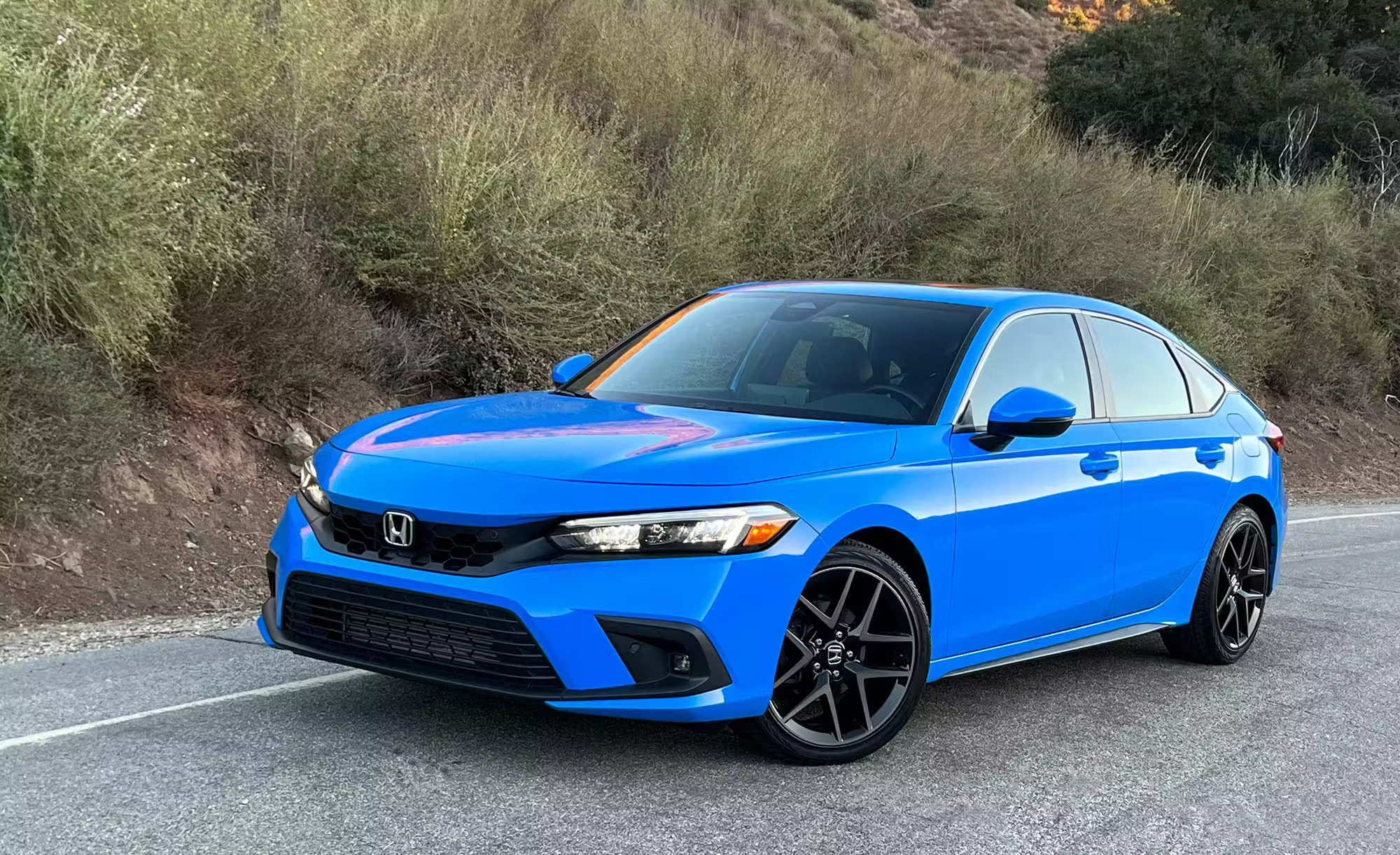
Nashville’s nightlife is one of the most active and diverse in the country. From Broadway’s neon-lit chaos to quieter late-night drives through East Nashville, The Gulch, and Midtown, nighttime driving here isn’t just transportation it’s part of the experience.
Cars used for nightlife runs need to balance style, comfort, visibility, and ease of use in crowded, low-light conditions. What works beautifully during the day can feel awkward, stressful, or even unsafe after dark.
This article explores two contrasting sides of nighttime car ownership in Nashville. The first focuses on vehicles that enhance nightlife runs cars that are easy to maneuver in traffic, comfortable for passengers, visually confident under city lights, and stress-free when parking or navigating crowded streets late at night.
These cars suit spontaneous plans, short trips between venues, and the unpredictable rhythm of nightlife driving.
The second half looks at cars that simply aren’t night-friendly. These vehicles may be excellent commuters or highway cruisers, but they struggle after dark due to poor visibility, awkward size, uncomfortable lighting, clumsy infotainment, or difficult parking behavior.
In nightlife settings, these weaknesses become magnified turning what should be a fun night into a logistical headache.
By comparing both categories, this article helps drivers understand how nighttime conditions change vehicle priorities. Nashville nightlife driving rewards visibility, maneuverability, confidence, and ease.
Choosing the right car makes nights smoother and more enjoyable. Choosing the wrong one makes every stop, turn, and parking attempt feel harder than it should.
Also Read: 5 Cars for Birmingham Urban Drivers and 5 That Don’t Fit City Streets
5 Cars for Nashville Nightlife Runs
Nightlife driving in Nashville demands a very specific kind of car. Streets are busy, lighting conditions vary wildly, and parking often happens in tight, crowded areas. Drivers want cars that feel confident at low speeds, offer strong visibility, and remain comfortable for short trips with passengers. Style also matters nighttime is when cars are noticed most.
This section focuses on five cars that are particularly well-suited for Nashville nightlife runs. These vehicles are chosen because they work with the city after dark rather than against it.
They are easy to drive in traffic, quick to park, and comfortable enough to support multiple stops in a single night. Interior lighting, infotainment usability, and exterior presence all factor into these selections.
Another key reason for highlighting these cars is practicality. Nightlife runs aren’t about speed they’re about smoothness and control. Cars that feel composed at low speeds, respond predictably, and don’t overwhelm the driver reduce fatigue and stress late at night. Vehicles that excel here allow drivers to stay focused on the experience rather than the mechanics.
Each car in this list is written about because it fits naturally into Nashville’s nighttime culture. They don’t feel oversized, awkward, or tiring. Instead, they enhance the rhythm of nightlife easy to live with, easy to enjoy, and easy to trust after dark.
1. Mini Cooper
The Mini Cooper is one of the best possible cars for Nashville nightlife runs, and it earns its place through personality, maneuverability, and nighttime confidence. In dense nightlife zones like Broadway and Midtown, small size becomes a major advantage and the Mini thrives in exactly those conditions.
One of the Mini’s biggest strengths at night is visibility. Its upright windshield, large windows, and compact proportions make it easy to judge distances in low-light traffic. Tight turns, crowded lanes, and unpredictable pedestrians feel less intimidating in a car that offers clear sightlines.
Parking is another major reason the Mini excels. Nightlife parking is rarely convenient, but the Mini fits into spaces other cars simply can’t. Parallel parking on busy streets becomes faster and less stressful, keeping the night moving instead of stalling it.
Interior ambiance also matters at night, and the Mini delivers. Its cabin lighting and design feel lively without being distracting, and controls are easy to reach and understand in the dark. Passengers feel engaged rather than cramped, making it ideal for short hops between venues.
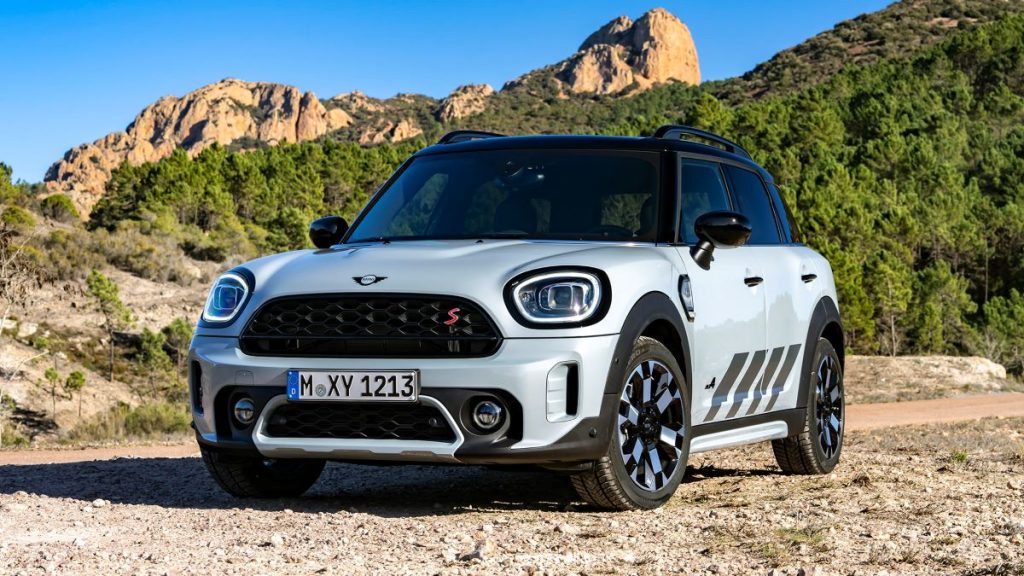
The Mini Cooper is written about because it adds to the nightlife experience. It feels playful, confident, and at ease after dark qualities that align perfectly with Nashville’s energetic night scene.
2. Mazda3
The Mazda3 is included because it offers a refined, night-friendly driving experience without being flashy or demanding. For Nashville nightlife runs that involve moving smoothly between neighborhoods, the Mazda3 strikes an excellent balance between comfort, style, and control.
One of its standout features at night is lighting quality. The Mazda3’s headlights provide strong, even illumination without excessive glare, improving confidence on dimly lit streets. Interior lighting is subtle and well-placed, making controls easy to use without pulling attention away from the road.
The Mazda3’s size also works in its favor. It’s compact enough to handle tight traffic and parking situations, yet solid enough to feel stable at night. Steering is responsive without being twitchy, which helps reduce fatigue during stop-and-go driving.
Cabin comfort is another reason it’s highlighted. Seats are supportive, road noise is well controlled, and the infotainment system remains usable in low-light conditions. These qualities matter when nights stretch longer than expected.
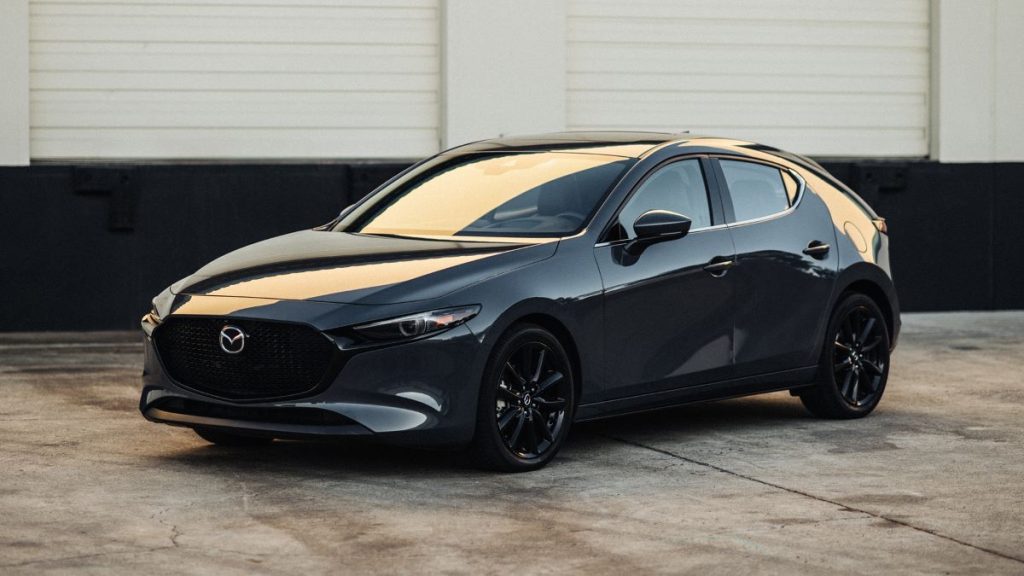
The Mazda3 is written about because it delivers quiet confidence. It doesn’t demand attention, but it supports nightlife by driving smoothly and comfortably, exactly what many Nashville drivers want after dark.
3. Honda Civic Hatchback
The Honda Civic Hatchback is an excellent fit for Nashville nightlife runs because it blends visibility, ease of use, and modern design in a way that works exceptionally well after dark.
In a city where nightlife driving often means weaving through traffic, hopping between neighborhoods, and navigating crowded curbside zones, the Civic Hatchback feels cooperative rather than demanding.
One of its biggest nighttime strengths is driver visibility. The Civic Hatchback offers a well-balanced seating position, wide windshield, and clear sightlines that make spotting pedestrians, rideshare traffic, and sudden lane changes easier in low-light conditions. In busy areas like Broadway or Midtown, this visibility reduces stress and reaction time.
Lighting quality is another major advantage. The Civic’s headlights provide clean, even illumination without excessive glare, which is critical on Nashville’s unevenly lit streets. Interior lighting is subtle and well-placed, allowing drivers to interact with controls without distraction. This matters late at night when fatigue begins to set in.
Maneuverability also plays a key role. The Civic Hatchback is compact enough to handle tight streets and parallel parking, yet stable enough to feel composed at low speeds. Steering is predictable rather than overly sensitive, which makes stop-and-go nightlife traffic feel manageable instead of exhausting.
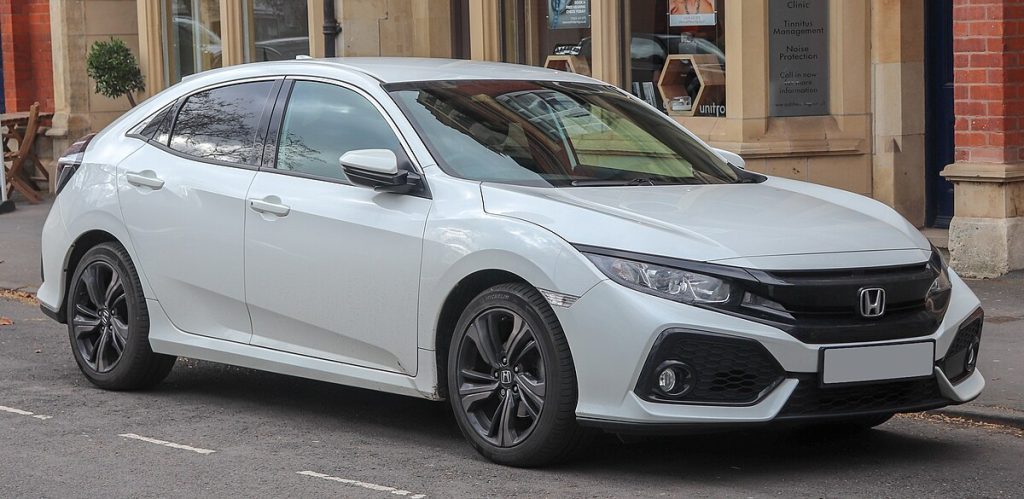
Passenger comfort rounds out its nightlife appeal. The hatchback layout allows easy entry and exit, while the rear seat offers enough room for short trips without complaints. Cargo space is useful for jackets, bags, or late-night pickups, adding flexibility without bulk.
The Civic Hatchback is written about because it supports nightlife spontaneity. It’s easy to drive, easy to park, and easy to trust after dark qualities that make it one of the most practical nightlife companions in Nashville.
4. Tesla Model 3
The Tesla Model 3 earns its place on this list because it fundamentally changes how nightlife driving feels in Nashville. Quiet operation, instant responsiveness, and modern lighting create an experience that feels especially suited to late-night city movement.
One of the Model 3’s biggest advantages at night is low-speed control. Electric torque delivery is smooth and immediate, which makes creeping through traffic or easing into tight parking spaces far easier than with traditional engines. There’s no lag, revving, or gear hunting just clean, predictable motion.
Visibility and lighting are also standout features. The Model 3’s headlights provide excellent road coverage, and the minimalist interior reduces glare and distraction. The central display adapts well to night use, keeping information readable without overwhelming the cabin with light.
Noise reduction is another major nightlife benefit. The near-silent drivetrain lowers fatigue and stress, especially late at night when drivers are more sensitive to sensory overload. Conversations with passengers remain relaxed, and the car feels calm even in chaotic nightlife zones.
Parking assistance further enhances night usability. Camera systems and sensors help drivers judge tight spaces more accurately, which is invaluable in crowded nightlife districts where lighting is inconsistent and margins are tight.

The Model 3 is written about because it feels purpose-built for urban nights. It moves smoothly, sees well, and reduces driver fatigue qualities that make Nashville nightlife runs feel effortless rather than draining.
5. Toyota Corolla Hatchback
The Toyota Corolla Hatchback completes this list because it delivers simplicity, visibility, and reliability in a nightlife-friendly package. For drivers who want confidence without complexity, the Corolla Hatchback fits naturally into Nashville’s after-dark rhythm.
Visibility is one of its strongest traits. The upright driving position, clear glass area, and compact proportions make it easy to judge space in low-light environments. Whether navigating crowded curb lanes or backing out of dim parking spots, the Corolla Hatchback feels predictable and forgiving.
Lighting quality supports this confidence. Headlights provide consistent illumination without harsh contrast, while interior lighting keeps controls readable without distraction. Everything feels designed to work intuitively at night.
Maneuverability is another key factor. The Corolla Hatchback’s small footprint makes tight turns and parallel parking less stressful, keeping nightlife runs moving smoothly. It never feels oversized or cumbersome, which is critical when streets are packed and patience is thin.
Reliability also matters more at night. A car that starts every time and behaves consistently reduces anxiety during late hours. The Corolla Hatchback’s reputation for dependability makes it an easy choice for drivers who don’t want surprises at 1 a.m.
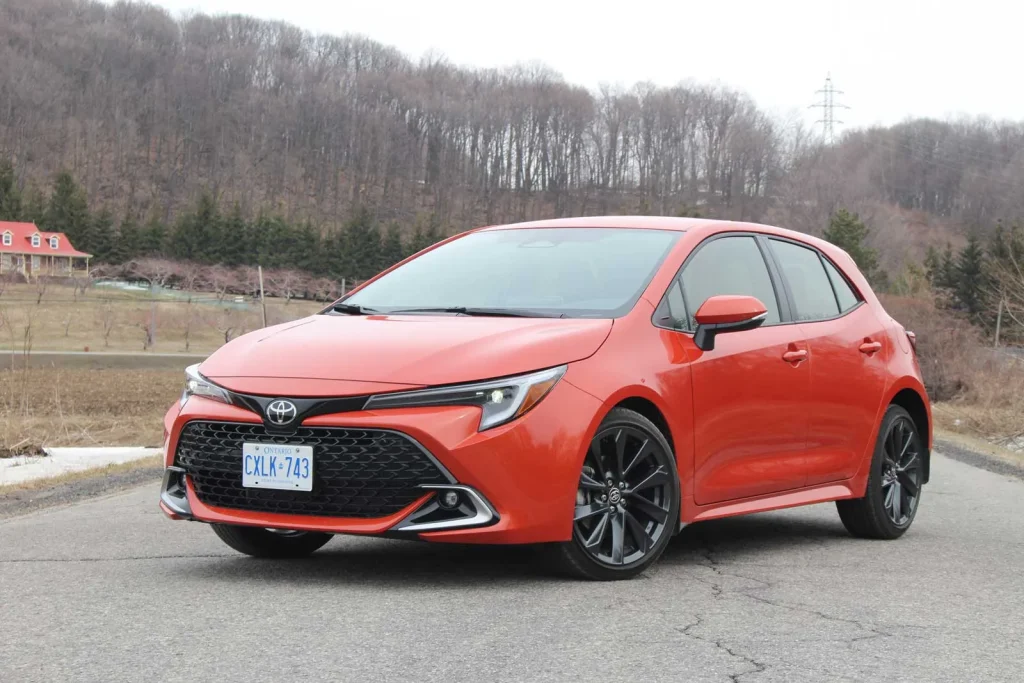
The Corolla Hatchback is written about because it quietly excels where nightlife driving demands the most: ease, predictability, and trust. It may not draw attention but it makes the night easier, and that’s what matters most.
5 That Aren’t Night-Friendly
Driving at night in Nashville places very different demands on a car than daytime commuting or highway cruising.
After dark, streets become more crowded, lighting becomes inconsistent, and drivers must constantly account for pedestrians, rideshare traffic, delivery vehicles, and unpredictable stops. In nightlife-heavy areas like Broadway, Midtown, and The Gulch, even small design flaws in a vehicle become amplified.
This section focuses on cars that aren’t night-friendly, meaning they actively make nighttime driving harder than it needs to be. These vehicles are not necessarily unreliable or poorly built, and many perform well during the day.
The problem is context. Nightlife driving prioritises visibility, manoeuvrability, intuitive controls, and low-speed confidence. Cars that are too large, too complex, or poorly optimised for low-light conditions quickly become liabilities after dark.
Common issues include poor outward visibility, overly bright or poorly positioned interior screens, awkward blind spots, heavy steering at low speeds, and difficulty parking in tight spaces.
Some vehicles also suffer from excessive glare, confusing infotainment systems, or lighting designs that look good on paper but perform poorly in real-world nighttime conditions. In nightlife settings, these flaws create stress, slow reaction times, and unnecessary fatigue.
Another major factor is driver workload. Nighttime driving already demands heightened awareness. Cars that require extra attention whether due to size, clumsy controls, or unpredictable behaviour pull focus away from the road. This isn’t just inconvenient; it can be unsafe in pedestrian-heavy nightlife districts.
These vehicles are written about to highlight a mismatch between design priorities and real-world nighttime use. Many of them are built for highways, long-distance cruising, or visual impact rather than tight urban movement. In Nashville’s nightlife environment, that mismatch turns style into strain.
Understanding which cars struggle after dark helps drivers avoid turning fun nights into frustrating experiences. Night-friendly cars fade into the background, letting the night flow naturally. Night-unfriendly cars demand constant correction and that’s exactly what this section exposes.
1. Chevrolet Tahoe
The Chevrolet Tahoe is included in this list because its sheer size works directly against nighttime usability in Nashville’s nightlife districts. While the Tahoe is excellent for highway travel and family hauling, it becomes cumbersome and stressful after dark in crowded urban environments.
One of the biggest problems is visibility at night. Despite modern cameras and sensors, the Tahoe’s high hood, thick pillars, and long body make judging distances difficult in low-light conditions. Pedestrians, cyclists, and smaller vehicles are harder to spot near the vehicle, especially in dimly lit streets around nightlife areas.
Parking is another major issue. Nightlife parking often means tight curb spaces or crowded garages, and the Tahoe’s length and width make these situations unnecessarily difficult. Maneuvering into spaces requires multiple adjustments, slowing the night and increasing stress when traffic is backing up behind you.
Low-speed handling also works against it. The Tahoe feels heavy and slow to respond at crawling speeds, which is exactly how nightlife traffic moves. Tight turns and sudden stops feel awkward rather than controlled.
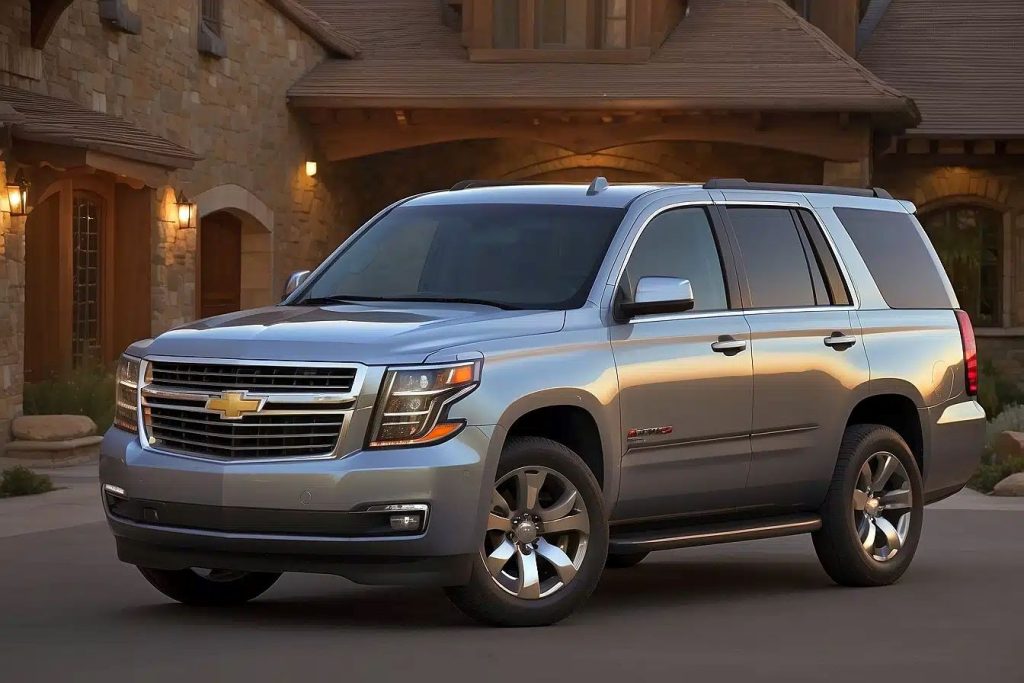
The Tahoe is written about because it illustrates how too much vehicle becomes a liability at night. While capable and comfortable in many scenarios, it turns Nashville nightlife driving into a constant negotiation rather than an enjoyable experience.
2. Dodge Challenger
The Dodge Challenger earns its place here because its dramatic design sacrifices nighttime practicality for visual impact. While it looks striking under neon lights, the experience from behind the wheel after dark tells a very different story.
Visibility is the Challenger’s biggest weakness. Thick roof pillars, a high beltline, and a long hood create significant blind spots, which are especially problematic in nightlife zones filled with pedestrians and rideshare vehicles. Judging corners and lane position becomes more difficult at night, increasing driver workload.
Interior usability also suffers. The Challenger’s interior lighting and infotainment layout can be distracting in low-light conditions, pulling attention away from the road. Controls are not as intuitive at night as those in more urban-focused cars.
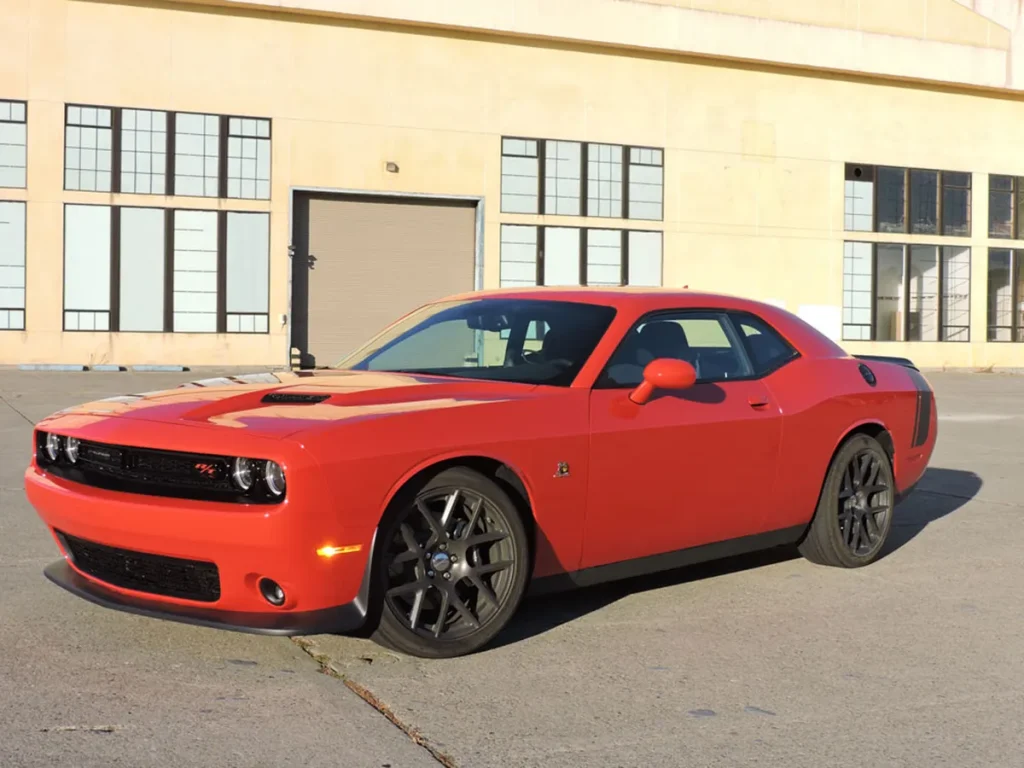
Maneuverability is another issue. The Challenger’s wide body and long turning radius make tight turns and parking situations more stressful than they need to be. In nightlife areas where patience is thin, this becomes a frequent annoyance.
The Challenger is written about because it prioritizes presence over practicality. In Nashville’s nightlife environment, that trade-off makes it more frustrating than fun after dark.
3. Ford F-150
The Ford F-150 is one of the most popular vehicles in Tennessee, but popularity doesn’t translate to night-friendly behavior in Nashville’s nightlife zones. Built for work, towing, and open-road driving, the F-150 becomes unwieldy and mentally taxing after dark in crowded entertainment districts.
The biggest issue is size management at night. The F-150’s long bed, wide stance, and tall hood make spatial judgment difficult in low-light conditions.
Pedestrians stepping off curbs, scooters weaving through traffic, and rideshare vehicles stopping unexpectedly are harder to track when driving a vehicle with large blind zones. At night, those blind spots become far more dangerous.
Parking is another consistent problem. Nightlife areas rarely offer truck-friendly parking, forcing drivers to circle blocks repeatedly or squeeze into spaces that require multiple adjustments. This slows the evening down and increases stress, especially when traffic is backing up behind you.
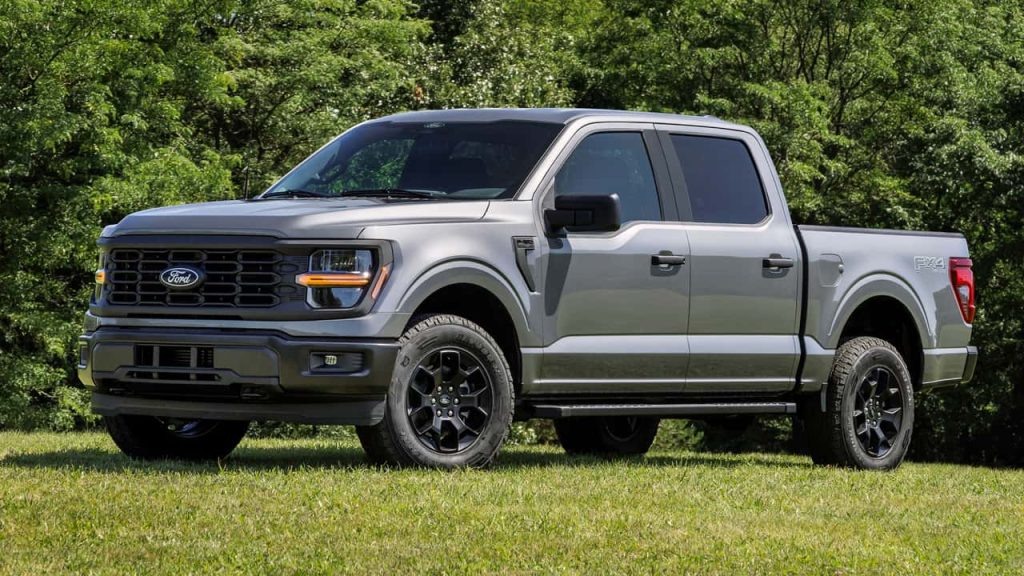
Low-speed handling also works against the F-150. Steering feels heavier and less precise at crawl speeds, which is exactly how nightlife traffic behaves. Tight turns into alleys or curbside drop-offs feel awkward rather than controlled.
The F-150 is written about because it shows how work-focused design clashes with nightlife environments. It’s a fantastic truck but Nashville nights expose its limitations quickly.
4. Mercedes-Benz G-Class
The Mercedes-Benz G-Class may look iconic under city lights, but it is surprisingly ill-suited for practical nighttime driving in Nashville. Despite its luxury status, the G-Wagon’s roots as a military vehicle work against it in nightlife settings.
Visibility is a major concern. The G-Class has upright glass and flat panels, but thick pillars and a boxy shape create awkward blind spots especially noticeable at night when peripheral lighting is inconsistent. Pedestrians and cyclists can disappear behind pillars more easily than expected.
Ride and handling further reduce night comfort. The G-Class feels tall and rigid at low speeds, making stop-and-go traffic less smooth. Tight turns require more effort, and the vehicle never truly feels agile when weaving through crowded streets.
Parking amplifies all these issues. The G-Class is tall, wide, and heavy, making garages, tight curb spaces, and valet situations more stressful than they should be. At night, when patience is thin, this becomes a recurring frustration.
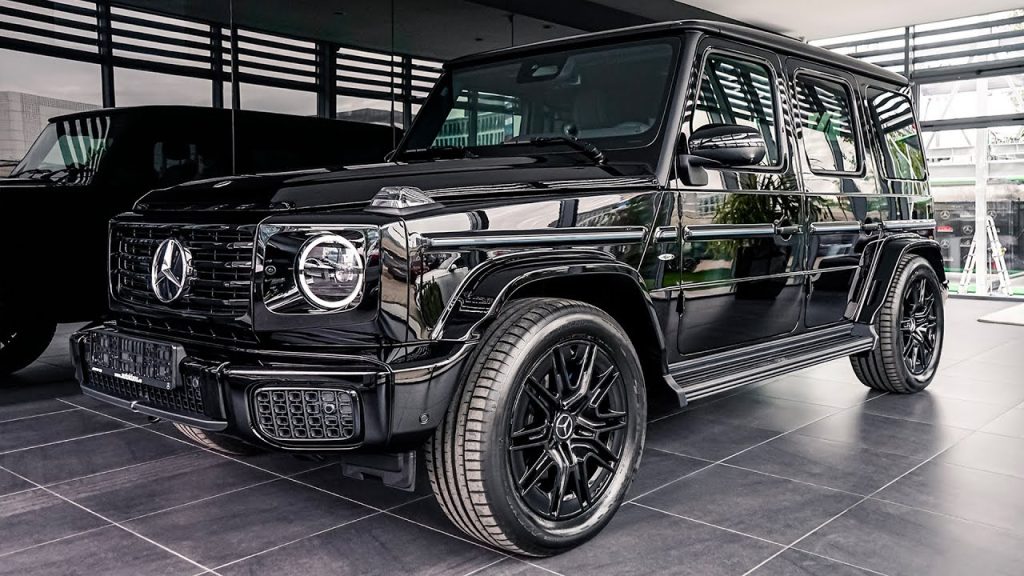
The G-Class is written about because it highlights how status doesn’t equal suitability. While striking to look at, it demands too much attention from the driver after dark exactly the opposite of what nightlife driving requires.
5. Jeep Wrangler
The Jeep Wrangler is included in this list because its off-road-focused design works directly against nighttime driving comfort and confidence in Nashville’s nightlife districts. While the Wrangler excels on trails and open terrain, its compromises become especially noticeable after dark in crowded, pedestrian-heavy areas.
One of the biggest issues is nighttime visibility. The Wrangler’s upright windshield, removable doors, and thick structural pillars create blind spots that are manageable in daylight but far more problematic at night. In areas filled with foot traffic, scooters, and rideshare vehicles, these blind zones increase driver workload and stress.
Ride quality is another drawback. The Wrangler’s suspension is designed for rugged surfaces, not smooth low-speed city cruising. At night, when roads are uneven and traffic moves in short bursts, the ride feels jittery rather than controlled. This makes stop-and-go nightlife driving less comfortable for both driver and passengers.
Interior usability also suffers after dark. The Wrangler’s cabin prioritises durability over refinement, which means interior lighting is functional but not optimised for nighttime ease. Controls can feel less intuitive, especially when quick adjustments are needed in busy areas.
Parking further exposes its limitations. The Wrangler’s boxy shape and external spare tire complicate tight parking situations, particularly in dimly lit garages or curbside spots common around nightlife venues.
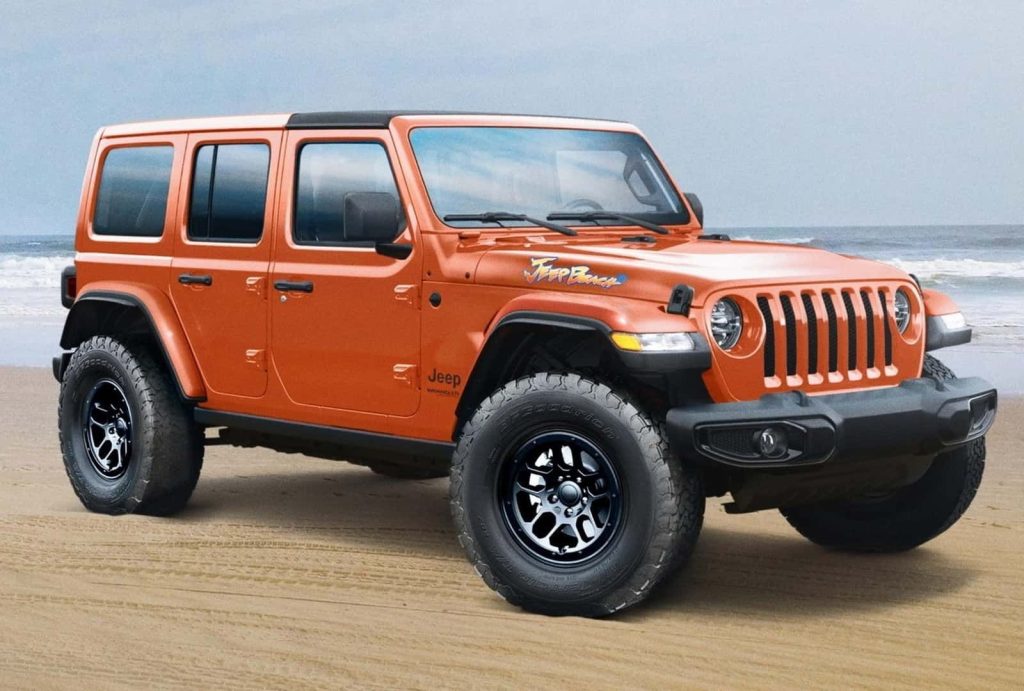
The Jeep Wrangler is written about because it represents a purpose-built mismatch. It’s an excellent vehicle for adventure but Nashville nightlife driving demands visibility, smooth control, and ease. In those conditions, the Wrangler requires too much compromise to be truly night-friendly.
This article explored how Nashville nightlife driving places very different demands on vehicles compared to daytime commuting or highway travel.
After dark, drivers face crowded streets, inconsistent lighting, heavy pedestrian activity, rideshare traffic, and constant stop-and-go movement between venues. In this environment, the right car doesn’t just get you from point A to point B it actively shapes how smooth, relaxed, or frustrating the night becomes.
The first half of the article focused on cars that work exceptionally well for Nashville nightlife runs. These vehicles were chosen because they align with the realities of nighttime urban driving rather than fighting them.
Key strengths across this group included compact or manageable size, strong outward visibility, intuitive interior layouts, and lighting systems that perform well in low-light conditions. These cars feel confident at low speeds, are easy to park in tight curbside or garage spaces, and don’t overwhelm the driver when traffic becomes chaotic.
Another defining theme among nightlife-friendly cars was ease and predictability. The best choices fade into the background, allowing drivers to focus on the night rather than the mechanics of driving.
Quiet cabins, responsive low-speed control, and simple infotainment systems reduce fatigue during late hours.
Passenger comfort also mattered, as nightlife runs often involve multiple short trips, quick drop-offs, and spontaneous changes in plans. These vehicles enhance the rhythm of Nashville nights by keeping everything smooth and stress-free.
The second half examined cars that aren’t night-friendly, highlighting how certain designs become liabilities after dark.
Many of these vehicles perform well during the day or on highways but struggle in nightlife environments due to excessive size, poor visibility, awkward blind spots, heavy low-speed handling, or interiors that are distracting in low light. In pedestrian-heavy nightlife districts, these weaknesses are amplified, increasing driver workload and stress.
A major takeaway from this section is that bigger or more imposing doesn’t mean better at night. Full-size trucks and large SUVs often feel cumbersome, difficult to park, and mentally taxing in tight nighttime conditions.
Performance-focused coupes and off-road-oriented vehicles sacrifice visibility and low-speed comfort for style or capability that simply isn’t needed in nightlife settings. Even luxury vehicles can fall short if their design prioritizes presence over practicality.
Overall, the article reinforces a clear conclusion: nighttime driving changes the rules of vehicle suitability. Nashville nightlife rewards cars that are nimble, visible, intuitive, and calm under pressure.
Vehicles that demand constant correction or heightened attention detract from the experience, turning what should be an enjoyable night into a series of small frustrations.
For drivers who regularly participate in Nashville’s after-dark scene, choosing the right car can make nights feel effortless and enjoyable.
Choosing the wrong one doesn’t just inconvenience it compounds stress, slows the night down, and pulls focus away from what nightlife is supposed to be: movement, energy, and fun.
Also Read: 5 Cars for Charleston WV Hills & Drives and 5 That Struggle Uphill
