
Springfield, Missouri sits at a practical crossroads of suburban sprawl, highway commuting, and everyday errands. Daily driving here isn’t extreme, but it is constant.
Most residents rely on their vehicles for work commutes, grocery runs, school drop-offs, and longer drives across southwest Missouri. That makes reliability, comfort, and cost control far more important than flash or performance.
This article examines two distinct aspects of vehicle ownership in Springfield. The first focuses on cars that genuinely make sense for daily use vehicles that handle repeated short trips, highway driving, changing weather, and long-term ownership without becoming burdensome.
These are cars that fit Springfield’s rhythm: dependable starts, predictable maintenance, reasonable fuel economy, and comfort that doesn’t wear thin over time.
The second half looks at cars that break often. These vehicles may look appealing when new or offer strong features on paper, but they develop patterns of mechanical, electrical, or reliability issues that make daily ownership frustrating and expensive.
In a city where most drivers depend on their car every day, frequent breakdowns quickly turn into missed work, rising repair bills, and long-term dissatisfaction.
By comparing both categories, this article aims to help Springfield drivers make smarter, experience-based decisions. Daily use exposes weaknesses faster than occasional driving ever will.
Choosing a car that fits the reality of Springfield life can save thousands of dollars and countless hours over time. Choosing one that doesn’t often leads to regret long before the loan is paid off.
5 Cars for Springfield, MO Daily Use
Daily driving in Springfield rewards vehicles that are simple, dependable, and comfortable rather than complicated or overengineered. Roads range from busy arterials to highways, weather shifts through all four seasons, and most vehicles accumulate steady mileage year after year.
In this environment, the best daily-use cars are those that hold up mechanically and mentally; you don’t think about them because they just work.
This section focuses on five cars that are particularly well-suited for Springfield’s daily driving demands. These vehicles are chosen because they handle repetitive use gracefully.
They start reliably in the morning, manage short trips without complaint, cruise comfortably at highway speeds, and don’t punish owners with frequent repairs or unpredictable behavior.
Another key reason for highlighting these cars is ownership longevity. Springfield drivers often keep vehicles longer than average, which makes long-term reliability, parts availability, and maintenance costs critical considerations. Cars that age well tend to save money not just at purchase, but across years of ownership.
Each vehicle in this list is written about because it supports daily life rather than complicating it. These are not niche picks or lifestyle statements. They are cars that quietly earn trust over time, exactly what daily-use driving in Springfield demands.
1. Toyota Corolla
The Toyota Corolla is one of the most logical daily-use cars for Springfield drivers because it prioritizes consistency above all else. Daily driving exposes weaknesses quickly, and the Corolla’s long-standing reputation for durability makes it a low-stress choice for repeated use across years.
One of the Corolla’s strongest daily-use advantages is mechanical simplicity. Its engine and transmission are designed to operate without drama, which matters when a car is started and stopped multiple times a day. Short trips, traffic, and variable weather don’t phase it, and cold or hot starts rarely create issues.
Fuel efficiency is another reason it fits Springfield life well. Whether commuting across town or driving longer highway stretches, the Corolla delivers predictable mileage that helps keep monthly costs stable. Over time, this consistency adds up to meaningful savings.
Maintenance and repair costs further strengthen its case. Parts are widely available, service knowledge is universal, and repairs when needed are rarely expensive. For drivers who want to avoid surprise expenses, this predictability matters more than features or styling.
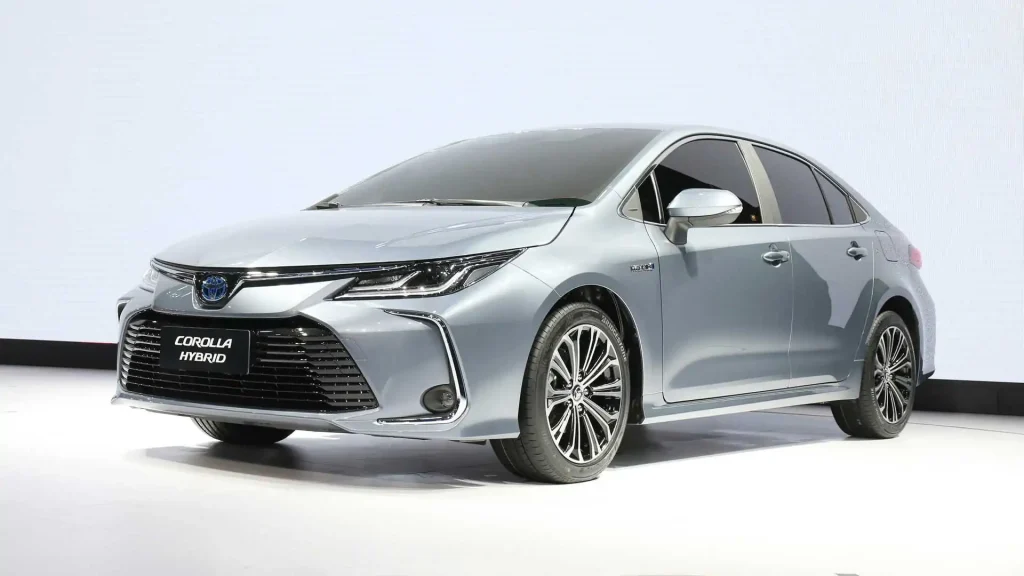
The Corolla is written about because it removes uncertainty from daily driving. It doesn’t demand attention, doesn’t punish routine use, and doesn’t turn normal ownership into a project. In a city like Springfield, that kind of dependability is invaluable.
2. Honda CR‑V
The Honda CR-V is highlighted because it offers daily-use practicality with flexibility that suits Springfield’s varied driving needs. Many residents want a vehicle that can handle commuting, errands, family duties, and occasional longer trips without stepping into full-size SUV territory and the CR-V fits that role exceptionally well.
One of the CR-V’s biggest strengths is balance. It’s easy to maneuver around town, comfortable on highways, and offers a higher seating position that improves visibility in traffic. For daily use, this combination reduces fatigue and stress over time.
Reliability also plays a central role. The CR-V’s drivetrain is known for holding up well under frequent use, and it tolerates short trips better than many larger vehicles. This matters in Springfield, where daily driving often involves multiple stops rather than long, uninterrupted journeys.
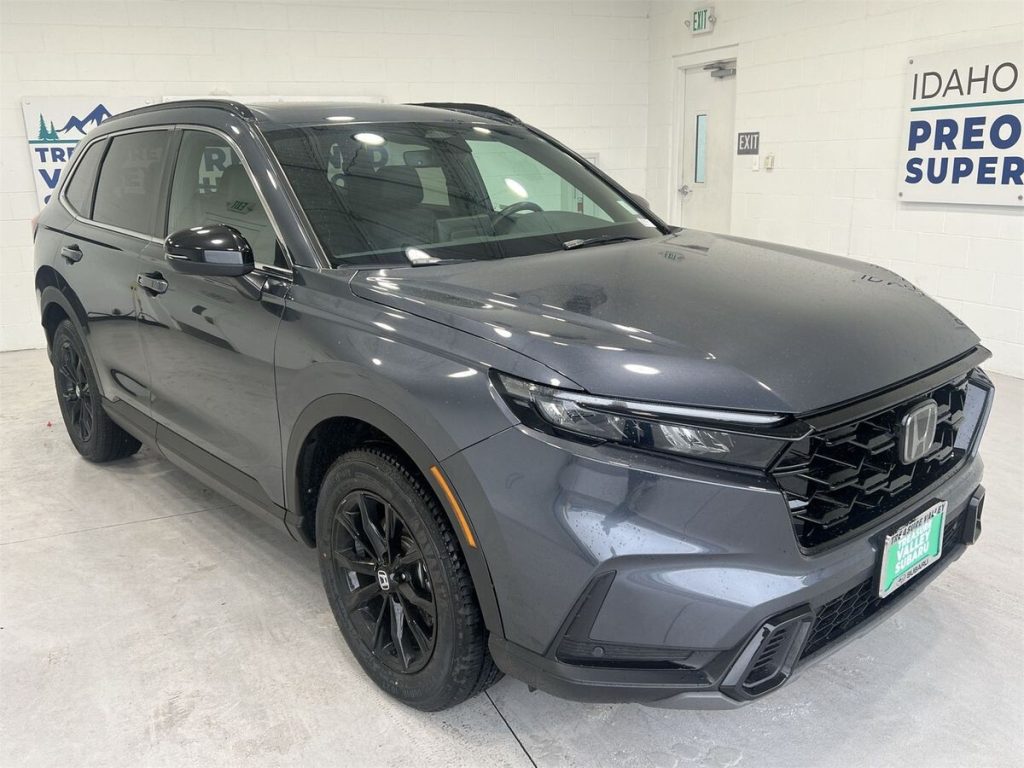
Interior space adds to its daily usefulness. The CR-V accommodates groceries, gear, and passengers without feeling bulky. This adaptability allows owners to keep the vehicle longer as needs change.
The CR-V is written about because it supports real life. It doesn’t excel in just one area it does everything well enough to make daily ownership easy, reliable, and financially sensible.
3. Mazda CX-5
The Mazda CX-5 is included because it combines daily-use reliability with a level of refinement that doesn’t come at the cost of durability. For Springfield drivers who want something more polished than basic transportation but still dependable, the CX-5 strikes an effective balance.
One of the CX-5’s biggest strengths is build quality. Its components feel solid, and that solidity translates well to repeated daily use. Suspension tuning absorbs road imperfections without becoming soft or unstable, which helps during long-term ownership on mixed road surfaces.
Reliability is another key factor. The CX-5 avoids overcomplicated powertrain designs, which reduces the likelihood of recurring mechanical issues. This matters in daily-use scenarios where frequent starts, short trips, and seasonal weather shifts can punish more delicate systems.
Fuel efficiency also supports daily driving economics. The CX-5 delivers reasonable mileage without requiring premium fuel or specialized maintenance, keeping operating costs manageable over time. For Springfield drivers balancing budgets, this consistency is valuable.
Interior comfort rounds out its appeal. Seats remain supportive over long commutes, controls are intuitive, and the cabin doesn’t feel cheap as mileage accumulates. That helps maintain satisfaction over years rather than months.
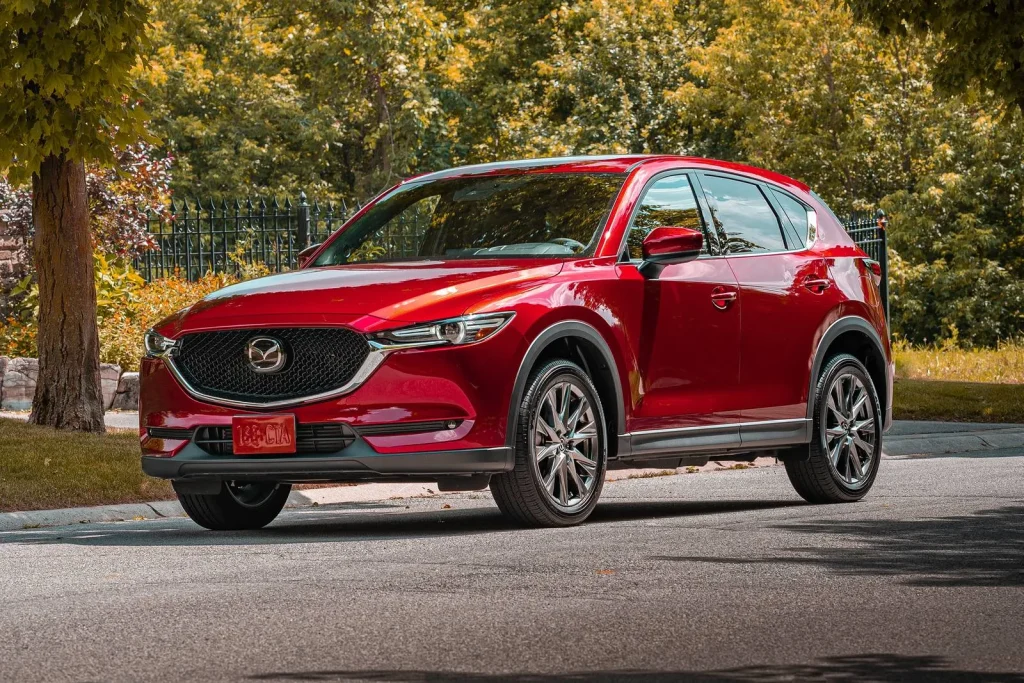
The CX-5 is written about because it proves daily-use cars don’t have to feel disposable. It supports routine driving while offering quality that holds up, making it a strong long-term companion for Springfield life.
4. Subaru Outback
The Subaru Outback earns its place on this list because it is exceptionally well-suited to Springfield’s mix of daily driving, weather variability, and long-term ownership patterns. While not everyone needs all-wheel drive, its presence adds confidence without sacrificing reliability.
One of the Outback’s biggest daily-use advantages is stability. Its low center of gravity and balanced drivetrain make it predictable on highways and composed in poor weather. That stability reduces fatigue and increases safety during everyday driving.
Durability is another reason it fits Springfield life. The Outback is built to handle frequent use without constant mechanical complaints. It tolerates short trips and longer drives equally well, which matters in a city where daily driving patterns vary.
Interior space also contributes to its usefulness. Groceries, gear, passengers, and everyday cargo fit easily without forcing owners into larger, less efficient SUVs. This flexibility allows owners to keep the vehicle longer as needs evolve.
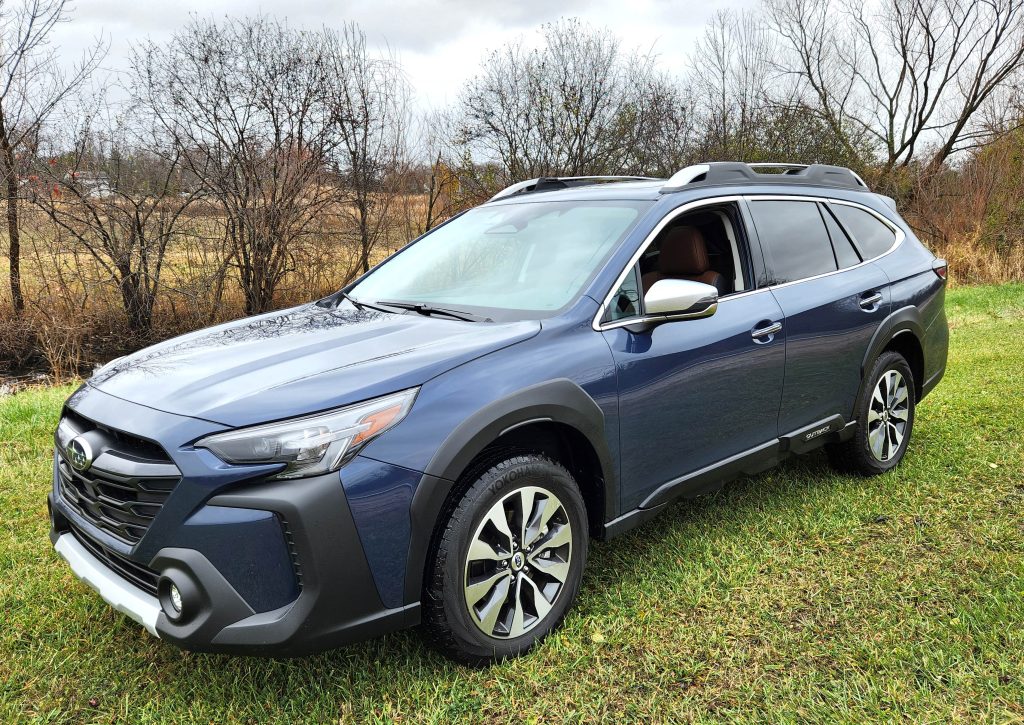
The Outback is written about because it supports real-world ownership. It adapts to daily routines, seasonal changes, and long-term mileage accumulation without becoming fragile or expensive to maintain.
5. Hyundai Elantra
The Hyundai Elantra completes this list because it delivers dependable daily transportation with low ownership stress. For Springfield drivers who want affordability without sacrificing reliability, the Elantra offers strong value.
One of its biggest strengths is predictable behavior. Daily-use vehicles must start reliably, warm up quickly, and handle frequent stops without issue. The Elantra does this consistently, making it easy to depend on for work and errands.
Fuel efficiency supports long-term cost control. With steady mileage across city and highway driving, the Elantra keeps operating expenses low important for drivers putting consistent miles on their vehicles.
Maintenance costs also remain reasonable. Parts availability and service familiarity make ownership simpler and more affordable over time, which matters when cars are kept long-term.
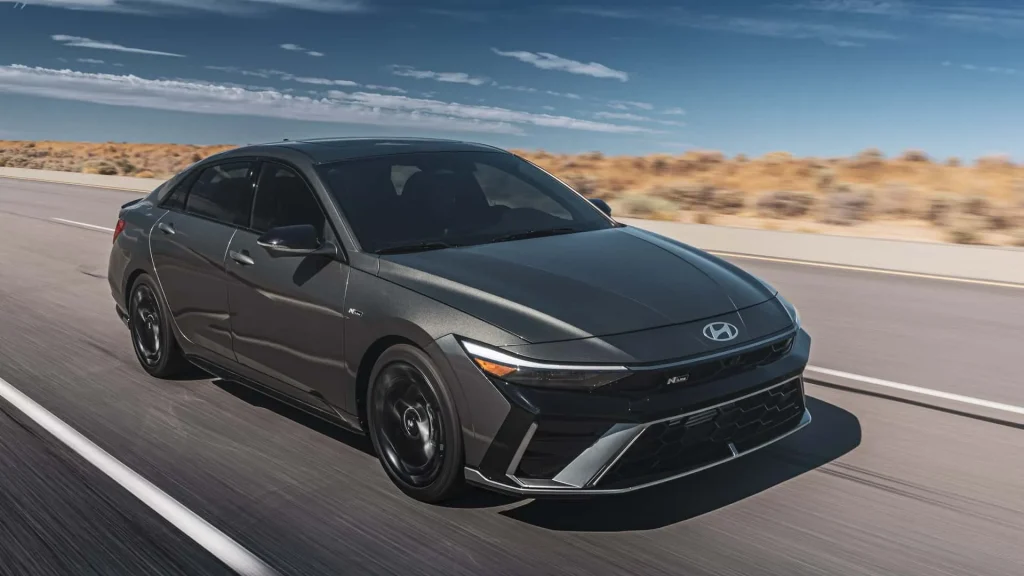
Interior durability further supports daily use. Controls remain functional, seats hold up well, and the cabin doesn’t deteriorate quickly with regular use.
The Elantra is written about because it represents low-drama daily ownership. It doesn’t overpromise or underdeliver it simply works, day after day, which is exactly what Springfield daily driving requires.
5 That Break Often
Daily driving in Springfield places steady, repetitive demands on vehicles, and that kind of use quickly exposes weaknesses. Cars that seem acceptable during occasional use or short ownership periods often struggle when driven every day.
Frequent starts, short trips, seasonal weather changes, and consistent mileage accumulation all accelerate wear on poorly designed or overly complex systems.
This section focuses on vehicles that break often, not because of isolated defects, but due to recurring patterns of mechanical or electrical issues.
These are cars that tend to visit repair shops more frequently than owners expect, creating frustration and rising ownership costs. For daily-use drivers in Springfield, that unreliability quickly becomes a serious problem.
Many of these vehicles look appealing at first. Some offer strong performance, luxury features, or aggressive pricing. Others rely on brand image or design appeal.
The problem isn’t how they drive when new it’s how they age under daily-use conditions. Repeated breakdowns, warning lights, sensor failures, transmission issues, and electrical problems turn routine ownership into a constant cycle of repairs.
In a city where most residents depend on their car every single day, frequent breakdowns lead to missed work, unexpected expenses, and long-term dissatisfaction.
These vehicles are written about to help buyers recognize patterns before committing. Reliability isn’t about perfection it’s about predictability. Cars that break often fail at the most basic requirement of daily transportation.
Understanding which vehicles struggle under daily use helps Springfield drivers avoid costly mistakes. This section highlights what happens when a car looks good on paper but can’t keep up with real-world ownership demands.
1. Jeep Cherokee
The Jeep Cherokee is included in this list because it has developed a reputation for frequent reliability issues that become especially problematic under daily-use conditions. While it offers rugged styling and available all-wheel drive, those features don’t offset the mechanical and electrical problems many owners experience over time.
One of the most common issues involves transmission behavior. Many Cherokee models suffer from rough shifting, delayed engagement, and premature wear. For daily drivers in Springfield where stop-and-go traffic and short trips are common, these problems escalate quickly, leading to expensive repairs.
Electrical issues are another recurring concern. Owners frequently report sensor failures, warning lights, infotainment glitches, and inconsistent electronic behavior. These problems may not immobilize the vehicle immediately, but they create ongoing frustration and repeated service visits.
Suspension and steering components also tend to wear faster than expected. Daily driving over varied road conditions accelerates these issues, leading to clunks, alignment problems, and uneven tire wear.
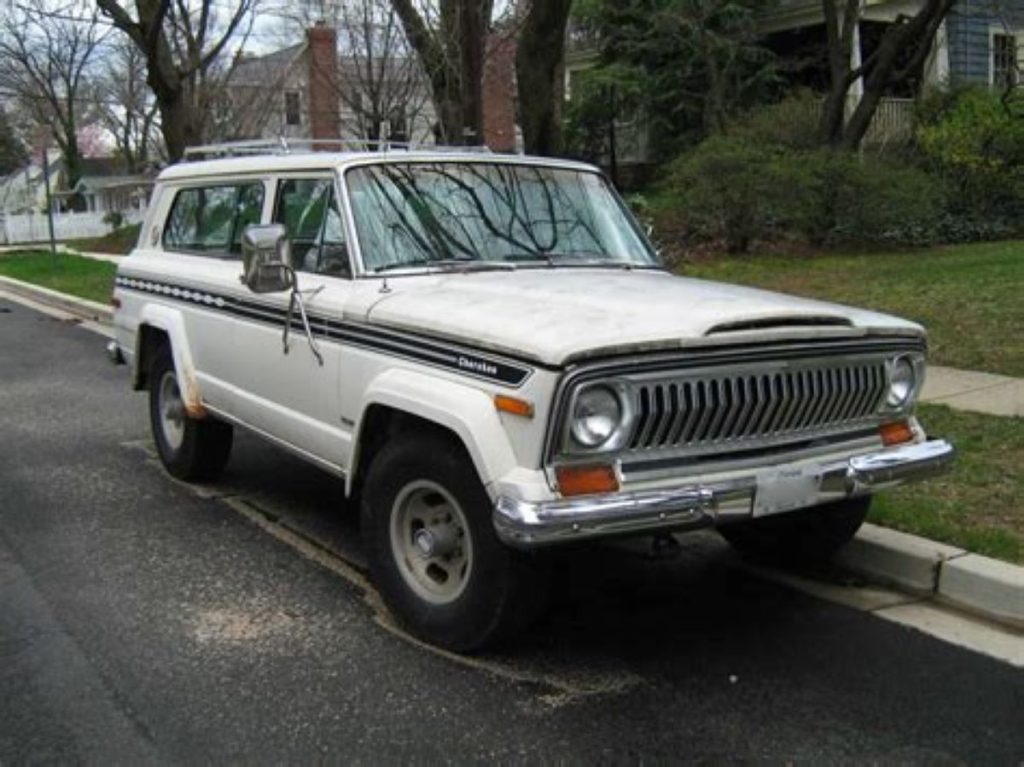
The Cherokee is written about because it highlights how design complexity without durability becomes a liability. While capable in theory, it struggles to deliver the consistency daily-use drivers in Springfield need.
2. Ford Focus
The Ford Focus appears on this list due to its long history of reliability complaints, particularly related to drivetrain and electronic systems. While it was marketed as an affordable, efficient daily driver, real-world ownership often tells a different story.
One of the biggest issues is transmission failure. Certain Focus models are known for shuddering, slipping, and premature clutch wear. In daily-use scenarios, these problems worsen rapidly, often requiring costly repairs or replacements.
Electrical and software issues further undermine reliability. Warning lights, sensor malfunctions, and erratic behavior are common complaints, creating uncertainty for owners who rely on their car every day.
Suspension components also tend to wear faster than expected, especially under constant city and highway driving. Over time, this leads to repeated maintenance costs that outweigh the car’s initial affordability.
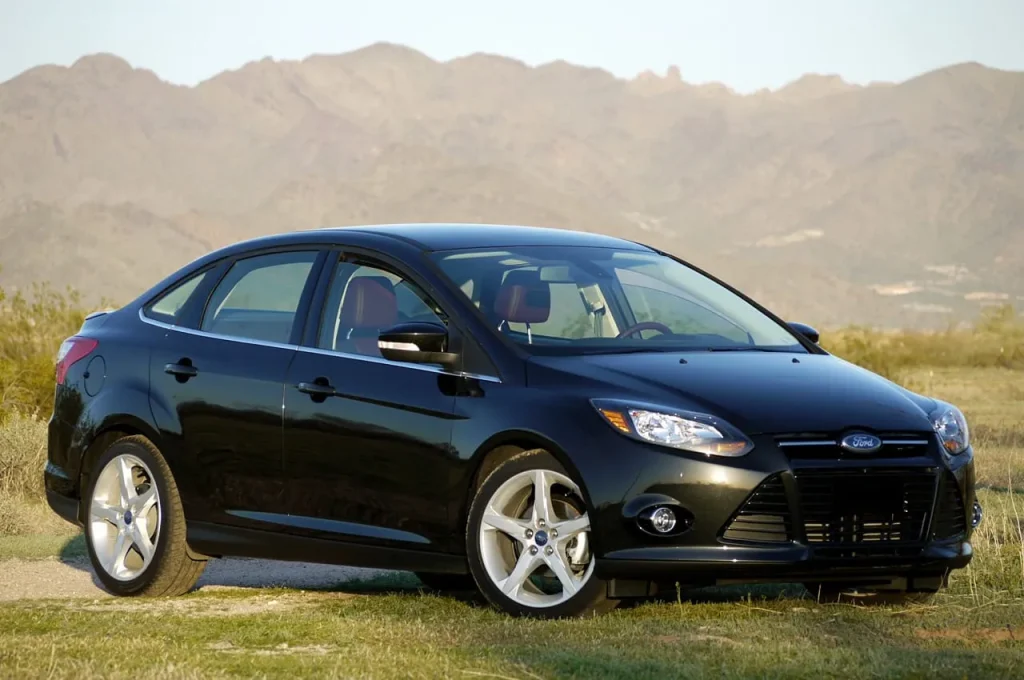
The Focus is written about because it demonstrates how budget pricing can hide long-term cost. For Springfield drivers who need dependable daily transportation, its tendency to break often makes it a risky choice.
3. Fiat 500
The Fiat 500 is included in this list because it exemplifies how charm and style can mask serious long-term reliability shortcomings.
While visually appealing and fun to drive in short bursts, the Fiat 500 struggles significantly when subjected to the realities of daily driving in a city like Springfield. Frequent use quickly exposes weaknesses in its mechanical and electrical systems.
One of the most common problems involves electrical reliability. Owners regularly report malfunctioning sensors, warning lights that appear without clear cause, and infotainment or instrument cluster failures.
These issues are especially frustrating because they often don’t present a single, fixable fault. Instead, they lead to repeated diagnostic visits that increase ownership costs without delivering lasting solutions.
Transmission behavior is another major concern. Both manual and automatic variants have been known to suffer from premature wear, rough shifting, and inconsistent engagement. In daily-use conditions where stop-and-go traffic and short trips dominate, these problems worsen quickly. What starts as minor hesitation often escalates into expensive repairs.
Build quality further undermines long-term dependability. Interior components, switches, and trim pieces tend to wear faster than expected, creating a sense of deterioration well before high mileage is reached. While cosmetic, this decline often parallels deeper mechanical reliability issues.
Parts availability and service familiarity also work against the Fiat 500 in Springfield. Fewer technicians are deeply familiar with the platform, and replacement parts can be slower to source. This leads to longer repair times and higher labor costs compared to more common vehicles.
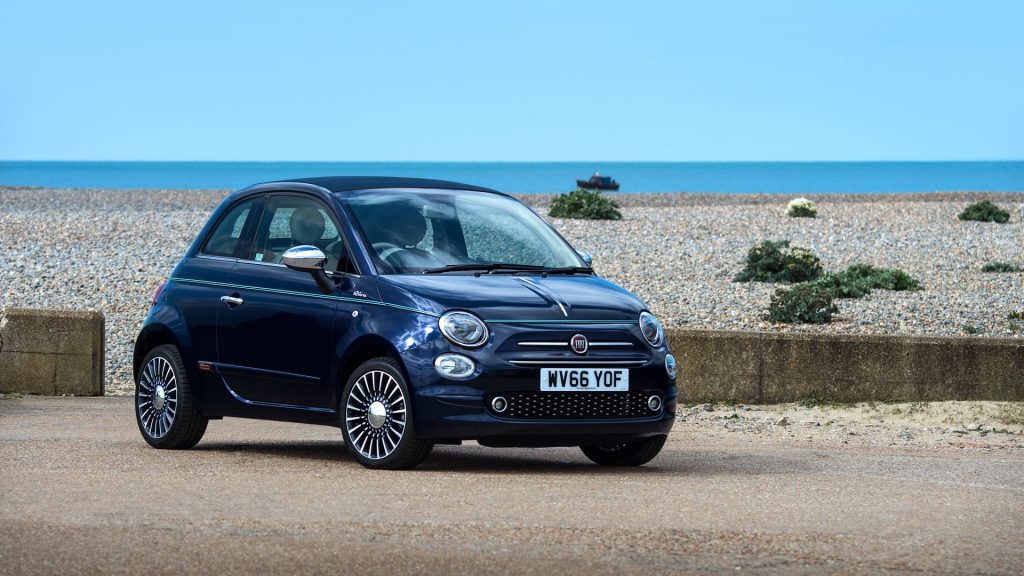
The Fiat 500 is written about because it highlights how design appeal does not equal durability. For daily-use drivers who rely on their car every day, its frequent breakdowns and recurring issues make it an impractical and costly ownership choice.
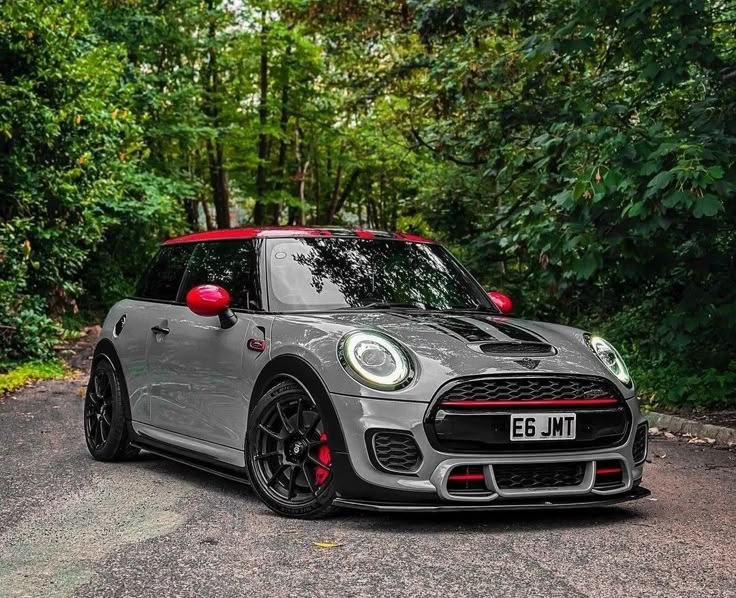
4. Mini Cooper
The Mini Cooper appears on this list because it combines engaging driving dynamics with a level of mechanical and electrical complexity that often proves incompatible with long-term daily use. While enjoyable to drive when new, Minis are widely known for developing reliability issues that surface quickly under consistent mileage.
One of the biggest problems involves engine and cooling system failures. Owners frequently report thermostat housing leaks, water pump failures, and cooling-related warning lights. These issues are not isolated incidents but recurring patterns that lead to repeated repair visits over time.
Electrical problems also plague the Mini Cooper. From malfunctioning sensors to inconsistent electronic behavior, these issues create uncertainty for daily drivers. Warning lights may appear and disappear, making it difficult to diagnose and resolve problems permanently.
Transmission reliability further complicates ownership. Certain Mini models experience premature clutch wear, rough shifting, or automatic transmission issues that worsen with daily stop-and-go driving. These repairs are often expensive due to tight engine packaging and specialised labour requirements.
Maintenance sensitivity magnifies all of these problems. Minis demand strict adherence to service intervals, correct fluids, and proactive component replacement. When used as a daily driver especially by owners expecting mainstream-car reliability, missed maintenance quickly leads to breakdowns.
The Mini Cooper is written about because it demonstrates how fun-focused engineering sacrifices durability. In Springfield’s daily-use environment, its tendency to break often makes it more of a project than a dependable car.
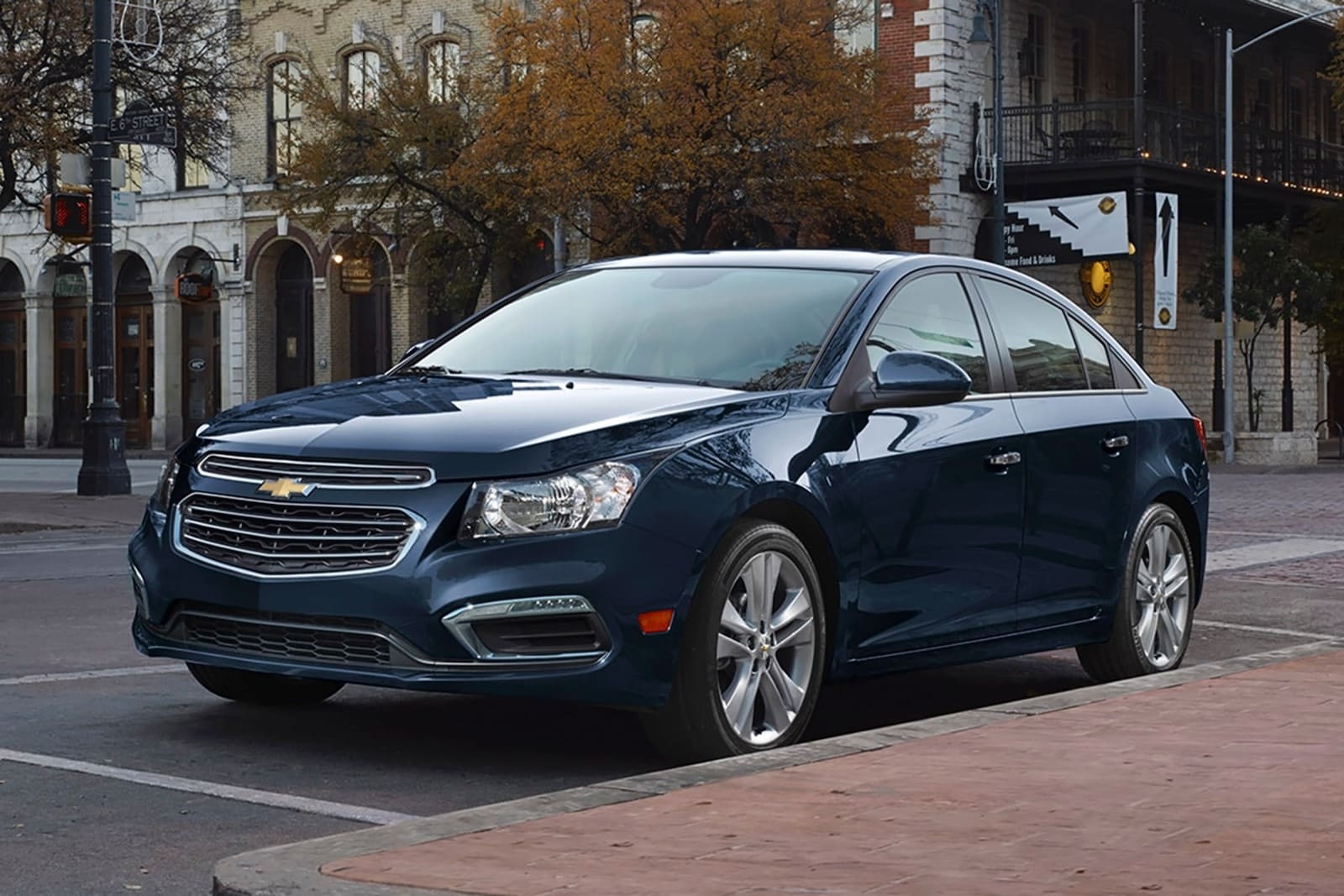
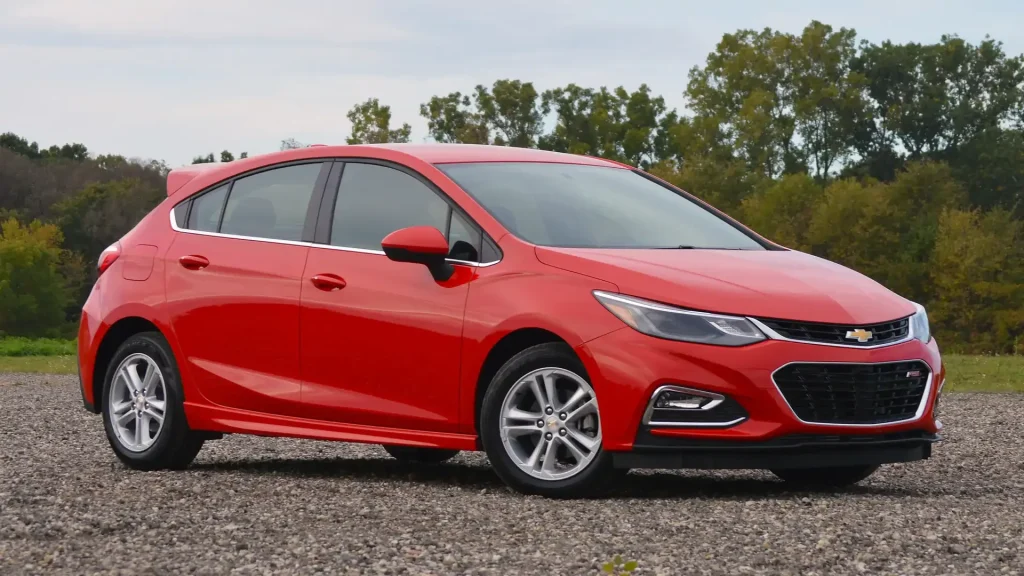
5. Chevrolet Cruze
The Chevrolet Cruze completes this list because it represents a common daily-use car that struggles to deliver long-term reliability. While marketed as an affordable, efficient commuter, the Cruze has developed a reputation for frequent mechanical issues that surface under sustained daily driving.
One of the most persistent problems involves engine cooling and turbocharger systems. Many Cruze models experience coolant leaks, thermostat failures, and turbo-related issues that lead to overheating or reduced performance. In daily-use scenarios, these problems tend to reoccur even after repairs.
Electrical and sensor failures further undermine reliability. Owners often report check-engine lights tied to emissions components, airflow sensors, or fuel system irregularities. These issues create repeated repair cycles that disrupt daily routines.
Transmission reliability is another weak point. Certain Cruze models suffer from rough shifting and premature wear, especially under frequent city driving. Over time, these problems lead to expensive transmission servicing or replacement.
Interior durability also declines faster than expected. Switches, trim pieces, and controls tend to wear prematurely, reinforcing the perception of overall fragility as mileage accumulates.
The Cruze is written about because it highlights how affordability at purchase can hide long-term cost. For Springfield drivers who need consistent daily transportation, its tendency to break often makes ownership frustrating and financially draining.
This article examined vehicle ownership through the lens of daily driving in Springfield, focusing on two realities that matter most to local drivers: which cars reliably handle everyday use and which ones tend to break often under constant demand.
Springfield driving isn’t extreme, but it is consistent. Most residents rely heavily on their vehicles for commuting, errands, family obligations, and regional travel. That kind of steady, repetitive use quickly separates dependable cars from problematic ones.
The first half of the article focused on cars that make sense for Springfield’s daily use. These vehicles were chosen because they tolerate repetition well frequent starts, short trips, highway cruising, seasonal weather changes, and long-term mileage accumulation. A defining trait among these cars is predictability.
They start reliably, warm up quickly, and don’t develop persistent mechanical or electrical issues as mileage grows. Fuel efficiency also plays an important role, helping drivers manage ongoing costs in a city where daily driving adds up quickly over the years.
Another key theme in this section was ownership longevity. Springfield drivers often keep vehicles well beyond their warranty periods, making maintenance costs, parts availability, and mechanical simplicity far more important than flashy features.
The cars highlighted for daily use tend to age gracefully. Their interiors hold up, their drivetrains remain stable, and repairs when needed are usually straightforward and affordable.
These vehicles don’t draw attention to themselves; instead, they quietly support daily routines without interruption. That reliability translates directly into reduced stress, fewer missed obligations, and better long-term value.
The second half of the article examined cars that break often, focusing on patterns rather than isolated defects. These vehicles frequently develop recurring mechanical, electrical, or drivetrain issues that become especially problematic under daily-use conditions.
Springfield’s driving environment short trips mixed with steady mileage, accelerates wear on designs that lack durability or rely on overly complex systems.
A major takeaway from this section is that initial appeal does not equal long-term dependability. Many of the cars discussed look attractive on paper, offering style, performance, or aggressive pricing.
However, repeated breakdowns, warning lights, transmission problems, cooling failures, and electrical issues turn ownership into a cycle of repairs. These issues don’t just cost money they disrupt daily life. Missed work, unexpected repair bills, and declining confidence in a vehicle take a real toll over time.
Another important point is that frequent breakdowns compound costs. Even when individual repairs aren’t catastrophic, repeated service visits quickly outweigh any savings from a lower purchase price.
In daily-use scenarios, reliability problems are not minor inconveniences they are persistent liabilities. Vehicles that require constant attention undermine the very purpose of owning a car in a city where mobility is essential.
Taken together, the article reinforces a clear conclusion: Springfield daily driving rewards simplicity, durability, and restraint. The best vehicles are not necessarily the most exciting or the most feature-packed.
They are the ones engineered to handle repetition without complaint. Cars that break often fail not because they can’t drive, but because they can’t keep driving reliably under real-world conditions.
For Springfield drivers, smart vehicle ownership is about aligning expectations with reality. Choosing a car that supports daily life leads to lower costs, fewer disruptions, and greater peace of mind.
Choosing one that breaks often turns routine transportation into an ongoing problem. In a city built around everyday driving, reliability isn’t a luxury it’s the foundation of satisfaction.
Also Read: 5 SUVs for Cary Suburban Commuters and 5 SUVs That Need Dealer Service
