

Austin driving is basically two different worlds stitched together by the same set of roads. In the city, you’re dealing with stop-and-go congestion, short hops, unpredictable lane merges, tight parking, and constant speed changes especially around downtown, South Congress, and the I-35 corridor.
That environment rewards cars that are easy to place in traffic, sip fuel while idling, and stay calm when you’re crawling for miles.
It’s less about raw horsepower and more about visibility, steering feel at low speeds, compact dimensions, quick response, and tech that reduces fatigue like good driver-assist features, strong A/C performance, and a smooth start-stop or hybrid system that doesn’t feel jerky.
Then there’s the other Austin: the open stretches where you’re stacking highway miles commuting out toward suburbs, running up to Round Rock or Georgetown, or heading out of town entirely. Highway driving is its own test.
You want stable tracking at speed, confident passing power, low cabin noise, supportive seats, and a powertrain that’s relaxed at 70–80 mph. Fuel economy matters here too, but so does range, comfort over long hours, and the kind of suspension tuning that won’t leave you sore after a weekend road trip.
This article splits the difference. First, I’ll cover five cars that make the most sense for Austin’s daily city grind models that reduce stress when traffic is the main event.
Then I’ll switch to five different cars that shine when the city fades in the mirror and the highway becomes your home base. The lists don’t repeat any models, so you get ten distinct options depending on where your real miles happen.
Also Read: 5 Cars for Sarasota Family Trips and 5 That Don’t Fit Roof Racks
5 Cars for Austin City Traffic
I’m writing this section for the Austin driver who spends more time watching brake lights than scenery. City traffic isn’t just slower it’s mentally expensive. You’re constantly reacting: scooters, quick lane changes, sudden stops, delivery vehicles, construction cones that appear overnight, and the occasional “oops, wrong lane” merge.
In that setting, a car can be “fast” and still be exhausting. What actually helps is a vehicle that feels light on its feet, stays efficient when you’re barely moving, and offers a calm, predictable driving experience.
For city traffic, a few traits matter more than people expect. Compact size is huge literally the difference between slipping into a parking spot and circling the block. Smooth low-speed throttle and braking are another: when the car creeps naturally, you drive with less tension.
Hybrids and EVs shine here because they waste less energy in stop-and-go patterns and often feel smoother at low speeds. Visibility also becomes a safety feature, not a comfort perk good sightlines reduce the “head on a swivel” stress.
I’m also focusing on cars that help you arrive less drained. That means seats that stay comfortable for short-but-frequent trips, infotainment that works without fuss, and driver-assist tech that’s actually usable in dense traffic, like adaptive cruise that doesn’t overreact or lane-keeping that doesn’t ping-pong. Austin heat matters too, so vehicles with strong climate systems and good efficiency while running A/C get extra points.
Below are five models that fit the rhythm of Austin city life chosen because they make the daily grind easier, not because they look good on paper.
1. Toyota Prius
The Prius earns its spot in Austin traffic because it treats stop-and-go like its natural habitat. I’m writing about it first because the city grind is where hybrids make the biggest real-world difference: crawling on Mopac or inching along I-35 can turn normal cars into fuel-budget bullies, while the Prius stays stingy and consistent.
Its hybrid system is especially good at low-speed efficiency, meaning you’re not burning extra fuel just to move a few car lengths at a time.
In traffic, the Prius also feels “smoothly efficient.” The transitions between electric assist and engine power are typically calm, and that matters when you’re creeping forward for twenty minutes.
You’re not constantly dealing with surging or harsh gear changes, which helps reduce fatigue. The steering is light (good for tight maneuvers), and the car’s footprint is manageable for city parking, U-turns, and narrow garages.
Another reason I’m highlighting it is the Prius’s overall ownership logic for an urban driver. You don’t need premium fuel, you’re usually looking at strong reliability, and the car’s mission is straightforward: reduce running costs while staying easy to live with.
For Austin specifically, that means fewer fuel stops in hot weather when you’ve got the A/C blasting and less frustration when traffic turns your commute into a slow-motion movie.
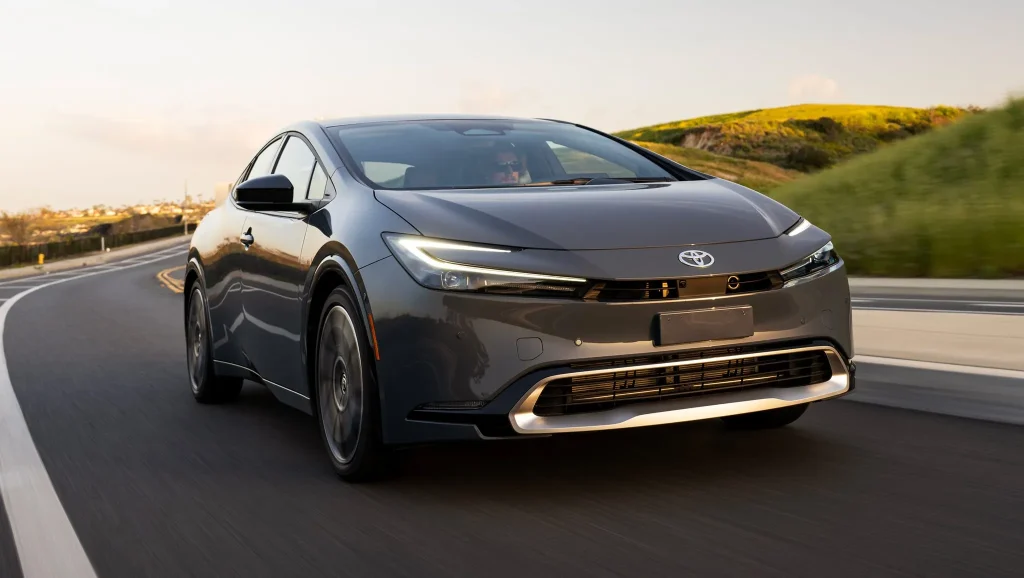
Finally, it’s a practical city tool. The hatchback layout makes daily errands easier, groceries, gym bags, and small furniture pickups, without needing a larger vehicle that becomes a parking headache. If your week is mostly short trips, congestion, and constant braking, the Prius is one of the most “traffic-friendly” options you can buy.
2. Honda Fit
I’m writing about the Honda Fit because Austin city driving rewards small cars that are smartly packaged, and the Fit is basically a masterclass in urban practicality.
It’s the kind of vehicle that makes daily traffic less annoying simply by being easy to place on the road and easy to park when you finally reach your destination. In crowded areas, the Fit’s compact footprint reduces the “will I fit?” stress that larger vehicles create.
What makes the Fit stand out isn’t just size it’s how efficiently it uses space. The upright design gives you great outward visibility, which is a genuine advantage in dense traffic where you’re constantly checking for cyclists, pedestrians, and sudden lane shifts.
I’m including it because city drivers benefit from confidence, and confidence often comes from seeing more and guessing less.
The Fit also tends to feel nimble at low speeds. When you’re dealing with tight turns, quick lane moves, or last-second reroutes because of construction, nimbleness becomes a quality-of-life feature. You can thread through city situations without feeling like you’re wrestling the car. That matters in Austin, where congestion can turn routine routes into improvisation.
I’m also highlighting the Fit because it’s one of those rare cars that’s both “small” and “useful.” The cargo versatility is excellent for its class, so it works for errands, weekend plans, and the unpredictable life stuff that pops up.
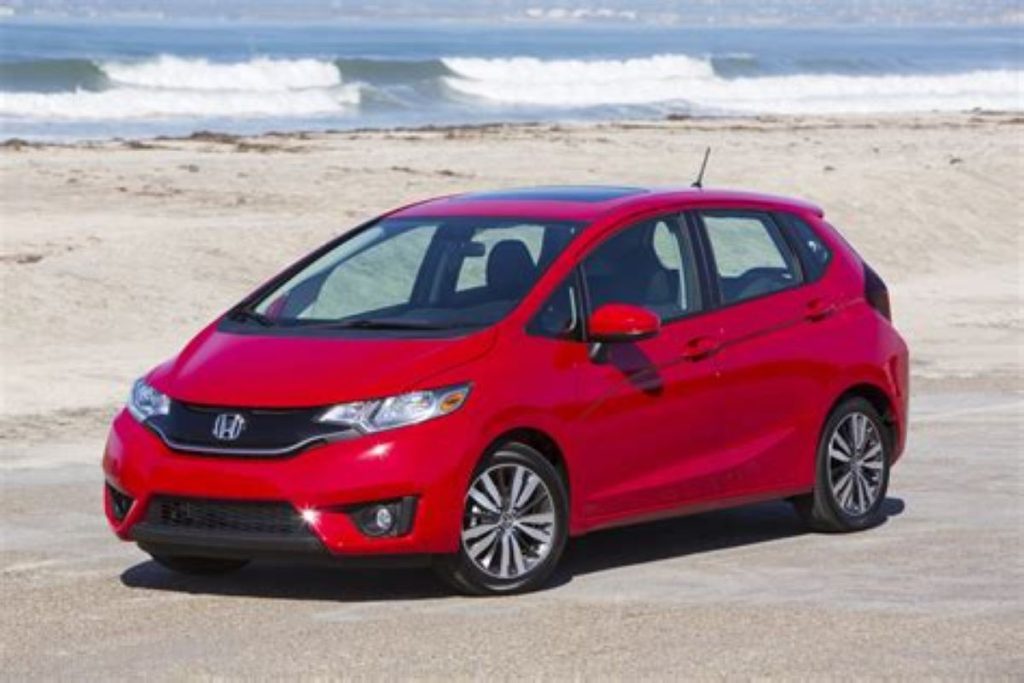
For a city-focused buyer, that versatility means you don’t have to upsize into something bigger just to handle occasional hauling needs, keeping the everyday experience lighter, cheaper, and less stressful.
3. Mazda CX-30
I’m including the Mazda CX-30 because Austin city driving isn’t just about size it’s about balance. Many drivers want something slightly elevated for visibility without stepping into a bulky SUV that becomes a liability in traffic.
The CX-30 sits right in that sweet spot. It’s compact enough to navigate congestion comfortably, yet tall enough to give you a clearer view of what’s happening ahead in dense urban traffic.
In stop-and-go conditions, the CX-30 feels composed and predictable. The steering is precise at low speeds, which matters when lanes narrow unexpectedly or traffic compresses near downtown exits. I’m writing about it because predictability reduces stress.
When you know exactly how a car will respond in tight situations, you drive more calmly and that’s a real advantage in Austin’s often chaotic traffic patterns.
Another reason the CX-30 works well in the city is its ride quality. Mazda tunes suspensions to feel controlled rather than floaty, so even when roads are uneven or patched from construction, the car doesn’t feel unsettled. That stability helps during constant braking and re-accelerating, especially during peak-hour congestion.
I’m also highlighting the CX-30 because it appeals to city drivers who want refinement without sacrificing practicality.
The interior feels thoughtfully designed, with controls that are intuitive rather than distracting important when your attention is already stretched thin by traffic. Fuel efficiency is solid for its class, and while it’s not a hybrid, it doesn’t punish you at the pump during short trips.
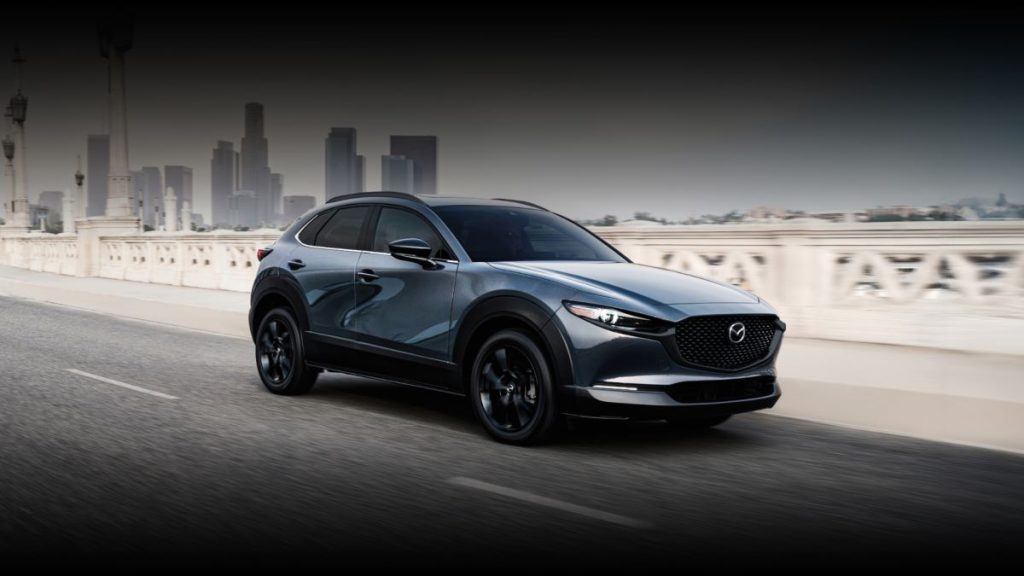
For Austin drivers who want something slightly more premium-feeling than a basic compact but still manageable in tight urban environments, the CX-30 is a smart middle ground.
4. Chevrolet Bolt EV
The Chevrolet Bolt EV earns its place here because city traffic is where electric cars shine brightest and the Bolt is especially well-suited to that environment. I’m writing about it because stop-and-go driving flips the script for EVs: instead of wasting energy, the Bolt thrives on frequent braking and low-speed travel.
In Austin traffic, the Bolt feels almost effortless. Instant torque at low speeds makes merging into gaps easier without aggressive throttle input, and one-pedal driving significantly reduces fatigue during congestion. That’s a huge advantage when you’re creeping forward for long stretches. You’re braking less, reacting less, and generally staying calmer behind the wheel.
The Bolt’s compact exterior dimensions also make it ideal for urban use. Parking downtown or in busy neighborhoods becomes less stressful when the car fits naturally into smaller spaces. I’m highlighting this model because it removes many of the daily annoyances city drivers deal with fuel costs, idle inefficiency, and constant brake wear.
Another key reason I’m writing about the Bolt EV is operating cost. For drivers whose miles are primarily within the city, charging at home (or work) can dramatically reduce monthly expenses compared to gas-powered alternatives. In a hot city like Austin, not burning fuel while sitting in traffic with the A/C running is a meaningful benefit.
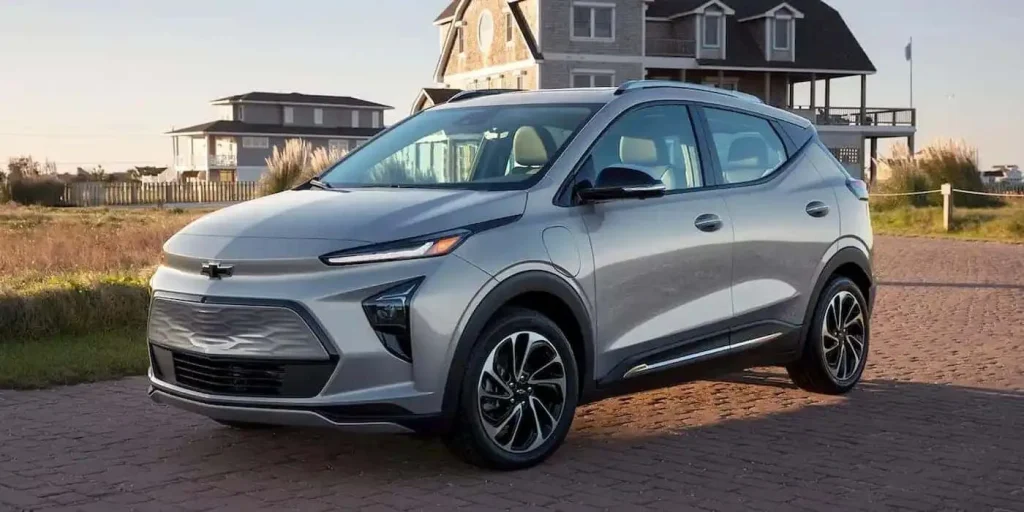
The Bolt may not be a road-trip champion, but for daily urban movement, errands, and commuting, it’s one of the most purpose-built city tools available.
5. Hyundai Elantra Hybrid
I’m closing the city-focused list with the Hyundai Elantra Hybrid because it proves that you don’t need to go small or fully electric to win at city driving. For Austin drivers who want a traditional sedan shape with modern efficiency, this car fits the bill exceptionally well.
In traffic, the Elantra Hybrid’s power delivery is smooth and cooperative. I’m writing about it because hybrids that handle low-speed transitions well make city driving noticeably easier. The car doesn’t feel jumpy when inching forward, and it maintains excellent fuel economy even when trips are short and congested.
The Elantra Hybrid also offers a calmer cabin experience than many compact sedans. Road noise is kept in check, which matters when traffic stretches your commute longer than planned. Its seating comfort and straightforward tech layout reduce mental load important when your driving environment already demands constant attention.
I’m including this model because it appeals to practical city drivers who still want space. Compared to subcompacts, the Elantra Hybrid offers better rear-seat room and trunk space without becoming cumbersome in traffic.
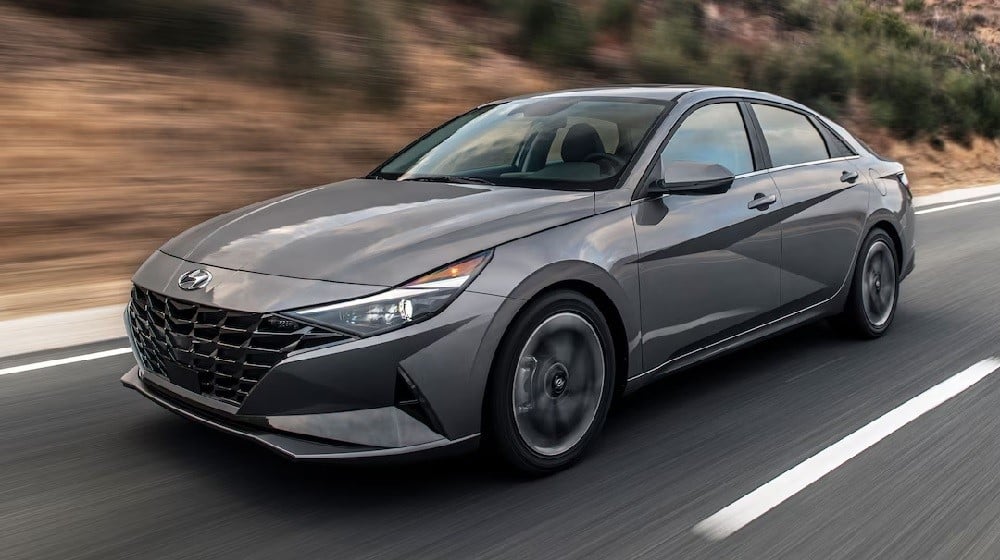
It’s an ideal compromise for someone who wants efficiency, comfort, and everyday usability without the challenges of parking or maneuvering a larger vehicle.
For Austin’s daily grind, the Elantra Hybrid delivers consistency and consistency is exactly what city drivers need.
5 Better for Highway Miles
Highway driving flips the priorities of car ownership. Where city traffic rewards compact size, instant response, and efficiency at low speeds, highway miles demand calmness, stability, and endurance.
When you’re cruising for long stretches whether commuting from outside Austin, heading toward Dallas or Houston, or logging frequent weekend road trips, the car becomes more than transportation. It becomes a place you live in for hours at a time.
I’m writing this section for drivers whose miles stack up quickly and predictably. On the highway, small annoyances get magnified. Wind noise that seems tolerable around town becomes exhausting after an hour.
Seats that feel “fine” for errands suddenly cause fatigue. Engines that work too hard at speed make the cabin feel strained. A good highway car fades into the background it tracks straight, holds speed effortlessly, and lets you arrive less tired than you expect.
Highway-focused vehicles also benefit from different engineering choices. Longer wheelbases help stability. Taller gearing keeps engine revs low.
Strong passing power matters more than quick launches. Fuel economy still counts, but consistency and range often matter more than raw mpg numbers. Driver-assist features like adaptive cruise and lane-centering aren’t luxuries here they’re tools that reduce fatigue on long runs.
The five cars in this list are chosen specifically because they feel relaxed at speed. They’re not repeated from the city section, and they’re not trying to be everything at once.
These are cars that make sense when your commute includes long stretches of open road, or when weekend miles add up fast. If the highway is where your driving time actually happens, these are the kinds of vehicles that quietly earn their keep.
1) Toyota Camry
I’m starting the highway list with the Toyota Camry because it represents one of the most balanced long-distance sedans you can buy. I’m writing about it here because highway miles reward cars that feel stable, quiet, and unbothered and that’s exactly where the Camry excels.
At cruising speeds, the Camry feels settled. The suspension is tuned to smooth out expansion joints and long stretches of uneven pavement without feeling floaty.
That balance matters when you’re driving for hours, because constant micro-corrections and vibrations slowly drain energy. The Camry’s steering stays calm and predictable, which helps reduce fatigue on straight highway runs.
Another reason I’m including the Camry is engine behavior at speed. Whether you choose a four-cylinder or a stronger variant, the car doesn’t feel strained at 70–80 mph. Engine revs stay low, cabin noise stays controlled, and passing power is available without drama. That “effortless” feeling is a key reason I’m writing about it as a highway-focused car.
The interior also plays a big role. The Camry offers supportive seating and enough cabin space that you don’t feel boxed in during long drives. Climate control is effective, and the infotainment system is easy to manage without pulling attention away from the road. For drivers who rack up miles weekly, these small comforts add up fast.
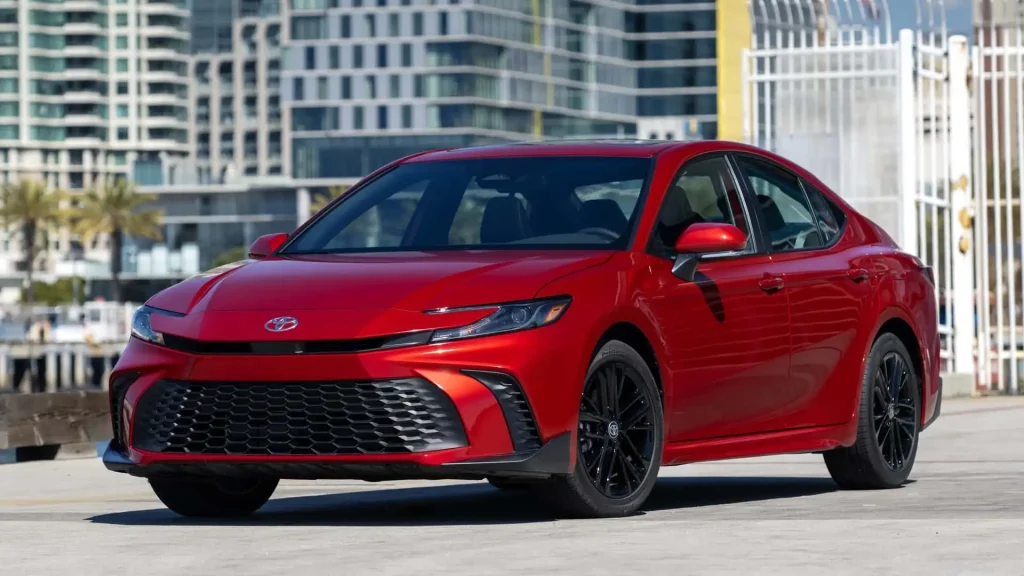
Ultimately, the Camry makes sense for highway drivers because it asks very little from you. It just does its job consistently and consistency is exactly what long-distance driving demands.
2. Honda Accord
I’m writing about the Honda Accord because it’s one of the best examples of a car that feels purpose-built for highway life. While it handles city driving just fine, its real strength shows when the road opens up and the miles start flowing.
On the highway, the Accord feels long, planted, and composed. That longer wheelbase translates directly into stability at speed, especially when dealing with crosswinds or uneven pavement. I’m including it here because highway drivers value confidence and the Accord delivers that in a quiet, understated way.
The powertrain behavior is another key reason I’m highlighting it. At cruising speeds, the Accord feels relaxed rather than busy. Acceleration for passing is smooth and controlled, not abrupt, which keeps the driving experience calm. When you’re covering long distances, that smoothness reduces mental and physical fatigue.
Inside, the Accord shines as a highway companion. The seating position is comfortable for extended periods, and the cabin layout feels open and airy. I’m writing about it because small ergonomic details seat cushioning, pedal placement, and armrest height, become big deals when you’re driving for hours instead of minutes.
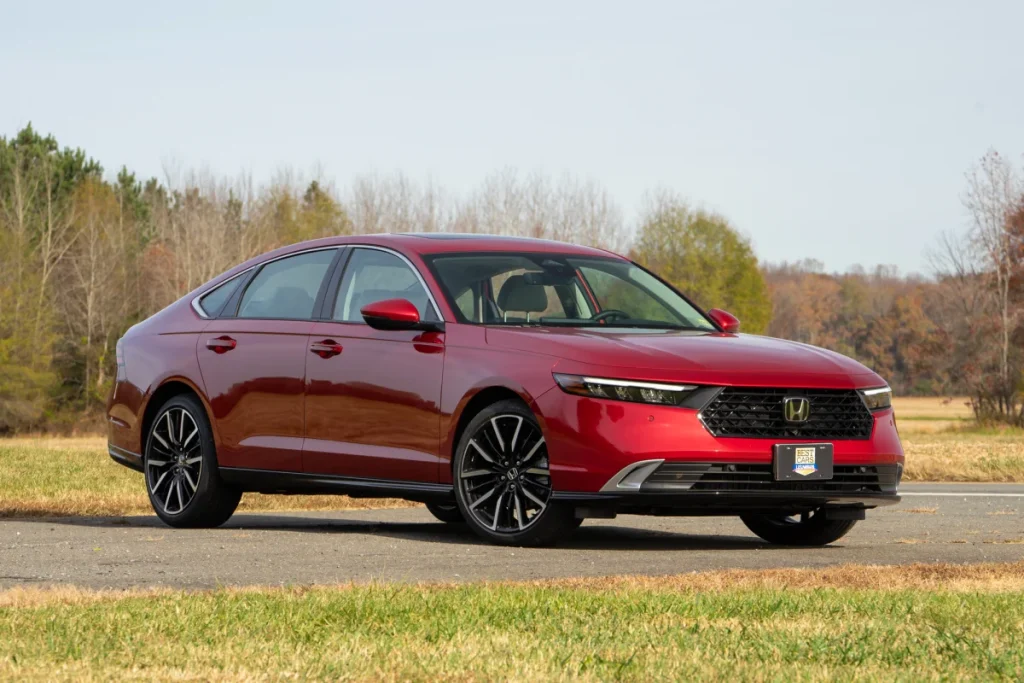
Fuel efficiency on the highway is another strong point. The Accord rewards steady cruising with impressive real-world economy, which means fewer fuel stops and better range between breaks. For commuters and frequent travelers, that efficiency saves both time and money.
For drivers whose routines involve long highway stretches, the Accord remains one of the safest bets for comfort, stability, and long-term satisfaction.
3. Lexus ES
I’m writing about the Lexus ES because highway driving is where comfort quietly becomes the top priority and few sedans do long-distance comfort better. This car isn’t trying to feel sporty or aggressive; instead, it’s engineered to make hours on the highway feel shorter and less tiring. That’s exactly why it belongs on this list.
At cruising speed, the ES feels exceptionally calm. Road noise is muted, wind intrusion is minimal, and the suspension filters out rough pavement without constantly reminding you that it’s working.
I’m including it because highway drivers benefit from cars that don’t demand attention. The ES tracks straight, holds its lane confidently, and rarely requires steering corrections qualities that reduce fatigue over long stretches.
Another reason I’m writing about the ES is engine refinement. Power delivery is smooth and predictable, making passing maneuvers easy without feeling rushed.
At highway speeds, the engine settles into a relaxed rhythm, which contributes to the car’s serene character. This is especially valuable for drivers who spend multiple days a week on extended highway runs.
The interior is a major highlight. The seats are designed for long-term comfort, offering proper support rather than just softness.
Climate control performance is consistent, and the cabin layout prioritizes ease of use over flashy design. I’m focusing on these details because highway miles turn small annoyances into big problems and the ES avoids most of them.
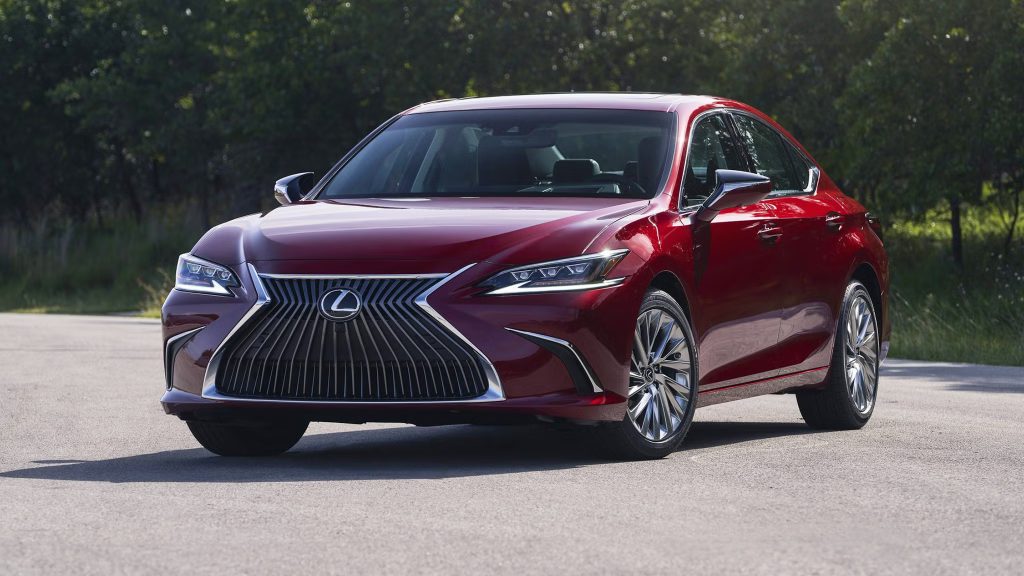
For drivers who value arriving refreshed rather than exhilarated, the Lexus ES is a textbook highway companion.
4. Subaru Outback
I’m including the Subaru Outback because not all highway miles happen on perfect pavement. Many drivers split time between interstate cruising and long rural stretches, uneven highways, or weather-affected roads. The Outback excels in that in-between space, making it a strong highway vehicle for drivers who want confidence as much as comfort.
On the highway, the Outback feels stable and planted, thanks to its longer wheelbase and well-tuned suspension.
I’m writing about it because it absorbs road imperfections better than many sedans, which matters when the pavement quality drops. Long drives feel less punishing, especially on routes that aren’t freshly paved.
The Outback’s driving position also contributes to highway comfort. Sitting slightly higher improves visibility and reduces strain over long hours. That elevated view helps drivers stay relaxed and aware without feeling like they’re piloting something bulky. I’m highlighting this because posture and visibility matter more on long trips than many people realize.
Another reason the Outback works well for highway miles is versatility. Cargo space is generous, making it ideal for road trips, work gear, or extended travel. The cabin remains composed even when loaded, which keeps handling predictable at speed.
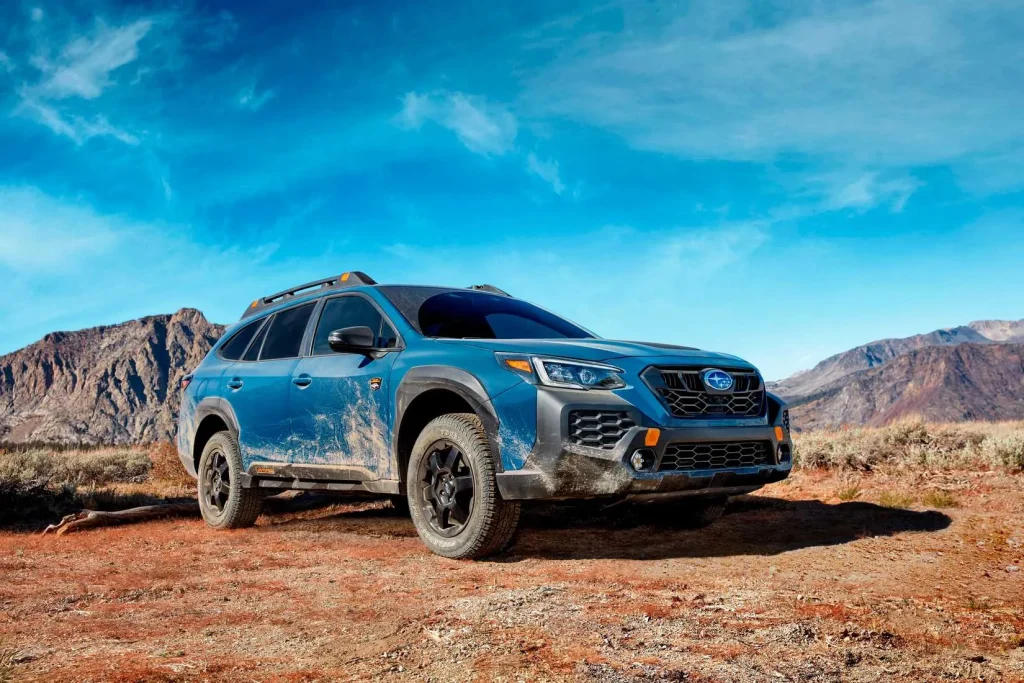
For drivers who want a highway vehicle that’s comfortable, stable, and ready for imperfect roads, the Outback offers reassurance without sacrificing long-distance comfort.
5. BMW 5 Series
I’m closing the highway list with the BMW 5 Series because it represents the other end of the highway spectrum: engagement without exhaustion. While many cars focus purely on comfort, the 5 Series manages to combine refinement with a sense of control that highway drivers often appreciate.
At speed, the 5 Series feels locked in. Steering is precise, the chassis feels confident, and lane changes happen with minimal effort. I’m writing about it because some drivers want a car that feels alert without being tense and the 5 Series delivers that balance exceptionally well.
Engine performance is another reason it belongs here. Power is available effortlessly at highway speeds, making passing maneuvers smooth and decisive. The car doesn’t feel like it’s working hard, even when driven briskly, which adds to the relaxed highway experience.
Inside, the 5 Series offers a supportive, driver-focused cabin. The seats are designed for long-distance driving, and the overall ergonomics help reduce fatigue during extended trips. I’m including it because highway comfort isn’t just about softness, it’s about control, support, and predictability.
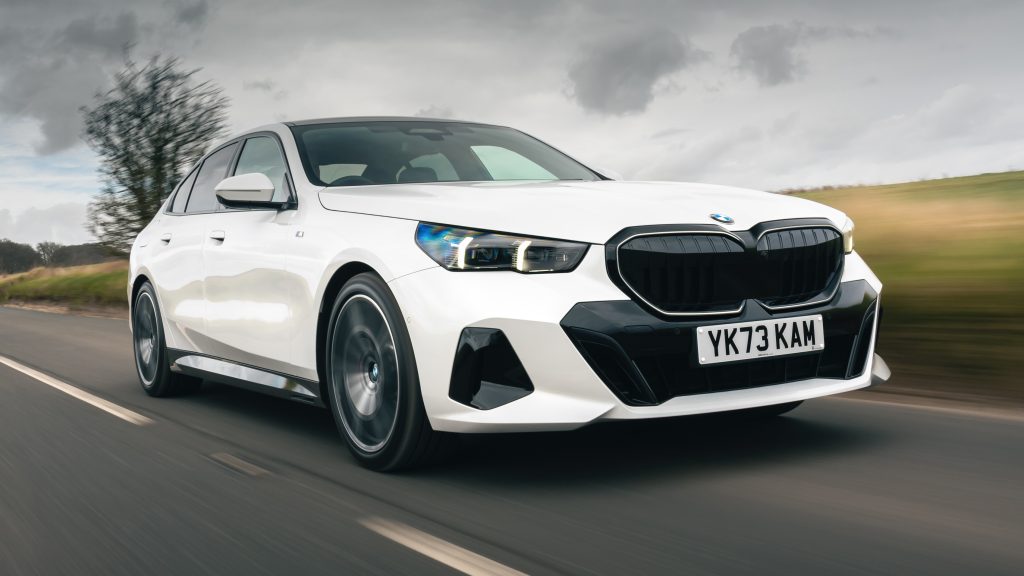
For drivers who spend serious time on highways and still want to enjoy the act of driving, the BMW 5 Series is a compelling final entry.
Driving in and around Austin demands flexibility, because city congestion and highway cruising reward very different vehicle traits.
This article was written to separate those needs clearly, helping drivers choose a car that actually matches where their miles are spent instead of relying on generic “best overall” advice.
For Austin city traffic, the focus was on reducing daily stress. Congestion-heavy routes, tight parking, frequent stops, and unpredictable lane changes favor cars that are compact, efficient at low speeds, and easy to maneuver.
Models like the Toyota Prius, Honda Fit, Mazda CX-30, Chevrolet Bolt EV, and Hyundai Elantra Hybrid were chosen because they handle stop-and-go conditions gracefully.
Their strengths lie in smooth low-speed response, good visibility, manageable size, and lower operating costs. These cars help drivers stay calmer, burn less fuel or energy while idling, and avoid the frustration that comes with oversized or inefficient vehicles in dense traffic.
The second half of the article shifted to highway-focused driving, where comfort, stability, and endurance matter more than compactness. Long commutes, weekend road trips, and frequent interstate travel demand cars that feel relaxed at speed and minimize fatigue.
Vehicles such as the Toyota Camry, Honda Accord, Lexus ES, Subaru Outback, and BMW 5 Series were highlighted for their ability to cruise effortlessly, remain quiet and stable, and provide supportive seating for long hours behind the wheel.
These cars prioritize smooth power delivery, confident passing, consistent fuel economy at speed, and a composed ride over long distances.
By separating city and highway needs and avoiding repeated models, the article shows that the “right” car depends less on brand loyalty and more on real driving patterns. Choosing a vehicle aligned with how and where you drive leads to lower stress, better comfort, and greater long-term satisfaction.
Also Read: 5 Cars for Brevard County Family Trips and 5 Cars That Break on Long Drives
