
Knoxville driving has a personality of its own. Unlike flat-grid cities where speed and fuel economy dominate buying decisions, Knoxville’s roads rise, fall, twist, and surprise you.
Daily driving here often means climbing long grades, descending steep slopes, and navigating rolling terrain that constantly tests a car’s powertrain, brakes, and suspension.
A vehicle that feels perfectly adequate on flat highways can suddenly feel strained, noisy, or unstable once elevation changes become routine.
That’s why hilly terrain separates capable cars from merely average ones. On inclines, engines must deliver usable torque not just horsepower numbers on paper. Transmissions need to downshift smoothly without hunting for gears.
Cooling systems, braking confidence on descents, and traction in wet or uneven conditions all matter more than many buyers expect. Knoxville’s terrain rewards vehicles that feel composed under load and confident when gravity works against them.
At the same time, hills expose weaknesses quickly. Some cars struggle to maintain speed uphill, feel underpowered with passengers, or overwork their transmissions to compensate for limited torque.
Others may climb acceptably but feel unstable or stressed when descending, especially on longer grades. These shortcomings don’t always show up in short test drives but they become obvious over months of real-world use.
This article is split into two clear parts. First, I’ll cover five cars that genuinely handle Knoxville’s hilly drives well vehicles chosen because they stay composed, responsive, and confidence-inspiring on grades.
Then I’ll switch to five cars that tend to struggle on hills, not because they’re bad cars overall, but because their design priorities don’t align well with elevation-heavy driving. The lists don’t repeat any models, giving a full picture of what works and what doesn’t when the road refuses to stay flat.
Also Read: 5 Muscle Cars for Oklahoma City Workhorses and 5 That Aren’t Towing-Ready
5 Cars for Knoxville Hilly Drives
I’m writing this section for drivers who feel every incline in their daily routine. In a hilly city like Knoxville, the difference between a good car and a great one isn’t top speed or touchscreen size it’s how the vehicle behaves when the road tilts upward or drops away.
Hills magnify mechanical strengths and weaknesses, turning ordinary commutes into ongoing tests of drivability.
For uphill driving, usable torque matters more than raw horsepower. Cars that deliver power smoothly at lower engine speeds feel confident climbing grades without constant downshifting or excessive noise.
Transmissions also play a major role. Well-tuned automatics or responsive CVTs make climbs feel natural, while poorly matched gearboxes can make even powerful engines feel strained.
Downhill control is just as important. Stable braking, predictable engine braking, and suspension tuning that keeps the car planted all contribute to driver confidence. Knoxville’s roads aren’t just steep they’re often winding so balance and traction matter as much as strength.
I’m focusing on vehicles that feel composed rather than dramatic. These are cars that don’t panic on hills, don’t feel overwhelmed with passengers or cargo, and don’t require the driver to “work around” their limitations. They’re chosen because they reduce effort and stress in elevation-heavy driving, not because they look tough on paper.
Below are five cars that genuinely suit Knoxville’s terrain models that climb with confidence, descend with control, and make hilly driving feel routine instead of demanding.
1. Subaru Outback
I’m starting with the Subaru Outback because it’s one of the most naturally suited vehicles for hilly regions like Knoxville. I’m writing about it first because it handles elevation changes with a sense of calm that many crossovers lack. The Outback doesn’t just climb hills it does so without drama, strain, or constant gear hunting.
One of the biggest reasons the Outback excels on grades is its torque delivery. The engine provides usable pull at lower speeds, which helps on long inclines where maintaining steady momentum matters more than quick bursts of speed. The transmission is tuned to keep the engine in its effective range, so climbs feel smooth rather than frantic.
Another key factor is traction. Knoxville weather can turn hills slick quickly, and the Outback’s all-wheel-drive system provides consistent grip when conditions aren’t ideal. I’m highlighting this because traction isn’t just about snow it’s about stability when climbing or descending uneven or wet roads.
Downhill control is another strength. The Outback feels planted, and its braking performance inspires confidence on descents. Suspension tuning absorbs uneven surfaces well, preventing the floaty feeling some vehicles develop on rolling terrain.
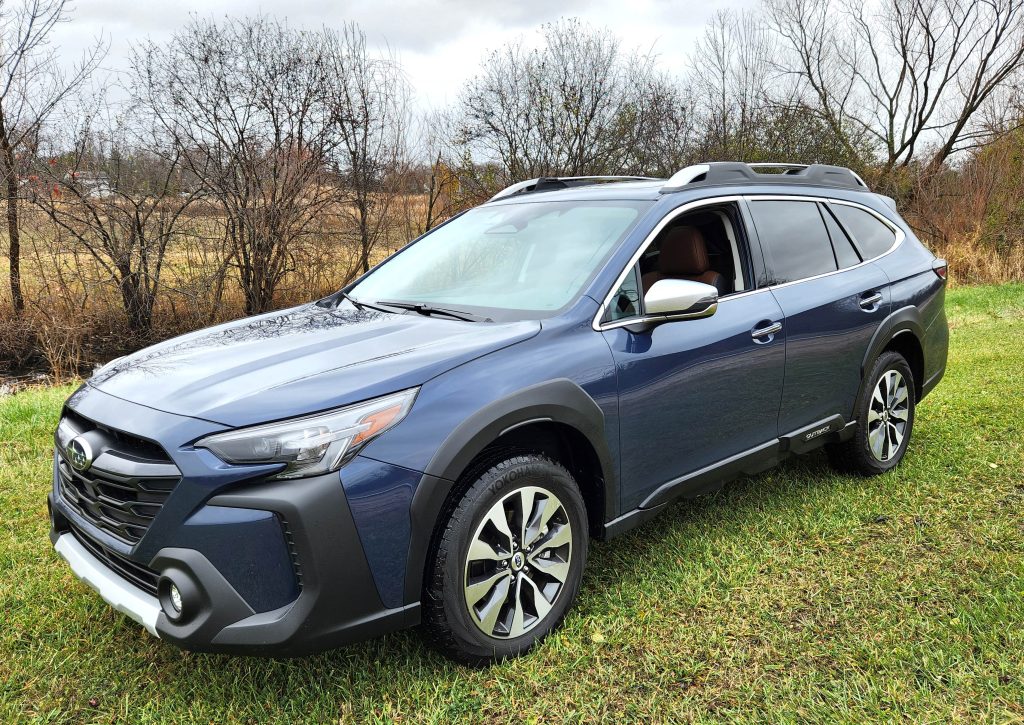
I’m writing about the Outback because it’s a vehicle that quietly adapts to hills without requiring driver input or compromise. For Knoxville drivers who want predictable, stress-free performance on grades year-round, it sets a strong benchmark.
2. Toyota RAV4 Hybrid
The Toyota RAV4 Hybrid earns its place here because electrified torque changes how hills feel. I’m writing about it because hybrid systems often excel in elevation-heavy areas, and the RAV4 Hybrid is a strong example of that advantage.
On uphill climbs, the electric motor provides immediate torque that helps the vehicle pull smoothly without excessive revving.
That instant response makes inclines feel shorter and less demanding, especially in stop-and-go traffic on hilly roads. I’m including it because that smoothness translates directly into driver confidence.
The RAV4 Hybrid also manages power intelligently. Instead of forcing the engine to work harder than necessary, the system blends electric assistance where it’s most effective. This results in quieter climbs and less mechanical stress, which is especially noticeable on longer grades.
Stability is another reason I’m highlighting it. The RAV4 Hybrid feels well-balanced on rolling terrain, and braking on descents is controlled and predictable. Regenerative braking also helps reduce brake wear, which is a real benefit in hilly environments.
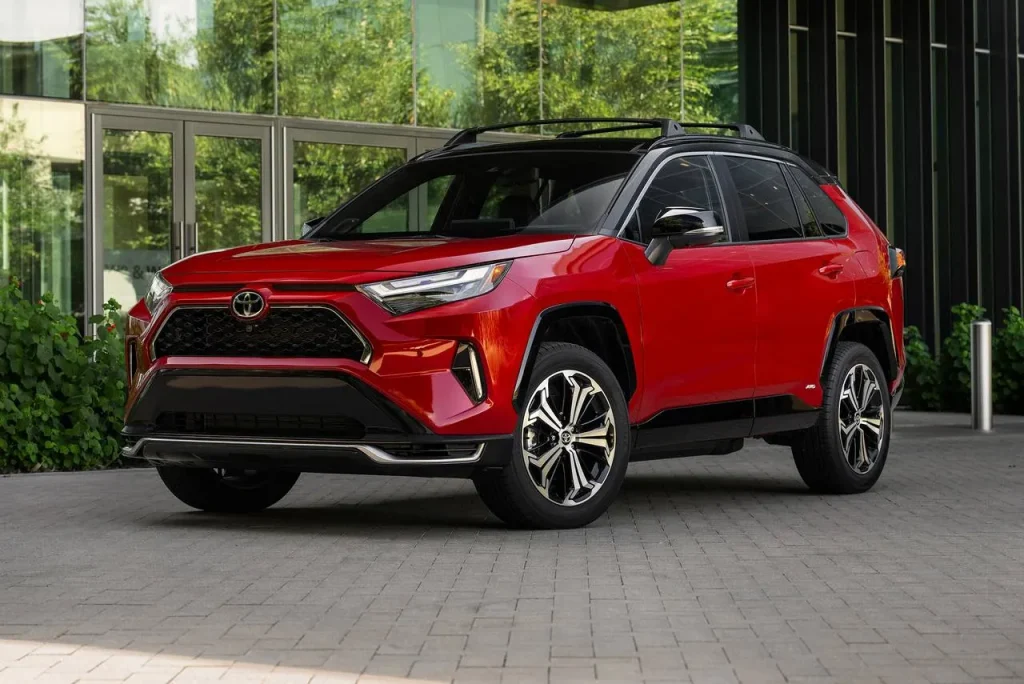
I’m writing about this vehicle because it proves that efficiency and hill capability aren’t opposites. For Knoxville drivers who want strong grade performance without sacrificing fuel economy, the RAV4 Hybrid delivers a very well-rounded experience.
3. Mazda CX-5
I’m including the Mazda CX-5 because it’s one of those vehicles that doesn’t advertise itself as a “hill specialist,” yet performs exceptionally well when elevation changes are constant. I’m writing about it because Knoxville’s terrain rewards cars that balance power, weight, and control and the CX-5 gets that balance right.
On uphill climbs, the CX-5 delivers steady, usable power rather than dramatic surges. That matters on longer grades, where consistency keeps the vehicle from feeling strained.
The transmission responds quickly to throttle input, downshifting smoothly instead of hesitating or hunting. I’m highlighting this because hesitation on hills creates uncertainty and uncertainty increases driver fatigue.
The CX-5’s relatively firm suspension also plays a role. While some crossovers feel floaty on rolling terrain, this one stays composed.
The body remains controlled when climbing or descending, which helps maintain traction and steering precision on winding hills. I’m writing about it because stability builds confidence, especially on Knoxville’s curving elevation changes.
Downhill performance is another strength. Braking feel is predictable, and the car remains settled when shedding speed. That makes descents feel controlled rather than tense. Combined with responsive steering, the CX-5 encourages smooth, confident driving rather than constant correction.
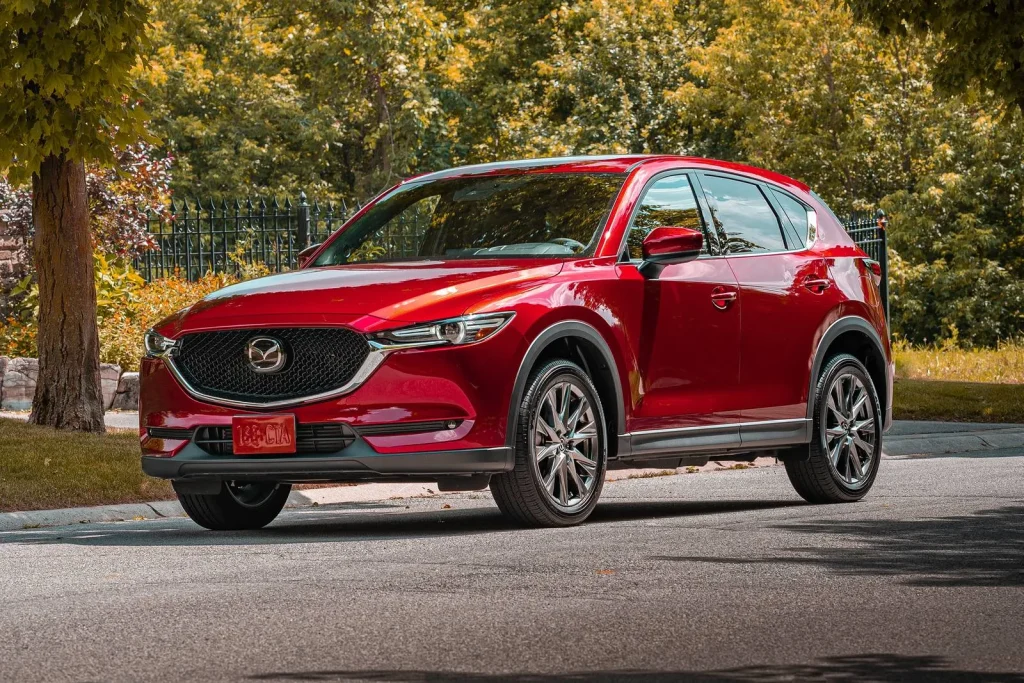
I’m including the CX-5 because it proves that you don’t need excess power to handle hills well you need balance. For Knoxville drivers who want something refined, manageable, and consistently capable on grades, it’s a strong choice.
4. Honda Passport
The Honda Passport earns its spot here because hilly driving often exposes vehicles that are underpowered or overly soft and the Passport avoids both pitfalls. I’m writing about it because Knoxville drivers who regularly carry passengers or cargo need a vehicle that doesn’t lose composure when climbing.
The Passport’s engine provides strong mid-range torque, which is exactly what hills demand. Instead of screaming at high revs, it pulls confidently at moderate speeds. That makes uphill acceleration feel natural, even when the vehicle is loaded. I’m including it because that strength translates into less stress for both driver and drivetrain.
Transmission tuning is another reason the Passport works well on grades. Gear changes feel decisive rather than reactive, helping the vehicle maintain momentum on climbs. This matters on Knoxville’s longer hills, where frequent shifting can become tiring and noisy.
On descents, the Passport feels stable and planted. Its wider stance and solid suspension tuning help prevent the floaty sensation some SUVs develop on downhill stretches. Braking remains consistent, giving the driver confidence even on extended declines.
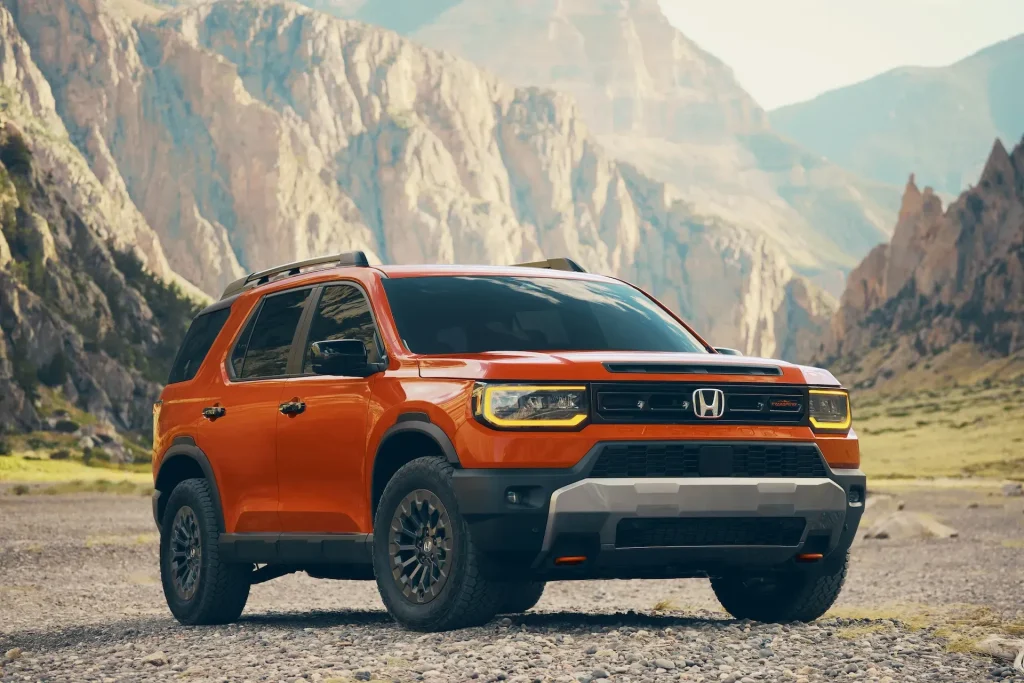
I’m writing about the Passport because it handles hills as part of normal driving not as a challenge. For drivers who want capability without moving into full-size SUV territory, it offers reassurance in elevation-heavy terrain.
5. Toyota Highlander
I’m closing the “capable on hills” list with the Toyota Highlander because it represents dependable strength rather than aggressive performance. I’m writing about it because Knoxville drivers with families or frequent passengers need a vehicle that remains composed on grades, even under load.
On uphill drives, the Highlander delivers steady, predictable power. It may not feel sporty, but it doesn’t struggle or hesitate when climbing. The engine and transmission work together smoothly, maintaining speed without constant effort. I’m highlighting this because predictability matters more than excitement in hilly daily driving.
The Highlander’s weight actually becomes an advantage on descents. It feels stable rather than twitchy, and braking performance inspires confidence on long downhill stretches. Suspension tuning prioritizes control, preventing excessive body movement over rolling terrain.
Another reason I’m writing about the Highlander is reliability under stress. Hills put repeated demands on powertrains and braking systems, and the Highlander has a reputation for handling those demands without complaint. For long-term ownership in a hilly area, that durability matters.
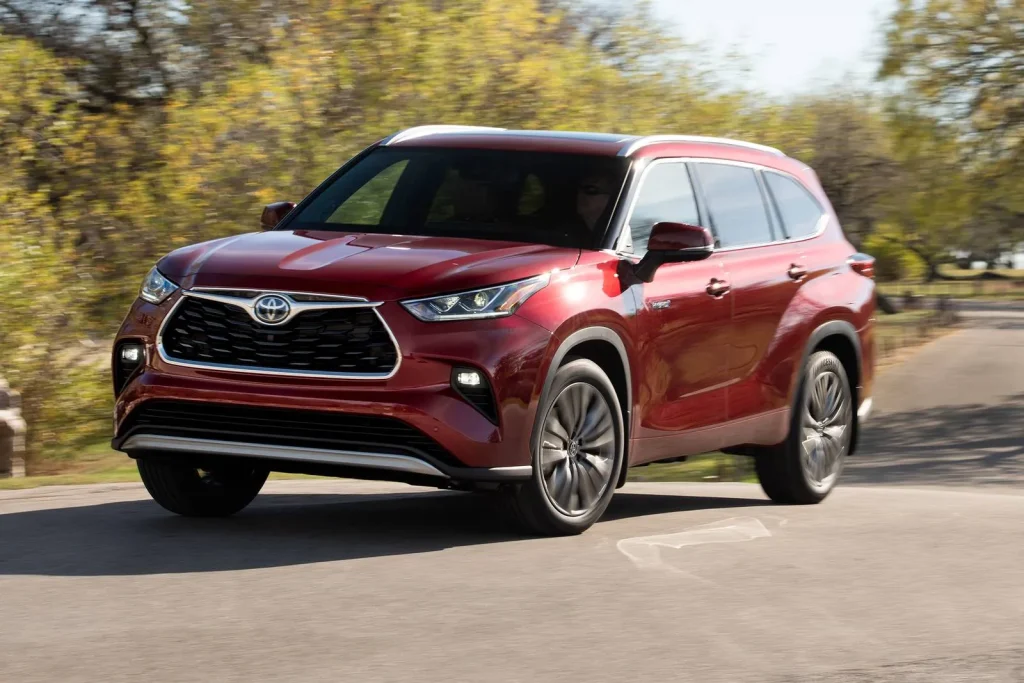
For Knoxville drivers who need space, comfort, and calm performance on grades, the Highlander rounds out the list as a practical, confidence-inspiring choice.
5 That Struggle on Grades
Not every car is built with hills in mind. Some vehicles are designed primarily for flat city streets or gentle highway cruising, and while they may excel in those environments, elevation changes quickly reveal their limitations.
I’m writing this section not to criticize these cars outright, but to explain why certain designs struggle when faced with consistent uphill and downhill driving.
Cars that struggle on grades often share a few traits: limited low-end torque, engines that need high revs to produce power, transmissions that hunt for the right gear, or braking systems that feel stressed on descents. Lightweight designs can also work against stability, especially when climbing with passengers or cargo.
In hilly areas like Knoxville, these weaknesses show up daily. Uphill acceleration becomes noisy and slow. Downshifts feel abrupt or delayed. Descents require more braking effort, increasing wear and reducing confidence. Over time, these issues don’t just affect comfort they affect long-term satisfaction and running costs.
The five cars below aren’t “bad” vehicles. In flat regions, many of them make perfect sense. But in a terrain-heavy environment, their priorities don’t align well with the demands of elevation. I’m writing about them to help buyers avoid frustration by understanding how hills change the driving equation.
1. Toyota Corolla
I’m starting this list with the Toyota Corolla because it’s a great example of a car that excels in efficiency and reliability but struggles when elevation becomes constant. I’m writing about it because many buyers underestimate how much hills change everyday performance.
On uphill climbs, the Corolla often feels strained. The engine needs to rev higher to maintain speed, which leads to increased noise and a sense of effort. I’m including it because that constant high-rev behavior becomes tiring on longer grades.
The transmission also works harder on hills, frequently downshifting to compensate for limited torque. While it does its job, the experience feels reactive rather than confident. For Knoxville drivers, that can make climbing feel slower and less predictable.
On descents, the Corolla lacks strong engine braking, placing more reliance on the brakes. Over time, that can reduce confidence and increase wear. I’m writing about it because these small limitations add up in hilly daily driving.
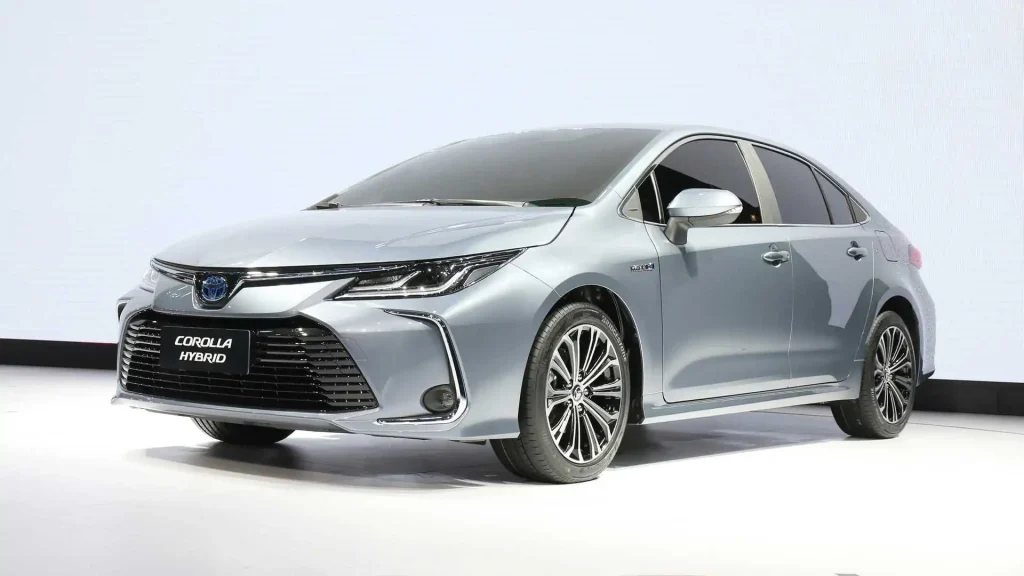
The Corolla remains an excellent flat-terrain commuter, but for Knoxville’s rolling landscape, it often feels out of its element.
2. Nissan Versa
I’m including the Nissan Versa because subcompact cars are often the first to feel overwhelmed by hills. I’m writing about it because its design priorities lightweight and low cost, don’t translate well to elevation-heavy driving.
Uphill, the Versa struggles to maintain momentum, especially with passengers. Acceleration feels labored, and the engine spends a lot of time at higher revs. I’m highlighting this because that constant strain changes the driving experience from relaxed to effortful.
Transmission behavior can also feel delayed on grades, making throttle inputs less predictable. On Knoxville’s hills, that hesitation creates uncertainty during merges or climbs.
Downhill, the Versa’s light weight works against stability. Braking feels adequate but requires more attention, particularly on longer descents. I’m writing about it because these characteristics make hills feel like obstacles rather than routine roads.
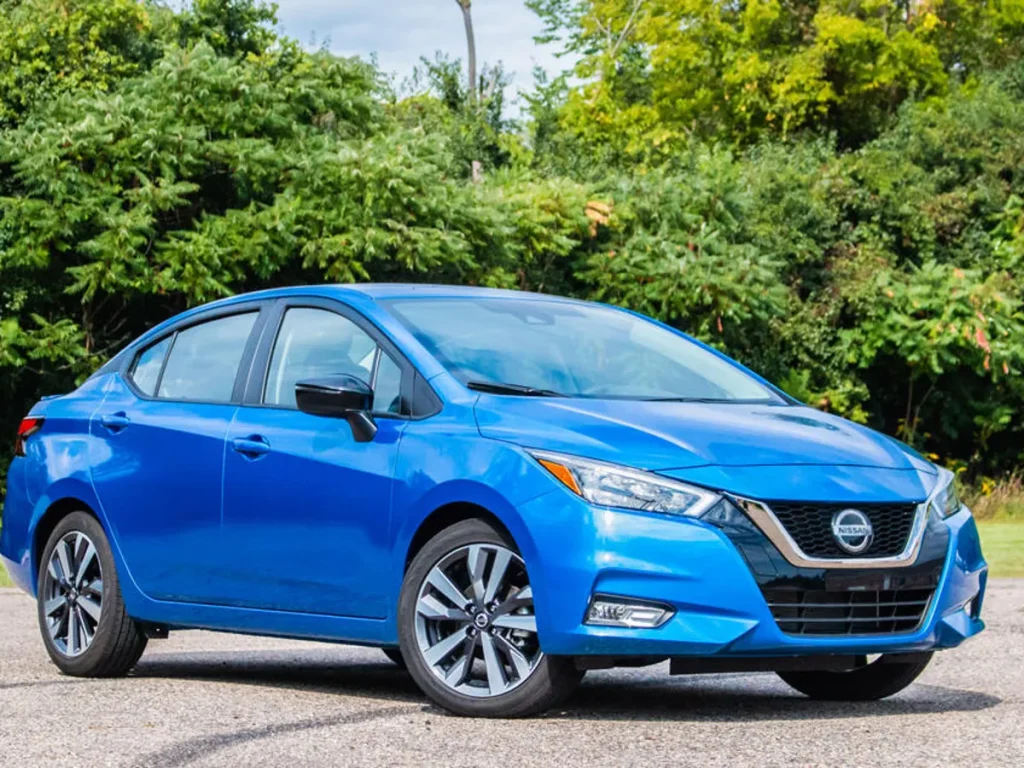
The Versa works best in flat urban environments, but Knoxville’s terrain exposes its limits quickly.
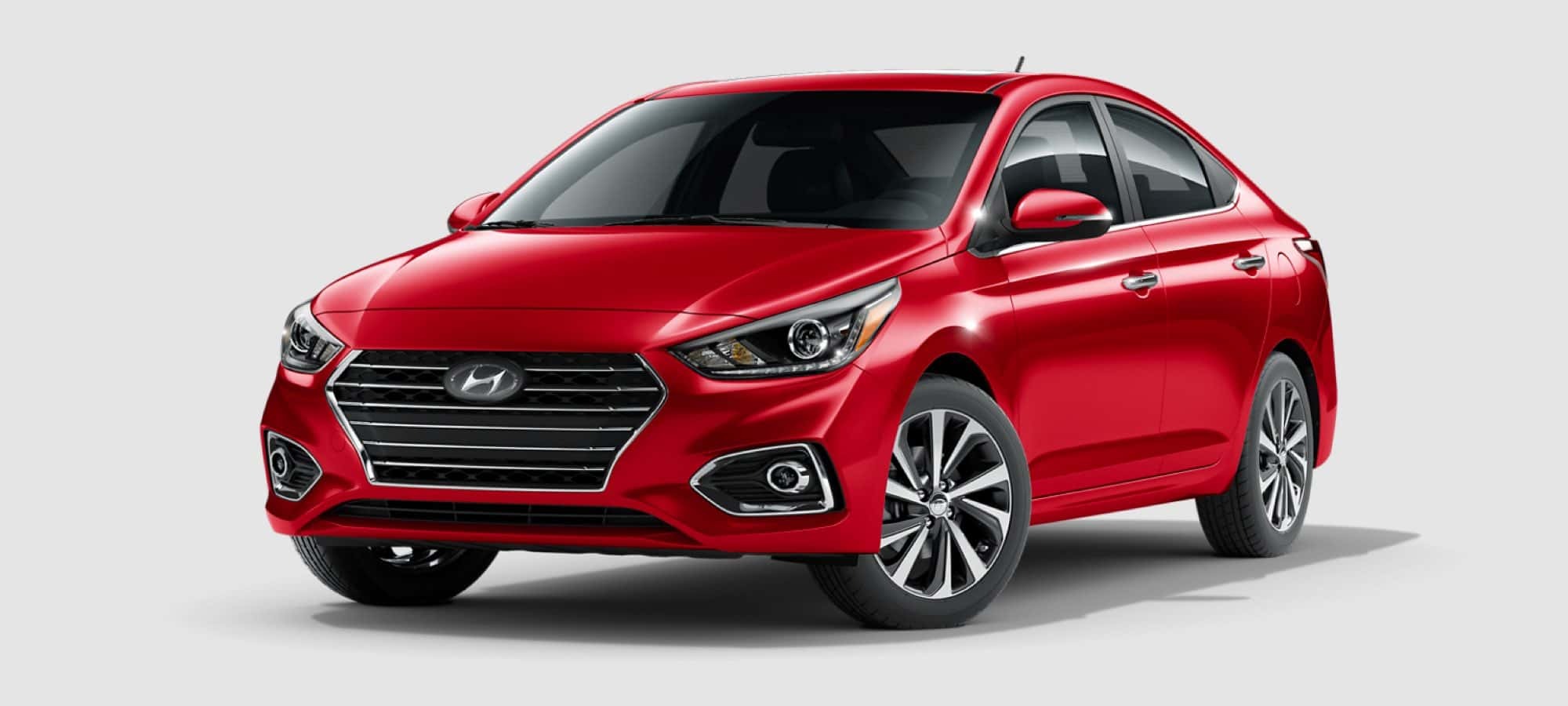
8) Hyundai Accent
I’m writing about the Hyundai Accent because it highlights how entry-level efficiency-focused cars can feel outmatched in hilly terrain. On flat roads, the Accent does exactly what it’s designed to do deliver affordable, simple transportation. But Knoxville’s constant elevation changes expose the limits of that design philosophy very quickly.
On uphill climbs, the Accent struggles to build and maintain momentum. The engine needs to rev aggressively to keep pace, especially when the road steepens or when passengers are on board. I’m including it because that high-rev behavior isn’t just noisy it makes the car feel overworked, which can be frustrating on daily drives.
Transmission response on grades also feels reactive rather than confident. The car frequently searches for the right gear, creating a sensation that it’s always one step behind the road. In a hilly city, that lag becomes noticeable and tiring, particularly when merging uphill or accelerating out of curves.
Downhill performance is another area where the Accent shows its limitations. Engine braking is minimal, so the driver relies more heavily on the brakes to control speed.
Over long descents, this can reduce confidence and increase wear. I’m writing about this because consistent downhill control matters just as much as uphill ability in Knoxville.
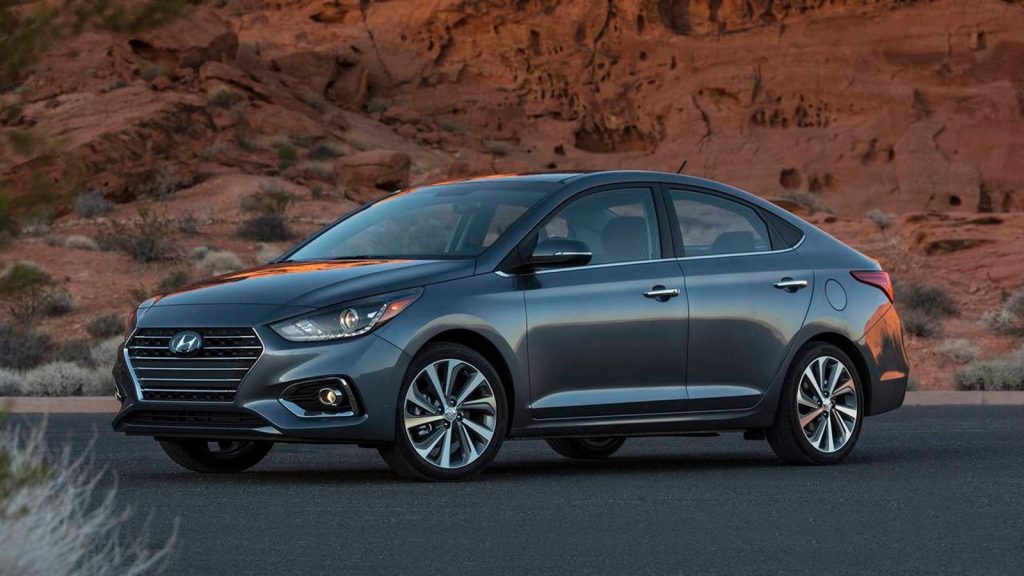
The Accent remains a solid option for flat, urban commuting, but in elevation-heavy environments, it often feels stretched beyond its comfort zone.
4. Mitsubishi Mirage
I’m including the Mitsubishi Mirage because it represents the extreme end of efficiency-focused design and hills are where that approach struggles most. I’m writing about it because Knoxville drivers considering ultra-economy cars should understand the trade-offs clearly.
Uphill driving in the Mirage feels especially demanding. The small engine produces limited torque, which means climbs require significant throttle input and patience.
Maintaining speed on steeper grades can feel like a challenge, especially with any added weight. I’m highlighting this because that lack of reserve power changes how confidently you approach hills.
The transmission compounds the issue. Gear changes often feel slow to respond, and the engine remains at high revs for extended periods during climbs. Over time, that constant strain becomes mentally and physically draining for the driver.
On downhill sections, the Mirage’s light weight becomes a disadvantage. The car can feel less planted, and braking requires more attention to maintain stable control. I’m writing about it because hills amplify instability more than flat roads ever would.
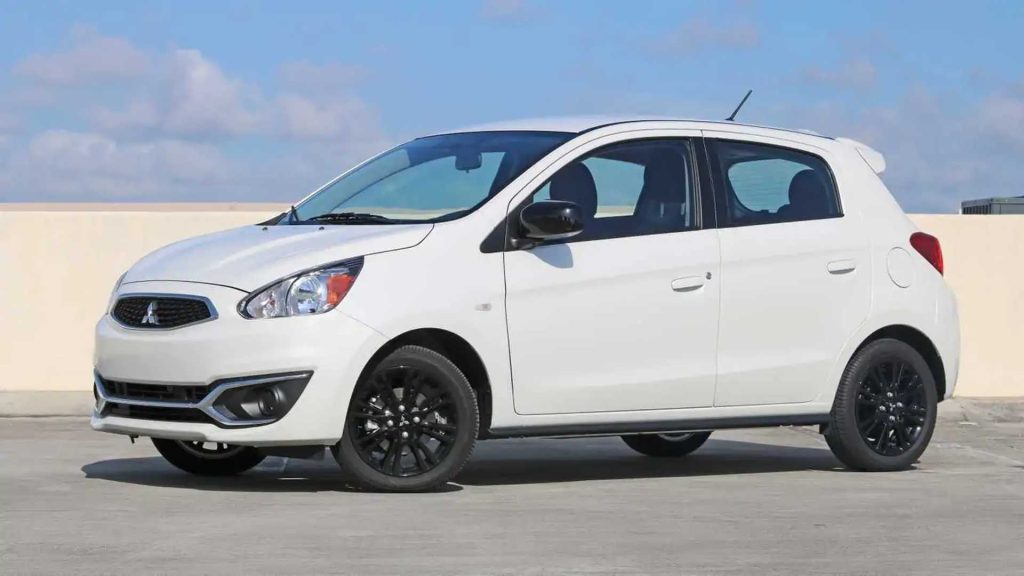
While the Mirage excels in fuel economy and affordability, Knoxville’s terrain makes its limitations unavoidable. It’s a car best suited to flat, predictable routes rather than rolling landscapes.
5. Chevrolet Spark
I’m closing this list with the Chevrolet Spark because it neatly summarizes why some city-focused cars struggle outside their intended environment. The Spark is designed for tight urban spaces and short trips not sustained elevation changes and Knoxville’s hills reveal that quickly.
On climbs, the Spark often feels underpowered. Acceleration slows noticeably as the road rises, and the engine works hard to compensate. I’m including it because that sense of effort becomes especially noticeable on longer grades, where maintaining speed feels like a negotiation rather than a given.
Transmission response can feel hesitant on hills, making throttle inputs less precise. For Knoxville drivers, that hesitation adds stress when climbing in traffic or navigating uphill intersections.
Downhill, the Spark lacks strong engine braking, which increases reliance on the brakes. Combined with its short wheelbase and light build, this can make descents feel less composed than in larger vehicles. I’m writing about it because downhill confidence is critical in hilly areas and the Spark doesn’t inspire much of it.
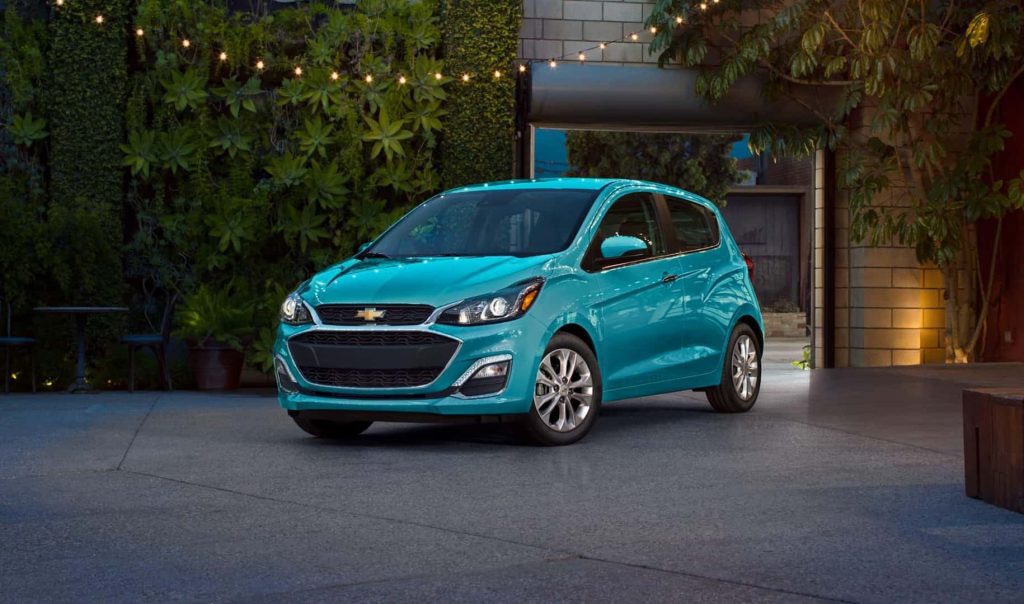
The Chevrolet Spark works best as a flat-city commuter. In a place like Knoxville, however, its limitations on grades become part of everyday driving.
Driving in and around Knoxville presents a very different challenge compared to flatter cities. The area’s rolling hills, steep inclines, and long descents constantly test a vehicle’s power delivery, transmission behavior, braking confidence, and overall composure.
This article was written to separate cars that genuinely suit Knoxville’s hilly terrain from those that struggle when elevation becomes a daily reality, helping buyers make choices based on real-world conditions rather than spec sheets.
The first half of the article focused on five cars that handle Knoxville’s hilly drives well. These vehicles were selected because they deliver usable torque, maintain momentum on inclines, and remain stable and predictable on descents.
The Subaru Outback stood out for its balanced power delivery, all-wheel-drive traction, and calm behavior on both climbs and downhill stretches, making hills feel routine rather than demanding.
The Toyota RAV4 Hybrid demonstrated how electrified torque transforms uphill driving, offering smooth, immediate response without excessive engine strain, while also benefiting from regenerative braking on descents.
The Mazda CX-5 earned its place through balance rather than brute force. Its responsive transmission, controlled suspension, and stable braking make it well-suited to Knoxville’s winding elevation changes.
The Honda Passport brought confidence under load, using strong mid-range torque and decisive shifting to climb grades without hesitation an important advantage for drivers carrying passengers or cargo.
Rounding out the capable group, the Toyota Highlander emphasized predictability and long-term durability, staying composed on hills even when fully occupied and providing steady downhill control.
The second half examined five cars that tend to struggle on grades, not because they are poorly built, but because their design priorities don’t align well with elevation-heavy driving.
Vehicles like the Toyota Corolla and Nissan Versa are excellent flat-terrain commuters, but in hilly environments they reveal limited low-end torque and frequent high-rev operation, making climbs noisy and less confident.
Their transmissions often work harder to compensate, which can feel reactive rather than smooth on long inclines.
Entry-level subcompacts such as the Hyundai Accent, Mitsubishi Mirage, and Chevrolet Spark further illustrate how hills magnify limitations.
These cars often struggle to maintain speed uphill, especially with passengers, and provide minimal engine braking on descents, increasing reliance on the brakes. Their light weight, while beneficial for efficiency on flat roads, can work against stability and confidence on rolling terrain.
Overall, the article shows that hilly driving demands different strengths than flat-city commuting. Torque availability, transmission tuning, braking confidence, and stability matter far more than headline horsepower or fuel economy numbers alone.
For Knoxville drivers, choosing a vehicle aligned with elevation-heavy conditions leads to smoother climbs, calmer descents, reduced mechanical strain, and a more relaxed driving experience over time. The right car doesn’t fight the hills it makes them feel like just another part of the road.
Also Read: 5 Cars for Wichita Practical Buyers and 5 That Have Costly Transmissions
