
Athens is a campus-first city. Whether you’re navigating the University of Georgia area, hopping between classes, part-time jobs, coffee shops, or student housing, most driving in Athens is short, frequent, and constrained by tight streets and limited parking.
Cars aren’t status symbols here they’re tools. And when the wrong tool is chosen, daily life becomes more stressful than it needs to be.
This article looks at both sides of student car ownership in Athens. First, it highlights cars that work exceptionally well for campus runs vehicles that are easy to park, inexpensive to maintain, fuel-efficient, and forgiving in stop-and-go traffic.
These are cars that tolerate beginner drivers, tight parking decks, quick errands, and unpredictable schedules without draining bank accounts or patience.
Second, it examines cars students should skip. Some are too expensive to maintain, others are impractical for campus layouts, and some simply create unnecessary financial or logistical burdens.
These vehicles may look appealing online or sound fun in theory, but real student life exposes their downsides quickly high insurance, parking nightmares, constant repairs, or poor usability for short trips.
Athens doesn’t reward excess. Parking spaces are scarce, traffic spikes around class times and game days, and most trips are under ten minutes. In this environment, simplicity, efficiency, and reliability matter far more than horsepower or luxury features.
By covering both smart campus picks and cars students should avoid, this guide aims to help students make decisions that support not complicate, their daily routines. When your schedule is already full, the right car should make life easier, not louder or more expensive.
Also Read: 5 Cars for Laredo Long Hauls vs 5 That Wear Out Fast
5 Cars for Athens Campus Runs
Campus driving has a rhythm. Cars are started and stopped frequently, parked in tight decks, and driven mostly at low speeds. The best vehicles for this lifestyle are easy to maneuver, inexpensive to operate, and resilient to minor wear. That’s why the cars in this section prioritize practicality over personality.
These vehicles are chosen because they’re student-proof. They don’t punish inexperienced drivers with expensive repairs. They sip fuel instead of guzzling it. They fit comfortably into crowded lots near dorms and lecture halls. And most importantly, they don’t demand constant attention or money.
Another key factor is ownership cost. Students rarely budget for surprise repairs, high insurance premiums, or premium fuel. The cars here have strong reliability records and affordable parts, helping keep total costs predictable across semesters.
Comfort also matters more than many expect. Athens heat, sudden rain, and stop-and-go traffic mean cars need to stay calm and comfortable at low speeds. Vehicles that ride smoothly, cool quickly, and feel intuitive reduce daily friction.
Each car in this list is written about because it aligns with student reality. They don’t look flashy but they work. And on a campus where time, money, and attention are limited, that reliability is what matters most.
We begin with one of the most dependable student cars ever built.
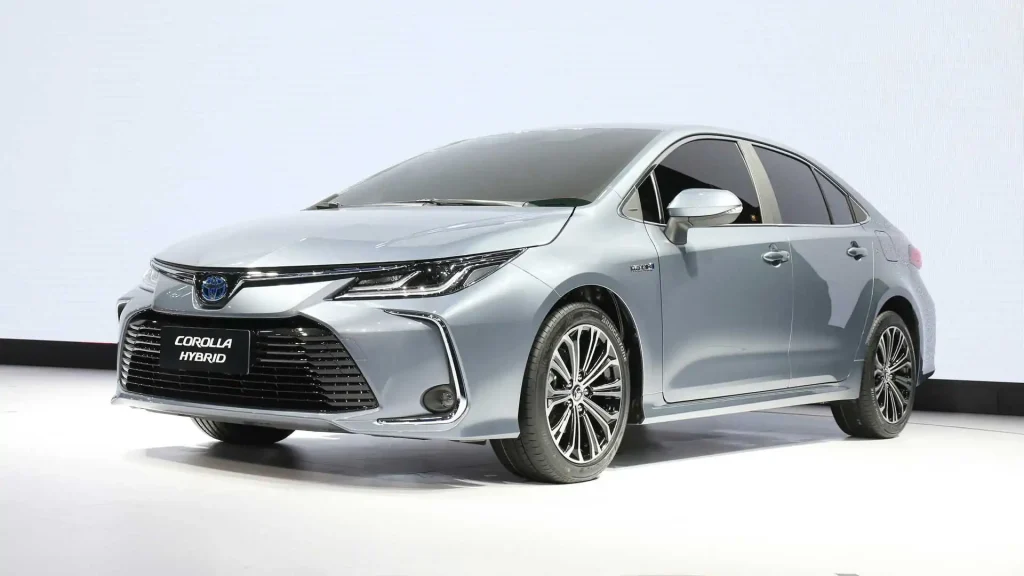
1. Toyota Corolla
The Toyota Corolla is almost perfectly suited for Athens campus runs, and it earns its place through simplicity, reliability, and low ownership stress. It’s written about here because it consistently meets student needs without asking for much in return.
Size is one of the Corolla’s biggest advantages. It’s compact enough to fit easily into crowded campus parking lots and tight street spaces near apartments and dorms. Maneuvering through traffic around class-change hours feels manageable rather than tense, even for newer drivers.
Fuel efficiency plays a major role in student usability. Campus driving involves constant short trips that can be hard on engines and wallets. The Corolla’s efficient powertrain keeps fuel costs low, making it easier for students to budget weekly expenses.
Reliability is the Corolla’s defining trait. It tolerates frequent cold starts, short drives, and irregular maintenance better than many competitors. For students juggling classes, work, and social life, that forgiveness matters.
Interior usability further supports its appeal. Controls are straightforward, visibility is good, and there’s very little learning curve. Anyone can get in and drive confidently within minutes ideal for shared vehicles or first-time owners.
This car is written about because it fades into student life. It doesn’t demand attention, money, or mechanical knowledge. In Athens, where the goal is to get from class to coffee to home without drama, the Toyota Corolla does exactly that.
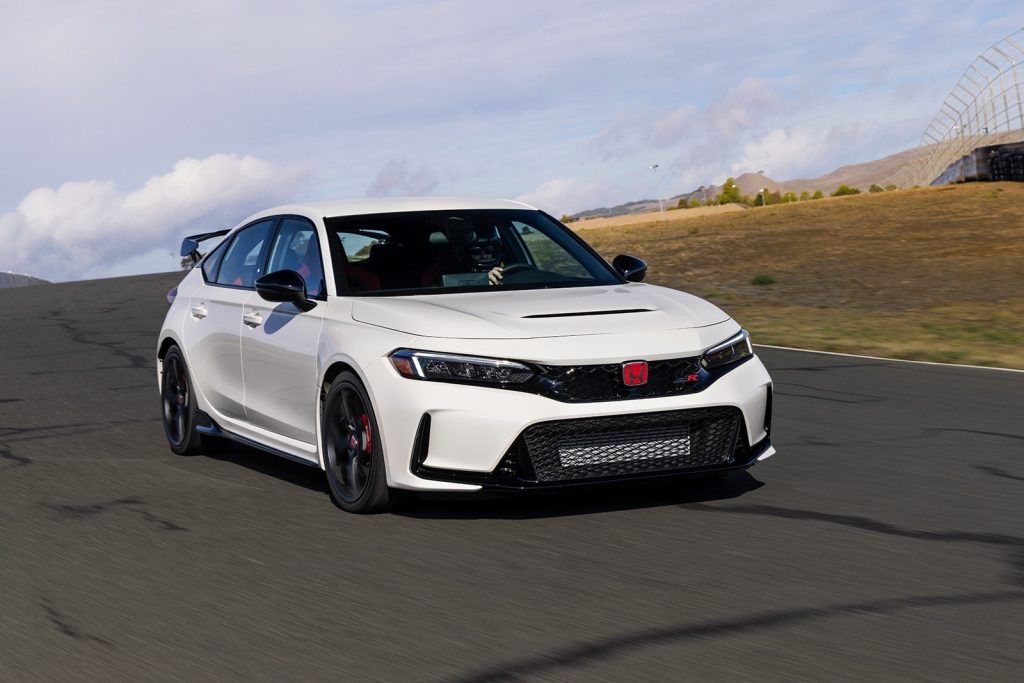
2. Honda Civic
The Honda Civic is one of the most balanced cars a student can own in Athens, and it earns its place here because it blends reliability, efficiency, and everyday usability without becoming boring or expensive. It’s written about because it fits seamlessly into campus life while still feeling like a step up from bare-bones transportation.
For campus runs, the Civic’s size works perfectly. It’s compact enough to squeeze into tight parking decks near lecture halls and student apartments, yet large enough to feel stable and confident on busier roads around campus.
Newer drivers especially benefit from its predictable steering and easy low-speed control during class-change traffic.
Fuel economy is another reason the Civic matters. Students make many short trips dorm to class, class to work, work to groceries and the Civic handles this pattern efficiently. It keeps fuel costs manageable and doesn’t suffer dramatically from stop-and-go use.
Reliability is central to why this car is written about. The Civic has a long-standing reputation for tolerating irregular maintenance schedules and beginner-driver mistakes better than many rivals. Repairs, when needed, are generally affordable, and parts availability is excellent critical factors for students on tight budgets.
Interior usability further strengthens its case. Controls are intuitive, visibility is good, and infotainment systems are simple enough that distractions are minimized. For students balancing navigation, calls, and passengers, that simplicity matters.
This car is written about because it offers dependability with personality. The Honda Civic doesn’t just survive campus life it makes it smoother, more efficient, and less stressful, which is exactly what students in Athens need.
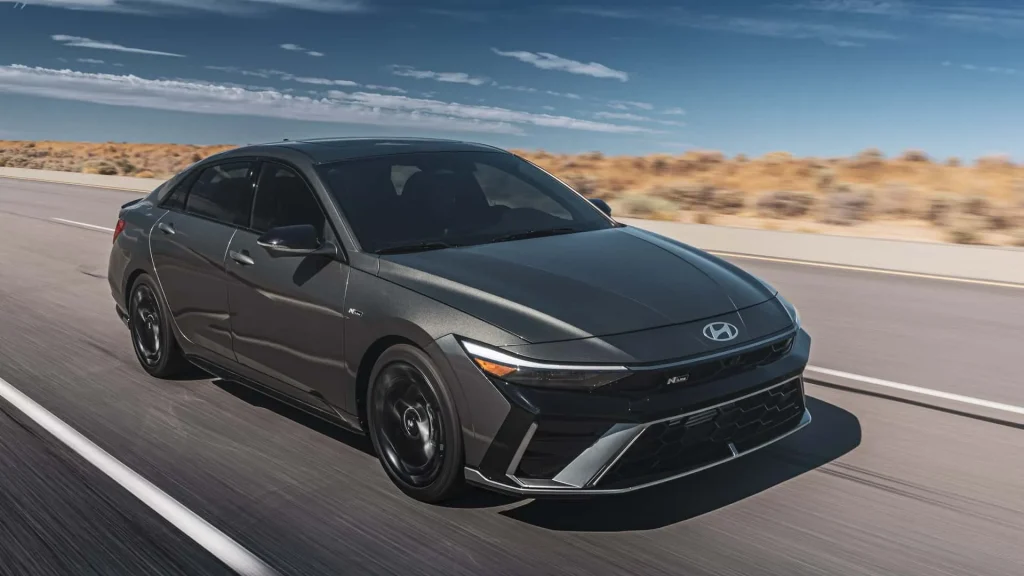
3. Hyundai Elantra
The Hyundai Elantra stands out as a smart campus car for Athens students who want comfort and modern features without premium costs. It’s written about here because it delivers excellent value while remaining student-friendly in daily use.
One of the Elantra’s biggest advantages is ride comfort. Campus streets aren’t always smooth, and frequent short trips can feel tiring in stiff vehicles. The Elantra’s suspension prioritizes comfort, absorbing bumps and uneven pavement around older neighborhoods and parking areas.
Parking and maneuverability also work in its favor. While slightly wider than some rivals, the Elantra remains easy to place in tight campus lots thanks to predictable steering and good outward visibility. Parallel parking near student housing or backing into crowded decks doesn’t feel intimidating.
Cost of ownership is a major reason this vehicle belongs here. The Elantra is typically less expensive to buy than many competitors, insurance rates are reasonable, and maintenance costs stay manageable. For students funding their own transportation, that affordability makes a real difference.
Interior space further enhances its appeal. The Elantra offers generous legroom and an airy cabin, which is useful when carrying friends, backpacks, or groceries. Entry and exit are easy, making frequent stops less annoying.
This car is written about because it prioritizes student comfort and value. The Hyundai Elantra doesn’t try to impress it tries to help. In a campus environment like Athens, that practical focus makes it one of the smartest student picks available.
4. Mazda3
The Mazda Mazda3 is an excellent campus car for Athens students who want something compact, dependable, and enjoyable to drive without adding financial strain. It’s written about here because it strikes a rare balance between practicality and engagement making daily campus runs feel less like a chore.
Size is one of the Mazda3’s biggest advantages in Athens. Its compact footprint makes it easy to maneuver through tight campus streets and crowded parking decks. For students constantly hunting for spots near dorms or apartments, that manageable size reduces stress and saves time.
Low-speed drivability suits campus life well. The Mazda3’s steering is responsive but not twitchy, making it easy for newer drivers to feel confident in stop-and-go traffic. Throttle response is smooth, which helps during frequent starts and short trips common around campus.
Fuel efficiency is another reason it belongs here. Like most student driving, campus use involves short distances and frequent stops. The Mazda3 handles this pattern efficiently, keeping fuel costs predictable and manageable over the semester.
Reliability and ownership costs further strengthen its case. The Mazda3 has a solid reputation for long-term durability, and maintenance costs remain reasonable. Replacement parts are widely available, and insurance rates are typically lower than sportier alternatives important for students paying their own bills.
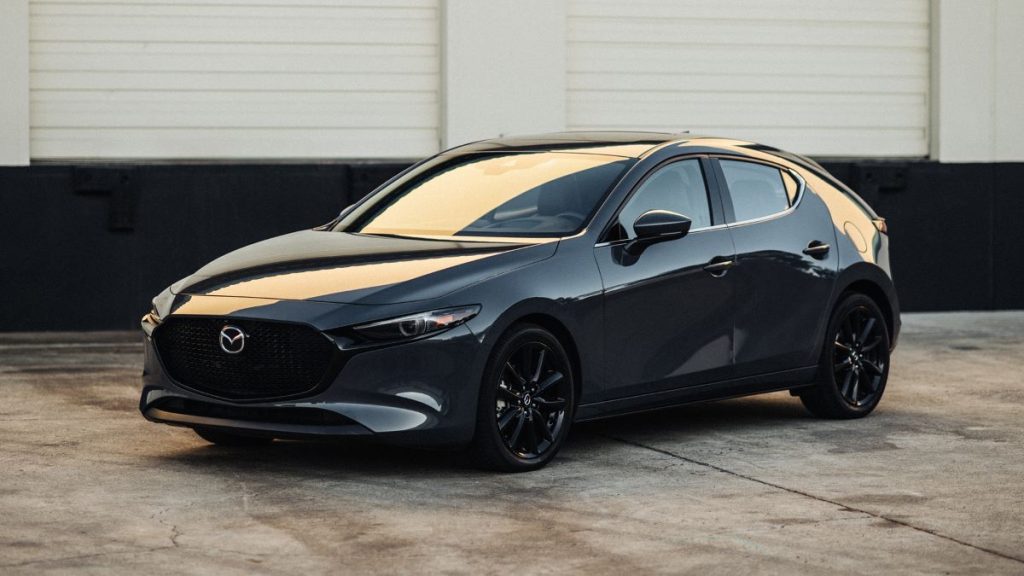
Interior quality adds unexpected value. The Mazda3’s cabin feels well put together, resisting rattles and wear despite frequent use. Controls are intuitive, minimizing distraction when students are juggling navigation, calls, and passengers.
This car is written about because it offers student-friendly reliability with a sense of pride. The Mazda3 doesn’t just work on campus it makes everyday driving a little more enjoyable without compromising affordability.
5. Kia Forte
The Kia Forte rounds out the list as one of the most budget-conscious yet capable cars for Athens campus runs. It’s written about here because it delivers dependable transportation without asking students to stretch their finances.
Compact dimensions make the Forte well suited for campus parking and narrow streets. It fits easily into crowded lots near lecture halls and student housing, and its predictable handling makes tight maneuvers less intimidating for inexperienced drivers.
Fuel economy plays a major role in its appeal. The Forte’s efficient powertrain keeps fuel expenses low, helping students manage weekly budgets without constant trips to the pump. For short campus commutes, this efficiency adds up quickly over a semester.
Ownership affordability is perhaps the Forte’s strongest advantage. Purchase prices are typically lower than many competitors, insurance costs are reasonable, and maintenance expenses remain manageable. For students buying their first car or replacing an older one, this financial accessibility matters.
Interior practicality further enhances its suitability. The cabin is straightforward and easy to use, with clearly labeled controls and decent space for backpacks, groceries, and friends. Entry and exit are simple, which is important during frequent stops between classes.
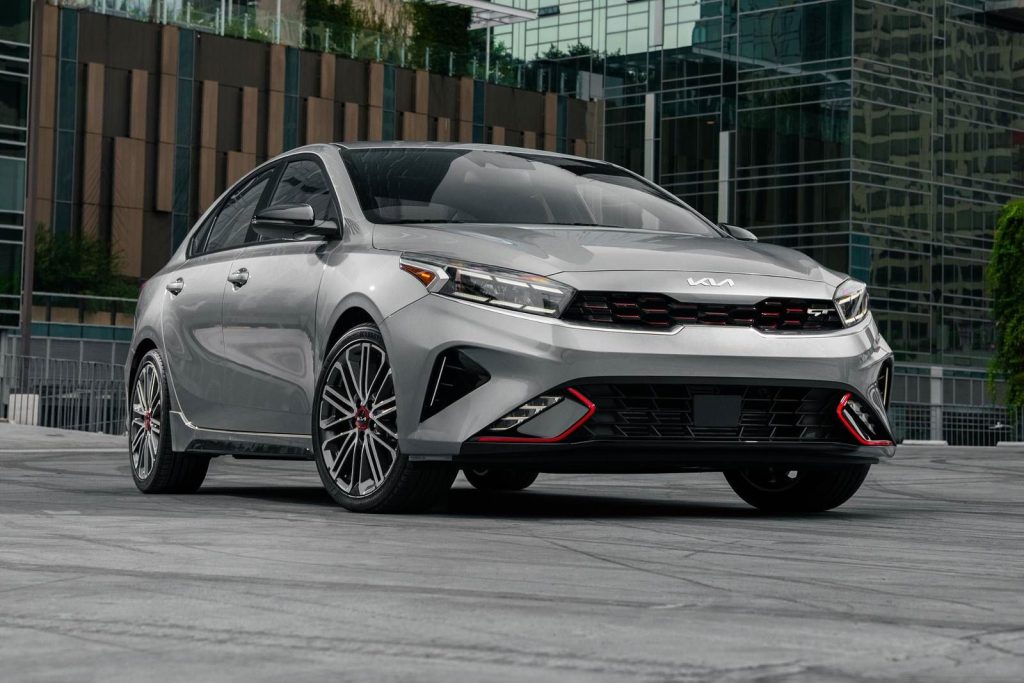
This car is written about because it represents practical independence. The Kia Forte gives students reliable mobility without financial pressure, making it an ideal companion for daily campus life in Athens.
5 Students Should Skip
College life already comes with pressure: classes, deadlines, part-time jobs, social commitments, and limited budgets. The wrong car doesn’t just add inconvenience it quietly amplifies stress. In a city like Athens, where campus driving is short, frequent, and parking is scarce, certain vehicles simply don’t fit student reality.
This section focuses on cars students should skip, not because they are bad vehicles overall, but because they conflict with how students actually live and drive. Many of these cars look appealing online or in social media posts, but real ownership quickly exposes their downsides.
High insurance costs, premium fuel requirements, expensive repairs, parking difficulties, and reliability risks all hit students harder than non-student drivers.
Another major factor is usage pattern. Campus driving involves constant short trips, cold starts, tight parking decks, and stop-and-go traffic. Vehicles designed for performance, luxury, or long-distance cruising often suffer under these conditions mechanically and financially.
There’s also the learning curve. Students are often first- or second-time car owners. Cars that require specialized maintenance, careful driving habits, or expensive parts punish small mistakes disproportionately. A minor issue that’s manageable for a working professional can become a semester-breaking expense for a student.
This section is written to offer clarity, not judgment. Skipping these vehicles doesn’t mean giving up fun or style it means choosing freedom over frustration. In Athens, the best student car is one that stays out of the way, both mentally and financially.
We begin with a car many students aspire to but few should actually own.
1. BMW 3 Series
The BMW 3 Series is one of the most common cars students should skip in Athens, despite its strong reputation and premium image. It’s written about here because it often becomes a financial and logistical burden for student owners.
The biggest issue is cost of ownership. Even used BMW 3 Series models come with premium maintenance expectations. Oil changes, brake jobs, suspension components, and electronic repairs cost significantly more than comparable economy cars. For students without a steady income or repair fund, even routine service can be overwhelming.
Insurance is another major drawback. The BMW badge, rear-wheel-drive layout, and performance associations drive insurance premiums higher especially for younger drivers. That monthly cost alone can exceed what many students budget for transportation.
Campus driving patterns further expose weaknesses. Short trips and frequent stops are hard on turbocharged engines and complex electronics. The 3 Series prefers long, smooth drives, not five-minute hops between classes and apartments. Over time, this mismatch leads to reliability complaints and warning lights that students are ill-equipped to handle.
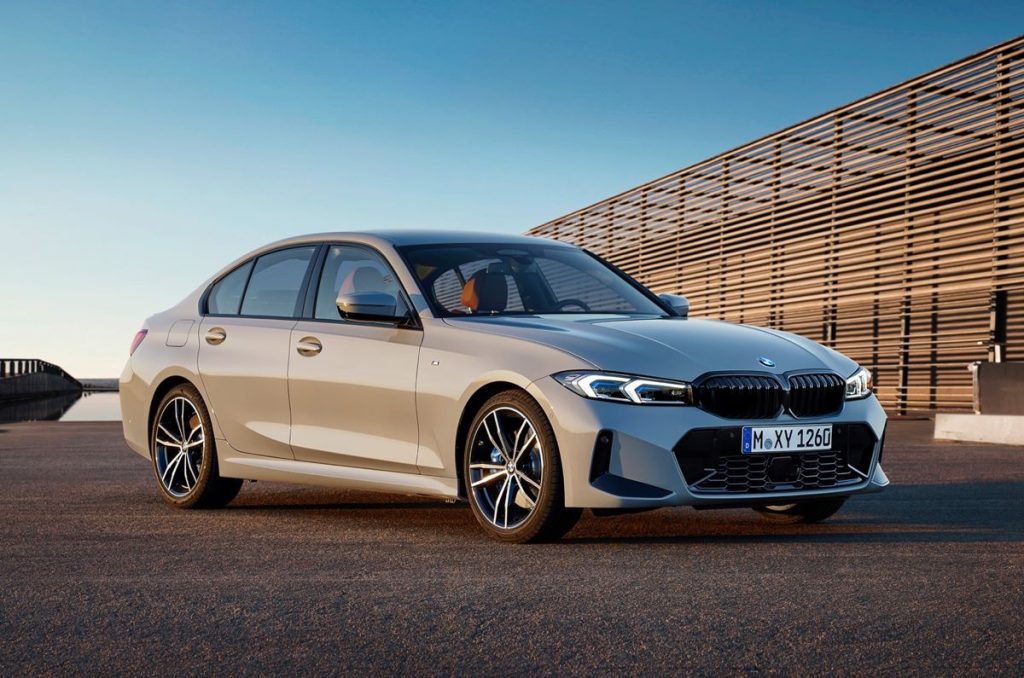
Parking practicality is also limited. While not huge, the 3 Series demands care in tight campus decks. Repairing curb rash, bent wheels, or suspension damage is far more expensive than on student-friendly cars.
This car is written about because it represents aspiration over practicality. The BMW 3 Series can be a great car later in life but during college, it often drains money, attention, and peace of mind that students simply can’t spare.
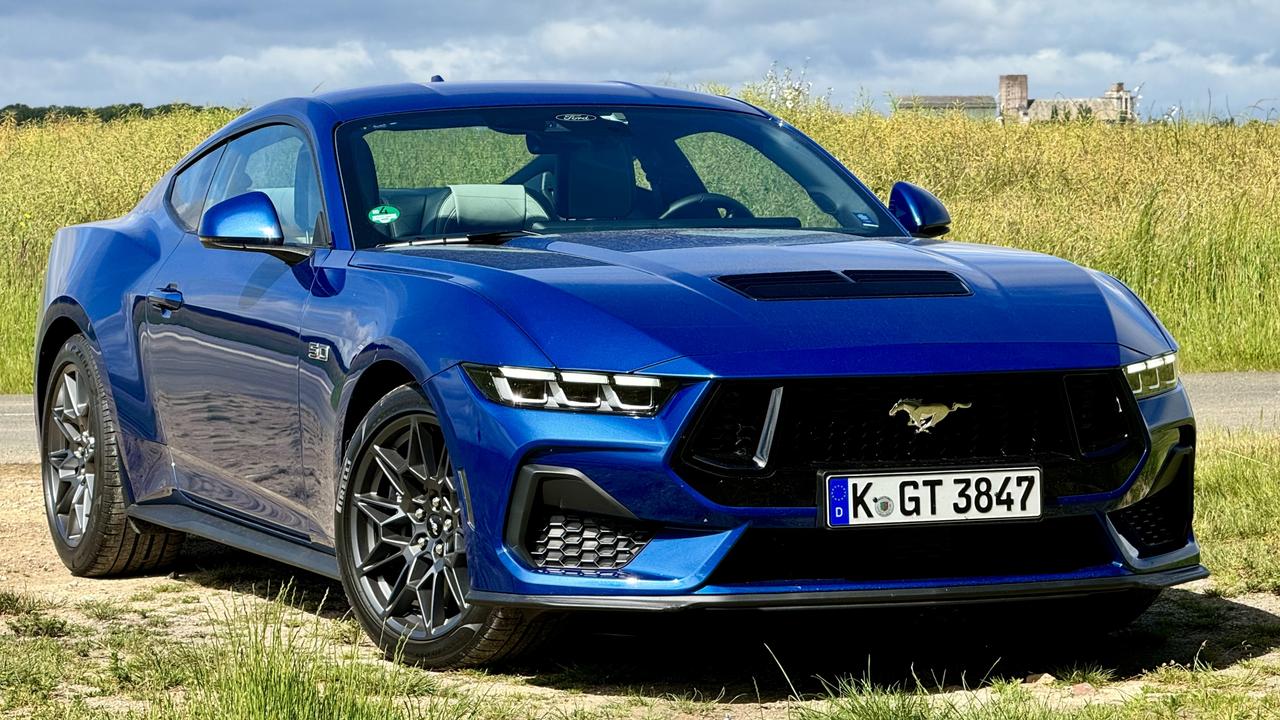
2. Ford Mustang
The Ford Mustang is a car many students dream about owning, but it’s one that often creates more problems than pleasure during college years especially in a campus-focused city like Athens. It’s written about here because its appeal frequently outweighs its practicality for student life.
Insurance costs are the most immediate obstacle. For young drivers, the Mustang’s performance image translates directly into high premiums. Even base models can cost significantly more to insure than economy sedans, draining money that students need for rent, books, and daily expenses.
Campus driving patterns also work against it. The Mustang is built for open roads, not constant short trips, tight parking decks, and stop-and-go traffic. Low ground clearance, wide doors, and limited rear visibility make parking near campus unnecessarily stressful. Small mistakes curb rash or bumper scrapes, are more expensive to fix than on practical cars.
Fuel costs add another layer of strain. Many Mustang trims require premium fuel or consume fuel quickly in city driving. For students making frequent short trips, those costs add up fast.
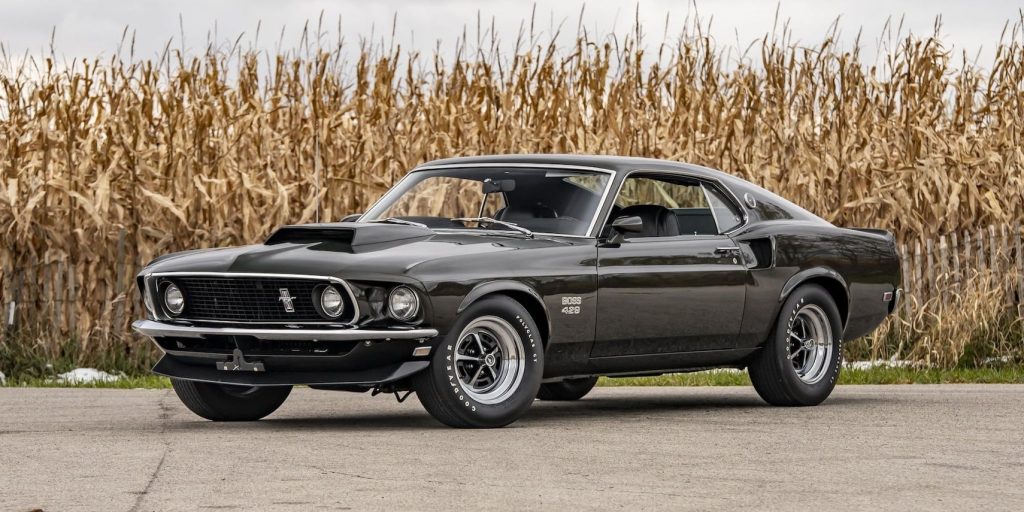
Winter and wet-weather usability can also be a concern. Rear-wheel-drive layouts demand careful driving in rain or cold conditions something inexperienced drivers may struggle with.
This car is written about because it represents style over sustainability. The Ford Mustang can be fun, but during college, it often consumes too much money, attention, and mental energy to justify its appeal.
3. Jeep Wrangler (4-Door)
The Jeep Wrangler (4-Door) may look adventurous and social-media friendly, but it’s poorly suited to student life in Athens. It’s written about here because its off-road focus clashes sharply with campus realities.
Ride quality is one of the biggest drawbacks. The Wrangler’s suspension is designed for trails, not smooth urban streets. On daily campus runs, this results in a bouncy, unsettled ride that quickly becomes tiring for both driver and passengers.
Fuel efficiency is another major concern. The Wrangler consumes far more fuel than most campus-friendly cars, making it expensive to operate for students with limited budgets. Frequent short trips only worsen efficiency.
Parking and maneuverability also work against it. Despite its upright shape, the Wrangler’s turning radius and size make tight campus parking decks awkward to navigate. Door swing and height can be inconvenient in crowded lots.

Maintenance and wear add to the burden. Off-road-oriented components wear faster under constant city use, and replacement parts are more expensive than those for compact sedans.
This car is written about because it offers image without alignment. The Jeep Wrangler is great for adventure but for everyday student life in Athens, it adds cost, discomfort, and inconvenience that most students don’t need.
4. Mini Cooper
The Mini Cooper often attracts students with its compact size and stylish image, but it’s a car many should skip during college. It’s written about here because its ownership costs and practicality issues tend to outweigh its charm for campus life.
Maintenance and repair expenses are the biggest drawback. While the Mini looks small and simple, it’s mechanically complex, and repairs can be surprisingly expensive. Parts are costlier than those for typical student-friendly cars, and not all local shops are comfortable working on them, leading to higher labor charges.
Reliability concerns also surface under campus driving patterns. Frequent short trips, stop-and-go traffic, and irregular maintenance schedules can trigger warning lights and sensor issues. For students without time or money to chase intermittent problems, this becomes frustrating quickly.
Ride quality is another issue. The Mini’s stiff suspension, designed for sporty handling, feels harsh on uneven campus streets and speed bumps. Over time, this makes daily driving less comfortable than expected.
Interior practicality further limits usability. Rear seats are tight, cargo space is minimal, and frequent entry and exit can feel awkward. For students hauling backpacks, groceries, or friends, the Mini feels more restrictive than its size suggests.

This car is written about because it represents style with hidden costs. While fun to look at and drive briefly, the Mini Cooper often demands more money and attention than most students can afford during college.
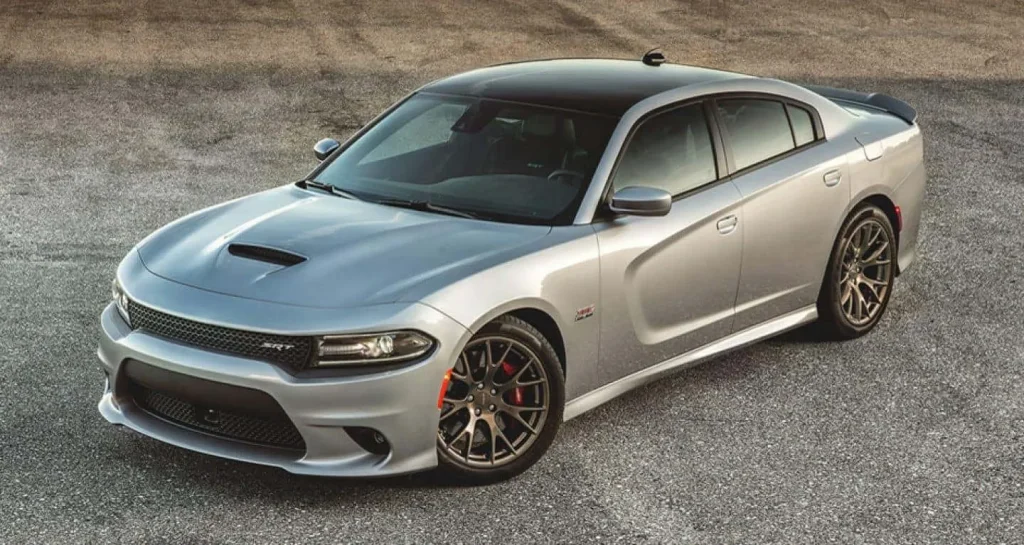
5. Dodge Charger
The Dodge Charger rounds out the list as a car students should generally avoid in Athens due to its size, operating costs, and mismatch with campus driving. It’s written about here because it tempts buyers with power and presence but punishes them in daily use.
Size is the Charger’s biggest issue. It’s long and wide, making tight campus parking decks and crowded apartment lots unnecessarily stressful. Maneuvering through class-change traffic or squeezing into limited spaces requires constant attention.
Fuel and insurance costs add financial pressure. Even base models consume more fuel than compact sedans, and insurance premiums are higher due to the Charger’s performance image. For students on limited budgets, these recurring expenses can quickly become unsustainable.
Campus driving patterns also work against it. Short trips don’t suit the Charger’s large engines well, increasing wear and reducing efficiency. Repairs and maintenance costs are higher than those of smaller, simpler cars.
Visibility and handling at low speeds further reduce comfort. The Charger feels heavy and less responsive during casual city driving exactly the opposite of what students need for quick campus runs.
This car is written about because it represents excess in the wrong place. The Dodge Charger may feel powerful, but for Athens students, it brings more cost and inconvenience than benefit.
Choosing the right car as a student in Athens is less about image and more about how well a vehicle fits daily campus life.
Most driving in Athens involves short, frequent trips between classes, student housing, part-time jobs, and social spots, all while navigating tight streets, crowded parking decks, and limited budgets.
This article contrasts cars that quietly support that lifestyle with those that tend to complicate it, showing how vehicle choice can meaningfully affect a student’s time, finances, and stress levels.
The cars recommended for Athens campus runs such as the Toyota Corolla, Honda Civic, Hyundai Elantra, Mazda3, and Kia Forte, share a clear set of strengths. They are compact and easy to maneuver, making them well suited to crowded lots and narrow campus streets.
Their light steering, predictable handling, and good visibility reduce anxiety for newer drivers and make parking less of a daily challenge.
Just as importantly, these vehicles are fuel-efficient, keeping weekly transportation costs manageable when students are already balancing rent, food, and tuition-related expenses.
Reliability and ownership cost are central to why these cars stand out. Campus driving is hard on vehicles: frequent cold starts, short trips, and stop-and-go traffic accelerate wear.
The recommended models tolerate these conditions well and have long track records of mechanical durability.
When repairs are needed, parts are affordable and widely available, preventing small issues from turning into major financial setbacks. Interiors are also practical and intuitive, minimizing distractions for drivers who are often juggling navigation, calls, and passengers.
On the other side, the cars students are advised to skip illustrate how the wrong choice can quietly undermine college life.
Vehicles like the BMW 3 Series, Ford Mustang, Jeep Wrangler (4-Door), Mini Cooper, and Dodge Charger may look appealing or aspirational, but they introduce higher insurance premiums, greater fuel consumption, and significantly more expensive maintenance.
Performance-oriented or luxury vehicles punish minor mistakes with costly repairs, while large or off-road-focused models make parking and maneuvering unnecessarily stressful.
Many of these skip-worthy cars also clash with campus driving patterns. Short trips don’t suit turbocharged engines or large-displacement powertrains, increasing wear and reducing efficiency.
Stiff suspensions and bulky dimensions make everyday errands feel like work rather than convenience. For students, these drawbacks often show up as constant financial pressure or time spent managing car problems instead of focusing on academics and campus life.
The broader takeaway is simple: in Athens, a good student car is one that stays out of the way. The best choices are affordable, forgiving, easy to park, and inexpensive to maintain.
By prioritizing practicality over prestige, students gain reliable mobility, predictable expenses, and peace of mind freeing them to focus on what really matters during their college years.
Also Read: 5 Cars for Mankato Practical Drivers and 5 That Rack Up Bills
