
Anchorage is not just cold it’s mechanically unforgiving. Months of sub-zero temperatures, snow-packed roads, ice glare, and long periods of vehicle inactivity place unique stresses on cars that drivers in milder climates never experience.
Engines struggle to start, batteries lose capacity overnight, rubber components harden, and drivetrains are asked to deliver traction on surfaces that offer almost none. In this environment, vehicle design matters more than horsepower, screens, or styling.
This article looks at both sides of Anchorage’s winter reality. First, it highlights cars that genuinely handle cold roads and deep freeze conditions vehicles with proven cold-start reliability, robust all-wheel-drive systems, durable drivetrains, and suspension tuning that remains predictable on snow and ice.
These are cars that start reliably at -20°F, maintain traction on packed snow, and continue working after years of exposure to cold-induced wear.
Second, it examines cars that fail in freeze conditions. Some struggle with battery drain and cold starts, others rely on systems that behave unpredictably in extreme cold, and some simply aren’t engineered for prolonged exposure to sub-zero environments.
These vehicles may perform well in moderate winters, but Anchorage exposes their weaknesses quickly through no-start mornings, drivetrain warnings, frozen components, and rapid deterioration.
The purpose isn’t to criticize brands, but to match engineering intent with environment. Anchorage drivers don’t need cutting-edge tech that fails silently in the cold they need mechanical dependability, traction consistency, and systems that tolerate neglect when temperatures drop.
By comparing cold-capable survivors with freeze-prone failures, this guide helps buyers understand what actually works in Alaska’s largest city. In Anchorage, winter isn’t a season it’s the operating condition.
Also Read: 5 Cars for Laredo Long Hauls vs 5 That Wear Out Fast
5 Cars for Anchorage Cold Roads
Cold-road survival in Anchorage depends on a few non-negotiables. Reliable cold starts, drivetrain simplicity, effective all-wheel drive, and predictable traction matter far more than acceleration times or infotainment features.
The vehicles in this section are chosen because they’ve proven capable of handling real Alaskan winters, not just occasional snowstorms.
One critical factor is cold tolerance. Engines, transmissions, and differentials behave differently in extreme cold, and vehicles that rely on overstressed electronics or delicate systems often struggle.
The cars highlighted here use conservative engineering, proven layouts, and components that continue functioning when temperatures plunge well below zero.
Another reason these vehicles matter is traction confidence. Anchorage roads are often snow-packed for months, not days. Vehicles that deliver smooth, predictable power to all four wheels without hesitation or sudden intervention are safer and less fatiguing to drive daily. Consistency matters more than sophistication.
Durability also plays a major role. Cold accelerates wear on rubber seals, bushings, and mounts. Cars that tolerate repeated freeze–thaw cycles without constant failures save owners time, money, and stress. In Anchorage, reliability isn’t just convenience it’s safety.
Each vehicle in this list is written about because it demonstrates mechanical resilience in extreme cold, not because it’s trendy or luxurious. These are cars that start when others don’t, move when roads are slick, and keep working long after winter novelty has worn off.
We begin with one of the most trusted cold-climate vehicles ever built.
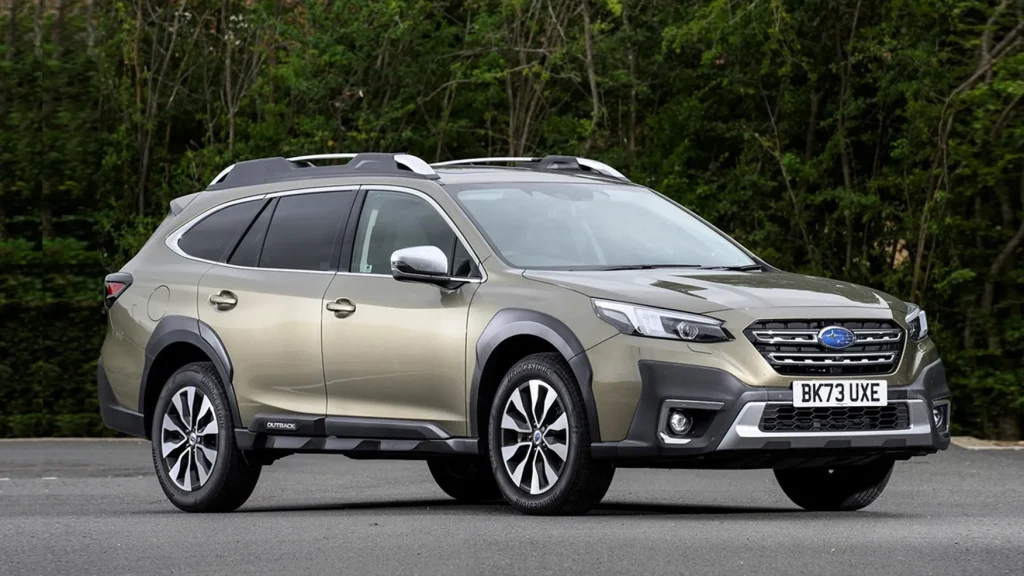
1. Subaru Outback
The Subaru Outback is a benchmark for cold-road reliability in Anchorage, and it earns that reputation through consistency rather than complexity. It’s written about here because it performs reliably in deep winter conditions where many vehicles become unpredictable.
The Outback’s symmetrical all-wheel-drive system is one of its greatest strengths in snow and ice. Power delivery is smooth and continuous, without sudden engagement or hesitation. On Anchorage’s snow-packed roads, this predictability inspires confidence and reduces the likelihood of wheel spin when accelerating or climbing grades.
Cold-start reliability further reinforces its suitability. Subaru’s engines are known for starting dependably in sub-zero temperatures, especially when paired with proper winter-grade fluids. The drivetrain warms evenly, reducing stress on internal components during extreme cold starts.
Suspension tuning also plays a key role. The Outback’s compliant suspension remains predictable on uneven, frozen pavement, absorbing ruts and ice buildup without unsettling the vehicle. Ground clearance helps it navigate snow accumulation without scraping or becoming high-centered.
Interior systems perform reliably in cold as well. Climate control warms the cabin effectively, and critical controls remain responsive even after overnight freezes. Owners in cold regions often report fewer electronic glitches compared to more tech-heavy rivals.
This car is written about because it aligns perfectly with Anchorage’s demands. It doesn’t fight winter it’s designed around it. For drivers who need reliable starts, confident traction, and durability through months of freezing temperatures, the Subaru Outback remains one of the safest long-term bets available.
2. Toyota 4Runner
The Toyota 4Runner is one of the most cold-resilient vehicles you can drive in Anchorage, and it earns that status through old-school engineering rather than modern complexity. It’s written about here because it continues to function reliably in temperatures and road conditions that sideline more delicate vehicles.
One of the 4Runner’s biggest strengths is mechanical simplicity. Its naturally aspirated engine avoids turbocharging complexity, which reduces cold-start stress and minimizes issues related to frozen lines, sensors, or boost systems. In extreme cold, fewer stressed components translate directly to higher reliability.
Cold starts are a major factor in Anchorage, and the 4Runner consistently delivers. With proper winter oil and a healthy battery, it starts reliably even after long overnight freezes. The drivetrain warms gradually and evenly, reducing strain on internal components during sub-zero operation.
Traction is another reason the 4Runner belongs here. Its robust four-wheel-drive system provides predictable power delivery on snow-packed and icy roads. Unlike on-demand systems that hesitate before engaging, the 4Runner’s setup inspires confidence during climbs, intersections, and deep snow conditions common in Alaskan winters.
Suspension and chassis durability further reinforce its suitability. Built on a body-on-frame platform, the 4Runner tolerates frozen ruts, ice buildup, and rough winter pavement without losing alignment or developing suspension issues prematurely. Ground clearance allows it to navigate snow accumulation without getting stuck or scraping.
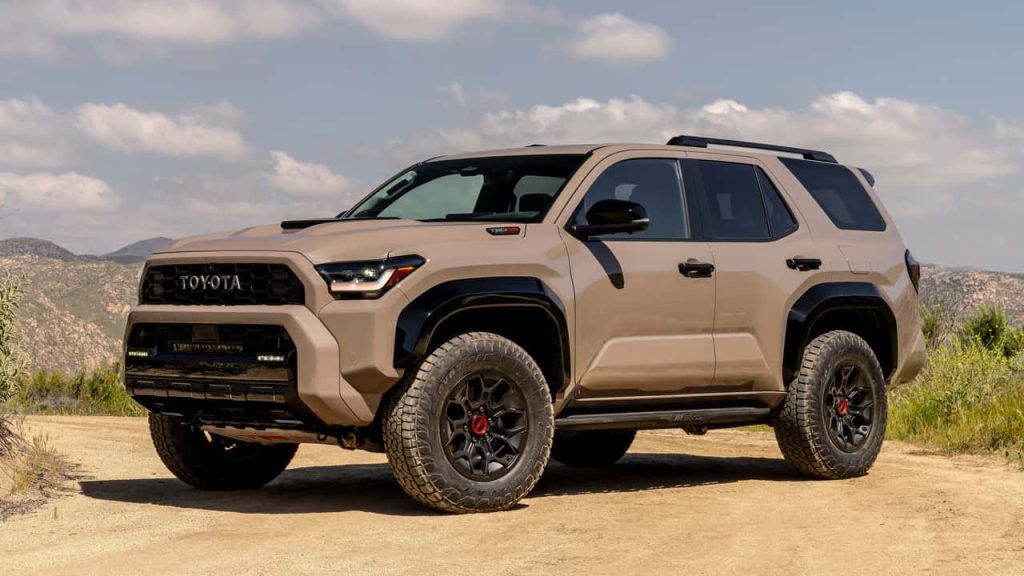
This vehicle is written about because it prioritizes survival over sophistication. The Toyota 4Runner may feel dated, but in Anchorage’s deep freeze, that conservatism is a strength. For drivers who value reliability over refinement, it remains one of the most dependable winter vehicles available.
3. Honda CR-V AWD
The Honda CR-V AWD earns its place on this list by offering consistent cold-weather performance without excessive mechanical complexity. It’s written about here because it balances reliability, traction, and usability in extreme winter conditions.
Cold-start dependability is one of the CR-V’s most important strengths. Honda engines are well known for starting reliably in low temperatures, especially when properly maintained. Even during prolonged cold snaps, the CR-V typically avoids the no-start issues that plague more electronically sensitive vehicles.
The AWD system contributes to its cold-road capability. Rather than aggressive or abrupt engagement, the CR-V delivers smooth torque distribution that helps maintain traction on snow-packed roads and icy intersections. This predictability is crucial in Anchorage, where surfaces often remain frozen for months.
Suspension tuning also supports winter usability. The CR-V’s setup remains compliant in cold weather, absorbing frozen ruts and uneven pavement without becoming harsh or unstable. Ground clearance, while not extreme, is sufficient for most urban snow accumulation and plowed-road conditions.
Interior performance matters in deep winter as well. The CR-V’s heating system warms the cabin quickly, and controls remain responsive even after overnight freezes. The cabin avoids excessive rattling despite repeated exposure to cold-induced contraction and expansion.
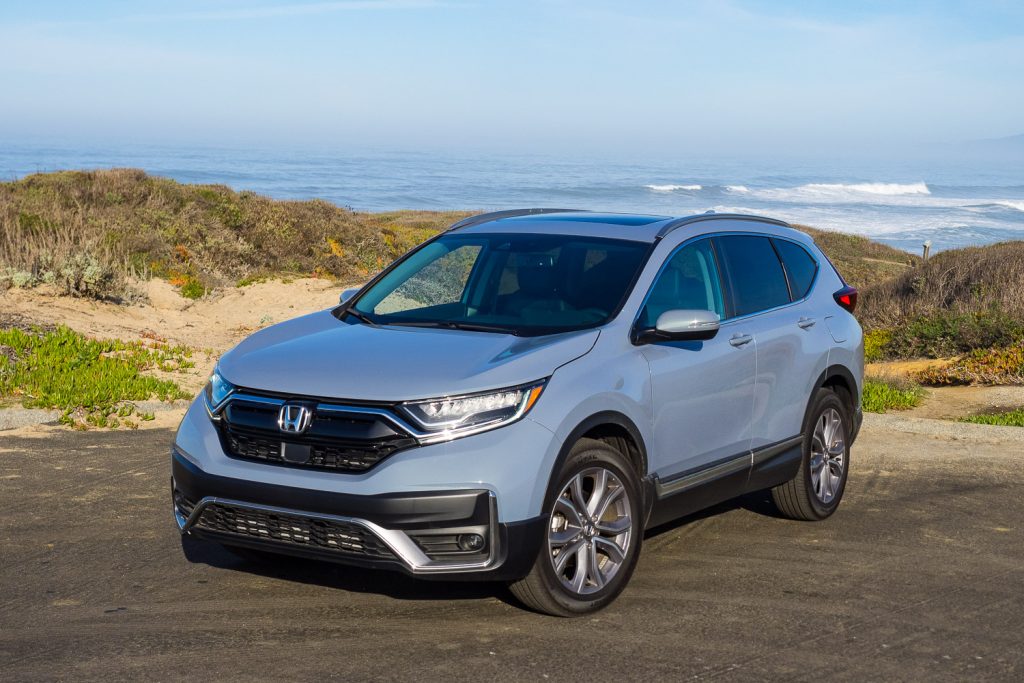
This car is written about because it delivers everyday winter reliability without drama. While it lacks the rugged image of larger SUVs, the Honda CR-V AWD proves that thoughtful engineering and restraint can outperform more complex designs when temperatures plunge and roads stay frozen.
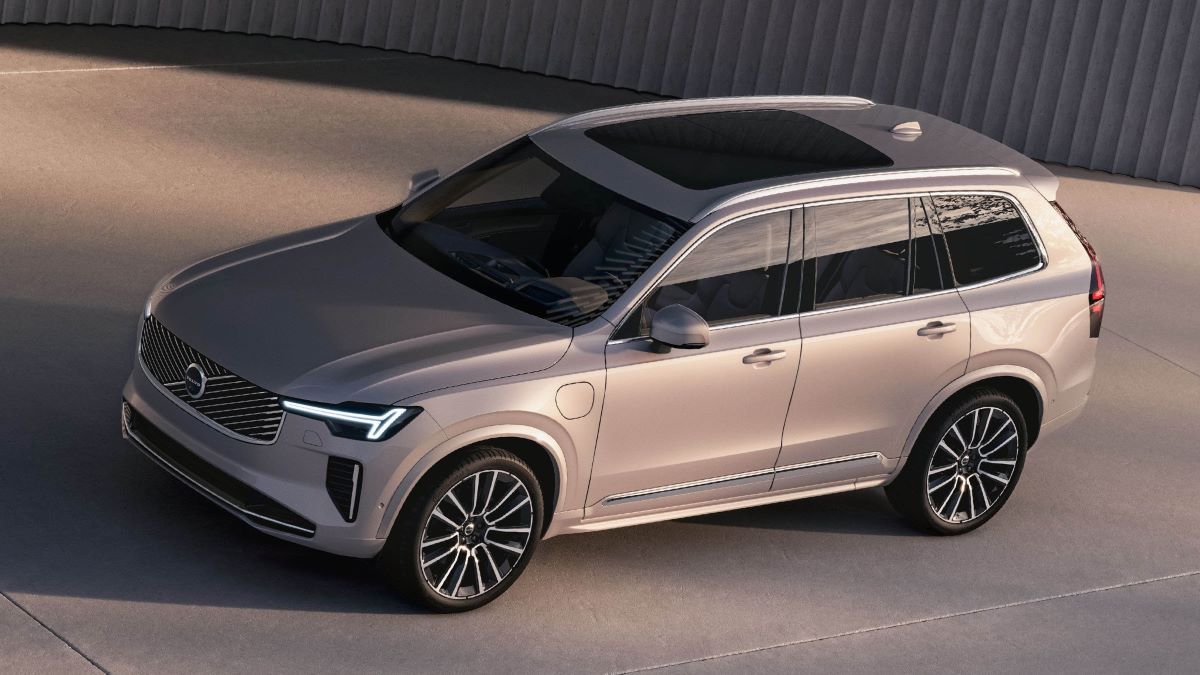
4. Volvo XC90 (AWD)
The Volvo XC90 AWD earns its place among Anchorage cold-road survivors because it’s engineered with Scandinavian winter conditions in mind. It’s written about here because its systems are designed to operate reliably in prolonged cold, not just occasional snow.
One of the XC90’s strongest advantages is cold-weather system integration. Volvo designs its engines, transmissions, and drivetrains to function smoothly in sub-zero temperatures, with careful attention to warm-up behavior and lubrication flow. This reduces mechanical stress during cold starts one of the most damaging moments for any vehicle in Anchorage.
The all-wheel-drive system contributes significantly to winter confidence. Power delivery is smooth and predictable, helping maintain traction on packed snow and ice without sudden engagement that can unsettle the vehicle. This consistency is especially valuable on Anchorage’s long, icy stretches and snow-covered intersections.
Suspension tuning further supports cold-road stability. The XC90 remains composed over frozen ruts and uneven pavement, maintaining balance without becoming harsh. Its ride height and underbody protection help it navigate snow accumulation without scraping or getting stuck.
Interior performance also reflects winter readiness. The heating system warms the cabin efficiently, seats and steering controls remain responsive, and critical electronics are designed to tolerate extreme temperature swings. Volvo’s emphasis on safety also shines in winter, with stability systems calibrated for slippery surfaces.
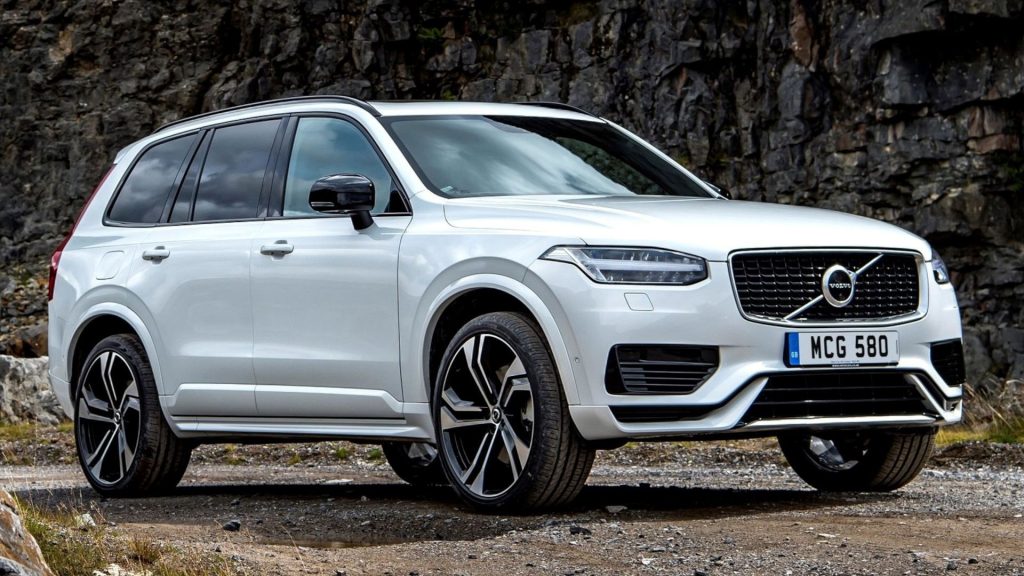
This vehicle is written about because it represents cold-climate engineering done intentionally. The Volvo XC90 isn’t just capable in winter it’s comfortable and predictable in it. For Anchorage drivers who want safety, traction, and reliability without sacrificing refinement, it remains a strong cold-road choice.
5. Toyota Highlander AWD
The Toyota Highlander AWD rounds out this list as a dependable, cold-capable family vehicle for Anchorage winters. It’s written about here because it consistently handles freezing temperatures, snow-covered roads, and long winter seasons without excessive maintenance concerns.
Cold-start reliability is a major reason for its inclusion. Toyota’s naturally aspirated engines are well known for starting consistently in sub-zero temperatures when properly maintained. The Highlander avoids many of the cold-related issues associated with turbocharged or overly complex powertrains.
The AWD system provides steady, confidence-inspiring traction on icy roads. While not aggressive or off-road focused, it delivers predictable torque distribution that helps maintain control during winter commuting, highway driving, and snow-packed city streets.
Ride quality remains stable in cold conditions. The suspension absorbs frozen pavement imperfections without becoming overly stiff, maintaining comfort and control. Ground clearance is sufficient for most Anchorage snow conditions, especially on plowed routes.
Interior reliability further supports winter usability. The heating system performs well, controls remain responsive, and the cabin avoids excessive rattling despite repeated freeze–thaw cycles. These details matter when vehicles are exposed to months of extreme cold.
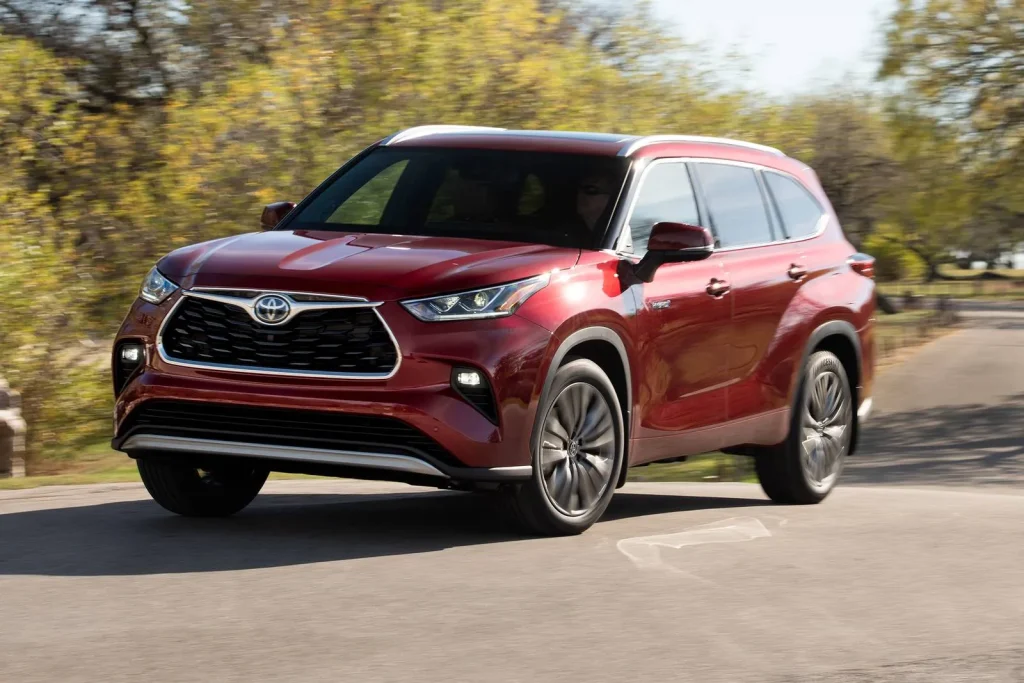
This car is written about because it offers quiet winter dependability. The Toyota Highlander AWD may not be flashy, but in Anchorage’s deep freeze, its conservative engineering and consistent performance make it a trustworthy long-term companion.
5 That Fail in Freeze
Extreme cold doesn’t just make driving uncomfortable it fundamentally changes how vehicles behave. In Anchorage, temperatures regularly plunge far below zero for extended periods, exposing weaknesses that never appear in milder climates.
Batteries lose capacity overnight, lubricants thicken, electronics respond sluggishly, and mechanical tolerances tighten. Vehicles that rely heavily on sensitive electronics, marginal batteries, or complex systems often struggle the most.
This section focuses on cars that fail or become unreliable in deep freeze conditions, not because they are poorly made, but because their design priorities don’t align with Arctic realities.
Many of these vehicles perform well in cool or moderate winters, yet Anchorage’s prolonged cold reveals recurring issues: no-start mornings, drivetrain warnings, frozen door handles, lagging displays, and systems that simply refuse to cooperate until temperatures rise.
Another factor is cold soak. In Anchorage, cars may sit unused for long periods in sub-zero temperatures. Vehicles without strong cold-start engineering, sufficient battery reserves, or robust thermal management often suffer repeated failures under these conditions. Over time, this leads to reduced confidence and increased ownership stress.
This section is written to help drivers avoid vehicles that demand constant babysitting in winter. Anchorage drivers don’t need machines that barely tolerate cold they need ones that expect it. The cars discussed here illustrate what happens when engineering priorities favor efficiency, performance, or technology over extreme-cold durability.
We begin with a modern vehicle type that struggles more than many expect once temperatures plunge.
1. Nissan Rogue (CVT Models)
The Nissan Rogue, particularly models equipped with Nissan’s CVT transmission, has a documented history of struggling in extreme cold environments. It’s written about here because Anchorage’s winter conditions amplify issues that may only appear occasionally in milder climates.
Cold starts are a primary concern. In sub-zero temperatures, Rogue owners frequently report delayed starts, warning lights, or hesitation immediately after ignition. Battery strain combined with thickened fluids can overwhelm systems that are already operating near their limits.
The CVT transmission is especially vulnerable in extreme cold. CVTs rely heavily on fluid behavior and precise electronic control.
In deep freeze conditions, transmission fluid thickens significantly, causing delayed engagement, sluggish response, or protective limp modes until the vehicle warms up. In Anchorage, where warm-up periods are long and frequent, this becomes a daily frustration.
AWD system behavior can also be inconsistent in extreme cold. Engagement may be delayed when traction is most needed on icy intersections or packed snow, reducing driver confidence. This unpredictability undermines the Rogue’s appeal as a winter vehicle.
Interior cold-weather usability further exposes weaknesses. Controls may respond slowly after overnight freezes, and cabin warming can take longer than expected, increasing discomfort during short winter trips.
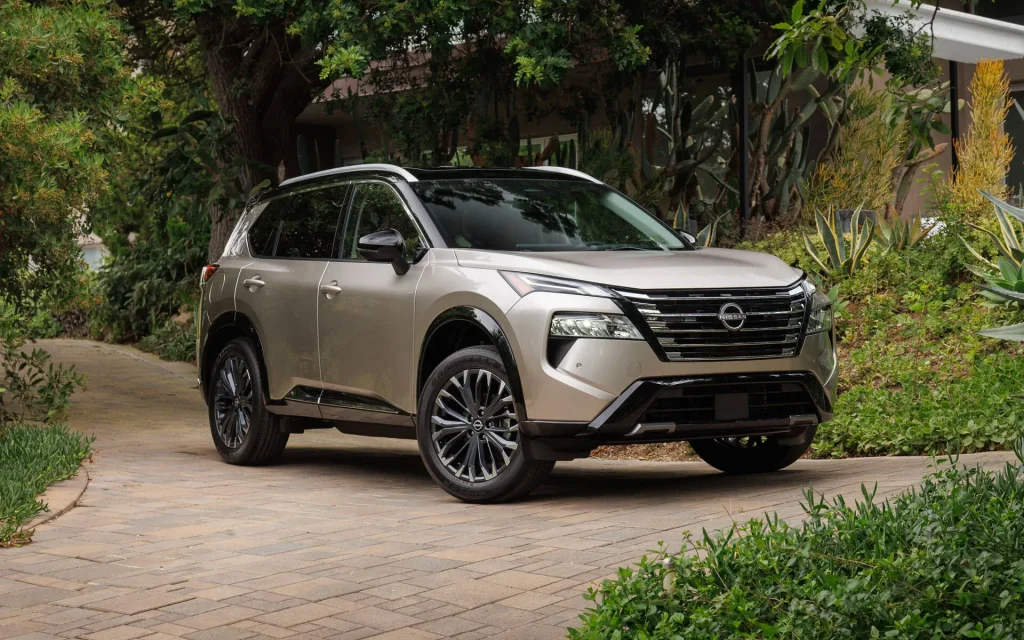
This car is written about because it demonstrates how efficiency-focused design struggles under Arctic stress. While the Nissan Rogue can function in moderate winters, Anchorage’s deep freeze often pushes it beyond its comfort zone, making it a risky choice for year-round reliability in extreme cold.
2. Chevrolet Cruze
The Chevrolet Cruze is frequently challenged by Anchorage’s extreme winter conditions, making it a poor fit for prolonged deep-freeze use. It’s written about here because its design margins are narrow, and cold weather pushes many of its systems beyond what they comfortably handle.
Cold-start reliability is one of the Cruze’s most common problems in sub-zero environments. The combination of small-displacement engines, cold-sensitive sensors, and modest battery capacity often leads to hard starts or no-start mornings when temperatures plunge.
Even when the engine does start, it may idle roughly until fully warmed something that can take a long time in Anchorage.
Turbocharged Cruze variants are especially vulnerable. Turbo systems rely on precise oil flow, and in extreme cold, thickened oil delays proper lubrication. This increases wear during startup and can trigger warning lights or reduced power until temperatures stabilize.
Cooling and heating balance also becomes an issue. While the engine struggles to warm efficiently, cabin heat output can lag, leaving occupants uncomfortable during short winter trips. At the same time, thermal stress during warm-up increases long-term wear on seals and plastic cooling components, which are already known weak points on this model.
Transmission behavior further compounds cold-weather frustration. Automatic Cruzes can exhibit delayed shifting or hesitation in extreme cold, making initial driving feel sluggish and unpredictable on icy roads.
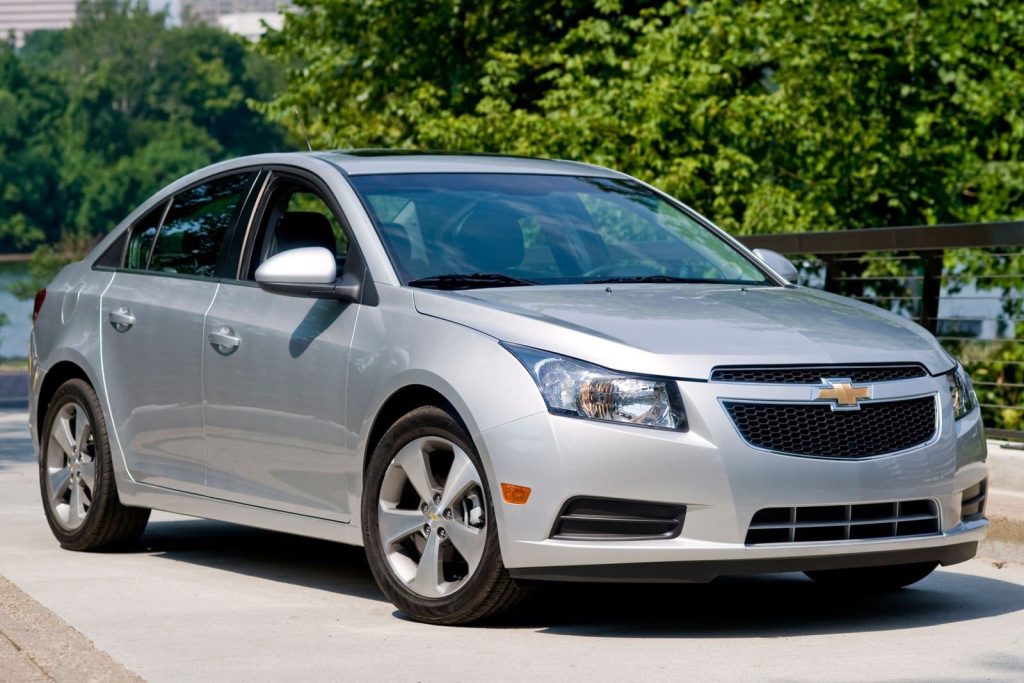
This car is written about because it represents a vehicle optimized for efficiency, not endurance. In Anchorage, the Chevrolet Cruze often feels overworked and underprepared, requiring extra care, warm-up time, and maintenance attention to remain dependable through winter.
3. Mini Cooper
The Mini Cooper struggles significantly in Anchorage’s freeze conditions due to its compact size, tight mechanical packaging, and cold-sensitive components. It’s included here because extreme cold exposes weaknesses that are manageable in milder winters but problematic in Alaska.
Battery performance is one of the Mini’s biggest cold-weather liabilities. Small battery capacity combined with high electrical demand often results in rapid voltage drops overnight. In deep freeze conditions, this leads to no-start situations or warning messages that disappear only after temperatures rise.
Engine and transmission behavior also suffer in extreme cold. Tight tolerances that support the Mini’s sporty feel become a disadvantage when metal contracts and fluids thicken. Cold starts are often harsh, with increased vibration and delayed response until the vehicle warms thoroughly.
Cabin usability is another challenge. Frozen door handles, stiff controls, and slow infotainment response are common complaints in severe cold. While these issues may seem minor, they add up quickly during months of daily winter use.
Traction is also limited by the Mini’s short wheelbase and low ground clearance. On snow-packed Anchorage roads, it struggles to maintain stability and can easily become stuck in deeper accumulation.
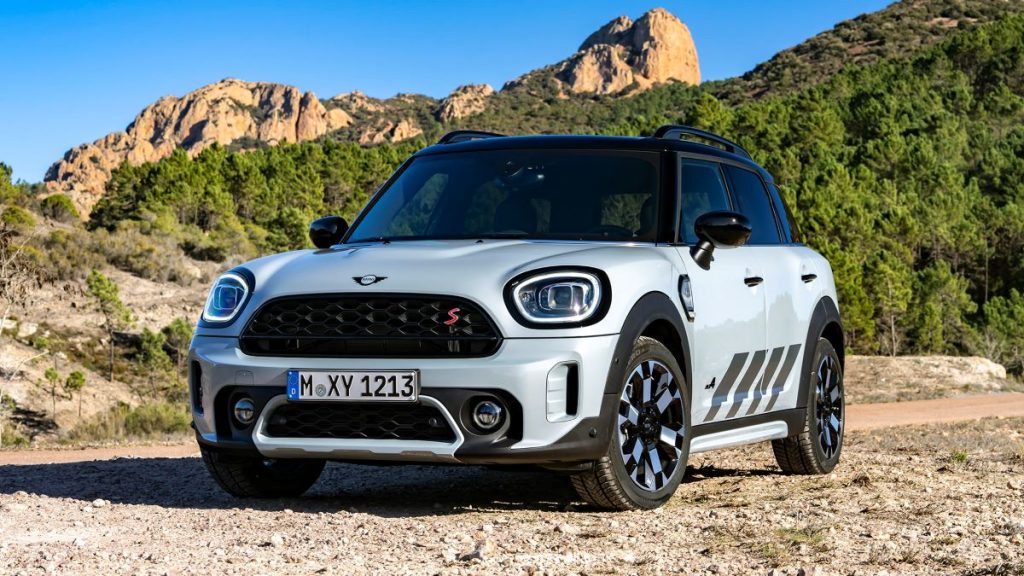
This car is written about because it highlights how fun-focused engineering doesn’t translate to Arctic reliability. The Mini Cooper can survive cold with careful ownership, but in Anchorage’s prolonged freeze, it often feels like it’s enduring winter rather than designed for it.
4. Tesla Model 3
The Tesla Model 3 struggles in Anchorage’s extreme freeze primarily because cold temperatures directly undermine the core systems it relies on most. It’s written about here because Arctic conditions expose limitations that are far less noticeable in temperate climates.
Battery performance is the biggest challenge. In deep cold, lithium-ion batteries lose significant usable capacity.
Overnight cold soak can result in dramatically reduced range, slower acceleration, and limited regenerative braking until the battery warms something that may take considerable time in sub-zero temperatures. For Anchorage drivers, this unpredictability can be stressful and impractical.
Cold also affects charging behavior. Charging speeds slow substantially in extreme temperatures, especially without access to a heated garage. This increases downtime and complicates daily use during long winters when range is already reduced.
Mechanical systems are not immune either. Door handles, window seals, and cameras can freeze or become obstructed by ice and snow. Sensors critical to driver-assistance features may be disabled in heavy snow or cold, reducing functionality when conditions are already challenging.
Cabin heating places additional strain on the battery. While the Model 3 can warm the interior, doing so significantly reduces driving range in extreme cold forcing drivers to choose between comfort and distance.
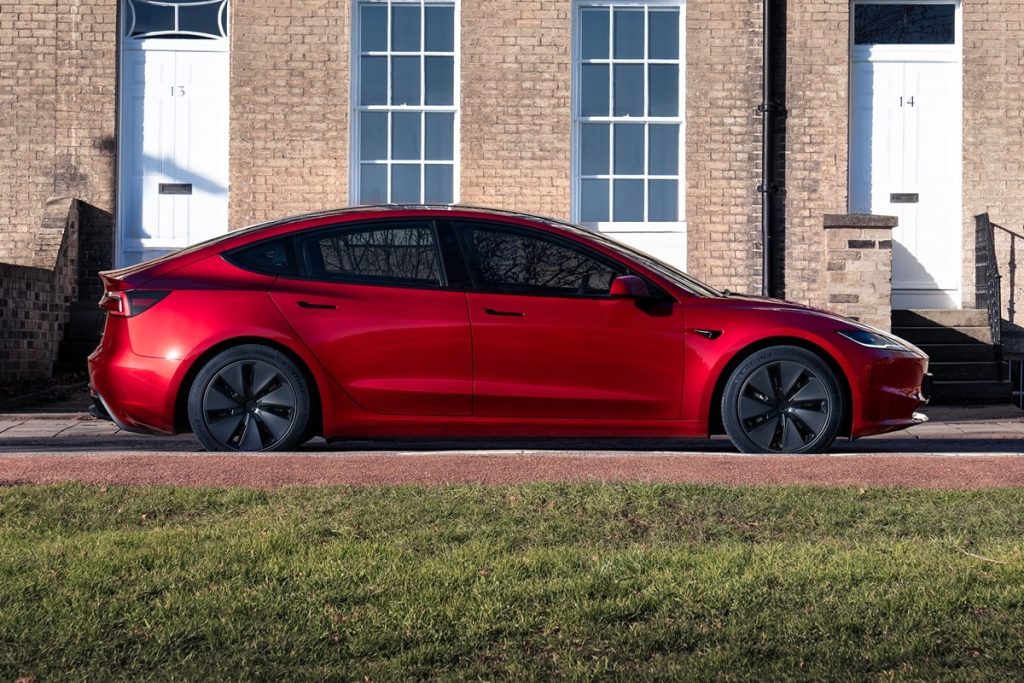
This car is written about because it shows how cold directly challenges electric vehicle fundamentals. While EVs can work in winter with preparation, Anchorage’s prolonged freeze pushes the Tesla Model 3 beyond convenient daily usability for many drivers.
5. Fiat 500
The Fiat 500 rounds out this list as one of the least suitable vehicles for Anchorage’s extreme cold. It’s written about here because its size, design priorities, and component choices are fundamentally mismatched to Arctic conditions.
Cold-start reliability is a major issue. Small engines paired with compact batteries struggle to crank in deep freeze, often resulting in no-start mornings. Even when started, engines may idle poorly until fully warmed an extended process in sub-zero temperatures.
Battery capacity is another weak point. The Fiat 500’s small battery offers little reserve for cold weather, and voltage drops quickly overnight. This can trigger warning lights or disable systems temporarily until the vehicle warms.
Traction and clearance further limit winter usability. With low ground clearance and a short wheelbase, the Fiat 500 struggles on snow-packed roads and can easily become stuck in even moderate accumulation. Stability in icy conditions is limited compared to larger, heavier vehicles.
Cabin comfort also suffers. Heating systems are modest, and interior materials become stiff and less responsive in extreme cold. Doors, locks, and controls are more prone to freezing than in vehicles designed for colder markets.
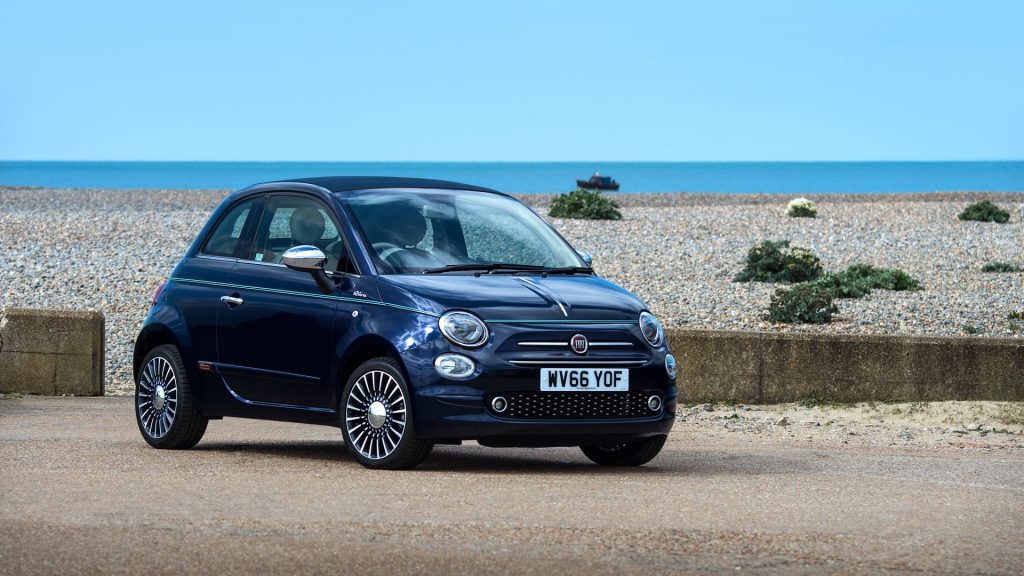
This car is written about because it represents urban design pushed beyond its limits. The Fiat 500 may function in mild winters, but in Anchorage’s deep freeze, it demands constant attention and compromises that most drivers cannot afford.
Anchorage’s driving environment is defined by prolonged cold, snow-packed roads, and temperatures that test every mechanical and electronic system in a vehicle.
This article contrasts cars that are genuinely engineered for those conditions with models that struggle when exposed to deep freeze for months at a time.
The difference isn’t brand reputation or performance figures it’s how well a vehicle tolerates cold starts, thickened fluids, reduced battery capacity, and constant traction demands on ice and snow.
Vehicles such as the Subaru Outback, Toyota 4Runner, Honda CR-V AWD, Volvo XC90 AWD, and Toyota Highlander AWD stand out because they combine dependable cold starts, predictable all-wheel-drive behavior, and durable mechanical layouts.
These cars maintain traction on packed snow, warm up reliably in sub-zero temperatures, and continue functioning after years of freeze–thaw cycles.
Their conservative engineering, effective heating systems, and cold-tolerant components make them well suited to Anchorage’s reality, where winter is not a temporary inconvenience but the dominant operating condition.
In contrast, the vehicles highlighted as freeze-prone reveal how design priorities can work against extreme cold reliability.
Models like the Nissan Rogue with a CVT, Chevrolet Cruze, Mini Cooper, Tesla Model 3, and Fiat 500 suffer from battery strain, cold-sensitive transmissions, reduced traction, and systems that behave unpredictably after overnight cold soak.
Some struggle to start, others lose significant performance or functionality, and many require extra preparation, warm-up time, or constant attention just to remain usable in winter.
The broader lesson is that Anchorage driving rewards simplicity, durability, and cold-focused engineering. Vehicles that rely heavily on marginal batteries, tightly packaged components, or systems optimized for efficiency rather than endurance tend to falter.
For Anchorage drivers, choosing a car isn’t about features or image it’s about selecting a machine that expects the cold, survives it consistently, and keeps working when winter never truly ends.
Also Read: 5 Cars for Huntsville Tech Commuters and 5 That Cost a Fortune to Fix
