
Driving in Wilmington, North Carolina comes with a unique set of conditions that go far beyond typical urban or suburban ownership.
Coastal humidity, salty air, sandy roads, and frequent exposure to sea spray create an environment that rewards certain vehicles while quietly destroying others.
A car that performs flawlessly inland can age prematurely near the coast, developing corrosion issues, electrical problems, and structural wear far earlier than expected.
This article is divided into two sharply contrasting perspectives on coastal car ownership. The first focuses on vehicles that are well-suited for Wilmington’s coastal runs cars that handle humidity, sand, short beach drives, and occasional flooding concerns without excessive wear.
These vehicles are chosen for durability, corrosion resistance, manageable maintenance, and relaxed driving characteristics that suit oceanfront roads and laid-back coastal commuting.
The second half examines vehicles that struggle in salt-air environments. These cars may be mechanically sound or attractive on paper, but their materials, design choices, or maintenance demands make them vulnerable to rust, underbody corrosion, and long-term degradation when exposed to coastal conditions. Salt air doesn’t need dramatic neglect to cause damage; it works quietly and constantly.
By exploring both sides, this article aims to help Wilmington drivers make informed decisions rooted in climate reality rather than brand reputation or performance marketing. Coastal living changes the rules of car ownership.
Choosing wisely can mean years of stress-free driving, while choosing poorly can lead to escalating repair bills and premature vehicle decline.
Also Read: 5 Cars For Parkersburg Daily Drivers and 5 That Don’t Hold Value
5 Cars for Wilmington, NC Coastal Runs
Wilmington’s coastal environment favors cars that are resilient, uncomplicated, and tolerant of constant moisture and salt exposure.
Daily driving often involves short trips, beach-adjacent parking, humid conditions, and roads that can retain moisture long after rainstorms pass. In this setting, durability and corrosion resistance matter just as much as comfort or fuel economy.
This section focuses on five vehicles that make sense specifically for Wilmington’s coastal lifestyle. These cars are not chosen for extreme performance or luxury, but for how well they tolerate the environmental realities of living near the ocean.
Strong paint quality, solid underbody protection, proven reliability, and manageable ownership costs are recurring themes among these selections.
Another reason for highlighting these vehicles is balance. Coastal drivers often need cars that are comfortable enough for scenic highway runs, capable of handling sandy parking areas near beaches, and reliable when exposed to humidity year-round.
Vehicles that are overly complex or delicate tend to suffer in these conditions, while simpler, well-engineered cars age far more gracefully.
Each car in this list is written about because it fits naturally into Wilmington life. They require less anxiety about rust, fewer compromises in daily use, and offer peace of mind for owners who understand that salt air never takes a day off.
These vehicles show that smart coastal ownership isn’t about avoiding driving it’s about choosing a car that can live comfortably by the sea.
1. Toyota Corolla
The Toyota Corolla is one of the most sensible choices for Wilmington’s coastal driving conditions, and it earns its place here through consistency rather than flash.
Coastal environments punish neglected vehicles, but the Corolla’s reputation for durability and straightforward engineering makes it particularly well-suited for long-term ownership near the ocean.
One of the primary reasons the Corolla works well in Wilmington is its resistance to premature aging. While no car is immune to salt air, Toyota’s paint quality and corrosion protection tend to hold up better than average when paired with basic maintenance.
Regular washing and occasional underbody rinses go a long way, and the Corolla responds well to that routine.
The Corolla’s efficiency is another major advantage. Coastal driving often involves short trips beach runs, grocery stops, and local commuting. These conditions are hard on larger engines, but the Corolla’s powertrain handles them smoothly without excessive fuel consumption or mechanical stress.
Comfort also plays a role. Wilmington’s roads are generally relaxed rather than aggressive, and the Corolla’s calm ride, light steering, and predictable handling match that atmosphere well. It doesn’t demand attention or aggressive inputs, which makes it ideal for scenic coastal routes and daily errands alike.
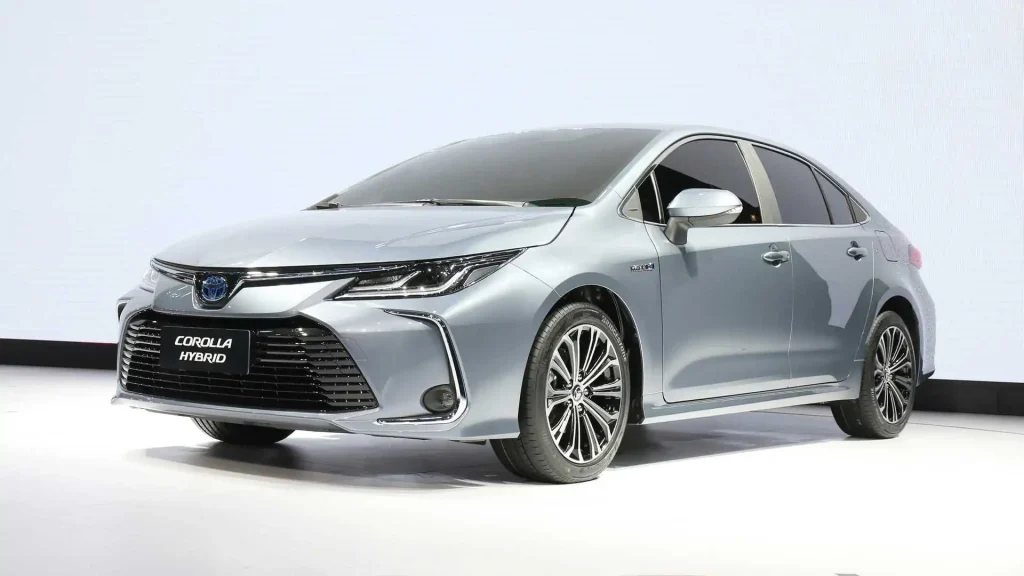
This car is written about because it represents low-stress ownership in a high-wear environment. The Corolla doesn’t fight Wilmington’s coastal conditions it coexists with them, making it a dependable companion for seaside living.
2. Honda CR-V
The Honda CR-V is highlighted here because it offers coastal practicality without unnecessary complexity. Wilmington drivers often benefit from slightly higher ground clearance, flexible cargo space, and a vehicle that doesn’t feel fragile around sand, moisture, or beachside parking. The CR-V fits that role comfortably.
One major reason the CR-V works well near the coast is its versatility. Whether carrying beach gear, groceries, or outdoor equipment, it adapts easily without stressing the vehicle. Its ride height helps when navigating uneven coastal parking areas, while still remaining manageable on paved roads.
Corrosion resistance is another key factor. Honda’s build quality and paint durability generally age well in humid environments when properly maintained. The CR-V doesn’t rely on overly exposed metal trim or delicate components that accelerate salt-air damage, making it a safer long-term choice near the ocean.
Fuel efficiency also remains reasonable, even with its SUV form. Wilmington’s mix of local driving and highway cruising suits the CR-V’s powertrain, keeping operating costs predictable. Maintenance is straightforward, which is especially important in environments where neglect quickly leads to expensive issues.
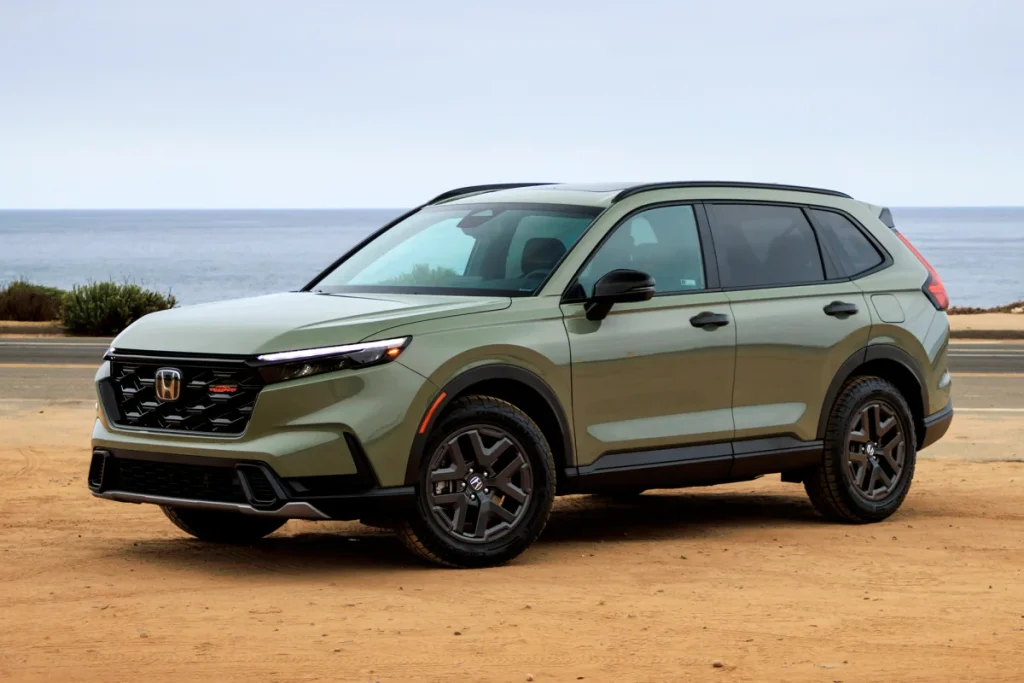
The CR-V is written about because it strikes a balance coastal drivers need: comfort, durability, and adaptability. It doesn’t feel out of place near the beach, nor does it punish owners for living close to salt air.
3. Subaru Outback
The Subaru Outback earns its place on this list because it is exceptionally well-matched to Wilmington’s coastal lifestyle, where weather, moisture, and changing road conditions are part of daily life.
Coastal drivers often encounter heavy rain, lingering humidity, and occasional flooding concerns, and the Outback’s all-wheel-drive system provides added confidence without requiring a large or cumbersome vehicle.
One of the key reasons for highlighting the Outback is its durability in damp environments. Subaru’s corrosion protection and underbody design tend to hold up well when owners follow basic maintenance routines such as regular washing.
The Outback is less prone to cosmetic deterioration than many vehicles with excessive exposed metal trim, making it a more forgiving choice near salt air.
Its ride height is another advantage. While Wilmington is not rugged terrain, sandy parking areas near beaches and uneven coastal roads benefit from extra clearance. The Outback handles these conditions without feeling top-heavy or difficult to maneuver. At the same time, it remains comfortable and stable on highways and scenic coastal routes.
Interior practicality also plays a role. The spacious cargo area accommodates beach gear, outdoor equipment, and everyday errands without forcing owners into a larger SUV. The cabin materials are designed to handle humidity better than many luxury interiors that rely heavily on delicate finishes.
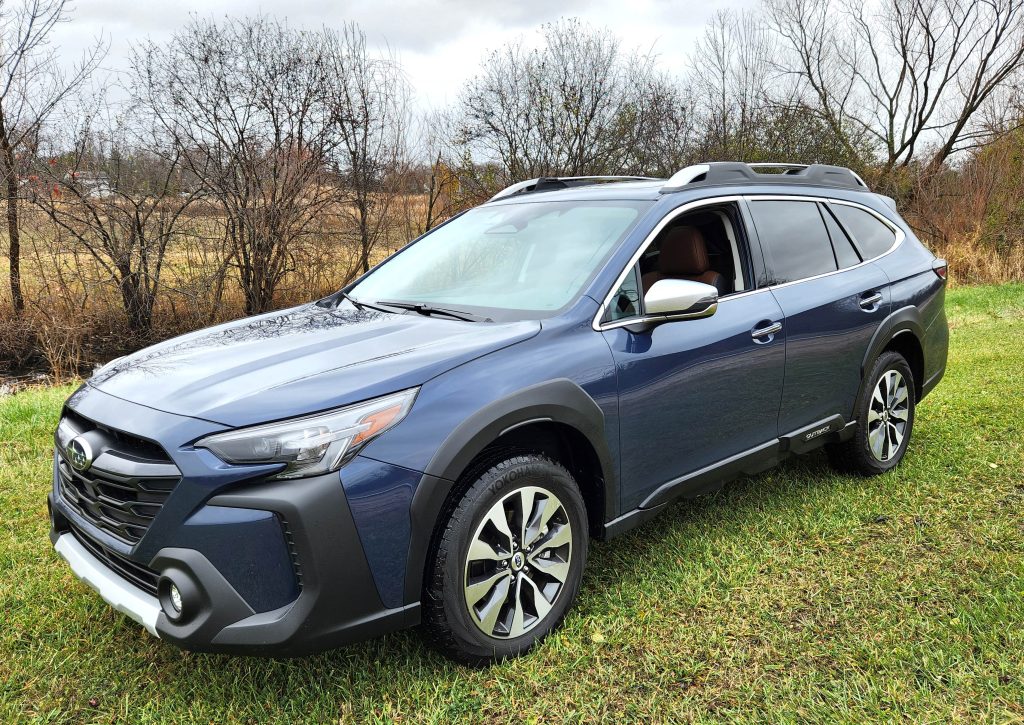
The Outback is written about because it blends coastal readiness with everyday usability. It offers peace of mind in Wilmington’s moisture-heavy environment without sacrificing comfort, making it a strong long-term coastal companion.
4. Mazda CX-5
The Mazda CX-5 is included because it proves that coastal-friendly vehicles don’t have to feel bland or utilitarian. Wilmington drivers who want a refined driving experience without sacrificing durability often find the CX-5 to be an ideal balance. It combines solid construction with materials that age relatively well in humid, salt-air conditions.
One reason the CX-5 works well near the coast is its attention to build quality. Mazda’s paint finishes and body sealing tend to resist premature corrosion better than many competitors when owners perform basic upkeep. The CX-5 avoids excessive chrome trim, which is often one of the first casualties of salt exposure.
Its size is another advantage. The CX-5 is compact enough to maneuver easily in town, yet substantial enough to feel stable on coastal highways and bridges where winds can be strong. The suspension absorbs uneven road surfaces well, contributing to a relaxed driving experience that suits Wilmington’s laid-back pace.
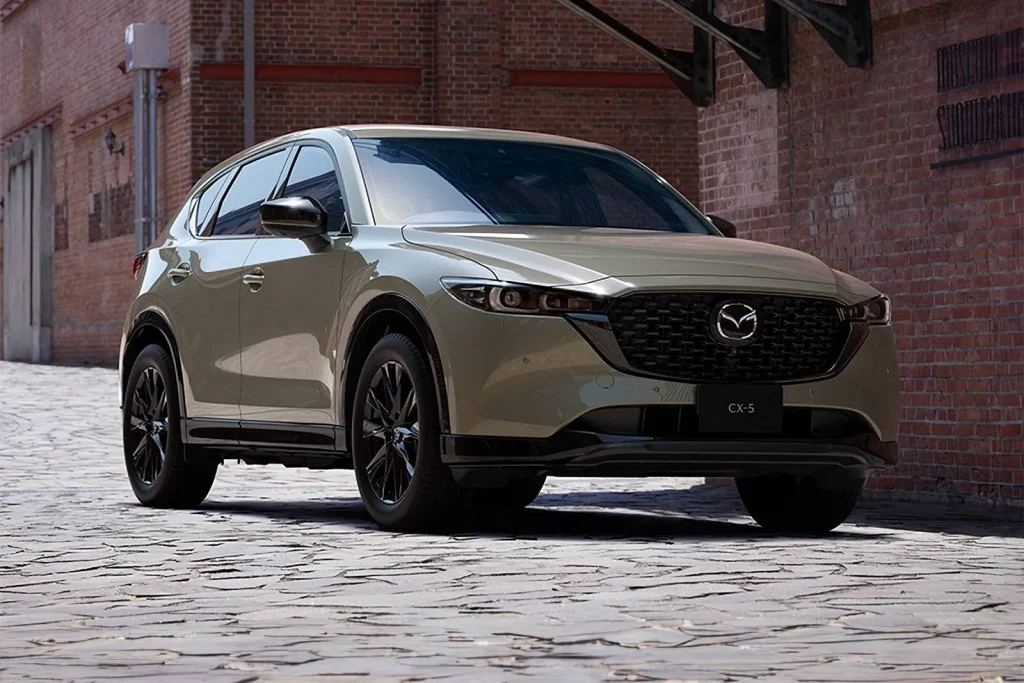
Fuel efficiency also remains competitive, making it practical for frequent short trips and longer drives along the coast. The engine doesn’t feel strained in stop-and-go traffic, which helps reduce long-term mechanical stress in humid conditions.
The CX-5 is written about because it offers coastal durability without sacrificing driving enjoyment. It appeals to Wilmington drivers who want a car that feels well-finished, confident, and resilient in a salt-air environment.
5. Hyundai Kona
The Hyundai Kona is featured here because it represents a newer generation of compact vehicles designed with long-term ownership and environmental exposure in mind. For Wilmington residents who want something small, efficient, and less vulnerable to coastal wear, the Kona makes a strong case.
One of the Kona’s biggest advantages is its modern construction. Improved paint application, better sealing, and thoughtful underbody protection help reduce the impact of salt air over time. While no car is immune to corrosion, the Kona responds well to regular washing and basic preventive care.
Its compact size makes it ideal for coastal living. Parking near beaches, navigating narrow streets, and fitting into tight spots are all easier with the Kona than with larger crossovers. Despite its size, it still offers enough cargo flexibility for beach gear and daily needs.
Fuel efficiency is another reason it’s highlighted. Wilmington’s short-trip driving patterns suit the Kona well, keeping fuel costs low and minimizing mechanical strain. The interior materials are durable rather than delicate, which helps them hold up better in humid conditions.
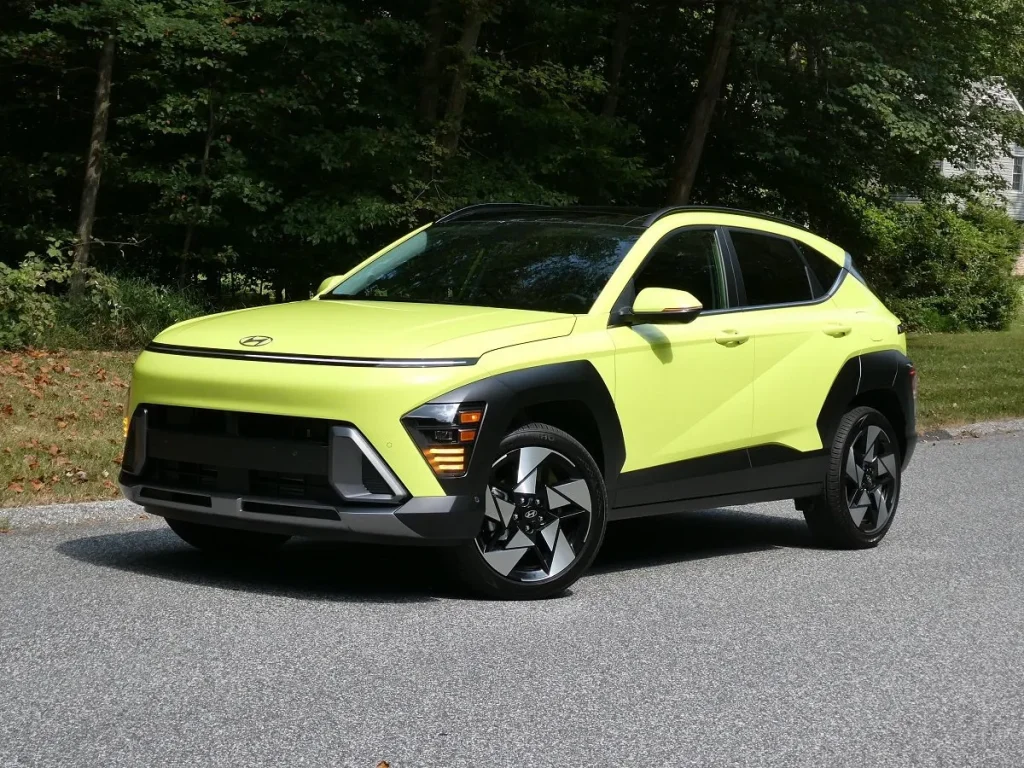
The Kona is written about because it reflects modern coastal practicality. It’s efficient, easy to live with, and better equipped than many older designs to handle the slow, constant impact of salt air.
5 That Corrode in Salt Air
Living near the coast offers undeniable lifestyle benefits, but it also creates one of the harshest environments for vehicle ownership. In Wilmington, NC, salt air is a constant presence not an occasional threat.
Unlike road salt that appears only in winter, coastal salt exists year-round, quietly accelerating corrosion even on vehicles that appear well cared for. Over time, it attacks paint, underbody components, fasteners, electrical connections, and exposed metal trim.
This section focuses on cars that struggle in salt-air environments, not because they are poorly engineered overall, but because their materials, design choices, or construction methods make them vulnerable to corrosion.
Many of these vehicles perform well inland, yet age prematurely near the coast. Owners often underestimate how quickly rust can develop when moisture and salt combine daily.
A key reason these cars corrode faster is exposure. Low ride heights, minimal underbody protection, extensive chrome trim, or complex exposed components create more opportunities for salt intrusion. Once corrosion begins, it spreads silently, often surfacing only after damage has progressed far beyond cosmetic issues.
These vehicles are written about to highlight a costly ownership mistake: choosing cars based on performance, luxury, or reputation without accounting for climate.
In Wilmington’s coastal environment, corrosion resistance matters as much as reliability or fuel economy. Ignoring that reality often leads to declining resale value, repeated repairs, and long-term frustration.
Understanding which vehicles are less tolerant of salt air can help buyers avoid years of preventable deterioration. Coastal car ownership requires a different mindset and this section makes clear what happens when that reality is ignored.
1. BMW 3 Series
The BMW 3 Series is included here because it exemplifies how premium engineering does not always translate to coastal durability. While highly respected for performance and driving dynamics, the 3 Series has historically struggled with corrosion-related issues when exposed to long-term salt air environments like Wilmington’s.
One of the primary problems is material exposure. BMW uses extensive metal fasteners, suspension components, and underbody hardware that are vulnerable to corrosion when repeatedly exposed to moisture and salt. Over time, these components can develop rust that leads to seized bolts, suspension wear, and costly labor-intensive repairs.
Paint and trim durability also present challenges. While BMW finishes look excellent when new, they often show signs of degradation faster in coastal climates. Chrome trim, badges, and exposed metal accents tend to pit or discolor, diminishing the vehicle’s appearance and resale value long before mechanical components fail.
Electrical complexity further compounds the issue. Moisture intrusion into connectors and sensors becomes more likely in humid, salty air, leading to intermittent faults that are difficult and expensive to diagnose. These issues are rarely catastrophic early on, but they accumulate steadily over years of ownership.

The BMW 3 Series is written about because it highlights how performance-oriented, complex vehicles can age poorly in coastal environments. Without meticulous maintenance and frequent corrosion prevention, Wilmington’s salt air gradually erodes both reliability and value.
2. Audi A4
The Audi A4 is included in this section because it demonstrates how modern luxury design can unintentionally accelerate corrosion problems in coastal environments.
While the A4 is praised for its interior quality, technology, and refined driving experience, long-term ownership near salt air often reveals weaknesses that are less apparent in inland regions.
One of the biggest contributors to corrosion issues in the Audi A4 is its extensive use of aluminum and mixed metals.
While aluminum resists traditional rust, it is highly susceptible to galvanic corrosion when exposed to salt and moisture especially where it meets steel fasteners or suspension components. Over time, this interaction can weaken mounting points and create costly structural and mechanical problems.
Underbody exposure is another concern. The A4’s relatively low ride height leaves critical components vulnerable to salt spray, especially when driving near the coast or parking in beach-adjacent areas.
Subframe components, exhaust mounts, and brake hardware often show corrosion earlier than expected in Wilmington’s environment, even with routine care.
Electrical systems further complicate coastal ownership. Audi’s tightly packed electronics and extensive sensor network are sensitive to moisture intrusion.
Salt-laden air increases the risk of corroded connectors, grounding issues, and intermittent electrical faults that are difficult to trace and expensive to repair. These issues tend to emerge gradually, making them frustrating rather than immediately obvious.
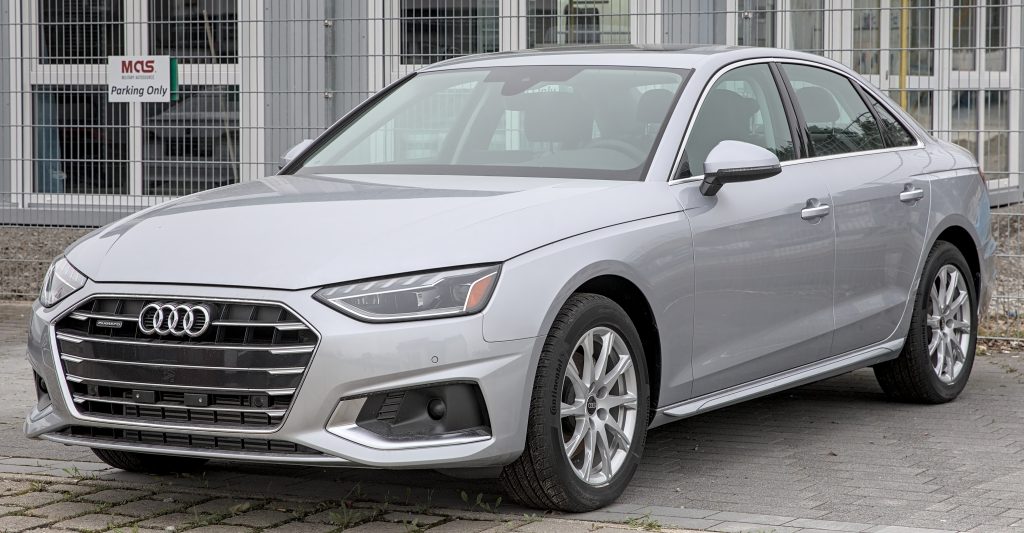
The Audi A4 is written about because it highlights how precision engineering can become a liability in harsh climates. Without aggressive rust prevention, frequent underbody cleaning, and meticulous maintenance, Wilmington’s salt air steadily undermines the vehicle’s reliability and resale value.
3. Mercedes-Benz C-Class
The Mercedes-Benz C-Class earns its place on this list because it combines luxury materials with design choices that struggle under constant coastal exposure. While refined and comfortable, the C-Class often experiences accelerated corrosion in environments like Wilmington, where humidity and salt are persistent rather than seasonal.
A major issue lies in the vehicle’s extensive use of exposed metal components beneath the body. Suspension arms, brake lines, fasteners, and exhaust components are particularly vulnerable to salt air. Over time, corrosion can lead to seized bolts, weakened components, and increased labor costs for even routine repairs.
Paint and trim degradation is another frequent concern. Mercedes-Benz vehicles are known for elegant finishes, but in coastal climates, chrome trim, badges, and window surrounds often pit or discolor prematurely. This cosmetic corrosion may seem minor initially, but it significantly impacts resale value and overall appearance.
The C-Class also relies heavily on advanced electronics, many of which are positioned low in the vehicle. Moisture and salt exposure increase the likelihood of electrical issues, including sensor failures and warning lights that require specialised diagnostics. These problems are rarely inexpensive to resolve.
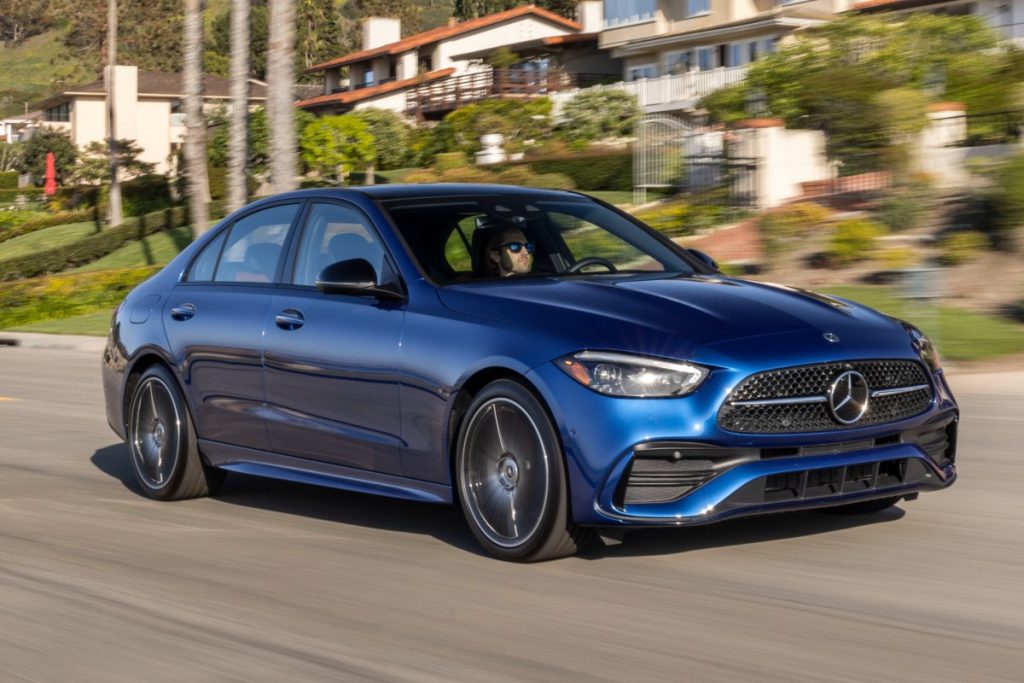
The C-Class is written about because it illustrates how luxury does not guarantee durability. In Wilmington’s salt-air environment, the car’s refinement works against it, requiring constant preventive care to avoid long-term degradation. For coastal drivers seeking worry-free ownership, this level of vulnerability becomes a serious drawback.
4. Jaguar XE
The Jaguar XE is included in this list because it reflects how elegant design and performance intent can work against long-term durability in coastal environments. While the XE offers sharp handling and distinctive styling, its materials and construction make it particularly vulnerable to Wilmington’s salt-heavy air and constant humidity.
One of the biggest corrosion risks with the Jaguar XE lies in its mixed-material construction. Aluminum body panels paired with steel subframes and fasteners create ideal conditions for galvanic corrosion when exposed to salt and moisture.
Over time, this interaction can weaken mounting points and cause hidden structural deterioration that is expensive to diagnose and repair.
Underbody protection is another weak area. The XE sits relatively low, allowing salt spray to reach suspension components, exhaust hardware, and brake lines easily especially when driving or parking near the coast. Even with careful ownership, corrosion often appears earlier than expected on components that are costly to replace due to tight packaging.
Electrical reliability further complicates ownership. Jaguars rely heavily on complex electronics, and coastal humidity increases the likelihood of moisture intrusion into connectors and control modules. Salt accelerates oxidation, leading to intermittent electrical faults that are difficult to trace and often require specialized service.
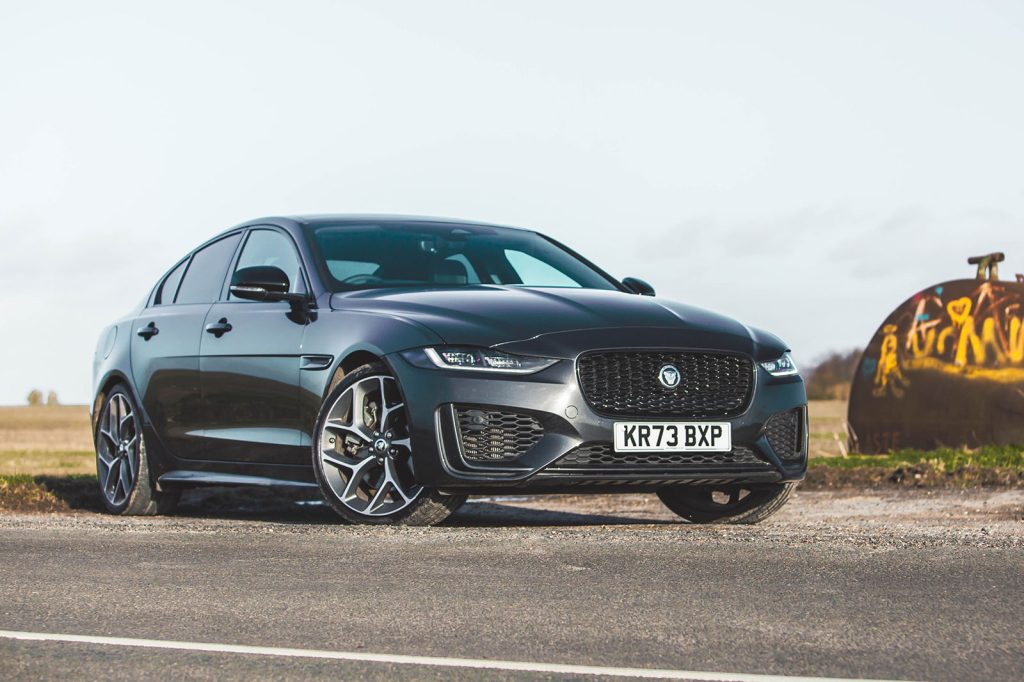
Cosmetic degradation is also common. Chrome accents, trim pieces, and badges on the XE tend to pit or discolor in coastal conditions, reducing resale value quickly. While the car may still drive well, its appearance often deteriorates faster than owners anticipate.
The Jaguar XE is written about because it highlights how refinement and performance do not equal environmental resilience. In Wilmington’s salt-air climate, the XE demands constant preventive care, making it a risky long-term choice for coastal living.
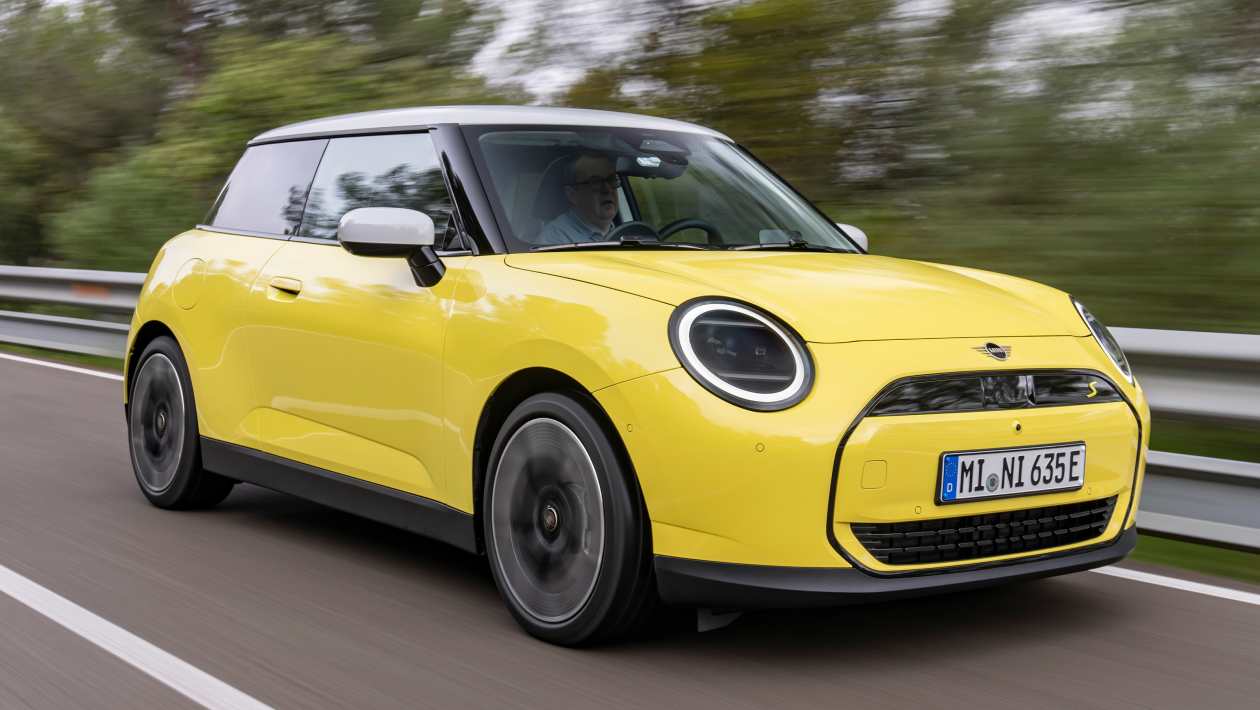
5. Mini Cooper
The Mini Cooper appears on this list because its compact size masks a surprising vulnerability to salt-air corrosion. While often associated with urban driving and fun handling, the Mini’s construction and component exposure make it less suited to long-term coastal environments like Wilmington.
One of the primary issues is underbody exposure. Minis sit low to the ground, allowing salt spray to reach suspension components, exhaust hardware, and braking systems easily.
Over time, rust develops on fasteners and mounting points, turning even routine maintenance into costly labor due to seized bolts and corroded components.
The Mini’s wheel arches and lower body panels are another problem area. These sections trap moisture and salt, accelerating corrosion from the inside out. In coastal climates, owners often notice bubbling paint or hidden rust sooner than expected, especially if frequent washing is neglected.
Electrical issues are also common in salt-heavy air. Minis use densely packed electronics and connectors, many of which are positioned low in the vehicle. Salt and humidity increase the risk of corroded wiring, faulty sensors, and persistent warning lights that can be difficult to resolve permanently.
Interior durability suffers as well. High humidity can accelerate wear on seals and weather stripping, increasing moisture intrusion over time. This contributes to electrical and corrosion issues that compound as the vehicle ages.
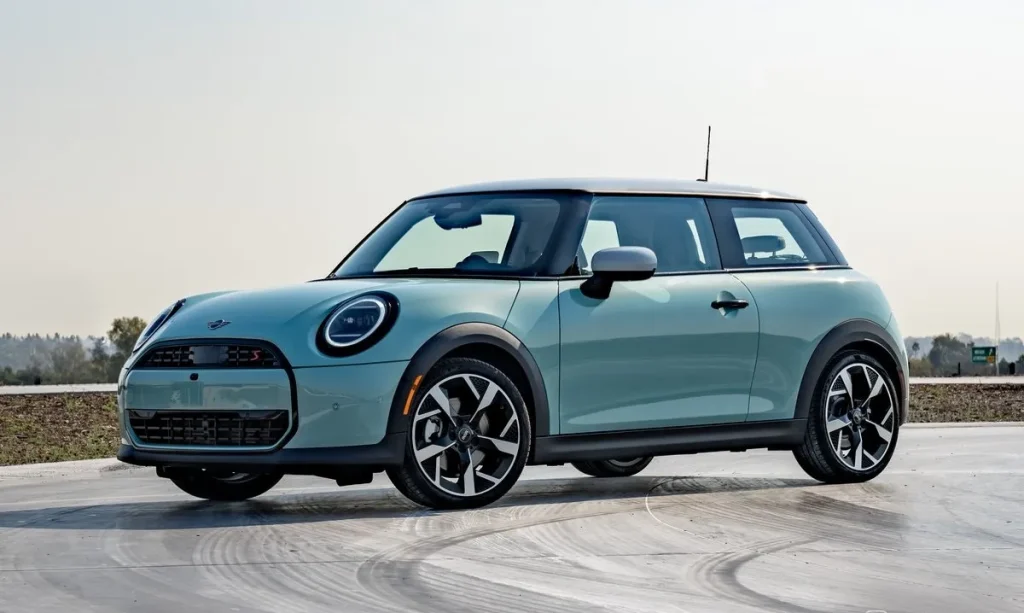
The Mini Cooper is written about because it demonstrates how design charm can overshadow environmental suitability. In Wilmington’s coastal climate, its vulnerabilities accumulate steadily, making long-term ownership more challenging than many buyers expect.
This article examined how Wilmington, North Carolina’s coastal environment fundamentally changes what makes a car a good or bad long-term choice.
Unlike inland driving, coastal ownership exposes vehicles to constant humidity, salt-laden air, sandy parking areas, and moisture that accelerates wear even when cars are well maintained. Because salt air works silently and year-round, choosing the right vehicle becomes less about performance or image and more about durability, materials, and resistance to corrosion.
The first half focused on cars that suit Wilmington’s coastal runs. These vehicles were selected for their ability to tolerate moisture, age gracefully near the ocean, and handle short daily trips mixed with scenic highway driving.
Common strengths included solid paint quality, better underbody protection, simpler mechanical layouts, and proven reliability.
These cars don’t demand extreme preventative measures to survive coastal conditions basic washing, occasional underbody rinsing, and routine maintenance are usually enough to keep them in good shape.
Their moderate size, predictable handling, and fuel efficiency also align well with Wilmington’s relaxed driving patterns and beach-adjacent lifestyle. Overall, they represent low-stress ownership in an environment that quietly punishes neglect.
The second half explored cars that corrode more easily in salt air, emphasizing how certain design choices become liabilities near the coast.
Luxury sedans and compact performance-oriented cars often rely on mixed metals, exposed fasteners, low ride heights, and complex electronics, all of which are vulnerable to salt and humidity.
In Wilmington’s environment, these vehicles tend to suffer from underbody rust, seized suspension components, electrical faults, and premature cosmetic degradation.
Chrome trim pitting, oxidized fasteners, and moisture-related sensor issues frequently appear long before mechanical failure, driving up ownership costs and reducing resale value.
A key takeaway from the article is that coastal suitability is not the same as overall vehicle quality. Many cars that struggle near the ocean perform perfectly inland.
The problem is a mismatch, not incompetence. Wilmington drivers who ignore climate realities often face steadily increasing maintenance demands that could have been avoided with a more environmentally appropriate choice.
Ultimately, the article reinforces a simple principle: coastal car ownership rewards foresight. Vehicles designed with durability, restraint, and simplicity in mind tend to thrive, while those built for performance, luxury, or tight tolerances require constant vigilance.
Choosing wisely can mean years of stress-free driving by the coast instead of fighting corrosion one repair at a time.
Also Read: 5 Cars for Beckley Mountain Roads and 5 That Lose Power Uphill
