
Dayton’s suburban driving environment sits in a comfortable middle ground between city congestion and rural openness.
Daily life often involves predictable commutes, school runs, shopping trips, and highway travel connecting surrounding suburbs to employment centres.
Because of this balance, Dayton drivers tend to prioritise reliability, comfort, efficiency, and long-term value over extreme performance or luxury. The right car blends seamlessly into everyday routines. The wrong one quietly drains money over time.
This article looks at two very different sides of car ownership for Dayton suburban commuters.
The first focuses on vehicles that make sense for daily suburban use, cars that offer dependable performance, reasonable operating costs, comfortable highway manners, and ownership stability.
These vehicles fit the rhythm of suburban life, where consistency matters more than novelty. They are chosen for how well they support long-term commuting, family needs, and predictable maintenance.
The second half examines cars that lose value quickly. Rapid depreciation is one of the most expensive mistakes buyers make, especially in suburban environments where vehicles are often kept for several years.
Some cars suffer from poor resale value due to reliability concerns, oversupply, brand perception, or costly ownership reputations. In Dayton’s practical market, these factors matter greatly.
By comparing both categories, this article aims to help buyers make informed, financially sound decisions. Suburban driving rewards balance, not excess.
Choosing a car that fits Dayton’s lifestyle can reduce stress, control costs, and preserve value while the wrong choice can quietly erode budgets even if the car itself seems appealing at first.
Also Read: 5 Cars For Parkersburg Daily Drivers and 5 That Don’t Hold Value
5 Cars for Dayton Suburban Commuters
Suburban commuting in Dayton demands vehicles that are versatile, dependable, and easy to live with over the long term. Drivers often split time between local roads and highways, meaning cars must deliver comfort at speed while remaining efficient and manageable around town.
Harsh winters, varying road conditions, and frequent daily use place additional emphasis on reliability and predictable ownership costs.
This section focuses on five cars that suit Dayton’s suburban lifestyle particularly well. These vehicles are selected not for trendiness or luxury status, but for how effectively they handle daily routines. Smooth highway cruising, comfortable interiors, solid fuel economy, and proven dependability are the core traits shared by these choices.
Another important factor is ownership longevity. Suburban drivers tend to keep cars longer than urban drivers, which means depreciation, maintenance costs, and long-term reliability matter more than short-term excitement. Cars that hold up well mechanically and retain value offer a far better experience over years of use.
Each vehicle in this list is written about because it fits naturally into Dayton’s commuting patterns. They don’t demand constant attention, expensive repairs, or lifestyle adjustments. Instead, they provide consistency something suburban drivers value more than most.
1. Toyota Camry
The Toyota Camry is one of the most reliable and sensible choices for Dayton suburban commuters, and it earns its place here through long-term consistency.
Suburban driving often involves predictable mileage and highway travel, and the Camry excels in exactly these conditions. It delivers smooth cruising, stable handling, and a comfortable ride that makes daily commuting less tiring.
One of the main reasons the Camry works so well in Dayton is reliability. Long-term ownership is common in suburban areas, and the Camry’s reputation for durability makes it an ideal candidate for drivers who want minimal surprises.
Maintenance costs remain predictable, and mechanical issues are relatively rare when routine service is followed.
Fuel efficiency is another advantage. While not a compact car, the Camry manages fuel consumption well during both city errands and highway commuting. This balance suits Dayton drivers who spend time on local roads during the week and highways on longer trips.
Interior comfort also plays a role. The Camry offers supportive seating, good sound insulation, and a calm driving experience at higher speeds. These traits are especially valuable for commuters facing daily drives that would otherwise become fatiguing.

The Camry is written about because it represents low-risk, high-reward suburban ownership. It may not be exciting, but it aligns perfectly with Dayton’s commuting needs reliable, comfortable, efficient, and financially sensible over the long term.
2. Honda CR-V
The Honda CR-V is highlighted because it offers suburban practicality with flexibility that many Dayton drivers need. As families grow or routines change, the CR-V adapts without requiring a move to a full-size SUV. Its size, comfort, and reliability make it particularly well-suited for suburban commuting and weekend use.
One key strength of the CR-V is versatility. Suburban life often involves carrying groceries, sports equipment, or family members, and the CR-V handles these demands easily. Its cargo space and upright driving position improve daily usability without making the vehicle cumbersome.
Highway comfort is another reason for its inclusion. The CR-V cruises smoothly at speed, offering good visibility and a relaxed driving experience. For Dayton commuters traveling between suburbs or nearby cities, this makes a noticeable difference in daily comfort.
Reliability and ownership costs also favor the CR-V. Maintenance is straightforward, and the vehicle is known for aging well with regular service. This matters in suburban environments where vehicles are often kept beyond the warranty period.
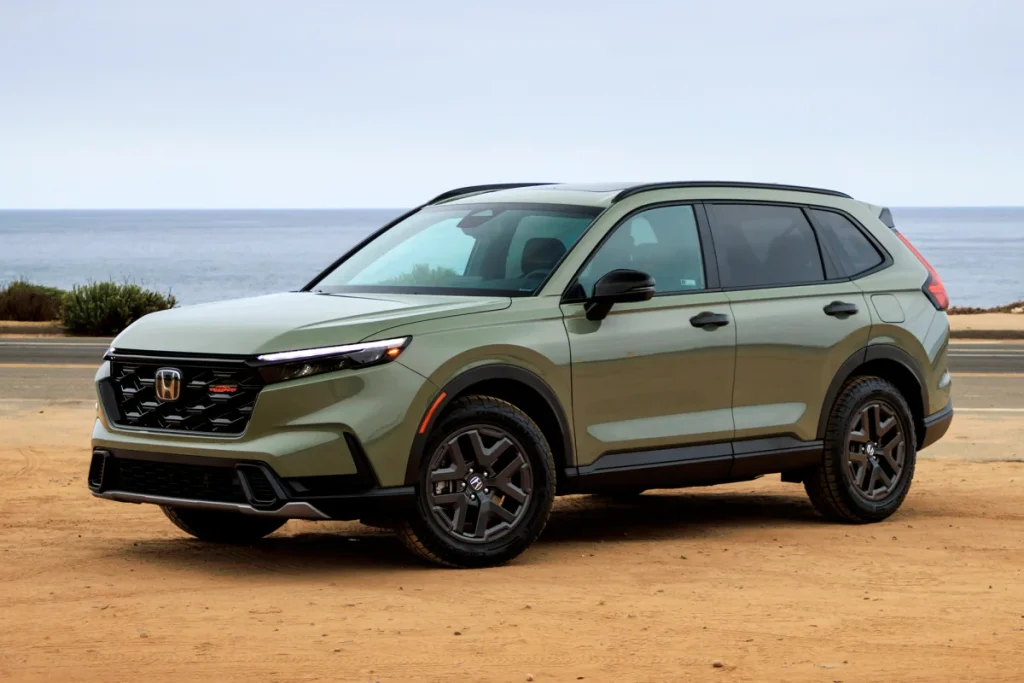
The CR-V is written about because it balances practicality and comfort without sacrificing dependability. It fits Dayton’s suburban rhythm naturally, making it a strong long-term commuting companion.
3. Subaru Outback
The Subaru Outback is a strong fit for Dayton suburban commuters because it blends car-like comfort with added capability that suits Ohio’s changing seasons. Suburban drivers often face rain, snow, and uneven road conditions, and the Outback’s standard all-wheel drive provides extra confidence without pushing owners into a bulky SUV.
One of the main reasons the Outback works well in Dayton is stability. On highways connecting suburbs to employment centers, the Outback feels planted and predictable, even in poor weather. This stability reduces driver fatigue and improves safety during winter months, which are a real consideration in this region.
The Outback’s ride height also adds practical value. While most suburban driving is paved, occasional rough roads, construction zones, and winter debris are easier to manage with extra ground clearance. Unlike larger SUVs, the Outback delivers this benefit without sacrificing fuel efficiency or maneuverability.
Interior space is another reason it’s highlighted. Suburban routines often evolve families grow, hobbies change, and cargo needs increase. The Outback’s spacious cabin and flexible cargo area adapt easily to these changes, making it a vehicle owners can keep longer without outgrowing.
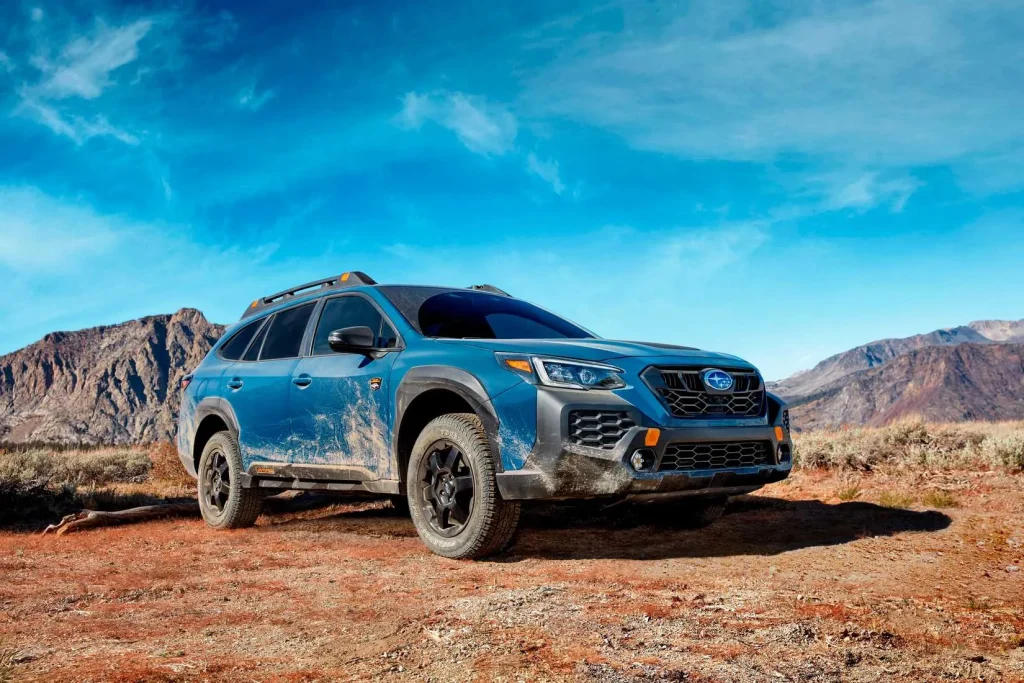
The Outback is written about because it offers long-term adaptability. It supports commuting, family needs, and seasonal challenges without becoming expensive or difficult to live with. For Dayton drivers who want one vehicle to handle many roles reliably, the Outback makes strong sense.
4. Mazda CX-5
The Mazda CX-5 earns its place on this list by offering a refined suburban driving experience without drifting into unnecessary luxury costs. Dayton commuters often value comfort and quiet on longer drives, and the CX-5 delivers a calm, composed ride that suits both highways and local roads.
One reason the CX-5 works well is balance. It’s compact enough to be easy around town yet solid enough to feel stable at highway speeds. This balance makes it ideal for suburban commuting, where drivers frequently switch between stop-and-go traffic and open-road cruising.
The interior quality also sets the CX-5 apart. Materials feel durable and well-finished, which matters for suburban owners who keep vehicles for many years. The cabin remains comfortable over long commutes, reducing fatigue and making daily drives more pleasant.
Fuel efficiency is another advantage. While offering a premium feel, the CX-5 avoids premium fuel demands and excessive operating costs. This aligns well with Dayton’s cost-conscious suburban market, where value matters as much as comfort.
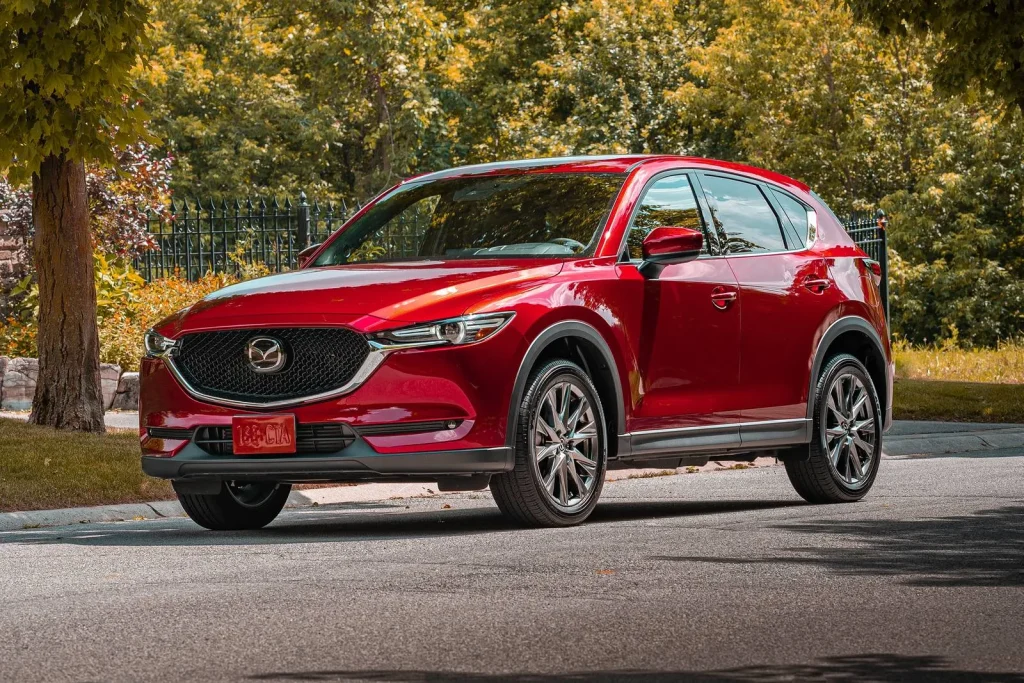
The CX-5 is written about because it delivers refinement without financial penalty. It suits drivers who want a comfortable, attractive commuter vehicle that doesn’t sacrifice reliability or resale strength over time.
5. Hyundai Sonata
The Hyundai Sonata completes this list because it offers space, comfort, and value that align perfectly with suburban commuting needs. Dayton drivers who want a roomy, smooth-riding sedan without paying premium prices often find the Sonata a compelling choice.
One of the Sonata’s strengths is highway comfort. Suburban commuting frequently involves sustained highway speeds, and the Sonata’s suspension tuning and cabin insulation create a relaxed driving experience. This makes daily commuting less tiring, especially for longer drives.
Interior space also plays a major role. The Sonata provides generous legroom and trunk capacity, making it suitable for families, carpools, or drivers who simply want more room without stepping into an SUV. This flexibility supports long-term ownership.
Ownership value is another reason for inclusion. Hyundai’s warranty coverage and improving reliability record reduce financial risk, which matters in suburban markets where cars are kept longer. Maintenance costs remain reasonable, helping owners plan expenses more predictably.
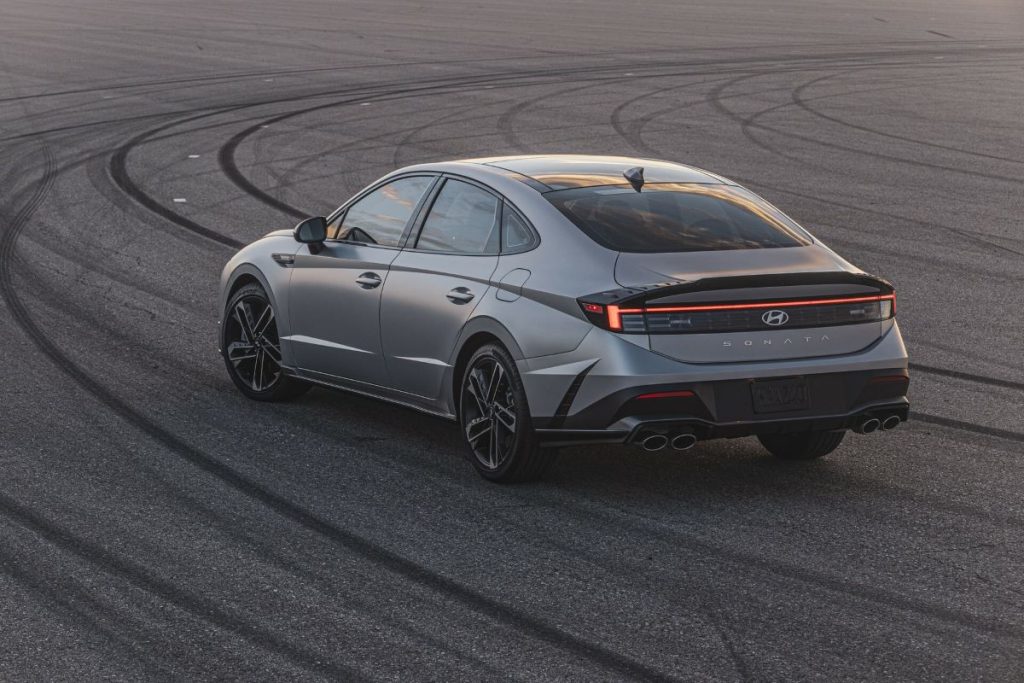
The Sonata is written about because it represents smart suburban value. It delivers comfort, space, and dependability without demanding high ownership costs, making it a practical and sensible choice for Dayton commuters.
5 That Lose Value Fast
Depreciation is one of the most overlooked costs of car ownership, especially for suburban buyers in places like Dayton.
While fuel and maintenance are easy to track, loss of value happens quietly in the background, often costing owners far more than they realize when it’s time to trade in or sell. Some vehicles lose value slowly and predictably, while others drop sharply within just a few years.
This section focuses on cars that lose value fast, particularly in practical, value-conscious suburban markets like Dayton.
These vehicles may look appealing at first offering bold styling, luxury features, or strong incentives but depreciation quickly erodes their real-world worth. Factors such as brand perception, reliability history, oversupply, and high ownership costs all contribute to rapid value loss.
In suburban environments, this matters even more. Drivers tend to keep cars for longer periods and expect them to retain reasonable resale value. Vehicles that depreciate quickly leave owners “upside down” on loans, reduce trade-in leverage, and increase total cost of ownership even if the car itself performs well mechanically.
These cars are written about not to label them as unusable or poorly built, but to highlight financial mismatch. A car that depreciates rapidly can still be comfortable or enjoyable to drive but it becomes an expensive choice once resale enters the equation.
Understanding which vehicles lose value quickly helps buyers avoid long-term regret. In Dayton’s market, smart ownership isn’t just about how a car drives today it’s about what it’s worth tomorrow.
1. Chrysler 300
The Chrysler 300 is included in this list because it exemplifies how brand perception and market demand can accelerate depreciation, even when a vehicle offers strong comfort and performance.
At first glance, the 300 appears to be a solid, spacious, powerful, and comfortable on highways. However, its resale value tells a very different story.
One of the biggest reasons the Chrysler 300 loses value quickly is declining demand. Full-size sedans have fallen out of favor in suburban markets like Dayton, where buyers increasingly prefer crossovers. As demand drops, resale prices follow, regardless of the car’s original sticker price or features.
Brand perception also plays a role. Chrysler’s reputation for long-term reliability is mixed, which makes used buyers cautious. Even well-maintained examples often struggle to command strong resale prices simply because buyers associate the brand with higher long-term ownership risk.
Another factor is fleet and rental usage. The Chrysler 300 has historically been used in fleets, which increases supply in the used market. Higher supply combined with lower demand creates downward pressure on resale values, accelerating depreciation.
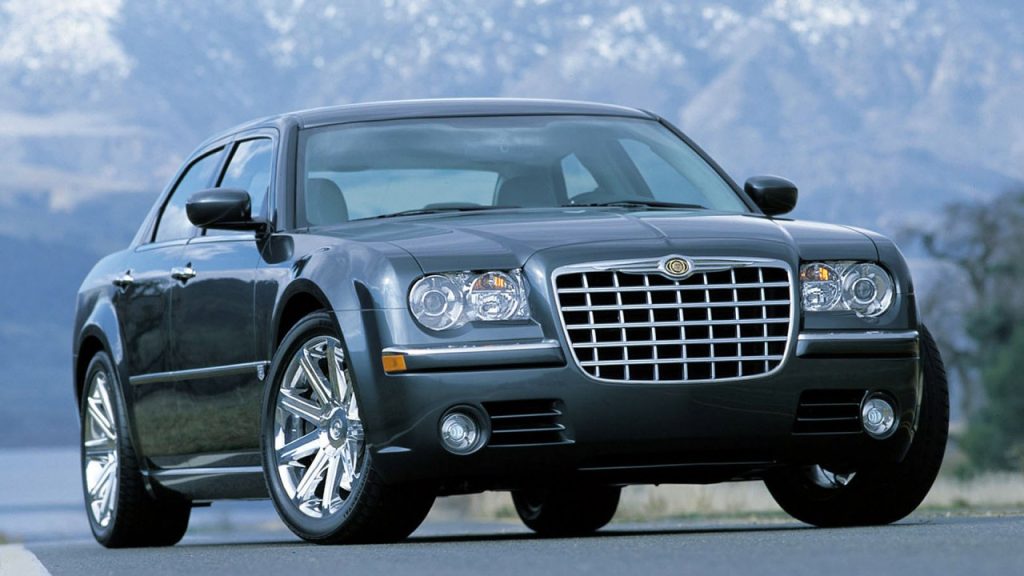
Ownership costs further compound the issue. While the 300 offers strong engines, maintenance and repair expenses can be higher than those of more value-focused competitors. This discourages second-hand buyers, further reducing resale appeal.
The Chrysler 300 is written about because it highlights how a car can feel substantial and capable yet still be a poor financial choice. In Dayton’s practical suburban market, its rapid depreciation makes it costly to own long-term despite its comfort and road presence.
2. Nissan Altima
The Nissan Altima appears on this list because it demonstrates how a once-popular suburban sedan can lose value quickly due to market saturation and brand perception. In Dayton, where buyers prioritize reliability and long-term ownership value, the Altima struggles to hold resale strength despite its comfort and practicality.
One major factor behind the Altima’s depreciation is oversupply. The model has been sold in large numbers for years and is heavily represented in rental and fleet use.
This creates a crowded used-car market, driving prices down regardless of condition or trim level. Even low-mileage examples face stiff competition, limiting resale potential.
Brand perception also affects value. Nissan’s reputation has taken hits due to concerns around long-term reliability and transmission durability in past generations. Even when newer models address these issues, used buyers remain cautious, which suppresses demand and accelerates depreciation.
Another contributor is incentive-heavy new-car pricing. Generous discounts on new Altimas reduce the perceived value of used ones. When buyers can purchase a new model for not much more than a lightly used example, resale prices fall quickly.
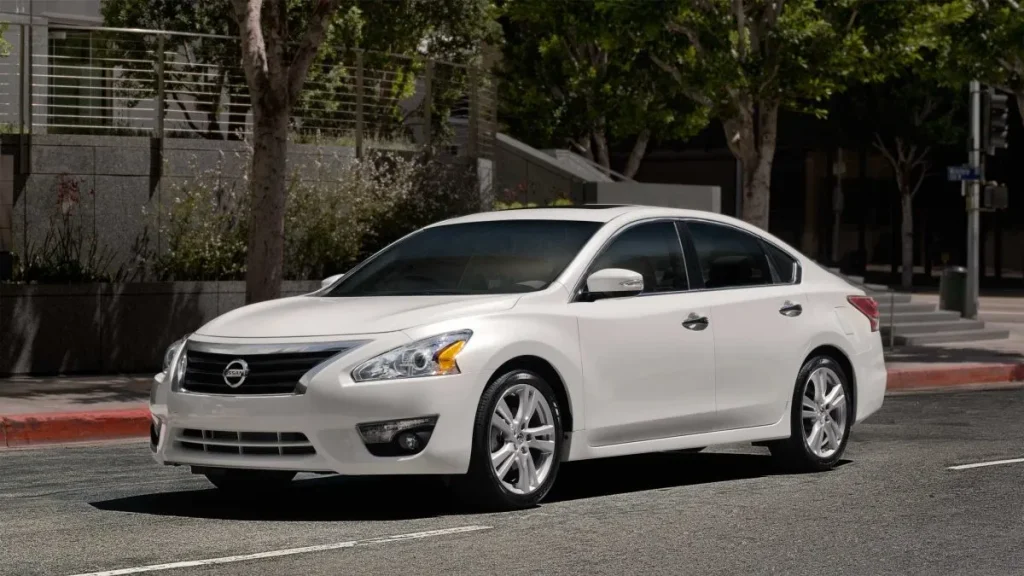
The Altima is written about because it highlights how popularity doesn’t guarantee value retention. In Dayton’s practical suburban market, its rapid depreciation makes it a less appealing long-term financial choice compared to competitors with stronger resale reputations.
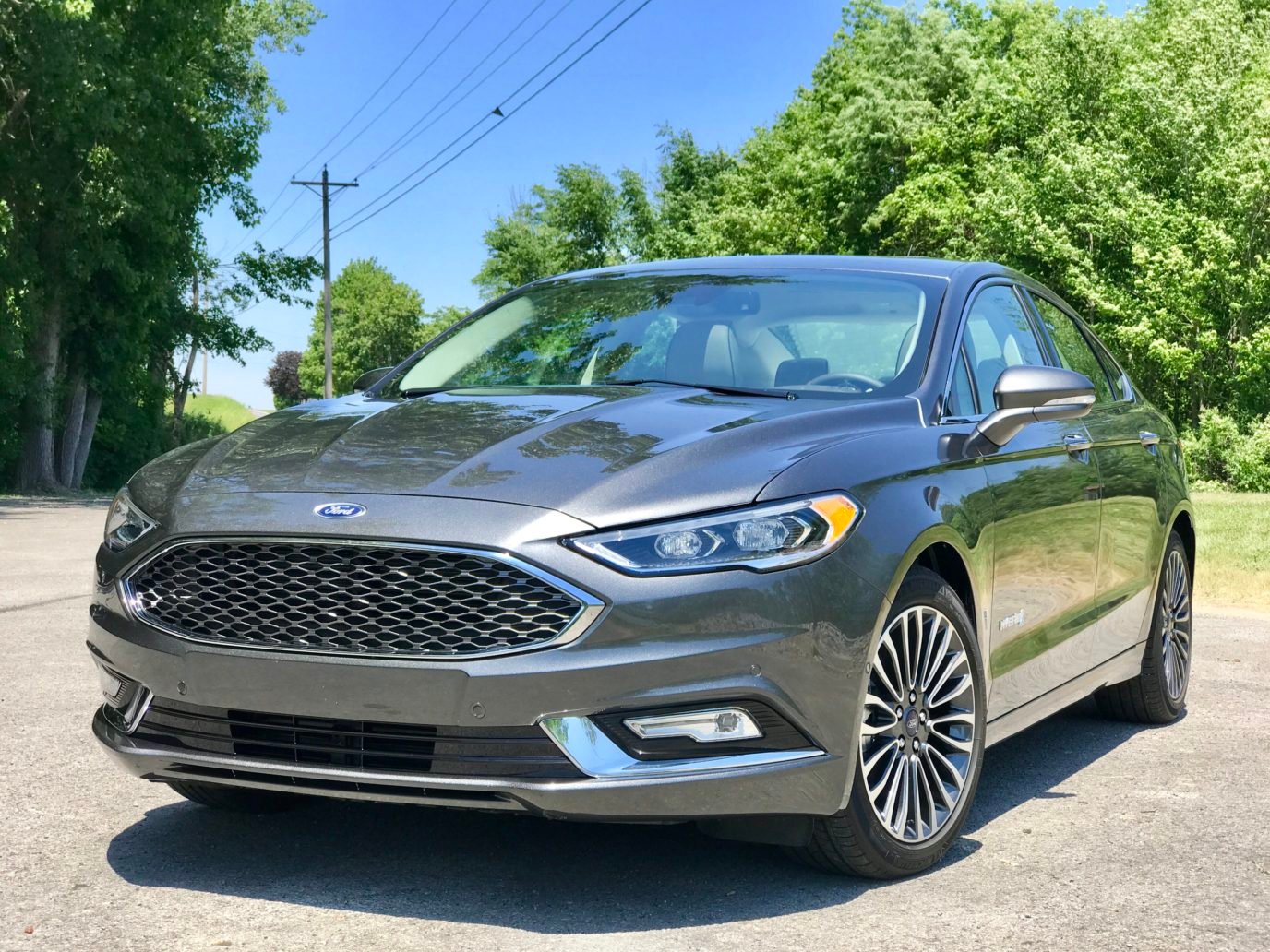
3. Ford Fusion
The Ford Fusion is included here because it illustrates how discontinuation can dramatically impact resale value. While the Fusion was once a common sight on Dayton’s suburban roads, its removal from Ford’s lineup significantly reduced long-term demand, accelerating depreciation across all model years.
One of the biggest reasons the Fusion loses value is uncertainty. When a vehicle is discontinued, buyers worry about parts availability, long-term support, and resale prospects. Even though Ford still supports the Fusion mechanically, perception alone is enough to depress used-market prices.
Market trends also play a role. Like many midsize sedans, the Fusion has been overshadowed by crossovers in suburban environments. As buyer preferences shift, sedans without strong brand momentum lose value faster, regardless of how well they drive.
Fleet sales further weaken resale strength. Many Fusions entered the market through rental and corporate fleets, increasing used supply and lowering prices. In Dayton, where buyers have plenty of alternatives, this oversupply reduces leverage for sellers.
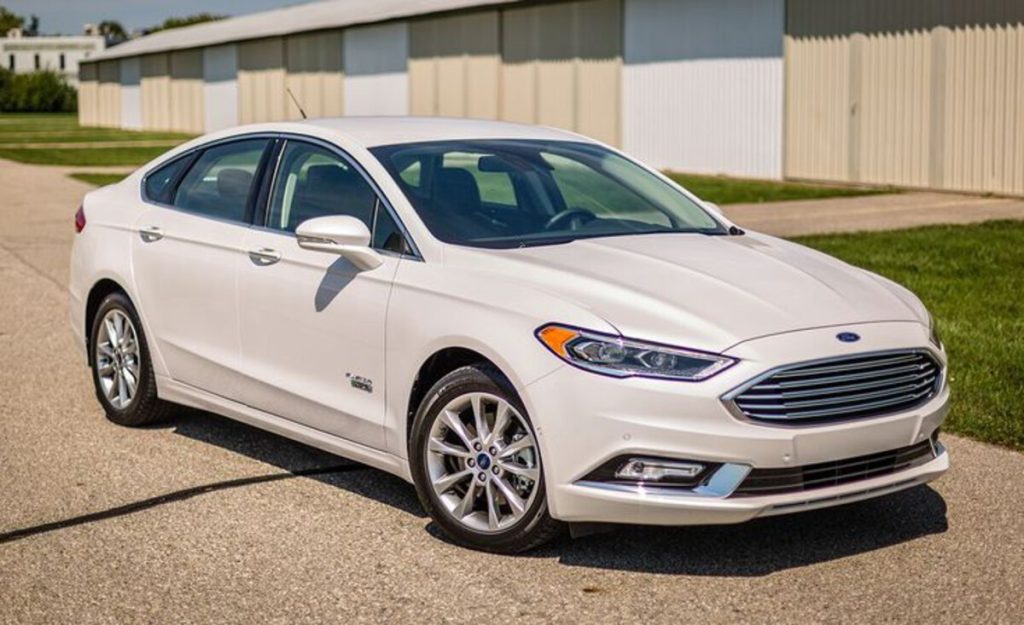
The Fusion is written about because it shows how external factors not just reliability, can drive depreciation. Even as a comfortable and capable commuter, its fading market relevance makes it a poor value-retention choice for suburban buyers.
4. Buick Regal
The Buick Regal is included in this list because it perfectly illustrates how brand positioning and shifting buyer preferences can accelerate depreciation, even when a vehicle itself is competent and comfortable.
In Dayton’s suburban market, where buyers value long-term ownership stability and resale confidence, the Regal struggles to maintain relevance and value.
One of the primary reasons the Buick Regal loses value quickly is brand perception. Buick occupies an awkward middle ground no longer viewed as a premium brand, yet priced higher than many mainstream competitors when new.
This creates resistance in the used market. Buyers looking for value gravitate toward Toyota or Honda, while those seeking luxury move toward established premium brands. The Regal is often overlooked by both groups.
Another major factor is market demand. Midsize sedans as a category have declined sharply in suburban areas like Dayton, where crossovers dominate family and commuter choices. As demand drops, resale values suffer regardless of the Regal’s actual quality. Even well-maintained examples sit longer on used lots, forcing sellers to lower prices.
The Regal’s discontinuation further compounds depreciation. When a vehicle is no longer produced, buyers worry about long-term parts availability, dealership familiarity, and future resale prospects. While Buick still supports the Regal mechanically, perception alone reduces buyer confidence, accelerating value loss.
Incentive-heavy pricing when new also plays a role. Buick frequently relied on discounts and rebates to move Regal inventory, which lowered the perceived “real” value of the car. This directly impacts used pricing, as resale values are anchored to discounted transaction prices rather than MSRP.
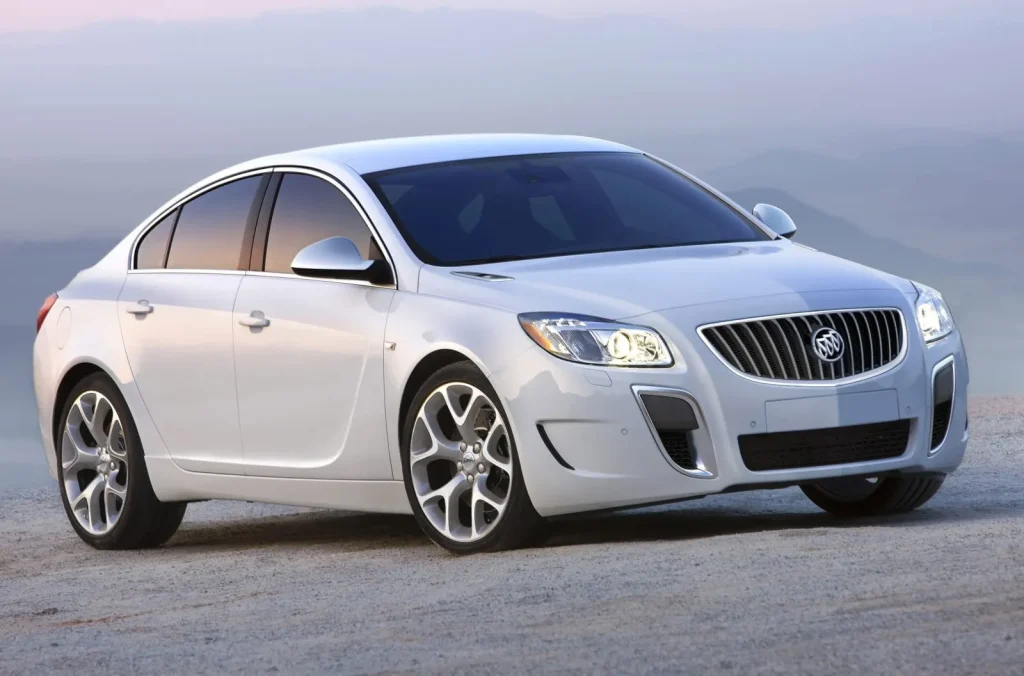
The Regal is written about because it shows how depreciation is often driven more by market psychology than mechanical weakness.
For Dayton suburban buyers, owning a Regal may be comfortable and reliable but financially, its rapid loss of value makes it a poor long-term investment compared to competitors with stronger brand pull.
5. Infiniti Q50
The Infiniti Q50 earns its place on this list because it represents one of the steepest depreciation curves in the luxury sedan segment. While it offers strong performance, upscale styling, and advanced features, its resale value drops rapidly particularly in practical suburban markets like Dayton.
A major reason for the Q50’s depreciation is brand momentum. Infiniti has struggled to maintain a clear identity in the luxury space, especially against dominant competitors like BMW, Lexus, and Audi.
Used buyers often view Infiniti as less desirable, even when the vehicles themselves are well-equipped. This weaker brand pull translates directly into lower resale values.
Another factor is over-supply through incentives and leases. Infiniti has historically relied on aggressive leasing and discounting strategies. This floods the used market with off-lease vehicles, driving prices down. In Dayton, where buyers are cost-conscious and comparison-driven, this oversupply significantly reduces resale leverage.
The Q50 also suffers from aging design and technology. While updates have been incremental, the core platform has remained largely unchanged for years. In the used market, buyers compare it to newer-feeling competitors and adjust their willingness to pay downward accordingly.
Ownership perception plays a role as well. While not unreliable, Infiniti vehicles are often associated with higher maintenance and repair costs than value-focused brands. This discourages second-hand buyers who prioritize predictable expenses, further weakening resale demand.
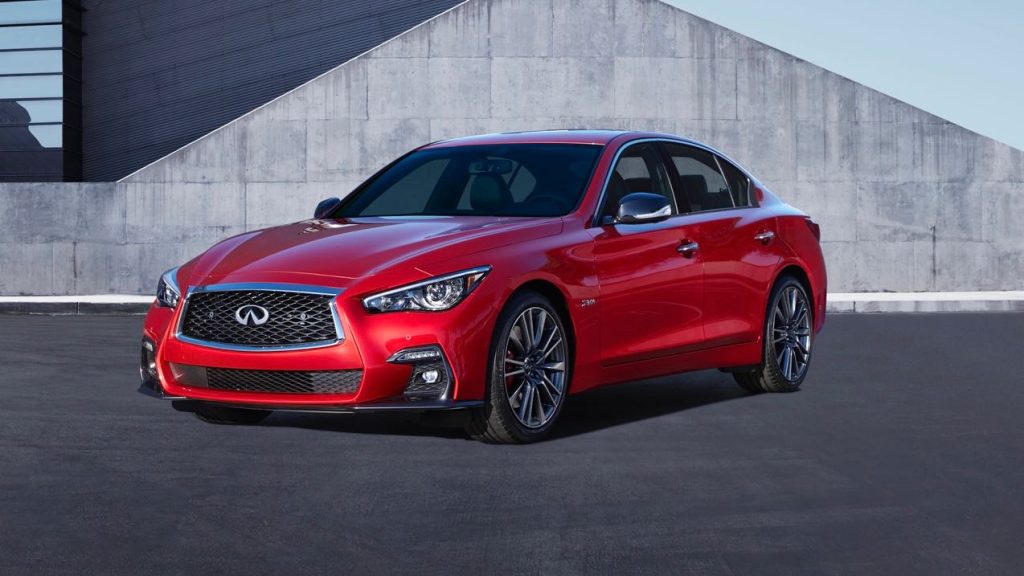
The Q50 is written about because it highlights how luxury does not guarantee value retention. In Dayton’s suburban environment, where practicality, reliability, and financial sense matter more than badge appeal, the Infiniti Q50 depreciates faster than many buyers expect. It can be a bargain used, but a costly choice when purchased new.
This article examined car ownership through the lens of Dayton’s suburban commuting lifestyle, focusing on two critical but often overlooked factors: day-to-day usability and long-term financial impact.
Suburban driving in Dayton typically involves predictable commutes, frequent highway use, family-oriented errands, and long vehicle ownership cycles.
In this environment, the smartest vehicles are those that deliver consistent comfort, reliability, and value retention over time, while the worst choices quietly erode budgets through rapid depreciation.
The first section highlighted cars that work well for Dayton suburban commuters. These vehicles were selected because they align naturally with suburban routines rather than forcing owners to adapt.
Common strengths included smooth highway cruising, comfortable seating, good fuel efficiency, and proven reliability. These cars are easy to live with across changing life stages whether commuting daily, handling family duties, or taking longer weekend trips.
Importantly, they tend to age gracefully, with predictable maintenance costs and fewer surprise repairs. This stability is especially valuable in suburban markets, where drivers often keep cars well beyond their warranty period and expect dependable performance year after year.
Another major theme in this section was ownership balance. Rather than emphasising excitement or luxury, the recommended commuter cars focused on minimising stress both on the road and financially.
Their designs support consistent use, Ohio’s seasonal weather conditions, and long-term value, making them logical choices for Dayton drivers who prioritize reliability over novelty.
The second half of the article explored cars that lose value fast, emphasizing how depreciation can become the most expensive part of ownership. Many of these vehicles appear attractive when new, offering strong features, aggressive styling, or luxury branding.
However, in Dayton’s practical suburban market, factors such as declining sedan demand, brand perception, oversupply, fleet usage, and discontinued models severely weaken resale value. Even well-maintained examples struggle to hold worth once buyer confidence fades.
A key insight from this section is that depreciation is driven more by market psychology than mechanical quality. Several vehicles discussed are comfortable and capable, yet their resale values drop quickly because buyers perceive them as risky or outdated.
Incentive-heavy pricing, uncertain long-term support, and shifting consumer preferences all accelerate value loss, leaving owners with diminished trade-in power and higher total ownership costs.
Overall, the article reinforces a clear takeaway: suburban car ownership rewards patience and foresight. Dayton drivers benefit most from choosing vehicles that blend everyday comfort with strong resale fundamentals.
While fast-depreciating cars can become bargains on the used market, they are often costly mistakes when purchased new. The smartest suburban buyers look beyond the showroom appeal and focus on how a vehicle fits their lifestyle and their finances over the long haul.
Also Read: 5 Cars for Naples Snowbird Buyers and 5 That Don’t Store Well Long-Term
