
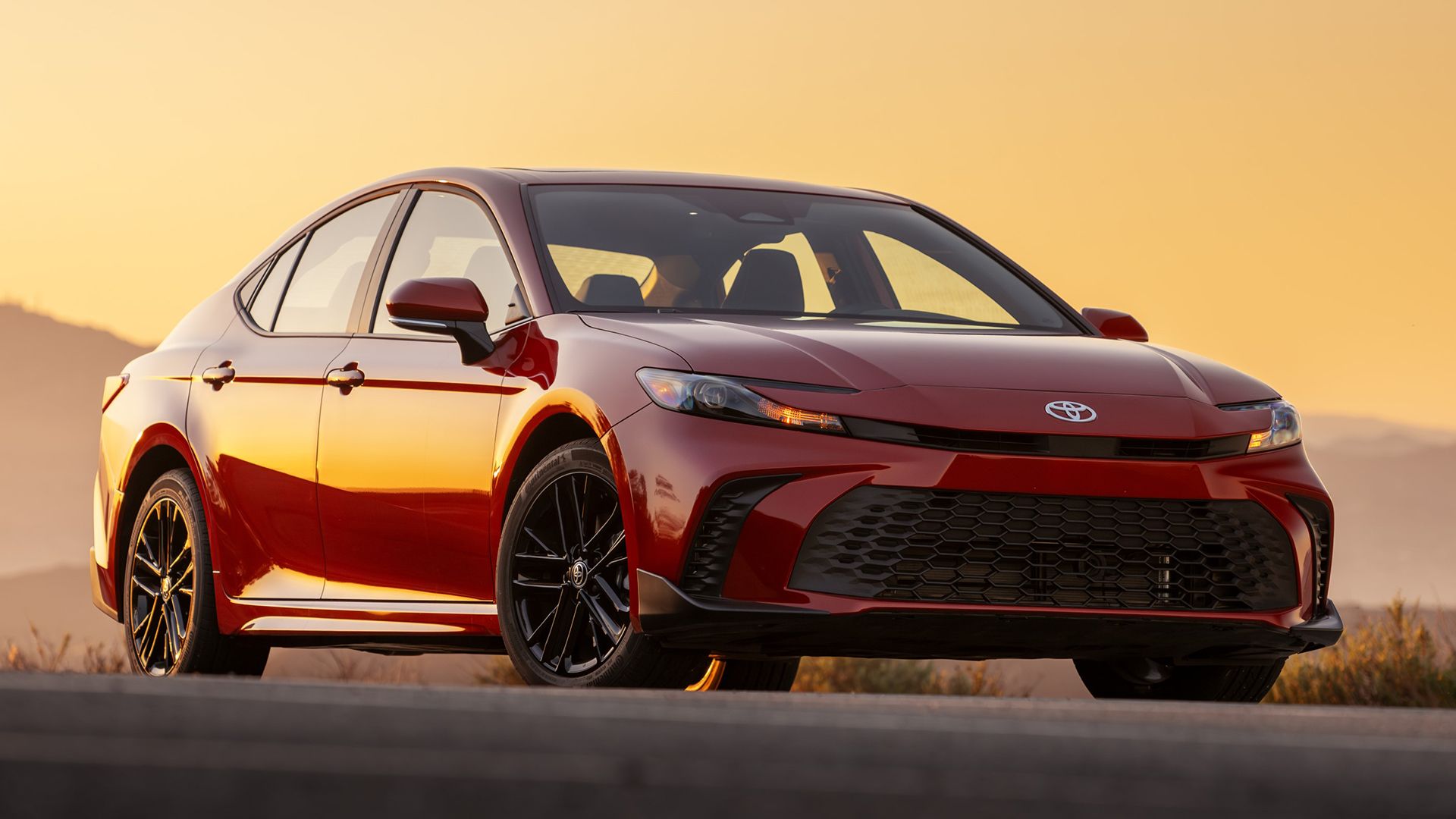
Naples is a unique car market shaped by snowbird seasonal residents who arrive for the winter months and leave vehicles parked for long stretches of time.
Driving here is relaxed, low-speed, and coastal, with an emphasis on comfort rather than performance. But the way cars are used in Naples matters just as much as how they are driven.
This article looks at two very different ownership needs that often get confused. First, it highlights cars that are well-suited for Naples snowbird buyers, vehicles that are easy to live with, comfortable for short trips, tolerant of infrequent use, and simple to maintain.
These cars start reliably after sitting, don’t punish owners for low annual mileage, and age gracefully in a warm, humid environment.
Second, it examines cars that don’t store well long-term. Some vehicles dislike sitting idle for months at a time. Batteries drain, seals dry out, electronics misbehave, and complex systems throw warning lights after storage.
In coastal Florida, humidity and heat further accelerate these problems. Cars that are fine for daily use elsewhere can become frustrating liabilities when left unused for half the year.
The goal isn’t to criticize luxury or technology, but to match vehicles to seasonal ownership reality. Snowbirds don’t need track-ready handling or cutting-edge complexity. They need reliability after storage, low hassle ownership, and predictable costs when they return.
In Naples, the best snowbird car is the one that feels welcoming after months away starts easily, drives comfortably, and doesn’t demand immediate service.
By separating storage-friendly vehicles from those that struggle when parked long-term, this guide helps buyers choose cars that enhance seasonal living rather than complicate it.
Also Read: 5 Cars for Mobile Coastal Life and 5 That Corrode in Salt Air
5 Cars for Naples Snowbird Buyers
Snowbird ownership rewards simplicity, comfort, and forgiveness. Cars in this section are chosen because they tolerate inactivity well and don’t require constant attention to remain healthy. These vehicles are ideal for owners who may drive daily for a few months, then leave the car parked for weeks or months at a time.
One key factor is mechanical simplicity. Naturally aspirated engines, conventional transmissions, and straightforward electrical systems are far more tolerant of storage than turbo-heavy or software-dependent vehicles. When snowbirds return, these cars are more likely to start without warnings or drivability issues.
Comfort is equally important. Naples driving is slow, scenic, and relaxed. Supportive seats, smooth ride quality, easy entry and exit, and quiet cabins matter more than acceleration or sharp handling.
Coastal climate tolerance also plays a role. Humidity, salt air, and heat can accelerate wear on delicate components. Vehicles that use proven materials and resist corrosion hold up better over time.
Each car in this list is written about because it fits seasonal life. These are vehicles that don’t resent being parked, don’t demand immediate service after storage, and don’t overwhelm owners with complexity. For snowbirds, that peace of mind is the ultimate luxury.
We begin with one of the most storage-friendly cars ever built.
1. Toyota Avalon
The Toyota Avalon is exceptionally well-suited for Naples snowbird buyers, and it’s written about here because it combines comfort, mechanical simplicity, and long-term reliability better than almost any other sedan.
Comfort is Avalon’s defining strength. Seats are wide and supportive, ride quality is soft without being floaty, and the cabin is quiet at low speeds. For Naples driving errands, dinners, and short coastal trips, the Avalon feels relaxed and unhurried, perfectly matching the local pace.
Storage tolerance is where the Avalon truly shines. Its naturally aspirated engine and conventional automatic transmission are far less sensitive to long periods of inactivity than turbocharged or hybrid systems. After weeks or months of sitting, the Avalon is far more likely to start cleanly without warning lights or drivability complaints.
Electrical systems are another advantage. Toyota’s conservative approach to electronics means fewer parasitic drains and fewer modules that get confused after storage. Snowbirds returning for the season often find the Avalon simply works without immediate intervention.
Ownership costs reinforce its appeal. Parts are widely available, repairs are affordable, and nearly any independent shop can service it. That flexibility matters when owners want minimal hassle during limited seasonal stays.
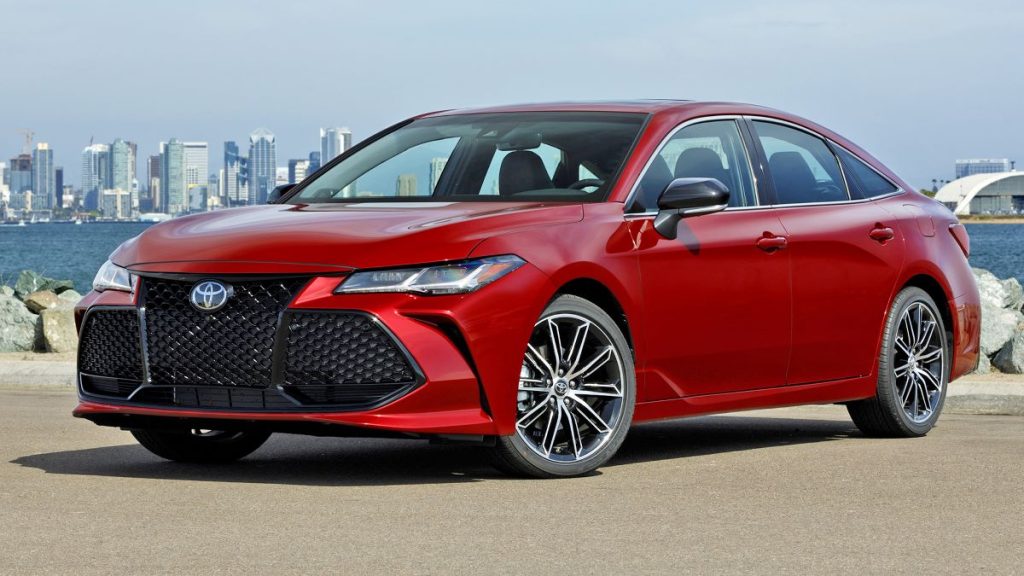
This car is written about because it welcomes its owner back. The Toyota Avalon doesn’t punish seasonal use it accommodates it, making it one of the safest, least stressful choices for Naples snowbird buyers.
2. Lexus RX
The Lexus RX is one of the most natural fits for Naples snowbird buyers, and it’s written about here because it blends luxury comfort with mechanical restraint, an ideal combination for seasonal ownership.
Comfort is the RX’s strongest asset. Entry and exit are easy, seating is supportive, and the suspension prioritises smoothness over sportiness. For Naples driving short trips, low speeds, and relaxed cruising, the RX feels effortless rather than demanding. Visibility is excellent, which helps in busy coastal areas and parking lots.
Long-term storage tolerance is where the RX truly stands out among luxury vehicles. Unlike many European rivals, the RX relies on proven powertrains and conservative electronics.
Its naturally aspirated engines (in many trims) and traditional automatic transmissions are far less sensitive to months of inactivity. When snowbirds return, the RX is more likely to start cleanly without software errors or drivability complaints.
Electrical reliability further supports seasonal use. Lexus systems tend to avoid excessive parasitic battery drain, meaning owners are less likely to return to a dead battery after extended storage.
Even when a battery replacement is needed, the process is straightforward and inexpensive compared to tech-heavy alternatives.
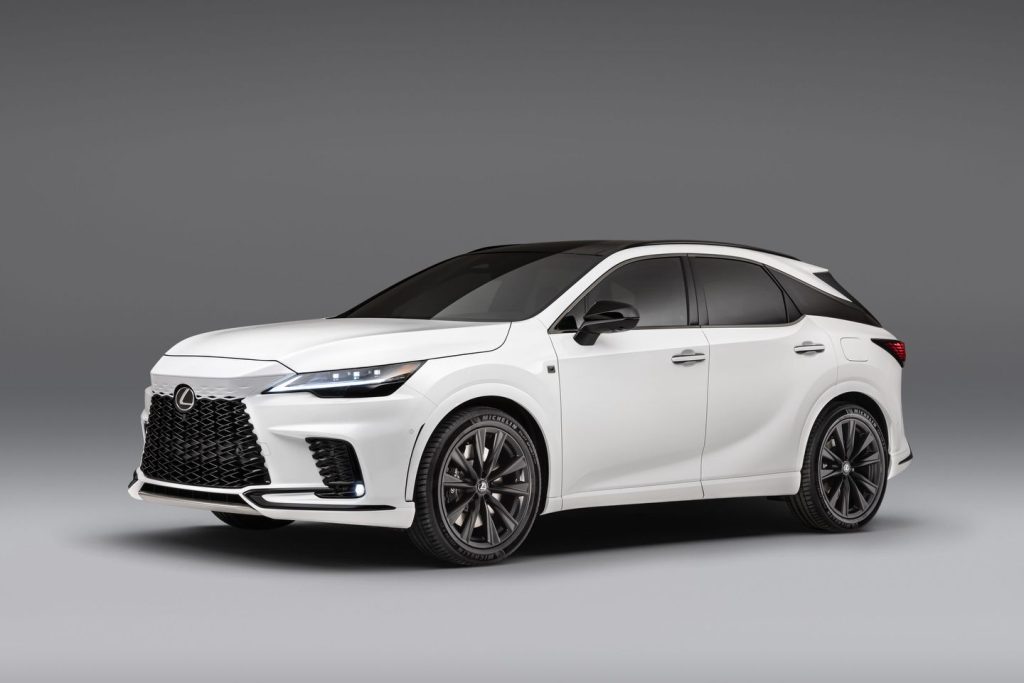
Coastal durability matters in Naples, and the RX handles humidity and heat well. Interior materials age gracefully, seals resist premature drying, and climate systems perform reliably year after year.
This car is written about because it delivers luxury without punishment. The Lexus RX offers snowbirds a comfortable, refined experience without the maintenance anxiety that often follows seasonal ownership in coastal Florida.
3. Toyota Camry
The Toyota Camry earns its place among the best cars for Naples snowbird buyers because it excels at exactly what seasonal ownership requires: simplicity, reliability, and easy reactivation after storage.
The Camry’s ride quality suits Naples perfectly. Suspension tuning is soft enough to absorb uneven pavement, while steering remains light and predictable at low speeds. For daily errands, appointments, and social trips, the Camry feels calm and comfortable rather than overengineered.
Storage friendliness is a major reason this car is written about. With a naturally aspirated engine and conventional drivetrain, the Camry handles inactivity far better than turbocharged or heavily electrified vehicles. After sitting for weeks or months, it typically starts without hesitation or warning lights.
Battery management is another advantage. Toyota’s electrical systems are conservative, reducing the risk of parasitic drain during long storage periods. Snowbirds returning for the season are less likely to face immediate electrical issues.
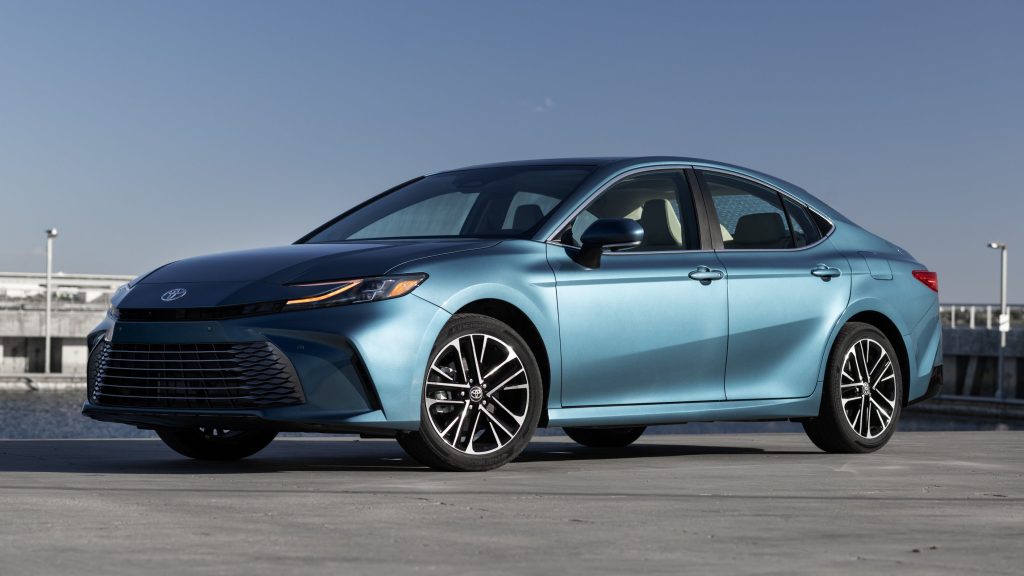
Ownership cost and service flexibility reinforce its appeal. Parts are inexpensive, service is widely available, and nearly any independent shop can handle routine maintenance. That matters when owners want minimal time spent on car care during limited seasonal stays.
This car is written about because it remains dependable without attention. The Toyota Camry doesn’t resent being parked it tolerates it. For snowbirds seeking peace of mind and low ownership stress in Naples, that reliability is invaluable.
4. Honda CR-V
The Honda CR-V is an excellent choice for Naples snowbird buyers because it balances ease of use, mechanical simplicity, and long-term reliability three things that matter more than flash in seasonal ownership.
Comfort and accessibility come first. The CR-V’s seating height makes entry and exit easy, which is especially valuable for snowbirds who prioritize convenience over sportiness. The ride is compliant and forgiving, ideal for Naples’ relaxed pace and frequent short trips.
From a storage perspective, the CR-V is notably tolerant. Many trims use naturally aspirated engines paired with conventional transmissions, which are less sensitive to months of inactivity than turbocharged or dual-clutch setups.
Owners returning after storage are far more likely to find a smooth restart rather than warning lights or drivability issues.
Electrical simplicity is another advantage. Honda’s conservative electrical architecture reduces parasitic battery drain, lowering the chance of a dead battery after extended parking. Even if a battery replacement is needed, it’s inexpensive and widely available.
The CR-V also handles coastal Florida conditions well. Interior materials resist humidity-related degradation, seals hold up against heat, and air-conditioning systems are proven in warm climates. These traits matter when cars spend long periods parked in garages or near the coast.
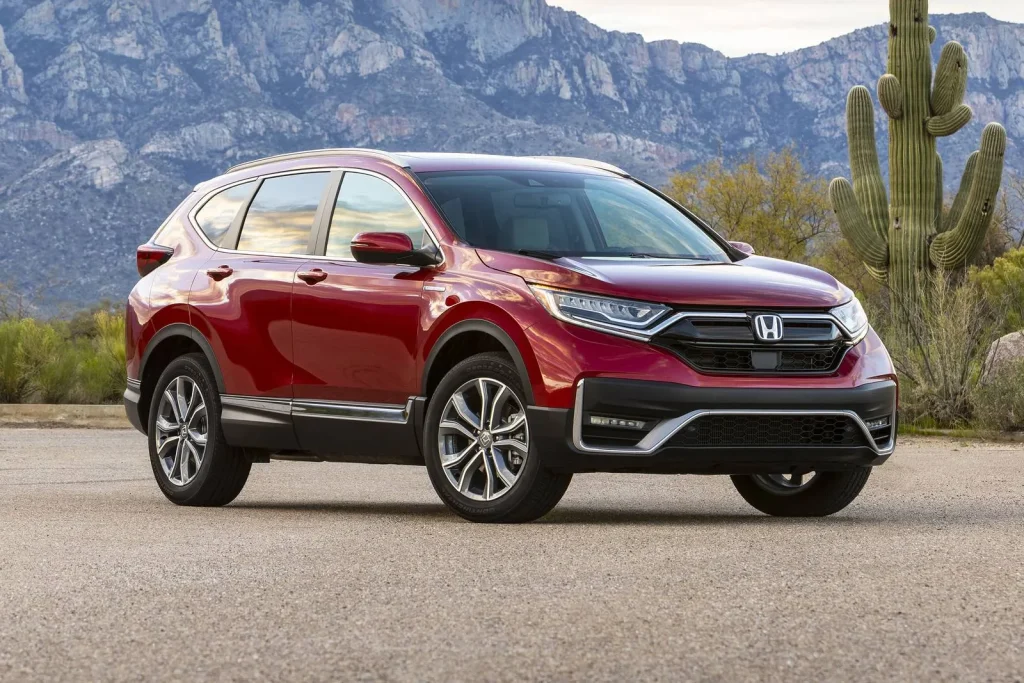
This car is written about because it forgives seasonal use. The Honda CR-V doesn’t demand frequent driving to stay healthy. For Naples snowbirds who want worry-free transportation that simply works when they return, it’s a smart and dependable choice.
5. Buick Encore GX
The Buick Encore GX rounds out the list as a quiet, comfortable, and storage-friendly option tailored well to snowbird lifestyles. It’s written about here because it prioritizes comfort and ease rather than performance complexity.
Ride quality is one of the Encore GX’s strongest assets. Suspension tuning favors smoothness over sharp handling, making low-speed Naples driving relaxed and comfortable. The cabin is quiet, which suits scenic coastal trips and daily errands.
Storage tolerance is better than many expect. While some trims use turbocharged engines, the Encore GX avoids overly complex drivetrains and excessive electronics. When properly stored, it typically reactivates without the cascade of warning lights seen in more tech-dense vehicles.
Interior durability matters in coastal Florida, and Buick’s material choices hold up well against humidity and sun exposure. Seats, trim, and seals age gracefully when the car sits unused for extended periods.
Ease of ownership is another reason this car belongs here. The Encore GX is affordable to buy, inexpensive to insure, and simple to service. Independent shops can handle most maintenance, allowing snowbirds to avoid dealership dependency during short seasonal stays.
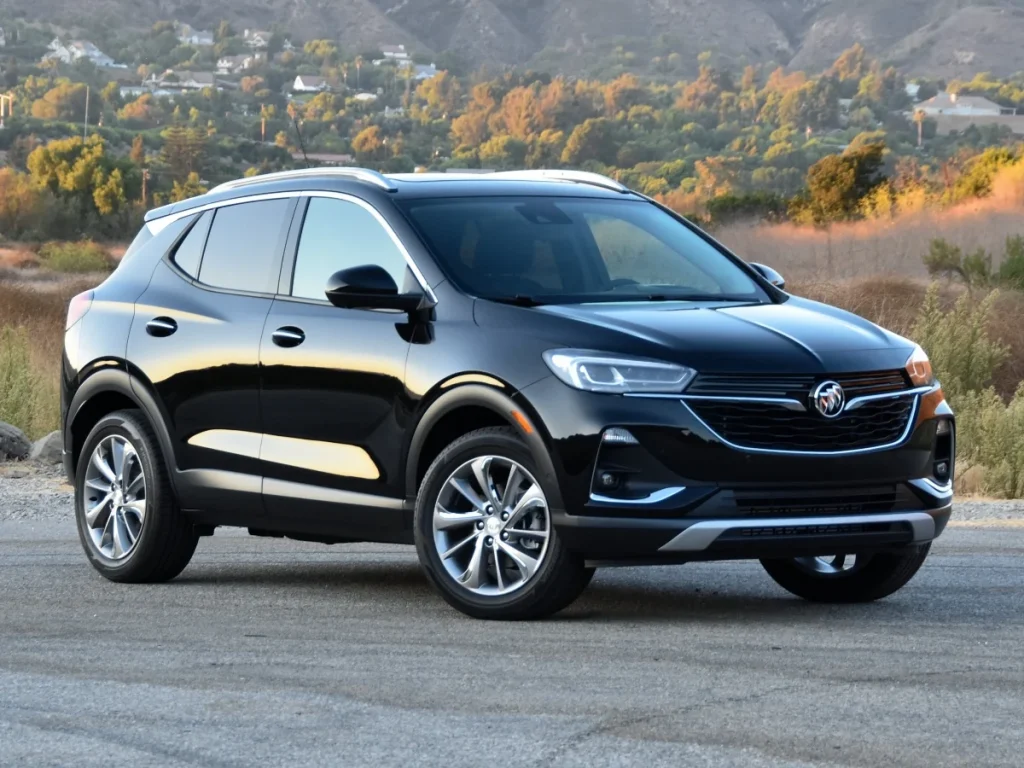
This car is written about because it aligns with snowbird priorities. The Buick Encore GX offers comfort, simplicity, and low-stress ownership qualities that matter far more than speed or prestige in Naples seasonal living.
5 That Don’t Store Well Long-Term
Long-term vehicle storage sounds simple park it, cover it, and come back later but in Naples, storage is one of the most punishing use cases a car can face.
Heat, humidity, salt air, and months of inactivity combine to expose weaknesses in modern vehicle design. Cars that thrive on daily use often develop problems when left untouched for extended periods.
This section focuses on cars that don’t store well long-term, particularly under snowbird ownership patterns.
Many of these vehicles rely heavily on complex electronics, turbocharged engines, high-draw electrical systems, or sensitive drivetrains that expect frequent operation. When they sit idle, batteries drain, seals dry out, fluids degrade, and software modules lose calibration.
Humidity accelerates these issues. Electrical connectors corrode, sensors misbehave, and interior materials deteriorate faster than in dry climates. When owners return after months away, these cars often greet them with warning lights, rough idle, or immediate service needs turning the start of the season into a repair appointment.
Another factor is design intolerance for inactivity. Some vehicles actively manage systems even while parked, drawing small but constant power. Over weeks or months, that drain leaves batteries deeply discharged, which can damage electrical systems and trigger cascading faults.
This section is written to help snowbirds avoid vehicles that resent being parked. In Naples, the best storage car is the one that wakes up calmly. The worst ones punish owners for taking a break.
We begin with a luxury sedan that illustrates these problems clearly.
1. BMW 5 Series
The BMW 5 Series is a prime example of a car that does not store well long-term, and it’s written about here because seasonal inactivity exposes its biggest weaknesses.
The core issue is electronic complexity. The 5 Series uses dozens of interconnected control modules that remain partially active even when the car is parked.
Over long storage periods, this creates parasitic battery drain that often leaves owners returning to a dead or deeply discharged battery. Once voltage drops too low, multiple systems can throw errors simultaneously.
Humidity makes matters worse. Naples’ coastal air accelerates corrosion in electrical connectors and sensors. After months of sitting, owners frequently encounter warning lights for drivetrain, suspension, or driver-assistance systems often without any mechanical failure.
Mechanical sensitivity adds another layer. Turbocharged engines and tightly sealed systems rely on regular operation to keep seals lubricated. Long inactivity can lead to oil seepage, rough idle on restart, and increased wear during the first few drives.
Repair economics amplify frustration. Diagnosing storage-related faults often requires dealer-level diagnostics, and clearing multiple warning lights can become expensive even when no major components are broken.
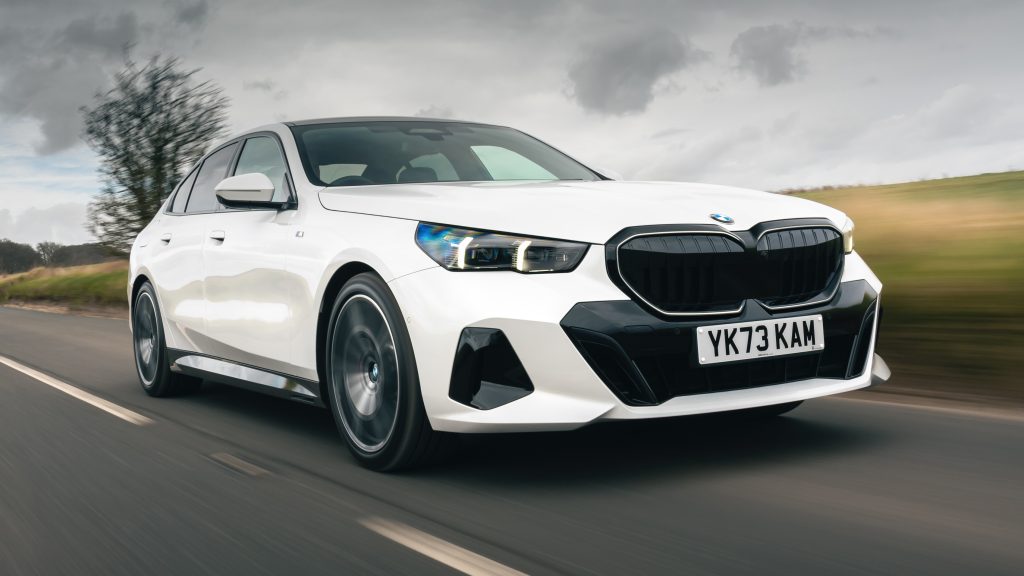
This car is written about because it punishes inactivity. While the BMW 5 Series excels as a daily driver, Naples snowbird storage turns its sophistication into liability, making it a poor match for long-term seasonal parking.
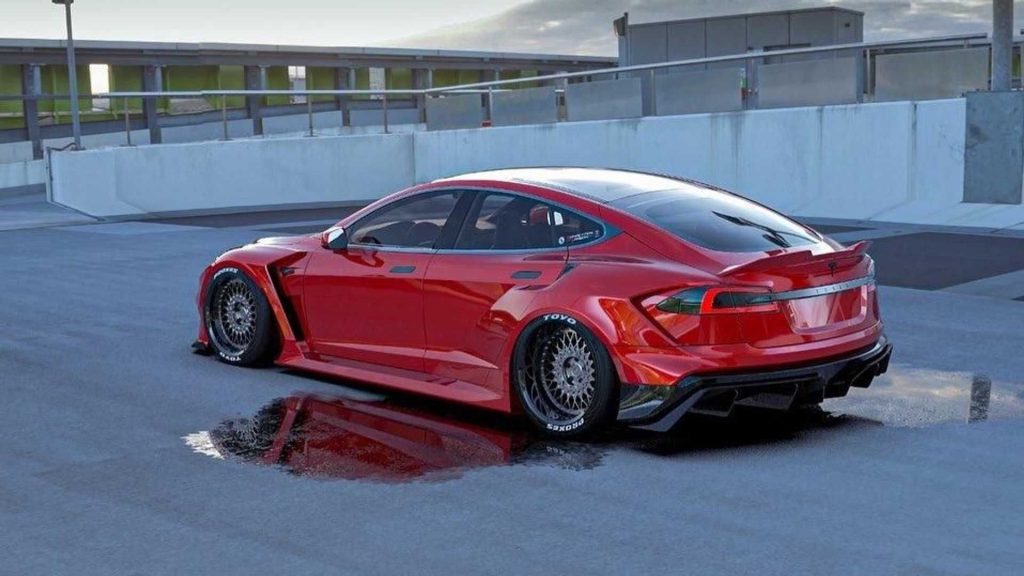
2. Tesla Model S
The Tesla Model S is a poor match for long-term storage in Naples, and it’s written about here because seasonal inactivity exposes weaknesses that daily EV use usually hides.
The biggest issue is battery management during inactivity. While Teslas are designed to manage themselves, the Model S continuously draws power for system checks, connectivity, and thermal management.
Over weeks or months of storage, this parasitic drain can significantly reduce battery charge. If owners don’t actively monitor the vehicle remotely, they may return to a low or deeply discharged battery something that can permanently reduce battery health.
Heat and humidity further complicate matters. Naples’ warm climate forces the battery’s thermal management system to work even while parked, increasing energy loss. If charge levels fall too low, the car may disable features or require service intervention before it can be driven normally again.
Software dependence is another challenge. Long periods offline or inactive can trigger delayed updates, calibration errors, or system alerts once the car is reactivated. Snowbirds returning after months away often face warning messages or limited functionality until updates are completed.
Charging logistics add stress. If the battery depletes significantly during storage, owners may require specialised assistance or extended charging time to get the car operational again.
This car is written about because it requires active ownership even when parked. For Naples snowbirds who want to leave a car untouched for months, the Tesla Model S demands more attention than seasonal living allows.
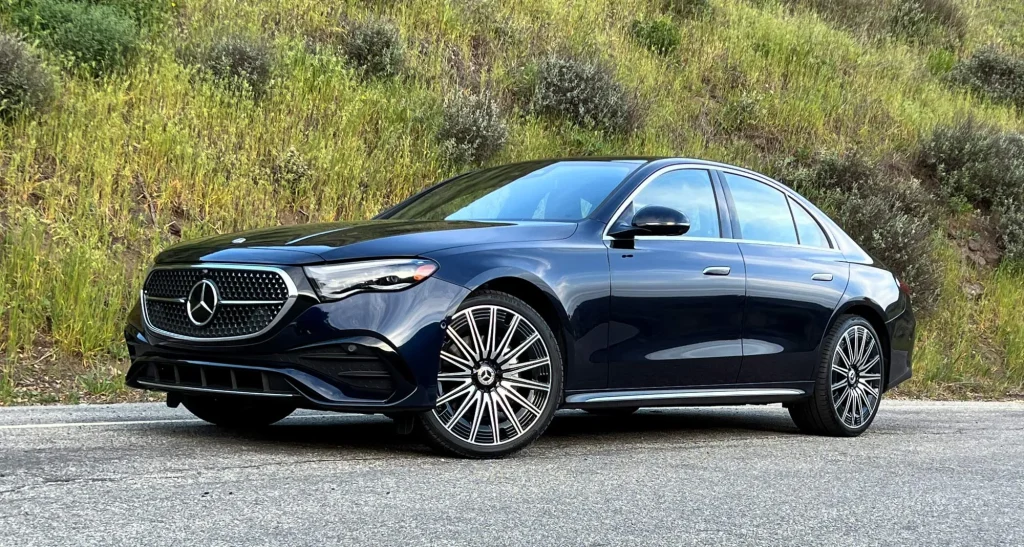
3. Mercedes-Benz E-Class
The Mercedes-Benz E-Class is another vehicle that struggles with long-term storage, and it’s written about here because its advanced systems don’t tolerate inactivity well especially in a humid coastal environment.
The E-Class relies heavily on sophisticated electronics, comfort systems, and driver-assistance technologies. Even when parked, many of these systems draw small amounts of power, leading to battery drain over extended storage periods. Snowbirds frequently return to dead batteries or low-voltage warnings.
Humidity exacerbates these problems. Electrical connectors, sensors, and control modules are sensitive to moisture, and Naples’ coastal air accelerates corrosion and signal interference. When owners return, they often encounter warning lights related to suspension, braking systems, or electronics even if no mechanical damage exists.
Air suspension (on equipped models) adds another layer of storage sensitivity. Extended inactivity can lead to pressure loss, uneven ride height, or system faults that require recalibration or repair.
Restarting after storage can also be rough. Vehicles that sit unused for months may experience stiff seals, noisy components, or inconsistent drivability during the first few trips.
This car is written about because it is expected to be used regularly. While the Mercedes-Benz E-Class excels as a daily luxury sedan, Naples-style long-term storage turns its sophistication into a source of frustration and expense.
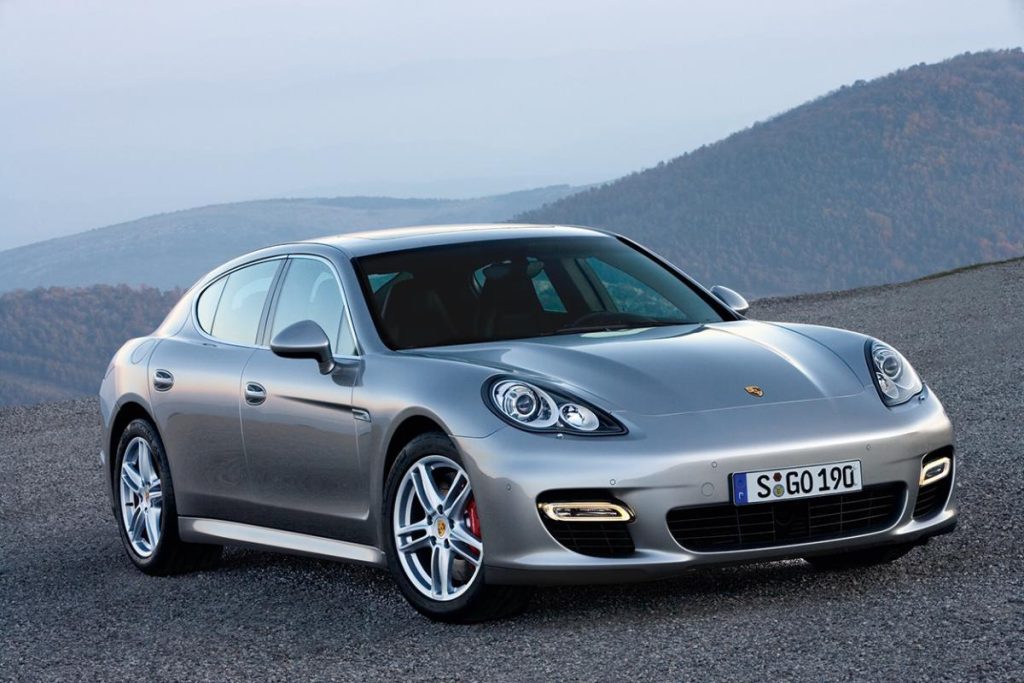
4. Porsche Panamera
The Porsche Panamera is a car that performs brilliantly when driven regularly, but it does not tolerate long-term storage well especially in Naples’ warm, humid coastal environment. It’s written about here because seasonal inactivity exposes the downsides of its complexity.
The Panamera’s biggest issue is system density. With advanced suspension options, performance electronics, and tightly integrated software, the car expects frequent operation to keep systems calibrated. When parked for months, batteries drain faster than expected, often triggering cascading warning lights upon restart.
Humidity accelerates problems. Electrical connectors, sensors, and modules are sensitive to moisture, and salt-laced coastal air increases the risk of corrosion. Owners returning after storage frequently encounter alerts related to suspension, drivetrain, or driver-assistance systems even when no physical damage exists.
Mechanical systems also dislike sitting idle. Performance-oriented engines rely on regular heat cycles to keep seals lubricated. After long storage, cold starts can feel rough, and minor leaks or noises are more common during the first drives back.
Repair economics make matters worse. Diagnosing storage-related faults often requires Porsche-specific diagnostics and dealer intervention. Clearing warning lights alone can be costly, even if no major parts need replacement.
This car is written about because it demands engagement. The Porsche Panamera is exceptional when used often, but for Naples snowbirds who leave cars parked for months, it turns seasonal ownership into an expensive, stressful ritual.
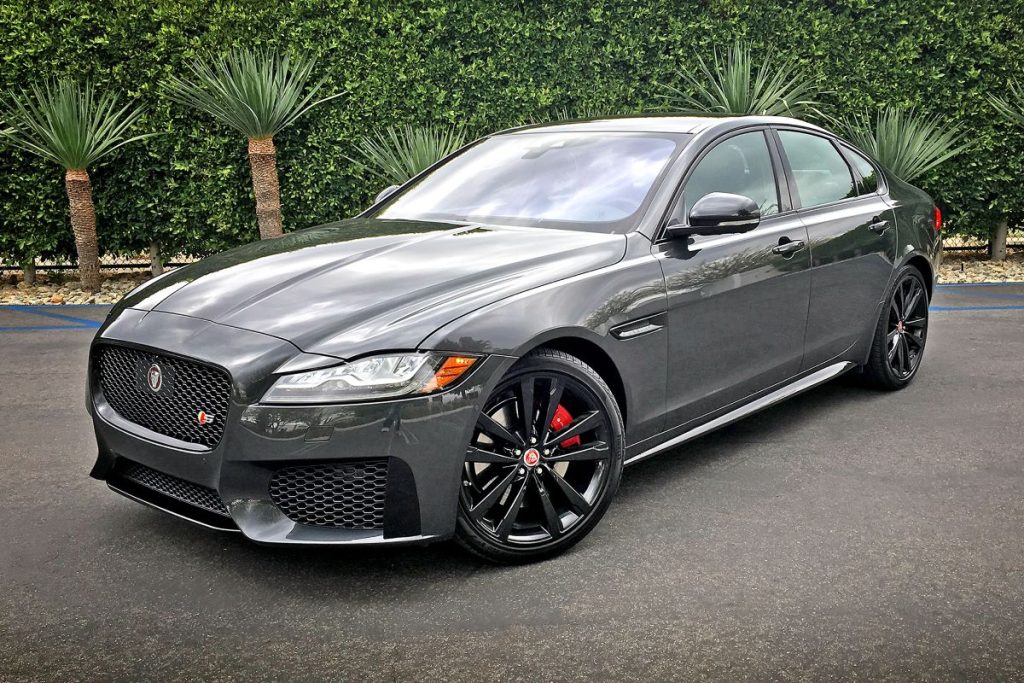
5. Jaguar XF
The Jaguar XF rounds out the list as a vehicle that struggles significantly with long-term storage. It’s written about here because inactivity highlights its long-standing sensitivity to electrical and environmental factors.
Electrical reliability is the XF’s biggest weakness in storage. The car relies on numerous interconnected modules that draw power even when parked. Over months, this leads to deep battery discharge, which can confuse systems and trigger widespread warning lights upon restart.
Naples’ humidity compounds these issues. Electrical connectors and sensors are particularly susceptible to moisture intrusion, increasing the likelihood of false fault codes and intermittent failures after storage.
Mechanical tolerance is also limited. Engines and transmissions in the XF prefer regular operation. Extended inactivity can lead to rough running, delayed responses, and premature component wear during the first weeks back on the road.
Service access further complicates ownership. Diagnosing and resolving storage-related problems often requires specialized tools and dealer expertise. Parts availability and repair timelines can stretch longer than snowbirds expect during their limited seasonal stays.
This car is written about because it penalizes absence. While stylish and enjoyable when driven regularly, the Jaguar XF becomes unpredictable and costly when left unused, making it a poor fit for Naples snowbird storage.
