
Parkersburg driving is defined by balance. It’s not a dense metro, but it isn’t rural isolation either. Daily life involves short city trips, river-adjacent roads, rolling hills, and steady commuting that racks up mileage year after year. In this kind of environment, cars are expected to last, not impress, and value matters long after the purchase.
This article looks at two sides of ownership that matter deeply in Parkersburg. First, it highlights cars that make excellent daily drivers vehicles that handle hills confidently, stay comfortable on uneven pavement, tolerate winter weather, and remain affordable to own over long periods. These are cars people keep for years, sometimes decades, because they simply work.
Second, it examines cars that don’t hold value well. Some vehicles depreciate quickly due to weak demand, reliability concerns, high repair costs, or changing buyer preferences. In a market like Parkersburg, where resale value and long-term ownership costs matter more than trends, these cars quietly cost owners thousands over time.
The goal isn’t to label cars as good or bad universally, but to match vehicles to local ownership reality. Parkersburg drivers tend to buy sensibly, maintain their cars, and expect resale value when it’s time to move on. Vehicles that fail on depreciation or durability don’t just lose money, they disrupt financial planning.
By separating dependable daily drivers from vehicles that bleed value, this guide helps buyers choose cars that fit Parkersburg’s long-view mindset. Here, the smartest car isn’t the newest or flashiest, it’s the one that still makes sense five or ten years down the road.
Also Read: 5 Cars for Mobile Coastal Life and 5 That Corrode in Salt Air
5 Cars for Parkersburg Daily Drivers
Daily driving in Parkersburg rewards vehicles that are stable, durable, and cost-conscious. Hills demand reliable power delivery, winter weather requires traction and predictability, and long ownership cycles favor cars that age gracefully.
The cars in this section are chosen because they meet those needs without excess complexity. They handle mixed driving downtown errands, highway stretches, and rural roads with equal confidence. Suspension tuning matters here, as uneven pavement and elevation changes punish overly stiff or fragile setups.
Reliability and service access also play a major role. Parkersburg drivers value vehicles that can be serviced locally, without dealer-only diagnostics or rare parts. Cars that tolerate routine maintenance schedules and remain dependable as miles accumulate save owners both money and stress.
Resale value matters even for daily drivers. Vehicles that retain demand in used markets protect owners’ investment, especially in regions where people trade cars privately or keep them within families.
Each car in this list is written about because it fits Parkersburg’s ownership culture. These are vehicles that make sense to buy, live with, and eventually sell without unpleasant surprises.
We begin with one of the most trusted daily drivers in America.
1. Toyota Corolla
The Toyota Corolla is exceptionally well-suited for Parkersburg daily driving, and it’s written about here because it consistently delivers what local owners value most: reliability, affordability, and long-term usefulness.
Size and manoeuvrability are immediate advantages. The Corolla handles downtown streets and parking easily while remaining stable on highways and hilly roads. Steering is predictable, which matters when navigating elevation changes or winter conditions.
Fuel efficiency supports daily use without financial strain. Parkersburg drivers often rack up steady mileage, and the Corolla keeps operating costs low without sacrificing drivability. Stop-and-go traffic, short trips, and longer commutes are all handled efficiently.
Reliability is the Corolla’s defining trait. It tolerates long ownership cycles and imperfect conditions better than most competitors. Engines and transmissions are proven, parts are widely available, and nearly every independent shop can service them. That accessibility matters greatly in smaller markets.
Winter performance is also respectable. While not a performance vehicle, the Corolla’s traction control and balanced chassis provide confidence on slippery roads when paired with appropriate tires.

Resale value further strengthens its case. Used Corollas remain in demand, protecting owners from steep depreciation. In Parkersburg, where cars are often sold locally or passed along within families, that retained value matters.
This car is written about because it respects the long view. The Toyota Corolla doesn’t just work today, it continues to make sense years down the road, which is exactly what Parkersburg’s daily drivers expect.
2. Honda Civic
The Honda Civic is a natural fit for Parkersburg’s daily driving, and it’s written about here because it balances efficiency, durability, and long-term value better than most compact cars. In a town where people keep cars for years and expect them to behave predictably, the Civic has earned deep trust.
On Parkersburg’s rolling terrain, the Civic feels confident and responsive without being aggressive.
Power delivery is smooth, making hill climbs and merges easy without forcing the engine to work hard. Steering remains stable on winding river roads while staying light enough for downtown errands and parking.
Ride quality also works well for local conditions. Parkersburg roads vary in quality, especially after winter, and the Civic’s suspension absorbs uneven pavement without feeling harsh or fragile. This matters for drivers who commute daily and don’t want a car that feels worn out after a few seasons.
Ownership practicality is one of the Civic’s biggest strengths. Maintenance costs are reasonable, parts availability is excellent, and nearly any independent shop can service it. That accessibility keeps long-term ownership affordable and stress-free an important consideration in smaller markets.
Fuel efficiency supports steady daily use. Whether driving short distances around town or longer stretches outside city limits, the Civic keeps operating costs low without sacrificing comfort or reliability.
Resale value is another reason this car belongs here. Civics hold demand well in used markets, protecting owners from steep depreciation. In Parkersburg, where vehicles are often sold privately or passed along within families, that retained value matters.
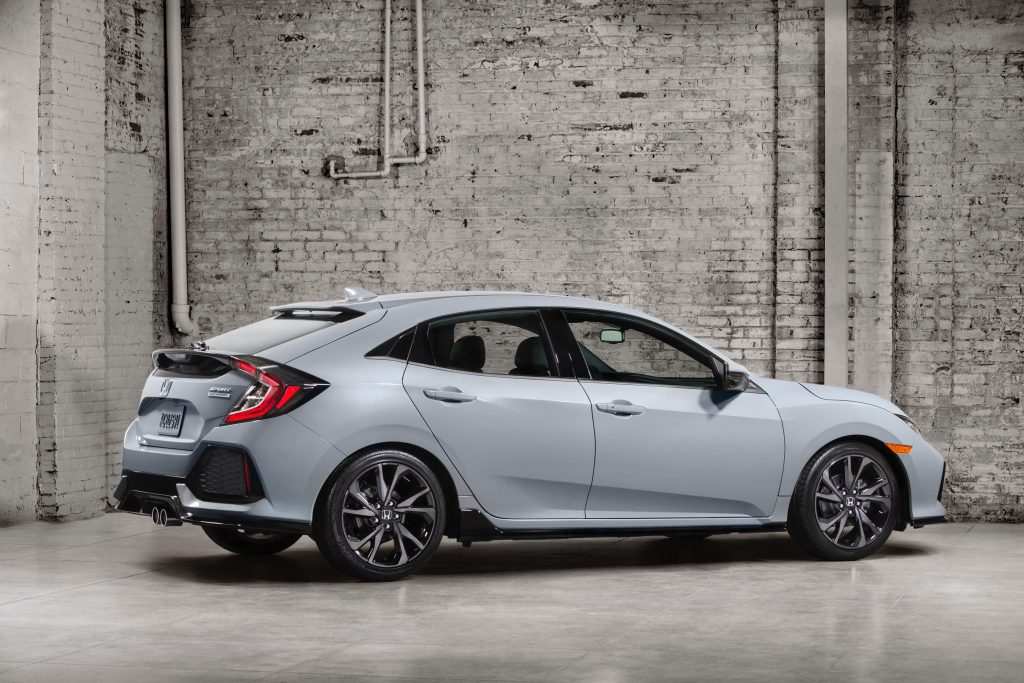
This car is written about because it rewards responsible ownership. The Honda Civic fits Parkersburg’s daily-driving needs by staying reliable, efficient, and financially sensible over the long haul.
3. Subaru Outback
The Subaru Outback earns its place as a Parkersburg daily driver because it’s built for varied conditions exactly what the region delivers year-round. It’s written about here because it handles hills, winter weather, and long ownership cycles with confidence.
All-wheel drive is a major advantage in Parkersburg. Snow, rain, and slick hills are part of local driving, and the Outback’s full-time AWD system provides consistent traction without requiring driver input. This inspires confidence during winter commutes and wet conditions alike.
Ride comfort is another strength. The Outback’s suspension is tuned for compliance, smoothing out rough pavement and uneven roads common in river-adjacent areas. Long drives remain comfortable, and daily commuting feels relaxed rather than tiring.
Practicality adds to its appeal. The Outback’s cargo space and flat load floor make it easy to handle groceries, equipment, or weekend projects without stepping into full-size SUV territory. For Parkersburg drivers who value versatility, this balance matters.
Reliability and service access support long-term ownership. Subaru’s mechanical layout is familiar to local shops, parts are accessible, and the vehicle is designed to handle high mileage when maintained properly.
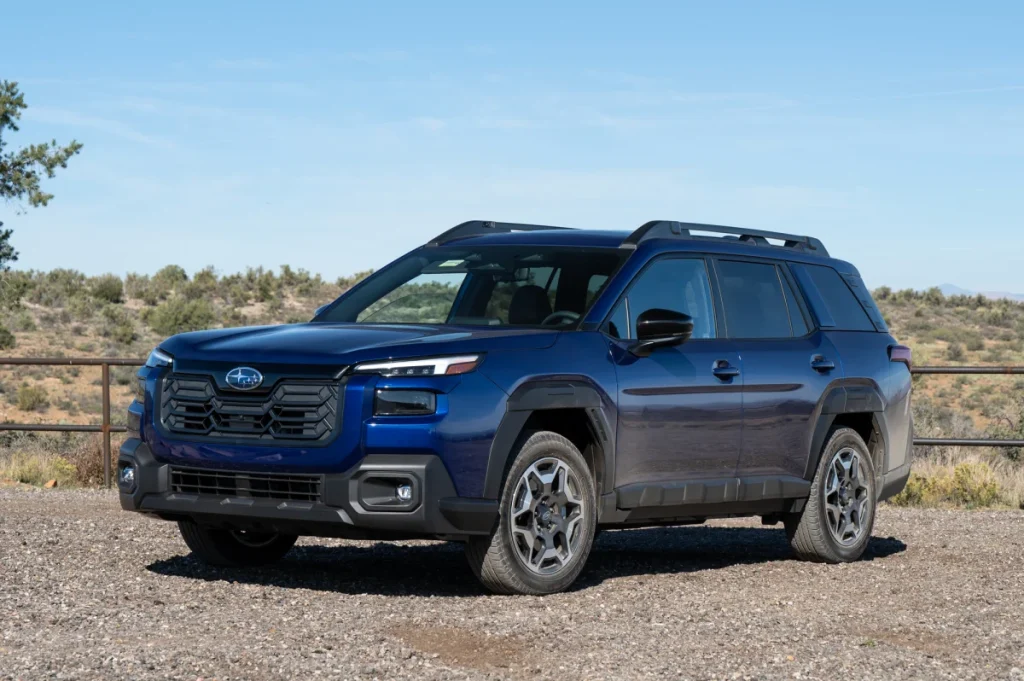
Resale value remains strong in regions where AWD is valued. Used Outbacks are consistently in demand, helping owners retain value over time.
This car is written about because it matches Parkersburg’s environment. The Subaru Outback delivers stability, comfort, and durability qualities that make it a dependable daily companion year after year.
4. Toyota RAV4
The Toyota RAV4 is an excellent daily driver for Parkersburg because it blends reliability, practicality, and steady resale value in a way that fits local ownership habits. It’s written about here because many drivers want one vehicle that handles commuting, errands, and changing weather without complication.
On Parkersburg’s mixed roads downtown streets, river routes, and hillier outskirts, the RAV4 feels stable and predictable.
Steering is light at low speeds, which helps with parking and errands, while highway behavior remains calm and confidence-inspiring. The vehicle doesn’t feel stressed when climbing grades or cruising at steady speeds.
Ride comfort suits long-term use. The RAV4’s suspension absorbs rough pavement and winter wear without feeling soft or disconnected. That balance matters for daily drivers who encounter uneven surfaces year-round and want a vehicle that doesn’t feel worn out prematurely.
Reliability is central to why this car belongs here. Toyota’s track record with the RAV4 is strong, and its engines and transmissions are designed for longevity rather than complexity. Parts are easy to source, and nearly any independent shop in the Parkersburg area can handle maintenance and repairs affordably.
Practicality further strengthens its appeal. The RAV4 offers generous cargo space for groceries, tools, or weekend projects without becoming cumbersome to drive. Entry and exit are easy, which adds comfort during frequent daily use.

Resale value is another important factor. Used RAV4s remain in high demand, helping owners retain value when it’s time to sell or trade. In Parkersburg, where buyers often think long-term, that protection against depreciation matters.
This car is written about because it fits everyday reality. The Toyota RAV4 offers dependable daily transportation that stays sensible to own, maintain, and resell exactly what Parkersburg drivers appreciate.
5. Ford Escape
The Ford Escape rounds out the list as a practical, accessible daily driver that aligns well with Parkersburg’s needs. It’s written about here because it offers familiarity, service accessibility, and reasonable ownership costs key factors in smaller markets.
Driving manners suit daily use well. The Escape feels easy to maneuver around town while remaining stable on highways and hilly roads. Throttle response is predictable, making stop-and-go driving and hill climbs feel controlled rather than strained.
Ride quality supports long-term commuting. The Escape’s suspension smooths out rough patches and road imperfections without feeling overly stiff. For drivers who spend time on varied pavement, that comfort reduces fatigue over the years.
Service access is one of the Escape’s strongest advantages. Ford has a wide service network, and parts availability is excellent. Independent shops in and around Parkersburg are very familiar with the Escape, keeping repair costs reasonable and downtime minimal.
Ownership costs remain manageable. Insurance rates are generally moderate, fuel economy is competitive for the segment, and routine maintenance doesn’t require specialized tools or dealer-only diagnostics.
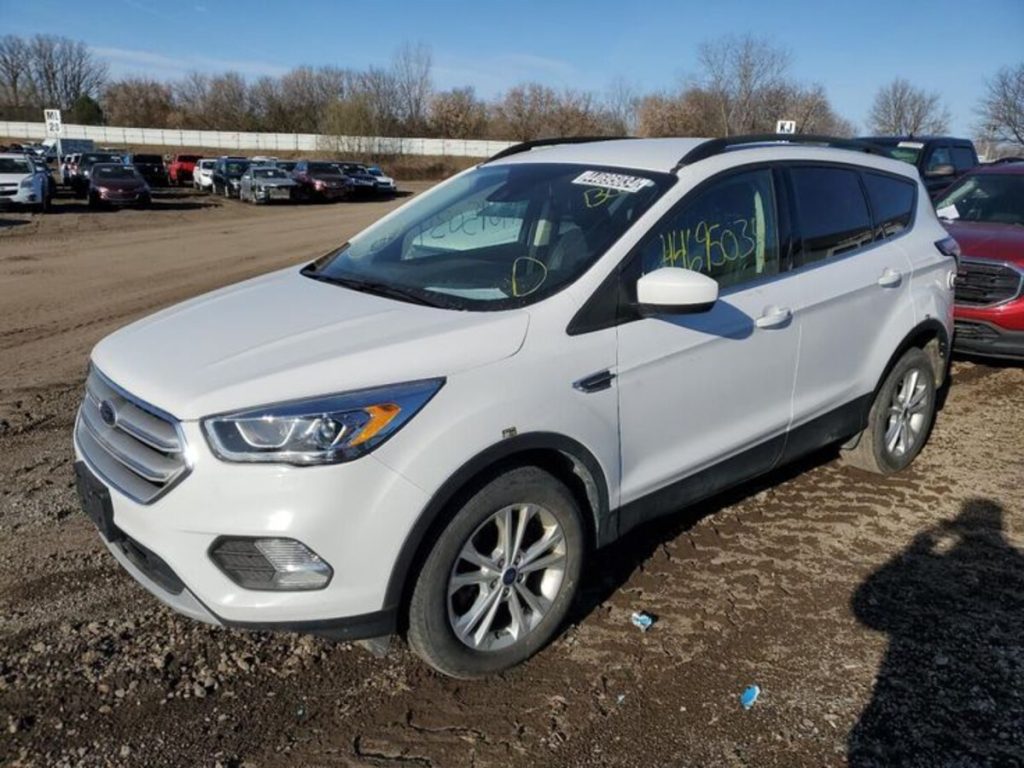
Resale value, while not class-leading, remains solid due to strong local familiarity with the brand. Buyers know what the Escape is and what to expect, which helps maintain demand in used markets.
This car is written about because it offers dependable familiarity. The Ford Escape may not be flashy, but for Parkersburg daily drivers seeking predictable ownership and easy service, it remains a sensible and trustworthy choice.
5 That Don’t Hold Value
In Parkersburg, depreciation isn’t an abstract concept it’s personal. Many buyers plan to keep vehicles for years, sell privately, or trade locally, where reputation and practicality matter more than hype. Cars that lose value quickly don’t just hurt on paper; they translate into real financial loss when it’s time to sell or move on.
This section focuses on cars that don’t hold value well, particularly in regions like Parkersburg. Several factors drive poor resale here: reliability concerns that spread quickly in smaller markets, high repair or maintenance costs, limited local service familiarity, and shifting buyer preferences away from complexity or niche appeal.
Another major issue is ownership mismatch. Cars designed for trends performance trims, luxury tech, or experimental powertrains often depreciate rapidly once warranties expire. In Parkersburg, where buyers prefer proven durability and ease of repair, those vehicles struggle to find second owners willing to take on risk.
Market visibility matters too. Cars with weak brand perception locally or inconsistent reliability histories tend to sit longer when listed for sale, forcing owners to lower prices. In contrast, vehicles with strong reputations move quickly and predictably.
This section is written to help buyers avoid vehicles that quietly bleed value over time. In Parkersburg, holding value isn’t about prestige, it’s about trust, familiarity, and long-term usability.
We begin with a midsize sedan that illustrates depreciation challenges clearly.
1. Chrysler 200
The Chrysler 200 is a textbook example of a car that doesn’t hold value well in Parkersburg, and it’s written about here because its depreciation pattern is steep and persistent in smaller markets.
One major issue is brand confidence. Chrysler’s inconsistent reliability reputation hurts resale value, especially in towns where word-of-mouth matters. Buyers are cautious, and that caution directly reduces demand for used models like the 200.
Mechanical concerns further accelerate depreciation. Transmission and electrical issues have affected long-term confidence, even among well-maintained examples. In a region where buyers expect cars to last well beyond warranty periods, that uncertainty pushes prices down.
Service access also plays a role. While parts are available, many local buyers prefer vehicles with stronger track records and broader independent-shop familiarity. When resale buyers anticipate higher maintenance risk, they negotiate aggressively or walk away entirely.
Interior quality and aging don’t help either. As the Chrysler 200 ages, materials and electronics tend to show wear faster than competitors, making used examples less appealing compared to similarly priced alternatives from more trusted brands.
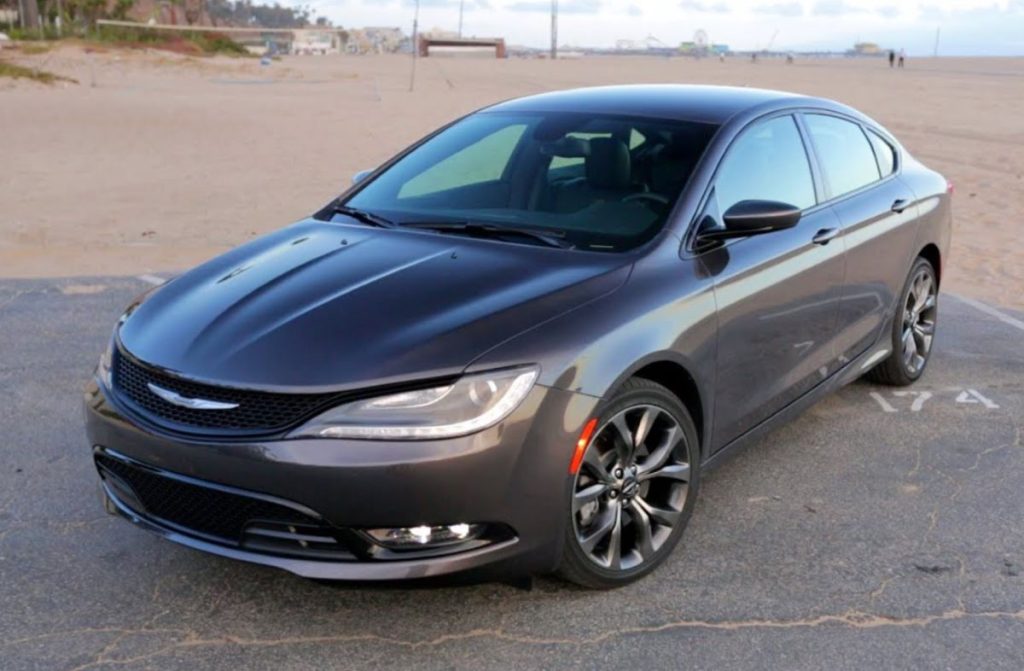
This car is written about because it loses value regardless of care. Even well-kept Chrysler 200s struggle to retain worth in Parkersburg, making them poor choices for buyers who care about long-term resale.
2. Fiat 500
The Fiat 500 is a car that struggles badly with resale value in Parkersburg, and it’s written about here because its appeal fades quickly outside dense urban markets. What looks charming at purchase often becomes a liability at resale.
Local demand is the Fiat 500’s biggest problem. Parkersburg buyers tend to value practicality, durability, and familiarity. The Fiat’s tiny size, limited rear-seat space, and niche image make it hard to place in a market where drivers want versatile daily transportation. When resale time comes, the buyer pool is extremely small.
Reliability perception accelerates depreciation. Even when individual cars are maintained well, Fiat’s uneven reliability reputation hurts confidence. In smaller markets, reputation matters more than statistics once buyers are hesitant, prices fall quickly.
Service and parts availability also undermine value. While parts exist, many independent shops are less familiar with Fiat models. Buyers anticipating dealer visits or longer repair timelines factor that risk directly into lower offers.
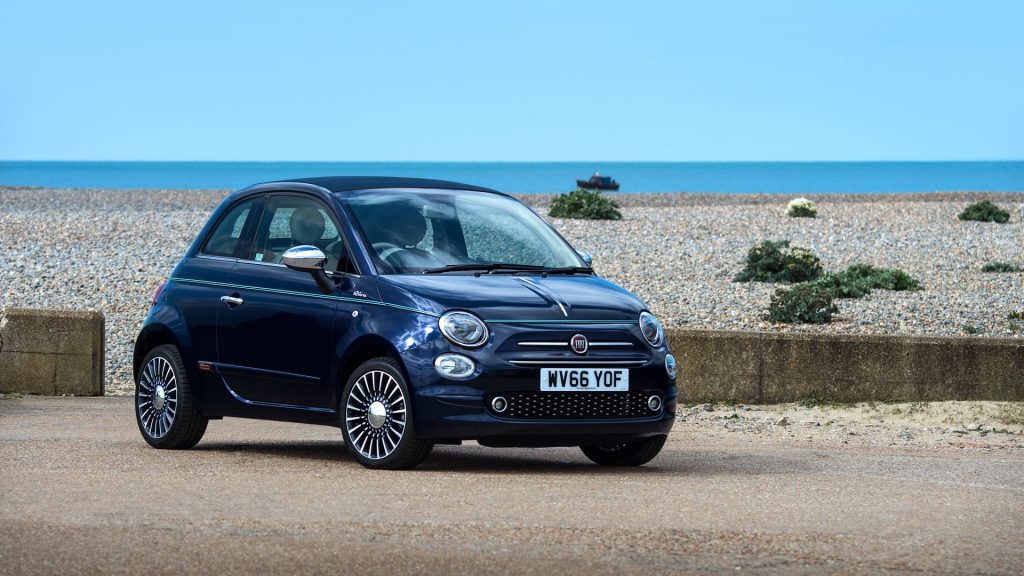
Driving characteristics further limit appeal. The Fiat 500 feels strained on hills and highways, both common in the Parkersburg area. Used buyers quickly compare it to similarly priced compact cars that feel more stable, comfortable, and capable.
This car is written about because it depreciates faster than its usefulness. In Parkersburg, the Fiat 500 often loses value well before owners feel done with it making it a poor choice for anyone thinking long-term.
3. Nissan Altima
The Nissan Altima is another vehicle that struggles to hold value in Parkersburg, and it’s written about here because its resale reputation has been damaged despite its popularity as a new car.
The primary issue is long-term reliability perception, particularly related to the CVT transmission used in many Altima models. While not every unit fails, enough high-profile issues have occurred that buyers approach used Altimas with caution especially outside warranty coverage.
In Parkersburg’s resale market, that caution translates into lower prices. Buyers compare Altimas directly with competitors like the Camry or Accord, and the Altima often loses that comparison on perceived durability alone.
Fleet and rental usage further depresses value. The Altima has been widely used in rental fleets, increasing supply in the used market. High availability combined with buyer hesitation pushes resale prices down quickly.
Interior aging also affects appeal. As mileage accumulates, cabin materials and electronics in older Altimas tend to show wear faster than rivals, making used examples less attractive when listed locally.

This car is written about because it loses buyer trust over time. In Parkersburg, where used-car buyers prioritize peace of mind, the Nissan Altima’s depreciation reflects lingering doubts that hurt resale value regardless of condition.
4. Chevrolet Malibu
The Chevrolet Malibu struggles to retain value in Parkersburg, and it’s written about here because its resale weakness shows up clearly in smaller, long-term ownership markets. While comfortable and competent as a new car, depreciation accelerates once it enters the used market.
One major factor is segment oversupply. Midsize sedans like the Malibu face shrinking demand as buyers shift toward crossovers. In Parkersburg, where practicality and resale confidence matter, sedans without standout reputations lose ground quickly. When it’s time to sell, competition is fierce and prices drop.
Reliability perception also plays a role. While many Malibus perform adequately, the model lacks the long-term durability reputation of key rivals. Buyers comparing used options often favor vehicles with stronger track records, forcing Malibu sellers to price aggressively.
Interior aging compounds depreciation. Over time, cabin materials and infotainment systems in older Malibus can feel dated compared to competitors, making resale listings less appealing even at similar mileage.
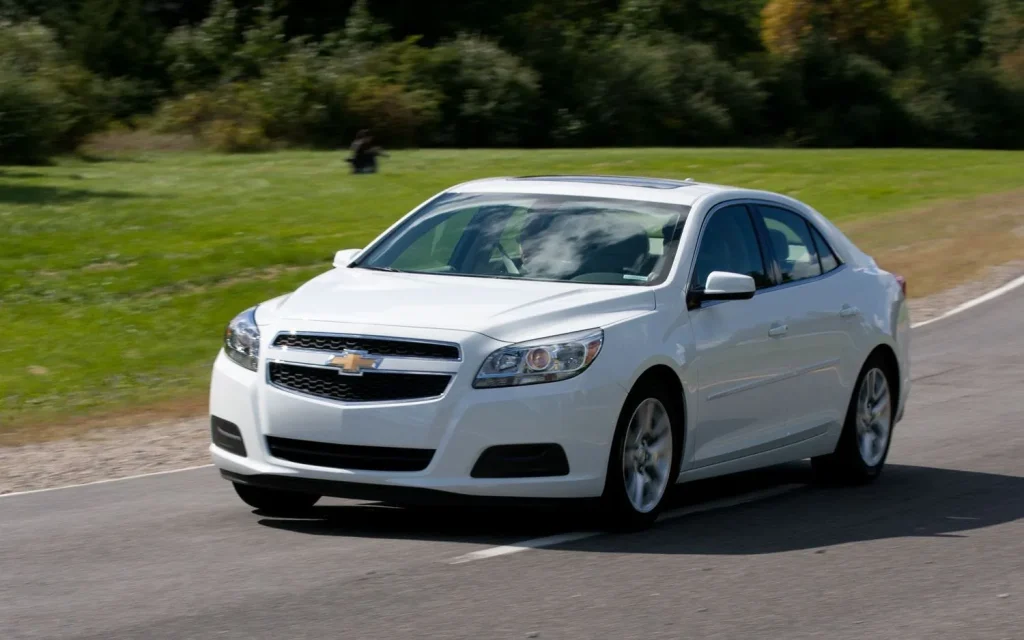
Service familiarity is mixed. While Chevrolet has broad dealer coverage, independent-shop confidence varies, and buyers anticipating higher maintenance risk negotiate lower prices.
This car is written about because it loses relevance quickly. In Parkersburg’s value-conscious market, the Chevrolet Malibu’s depreciation reflects fading demand rather than outright failure still costly for owners who plan to resell.
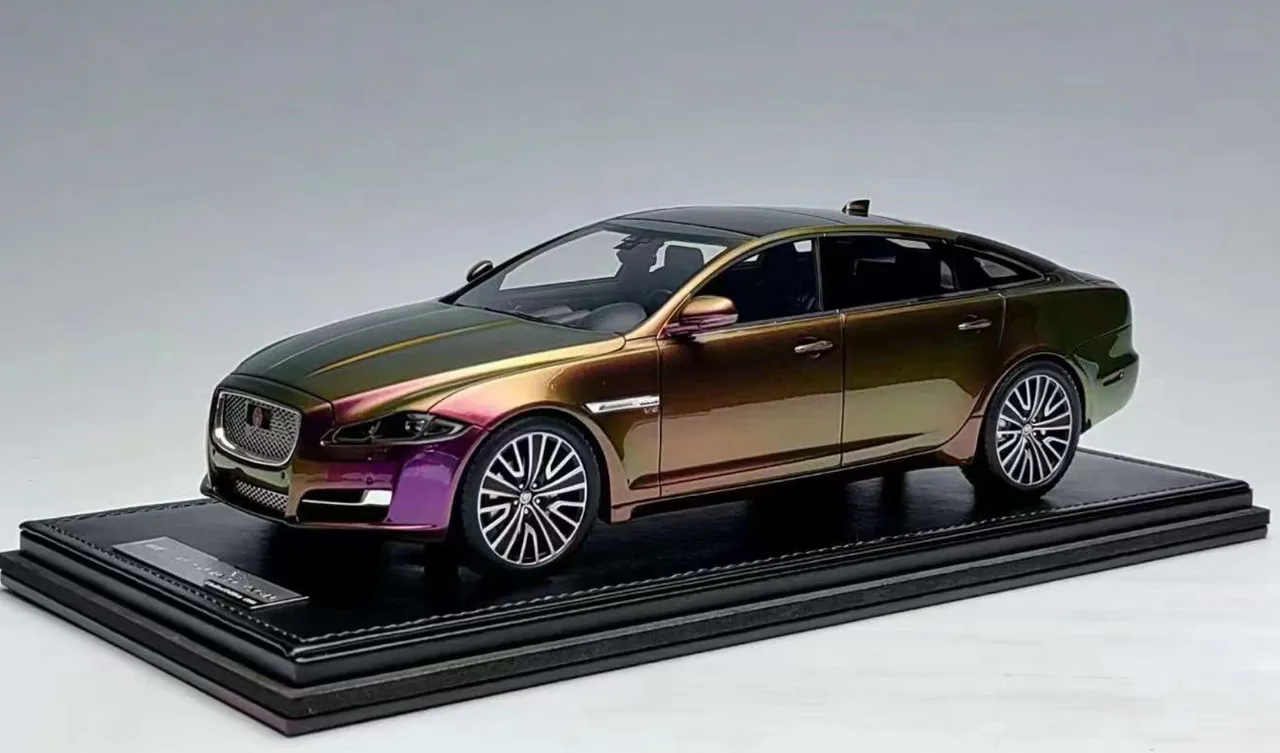
5. Jaguar XE
The Jaguar XE rounds out the list as one of the poorest value retainers in Parkersburg. It’s written about here because luxury branding alone doesn’t protect resale value when reliability perception and service access work against it.
Depreciation hits the XE early and hard. New buyers are attracted to style and performance, but used buyers in Parkersburg are wary of maintenance costs and long-term reliability. That gap between interest and confidence collapses resale prices quickly.
Service access magnifies the issue. Jaguar vehicles often require specialized diagnostics and dealer-level expertise. In smaller markets, limited service options increase buyer hesitation, directly reducing demand and resale value.
Reliability perception further undermines confidence. Even well-maintained examples struggle to overcome the brand’s uneven reputation, especially once warranties expire. Buyers anticipate higher ownership risk and price accordingly.
Parts cost and repair timelines also factor into depreciation. When potential buyers imagine expensive repairs and extended downtime, they reduce offers or avoid the car entirely.
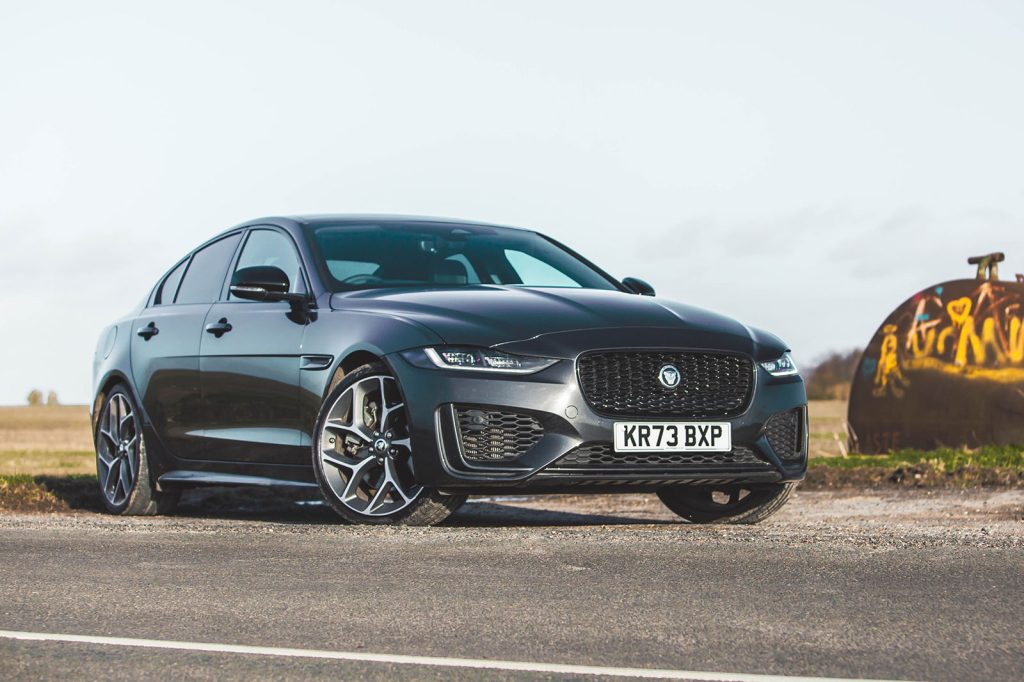
This car is written about because it loses value faster than it earns trust. In Parkersburg, where buyers value predictability over prestige, the Jaguar XE’s depreciation is steep and unavoidable.
Daily driving in Parkersburg is shaped by long ownership cycles, rolling hills, mixed city-and-rural roads, winter weather, and a strong focus on resale value. Cars here aren’t fashion statements they’re long-term tools.
This article contrasts vehicles that work well as dependable daily drivers with those that lose value quickly, showing why durability and reputation matter more than trends in smaller, value-conscious markets.
The first half focuses on cars that make excellent Parkersburg daily drivers. Vehicles such as the Toyota Corolla, Honda Civic, Subaru Outback, Toyota RAV4, and Ford Escape succeed because they balance reliability, practicality, and steady resale demand.
These cars handle hills confidently, remain stable on uneven pavement, and tolerate winter conditions when equipped properly. Their suspension tuning and predictable power delivery make daily commuting comfortable rather than stressful.
Reliability is a central theme. Parkersburg drivers often keep vehicles well beyond warranty periods, so cars with proven engines, transmissions, and widely available parts hold a clear advantage.
The recommended daily drivers can be serviced easily by local independent shops, keeping repair costs manageable and downtime low. That accessibility matters just as much as the vehicles’ initial purchase price.
Fuel efficiency and insurance affordability also support long-term ownership. While performance and luxury take a back seat, these vehicles deliver consistent operating costs that fit household budgets over many years. Practical interior layouts and usable cargo space further reinforce their suitability for everyday life.
Resale value is where these daily drivers truly separate themselves. All five models maintain strong demand in used markets, especially in regions like Parkersburg where buyers prioritize familiarity and trust.
When owners eventually sell or trade, they recover more of their investment, reinforcing why these cars make financial sense from day one.
The second half examines cars that don’t hold value well in Parkersburg. Models such as the Chrysler 200, Fiat 500, Nissan Altima, Chevrolet Malibu, and Jaguar XE depreciate rapidly due to weak reliability perception, limited local demand, or high ownership risk once warranties expire. In smaller markets, reputation spreads quickly, and even minor concerns can dramatically reduce resale prices.
Some vehicles suffer from oversupply, while others struggle with niche appeal that doesn’t match local needs.
Complex electronics, expensive parts, or limited service access further discourage second-hand buyers. As a result, owners are often forced to discount heavily to sell, absorbing losses regardless of how well the car was maintained.
The broader takeaway is that value retention in Parkersburg is driven by trust, simplicity, and long-term usability. Cars that are easy to live with and easy to resell protect owners financially. Those that introduce uncertainty even if stylish or enjoyable when new, quietly cost thousands over time.
In Parkersburg, the smartest vehicle choice isn’t about excitement or image. It’s about choosing a car that remains dependable, affordable, and desirable long after the new-car shine fades.
Also Read: 5 Cars for Athens Campus Runs and 5 Students Should Skip
