
Green Bay roads are not gentle. Long winters, constant freeze–thaw cycles, road salt, and heavy snowplows create pavement conditions that punish vehicles year after year.
Potholes open suddenly in spring, frost heaves warp lanes without warning, and uneven surfaces become everyday obstacles rather than occasional inconveniences. For local drivers, road toughness isn’t a bonus feature it’s a survival requirement.
This article examines both sides of that reality. First, it highlights cars that hold up exceptionally well on Green Bay’s rough roads, vehicles with durable suspensions, forgiving tire setups, strong wheel and bushing design, and ride characteristics that absorb punishment instead of transferring it into damage.
These are cars that tolerate potholes, broken asphalt, and winter wear without constantly visiting the repair shop.
Second, it looks at cars that struggle or outright fail on rough roads. Some are too stiffly sprung, others rely on low-profile tires, delicate suspension geometry, or components that simply aren’t designed for repeated impact.
While many of these vehicles perform well on smooth highways or urban streets, Green Bay’s road conditions expose their weaknesses quickly bent wheels, alignment issues, suspension failures, and rattling interiors.
The goal here isn’t to criticize for the sake of criticism. It’s to help buyers and owners understand how real-world road conditions affect long-term ownership. Potholes don’t just cause flat tyres they accelerate wear, increase repair costs, and quietly shorten a vehicle’s lifespan.
By covering both the durable standouts and the fragile underperformers, this guide offers practical clarity. If your daily drive involves rough pavement, winter damage, and unpredictable road surfaces, vehicle design matters more than styling, screens, or acceleration numbers. In Green Bay, road toughness is reliability.
Also Read: 5 Cars for Huntsville Tech Commuters and 5 That Cost a Fortune to Fix
5 Cars for Green Bay Pothole-Proof Picks
Green Bay drivers don’t need sports-car sharpness or ultra-stiff handling they need resilience. The cars in this section are chosen because they survive punishment that would quickly wear down lesser vehicles.
Each one has proven capable of handling potholes, frost-heaved pavement, and broken roads without constant suspension repairs or wheel damage.
Several factors define pothole-proof performance. Suspension travel matters more than stiffness. Tire sidewall height often matters more than wheel size.
Durable bushings, simple geometry, and conservative engineering tend to outperform complex setups when roads deteriorate. Vehicles built with a margin for abuse not just efficiency or speed, last longer here.
Another reason these vehicles matter is cost control. Rough roads quietly inflate ownership expenses through alignments, control arms, struts, and bent wheels.
Cars that absorb impacts instead of transmitting them reduce long-term maintenance and keep repair budgets predictable an important consideration in a climate where road damage is unavoidable.
These picks also balance comfort with toughness. A pothole-proof car shouldn’t feel harsh or punishing. The best options isolate occupants from impacts while maintaining stability and control in winter conditions. That combination keeps daily driving less fatiguing and safer during unpredictable seasons.
Each vehicle in this list is written about because it has demonstrated structural forgiveness the ability to take repeated hits without losing alignment, developing clunks, or prematurely wearing suspension components. These aren’t glamorous choices; they’re smart ones for Green Bay’s reality.
Let’s begin with a vehicle that has built a reputation on surviving the worst roads in America.
1. Subaru Outback
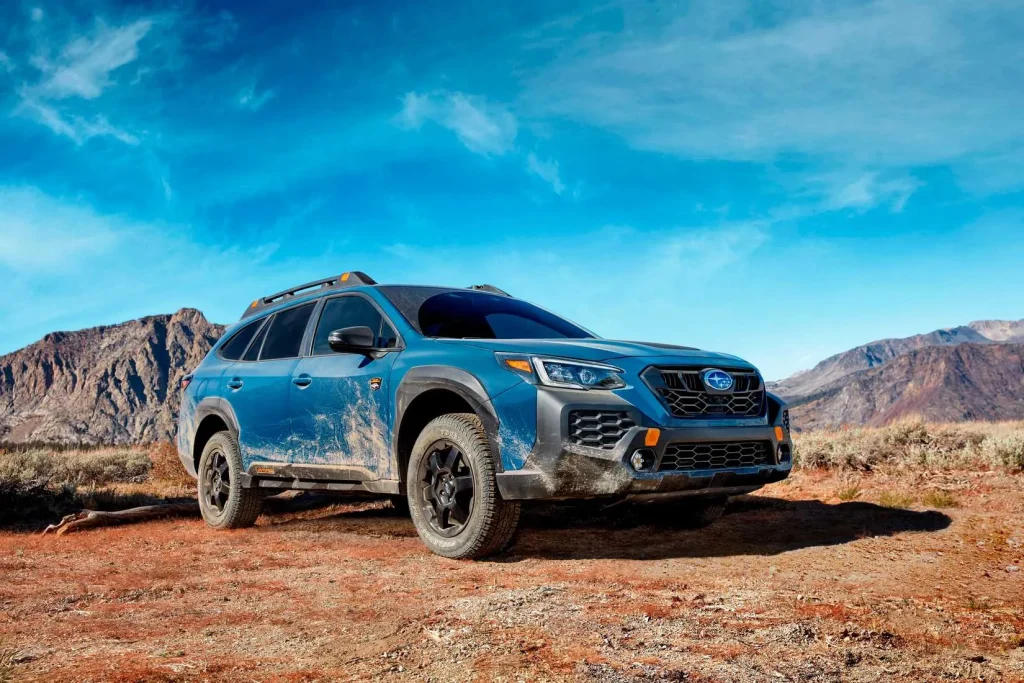
The Subaru Outback is one of the most pothole-resilient vehicles you can drive in Green Bay, and it earns that reputation through thoughtful engineering rather than brute force. It’s written about here because it consistently absorbs road damage that would punish lower, stiffer vehicles.
Ground clearance is the first advantage. The Outback sits higher than a traditional sedan, allowing it to clear broken pavement edges and frost heaves without scraping or bottoming out. That extra clearance reduces underbody strikes, which are a common source of hidden damage on rough Wisconsin roads.
Suspension tuning is where the Outback truly shines. Subaru prioritizes compliance over stiffness, giving the suspension enough travel to absorb pothole impacts instead of transferring shock directly into wheels and control arms.
This results in fewer bent rims, fewer alignment shifts, and longer-lasting suspension components critical benefits in a pothole-heavy environment.
Tire setup also contributes to durability. The Outback typically uses higher-profile tires than most crossovers, providing additional cushioning against sharp impacts. That extra sidewall acts as a first line of defense against cracked wheels and blowouts, especially during spring thaw when potholes are hardest to see.
Another reason this vehicle belongs here is consistency over time. Owners in cold-weather states routinely report high mileage with original suspension components lasting longer than expected. The Outback doesn’t feel fragile as it ages, even after years of winter abuse.
This car is written about because it matches Green Bay’s road reality. It doesn’t fight bad pavement it adapts to it. For drivers who face potholes daily rather than occasionally, the Subaru Outback offers durability without sacrificing comfort or winter confidence.
2. Toyota RAV4
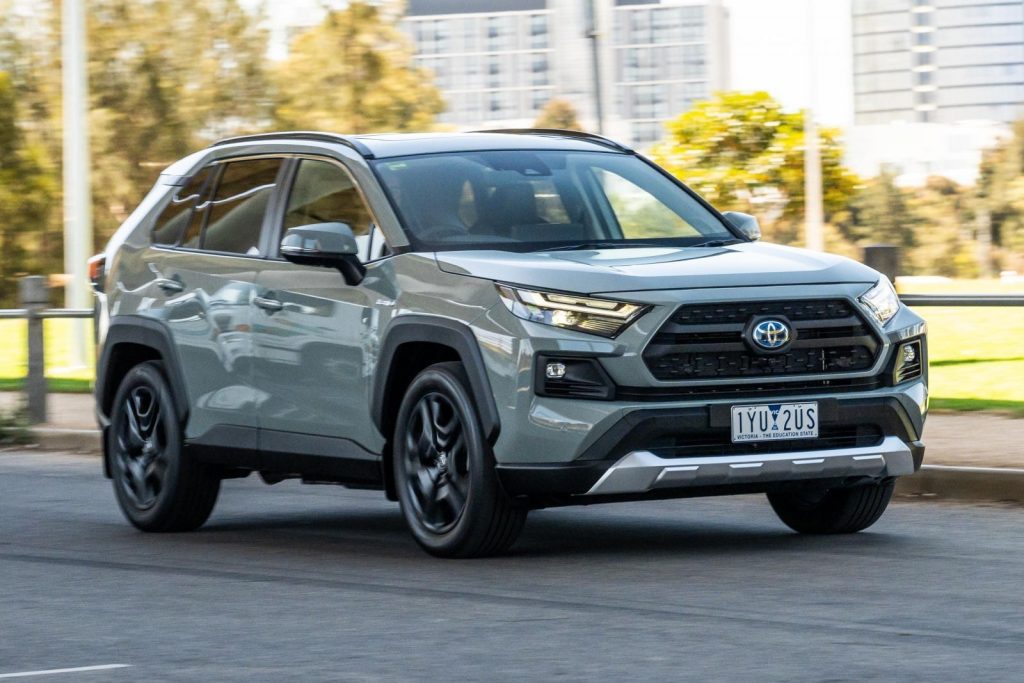
The Toyota RAV4 earns its spot as a pothole-proof Green Bay pick because it combines conservative engineering with real-world durability. It’s written about here not for flashy features, but for its ability to endure punishment from rough pavement without demanding constant suspension repairs.
One of the RAV4’s biggest strengths is its suspension philosophy. Toyota tunes the RAV4 for compliance rather than sportiness, allowing the suspension to absorb impacts rather than fight them. On pothole-scarred roads, this reduces stress on control arms, ball joints, and bushings components that often fail prematurely in stiffer vehicles.
Tire and wheel sizing also work in the RAV4’s favor. Most trims use moderate wheel diameters paired with higher-profile tires, which provide valuable cushioning against sharp pothole edges. This setup helps prevent bent rims and sidewall damage, common problems in vehicles with low-profile tires.
Ground clearance further improves survivability. The RAV4 sits high enough to clear broken asphalt transitions and frost heaves without scraping underbody components. This is especially important in Green Bay, where winter plowing and freeze–thaw cycles leave roads uneven for months at a time.
Long-term ownership data reinforces its inclusion. RAV4s driven in northern climates often retain original suspension components longer than average, and when repairs are needed, parts are affordable and widely available. That keeps ownership costs manageable even after years of road abuse.
This vehicle is written about because it handles damage quietly. Instead of clunking, rattling, or drifting out of alignment after every hard impact, the RAV4 stays composed. For Green Bay drivers who accept potholes as unavoidable, that resilience makes it one of the smartest daily-driver choices available.
3. Honda CR-V
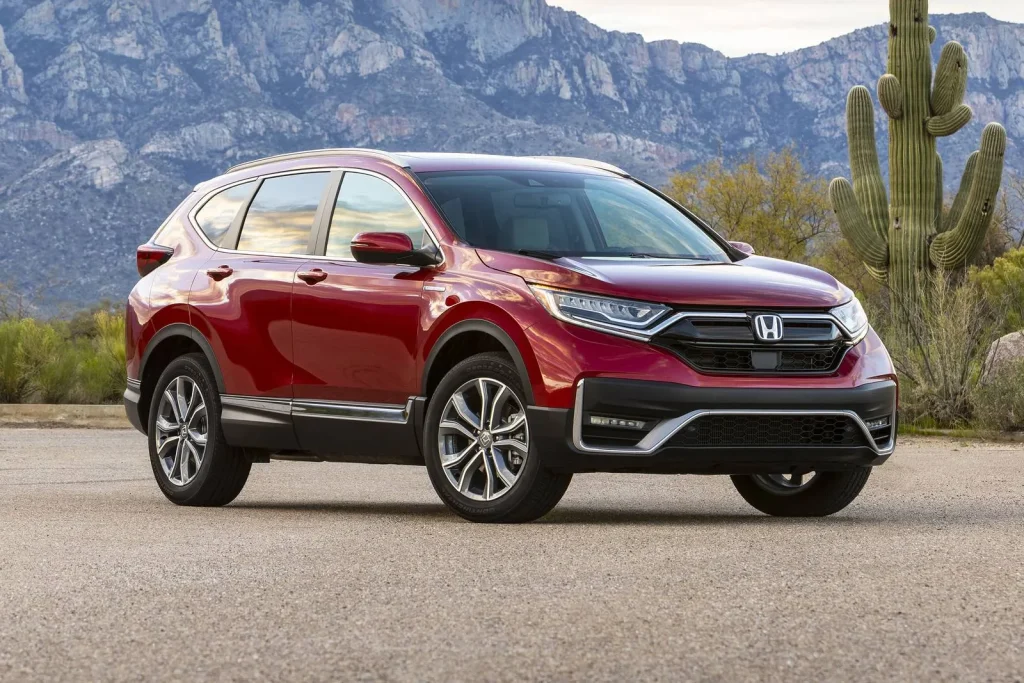
The Honda CR-V is included here because it strikes an excellent balance between ride comfort and structural toughness. It’s not built to feel sporty or stiff instead, it’s engineered to tolerate abuse from imperfect roads while keeping occupants comfortable.
Suspension tuning plays a central role in the CR-V’s durability. Honda gives the CR-V enough travel and softness to absorb pothole impacts without bottoming out harshly. This reduces the likelihood of bent wheels, damaged struts, and accelerated bushing wear common failures on rough Midwestern roads.
The CR-V’s wheel and tire combinations also help. Like the RAV4, it avoids extreme wheel sizes in most trims, opting for setups that preserve tire sidewall height. This design choice may not win style points, but it significantly improves survival on pothole-ridden streets.
Chassis design contributes to longevity as well. The CR-V’s unibody structure distributes impact forces evenly, preventing localized stress that can lead to alignment problems. Over time, this means fewer visits for suspension corrections after hard hits.
Interior durability matters too. Rough roads don’t just affect mechanical components; they shake interiors apart. The CR-V’s cabin tends to resist squeaks and rattles better than many competitors, even after years of winter driving and road impacts.
This vehicle is written about because it represents quiet toughness. It doesn’t feel heavy or overbuilt, yet it consistently outlasts more aggressively styled rivals when roads deteriorate. For Green Bay drivers who want reliability without sacrificing daily comfort, the Honda CR-V remains a proven pothole-proof option.
4. Subaru Forester
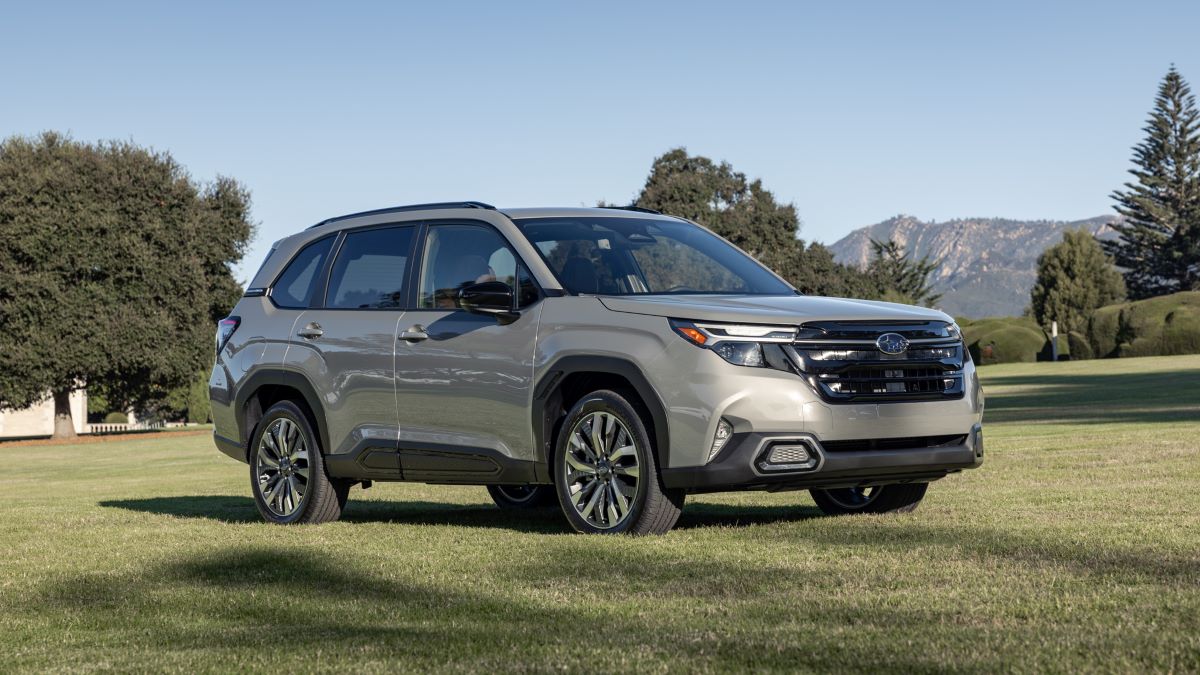
The Subaru Forester is one of the most naturally suited vehicles for Green Bay’s pothole-heavy roads, and it earns its place here through balance rather than brute toughness. It’s written about because it absorbs repeated road impacts without turning harsh or fragile over time.
One of the Forester’s biggest advantages is suspension travel. Subaru engineers the Forester with generous vertical movement, allowing the wheels to move up and down over potholes instead of transferring impact energy into the chassis.
This design dramatically reduces the likelihood of bent wheels, cracked struts, and worn bushings common problems on rough Wisconsin pavement.
Ground clearance further improves survivability. The Forester rides high enough to clear frost heaves, broken asphalt edges, and uneven winter-damaged surfaces without scraping or bottoming out. That extra clearance protects underbody components that are often vulnerable on lower vehicles during spring thaw.
Tire and wheel sizing also work in the Forester’s favor. Most trims use reasonable wheel diameters with ample tire sidewall, which acts as a buffer against sharp pothole edges. This reduces blowouts and wheel damage two of the most expensive consequences of poor road conditions.
Another reason this vehicle is highlighted is long-term consistency. Foresters driven in northern climates tend to retain alignment well and avoid premature suspension failure. Owners often report fewer clunks and rattles over time compared to stiffer crossovers.
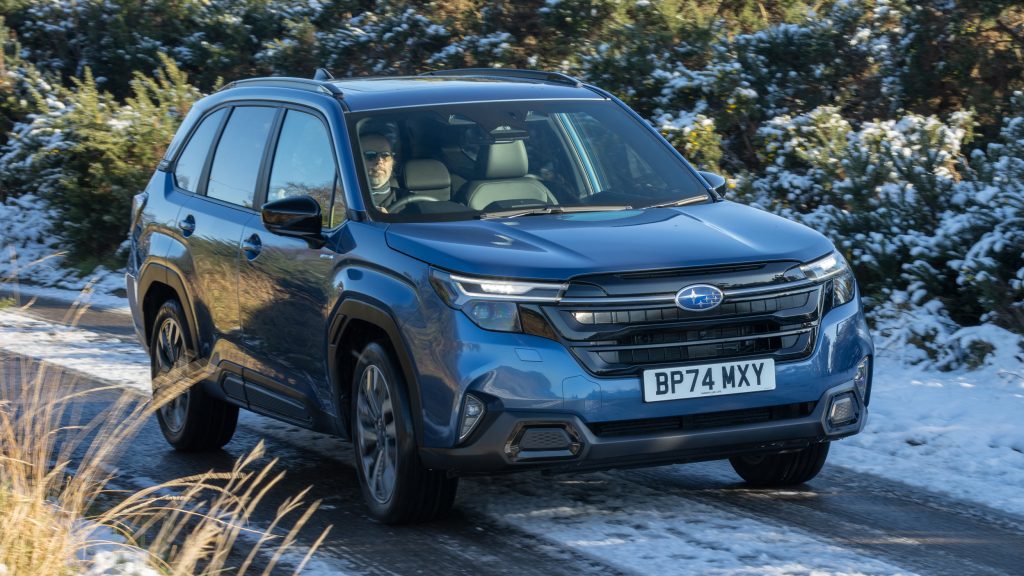
This car is written about because it embraces bad roads instead of resisting them. The Forester doesn’t feel nervous or brittle on broken pavement. For Green Bay drivers navigating potholes daily, that forgiving nature translates into lower repair bills and less stress behind the wheel.
5. Ford Escape (Non-Sport Trims)
The Ford Escape, when equipped in non-sport trims, deserves recognition as a pothole-capable vehicle for Green Bay roads. It’s written about here specifically because softer-tuned versions of the Escape perform far better on rough pavement than many expect.
Suspension tuning is the key difference. Non-sport Escapes prioritize comfort and compliance, allowing the suspension to absorb impacts rather than transmitting them sharply into the cabin or suspension components.
This makes a noticeable difference on pothole-filled streets, where overly stiff vehicles suffer accelerated wear.
Wheel and tire setups further support durability. Base and mid-level trims typically use smaller wheels with higher-profile tires, offering better cushioning against road impacts. This reduces the risk of bent rims and damaged sidewalls common failures during winter-to-spring transitions in Green Bay.
Chassis strength also plays a role. The Escape’s structure handles repeated jolts without frequent alignment issues, especially when compared to sportier crossovers that use stiffer bushings and tighter tolerances. Over time, this translates into fewer suspension repairs and a more predictable driving experience.
Interior resilience shouldn’t be overlooked. Rough roads shake vehicles apart internally, but the Escape’s cabin tends to hold together reasonably well, avoiding excessive rattles even after years of winter abuse.
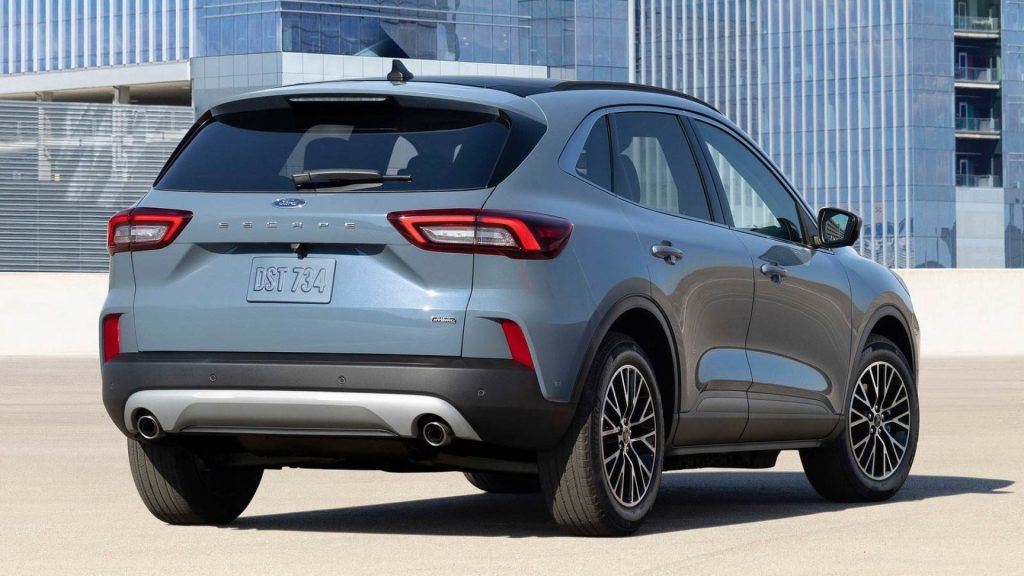
This vehicle is written about because it represents a value-oriented survivor. While it doesn’t have the rugged branding of some rivals, the right configuration of the Ford Escape quietly handles Green Bay’s road punishment better than many flashier options.
5 That Fail on Rough Roads
Not all cars are built with broken pavement in mind. Some are engineered for smooth highways, urban streets, or performance handling and when those priorities meet potholes, frost heaves, and uneven asphalt, weaknesses appear quickly. Green Bay’s road conditions are unforgiving, exposing flaws that may stay hidden in milder climates.
This section focuses on vehicles that consistently struggle on rough roads, not because of poor overall quality, but because their designs are mismatched to harsh pavement. Low-profile tires, stiff suspensions, limited wheel travel, and fragile components all contribute to early wear and frequent repairs when potholes become a daily reality.
Many of these cars offer excellent performance, style, or efficiency under ideal conditions. However, when driven regularly on damaged roads, they tend to suffer from bent wheels, alignment problems, cracked suspension components, and interior rattles. Over time, these issues compound, leading to higher ownership costs and reduced comfort.
Another reason these vehicles fail on rough roads is tolerance or lack thereof. Cars designed with tight tolerances and sporty handling often leave little room for impact absorption. Instead of flexing, they transmit shock directly into critical components. That makes every pothole hit more expensive than it should be.
This section is written to provide clarity, not condemnation. Drivers in Green Bay deserve to know which vehicles require careful avoidance of road damage rather than casual daily driving. These cars may still be appealing choices in smoother regions, but on Wisconsin’s winter-scarred streets, they often become liabilities.
We begin with a popular sedan that looks refined but proves fragile when pavement turns hostile.
1. Audi A4 (S Line / Large-Wheel Trims)
The Audi A4, particularly in S Line or large-wheel trims, struggles on Green Bay’s rough roads because it prioritizes precision and refinement over impact tolerance. While it feels composed and luxurious on smooth pavement, potholes and frost-heaved streets quickly expose its limitations.
The core issue lies in suspension stiffness. S Line trims use firmer springs and dampers designed to sharpen handling and reduce body movement. On damaged roads, this rigidity prevents the suspension from absorbing impacts effectively.
Instead of allowing wheels to move over potholes, force is transferred directly into control arms, bushings, and subframe components accelerating wear and increasing repair frequency.
Wheel and tire choices amplify the problem. Many A4 S Line models come equipped with large wheels wrapped in low-profile tires.
These tires offer little sidewall cushioning, making them highly vulnerable to Green Bay’s sharp pothole edges. Bent wheels, tire bubbles, and alignment shifts are common after repeated winter and spring road damage.
Cold-weather conditions further reduce compliance. Rubber suspension components stiffen in low temperatures, making impacts harsher and more damaging. What might feel tolerable in warmer climates becomes punishing during Wisconsin winters, increasing the likelihood of suspension noise, premature bushing wear, and steering vibration.
Interior durability also suffers over time. The A4’s tightly assembled cabin doesn’t tolerate repeated jolts well, leading to squeaks and rattles that undermine its premium feel sooner than expected in rough-road environments.
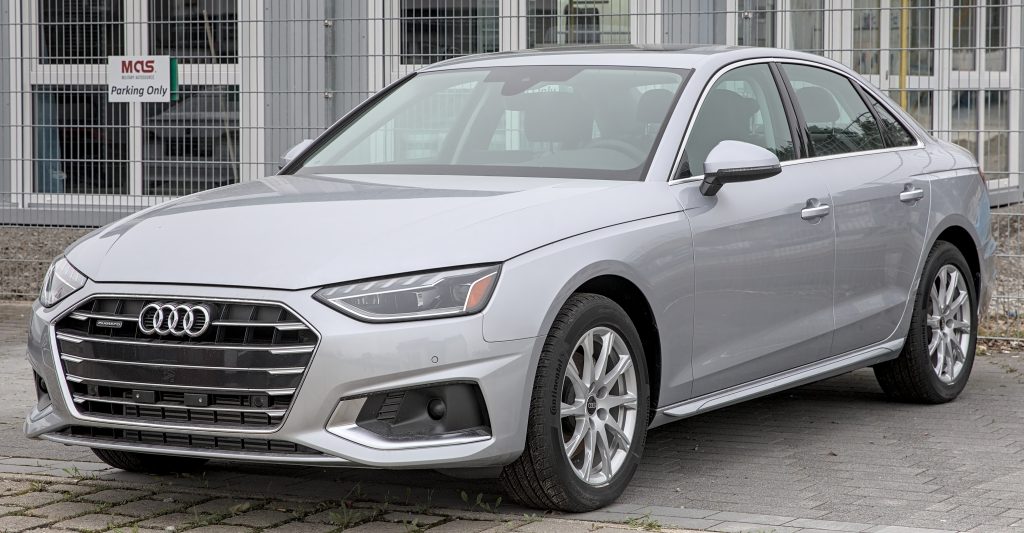
This car is written about because it represents a clear mismatch between engineering intent and local conditions. The Audi A4 excels on well-maintained roads, but on Green Bay’s pothole-heavy streets, it demands constant vigilance and higher long-term maintenance costs making it a poor choice for daily rough-road driving.
2. BMW 3 Series (M Sport Suspension)
The BMW 3 Series equipped with the M Sport suspension struggles on rough Green Bay roads because it is engineered for precision rather than forgiveness. While it delivers excellent handling on smooth pavement, that same stiffness becomes a liability when potholes and frost heaves dominate daily driving.
The most immediate weakness is suspension rigidity. The M Sport setup uses firmer springs and dampers designed to limit body roll and sharpen steering response.
On broken pavement, however, this stiffness prevents the suspension from absorbing impacts properly. Instead of the wheels moving over potholes, the force is transferred directly into control arms, struts, and subframe mounts accelerating wear.
Wheel and tire configuration worsens the issue. M Sport trims typically come with large wheels and low-profile tires that offer minimal sidewall cushioning. In Green Bay, where potholes can be deep and unavoidable, this setup frequently leads to bent wheels, tire bubbles, and alignment shifts after a single bad hit.
Cold weather compounds the problem. Rubber bushings stiffen further in winter temperatures, reducing compliance even more. Impacts that might be tolerable in warmer climates become harsh enough to cause premature suspension noise, clunks, or component failure.
Interior refinement also suffers over time. Repeated sharp jolts loosen trim and introduce rattles that undermine the luxury experience BMW owners expect. What begins as a tight, premium-feeling car can feel worn far earlier than anticipated when driven regularly on rough roads.
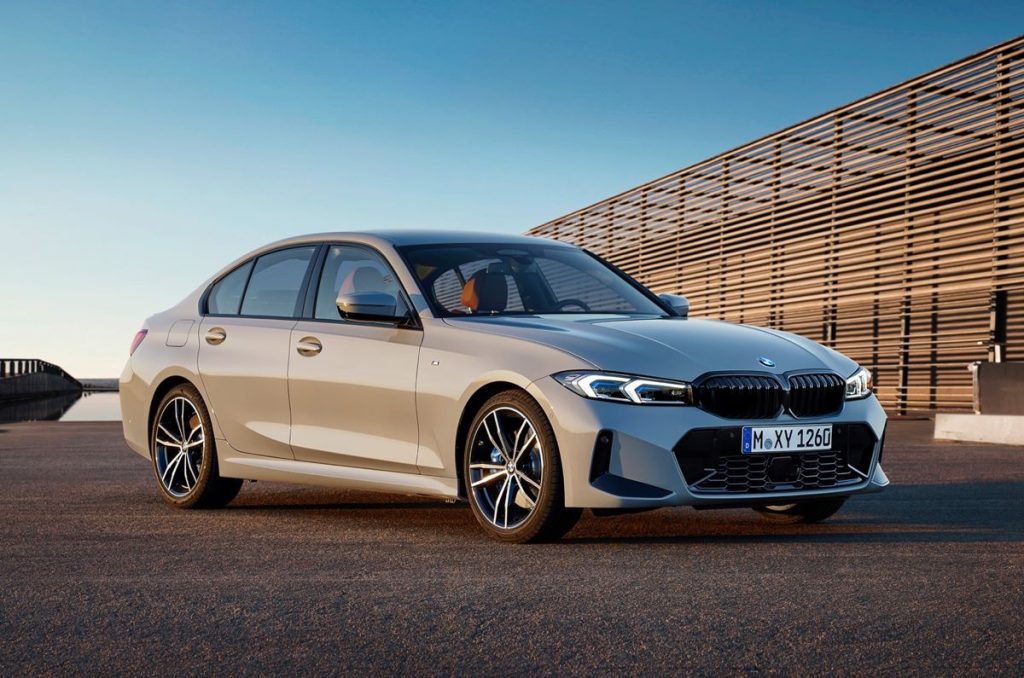
This car is written about because it highlights how performance tuning and pothole survival are often incompatible. In Green Bay, the BMW 3 Series M Sport demands careful driving and frequent repairs making it an impractical choice for daily exposure to damaged pavement.
3. Mazda3 Hatchback (Turbo / Large-Wheel Trims)
The Mazda Mazda3 Hatchback, particularly in turbocharged or large-wheel trims, struggles on rough Green Bay roads despite its otherwise excellent build quality. It’s included here because its design prioritizes style and handling sharpness over impact tolerance.
The Mazda3’s suspension tuning is notably firm for its class. Mazda favors a connected, sporty feel, which works well on smooth roads but leaves little margin for error when potholes appear suddenly. Impacts are felt sharply through the cabin, and repeated hits accelerate wear on struts, bushings, and wheel bearings.
Wheel size plays a major role. Higher trims often use large wheels paired with low-profile tires, reducing the tire’s ability to absorb pothole impacts. In Green Bay conditions, this frequently results in bent rims, sidewall damage, or alignment issues especially during spring thaw when road damage peaks.
Ground clearance further limits survivability. The Mazda3 sits low, increasing the likelihood of underbody contact with raised pavement edges or uneven asphalt. Even careful drivers can’t avoid every impact, and the car offers little forgiveness when contact occurs.
While the interior is well assembled, it doesn’t escape the consequences of rough roads. Over time, sharp impacts lead to rattles and creaks that detract from the otherwise premium feel Mazda aims to deliver.
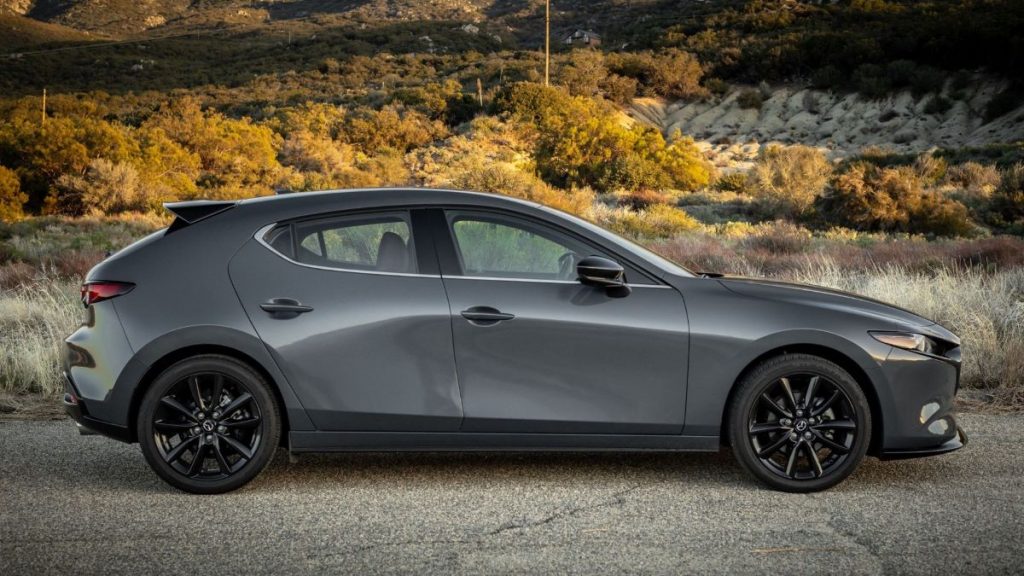
This car is written about because it demonstrates how sporty compact design struggles in harsh road environments. The Mazda3 excels in many areas, but on Green Bay’s pothole-riddled streets, it demands caution and repair budgets that many drivers don’t expect.
4. Tesla Model 3 (Performance & Large-Wheel Trims)
The Tesla Model 3, particularly in Performance or large-wheel configurations, struggles significantly on rough Green Bay roads despite its advanced technology. It’s written about here because its suspension and wheel setup are poorly suited to potholes, frost heaves, and uneven pavement.
One of the biggest weaknesses is wheel and tire choice. Performance trims use large wheels paired with very low-profile tires, leaving almost no sidewall to absorb impacts.
On pothole-heavy roads, this results in frequent bent rims, tire bubbles, and sudden air loss. Green Bay’s spring thaw, when potholes are deepest and hardest to spot is especially punishing for this setup.
Suspension tuning further compounds the problem. The Model 3 uses a firm, performance-oriented suspension to support its instant torque and handling capabilities.
While this works well on smooth highways, it transmits sharp impacts directly into suspension components and the cabin on broken pavement. Over time, this accelerates wear and leads to alignment issues.
Vehicle weight adds another layer of stress. The Model 3’s battery pack makes it significantly heavier than most compact sedans. When that weight meets stiff suspension and low-profile tires, pothole impacts become more severe, increasing the risk of wheel and suspension damage.
Interior durability also suffers. Repeated jolts from rough roads lead to rattles and creaks, which owners frequently report after winter driving in northern climates.
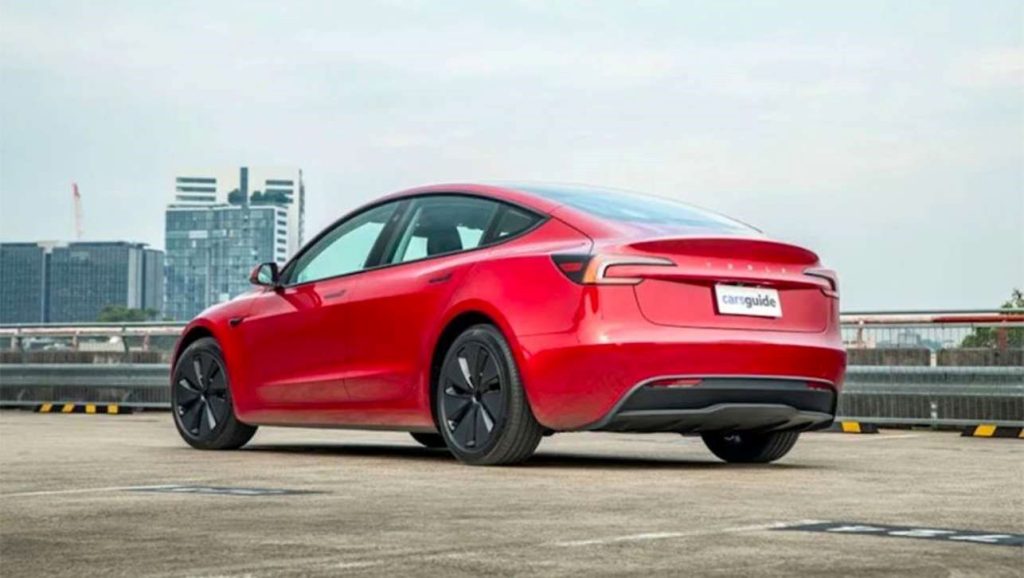
This car is written about because it shows how high-tech performance doesn’t equal rough-road durability. In Green Bay conditions, the Tesla Model 3 demands constant pothole avoidance and expensive wheel repairs, making it a poor choice for daily driving on damaged roads.
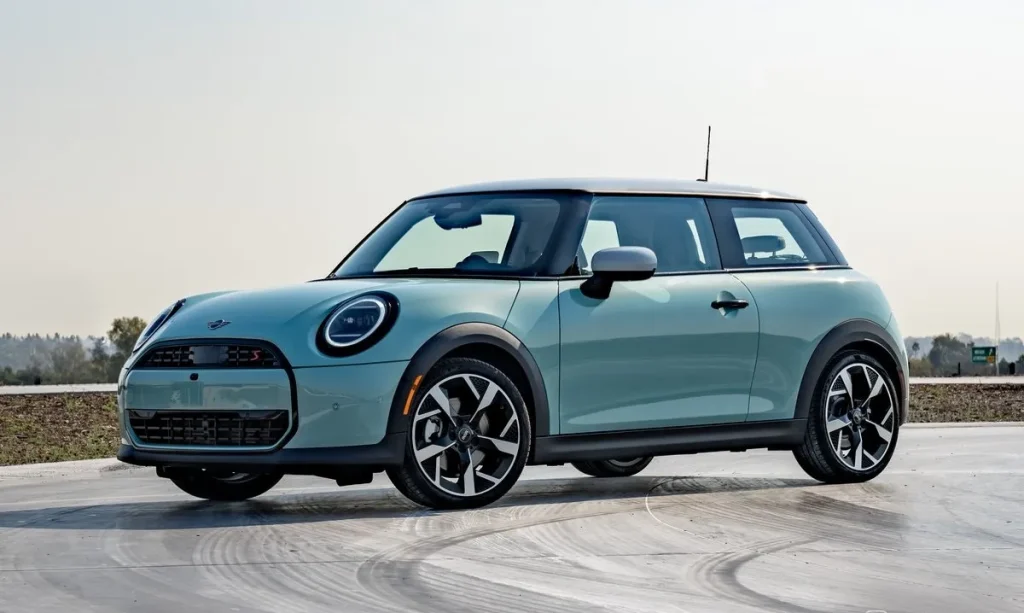
5. Mini Cooper S
The Mini Cooper S rounds out this list as a vehicle that simply isn’t built to tolerate sustained abuse from rough roads. While it excels in handling and personality, Green Bay’s potholes expose its vulnerabilities quickly.
The Mini Cooper S uses an extremely stiff suspension setup to deliver its go-kart-like driving feel. On smooth roads, this makes the car engaging and precise. On pothole-ridden pavement, however, it becomes punishing. Impacts are sharp, jarring, and transmitted directly into suspension components with little absorption.
Wheel and tire sizing make matters worse. Most Cooper S trims come with large wheels and low-profile tires that offer minimal protection against potholes. Bent rims, cracked wheels, and sidewall damage are common outcomes after winter driving in areas with poor road surfaces.
Short wheelbase geometry further reduces forgiveness. With less distance between axles, the Mini reacts abruptly to uneven pavement, amplifying the severity of each impact. This leads to faster wear on struts, bushings, and wheel bearings when driven daily on rough roads.
Interior durability also declines rapidly. Repeated jolts loosen trim pieces and create rattles that are difficult to eliminate. What begins as a tight, fun cabin can feel worn surprisingly quickly in harsh road environments.
This car is written about because it represents maximum fun with minimal tolerance. The Mini Cooper S thrives on smooth pavement but struggles badly on Green Bay’s damaged roads, making it one of the least pothole-friendly choices for daily driving in the region.
Green Bay’s rough roads demand vehicles built for punishment, not perfection. This article contrasts pothole-proof picks like the Subaru Outback, Toyota RAV4, and Honda CR-V that use compliant suspensions, sensible tire setups, and durable components to survive freeze-thaw damage, with cars that struggle when pavement deteriorates.
Performance-tuned sedans and compacts such as the Audi A4 S Line, BMW 3 Series M Sport, Tesla Model 3 Performance, and Mini Cooper S prioritise stiffness and low-profile tyres, leading to bent wheels and suspension wear.
The takeaway is simple: in Green Bay, forgiving engineering equals long-term reliability and lower ownership stress.
Also Read: 5 Cars for Huntsville Tech Commuters and 5 That Cost a Fortune to Fix
