Choosing the right vehicle for city commuting in New Haven requires balancing reliability, efficiency, and maintenance costs. Stop-and-go traffic, tight parking, and seasonal weather conditions can place extra strain on vehicles, making long-term affordability a key factor for daily drivers.
Some vehicles excel at providing dependable, economical commuting, while others, despite luxury or performance appeal, carry high maintenance costs that can quickly outweigh their benefits.
This guide highlights four vehicles ideal for New Haven commuters. The 2025 Subaru Impreza Hatchback offers all-weather capability and practical cargo space at an affordable price. The 2025 Toyota Corolla Hybrid provides exceptional fuel efficiency and low running costs.
The 2025 Honda Civic Sedan balances reliability, comfort, and technology, while the 2025 Kia K4 delivers modern styling, advanced driver-assist features, and long-term warranty protection. These cars combine efficiency, practicality, and manageable upkeep, making them smart choices for city streets and daily errands without high costs.
In contrast, high-end models such as the Land Rover Range Rover, Porsche Cayenne, BMW M4, and RAM 1500 come with elevated service costs, specialized parts, and frequent maintenance requirements. While appealing for luxury or performance, these vehicles can become costly and inconvenient for city commuters who rely on consistent reliability and predictable expenses.
4 Cars for New Haven City Commuters
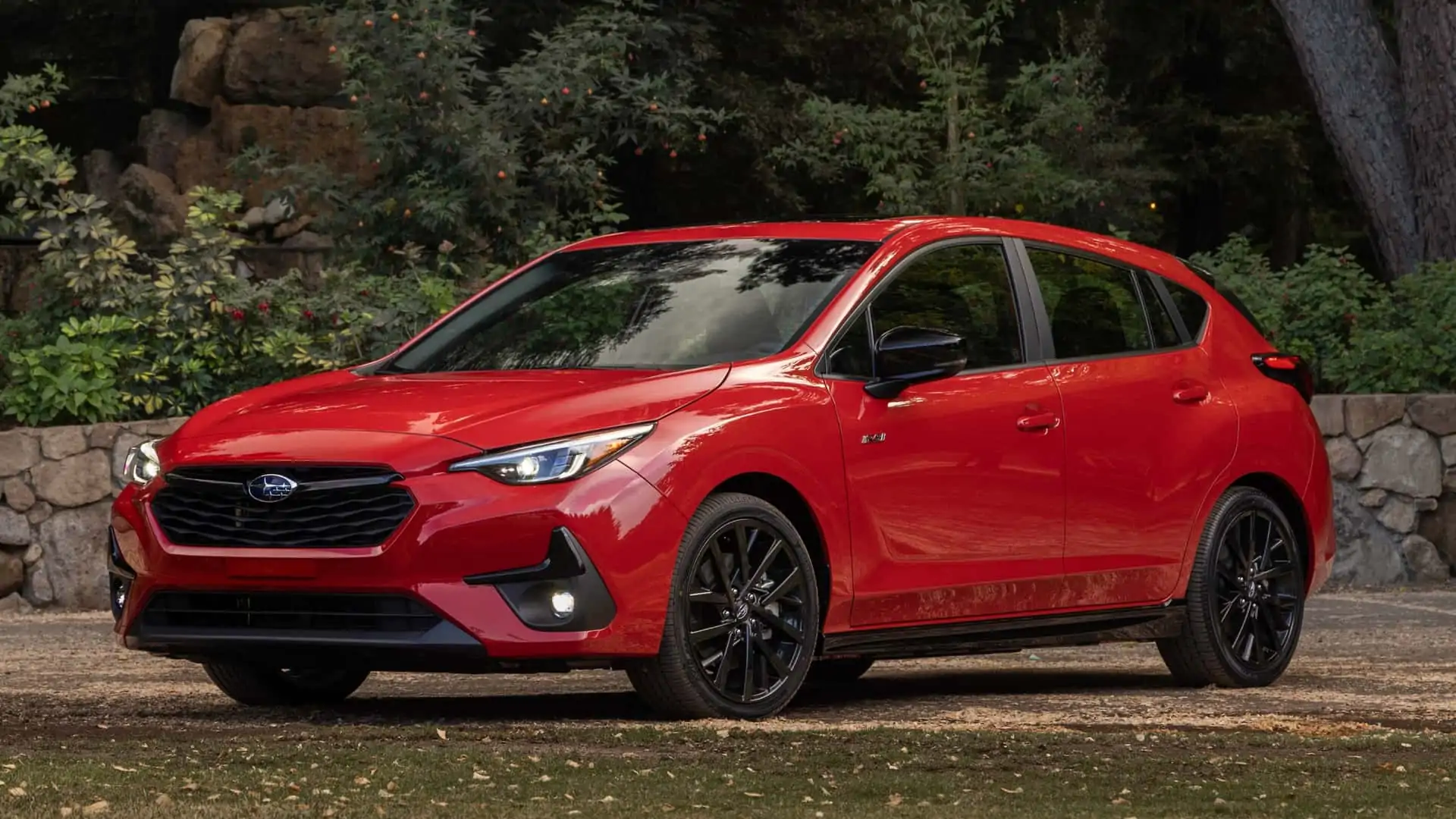
1. 2025 Subaru Impreza Hatchback: Reliable, All-Weather, and Commuter-Friendly
The 2025 Subaru Impreza Hatchback remains a popular choice in New Haven due to its affordability and standard All-Wheel Drive (AWD). With a starting MSRP of approximately $24,360, it provides excellent traction on snowy or rainy streets, making it well-suited for Connecticut’s unpredictable weather.
The hatchback design offers a compact footprint for city streets while allowing flexible cargo space for students, professionals, and commuters who need to transport gear, groceries, or luggage.
Subaru’s Symmetrical AWD gives the Impreza strong stability in rain, snow, and ice, setting it apart from many front-wheel-drive competitors. Its fuel efficiency is practical for daily commutes, with EPA ratings of 27 mpg city and 34 mpg highway for the base model, and 26/33 for the RS trim.
Real-world testing has shown highway fuel economy can reach 37 mpg. Standard EyeSight driver-assistance features include adaptive cruise control, automated emergency braking, and lane-centering assist, while higher trims add blind-spot monitoring and rear-cross-traffic alert. These technologies enhance driver confidence and help reduce the risks of busy city driving.
The Impreza comes with two naturally aspirated flat-four engines: a 152-hp 2.0-liter in the Sport model and a 180-hp 2.5-liter in the RS trim, both paired with a continuously variable transmission (CVT) and standard AWD.
The base engine provides adequate power, while the RS’s 180 horsepower improves acceleration, reaching 0–60 mph in 7.8 seconds. Ride quality is comfortable, the chassis feels solid, and the cabin remains quiet at highway speeds, even if the driving experience is less spirited than some competitors.
Inside, the Impreza focuses on practicality and comfort. Rear passengers enjoy a 60/40 split-folding bench and sufficient legroom, while the hatchback provides up to 56 cubic feet of cargo space with seats folded down.
Technology includes an 11.6-inch touchscreen, wireless Apple CarPlay and Android Auto, and an optional Harman/Kardon 10-speaker audio system for top trims.
With its combination of all-weather capability, fuel efficiency, safety features, and versatile interior, the 2025 Subaru Impreza Hatchback is a dependable and economical choice for New Haven commuters seeking a vehicle that can handle both city life and harsh winter conditions.
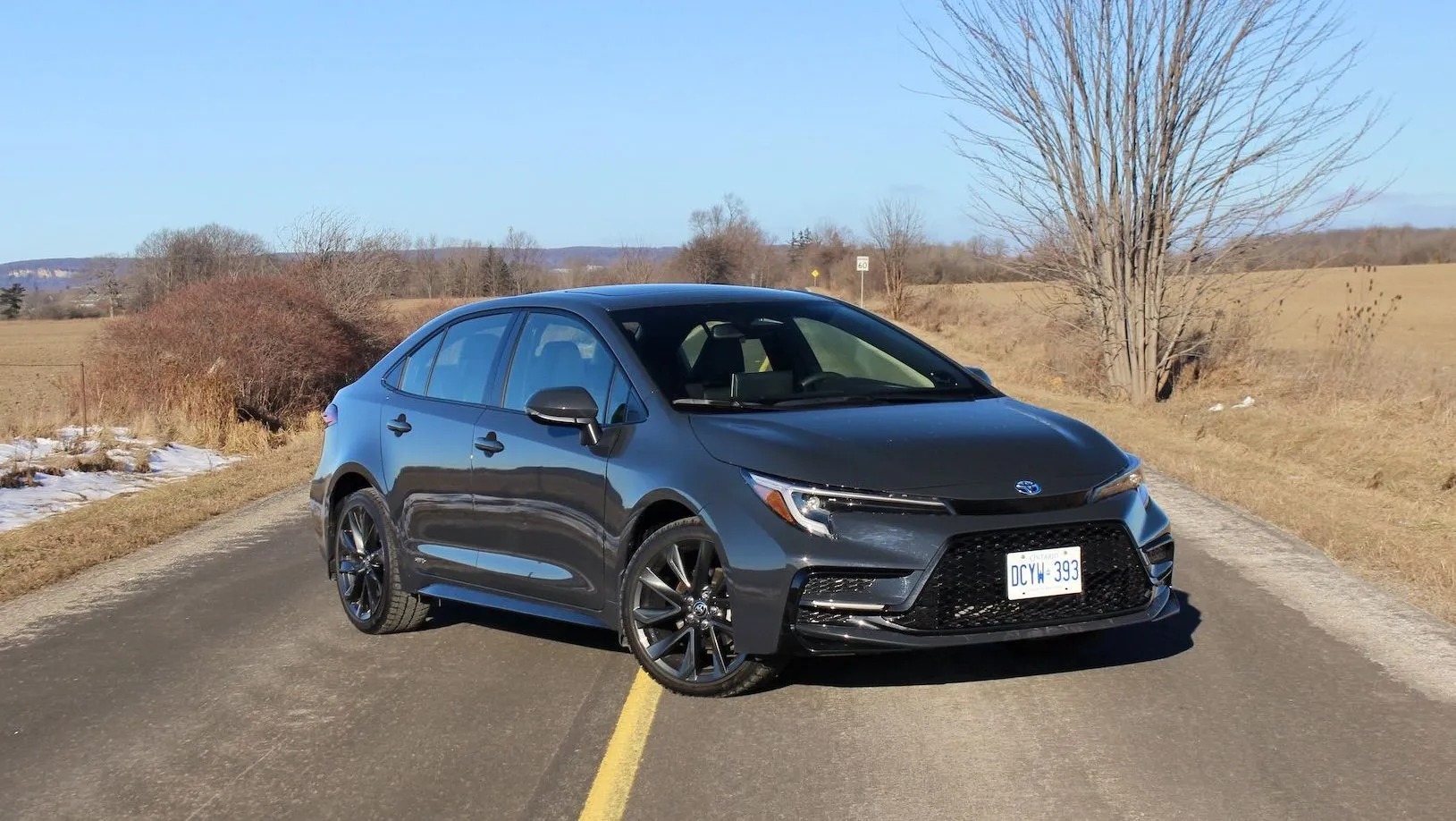
2. 2025 Toyota Corolla Hybrid: Efficient, Reliable, and Commuter-Friendly
The 2025 Toyota Corolla Hybrid continues to set the standard for affordable, fuel-efficient commuting. With a starting price around $23,500, it is particularly suited for city drivers dealing with stop-and-go traffic, such as near Union Station in New Haven.
Its hybrid system excels at low speeds, where gasoline engines are least efficient, delivering over 50 MPG in city driving. Toyota estimates just $4,307 in maintenance costs over ten years, making it one of the most budget-friendly vehicles to own and maintain. The Corolla’s compact size also allows for easy parking and convenient access to crowded urban areas.
Designed with commuters in mind, the Corolla Hybrid offers practical features for both safety and comfort. Standard Toyota Safety Sense includes pre-collision warnings, adaptive cruise control, lane departure alerts, and road sign recognition.
Available All-Wheel Drive ensures better traction during New England winters, while the ride quality remains smooth and composed. With smartphone integration through Apple CarPlay and Android Auto, plus good outward visibility and a usable trunk, it balances efficiency, convenience, and practicality for daily driving.
Under the hood, the Corolla Hybrid combines a 1.8L Atkinson-cycle four-cylinder engine with front and rear electric motors, producing a combined 138 horsepower and 156 lb-ft of torque. Paired with a continuously variable transmission (CVT), it delivers quiet, efficient cruising, though acceleration is modest.
Sport mode adds some liveliness for city driving, while Eco mode maximizes fuel savings. The TNGA-C platform and suspension setup provide responsive handling and stable cornering, giving the Corolla a composed feel even on back roads or during inclement weather.
The interior of the Corolla Hybrid is functional and well-designed, especially in the top XSE trim. Front passengers benefit from adjustable SofTex seats, a 7-inch driver display, and an 11.5-inch touchscreen with JBL audio and wireless charging. Rear seat space is suitable for two adults, and the trunk offers 371 liters of storage.
The cabin features a mix of physical controls and modern technology for ease of use. With Toyota’s proven reliability, low running costs, and high safety ratings from IIHS and NHTSA, the 2025 Corolla Hybrid is a practical, economical, and dependable choice for New Haven commuters seeking a fuel-efficient vehicle capable of handling city streets and seasonal challenges.
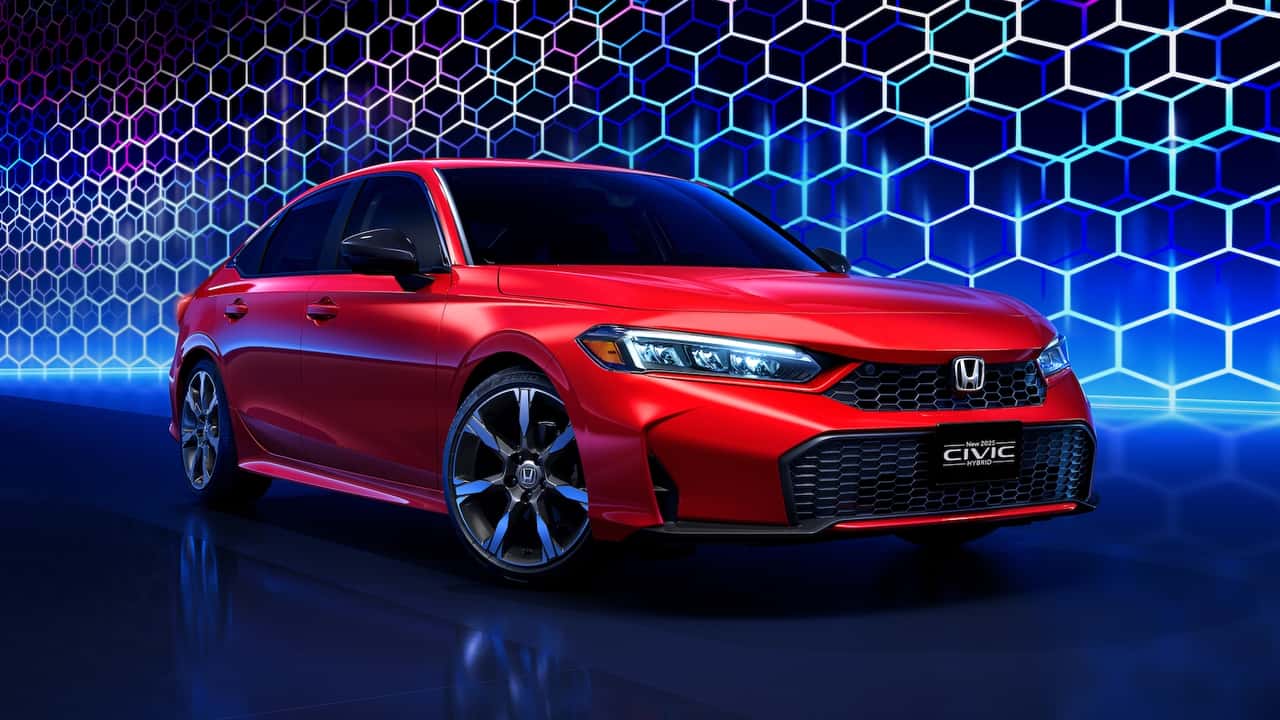
3. 2025 Honda Civic Sedan: Efficient, Reliable, and Commuter-Ready
The 2025 Honda Civic Sedan remains one of the top choices for urban commuters, offering a balance of fuel efficiency, comfort, and reliability. Starting at an affordable price point, the Civic provides low running costs, with annual maintenance averaging around $5,282, which is significantly below the industry average.
Its refined interior, smooth ride, and compact size make it ideal for New Haven drivers dealing with traffic and limited parking. The hybrid variant further improves fuel efficiency, reaching up to 50 MPG in city driving, making it a cost-effective option for daily commuting. High resale value and Honda’s reputation for durability contribute to a stress-free ownership experience.
Designed for city driving, the Civic offers practical features that make commuting safer and more convenient. Standard safety technologies include the Blind Spot Information System, Cross Traffic Monitor, automated emergency braking, lane-keeping assist, and adaptive cruise control.
Its compact footprint allows easier parking and better control in congested areas, while available wireless Apple CarPlay and Android Auto keep drivers connected. Additional features such as idle-stop technology, a multi-angle rearview camera, and the HondaLink app enhance convenience and efficiency. These tools help drivers handle traffic and errands more easily while maintaining peace of mind.
Performance varies depending on the model. The standard gas-powered Civic is equipped with a 150-hp 2.0-liter four-cylinder engine paired with a continuously variable transmission. It delivers adequate power for city and highway driving. The Civic Hybrid combines the 2.0-liter engine with two electric motors for a total output of 200 horsepower.
This setup offers brisk acceleration, with the Civic Hybrid reaching 0–60 mph in 6.2 seconds, while the non-hybrid Sport model requires 8.9 seconds. Both variants drive with front-wheel power only. The Civic’s responsive handling and well-tuned suspension provide an agile and comfortable driving experience on urban streets and suburban roads.
Inside, the Civic offers a spacious and functional cabin for five passengers. The interior features clean design lines, a full-width mesh dashboard, and a wide center console with storage compartments. The sedan has a large trunk, and the hatchback version provides even more cargo space.
Infotainment includes a standard 7-inch touchscreen, with optional 9-inch or 10.2-inch displays on the hybrid models. Wireless Apple CarPlay and Android Auto are standard, and higher trims add features such as in-dash navigation, a 12-speaker Bose sound system, and wireless charging.
With its combination of fuel efficiency, modern technology, safety features, and Honda reliability, the 2025 Civic Sedan is a practical and enjoyable choice for New Haven commuters.
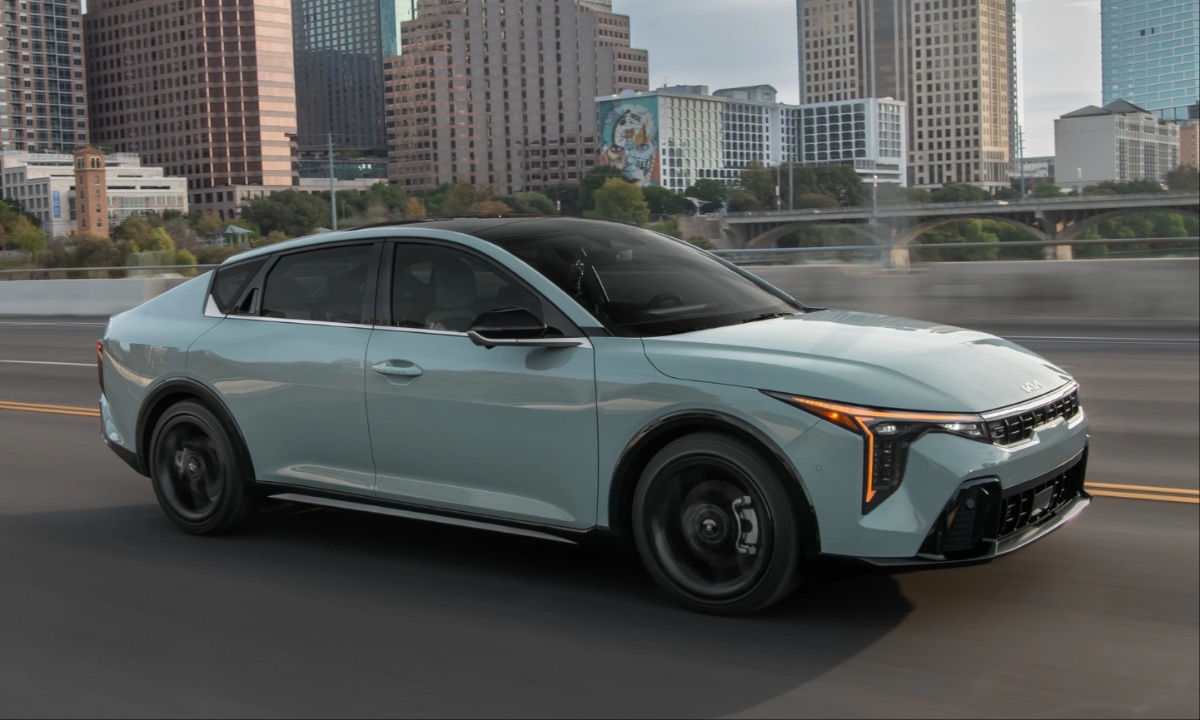
4. 2025 Kia K4: Stylish, Efficient, and Commuter-Friendly
The 2025 Kia K4 replaces the Forte with a modern, high-tech compact sedan that delivers style, comfort, and value at a starting price of $21,990. Its most notable advantage for commuters is the 10-year or 100,000-mile powertrain warranty, offering long-term financial predictability and peace of mind.
The K4 provides a fresh design and advanced features without the high maintenance costs of luxury vehicles, making it an attractive option for daily driving in New Haven. With a focus on efficiency, comfort, and technology, the K4 is tailored for both city streets and highway travel.
Fuel economy is one of the K4’s strongest assets. The base 2.0-liter engine produces 147 horsepower with 132 lb-ft of torque and achieves approximately 30 MPG in the city and 40 MPG on the highway.
For drivers seeking more performance, the turbocharged 1.6-liter engine in the GT-Line delivers 190 horsepower and 195 lb-ft of torque. Both engines use front-wheel drive, with the base model paired with a variable transmission and the GT-Line equipped with an eight-speed automatic.
Fuel-efficient operation, coupled with a smooth and composed ride, makes the K4 practical for commuting, errands, and longer drives.
The interior emphasizes modern technology and comfort. Dual 12.3-inch screens provide a combined driver display and infotainment interface, while wireless Apple CarPlay and Android Auto keep devices connected. Seating is supportive, and the cabin offers ample space, including about 38 inches of rear legroom.
The trunk provides 14.6 cubic feet of cargo space, enough for groceries or luggage. Higher trims include features such as heated and ventilated seats, and the K4’s streamlined interior design balances functionality and style. Advanced driver assists, including Highway Driving Assist and a 360-degree camera system, make city traffic and parking much easier, reducing stress during daily commutes.
The K4’s design and driving experience set it apart in the compact sedan segment. The sleek exterior follows Kia’s “opposites united” design language, giving it a premium feel without the premium price.
The GT-Line model adds a multi-link rear suspension to handle increased power, providing agility and composure on corners and city streets. While it is not a sports sedan, the K4 delivers a pleasant and engaging driving experience for commuters, balancing comfort, technology, and efficiency.
For New Haven drivers seeking a modern, stylish, and budget-friendly compact sedan, the 2025 Kia K4 offers a compelling combination of value, practicality, and daily driving enjoyment.
Also Read: 5 Cars for Huntsville Tech Commuters and 5 That Cost a Fortune to Fix
4 That Cost More to Service
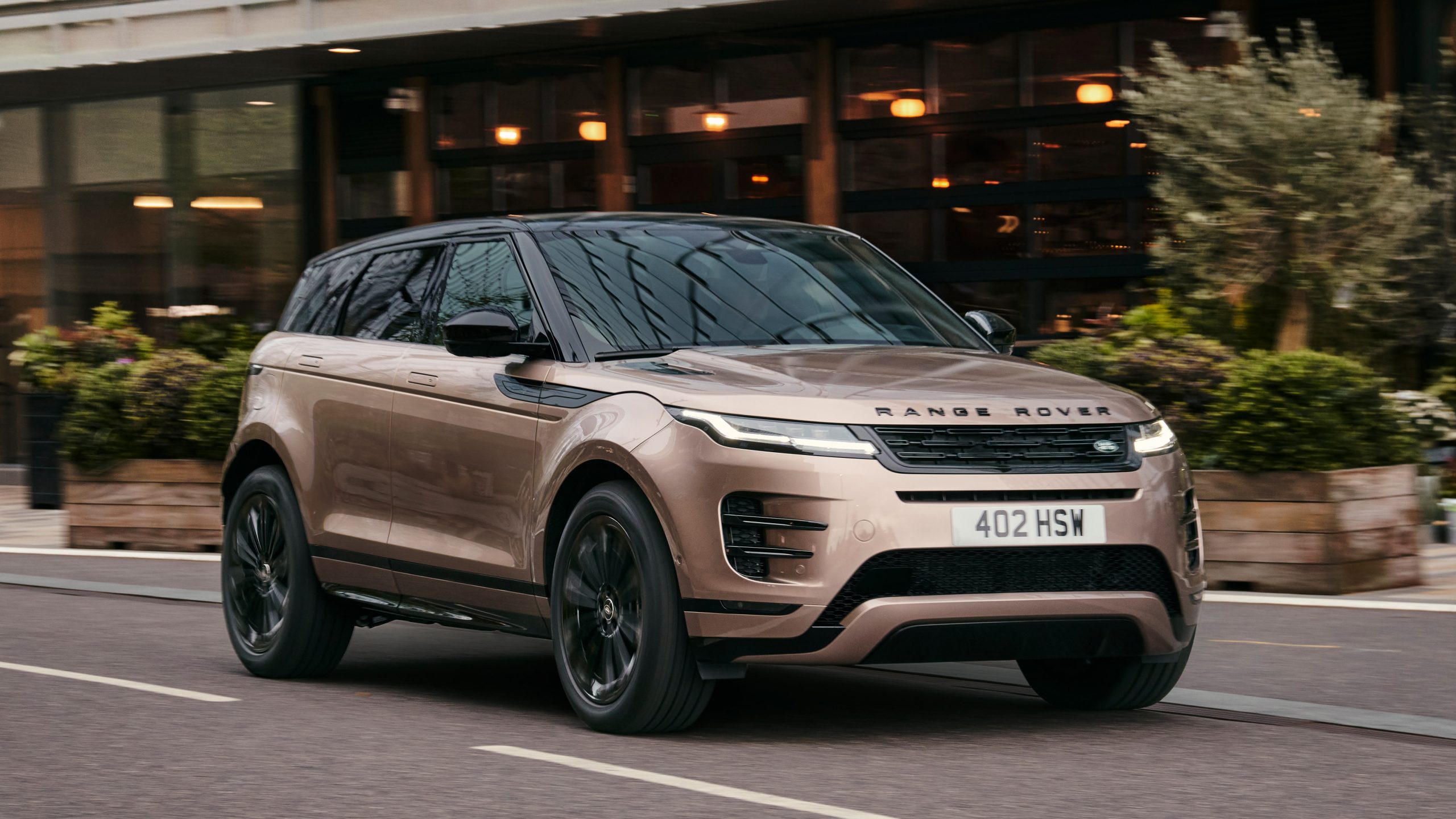
1. Land Rover Range Rover: High Maintenance Costs for Daily Commuting
The Land Rover Range Rover is among the most expensive vehicles to maintain in 2025, with projected costs exceeding $19,460 over its first decade. Its complex engineering and luxury features make it a high-risk choice for daily commuting, especially in cities like New Haven, where stop-and-go traffic can place extra strain on intricate systems.
Range Rovers incorporate advanced technology, including electronic air suspension, terrain response systems, and sophisticated infotainment. While these features enhance comfort and off-road capability, they are costly to repair or replace when problems arise.
Genuine Land Rover parts are expensive and often need to be imported, further increasing repair costs and wait times. Additionally, high-end materials such as leather and aluminum contribute to the premium price of replacement components.
Labor costs are also higher because standard mechanics lack the training and tools to service these vehicles. Only Jaguar Land Rover-certified technicians can properly maintain a Range Rover, leading to elevated hourly rates.
The combination of specialized labor, costly parts, and complex systems results in more frequent and expensive maintenance visits, even for minor issues like electrical glitches, air suspension faults, or oil leaks.
Luxury branding adds another layer of cost, as the service pricing reflects the Range Rover’s premium market position. In urban environments, the demands of city driving, including frequent braking, idling, and short trips, exacerbate wear on these advanced systems.
For New Haven commuters seeking reliability and low maintenance costs, a Range Rover may not be the most practical daily driver despite its luxury and status appeal.
2. Porsche Cayenne: High Performance Comes with High Maintenance Costs
The Porsche Cayenne delivers an engaging driving experience, but its maintenance costs are among the highest in the SUV segment. Over ten years, service expenses are estimated at $21,224, making even routine tasks such as oil changes or brake replacements three to four times more expensive than those for standard SUVs.
For New Haven commuters, the thrill of driving the Cayenne may not outweigh the financial burden associated with its upkeep.
The high cost of servicing a Cayenne is driven by specialized fluids, parts, and complex systems. The SUV requires specific synthetic oils, high-performance filters, and genuine Porsche components, all of which carry premium prices.
Its advanced engineering, including air suspension, turbochargers, and high-tech electronics, makes repairs intricate and costly. Labor costs are also elevated, as certified Porsche technicians demand higher rates, especially at official dealerships.
High-performance variants, such as GTS, Turbo, and Turbo GT models, feature additional components like carbon-ceramic brakes, further increasing service expenses. Some models have common issues, such as fuel pump or coolant leaks, that add to maintenance costs beyond standard service.
For New Haven drivers, city traffic and stop-and-go conditions can accelerate wear on brakes and suspension, increasing the frequency of service visits. Labor rates may vary by location, but the primary cost drivers remain high regardless of city.
To manage expenses, Cayenne owners can follow Porsche’s recommended service schedule, use independent Porsche specialists for routine maintenance, and balance the use of OEM versus high-quality aftermarket parts. While the Cayenne offers a premium driving experience, its maintenance demands make it a costly choice for everyday commuting.

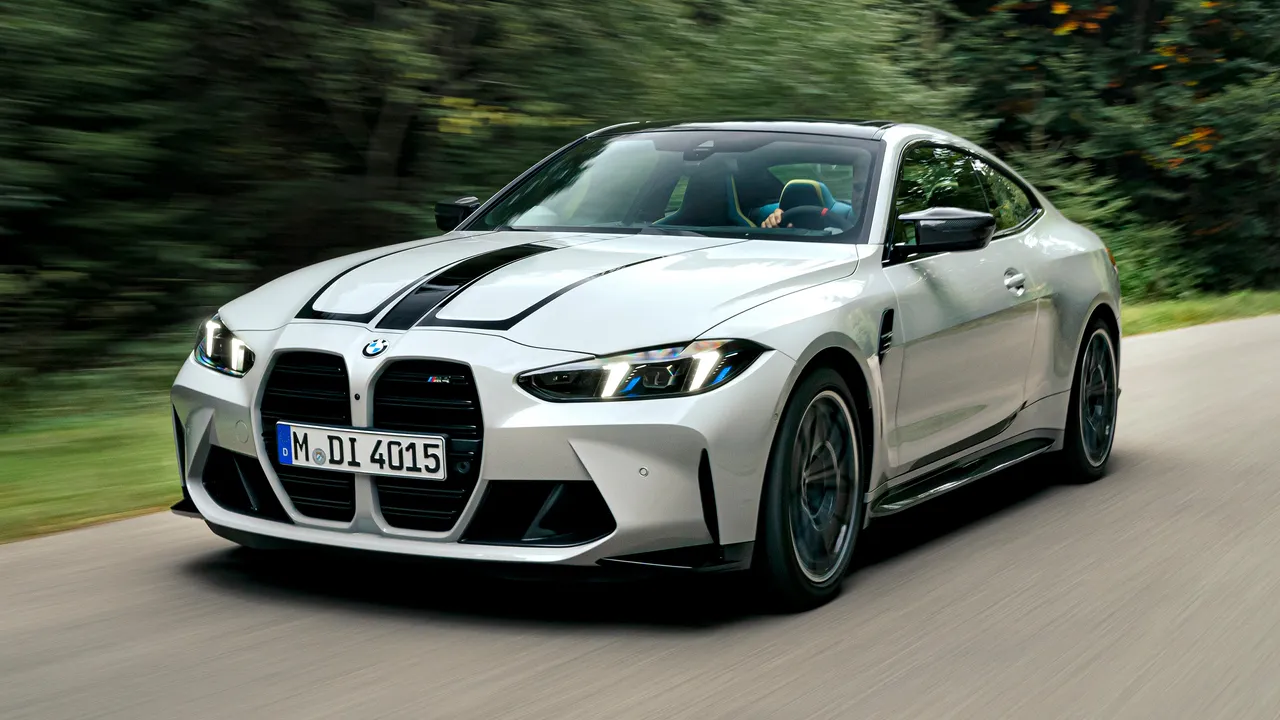
3. BMW M4: High Performance with High Maintenance Costs
The BMW M4 delivers an exhilarating driving experience, but its maintenance costs are among the highest in the performance car segment. Over ten years, owners can expect service expenses to exceed $15,000, with parts often backordered from Germany.
For New Haven commuters, the combination of stop-and-go city traffic and potentially rough roads accelerates wear on high-performance components, making this vehicle expensive to maintain compared to standard cars.
The M4’s high costs stem from its specialized engineering and luxury design. High-performance tires, advanced braking systems, and complex electronics require expensive replacement parts and fluids.
Skilled labor is essential, as certified BMW technicians are needed to handle the car’s intricate systems, resulting in elevated labor rates, particularly at dealerships. Performance-focused components are subjected to greater stress, causing brakes, tires, and suspension parts to wear out faster than in non-performance vehicles.
City commuting further amplifies maintenance demands. Frequent stopping, tight turns, and potholes place extra strain on the drivetrain, brakes, and suspension.
Oil changes, tire rotations, and other routine services must be performed more often, adding to recurring costs. Major repairs, which can occur sooner in high-performance models, are also significantly more expensive than those for economy vehicles.
The BMW M4 is a premium, high-performance machine that comes with a price beyond its purchase cost. For daily commuters in New Haven, the thrill of driving the M4 is counterbalanced by higher service frequency, costly specialized parts, and labor-intensive maintenance. While it delivers an exceptional driving experience, its ownership costs make it a less practical choice for city commuting.
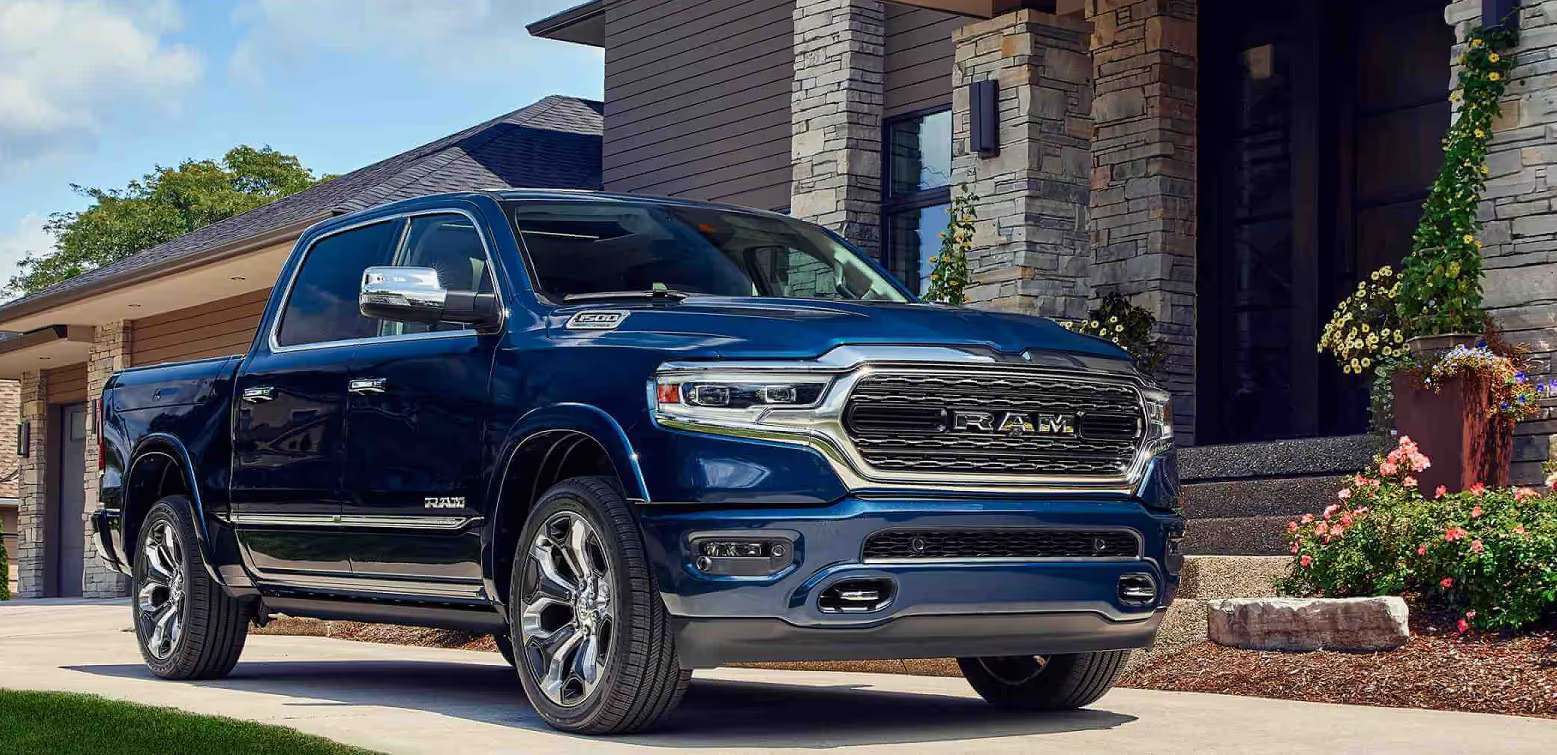
4. RAM 1500: High-Tech Pickup with Elevated Maintenance Costs
The RAM 1500 is a popular full-size pickup, but it ranks among the most expensive non-luxury vehicles to maintain. Over a ten-year period, projected service costs reach approximately $18,470, significantly higher than competitors such as the Ford F-150 or Toyota Tundra.
While the truck offers modern technology and comfort features, these same elements contribute to higher repair bills, particularly when issues fall outside warranty coverage.
Maintenance costs are driven largely by common electrical and transmission problems. Repairs for HVAC actuators, sensors, and advanced infotainment systems can be costly, while transmission issues add further financial strain.
High-tech features and luxury-oriented trims, while enhancing comfort and convenience, introduce additional complexity that often requires specialized labor, increasing both parts and service expenses. Older platform designs in some models, especially pre-2019, may lack the improved reliability found in newer competitors, further contributing to potential repair needs.
On average, annual maintenance costs for the RAM 1500 hover around $691. However, this figure does not fully capture the impact of major repairs, which can be substantial and occur more frequently than in rival pickups.
The combination of sophisticated electronics, complex transmissions, and occasional build quality issues makes long-term ownership more expensive than anticipated for a non-luxury vehicle.
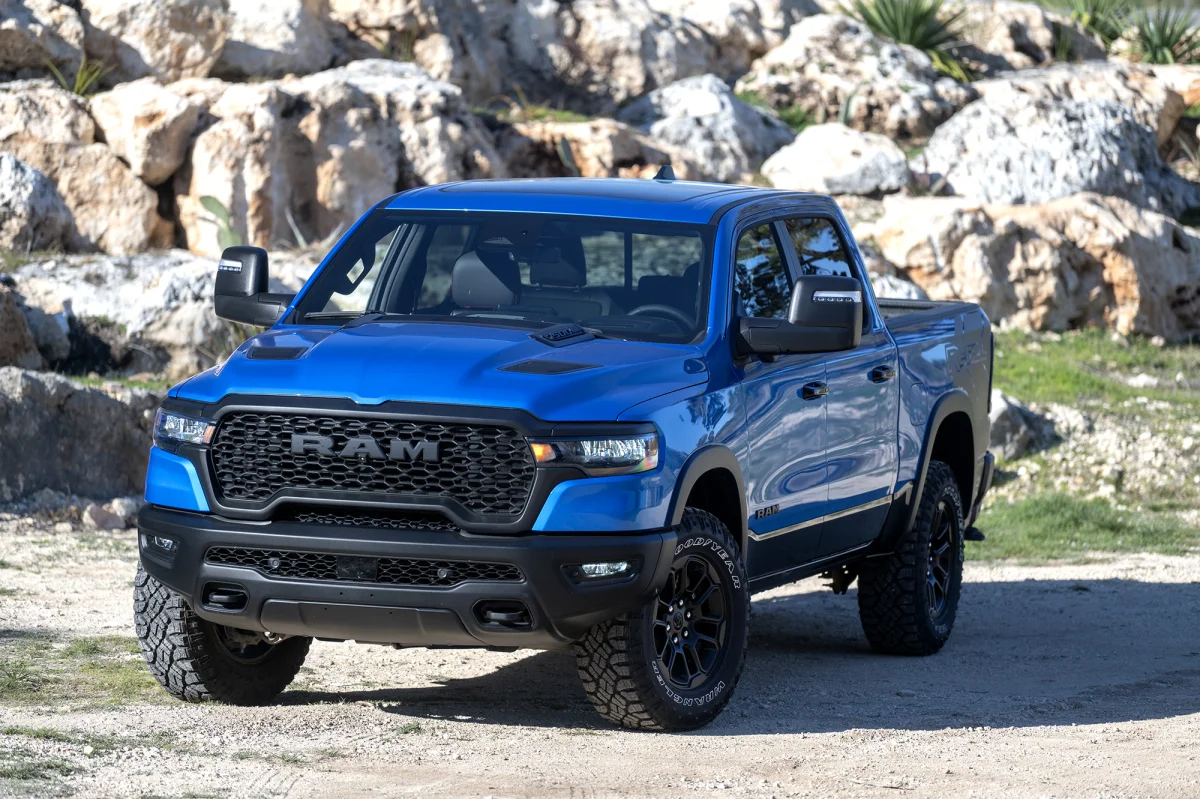
For New Haven commuters, the RAM 1500’s high-tech features and potential vulnerabilities may increase maintenance demands due to stop-and-go city driving, road wear, and frequent use of electronic systems. While it delivers comfort and capability, prospective owners should be prepared for elevated service costs compared to other full-size pickups in the market.
For New Haven city drivers, selecting a vehicle requires careful consideration of both purchase price and long-term maintenance. Cars such as the Subaru Impreza, Toyota Corolla Hybrid, Honda Civic, and Kia K4 show that practicality, efficiency, and safety can coexist with affordability.
They handle urban traffic, winter weather, and daily errands while minimizing unexpected repair costs, making them reliable choices for everyday commuting.
In comparison, vehicles like the Range Rover, Porsche Cayenne, BMW M4, and RAM 1500 carry high service costs due to complex engineering, specialized parts, and labor-intensive maintenance.
While these models offer luxury, performance, and advanced technology, they are better suited for drivers who prioritize status or driving excitement over cost-effective commuting. Understanding the balance between operational costs and features ensures a choice that is both enjoyable and financially sustainable.
Also Read: 10 Cars That Look Stunning But Disappoint True Enthusiasts