Beaumont and the surrounding Gulf Coast region present unique challenges for vehicle owners. The combination of high humidity, salt-laden air, intense heat, and industrial emissions creates a climate where some cars thrive while others corrode rapidly.
For workers commuting to Gulf Coast jobs, selecting a vehicle that balances durability, fuel efficiency, and comfort is critical. Cars like the Toyota Corolla, Honda CR-V, Volvo S60/S90, Toyota Prius, and Chevrolet Silverado 1500 offer robust corrosion resistance, modern technology, and practical performance for daily commuting, hauling, or long drives across the Gulf Coast.
Their advanced engineering, from galvanization to wax-coated frames and hybrid powertrains, makes them well-suited to endure the humid, salty environment while providing safety and reliability for demanding work and family life.
In contrast, several popular models struggle in this environment. Pre-2020 Mazda 3s, Ford Fiestas, Nissan Jukes, older Hyundai Sonatas, and Chrysler LHS/New Yorker sedans face significant corrosion risks.
Thin paint, inadequate underbody protection, and design flaws accelerate rust in wheel arches, rocker panels, and subframes. Without proactive maintenance like undercoating and frequent washes, these vehicles can suffer structural and electrical damage, making them costly and unreliable for Gulf Coast drivers.
5 Cars for Beaumont Gulf Jobs
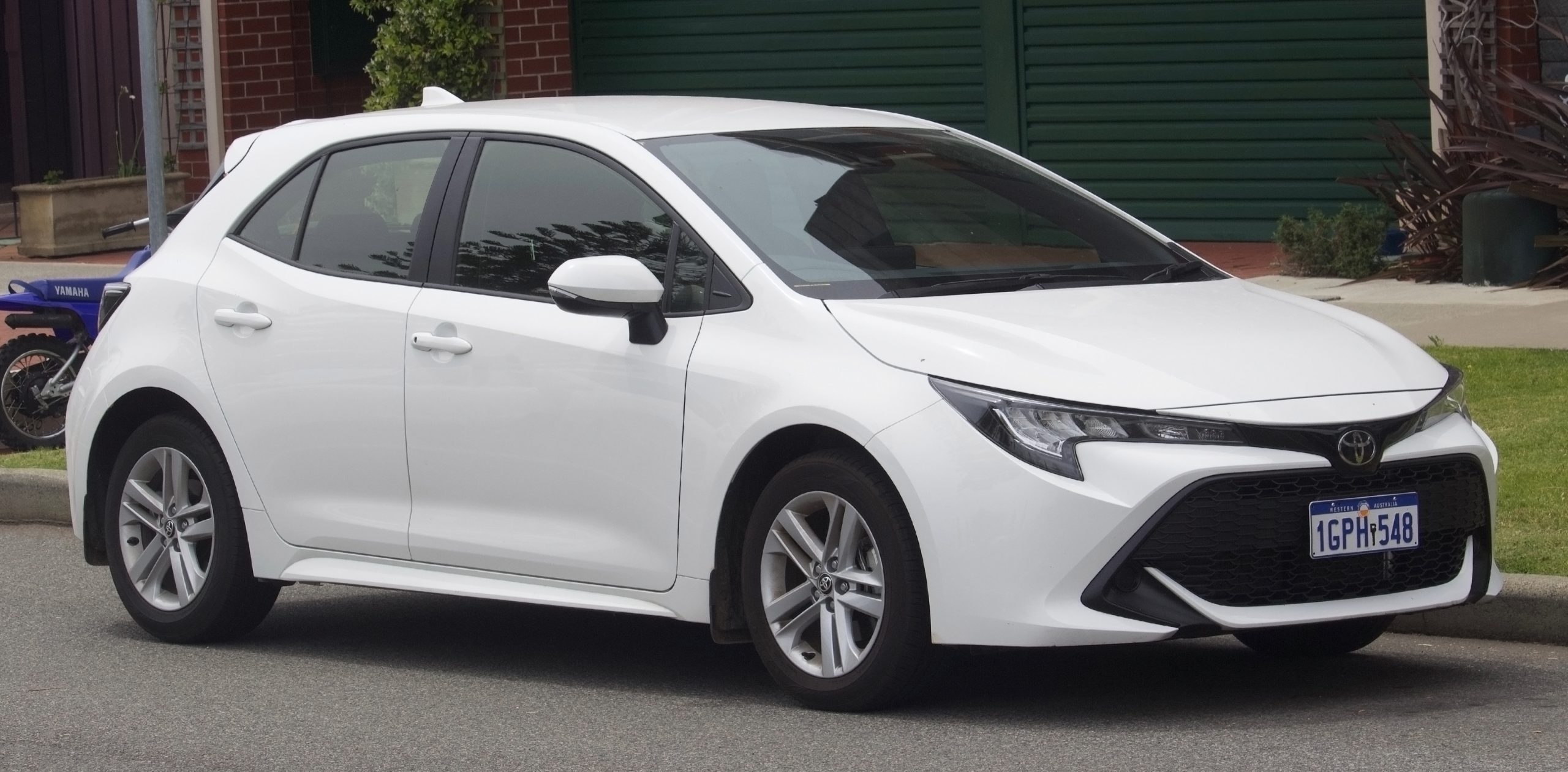
1. Toyota Corolla
The 2025 Toyota Corolla is one of the most dependable compact cars available, combining reliability, efficiency, and modern technology.
Constructed with high-quality steel and advanced anti-corrosion treatments, it is built for long-lasting durability. Its low maintenance costs and high fuel economy make it a popular choice for daily commuters, including refinery workers who drive long distances regularly.
The Corolla performs well in hot, humid climates like the Beaumont-Gulf region. Its engines and cooling systems are tuned to handle high temperatures, ensuring consistent performance on Southeast Texas roads. The car provides comfort for both city and highway driving, while its robust safety features, including Toyota Safety Sense 3.0, help protect drivers.
Standard features include pre-collision warning, lane-departure alert, adaptive cruise control, and automated emergency braking, which are especially useful on busy highways like I-10.
The Corolla sedan and hatchback are powered by a 169-hp 2.0-liter four-cylinder engine with a continuously variable transmission CVT. Hybrid models offer enhanced fuel efficiency. Acceleration is moderate with 0–60 mph times ranging from 8.3 to 9.0 seconds depending on the model.
Top speeds are electronically limited to 107 to 111 mph. Handling is composed with improved body control, while SE and XSE trims feature sport-tuned suspension for a firmer ride. Non-hybrid models achieve up to 32 mpg city and 41 mpg highway, and hybrid versions reach up to 53 mpg city and 46 mpg highway.
The Corolla cabin is refined and functional with soft-touch materials and a clean dashboard design. Features include passive entry, push-button start, dual-zone climate control, and ambient lighting on higher trims. Cargo space varies with hatchbacks providing 18 to 23 cubic feet and sedans offering 13 cubic feet.
Infotainment systems include an 8.0-inch touchscreen standard with Apple CarPlay and Android Auto. Optional upgrades include a 10.5-inch touchscreen, wireless charging, multiple USB-C ports, and an upgraded JBL audio system.
The Corolla is a compact vehicle with limited interior and cargo space compared to larger sedans or SUVs. The sport-oriented GR model prioritizes performance over fuel efficiency.
For drivers in the Gulf Coast region, the Corolla provides a combination of reliability, efficiency, comfort, and modern technology, making it a practical and economical choice for everyday commuting and varied driving conditions.
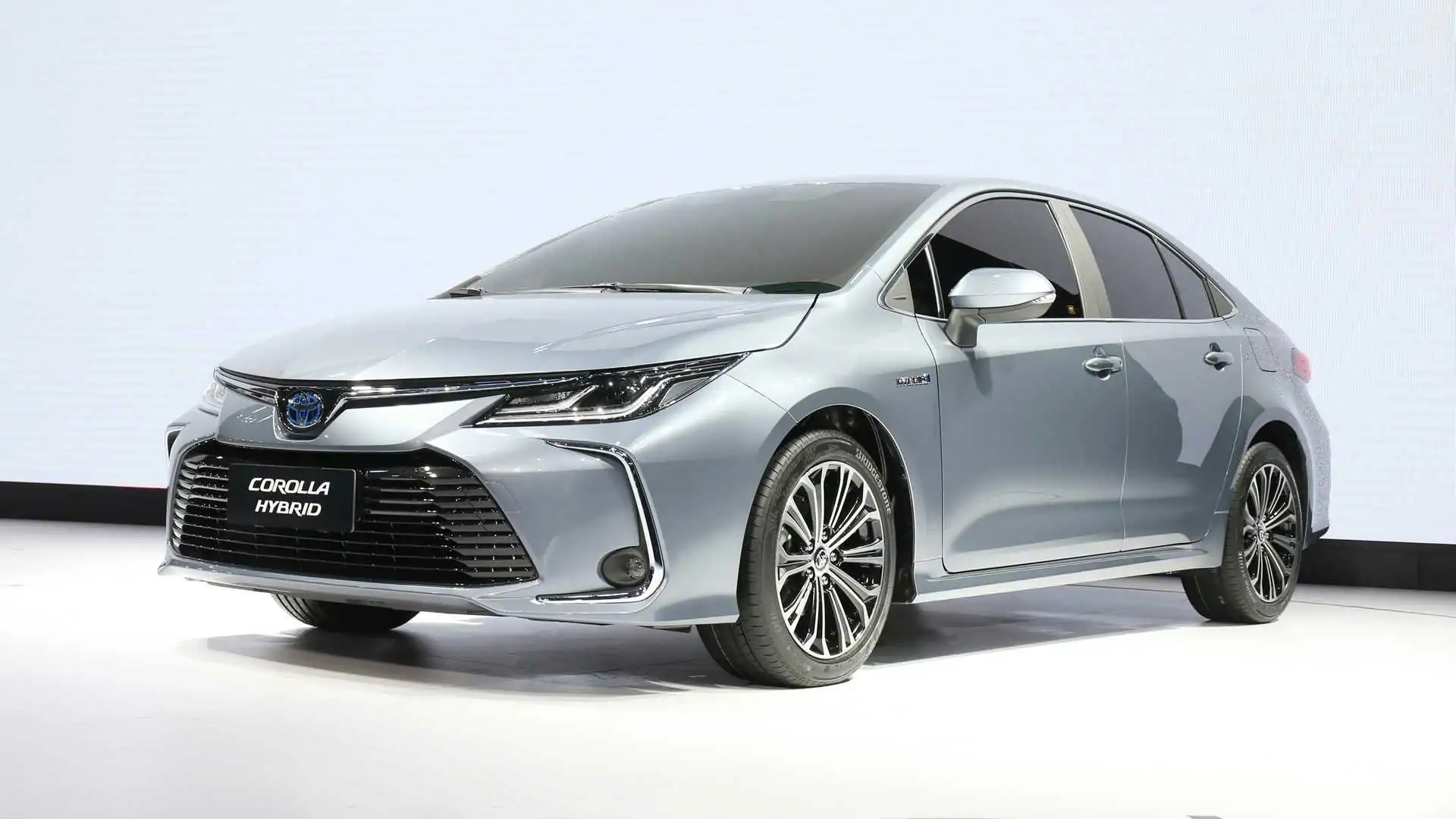
2. Honda CR-V
The Honda CR-V stands out as a dependable and practical crossover well-suited for coastal regions such as Beaumont and the broader Gulf Coast. Known for its strong construction, newer generations of the CR-V use double-sided galvanizing, which significantly improves resistance to corrosion caused by humid, salt-heavy air.
This added durability makes it a reliable option for drivers who face challenging coastal conditions year-round.
Fuel efficiency is one of the CR-V’s key strengths. With EPA estimates reaching up to 28 mpg city and 34 mpg highway for front-wheel-drive models, it supports daily commuting and longer trips without frequent fuel stops.
Its spacious and flexible cargo area adds to its appeal, offering room for coolers, beach chairs, sports equipment, and groceries. Folding rear seats and available roof rails increase versatility for active lifestyles that include beach outings and outdoor recreation.
Available all-wheel drive enhances confidence on wet pavement, muddy boat ramps, or lightly sandy surfaces common near coastal areas. Safety is another major advantage, as every CR-V includes the Honda Sensing suite.
Features such as adaptive cruise control, lane-keeping assist, forward-collision warning, and automated emergency braking help reduce fatigue and improve driver awareness during long highway drives or congested traffic.
The CR-V is powered by a 190-horsepower turbocharged 1.5-liter four-cylinder engine paired with a continuously variable automatic transmission. Buyers can choose between front-wheel drive and all-wheel drive. Performance is smooth and composed, favoring comfort over sporty handling.
A 0 to 60 mph time of about 8.1 seconds places it slightly behind some rivals, though acceleration is adequate for everyday driving. Hill-descent control and traction-management programming add confidence on slippery or uneven surfaces. When properly equipped, the CR-V can tow up to 1,500 pounds, enough for small trailers or watercraft.
Inside, the CR-V features a clean and modern cabin with thoughtful design touches such as a honeycomb-textured dashboard and a large center console. Rear-seat legroom is generous, making it family-friendly. Cargo space measures demonstrate its practicality, with up to 39 cubic feet behind the second row, exceeding some competitors. Technology includes a 9.0-inch touchscreen with Apple CarPlay and Android Auto, wireless charging, USB-C ports, and available digital gauge displays.
Honda’s reputation for reliability supports the CR-V’s long-term appeal. Warranty coverage is competitive, and complimentary scheduled maintenance for the first year or 12,000 miles helps reduce early ownership costs. For Gulf Coast drivers seeking efficiency, space, safety, and durability, the Honda CR-V delivers a well-rounded solution for both everyday life and coastal adventures.
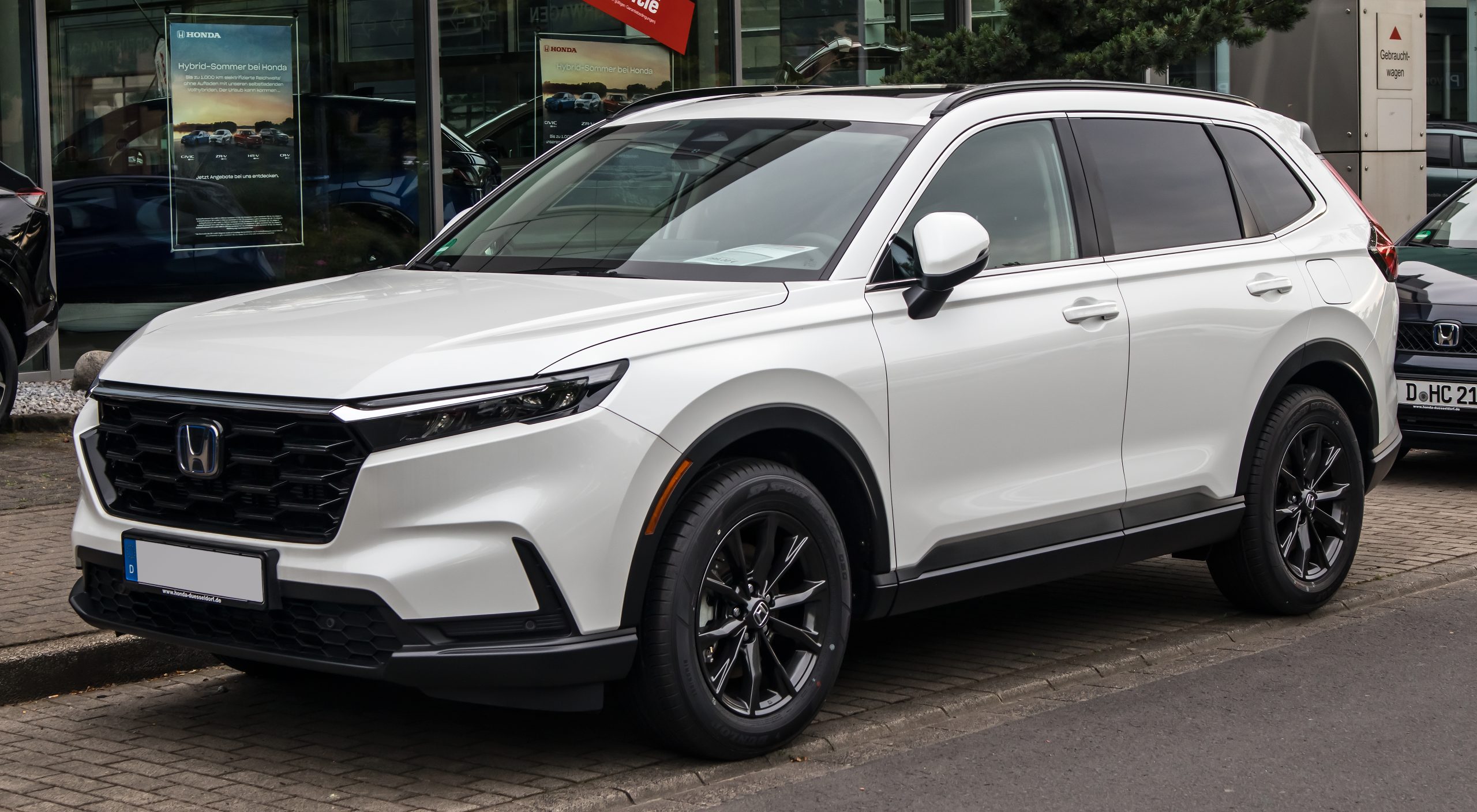
3. Volvo S60 and S90
The Volvo S60 and S90 are luxury sedans designed with durability, safety, and comfort in mind, making them strong choices for coastal regions like the Beaumont Gulf area. Volvo is widely recognized for having some of the best factory rust protection in the automotive industry.
Its extensive use of zinc-coated steel and high-grade materials was originally engineered for the harsh, snowy, and salt-heavy climates of Sweden, which translates well to resisting corrosion in humid, coastal environments.
Both models are well-suited for hot, humid, and sometimes dusty conditions common along the Gulf Coast. Volvo’s advanced air purification system can filter up to 95 percent of harmful PM 2.5 particles, which is especially valuable in areas with industrial activity, pollen, or airborne dust. This system helps maintain a clean and healthy cabin environment during daily commutes and long highway drives.
Stress-reducing driver assistance technology is another major advantage. Features such as Pilot Assist, Blind Spot Information System, lane-keeping aid, and adaptive cruise control help reduce fatigue in stop-and-go traffic and on long highway stretches.
Volvo’s reputation for safety is reinforced by standard collision warning, automatic emergency braking, and lane-departure warning, offering peace of mind in busy coastal traffic corridors.
The S60 and S90 offer a range of powertrains to suit different driving preferences. Mild-hybrid engines provide smooth power delivery and improved efficiency, while available plug-in hybrid Recharge models deliver strong performance with up to 455 horsepower and an electric-only driving range of around 40 miles. All-wheel drive is available, adding confidence in wet conditions.
The S60 delivers a more agile and driver-focused experience, making it better suited for urban driving and those who prefer a sportier feel. The S90 emphasizes comfort and refinement, with suspension tuning that smooths out road imperfections and favors relaxed highway cruising.
Inside, both sedans feature minimalist Scandinavian design with high-quality materials such as leather, wood trim, and premium sound systems. The S90 stands out with significantly more rear legroom, a slightly larger trunk, and added luxury features such as multi-zone climate control and more standard technology. The S60 remains comfortable and well-appointed, but is more compact in the rear.
The S60 is ideal for drivers who value agility, compact size, and a sporty edge. The S90 is better suited for those who prioritize space, comfort, and a refined luxury experience. Both sedans deliver strong safety credentials, advanced technology, excellent air quality, and corrosion resistance, making them well-suited for the demands of Gulf Coast driving.
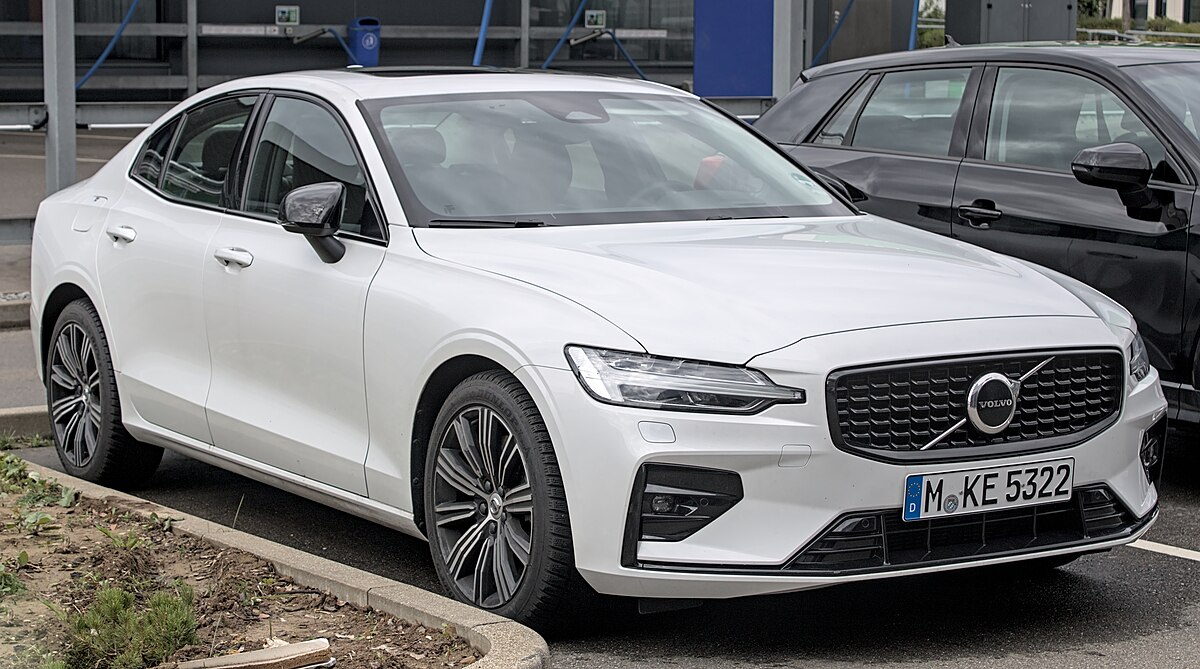
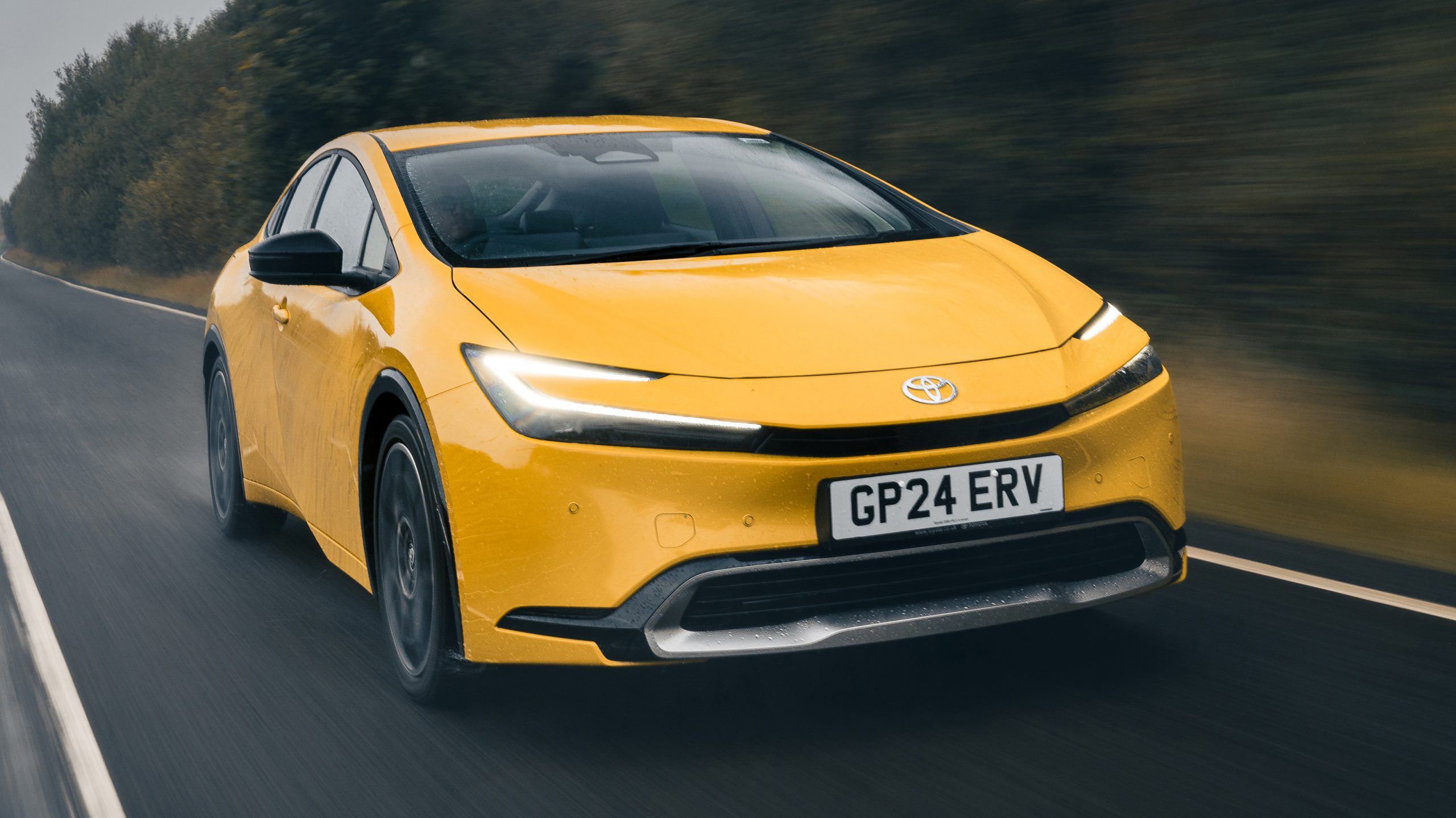
4. Toyota Prius
The 2025 Toyota Prius continues to redefine efficiency while offering improved performance, modern technology, and proven reliability. For workers commuting from outside Beaumont or traveling long distances across the Gulf Coast, the Prius stands out with a driving range exceeding 500 miles and fuel economy reaching up to 57 mpg.
Beyond fuel savings, its strong paint quality and sealed underbody components help protect against humidity-related oxidation, an important advantage in coastal environments.
Exceptional fuel efficiency remains the Prius’s greatest strength. High gas prices and long commutes make its hybrid system especially appealing, significantly reducing fuel costs over time. Toyota’s reputation for reliability and low maintenance further enhances long-term value, as Prius models are known to operate for many years with fewer major repairs.
The Prius also delivers a quiet and comfortable ride, thanks to its electric motor assistance, which is particularly pleasant in traffic and on extended highway drives.
Its hatchback design provides practical cargo space that easily accommodates groceries, luggage, or beach gear, making it useful for both daily errands and weekend trips. Lower emissions support environmental awareness and contribute positively to air quality in coastal regions.
The current Prius uses a 2.0-liter four-cylinder engine paired with electric motors and a continuously variable automatic transmission. Front-wheel-drive models produce 194 horsepower, while all-wheel-drive versions add a rear electric motor and increase output slightly to 196 horsepower.
This improved power allows the Prius to reach 60 mph in about 7.1 seconds, making it noticeably quicker than earlier generations and many hybrid competitors.
Fuel economy remains class-leading. Front-wheel-drive models are rated as high as 57 mpg city and 56 mpg highway, while all-wheel-drive versions achieve up to 53 mpg city and 54 mpg highway. Real-world highway testing has shown results close to 49 mpg at sustained speeds, reinforcing its efficiency claims.
Inside, the Prius features a more conventional cockpit with a driver-focused gauge cluster and available large touchscreens. Cargo capacity is generous for a compact hybrid, offering up to 23.8 cubic feet behind the rear seats on lower trims. Infotainment options include wireless Apple CarPlay and Android Auto, voice controls, Wi-Fi connectivity, and available JBL audio.
Toyota Safety Sense comes standard, including adaptive cruise control, lane-keeping assist, and blind-spot monitoring. Warranty coverage is competitive, with extended protection for hybrid components and two years of complimentary maintenance.
While rear headroom and visibility can be limited due to the sleek design, the Prius delivers a strong blend of efficiency, dependability, technology, and everyday practicality for Gulf Coast drivers.
5. Chevrolet Silverado 1500
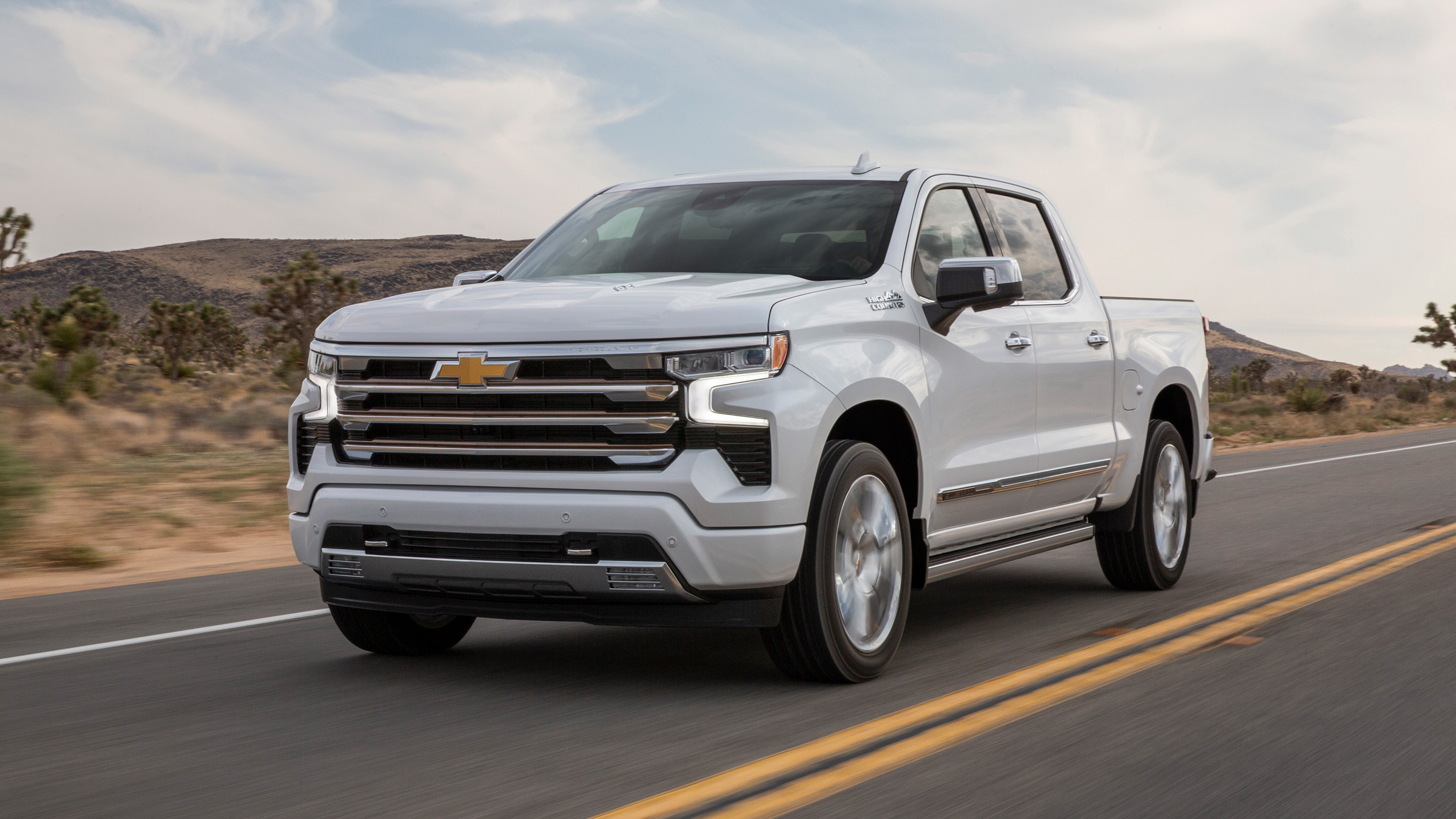
The Chevrolet Silverado 1500 is a fixture on Texas roads and a natural match for the Beaumont Gulf area, where industrial work, coastal weather, and long highway travel are part of daily life. One of the Silverado’s key strengths is its specialized hot-wax frame coating.
Unlike standard painted frames, this wax-based treatment creates a flexible, self-healing barrier that protects against salt exposure, moisture, and chemical runoff commonly found near refineries and port facilities. This corrosion resistance makes the Silverado particularly well-suited for humid Gulf Coast environments.
The Silverado 1500 offers a wide range of engine choices to suit different needs. Options include a 2.7-liter turbocharged four-cylinder, a 3.0-liter Duramax turbo-diesel inline-six, a 5.3-liter V8, and a 6.2-liter V8.
Depending on the engine, power is delivered through either an eight-speed or a ten-speed automatic transmission. The Duramax diesel stands out for combining strong towing ability with excellent highway fuel efficiency, making it a popular choice for long-distance driving and frequent hauling.
Towing capacity ranges from approximately 8,800 to 13,300 pounds, depending on configuration. This makes the Silverado capable of pulling boats, trailers, and work equipment commonly used along the Gulf Coast.
Off-road-oriented trims such as the Trail Boss and ZR2 add lifted suspensions, advanced dampers, and aggressive tires, allowing the truck to handle muddy job sites, unpaved roads, and coastal terrain with confidence.
Chevrolet offers the Silverado in Regular Cab, Double Cab, and Crew Cab body styles, paired with multiple bed lengths. This wide selection allows buyers to choose a setup that fits their work, family, or recreational needs.
Shorter beds provide easier maneuverability and parking while still offering substantial cargo capacity. Two-wheel drive and four-wheel drive options further expand versatility for changing road and weather conditions.
The Silverado’s interior blends toughness with everyday comfort. Spacious seating makes long commutes and road trips more enjoyable, whether heading to work sites or coastal destinations.
Modern infotainment systems, intuitive controls, and available driver-assistance features enhance convenience on extended highway drives. Higher trims add refined materials, larger screens, and advanced safety technology for drivers seeking additional comfort.
The Silverado’s popularity in Texas is reinforced by region-specific packages such as the Texas Edition and strong local dealership support in areas like Beaumont. Continuous improvements to powertrains, cabin quality, and technology have made the Silverado 1500 a capable, durable, and well-rounded pickup that meets the demands of Gulf Coast work, travel, and recreation.
Also Read: 5 Cars for Pensacola Beachgoing Families and 5 That Overheat on Trips
5 That Corrodes Quickly
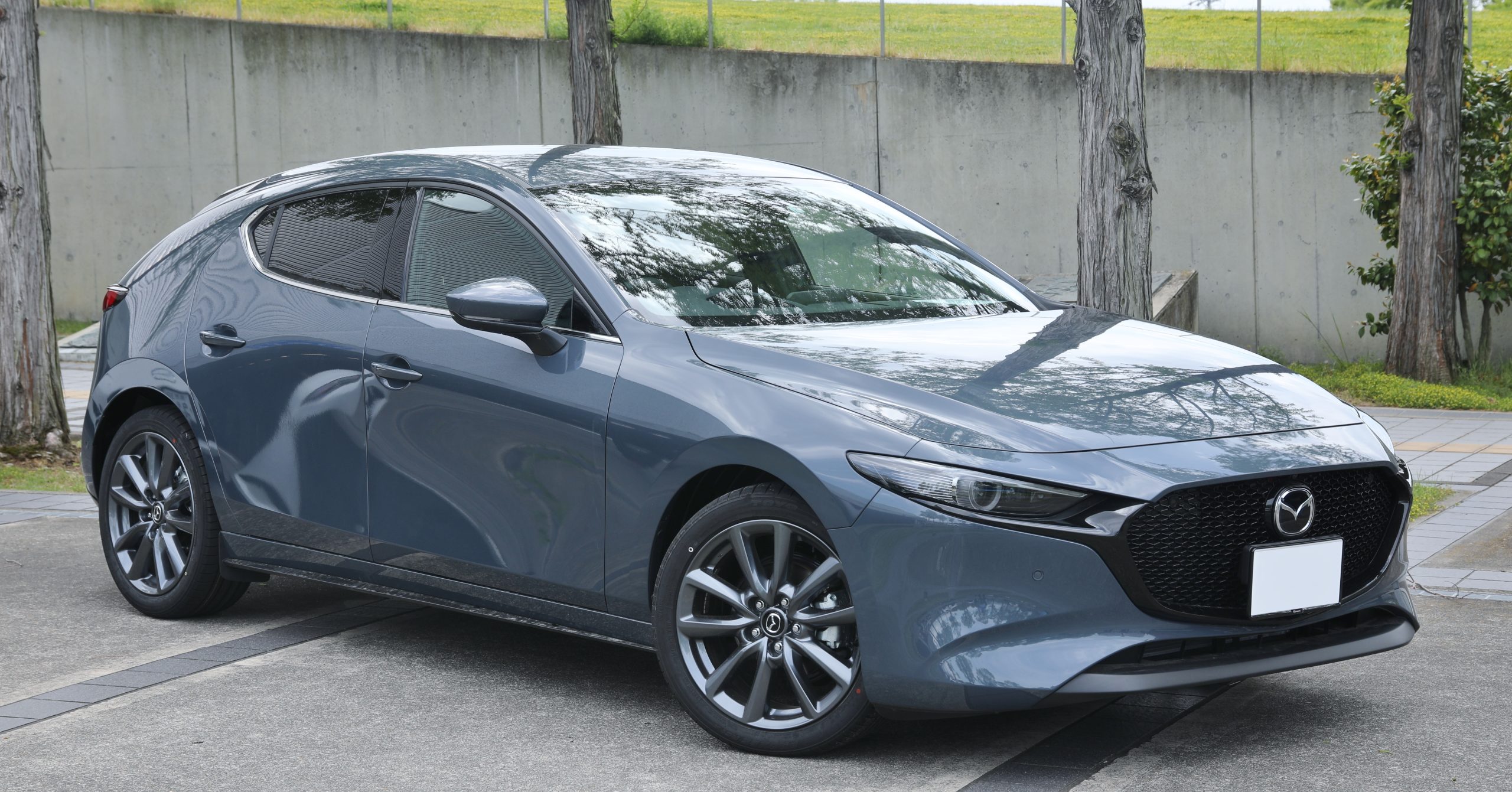
1. Mazda 3 Pre-2020 Models: Corrosion Risks in Coastal Environments
Pre-2020 Mazda 3 models have a well-documented history of corrosion issues, particularly in coastal regions like the Beaumont Gulf area.
First-generation models from 2004 to 2009 and early third-generation models from 2014 to 2015 are especially vulnerable due to a combination of environmental exposure and manufacturing limitations. While newer Mazda 3 models have improved corrosion protection, older versions remain at higher risk in high-salinity climates.
The Beaumont Gulf Coast creates harsh conditions for vehicle longevity. Salt aerosols from the coast settle on vehicle surfaces and attract moisture, accelerating oxidation. High humidity prevents these areas from drying, allowing corrosion to spread more quickly. Heat and prolonged sun exposure can degrade paint and clear coat, leaving metal surfaces exposed to salt and moisture.
Manufacturing choices in pre-2020 Mazda 3 models further increased susceptibility. Early generations reportedly suffered from insufficient galvanization, leading to paint bubbling and rust formation.
Design features around wheel arches and door sills allowed debris and salt water to become trapped, enabling corrosion to develop from the inside out. Thinner underbody coatings also left the subframe and suspension components more exposed than in newer designs.
In coastal environments, corrosion typically appears first around rear wheel arches, rocker panels, and undercarriage components. By 2020, Mazda addressed many of these issues with improved body engineering and materials.
Owners of older Mazda 3 models in Beaumont are often advised to apply rust-proofing treatments and wash their vehicles frequently to reduce salt buildup and slow corrosion progression.
2. Ford Fiesta: High Corrosion Risk in Coastal Conditions
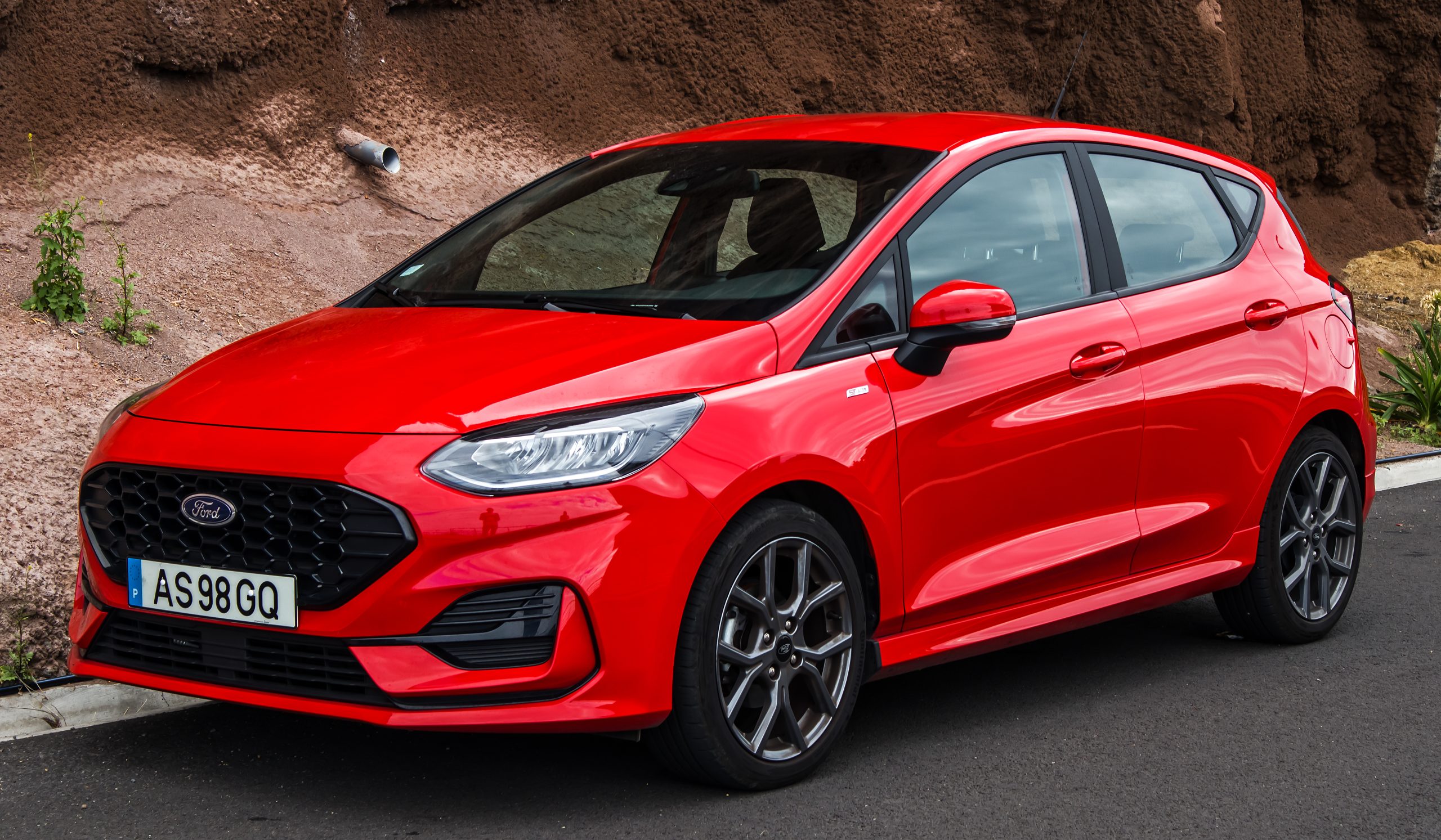
The Ford Fiesta is widely regarded as one of the most rust-prone compact cars, making it a poor long-term choice for coastal areas such as Beaumont, Texas. The combination of harsh environmental conditions and design-related weaknesses causes many Fiesta models to develop corrosion early in their lifespan, particularly when parked outdoors near the Gulf Coast.
The Beaumont–Port Arthur region presents one of the most corrosive climates in the country. Constant exposure to salt-laden air from the Gulf of Mexico, combined with high humidity, accelerates oxidation. Salt particles settle into seams and crevices, where moisture lingers for extended periods, creating ideal conditions for rust to form and spread.
The Fiesta’s design makes it especially vulnerable in this environment. Hollow pockets behind the front fenders tend to trap sand, salt, and debris while lacking sufficient drainage. This buildup retains moisture and leads to corrosion that begins inside the body panels and works outward.
Paint quality is another common issue, with frequent bubbling and flaking reported along door edges, hood seams, tailgates, and rocker panels. Once the thin factory paint fails, exposed steel deteriorates quickly.
Undercarriage protection is also limited. Key components such as brake lines, suspension mounts, and rear spring brackets often lack adequate corrosion resistance, allowing scale rust to develop faster than on better-protected competitors.
For Fiesta owners in Beaumont, professional rust-proofing treatments can help slow corrosion. Regular cleaning, clearing drain holes, and applying oil-based undercoatings may reduce damage, but long-term durability in coastal conditions remains a concern.
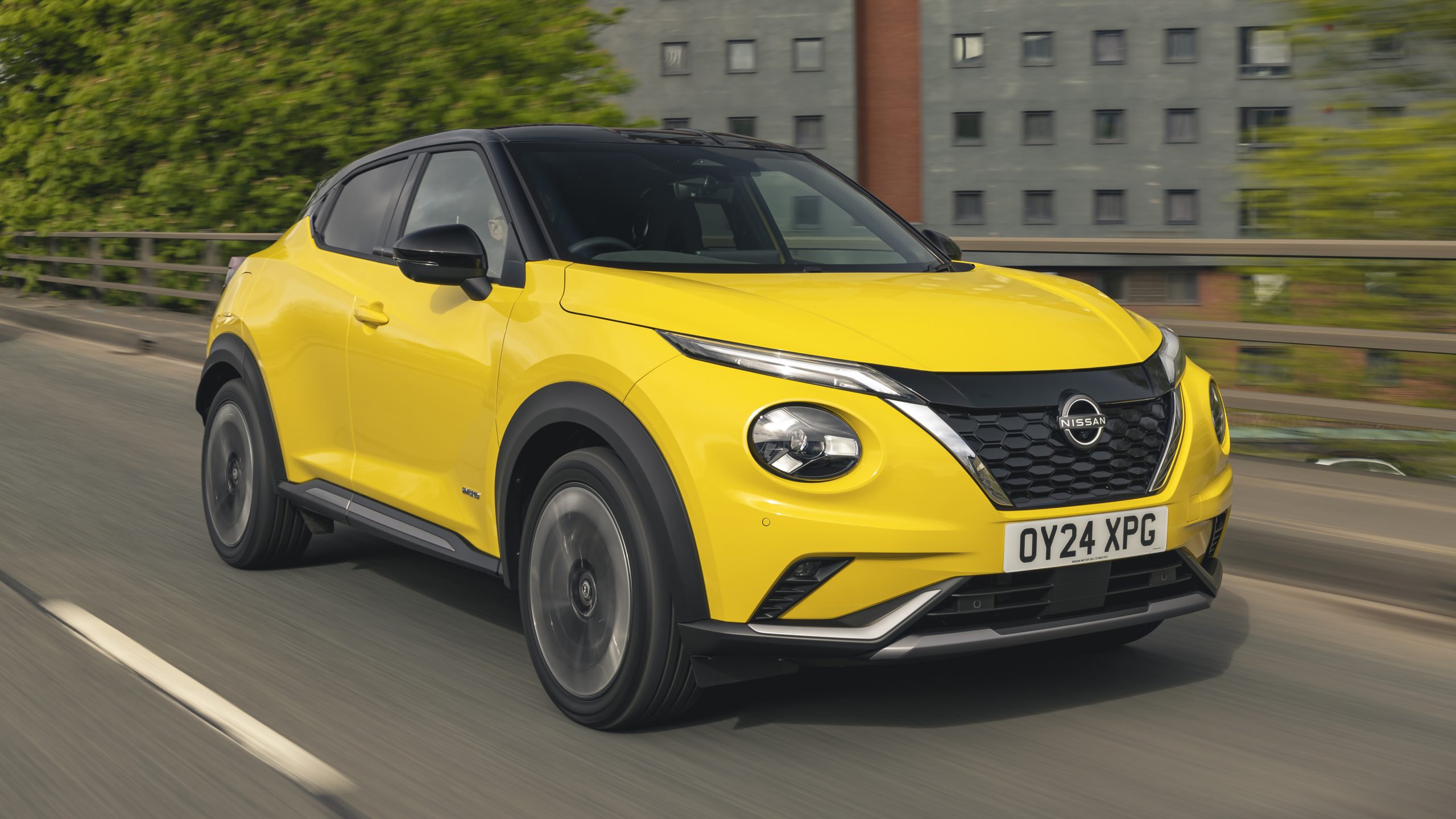
3. Nissan Juke: Corrosion and Durability Concerns on the Gulf Coast
The Nissan Juke has gained a reputation as one of the least reliable vehicles in recent rankings, and its durability challenges are especially apparent in coastal regions such as Beaumont and the broader Gulf Coast. In these environments, the Juke’s limited underbody protection and exterior durability make it particularly vulnerable to corrosion, turning ownership into a long-term maintenance concern.
Beaumont’s climate is highly aggressive toward automotive materials. Persistent humidity combined with salt-laden air from the Gulf of Mexico creates an electrolyte-rich environment that accelerates oxidation.
Moisture tends to remain trapped on vehicle surfaces rather than evaporating, allowing rust to develop quickly. In addition, Beaumont’s industrial activity introduces airborne pollutants such as sulfur dioxide and nitrogen oxides.
When these pollutants settle on vehicle surfaces, they can form acidic residues that degrade paint and clear coat faster than in non-industrial inland regions, exposing bare metal to corrosion.
The Nissan Juke faces specific vulnerabilities that amplify these environmental effects. Subframe and suspension components, particularly swing arms and rear subframe parts, often have relatively thin factory coatings.
Owners in coastal areas frequently report heavy surface corrosion that can progress into structural damage if left untreated. Exhaust system components and transmission oil cooler lines are also prone to early failure due to repeated heat cycling combined with salt exposure, which causes metal pitting and leaks.
Another concern lies in the Juke’s wheel arch design. These areas can trap mud, salt, and moisture against body panels, allowing corrosion to develop out of sight. Over time, this trapped debris creates concentrated rust zones that weaken the vehicle’s structure.
To slow corrosion in the Gulf Coast environment, Juke owners must adopt preventive measures beyond standard maintenance. Applying wax-based or lanolin-based underbody coatings can help shield exposed metal from salt mist.
Regular undercarriage cleaning is essential to remove corrosive deposits, and paint damage should be repaired promptly. Even with these steps, the Nissan Juke requires ongoing vigilance in Beaumont to prevent corrosion from compromising its structural integrity.
4. Hyundai Sonata Older Generations: Corrosion Risks in Gulf Coast Climates
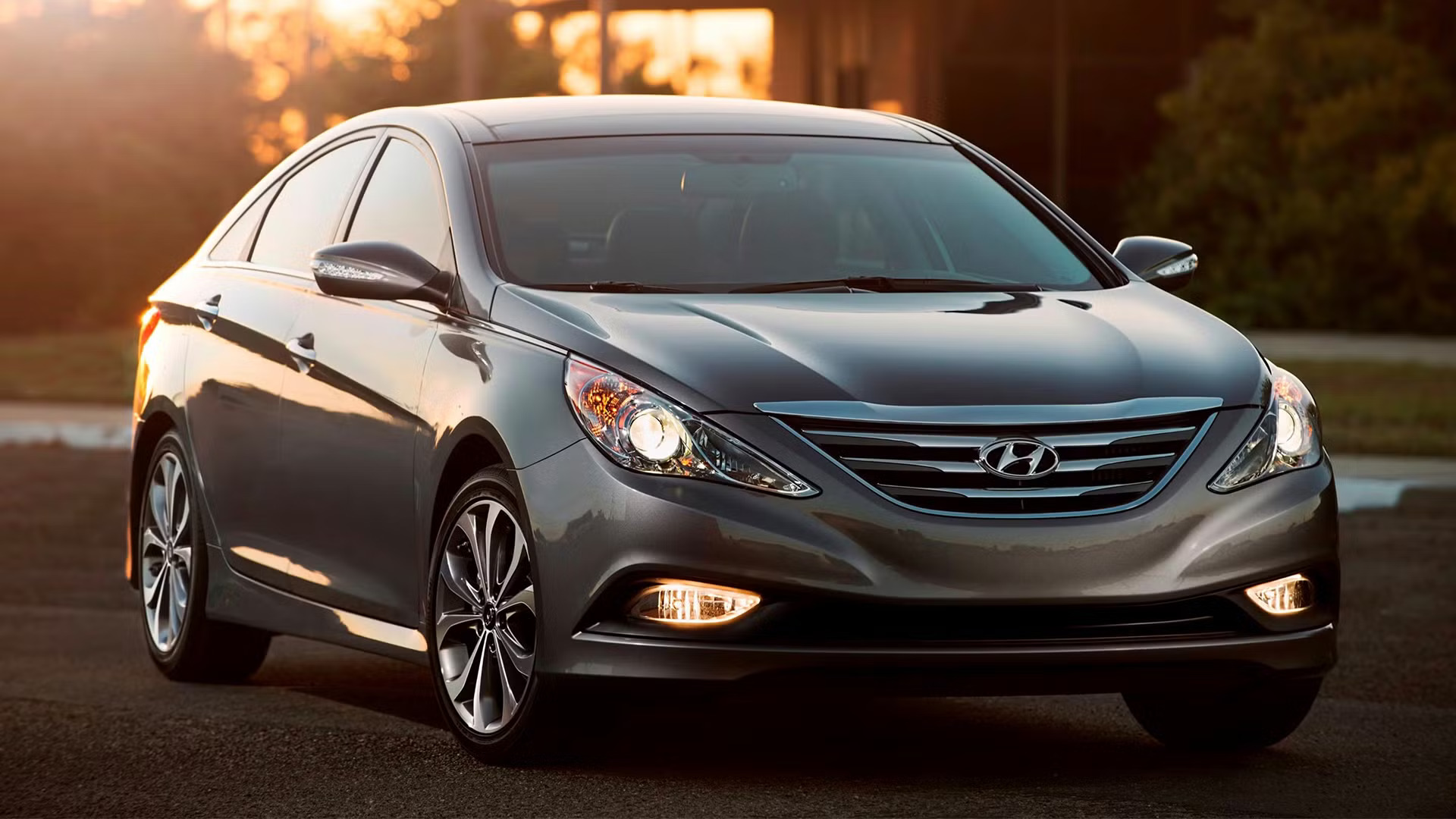
Older generations of the Hyundai Sonata, particularly models produced between 1999 and 2010, have documented corrosion issues that are amplified in humidity-heavy regions such as the Beaumont Gulf area.
While Hyundai has significantly improved build quality in recent years, these earlier Sonatas remain more vulnerable than many competitors, especially when compared with Toyota sedans known for stronger long-term corrosion resistance.
Several rust-related recalls highlight the Sonata’s weaknesses during this period. Models from 1999 to 2004 were prone to front subframe thinning, which could compromise structural integrity over time.
Later models from 2006 to 2010 were recalled due to rear suspension crossmembers that could rust through, potentially allowing suspension components to detach. In these generations, factory anti-corrosion coatings were often inadequate, particularly around weld points and hollow frame sections where moisture could accumulate unseen.
Beaumont’s coastal environment accelerates these vulnerabilities. Salt-laden air from the Gulf of Mexico introduces chloride ions that penetrate small cracks in paint and underbody coatings, initiating oxidation.
Persistent humidity provides the moisture necessary for rust to progress, while high temperatures speed up the chemical reaction. Industrial emissions common to the region can settle on vehicles and form mildly acidic films, further degrading protective surfaces.
Owners of older Hyundai Sonata models in the Gulf Coast region should check for open recalls through the NHTSA database. Frequent undercarriage washing and professional lanolin-based undercoatings can help slow corrosion, but long-term durability remains a concern in coastal conditions.
5. Chrysler LHS and New Yorker: Severe Corrosion in Coastal Environments
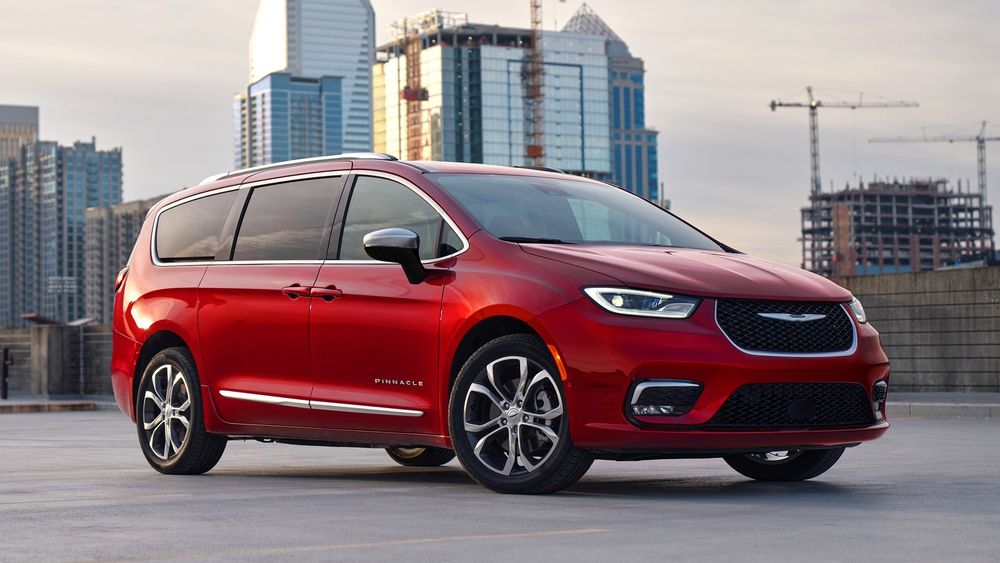
The Chrysler LHS and New Yorker are often remembered as large, comfortable sedans, but in coastal regions like Beaumont they have developed a reputation for severe corrosion.
Many examples show extensive rust in the fenders, trunk lids, and structural components after only a few years of exposure. By 2025, these issues are widely attributed to a combination of Gulf Coast environmental conditions and material limitations common to Chrysler’s 1990s engineering.
Beaumont’s proximity to the Gulf of Mexico exposes vehicles to salt-laden air rich in chloride ions, which accelerate oxidation. Persistent humidity, frequently above 70 percent, prevents metal surfaces from fully drying, allowing corrosion to progress continuously.
Industrial emissions from nearby refineries can combine with moisture to form mildly acidic residues that further degrade paint and protective coatings faster than in non-industrial coastal areas.
The LHS and New Yorker are particularly vulnerable due to paint and primer issues from their production era. Early water-based paint systems often suffered from clear-coat delamination, especially under intense Texas sun exposure.
Once paint peels or chips, bare metal is quickly attacked by salty air. Undercarriage protection is also limited, with insufficient galvanization leading to severe rust in rocker panels and brake lines.
Electrical components add another point of failure. Corrosion commonly affects coolant temperature sensors and blower motor resistor blocks, causing electrical shorts and reliability issues. Frequent undercarriage washing and professional undercoating can slow deterioration, but long-term durability in coastal environments remains a significant concern for these models.
Choosing the right vehicle for Beaumont Gulf jobs requires careful attention to corrosion resistance, durability, and long-term reliability. Cars like the Corolla, CR-V, S60, S90, Prius, and Silverado offer peace of mind with strong anti-rust measures, efficient engines, and versatile features, making them excellent daily drivers in humid, salt-heavy conditions.
Meanwhile, older or poorly protected models, including the Mazda 3, Fiesta, Juke, Hyundai Sonata, and Chrysler sedans, pose a higher risk of rapid deterioration. For coastal residents, understanding these differences is crucial.
Investing in a well-engineered, corrosion-resistant vehicle reduces maintenance costs, prevents unexpected breakdowns, and ensures dependable transportation for both work and recreation.
Regular preventive measures, such as undercoating and cleaning, can extend a car’s lifespan, but starting with a vehicle built to withstand the Gulf Coast environment remains the smartest choice for long-term reliability and peace of mind.
Also Read: 10 Cars With Door Slams That Sound Expensive