
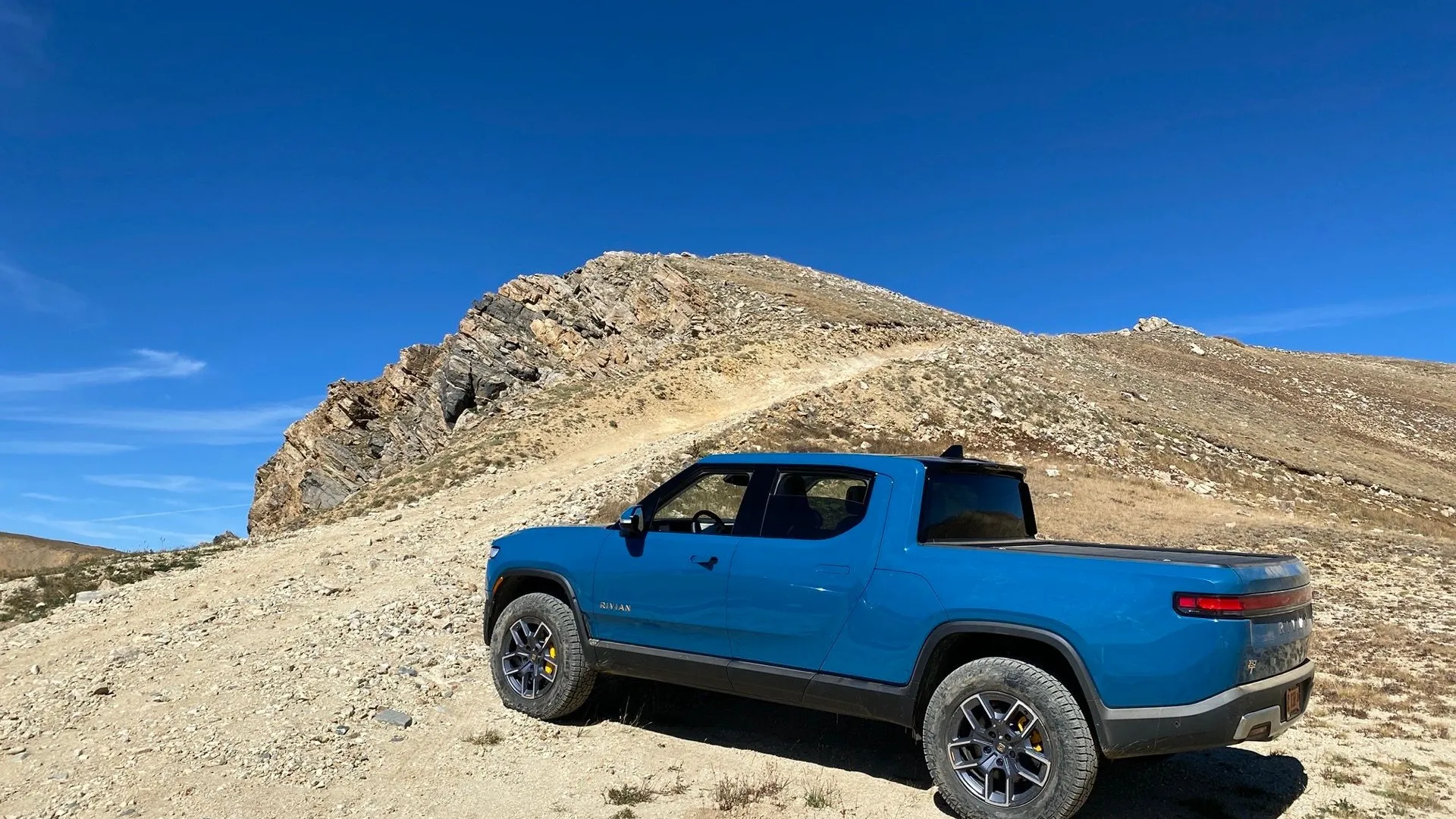
Getting up a long, demanding incline changes the way a vehicle behaves. Power delivery, traction, cooling, gearing, and even driver confidence come into play when roads climb sharply and refuse to level out.
Billings Mountain access routes, or any similar high-grade road in North America, ask more from a vehicle than casual commuting ever will.
A car that feels lively on flat pavement can feel hesitant, strained, or uncooperative when gravity keeps pushing back. That difference is not about brand loyalty or hype. It comes down to engineering choices that show their strengths or weaknesses as elevation increases.
Drivers planning trips into high-altitude areas often focus on weather or road conditions, yet the vehicle itself deserves equal attention. Some models handle steep climbs with calm authority, holding speed while keeping traction steady.
Others struggle to maintain momentum, forcing drivers to push harder on the throttle and hope the engine responds. Understanding which vehicles rise confidently and which ones falter saves stress, fuel, and wear.
This page lays out two clear groups. First come five vehicles built to reach demanding mountain access roads without drama. After that, five cars tend to lose strength when the road tilts upward.
Each model is discussed in detail, focusing on real driving behavior rather than marketing claims. Every example stands on its own, giving readers practical insight before the climb even begins.
5 Cars for Billings Mountain Access
1. Jeep Wrangler Rubicon 4xe
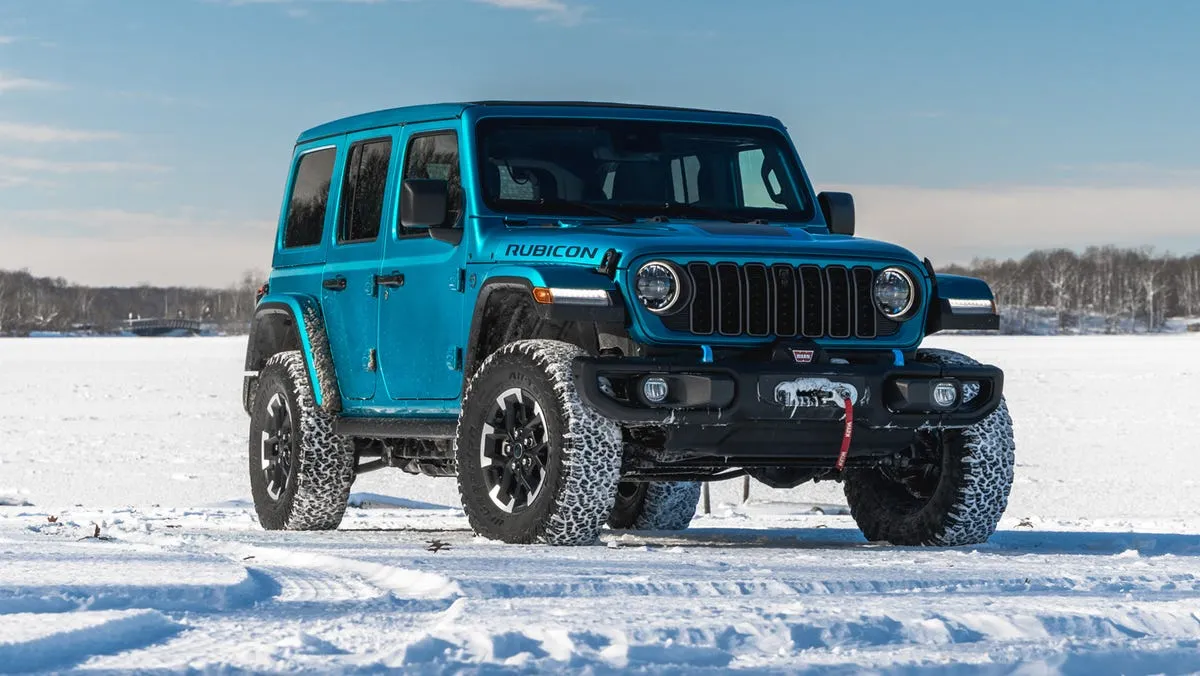
Confidence comes easily when discussing the Jeep Wrangler Rubicon 4xe, a plug-in hybrid that blends traditional four-wheel drive hardware with modern electric assistance. Steep grades reveal why this model sits comfortably among vehicles suited for mountain access roads.
Electric torque arrives instantly, filling gaps that gas engines sometimes leave at lower speeds. That immediate response helps the Wrangler pull itself upward without hesitation, even when the road surface demands careful throttle control.
Low-range gearing plays a large role in this vehicle’s uphill strength. Engaging the transfer case allows the engine and electric motor to work within an ideal range, reducing strain while improving control. Crawling up a long incline does not feel rushed or forced. Instead, progress feels measured and deliberate.
Locking differentials adds another layer of assurance, keeping power evenly distributed when one wheel meets loose gravel or uneven pavement. Cooling systems in the Wrangler Rubicon 4xe also deserve attention. Extended climbs can push temperatures upward, yet this model manages heat effectively through thoughtful airflow and component placement.
Drivers are less likely to encounter warning lights or reduced performance during sustained climbs. Suspension tuning adds stability, preventing excessive body movement that can unsettle less prepared vehicles on steep roads. Driver position matters on uphill routes, and this Jeep provides clear sightlines that help with placement and confidence.
Steering feedback remains consistent, making small corrections easy. Unlike lighter crossovers that feel stretched thin during climbs, the Wrangler communicates a sense of readiness. Power, traction, and durability align well here, making it a reliable choice for reaching elevated destinations without anxiety.
2. Toyota 4Runner TRD Pro
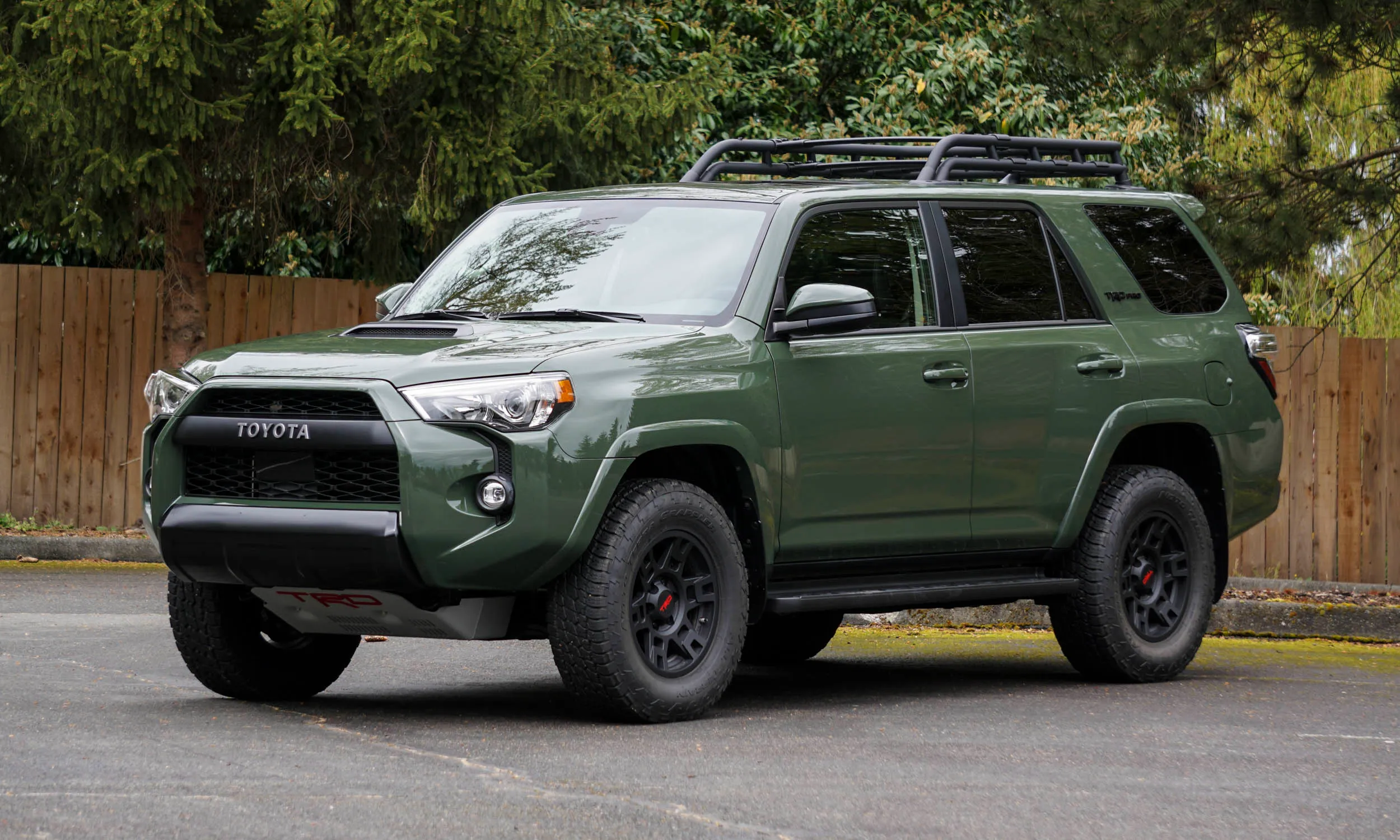
Purpose-built durability defines the Toyota 4Runner TRD Pro, especially when the road tilts sharply and engine output is truly tested. Powered by a naturally aspirated V6, this model may not boast the fastest acceleration figures on paper, yet it delivers consistent and dependable strength exactly where it matters most.
Uphill driving rewards predictability, and the 4Runner excels in that regard with steady throttle response and well-calibrated gearing that allow drivers to maintain momentum without abrupt surges or hesitation. Advanced features like Crawl Control make demanding grades far more manageable.
This system regulates throttle and braking automatically, letting the vehicle maintain a controlled, steady pace over steep inclines and uneven surfaces. By reducing the need for constant manual adjustments, Crawl Control lessens driver fatigue and helps keep wheel slip minimal.
Complementing this, Multi-Terrain Select fine-tunes traction management, allowing the 4Runner to adapt to gravel, mud, or loose rock without compromising forward progress. The combination of these systems ensures that even challenging climbs feel manageable and confident.
Suspension design emphasizes both durability and composure. Fox shocks absorb irregularities in the road while keeping the chassis stable, translating into consistent tire contact and smooth power transfer uphill.
This stability supports driver confidence, especially during extended climbs where uneven surfaces or off-camber sections could unsettle lesser vehicles.
Cooling systems are equally well-engineered, resisting heat buildup from long ascents and helping maintain engine and transmission responsiveness throughout. Driver ergonomics and visibility further enhance climbing capability.
The hood sits at a height that aids spatial awareness, and mirrors provide clear views of road edges and obstacles. Steering feedback remains firm and precise, helping drivers maintain control on winding, steep routes.
While acceleration numbers may appear modest on paper, real-world performance tells a different story.
On long, challenging uphill stretches, the 4Runner TRD Pro consistently maintains pace and composure, demonstrating that proven mechanical design and thoughtful off-road technology remain highly effective when the road begins to rise.
Also Read: 5 Cars for Tulsa Commuters and 5 That Don’t Survive High Mileage
3. Subaru Outback Wilderness
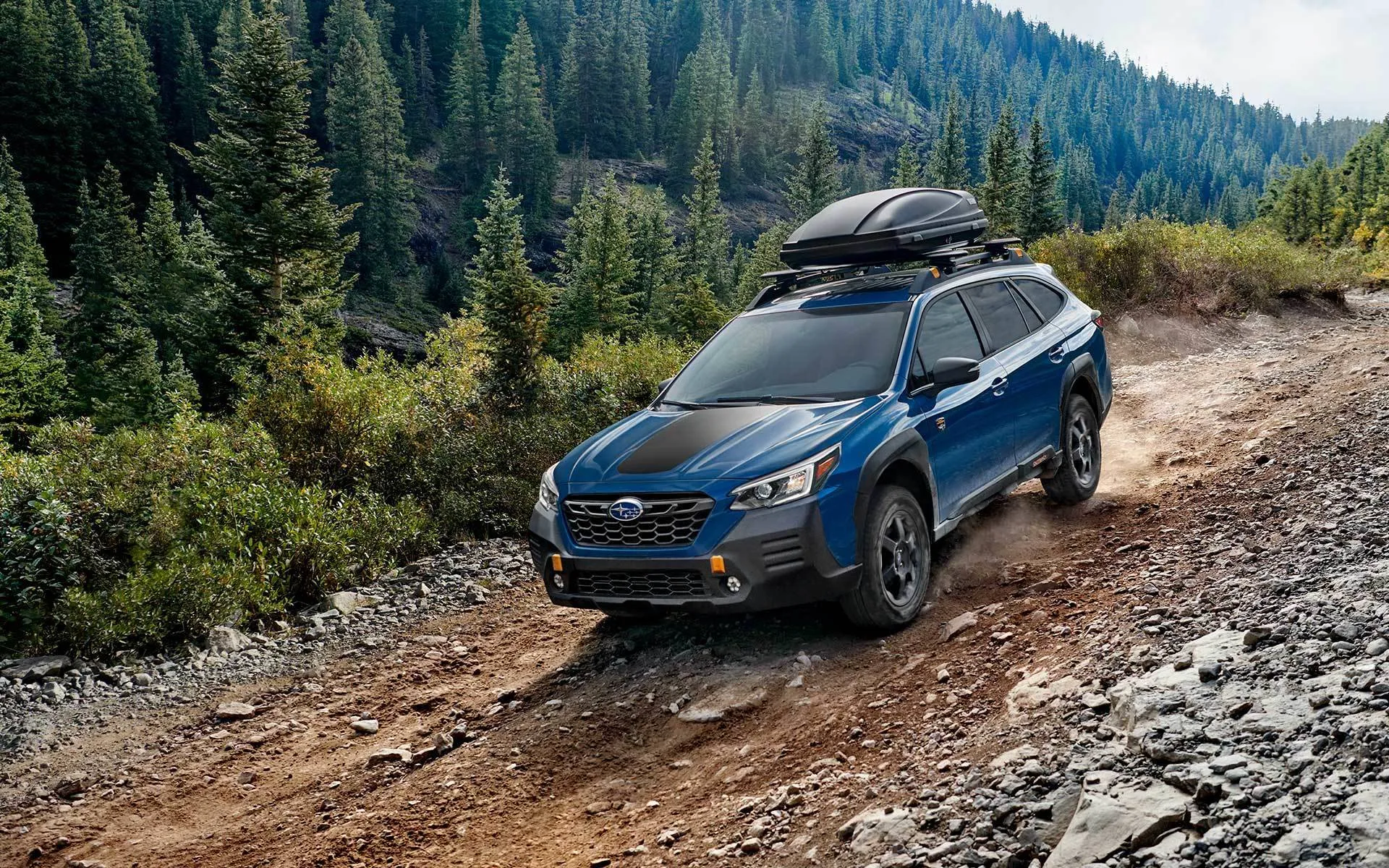
Balance sits at the core of the Subaru Outback Wilderness, shaping a vehicle that feels equally comfortable during daily driving and demanding climbs. Turbocharged power gives this model a clear edge as elevation increases.
By using boost to offset thinner air, the engine sustains output where naturally aspirated competitors begin to lose strength. Acceleration uphill feels controlled and steady, avoiding the rushed sensation that can wear down drivers on long grades.
Power distribution plays a major role in this confidence. Subaru’s symmetrical all-wheel drive system delivers torque evenly, helping the Outback Wilderness maintain grip without abrupt wheel slip.
Steering corrections remain minimal, even as the incline steepens. Dual-function X-MODE settings fine-tune throttle behavior and traction response, allowing the vehicle to adapt smoothly when pavement quality changes during a climb.
Ride height and underbody protection add reassurance on elevated routes. Extra ground clearance helps when pavement gives way to rougher sections, while protective cladding guards against debris.
Suspension tuning favors comfort while retaining composure, limiting excessive nose lift and body movement as the road angles upward. Cooling systems perform reliably during sustained climbs, keeping throttle response consistent rather than sluggish.
Inside the cabin, thoughtful ergonomics support driver focus. Controls fall easily to hand, reducing distraction during technical ascents. Visibility remains excellent due to a low beltline and expansive glass, aiding placement on narrow roads.
The Outback Wilderness may present a modest appearance, yet uphill performance highlights a vehicle engineered for elevation. Drivers seeking steady climbing ability without stepping into a bulky SUV will find this model quietly capable and reassuring.
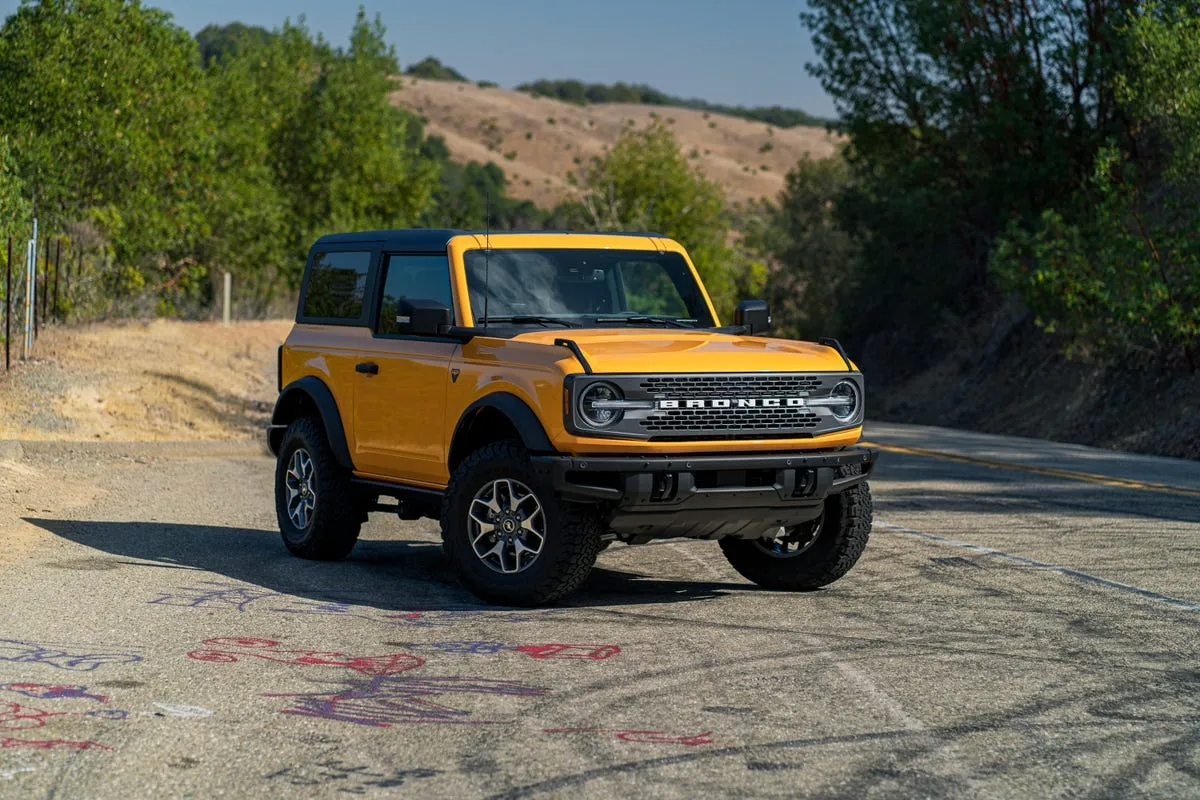
4. Ford Bronco Badlands
Strength and modern engineering come together in the Ford Bronco Badlands, creating a vehicle that feels at home when the road rises sharply.
Turbocharged power delivers a broad band of mid-range torque, making it easier to hold speed on sustained climbs without pushing the engine to uncomfortable limits.
Throttle response feels immediate and confident, reducing the need for constant gear changes and allowing smoother progress uphill.
Four-wheel drive technology defines much of the Bronco’s climbing ability. Multiple selectable drive modes adjust throttle sensitivity, traction control, and transmission behavior to match steep grades.
Engaging low range dramatically changes how the vehicle moves, favoring careful control over raw speed. Locking differentials add another layer of assurance by distributing power evenly when one side encounters reduced grip, helping maintain steady forward motion.
Suspension design in the Badlands trim emphasizes durability and wheel articulation. Tires remain firmly in contact with the road, improving traction and stability during climbs that combine uneven surfaces with sharp inclines.
Cooling systems handle extended uphill demands well, preventing power fade and preserving consistent response even under load.
Inside, the cabin supports driver focus. Controls feel solid and purposeful, reinforcing confidence during technical ascents.
Seating position offers excellent forward visibility, helping drivers place the vehicle accurately on narrow or winding routes. Steering remains predictable and composed, reducing fatigue over longer climbs.
The Bronco Badlands blends rugged strength with thoughtful control, turning steep, demanding roads into manageable challenges rather than stressful obstacles.
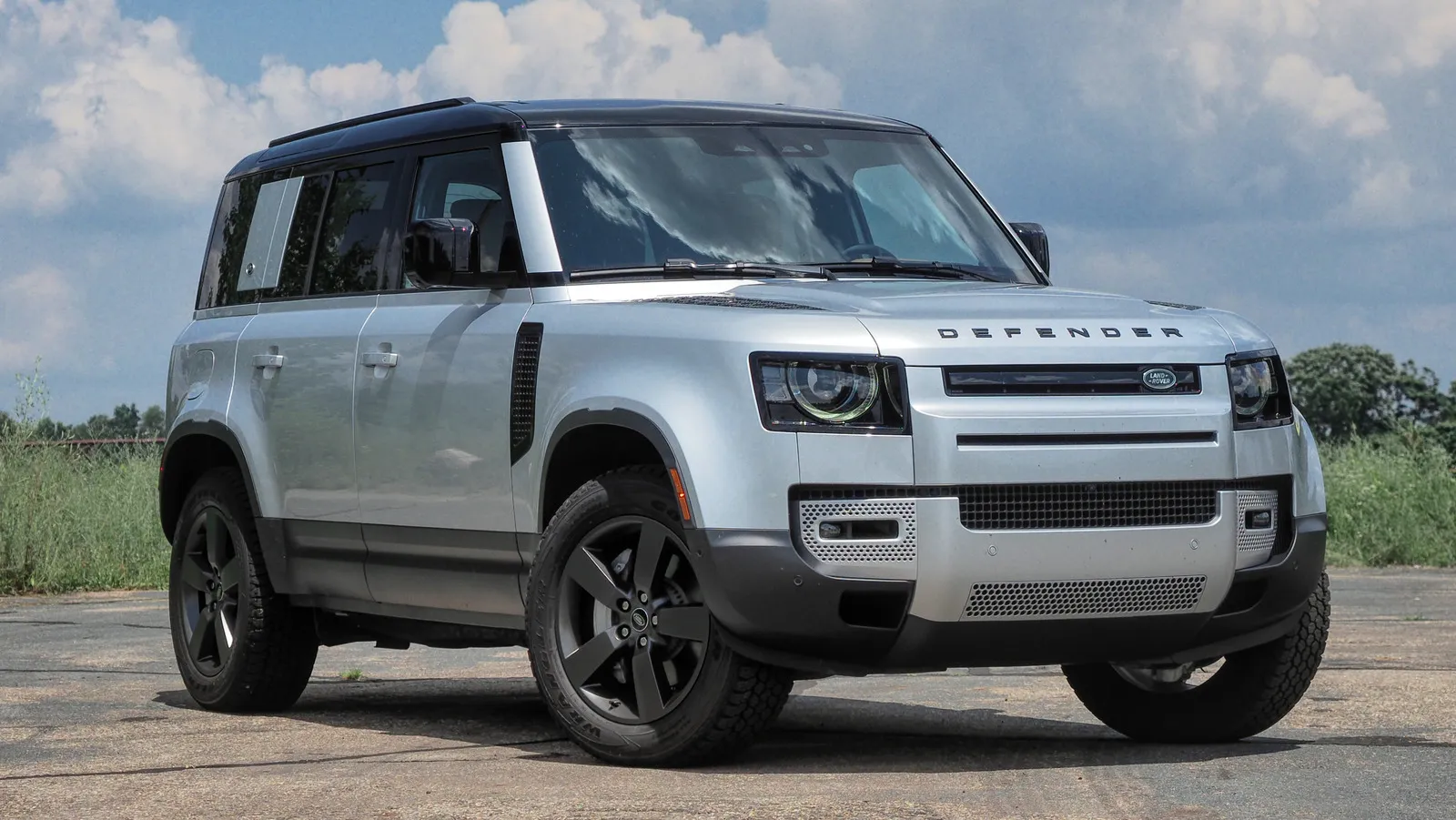
5. Land Rover Defender 110
Heritage and modern engineering combine seamlessly in the Land Rover Defender 110, creating a vehicle that tackles steep climbs with composure and confidence.
Under the hood, turbocharged engines paired with mild hybrid technology supply consistent torque across a wide range of speeds, making uphill driving smooth and controlled.
Power delivery builds progressively rather than arriving in sudden bursts, which helps maintain traction and keeps the driving experience predictable even on long, demanding inclines.
The Defender’s advanced all-wheel drive system actively monitors wheel grip, continuously redistributing power to maintain stability. If one wheel loses traction, torque is shifted instantly to the wheels with better contact, minimizing slippage and ensuring forward momentum.
Adjustable air suspension adds another layer of adaptability, allowing the driver to raise ride height to improve ground clearance and approach angles when road demands it. On challenging climbs, these features keep the vehicle level, stable, and confident, even when surfaces vary or the road narrows unexpectedly.
Cooling and thermal management are equally important for sustained uphill performance. The Defender’s systems are engineered to handle prolonged engine and drivetrain loads without sacrificing responsiveness, ensuring the vehicle performs consistently even when carrying passengers, gear, or towing.
Steering remains precise and well-weighted, allowing the driver to position the vehicle accurately on narrow, winding routes with minimal stress.
Inside, the cabin balances luxury with practicality. Controls are logically arranged, allowing quick adjustments without distraction.
Digital displays present critical information clearly, enhancing situational awareness during technical climbs. Large windows, a high seating position, and thoughtfully designed sightlines provide excellent visibility, helping drivers anticipate road edges and obstacles.
The Defender 110 demonstrates that a vehicle can blend refinement, capability, and composure, delivering reliable uphill performance while keeping occupants comfortable and confident, even on extended climbs and challenging roads.
Cars That Lose Power Uphill
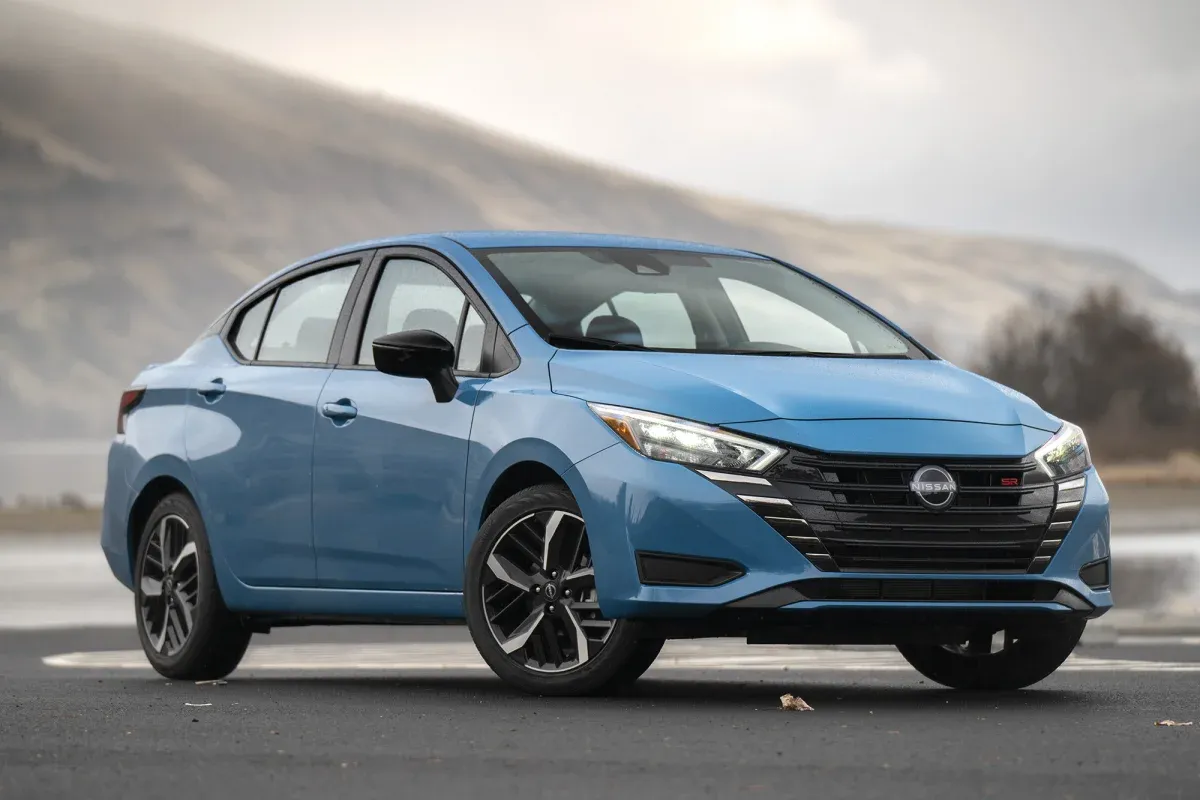
1. Nissan Versa 1.6 S
Simplicity shapes the Nissan Versa 1.6 S, and that straightforward approach works best on level roads where efficiency matters most. Steep grades, however, expose limits that everyday driving rarely reveals.
A small-displacement engine paired with a continuously variable transmission prioritizes fuel savings instead of climbing strength. As the road rises, pressing the accelerator harder results in more noise than forward motion, leaving the car feeling strained rather than responsive.
Power delivery during uphill travel often feels delayed. Engine speed climbs quickly, yet vehicle speed increases at a much slower pace. The transmission frequently adjusts ratios in an effort to manage load, which creates an unsettled sensation behind the wheel.
Drivers expecting a smooth, predictable response may find this behavior frustrating. During longer climbs, heat buildup can add to the problem, softening throttle response and making progress feel increasingly labored. Traction presents another challenge.
Front-wheel drive struggles as weight moves toward the rear on steep inclines. Tire grip decreases, especially on worn or loose surfaces, leading to wheel spin when starting from a stop. Steering feels lightens under these conditions, requiring extra attention to keep the car tracking straight and stable.
Inside the cabin, limited sound insulation allows the engine’s effort to dominate the experience. The constant rise in engine noise can make climbs feel longer and more tiring than expected.
While the Versa 1.6 S performs well for city driving and short commutes, uphill routes clearly reflect its efficiency-focused design. Drivers who face frequent elevation changes may find this model lacking the calm strength needed for comfortable climbing.
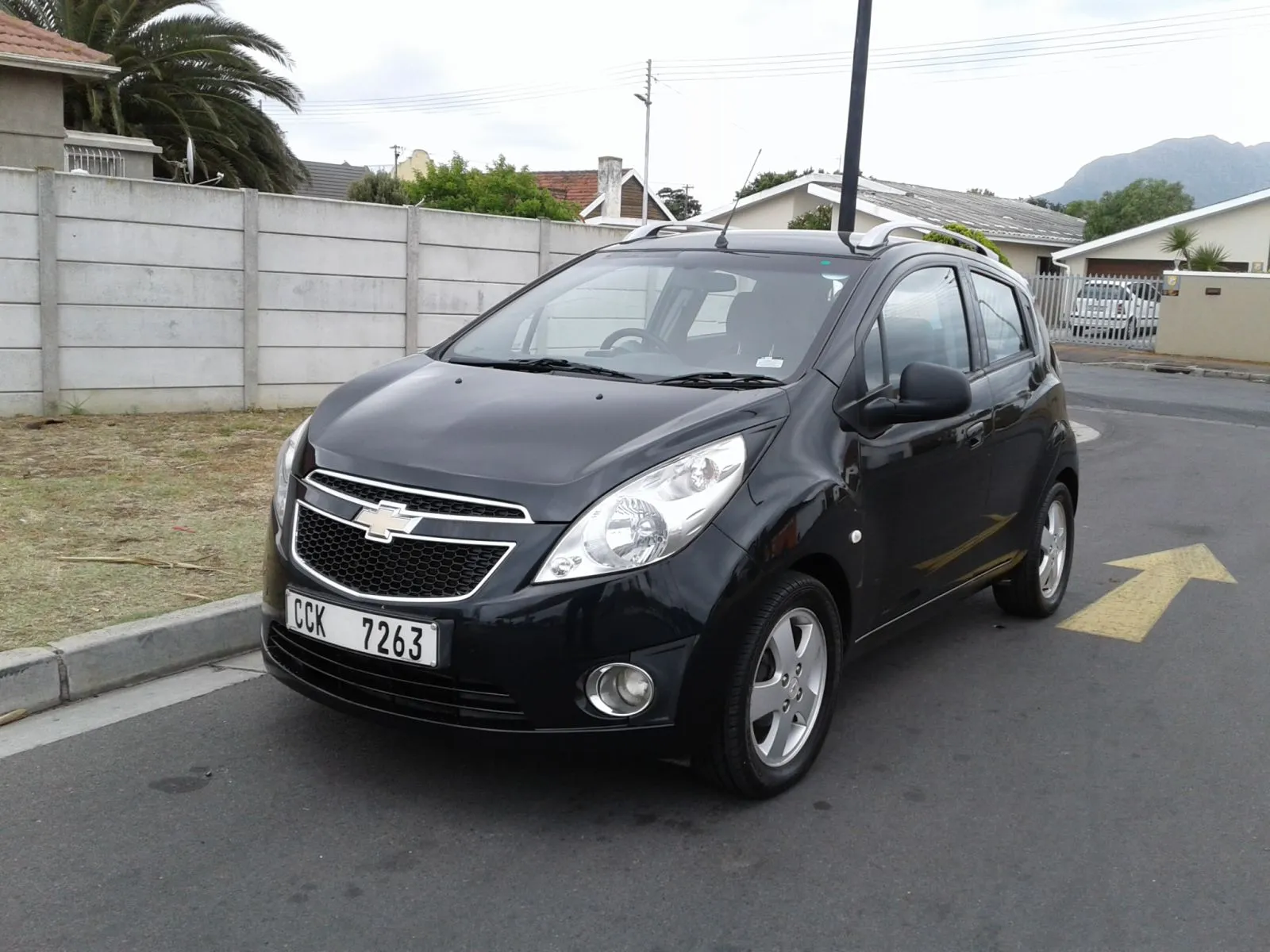
2. Chevrolet Spark LS
Small proportions and light weight give the Chevrolet Spark LS clear advantages in tight urban spaces, yet those same traits become limiting once the road begins to rise. Powered by a small-displacement engine with modest torque output, the Spark LS struggles to maintain steady momentum on steep grades.
As elevation increases, acceleration fades quickly, requiring drivers to press harder on the accelerator while watching speed climb at a frustratingly slow pace. Passing slower vehicles uphill often becomes unrealistic, leaving patience as the only option.
Transmission behavior adds another layer of difficulty. Calibrated to protect fuel efficiency, the automatic gearbox tends to delay downshifts during climbs. Engine revolutions rise sharply before useful acceleration arrives, filling the cabin with sound while forward progress remains limited.
This lag creates a disconnect between driver input and vehicle response. During longer ascents, heat buildup can further dull throttle reaction, making the Spark feel increasingly strained as the climb continues.
Traction also works against the Spark LS in these situations. Front-wheel drive combined with a short wheelbase means weight moves rearward on inclines, reducing grip at the drive wheels. Starting from a stop on a steep hill ofte
n requires careful throttle control to avoid wheel spin.
On uneven pavement, maintaining traction becomes even more challenging. Steering feedback lightens under load, which can make the vehicle feel unsettled and less predictable when climbing curves appear. Cabin comfort suffers as engine noise dominates the driving experience.
Thin insulation allows mechanical sounds to carry easily, increasing fatigue during prolonged uphill travel. Running the air conditioner or heater adds extra demand on the engine, sometimes causing noticeable sluggishness.
While the Spark LS remains practical for short trips and level roads, sustained climbs reveal limitations that make it poorly suited for drivers who regularly face steep elevation changes.
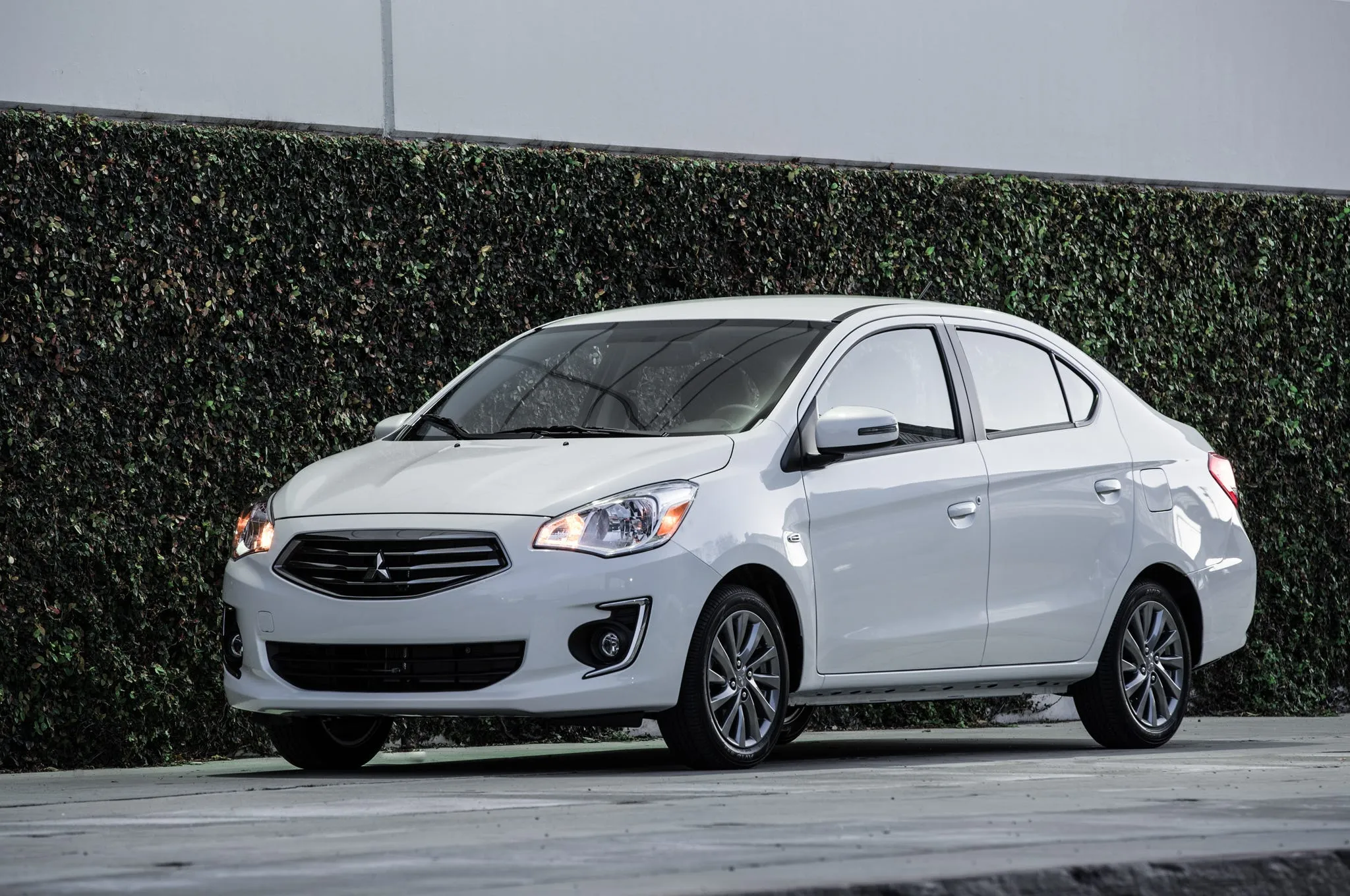
3. Mitsubishi Mirage G4
Efficiency drives the design philosophy behind the Mitsubishi Mirage G4, and that focus becomes very clear once the road begins to climb.
Built to sip fuel and keep operating costs low, this compact sedan uses a small-displacement engine paired with a lightweight body. On flat pavement, that formula works as intended.
When faced with long or steep inclines, however, the Mirage G4 quickly feels outmatched. Pressing the accelerator deeper results in rising engine sound long before any meaningful increase in speed, which can feel discouraging during extended uphill stretches.
Transmission behavior adds another layer to the experience. Calibrated to protect fuel economy, the automatic transmission tends to hold higher ratios longer than ideal when climbing.
Rather than dropping promptly into a lower gear, it often hesitates, leaving the engine operating outside its most effective range.
This causes sluggish response and forces drivers to anticipate hills well in advance. During prolonged ascents, heat buildup can soften throttle response even more, making the car feel increasingly strained as the climb continues.
Traction limitations also appear under these conditions. Front-wheel drive combined with narrow tires provides limited grip when the weight moves rearward on an incline.
Starting from a stop on a steep road requires gentle throttle control to avoid wheel spin. Steering feels light under load, reducing the sense of connection between the driver and the road, especially when corners appear mid-climb.
Cabin comfort takes a hit as engine noise becomes more pronounced. The Mirage G4 remains a solid choice for city travel and short commutes, yet uphill driving reveals compromises tied to its efficiency-first mission. For drivers who regularly encounter elevation changes, this model may feel tiring and underprepared.
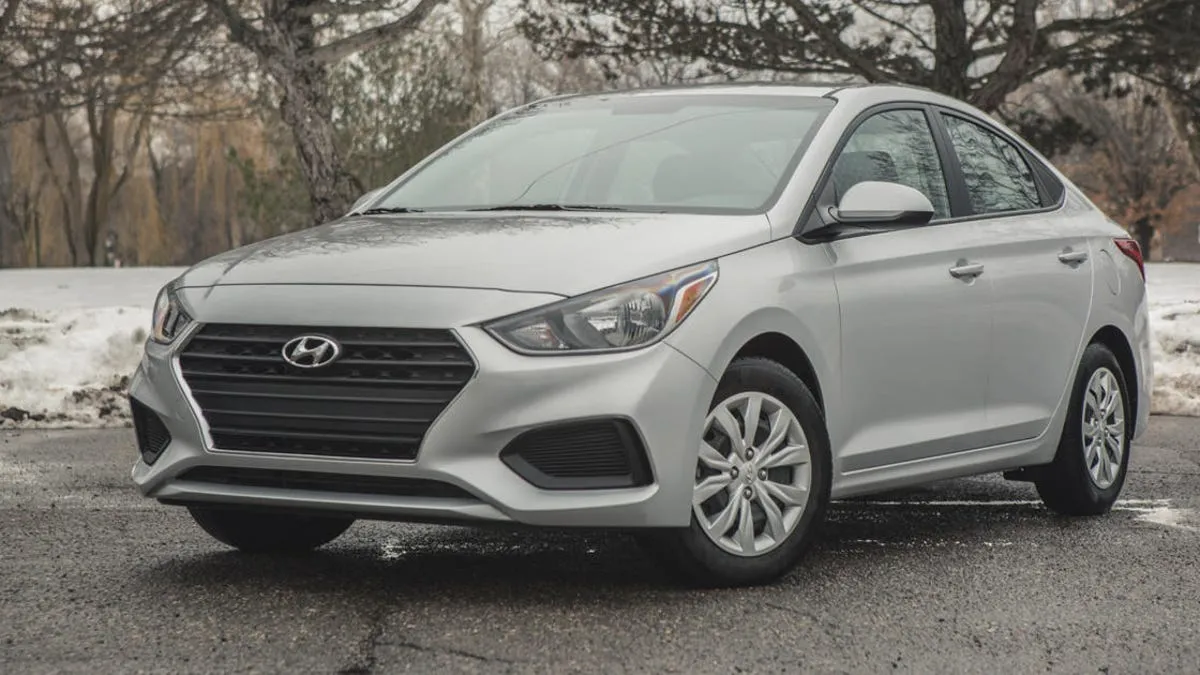
4. Hyundai Accent SE
Practicality and simple engineering define the Hyundai Accent SE, making it a solid choice for daily commuting and city driving. Its modest engine and lightweight construction keep fuel consumption low and operating costs manageable, which is ideal for everyday use.
However, when the road tilts sharply, these same qualities quickly reveal their limitations. Engine output is modest, and peak torque arrives at higher RPMs, requiring the driver to rev the engine more aggressively to maintain forward momentum. On steep inclines, this can feel more like a struggle than a smooth, controlled ascent.
Transmission behavior plays a big role in uphill performance. The automatic gearbox, designed with efficiency in mind, sometimes hesitates before downshifting under load. This delay interrupts smooth acceleration and often results in a sudden spike in engine noise when the downshift finally occurs.
Extended climbs can place additional demand on the cooling system, slightly reducing throttle responsiveness and making the vehicle feel more strained as the incline continues. Traction can also become an issue, particularly since the Accent SE uses front-wheel drive.
On steep grades, weight moves rearward, reducing grip at the drive wheels and increasing the risk of wheel spin when starting from a stop. Steering feedback lightens under these conditions, requiring attentive corrections to maintain control and alignment on narrow or winding uphill roads.
Inside the cabin, sound insulation does little to hide the mechanical effort. Engine noise dominates during climbs, and acceleration feels hesitant rather than responsive, reminding the driver of the car’s limitations.
While the Hyundai Accent SE excels in reliability, affordability, and efficiency on flat roads, uphill routes expose the boundaries of its design.
For drivers who frequently encounter steep inclines, long ascents can become tiring and require careful management of throttle, gears, and traction, highlighting that this vehicle is better suited for everyday commuting than challenging elevation changes.
Also Read: 5 Cars for Charleston WV Hills & Drives and 5 That Struggle Uphill
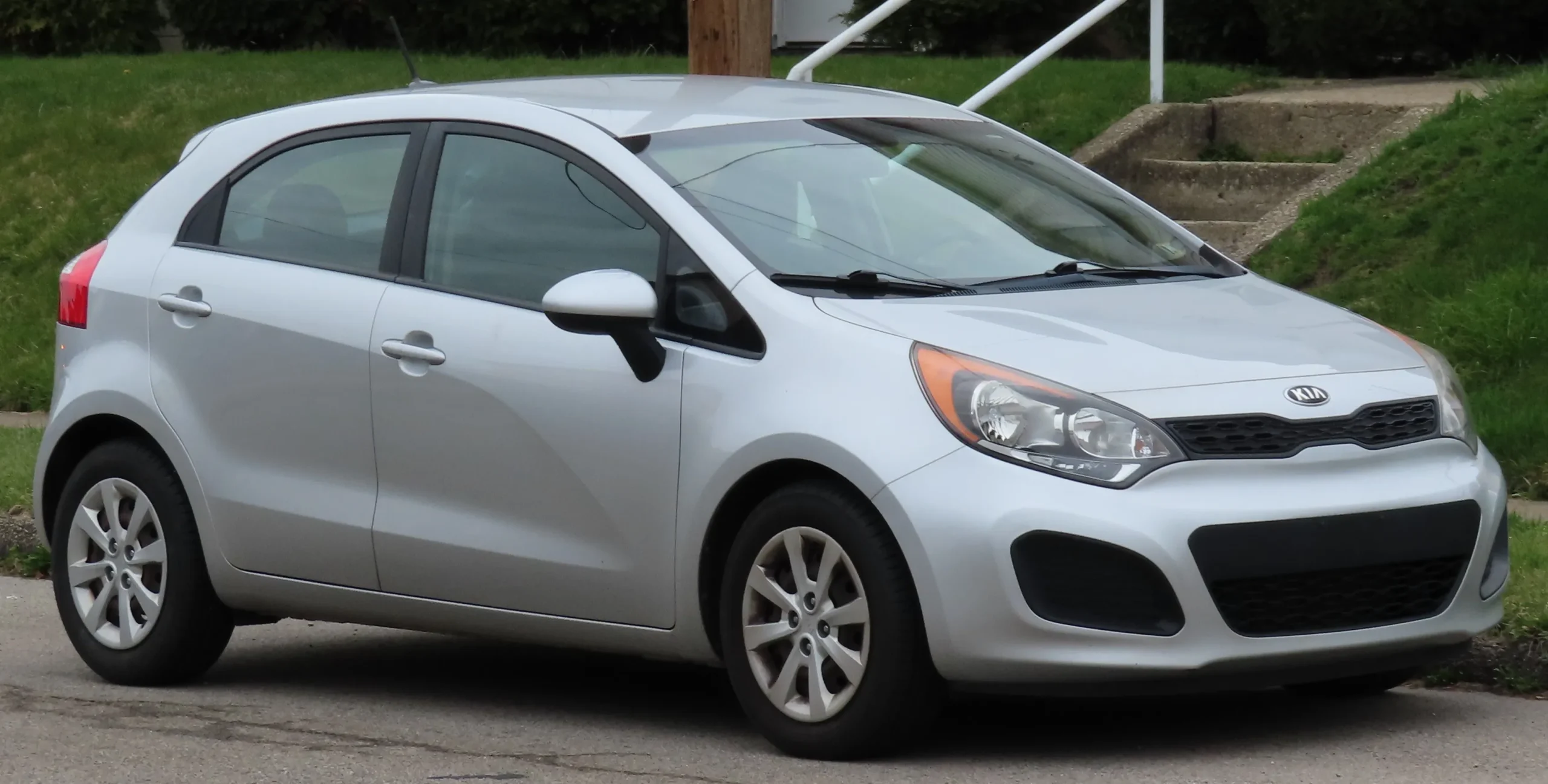
5. Kia Rio LX
Affordability drives nearly every aspect of the Kia Rio LX, shaping a vehicle designed primarily for efficiency and daily commuting.
On flat roads, this approach works well, offering low operating costs and straightforward performance. When the road tilts sharply, however, the car’s limitations become apparent.
Engine output remains modest, and low-end torque is minimal, leaving uphill acceleration feeling labored. Pressing the accelerator produces more engine noise than forward momentum, forcing drivers to adjust expectations and accept slower progress during extended climbs.
Transmission behavior amplifies these challenges. Tuned for smooth operation and fuel economy, the automatic gearbox often hesitates to downshift until engine strain is obvious.
This delayed response results in uneven acceleration and rising cabin noise, making uphill driving feel more stressful than it should.
Prolonged climbs can generate heat buildup, further dulling throttle response and leaving the Rio LX struggling to maintain steady momentum. What works efficiently on level road can feel underpowered and less composed on demanding grades.
Traction is another concern. With front-wheel drive, weight naturally moves toward the rear on inclines, reducing grip at the driven wheels.
Starting from a stop on a steep hill requires careful throttle control to avoid wheel spin, and steering feedback lightens under load, making precise vehicle placement more difficult.
On winding uphill roads, these factors can leave drivers feeling less confident and require more attention than anticipated.
Inside, cabin comfort is compromised as engine effort dominates the soundscape. Mechanical noise rises during climbs, conversations become more difficult, and the entire experience feels tense rather than relaxed.
While the Kia Rio LX performs admirably for economical commuting and everyday errands, frequent or long uphill routes reveal its limitations.
Drivers who regularly drive through steep roads may find it better suited for flat urban streets, as uphill driving emphasizes areas where power, traction, and composure are stretched beyond the vehicle’s intended design.
