
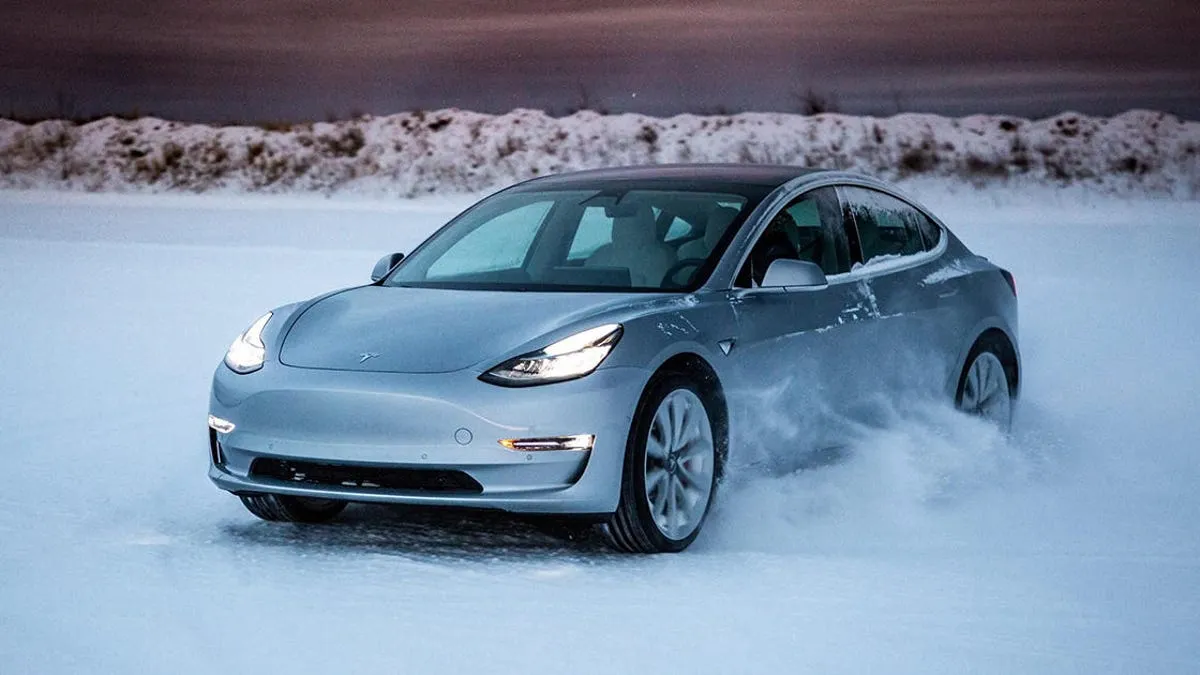
Winter in places like Fairbanks isn’t just cold. It’s brutal, unforgiving, and never lets up. You’ll watch temperatures drop so low that your battery starts gasping, fluids turn into sludge, rubber gets stiff as a board, and your engine sounds like it’s begging for mercy before you even turn the key.
When you’re living or traveling in these extreme northern climates, your vehicle stops being just a way to get around. It becomes something you depend on every single day, testing whether the engineering actually works, whether you prepared properly, and whether you can trust this machine with your safety.
One morning, when your car refuses to start can wreck your entire day, force you to cancel important plans, or leave you stranded in conditions that quickly become dangerous. Cold weather has a way of exposing problems that you’d never notice during mild winters. Electronics start acting sluggish. Fuel systems behave strangely.
Oil thickness suddenly matters a lot. Your heater stops being about comfort and becomes critical for survival. Some cars handle this challenge beautifully through smart design choices, bulletproof drivetrains, and proven ability to work when it’s stupid cold outside. Others start struggling the moment temperatures crash far below zero, even if they ran perfectly fine back in warmer states.
This page separates the vehicles you can actually depend on from the ones that’ll frustrate you constantly. We’re talking about real cold here. The kind that freezes metal solid overnight and makes engines groan painfully at dawn.
The first section highlights five vehicles known for starting reliably and working properly in brutal winter conditions. These models earned recognition for strong cold-weather engineering, dependable powertrains, and systems that keep functioning when frost covers absolutely everything.
5 Cars for Fairbanks Extreme Cold
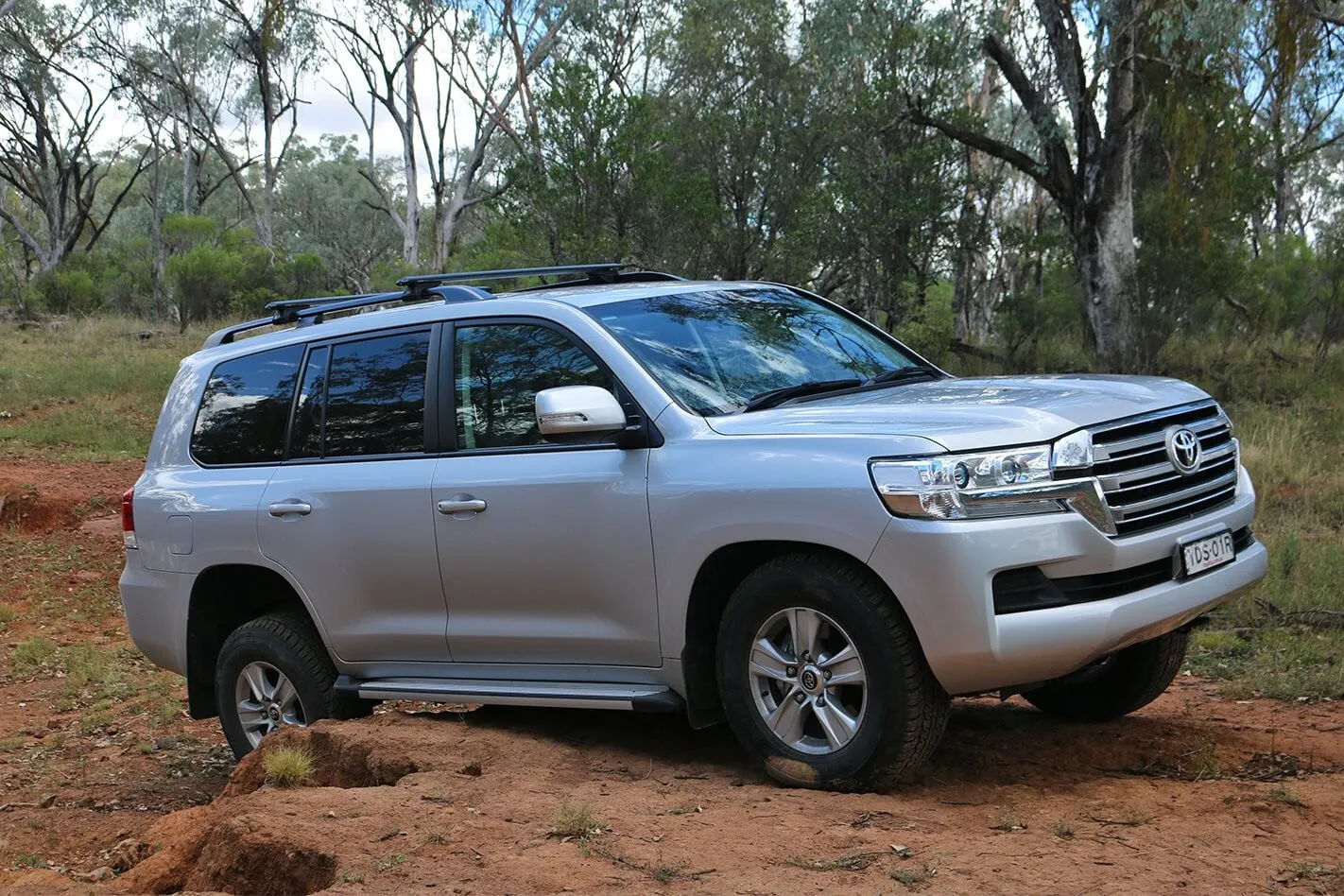
1. Toyota Land Cruiser 200 Series
Cold mornings in the far north demand more than basic reliability, and the Toyota Land Cruiser 200 Series answers that demand with confidence rooted in decades of proven design. Built for harsh environments long before comfort became a selling point, this full-size SUV thrives where freezing temperatures punish lesser vehicles.
Under the hood, the Land Cruiser’s naturally aspirated V8 engine avoids many cold-related issues tied to smaller turbocharged motors.
Consistent fuel delivery, robust ignition components, and conservative tuning allow the engine to fire even after nights spent well below zero. Owners in northern regions often praise how quickly the engine stabilizes once started, reducing strain during cold idle periods.
Four Wheel Drive is standard, not optional. This matters in icy conditions where traction disappears without warning. Locking differentials and a sophisticated traction system help the Land Cruiser maintain control on frozen roads, snow-packed driveways, and unplowed streets. Suspension components remain durable despite constant exposure to salt, ice, and uneven surfaces.
Cabin warmth arrives quickly thanks to an effective heating system designed for global markets that include deserts and polar regions alike. Thick insulation, quality seals, and a powerful blower help trap heat inside, making long winter drives far more tolerable. Controls stay responsive even when temperatures remain brutal for weeks at a time.
Battery placement and electrical system design also play a role in cold reliability. The Land Cruiser uses heavy-duty electrical components that resist voltage drops during cold starts. Paired with the right winter battery, the vehicle rarely hesitates when asked to wake up in deep freeze conditions.
Durability defines this model. While expensive, the Toyota Land Cruiser 200 Series earns its reputation by continuing to start, move, and protect its occupants when winter becomes extreme and unforgiving.
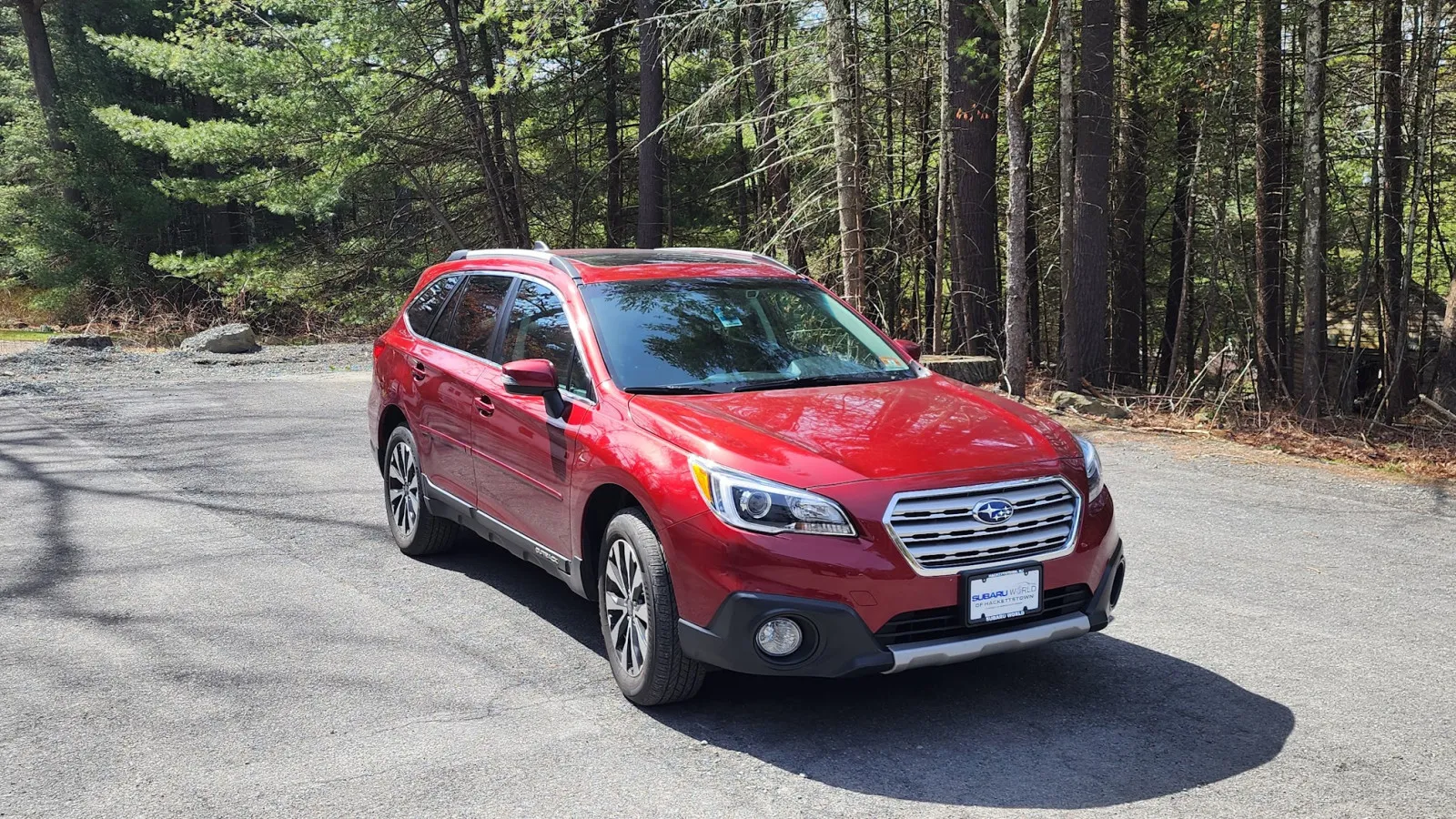
2. Subaru Outback 3.6R
Unlike oversized SUVs, the Subaru Outback 3.6R approaches extreme cold with a balanced blend of practicality and engineering tailored for winter regions. This wagon-style vehicle may look modest, yet its cold-weather performance earns genuine respect among northern drivers.
Power comes from a flat-six engine that sits low in the chassis. This design improves balance while also helping oil circulate more evenly during cold starts. The engine warms smoothly without excessive vibration, even when temperatures fall sharply overnight. Subaru’s long experience with cold climate markets shows clearly here.
All Wheel Drive remains active at all times, sending power where traction exists rather than waiting for slip to occur. On icy roads, this makes the Outback feel predictable and secure. Snow-covered intersections, frozen highways, and slick residential streets become manageable rather than stressful.
Heating performance stands out. The Outback warms the cabin faster than many vehicles in its class, a detail drivers appreciate when stepping into a frozen car before sunrise. Heated seats and steering wheel options add practical comfort rather than luxury fluff, easing the physical toll of cold commutes.
Ground clearance exceeds what most wagons offer, allowing the Outback to handle deep snow without scraping its underside. Suspension tuning strikes a careful balance, remaining compliant without feeling loose on icy pavement. Rubber bushings and joints resist cracking when exposed to prolonged cold.
Reliability during winter also starts to benefit from straightforward engine design. Without forced induction complications, the 3.6R avoids many cold-weather boost and sensor problems. Paired with proper winter tires and routine maintenance, this Subaru becomes a dependable companion for extreme cold living without demanding constant attention.
Also Read: 5 Cars for Lawrence Campus Commuters and 5 Students Should Skip
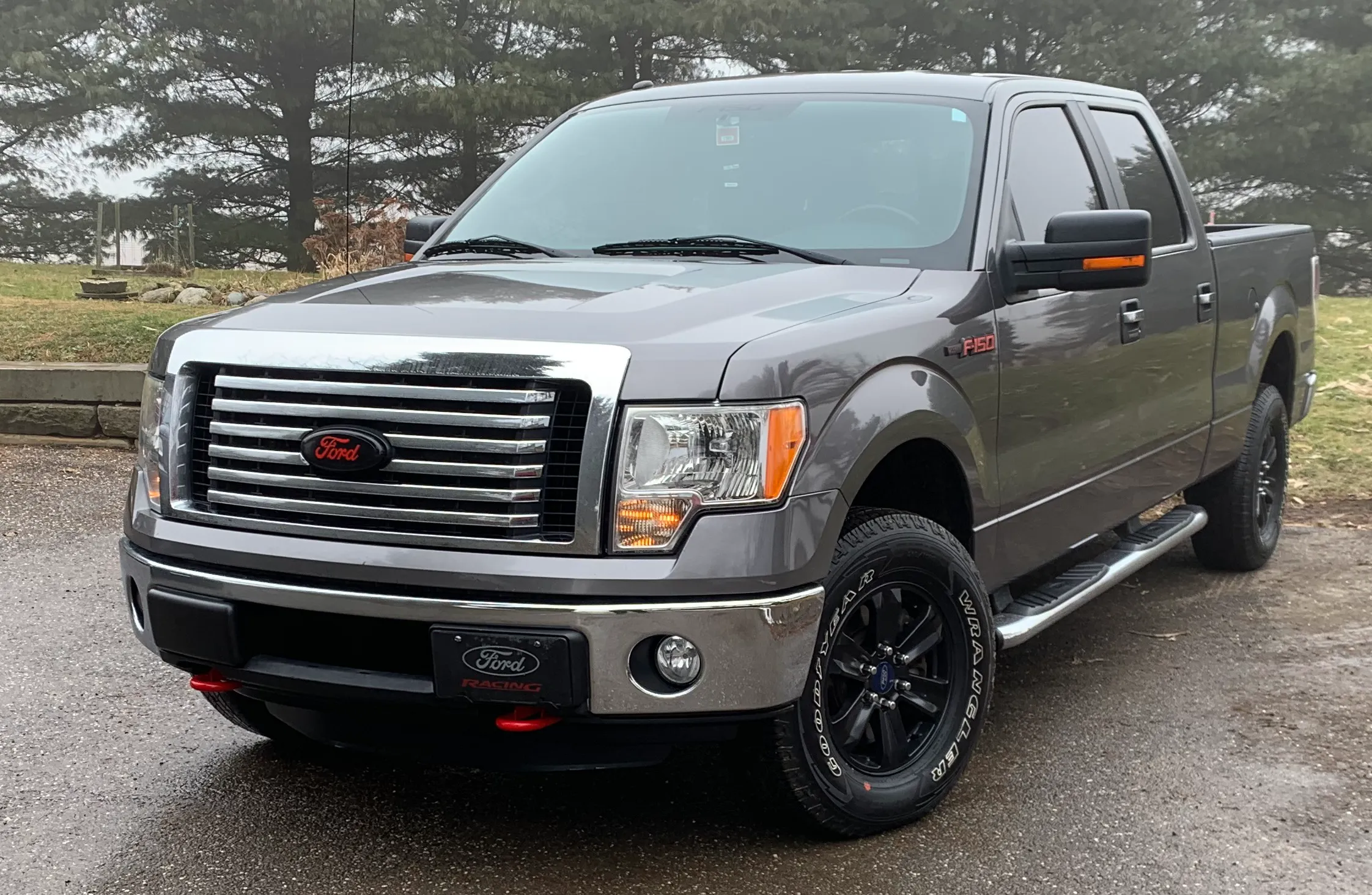
3. Ford F-150 5.0L V8
Trucks often face harsher treatment than passenger cars in cold regions, and the Ford F-150 with the 5.0L V8 handles those demands with strength and simplicity. This configuration avoids fragile turbo systems while delivering dependable cold start behavior across long winters.
The naturally aspirated V8 offers steady performance even when fuel thickens and temperatures plunge. Cold starts remain reliable, and idle stabilizes quickly, helping preserve engine longevity during extended cold spells. Many northern drivers favor this engine specifically for winter use.
Four Wheel Drive systems available on the F-150 provide confident traction on snow-packed roads and frozen job sites. Electronic controls remain responsive despite low temperatures, and mechanical components show resilience against ice buildup and road salt exposure.
Cabin heating works efficiently due to the engine’s thermal mass. Warm air arrives faster than expected for such a large vehicle, making early morning drives far more comfortable. Thick door seals and solid insulation reduce heat loss during highway travel.
Payload and towing capability continue functioning in winter, allowing drivers to haul equipment or supplies without hesitation. Suspension components tolerate heavy loads even when metal stiffens in cold air. Battery options designed for cold climates help ensure dependable starts day after day.
Practicality defines the F-150 in extreme cold. While large, it rewards drivers with durability, reliable starting behavior, and mechanical simplicity that remains valuable when temperatures test both machine and operator.
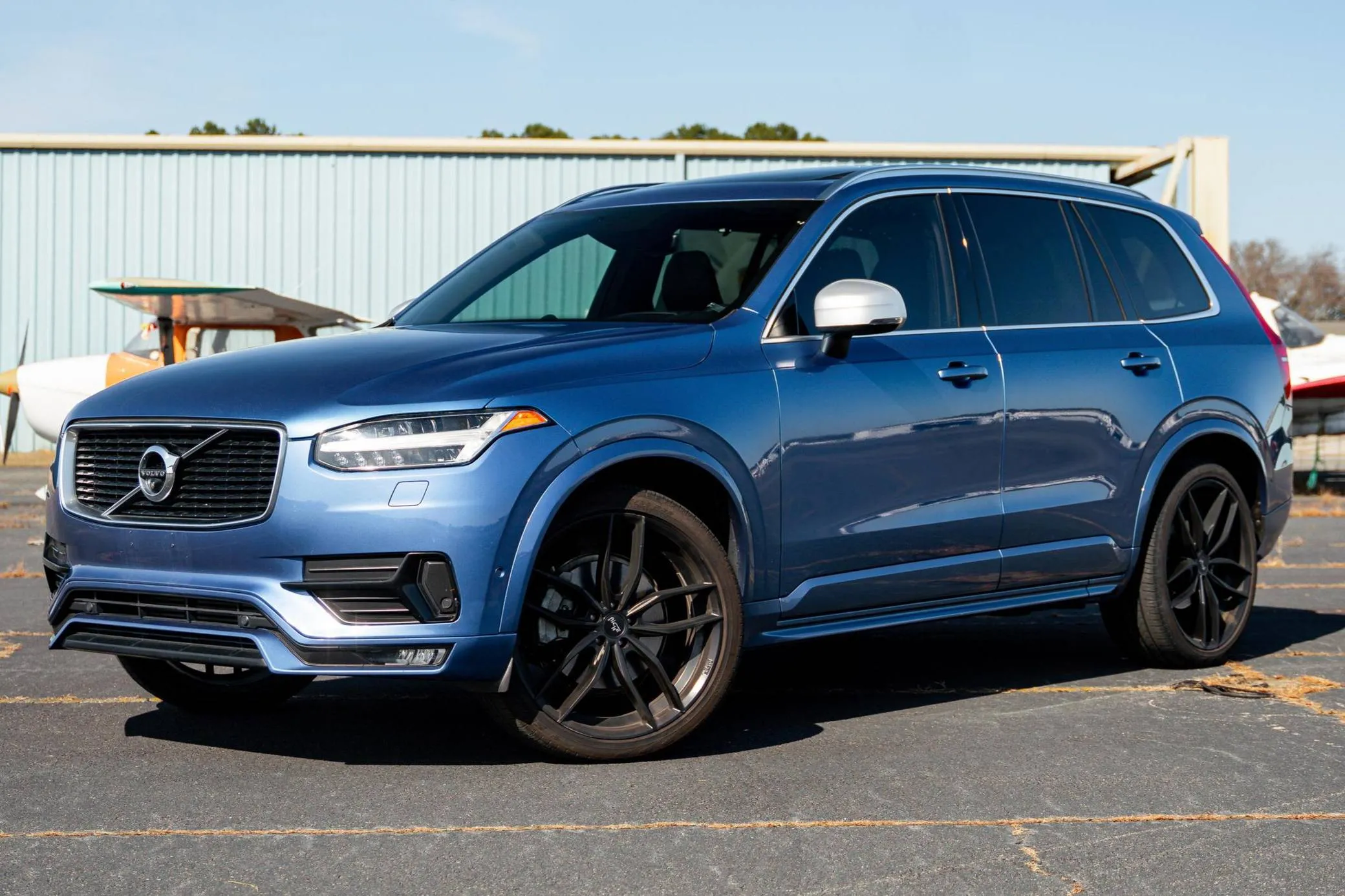
4. Volvo XC90 T6
Scandinavian engineering brings a unique understanding of winter challenges, and the Volvo XC90 T6 reflects that heritage clearly. Designed with cold regions in mind, this luxury SUV balances refinement with dependable winter performance.
The supercharged and turbocharged engine combination may sound complicated, yet Volvo tunes it carefully for smooth cold operation. Advanced fuel management and ignition control help the engine start reliably even after prolonged exposure to freezing conditions.
All Wheel Drive ensures consistent traction across slippery surfaces. Stability systems work quietly in the background, preventing sudden loss of control on ice or compacted snow. Steering remains composed, avoiding the numb feeling some vehicles develop in deep cold.
Interior warmth arrives quickly, supported by efficient heaters and thoughtful insulation. Volvo seats retain comfort despite temperature swings, and climate controls remain responsive rather than sluggish. Visibility benefits from heated mirrors and windshield features that fight ice buildup.
Electrical reliability stands out. Volvo designs systems to tolerate low-voltage conditions common during cold starts. Sensors, displays, and safety systems continue functioning accurately rather than throwing false warnings.
The XC90 T6 proves that luxury does not need to suffer in extreme cold. While maintenance requires care, the vehicle rewards winter drivers with comfort, reliability, and confidence during the harshest months.
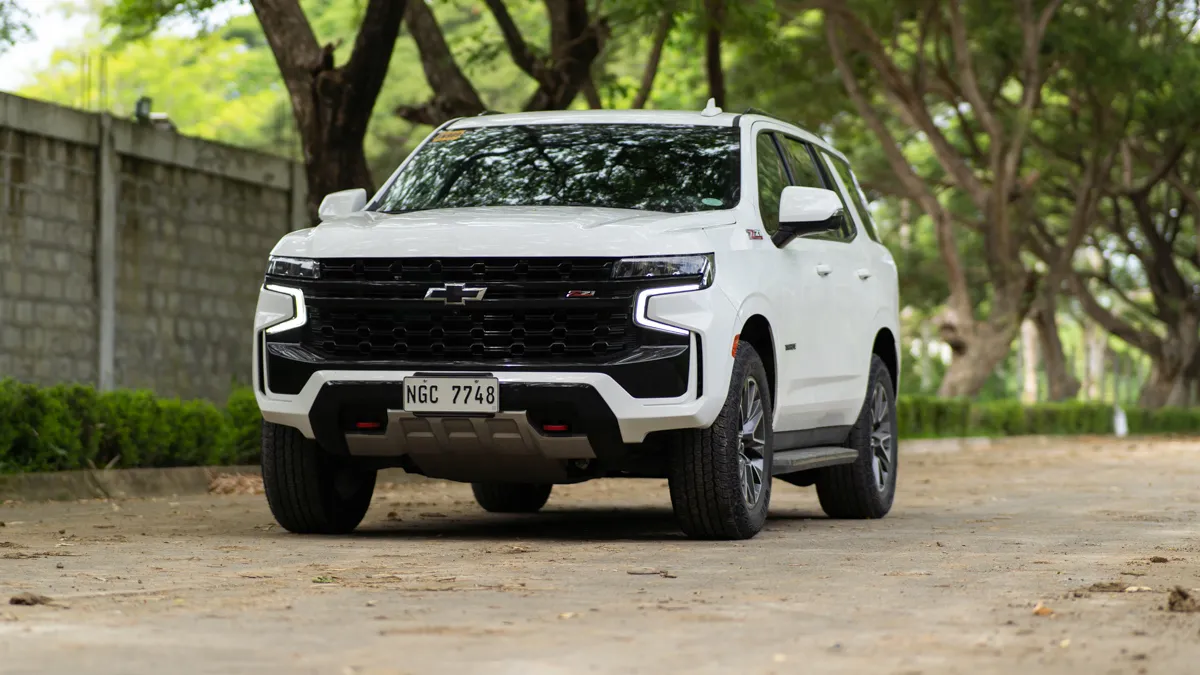
5. Chevrolet Tahoe Z71
Size and strength help the Chevrolet Tahoe Z71 handle severe winter conditions with assurance. Built on a truck platform, this SUV offers durability that smaller vehicles often lack when temperatures remain brutally low.
A large displacement V8 engine provides steady cold start performance. The engine turns over confidently even after icy nights, aided by a strong starter and reliable fuel delivery. Once running, the heat builds quickly, supplying warmth to the spacious cabin.
Four Wheel Drive paired with an off-road-oriented suspension gives the Tahoe solid footing on snow and ice. Skid plates, higher ride height, and rugged tires allow it to move through conditions that stop smaller vehicles cold.
Interior heating performs impressively for such a large cabin. Rear passengers receive consistent warmth, an advantage for families or work crews traveling together. Thick glass and sturdy seals help trap heat inside.
Durability remains a defining trait. Suspension components, drivetrain parts, and electrical systems tolerate prolonged winter exposure. When equipped with proper winter tires and a high-quality battery, the Tahoe Z71 becomes a reliable partner for extreme cold travel.
This vehicle rewards drivers who need space, power, and dependability during long winters where mechanical trust matters daily.
5 Vehicles That Often Struggle When Temperatures Plunge
Cold weather has a way of exposing weaknesses that stay hidden during mild winters. Certain vehicles deliver comfort, style, or efficiency in moderate climates yet falter when faced with deep freeze mornings and frozen fluids. Issues range from reluctant starters to fragile electronics and drivetrains that simply were not designed for prolonged sub-zero conditions.
The following five vehicles appear attractive on paper, though repeated cold-weather reports show that they often become unreliable when temperatures sink far below zero. Each example below explains why these models tend to struggle during extreme winter starts and daily operation in bitterly cold regions.
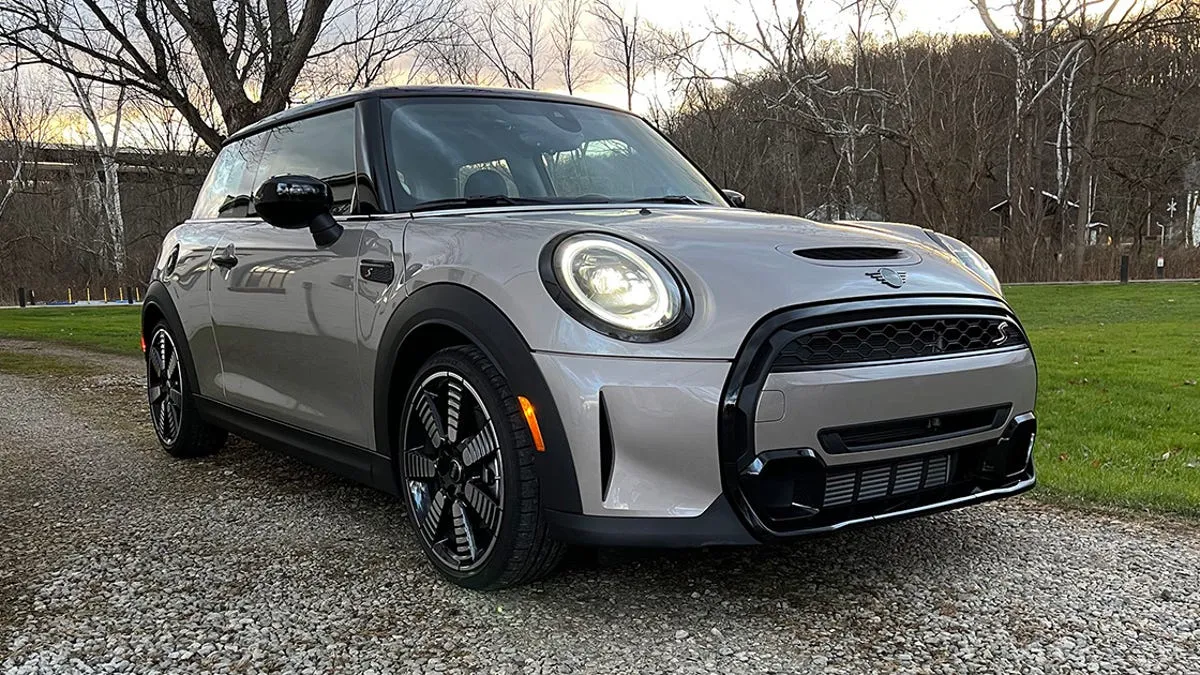
1. Mini Cooper S Hardtop
Style-driven design plays a major role in the Mini Cooper S Hardtop, and that same design focus often works against it during deep winter conditions. Compact proportions and tight engine packaging create challenges once freezing temperatures dominate daily life.
Cold starts present one of the biggest frustrations. Turbocharged engines like the one found in the Cooper S rely heavily on precise fuel delivery and sensitive sensors. Thickened oil and cold-soaked electronics can cause delayed ignition, rough idle, or warning lights during startup. Drivers frequently report multiple attempts before the engine settles into a steady rhythm on frigid mornings.
Battery capacity becomes another weak point. Smaller vehicles typically use smaller batteries, which lose efficiency rapidly in cold weather. Overnight temperature drops drain available power, leaving a limited reserve for repeated start attempts. Even a battery in good condition may struggle after several nights of extreme cold.
Cabin heating also suffers. Compact interior space warms faster than large cabins, yet the heating system itself lacks the output needed for truly brutal winters. Defrost performance often lags behind frost buildup, affecting visibility during early drives. Rubber door seals stiffen quickly, leading to drafts and occasional frozen doors.
Suspension components and steering systems transmit road harshness directly into the cabin. Frozen pavement imperfections feel sharp rather than muted. Short wheelbase design amplifies instability on icy surfaces, requiring constant attention from the driver.
Maintenance costs rise during winter ownership. Sensors, coils, and turbo components face added strain during repeated cold starts. While enjoyable in mild climates, the Mini Cooper S Hardtop regularly disappoints drivers expecting dependable performance during extended deep freeze conditions.
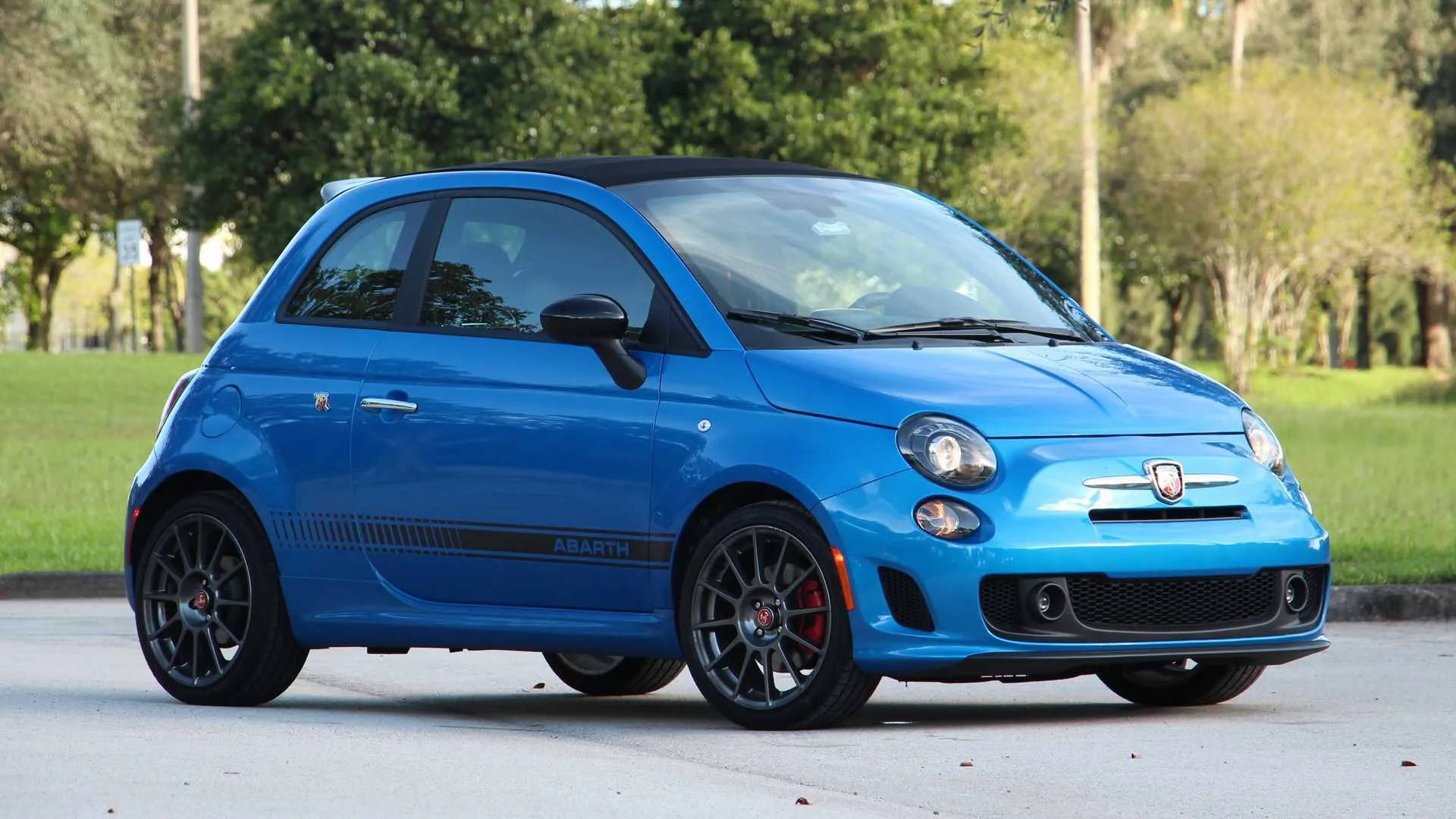
2. Fiat 500 Abarth
Personality defines the Fiat 500 Abarth, yet winter conditions reveal how limited its cold-weather readiness truly is. Designed primarily for urban driving and warmer climates, this small performance hatchback struggles when exposed to prolonged freezing temperatures.
Engine behavior becomes unpredictable in extreme cold. Turbocharged response slows dramatically, and throttle input feels inconsistent until the engine warms fully. Cold starts sometimes trigger warning indicators that disappear later, creating uncertainty for drivers facing early morning commutes.
Electrical sensitivity remains a recurring complaint. The vehicle relies heavily on electronics for basic functions, including power steering and throttle control. Low temperatures reduce voltage stability, which can cause temporary system shutdowns or error messages that restrict drivability.
Cabin comfort proves insufficient during harsh winters. Heater output lacks strength, especially when temperatures remain well below zero for days at a time. Windshield defrosting struggles to keep up with ice accumulation, forcing drivers to wait longer before setting off safely.
Traction control intervenes aggressively on icy roads, yet limited tire width and low ride height reduce actual grip. Snow accumulation beneath the car becomes an issue, especially on unplowed streets or parking areas. Steering response feels twitchy rather than secure.
Durability during winter use also raises concerns. Plastic trim stiffens and cracks more easily, while rubber hoses and seals lose flexibility. Owners frequently face repairs related to cold-induced wear. Fiat 500 Abarth ownership suits fair-weather driving far better than regions where winter dominates daily routines.
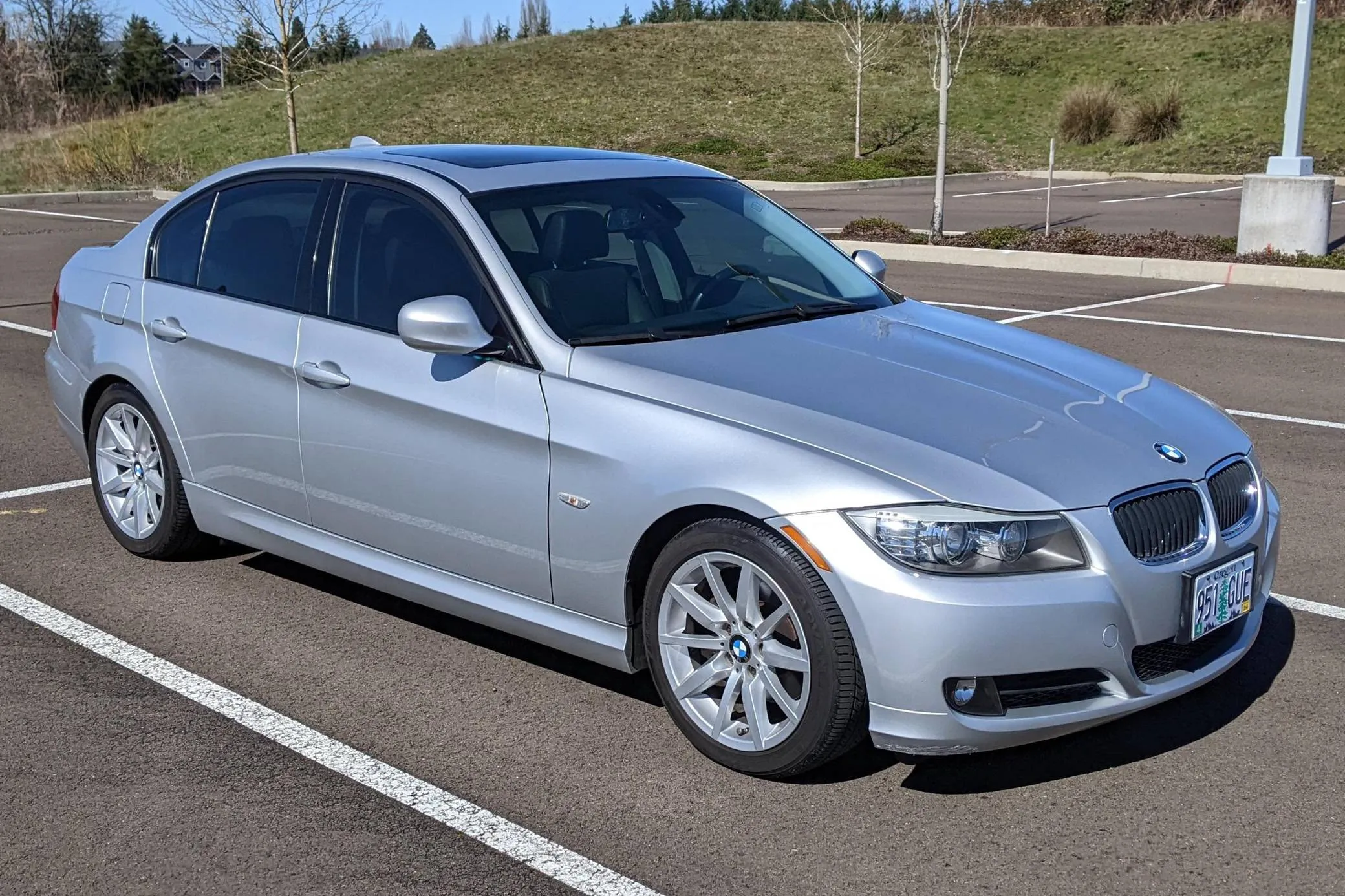
3. BMW 328i Sedan
Luxury sedans often promise year-round refinement, yet the BMW 328i Sedan reveals known cold-weather weaknesses when subjected to extreme freeze environments. Precision engineering favors performance, though reliability during deep winter mornings can suffer.
Cold starts highlight sensitivity within the fuel injection system. Direct injection components struggle with thickened fuel and cold-soaked injectors, causing extended cranking or uneven idle. Battery drain accelerates due to the vehicle’s extensive electronic demands.
Electronic complication creates additional challenges. Numerous sensors, control modules, and driver assistance systems depend on a stable voltage. Subzero temperatures reduce battery output, leading to warning lights and limited functionality until the vehicle warms fully.
Cabin heating meets expectations in moderate winters but falls short during prolonged extreme cold. Interior materials feel rigid, and heating distribution takes longer to reach rear seating areas. Door handles and window mechanisms may freeze overnight.
Suspension tuning favors handling precision rather than winter comfort. Low-profile tires transmit icy road textures directly to occupants. Rear wheel drive configurations struggle for traction unless fitted with dedicated winter tires, and even then, confidence remains limited.
Maintenance during winter ownership becomes costly. Cold-related electrical faults, sensor replacements, and battery failures appear more frequently. While enjoyable on dry roads, the BMW 328i Sedan often frustrates drivers who depend on reliable starts during severe winter stretches.
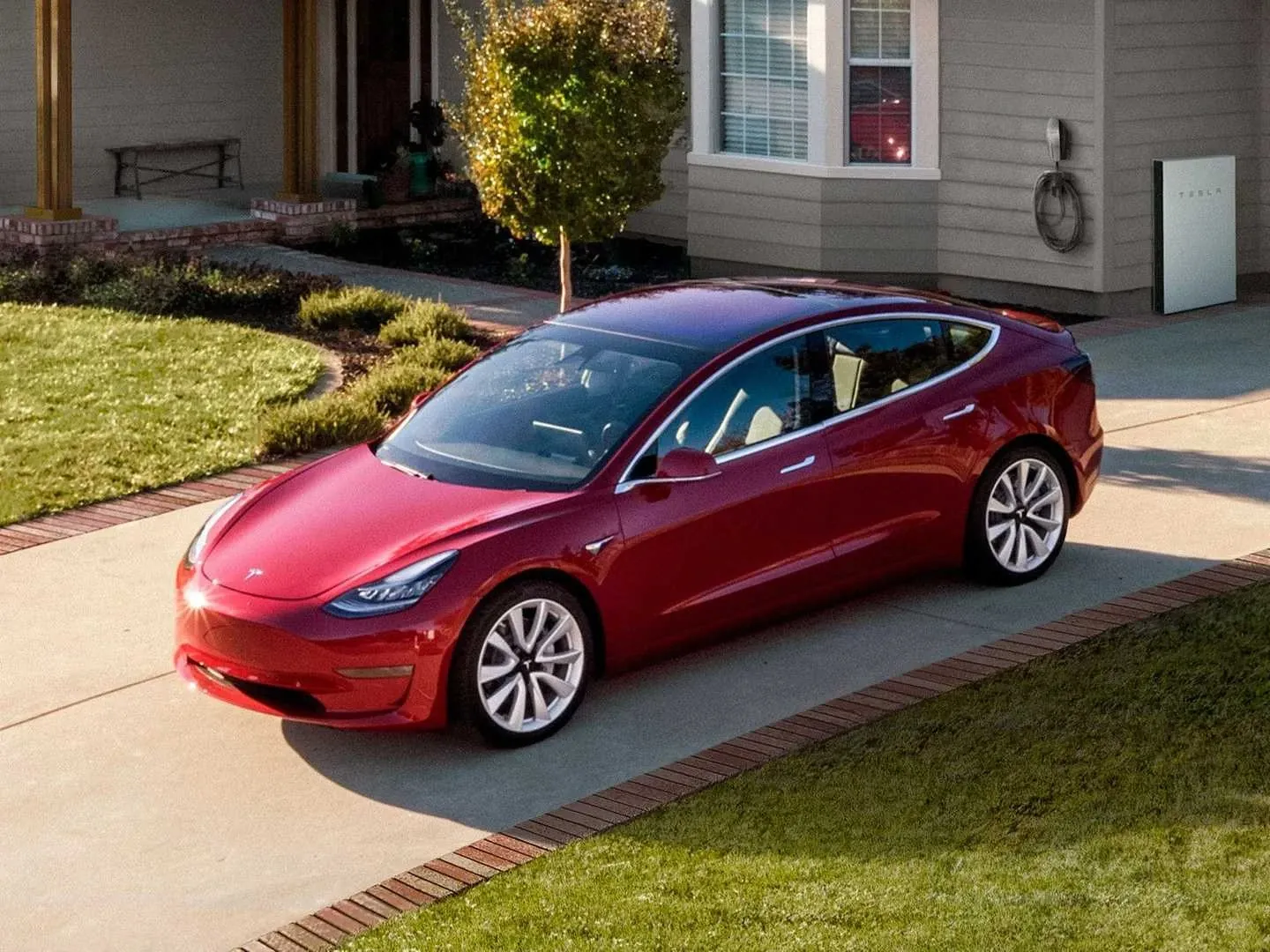
4. Tesla Model 3 Long Range
Electric vehicles bring innovation, yet extreme cold introduces challenges that traditional engines do not face. The Tesla Model 3 Long Range showcases advanced technology, smooth acceleration, and quiet operation, though deep freeze conditions reveal limitations that can complicate daily use in very cold regions.
Battery chemistry reacts strongly to low temperatures. When the car sits overnight in subzero conditions, the available range can drop sharply, sometimes close to half of what drivers expect in warmer weather. Cold-soaked battery cells deliver power less efficiently, which affects both driving distance and acceleration.
Even short trips consume more energy than anticipated because the system works harder to maintain basic operating temperatures. Cold starts differ from gasoline vehicles, yet they still create obstacles. Electric motors activate immediately, though system readiness depends heavily on battery temperature.
Until the battery warms, power output remains restricted, acceleration feels muted, and regenerative braking may be limited or unavailable. Charging speed also slows dramatically, even at fast chargers, adding time to daily routines.
Cabin warmth depends entirely on electrical energy. Unlike combustion engines that generate waste heat, the Model 3 must draw power directly from the battery to warm the interior.
Heater use accelerates range loss, especially during stop-and-go driving. Defrosting the windshield can take longer on bitter mornings, affecting visibility and delaying safe departure.
Charging infrastructure introduces additional concerns. Outdoor charging during extreme cold proceeds at reduced speeds, and charging cables may stiffen or freeze. Snow and ice accumulation around ports and connectors requires extra effort to manage. Without access to a heated garage or reliable preconditioning setup, daily winter driving demands careful scheduling and planning.
Ride height and suspension tuning also limit winter practicality. Low ground clearance allows snow and ice to build beneath the car, interfering with airflow panels and underbody components. Snow-packed roads, icy ruts, and uneven surfaces demand cautious driving to avoid scraping or reduced traction.
Tesla Model 3 Long Range ownership during harsh winters requires adjustment, preparation, and realistic expectations. While impressive in mild climates, deep freeze conditions expose challenges that make it less ideal for regions where severe cold defines everyday driving.
Also Read: 5 Cars for Bowling Green Daily Drives and 5 That Wear Out Fast
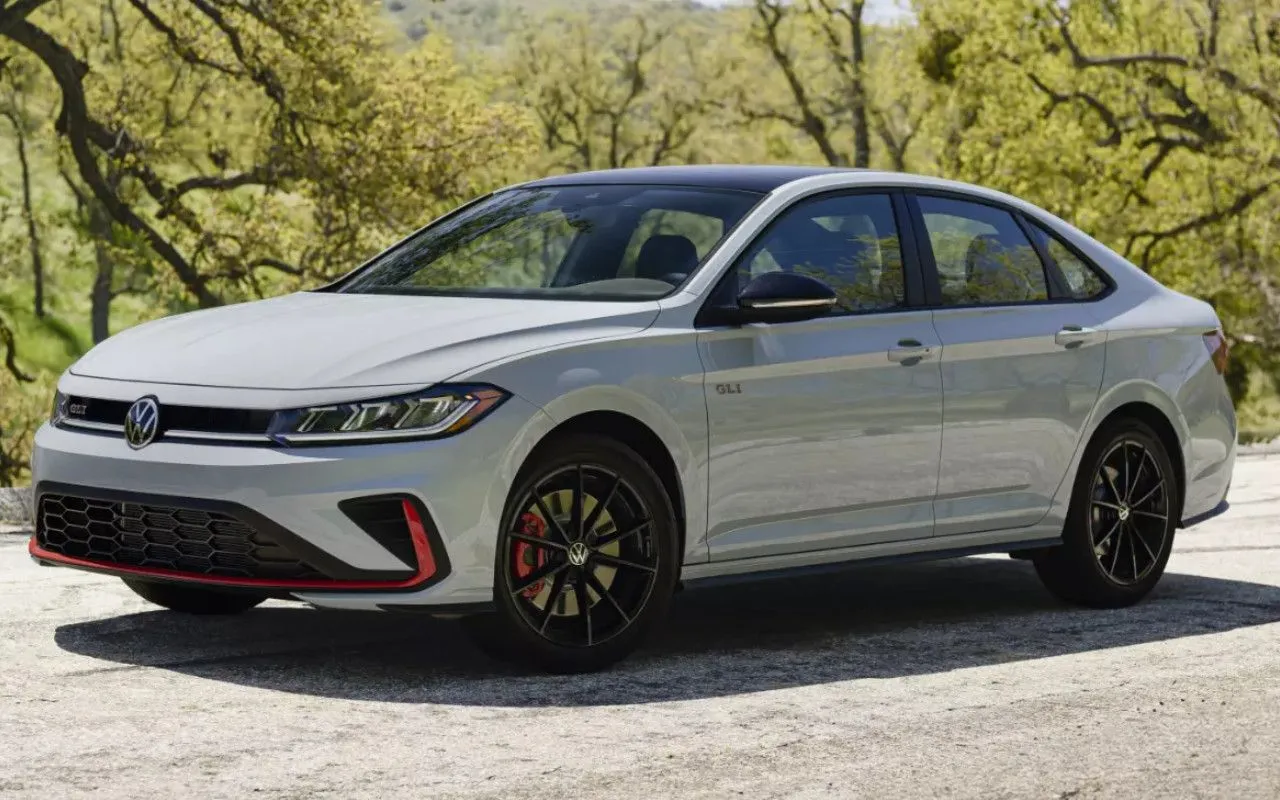
5. Volkswagen Jetta GLI
Sporty compact sedans like the Volkswagen Jetta GLI attract drivers who want a balance of sharp handling, turbocharged power, and everyday usability.
On dry pavement and in mild weather, the GLI feels lively and engaging. Extreme cold, however, brings out weaknesses that make winter ownership far less appealing in regions where freezing temperatures linger for months.
Turbocharged engine behavior becomes a primary concern once temperatures drop far below zero. Cold oil thickens and slows internal movement, forcing the starter to work harder during ignition. At the same time, boost management systems hesitate until the engine reaches a stable operating temperature.
These conditions often lead to extended cranking, uneven idle, and hesitation during the first few minutes of driving. Repeated cold starts place added strain on components designed with performance rather than harsh winters in mind.
Electrical reliability also suffers during severe cold spells. Modern systems inside the Jetta GLI rely on consistent voltage to support infotainment, steering assistance, sensors, and safety features.
Cold weather reduces battery output, causing occasional warning messages, screen lag, or temporary loss of power steering assist. While these issues may clear once the car warms up, they create unnecessary stress during early morning commutes.
Cabin comfort remains another weak point. Heating performance struggles to keep pace with bitter temperatures, especially during short trips where the engine never fully warms.
Windshield defrosting requires extra time, delaying safe departure. Interior plastics and trim feel rigid in the cold, and buttons or switches may respond slowly until heat builds inside the cabin.
Traction benefits from Front Wheel Drive, yet limited ground clearance introduces new challenges. Snow accumulation beneath the vehicle interferes with stability, particularly on unplowed roads or in deep parking lot snow. Icy ruts demand cautious steering input, reducing confidence behind the wheel.
Maintenance costs rise during winter ownership as well. Turbo components, ignition coils, sensors, and batteries face increased wear from repeated cold starts and short drives. Repairs appear more frequently than drivers expect from a compact sedan.
Volkswagen Jetta GLI ownership fits regions with moderate winters far better than places where extreme cold defines daily driving.
