
Planning a move to or from a military base like Fayetteville involves more than packing boxes and scheduling movers. The vehicle you choose for transporting yourself, family, or gear can make the process either smooth or stressful.
Some cars are built to handle long hauls, variable road conditions, and heavy loads without breaking a sweat, while others reveal their limitations under pressure.
The right vehicle adds confidence to the journey, minimizes fatigue, and ensures safety for both passengers and cargo.
Drivers heading to military posts often face a mix of highway stretches, back roads, and occasional uneven surfaces.
Power delivery, handling, and interior space matter just as much as fuel efficiency. Trucks, SUVs, and crossovers with strong chassis and capable drivetrains excel at these missions.
Smaller, efficiency-focused sedans can manage in urban settings but often struggle when fully loaded or towing.
Being informed about which vehicles can carry weight, maintain stability, and adapt to longer trips saves frustration and unexpected stops.
This page breaks down into two straightforward lists. First up, you’ll find five vehicles that actually handle Fayetteville military moves without breaking a sweat. These aren’t just random picks.
They combine real performance, solid reliability, and enough cargo space to haul what you need. We’ll dig into each one, explaining exactly why it manages long hauls or fully loaded trips without struggling.
Then we’ll look at five vehicles that typically don’t hold up well when conditions get demanding. You’ll see specific traits that make them poor choices for military relocation tasks.
Every model here got selected to give you practical, useful guidance when you’re hunting for dependable transportation.
Understanding what works and what doesn’t helps you make smarter decisions that actually improve your safety, cut down on stress, and make travel easier.
You’ll see clear examples showing how engineering choices, powertrain design, and handling characteristics determine whether a vehicle can genuinely meet the demands of military moves.
This goes way beyond just listing specs from a brochure. You’re getting real-world perspectives on performance, comfort, and reliability that matter when you’re actually living this life.
5 Cars for Fayetteville Military Moves

1. Ford F-150 Lariat 4×4
When handling a Fayetteville military move, the Ford F-150 Lariat 4×4 offers unmatched versatility and confidence.
Equipped with a robust V6 or optional V8, this truck provides ample torque for towing trailers or hauling packed cargo containers.
Unlike lighter pickups, the Lariat maintains stability under load, making long-distance highway travel and stop-and-go local driving feel controlled.
Off-road capability is another advantage. Four-wheel drive ensures traction on gravel roads, damp driveways, or slightly uneven base routes. Electronic locking differentials support power delivery when one wheel encounters less grip, helping avoid stalls or wheel spin.
Suspension geometry balances ride comfort with payload capacity, ensuring cargo remains secure, and occupants experience minimal jolting, even during extended trips over rough pavement.
Interior ergonomics in the Lariat 4×4 are designed for both comfort and utility. Seats offer extended support for hours behind the wheel, while storage compartments accommodate paperwork, electronics, and personal items.
The infotainment system simplifies route planning, providing navigation, alerts, and traffic updates that can prevent costly delays during military moves.
Visibility remains excellent thanks to higher seating and expansive mirror placement, crucial when maneuvering around large vehicles or tight parking areas near base facilities.
Fuel economy may not match that of compact sedans, but the trade-off for capability is clear. The Lariat 4×4 handles full loads, trailers, and long distances without hesitation.
Driver-assist features like adaptive cruise control and lane-keeping support reduce fatigue during repetitive stretches of highway. Heat management and engine durability allow the truck to maintain consistent performance, whether climbing hilly sections or operating in warmer months.
The combination of power, durability, and driver-focused technology positions the Ford F-150 Lariat 4×4 as a top contender for anyone moving to or from a military installation.
Its ability to carry heavy loads while providing a stable, confident driving experience ensures that relocation stress is minimized and travel remains predictable.
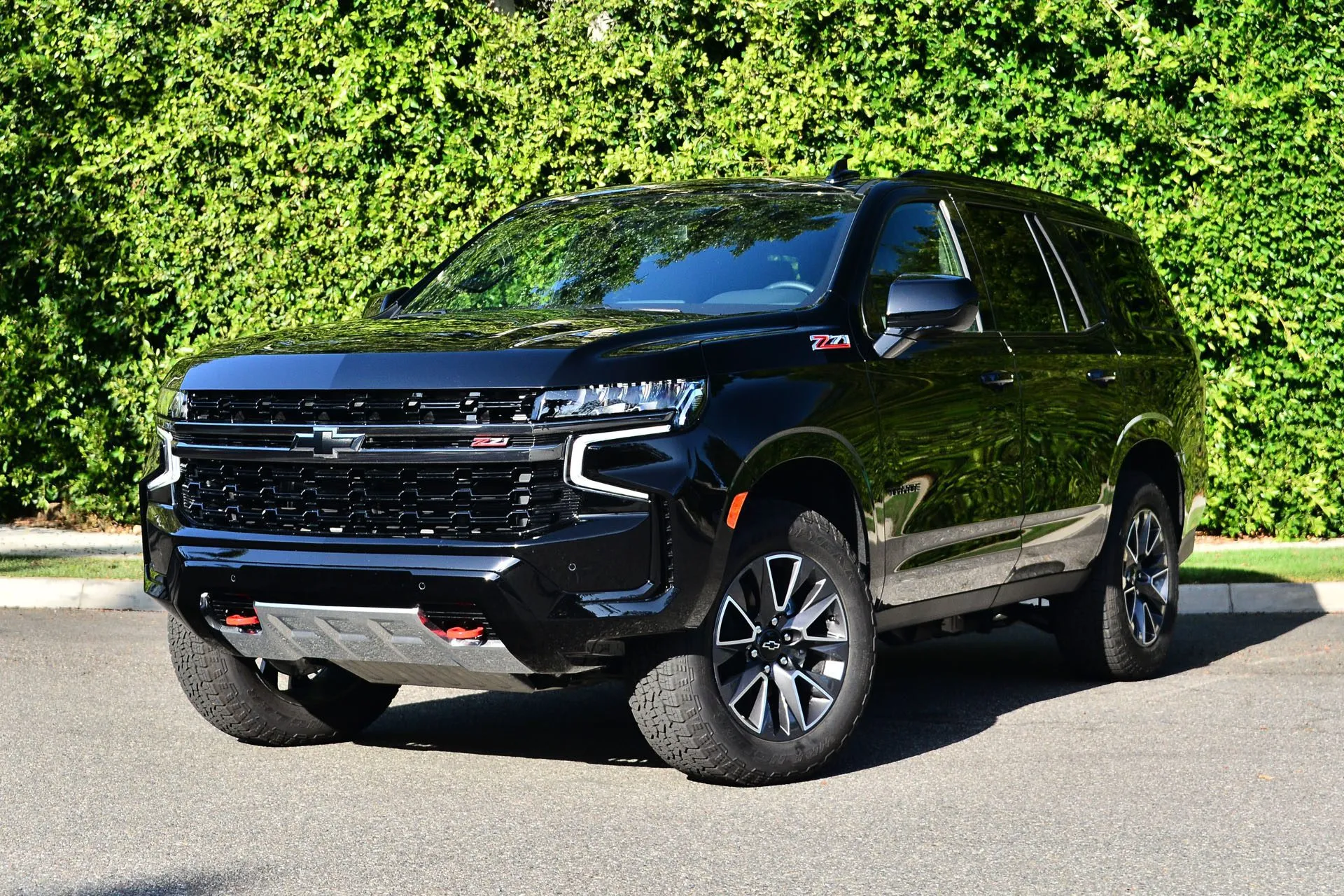
2. Chevrolet Tahoe Z71
For military personnel moving across state lines, the Chevrolet Tahoe Z71 blends size, performance, and ruggedness into a full-size SUV capable of tackling loaded trips.
A V8 engine powers the SUV, delivering torque sufficient for towing trailers or transporting bulky household goods. Its size accommodates passengers comfortably without sacrificing cargo capacity, a major factor during relocation.
The Z71 trim emphasizes off-road readiness, which translates to a stable, secure feel on uneven base roads or gravel driveways. Suspension tuning balances ride comfort with load-bearing capability, ensuring that long trips do not result in excessive cabin vibration or cargo shifting.
Four-wheel drive and traction control technologies support stable climbs and maintain traction on slightly slick or loose surfaces, minimizing unexpected wheel spin.
Driver assistance features further enhance the Tahoe Z71 for long-distance travel. Adaptive cruise control, forward collision warning, and blind-spot monitoring allow the driver to focus on route planning and traffic awareness, reducing mental fatigue.
Visibility is enhanced by a commanding seating position and expansive windows, crucial for spotting obstacles when driving through congested military areas or parking in tight spaces near storage units.
Interior refinement combines comfort and practicality. Leather-trimmed seating and climate controls allow passengers to remain comfortable during extended trips, while multiple USB ports and storage compartments keep electronics and small items organized. Entertainment options help reduce stress for families during long drives.
The Tahoe Z71 also demonstrates durability under load. Full-size SUVs often struggle with heat buildup when heavily loaded, but this model manages thermal stress effectively, maintaining steady engine performance.
Tire and brake selection complement the vehicle’s mass, allowing confident stopping and cornering even when carrying maximum payload.
In short, the Chevrolet Tahoe Z71 meets the challenges of Fayetteville military moves with poise, delivering both passenger comfort and cargo capability.
Its combination of power, space, and driver-assist technologies makes it a dependable option for families or individuals who require stability and versatility during relocation trips.
Also Read: 10 Fastest Korean Cars You Can Buy Right Now
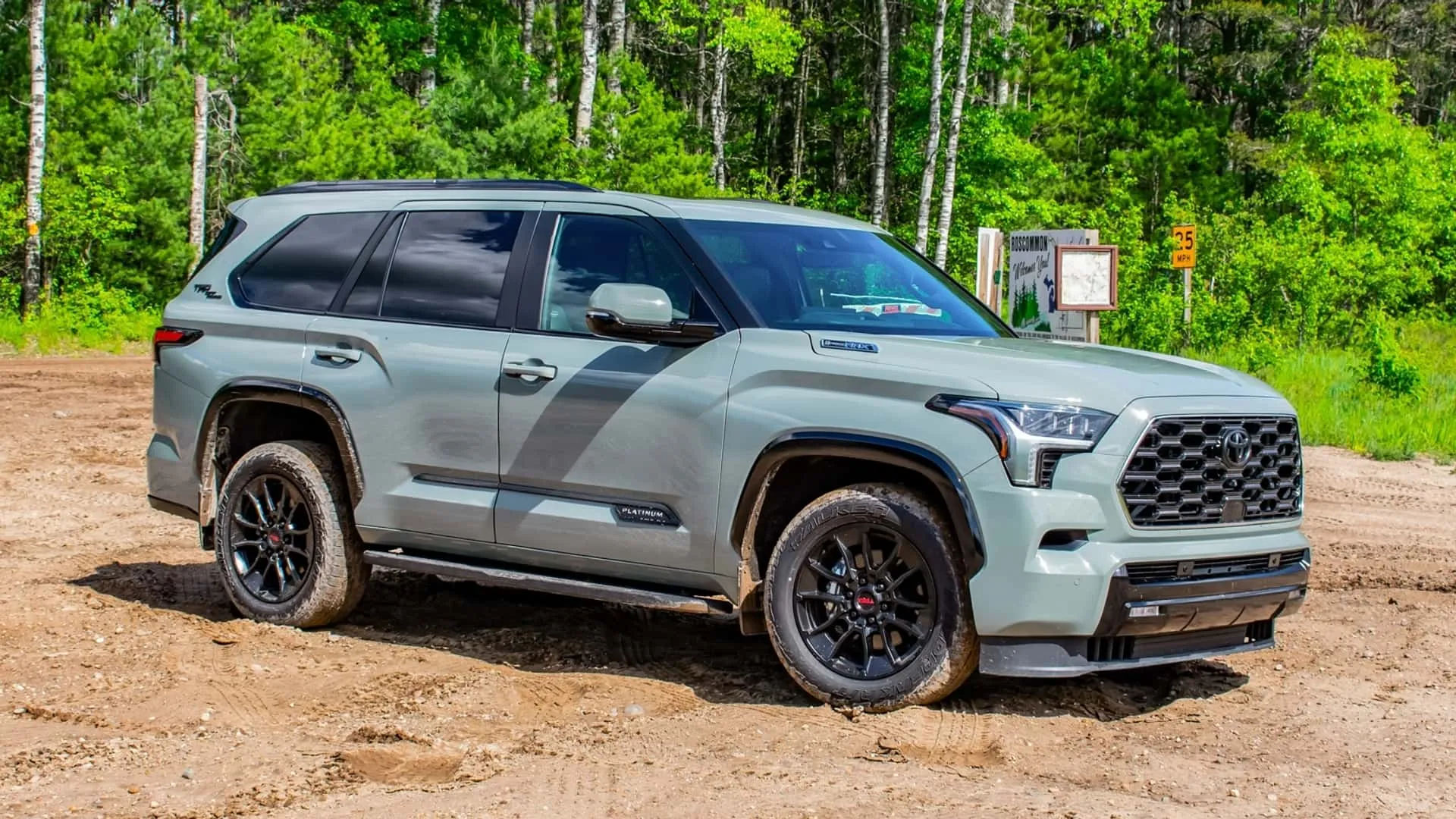
3. Toyota Sequoia Platinum
Transporting family and belongings to a military post calls for space, reliability, and consistent performance, all of which the Toyota Sequoia Platinum offers.
A V8 engine provides strong torque for towing trailers, campers, or cargo trailers, while a full-size SUV frame ensures ample room for passengers and packed gear. On long stretches of highway, acceleration remains smooth even when the vehicle is fully loaded.
All-wheel drive and multi-mode traction systems help maintain grip when roads become uneven or lightly slick.
This SUV’s stability control minimizes swaying under heavy payloads, keeping the cabin comfortable and ensuring cargo remains secure. Suspension design balances comfort with strength, allowing occupants to travel long distances without fatigue from excessive jolting or vibrations.
Inside, luxury meets utility. Heated and ventilated seats, tri-zone climate control, and advanced infotainment keep both driver and passengers content during hours on the road.
Cargo area space allows for organized packing of boxes, sports equipment, or household items. Fold-flat seating creates additional room for irregularly shaped items, which is especially useful when moving.
Technology assists driver confidence. Navigation systems provide optimized routing to military bases, while adaptive cruise control reduces strain on long highway segments.
Blind-spot monitoring and rear cross-traffic alert increase safety when maneuvering around tight parking or base access roads. Visibility from the cabin ensures drivers can judge clearance for both large trailers and everyday obstacles.
Durability and heat management make the Sequoia Platinum suitable for heavy-duty tasks.
Engine and transmission systems remain responsive under sustained load, and cooling systems prevent overheating even during extended drives. This reliability is essential for military personnel who cannot afford delays or breakdowns during relocations.
The Toyota Sequoia Platinum combines power, capacity, and driver-focused technology, making it an excellent choice for anyone managing a Fayetteville military move. Its balance of strength and comfort ensures that even long trips remain manageable and stress-free.
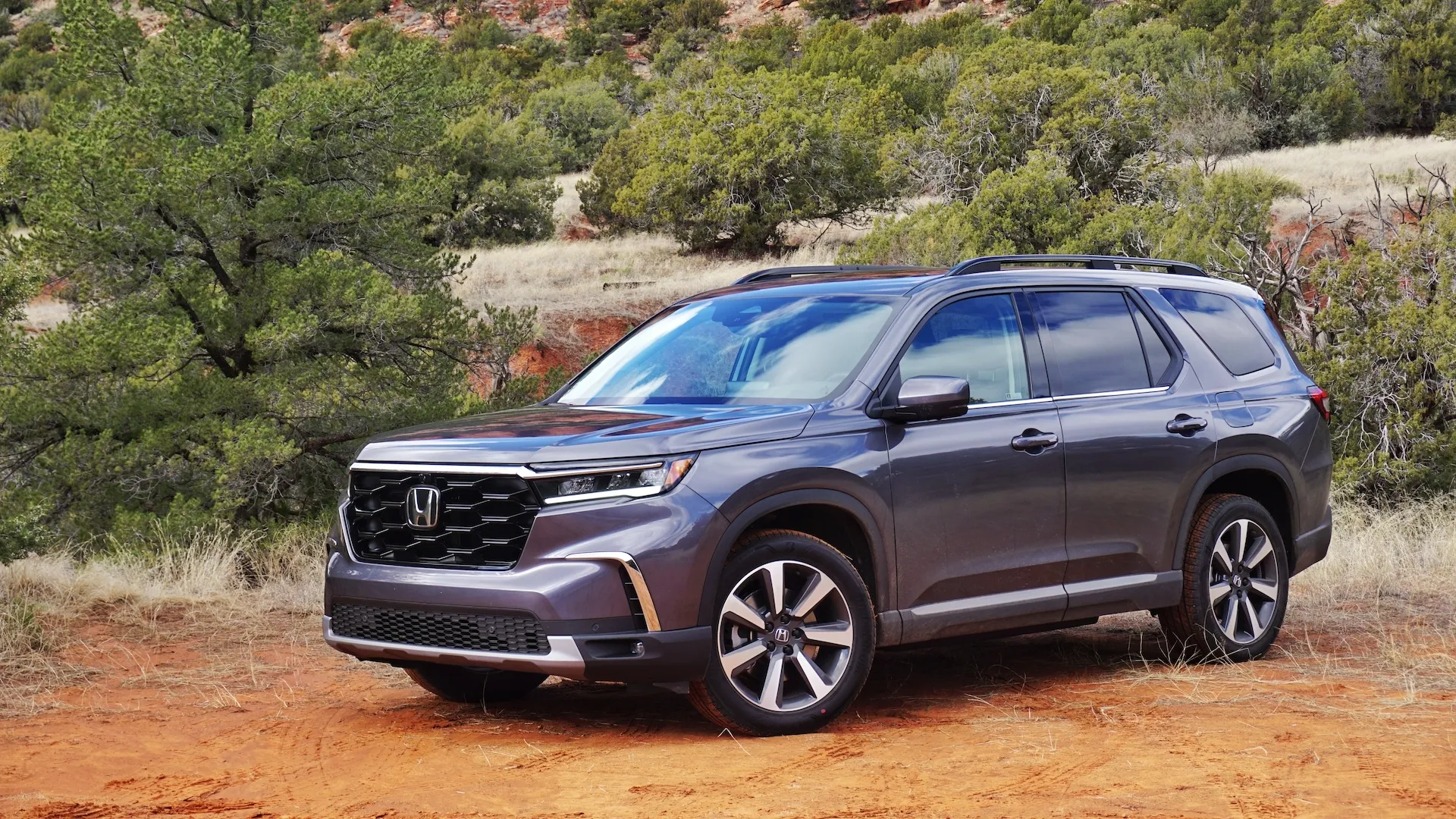
4. Honda Pilot Elite
For drivers seeking a combination of reliability, space, and manageable size, the Honda Pilot Elite presents a strong option.
This SUV balances the maneuverability needed for urban areas with interior volume capable of handling luggage, boxes, and additional passengers during military relocations. A V6 engine provides consistent power for highway driving and moderate towing tasks, making it practical for moving scenarios.
All-wheel drive is available to improve traction when roads are wet or uneven. Suspension tuning focuses on comfort for long trips while maintaining stability under load.
This ensures that packed vehicles do not sway excessively or transmit road vibrations to passengers. The Pilot Elite also includes stability control features that actively adjust power to maintain control when cornering with weight or driving through slightly challenging surfaces.
Technology and driver-assist tools enhance usability during relocation. Forward collision warning, lane-keeping assist, adaptive cruise control, and blind-spot monitoring reduce stress on extended drives.
Infotainment systems help with route planning, while multiple charging ports and storage compartments allow passengers to stay connected and organized.
Interior space is versatile. Seats can fold flat to increase cargo volume, and the cabin provides enough room for families traveling with children or pets.
Comfort-oriented features like heated and ventilated seats, premium audio, and tri-zone climate controls ensure that trips remain tolerable even under long hours on the road.
Durability comes into play for sustained travel. Engine and transmission systems maintain reliability, while cooling systems prevent performance drops under higher loads. Tires and braking components are selected to support weight and maintain predictable handling.
The Honda Pilot Elite demonstrates that practical SUVs can serve as dependable tools during Fayetteville military moves. Its combination of interior space, driver-assist features, and reliable power allows relocation trips to be completed with reduced stress and enhanced safety.
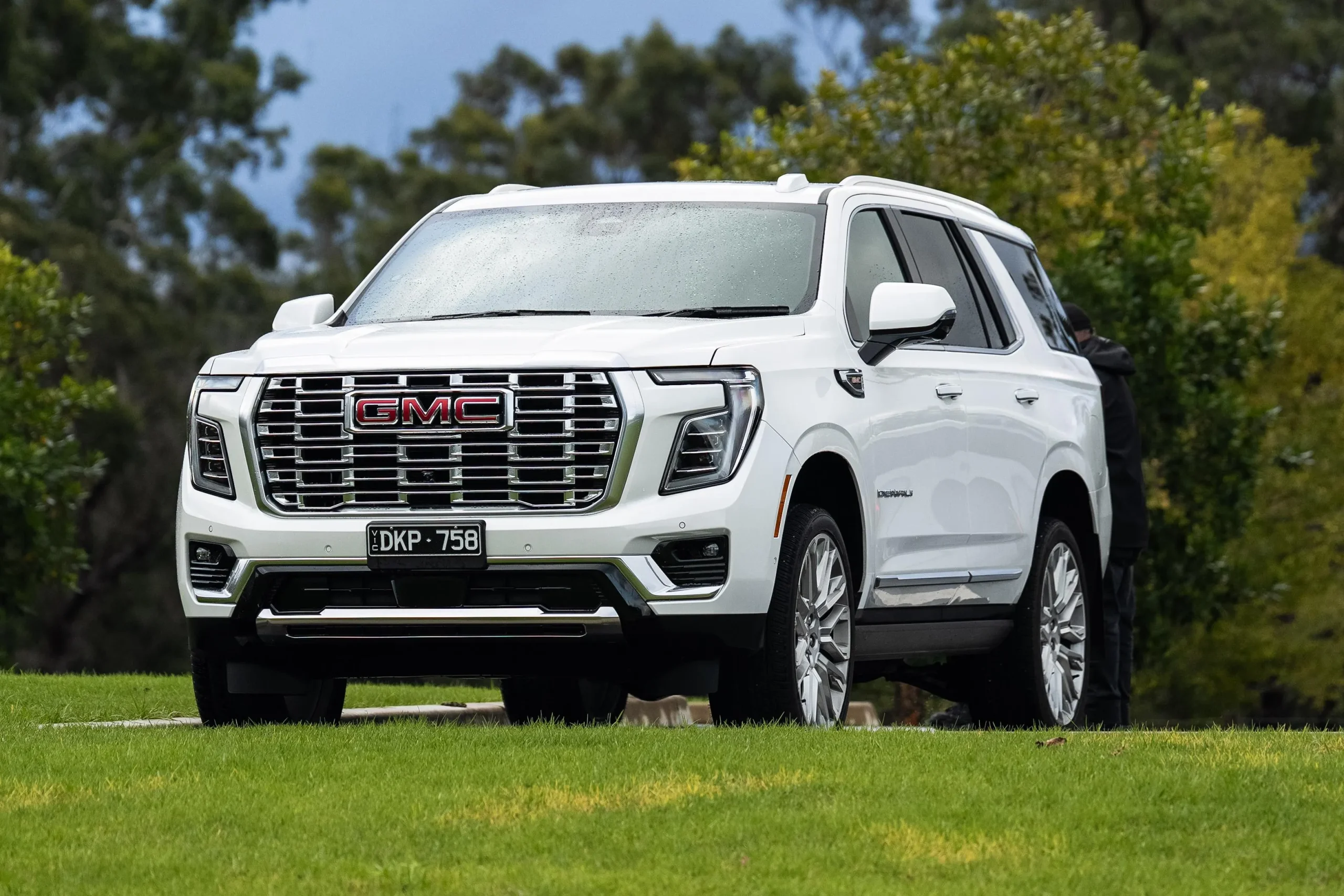
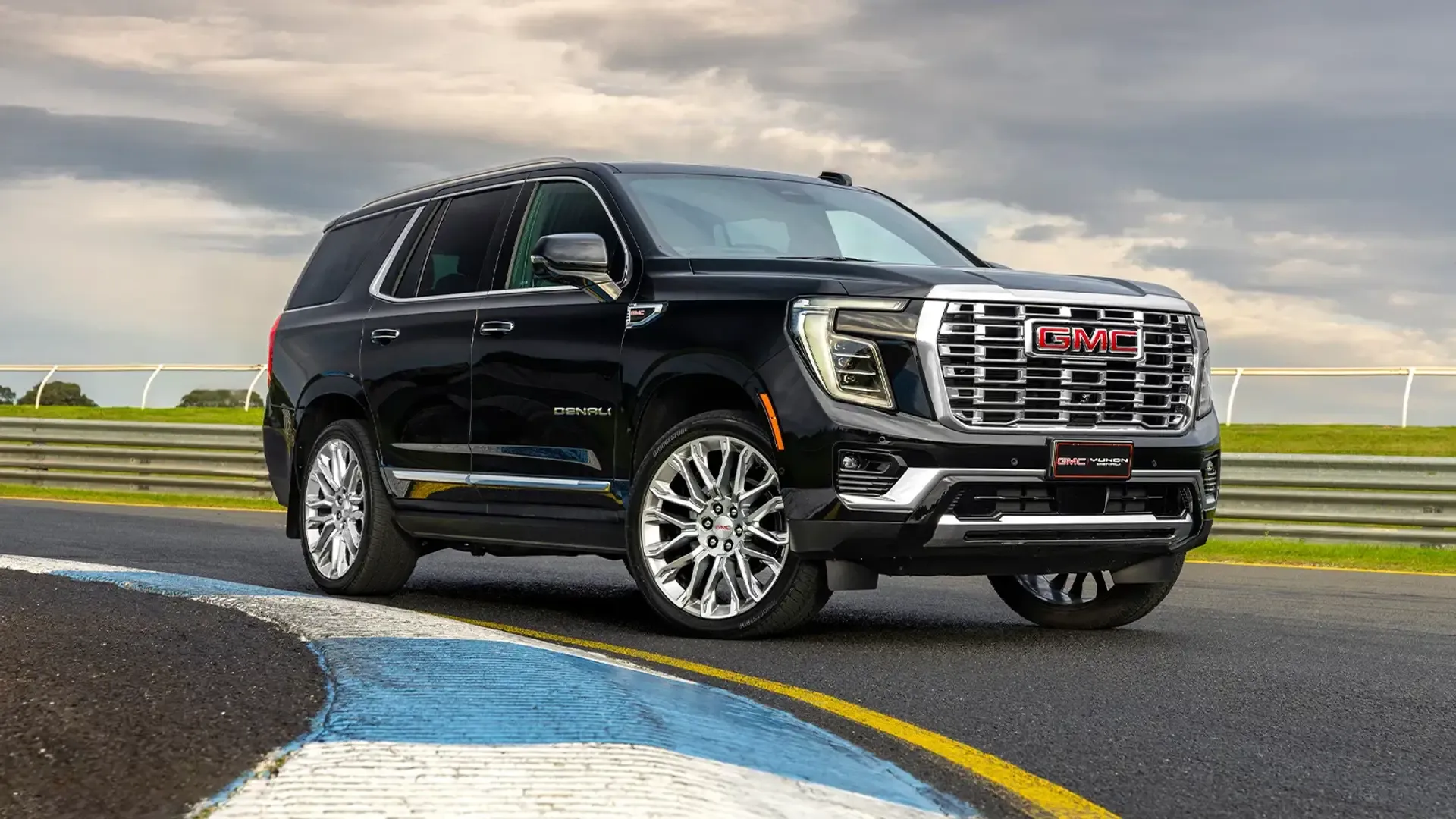
5. GMC Yukon Denali
Heavy-duty capability and luxury converge in the GMC Yukon Denali, a full-size SUV designed to handle extensive travel with cargo or passengers.
A powerful V8 provides ample torque for towing trailers or hauling full loads without requiring constant gear shifting. Even fully loaded, acceleration remains confident, which is critical for maintaining highway speeds during relocation trips.
All-wheel drive models excel when encountering uneven surfaces, gravel driveways, or slight inclines near base facilities.
Traction management systems actively monitor wheel slip, redistributing power to maintain grip. Suspension tuning balances ride comfort with load capacity, minimizing cabin disturbance while keeping cargo stable.
Inside, technology and comfort meet utility. Tri-zone climate control, heated and ventilated seats, and premium audio systems improve passenger experience.
Ample storage solutions, including fold-flat seating and dedicated compartments, make packing and organizing belongings easier. Infotainment tools simplify navigation and provide alerts for traffic or route adjustments.
Driver-assist technologies enhance safety during relocation. Adaptive cruise control, lane-keeping assist, and blind-spot monitoring reduce stress over long distances or when maneuvering in congested areas.
High seating position and wide windows ensure good visibility, which is essential when towing trailers or negotiating large vehicles nearby.
Durability and heat management contribute to sustained performance. Engine and transmission systems remain consistent under load, and braking components handle fully loaded conditions predictably. These features prevent fatigue and maintain confidence on long trips to or from military installations.
The GMC Yukon Denali combines power, space, and refinement, positioning it as an excellent choice for Fayetteville military moves. Its balance of capability, safety features, and passenger comfort ensures relocation trips are efficient, manageable, and secure.
5 Cars That Aren’t Field-Proof
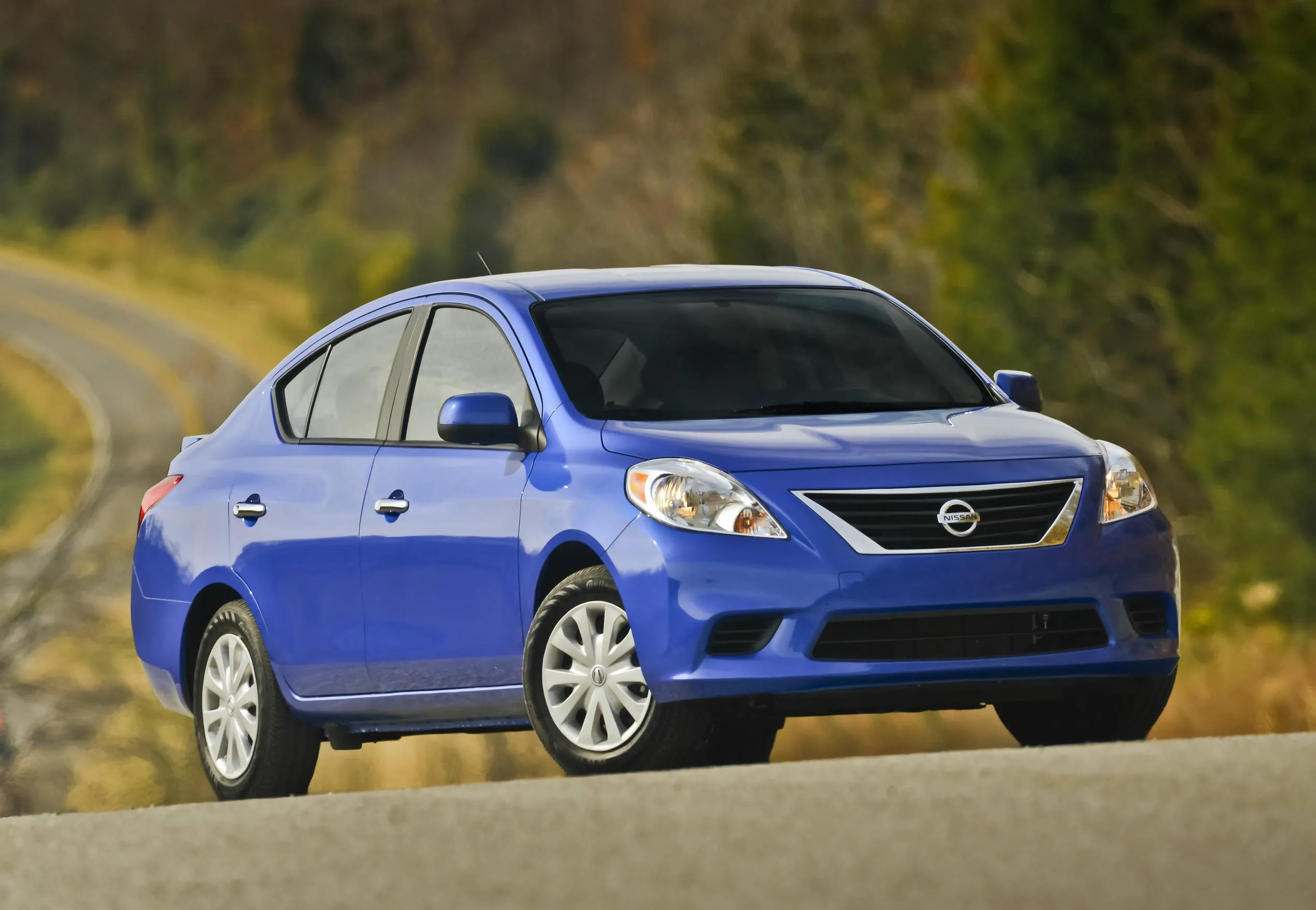
1. Nissan Versa SV
While small sedans like the Nissan Versa SV excel in city commuting, they reveal limitations during demanding military relocations. Powered by a modest 1.6-liter engine, this car prioritizes fuel efficiency over raw performance.
When fully loaded with passengers or cargo, uphill acceleration becomes sluggish, requiring constant throttle input just to maintain a reasonable speed. Passing slower vehicles on inclines can feel laborious, and extended drives often demand heightened focus to prevent strain.
Transmission behavior contributes to the challenge. Continuously variable transmissions (CVT) in this model prioritize smoothness over responsiveness.
During steep climbs, the CVT can seem hesitant, forcing the engine to rev higher without producing proportional acceleration. This creates a noticeable disconnect between pedal input and forward motion.
Prolonged ascents may cause the powertrain to heat slightly, softening response and adding to driver fatigue.
Traction is limited by the front-wheel-drive layout. On hilly stretches or uneven driveways, wheel spin can occur, particularly when starting from a stop.
Steering feedback diminishes under load, which can reduce confidence during tight maneuvers. The compact wheelbase amplifies any instability, making loaded cornering feel twitchy compared to larger vehicles.
Interior comfort is also compromised during moves. Thin insulation allows engine and transmission sounds to dominate the cabin. Seats are adequate for short trips, but long drives with cargo can leave passengers feeling fatigued.
While the Versa SV offers budget-friendly efficiency for everyday city travel, Fayetteville military moves expose the constraints of its compact design, limited power, and minimal traction, making it less suitable for demanding relocation tasks.
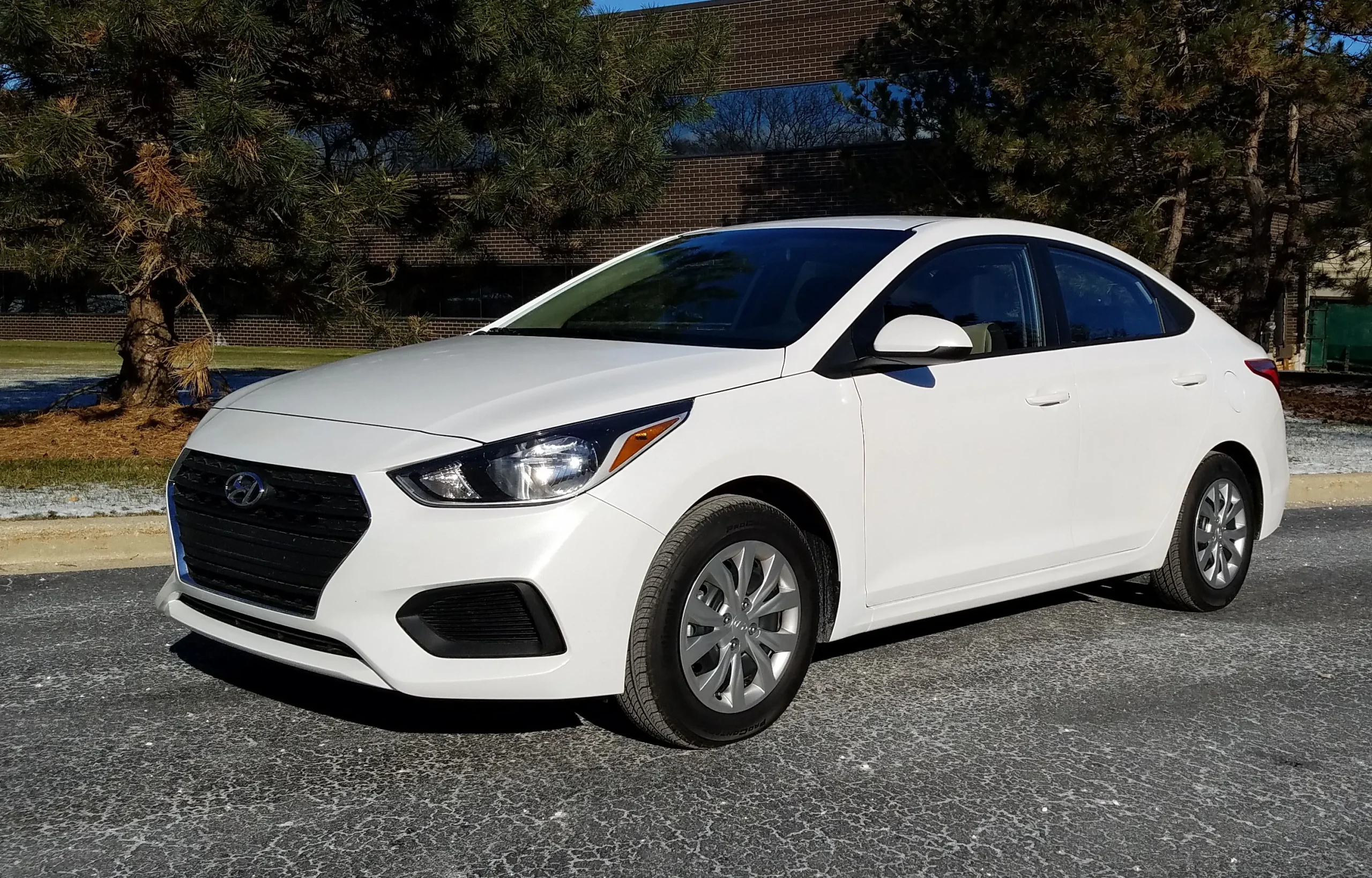
2. Hyundai Accent SE
Efficiency drives the Hyundai Accent SE, making it an attractive choice for daily urban commuting. Its 1.6-liter engine emphasizes fuel economy and practicality rather than raw climbing strength, which becomes apparent when tackling fully loaded vehicles or steep grades.
Torque arrives higher in the rev range, so maintaining speed on hills demands attentive throttle control and frequent gear adjustments. Short inclines can feel surprisingly demanding when the car carries multiple passengers or cargo, turning routine climbs into exercises in patience and anticipation.
Transmission design favors smooth operation and efficiency over aggressive performance. The automatic gearbox often hesitates when downshifts are required, delaying the moment power reaches the wheels effectively. This creates a disconnection between pedal input and forward motion.
During prolonged ascents, the engine works harder, generating more noise than speed, which can become mentally fatiguing on long relocation trips.
Heat buildup in the engine and transmission can further reduce responsiveness, making acceleration feel sluggish and inconsistent, particularly under heavier loads or extended periods of uphill driving.
Front-wheel-drive traction presents another obstacle. On inclines, weight naturally moves to the rear, reducing grip at the drive wheels. Starting from a stop on sloped driveways, narrow roads, or slightly uneven base areas demands careful modulation of the accelerator to prevent wheel spin.
Steering feedback lightens under load, making precise maneuvering more difficult, particularly when driving through tight turns, crowded parking lots, or winding access roads common near military facilities. The cabin does little to mask the effort required from the vehicle.
Thin insulation allows engine and transmission sounds to dominate the cabin environment during climbs. Seats, while comfortable for short city trips, provide minimal support during long uphill drives, leaving both drivers and passengers more aware of vehicle strain.
Although the Accent SE remains reliable and economical on level ground, Fayetteville military moves reveal its limitations. Drivers must adjust expectations, plan ascents carefully, and accept that speed and comfort diminish on hilly or fully loaded routes.
The vehicle performs, but it asks for patience and consistent attention from anyone attempting longer or steeper drives.
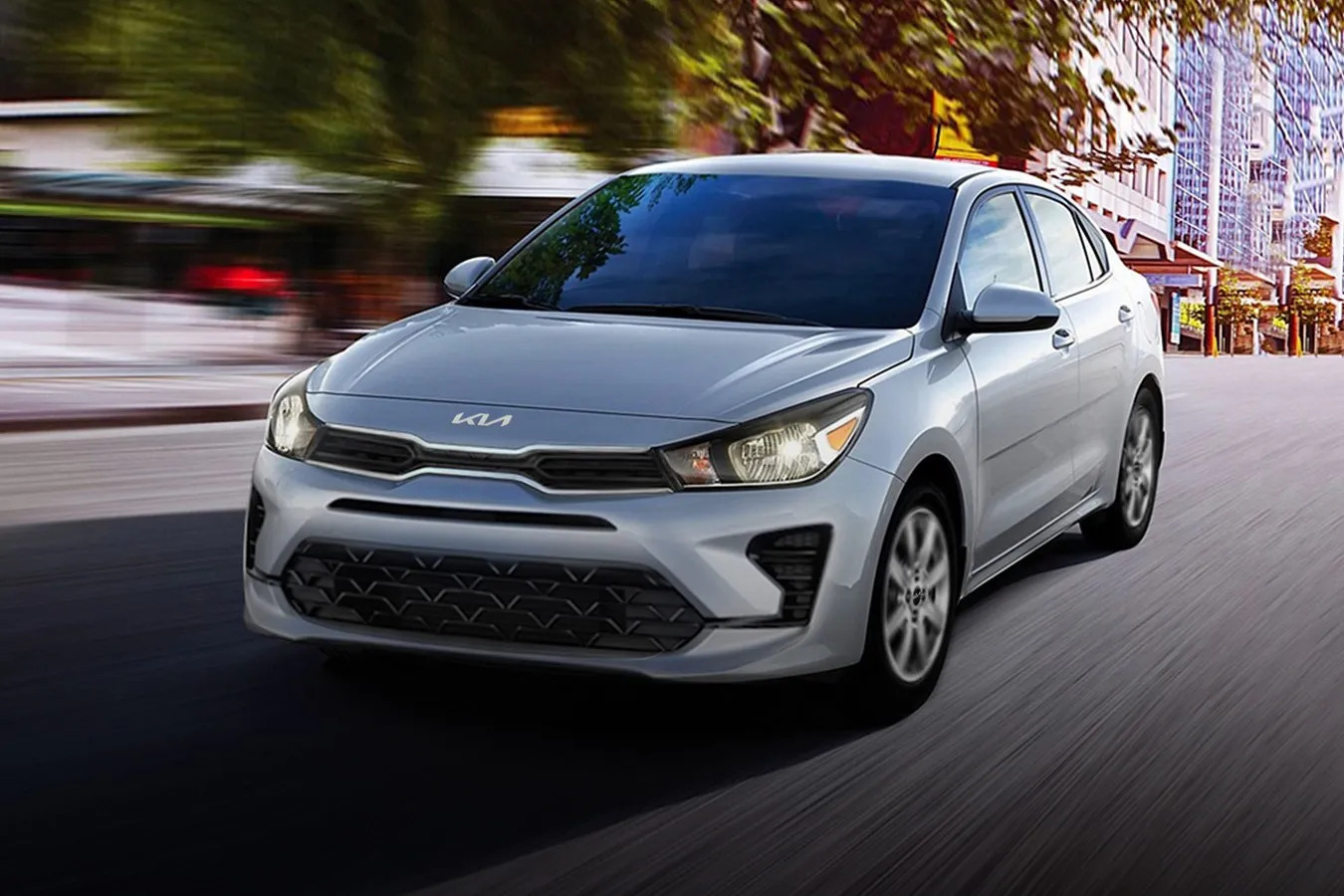
3. Kia Rio LX
Practicality and affordability shape the Kia Rio LX, which performs well on short, flat commutes but struggles when faced with demanding, fully loaded moves.
Its 1.6-liter engine generates limited torque at lower speeds, so climbing even moderate inclines can feel noisy and underwhelming.
Pressing the accelerator produces audible engine strain long before noticeable speed increases occur.
This dissonance between sound and movement can frustrate drivers attempting to maintain a steady pace while transporting passengers or cargo across hilly terrain.
Transmission behavior amplifies the Rio LX’s uphill challenges. Automatic downshifts are often delayed until engine strain is obvious, causing the cabin to fill with rising noise without a corresponding increase in speed.
Prolonged climbs test the cooling system, reducing throttle responsiveness and leaving drivers feeling the car laboring under load.
This combination of delayed response, rising engine noise, and gradual heat accumulation makes long drives on steep inclines mentally taxing and physically demanding, particularly when managing multiple stops or maneuvering near base access roads.
Traction issues emerge as weight shifts toward the rear under full load. Front-wheel-drive grip diminishes during starts on inclined driveways or sloped parking areas, increasing the risk of wheel spin and making throttle control critical.
Steering feedback softens under load, reducing driver confidence during precise maneuvers. Tight turns, narrow lanes, or uneven road surfaces accentuate these limitations, requiring more care and attention than larger, more capable vehicles.
Inside, space and comfort are adequate for daily errands but limited for relocation tasks. Cabin noise from engine and transmission effort dominates during climbs, while seats provide minimal support over extended uphill travel.
For drivers frequently facing Fayetteville military moves, the Rio LX highlights deficiencies in power, traction, and interior composure.
While it remains an economical choice for urban trips, steep or extended drives reveal it as an underpowered option that requires patience, skillful throttle control, and constant attention to maintain control and forward momentum.
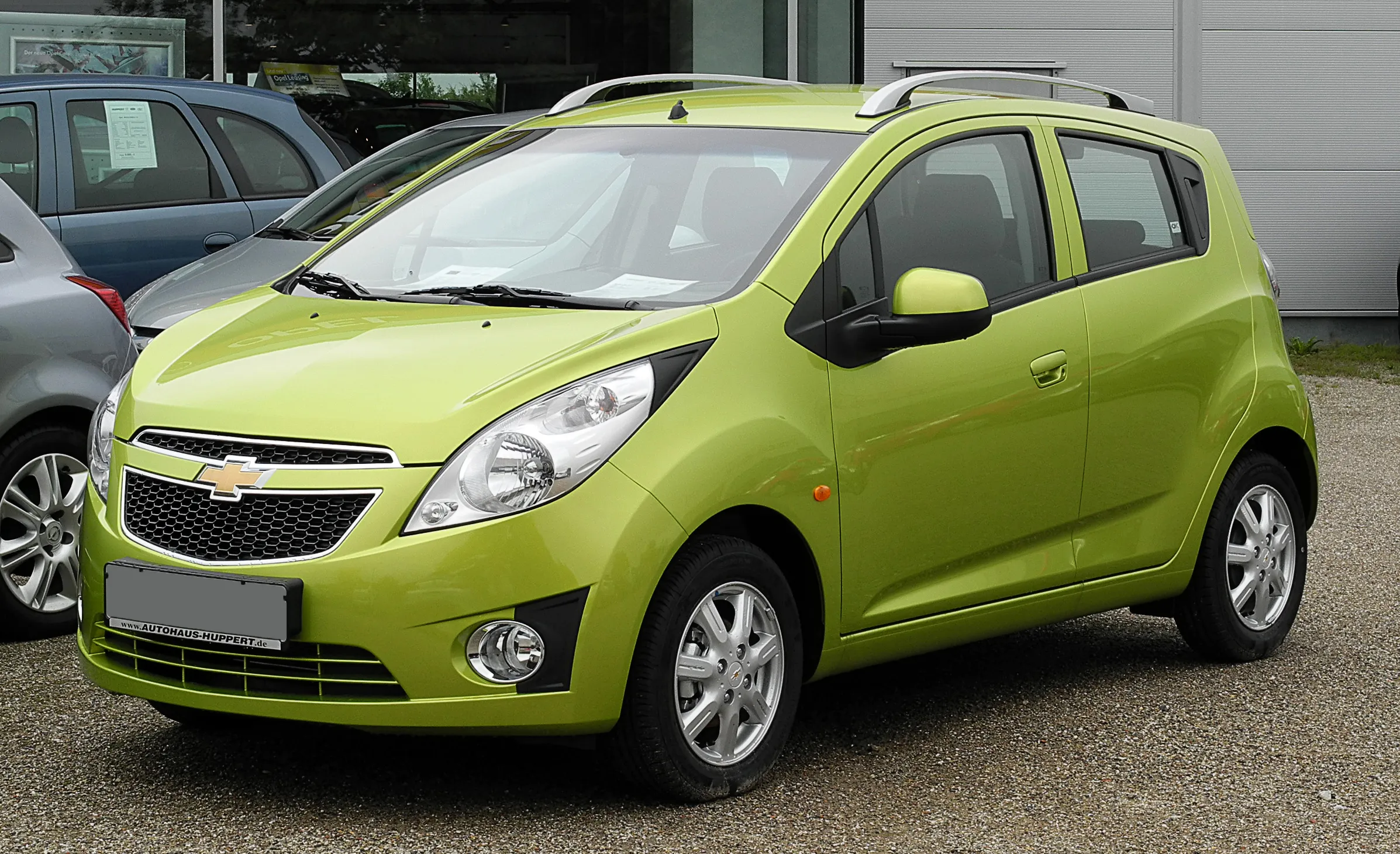
4. Chevrolet Spark LS
Compact dimensions define the Chevrolet Spark LS, making parking simple and fuel economy strong. Yet these same characteristics limit its suitability for military relocation.
Its small engine struggles to maintain speed on inclines, and acceleration drops noticeably under load. Passing slower traffic or climbing extended grades becomes laborious, often requiring careful planning and patience.
CVT transmission amplifies this behavior. Downshifts occur late, and the engine revs climb without corresponding speed gains.
Extended uphill drives result in a steady increase in engine noise, which can exacerbate driver fatigue. Heat accumulation during longer climbs can further diminish performance, making the vehicle feel underpowered.
Traction is compromised by front-wheel drive and narrow tires. Weight transfer during starts on inclines can cause wheel spin, and steering feedback softens under load.
Navigating through parking lots or tight driveways near military bases can be challenging, especially when cargo is onboard.
Cabin comfort is minimal. Thin sound insulation allows mechanical noise to dominate, and long drives with passengers quickly become tiring.
While practical for city errands, Fayetteville military moves expose the Spark LS’s limitations, emphasizing that small, efficiency-oriented cars often struggle with loaded, uphill, or extended travel conditions.
Also Read: 10 American Cars With the Lowest Maintenance Costs in 2026
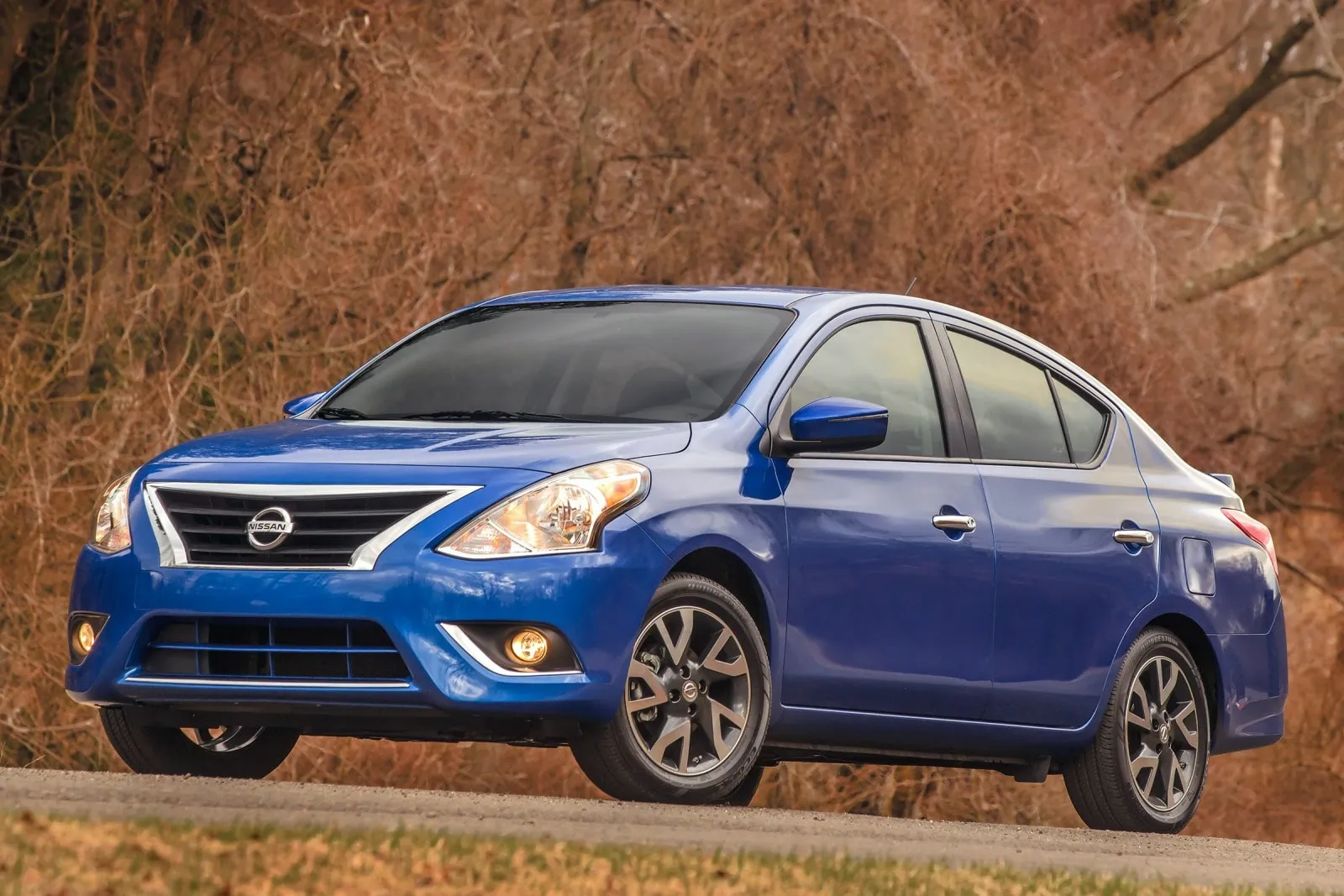
5. Nissan Versa 1.6 S
Designed for affordability and efficiency, the Nissan Versa 1.6 S faces challenges when subjected to loaded relocations or steep inclines.
The 1.6-liter engine, paired with a continuously variable transmission, prioritizes fuel economy over climbing strength. When fully loaded or facing an extended grade, acceleration feels slow and strained, demanding constant pedal input from the driver.
Transmission behavior exacerbates the problem. The CVT tends to hunt for the correct ratio under load, creating a delayed response and rising engine noise.
During longer climbs, heat buildup can further soften throttle response, making the car feel hesitant and underpowered.
Front-wheel-drive traction is limited on inclines. Weight moves rearward when the vehicle carries passengers or cargo, reducing grip at the drive wheels.
Starting from a stop on sloped driveways or base roads requires careful throttle modulation to prevent wheel spin. Steering feedback diminishes, making precise vehicle placement more difficult.
Interior comfort is compromised during longer moves. Thin sound insulation allows engine effort to dominate, making trips tiring for both driver and passengers.
While the Versa 1.6 S is an economical, practical choice for urban commuting, Fayetteville military moves expose the boundaries of its power, traction, and handling.
Extended trips with cargo or steep grades highlight the vehicle’s shortcomings, making it unsuitable for frequent or demanding relocation tasks.
