Charleston, West Virginia, is known for its rolling hills, steep residential streets, and winding mountain roads, creating unique challenges for drivers. Selecting the right vehicle can make all the difference between a confident, smooth drive and a frustrating uphill struggle.
Some cars combine power, traction, and technology to handle steep grades, tight curves, and variable road conditions with ease, offering both performance and peace of mind.
Others, typically smaller or efficiency-focused models, can feel underpowered, strained, or hesitant when faced with sustained climbs, demanding careful throttle and gear management.
In this guide, we explore five vehicles that excel on Charleston’s hills, offering strong engines, all-wheel-drive systems, and driver-assist features designed for hilly terrain.
We also examine five models that, while capable in city or flat-road driving, struggle to maintain momentum, traction, or confidence on steep inclines. Understanding these differences helps drivers choose a vehicle suited to the region’s demanding roads.
5 Cars for Charleston WV Hills
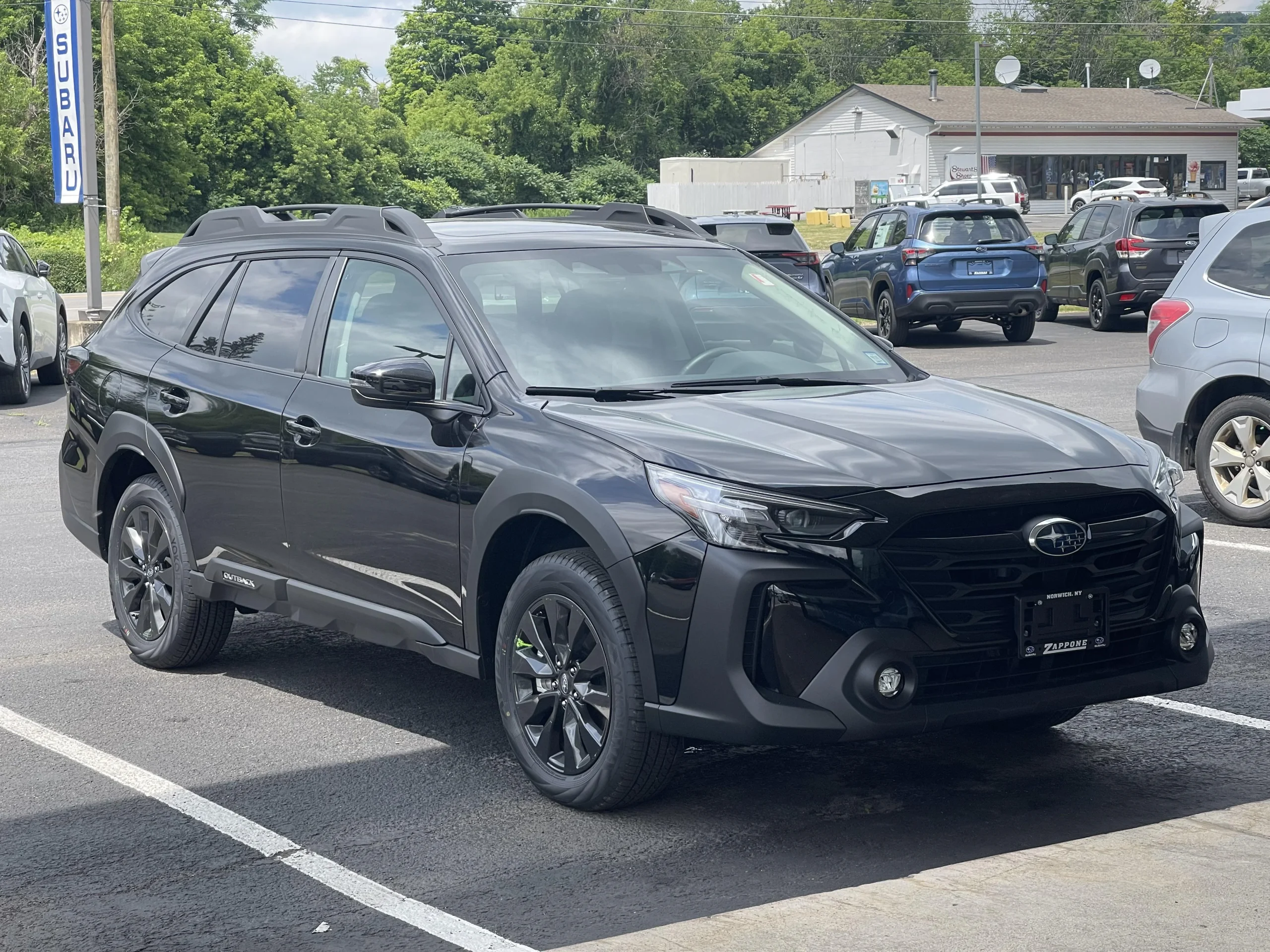
1. 2025 Subaru Outback Onyx Edition XT: Built for Charleston’s Hills and Beyond
The 2025 Subaru Outback Onyx Edition XT stands out as a near-ideal vehicle for the challenging terrain and daily driving demands of Charleston, West Virginia.
Its popularity in the region is no accident: this trim combines turbocharged performance, advanced all-wheel-drive capability, and everyday comfort in a package that feels tailor-made for steep hills, winding roads, and changing weather conditions.
At the heart of the Onyx XT is Subaru’s 2.4-liter turbocharged Boxer engine, producing 260 horsepower and a robust 277 lb-ft of torque. This extra torque is especially valuable on Charleston’s inclines, allowing the Outback to climb confidently without engine strain.
Compared to non-turbo models, the XT delivers noticeably quicker acceleration and stronger passing power, making it well-suited for hilly highways and back roads alike. Power is routed through Subaru’s standard Symmetrical All-Wheel Drive system, which continuously balances traction between wheels, providing stability on wet pavement, gravel, snow, or slick inclines common in the region.
Adding to its hill-friendly nature is Dual-Function X-MODE with Hill Descent Control. This system optimizes traction for snow, mud, or dirt while automatically controlling speed when descending steep or slippery grades.
Combined with 8.7 inches of ground clearance, the Outback transitions easily from city streets to rougher country roads without scraping or hesitation. For those with active lifestyles, the XT’s 3,500-pound towing capacity makes it capable of hauling kayaks, bikes, or small trailers for trips to places like the New River Gorge.
Inside, the Outback Onyx XT balances ruggedness with comfort. The StarTex® water-repellent upholstery is durable and easy to clean, ideal for outdoor adventures or everyday spills.
The cabin is spacious, with supportive seats, excellent visibility, and a smooth, quiet ride that absorbs potholes and uneven pavement well. Tech updates include an 11.6-inch touchscreen infotainment system with improved responsiveness and the welcome return of physical knobs for volume and climate controls, enhancing usability while driving.
The 2025 Subaru Outback Onyx Edition XT is widely praised for its turbocharged performance, standard AWD, refined ride, and versatile interior. While some drivers note that the CVT can become noisy under hard acceleration, the strengths far outweigh this drawback. For drivers in Charleston and across West Virginia, it remains a confident, capable, and comfortable all-around vehicle.
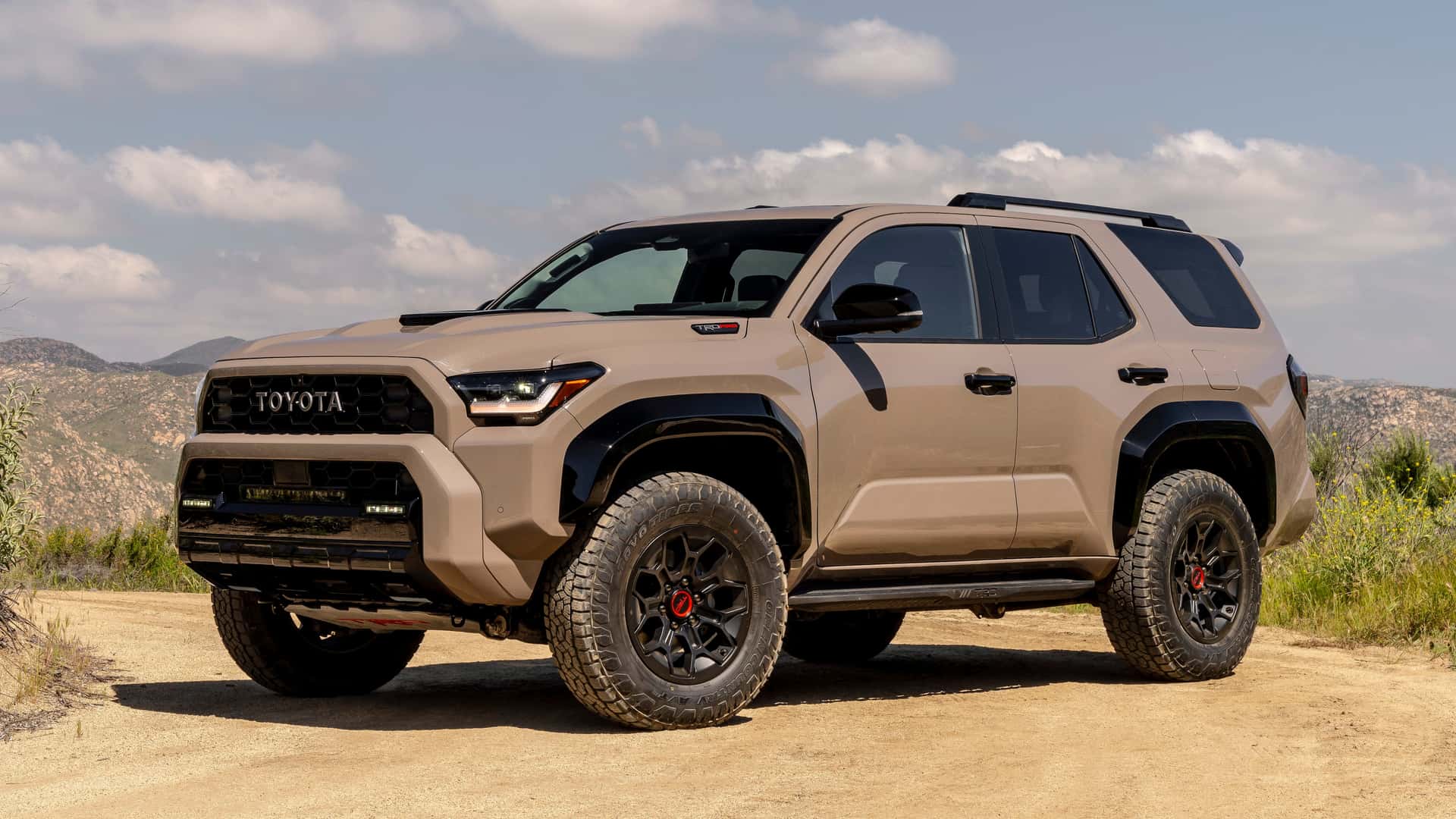
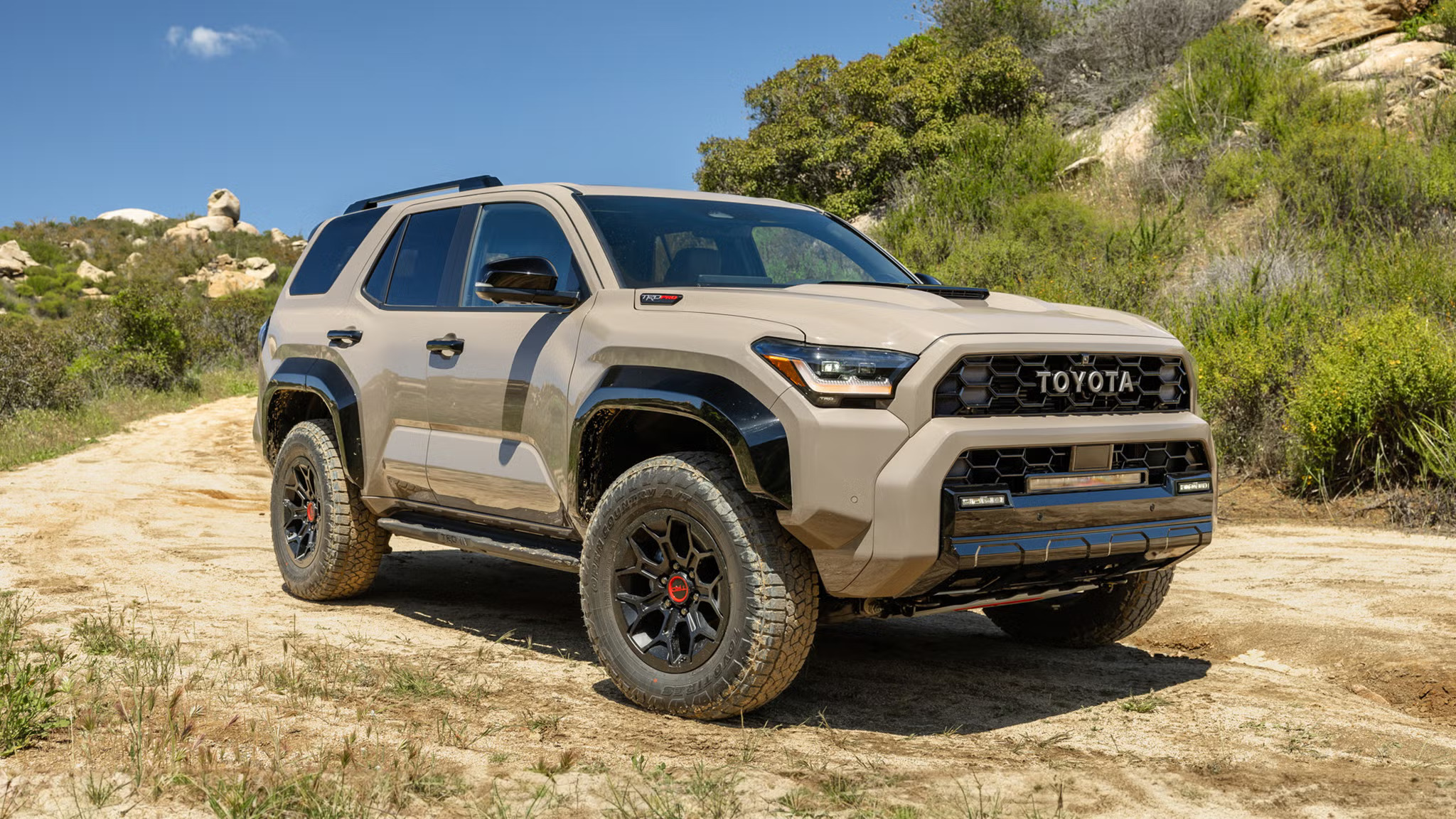
2. 2025 Toyota 4Runner TRD Off-Road: A Rugged Solution for Charleston’s Toughest Roads
The 2025 Toyota 4Runner TRD Off-Road is purpose-built for drivers who regularly face unpaved roads, steep inclines, and harsh conditions around Charleston, West Virginia.
Long known as a dependable choice in mountainous and rural areas, the latest 4Runner continues that legacy with a blend of traditional body-on-frame toughness and modern off-road technology designed to inspire confidence where pavement ends.
At its core, the 4Runner TRD Off-Road rides on Toyota’s rugged TNGA-F boxed steel frame, delivering the durability and stiffness needed for uneven terrain and steep grades. Power comes from a new i-FORCE 2.4-liter turbocharged four-cylinder engine producing 278 horsepower and a strong 317 lb-ft of torque, paired with an eight-speed automatic transmission.
This setup provides ample low-end torque for climbing hills, handling loose surfaces, and towing up to 6,000 pounds, which is a major advantage for trailers, boats, or outdoor gear common in the region.
Traction is where the TRD Off-Road truly stands out. Its part-time four-wheel-drive system includes a two-speed transfer case with low-range gearing and an electronic locking rear differential, allowing the vehicle to maintain grip on icy residential hills, muddy back roads, or rocky trails.
Off-road-focused hardware, such as Bilstein monotube shocks with remote reservoirs, improves suspension control and ride comfort on rough surfaces. In addition, 9.1 inches of ground clearance and underbody skid plates protect vital components from damage.
Toyota further enhances its capability with advanced off-road technologies. Multi-Terrain Select lets drivers tailor throttle response and traction control for surfaces like mud, sand, or rock.
Crawl Control acts as a low-speed off-road cruise control, automatically managing braking and throttle on steep climbs or descents so the driver can focus on steering. Downhill Assist Control adds extra confidence on slick or steep downhill sections, which is especially useful in West Virginia’s hills.
Despite its off-road focus, the 4Runner remains livable for daily use. The interior shares much of its layout with the Tacoma, offering a functional design, ample storage, and intuitive controls.
An 8-inch infotainment screen is standard, with a larger 14-inch display available, along with wireless Apple CarPlay and Android Auto. Optional features such as a third-row seat and power rear window add versatility, while Toyota Safety Sense 3.0 provides a full suite of modern driver-assistance features.
The 2025 Toyota 4Runner TRD Off-Road may not be the most refined or fuel-efficient SUV in its class, but it excels where durability, traction, and confidence matter most.
For Charleston-area drivers who frequently encounter steep, rough, or poorly maintained roads, it remains one of the most capable and dependable choices available.
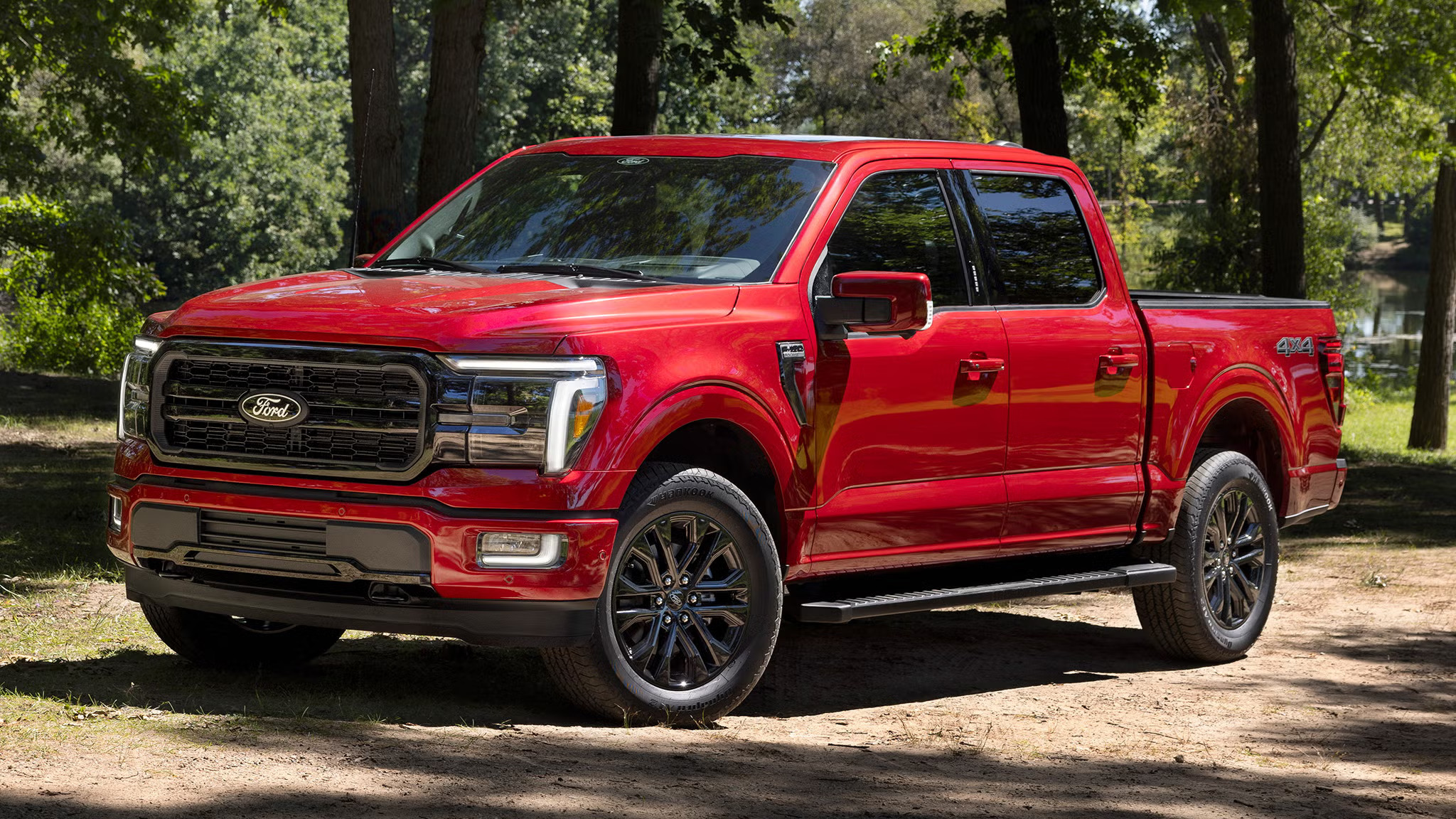
3. 2025 Ford F-150 PowerBoost Hybrid: Smart Muscle for Charleston’s Hills
The 2025 Ford F-150 PowerBoost Hybrid stands out as a uniquely capable pickup for the steep grades, long descents, and mixed driving conditions common around Charleston, West Virginia. By blending traditional truck strength with hybrid technology, it delivers confident performance in the mountains while adding efficiency and refinement that gas-only trucks struggle to match.
A key advantage of the PowerBoost system is instant electric torque. The integrated electric motor works with Ford’s 3.5-liter twin-turbo EcoBoost V6 to deliver a combined 430 horsepower and an impressive 570 lb-ft of torque.
This immediate low-end response is especially useful when starting from a stop on a steep incline or pulling into traffic on winding roads. Hill climbs feel smooth and controlled, without the lag sometimes associated with turbocharged engines alone. Power is sent through a 10-speed automatic transmission and available four-wheel drive, providing consistent traction on pavement, gravel, and uneven surfaces.
Another major benefit of Charleston’s terrain is regenerative braking. On long downhill stretches into areas like the Kanawha Valley, the system captures energy while slowing the truck, helping recharge the battery and reducing strain on the mechanical brakes.
This not only improves efficiency but also adds confidence and control during extended descents. In stop-and-go city driving, the hybrid system frequently relies on electric power at low speeds, improving fuel economy where conventional trucks tend to consume the most fuel.
Beyond performance, the F-150 PowerBoost adds meaningful utility. Pro Power Onboard turns the truck into a mobile generator, capable of powering tools at job sites, tailgating equipment, or camping gear.
This feature alone sets the hybrid apart for drivers who work outdoors or enjoy West Virginia’s recreation opportunities. The ride quality is also notably refined, with seamless transitions between gas and electric power that keep noise and vibration low, even on longer drives.
There are some considerations to weigh. Highway fuel efficiency is similar to non-hybrid F-150 models, so the biggest gains come in mixed and urban driving rather than steady cruising.
Cost is another factor, as the hybrid powertrain increases the upfront price, though the added capability and potential fuel savings can offset that over time. Higher trims, such as Platinum, push pricing well into luxury territory, which may be more than some buyers need.
The 2025 Ford F-150 PowerBoost Hybrid combines strong towing and hauling capability with advanced hybrid advantages that shine in hilly terrain. For drivers in and around Charleston who want full-size truck strength with smarter performance and added versatility, it is a compelling and forward-thinking choice.
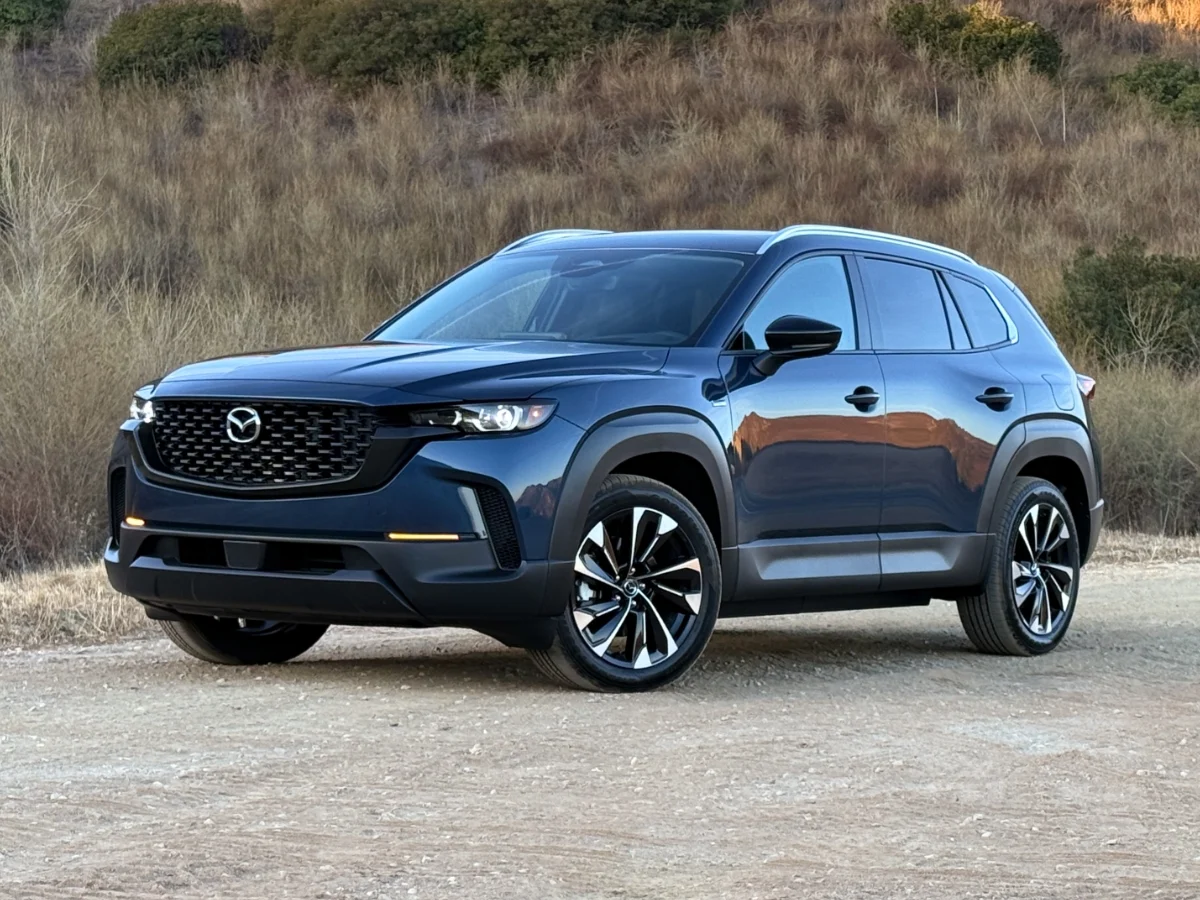
4. 2025 Mazda CX-50 Turbo: Sharp Handling and Confident Power for West Virginia Roads
The 2025 Mazda CX-50 Turbo is an appealing choice for drivers in and around Charleston, West Virginia, who want an SUV that feels composed and engaging on mountain roads without sacrificing everyday practicality.
Unlike many crossovers that prioritise softness, the CX-50 is engineered with a focus on handling and driver connection, making it well-suited for winding highways, long uphill grades, and tight curves common throughout the region.
Power comes from Mazda’s 2.5-litre turbocharged four-cylinder engine, producing up to 256 horsepower and a strong 310 lb-ft of torque on premium fuel. This generous low-end torque delivers confident acceleration on steep inclines such as those found on the West Virginia Turnpike, allowing the CX-50 Turbo to climb smoothly without feeling strained.
A six-speed automatic transmission and standard i-Activ all-wheel drive work together to provide consistent traction on wet pavement, gravel roads, and uneven surfaces.
One of the CX-50 Turbo’s standout traits is its handling. Mazda’s G-Vectoring Control subtly adjusts engine torque during cornering to improve balance and stability, helping the vehicle feel planted through switchbacks and curving back roads.
Precise steering and a well-tuned suspension reduce body roll and give the CX-50 a near-sporty character that is rare in the compact SUV segment. At the same time, the ride remains comfortable enough for daily commuting and longer trips.
Practical capability is also part of the package. With 8.6 inches of ground clearance and an available Off-Road drive mode, the CX-50 Turbo can handle rougher back roads, trailhead access points, and uneven pavement without concern. The turbo model’s towing capacity of up to 3,500 pounds adds versatility for small trailers, boats, or outdoor equipment, matching or exceeding many competitors in its class.
Inside, the CX-50 offers an upscale and thoughtfully designed cabin. Front seats are supportive and comfortable, while materials and styling lean toward a premium feel, especially on higher trims. Rear-seat space and cargo capacity are not class-leading, but they are adequate for most daily needs.
A 10.3-inch infotainment screen with wireless Apple CarPlay and Android Auto comes standard, controlled through Mazda’s intuitive rotary dial system. Safety is well covered with standard features such as adaptive cruise control, lane-keeping assist, and automated emergency braking.
The 2025 Mazda CX-50 Turbo blends strong turbocharged performance, standard all-wheel drive, and sharp handling into a refined compact SUV. For Charleston-area drivers who value confidence on hills and curves along with everyday comfort, it offers a distinctive and rewarding alternative to more conventional crossovers.
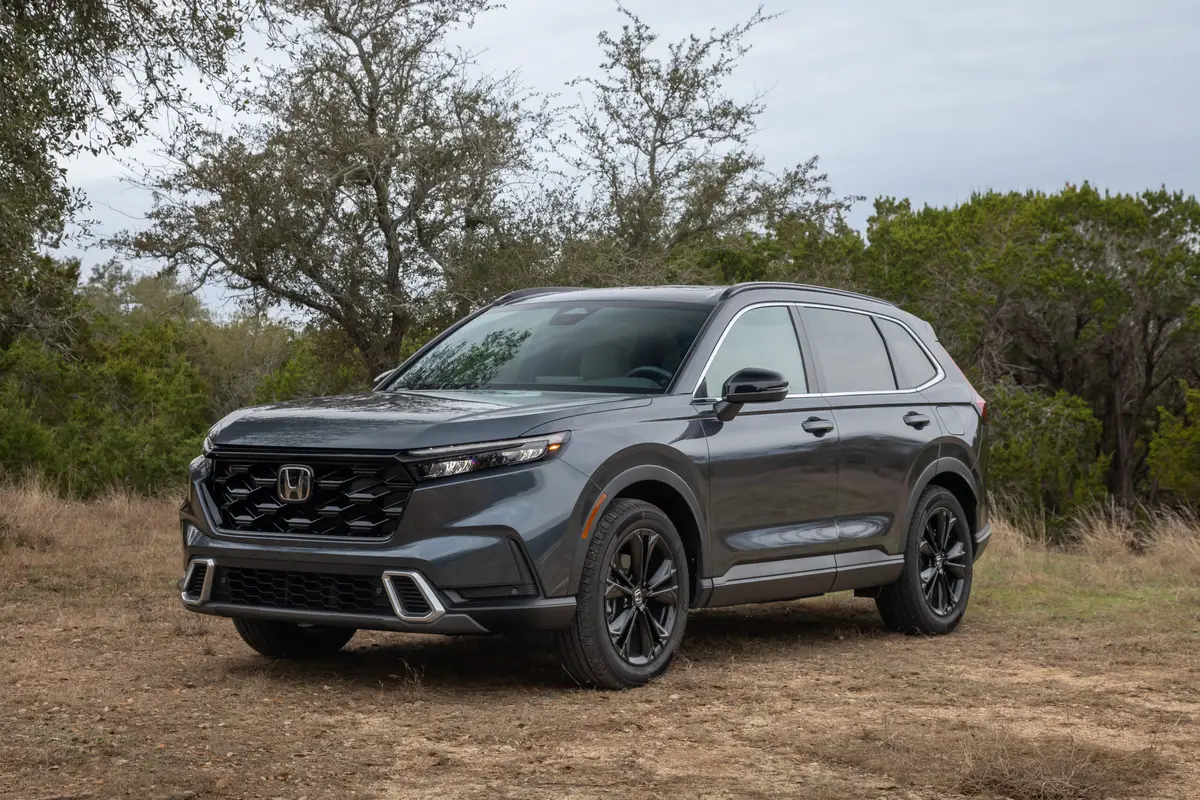
5. 2025 Honda CR-V Hybrid Sport Touring: Efficient Confidence for Charleston’s City Hills
The 2025 Honda CR-V Hybrid Sport Touring is especially well-suited for the hilly streets and mixed driving conditions found around Charleston, West Virginia. Designed with urban and suburban use in mind, it blends smooth hybrid power, standard all-wheel drive, and a comfortable ride into a package that feels natural on steep city streets as well as longer regional drives.
At the heart of the CR-V Hybrid Sport Touring is Honda’s dual-motor hybrid system, pairing a 2.0-liter four-cylinder engine with two electric motors for a combined output of 204 horsepower and 247 lb-ft of torque.
The electric motors deliver instant response from a standstill, which is particularly helpful on steep inclines such as Fort Hill or Loudon Heights. Power delivery is smooth and linear, avoiding the constant shifting or hesitation sometimes found in small turbocharged SUVs.
A dedicated “B” drive mode increases regenerative braking, giving drivers better control and confidence on downhill stretches while also helping recharge the hybrid battery.
Standard Real-Time AWD with Intelligent Control System adds an extra layer of assurance on wet pavement, uneven roads, and loose surfaces. The system automatically sends power to the rear wheels when needed, enhancing traction without requiring driver input.
The suspension setup, featuring front struts and a rear multilink design, is tuned for comfort and composure. It absorbs bumps and road imperfections effectively, making daily commutes and longer drives feel relaxed rather than tiring.
The CR-V Hybrid Sport Touring also includes helpful hill-focused features such as Hill Descent Control and Hill Start Assist. These systems help maintain steady speed on steep downhill sections and prevent rollback when starting on an incline, which is valuable in Charleston’s dense, sloped neighbourhoods.
Fuel efficiency is another strong advantage, with an EPA-estimated 37 mpg combined for the AWD Sport Touring model. This efficiency pays off in stop-and-go city driving as well as extended trips through West Virginia.
Inside, the CR-V Hybrid offers one of the most spacious cabins in the compact SUV class. Rear-seat legroom is generous, and cargo capacity reaches up to 76.5 cubic feet with the seats folded.
The Sport Touring trim adds upscale touches such as leather seating, a 9-inch touchscreen with wireless Apple CarPlay and Android Auto, built-in navigation, and a wireless phone charger. Honda Sensing safety features come standard, including adaptive cruise control, lane-keeping assist, blind-spot monitoring, and automated emergency braking.
The 2025 Honda CR-V Hybrid Sport Touring delivers a balanced mix of efficiency, comfort, and hill-friendly features. For Charleston drivers who want a refined, easy-to-drive SUV that excels in city hills and everyday use, it stands out as a practical and dependable choice.
Also Read: 5 Cars For Parkersburg Daily Drivers and 5 That Don’t Hold Value
5 That Struggle Uphill
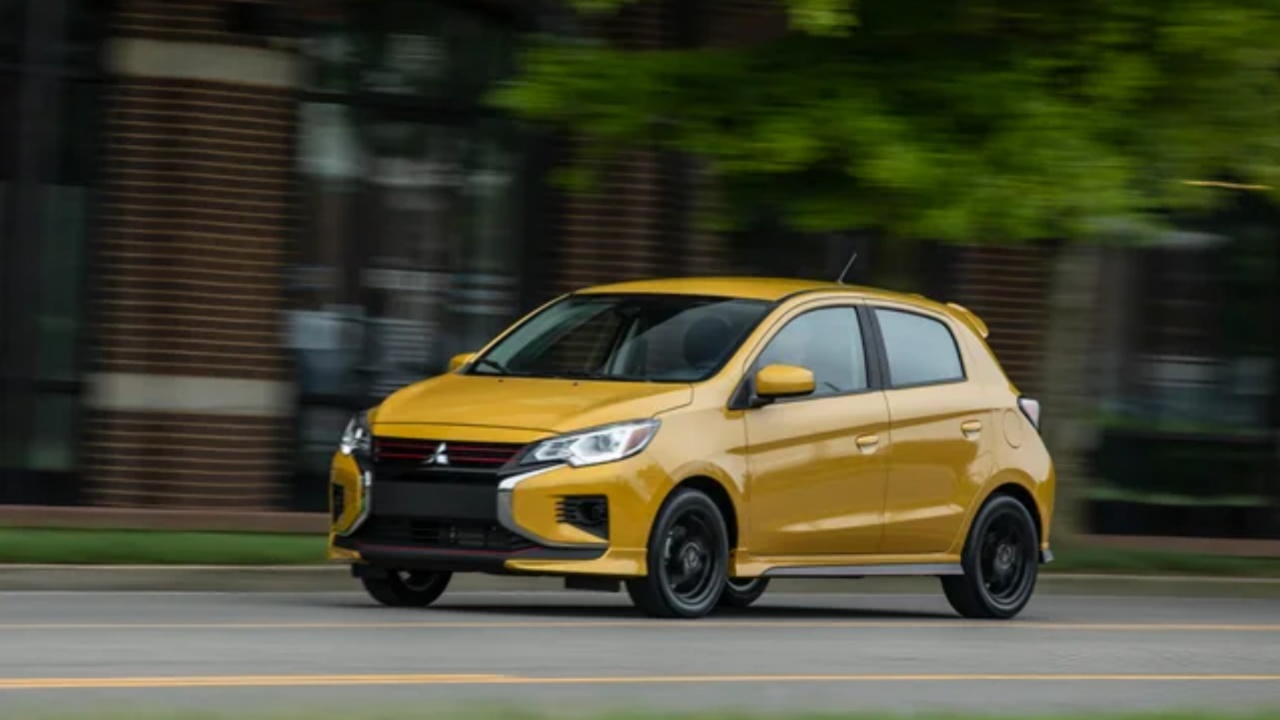
1. 2025 Mitsubishi Mirage: A Poor Match for Charleston’s Hills
The 2025 Mitsubishi Mirage is designed with affordability and fuel efficiency as its top priorities, but those strengths come with clear limitations that are especially noticeable in hilly regions like Charleston, West Virginia. While it may work acceptably in flat, urban environments, the Mirage struggles when faced with sustained climbs, steep residential streets, and higher-speed mountain highways.
The primary issue is its lack of power. The Mirage is equipped with a 1.2-liter three-cylinder engine producing roughly 78 horsepower, making it one of the least powerful new vehicles sold in the United States. This limited output leaves little reserve for demanding situations.
Maintaining highway speeds on long uphill stretches, such as the climb toward Beckley, can require full throttle, leading to loud engine noise and noticeable strain. Starting from a stop on steep hills can also feel stressful, particularly with traffic behind you.
Because the engine is already working near its limits, several factors can further reduce performance. Using the air conditioning draws additional power from the engine, and some drivers find themselves turning it off during uphill climbs just to maintain speed.
Carrying extra passengers or cargo also worsens the issue, as the Mirage lacks the torque needed to handle added weight with ease. While these struggles are normal for the vehicle’s design, any sudden drop in performance could point to maintenance issues such as clogged air filters, worn spark plugs, or fuel system problems.
The 2025 Mitsubishi Mirage performs exactly as intended for a basic economy car, but that intent does not align well with Charleston’s steep terrain. Drivers who frequently encounter hills, fast highways, or heavy loads will likely find its performance frustrating and limiting.
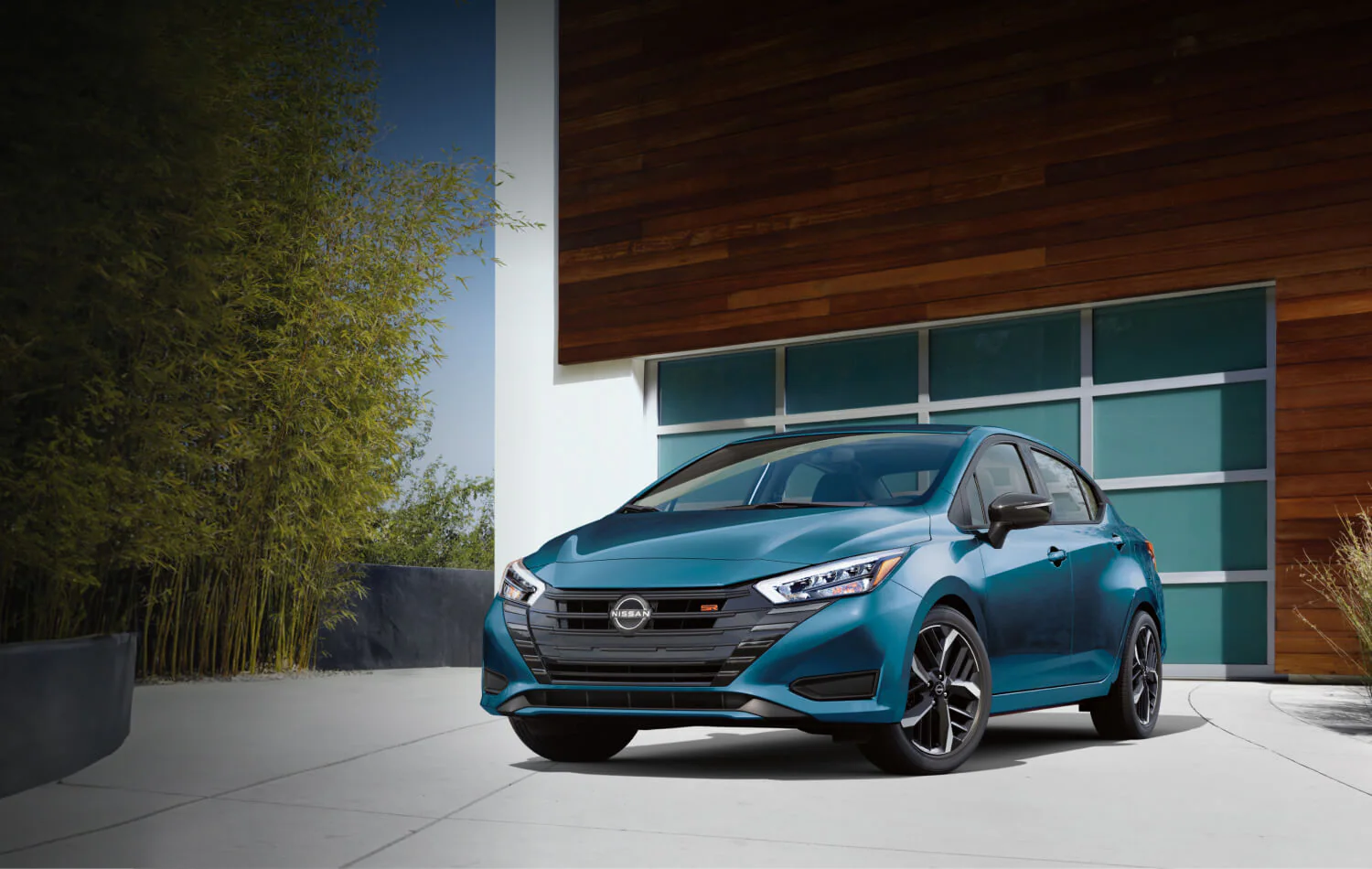
2. 2025 Nissan Versa S Manual: Capable Commuter with Hill-Climbing Limits
The 2025 Nissan Versa S with a manual transmission is a dependable and affordable commuter, but its limitations become clear on the steep hills found around Charleston, West Virginia. Designed primarily for efficiency and low operating costs, the Versa lacks the power and torque needed to feel confident on sustained grades or sharp uphill starts.
Power comes from a 1.6-liter naturally aspirated four-cylinder engine producing 122 horsepower and 114 lb-ft of torque. While adequate for flat city driving, this modest output struggles on inclines, where acceleration becomes sluggish and maintaining speed requires frequent downshifting.
The lightweight nature of the Versa helps to a point, but it cannot fully compensate for the engine’s limited torque when climbing Charleston’s steeper roads.
The 5-speed manual transmission adds another challenge. Although appealing to drivers who enjoy engagement, the clutch has a soft engagement point that demands careful timing on hills.
Starting from a dead stop on steep grades requires precise clutch and throttle coordination to avoid stalling or rolling backward. Nissan includes Hill Start Assist, which briefly holds the brakes, but it disengages quickly, leaving little margin for error.
Throttle-by-wire programming also plays a role. It smooths power delivery for fuel economy but reduces immediacy, sometimes causing rev hang and dulling response when quick acceleration is needed.
The 2025 Nissan Versa S manual performs reliably as an economical daily driver, but Charleston’s hills expose its weaknesses. Drivers must actively manage gears, momentum, and clutch control, making it a less forgiving choice for frequent uphill driving.
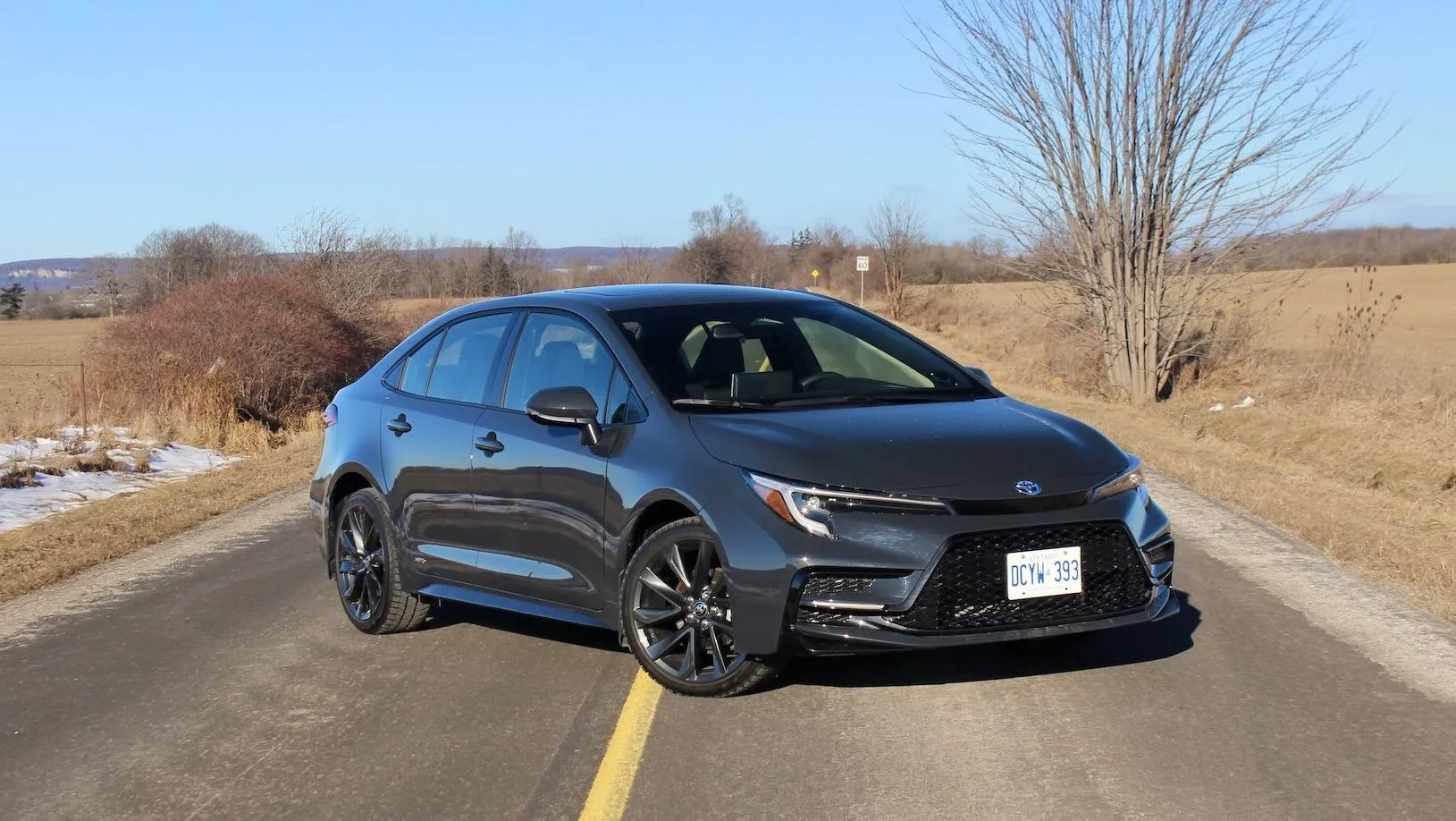
3. 2025 Toyota Corolla Hybrid FWD: Efficient but Challenged by Steep Hills
The 2025 Toyota Corolla Hybrid with front-wheel drive is an excellent choice for fuel efficiency and daily commuting, but its limitations become apparent on the steep, damp hills common around Charleston, West Virginia. Designed with efficiency as the top priority, the Corolla Hybrid trades power and traction for low fuel consumption, which can affect confidence on challenging inclines.
The Corolla Hybrid uses a 1.8-liter naturally aspirated four-cylinder engine paired with an electric motor for a combined output of 138 horsepower and 105 lb-ft of torque.
While the electric motor provides a helpful initial response at low speeds, sustained uphill driving relies heavily on the gasoline engine. On longer or steeper grades, this modest power output can feel strained, especially when starting from a stop at the base of a hill.
Traction is another concern in real-world conditions. With power sent only to the front wheels, weight transfer during uphill climbs reduces grip at the front tires.
On wet pavement, fallen leaves, or light snow, the tires can spin before the traction control system intervenes, particularly in neighborhoods with sharp elevation changes. The electronically controlled CVT adds to the perception of struggle by holding high engine revs under load, creating a noticeable droning sound during climbs.
Drivers can make small adjustments to improve performance, such as using Sport mode for quicker throttle response and maintaining steady engine speeds. However, these measures do not fully overcome the vehicle’s inherent limitations. Toyota does offer an all-wheel-drive version with an additional rear electric motor, which improves stability and traction on hills.
The 2025 Toyota Corolla Hybrid FWD is reliable and exceptionally efficient, but it is best suited for flatter urban environments. Charleston’s steep terrain highlights the compromises made in its design, making it a less ideal choice for frequent hill driving.
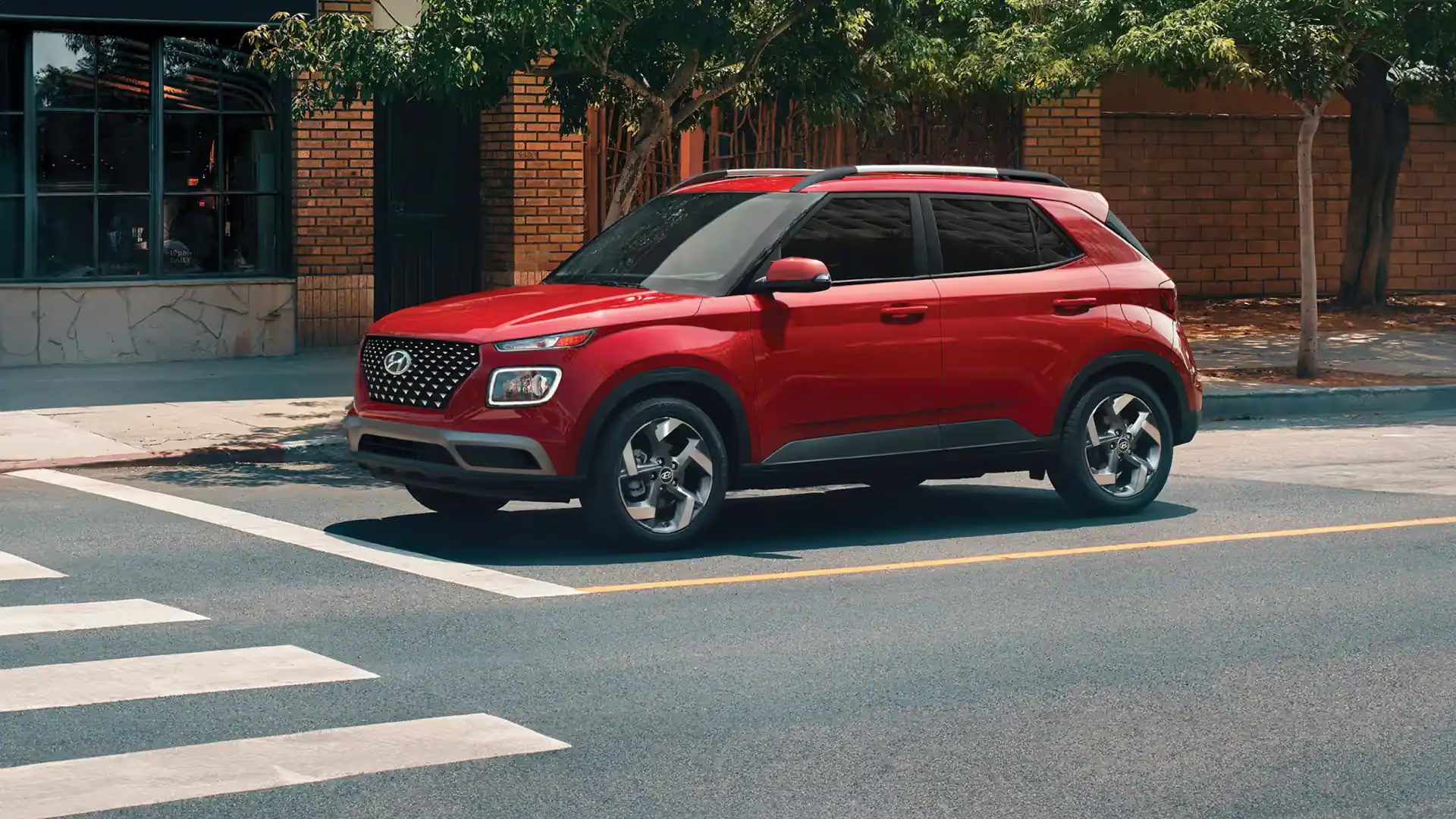
4. 2025 Hyundai Venue: Urban Efficiency Struggles on Steep Hills
The 2025 Hyundai Venue is a compact urban crossover designed for city streets, but it shows clear limitations on the steep hills and mountain passes around Charleston, West Virginia. Its small 1.6-liter naturally aspirated engine, paired with a Continuously Variable Transmission (CVT) and front-wheel drive, prioritizes fuel efficiency over performance, making uphill driving a challenge.
The Venue’s engine produces modest power, which can feel strained when accelerating on steep grades or carrying passengers and cargo. The CVT, while smooth in city driving, can grow loud and less responsive under sustained load, often requiring higher RPMs to maintain speed.
With no all-wheel-drive option, traction on inclines or slippery surfaces is limited, though the available Snow Mode can provide minor assistance on slick patches. Loss of momentum on longer climbs is common, forcing the driver to downshift into lower “gears” to regain power, which can feel sluggish and inefficient.
Drivers can improve performance by maintaining momentum before hills, using lower CVT ratios to keep engine RPMs in the power band, and avoiding excessive loads. Sudden power loss or hesitation may indicate maintenance issues such as clogged filters or transmission concerns.
The Hyundai Venue excels in urban and suburban settings but requires extra effort and patience on Charleston’s steep, demanding terrain. Its design favors efficiency, not hill-climbing performance.
5. Older Electric Vehicles: Struggling with Hills and Heat
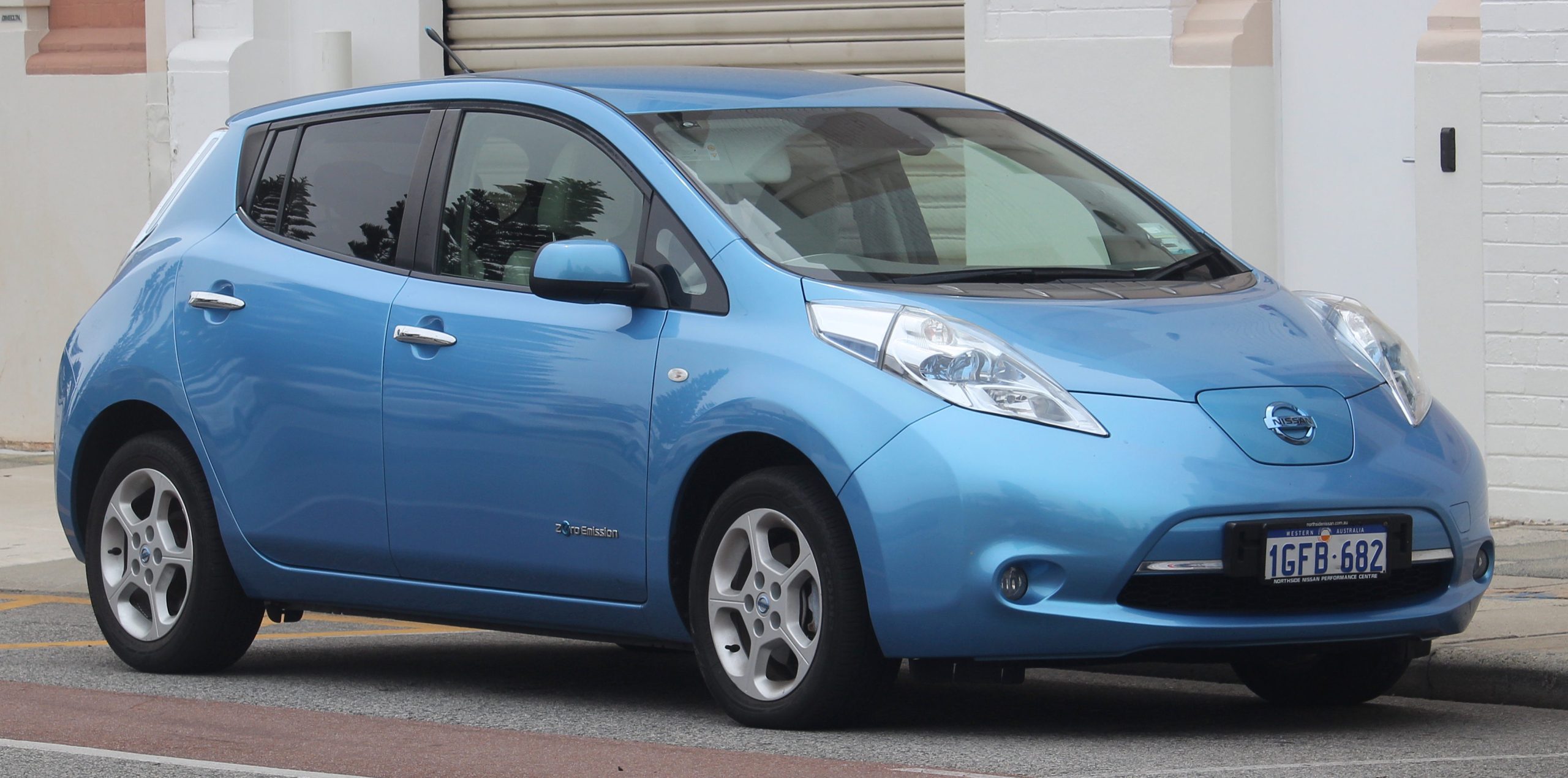
Older or small-battery electric vehicles, such as early Nissan Leafs or discontinued Chevy Bolts, face significant challenges on the steep hills around Charleston, West Virginia. While newer EVs handle inclines with ease, these older models often struggle due to limited battery capacity, lack of thermal management, and natural battery degradation over time.
Climbing steep grades requires far more power than flat driving, rapidly depleting smaller batteries. Over time, these packs lose capacity, meaning an older EV’s usable range is even lower than when new.
Without advanced cooling systems, the battery can overheat under sustained load, forcing the vehicle to throttle power output to protect the pack. This combination of high energy demand and thermal stress reduces performance and can create range anxiety, as drivers notice state-of-charge dropping quickly on long uphill stretches.
While regenerative braking helps recover some energy on downhill sections, it cannot offset the substantial power lost during climbs. Summer heat in Charleston further exacerbates thermal issues, limiting battery efficiency and increasing strain on older systems.
Small, unmanaged batteries in older electric vehicles create noticeable challenges on steep, hilly roads. Drivers often face reduced range, slower uphill performance, and the risk of battery overheating.
These limitations underscore the benefits of newer EVs with larger, thermally managed battery packs, which provide more consistent power, better efficiency, and greater confidence on roads with significant elevation changes.
Driving in Charleston requires vehicles that balance power, traction, and control to tackle steep inclines, tight corners, and mixed road surfaces.
The cars that perform well, such as the Subaru Outback Onyx XT, Toyota 4Runner TRD Off-Road, Ford F-150 PowerBoost Hybrid, Mazda CX-50 Turbo, and Honda CR-V Hybrid Sport Touring, deliver strong engines, all-wheel-drive systems, and features like hill-descent control or regenerative braking that provide confidence and ease on slopes.
In contrast, smaller economy cars, older hybrids, or compact urban crossovers, including the Mitsubishi Mirage, Nissan Versa, Toyota Corolla Hybrid FWD, Hyundai Venue, and early EVs with small batteries, show the challenges of limited power, traction, or battery capacity in hilly terrain.
By understanding which vehicles thrive and which struggle, Charleston drivers can make informed choices for safer and more enjoyable drives on the city’s steep and scenic roads.
Also Read: 10 Cars With Simple Phone Apps That Actually Help