
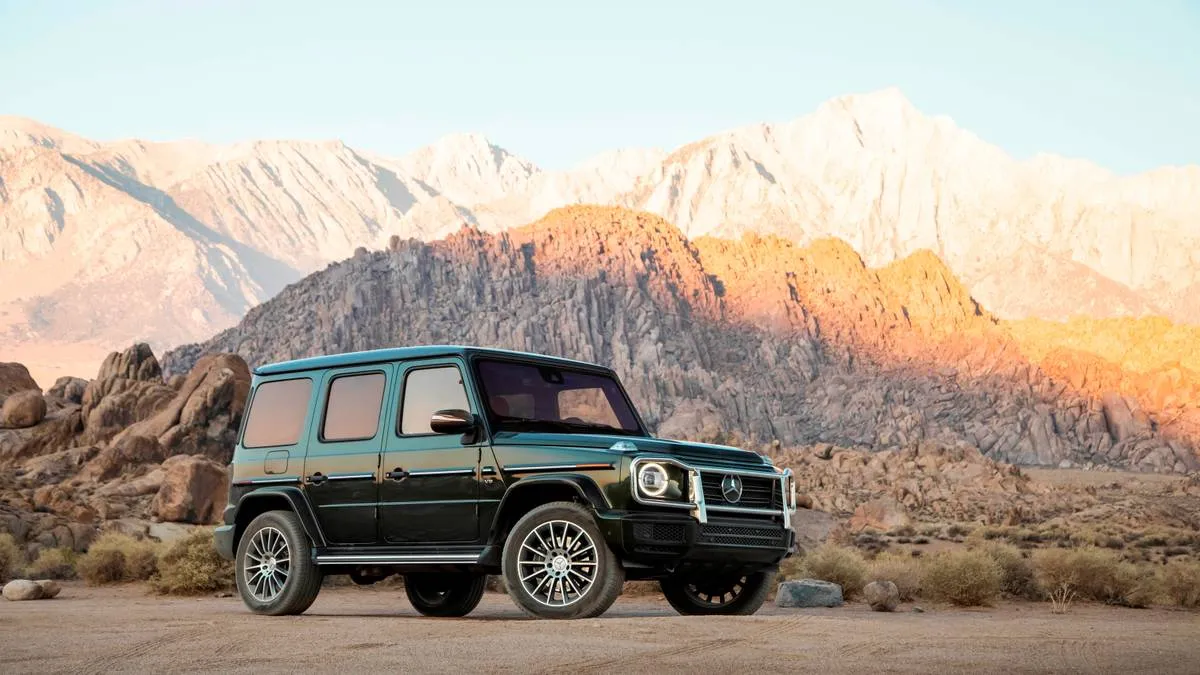
Rapid City sits close to winding roads, sharp elevation changes, and unpredictable weather patterns that challenge everyday vehicles.
Choosing a car here goes beyond style or fuel savings. Power delivery, traction, cooling performance, braking confidence, and drivetrain tuning all shape how well a vehicle handles climbs, descents, and thinner air.
Some cars feel relaxed and capable when grades steepen, while others reveal hesitation, strained engines, and reduced control. Mountain access places steady demands on a vehicle. Long inclines test torque output and transmission response.
Descents highlight brake strength and chassis balance. Sudden weather change rewards vehicles with sure-footed traction and predictable steering. Drivers commuting daily or heading toward higher elevations on weekends benefit from cars designed with these realities in mind.
This guide focuses on vehicles that rise to the occasion. Each selection delivers consistent power, dependable traction, and composed handling suited for Rapid City roads leading upward. Every model listed here earns its place by showing strength where elevation exposes weaknesses.
The first section of this page covers five vehicles built to perform when roads climb and air thins. The next section will address cars that struggle once altitude enters the picture.
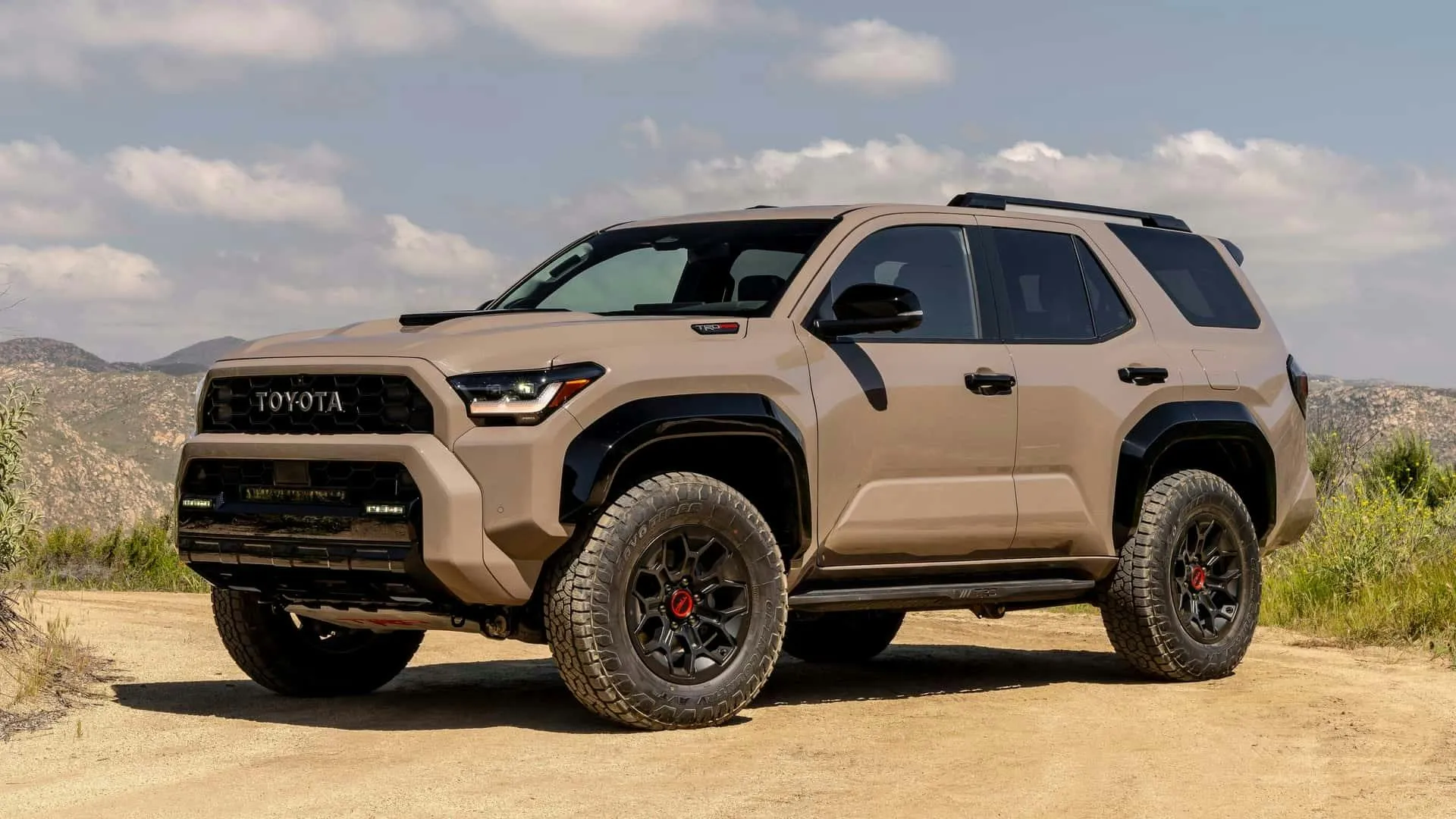
1. Toyota 4Runner TRD Off-Road
Confidence defines the Toyota 4Runner TRD Off-Road when pavement tilts upward, and conditions change quickly. Built on a body-on-frame platform, this SUV favors durability and mechanical grip rather than delicate efficiency.
A 4.0-liter V6 engine supplies steady torque that remains dependable at elevation, avoiding the breathless feeling smaller engines often display when climbing long grades. Power delivery stays linear, allowing drivers to maintain speed without excessive throttle input.
Four-wheel drive capability plays a major role in mountain access. Low-range gearing supports slow, controlled climbs on steep or uneven surfaces, while locking differentials help distribute power evenly when traction varies.
Gravel roads, snowy passes, and rutted inclines feel manageable rather than stressful. Suspension tuning emphasizes wheel articulation, keeping tires planted and reducing slip during uneven climbs. Cabin layout favors practicality.
Upright seating improves visibility on winding mountain roads, while controls remain intuitive even when wearing gloves. Seats offer firm support that holds occupants steady during extended ascents and descents. Cargo space suits outdoor gear, supplies, or travel essentials without forcing creative packing.
Braking performance supports confidence on downhill stretches. Large brake components resist fade during prolonged descents, maintaining consistent pedal feel. Cooling systems handle sustained engine load without temperature spikes, preventing power reduction during demanding drives.
Drivers seeking a vehicle that feels composed and reliable at elevation appreciate the 4Runner TRD Off-Road for its mechanical honesty. Strength, traction, and proven durability combine to create a vehicle that treats mountain access as routine rather than a challenge.
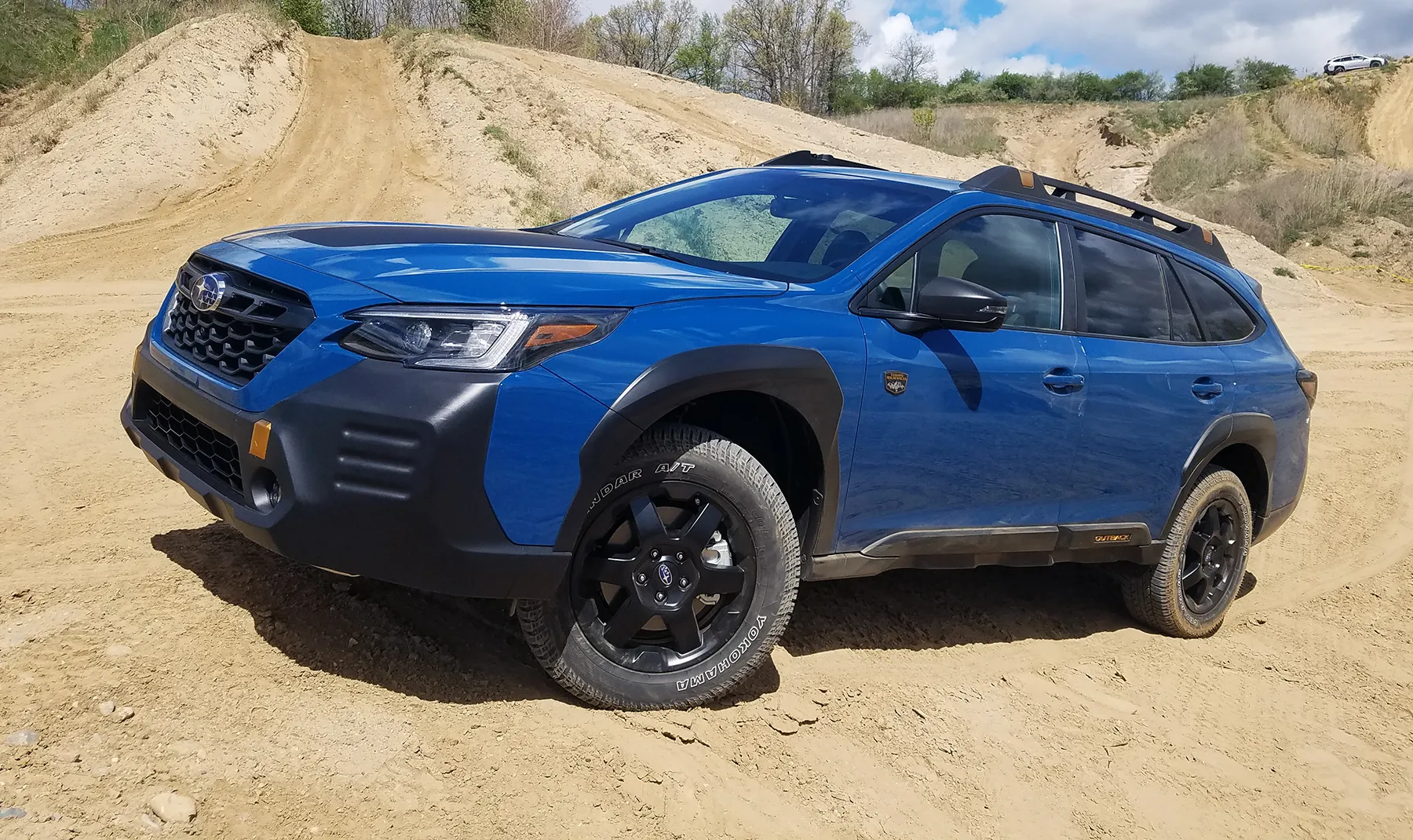
2. Subaru Outback Wilderness
Adventure-oriented design gives the Subaru Outback Wilderness a clear advantage on mountain routes surrounding Rapid City. Turbocharged power distinguishes this model from standard trims.
A 2.4-liter turbo engine delivers strong low-end torque, helping the vehicle pull confidently up long grades without excessive revving. Turbocharging offsets thin air, preserving responsiveness as elevation increases.
Standard all-wheel drive ensures traction remains balanced during changing weather. Snow, rain, or loose gravel fail to disrupt forward progress thanks to continuous power distribution across all four wheels.
Ground clearance exceeds that of typical wagons, allowing clearance over uneven surfaces without sacrificing on-road stability.
Interior comfort reflects long-distance usability. Seats provide cushioning that reduces fatigue during extended climbs, while cabin insulation limits engine and wind noise.
Infotainment systems support navigation and connectivity, valuable during remote drives where route awareness matters. Cargo flexibility supports outdoor lifestyles without compromising passenger comfort.
Handling feels controlled rather than heavy. Steering response remains predictable through switchbacks, while suspension absorbs surface imperfections without excessive body movement. Descending steep grades feels composed thanks to engine braking support and stable chassis tuning.
Cooling systems and drivetrain components are designed for sustained effort. Heat management allows consistent performance during extended uphill drives, preventing sluggish throttle response. Fuel economy remains reasonable given the power output and all-wheel drive system.
Drivers wanting a balance between daily usability and mountain readiness find the Outback Wilderness appealing. Capability blends with comfort, creating a vehicle that feels equally at home on highways and elevated backroads.
Also Read: 5 Cars for Chico Valley Commutes and 5 That Hide Problems in Listings
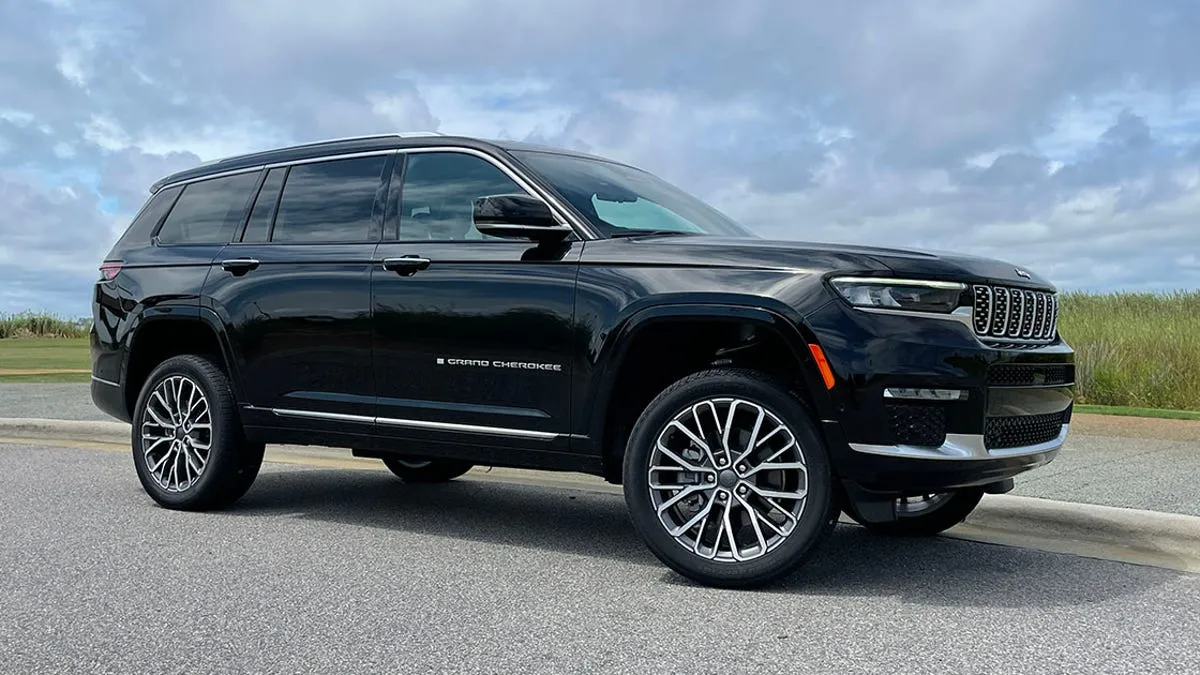
3. Jeep Grand Cherokee L V6
Versatility defines the Jeep Grand Cherokee L V6 when mountain access demands strength paired with refinement.
Powered by a 3.6-liter V6 engine, this SUV delivers dependable output that supports steady climbs without strain. Torque arrives smoothly, allowing controlled acceleration on long grades while carrying passengers or cargo.
Multiple drive modes adapt the drivetrain to conditions such as snow, mud, or dry pavement. Four-wheel drive engagement enhances grip during unpredictable weather, supporting confident progress when surfaces change rapidly.
Suspension systems balance ride comfort with control, maintaining stability through curves and elevation movements.
Interior design emphasizes space and comfort. Seating accommodates families or groups without crowding, while climate systems maintain consistent temperatures regardless of external conditions. Storage capacity supports longer trips into higher elevations, accommodating gear and luggage with ease.
Steering feel favors precision without heaviness. Drivers experience predictable response through winding mountain roads, while braking systems provide reliable stopping power on descents. Brake modulation remains consistent, reducing driver fatigue during extended downhill stretches.
Cooling capacity supports prolonged climbs, preventing overheating during sustained load. Transmission tuning selects appropriate gears promptly, avoiding hunting that can disrupt momentum on steep inclines.
Drivers seeking mountain access without sacrificing comfort appreciate the Grand Cherokee L V6. Capability blends with refinement, delivering a confident drive that feels composed whether ascending forest roads or cruising through town.
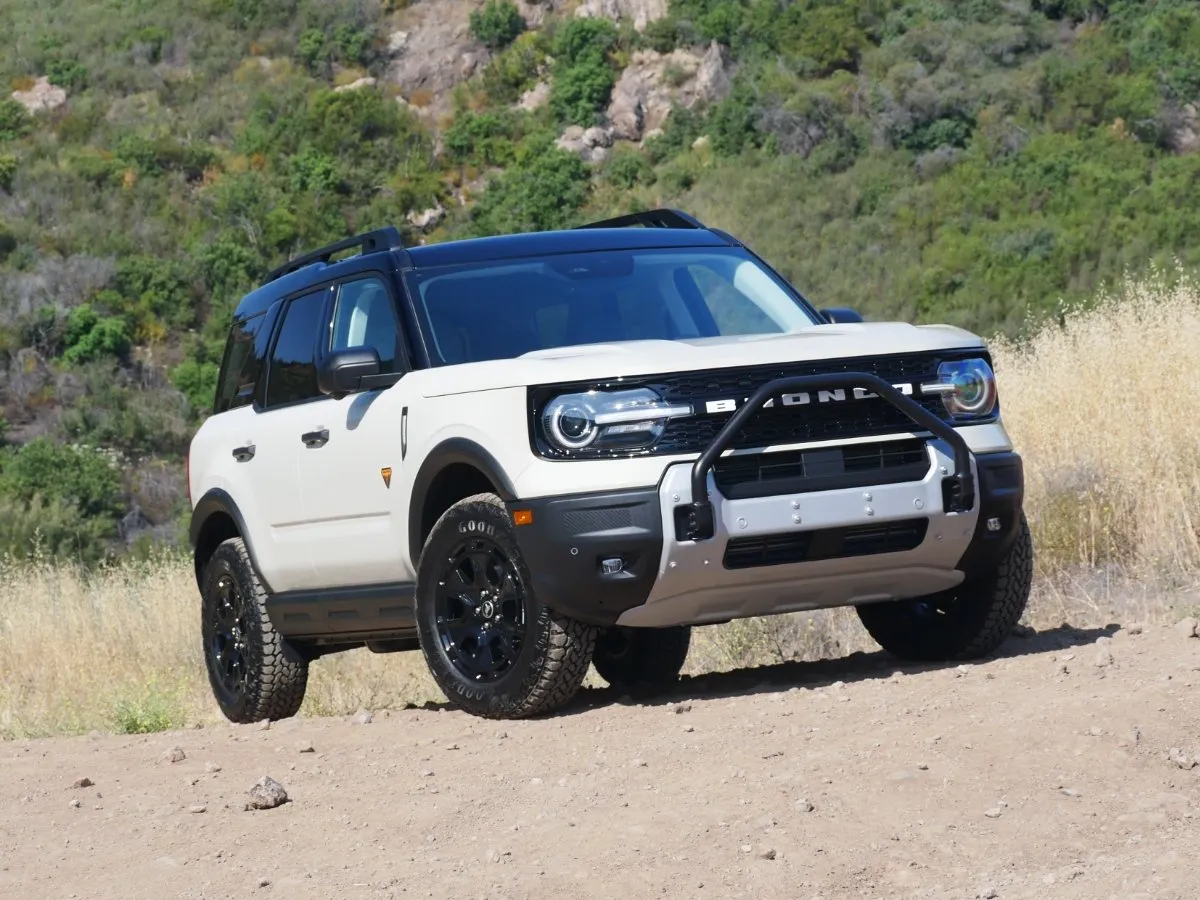
4. Ford Bronco Sport Badlands
Rugged engineering sets the Ford Bronco Sport Badlands apart among compact SUVs built for elevation challenges.
A turbocharged 2.0-liter engine produces strong torque at lower RPMs, supporting confident climbs even when air density drops. Power delivery feels immediate, reducing the need for aggressive throttle input on steep grades.
Advanced all-wheel drive systems distribute torque dynamically, ensuring traction remains consistent across changing surfaces.
Trail-focused drive modes adjust throttle response and transmission behavior, enhancing control on rocky or snowy routes. Increased ground clearance supports access to uneven roads without scraping or hesitation.
Cabin design balances durability with comfort. Seats provide support that limits movement during off-camber climbs, while interior materials resist wear from outdoor use. Technology systems support navigation and communication, useful for remote mountain drives.
Handling feels nimble rather than bulky. Compact dimensions allow precise placement through narrow mountain roads, while suspension tuning absorbs bumps without excessive bounce. Descending control benefits from effective engine braking and confident brake performance.
Thermal management supports sustained climbs without power loss. Turbocharged performance remains consistent across elevation changes, preventing sluggish acceleration. Fuel efficiency remains reasonable for a vehicle with an off-road focus.
Drivers wanting a smaller vehicle with real mountain credentials gravitate toward the Bronco Sport Badlands. Its mix of torque, traction, and compact agility creates confidence on routes where elevation quickly reveals weaknesses.
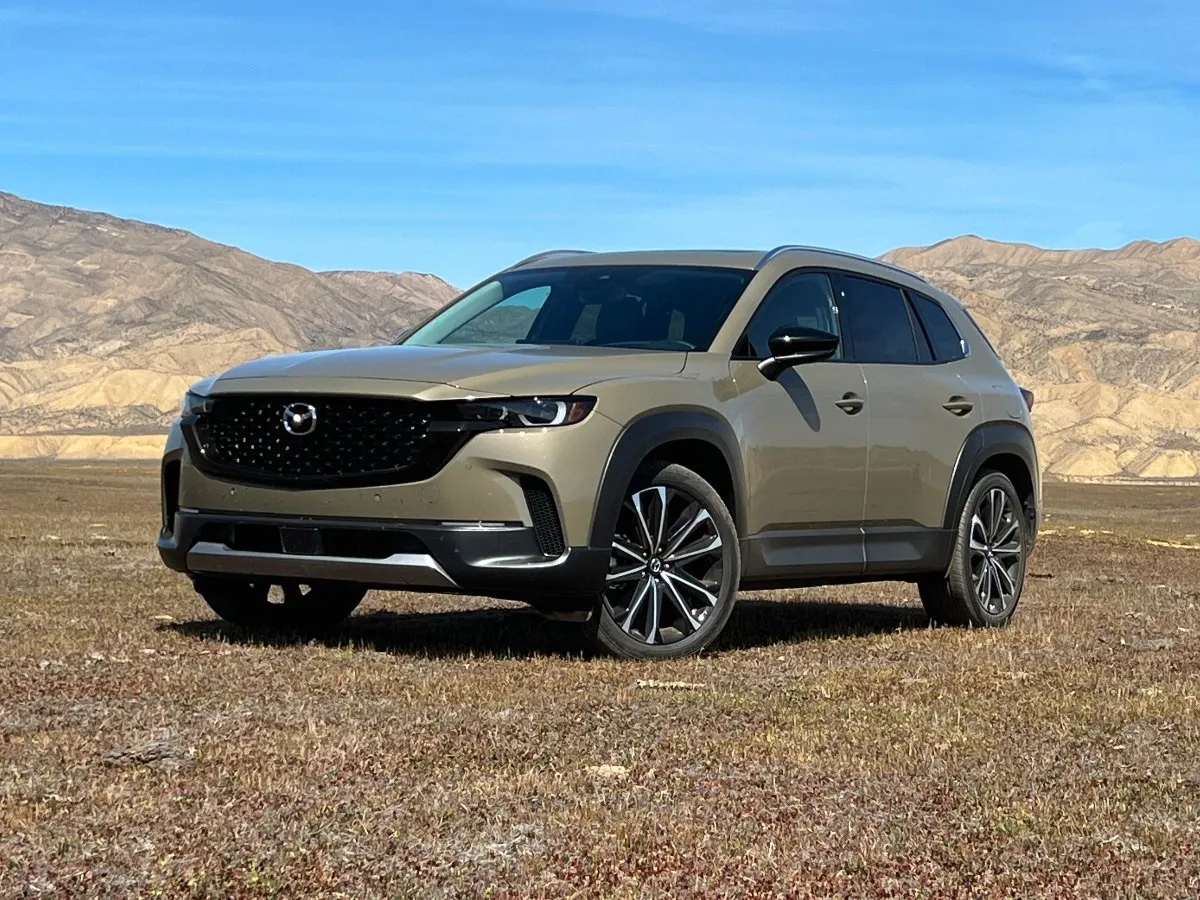
5. Mazda CX-50 Turbo
Driving engagement blends naturally with elevation readiness in the Mazda CX-50 Turbo, creating a crossover that feels comfortable when roads begin to rise.
A turbocharged 2.5-liter engine delivers strong mid-range torque, which proves valuable during climbs that demand steady pulling power.
Instead of constant gear changes or high engine speeds, acceleration arrives smoothly and with purpose. Turbocharging helps preserve performance as elevation increases, reducing the power loss that many naturally aspirated engines experience in thinner air.
Traction support plays an important role in that confidence. An All Wheel Drive system distributes power smoothly, avoiding sudden engagement that can unsettle the vehicle. Grip remains consistent on damp pavement, gravel pullouts, or uneven mountain roads.
Suspension tuning leans toward control, allowing the CX-50 Turbo to track cleanly through curves while still absorbing road imperfections. The result feels composed rather than stiff, even when the route becomes demanding. Inside the cabin, long drives benefit from thoughtful design.
Seats offer firm yet comfortable support that reduces fatigue during extended climbs. Materials feel durable and refined, balancing style with practicality. Infotainment systems respond quickly and place navigation and audio controls within easy reach, keeping attention where it belongs during winding stretches.
Steering response adds another layer of reassurance. Feedback feels direct and predictable, allowing small adjustments without effort.
Braking performance remains consistent during descents, delivering firm modulation that supports controlled speed without constant pedal pressure. This balance helps drivers maintain confidence when roads drop sharply after a climb.
Cooling systems and drivetrain components hold up well under sustained load. Engine response stays sharp during long ascents, avoiding the sluggishness that can appear as temperatures rise. Fuel economy remains reasonable considering the level of performance on offer.
For drivers who want a refined crossover that handles elevation changes with ease, the Mazda CX-50 Turbo delivers a satisfying blend of power, comfort, and traction suited for regular mountain access.
5 Cars That Struggle in Elevation
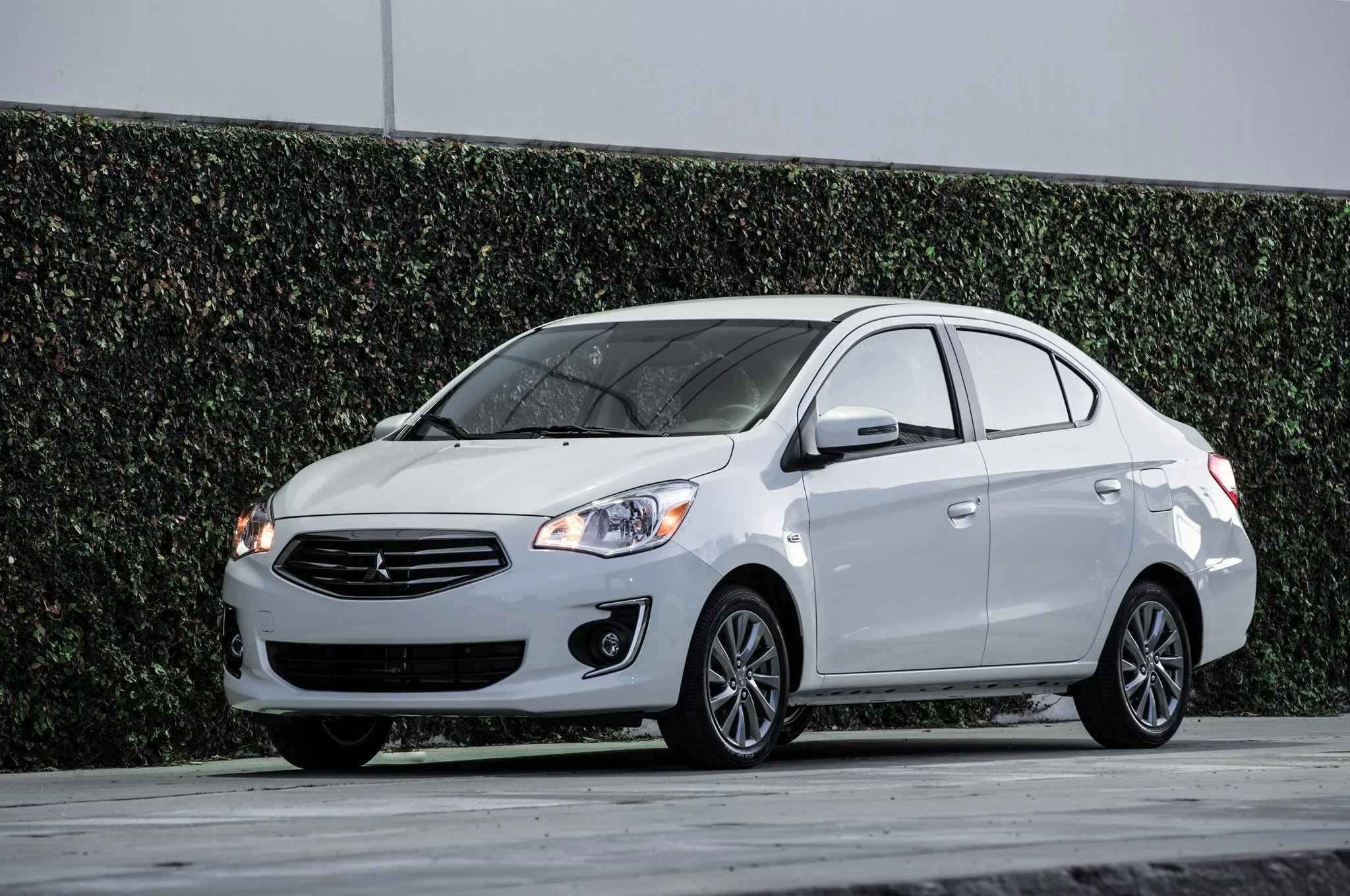
1. Mitsubishi Mirage G4
Lightweight design and budget-focused engineering define the Mitsubishi Mirage G4, yet elevation exposes clear weaknesses. Powered by a small 1.2-liter three-cylinder engine, output remains limited even at sea level.
When roads climb, and air thins, acceleration becomes hesitant and strained. Maintaining speed on long grades requires heavy throttle input, pushing the engine into higher rev ranges where noise increases without meaningful gains in momentum.
Transmission behavior adds to the challenge. The continuously variable transmission prioritizes fuel savings rather than sustained climbing strength.
During uphill stretches, the gearbox often holds ratios that leave the engine buzzing loudly while forward progress feels slow. Attempts to accelerate for passing or merging on inclines demand patience and planning, as response lags noticeably.
Traction proves adequate only in ideal conditions. Front-wheel drive struggles when weight movements rearward on steep roads, especially on gravel or wet pavement.
Starting from a stop on an incline requires careful throttle control to avoid wheel slip. Steering feedback diminishes under load, reducing confidence on winding uphill routes.
Cabin comfort also suffers during elevation changes. Engine noise dominates the interior on climbs, making conversations harder and increasing fatigue on longer drives.
Seats provide basic support but lack the cushioning needed for extended uphill travel. Cargo space suits light errands rather than gear-heavy trips often associated with mountain access.
Cooling capacity remains modest. Sustained climbs increase engine temperature, occasionally triggering reduced responsiveness as the vehicle protects itself from strain.
Drivers planning frequent trips into elevated areas may find the Mirage G4 better suited to flat urban environments rather than demanding mountain roads near Rapid City.
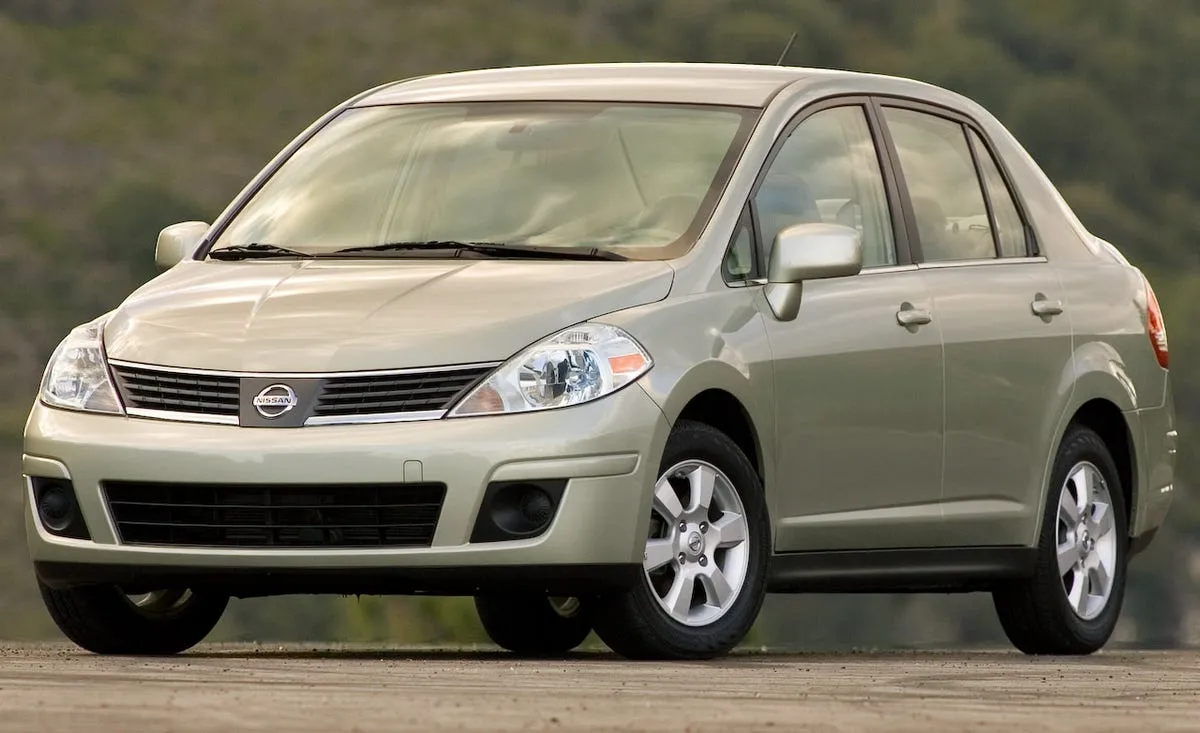
2. Nissan Versa S
Efficiency-focused engineering shapes the Nissan Versa S, yet elevation quickly reveals its limitations. A 1.6-liter engine offers reasonable performance on level roads, but torque delivery remains modest.
As grades steepen, acceleration slows noticeably, requiring high engine speeds to maintain momentum. Thin air compounds this issue, leaving the vehicle feeling underpowered during extended climbs.
Transmission tuning favors smoothness rather than climbing strength. The continuously variable transmission delays downshifts until the engine strains audibly, creating uneven response.
Drivers often experience sudden surges in engine noise without proportional increases in speed. Passing on inclines becomes difficult, demanding careful planning and longer gaps.
Front-wheel drive traction poses challenges on steep or loose surfaces. Weight transfer reduces grip at the drive wheels, increasing the likelihood of wheel spin during uphill starts. Steering feels light under load, which can feel unsettling on winding mountain roads where precise control matters.
Interior design emphasizes simplicity. Seats support short commutes but lack the firmness needed for prolonged climbs. Cabin insulation struggles to contain engine noise during sustained uphill driving, adding to fatigue. Cargo capacity suits daily errands but feels limited when transporting gear into higher elevations.
Braking performance remains acceptable on moderate descents, though repeated downhill braking can lead to reduced confidence as heat builds. Cooling systems handle routine use well but show limits during extended climbs, occasionally softening throttle response.
Drivers seeking economical transportation for flat commuting may appreciate the Versa S. Those facing frequent elevation changes around Rapid City will likely find its powertrain and traction inadequate for consistent mountain access.
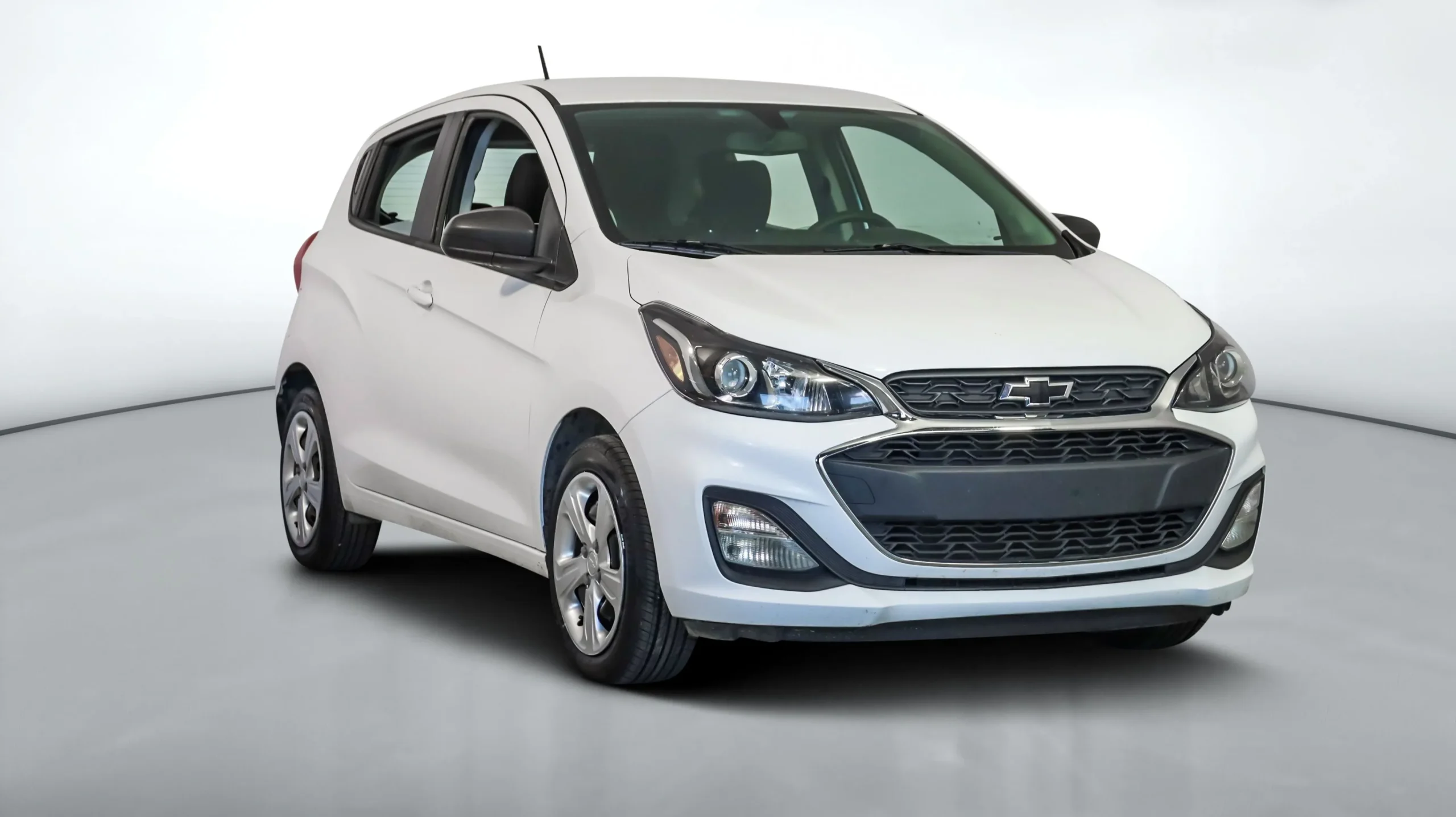
3. Chevrolet Spark LS
City-minded design defines the Chevrolet Spark LS, making it an excellent choice for urban commuting and tight parking situations. Its small footprint, nimble handling, and efficient 1.4-liter engine excel on flat streets, delivering respectable fuel economy and easy maneuverability. Problems appear once the road begins to climb.
On steep inclines, acceleration slows, and the engine struggles to maintain speed. Passing slower vehicles uphill becomes a challenge, and the thinner air at higher elevations exaggerates the car’s limited power, leaving drivers managing momentum more than enjoying it.
Transmission behavior contributes to the feeling of strain. The automatic gearbox prioritizes smoothness and efficiency, which works well in city traffic. When faced with long grades, downshifts arrive slowly, causing engine revs to rise without immediate speed gains.
Drivers find themselves constantly modulating the throttle just to maintain forward motion, a task that can become fatiguing as time goes on.
Highway climbing or overtaking demands patience rather than confidence in the drivetrain. Traction limitations become apparent on slopes. Front-wheel drive struggles when weight changes rearward, particularly during starts on steep or slick surfaces.
Gentle throttle application is necessary to prevent wheel spin, and steering feedback diminishes as the vehicle works to find grip, leaving the car feeling less connected during tricky uphill maneuvers. Confidence decreases on winding or uneven mountain roads where traction is critical.
Inside, comfort reflects the Spark LS’s city-first mission. Seats provide basic support, which can feel inadequate during longer uphill drives.
Engine noise enters the cabin as revs climb, adding to driver fatigue. Cargo space is sufficient for groceries or small errands, but larger gear loads, such as outdoor or hiking equipment, quickly exceed capacity.
Heat management is another concern during extended climbs. Engine temperatures can rise, which may slightly reduce throttle responsiveness and brakes, while adequate for short descents, feel less reassuring over prolonged downhill stretches.
For those staying within flat urban streets, the Spark LS performs well. For mountain driving near Rapid City, its power, traction, and comfort limitations become clear, highlighting the challenges of taking this compact car into demanding elevation scenarios.
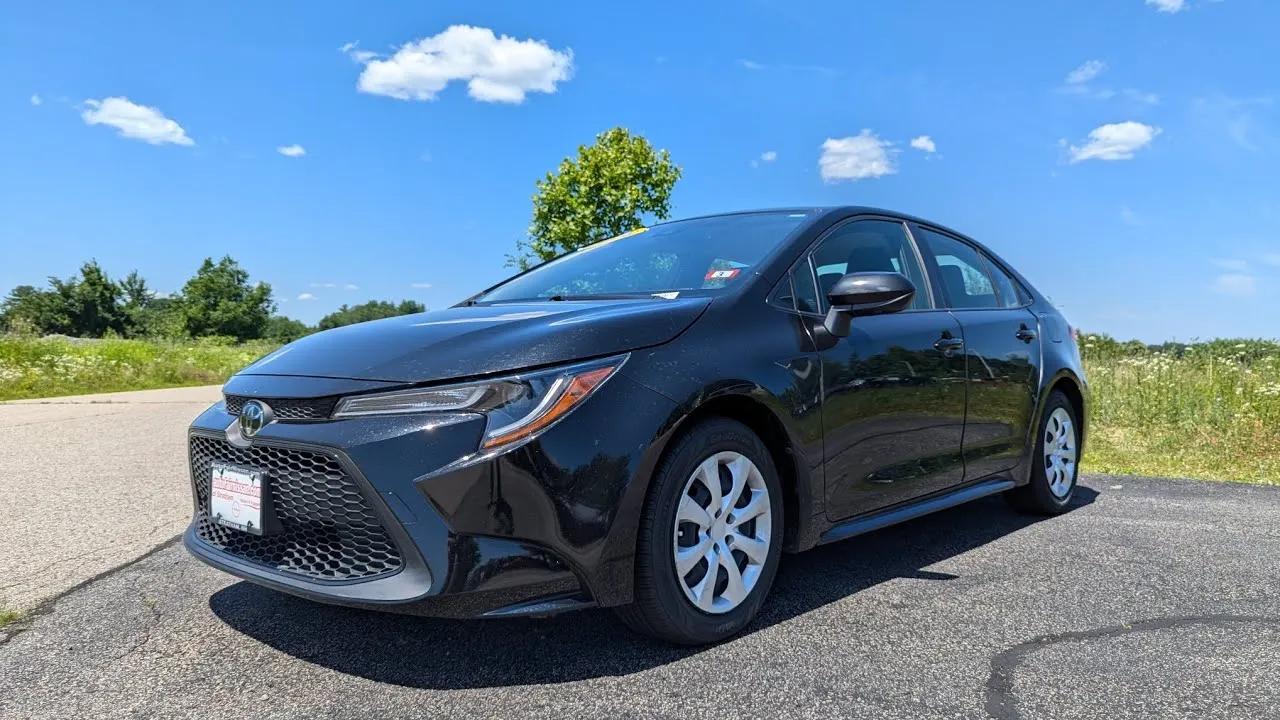
4. Toyota Corolla LE
Dependability and fuel efficiency sit at the heart of the Toyota Corolla LE, making it a familiar and trusted choice for daily transportation. Around town and on level highways, the car feels composed and easy to live with. Challenges begin once the road starts climbing.
A naturally aspirated 2.0-liter engine delivers smooth, predictable power on flat ground, yet steep grades reveal its limited reserves.
As elevation increases, acceleration softens noticeably, and keeping pace with traffic often requires pushing the engine into higher revs. Thinner air only adds to the struggle, making uphill passing feel cautious rather than confident.
Transmission behavior shapes much of that experience. The continuously variable transmission is calibrated for calm, efficient driving, which works well in routine conditions. On inclines, though, it tends to hesitate before adjusting ratios.
Engine speed rises quickly while forward motion lags, creating extra noise without an immediate payoff. During long climbs, that delayed response can wear on drivers who expect a steady, reassuring pull from the drivetrain. Traction also deserves attention.
Front Wheel Drive performs well on dry, flat pavement, yet steep or slick roads expose its limits. As the weight moves rearward during uphill travel, grip at the front tires decreases. Starting from a stop on a hill requires careful throttle input to avoid wheel spin.
Steering remains stable and predictable, though feedback diminishes under sustained load, reducing the sense of connection between driver and road. Inside, the Corolla LE favors everyday comfort. Seats support short commutes nicely but feel less accommodating during extended ascents.
Cabin insulation does a good job of controlling road noise at cruising speeds, yet engine sound becomes more noticeable when climbing. Trunk space handles groceries and daily errands with ease, though it leaves little flexibility for bulkier outdoor equipment.
Cooling systems manage routine driving reliably, but prolonged uphill travel can dull throttle response as heat builds. Brakes feel confident on moderate descents, while longer downhill stretches demand extra attention.
For drivers seeking a dependable commuter, the Corolla LE delivers. Regular mountain driving near Rapid City highlights limits in climbing strength and confidence.
Also Read: 5 Cars for Boulder Mountain Roads and 5 That Struggle in Snow
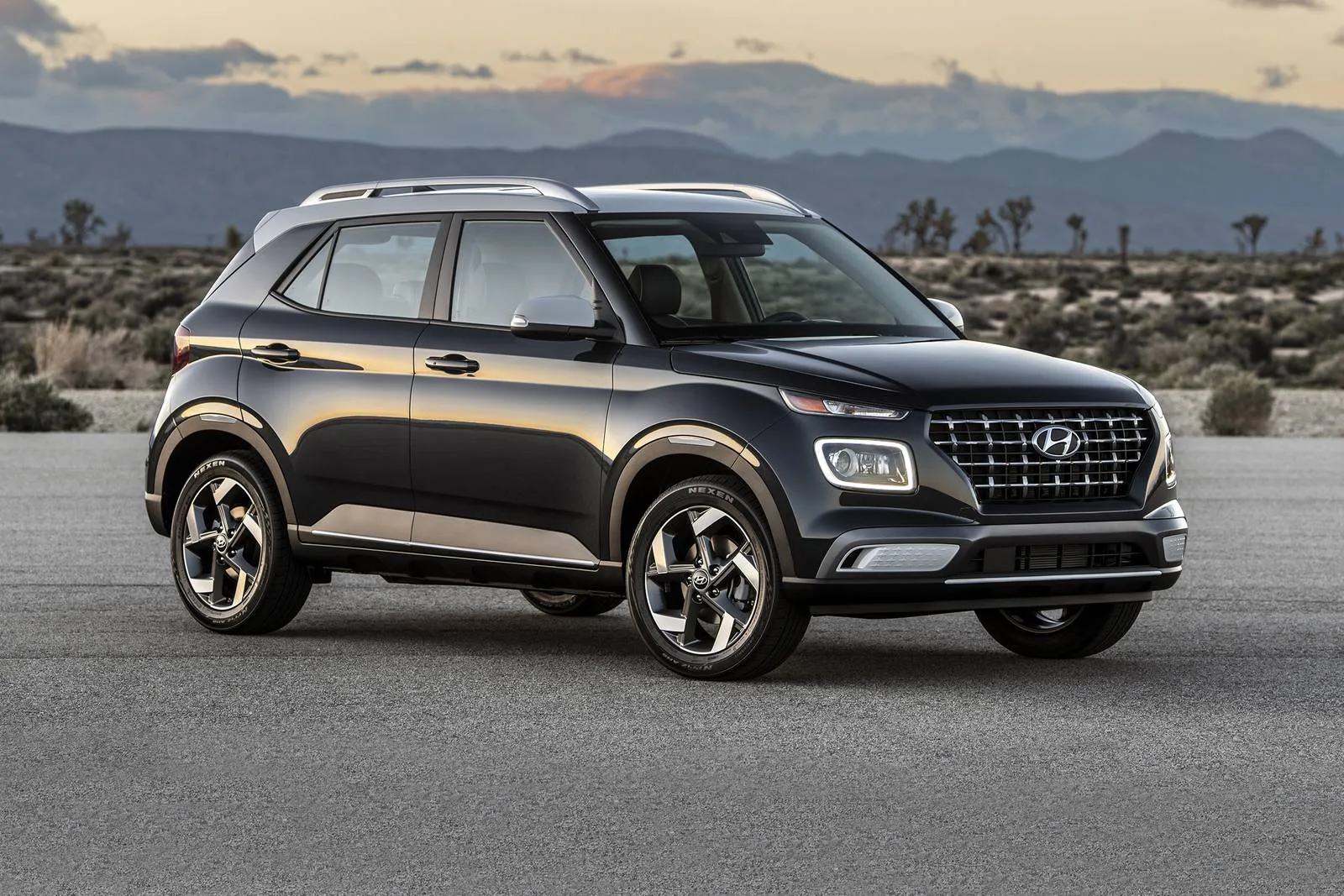
5. Hyundai Venue SE
Designed with city life in mind, the Hyundai Venue SE feels most at home weaving through traffic, squeezing into tight parking spaces, and handling short daily errands. Its compact footprint and upright seating position make urban driving easy and unintimidating. Problems begin to surface once the road tilts upward.
The 1.6-liter engine provides enough power for flat streets, but steep grades quickly expose its limited output. As elevation increases, acceleration becomes sluggish, and the engine must work much harder just to maintain momentum. Drivers often find themselves pressing deeper into the throttle with little reward beyond added noise.
That sense of strain is amplified by the transmission tuning. Built for smooth, fuel-conscious driving, the automatic transmission hesitates before selecting lower gears on inclines. This delay causes the engine to rev loudly while speed builds slowly.
Passing slower traffic uphill requires careful timing and plenty of space, and long highway climbs demand patience rather than confidence.
The vehicle can make it up the hill, but it rarely feels relaxed doing so. Traction adds another layer of difficulty. With power sent only to the front wheels, grip decreases as weight changes rearward on steep slopes.
Starting from a stop on an incline often requires a gentle, measured approach to avoid wheel spin. Steering feel also changes under load, becoming lighter and less communicative, which can be unsettling on narrow or winding mountain roads.
Inside the cabin, the Venue SE reflects its budget-friendly mission. Seats are comfortable enough for short trips, yet extended uphill drives highlight their limited support.
Engine noise becomes a constant companion during climbs, making the cabin feel busy and tiring as time goes on. Cargo space works well for groceries or backpacks, though it feels restrictive when hauling larger items or outdoor gear.
Heat management presents another challenge. Sustained climbs can raise engine temperatures, leading to moments of softened throttle response as the vehicle protects itself. Brakes handle routine driving well, but longer downhill stretches can reduce driver confidence as heat builds.
While the Venue SE succeeds as an affordable city crossover, frequent elevation changes reveal clear limitations that make it less suitable for mountain-focused driving.
