
Quiet two-lane roads, long stretches between fuel stops, and sudden changes in pavement quality shape a driving experience that feels very different from city life.
Augusta’s country routes invite early morning drives wrapped in fog, afternoon errands that stretch farther than planned, and work commutes that blend smooth asphalt with patched sections and narrow shoulders.
Out here, a vehicle becomes more than transportation. It becomes a daily partner that needs to stay composed, confident, and comfortable without demanding constant attention from the driver. Rural driving places its own kind of pressure on a car.
Uneven surfaces test suspension tuning, unpredictable weather challenges traction, and extended travel highlights weaknesses in comfort or efficiency. A vehicle that feels fine in town may start to feel unsettled when road conditions change without warning.
Drivers quickly learn that durability, stability, and mechanical readiness carry more weight than flashy styling or badge appeal. Comfort still matters, especially for long miles behind the wheel, but it works best when paired with dependable hardware underneath.
Selecting the right vehicle for country roads is less about luxury features and more about thoughtful engineering. Steering should feel steady rather than twitchy. Brakes need to inspire trust on stretches with limited lighting or signage.
Power delivery should feel relaxed, not strained, when passing farm equipment or merging onto highways after long curves. Fuel efficiency also matters more when stations are few and far between, turning range into peace of mind rather than an afterthought.
This guide focuses on five vehicles that handle Augusta country roads with confidence and ease. Each one brings a different personality, appealing to drivers who value reliability, versatility, or light utility without unnecessary complication. These choices emphasize balance, offering benefits that show up mile after mile rather than only on paper.
The next section will also look at vehicles that struggle once towing demands enter the picture, helping readers steer clear of options that promise capability yet disappoint when weight becomes part of the equation.
5 Cars for Augusta Country Roads
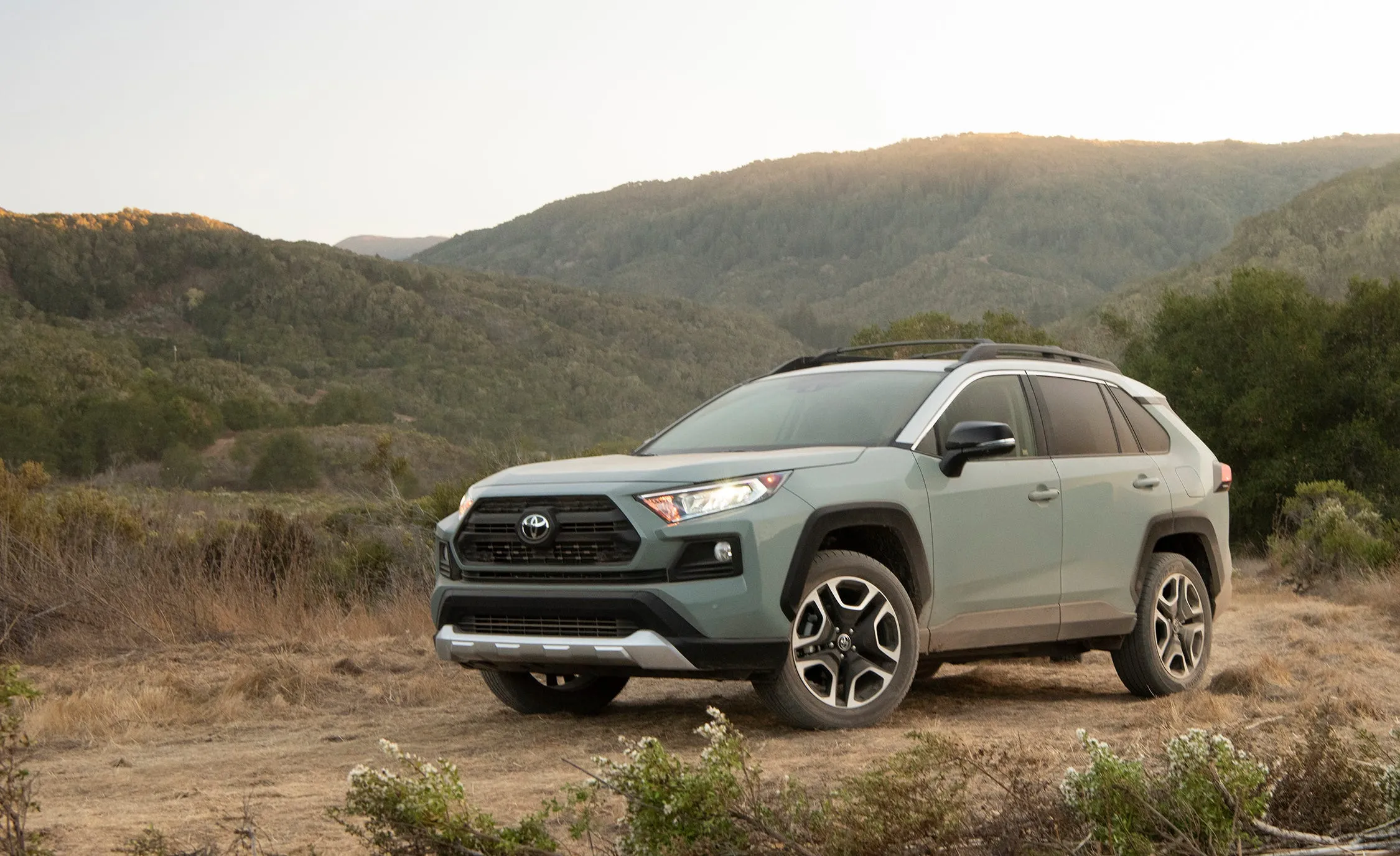
1. Toyota RAV4 Adventure
Confidence defines the Toyota RAV4 Adventure, especially when paved roads give way to gravel shoulders and uneven surfaces.
Built with a more rugged suspension setup than standard trims, this compact SUV feels composed on country routes where dips, cracks, and patched pavement appear without warning.
Higher ground clearance allows it to glide over rough spots without scraping, while reinforced components provide reassurance during repeated rural drives. Power comes from a capable four-cylinder engine paired with an intelligent all-wheel-drive system.
Torque distribution adapts automatically, improving traction on loose surfaces and wet roads.
Acceleration feels steady rather than aggressive, which suits long stretches where smooth progress matters more than quick bursts. Transmission behavior remains predictable, avoiding abrupt moves that could unsettle the vehicle on uneven ground.
Interior design leans practical yet comfortable. Seats provide firm support that works well during extended drives, and cabin materials resist wear from dust, dirt, and daily use.
Infotainment controls are straightforward, allowing drivers to manage navigation and audio without distraction. Storage space accommodates supplies, tools, or weekend gear with ease, making the RAV4 Adventure a flexible companion for rural routines.
Handling stands out through balanced steering and a suspension tuned for mixed surfaces. Curves feel controlled rather than floaty, and body movement stays minimal even on winding sections.
Braking remains consistent, offering confidence when slowing for wildlife crossings or sudden turns. Noise levels stay reasonable, helping maintain a calm driving environment far from busy highways.
Reliability adds long-term appeal. Toyota’s reputation for durability shows through consistent performance and accessible service options. Parts availability and service familiarity help reduce downtime, which matters when distances between towns are wide.
For drivers seeking a dependable, comfortable, and sure-footed option for Augusta country roads, the Toyota RAV4 Adventure delivers daily reassurance without demanding constant attention.
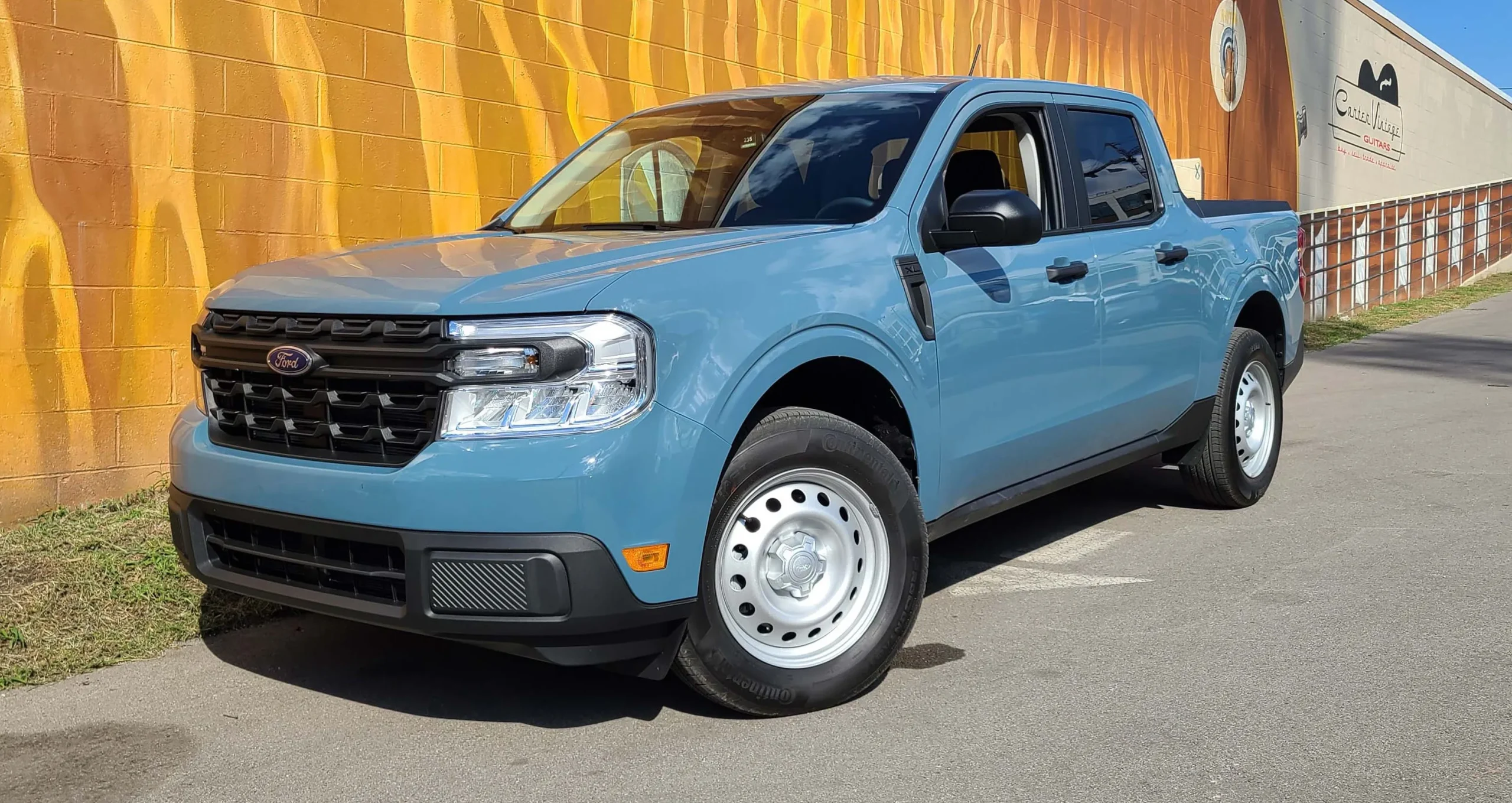
2. Ford Maverick Hybrid
Utility meets efficiency in the Ford Maverick Hybrid, a compact pickup that feels surprisingly at home on country roads.
Its smaller footprint makes it easy to maneuver along narrow lanes, while a sturdy suspension absorbs imperfections without harsh reactions. Drivers who want light hauling ability without stepping into a full-size truck often find this balance refreshing.
Under the hood, the hybrid powertrain blends fuel efficiency with usable low-end response. Acceleration remains smooth, supporting relaxed cruising and steady climbs without excessive engine noise.
Fuel savings become noticeable during long drives between rural destinations, reducing stops and operating costs. Automatic transmission tuning favors consistency, keeping power delivery calm and predictable.
Cabin layout emphasizes simplicity. Controls are logically placed, allowing drivers to focus on the road rather than hunting for switches.
Seating comfort suits daily use, and interior storage solutions provide room for tools, personal items, or work essentials. Despite its compact nature, rear seating accommodates passengers comfortably for short or moderate trips.
Ride quality impresses on uneven pavement. Suspension tuning smooths out ruts and patches, preventing jarring impacts from reaching the cabin.
Steering response remains direct, helping drivers maintain control on winding stretches. Brakes feel confident and progressive, which supports safe driving in areas where road conditions change quickly.
Versatility defines the Maverick Hybrid’s appeal. An open bed handles yard supplies, equipment, or weekend projects without drama. Towing capacity covers small trailers and recreational gear, adding flexibility without sacrificing efficiency.
For drivers who value practicality and fuel-conscious performance on Augusta country roads, the Ford Maverick Hybrid delivers an approachable blend of usefulness and comfort that fits rural routines naturally.
Also Read: 5 Cars for Memphis Delivery Routes and 5 That Break on Duty
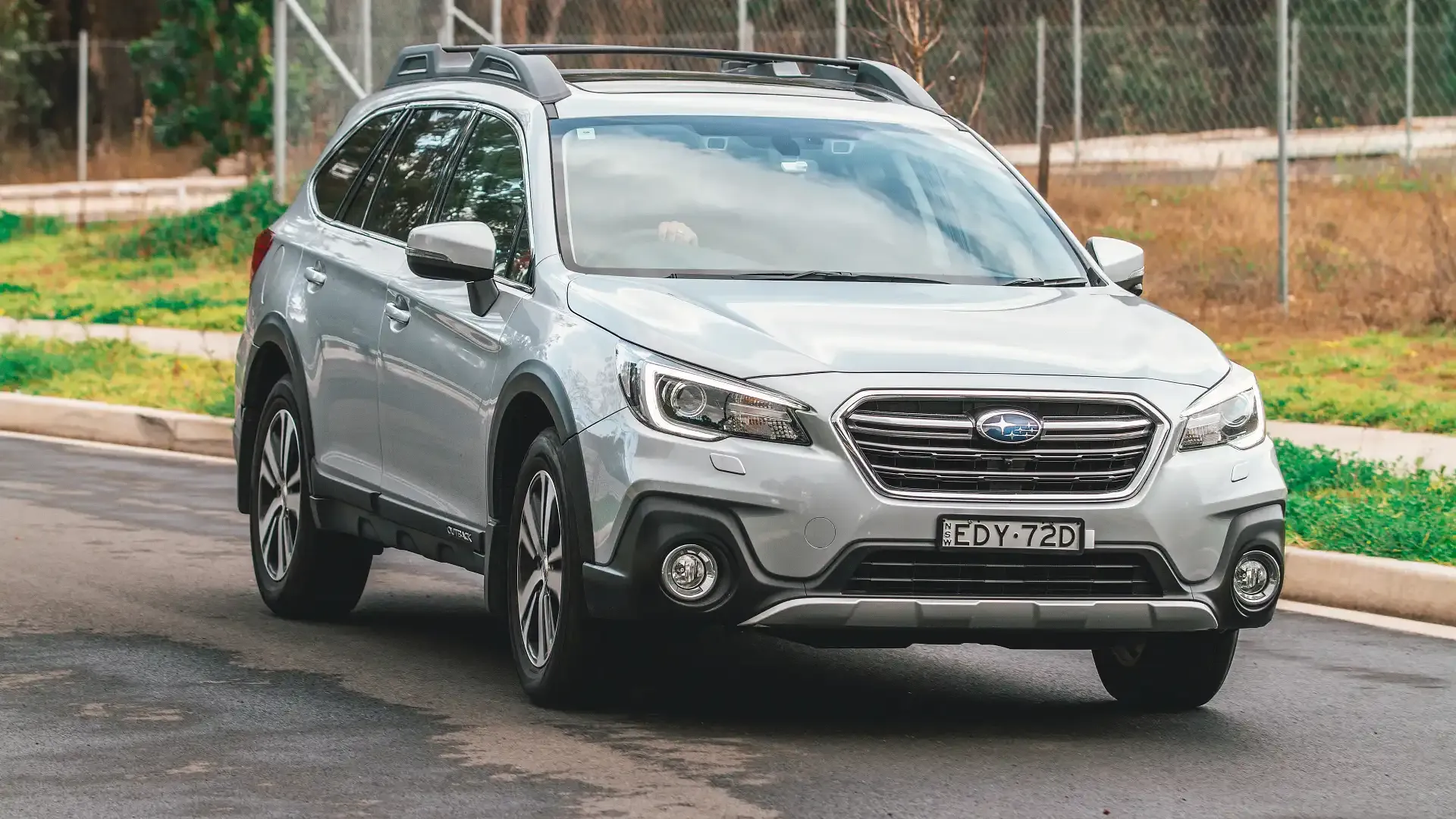
3. Subaru Outback Premium
Stability and balance set the Subaru Outback Premium apart on country roads that demand confidence in changing conditions.
Standard all-wheel drive anchors the vehicle to the pavement, offering dependable traction during rain, loose gravel, or early morning dew. Ride height supports visibility and clearance without feeling tall or cumbersome.
A horizontally opposed engine contributes to a low center of gravity, improving stability through curves and uneven surfaces. Power delivery feels even, supporting calm acceleration rather than sharp surges. The continuously variable transmission prioritizes smoothness, maintaining consistent momentum across long stretches of road.
Interior comfort supports extended travel. Seats provide cushioning that reduces fatigue, and the cabin layout feels open without being sparse.
Infotainment systems intuitively integrate navigation and connectivity features. Cargo space handles groceries, outdoor gear, or work equipment, while foldable rear seats expand carrying options.
Suspension tuning absorbs bumps effectively, keeping the ride composed over patched pavement and subtle dips. Steering remains accurate without feeling heavy, allowing easy corrections when roads curve unexpectedly. Braking response inspires confidence, especially during downhill sections or sudden stops.
Durability strengthens the Outback Premium’s case. Subaru’s engineering focuses on longevity, making routine service straightforward and dependable. Parts availability supports maintenance needs, which helps drivers avoid extended downtime.
For those who prioritize traction, comfort, and reliability on Augusta country roads, the Subaru Outback Premium provides steady performance that feels prepared for daily challenges.
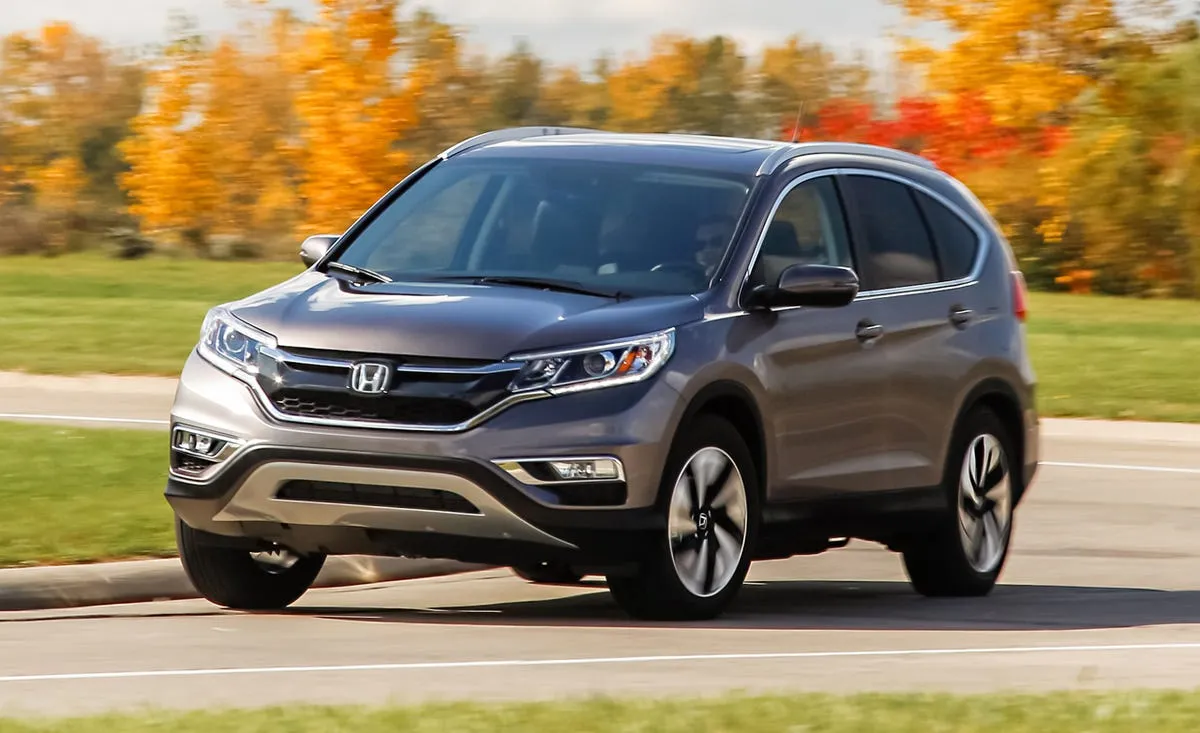
4. Honda CR-V AWD
Refinement blends with practicality in the Honda CR-V AWD, creating a compact SUV well suited to rural travel. Designed to balance comfort with everyday capability, this model fits naturally into life beyond city limits.
All-wheel drive enhances traction during rain-soaked pavement or loose roadside gravel, giving drivers added reassurance when road conditions change unexpectedly.
Long stretches of open roadway feel manageable rather than tiring, thanks to a composed driving posture and well-judged visibility.
A responsive four-cylinder engine provides smooth, linear acceleration that supports relaxed yet confident driving. Power delivery feels sufficient for passing slower traffic or merging onto highways without requiring aggressive throttle input.
Fuel efficiency remains respectable, even during longer drives between towns, helping keep ownership costs under control. Transmission behavior favors seamless gear changes, avoiding abrupt responses that can disrupt ride comfort on uneven pavement.
Interior design supports both comfort and functionality. Seating offers proper cushioning and lumbar support, making extended drives feel less demanding.
Rear passengers benefit from generous legroom, while wide door openings simplify entry and exit. Infotainment controls are intuitive, with clear access to navigation, audio, and connectivity features that help reduce distraction.
Storage solutions feel thoughtfully arranged, and cargo capacity accommodates groceries, tools, sports equipment, or travel gear without effort. Handling characteristics emphasize stability rather than sportiness. Steering inputs feel natural and predictable, allowing confident lane placement on narrow country roads.
Suspension tuning absorbs bumps, patches, and surface irregularities without excessive body movement. Braking response remains consistent and reassuring, especially valuable in areas where signage, lighting, or road markings may be limited. Cabin noise stays subdued, even at highway speeds, contributing to a calm and pleasant atmosphere.
Dependability strengthens the CR-V AWD’s appeal. Honda’s reputation for durable engineering translates into consistent performance and manageable service needs. Routine upkeep remains straightforward, and parts availability supports long-term ownership.
For drivers seeking a well-rounded vehicle that handles Augusta country roads with composure, comfort, and confidence, the Honda CR-V AWD stands as a reliable daily companion suited to varied lifestyles and demands.
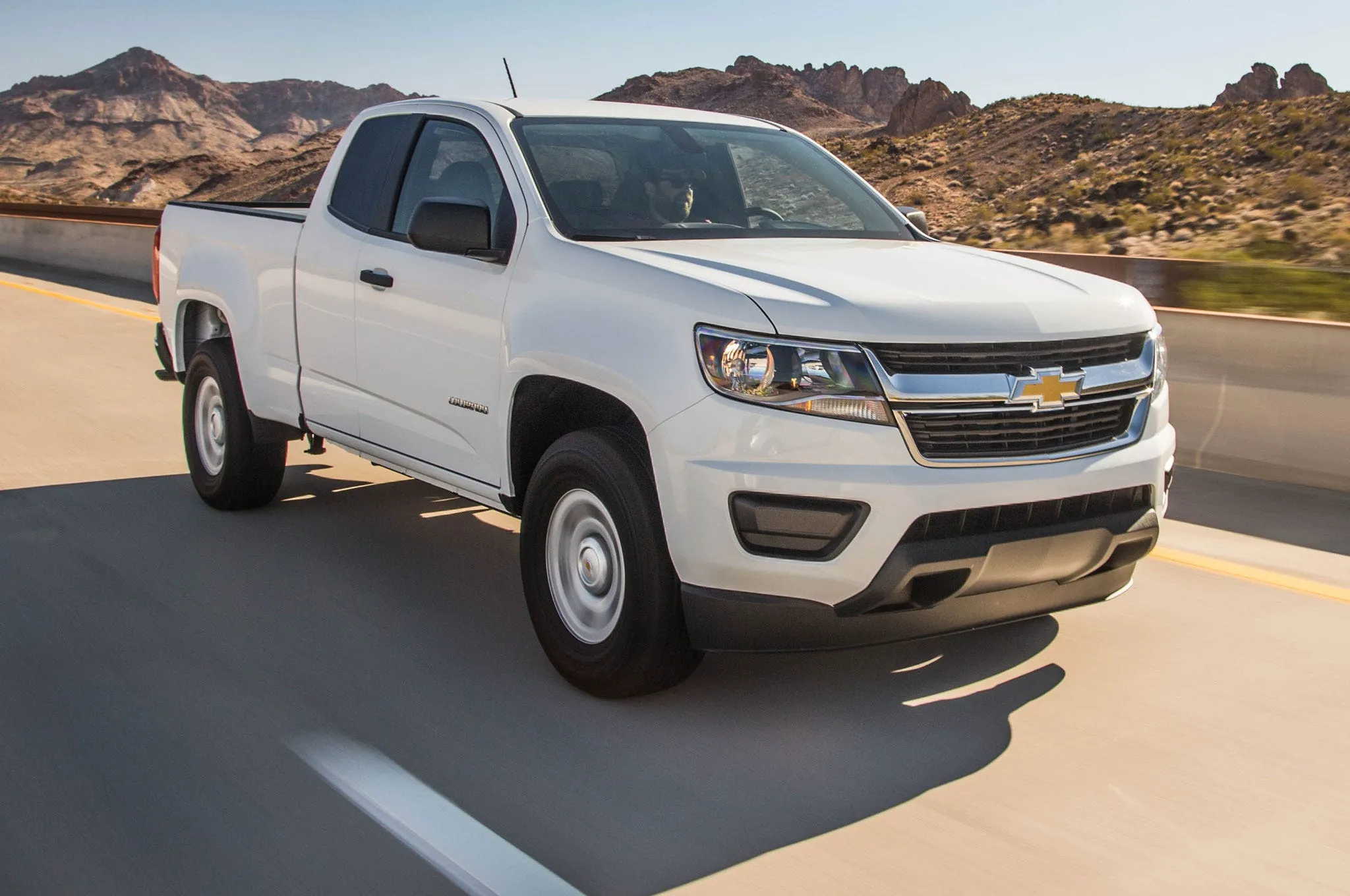
5. Chevrolet Colorado WT
Strength and simplicity define the Chevrolet Colorado WT, a midsize pickup designed for practical rural use. Its body-on-frame construction supports durability on rough roads, while suspension tuning manages uneven surfaces with confidence.
Drivers who require capability without excess bulk often find this truck well matched to country living.
Engine options provide usable torque for steady driving and light hauling. Acceleration feels controlled, supporting relaxed cruising rather than aggressive behavior. Automatic transmission calibration favors smooth progress, keeping power delivery predictable on mixed surfaces.
Cabin design focuses on function. Seating supports long drives, and controls remain easy to understand. Interior materials resist wear from dirt and daily use, which suits rural routines. Storage compartments handle tools, supplies, and personal items effectively.
Road manners remain composed for a pickup. Steering feels accurate, suspension smooths rough patches, and braking performance inspires confidence. Visibility supports awareness on narrow roads where wildlife and farm equipment may appear suddenly.
Versatility completes the package. The bed accommodates equipment, building materials, or recreational gear, while towing capacity supports trailers and small boats.
Reliability and service accessibility strengthen long-term ownership value. For drivers who want a straightforward, capable vehicle for Augusta country roads, the Chevrolet Colorado WT provides strength and practicality without unnecessary complications.
5 Cars That Aren’t Tow-Friendly
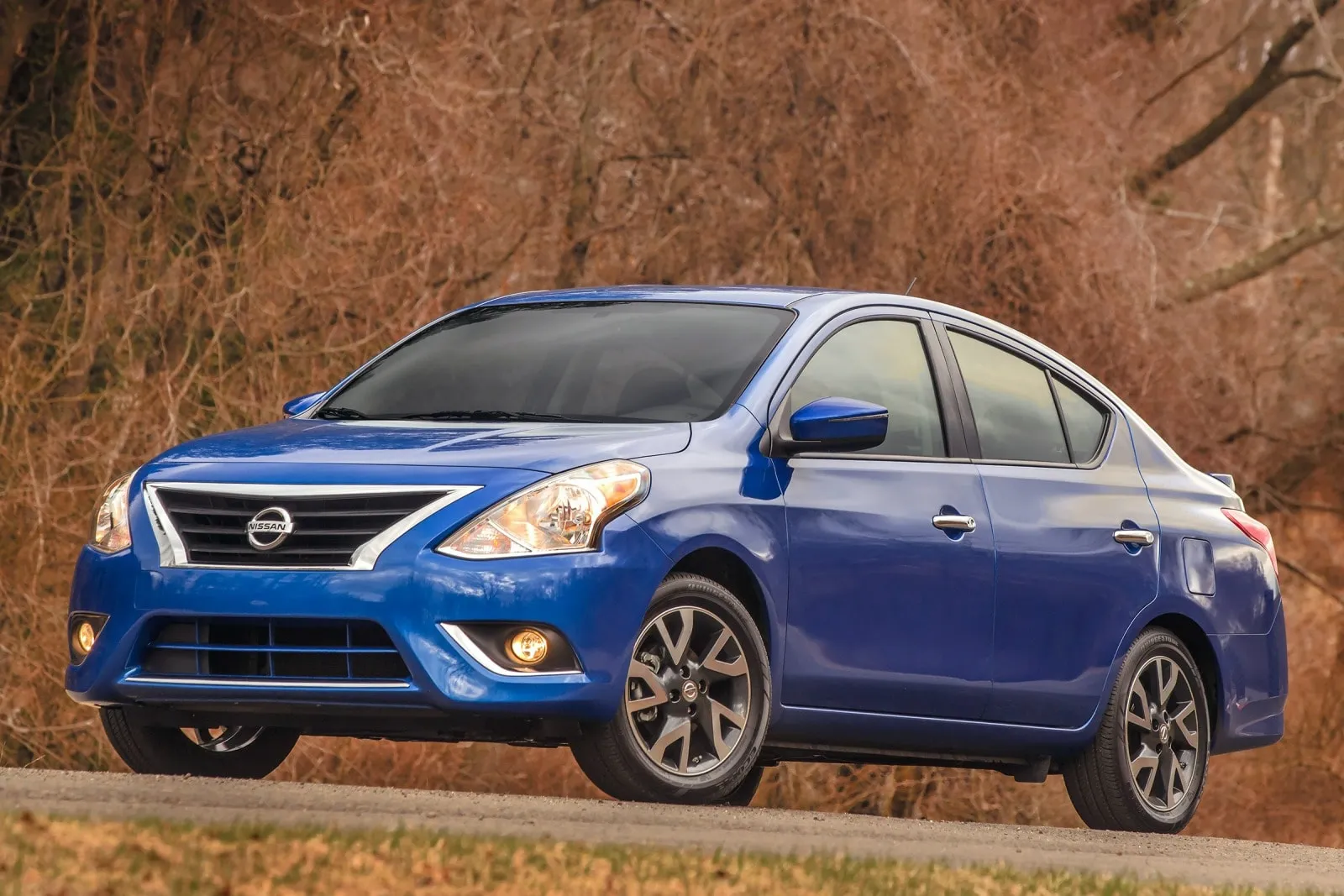
1. Nissan Versa SV
Compact design and city-focused engineering define the Nissan Versa SV, which explains why towing expectations quickly fall short. Built primarily for efficiency and ease of parking, this sedan lacks the structural reinforcement required for pulling additional weight.
Suspension components are tuned for light loads, meaning added strain from a trailer can lead to instability and uneven ride behavior on country roads. Engine output remains modest, prioritizing fuel savings rather than pulling strength.
Acceleration feels relaxed during solo driving, yet the moment extra weight enters the picture, responsiveness drops sharply.
Hills demand more throttle input, engine noise rises, and forward momentum feels hesitant. Transmission calibration favors smooth cruising, not sustained load, which can result in delayed response and excessive revving under stress.
Braking performance also reflects the car’s commuter-focused mission. While perfectly adequate for daily driving, stopping distances increase noticeably when weight is added behind the vehicle.
Heat buildup during repeated braking events can affect pedal feel, reducing confidence on winding or downhill stretches. Steering feedback softens under load, making directional control feel less precise.
Chassis balance becomes another concern. The Versa SV’s lightweight frame does not distribute added weight effectively, leading to rear sag and front-end lift sensations. This imbalance can reduce traction at the drive wheels, especially on uneven surfaces.
Wind sensitivity increases as well, making the vehicle feel unsettled when passing larger vehicles or encountering open stretches of road. Interior comfort does little to offset these mechanical limits. Cabin noise rises quickly during strained operation, and vibration becomes more noticeable through the steering wheel and pedals.
While the Nissan Versa SV serves well as an economical daily driver, towing demands push it beyond its intended purpose. Drivers needing to haul even light trailers would be better served by a vehicle designed with load-bearing capability from the start.
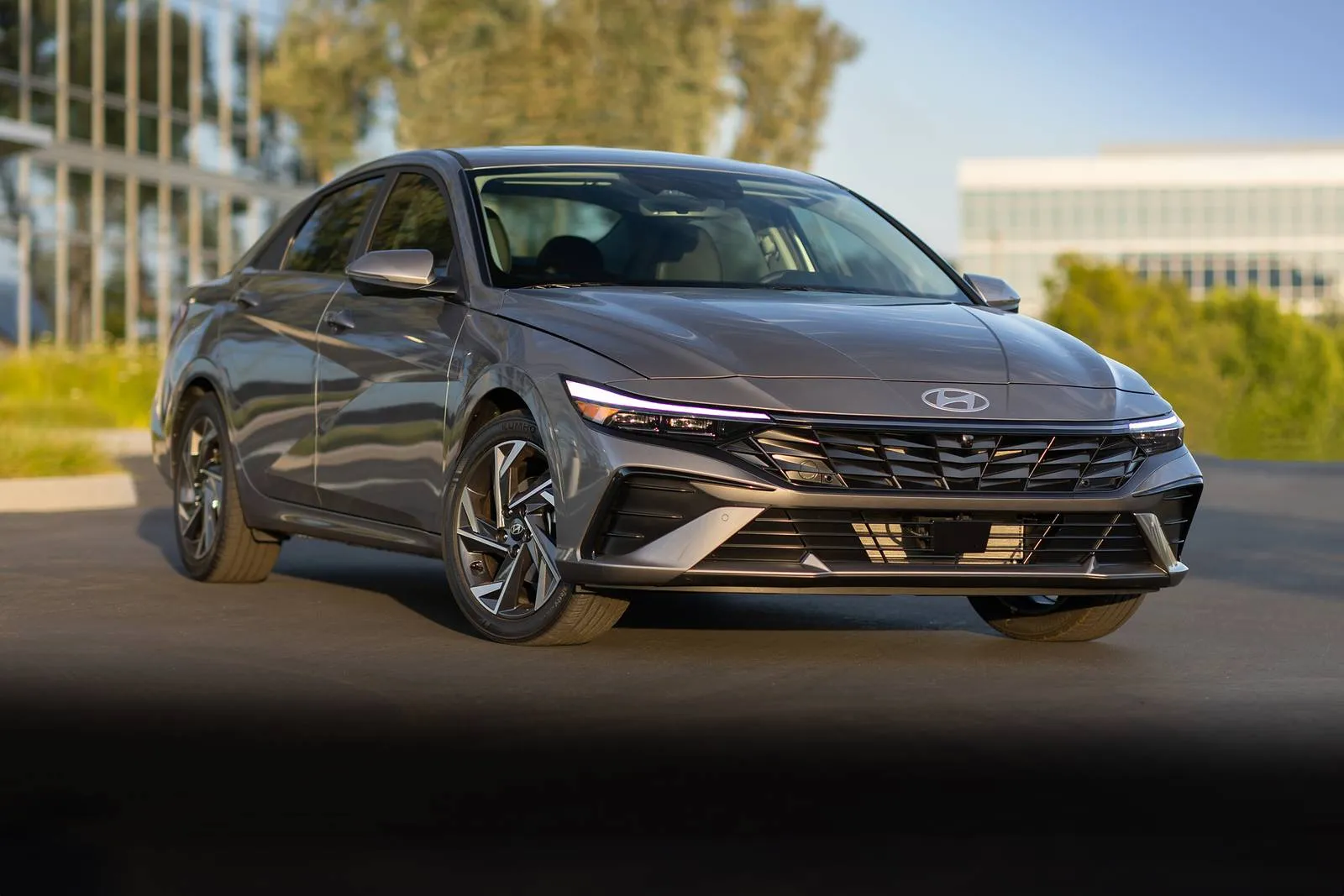
2. Hyundai Elantra SE
Efficiency and sleek styling guide the Hyundai Elantra SE, yet towing capability remains outside its comfort zone.
This compact sedan focuses on smooth commuting and fuel-conscious travel, not hauling. Structural design favors lightness, which helps mileage but limits the ability to manage extra weight safely.
Power delivery highlights this limitation quickly. The naturally aspirated engine performs well during everyday use, though torque arrives gradually and lacks urgency. Adding a trailer increases strain, forcing higher engine speeds to maintain motion. Transmission behavior prioritizes efficiency, often hesitating before delivering the downshifts needed for pulling weight. That delay leads to inconsistent acceleration and rising engine noise.
Suspension tuning also reveals clear boundaries. Springs and dampers handle potholes and mild road imperfections effectively during solo driving.
Under load, rear compression increases, reducing ride height and altering handling balance. Steering becomes less communicative, and body movement through turns feels amplified. These changes reduce driver confidence, especially on narrow country roads.
Braking systems reflect commuter expectations rather than towing demands. Repeated stops with added weight increase braking effort and extend stopping distances.
Heat accumulation can affect consistency, making downhill stretches feel demanding. Stability control systems may intervene more often, signaling that the vehicle is operating outside its intended range.
Cabin refinement suffers as mechanical effort dominates. Engine and transmission sounds grow intrusive, and vibration travels through the cabin.
While the Elantra SE remains a comfortable and efficient daily driver, towing introduces stress that undermines its strengths. Drivers requiring even occasional hauling duties will find this model better left unburdened, preserving its smooth and economical nature.
3. Kia Forte LXS
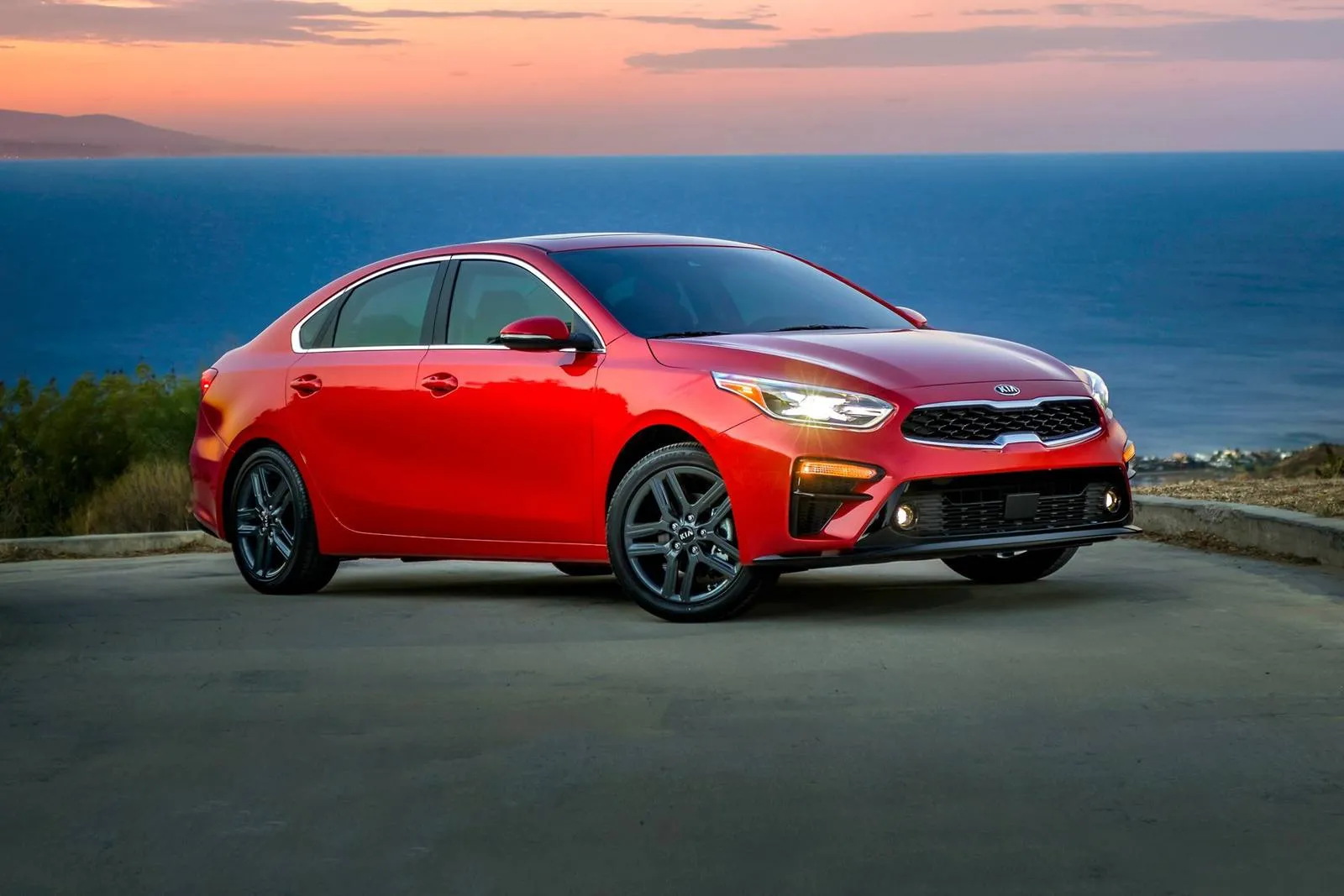
Modern styling and compact proportions make the Kia Forte LXS appealing for everyday travel, yet towing compatibility remains limited. Designed with urban efficiency in mind, this sedan lacks the reinforcements and drivetrain tuning necessary for pulling weight safely and comfortably on country roads.
Engine performance reflects this focus. Power output supports commuting and highway cruising, though torque delivery stays modest at lower speeds. Adding a trailer demands frequent throttle input, raising engine speeds without delivering proportional acceleration.
Transmission logic emphasizes smoothness, often resisting downshifts until engine strain becomes evident. This behavior leads to uneven progress and audible effort.
Suspension characteristics further expose towing challenges. Light-duty components handle solo driving well, absorbing road imperfections and maintaining ride comfort. When loaded, rear suspension compression alters alignment and stability.
Body movement increases through corners, and steering response feels delayed. These changes can make rural driving feel unsettled and tiring.
Braking capacity also proves marginal for towing scenarios. Increased stopping distances become apparent, especially during downhill sections.
Pedal feel may soften as brakes work harder to manage additional mass. Stability systems compensate, though frequent intervention indicates the vehicle is operating beyond its design scope.
Interior comfort declines under strain. Noise levels rise, and vibration becomes more noticeable through the seats and controls. Cooling systems may work harder during sustained load, reducing responsiveness.
While the Kia Forte LXS remains an efficient and pleasant daily driver, towing undermines its balance and composure. Drivers seeking hauling ability should look toward vehicles engineered with stronger frames, suspension, and braking systems.
4. Toyota Corolla LE
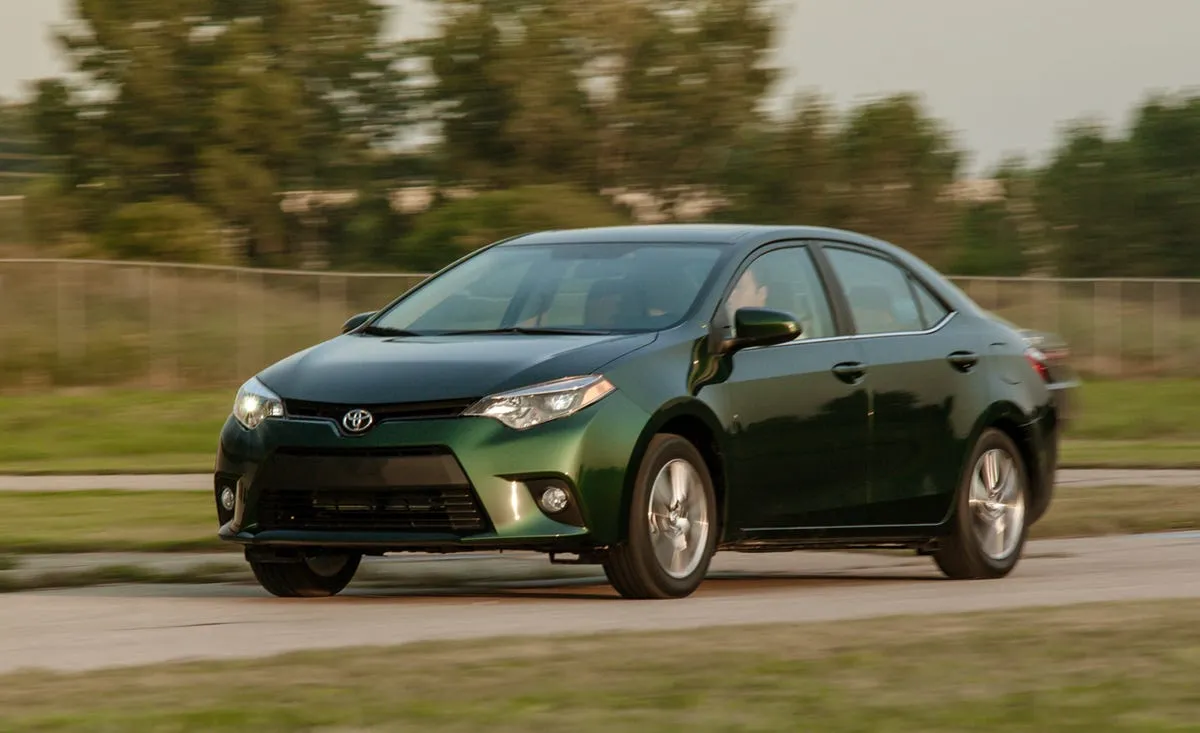
Reliability and efficiency define the Toyota Corolla LE, yet towing expectations exceed its intended mission. Built as a compact sedan for dependable commuting, its lightweight construction prioritizes fuel economy rather than load management. Structural limitations become clear once additional weight enters the equation.
Engine output suits daily driving, offering smooth acceleration and quiet operation. Torque delivery remains gentle, which supports efficiency but limits pulling ability.
With a trailer attached, acceleration slows considerably, engine speeds climb, and forward progress feels strained. Transmission tuning favors calm operation, often delaying moves that would otherwise support pulling tasks.
Suspension setup also reflects commuter priorities. Springs and dampers manage road imperfections effectively when unladen.
Added weight compresses the rear suspension, affecting ride height and handling balance. Steering response softens, and the vehicle feels less planted through turns. Wind sensitivity increases, adding to driver workload on open roads.
Braking performance remains adequate for solo use but becomes less reassuring under load. Stopping distances increase, and repeated braking can introduce heat-related fade. Stability systems assist, yet frequent engagement highlights the mismatch between towing demands and vehicle design.
Cabin refinement diminishes as mechanical effort rises. Engine noise intrudes, and vibration travels through the chassis. Cooling systems may struggle during sustained pulling, affecting responsiveness. The Corolla LE excels as a dependable daily driver, yet towing tasks compromise its strengths. For drivers considering hauling duties, a vehicle with stronger foundations will provide greater safety and confidence.
Also Read: 5 Cars for Edmond Suburban Life and 5 That Need Dealer-Only Care
5. Mazda3 Sedan Select
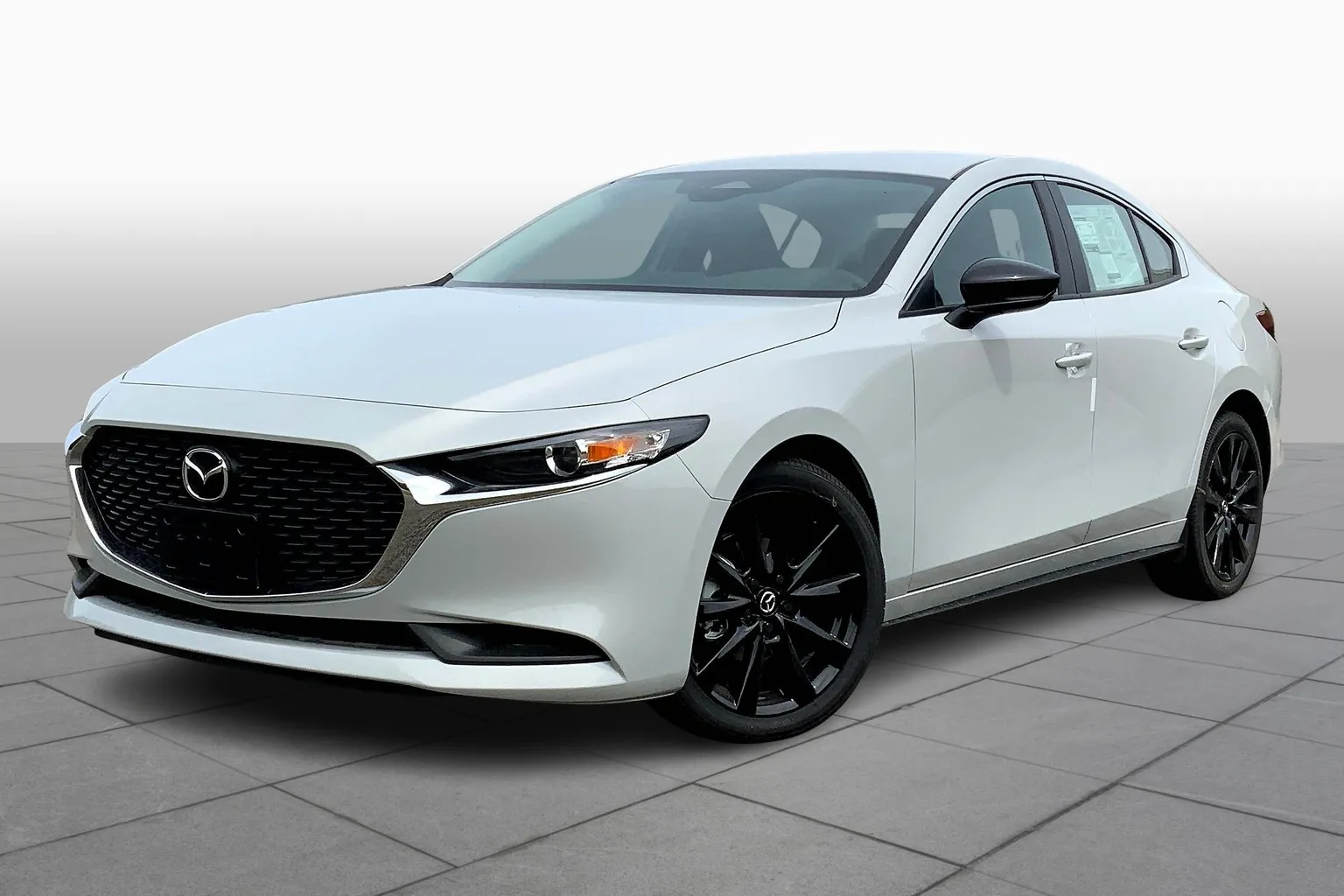
Sleek styling and lively road manners give the Mazda3 Sedan Select a personality that feels more athletic than most compact sedans. Daily driving highlights its strengths quickly. Steering feels sharp, body control stays tight through curves, and the cabin presents a refined atmosphere that makes short trips enjoyable and long drives surprisingly relaxing.
This car clearly prioritizes the connection between the driver and the road. Towing, however, sits far outside its intended comfort zone. Under the hood, the engine delivers quick response during normal use, especially in city traffic and highway merges.
That responsiveness fades once extra weight enters the picture. Low-speed torque remains limited, which means pulling even a small trailer requires higher engine speeds to keep moving. Noise rises rapidly while progress feels hesitant.
Smooth transmission tuning, which works beautifully during solo driving, becomes a drawback when load demands quicker downshifts and firmer engagement.
Chassis tuning reflects a focus on balance rather than brute strength. Suspension components handle everyday bumps with ease, yet added weight compresses the rear noticeably. This alters ride height and affects stability, especially on uneven country roads.
Cornering confidence drops as body movement increases, and steering feedback loses its precision. What once felt planted begins to feel unsettled, particularly during longer pulls or winding stretches. Braking capability tells a similar story. Designed for commuter duty, the system performs well in regular traffic but feels strained under towing conditions.
Stopping distances increase, and repeated braking can lead to heat buildup that softens pedal response. Electronic stability systems intervene more often, a clear sign that the vehicle is operating near its designed limits rather than within them.
Inside the cabin, refinement gives way to mechanical effort. Engine sound becomes dominant, vibration creeps in, and cooling demands rise during extended pulling. These factors chip away at the polished driving experience the Mazda3 normally delivers.
As a stylish and engaging daily driver, the Mazda3 Sedan Select excels. When towing enters the equation, its strengths quickly turn into compromises.
Drivers who expect hauling duties will find greater satisfaction in a vehicle engineered with towing capacity in mind, rather than asking a compact sedan to perform outside its natural role.
