
Bellingham’s coastal drives offer a stunning mix of scenic views, winding roads, and ocean breezes, making it a perfect destination for car enthusiasts and daily commuters alike. However, the region’s proximity to saltwater and winter road treatments creates a unique challenge for vehicles.
While some cars thrive in these conditions with elevated ground clearance, all-wheel drive, and corrosion-resistant coatings, others suffer accelerated rust and component wear due to road salt and moisture.
Understanding which cars are winter-ready and which are vulnerable to salt damage is crucial for maintaining performance, safety, and long-term value. In this guide, we highlight five vehicles that excel on Bellingham’s coastal roads, providing traction, stability, and comfort, as well as five models historically prone to rust and corrosion in harsh, salty conditions.
From rugged wagons and SUVs built for all-weather confidence to sedans and older luxury models that require extra care, this overview helps drivers make informed choices for coastal living and winter driving.
5 That Suffer Salt Damage
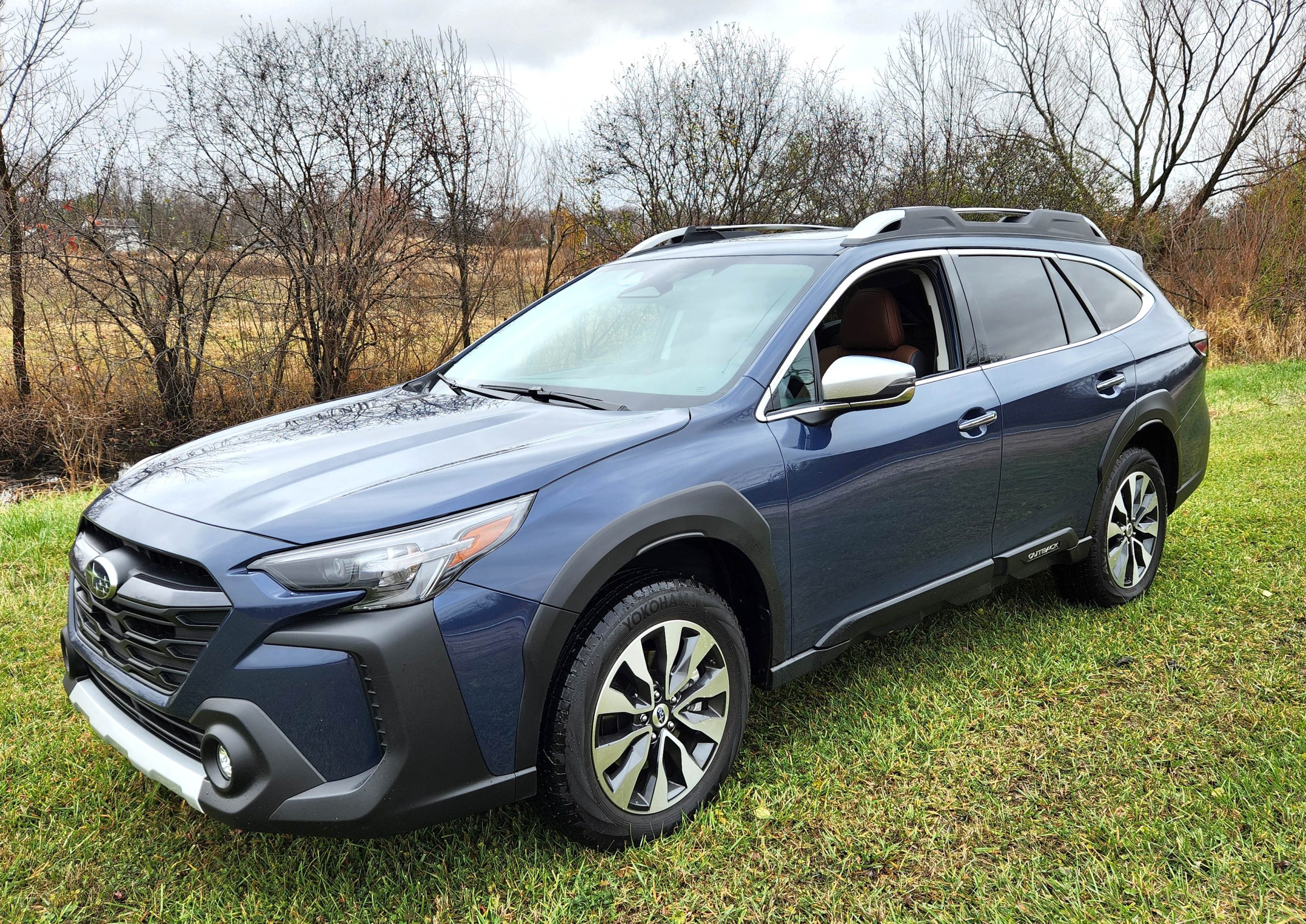
1. 2025 Subaru Outback: Rugged, Practical, and Winter-Ready
The 2025 Subaru Outback continues to be a reliable choice for drivers seeking a versatile wagon capable of handling both urban streets and rugged conditions.
Its high ground clearance of 8.7 inches protects the undercarriage from snow and standing water, while splash guards shield the paint from corrosive road grime. Subaru backs this durability with a five-year unlimited-mileage rust perforation warranty on body panels.
Burlington winters are no match for the Outback, thanks to standard Symmetrical All-Wheel Drive (AWD), X-Mode, and traction/stability control systems. Symmetrical AWD distributes power to all four wheels to maintain grip on icy patches, while X-Mode optimizes engine, transmission, and stability control for slippery surfaces and steep inclines.
Ground clearance allows the Outback to glide over snowdrifts, although winter tires are highly recommended for improved braking and handling. Smooth driving practices remain essential despite the vehicle’s safety systems.
Buyers can choose between a 182-hp 2.5-liter engine and a 260-hp turbocharged 2.4-liter engine, both paired with a CVT and AWD. While the standard engine delivers modest acceleration, the turbo option improves response but is somewhat limited by the transmission.
Off-road capability is enhanced in the Wilderness trim with 9.5-inch clearance, skid plates, and Snow/Mud drive modes, though the Outback remains more of a rugged wagon than a full-fledged SUV. Towing capacity ranges from 2,700 pounds for the standard engine to 3,500 pounds with the turbo.
EPA estimates place the standard engine at 26 mpg city and 33 mpg highway, while the turbo version achieves 23/30 mpg. Real-world highway testing returned 28 mpg for both.
The cabin is functional, comfortable, and spacious, with a modest but practical design. Rear-seat legroom has increased by 1.4 inches, and cargo space reaches 33 cubic feet behind the rear seats (expandable to 68 cubic feet).
Higher trims add features like dual-zone climate control, heated/ventilated seats, and advanced infotainment. The Premium trim upgrades to an 11.6-inch touchscreen, while top trims feature a 12-speaker Harman/Kardon system. Standard Apple CarPlay and Android Auto enhance connectivity.
All Outbacks include Subaru’s EyeSight suite, featuring forward-collision warning, automatic emergency braking, adaptive cruise control, and lane-keeping assist. Optional safety features include blind-spot monitoring and rear cross-traffic alert.
Warranties include a three-year/36,000-mile limited warranty and a five-year/60,000-mile powertrain warranty, though no complimentary maintenance is offered.
The 2025 Subaru Outback blends practicality, winter-ready performance, and a comfortable interior, making it ideal for families and outdoor enthusiasts seeking a dependable, all-weather wagon.
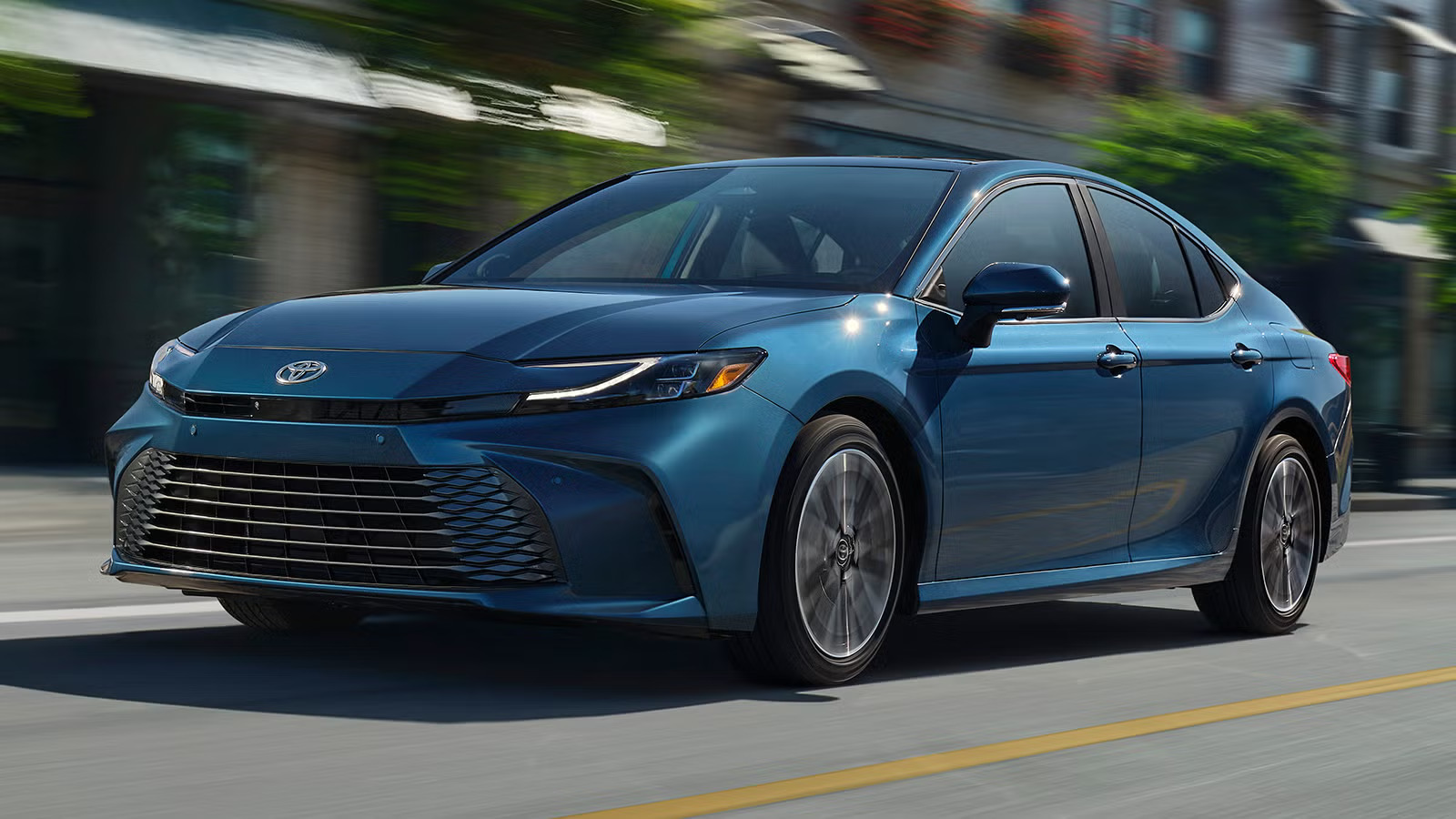
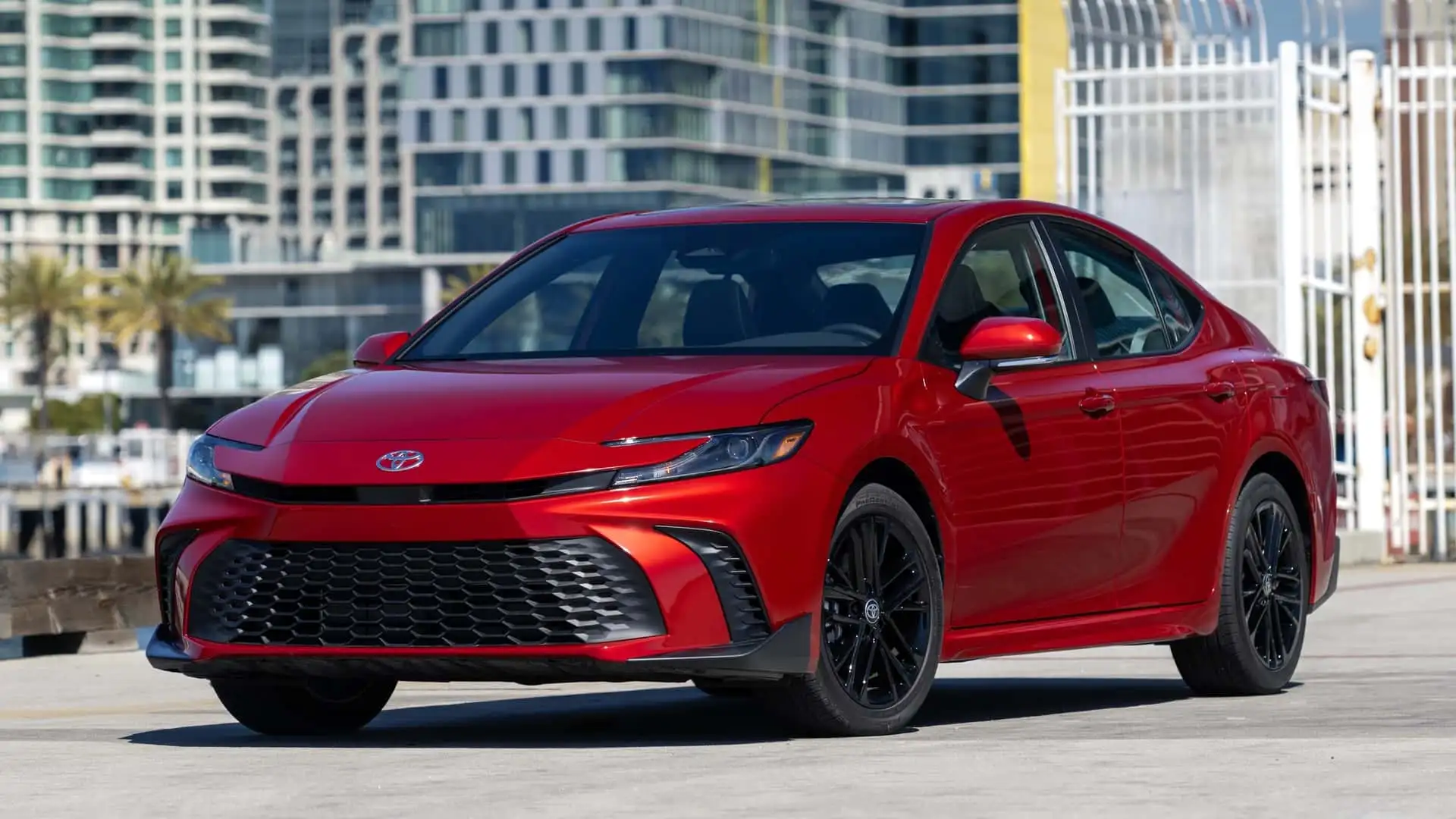
2. 2025 Toyota Camry: Hybrid-Only Evolution with Confident Winter Capability
The redesigned 2025 Toyota Camry marks a major shift for the long-running midsize sedan, arriving exclusively as a hybrid while refining its design, performance, and winter readiness.
Built with modern corrosion-resistant coatings and lightweight materials, the Camry is better suited to humid, salt-heavy environments. Toyota has also improved sealing on hybrid system components to reduce the risk of salt-related electrical issues, enhancing long-term durability.
For icy conditions like those found in Burlington winters, the 2025 Camry offers impressive composure. Available Electronic All-Wheel Drive (E-AWD) adds a rear electric motor that engages automatically when front-wheel traction is lost, providing confident grip on slippery hills and snow-covered roads.
Traction Control and Stability Control systems work continuously to detect wheel slip and balance power, while Snow Mode softens throttle response to prevent sudden wheel spin. As with any vehicle, winter tires remain the most critical upgrade for optimal braking and control on ice.
Every 2025 Camry pairs a 2.5-liter four-cylinder engine with electric motors for strong, efficient performance. Front-wheel-drive models produce 225 horsepower, while AWD versions generate 232 horsepower.
Electric torque gives the Camry brisk acceleration, reaching 60 mph in as little as 6.8 seconds with AWD, quicker than the previous Camry Hybrid. Fuel economy is a standout, with the LE FWD achieving an impressive 53/50 mpg city/highway, while AWD models remain highly efficient despite a slight reduction.
Toyota’s re-engineered suspension and new braking system make this the best-driving Camry yet. Steering is more precise, body roll is well controlled, and brake feel is smooth and predictable often a challenge for hybrids. Styling changes are evolutionary rather than dramatic, but the refreshed exterior and redesigned seats add polish.
Inside, the Camry receives meaningful tech upgrades. Standard equipment includes a 7.0-inch digital instrument cluster, 8.0-inch touchscreen, wireless Apple CarPlay and Android Auto, wireless charging, and multiple USB ports. Higher trims offer 12.3-inch displays, a head-up display, and JBL audio.
All trims come standard with Toyota Safety Sense 3.0, including adaptive cruise control, automatic emergency braking, lane-keeping assistance, blind-spot monitoring, and rear cross-traffic alert. The Camry earns IIHS Top Safety Pick+ status.
Available in LE, SE, XLE, and XSE trims, pricing starts at $29,495. With improved dynamics, excellent efficiency, and strong winter capability, the 2025 Toyota Camry remains a compelling sedan in an SUV-dominated market.
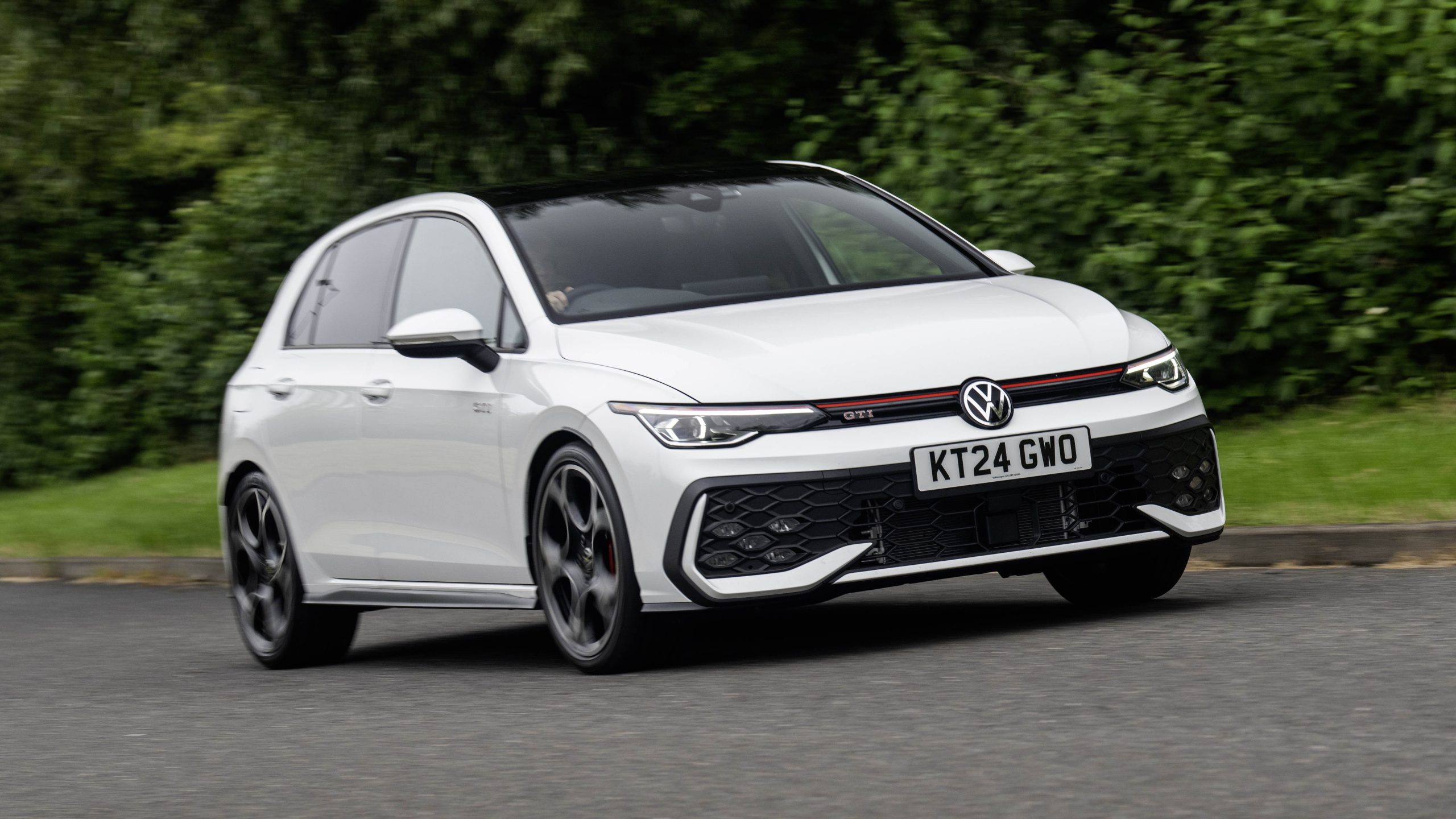
3. Volkswagen Golf GTI: Agile Performance with Surprising Winter Competence
The Volkswagen Golf GTI blends sporty performance with everyday practicality, while also benefiting from Volkswagen’s long-standing use of galvanized steel body panels that create a strong chemical barrier against rust.
This construction helps the GTI withstand corrosive coastal environments, making it a durable choice despite its compact size. Known for its nimble handling, the GTI excels on winding coastal roads and technical corners, delivering a level of engagement few hot hatches can match.
Although not marketed as a winter-focused vehicle, the Golf GTI performs confidently on icy Burlington streets when properly equipped. Its front-wheel-drive (FWD) layout places the engine’s weight directly over the driven wheels, naturally improving traction compared to rear-wheel-drive alternatives.
Electronic traction control and Volkswagen’s XDS electronic differential further enhance stability by braking a spinning wheel and redirecting torque to the wheel with grip.
Winter tires are the most critical upgrade, as their softer rubber compounds and aggressive siping dramatically improve grip on ice and slush. With smooth throttle inputs and disciplined driving, the GTI can “punch above its weight” in winter conditions.
The 2025 Golf GTI is powered by a turbocharged 2.0-liter inline-four producing 241 horsepower. Power is delivered through a seven-speed dual-clutch automatic transmission, which shifts quickly but lacks the engagement of the discontinued manual.
Despite this, the GTI remains entertaining thanks to responsive braking, quick turn-in, and a playful chassis. In testing, the GTI reached 60 mph in 5.6 seconds, making it quicker than the Honda Civic Si, though slightly behind the Hyundai Elantra N. Steering is precise, if somewhat light on feedback for track-focused driving.
Fuel economy remains respectable for a performance-oriented hatchback, with EPA estimates of 24 mpg city, 32 mpg highway, and 27 mpg combined. Real-world highway testing of previous models returned as much as 37 mpg, underscoring the GTI’s ability to balance fun and efficiency.
Inside, the GTI offers an airy cabin with comfortable front and rear seating and a generous cargo area. Recent updates have improved usability, replacing frustrating touch controls with real buttons on the steering wheel.
A 12.9-inch infotainment display with VW’s MIB4 software, wireless Apple CarPlay, Android Auto, and multiple USB-C ports comes standard. Safety features include automatic emergency braking, adaptive cruise control, lane-keeping assist, and VW’s IQ.Drive system with Emergency Assist.
Volkswagen provides a four-year/50,000-mile limited and powertrain warranty, along with two years of complimentary scheduled maintenance, adding value to ownership.
The Volkswagen Golf GTI remains a standout hot hatch, delivering engaging performance, winter-capable stability with the right tires, and everyday practicality in a compact, durable package.
4. 2025 Honda CR-V: Winter Confidence, Comfort, and Coastal Durability
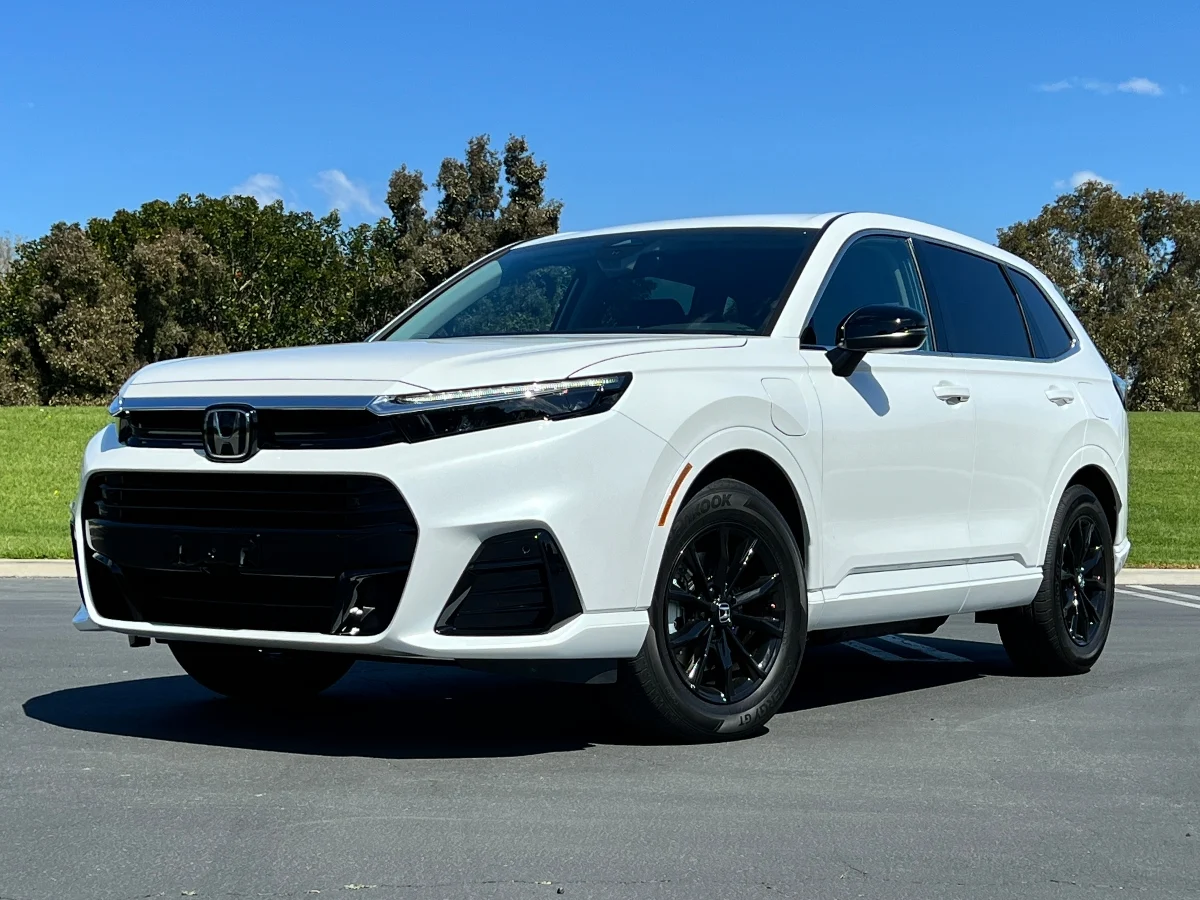
The 2025 Honda CR-V continues to be a dependable compact SUV, particularly well-suited for flood-prone and coastal regions. With up to 8.2 inches of ground clearance, the CR-V is better equipped to handle standing water, snow buildup, and uneven winter roads.
Honda also uses well-sealed electrical connectors, reducing the risk of corrosion and electrical short circuits caused by salty air and moisture. These design choices help ensure long-term reliability in harsh climates.
On icy Burlington streets, the CR-V delivers confident performance when equipped with the available Real Time All-Wheel Drive with Intelligent Control System. This system automatically detects wheel slip and redirects power to the wheels with the most grip, improving traction on snow, slush, and black ice.
Some trims also include a Snow Mode that adjusts throttle response and traction control for smoother, more controlled acceleration in winter conditions. While all-wheel drive enhances stability, proper winter tires remain essential for maximum grip and safe braking on ice.
Every 2025 CR-V includes the Honda Sensing safety suite as standard equipment. Features such as Collision Mitigation Braking System, Lane Keeping Assist, adaptive cruise control, and a driver-attention monitor help reduce the likelihood of accidents on slippery roads.
Hill-descent control is standard across the lineup, assisting drivers in maintaining steady speed when traveling down steep or icy slopes. Together, these systems improve confidence and control in challenging winter conditions.
Power comes from a 190-horsepower turbocharged 1.5-liter four-cylinder engine paired with a continuously variable automatic transmission. Buyers can choose between front-wheel drive or all-wheel drive depending on their needs.
Acceleration is modest, with a 0 to 60 mph time of about 8.1 seconds, and the CVT can sound strained under hard acceleration. However, the CR-V delivers a smooth, composed ride that prioritizes comfort over sportiness. Towing capacity is rated at up to 1,500 pounds when properly equipped.
Inside, the CR-V offers a clean and modern cabin with excellent space for passengers and cargo. Rear legroom is generous, and cargo capacity measures 39 cubic feet behind the second row, exceeding several competitors.
A 9.0-inch touchscreen with Apple CarPlay and Android Auto comes standard, along with wireless charging and rear USB-C ports. Available heated seats, a heated steering wheel, and heated mirrors add comfort and visibility during cold winters.
The 2025 Honda CR-V combines winter-ready traction, strong safety technology, and everyday comfort, making it a reliable choice for drivers facing icy roads and coastal conditions.
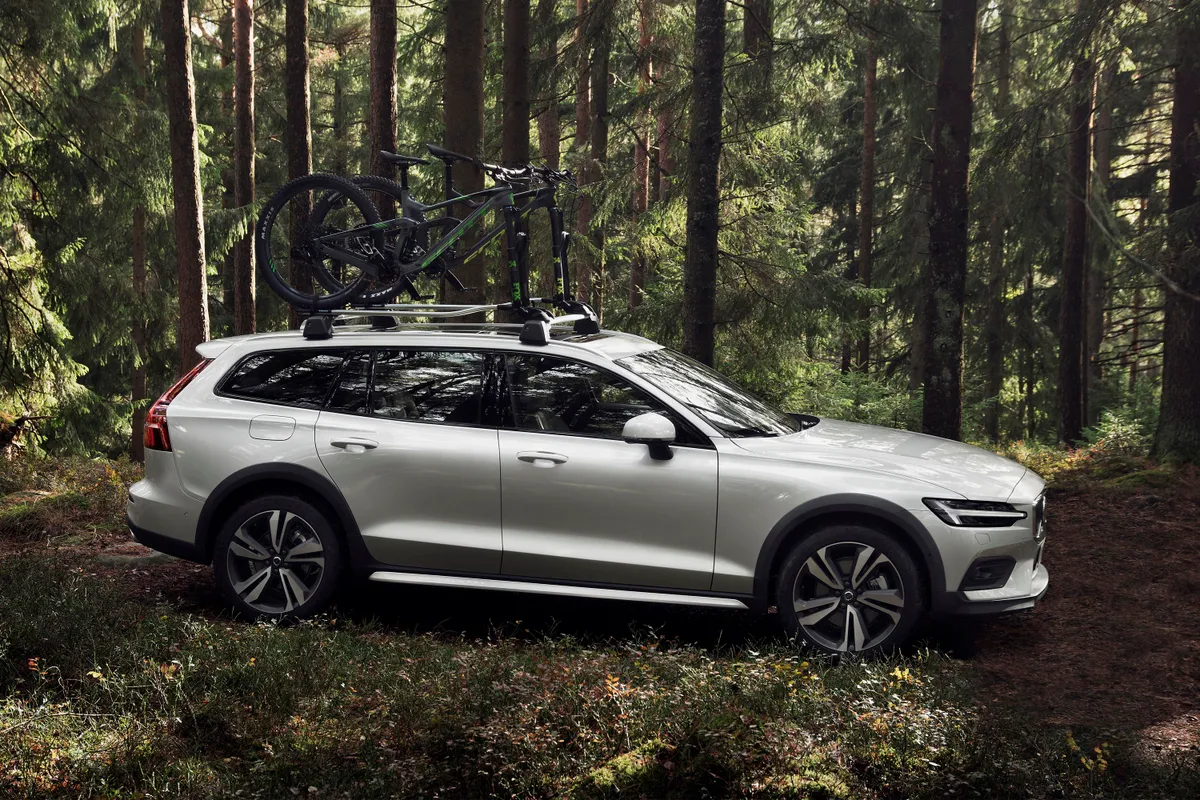
5. Volvo V60 Cross Country: Scandinavian Luxury with Serious Winter Capability
The Volvo V60 Cross Country is a premium wagon engineered for harsh Scandinavian coastal climates, making it a strong choice for regions with salt air, heavy snow, and icy roads.
High-quality paint finishes and robust underbody protection help resist corrosion caused by moisture and salt, while thoughtful construction minimizes long-term wear from coastal exposure. This combination of durability and refinement sets the V60 Cross Country apart in the luxury wagon segment.
On icy Burlington streets, the V60 Cross Country delivers confident winter performance thanks to its standard all-wheel drive system and increased ground clearance. Volvo’s AWD constantly monitors traction and automatically sends power to the wheels with the most grip, reducing wheelspin on ice and packed snow.
The added ride height helps the wagon clear deeper snow without getting stuck, preventing the underbody from dragging or high-centering.
Drive modes such as Snow or Off-Road adjust throttle response and traction control for smoother, more controlled power delivery in slippery conditions. As capable as the vehicle is, proper winter tires remain essential, as they provide the physical grip needed for braking and cornering on ice.
Advanced electronic systems play a key role in winter confidence. Stability Control and Traction Control work alongside the AWD system to correct slides and manage loss of grip before it becomes dangerous. These systems help prevent understeer and oversteer on frozen patches, allowing the driver to maintain control.
Volvo’s long-standing emphasis on safety further reinforces confidence, with standard features such as automated emergency braking, lane-keeping assist, and adaptive cruise control.
Power comes from a 247-horsepower turbocharged 2.0-liter four-cylinder engine paired with an eight-speed automatic transmission and all-wheel drive. The V60 Cross Country feels responsive and composed in everyday driving, with a balanced ride that favors comfort over outright sportiness.
Acceleration to 60 mph takes about 7.1 seconds, which is adequate but slower than rivals like the Audi A4 Allroad. Fuel economy is respectable for the class, with EPA estimates of 24 mpg city and 31 mpg highway, and real-world highway testing returning 29 mpg.
Inside, the V60 Cross Country offers an upscale, minimalist cabin with high-quality materials such as real wood, metal trim, and soft leather. Seating is comfortable in both rows, and cargo space is a strong point, with room for eight carry-on suitcases behind the rear seats and 22 with them folded.
A vertically oriented 9.0-inch touchscreen runs Volvo’s Google-based infotainment system, paired with standard Apple CarPlay, Android Auto, and a Harman Kardon audio system.
The Volvo V60 Cross Country blends luxury, safety, and genuine winter capability, making it an excellent option for drivers who want refined comfort without sacrificing confidence on snow and ice.
5 That Suffer Salt Damage
1. Early Mazda3 and Mazda6: Rust Vulnerability in Salt-Heavy Climates
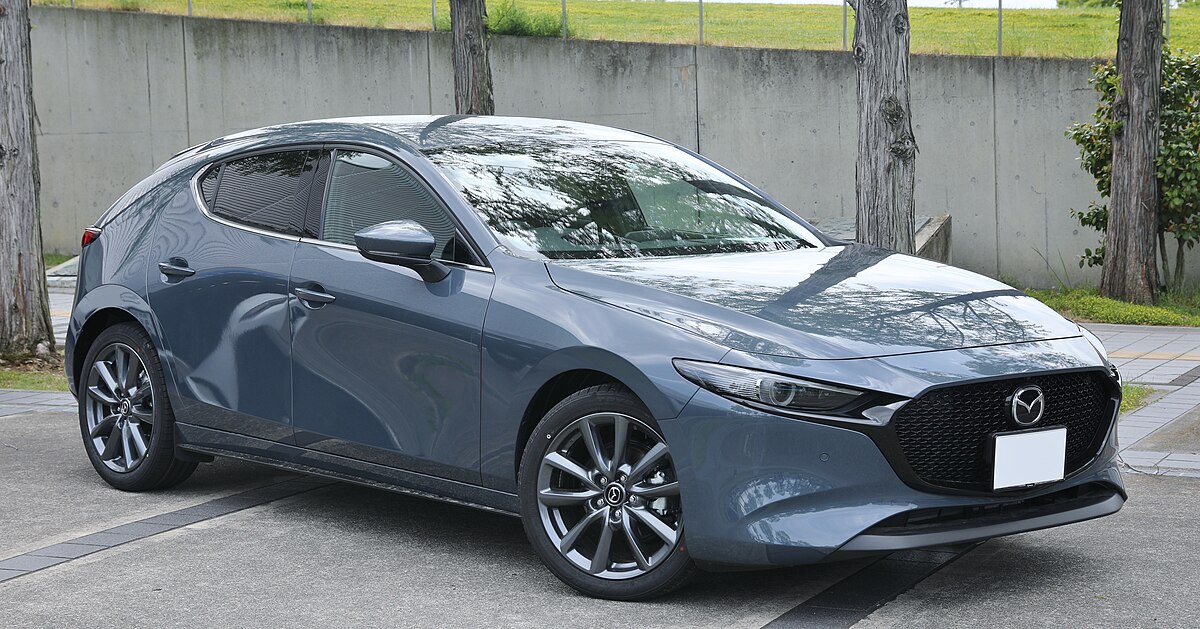
Early generations of the Mazda3 and Mazda6, particularly models produced between roughly 2004 and 2010, developed a reputation for accelerated rust in salt-heavy regions such as Burlington.
While Mazda did use galvanized steel and E-coating during this period, the factory rust protection was often not robust enough to withstand harsh Canadian winters and aggressive road salt use. As a result, corrosion frequently appeared much sooner than owners expected.
The primary issue was a combination of insufficient coating coverage and vulnerable body design. Certain areas of the car were especially susceptible to trapping salt, moisture, and debris.
Rear wheel arches, rocker panels, door sills, and trunk edges allowed salty slush to accumulate, creating ideal conditions for corrosion once protective coatings were compromised. Over time, salt brine reached bare metal, causing rust to spread rapidly.
The most visible rust often formed around the rear fenders and wheel arches, followed by rocker panels along the bottom of the doors. Underside components such as the subframe and suspension parts also suffered heavily from constant exposure to salt spray and moisture.
Owners of early Mazda3 and Mazda6 models must be proactive to slow rust development. Frequent undercarriage washing during winter, ideally every two to four weeks, is essential.
Applying wax or paint sealant before winter adds a protective barrier, while professional undercoating offers longer-term defense. Promptly repairing paint chips and keeping drain holes clear helps prevent salt from reaching exposed metal.
In short, the rust issues affecting early Mazda3 and Mazda6 models stem from design vulnerabilities combined with limited factory protection in extremely corrosive winter environments.
2. Pre-2018 Jeep Wrangler: Iconic Looks with Serious Rust Risks
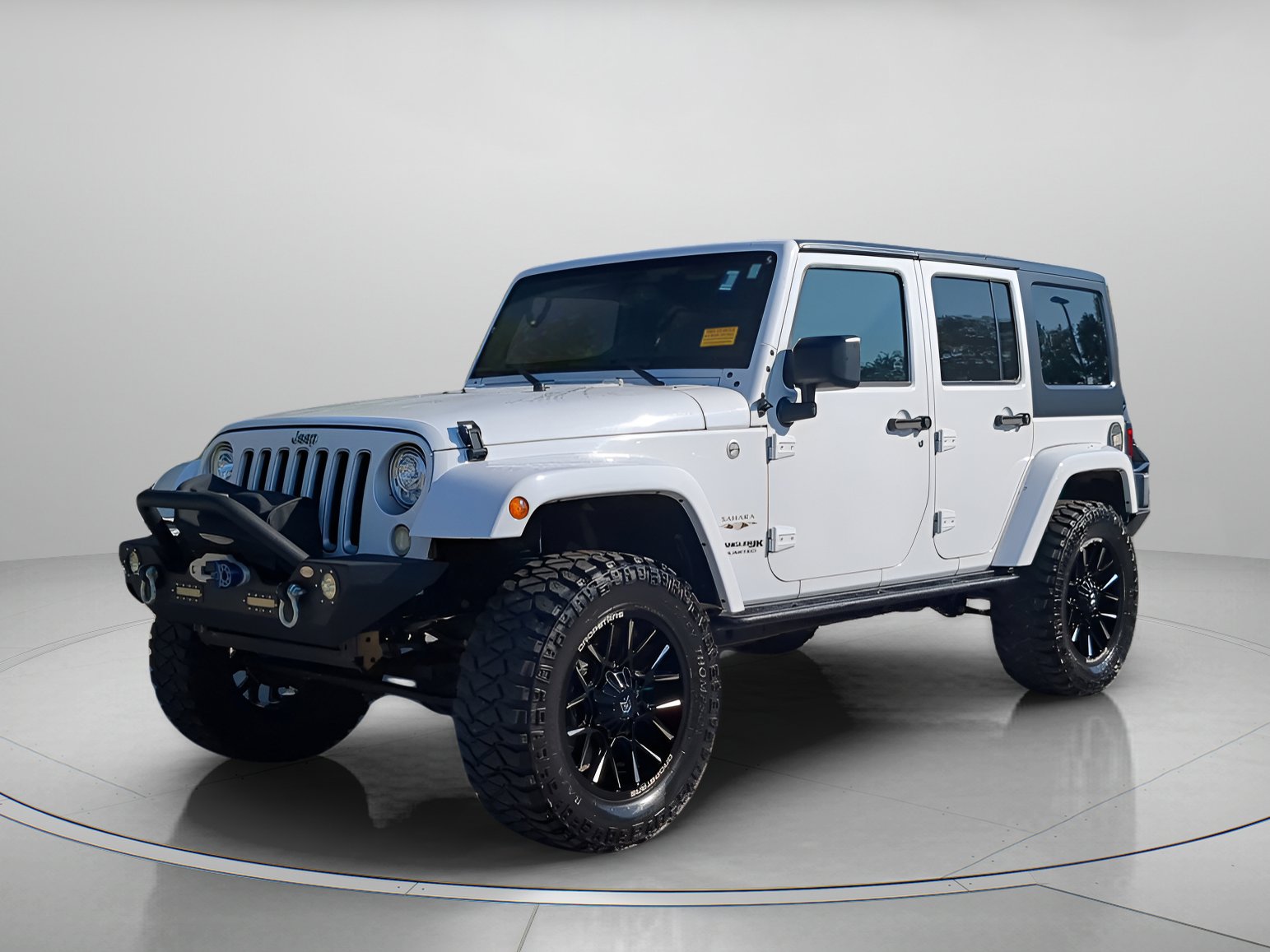
Pre-2018 Jeep Wranglers, particularly the JK generation, are well known as beach and off-road icons, but they are also especially vulnerable to rust in salt-heavy environments like Burlington winters. Road salt dissolves into water to form a highly corrosive electrolyte solution, dramatically accelerating the oxidation of exposed steel components. This makes winter driving particularly harsh on older Wranglers.
The Wrangler’s exposed frame and undercarriage design allow salty slush to collect in joints, seams, and crevices. Once trapped, this moisture continues to corrode metal long after roads dry, since salt residue remains active even in warmer weather.
Critical safety components such as brake lines, fuel lines, suspension parts, and exhaust systems are continuously exposed to salt spray, increasing the risk of premature failure.
Unlike newer JL models that incorporate aluminum body panels, pre-2018 Wranglers rely heavily on steel for both the body and frame.
This construction, combined with frequent off-road use that packs dirt and mud into the chassis, creates ideal conditions for salt and moisture to remain hidden and cause long-term corrosion. Moisture-trapping body mounts are particularly vulnerable to sea spray and winter road salt.
The most severe damage typically appears on the frame and body mounts, where rust can compromise structural integrity. Brake and suspension components corrode quickly, while fuel and brake lines pose serious safety risks when rusted. Hinges, fenders, and exposed seams also suffer from paint damage and corrosion.
Owners must be proactive to slow corrosion. Regular and thorough undercarriage washing, frequent inspections, and protective treatments such as wax or Fluid Film are essential to extending the life of pre-2018 Jeep Wranglers in salt-heavy climates.
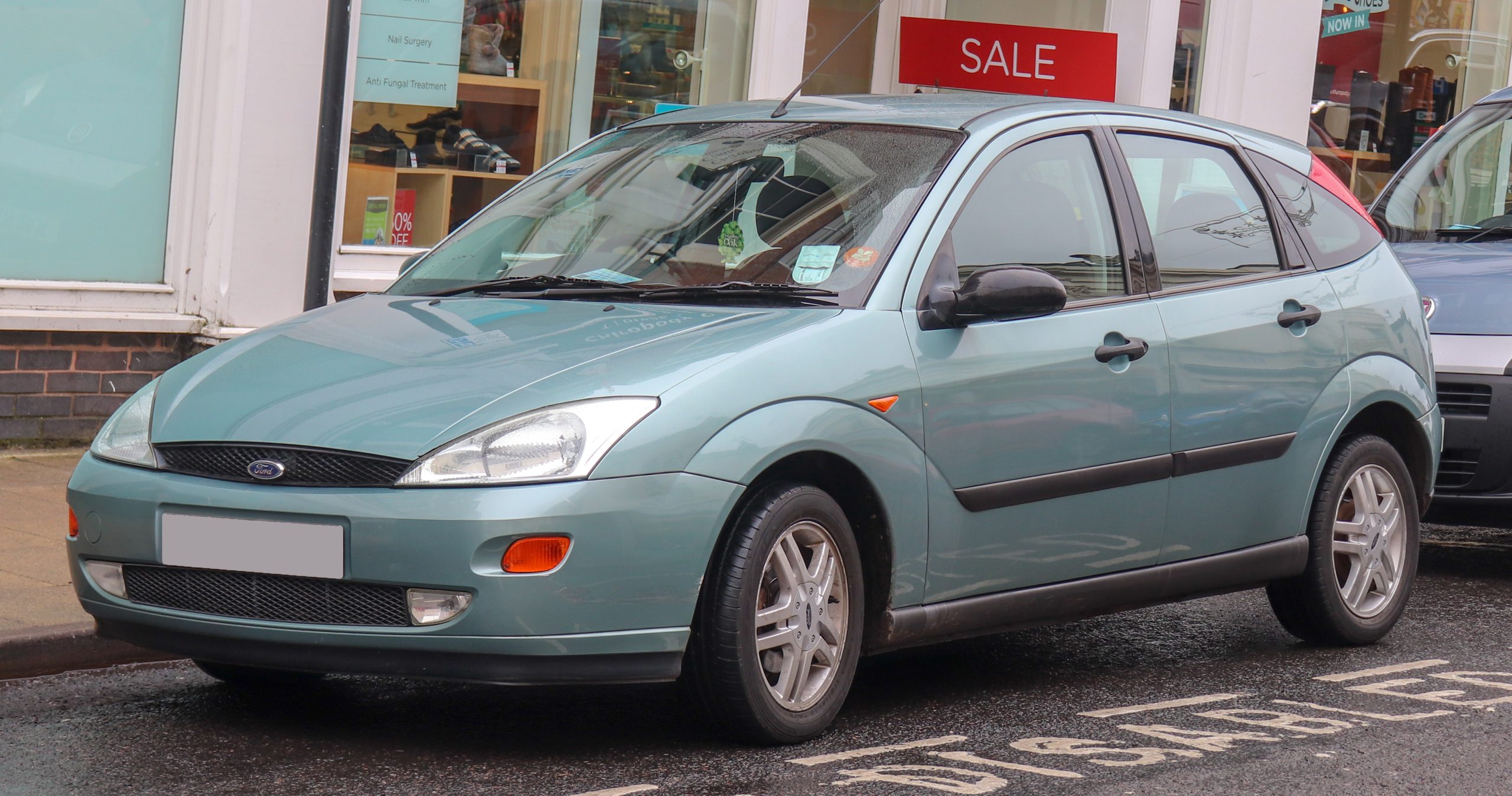
3. Ford Focus MK1 and MK2: Rust-Prone Compacts in Salt-Heavy Winters
The first and second generation Ford Focus models, commonly known as MK1 and MK2, are well documented for corrosion problems, particularly in salt-heavy environments like Burlington and other coastal or winter-prone regions. These cars were built before modern rust protection standards became common, making them more vulnerable to the long-term effects of road salt and moisture.
During winter, road salt mixes with water to form a corrosive brine that rapidly attacks steel. This brine breaks down the metal’s protective oxide layer, allowing oxygen and moisture to form rust at a much faster rate.
Cold, humid conditions slow evaporation, meaning salt residue stays in contact with metal surfaces longer and continues to corrode them.
MK1 and MK2 Focus models are especially prone to rust due to the body and chassis design. Wheel arches, sills, and rear fenders commonly trap salt, dirt, and moisture behind liners and seams.
Once trapped, this buildup creates ideal conditions for corrosion to begin and spread unseen. The undercarriage, exhaust components, and frame sections also suffer heavy exposure from constant salt spray thrown up by winter roads.
In Burlington winters, snowplows spread salt that turns into slush and coats the underside of vehicles. This salty mixture collects in hidden areas such as wheel wells and rocker panels, where it can remain for weeks. Over time, protective coatings fail, and rust progresses to visible bubbling and eventual rust-through.
Owners must be proactive to slow deterioration. Weekly washing during winter, especially thorough undercarriage cleaning, is critical. Clearing debris from wheel arches, applying rustproofing treatments, and addressing paint damage early can significantly extend the life of MK1 and MK2 Ford Focus models in corrosive winter climates.
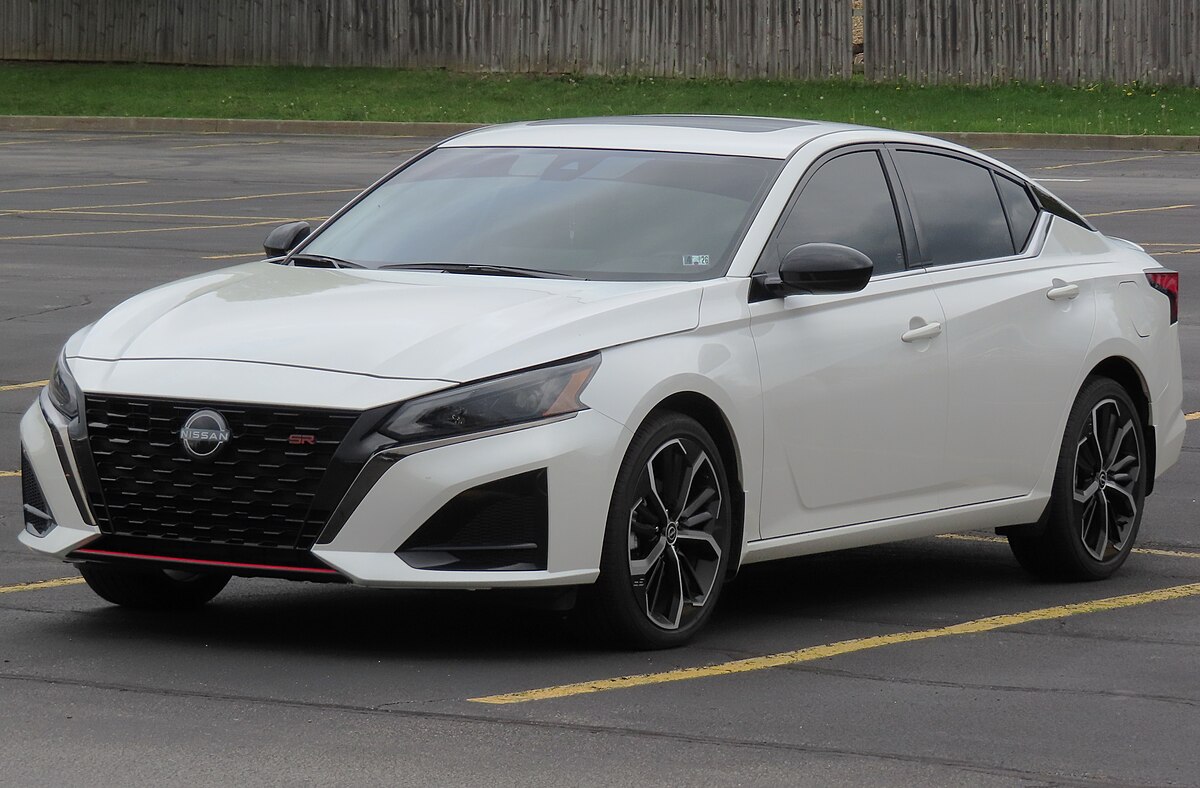
4. Nissan Altima and Almera: Common Sedans Facing Winter Rust Risks
Older Nissan Altima and Almera sedans often show early signs of rust when driven in salt-heavy winter climates such as Burlington. Corrosion typically appears along door edges, hoods, and trunk lids, where salt particles tend to collect and gradually eat through paint and exposed metal.
While these issues are not unique to Nissan, frequent exposure to road salt makes these popular sedans common examples of winter-related rust damage.
During winter, road salt mixes with water and oxygen to form a highly corrosive brine. This solution accelerates the natural oxidation process that causes rust, especially on steel components. Snow and slush hold this salty moisture against the vehicle, allowing corrosion to develop even when the car is not in use. Undercarriage components, brake lines, exhaust parts, and small paint chips are particularly vulnerable, as salt easily seeps into cracks and crevices.
No vehicle is immune to salt damage. Although newer models benefit from improved factory coatings, constant exposure to harsh winter conditions can overwhelm protective layers over time. On older Altima and Almera models, thinner paint and aging seals allow corrosion to start sooner, especially in high-exposure areas.
Regular maintenance is the best defense against rust. Washing the vehicle frequently during winter, ideally every ten days, is essential, with special attention paid to the undercarriage. Applying wax or paint sealant adds an extra barrier against moisture and salt. Professional undercoating can provide longer-term protection, while cleaning interior floor mats helps prevent salt from causing hidden damage inside the cabin.
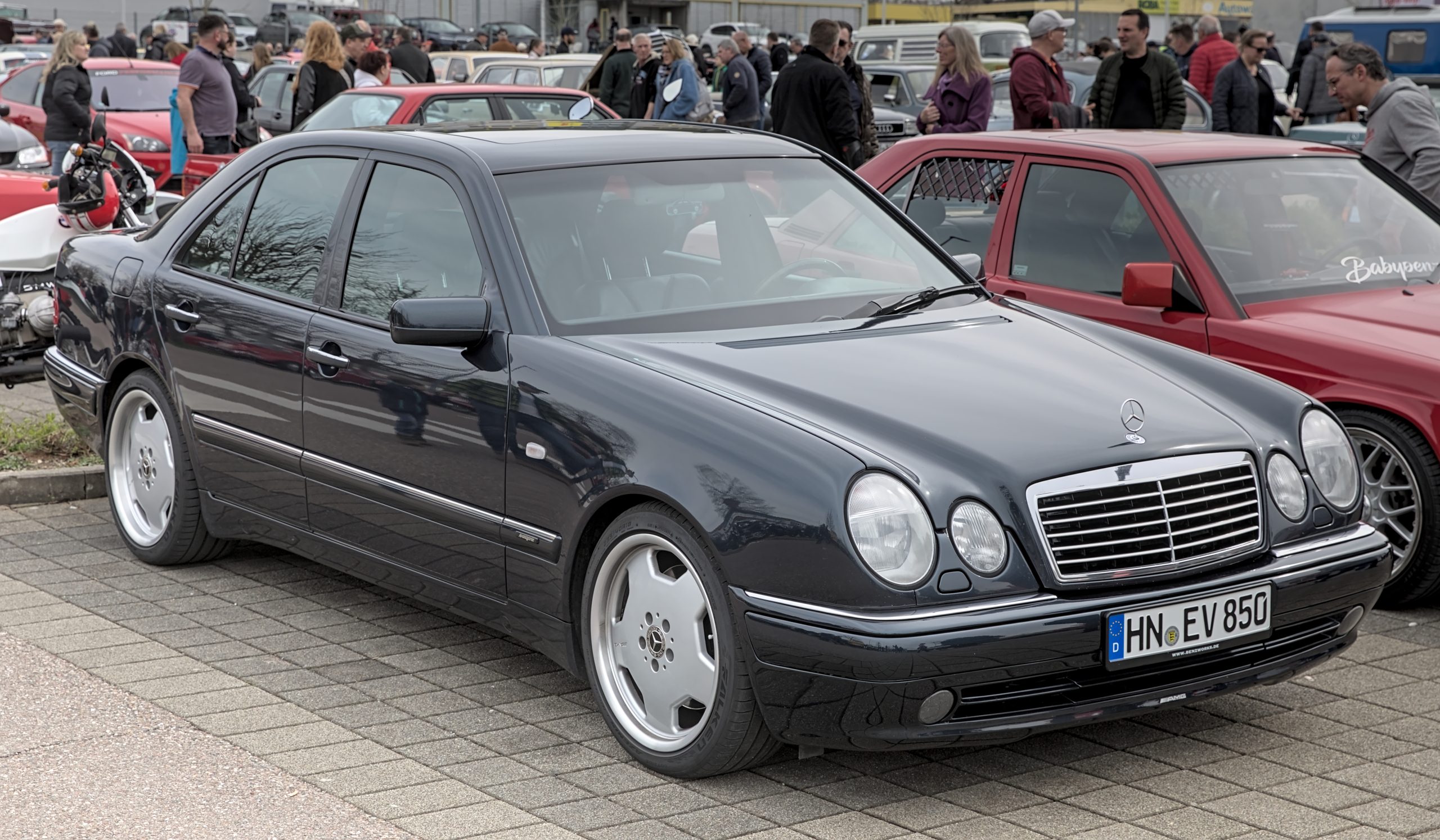
5. Older Mercedes-Benz E-Class (W210): Rust Risks in Salt-Heavy Winters
The W210 generation of the Mercedes-Benz E-Class, produced from the mid-1990s to early 2000s, is notorious for widespread rust issues, making it a poor choice for coastal or salt-heavy winter climates like Burlington.
This generation suffers from corrosion almost everywhere, including spring perches, wheel arches, and door seams. The presence of winter road salt accelerates these issues, forming a corrosive brine that attacks steel and paint, often causing hidden structural damage and costly repairs.
The W210’s design and age contribute to its susceptibility. Salt easily accumulates in hidden seams, wheel wells, and undercarriage areas, remaining trapped and accelerating corrosion. This generation is also infamous for fasteners seizing and brake and fuel lines deteriorating prematurely.
Salt mixed with water and oxygen creates a strong electrolyte that speeds up the oxidation of iron and steel. Moisture from snow and slush penetrates paint chips, causing bubbling and rust freckles. Critical underbody components, including suspension mounts, exhaust systems, and brake parts, are constantly exposed to corrosive slush, which can lead to early failure if not addressed.
Owners must wash the undercarriage and wheel wells thoroughly after every snowfall or salt application. Applying protective wax or sealant before winter, addressing paint chips promptly, and considering professional undercoating are essential measures to mitigate corrosion and prolong the W210’s lifespan in harsh winter conditions.
Choosing the right car for Bellingham’s coastal roads can make the difference between confident driving and costly maintenance. Vehicles like the Subaru Outback, Honda CR-V, and Volvo V60 Cross Country combine all-wheel drive, high ground clearance, and corrosion-resistant features to handle snow, ice, and salt-laden air with ease.
In contrast, older or poorly protected models, including early Mazda3s and Mazda6s, pre-2018 Jeep Wranglers, and the W210 Mercedes E-Class, are highly susceptible to rust and structural damage if exposed to winter conditions without proper care.
Regular washing, winter tires, and preventative treatments can mitigate some damage, but inherent design and material limitations remain a concern. By understanding which cars are resilient and which require extra attention, drivers can enjoy Bellingham’s coastal routes safely while minimizing the long-term effects of road salt and winter exposure on their vehicles.
Also Read: 10 Cars That Look Stunning But Disappoint True Enthusiasts
