
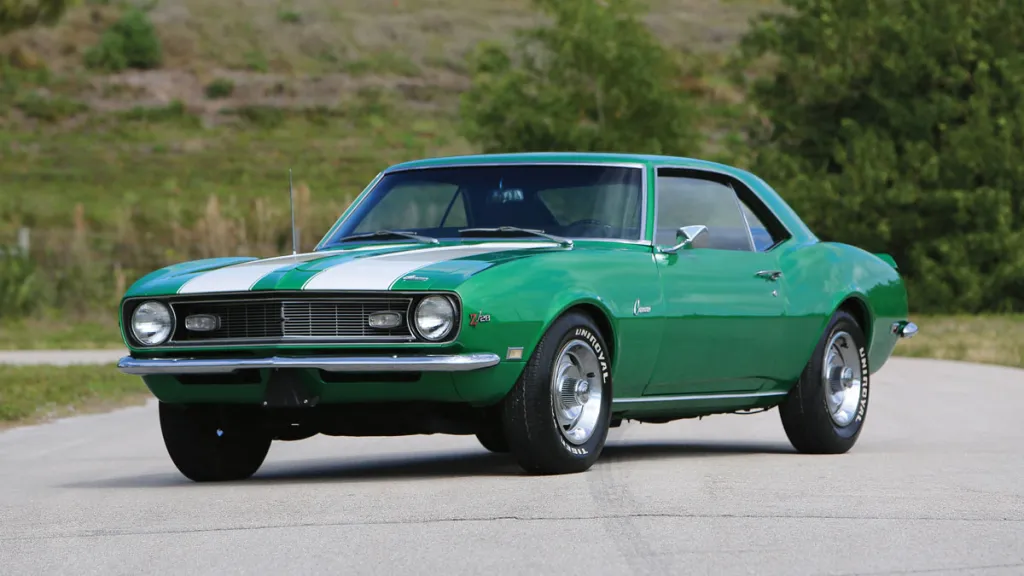
Vintage American muscle cars have entered a new phase in the collector world. For years, only the most famous names commanded serious money. Recently, a wider group of classic muscle cars has begun to rise steadily in value, driven by nostalgia, rarity, and renewed interest from younger buyers.
One major reason for this rise is scarcity. Many muscle cars were driven hard, modified heavily, or simply neglected. Clean, original examples are becoming harder to find each year. As supply tightens, values naturally move upward.
Another factor is generational demand. Buyers who grew up seeing these cars in movies, magazines, and on the street now have the income to pursue them. They want authentic driving experiences, not just modern performance numbers.
Market awareness has also improved. Collectors now recognize that value is not limited to headline models. Well-optioned, lesser-produced, or historically significant variants are gaining attention and respect.
Originality plays a growing role. Cars with matching numbers, factory colors, and documented histories are appreciating faster than restored or modified examples. Buyers value authenticity more than perfection.
Performance still matters, but character matters more. Muscle cars that deliver strong styling, unique engines, or special trim packages often see rising interest even if they were once overlooked.
This list focuses on vintage American muscle cars that are actively rising in value. These are not speculative picks. They are vehicles already showing upward movement in auctions, private sales, and collector demand.
Each entry explains why the car matters, what makes it desirable today, and why values are climbing. None are repeated, and all have genuine historical importance.
Let us begin with a legend that continues to gain strength in the collector market.
Also Read: 10 Most Powerful Chevy Big Block Engines Ever Produced
1. Ford Mustang Boss 302
The Ford Mustang Boss 302 has become one of the most sought after classic muscle cars of the modern collector era. While it was always respected, its value growth over the past decade has accelerated significantly.
Introduced for homologation racing, the Boss 302 was built to compete in road racing rather than drag strips. That distinction gives it lasting appeal among serious enthusiasts.
The engine was a specially developed 302 cubic inch V8 with high revving capability. Unlike many muscle cars focused on brute torque, this engine rewarded precision and driver skill.
Power delivery felt sharp and responsive. The engine encouraged drivers to explore higher rpm, which set it apart from larger displacement rivals.
What truly elevates the Boss 302 is purpose. Ford engineered it with racing in mind, not marketing alone. That authenticity resonates strongly with collectors.
Production numbers were relatively low compared to standard Mustangs. This limited supply continues to drive prices upward.
Original examples with correct engines, paint codes, and interior trim command significant premiums today. Documentation plays a major role in valuation.
The Boss 302 also benefits from strong motorsport history. Its success on road courses adds legitimacy that many muscle cars lack.
Styling was aggressive but functional. Front spoilers, bold graphics, and performance focused details contribute to its visual appeal.
Driving a Boss 302 today still feels engaging. It offers balance and feedback that many classic muscle cars do not.
Market trends show increasing interest from buyers who value handling and engineering over raw horsepower. This shift favors the Boss 302.
Auction results consistently reflect rising values, especially for low mileage and unrestored cars. Even restored examples have seen appreciation, though originality remains king.
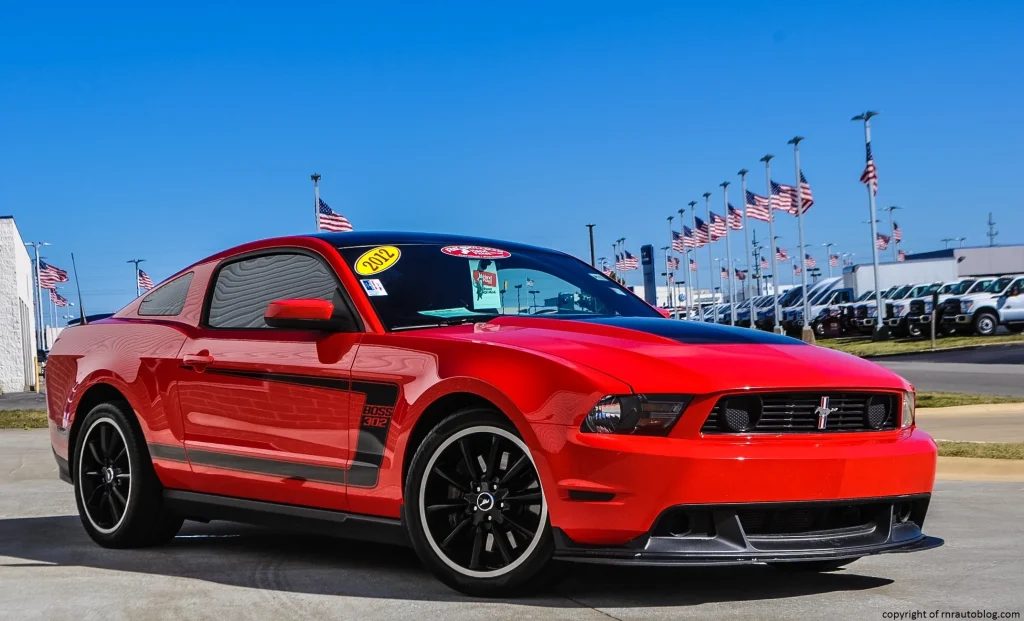
The Boss 302 occupies a sweet spot. It blends rarity, racing heritage, and genuine performance. As younger collectors enter the market, cars like the Boss 302 gain momentum because they feel relevant and usable.
The Ford Mustang Boss 302 is no longer an underappreciated classic. It is a rising blue chip muscle car with strong long term potential.
2. Plymouth Road Runner 383
The Plymouth Road Runner 383 has quietly become one of the most appealing vintage muscle cars for collectors watching long term value trends. Once seen as a budget performance option, it is now gaining serious respect.
When the Road Runner debuted, its purpose was simple. Deliver big performance without unnecessary frills. That honesty is now a major reason collectors are paying closer attention.
The 383 cubic inch V8 offered strong real world power. It delivered impressive acceleration while remaining more manageable and affordable than larger big block options.
This engine struck a balance between performance and usability. Owners could enjoy the car regularly without the excessive costs associated with higher output engines.
Production numbers were higher than some halo models, but attrition has reduced the number of clean examples dramatically. Many Road Runners were raced hard or modified.
Surviving original cars are becoming increasingly scarce. That scarcity is now reflected in rising prices across auctions and private sales.
The Road Runner’s stripped down interior plays well with modern collector tastes. Buyers appreciate the car’s raw and purposeful personality.
Unique features like the cartoon branding and signature horn add charm without feeling gimmicky. These details enhance nostalgia and desirability.
The Road Runner also benefits from strong brand recognition. Even casual enthusiasts understand what it represents in muscle car history.
Driving a Road Runner 383 today still feels authentic. The car delivers torque, sound, and presence without excessive weight.
Collectors are increasingly favoring cars that reflect the spirit of the muscle era rather than just peak horsepower numbers. The Road Runner fits this shift perfectly.
Values have risen steadily rather than spiking suddenly. This gradual climb suggests sustainable long term appreciation rather than speculation.
Original paint, interior, and drivetrain combinations now command noticeable premiums. Documentation has become increasingly important.
The Road Runner also enjoys strong aftermarket and parts support. This helps maintain value by making proper restoration achievable.
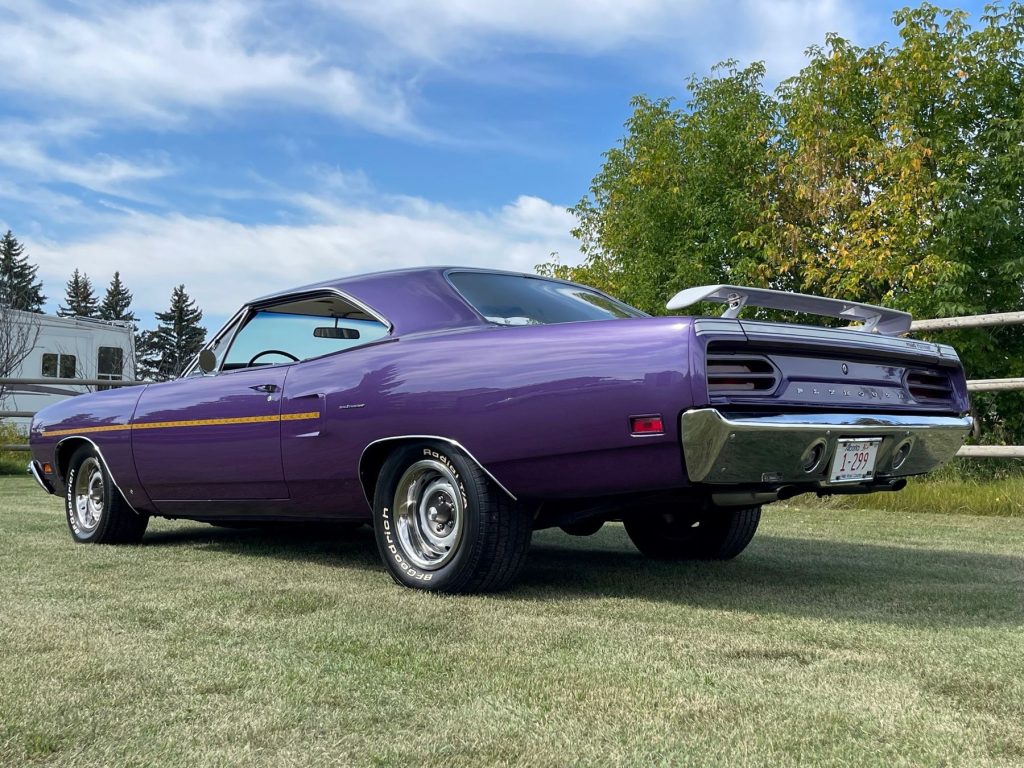
Compared to rarer variants, the 383 Road Runner still offers relative affordability. This makes it attractive to new collectors entering the market. As demand grows and supply shrinks, values are expected to continue climbing.
The Plymouth Road Runner 383 is no longer just a budget muscle car. It is a respected and increasingly valuable piece of American automotive history.
3. Pontiac GTO Judge
The Pontiac GTO Judge has always been an icon, but its value growth over the past decade has accelerated as collectors reassess its importance and rarity.
Created as a response to tightening regulations and changing market conditions, the Judge represented Pontiac’s final bold statement in the muscle car era.
The Judge package combined aggressive styling with serious performance. It offered high output V8 engines and unique visual elements that set it apart instantly.
Its bold graphics and rear spoiler were polarizing when new. Today, they are part of what makes the Judge so desirable.
Production numbers were relatively low, especially compared to standard GTO models. This limited supply is a key factor driving rising values.
The Judge also carries historical significance. It represents the peak and conclusion of Pontiac’s muscle car identity.
Collectors are increasingly drawn to cars with strong stories. The Judge’s origin and timing add to its appeal.
Driving a GTO Judge delivers a classic muscle experience. Strong torque, dramatic sound, and commanding road presence define the car.
Original examples have become significantly more valuable. Matching numbers engines, factory colors, and correct trim are critical.
Even restored Judges are climbing in value, though originality continues to command the highest premiums.
Market data shows steady appreciation rather than volatile swings. This indicates healthy demand rather than short term hype.
The Judge benefits from Pontiac’s overall rise in collector interest. As other Pontiac models increase in value, the Judge moves upward with them.
Younger collectors are also fueling demand. The Judge’s bold styling translates well to modern tastes and social media exposure.
Rarity combined with unmistakable identity gives the Judge lasting appeal. It is not easily confused with lesser models. Restoration costs can be high, but rising values help justify the investment.
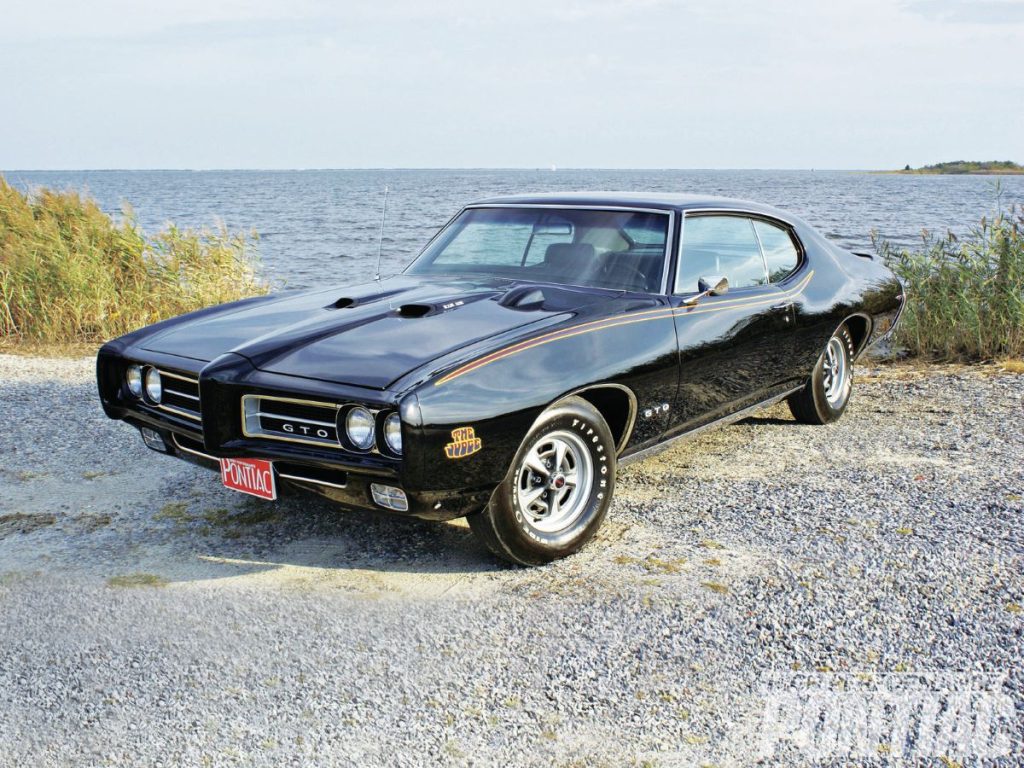
As collectors look beyond the most obvious muscle cars, the GTO Judge continues to gain recognition as a cornerstone of the era. The Pontiac GTO Judge is no longer just a famous name. It is a steadily rising asset in the classic muscle car market.
4. Chevrolet Chevelle SS 396
The Chevrolet Chevelle SS 396 has become one of the strongest performers in the classic muscle car value market over the past several years. Once overshadowed by rarer big block variants, it is now receiving serious collector attention.
The SS 396 struck a perfect balance between performance and accessibility. It offered big block power without the extreme pricing or rarity of top tier muscle cars.
Its 396 cubic inch V8 delivered strong torque and satisfying acceleration. The engine provided everyday drivability while still offering serious muscle credentials.
This balance makes the Chevelle SS 396 appealing to modern collectors who want to drive and enjoy their cars rather than store them permanently.
Production numbers were higher than some halo models, but many examples were heavily modified or driven hard. Clean, original cars are now far less common.
Survivor cars with factory correct engines, trim, and interiors are rising fastest in value. Documentation has become increasingly important.
The Chevelle’s clean and muscular styling remains timeless. It appeals to a wide range of buyers across generations.
Interior design is straightforward and functional. Collectors appreciate its honest presentation and lack of unnecessary gimmicks.
Driving a Chevelle SS 396 still feels powerful and engaging. It delivers classic muscle car character without feeling crude.
The car also benefits from strong aftermarket and restoration support. This makes proper restoration feasible and protects long term value.
Auction trends show consistent appreciation rather than sudden spikes. This steady climb suggests sustainable demand.
The Chevelle name carries weight among collectors. That brand recognition helps maintain strong resale confidence. As prices for rarer Chevelles climb out of reach, the SS 396 becomes a more attractive entry point.
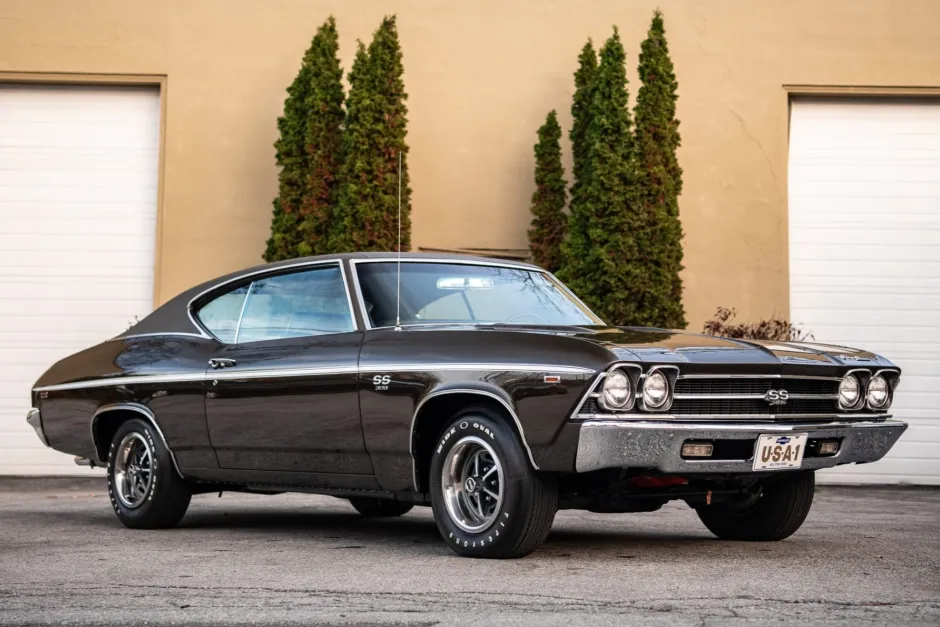
Younger buyers are increasingly drawn to cars that look aggressive but remain usable. The SS 396 fits this profile well. The model also benefits from Chevrolet’s overall popularity in the collector market.
Restored examples continue to rise, but original cars command the strongest premiums. The Chevelle SS 396 is no longer a secondary choice. It has become a core asset in the vintage muscle car market.
5. Dodge Charger R T
The Dodge Charger R T has seen a noticeable increase in collector interest and value over the past decade. Its combination of bold styling and strong performance makes it increasingly desirable.
The Charger’s fastback inspired body design sets it apart visually. Few muscle cars deliver the same road presence and silhouette.
Under the hood, the R T offered powerful V8 options that emphasized torque and straight line performance. This aligns perfectly with traditional muscle car appeal.
The Charger was marketed as both a performance car and a personal luxury vehicle. That dual identity now works in its favor.
Production numbers were relatively healthy, but attrition has taken its toll. Many Chargers were raced, modified, or neglected.
Finding original examples with correct drivetrains and interiors is becoming more difficult. This scarcity is pushing values upward.
The Charger’s interior design feels more upscale than many competitors. Buyers appreciate the added comfort without sacrificing muscle character.
Driving a Charger R T feels dramatic. Long hood, strong torque, and commanding presence define the experience.
Collectors are increasingly valuing cars with distinctive styling. The Charger stands out even among muscle era icons.
Market trends show growing interest from international buyers. The Charger’s design translates well beyond American borders.
Restoration costs can be significant, but rising values help justify investment. The Charger also benefits from Dodge’s strong modern brand recognition. New generation Chargers help keep the classic name relevant.
Original paint colors, matching numbers engines, and factory options play a major role in valuation today. Values have climbed steadily rather than rapidly. This suggests long term confidence rather than speculative buying.
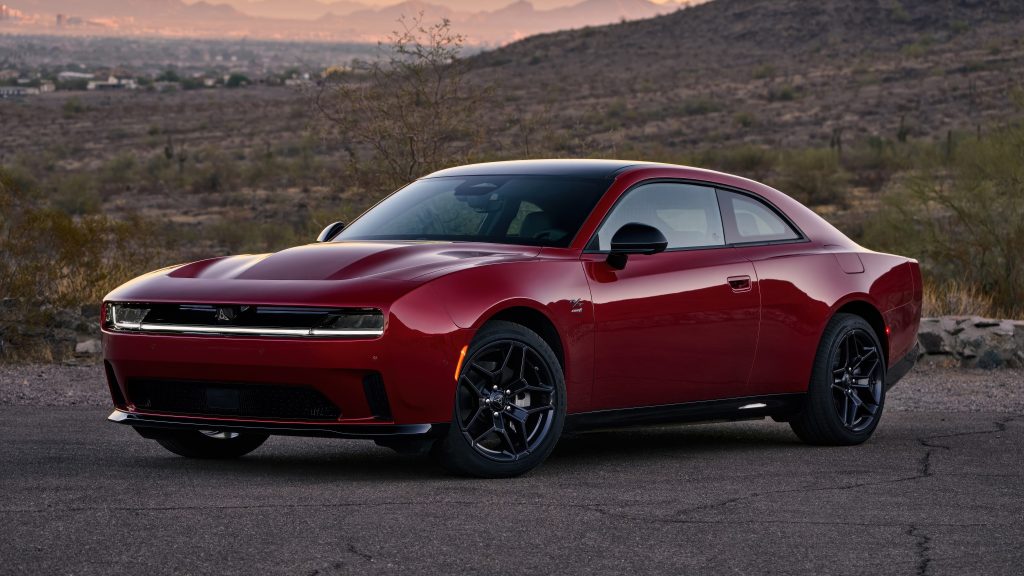
The Charger R T is increasingly seen as undervalued compared to its peers. That perception is driving demand. As more buyers seek distinctive and usable muscle cars, the Charger R T continues to gain traction.
The Dodge Charger R T is no longer just stylish. It is a steadily appreciating classic with strong future potential.
6. Oldsmobile 442 W30
The Oldsmobile 442 W30 has become one of the most quietly rising stars in the vintage muscle car market. For many years, it lived in the shadow of more famous rivals. That situation is changing rapidly.
The W30 package represented Oldsmobile’s most serious performance effort. It was engineered with racing influence and real world speed in mind.
Under the hood sat a high output V8 designed for aggressive performance. The engine delivered strong torque and impressive acceleration for its era.
What makes the W30 special is balance. It combined power, handling, and drivability in a way that feels refined compared to many muscle cars.
Production numbers were limited. The W30 was never built in large quantities, which now plays a major role in rising values.
Many examples were driven hard or modified over time. Original and correctly restored cars are now difficult to find.
Collectors are increasingly recognizing Oldsmobile’s engineering depth. The brand’s muscle cars were more advanced than many once believed.
The W30 also benefits from sleeper appeal. It lacks the flashy graphics of some rivals, which adds to its mature character. Interior design was clean and functional. Buyers appreciate its focus on performance rather than gimmicks.
Driving a 442 W30 today feels composed. Steering, braking, and acceleration work together in a satisfying way. Market trends show consistent appreciation rather than sudden spikes. This suggests sustainable growth rather than speculation.
As prices for better known muscle cars climb sharply, collectors look toward alternatives with real pedigree. The W30 fits that role perfectly. Auction results increasingly reflect strong demand for documented W30 models.
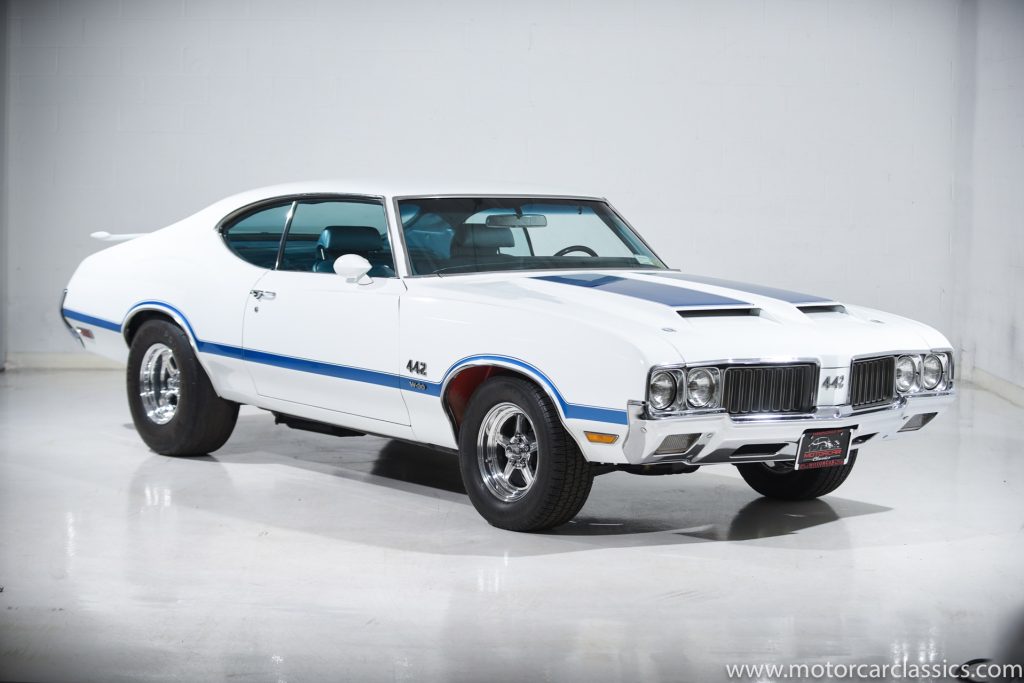
Matching numbers engines and original components now command significant premiums. The W30 also benefits from limited global awareness. As international buyers discover it, demand continues to grow.
Restoration costs can be high, but rising values help justify the effort. The Oldsmobile 442 W30 is no longer overlooked. It is becoming recognized as a serious and valuable muscle car investment.
7. Buick GSX Stage 1
The Buick GSX Stage 1 has emerged as one of the most desirable and fastest appreciating vintage muscle cars of recent years. Once underestimated, it is now gaining strong collector respect.
Buick approached muscle cars differently. Instead of focusing on high rpm horsepower, it emphasized massive torque and effortless speed.
The Stage 1 engine delivered exceptional low end and mid range pull. This made the GSX brutally quick in real world driving.
Performance figures surprised many rivals at the time. The GSX often outperformed more famous competitors despite its understated reputation.
The GSX package added bold styling elements that set it apart from standard models. Today, these visuals are a major part of its appeal.
Production numbers were extremely limited. This rarity alone places the GSX Stage 1 among the most valuable muscle cars.
Many examples were lost to time, abuse, or modification. Surviving original cars are highly sought after.
Collectors increasingly value torque focused muscle cars because they deliver a different driving experience. Driving a GSX Stage 1 feels effortless. Power arrives instantly and continues smoothly without needing high rpm.
Interior quality was higher than many competitors. Buyers appreciate Buick’s blend of comfort and performance. The GSX also benefits from Buick’s growing recognition in the collector market. Other Buick muscle cars are rising, lifting the GSX even higher.
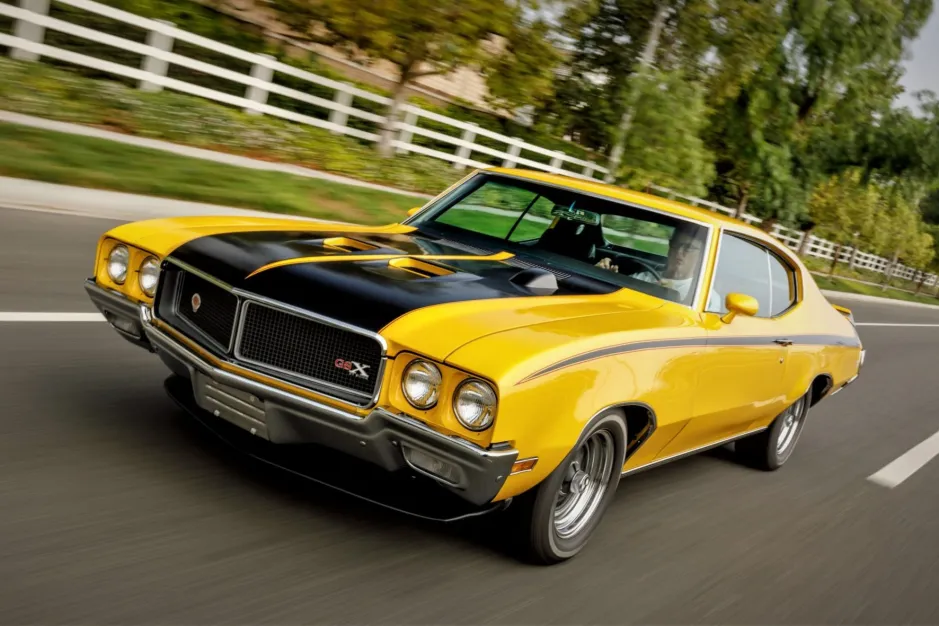
Auction data shows strong upward movement, especially for documented and original examples. Even restored GSX models are seeing rapid appreciation.
The GSX Stage 1 appeals to collectors who want something rare and different from the usual muscle car choices. Its combination of rarity, performance, and luxury gives it broad appeal.
As awareness increases, prices continue to climb at a steady pace. The Buick GSX Stage 1 has moved from underdog to elite status in the vintage muscle car world.
8. AMC Javelin AMX
The AMC Javelin AMX has become one of the most interesting value climbers in the vintage American muscle car market. For years, it was overlooked in favor of more familiar brands. That perception is changing quickly.
American Motors approached performance differently from the major manufacturers. With fewer resources, AMC focused on creativity, lighter weight, and distinctive styling.
The Javelin AMX benefited from this mindset. It delivered strong performance in a package that felt more agile than many competitors.
Engine options provided solid torque and usable power. While not always the most powerful on paper, the car delivered a rewarding driving experience.
One reason values are rising is rarity. AMC produced far fewer muscle cars than larger brands, which limits supply today. Many Javelins were used as daily drivers or raced extensively. Clean, original survivors are now difficult to find.
Collectors are increasingly drawn to underrepresented brands. The Javelin AMX offers something different from the usual muscle car choices.
Styling plays a big role in its appeal. The long hood, short deck proportions, and aggressive stance remain striking today.
The interior design feels purposeful and sporty. It reflects AMC’s focus on performance rather than luxury.
Driving a Javelin AMX today feels engaging. The lighter weight contributes to better balance and responsiveness than many rivals.
The model also carries motorsport credibility. AMC invested heavily in racing programs, adding legitimacy to the Javelin name.
Auction results show steady appreciation rather than sudden spikes. This gradual rise suggests long term confidence. As prices for mainstream muscle cars continue climbing, collectors look for alternatives with real performance history.
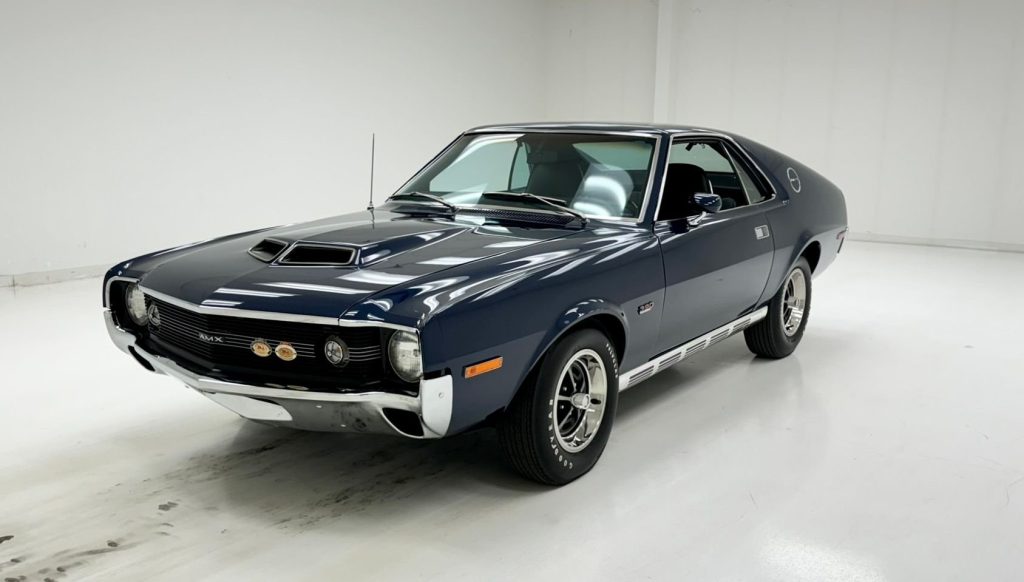
The Javelin AMX fits that demand perfectly. It offers rarity, personality, and authentic muscle car credentials. Restoration costs are manageable compared to some competitors. This helps attract buyers who want to enter the muscle car market.
Originality is increasingly important. Matching numbers and factory correct details now command strong premiums. The AMC Javelin AMX is no longer an outsider. It is becoming recognized as a smart and rising muscle car investment.
9. Chevrolet Camaro Z28
The Chevrolet Camaro Z28 has experienced a renewed surge in collector interest, particularly for early and well preserved examples. Its value growth reflects both nostalgia and performance credibility.
The Z28 was developed with racing in mind. It was built to meet competition requirements, giving it genuine motorsport roots.
This racing influence adds lasting appeal. Collectors value cars that were engineered for more than straight line speed.
The Z28 featured a high revving V8 that emphasized balance and durability. It rewarded skilled driving rather than brute force alone.
Production numbers were limited compared to standard Camaros. This scarcity now plays a significant role in rising values. Many Z28s were raced, modified, or driven aggressively. Original survivors are increasingly rare.
Styling was subtle but purposeful. The lack of excessive ornamentation appeals to collectors who value authenticity. The Z28 also benefits from strong brand recognition. The Camaro name remains powerful in both classic and modern markets.
Driving a Z28 today still feels engaging. It offers steering precision and feedback that many muscle cars lack. Collectors are increasingly favoring road course capable muscle cars. This trend favors the Z28 strongly.
Auction prices have climbed steadily, especially for cars with original engines and documented histories. Even driver quality cars are appreciating as entry level options disappear.
The Z28 also benefits from extensive aftermarket and restoration support. This helps preserve long term value. Younger collectors are drawn to the Z28 because it bridges classic muscle and modern performance ideals.
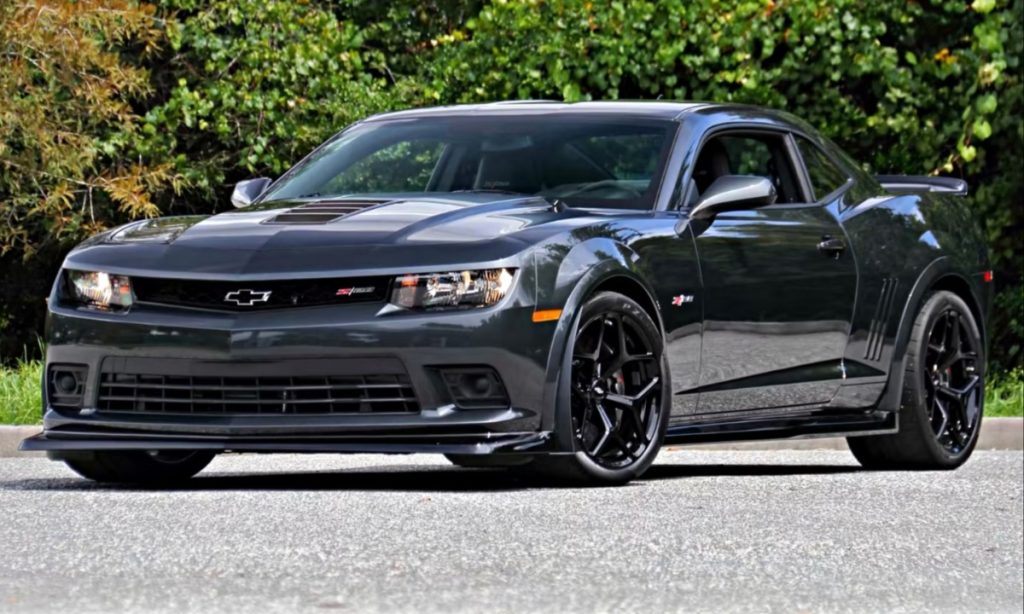
The car feels relevant in today’s enthusiast culture. It photographs well, drives well, and carries strong historical weight. As demand grows and supply continues to shrink, values are expected to rise further.
The Chevrolet Camaro Z28 is no longer just a popular muscle car. It is a steadily appreciating collector asset.
10. Pontiac Firebird Trans Am
The Pontiac Firebird Trans Am has become one of the strongest climbers in the vintage muscle car market over the past decade. Once widely available and often modified, it is now gaining serious collector attention.
The Trans Am stood apart from many muscle cars due to its blend of performance and image. It was designed to look aggressive while still delivering legitimate driving capability.
Pontiac positioned the Trans Am as a performance focused evolution of the Firebird. Suspension upgrades, engine tuning, and aerodynamic elements gave it real substance.
Engine options offered strong torque and satisfying power delivery. While not always the most extreme on paper, the Trans Am delivered a thrilling driving experience.
One reason values are rising is cultural impact. The Trans Am became an icon through media exposure, racing influence, and unmistakable styling.
That fame once worked against it, as many cars were driven hard or modified heavily. Today, originality is rare and highly prized.
Survivor examples with factory correct engines, interiors, and paint are increasingly difficult to find. This scarcity is driving prices upward.
The Trans Am’s styling remains instantly recognizable. Hood scoops, bold graphics, and a wide stance give it lasting visual appeal.
Collectors are drawn to cars that tell a story. The Trans Am represents a distinct era of American performance and identity.
Driving a classic Trans Am today still feels engaging. It offers strong road presence, solid acceleration, and confident handling.
The model also benefits from Pontiac’s growing collector momentum. As other Pontiac muscle cars rise, the Trans Am follows.
Auction data shows steady appreciation rather than sharp spikes. This indicates genuine demand rather than short term speculation.
Younger collectors are playing a role in this growth. The Trans Am resonates strongly with buyers who value style and heritage.
Restoration costs can be significant, especially for rare trims and original components. Rising values help justify the investment. The aftermarket remains strong, but originality continues to command the highest premiums.
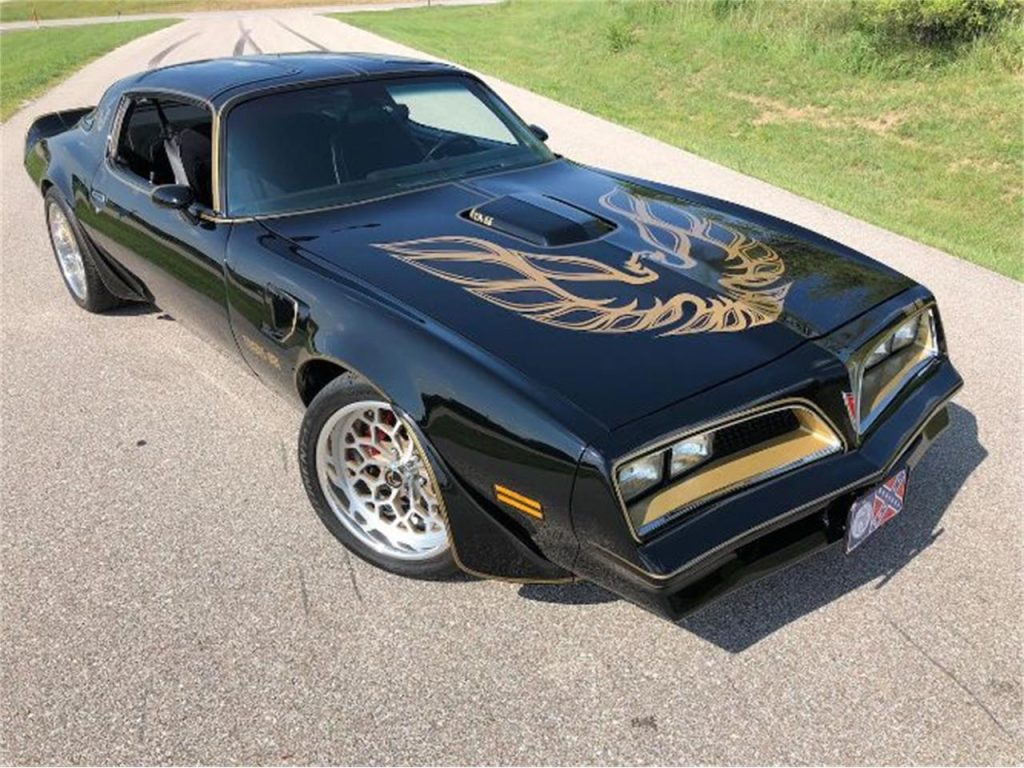
As collectors shift focus from only the rarest models to culturally significant icons, the Trans Am gains strength. Limited production variants and well-documented examples are leading the market upward.
The Pontiac Firebird Trans Am is no longer just a pop culture symbol. It is a serious and rising asset in the vintage muscle car world.
Also Read: 10 Fastest Korean Cars You Can Buy Right Now
