
Boston is one of the most challenging cities in the United States for everyday driving. Streets designed centuries before automobiles now carry modern traffic, while tight turns, one-way roads, and irregular intersections demand constant attention.
Add limited curb space, compact parking garages, and snow-season restrictions, and vehicle size suddenly matters as much as reliability.
This article examines two distinct aspects of car ownership in Boston. The first focuses on cars that work well on Boston’s tight streets vehicles that are easy to maneuver, simple to park, and forgiving in narrow lanes and dense neighborhoods.
These cars don’t fight the city; they adapt to it. Compact dimensions, good visibility, tight turning radii, and calm low-speed behavior become far more valuable than horsepower or road presence.
The second half looks at cars that don’t fit city parking. These vehicles may be excellent elsewhere on highways, in suburbs, or for families but Boston exposes their weaknesses quickly.
Oversized bodies, wide doors, poor turning circles, and long wheelbases turn everyday errands into stressful exercises. Parking garages become obstacles rather than conveniences.
In Boston, frustration accumulates daily. A car that barely fits in a space or struggles on narrow streets drains time, patience, and confidence. The right vehicle, by contrast, makes the city feel navigable instead of hostile.
By comparing vehicles that thrive in Boston’s compact environment with those that simply don’t belong, this article helps buyers choose cars that match the city’s reality, not just their preferences.
Also Read: 5 Cars for Chapel Hill Student Parking and 5 That Don’t Fit College Garages
5 Cars for Boston Tight Streets
Driving in Boston requires precision rather than power. Tight streets, sudden turns, double-parked delivery trucks, and limited sightlines reward cars that are compact, responsive, and easy to place on the road. Vehicles that feel oversized or sluggish at low speeds quickly become liabilities.
This section focuses on five cars that are especially well suited for Boston’s tight streets. These vehicles are chosen because they make dense urban driving easier rather than harder.
Short lengths, narrow widths, and excellent maneuverability allow drivers to slip through traffic, navigate alley-like streets, and park without repeated adjustments.
Visibility is another major factor. Boston’s streets often demand quick decisions, and cars with good sightlines reduce stress and improve safety. Likewise, smooth throttle response and predictable steering help drivers stay calm in stop-and-go traffic.
Parking practicality also plays a central role. Compact cars fit more spaces, enter garages more easily, and reduce the anxiety of street parking. Over time, this convenience matters more than interior space or straight-line performance.
Each car in this list is written about because it fits Boston’s scale. These vehicles respect the city’s constraints and reward drivers with control, confidence, and less daily frustration.
1. Mini Cooper
The Mini Cooper is one of the most natural matches for Boston’s tight streets because it feels purpose-built for compact urban environments. Its small footprint, short wheelbase, and quick steering make navigating narrow roads and crowded neighborhoods far less stressful.
One of the Mini’s biggest strengths is maneuverability. Tight turns, sudden lane changes, and narrow intersections are handled with ease. The car pivots quickly, allowing drivers to correct mistakes without drama a major advantage in Boston’s unpredictable street layouts.
Parking is another area where the Mini shines. Its short length allows it to fit into spaces other cars can’t use. Parallel parking becomes quicker and less intimidating, and compact garages feel manageable rather than claustrophobic.
Visibility further enhances confidence. The upright seating position and large windows provide good sightlines in all directions, helping drivers spot cyclists, pedestrians, and oncoming traffic in tight quarters.
Low-speed drivability suits Boston traffic well. Throttle response is smooth, steering is light, and the car doesn’t feel jerky in stop-and-go conditions. This makes daily commuting less tiring.
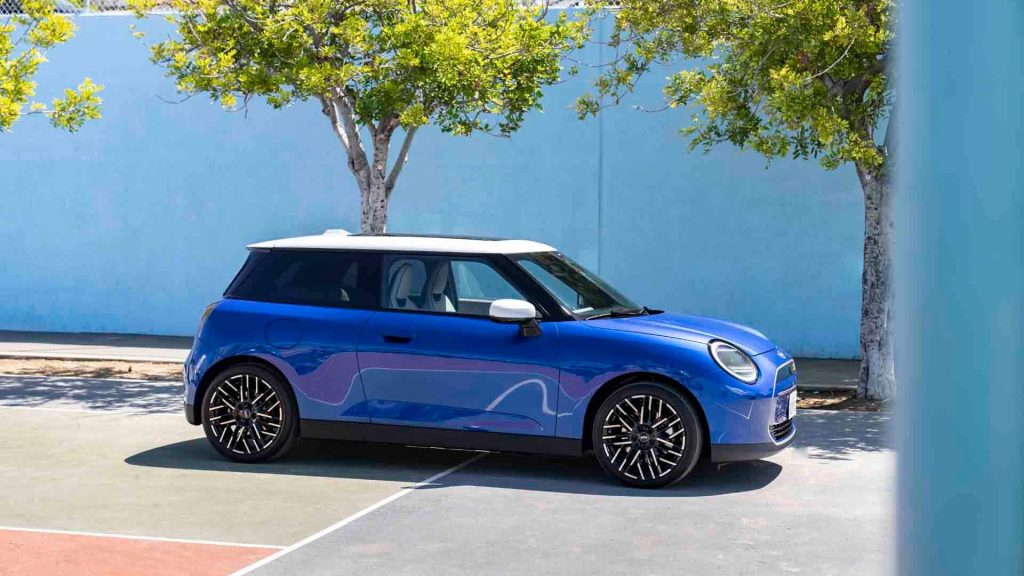
The Mini Cooper is written about because it turns Boston driving into a manageable task rather than a constant challenge. It doesn’t dominate the road; it fits into it.
2. Honda Fit
The Honda Fit earns its place as a Boston-friendly car by combining compact dimensions with surprising practicality. It’s a vehicle that thrives on narrow streets without feeling cramped or underpowered.
Its small exterior footprint makes a major difference in dense neighborhoods. The Fit slips through tight lanes, handles narrow turns confidently, and requires minimal space to maneuver. For drivers frequently navigating older parts of Boston, this agility is invaluable.
Parking ease is another highlight. The Fit’s short length and tight turning radius simplify parallel parking and garage entry. Drivers spend less time repositioning and more time moving on.
Visibility is excellent for its size. Large windows and thin pillars provide clear sightlines, helping drivers anticipate traffic movement in crowded areas.
Despite its compact size, interior versatility is impressive. The Fit’s cargo layout allows drivers to carry groceries, gear, or small furniture without upgrading to a larger, less city-friendly vehicle.
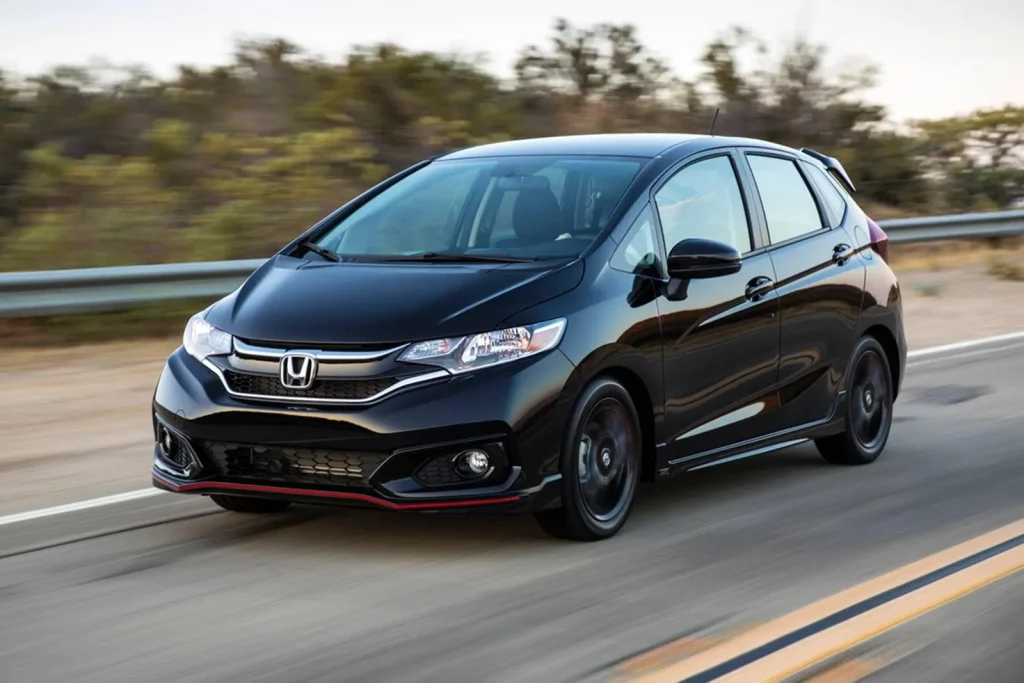
The Honda Fit is written about because it proves that small doesn’t mean limiting. In Boston, its balance of agility and usability makes it a standout urban companion.
3. Toyota Corolla Hatchback
The Toyota Corolla Hatchback is an excellent fit for Boston’s tight streets because it blends compact exterior dimensions with a composed, confidence-inspiring driving experience. Unlike larger sedans that feel stretched in narrow lanes, the Corolla Hatchback feels appropriately scaled for the city’s historic layout.
One of its strongest advantages is easy placement on the road. The car’s shorter length and moderate width make it simple to judge distances when navigating narrow streets, tight turns, and sudden lane shifts. In older neighborhoods where roads were never designed for modern traffic, this ability to place the car accurately reduces stress significantly.
Low-speed behavior is especially well suited to Boston traffic. Throttle response is smooth and predictable, preventing jerky movement in stop-and-go congestion. Steering effort is light without feeling vague, allowing drivers to make small corrections easily when space is limited.
Parking practicality is another major benefit. The Corolla Hatchback fits comfortably into compact parking spaces and older garages with limited clearance. Parallel parking requires fewer adjustments, and drivers are less likely to abandon a usable spot because the car simply feels too large.
Visibility also supports urban driving. While not as upright as some subcompacts, the Corolla Hatchback offers clear forward and side views that help drivers track cyclists, pedestrians, and crossing traffic. This awareness matters greatly in Boston’s busy neighborhoods.
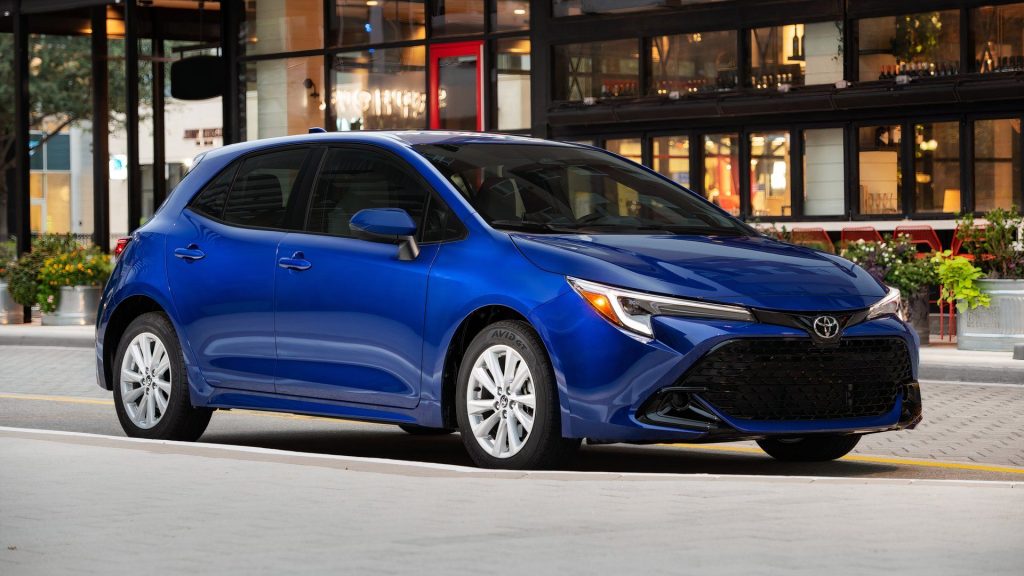
Reliability adds long-term peace of mind. Boston driving is hard on vehicles constant braking, short trips, and frequent idling. The Corolla Hatchback tolerates these conditions well, avoiding the frustration of frequent repairs or unpredictable behavior.
The Corolla Hatchback is written about because it represents a balanced urban solution. It’s small enough to feel at home on Boston’s streets, yet refined enough to serve as a comfortable daily driver without compromise.
4. Hyundai Venue
The Hyundai Venue earns its place on this list by offering compact dimensions with the upright visibility many Boston drivers appreciate. While technically an SUV, its size keeps it well within city-friendly limits.
One of the Venue’s biggest advantages is excellent outward visibility. The tall seating position and large windows make it easier to see over traffic and around tight corners an important benefit in a city where sightlines are often blocked by buildings or parked cars.
Despite its SUV styling, the Venue remains genuinely compact. Its short length and narrow width allow it to navigate Boston’s tight streets without the bulk associated with larger crossovers. Drivers can make tight turns and squeeze through narrow gaps with confidence.
Parking ease is another standout trait. The Venue fits into small curbside spaces and older parking garages with less anxiety than larger SUVs. The upright body shape also makes it easier to judge corners when backing into tight spots.
Low-speed drivability suits city conditions well. Steering is light, acceleration is controlled, and the car doesn’t feel jumpy in traffic. This calm behavior reduces fatigue during daily commuting.
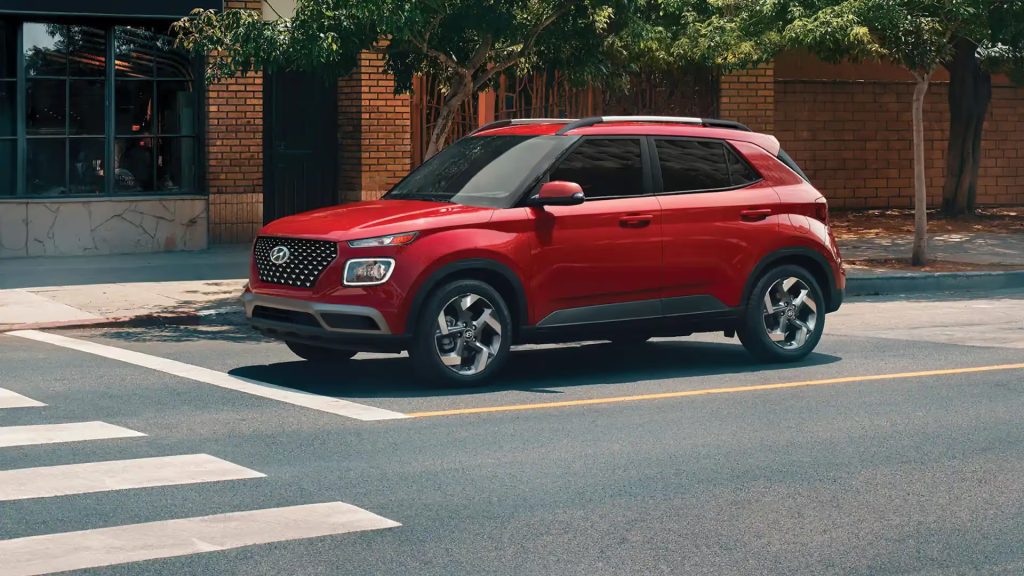
Interior practicality supports urban life. While small on the outside, the Venue offers enough cargo space for groceries, work gear, or weekend errands without forcing drivers into a larger vehicle.
The Hyundai Venue is written about because it gives Boston drivers SUV-like visibility without SUV-sized headaches. It adapts to tight streets while still offering the commanding view many urban drivers prefer.
5. Fiat 500
The Fiat 500 is one of the smallest modern cars available in the U.S., and that size makes it uniquely suited to Boston’s most restrictive streets and parking situations. Where other cars hesitate, the Fiat 500 often fits effortlessly.
Its most obvious advantage is extreme compactness. Narrow lanes, tight corners, and crowded intersections feel far less intimidating in a car that takes up so little space. Drivers can maneuver confidently even in the city’s most congested areas.
Parking is where the Fiat 500 truly excels. It fits into spaces many other cars simply can’t use, turning difficult parking situations into quick wins. Parallel parking becomes almost trivial, even in neighborhoods with scarce curb space.
The short wheelbase contributes to excellent turning ability. U-turns and sharp cornering are easier, which is valuable on Boston’s irregular street grid.
Low-speed drivability is another plus. The Fiat 500 feels comfortable creeping through traffic and navigating narrow streets without feeling strained.
However, it does demand compromise. Interior space is limited, and ride comfort is firmer than larger cars. Still, for drivers who prioritize maneuverability over size, these trade-offs are acceptable.
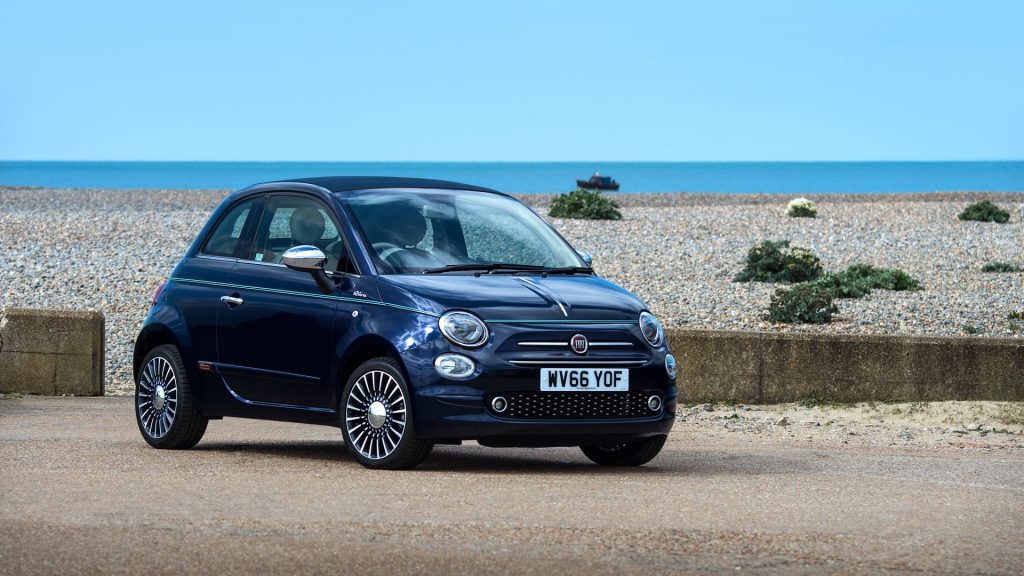
The Fiat 500 is written about because it embraces Boston’s constraints rather than fighting them. In a city where space is precious, its small footprint is a powerful advantage.
5 That Don’t Fit City Parking
Parking in Boston is not a secondary inconvenience it is a defining factor of daily life. Residential streets were laid out long before modern cars existed, garages were built for vehicles decades smaller than today’s averages, and curbside space is fiercely competitive. In this environment, a car that is merely “a little too big” becomes a constant source of stress.
This section focuses on vehicles that don’t fit city parking, not because they are poorly designed, but because their size, proportions, and turning requirements are fundamentally mismatched with Boston’s infrastructure.
These cars may perform brilliantly on highways, in suburbs, or for families elsewhere, but Boston magnifies their disadvantages every single day.
A major issue is physical footprint. Long wheelbases, wide bodies, and large turning circles make parallel parking far more difficult than it needs to be. What should be a quick maneuver becomes a multi-point ordeal that blocks traffic and draws attention never ideal in dense neighborhoods.
Garage compatibility is another recurring problem. Many Boston parking garages were built decades ago, with narrow lanes, tight ramps, and low ceilings. Vehicles that exceed modest width or length thresholds struggle to enter, exit, or maneuver without scraping wheels, bumpers, or mirrors.
Door swing and body shape also matter more than most buyers expect. Wide-opening doors, long hoods, and tall tailgates reduce usability in tight garages and curbside spaces. Even when parked successfully, getting in and out can be awkward or impractical.
Beyond convenience, mental load becomes a real cost. Drivers of oversized vehicles often avoid certain neighborhoods, decline errands, or waste time circling for “safe” spots. Over months and years, this erodes the enjoyment and usefulness of the car.
These vehicles are written about to highlight context mismatch. In Boston, fitting the city is more important than dominating it. Cars that don’t respect scale turn parking from a routine task into a daily negotiation.
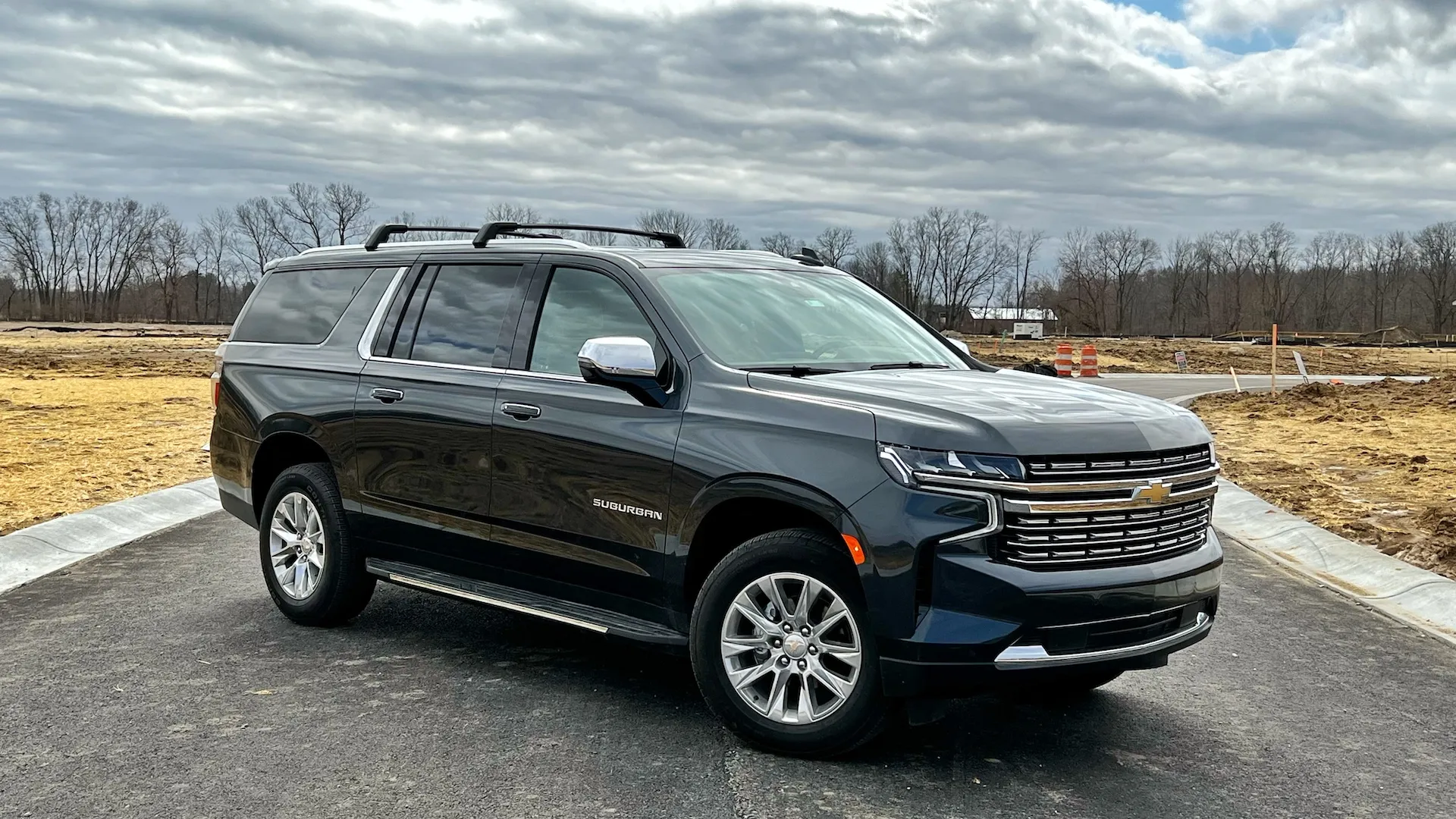
1. Chevrolet Suburban
The Chevrolet Suburban is one of the least compatible vehicles with Boston city parking due to its sheer size. While exceptionally capable for families, road trips, and towing, its dimensions overwhelm the city’s tight infrastructure.
The most obvious issue is length. The Suburban stretches far beyond what most Boston curbside spaces can comfortably accommodate. Parallel parking often requires two spaces or leaves bumpers extending into intersections both problematic in enforcement-heavy neighborhoods.
Width compounds the problem. Narrow streets and tight garages leave little margin for error, and mirrors frequently come uncomfortably close to walls or passing vehicles. In older parking structures, navigating ramps can feel like threading a needle.
Turning radius is another major drawback. Boston’s sharp corners and compact garages demand tight maneuverability. The Suburban’s long wheelbase forces multi-point turns where smaller vehicles glide through, slowing traffic and increasing stress.
Garage usability is severely limited. Many Boston garages simply cannot accommodate a Suburban without scraping wheels or body panels. Even when space technically exists, maneuvering within the garage becomes exhausting.
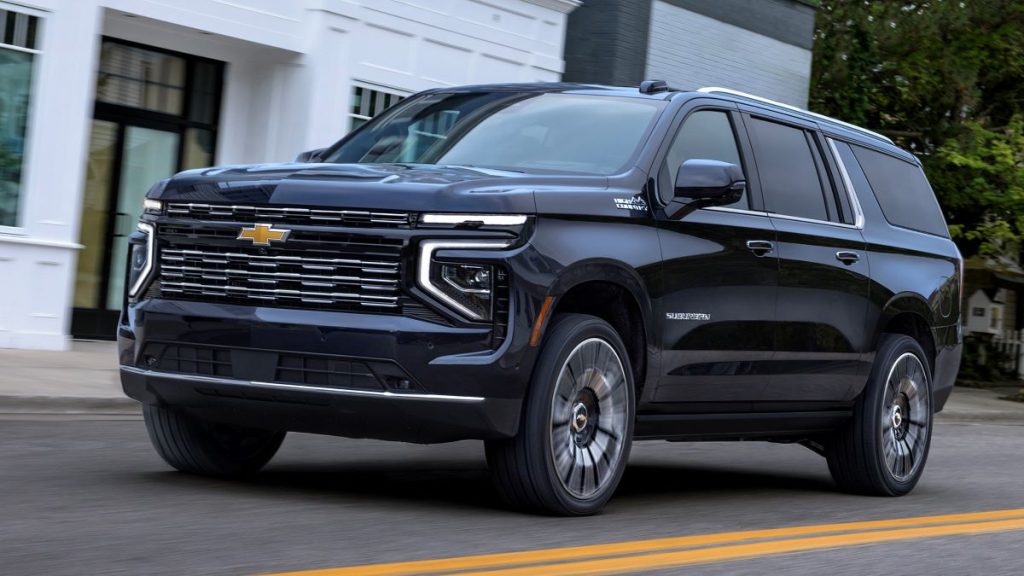
Daily usability also suffers. Large doors swing wide, making entry and exit difficult in tight spaces. Loading and unloading in city environments becomes awkward rather than convenient.
The Suburban is written about because it represents maximum utility in the wrong context. In Boston, its strengths are neutralized, and its size becomes a daily burden rather than a benefit.
2. Ford F-150
The Ford F-150 is America’s best-selling vehicle for good reason, but Boston’s parking environment is one of the few places where its design works directly against it. Built for open roads and job sites, it struggles in compact urban settings.
Length is the primary issue. Many Boston parking spaces are simply too short for an F-150 to fit cleanly. Drivers often find themselves blocking sidewalks or extending into traffic lanes both ticket-prone situations.
Width further complicates matters. Tight garages and narrow residential streets leave little room for error, especially when navigating around double-parked vehicles or snowbanks during winter months.
Turning radius makes urban maneuvering difficult. Sharp turns into garages or alley-like streets often require multiple adjustments, increasing congestion and frustration.
Parking garages are especially unforgiving. Low ceilings, narrow ramps, and tight corners make many garages effectively off-limits. Even when clearance exists, the risk of scraping wheels or bumpers is constant.
Daily convenience suffers as well. Large doors and tall ride height make quick stops awkward, and the bed adds length without helping in city parking scenarios.
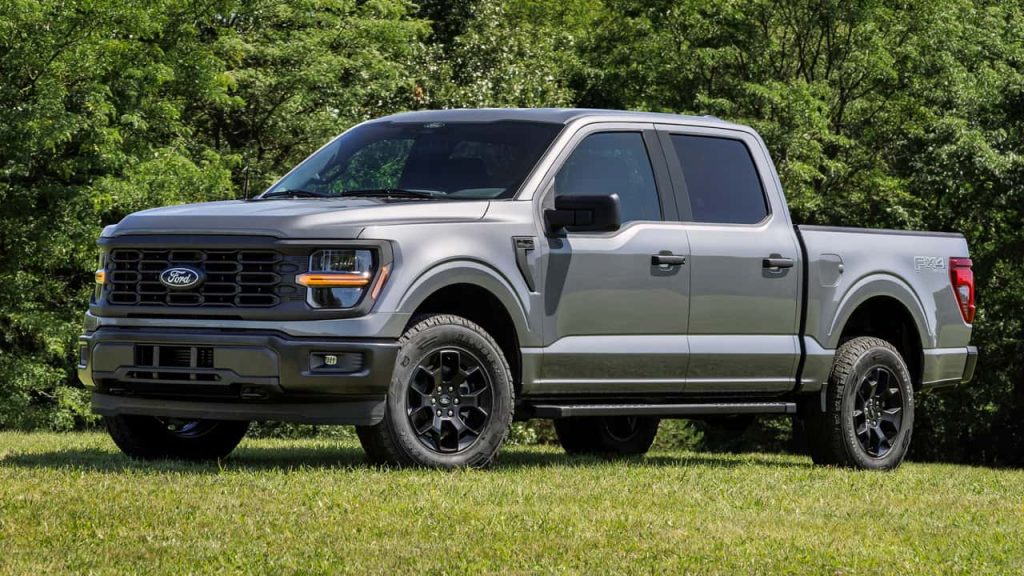
The F-150 is written about because it highlights how utility-focused design collides with historic urban scale. In Boston, its size transforms parking into a recurring obstacle rather than a solved problem.
3. Toyota Sequoia
The Toyota Sequoia is engineered for durability, passenger space, and long-distance comfort, but those strengths translate poorly to Boston’s constrained parking environment. While reliable and capable, its size and proportions make everyday city parking an ongoing challenge.
The Sequoia’s overall footprint is the primary issue. Its long body and wide stance exceed what many Boston curbside spaces were designed to accommodate.
Parallel parking often requires extended gaps that are rarely available in dense neighborhoods. Even when a spot appears usable, tight margins at the front and rear make maneuvering stressful and time-consuming.
Width further complicates matters. Boston’s older streets and garages frequently narrow at ramps and turns, leaving little clearance for large SUVs. Mirrors come perilously close to walls, pillars, and passing vehicles. Drivers often avoid certain garages entirely, limiting parking options and adding time to daily routines.
Turning radius is another drawback. The Sequoia’s long wheelbase demands multi-point turns in places where compact cars make single, clean movements. Tight garage entries, alleyways, and sharp corners expose this limitation repeatedly.
Vertical size can also be an issue. Some garages feature low ceilings or overhead obstructions that create clearance anxiety. While the Sequoia may technically fit, navigating safely requires slow, deliberate movements that add friction to everyday parking.
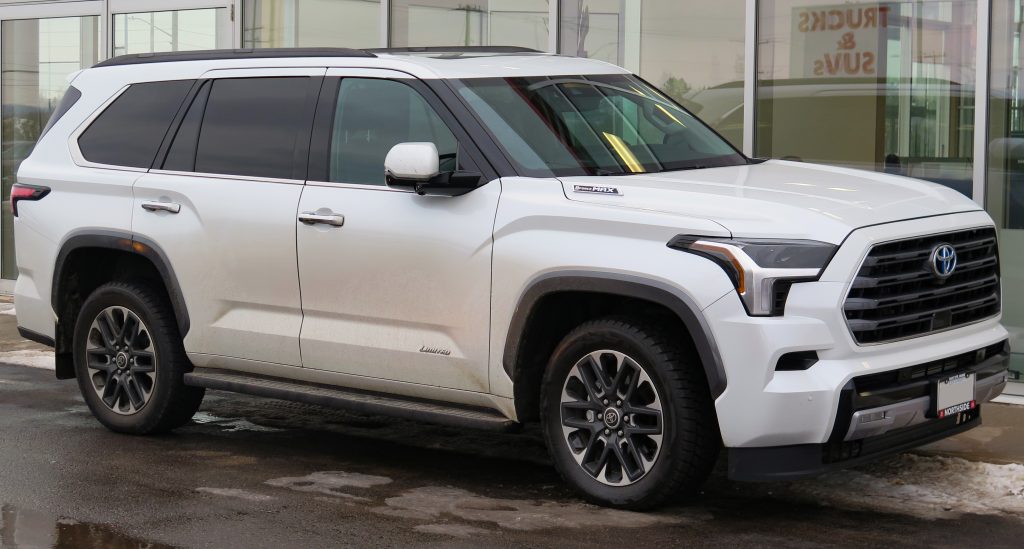
Usability after parking is also reduced. Large doors swing wide, making entry and exit awkward in tight spaces. Loading passengers or gear on narrow streets becomes inconvenient rather than helpful.
The Sequoia is written about because it exemplifies suburban-scale design in an urban context. In Boston, its reliability and space are overshadowed by constant parking compromises that erode daily convenience.
4. Cadillac Escalade
The Cadillac Escalade is synonymous with luxury and presence, but those very traits make it one of the least practical vehicles for Boston city parking. Designed to command space, it clashes directly with the city’s limited infrastructure.
The Escalade’s sheer size is its greatest liability. Length, width, and height all exceed what most Boston parking environments comfortably support. Parallel parking is frequently impossible without obstructing sidewalks or traffic lanes both of which attract enforcement attention.
Garage compatibility is severely limited. Many Boston garages were built decades ago and simply cannot accommodate an Escalade’s dimensions. Narrow ramps, tight turns, and low ceilings turn parking attempts into high-risk maneuvers. Even modern garages can feel restrictive.
Turning radius exacerbates these problems. Tight corners common in Boston garages often require repeated adjustments, slowing traffic and increasing the chance of scrapes or contact with barriers.
Visual bulk also increases stress. The Escalade’s high beltline and long hood reduce visibility in tight quarters, making it harder to judge distances accurately. This increases mental load during every parking attempt.
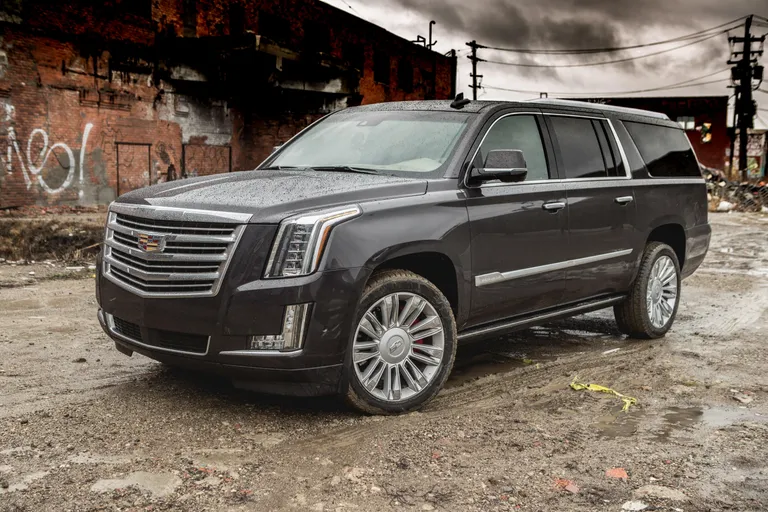
Door size further reduces practicality. Wide-opening doors make entry and exit difficult when parked curbside, especially on narrow streets. Every day tasks, such as dropping off passengers and unloading items, become awkward.
The Escalade is written about because it represents maximum luxury in minimum space. In Boston, its presence becomes a liability, turning routine parking into a daily ordeal.
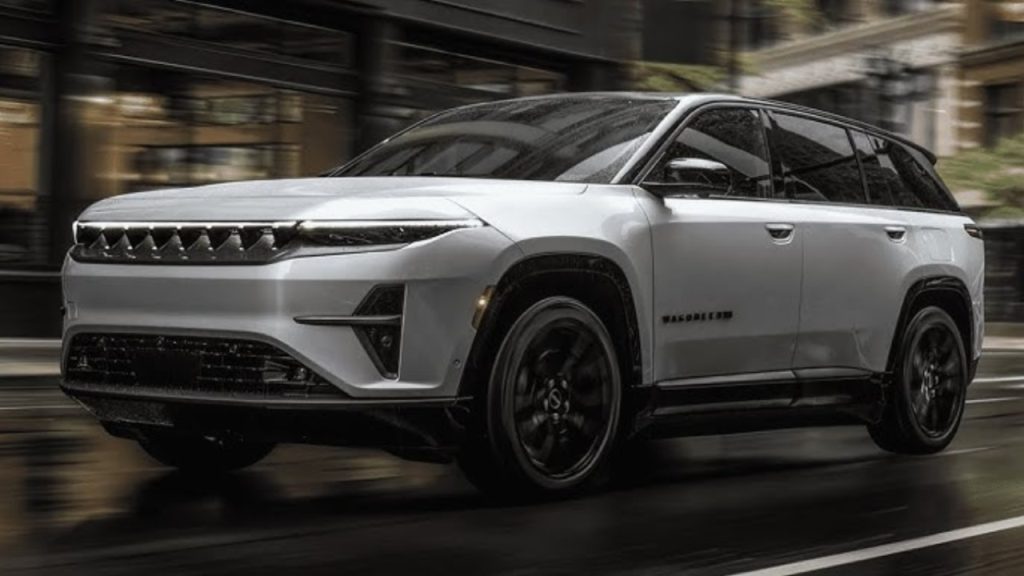
5. Jeep Wagoneer
The Jeep Wagoneer combines modern luxury with classic SUV proportions, but like other full-size SUVs, it struggles significantly in Boston’s parking environment. Its design assumes generous space something Boston rarely offers.
The Wagoneer’s long wheelbase and wide body make it difficult to fit into typical curbside spaces. Parallel parking often requires extended trial-and-error, blocking traffic and drawing unwanted attention. Many usable spots for smaller vehicles simply aren’t options for the Wagoneer.
Garage maneuverability is another major issue. Tight ramps and narrow lanes leave little room for correction, and drivers often must avoid garages altogether. This limits flexibility and adds time to daily travel.
Turning radius again plays a role. The Wagoneer’s size demands multiple-point turns in situations where compact cars move effortlessly. In a city where space is scarce, this becomes exhausting.
Door swing and tailgate size further reduce usability. Large doors and rear hatches require space that Boston parking spots don’t provide. Loading or unloading on busy streets becomes impractical.
Even when successfully parked, the Wagoneer often feels out of place. Drivers report heightened stress simply leaving the vehicle unattended in tight spaces due to proximity to other cars, bikes, and pedestrians.
The Wagoneer is written about because it highlights how modern full-size SUVs remain mismatched with historic cities. In Boston, its comfort and capability are overshadowed by constant parking limitations.
This article examined everyday car ownership through the uniquely demanding environment of Boston, where historic street layouts, narrow lanes, and limited parking shape driving more than speed limits or horsepower ever could.
In a city built long before modern vehicles, the difference between a good car and a frustrating one often comes down to size, maneuverability, and how easily it fits into tight spaces.
The first half of the article focused on cars that work well on Boston’s tight streets. These vehicles were chosen because they align with the city’s scale rather than fighting it.
Compact dimensions, short wheelbases, and tight turning radii make daily driving less stressful in dense neighborhoods filled with sharp turns, one-way roads, cyclists, and double-parked delivery vehicles.
These cars allow drivers to maneuver confidently, make quick adjustments, and navigate unpredictable traffic patterns without constant anxiety.
Parking practicality emerged as a defining advantage. Smaller cars fit into curbside spaces more easily, slip into older garages without scraping, and reduce the need for repeated adjustments while parallel parking.
Over time, this convenience adds up saving time, lowering stress, and making daily errands feel manageable instead of exhausting. Visibility and smooth low-speed control further enhanced usability, helping drivers stay calm and aware in crowded urban settings.
The second half of the article examined cars that don’t fit city parking, highlighting how vehicle size can turn routine tasks into daily challenges. These vehicles are not inherently bad; many excel in suburban or highway environments.
However, Boston’s infrastructure magnifies their disadvantages. Long wheelbases, wide bodies, and large turning circles make parallel parking difficult or impossible in many neighborhoods. Older garages with tight ramps and narrow lanes further restrict where these vehicles can be used.
A recurring theme was mental load. Drivers of oversized vehicles often spend extra time searching for suitable parking, avoid certain areas altogether, or feel constant stress squeezing into spaces not designed for their car’s proportions.
Large doors, tall tailgates, and poor visibility in tight quarters add to everyday frustration, even after the vehicle is successfully parked.
Another key takeaway was that urban compatibility matters more than capability. Features like towing power, third-row seating, or luxury finishes offer little benefit when a car struggles to fit into garages, blocks sidewalks, or requires multi-point maneuvers just to park. In Boston, practicality is defined by ease of use, not prestige or presence.
Overall, the article reinforces a clear conclusion: Boston rewards cars that respect space. Vehicles that are compact, maneuverable, and easy to park integrate smoothly into city life, reducing daily friction.
Cars that are oversized or designed for open roads create ongoing inconvenience, turning parking into a recurring obstacle. For Boston drivers, choosing a car that fits the city isn’t a compromise it’s a quality-of-life upgrade.
Also Read: 5 Cars for Pembroke Pines Suburban Life vs 5 That Need Specialists
