
Camden presents a very specific set of challenges for car owners. Urban driving dominates daily use, with short trips, frequent stops, tight streets, limited parking, and heavy wear from potholes and uneven pavement.
Cars here are not driven gently, even when speeds are low. Reliability, durability, and ease of repair matter more than prestige or performance.
This article looks at two sides of car ownership that are especially relevant for Camden drivers.
The first focuses on cars that are well suited for urban runs vehicles that handle stop-and-go traffic calmly, fit easily into tight spaces, and tolerate constant short trips without developing costly problems. These cars are practical tools, built to survive city life rather than impress on open highways.
The second half examines cars that cost too much to repair. These vehicles often look appealing at purchase time, offering luxury, performance, or advanced technology.
In a city like Camden, however, their complexity and parts costs quickly turn them into financial liabilities. Frequent repairs, specialist labor, and expensive components make them poor matches for urban ownership.
In Camden, downtime and repair bills hit harder than elsewhere. Many drivers rely on a single vehicle, and unexpected repair costs can disrupt work, family responsibilities, and daily routines. Choosing a car that’s cheap to buy but expensive to fix often proves more costly in the long run.
By comparing cars that thrive in Camden’s urban environment with those that punish owners financially, this article helps buyers choose vehicles that align with real-world city use, not just showroom appeal.
Also Read: 5 Cars for Appleton Family Runs and 5 That Don’t Hold Up
5 Cars for Camden Urban Runs
Urban driving in Camden rewards simplicity, compact size, and mechanical resilience. Most trips are short, traffic is unpredictable, and roads often suffer from wear that puts constant stress on suspensions, brakes, and tires. Cars that are overengineered or oversized struggle to cope with these conditions.
This section focuses on five cars that are especially well suited for Camden urban runs. These vehicles are chosen because they handle frequent stop-start driving without complaint, fit easily into tight parking situations, and remain inexpensive to maintain over time. They don’t rely on fragile components or complex systems that break down under city stress.
Another critical factor is repair accessibility. Urban driving accelerates wear, so cars that can be serviced quickly and affordably by local shops have a major advantage. Widely available parts, straightforward mechanical layouts, and proven reliability reduce downtime and ownership anxiety.
Manoeuvrability also matters. Narrow streets, tight turns, and crowded parking areas favor cars with compact footprints and good visibility. Vehicles that are easy to place on the road reduce stress and improve safety.
Each car in this list is written about because it fits Camden’s reality. These vehicles aren’t glamorous, but they are dependable, affordable, and resilient in the face of constant urban use.
1. Toyota Corolla
The Toyota Corolla is one of the most reliable and cost-effective vehicles for Camden urban runs because it is engineered for durability under constant use. In a city where short trips and stop-and-go traffic dominate, the Corolla’s simplicity becomes its greatest strength.
One of the Corolla’s key advantages is mechanical reliability. Its drivetrain is proven, conservative, and tolerant of frequent cold starts an important factor in urban environments where engines rarely get long warm-up cycles. This reduces long-term wear and unexpected breakdowns.
Maneuverability is another strong point. The Corolla’s compact size makes it easy to navigate narrow streets and squeeze into tight parking spaces. Parallel parking requires fewer adjustments, and visibility is good enough to handle crowded conditions confidently.
Ride quality suits rough city roads well. The suspension absorbs potholes and uneven pavement without excessive harshness, reducing stress on components over time. While not sporty, the Corolla feels composed and predictable qualities that matter far more than excitement in urban driving.
Maintenance costs remain low. Parts are inexpensive and widely available, and nearly every repair shop in Camden can service a Corolla. This accessibility minimizes downtime and keeps ownership costs predictable.
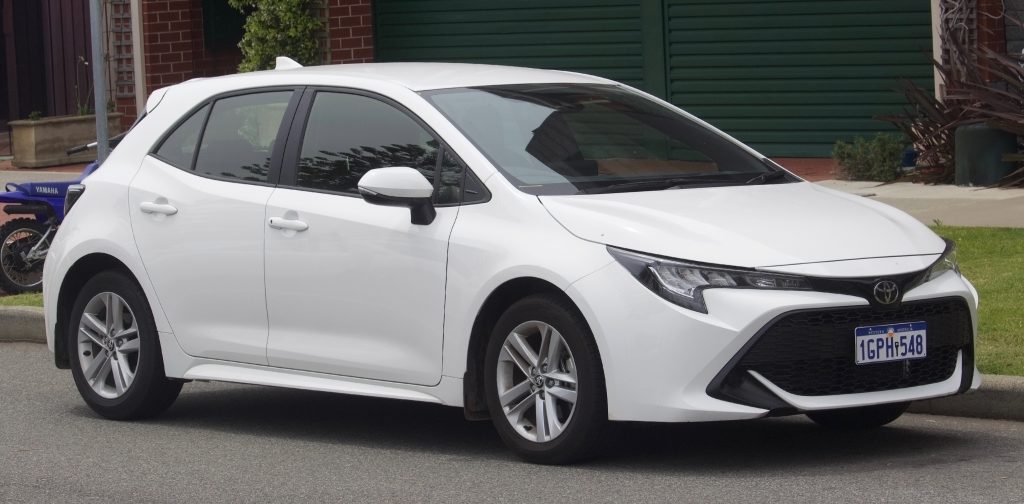
The Corolla is written about because it represents urban durability done right. It fades into the background, quietly handling Camden’s daily demands without punishing the owner financially.
2. Honda Civic
The Honda Civic earns its place on this list by offering a balance of reliability, efficiency, and urban-friendly size that suits Camden’s driving environment well. It’s a car that tolerates constant use without demanding constant attention.
One of the Civic’s biggest strengths is efficient stop-and-go performance. Its engine and transmission respond smoothly at low speeds, reducing strain during frequent starts and stops. This behavior helps preserve drivetrain longevity in city conditions.
The Civic’s compact footprint makes it easy to maneuver through tight streets and congested areas. Steering is light, turning radius is manageable, and parking in dense neighborhoods feels far less intimidating than in larger vehicles.
Durability is another important factor. Civic suspensions and braking systems tend to handle urban wear well, resisting rapid degradation even on rough roads. Over time, this translates into fewer repairs and lower maintenance bills.
Fuel efficiency further supports its suitability for city use. While mileage matters less on short trips, consistent efficiency keeps running costs under control important for drivers managing tight budgets.
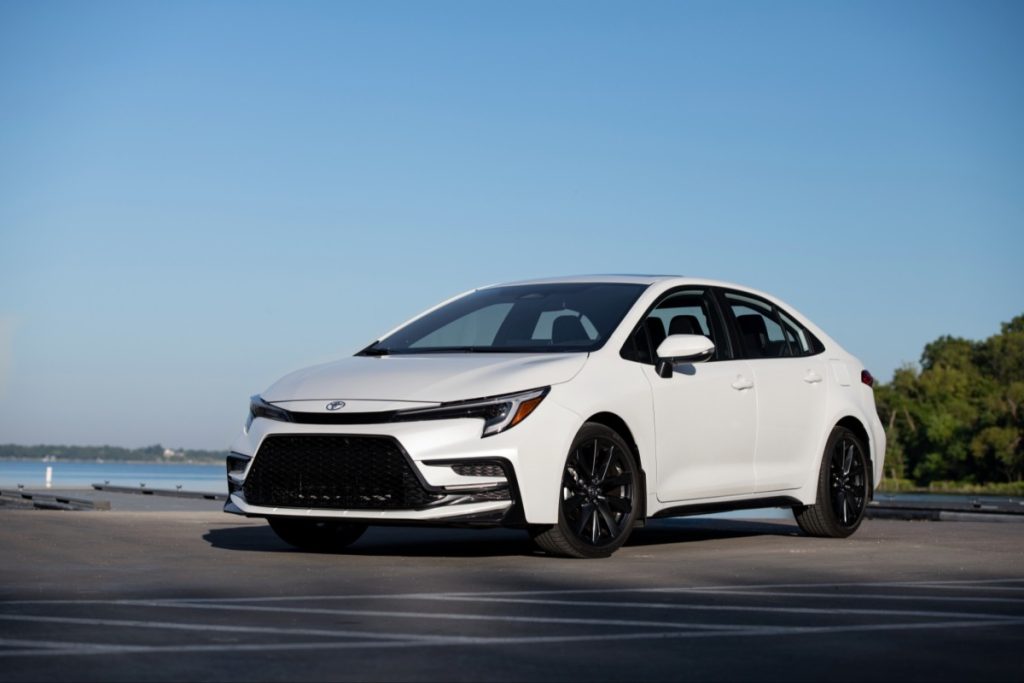
The Civic is written about because it blends urban practicality with long-term value. In Camden, that combination makes it a dependable daily companion rather than a recurring expense.
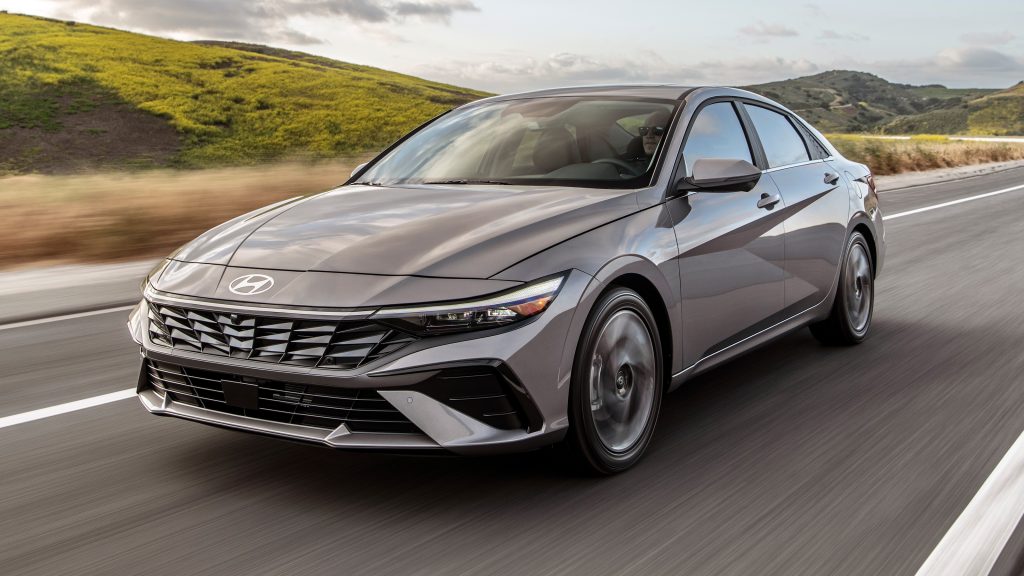
3. Hyundai Elantra
The Hyundai Elantra is a strong choice for Camden urban runs because it combines affordability, durability, and ease of ownership three qualities that matter greatly in a city where cars are used hard at low speeds.
Camden’s driving environment puts constant stress on brakes, suspension, and drivetrains, and the Elantra handles this wear better than many similarly priced competitors.
One of the Elantra’s biggest advantages is urban-friendly drivability. Throttle response is smooth and predictable at low speeds, making stop-and-go traffic easier to manage without excessive engine strain. The transmission doesn’t hunt aggressively for gears, which reduces wear during frequent starts and stops.
Size also works in its favor. The Elantra is compact enough to fit comfortably on narrow streets and into tight parking spots, yet not so small that it feels unstable on rough pavement. Drivers can maneuver confidently without constantly worrying about clipping mirrors or misjudging distances.
Suspension durability is another important factor. While Camden roads can be punishing, the Elantra’s suspension tuning absorbs potholes and uneven surfaces without transmitting harsh shocks into the cabin. This helps preserve suspension components and reduces long-term repair frequency.
Maintenance accessibility strengthens its appeal. Hyundai parts are widely available and reasonably priced, and most local repair shops are familiar with the platform. Routine repairs brakes, suspension components, sensors can be handled quickly without specialist labor or long wait times.
Fuel efficiency remains consistent in city driving, helping keep operating costs predictable. While urban trips are short, efficiency still matters when multiplied over daily use.
The Elantra is written about because it delivers low-cost resilience. In Camden, where vehicles are constantly exposed to urban wear, the Elantra holds up without draining the owner’s budget.
4. Mazda3
The Mazda3 earns its place among Camden-friendly urban cars by offering durability and manageable size with a more refined driving feel. While often praised for handling, its real strength in Camden lies in how well it tolerates daily city abuse without escalating maintenance costs.
One of the Mazda3’s key advantages is tight, controlled low-speed behavior. Steering is responsive but not twitchy, allowing drivers to navigate congested streets confidently. This precision is especially helpful in neighborhoods with narrow lanes and unpredictable traffic flow.
The car’s compact dimensions make parking easier than in larger sedans. Parallel parking requires fewer corrections, and squeezing into limited curbside spaces feels achievable rather than stressful.
Suspension tuning balances firmness with resilience. While slightly firmer than some rivals, the Mazda3 avoids the excessive stiffness that damages components over time. It absorbs potholes reasonably well, limiting repeated shock loads that shorten suspension life.
Reliability has improved significantly over recent generations. The Mazda3 avoids overly complex powertrains and relies on proven mechanical components that handle frequent short trips well. This reduces the likelihood of chronic city-use issues such as premature transmission or engine wear.
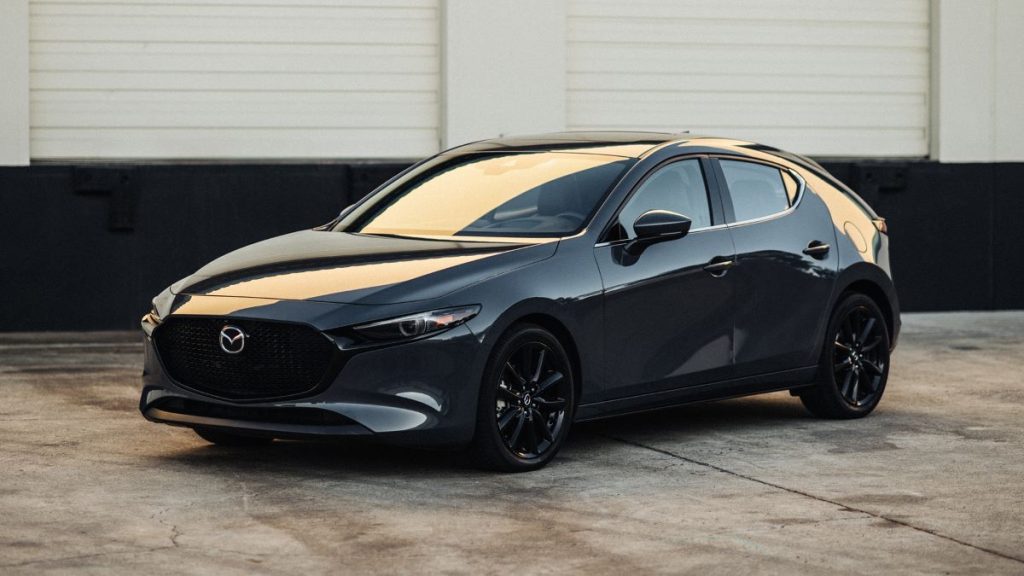
Maintenance costs remain moderate. Parts availability is strong, and most independent shops can service the Mazda3 without specialized tools. This keeps repair bills predictable even as the car ages.
Fuel efficiency also supports daily urban use, keeping costs manageable even with frequent driving.
The Mazda3 is written about because it offers urban toughness with refinement. In Camden, that balance makes it a practical choice for drivers who want something dependable without feeling disposable.
5. Kia Forte
The Kia Forte rounds out this list as a highly practical vehicle for Camden urban runs due to its affordability, straightforward engineering, and tolerance for constant city use. It’s a car designed to be owned easily rather than admired occasionally.
One of the Forte’s biggest strengths is simplicity. Its drivetrain and electronics are relatively uncomplicated, which reduces failure points in stop-and-go driving. Frequent short trips don’t overwhelm the system, helping prevent premature wear.
Urban maneuverability is another advantage. The Forte’s compact footprint allows drivers to navigate narrow streets and tight parking spaces confidently. Steering is light, and the car responds predictably at low speeds important qualities in congested neighborhoods.
Suspension durability supports long-term city ownership. The Forte absorbs uneven pavement without excessive harshness, protecting components from constant shock loads. Over time, this reduces the frequency of suspension repairs.
Repair affordability is where the Forte truly shines. Parts are inexpensive and widely available, and labor costs remain low due to simple service requirements. This is especially important in Camden, where urban wear guarantees repairs eventually.
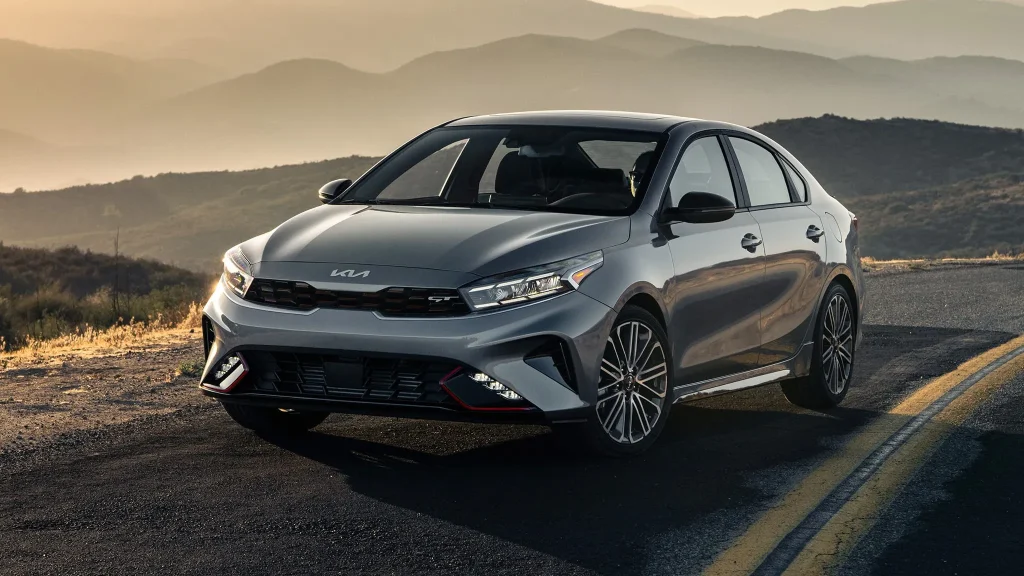
Fuel efficiency further enhances its value. While not the highest in class, it remains consistent and cost-effective in city driving.
The Forte is written about because it represents maximum practicality for minimal cost. In Camden, that equation makes it an excellent daily vehicle rather than a financial risk.
5 That Cost Too Much to Repair
In a city like Camden, repair costs matter just as much as purchase price often more. Urban driving accelerates wear on every vehicle, but not all cars absorb that wear equally.
Some models turn routine city stress into a constant cycle of expensive repairs, specialist labor, and long downtime. This section focuses on cars that cost too much to repair, particularly when used in Camden’s stop-and-go, pothole-ridden, short-trip environment.
A major issue with these vehicles is complexity. Advanced powertrains, tightly integrated electronics, and proprietary systems mean that even minor failures can trigger large repair bills. Independent shops may be unable or unwilling to work on them, forcing owners into dealership service where labor rates and parts costs are significantly higher.
Parts availability is another critical problem. Vehicles that rely on imported, model-specific, or low-volume components often sit idle while parts are ordered. In Camden, where many drivers rely on a single vehicle for work and family responsibilities, this downtime becomes more than an inconvenience it becomes disruptive and costly.
Urban driving further magnifies these issues. Short trips prevent engines from fully warming, stop-and-go traffic stresses transmissions, and rough pavement accelerates suspension and brake wear. Cars that are already expensive to repair become especially punishing under these conditions.
There’s also a mismatch between vehicle intent and environment. Many high-repair-cost cars are designed for highway cruising, luxury comfort, or performance driving not daily urban abuse. Camden exposes this mismatch quickly, turning premium engineering into fragile liability.
These vehicles are written about not because they are inherently bad, but because they are wrong for the environment. In a city where affordability, uptime, and repair access matter, cars that demand frequent, costly attention undermine ownership value. What looks attractive at purchase often becomes a long-term financial drain.
1. BMW 3 Series
The BMW 3 Series is frequently admired for its driving dynamics and prestige, but in Camden’s urban environment, it becomes one of the most expensive compact sedans to own and maintain. Its repair costs escalate quickly under city conditions.
The core issue is engineering complexity. BMW tightly integrates engine management, transmission controls, suspension electronics, and infotainment systems. When something fails and urban driving increases that likelihood diagnosis often requires BMW-specific tools unavailable to most independent shops.
Parts costs are another major problem. Even common components such as sensors, control modules, and cooling parts are significantly more expensive than mainstream equivalents. Many are imported and model-specific, leading to longer repair times and higher bills.
Urban wear compounds the problem. Stop-and-go traffic stresses the transmission, short trips accelerate carbon buildup, and rough pavement wears suspension components rapidly. On a BMW 3 Series, suspension repairs alone can cost several times more than comparable mainstream cars.
Electrical issues are especially costly. Faults often cascade across multiple systems, triggering warning lights that require dealership diagnostics. What might be a simple repair on another car becomes a multi-hour labor charge.
Labor rates further inflate ownership costs. BMW repairs typically require certified technicians, pushing labor costs far beyond what most Camden drivers expect or budget for.

The BMW 3 Series is written about because it represents premium performance with premium repair penalties. In Camden, its sophistication works against affordability, making it a risky choice for daily urban use.
2. Audi A4
The Audi A4 offers refined design and advanced technology, but those same features make it one of the most expensive sedans to repair in an urban environment like Camden. Its ownership costs often surprise buyers after the warranty period ends.
One major issue is proprietary electronics. Audi vehicles rely heavily on software-controlled systems and tightly linked modules. Even minor faults can trigger multiple warning lights, requiring specialized diagnostic equipment that only Audi-trained shops possess.
Parts sourcing further complicates repairs. Many A4 components are imported and model-year specific. Routine repairs often involve waiting for parts, increasing downtime and inconvenience for daily drivers.
Urban driving stresses Audi’s powertrain design. Frequent short trips and stop-and-go traffic accelerate wear on turbocharged components, cooling systems, and transmissions. Repairs in these areas are expensive and labor-intensive.
Suspension repairs also add up. Audi’s refined ride relies on complex components that wear quickly on rough city roads. Replacing control arms, bushings, or sensors costs significantly more than on mainstream sedans.
Labor costs amplify every issue. Audi repair procedures are detailed and time-consuming, pushing labor charges higher even for moderate repairs.
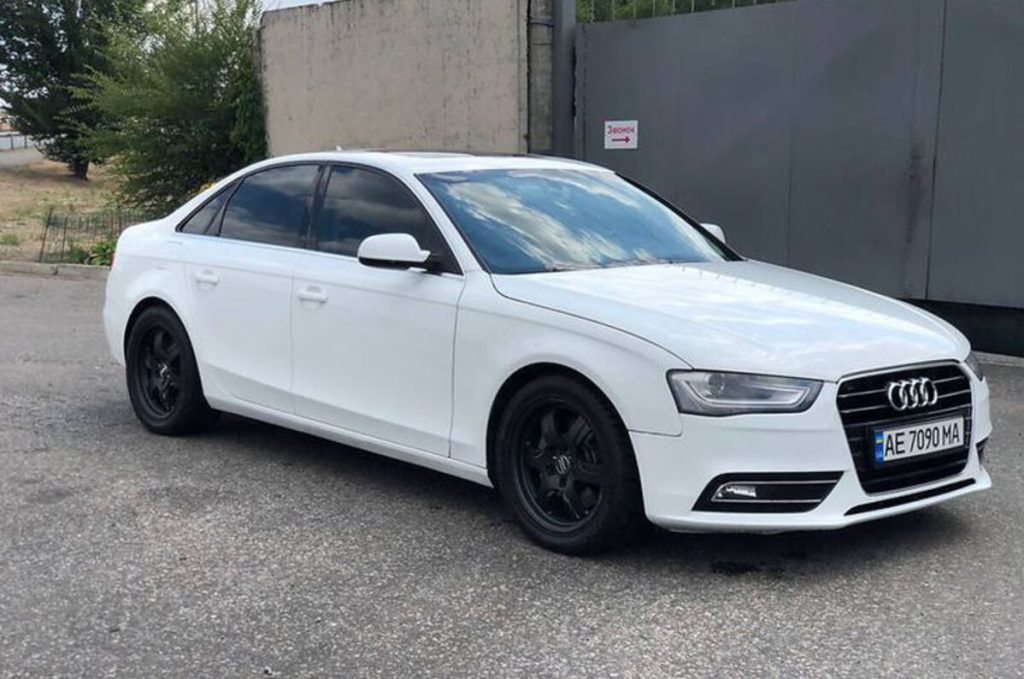
The Audi A4 is written about because it demonstrates how luxury convenience turns into urban expense. In Camden, its repair demands outweigh its comfort benefits for most drivers.
3. Mercedes-Benz C-Class
The Mercedes-Benz C-Class is often viewed as a refined and sensible entry into luxury ownership, but in Camden’s urban driving environment, it quickly becomes one of the most expensive compact sedans to maintain. While comfortable and well engineered, its repair profile is poorly matched to constant city use.
The primary issue is system density and integration. The C-Class relies on a tightly interconnected network of electronic modules controlling everything from engine performance to safety systems.
In urban conditions where voltage fluctuations, frequent starts, and vibration are common these systems are more prone to faults. Diagnosing even minor issues typically requires Mercedes-specific diagnostic equipment, pushing owners toward dealership service.
Parts costs are another major contributor. Mercedes components are often imported and designed specifically for narrow model ranges. Simple items such as sensors, electronic actuators, or cooling components cost far more than mainstream equivalents.
In Camden, where repairs are inevitable due to road conditions, these elevated parts prices accumulate rapidly.
Urban wear further accelerates costs. Stop-and-go traffic places stress on the transmission and engine cooling system, while potholes and uneven pavement punish suspension components. On the C-Class, suspension repairs control arms, bushings, and electronic dampers are particularly expensive due to both parts and labor complexity.
Electrical issues are among the most frustrating. Faults frequently trigger multiple warning lights and system limitations, even when the underlying issue is minor. Resolving these problems often involves hours of diagnostic labor before any repair begins.
Labor rates amplify every repair. Mercedes-certified technicians command premium rates, and many independent shops decline complex C-Class repairs entirely. This limits competition and keeps costs high.
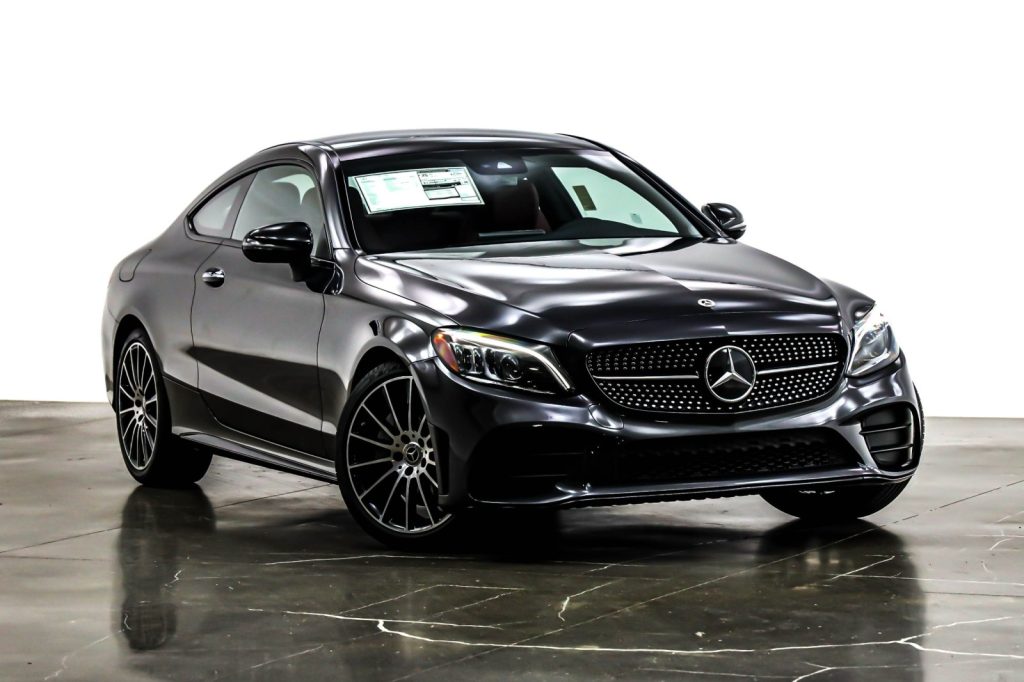
The C-Class is written about because it represents luxury engineering that assumes ideal conditions. In Camden’s rough, stop-start urban environment, that assumption fails, turning routine ownership into a costly commitment.
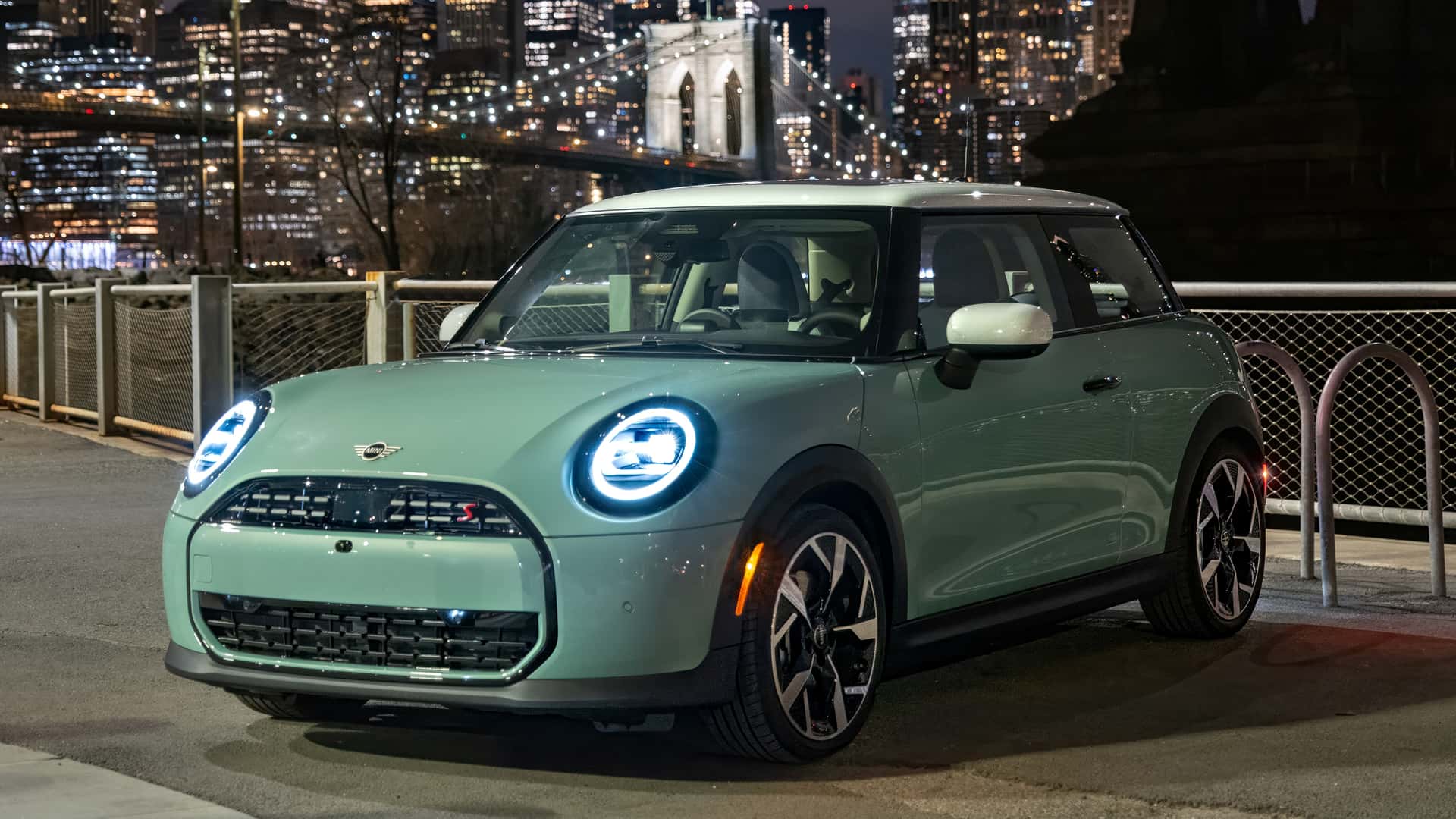
4. Mini Cooper
The Mini Cooper’s compact size and playful design may seem perfect for city life, but beneath its charm lies a repair profile that is particularly unforgiving in urban environments like Camden. Despite its small footprint, the Mini is one of the most expensive cars in its class to repair.
The biggest issue is BMW-derived engineering. Mini shares powertrains, electronics, and diagnostic systems with BMW, meaning repairs often require the same specialist tools and parts. Independent shops frequently lack the equipment or expertise to work on Minis, forcing owners into dealership service.
Parts availability further complicates ownership. Many Mini-specific components are imported and not stocked locally. Even routine repairs can result in extended wait times, leaving drivers without transportation longer than expected.
Urban driving accelerates known Mini weaknesses. Frequent short trips stress turbocharged engines, while stop-and-go traffic wears clutches and transmissions rapidly. Repairs in these areas are costly and labor-intensive due to tight engine bay packaging.
Suspension components also suffer in Camden. While the Mini’s handling is sharp, its suspension is not designed for constant pothole exposure. Replacing struts, bushings, and control arms is significantly more expensive than on comparable subcompact cars.
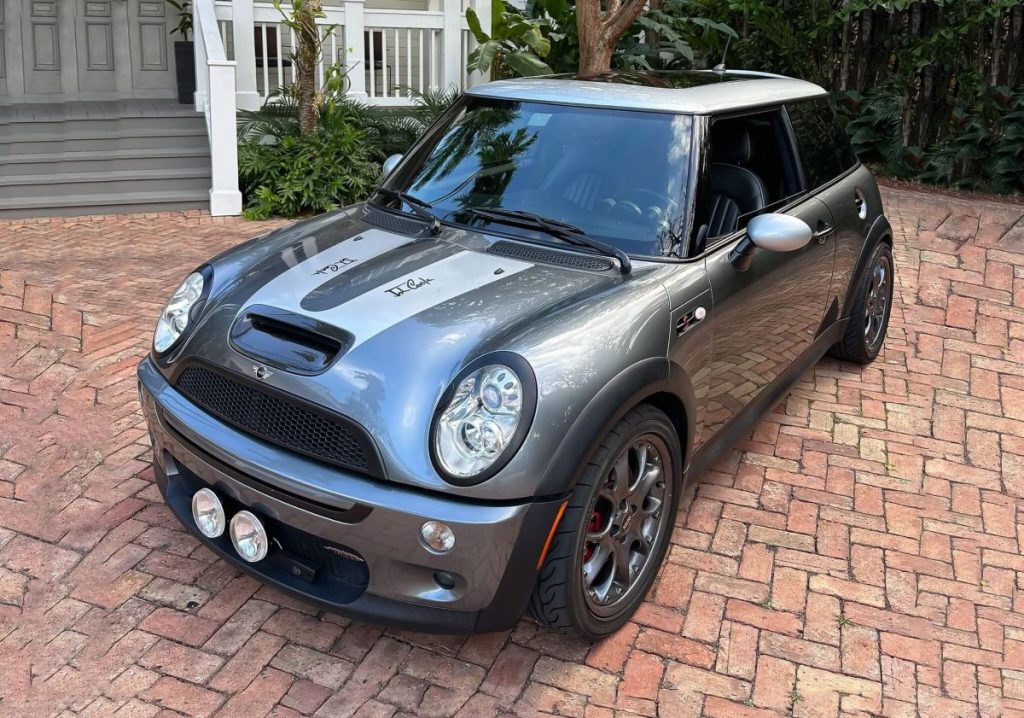
Electrical faults are common and costly. Window regulators, sensors, and control modules frequently fail under urban vibration and moisture exposure. Diagnosing these problems often involves multiple dealership visits.
The Mini Cooper is written about because it highlights a harsh truth: small size does not equal low repair costs. In Camden, its complexity turns city-friendly dimensions into a financial liability.
5. Volvo S60
The Volvo S60 is praised for safety, comfort, and understated luxury, but in Camden’s urban environment, it ranks among the most expensive sedans to repair once routine wear sets in. Its advanced systems and specialized components make ownership increasingly costly over time.
A major factor is safety system complexity. Volvo integrates advanced driver-assistance features deeply into the vehicle’s structure and electronics. Even minor collisions or sensor faults can disable multiple systems, requiring recalibration with specialized tools available only at authorized service centers.
Parts costs are consistently high. Many S60 components especially electronic modules and safety hardware, are imported and model-specific. Repairs often involve replacing entire assemblies rather than individual parts, driving costs upward.
Urban driving stresses the S60’s powertrain design. Frequent short trips accelerate wear on emissions components, turbochargers, and cooling systems. Repairs in these areas are expensive and time-consuming.
Suspension repairs also add to ownership cost. Volvo prioritizes ride comfort, but its suspension components are intricate and costly to replace when damaged by rough roads. Camden’s pavement conditions accelerate this wear.
Labor costs further inflate repair bills. Volvo service requires trained technicians and proprietary software, limiting repair options and increasing labor rates.
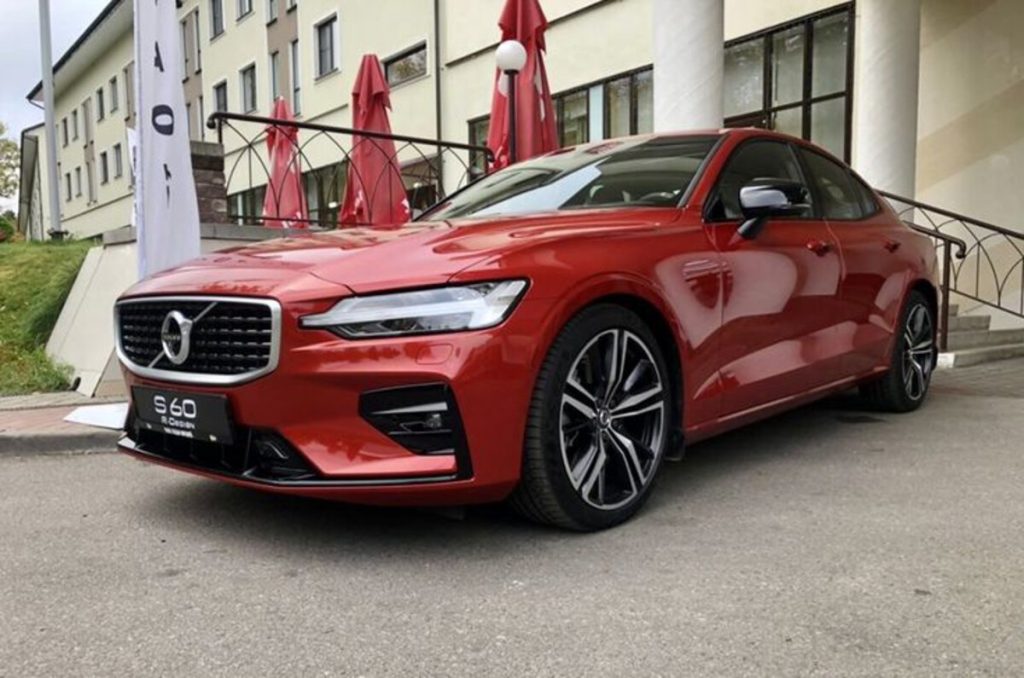
The Volvo S60 is written about because it demonstrates how safety-focused sophistication can become an urban expense trap. In Camden, its repair demands often outweigh its comfort and security benefits.
This article examined car ownership through the practical realities of Camden, where urban driving conditions and repair affordability play a decisive role in long-term vehicle satisfaction.
In a city defined by short trips, heavy stop-and-go traffic, rough pavement, tight parking, and constant wear, the difference between a good car and a costly mistake becomes clear very quickly.
The first half of the article focused on cars that work well for Camden urban runs. These vehicles were selected because they are durable, easy to maneuver, and inexpensive to maintain under constant city use.
Urban driving places continuous stress on brakes, suspension components, transmissions, and cooling systems. Cars that rely on simple, proven mechanical designs handle this stress far better than complex or overengineered alternatives.
A key theme in this section was predictability. The best urban cars start reliably after frequent short trips, tolerate potholes and uneven pavement, and fit comfortably into tight streets and limited parking spaces.
Compact size and good visibility reduce daily driving stress, while widespread parts availability keeps repair costs manageable.
These cars don’t demand specialized tools or dealership-only service, allowing owners to rely on local repair shops and avoid extended downtime. Over time, this accessibility makes ownership far less expensive and disruptive.
The second half of the article examined cars that cost too much to repair, particularly when exposed to Camden’s urban conditions. These vehicles are often attractive at first glance, offering luxury features, advanced technology, or strong performance.
However, their complexity becomes a liability in city use. Stop-and-go traffic accelerates wear on transmissions and turbocharged engines, while rough roads quickly degrade sophisticated suspension systems.
A recurring issue among high-cost repair vehicles was specialization. Proprietary electronics, tightly integrated systems, and imported parts push owners toward dealership service with higher labor rates and longer wait times.
Even minor problems can escalate into expensive repairs due to diagnostic complexity or the need to replace entire assemblies instead of individual components.
Urban driving magnifies these problems. Short trips prevent proper engine warm-up, increasing long-term wear. Constant braking and vibration trigger sensor failures and electrical faults. In vehicles with already high parts and labor costs, these issues turn routine maintenance into a financial burden.
The central takeaway from the article is clear: Camden rewards simplicity and punishes complexity. Cars designed to be affordable, repairable, and mechanically straightforward thrive in the city’s environment.
Cars that depend on advanced systems and specialist service may perform beautifully elsewhere, but in Camden they often become expensive liabilities.
Ultimately, the article reinforces that smart urban car ownership isn’t about prestige or features it’s about durability, accessibility, and long-term cost control. Choosing a car that fits Camden’s reality leads to fewer repairs, lower expenses, and a far less stressful ownership experience.
Also Read: Dodge Durango SRT Hellcat Is Now Street-Legal in All 50 States
