
Atlanta traffic is not just heavy it is relentless. Long stretches of stop-and-go congestion, sudden slowdowns, aggressive merges, and unpredictable commute times define daily driving across the metro area.
For buyers in Atlanta, choosing the right car isn’t about weekend performance or open-road cruising. It’s about how a vehicle behaves when crawling at 15 mph for an hour, inching forward in heat, noise, and frustration.
This article examines two distinct aspects of car ownership in Atlanta. The first focuses on vehicles that are genuinely suited for traffic-aware buyers cars that handle congestion calmly, reduce driver fatigue, and remain efficient and comfortable during long rush-hour commutes.
These vehicles are selected because they make traffic more tolerable, not because they look exciting on paper.
The second half examines cars that hate rush hour. These vehicles may perform well on highways or back roads, but Atlanta traffic exposes their weaknesses.
Poor fuel economy at low speeds, heavy clutches, jerky transmissions, excessive heat buildup, and uncomfortable cabins turn congestion into misery. Over time, these issues increase stress, operating costs, and ownership regret.
In a city where traffic is unavoidable, drivability matters more than horsepower. Cars that feel smooth, quiet, efficient, and forgiving make Atlanta driving manageable. Cars that demand constant attention or punish stop-and-go conditions quickly wear drivers down.
By comparing both categories, this article helps Atlanta buyers choose vehicles that work with congestion rather than fighting it because in Atlanta, traffic isn’t an occasional inconvenience. It’s a daily reality.
Also Read: 5 Cars for Appleton Family Runs and 5 That Don’t Hold Up
5 Cars for Atlanta Traffic-Aware Buyers
Traffic-aware buying in Atlanta means prioritizing calm over capability. Vehicles spend far more time creeping forward than accelerating hard, which makes smooth low-speed behavior, fuel efficiency, and comfort essential.
Cars that are easy to drive in congestion reduce fatigue and frustration, especially during long weekday commutes.
This section focuses on five cars that excel in Atlanta’s traffic conditions. These vehicles are chosen because they behave predictably at low speeds, manage stop-and-go driving efficiently, and keep drivers comfortable even when progress is slow.
Smooth throttle response, well-tuned transmissions, and quiet cabins matter far more here than performance specs.
Fuel efficiency is another key factor. Atlanta traffic punishes inefficient vehicles, especially those with large engines or aggressive gearing. Cars that sip fuel in congestion save money and reduce stress over time.
Driver-assist features also play a role. Adaptive cruise control, smooth braking systems, and intuitive infotainment reduce workload during long traffic stretches. Vehicles that support the driver instead of demanding constant input are far better suited to Atlanta’s daily grind.
Each car in this list is written about because it improves the lived experience of driving in traffic. These vehicles don’t eliminate congestion but they make it easier to live with.
1. Toyota Corolla Hybrid
The Toyota Corolla Hybrid is one of the smartest possible choices for Atlanta traffic-aware buyers because it thrives in exactly the conditions that define the city’s commute. Stop-and-go congestion is where hybrids shine, and the Corolla Hybrid delivers calm, efficient progress without effort.
One of its biggest strengths is smooth low-speed operation. The electric motor handles initial movement, eliminating the jerky starts common in traditional gas-powered cars. In heavy traffic, this creates a relaxed driving rhythm that reduces fatigue.
Fuel efficiency is another major advantage. Atlanta traffic can destroy fuel economy, but the Corolla Hybrid remains impressively efficient even when crawling. For daily commuters, the savings add up quickly.
The transmission behavior also suits congestion well. Without traditional gear shifts at low speeds, acceleration feels linear and predictable. This makes inching forward in traffic far less stressful.
Cabin comfort matters too. The Corolla Hybrid is quiet at low speeds, reducing the noise fatigue that builds during long commutes. Climate control remains effective without overworking the engine, even in the summer’s heavy traffic.
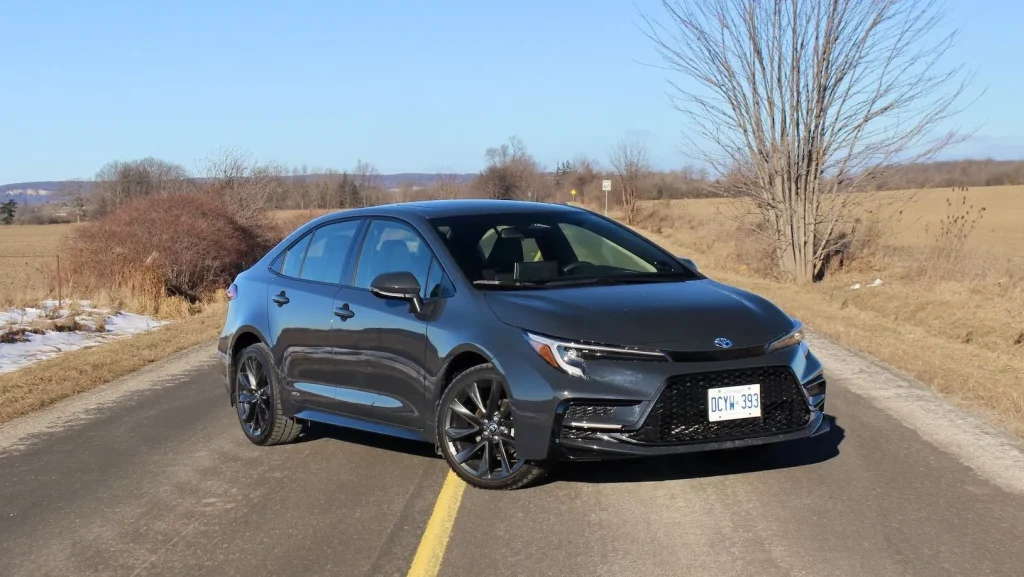
The Corolla Hybrid is written about because it turns Atlanta traffic from a punishment into a manageable routine. It doesn’t fight congestion it adapts to it.
2. Honda CR-V Hybrid
The Honda CR-V Hybrid earns its place on this list by combining traffic-friendly behavior with added space something many Atlanta drivers need. It handles congestion smoothly while offering a higher seating position that improves visibility in dense traffic.
One of its biggest advantages is effortless stop-and-go driving. Like other strong hybrids, the CR-V Hybrid uses electric assistance to smooth out low-speed movement. This reduces engine strain and keeps progress calm even during long delays.
Fuel efficiency remains strong despite the SUV form factor. In Atlanta traffic, where larger gas SUVs burn fuel rapidly, the CR-V Hybrid stands out by maintaining reasonable consumption during congestion.
Interior comfort further supports long commutes. Seats are supportive, the cabin is quiet at low speeds, and the higher ride height reduces the mental strain of navigating crowded lanes.
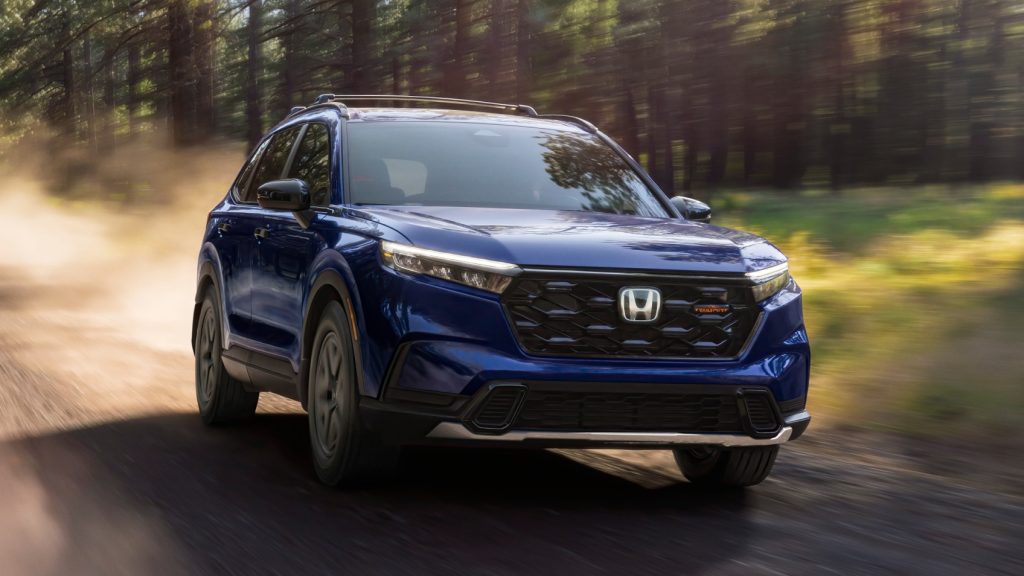
The CR-V Hybrid is written about because it proves that traffic-aware buyers don’t have to sacrifice space. It delivers calm, efficient driving while accommodating real-world Atlanta needs.
3. Hyundai Ioniq Hybrid
The Hyundai Ioniq Hybrid is one of the most traffic-optimised vehicles Atlanta buyers can choose because it is engineered around efficiency and smoothness at low speeds. In a city where congestion dominates daily driving, the Ioniq Hybrid’s calm behaviour becomes a major quality-of-life advantage.
One of its biggest strengths in Atlanta traffic is seamless stop-and-go operation. The electric motor handles low-speed movement smoothly, eliminating the constant engine revving that makes traffic stressful.
Inch-by-inch progress feels controlled and quiet, which reduces fatigue during long rush-hour crawls on I-285 or downtown connectors.
Fuel economy is another decisive advantage. Atlanta traffic punishes inefficient cars, but the Ioniq Hybrid remains exceptionally economical even when average speeds drop below 20 mph. For commuters who spend hours each week in congestion, this translates into real savings and fewer fuel stops.
Transmission tuning also works in the Ioniq’s favor. Gear changes are subtle and predictable, avoiding the jerky behavior that makes traffic irritating. Acceleration is smooth rather than aggressive, which suits Atlanta’s constant braking and re-accelerating rhythm.
Cabin comfort further strengthens its appeal. The Ioniq Hybrid remains quiet at low speeds, and climate control operates efficiently without forcing the engine to work harder in summer traffic.
Seats are supportive enough for extended commutes, helping drivers stay comfortable even when delays stretch longer than expected.
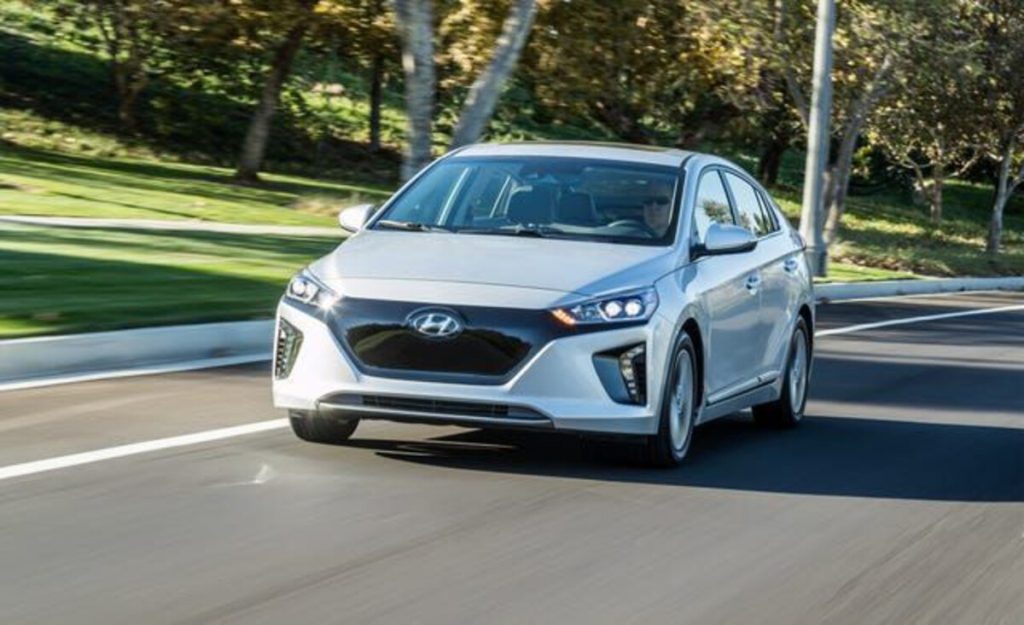
The Ioniq Hybrid is written about because it embraces traffic rather than resisting it. In Atlanta, where congestion is unavoidable, this kind of low-stress efficiency makes daily driving far more manageable.
4. Subaru Outback
The Subaru Outback earns its place for traffic-aware Atlanta buyers by offering calm, predictable behavior combined with space and visibility. While not a hybrid, it excels in making congested driving less mentally taxing an important consideration for long daily commutes.
One of the Outback’s biggest strengths in traffic is smooth throttle control. Acceleration at low speeds is gradual and predictable, preventing the lurching motion that becomes exhausting in stop-and-go conditions. This helps maintain a steady rhythm when traffic constantly compresses and expands.
Visibility is another major advantage. The Outback’s seating position and large windows make it easier to anticipate traffic flow, lane merges, and sudden braking ahead. In Atlanta’s aggressive driving environment, this improved awareness reduces stress and reaction time.
Ride comfort also plays a key role. The Outback absorbs rough pavement and expansion joints well, keeping the cabin stable during slow crawls across uneven highway sections. This stability makes long traffic delays feel less physically tiring.
Interior space adds everyday practicality. Atlanta drivers often balance commuting with family or work needs, and the Outback handles passengers and cargo without feeling bulky or difficult to maneuver in congestion.

The Outback is written about because it reduces cognitive load in traffic. It doesn’t rush the driver, doesn’t feel twitchy, and doesn’t demand constant correction qualities that matter deeply in Atlanta’s daily congestion.
5. Lexus UX Hybrid
The Lexus UX Hybrid completes this list by offering a refined, traffic-friendly experience for Atlanta buyers who want comfort without sacrificing efficiency. In rush-hour conditions, refinement matters just as much as fuel savings.
One of the UX Hybrid’s standout traits is exceptional low-speed smoothness. Electric assistance handles initial movement quietly, making stop-and-go traffic feel fluid rather than jerky. This is especially valuable during long delays where constant braking and creeping forward dominate.
Fuel efficiency remains strong even in heavy congestion, keeping operating costs predictable. Unlike many luxury vehicles that burn fuel rapidly in traffic, the UX Hybrid remains economical when speeds stay low.
Cabin refinement further elevates the experience. Road noise and engine sound are well controlled, reducing the sensory fatigue that builds during long commutes. Climate control and infotainment systems are intuitive, allowing drivers to focus on traffic rather than controls.
Compact exterior dimensions also help. The UX Hybrid is easy to place in tight lanes and congested merges, which is critical in Atlanta’s dense traffic corridors.
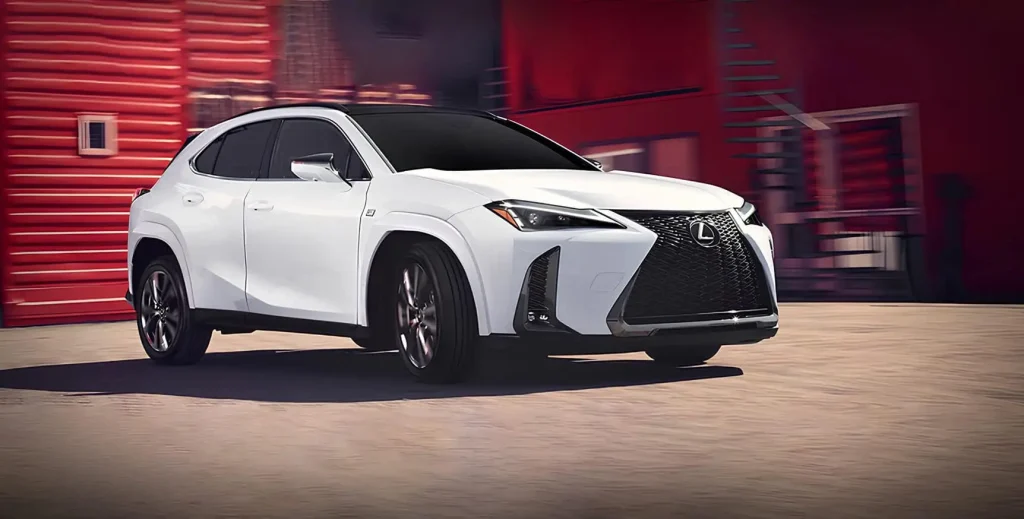
The Lexus UX Hybrid is written about because it proves that luxury and traffic awareness can coexist. It turns Atlanta rush hour into a calmer, quieter experience something many drivers value more than raw performance.
5 That Hate Rush Hour
Rush hour in Atlanta is not a brief inconvenience it’s a prolonged driving environment that exposes every weakness in a vehicle.
Stop-and-go movement, sudden braking, aggressive lane changes, heat buildup, and long idle times place unique stress on both the driver and the car. Vehicles that are enjoyable on open roads or highways often become exhausting liabilities when trapped in congestion for an hour or more.
This section focuses on cars that hate rush hour. These vehicles struggle not because they are poorly built, but because their design priorities conflict with traffic realities.
Many are optimized for speed, power, or engagement rather than low-speed smoothness and efficiency. In Atlanta traffic, those priorities translate into jerky acceleration, excessive fuel consumption, heavy controls, and rising driver fatigue.
A common issue among rush-hour-unfriendly cars is inefficient power delivery. Large engines, aggressive gearing, or performance-oriented transmissions respond poorly to creeping traffic.
Instead of smooth progress, drivers experience constant lurching, unnecessary revving, and poor fuel economy. Over time, this makes congestion feel far worse than it already is.
Another problem is driver workload. Cars with heavy steering, stiff suspensions, or sensitive throttles demand constant correction in traffic. Add heat, noise, and limited visibility, and the experience becomes mentally draining. In a city where traffic is daily and unavoidable, this fatigue accumulates quickly.
Thermal stress is also a factor. Vehicles that rely on airflow for cooling or that idle inefficiently often struggle in Atlanta’s hot, slow-moving traffic. This leads to louder fans, rising cabin heat, and increased wear over time.
These cars are written about to highlight how the wrong tool makes traffic miserable. In Atlanta, rush hour rewards calm, efficiency, and forgiveness. Cars that resist those qualities turn every commute into a test of patience.
1. Dodge Charger
The Dodge Charger is one of the clearest examples of a car that struggles badly in Atlanta rush hour. While powerful and visually imposing, it is fundamentally mismatched to prolonged stop-and-go traffic. What feels exciting on open roads becomes burdensome when movement slows to a crawl.
The Charger’s biggest issue is fuel consumption at low speeds. Its large, performance-oriented engines burn fuel inefficiently in traffic, especially during frequent acceleration from a stop. In Atlanta congestion, fuel economy drops dramatically, turning daily commutes into costly routines.
Throttle response also works against it. The Charger’s power delivery is tuned for responsiveness, which makes smooth creeping difficult. Small throttle inputs often result in lurching starts, forcing constant brake modulation. Over long traffic stretches, this becomes tiring and frustrating.
Vehicle size compounds the problem. The Charger’s wide body and long length make it harder to maneuver in tight lanes and aggressive merges. In Atlanta’s dense traffic, this increases stress and limits flexibility when lanes compress suddenly.
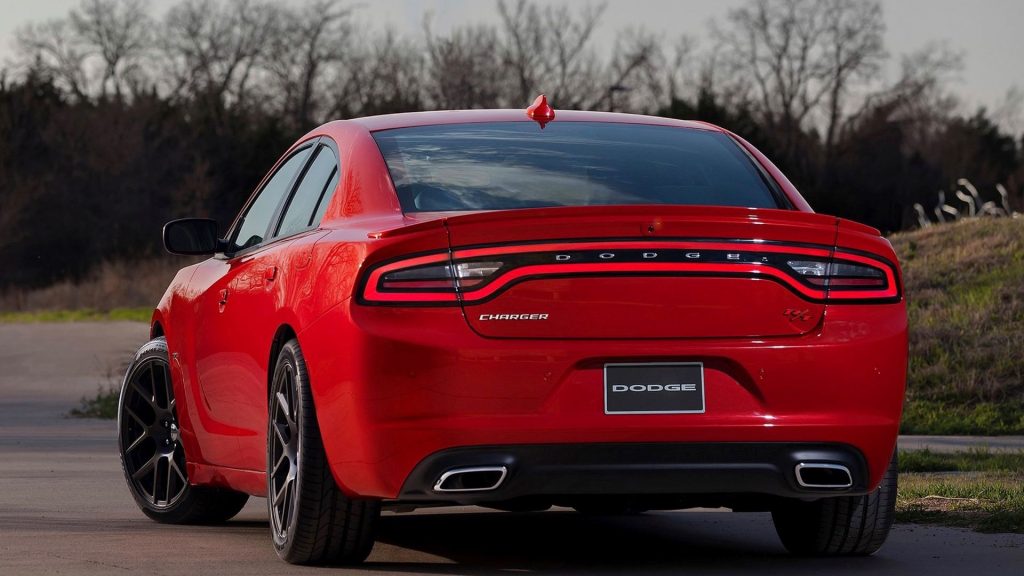
Cabin heat and noise further degrade the experience. Large engines generate more heat at idle, and cooling systems work harder in slow traffic. Combined with road noise and aggressive tires on some trims, the cabin feels less relaxed than expected.
The Charger is written about because it represents power without patience. It wants to move fast and freely conditions Atlanta traffic rarely provides. As a daily rush-hour car, it becomes inefficient, uncomfortable, and mentally exhausting.
2. Jeep Wrangler
The Jeep Wrangler is another vehicle that performs poorly in Atlanta rush hour, despite its popularity and rugged image. Built for trails and open terrain, it struggles significantly in prolonged congestion.
One of the biggest issues is ride quality at low speeds. The Wrangler’s suspension is tuned for off-road articulation, not smooth urban crawling. In stop-and-go traffic, the ride feels choppy and unsettled, increasing fatigue over time.
Steering behavior also hurts its traffic usability. The Wrangler requires more constant correction than most vehicles, especially at low speeds. In heavy traffic, this adds to mental workload when drivers already need to stay alert.
Fuel efficiency is another major drawback. The Wrangler consumes fuel rapidly in congestion, especially during frequent starts. For Atlanta commuters, this means higher running costs with little benefit in return.
Noise levels further reduce comfort. Wind noise, tire hum, and engine sound are all more pronounced than in traffic-optimized vehicles. Over long rush-hour drives, this constant noise becomes draining.
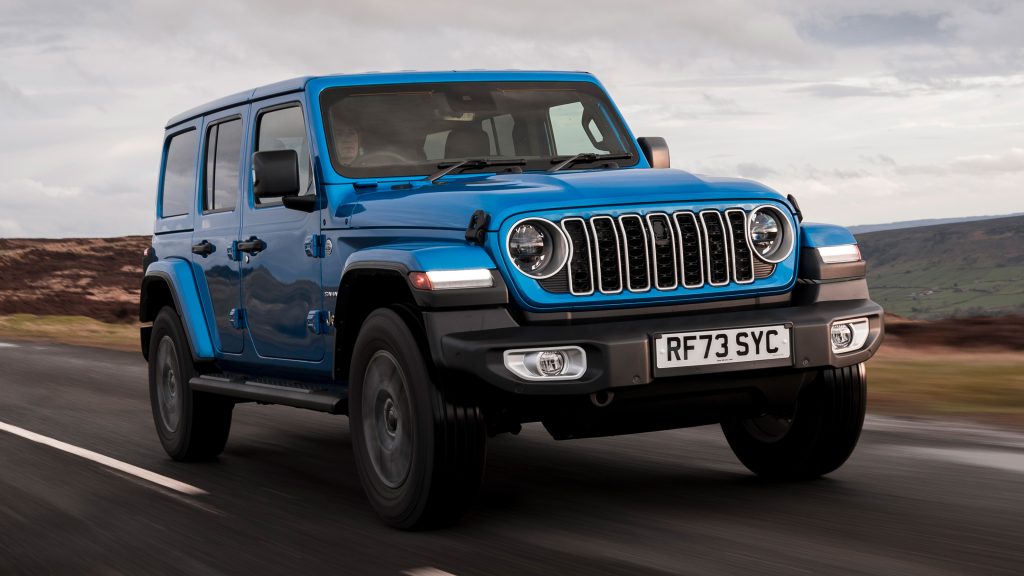
The Wrangler is written about because it highlights how purpose-built vehicles fail outside their purpose. In Atlanta traffic, its off-road strengths become irrelevant, while its weaknesses dominate the driving experience.
3. Ford Mustang
The Ford Mustang is a car built for open roads, quick acceleration, and emotional driving but those strengths work directly against it in Atlanta’s daily rush hour. While the Mustang can be thrilling in the right setting, stop-and-go congestion exposes its weakest traits almost immediately.
One of the biggest problems is low-speed drivability. The Mustang’s throttle tuning is designed to feel responsive and engaging, which makes smooth creeping in traffic difficult. Small throttle inputs often produce abrupt movement, forcing the driver to constantly modulate the brake. Over long traffic stretches, this becomes mentally exhausting.
Fuel economy in traffic is another major downside. Performance-oriented engines burn fuel aggressively during repeated starts from a stop.
In Atlanta congestion, where forward movement is slow and constant acceleration is required, fuel consumption rises sharply. Daily commuting quickly becomes expensive.
Ride quality also works against the Mustang in traffic. Sport-tuned suspensions transmit road imperfections directly into the cabin.
Expansion joints, uneven pavement, and constant braking make the ride feel stiff and restless rather than comfortable. In prolonged congestion, this physical discomfort adds to driver fatigue.
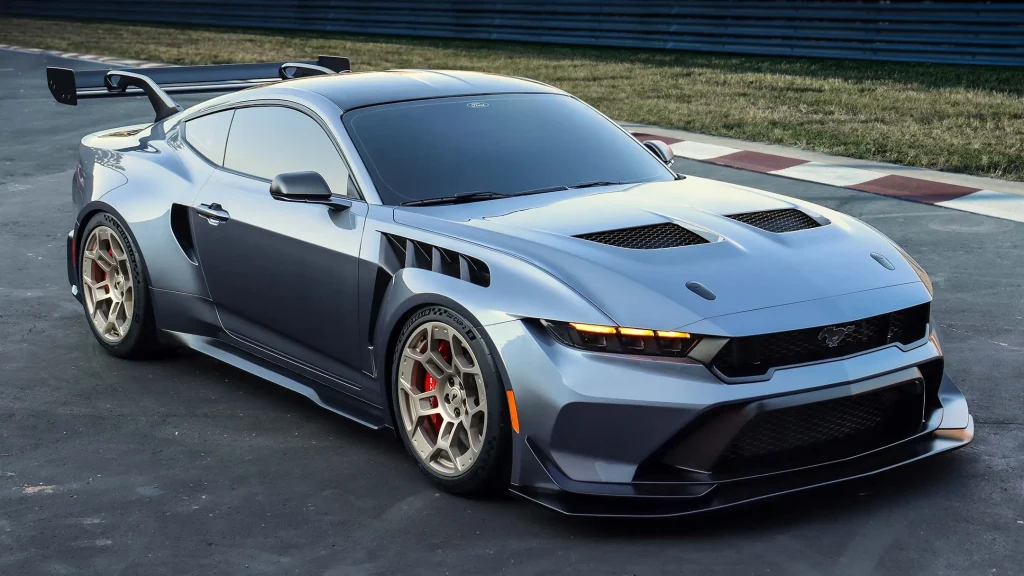
Visibility is another issue. The Mustang’s long hood, thick pillars, and low seating position limit sightlines in dense traffic. In Atlanta’s aggressive merge-heavy environment, reduced visibility increases stress and reaction time.
The Mustang is written about because it represents performance without patience. It wants to move, rev, and stretch its legs conditions Atlanta rush hour simply doesn’t provide. As a daily traffic car, it turns congestion into a constant battle between machine and environment.
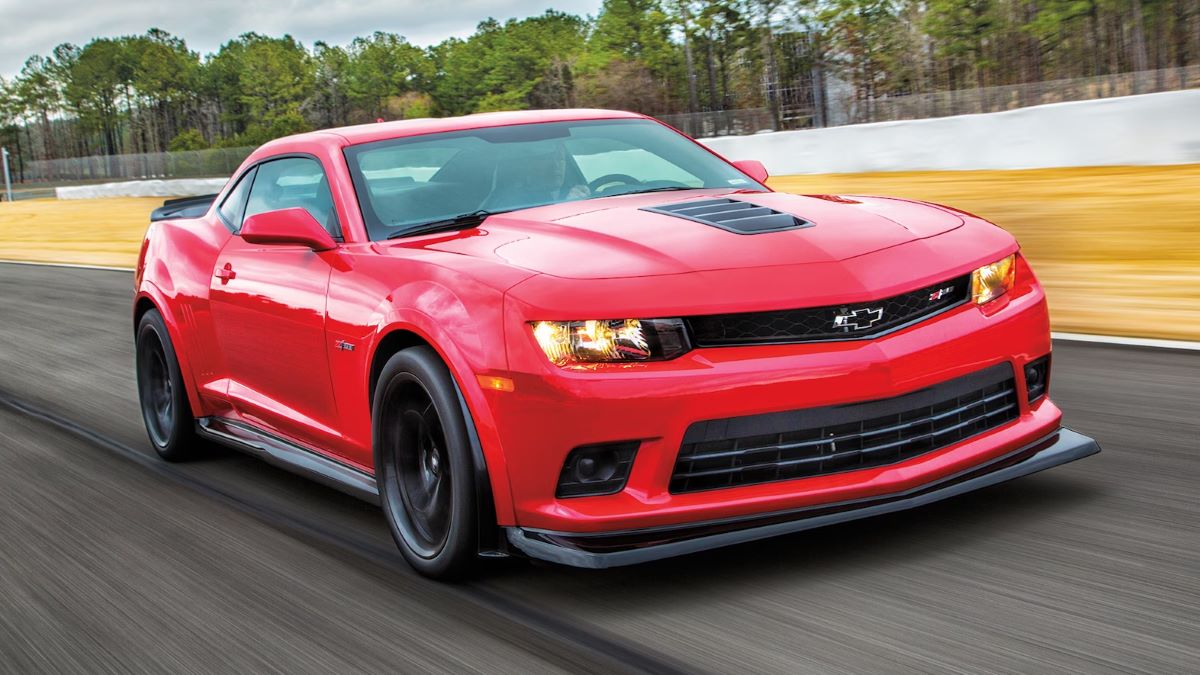
4. Chevrolet Camaro
The Chevrolet Camaro struggles even more than most sports cars in Atlanta rush hour due to a combination of poor visibility, aggressive tuning, and driver workload. While impressive on paper and thrilling on open roads, it becomes deeply frustrating in prolonged congestion.
The most immediate problem is visibility. The Camaro’s narrow windows, thick roof pillars, and high beltline severely limit outward sight. In heavy traffic, this forces drivers to rely heavily on mirrors and cameras, increasing mental strain during lane changes and merges.
Low-speed drivability also suffers. The Camaro’s throttle response and transmission behavior are tuned for performance, not creeping traffic. Acceleration can feel jerky, and gear changes are often abrupt at low speeds, making smooth progress difficult.
Ride quality further degrades the experience. Stiff suspension tuning transmits vibrations and bumps directly into the cabin. In traffic, where the car is constantly stopping and starting over uneven pavement, this stiffness becomes uncomfortable rather than engaging.
Fuel consumption is another downside. Like the Mustang, the Camaro burns fuel inefficiently in stop-and-go conditions. Atlanta’s long idle times and repeated acceleration cycles quickly inflate operating costs.
Cabin comfort and usability also fall short. Low seating, limited interior space, and a cockpit-like layout make long traffic sessions feel claustrophobic. Over time, this physical discomfort compounds driver frustration.
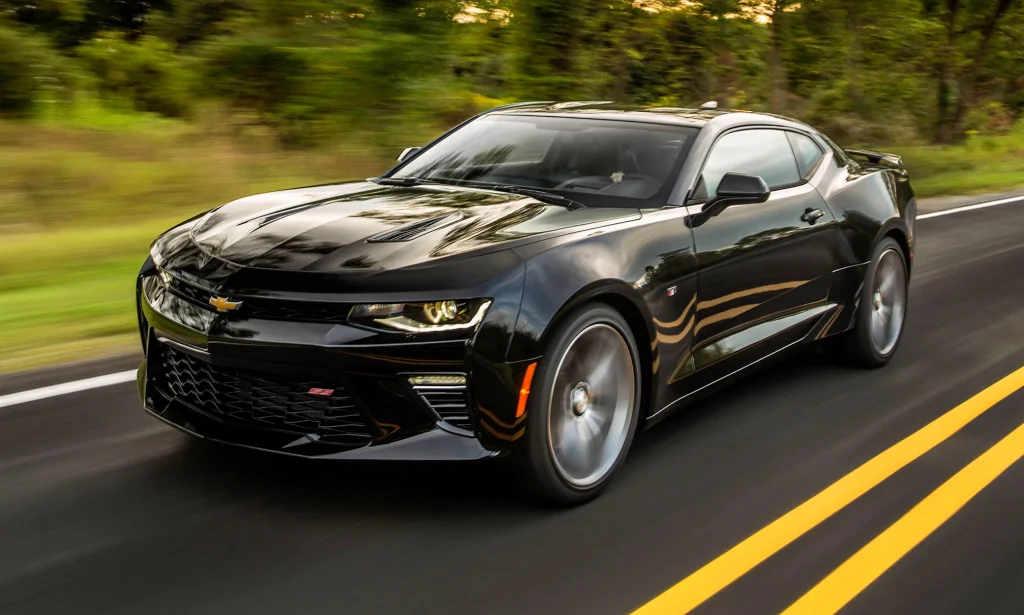
The Camaro is written about because it highlights how track-focused design collapses in congestion. In Atlanta traffic, its excitement fades quickly, replaced by discomfort, poor visibility, and fatigue.
5. Toyota 4Runner
The Toyota 4Runner is an excellent vehicle for rugged terrain and outdoor use but it performs poorly in Atlanta rush hour. Built on a truck-based platform, it prioritizes durability over efficiency and smoothness, which becomes a serious drawback in heavy congestion.
One of the biggest issues is fuel inefficiency at low speeds. The 4Runner’s large engine and heavy body consume significant fuel during stop-and-go driving. In Atlanta traffic, fuel economy drops dramatically, making daily commuting costly.
Low-speed smoothness is also lacking. Throttle response and transmission behavior are tuned for off-road control and highway cruising, not crawling traffic. This results in less refined acceleration and noticeable drivetrain effort during constant starts and stops.
Ride quality adds to the problem. The 4Runner’s body-on-frame construction and stiff suspension create a choppy feel in traffic. Constant braking and slow movement amplify these traits, making the ride feel tiring rather than comfortable.
Size further complicates congestion driving. The 4Runner’s width and height make it harder to navigate tight lanes and crowded interchanges. In Atlanta’s dense traffic, this increases stress and reduces flexibility.
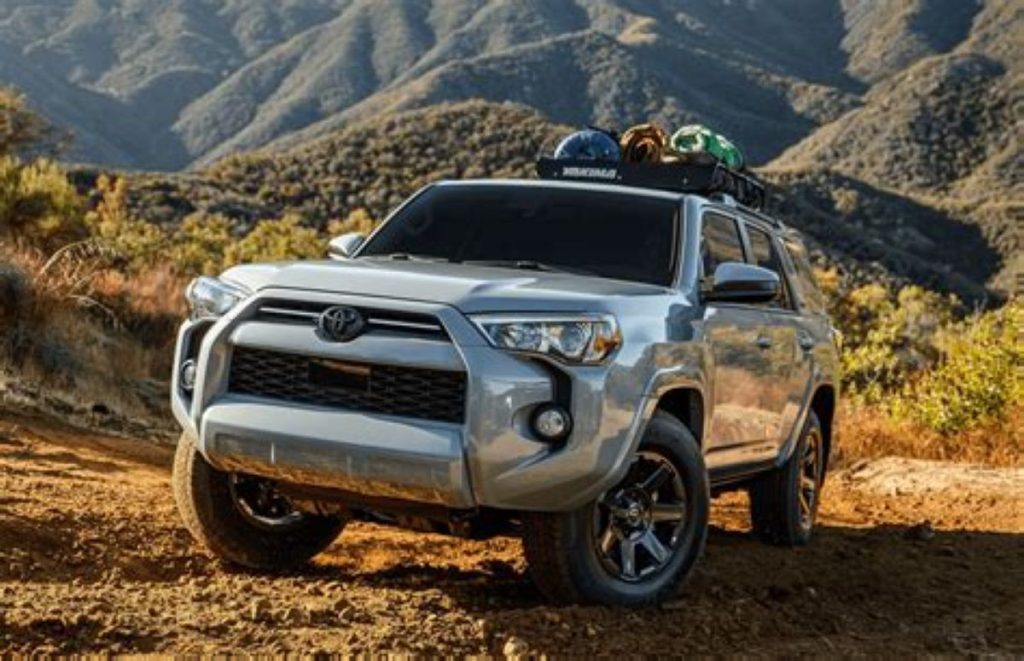
The 4Runner is written about because it represents capability in the wrong context. Its strengths shine off-road but in Atlanta rush hour, those strengths become irrelevant while its weaknesses dominate.
This article examined vehicle ownership through the reality of daily driving in Atlanta, a place where congestion is not occasional but constant. Atlanta traffic reshapes what makes a car “good.”
Open-road performance, horsepower, and image matter far less than smooth low-speed behavior, fuel efficiency, comfort, and how little mental effort a vehicle demands when crawling through rush hour for long stretches.
The first half of the article focused on cars designed for traffic-aware buyers, vehicles that actively reduce the stress and fatigue associated with Atlanta’s stop-and-go conditions. A common theme across these cars was smoothness at low speeds.
Hybrids, in particular, excel because electric motors handle initial movement quietly and cleanly, eliminating jerky starts and excessive engine revving. This creates a calmer driving rhythm that makes congestion more tolerable over time.
Fuel efficiency emerged as a critical advantage in this group. Atlanta traffic punishes inefficient vehicles, and cars that maintain strong mileage at low speeds help drivers control costs despite long commutes.
Over weeks and months, those savings become meaningful not just financially, but psychologically, as drivers worry less about fuel consumption while sitting in traffic.
Another defining trait of traffic-friendly cars was reduced driver workload. Predictable throttle response, smooth transmissions, good visibility, and quiet cabins all contribute to a sense of control.
Vehicles that support the driver rather than demanding constant correction make it easier to stay patient and focused during long delays. Comfort also played a major role, as supportive seating, stable ride quality, and effective climate control directly affect how draining rush hour feels.
The second half of the article examined cars that hate rush hour, revealing how certain designs collapse under congestion. Many of these vehicles are enjoyable in the right environment open highways, back roads, or off-road trails but Atlanta traffic strips away their advantages and magnifies their flaws.
A major issue among these cars was inefficiency at low speeds. Large engines, performance-oriented tuning, and heavy platforms consume fuel rapidly during stop-and-go driving. What feels powerful on an open road becomes wasteful and frustrating when movement is slow and repetitive.
Low-speed drivability was another recurring problem. Aggressive throttle tuning, stiff suspensions, and heavy controls make creeping traffic tiring.
Instead of flowing smoothly with traffic, these cars lurch, bounce, or require constant braking input. Over long commutes, that constant effort leads to physical and mental fatigue.
Visibility and size also played a role. Vehicles with poor outward visibility or wide, bulky dimensions increase stress during merges and lane changes already challenging tasks in Atlanta’s dense, aggressive traffic. Add heat buildup, cabin noise, and less refined cooling systems, and the experience becomes exhausting rather than manageable.
A key takeaway from this section was context mismatch. These cars aren’t necessarily bad vehicles they are simply wrong for Atlanta rush hour. Their strengths don’t apply in congestion, while their weaknesses dominate daily driving.
Overall, the article reinforces a clear conclusion: Atlanta traffic rewards calm, efficiency, and forgiveness. The best cars for this environment fade into the background, helping drivers endure congestion with minimal stress. The worst ones constantly remind drivers of traffic’s limitations, turning every commute into a test of patience.
For Atlanta buyers, the smartest choice isn’t about excitement or status it’s about survivability. Cars that cooperate with traffic make daily life easier. Cars that fight it make every mile harder than it needs to be.
Also Read: 5 Cars for Chapel Hill Student Parking and 5 That Don’t Fit College Garages
