
Torque is the true muscle behind classic American performance cars. Horsepower may grab headlines, but torque is what pins you to the seat and delivers that raw, effortless shove that defines muscle car driving.
In the golden era of muscle cars, engineers focused on massive displacement, long stroke engines, and simple mechanical strength. The result was instant power at low engine speeds, perfect for street dominance.
Unlike modern performance cars that rely on high revs and electronics, classic muscle cars delivered force the moment you touched the throttle.
Torque made these machines feel alive even at modest speeds. It allowed them to launch hard, pull strongly in any gear, and dominate stoplight battles without drama.
This list focuses on torque rather than nostalgia alone. These are cars that produced staggering torque numbers for their time, often from big block V8 engines designed for brute strength.
Some were built for drag racing, others for street supremacy, but all shared one trait. They delivered serious rotational force that defined their personality.
Ranking classic muscle cars by torque also reveals how manufacturers competed differently. Some focused on massive cubic inches, while others used aggressive cam profiles and compression ratios. The goal was the same. Deliver maximum twisting force to the rear wheels.
Every car on this list represents a peak moment in muscle car engineering. These machines were not subtle, efficient, or restrained. They were bold, loud, and unapologetically powerful.
Let us begin the ranking with the tenth highest torque classic muscle car, and work our way up toward the undisputed torque king.
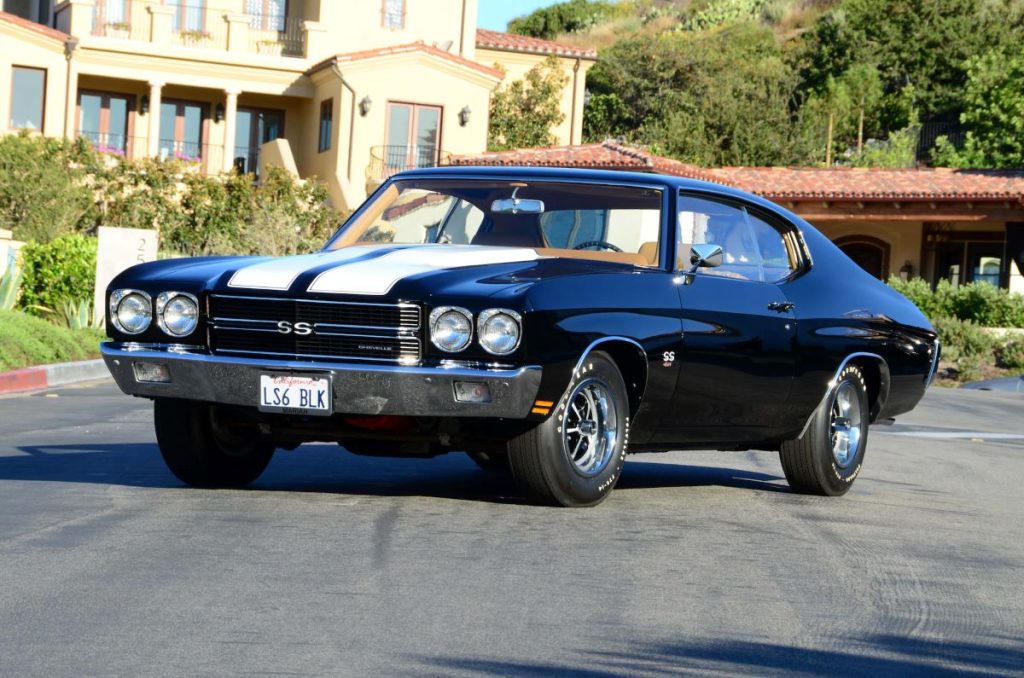
10. Chevrolet Chevelle SS 454 LS6
The Chevrolet Chevelle SS 454 LS6 earns its place on this list as one of the most brutally honest muscle cars ever produced. Built during the peak of the muscle car wars, it was designed to dominate both the street and the drag strip.
At the heart of the LS6 was a massive 454 cubic inch V8 engine. This big block produced an astonishing 500 lb ft of torque, a figure that was almost unheard of in a production car at the time. The power delivery was immediate and overwhelming.
The LS6 engine used high compression, aggressive camshaft timing, and large intake ports. These elements worked together to create explosive low end force. Press the throttle and the car responded without hesitation.
Driving the Chevelle SS 454 LS6 was an exercise in restraint. The rear tires struggled to maintain traction, especially in lower gears. Torque arrived early and stayed strong through the rev range.
The chassis was simple but effective. A solid rear axle and heavy duty suspension components helped manage the immense power. While handling was not refined, straight line performance was devastating.
Visually, the Chevelle SS projected pure muscle. Its wide stance, bold stripes, and aggressive hood signaled exactly what it was built to do. This was not a car meant to blend in.
Inside, the cabin was functional and driver focused. Gauges were clear, controls were simple, and distractions were minimal. The focus was on performance rather than luxury.
What makes the LS6 Chevelle special is not just the numbers. It is how the torque shaped the driving experience. Power was always available, making the car feel unstoppable.
Even decades later, the Chevelle SS 454 LS6 remains a benchmark for torque driven muscle cars. It represents a time when engineers chased maximum output without compromise.
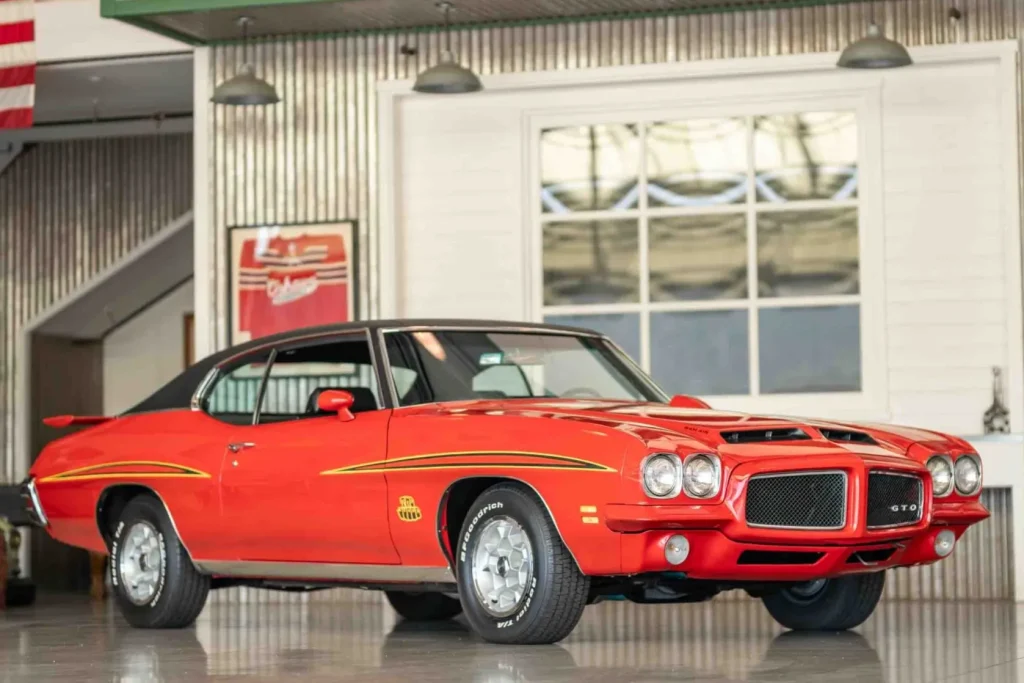
9. Pontiac GTO Judge 455
The Pontiac GTO Judge 455 represents a shift in muscle car philosophy during the early 1970s. Instead of chasing higher revs, Pontiac focused on delivering massive torque at low engine speeds. This approach made the car feel brutally strong in real world driving.
The heart of the Judge 455 was its large displacement V8 engine. It produced around 500 lb ft of torque, delivering immediate thrust with very little effort. This engine did not need to be pushed hard to feel powerful.
Pontiac engineered the 455 for street dominance. Long stroke design and conservative tuning ensured strong pulling power from idle through mid range. This made the car incredibly responsive in everyday conditions.
Behind the wheel, the GTO Judge 455 felt relentless. Acceleration was smooth but forceful, with the engine pulling hard even in higher gears. The sensation of torque never faded.
Traction was always a challenge. With so much twist available so early, wheelspin was common. Drivers had to respect the throttle to keep the car pointed straight.
The suspension was tuned more for straight line stability than cornering precision. This matched the car’s purpose perfectly. The Judge was built to dominate stoplight races.
Styling played a big role in its appeal. Bold graphics, bright colors, and aggressive body lines made it instantly recognizable. The Judge looked as powerful as it felt.
Inside, the cabin was simple and functional. Pontiac focused on durability and driver engagement rather than luxury. Everything felt purposeful.
What makes the GTO Judge 455 special is its character. It delivered torque in a way that felt effortless and confident rather than frantic.
It stands as a reminder that torque, not horsepower, defined the golden age of muscle cars.
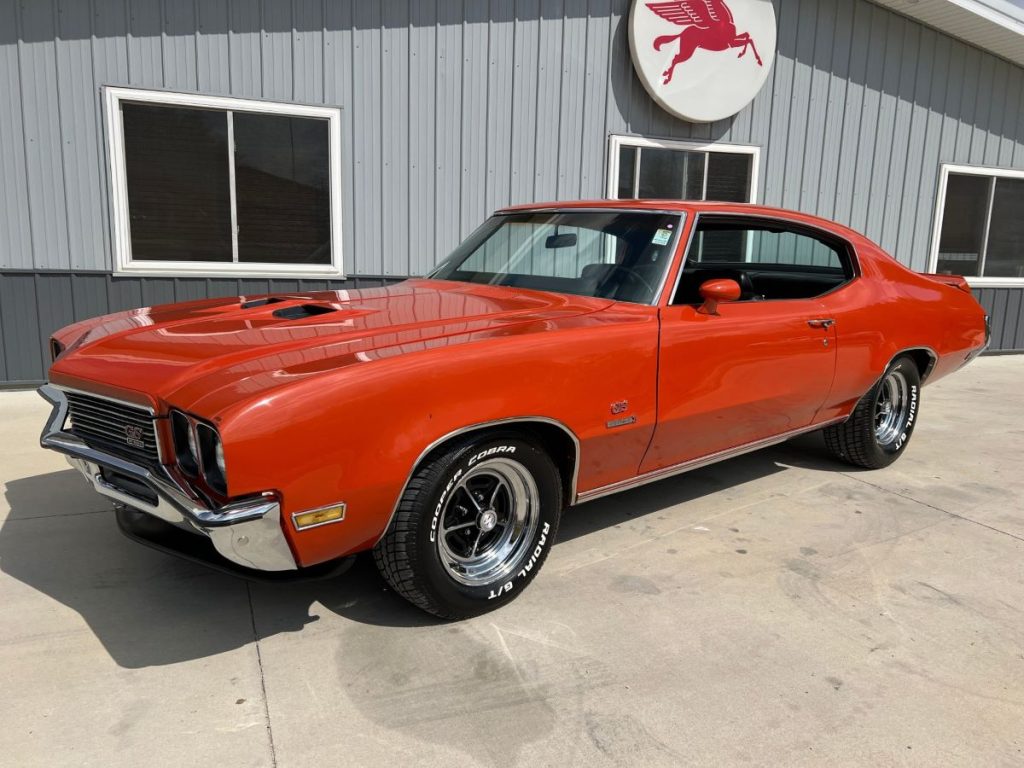
8. Buick GSX 455
The Buick GSX 455 is often overlooked, but it is one of the most torque rich muscle cars ever built. Buick approached performance differently, focusing on smooth but overwhelming strength.
The 455 cubic inch V8 at the heart of the GSX produced an incredible 510 lb ft of torque. This made it one of the highest torque production cars of its era. The engine delivered power with refinement and authority.
Buick engineers prioritized low rpm output. The result was an engine that felt powerful without needing aggressive revving. Torque was available almost instantly.
Driving the GSX 455 felt deceptively calm. The car surged forward smoothly, disguising its immense strength. Pressing the accelerator unleashed a wave of force rather than a violent kick.
The chassis was tuned for comfort as well as performance. While it was not a corner carver, it remained stable and composed under acceleration. Straight line performance was exceptional.
Visually, the GSX stood out with bold colors and distinctive striping. It had a confident presence without being overly aggressive.
The interior reflected Buick’s comfort focused philosophy. Seats were supportive, and ride quality was more forgiving than many competitors. This made it easier to drive daily.
What truly sets the GSX 455 apart is how usable its torque was. It delivered massive performance without demanding constant attention from the driver.
This combination of refinement and brute force makes the Buick GSX 455 one of the most impressive torque monsters of the muscle car era.
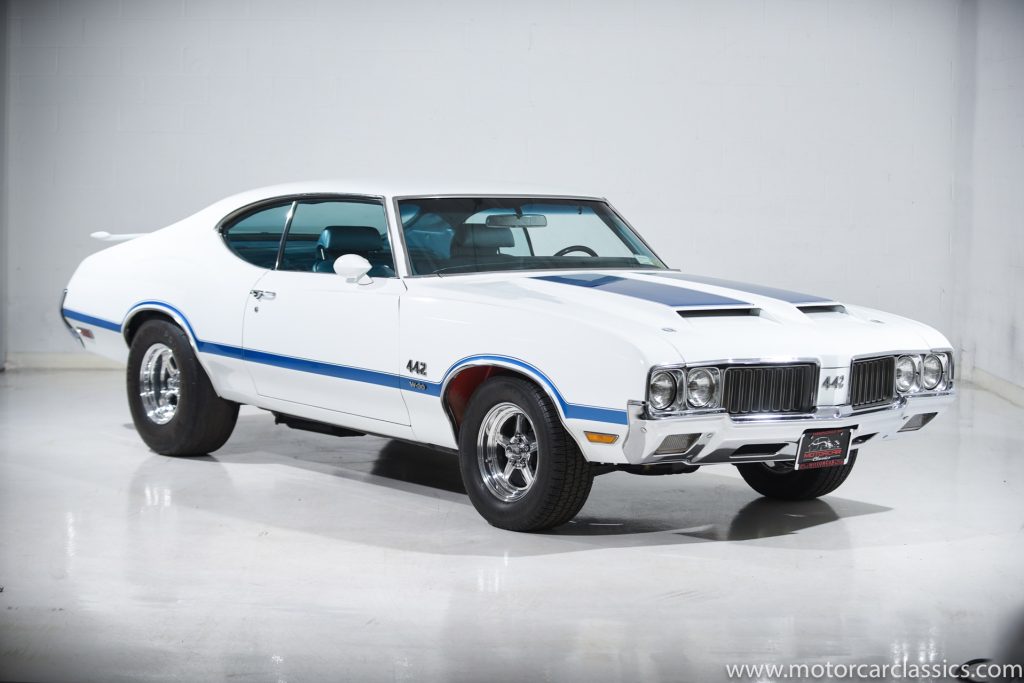
7. Oldsmobile 442 W30 455
The Oldsmobile 442 W30 455 is one of the most respected torque focused muscle cars of its era. While it often lived in the shadow of flashier rivals, it delivered raw performance that demanded respect.
At the core of the W30 was Oldsmobile’s 455 cubic inch V8 engine. This powerplant produced around 500 lb ft of torque, delivering massive low end pull that defined the driving experience. It was built for strength rather than high rpm drama.
The W30 package enhanced airflow and responsiveness. A functional hood, upgraded camshaft, and improved intake helped the engine breathe better. These changes sharpened throttle response and increased usable torque.
On the street, the 442 felt authoritative. Acceleration came effortlessly, with the engine pulling hard from a standstill. Passing maneuvers required little planning thanks to the constant availability of torque.
Traction was a challenge, especially with period correct tires. The rear end could easily break loose under hard acceleration. Drivers had to respect the throttle to maintain control.
The suspension setup favored straight line stability. While cornering was not its strength, the car remained composed under heavy acceleration. This made it well suited for drag strip use.
Styling was muscular but restrained. The 442 badge carried weight, signaling serious performance without excessive decoration. The car looked purposeful and confident.
Inside, the cabin was simple and driver oriented. Gauges were clear, seats were supportive, and distractions were minimal. Everything focused on the act of driving.
What makes the Oldsmobile 442 W30 455 special is its balance of refinement and brute force. It delivered massive torque without feeling crude.
Today, it is recognized as one of the most complete torque driven muscle cars ever produced. Its reputation continues to grow among enthusiasts who appreciate understated strength.
6. Dodge Charger R T 440 Six Pack
The Dodge Charger R T 440 Six Pack is a legend built around torque, sound, and presence. It combined aggressive styling with an engine designed to deliver relentless low end power.
Under the hood sat the 440 cubic inch V8 equipped with the famous Six Pack setup. Three two barrel carburetors fed the engine, producing around 490 lb ft of torque. The focus was on instant response and overwhelming force.
This engine delivered power in a way that felt endless. Torque arrived early and remained strong throughout the rev range. The Charger surged forward with minimal effort.
Driving the 440 Six Pack Charger was an emotional experience. The sound alone made it unforgettable. Acceleration felt heavy, forceful, and commanding rather than frantic.
The long wheelbase helped maintain stability under hard acceleration. While the Charger was a large car, it felt planted when launching in a straight line. This made it a favorite for street racing.
Handling was secondary to power. The suspension favored straight line performance, and tight corners required caution. This was expected given the car’s mission.
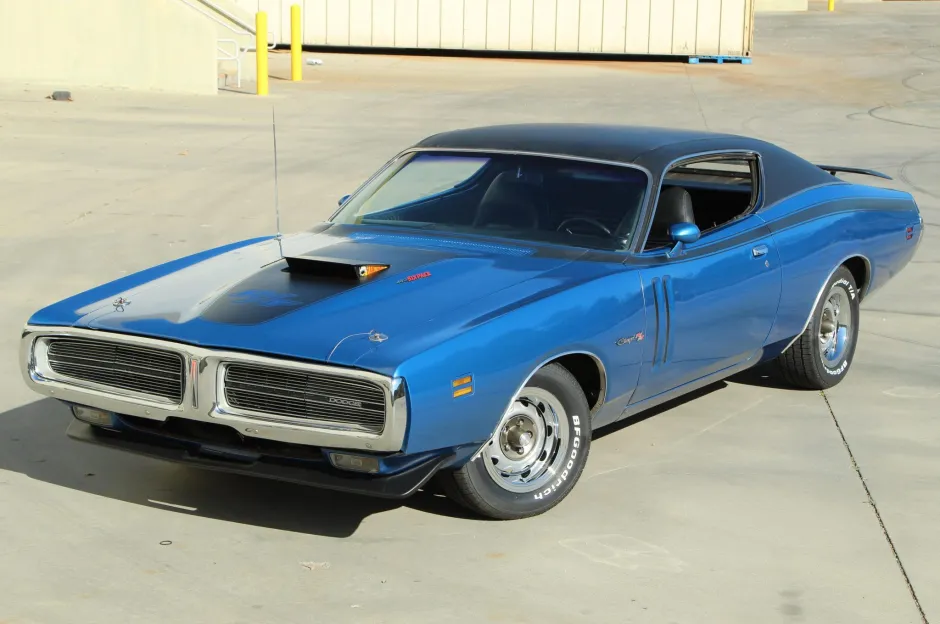
Visually, the Charger R T was iconic. Its wide stance, hidden headlights, and muscular profile gave it unmatched road presence. It looked fast even when standing still.
Inside, the cabin was classic muscle. Simple gauges, bucket seats, and a driver focused layout reinforced the performance intent. Luxury was minimal.
What makes the Charger R T 440 Six Pack impressive is how confidently it delivered torque. It did not rush or strain. It simply pulled hard, every time.
This car represents the moment when Dodge fully embraced torque as the defining element of muscle car performance.
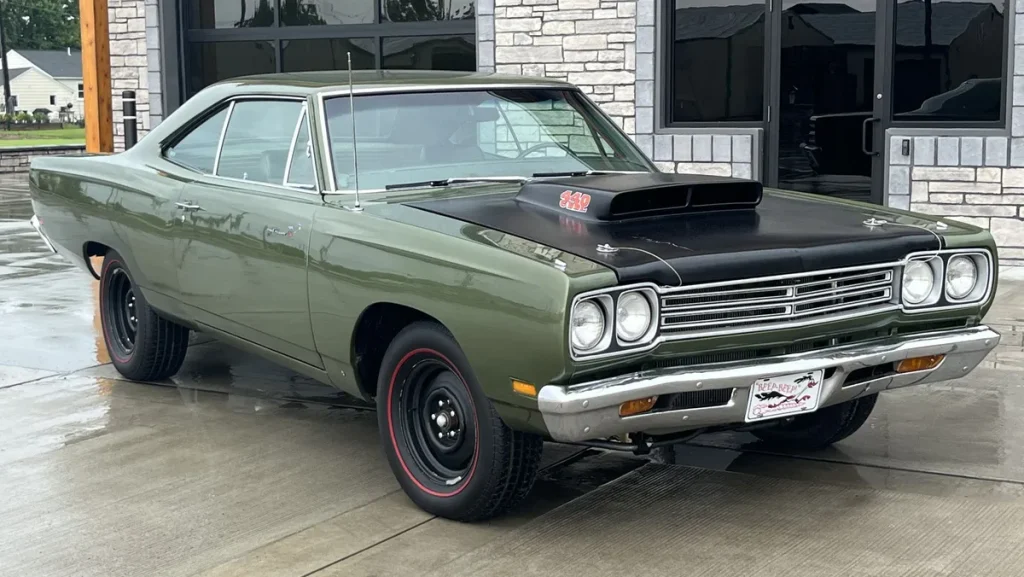
5. Plymouth Road Runner 440 Six Barrel
The Plymouth Road Runner 440 Six Barrel was built with one mission in mind. Deliver massive torque at an affordable price. It stripped away luxury and focused entirely on performance, making it one of the purest muscle cars of its time.
At its core was the legendary 440 cubic inch V8 engine. Equipped with three two barrel carburetors, the Six Barrel setup produced roughly 490 lb ft of torque. This made the Road Runner brutally effective off the line.
Torque delivery was immediate and aggressive. The engine did not need high revs to feel powerful. Even light throttle input produced a strong forward surge that defined the car’s personality.
On the street, the Road Runner felt raw and unfiltered. Acceleration was forceful, and wheelspin was almost guaranteed if the throttle was applied carelessly. This was a car that demanded respect.
The suspension was tuned for straight line performance. While cornering ability was limited, stability under acceleration was excellent. This made it ideal for drag racing and street contests.
Styling matched its attitude. The Road Runner looked bold and unapologetic, with simple lines and iconic graphics. It embraced its performance focus without pretense.
Inside, the cabin was basic but functional. Plymouth intentionally kept costs down by limiting luxury features. The driver was given exactly what was needed and nothing more.
What made the Road Runner special was accessibility. It delivered big block torque without the premium price tag of some rivals. This helped cement its legendary status.
The sound of the 440 Six Barrel engine added to the experience. Deep, aggressive, and unmistakable, it announced its presence instantly.
Today, the Road Runner 440 Six Barrel is remembered as a muscle car built by enthusiasts for enthusiasts. It represents the raw heart of torque driven performance.
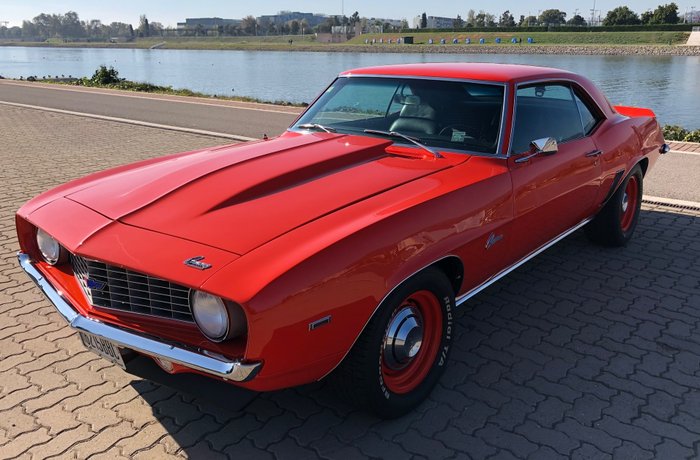
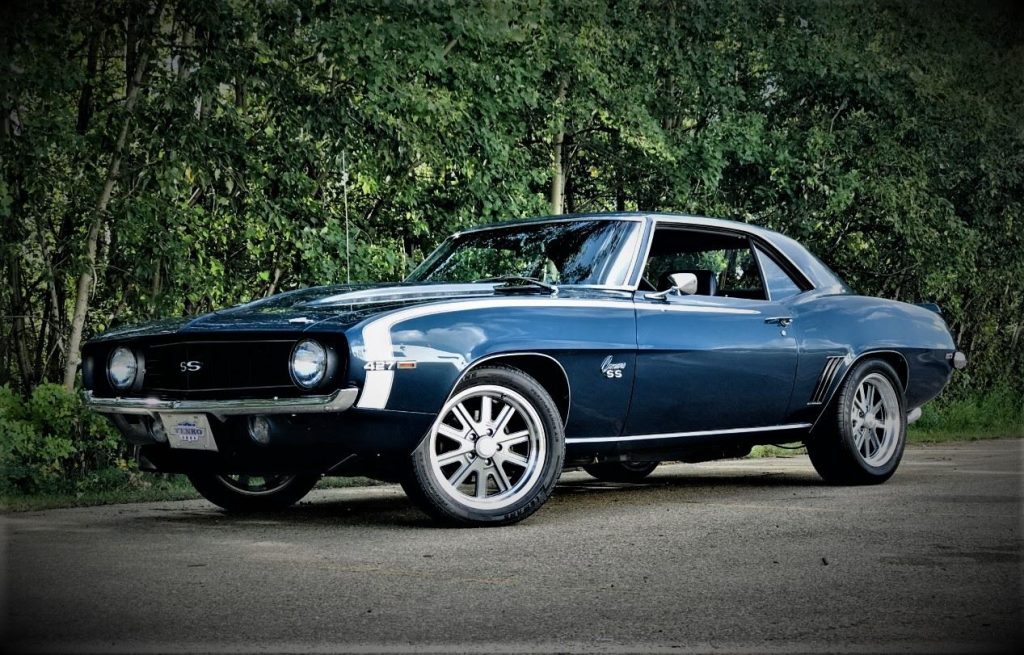
4. Chevrolet Camaro ZL1 427
The Chevrolet Camaro ZL1 427 stands as one of the most extreme factory muscle cars ever produced. Built in very limited numbers, it was designed to bring race level torque to the street.
Under the hood sat the 427 cubic inch V8, borrowed from Chevrolet’s racing programs. This engine produced around 460 lb ft of torque, delivered with incredible intensity.
What made the ZL1 special was not just output, but how the torque was delivered. The engine responded instantly, pulling hard from low speeds and continuing to surge through the rev range.
Driving the ZL1 Camaro required skill. The lightweight body combined with immense torque made traction difficult to manage. Experienced drivers were rewarded with staggering acceleration.
The suspension was upgraded to handle the increased performance. Heavy duty components improved stability, but the car remained challenging at the limit. This was expected given its race inspired nature.
Visually, the ZL1 Camaro looked deceptively subtle. Without bold graphics, it hid its true capability beneath a relatively clean exterior. This added to its mystique.
Inside, the cabin was functional and focused. Comfort was secondary to control. Everything about the interior supported aggressive driving.
The ZL1 was never meant to be common. Its limited production ensured exclusivity. Owners knew they possessed something truly special.
What places the ZL1 so high on this list is its balance of torque and intensity. It delivered race car strength in a street legal package.
The Camaro ZL1 427 remains one of the most respected torque driven machines ever produced. Its legacy continues to inspire performance enthusiasts.
3. Chrysler 300 Hurst 440
The Chrysler 300 Hurst 440 was built during a time when Chrysler focused heavily on torque and highway dominance. Rather than chasing flashy styling, this car emphasized raw pulling power and long distance strength.
At the heart of the 300 Hurst was the 440 cubic inch V8 engine. This engine produced around 480 lb ft of torque, delivering strong low end force that suited the car’s large and confident character.
Torque delivery was smooth and relentless. The engine did not feel aggressive or jumpy. Instead, it provided a steady surge that made the car feel powerful at any speed.
On the road, the 300 Hurst excelled at highway cruising. Passing slower traffic required minimal throttle input. The torque did most of the work without strain.
The car’s size worked in its favor. The long wheelbase helped maintain stability during hard acceleration. Even when pushed, the car felt planted and controlled.
Suspension tuning leaned toward comfort rather than sharp handling. This was intentional. Chrysler wanted the car to feel strong and composed rather than sporty.
Styling was distinctive but not overly aggressive. The white and gold paint scheme, along with subtle badging, gave it a premium appearance. It looked confident without shouting.
Inside, the cabin reflected Chrysler’s luxury leaning approach. Seats were comfortable, and the ride quality was smoother than many competitors. This made it easier to drive for long periods.
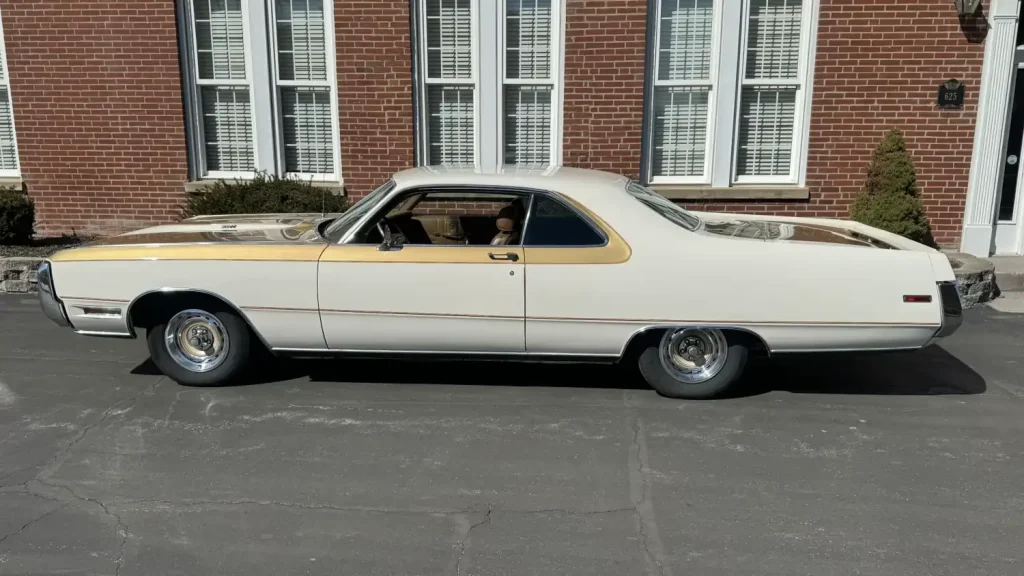
What makes the 300 Hurst 440 impressive is how usable its torque was. It did not demand aggressive driving to feel fast. Strength was always available.
This car represents a different interpretation of muscle. It prioritized torque driven dominance rather than youthful aggression, making it a standout in this ranking.
2. Ford Torino Cobra 429
The Ford Torino Cobra 429 was built with one goal in mind. Deliver massive torque with racing inspired engineering. It was Ford’s response to the growing demand for serious street performance.
Under the hood sat the legendary 429 cubic inch V8 engine. Designed with racing in mind, it produced around 450 lb ft of torque, delivered with an aggressive and forceful character.
What made this engine special was how quickly torque came on. Throttle response was immediate. The car felt eager and explosive even at low speeds.
Acceleration was violent by the standards of its time. The Torino Cobra launched hard and continued pulling with authority. Drivers could feel the engine’s racing heritage.
The chassis was reinforced to handle the increased output. Suspension components were upgraded to improve stability during aggressive driving. Straight line performance was a clear priority.
Handling was better than many big block competitors. While still a muscle car at heart, the Torino Cobra felt more controlled when pushed hard.
Styling reflected its performance intent. The long hood, bold graphics, and aggressive stance made it look fast and intimidating. It carried serious presence.
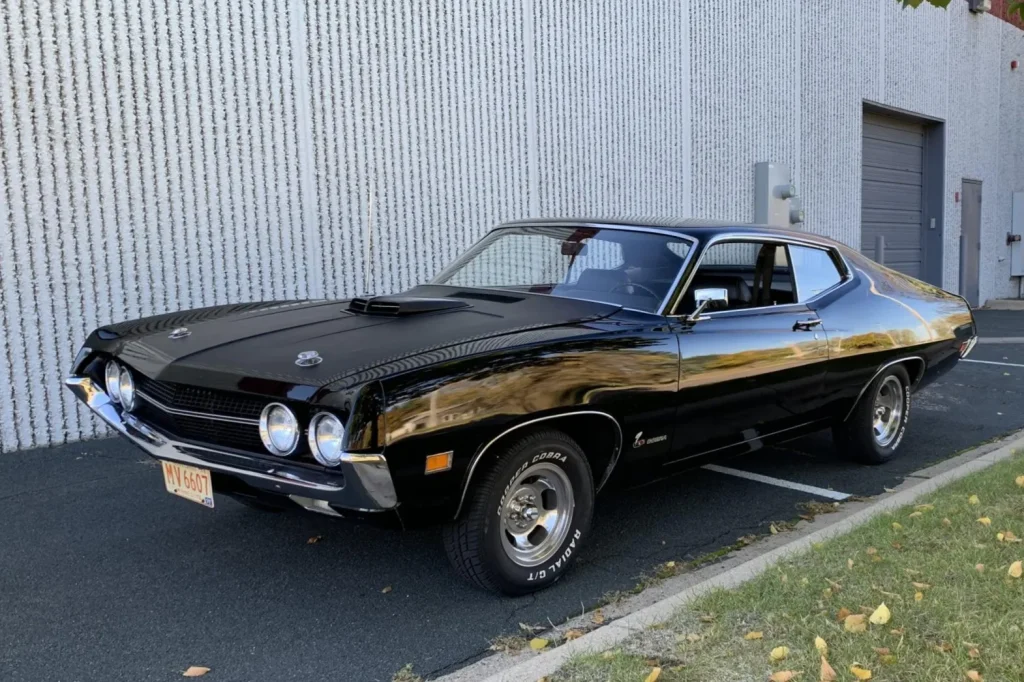
Inside, the cabin was functional, and the driver focused. Controls were easy to reach, and visibility was good for such a large car. Comfort was acceptable but not the main focus.
The Torino Cobra earned its place near the top of this list because of how its torque felt. It was not smooth or relaxed. It was urgent and commanding.
This car showcased Ford’s ability to blend racing technology with street usability. It remains one of the most respected torque driven muscle cars ever built.
1. Dodge Challenger R T 426 Hemi
The Dodge Challenger R T 426 Hemi stands at the top of this ranking for one reason. Few engines in automotive history delivered torque with such authority and legend.
The 426 cubic inch Hemi V8 produced around 490 lb ft of torque. More importantly, it delivered that torque in a way that felt unstoppable. Power arrived instantly and relentlessly.
The hemispherical combustion chamber design allowed for efficient airflow and explosive combustion. This gave the engine its signature strength and sound.
Driving a 426 Hemi Challenger was an intense experience. The car surged forward with minimal throttle input. Torque was always present, ready to overwhelm the rear tires.
Traction was a constant battle. Even experienced drivers had to be cautious. The engine demanded respect and rewarded skill.
The Challenger’s wide stance helped manage the power. While still a handful, it felt more stable than many rivals under hard acceleration.
Styling played a huge role in its appeal. The Challenger looked muscular and aggressive from every angle. It looked like the powerhouse it truly was.
Inside, the cabin was classic muscle. Simple gauges, firm seats, and a driver centered layout reinforced its purpose.
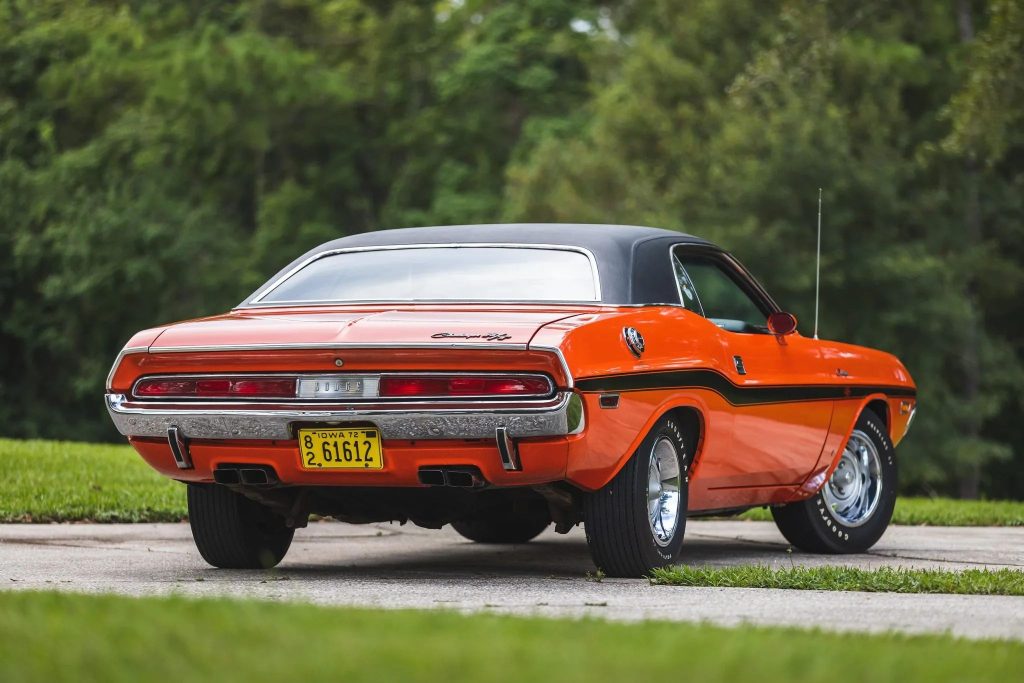
What truly sets the 426 Hemi apart is its legacy. It became the benchmark for torque, strength, and dominance. Even today, the name carries weight.
The Dodge Challenger R T 426 Hemi is not just the highest torque classic muscle car. It is the symbol of the muscle car era itself.
