
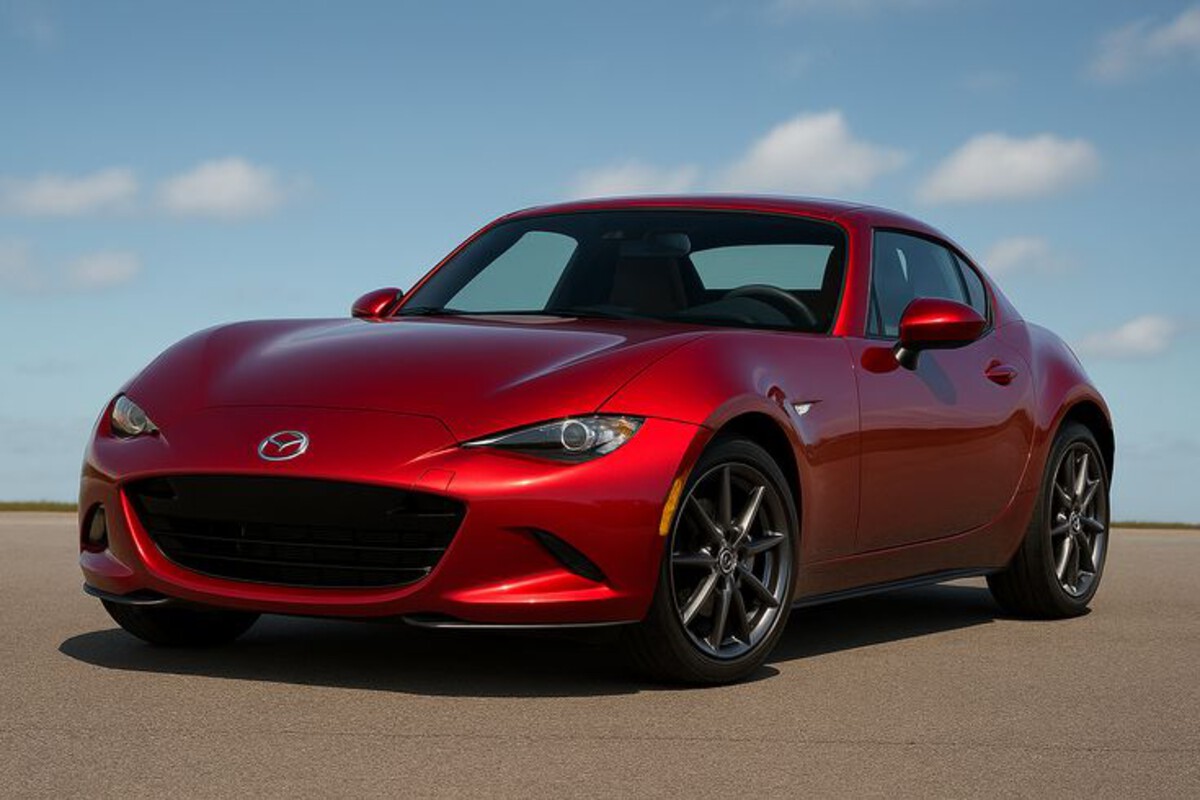
Fort Collins sits at a crossroads between city commuting and outdoor access. Many drivers here split their time between paved streets, bike-laden trailhead parking lots, and unpaved county roads leading to hikes, campsites, and climbing areas.
Weather shifts quickly, elevation changes are routine, and gravel is a normal part of daily driving not a rare exception.
This article looks at two sides of vehicle suitability for Fort Collins drivers. The first focuses on cars that work well for outdoor commuters vehicles that handle daily traffic efficiently while remaining capable on gravel roads, dirt pull-offs, and uneven trailhead access routes.
These cars balance comfort, reliability, and durability without becoming oversized or wasteful for city use.
The second half examines cars that don’t tolerate gravel. Some vehicles are engineered almost entirely for smooth pavement.
On gravel, they suffer from poor traction, fragile suspension components, exposed underbodies, or paint and body damage that escalates quickly. While these cars may feel excellent on highways, Fort Collins’ outdoor-oriented lifestyle exposes their weaknesses fast.
In this region, drivability isn’t about speed it’s about adaptability. Cars that can absorb rough surfaces, maintain traction on loose ground, and tolerate dust and debris become long-term assets. Cars that can’t quickly feel restrictive, expensive to maintain, or simply out of place.
By comparing both groups, this article helps Fort Collins buyers choose vehicles that match how they actually drive balancing weekday commutes with weekend access to the outdoors.
Also Read: 5 Cars for Lafayette Coastal Life and 5 That Rust Fast
5 Cars for Fort Collins Outdoor Commuters
Outdoor commuting in Fort Collins requires a specific blend of qualities. Vehicles must be efficient and comfortable for daily city use, yet durable enough to handle gravel roads, dirt parking areas, and unpredictable surface conditions common near trailheads and open space access points.
This section focuses on five cars that fit this lifestyle naturally. These vehicles are chosen because they maintain composure on loose surfaces, offer dependable traction, and tolerate dust, debris, and uneven ground without excessive wear. They are not hardcore off-road machines, but they don’t feel fragile once pavement ends.
Another key factor is year-round usability. Fort Collins drivers encounter snow, rain, and dry gravel often in the same week. Vehicles that provide stable traction and predictable handling across changing conditions reduce stress and improve safety.
Size and efficiency also matter. Outdoor commuters still spend most of their time on paved roads, so vehicles that feel bulky or inefficient become a burden. The cars in this list strike a balance between outdoor capability and everyday practicality.
Each car here is written about because it complements the Fort Collins lifestyle. These vehicles allow drivers to commute comfortably during the week and access outdoor spaces confidently on the weekend without switching vehicles or compromising reliability.
1. Subaru Crosstrek
The Subaru Crosstrek is one of the most natural fits for Fort Collins outdoor commuters because it blends city-friendly size with genuine gravel-road confidence. Designed with outdoor use in mind, the Crosstrek feels comfortable transitioning from paved streets to dirt access roads without hesitation.
One of its biggest advantages is standard all-wheel drive, which provides consistent traction on loose gravel, washboard surfaces, and muddy trailhead lots. Power delivery remains smooth and predictable, reducing wheel spin and maintaining control where front-wheel-drive cars struggle.
Ground clearance further supports its role. The Crosstrek rides higher than typical compact cars, reducing the risk of underbody scrapes on rutted roads or uneven parking areas. This added clearance is especially valuable on lightly maintained county roads outside Fort Collins.
Suspension tuning also plays a role. The Crosstrek absorbs small bumps and surface irregularities without harsh impacts, preventing the rattles and wear that develop in stiffer vehicles. Over time, this improves durability and comfort.
Daily commuting remains efficient. Fuel economy stays reasonable, visibility is excellent, and the compact footprint makes parking easy in town. Interior materials are durable enough to handle dirt, gear, and dust without rapid degradation.
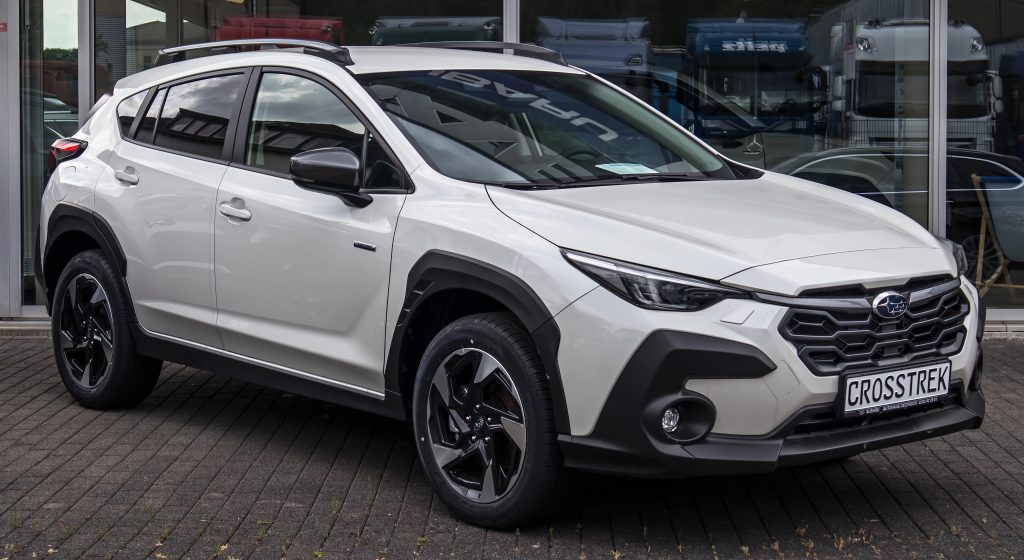
The Crosstrek is written about because it fits Fort Collins’ outdoor-first culture. It doesn’t demand attention, it simply adapts to whatever the road turns into.
2. Toyota RAV4
The Toyota RAV4 earns its place on this list by offering dependable durability and light-duty gravel capability without sacrificing everyday comfort. For Fort Collins drivers who need one vehicle to do everything reasonably well, the RAV4 strikes a practical balance.
One of its key strengths is chassis stability. On gravel roads, the RAV4 feels planted rather than nervous. Steering remains predictable, and suspension tuning prevents excessive bouncing on uneven surfaces important when driving to trailheads or open-space parking areas.
Available all-wheel drive improves traction on loose or wet gravel, while ground clearance helps avoid contact with rocks or ruts. While not intended for rough off-roading, the RAV4 handles typical outdoor access routes confidently.
Durability supports long-term ownership. Toyota’s conservative engineering reduces failure points, and suspension components tolerate repeated gravel use better than many car-based crossovers. Dust intrusion and vibration are less likely to cause premature wear.
Commuting comfort remains a strong point. The RAV4 is quiet on pavement, efficient in traffic, and easy to live with daily. It doesn’t feel oversized for city use, yet it doesn’t feel delicate once pavement ends.
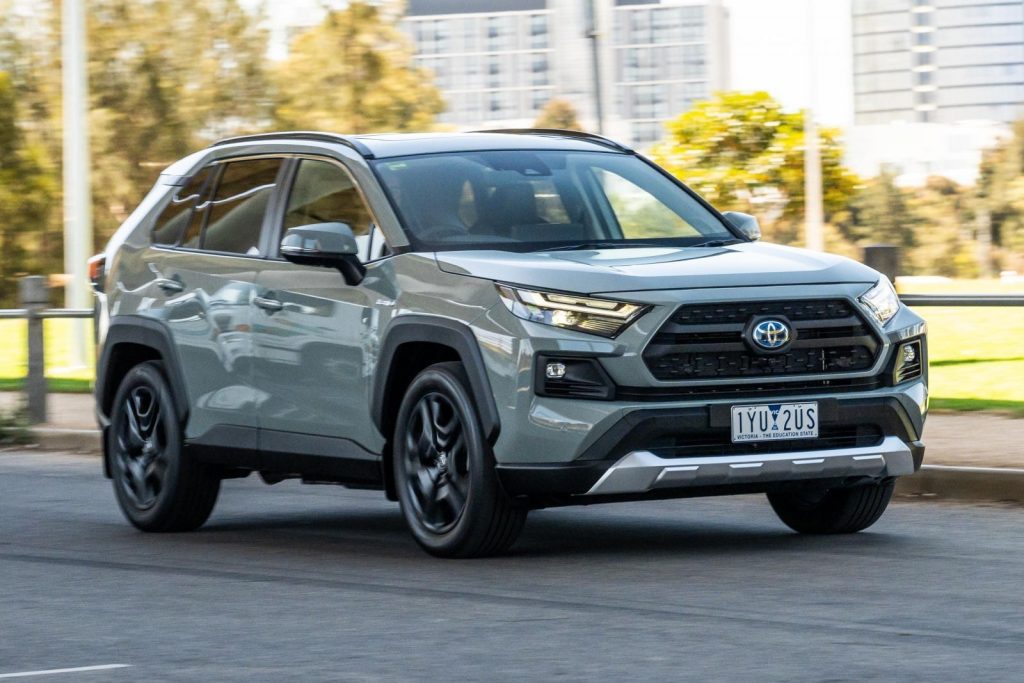
The RAV4 is written about because it supports Fort Collins’ mix of routine commuting and frequent outdoor access without forcing drivers to choose between comfort and capability.
3. Subaru Outback
The Subaru Outback is one of the most complete vehicles for Fort Collins outdoor commuters because it feels purpose-built for the region’s mix of pavement, gravel, weather, and elevation changes. It bridges the gap between daily commuter and outdoor-access vehicle better than almost anything else in its class.
One of the Outback’s strongest advantages is chassis balance on loose surfaces. Unlike taller SUVs that feel top-heavy on gravel, the Outback’s lower center of gravity keeps it stable and predictable.
On washboard roads leading to trailheads or reservoirs, the suspension absorbs vibrations without bouncing or skittering, which reduces driver fatigue and long-term wear.
All-wheel drive is standard, and Subaru’s system excels on mixed surfaces. Power is distributed smoothly, preventing wheel spin on loose gravel or dirt inclines. This makes starts, slow climbs, and tight turns on unpaved roads feel controlled rather than tentative an important quality for drivers accessing outdoor areas frequently.
Ground clearance also supports its role. The Outback clears shallow ruts, rocks, and uneven parking areas without scraping, while still remaining easy to step into and drive daily. It doesn’t feel oversized or cumbersome in Fort Collins traffic, which keeps weekday commuting comfortable.
Interior practicality further enhances its appeal. The cargo area handles bikes, skis, and hiking gear easily, and materials are durable enough to tolerate dust, moisture, and dirt without rapid degradation. Seats remain comfortable on longer drives to mountain access points outside town.
Fuel efficiency remains reasonable given its capability, and road noise is well controlled on pavement. That balance matters for drivers who spend most weekdays commuting but want to head straight to outdoor destinations afterward.
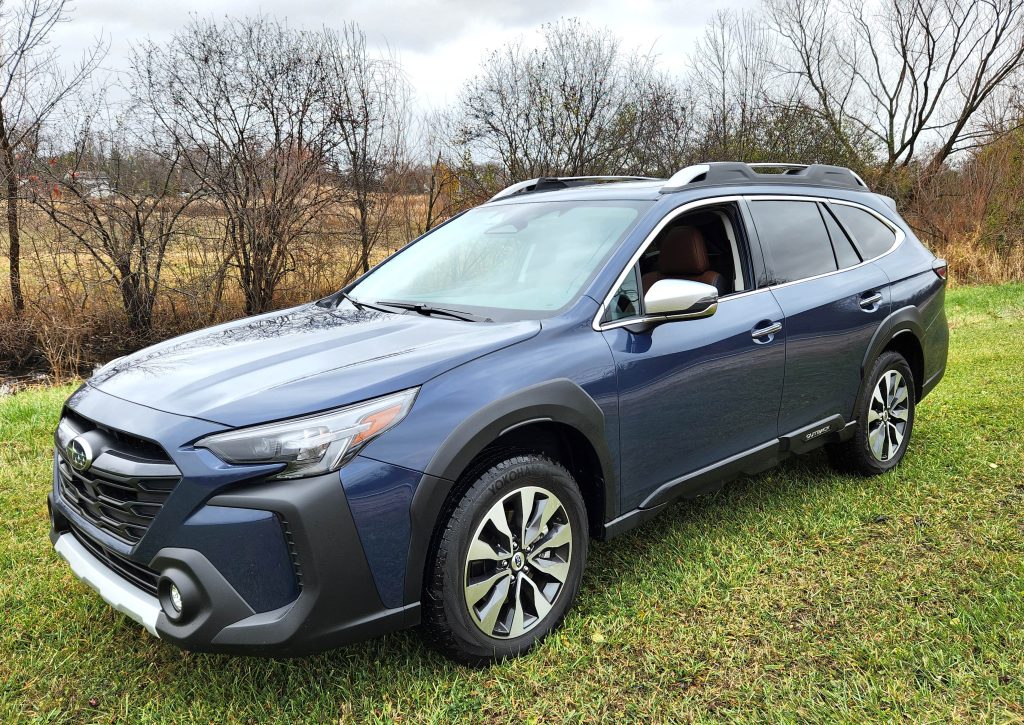
The Outback is written about because it fits Fort Collins’ lifestyle almost perfectly. It doesn’t just tolerate gravel it’s comfortable living with it, while remaining refined enough for daily commuting.
4. Honda CR-V AWD
The Honda CR-V with all-wheel drive is an excellent choice for Fort Collins outdoor commuters who want subtle capability without sacrificing everyday ease. While it isn’t marketed as an adventure vehicle, its design adapts surprisingly well to frequent gravel use.
One of the CR-V’s key strengths is predictable handling on loose surfaces. Steering remains light but accurate on gravel roads, allowing drivers to place the vehicle confidently without overcorrection. The suspension absorbs bumps and small potholes without harsh impacts, which prevents the rattles and looseness that can develop in more pavement-focused cars.
The available all-wheel-drive system adds traction where front-wheel-drive vehicles struggle. On gravel inclines or damp dirt roads, power delivery stays controlled rather than abrupt. This improves stability and reduces wheel spin that can damage tires or suspension components over time.
Ground clearance is sufficient for typical outdoor access roads around Fort Collins. While not designed for deep ruts or rock crawling, the CR-V clears uneven surfaces commonly found near trailheads and open spaces without underbody contact.
Durability is another strong point. Honda’s conservative suspension tuning and solid component quality hold up well under repeated gravel exposure. Bushings, joints, and steering components tend to age gracefully, even when the vehicle sees unpaved roads regularly.
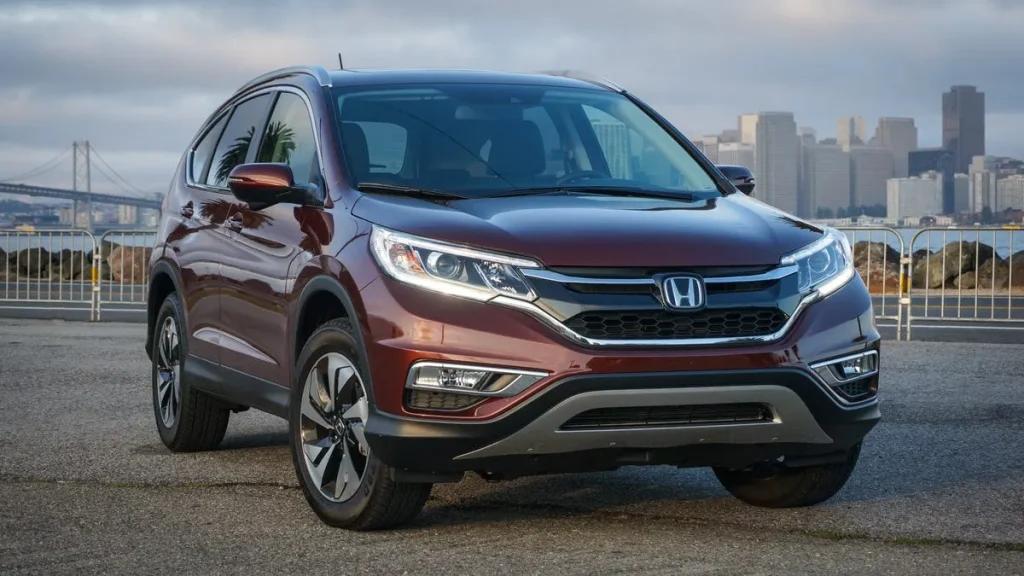
For daily commuting, the CR-V remains one of the most comfortable options in its segment. It’s quiet, fuel-efficient, and easy to maneuver in town. Drivers don’t feel like they’re making sacrifices during the workweek just to gain weekend access.
The CR-V AWD is written about because it shows that outdoor commuting doesn’t require aggressive styling or specialized hardware. In Fort Collins, its calm adaptability makes it a dependable all-around solution.
5. Ford Bronco Sport
The Ford Bronco Sport completes this list because it is one of the few compact SUVs intentionally designed with gravel and dirt roads in mind. For Fort Collins drivers who regularly transition from pavement to unpaved surfaces, that intent makes a noticeable difference.
One of the Bronco Sport’s biggest strengths is low-speed control on loose terrain. Throttle response is tuned to deliver torque smoothly, preventing wheel spin on gravel. This makes driving on washboard roads or loose inclines feel controlled rather than chaotic.
Suspension tuning favors durability. The Bronco Sport absorbs repeated bumps without bottoming out or transmitting harsh impacts into the cabin. Over time, this reduces suspension wear and keeps the vehicle feeling tight rather than fatigued.
Ground clearance is another major advantage. Compared to many compact crossovers, the Bronco Sport sits higher, allowing it to clear ruts, rocks, and uneven parking areas confidently. This capability is especially useful on less-maintained access roads common around Fort Collins’ outdoor spaces.
All-wheel drive systems are designed for traction rather than fuel optimization alone. Power distribution adjusts quickly on mixed surfaces, improving stability when transitioning between pavement and gravel.
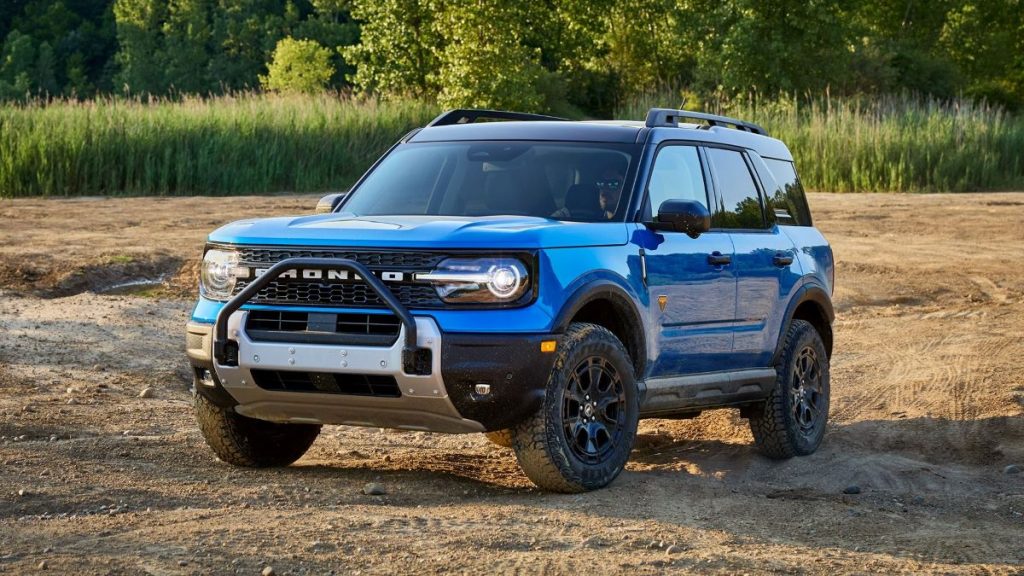
Despite its rugged focus, the Bronco Sport remains manageable for daily commuting. It’s compact enough for city parking, visibility is good, and fuel economy remains reasonable for its capability.
The Bronco Sport is written about because it embraces Fort Collins’ outdoor reality directly. It doesn’t just survive gravel it’s built expecting it.
5 That Don’t Tolerate Gravel
Gravel is not an edge case in Fort Collins it is a routine driving surface. Trailhead access roads, open-space parking areas, county routes, and overflow lots are often unpaved, dusty, and uneven. While these roads are not extreme off-road trails, they are unforgiving to vehicles that are designed strictly for smooth asphalt.
This section focuses on cars that don’t tolerate gravel well. These vehicles are not necessarily unreliable, poorly built, or unpopular. In fact, many of them are excellent on highways and city streets.
Their weakness is specialization. They are engineered for precision pavement driving, not loose surfaces, vibration, dust, or repeated impacts from small stones.
A major problem for gravel-intolerant cars is low ride height and exposed underbodies. Gravel roads frequently feature ruts, washboard sections, and embedded rocks.
Vehicles with minimal clearance scrape, bottom out, or suffer repeated impacts to exhaust components, oil pans, and underbody panels. Over time, this causes damage that would never occur in purely urban driving.
Suspension design is another critical factor. Cars tuned for sharp handling or ride firmness often lack the compliance needed to absorb gravel irregularities.
Instead of settling, they chatter, bounce, and transmit vibration directly into bushings, mounts, and interior trim. This leads to accelerated wear, loosened components, and persistent rattles.
Paint and body damage also escalate quickly. Gravel throws stones directly at rocker panels, wheel arches, and lower doors. Vehicles with thin paint or minimal protective cladding accumulate chips rapidly, which in Colorado’s dry, dusty environment can turn into corrosion or long-term cosmetic degradation.
Finally, traction and drivability suffer. Front-wheel-drive cars with aggressive throttle mapping or low-profile tires struggle to maintain composure on loose surfaces. Wheel spin, traction control intervention, and unstable braking reduce confidence and increase stress.
These vehicles are written about to help Fort Collins buyers avoid mismatches. In an outdoor-oriented city, cars that can’t handle gravel don’t just limit access they become expensive, fragile liabilities.
1. Tesla Model 3
The Tesla Model 3 is exceptionally efficient and technologically advanced, but it performs poorly on gravel roads common around Fort Collins. Designed primarily for smooth pavement, its low clearance, heavy weight, and rigid suspension make gravel driving uncomfortable and potentially damaging.
One of the Model 3’s biggest weaknesses is low ride height combined with battery placement. The battery pack spans the entire underbody, leaving little margin for impacts. On gravel roads with ruts or raised stones, underbody strikes are a real concern. Even light contact can damage protective panels, leading to expensive repairs.
Suspension tuning further limits gravel tolerance. The Model 3’s firm setup is designed for precise on-road handling. On washboard surfaces, this translates into constant vibration rather than absorption. The car chatters across gravel, transmitting shock into suspension components and interior mounts, accelerating wear.
Tire selection also works against it. The Model 3 typically uses low-profile, road-focused tires that offer minimal sidewall flex. On gravel, these tires provide poor cushioning and are more susceptible to punctures and sidewall damage. Replacement costs are high, adding to ownership stress.
Paint and body protection are another concern. The Model 3 lacks lower-body cladding, leaving rocker panels and door edges exposed to stone chips. Gravel roads quickly pepper these areas, leading to cosmetic damage that accumulates rapidly.
Traction behavior can also be unsettling. While the electric drivetrain provides instant torque, that responsiveness can cause wheel spin on loose surfaces. Traction control intervenes frequently, making low-speed gravel driving feel jerky rather than controlled.
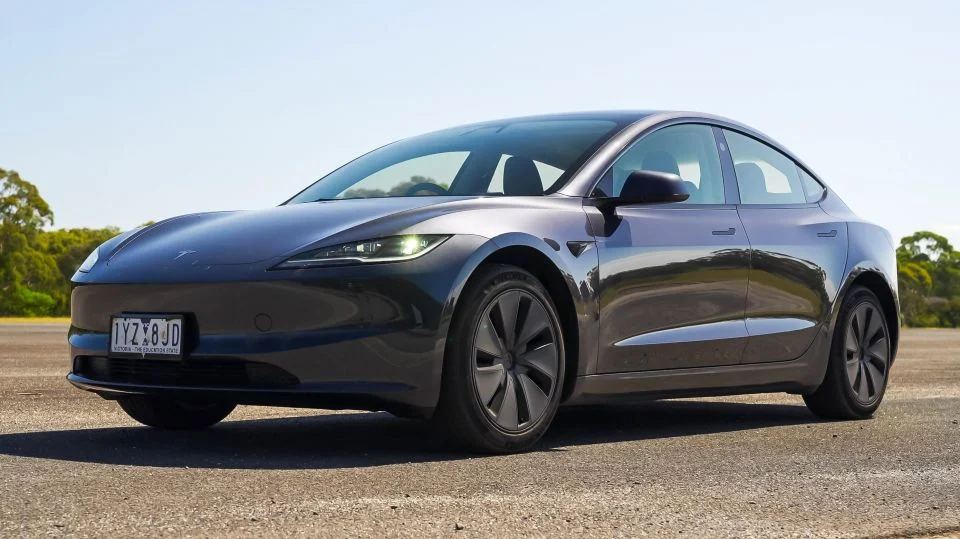
The Model 3 is written about because it represents urban optimization taken too far. In Fort Collins, where gravel is part of the outdoor commute, its design priorities clash directly with real-world conditions.
2. Honda Civic Si
The Honda Civic Si is engineered for enthusiastic pavement driving, not gravel tolerance. While engaging on winding roads, its low stance, stiff suspension, and performance-focused components make it poorly suited to Fort Collins’ unpaved routes.
The most immediate issue is suspension stiffness. The Civic Si’s sport-tuned suspension is designed to minimize body roll and maximize responsiveness. On gravel, this stiffness becomes a liability. Instead of absorbing bumps, the car skips and jitters, causing constant vibration and loss of composure.
Ride height further limits usability. With limited ground clearance, the Civic Si is vulnerable to scraping on ruts and uneven surfaces. Exhaust components, underbody panels, and side skirts are all exposed to gravel strikes, increasing the risk of damage.
Tire choice also works against it. Performance-oriented tires prioritize grip on asphalt, not durability on loose stone. On gravel, they provide inconsistent traction and are prone to cuts and punctures. Replacement is frequent and costly.
Interior durability suffers as well. Continuous vibration from gravel roads loosens trim, creates rattles, and accelerates wear on interior fasteners. Over time, the cabin feels prematurely aged despite the car’s mechanical reliability.
Throttle response and traction control behavior further reduce confidence. The Civic Si’s responsive engine and manual transmission demand finesse on gravel. Small mistakes lead to wheel spin, traction control intervention, or abrupt power delivery.
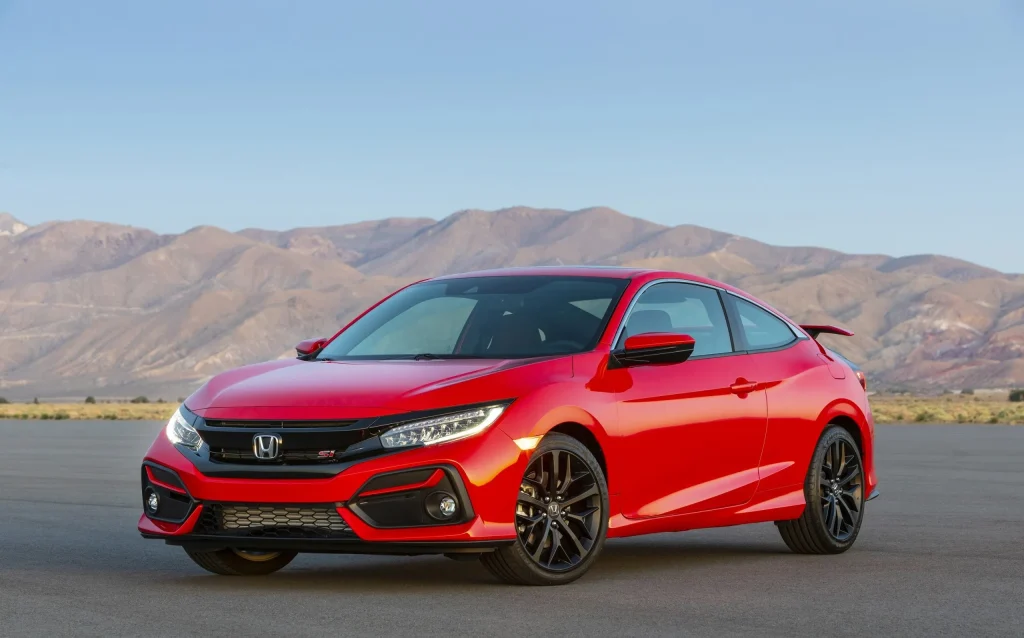
The Civic Si is written about because it illustrates how performance tuning conflicts with outdoor access. In Fort Collins, its strengths shine on pavement but gravel turns it into a fragile, uncomfortable compromise.
3. BMW 3 Series
The BMW 3 Series is widely respected for its balance, performance, and refinement on pavement, but those same qualities make it poorly suited for gravel-heavy driving around Fort Collins. Designed with precise road feedback in mind, the 3 Series becomes fragile and uncomfortable once the asphalt ends.
One of the most significant issues is low ground clearance combined with exposed underbody components. Gravel roads often feature raised stones, ruts, and uneven transitions that the 3 Series simply isn’t built to handle.
Exhaust sections, heat shields, and underbody panels sit close to the ground, making scrapes and impacts likely even on moderately rough access roads.
Suspension tuning further limits gravel tolerance. The 3 Series prioritizes tight body control and steering precision, resulting in a firm setup that transmits vibration rather than absorbing it. On washboard surfaces common near trailheads, this creates constant chatter that accelerates wear on bushings, mounts, and suspension joints.
Tire choice also works against the car. Most 3 Series models come equipped with low-profile performance or run-flat tires. These tires lack sidewall flexibility, offering minimal cushioning on gravel and increasing the risk of punctures or wheel damage. Replacement costs are high, making frequent gravel use expensive.
Paint and body protection are minimal. Without protective cladding, the lower doors, rocker panels, and rear quarter panels are directly exposed to flying stones. Gravel roads quickly chip paint, leading to long-term cosmetic degradation and potential corrosion.
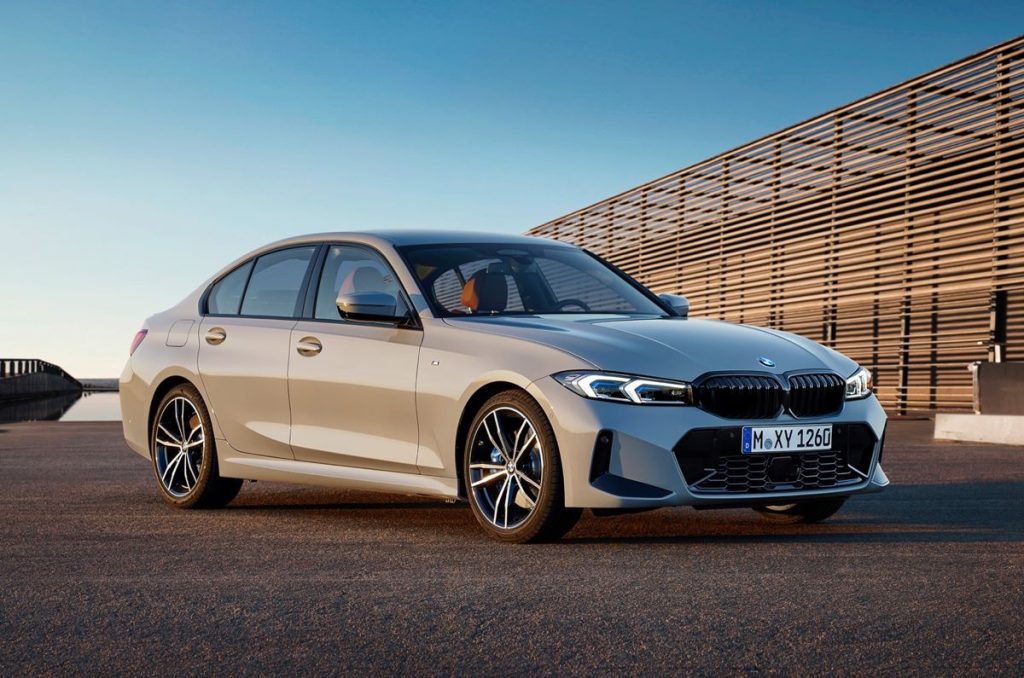
Electronics add another layer of vulnerability. Sensors, wiring, and control modules positioned low in the chassis are exposed to dust and vibration. Over time, this leads to intermittent faults and warning lights that are difficult to diagnose.
The BMW 3 Series is written about because it highlights how road-focused luxury engineering fails off pavement. In Fort Collins, where gravel is unavoidable for outdoor access, its refinement becomes a liability rather than an advantage.
4. Mazda MX-5 Miata
The Mazda MX-5 Miata is celebrated for its purity and engagement on smooth roads, but it is one of the least gravel-tolerant cars a Fort Collins driver could own. Built for lightweight agility, it struggles profoundly once surfaces become loose or uneven.
The most obvious limitation is extremely low ride height. The Miata sits so close to the ground that even shallow ruts or scattered stones pose a risk. Underbody scraping is common, and sensitive components such as exhaust piping and differential housings are highly exposed.
Suspension tuning further compounds the problem. While compliant on pavement, the Miata’s short wheelbase and firm damping cause it to bounce and skip on gravel. This reduces traction and makes steering unpredictable, especially at low speeds.
Tires are another major issue. Performance-focused tires provide little grip on loose stone and are vulnerable to punctures. The narrow wheel wells and lack of clearance also limit the ability to fit more durable all-terrain alternatives.
Interior durability suffers as well. Continuous vibration from gravel roads loosens trim and accelerates wear, making the cabin feel prematurely aged. In a car designed for precision, this degradation is especially noticeable.
Weather exposure adds to the problem. Dust intrusion through soft-top seals is common, and gravel driving increases the likelihood of debris entering hinges, latches, and interior mechanisms.
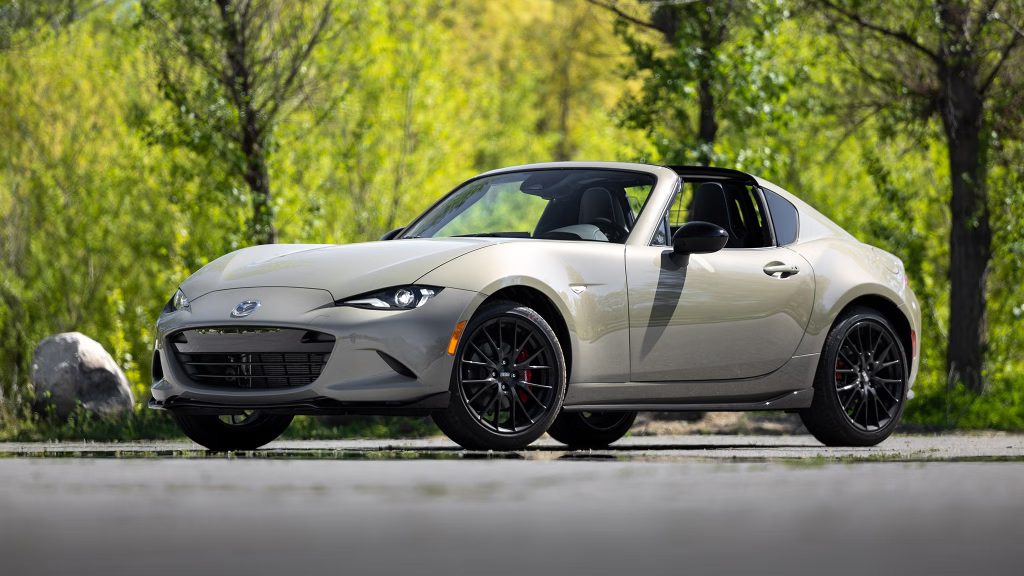
The Miata is written about because it represents enthusiast design with zero adaptability. In Fort Collins’ outdoor environment, it restricts access and demands constant caution, undermining its otherwise joyful driving experience.
5. Hyundai Elantra N
The Hyundai Elantra N is a high-performance sedan built to excite on smooth pavement, but its aggressive setup makes it a poor match for Fort Collins gravel roads. While thrilling on asphalt, it becomes harsh, vulnerable, and uncomfortable once conditions deteriorate.
The biggest drawback is extreme suspension stiffness. Tuned for track-level responsiveness, the Elantra N transmits every bump and stone directly into the chassis. On gravel, this leads to constant vibration that accelerates wear on suspension components and interior fittings.
Ground clearance is another limiting factor. The Elantra N sits lower than standard sedans and includes aerodynamic elements that are easily damaged by gravel strikes. Front splitters, side skirts, and underbody panels are particularly vulnerable.
Tire selection further reduces gravel tolerance. Ultra-high-performance tires offer minimal durability on loose surfaces and are prone to punctures and rapid wear. Replacement costs add up quickly for drivers who regularly travel unpaved roads.
Traction behavior is also problematic. Aggressive throttle mapping combined with limited grip on gravel leads to frequent wheel spin and traction control intervention. This makes low-speed gravel driving feel jerky and stressful rather than controlled.
Interior noise and vibration levels rise dramatically on gravel, reducing comfort and increasing fatigue. Over time, this undermines the car’s appeal as a daily driver for outdoor-oriented lifestyles.
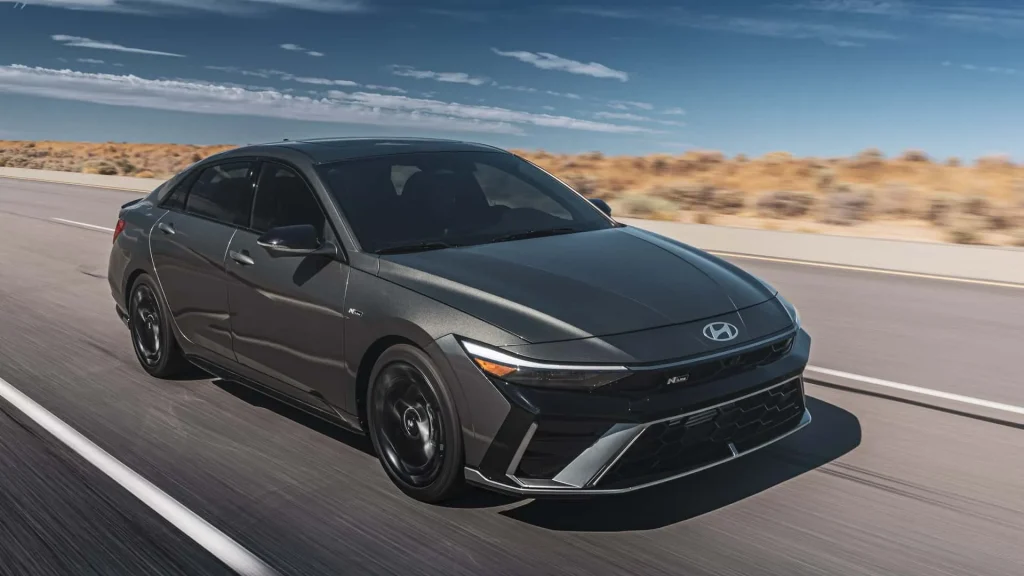
The Elantra N is written about because it shows how performance obsession sacrifices versatility. In Fort Collins, its inability to tolerate gravel makes it a poor fit despite its impressive on-road capabilities.
This article examined vehicle choice through the realities of Fort Collins, where daily commuting often overlaps with outdoor access on gravel roads, dirt pull-offs, and trailhead routes. In this environment, adaptability matters more than outright performance or luxury.
The first half focused on cars well suited for Fort Collins outdoor commuters. These vehicles were chosen for their ability to balance efficient city driving with reliable performance on gravel.
Common strengths included all-wheel drive or well-tuned traction systems, sufficient ground clearance, compliant suspension, and durable components that tolerate dust, vibration, and uneven surfaces.
These cars allow drivers to commute comfortably during the week while confidently reaching outdoor destinations on the weekend, without feeling fragile once pavement ends.
The second half examined cars that don’t tolerate gravel, highlighting how pavement-focused design becomes a liability in an outdoor-oriented city.
Low ride height, stiff suspensions, exposed underbodies, thin paint, and performance tires made these vehicles vulnerable to scraping, vibration, punctures, and accelerated wear. Gravel driving turned routine trips into stressful, damaging experiences rather than convenient access.
Overall, the article reinforces a clear takeaway: Fort Collins rewards versatility. Vehicles that absorb rough surfaces and adapt to mixed driving conditions enhance daily life and outdoor access.
Cars designed strictly for smooth pavement may excel elsewhere, but in a city where gravel is unavoidable, they limit mobility and increase long-term ownership costs.
Also Read: Volkswagen Turbo Lawsuit Pays Owner $3,500 While Lawyers Take Nearly $2 Million
