
Tallahassee’s driving environment is shaped by government schedules, predictable commuting patterns, and a strong emphasis on reliability.
State employees, agency staff, and legislative workers typically follow consistent daily routinesoffice commutes, downtown parking, meetings across campuses, and steady year-round use rather than extreme seasonal driving. In this context, the ideal car is one that is calm, dependable, efficient, and easy to service locally.
This article looks at two sides of vehicle ownership that matter deeply to Tallahassee government commuters.
The first focuses on cars that fit this lifestyle naturally vehicles that handle short daily commutes, frequent parking, and long-term ownership without becoming burdensome. These cars emphasize reliability, fuel efficiency, comfort, and ease of maintenance, making them well suited to steady professional use.
The second half examines vehicles that need specialist parts. These cars often appear attractive on paper, offering luxury, performance, or advanced engineering.
However, in a city where most drivers rely on local service centers and predictable maintenance schedules, vehicles that require specialized components, tools, or dealer-only repairs quickly become inconvenient and expensive.
In Tallahassee, downtime matters. Missed workdays, delayed repairs, and unexpected maintenance disrupt routines far more than in cities with dense luxury-service networks. A car that requires specialist attention doesn’t just cost more it complicates daily life.
By comparing commuter-friendly vehicles with those that demand specialised parts and service, this article helps Tallahassee buyers choose cars that align with how they actually drive and maintain their vehicles not just how they look or perform on paper.
Also Read: 5 Cars for Lafayette Coastal Life and 5 That Rust Fast
5 Cars for Tallahassee Government Commuters
Government commuting in Tallahassee rewards consistency and low friction. Most drives are short to moderate in length, traffic is manageable, and parking is frequent. Cars are expected to start reliably every morning, handle stop-and-go driving calmly, and remain dependable over many years of routine use.
This section focuses on five cars that are especially well suited for Tallahassee government commuters. These vehicles are chosen because they are easy to own, easy to service, and predictable in daily operation. They don’t demand special care, premium fuel, or constant attention qualities that matter when a car is part of a professional routine.
Another important factor is long-term cost control. Government commuters often prioritize budget stability. Cars that maintain reasonable fuel economy, affordable insurance rates, and low repair frequency fit naturally into this lifestyle.
Comfort also matters more than excitement. Daily commuting becomes tiring in vehicles with stiff suspensions, loud cabins, or finicky controls. The cars in this list emphasize calm, ergonomic driving rather than performance drama.
Each vehicle here is written about because it supports Tallahassee’s professional rhythm. These cars fade into the background reliable tools that enable workdays rather than complicating them.
1. Toyota Camry
The Toyota Camry is one of the most dependable choices for Tallahassee government commuters because it aligns almost perfectly with the demands of steady, professional daily driving. It doesn’t try to impress it tries to last, and that makes it exceptionally well suited for long-term commuter ownership.
One of the Camry’s biggest strengths is predictable reliability. It starts consistently, tolerates frequent short trips, and handles stop-and-go driving without developing chronic issues. For commuters who depend on their car every weekday, that consistency is invaluable.
Fuel efficiency also plays a key role. The Camry delivers strong mileage in city and mixed driving, keeping fuel costs stable over time. That predictability helps commuters manage expenses without adjusting driving habits.
Comfort is another advantage. The Camry’s ride quality is tuned for calm, controlled driving. It absorbs bumps smoothly, remains quiet at low speeds, and avoids the stiffness that becomes tiring over daily use. Seats are supportive enough for repeated commutes without feeling overly firm.
Maintenance accessibility further strengthens its case. Parts are widely available, repairs are straightforward, and nearly every local shop in Tallahassee can service it easily. This reduces downtime and prevents unexpected repair delays.
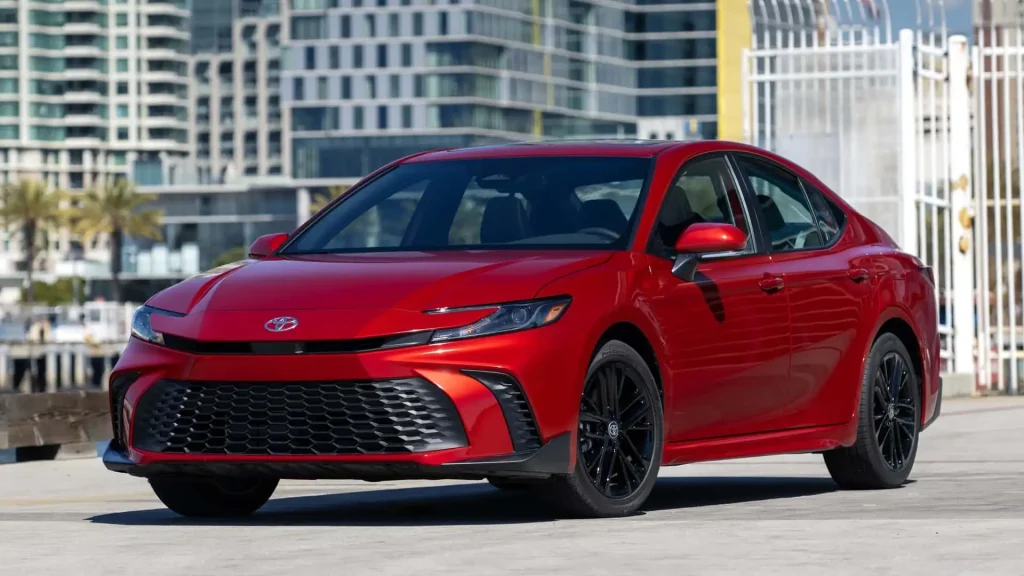
The Camry is written about because it represents low-stress ownership. For government commuters who value reliability over flash, it fits seamlessly into daily life.
2. Honda Accord
The Honda Accord earns its place on this list by offering dependable commuter performance with a slightly more engaging driving feel without sacrificing practicality. For Tallahassee government employees who want reliability with comfort, the Accord strikes an effective balance.
One of the Accord’s strengths is smooth daily drivability. Throttle response is predictable, steering is light but accurate, and low-speed behavior is calm important qualities for downtown driving and frequent parking.
Fuel efficiency remains competitive, especially in real-world commuting conditions. This keeps operating costs manageable without requiring hybrid complexity or premium fuel.
Interior comfort also supports daily use. The Accord’s cabin remains quiet at city speeds, and controls are intuitive, reducing distraction during routine drives. Visibility is good, which helps in downtown traffic and parking structures.
Serviceability is another major advantage. Like the Camry, the Accord benefits from widespread parts availability and strong local service support. Repairs are rarely specialized, keeping maintenance costs and downtime low.
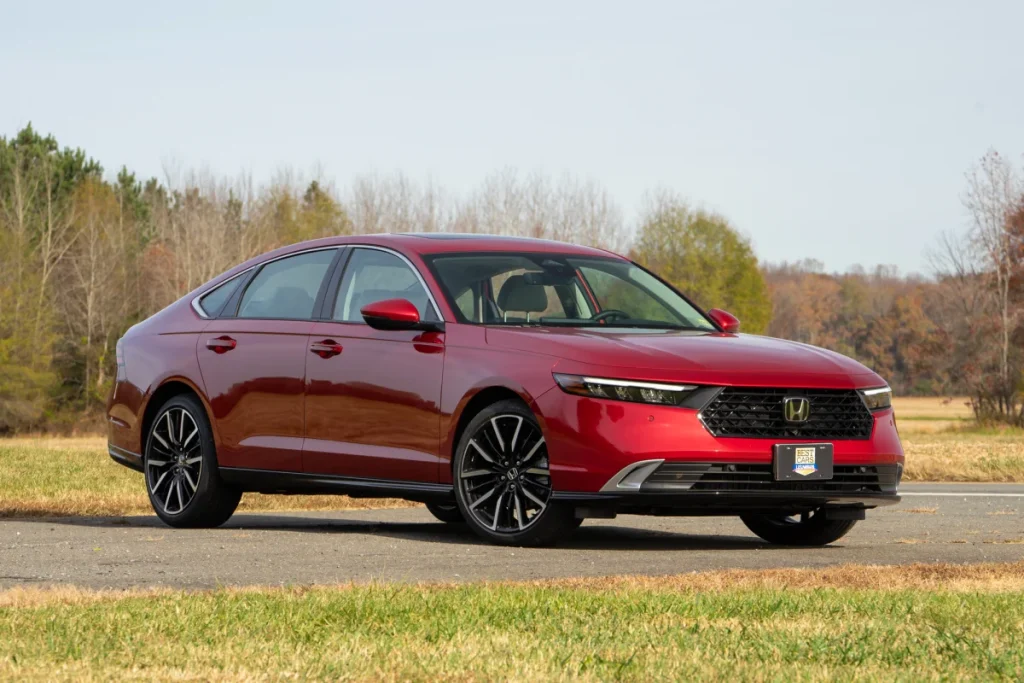
The Accord is written about because it blends dependability with refinement. It meets the needs of Tallahassee government commuters without introducing unnecessary complexity.
3. Toyota Corolla Hybrid
The Toyota Corolla Hybrid is one of the most practical choices for Tallahassee government commuters because it is engineered around efficiency, reliability, and minimal ownership effort. In a city where daily drives are predictable and budgets matter, the Corolla Hybrid fits seamlessly into professional routines.
Its strongest advantage is exceptional fuel efficiency in real-world commuting. Stop-and-go traffic around government offices and downtown areas plays directly into the hybrid system’s strengths.
Electric assistance handles low-speed movement smoothly, reducing fuel use and engine wear. Over years of ownership, this efficiency translates into meaningful savings without lifestyle changes.
Reliability further strengthens its case. Toyota’s hybrid systems have a long track record of durability, and the Corolla Hybrid avoids unnecessary complexity. For government commuters who plan to keep their cars long-term, this proven design minimizes unexpected repairs.
Ride quality suits daily use well. The Corolla Hybrid is tuned for calm, predictable driving rather than performance. It absorbs minor road imperfections smoothly and remains quiet at city speeds important for reducing fatigue over repeated commutes.
Maintenance accessibility is another major benefit. Hybrid-specific components are well-supported, and routine service remains straightforward. Parts availability is strong throughout Florida, and local shops are increasingly comfortable servicing Toyota hybrids, reducing dependence on dealerships.
Interior practicality supports professional use. The cabin is comfortable, controls are intuitive, and visibility is good for downtown navigation and parking. While not luxurious, the Corolla Hybrid feels purpose-built for daily commuting rather than occasional excitement.
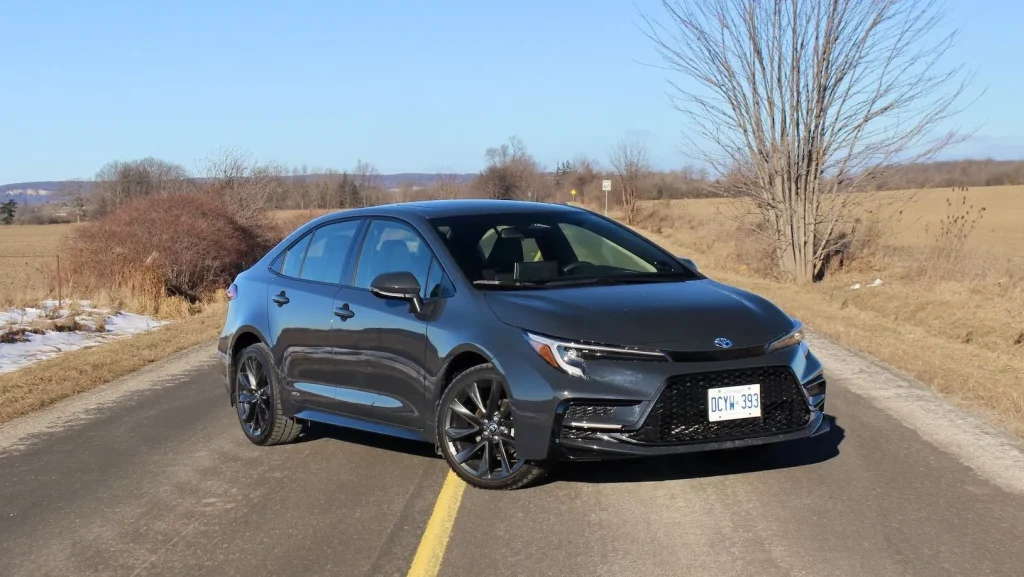
The Corolla Hybrid is written about because it delivers long-term stability. For Tallahassee government employees who want predictable costs, minimal downtime, and low environmental impact, it quietly excels.
4. Hyundai Elantra
The Hyundai Elantra earns its place among Tallahassee government commuter favorites by offering affordability, comfort, and low ownership stress. It appeals especially to professionals who want dependable transportation without stretching budgets or dealing with complicated maintenance.
One of the Elantra’s most important strengths is ease of daily operation. Throttle response is gentle, steering is light, and the car feels relaxed in city driving. These qualities make short trips, frequent stops, and downtown traffic feel effortless rather than tiring.
Fuel economy remains strong in real commuting conditions, helping keep operating costs predictable. For government employees managing long-term budgets, that consistency is more valuable than headline performance figures.
Ride comfort also plays a significant role. The Elantra’s suspension is tuned to absorb bumps without stiffness, and cabin noise is well controlled at lower speeds. Over months and years of daily commuting, this comfort reduces fatigue and improves overall satisfaction.
Serviceability is another key advantage. Hyundai vehicles benefit from widespread parts availability and a large service network. Routine maintenance and common repairs can be handled by most local shops, minimizing downtime and avoiding specialist dependence.
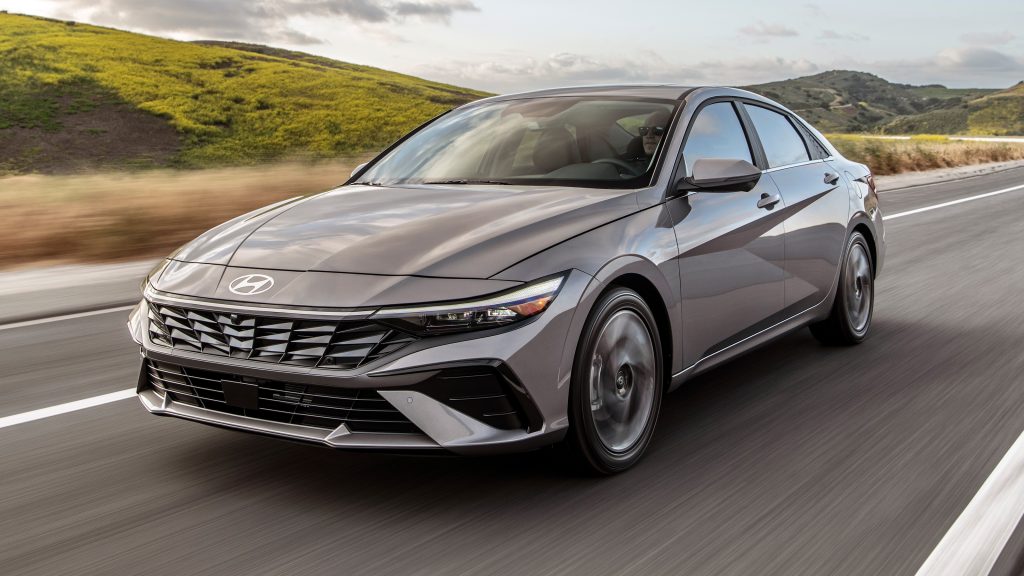
Interior design supports everyday use. Controls are straightforward, seating is comfortable, and visibility is good important when navigating parking structures and government complexes.
The Elantra is written about because it prioritizes ownership simplicity. It doesn’t demand attention, doesn’t surprise owners with complexity, and fits naturally into Tallahassee’s steady professional rhythm.
5. Subaru Legacy
The Subaru Legacy completes this list by offering year-round confidence and durability while remaining commuter-friendly. For Tallahassee government employees who value stability and long-term reliability, the Legacy provides a subtle but meaningful advantage.
One of the Legacy’s standout features is standard all-wheel drive. While Tallahassee doesn’t experience snow, frequent rainstorms and wet roads benefit from added traction. The AWD system improves stability during downpours without requiring driver intervention.
Ride quality supports daily commuting well. The Legacy is tuned for comfort rather than sportiness, absorbing road imperfections smoothly and maintaining a calm cabin environment. This makes it suitable for repeated short and medium-length drives.
Reliability and durability further strengthen its appeal. Subaru’s engineering emphasizes longevity, and the Legacy tolerates routine use without developing frequent issues. For government commuters who plan to keep vehicles for many years, that consistency matters.
Maintenance accessibility is solid. Subaru parts are readily available, and service knowledge is common across Florida. While AWD adds complexity, it rarely requires special attention beyond routine care.
Interior comfort and practicality also support professional use. The Legacy offers ample space, good visibility, and intuitive controls important for daily commuting and work-related travel.
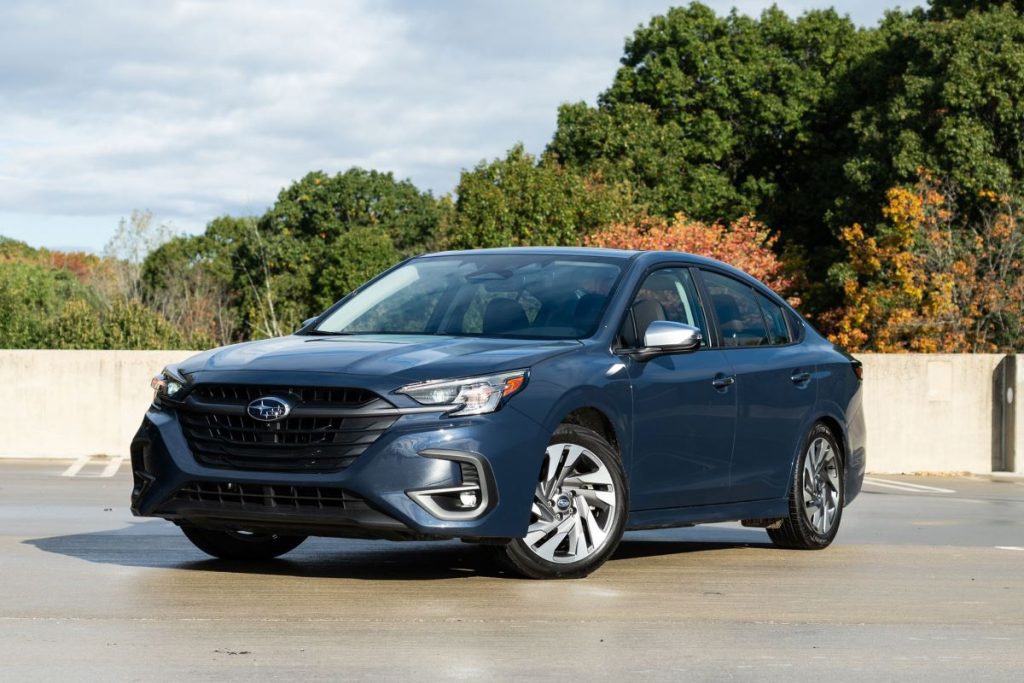
The Legacy is written about because it combines quiet confidence with predictability. It doesn’t stand out loudly, but it supports Tallahassee government commuting with steady, dependable performance.
5 That Need Specialist Parts
For most drivers in Tallahassee, convenience matters more than novelty. Government commuters depend on predictable schedules, reliable transportation, and local service availability. When a car requires specialist parts or dealer-only expertise, ownership quickly becomes more stressful than rewarding.
This section focuses on vehicles that need specialist parts, meaning their maintenance and repairs often require brand-specific components, proprietary electronics, or technicians with specialized training.
These cars are not necessarily unreliable, but they are logistically demanding. When something goes wrong, repairs take longer, cost more, and often require appointments at limited service centers.
A major issue is parts availability. Specialist vehicles often rely on imported components, model-specific electronics, or proprietary systems that local shops do not stock. Even routine repairs can result in extended wait times while parts are shipped in, leaving commuters without transportation longer than expected.
Another concern is diagnostic complexity. Many modern vehicles use tightly integrated software and sensors that require brand-specific diagnostic tools. Independent repair shops may be unable or unwilling to service these systems, forcing owners back to dealerships for even minor issues.
Cost escalation is another recurring theme. Specialist parts are typically more expensive, and labor costs rise when technicians require additional training or certification. Over time, these costs undermine the value proposition of the vehicle, especially for drivers who prioritize budget predictability.
For Tallahassee government commuters, these complications matter more than elsewhere. The city does not have the density of luxury or performance dealerships found in larger metros. Missed workdays, rental car expenses, and delayed repairs add friction to daily life.
These vehicles are written about not to criticize their engineering, but to highlight ownership mismatch. In a city that rewards simplicity and accessibility, cars that demand specialist parts introduce unnecessary complexity into an otherwise routine commute.
1. BMW 5 Series
The BMW 5 Series is refined, comfortable, and technologically advanced, but it is a textbook example of a vehicle that requires specialist parts and service, making it a challenging choice for Tallahassee government commuters.
The primary issue is proprietary engineering. BMW integrates its powertrain, electronics, and infotainment systems tightly, meaning many components cannot be serviced or replaced without factory-specific tools. Even relatively minor issues often require dealership-level diagnostics.
Parts availability further complicates ownership. Many BMW components are imported and model-specific, leading to longer wait times for replacements. For commuters who rely on daily transportation, this downtime becomes disruptive quickly.
Electrical complexity is another concern. The 5 Series uses extensive sensor networks, adaptive systems, and software-controlled components. When faults occur, independent shops may be unable to perform repairs, forcing owners to rely on authorized service centers.
Maintenance costs also escalate over time. Even routine service items tend to be more expensive than mainstream vehicles, and labor costs are higher due to specialized training requirements. These expenses accumulate steadily over long-term ownership.
While the 5 Series excels in ride comfort and highway refinement, its ownership demands clash with Tallahassee’s practical commuting needs. Limited local specialist availability amplifies every repair delay.
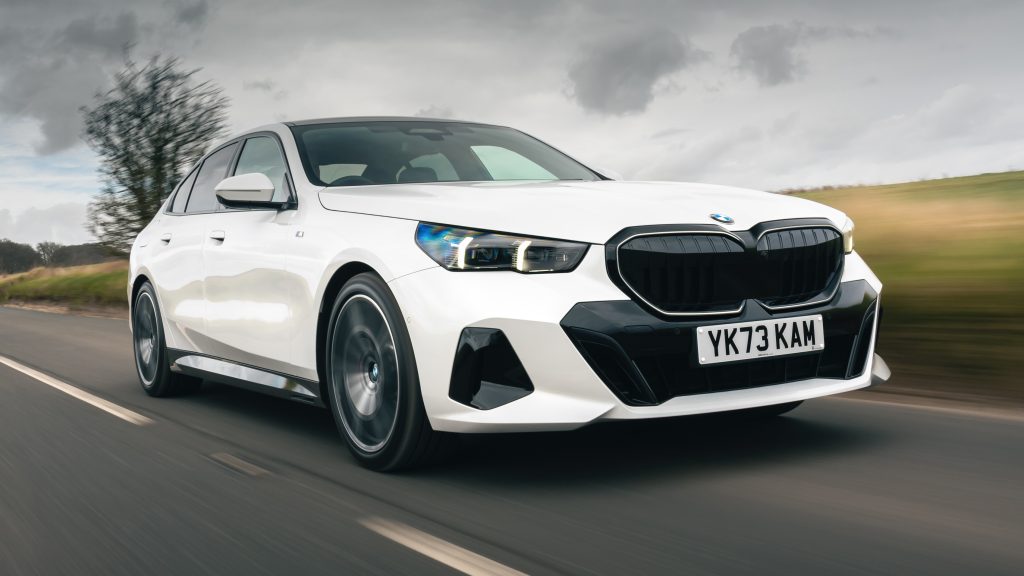
The BMW 5 Series is written about because it represents luxury that demands infrastructure. Without dense specialist support, it becomes more burdensome than its comfort justifies.
2. Audi A6
The Audi A6 offers understated luxury and advanced technology, but like the BMW 5 Series, it depends heavily on specialist parts and service, making it less suitable for Tallahassee’s government commuter environment.
One of the biggest challenges is system integration. Audi vehicles rely on proprietary electronics and software that require specialized diagnostic equipment. Independent shops often lack access to these tools, limiting repair options.
Parts sourcing is another obstacle. Many Audi components are imported and tightly matched to specific model years and trims. This increases repair wait times and costs, especially when compared to mainstream sedans.
All-wheel-drive systems add complexity as well. While beneficial in certain conditions, Audi’s AWD requires specialized service knowledge. Repairs or maintenance outside routine intervals often demand dealership involvement.
Electrical and infotainment issues further complicate ownership. Audi’s advanced systems are sensitive to voltage fluctuations and sensor faults, which can trigger cascading warning lights and system malfunctions. Diagnosing these issues without factory support is difficult.
Ownership costs reflect this complexity. Labor rates are higher, parts are more expensive, and routine maintenance schedules are less forgiving. Over time, these factors erode the vehicle’s practicality for daily commuting.
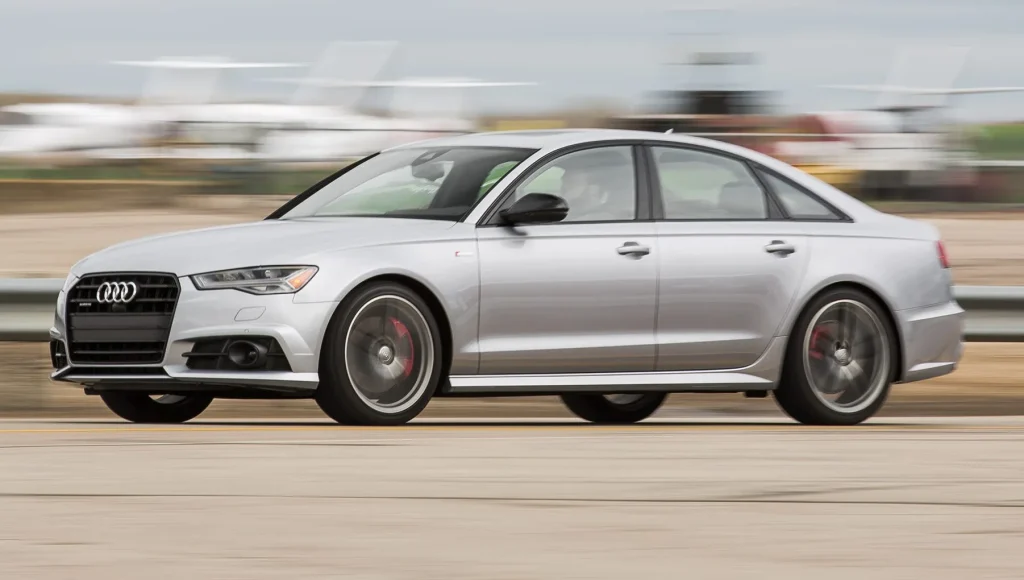
The Audi A6 is written about because it demonstrates how refinement comes at a logistical price. In Tallahassee, where convenience and local service access matter most, that price often outweighs the benefits.
3. Mercedes-Benz C-Class
The Mercedes-Benz C-Class delivers refinement, safety technology, and a polished driving experience, but it is one of the clearest examples of a vehicle that depends on specialist parts and service. For Tallahassee government commuters, that dependence introduces friction into otherwise predictable daily routines.
A core issue is proprietary component design. Many C-Class systems engine management, transmission controls, driver-assistance features, and infotainment are tightly integrated and require Mercedes-specific diagnostic equipment.
Independent repair shops often cannot access or reset these systems, pushing owners toward dealership-only service even for moderate issues.
Parts availability further complicates ownership. Mercedes components are frequently imported and matched to specific production runs. When something fails, parts are rarely stocked locally, leading to extended wait times. For commuters who rely on their car daily, even short delays disrupt work schedules.
Electrical complexity adds another layer of difficulty. The C-Class uses extensive sensor networks and control modules. When faults occur, symptoms can cascade triggering warning lights across multiple systems. Diagnosing these problems without factory tools is challenging, increasing labor time and cost.
Maintenance expenses reflect this specialization. Routine service items cost more than mainstream equivalents, and labor rates are higher due to required training and certification. Over years of ownership, these costs accumulate steadily.
While the C-Class excels in ride comfort and cabin refinement, its ownership model assumes dense specialist infrastructure. In Tallahassee, where convenience and quick turnaround matter, that assumption often doesn’t hold.

The C-Class is written about because it shows how luxury engineering prioritizes precision over accessibility an uneasy fit for government commuters who value predictability.
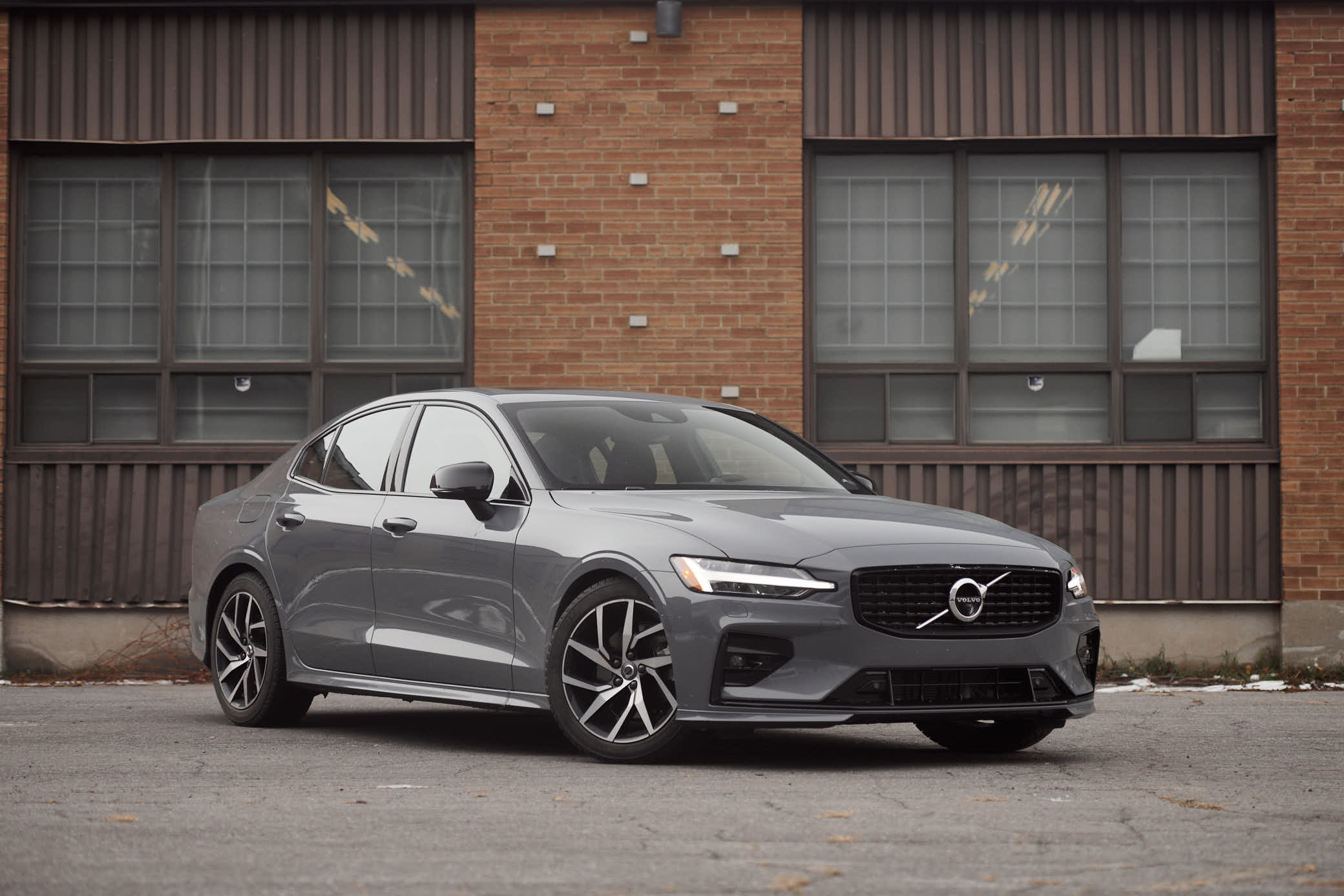
4. Volvo S60
The Volvo S60 is known for safety leadership and understated luxury, but it also relies heavily on specialist parts and service. While appealing on paper, its ownership demands can be challenging for Tallahassee government commuters.
One of the primary concerns is advanced safety and electronics integration. Volvo’s driver-assistance systems, powertrain controls, and infotainment software are deeply intertwined. Repairs or updates often require Volvo-specific diagnostic platforms unavailable outside authorized service centers.
Parts sourcing further limits convenience. Many S60 components especially electronic modules and safety hardware are imported and model-specific. Even routine repairs can involve waiting for shipments, increasing downtime.
Powertrain complexity also plays a role. Modern Volvo engines emphasize efficiency and emissions control, using specialized components that require precise servicing. Independent shops may lack familiarity or tooling, narrowing service options.
Electrical sensitivity compounds the issue. Voltage fluctuations or sensor failures can trigger system-wide alerts, requiring dealership intervention to diagnose and clear. These visits add time and cost to ownership.
While the S60 offers excellent comfort and safety, its maintenance model favors specialist access over simplicity. For Tallahassee commuters who prioritize reliability and quick service, this dependence becomes burdensome.
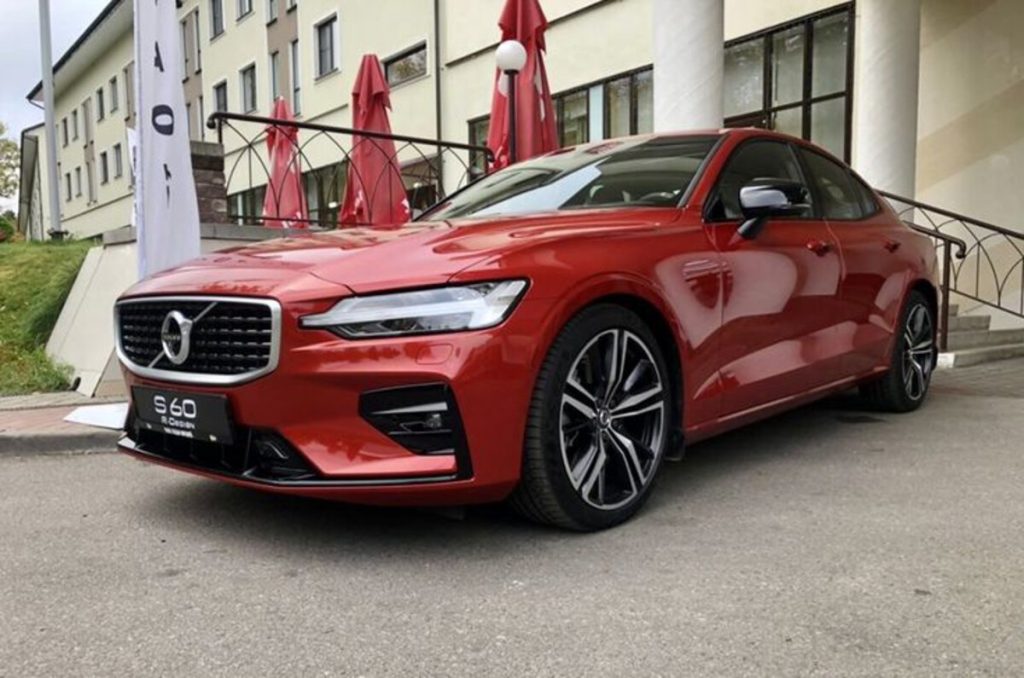
The S60 is written about because it demonstrates how safety-focused innovation can unintentionally complicate everyday ownership when specialist support is limited.
5. Mini Cooper
The Mini Cooper is stylish, fun, and distinctive but it is also one of the most specialist-dependent vehicles in its class. For Tallahassee government commuters, its charm often fades when repairs are needed.
A major issue is BMW-derived engineering. Mini shares many components and systems with BMW, requiring specialized diagnostics and proprietary parts. Even common repairs often require dealership involvement.
Parts availability is limited. Mini-specific components are rarely stocked locally, leading to longer repair times. For daily commuters, this downtime quickly becomes frustrating.
The car’s compact packaging adds complexity. Tight engine bays and integrated assemblies increase labor time for repairs, driving up costs even for routine service.
Electrical and infotainment systems further complicate matters. Software updates, sensor faults, and control module issues frequently require factory tools. Independent shops may decline such work altogether.
While the Mini excels in urban maneuverability and personality, its ownership model assumes easy access to specialist service, something not guaranteed in Tallahassee.

The Mini Cooper is written about because it highlights how distinctive design and shared luxury engineering can undermine everyday practicality for professional commuters.
This article explored vehicle ownership through the practical lens of Tallahassee, where government commuting defines daily driving patterns.
In a city shaped by state offices, predictable schedules, and routine downtown travel, the ideal vehicle is not flashy or complex it is dependable, easy to maintain, and locally serviceable.
The article contrasted cars that fit this professional rhythm with those that complicate it by relying on specialist parts and services.
The first half focused on cars well-suited for Tallahassee government commuters. These vehicles were selected because they prioritize reliability, efficiency, comfort, and low ownership friction.
Daily government commuting often involves short to moderate trips, frequent parking, and long-term ownership rather than high mileage or extreme driving conditions. Cars that start consistently, handle stop-and-go traffic smoothly, and remain inexpensive to maintain naturally rise to the top in this environment.
A recurring theme among commuter-friendly cars was predictability. Fuel efficiency remained stable, maintenance schedules were straightforward, and parts were widely available. Local repair shops could service these vehicles without specialized tools or extended wait times, minimizing downtime.
Comfort also mattered more than excitement quiet cabins, smooth suspensions, and intuitive controls reduced daily fatigue and made routine commutes easier over time. These cars blended into professional life rather than demanding attention, which is exactly what many government commuters value.
The second half of the article examined cars that need specialist parts, highlighting how ownership complexity can become a serious drawback in Tallahassee.
These vehicles are often well engineered and desirable on paper, but their dependence on proprietary components, advanced electronics, and dealer-only diagnostics creates logistical challenges. Repairs take longer, cost more, and frequently require trips to authorized service centers rather than convenient local shops.
Parts availability emerged as a major issue. Specialist vehicles often rely on imported or model-specific components that are not stocked locally.
Even minor repairs can sideline a car for days or weeks while parts are ordered. For government employees with fixed schedules, this downtime creates unnecessary stress and added expenses such as rentals or missed work.
Another key issue was diagnostic dependency. Many specialist vehicles require brand-specific software and tools to identify and resolve faults.
Independent mechanics may be unable to work on them at all, narrowing service options and driving up labor costs. Over long-term ownership, these factors steadily erode the convenience and value of the vehicle.
The overarching takeaway from the article is clear: Tallahassee rewards simplicity. Cars that are easy to service, affordable to maintain, and built around mainstream parts fit naturally into the city’s commuting culture.
Vehicles that rely on specialist parts may offer luxury, performance, or advanced technology, but they introduce complexity that clashes with the practical needs of government commuters. In Tallahassee, the best car is not the most impressive it is the one that quietly supports daily life without disruption.
Also Read: 5 Cars for Greenville Weekend Drives and 5 That Don’t Hold Up
