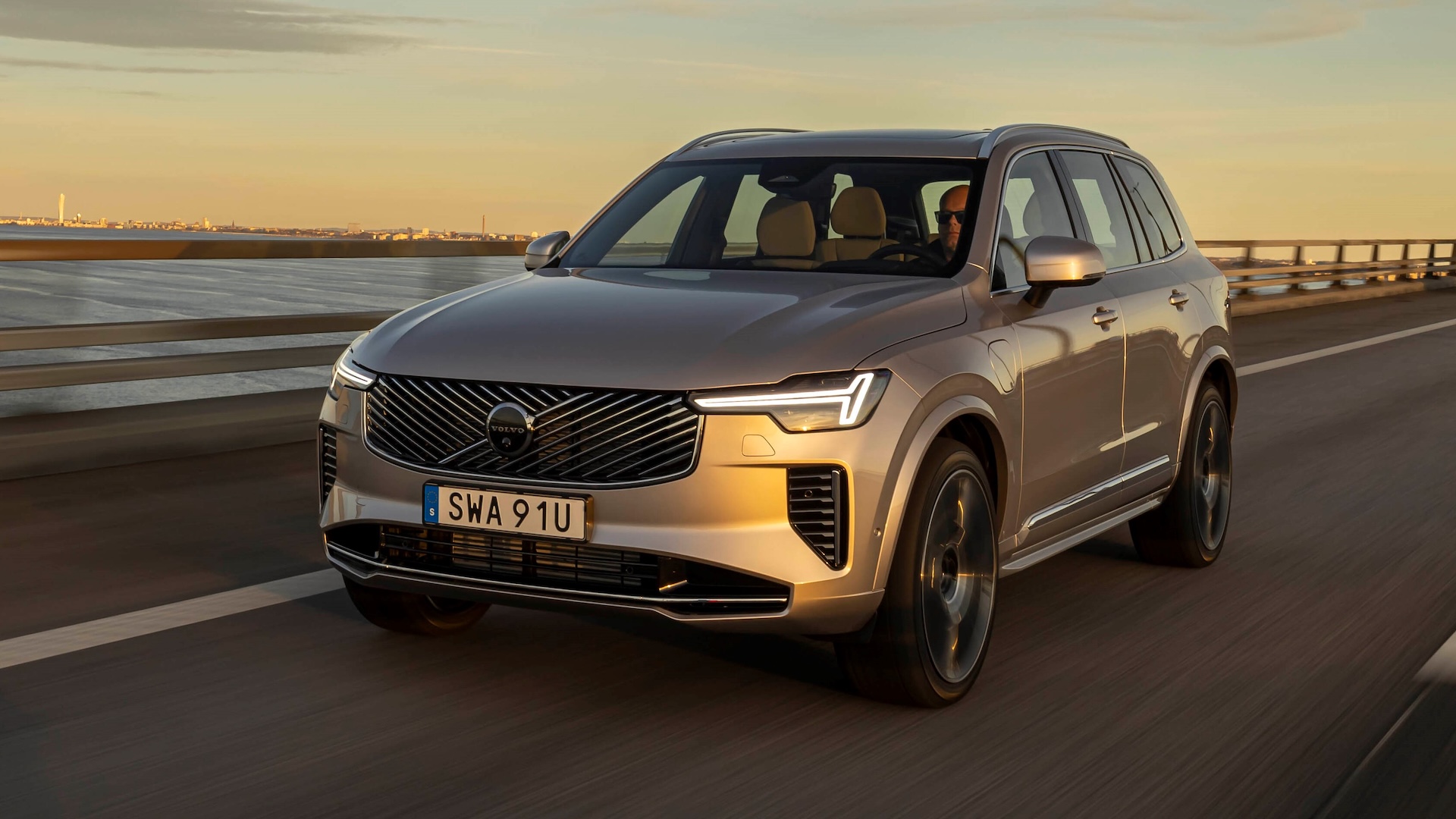
Driving on the country roads around Lexington can be peaceful, but it also brings challenges. These roads are often narrow, uneven, and full of sudden turns. Some cars handle these conditions very well, giving you a smooth and confident ride.
Others struggle with rough surfaces, low ground clearance, or weak suspension. To help you choose the right vehicle, here are five cars that perform great on Lexington’s country roads and five that fail to keep up.
1) Subaru Outback
The Subaru Outback is well-known for its ability to handle rough and uneven country roads. Drivers like it because it feels balanced, safe, and comfortable even when the road surface changes suddenly. Its strong features make it a dependable choice for daily travel.
The Outback comes with Subaru’s famous all-wheel-drive system, which gives excellent grip on gravel, wet grass, and muddy paths. This makes the car stable when driving through countryside areas where the road may be slippery after rain or early morning moisture.
Another big advantage of the Subaru Outback is its raised ground clearance. This extra height helps the car avoid scraping when it goes over bumps, dips, or uneven patches on the road. It also gives drivers more confidence when traveling through rough areas.
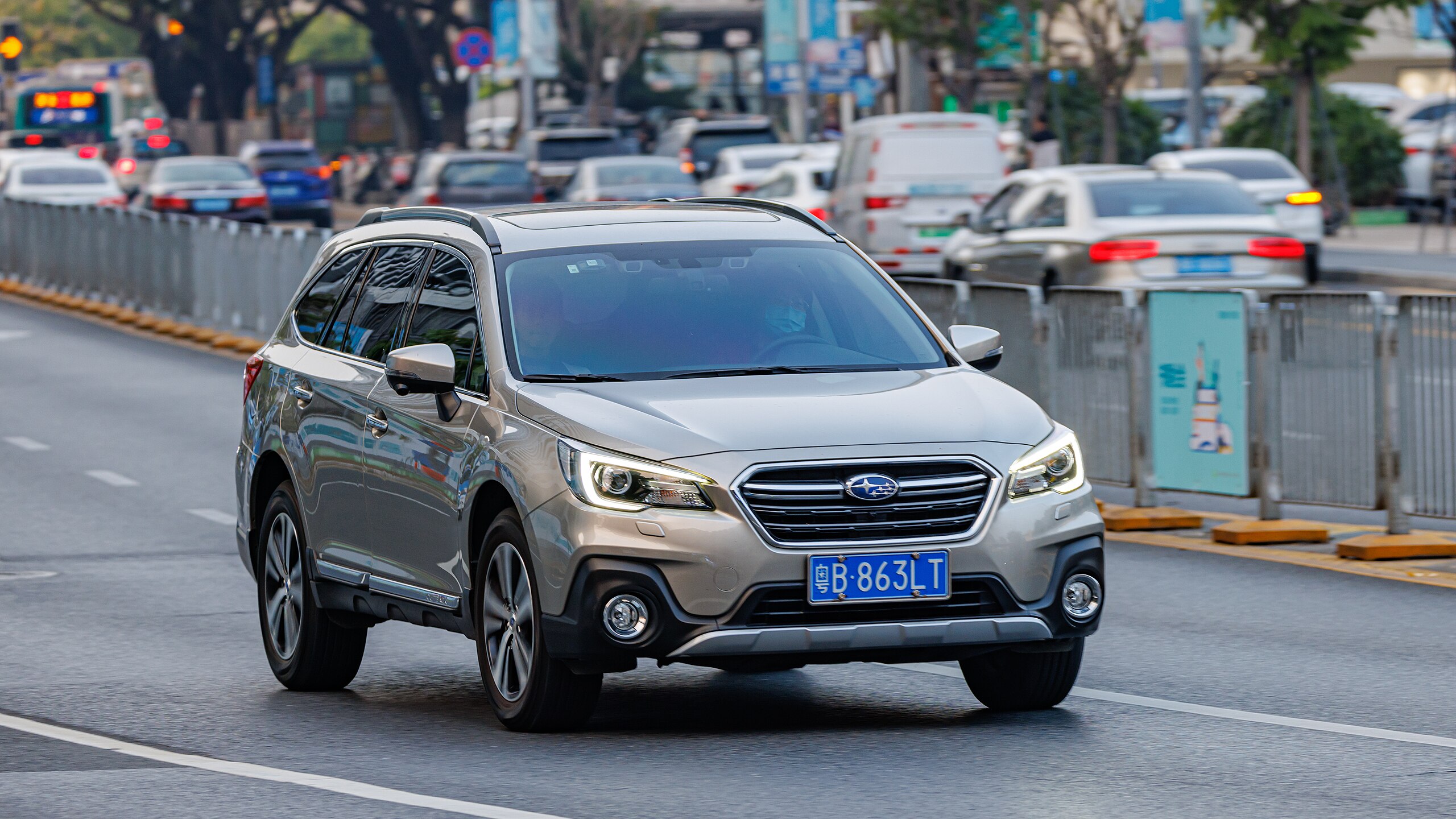
The suspension of the Outback is designed to absorb shocks smoothly. When you drive on country roads with stones or cracks, the car stays calm and steady. This soft suspension keeps the ride comfortable for passengers, even during long trips through rural areas.
Inside the Subaru Outback, the cabin is wide and peaceful. The seats are supportive, and the layout is simple to understand. Drivers appreciate the large windows that give clear views of the surroundings, which is helpful when narrow or twisting country roads.
Safety is another strong point of the Outback. Subaru includes features like lane-keep assist, adaptive cruise control, and automatic emergency braking. These systems help drivers stay alert and protected, especially on roads where animals or sudden curves can appear.
The Subaru Outback also offers good cargo space, which is useful for carrying tools, groceries, or outdoor gear. Many drivers living in country areas enjoy the extra room for camping equipment, farming supplies, or sports items needed for weekend activities.
When it comes to performance, the Outback’s engine gives enough power for climbing hills and handling long rural stretches. It is not built for speed, but it is made for steady, reliable movement on roads that are not perfectly smooth or wide.
2) Toyota RAV4
The Toyota RAV4 is a popular vehicle for people who travel on country roads every day. It is known for its balance of comfort, strength, and reliability. Many drivers trust it for rural driving because it handles rough conditions well.
One of the biggest strengths of the RAV4 is its solid suspension system. It absorbs bumps, cracks, and uneven road surfaces smoothly. This makes long drives on rough or patchy roads feel less tiring for both drivers and passengers.
The RAV4 also offers available all-wheel drive, which improves grip on loose gravel, muddy paths, and wet grass. This feature is especially helpful during rainy seasons or early mornings when country roads can become slippery.
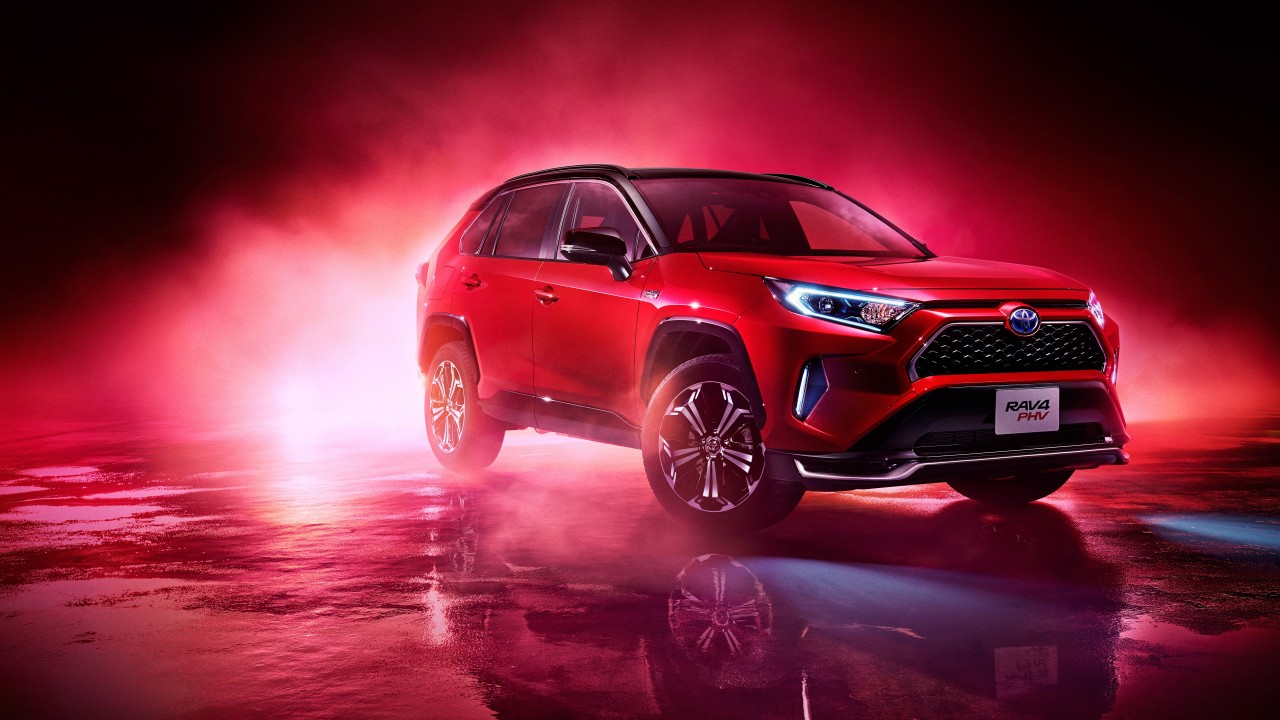
Ground clearance is another reason the RAV4 performs well outside city limits. The vehicle sits higher than regular sedans, allowing it to pass over small rocks, dips, and uneven ground without scraping the underside.
Inside the cabin, the RAV4 feels spacious and comfortable. The seats offer good support for long drives, and the wide windows give excellent visibility. This helps drivers stay aware of animals, tractors, or sharp turns on narrow rural roads.
The engine provides smooth and steady power rather than sudden bursts. This makes the RAV4 easy to control on winding roads and gentle hills. It does not feel stressed when carrying passengers or cargo through countryside routes.
Safety is another strong point of the RAV4. Features like lane assist, emergency braking, and stability control help drivers stay safe when road conditions suddenly change or visibility becomes poor.
3) Jeep Cherokee
The Jeep Cherokee is a strong and capable vehicle designed to handle tough country roads with ease. It is known for its solid build, good traction, and confidence on uneven surfaces where many regular cars struggle.
One of the biggest strengths of the Cherokee is its available four-wheel-drive system. This system helps the vehicle maintain grip on muddy paths, gravel roads, and wet grass. It gives drivers better control in unpredictable rural conditions.
The Cherokee’s ground clearance is higher than most compact SUVs. This extra height allows it to move over rocks, dips, and uneven terrain without scraping the bottom. It gives drivers confidence when roads are poorly maintained.
Its suspension is tuned to handle bumps and rough surfaces smoothly. Instead of feeling every crack or stone, the Cherokee absorbs shocks well, keeping the ride comfortable for both the driver and passengers during long rural trips.
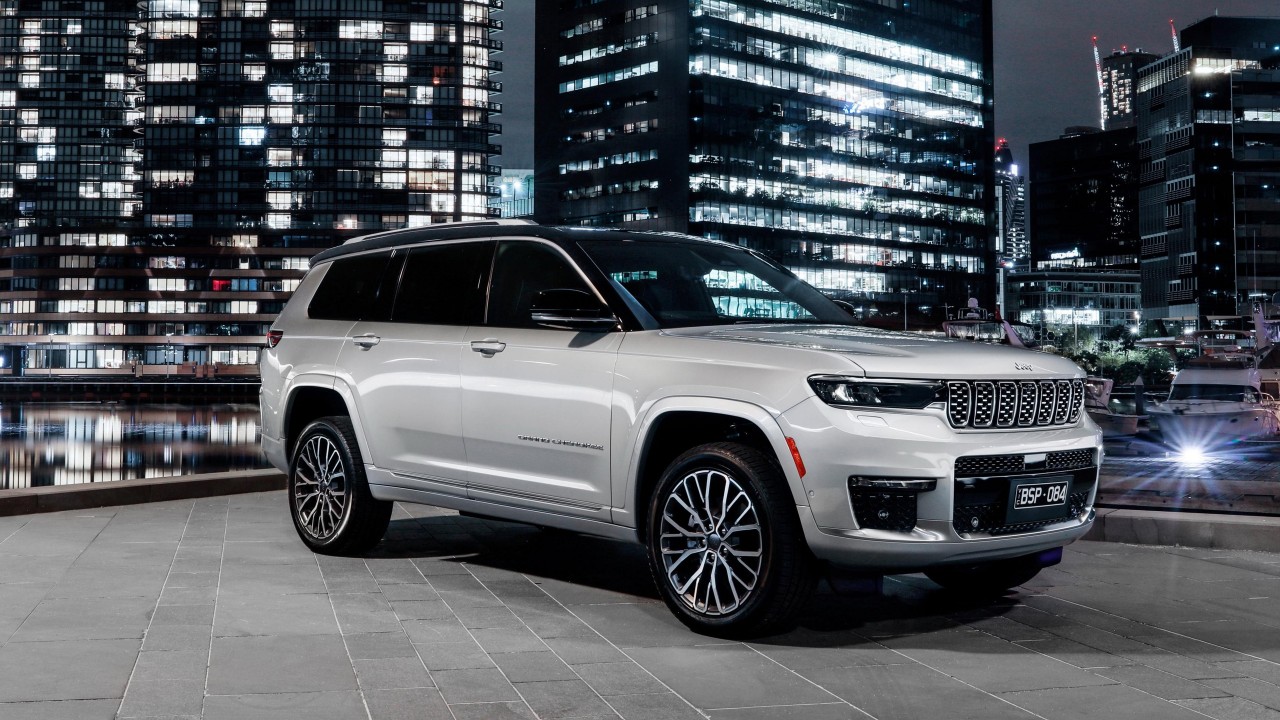
Inside the cabin, the Jeep Cherokee feels solid and practical. The seats are supportive, and the driving position is slightly elevated, which helps drivers see further ahead on narrow or winding country roads.
The steering feels stable and controlled, even on loose gravel or uneven surfaces. This makes it easier to stay on track when roads curve suddenly or when weather conditions reduce visibility.
The Cherokee also offers useful safety features such as traction control, hill descent control, and electronic stability systems. These features add confidence when driving downhill, through mud, or on slippery paths.
Cargo space in the Cherokee is generous, making it useful for carrying tools, farm supplies, or weekend gear. The rear seats fold down easily, creating more room for larger items when needed.
4) Subaru Forester
The Subaru Forester is a trusted vehicle for people who regularly drive on country roads. It combines strong grip, good visibility, and a smooth ride, making it a reliable option for uneven and unpredictable rural routes.
One of the Forester’s biggest strengths is its standard all-wheel-drive system. This system constantly sends power to all wheels, helping the car stay stable on gravel, mud, or wet surfaces commonly found on countryside roads.
The ground clearance of the Forester is higher than many compact SUVs. This allows it to pass over bumps, potholes, and uneven tracks without scraping the bottom. It gives drivers confidence when roads suddenly change condition.
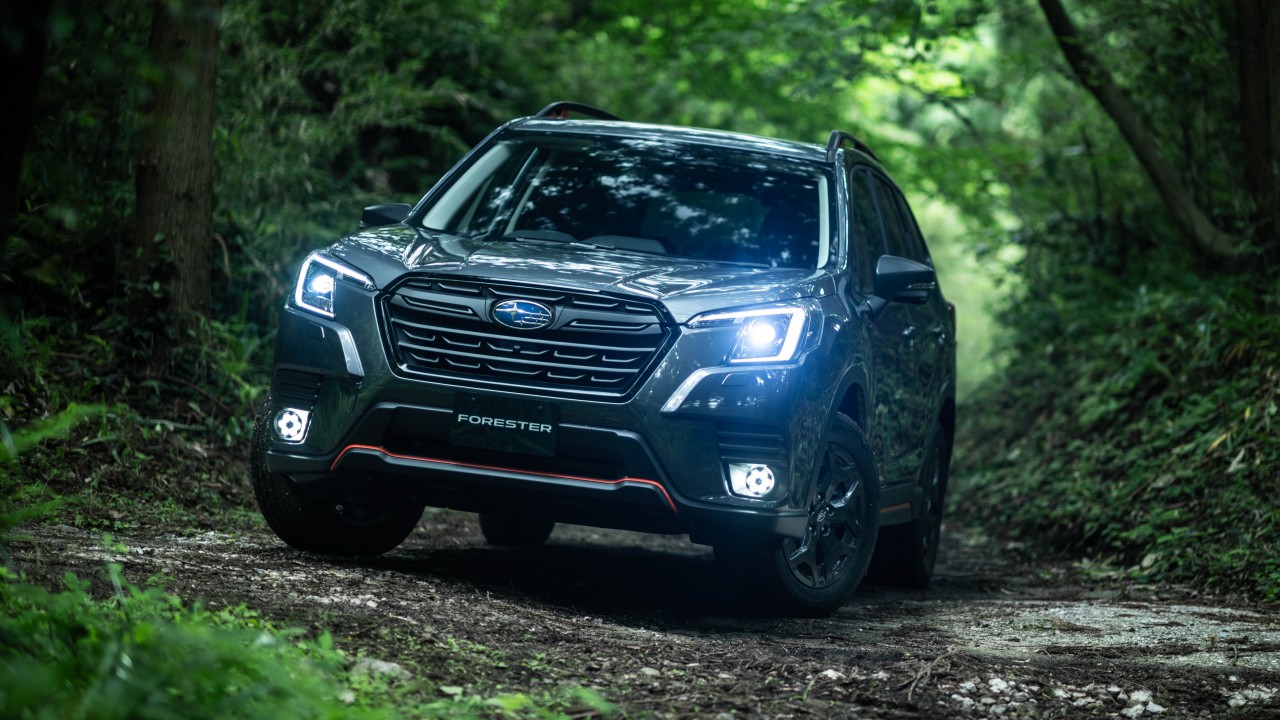
The suspension system is tuned for comfort and control. It absorbs road imperfections well, reducing shaking and bouncing inside the cabin. This makes long drives on rough roads less tiring for both the driver and passengers.
Inside, the Subaru Forester offers a roomy and bright cabin. Large windows provide excellent visibility in all directions, which is especially helpful on narrow country roads where spotting animals or farm vehicles early is important.
The seats are comfortable and supportive, making long drives easier on the body. The simple dashboard layout allows drivers to focus on the road instead of searching for controls, which adds to driving safety.
The Forester also performs well in terms of safety features. It includes systems like adaptive cruise control, lane assistance, and emergency braking, which help protect occupants when road conditions suddenly change.
5) Ford Bronco Sport
The Ford Bronco Sport is designed for drivers who regularly travel on rough country roads. It combines rugged strength with everyday comfort, making it a reliable choice for people who need both durability and practicality in one vehicle.
One of the biggest strengths of the Bronco Sport is its tough build. It sits higher than many small SUVs, giving it better ground clearance for uneven roads, rocks, and deep potholes often found in rural areas.
The standard all-wheel-drive system helps the Bronco Sport maintain traction on dirt, gravel, and muddy paths. Power is sent where it is needed most, helping the vehicle stay stable even when road conditions suddenly change.
The suspension system is built to handle rough surfaces. It absorbs bumps well and keeps the cabin steady, making long drives on broken roads more comfortable for both the driver and passengers.
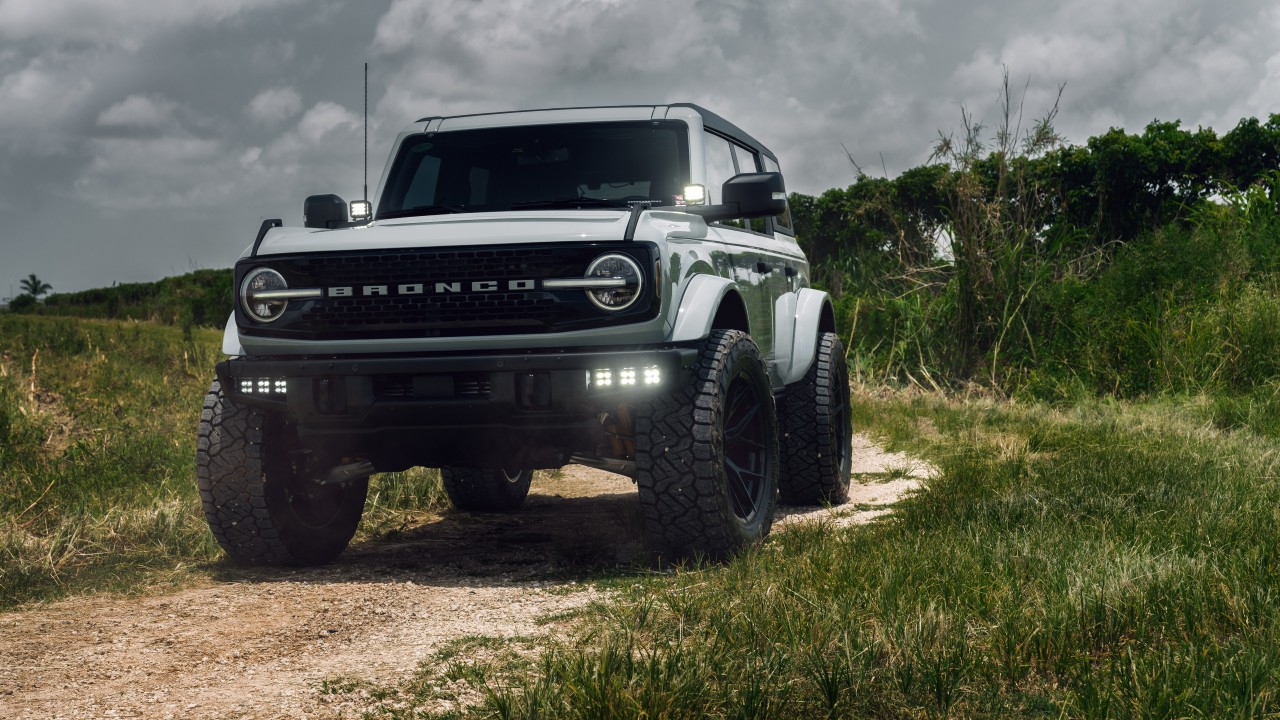
Inside, the Bronco Sport has a practical and durable interior. The seats are firm and supportive, designed to stay comfortable during long drives. The materials are easy to clean, which is useful after muddy or dusty trips.
Visibility is another strong point. The upright driving position and large windows give the driver a clear view of the road ahead and the surrounding area. This is especially helpful on narrow roads or when spotting animals near the roadside.
The Bronco Sport also offers helpful driving modes for different conditions. Settings for mud, sand, or slippery surfaces allow the vehicle to adjust its behavior, improving grip and control when the terrain becomes challenging.
Cargo space is generous for a compact SUV. It can easily carry tools, farm supplies, camping gear, or groceries. The rear seats fold down to create even more room when needed.
Fuel efficiency is reasonable for a rugged vehicle. While not the most economical, it balances power and efficiency well, making it suitable for daily driving and long countryside trips.
5 Cars That Don’t Hold Up Well on Lexington’s Country Roads
Lexington’s country roads are a mix of rolling hills, tight bends, uneven pavement, and the occasional surprise in the form of gravel, potholes, or farm equipment edging into the lane. They’re scenic and quiet, but they’re also demanding in ways that smooth city streets and interstate highways simply aren’t.
For drivers who regularly venture outside the city limits, a vehicle needs more than just a comfortable cabin and decent fuel economy, it has to cope with rough surfaces, unpredictable conditions, and long stretches far from quick roadside help.
Not every car is built with that reality in mind. Some models struggle with low ground clearance, fragile suspensions, or drivetrains that feel out of their element once the asphalt starts to break apart.
Others may look capable on paper but reveal weaknesses over time when exposed to washboard roads, sharp elevation changes, and constant vibration.
In this article, we take a closer look at five cars that don’t hold up well on Lexington’s country roads, highlighting the design choices and real-world limitations that make them less suitable for rural driving.
1)Toyota Corolla
The Toyota Corolla is a reliable and fuel-efficient car, but it is not built for rough country roads. While it performs well in cities, it struggles when roads become uneven, narrow, or poorly maintained.
One major drawback of the Corolla is its low ground clearance. On country roads filled with bumps, stones, or deep dips, the underside can scrape easily. This makes driving stressful, especially on unpaved or damaged roads.
The suspension system is tuned mainly for smooth city driving. When driven on rough or broken surfaces, the ride feels stiff and uncomfortable. Small bumps and potholes are easily felt inside the cabin, making long trips tiring.
The Corolla’s front-wheel-drive system also limits its ability on loose surfaces. Gravel, wet grass, or muddy roads reduce traction, making the car feel unstable and harder to control in rural conditions.
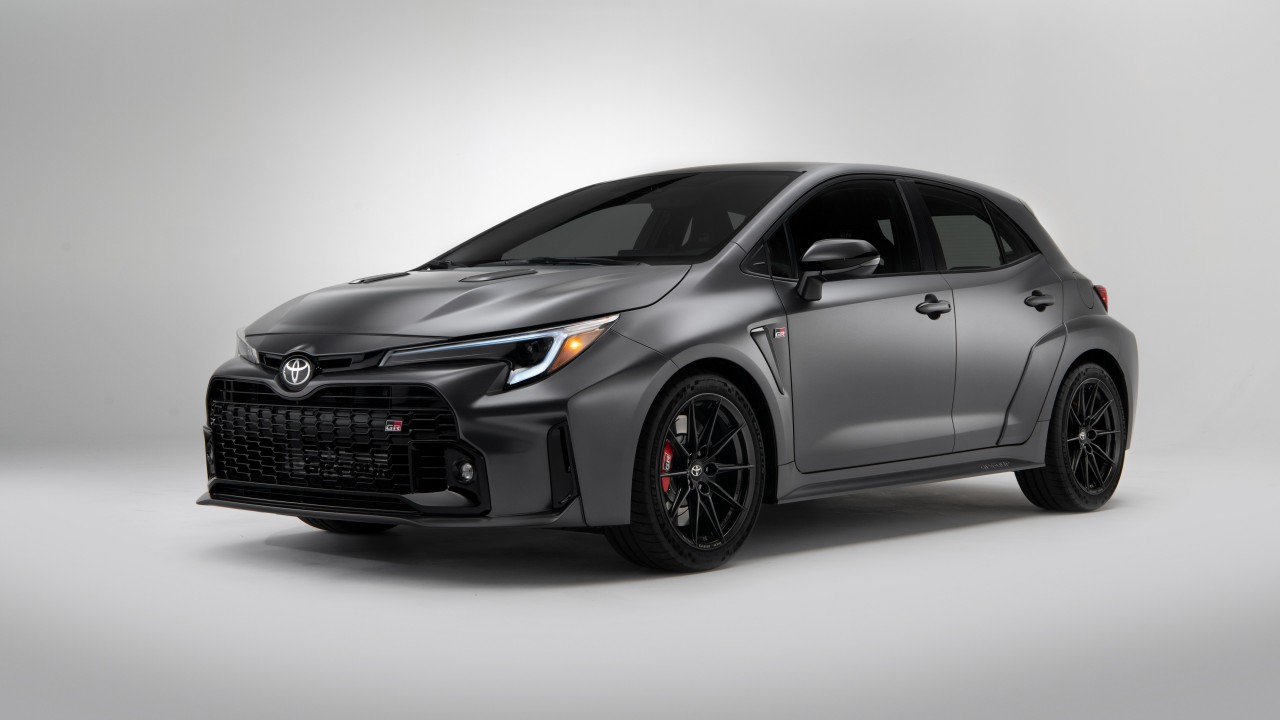
Another issue is limited visibility. The low seating position makes it harder to see over hills, bends, or tall roadside grass. This can be risky on narrow country roads where animals or farm vehicles appear suddenly.
The engine performs well in the city but feels underpowered on steep hills or long rural stretches. Carrying passengers or luggage makes the engine work harder, reducing comfort and smooth acceleration.
Inside, the cabin is quiet and comfortable on smooth pavement, but road noise becomes noticeable on rough surfaces. Vibrations from uneven roads travel through the body, making the drive less pleasant over time.
Cargo space is also limited compared to SUVs or crossovers. Carrying tools, farm supplies, or outdoor gear becomes difficult, especially for people who live or work in rural areas.
2)Honda Civic
The Honda Civic is known for its reliability and fuel efficiency, but it is not designed for rough country roads. While it performs well in cities, uneven rural roads quickly expose its limitations.
One major issue with the Civic is its low ground clearance. On country roads filled with potholes, loose stones, or uneven surfaces, the underside can scrape easily, making drivers cautious and uncomfortable.
The suspension system is tuned for smooth pavement, not rough terrain. When driving over broken roads, bumps are felt sharply inside the cabin. This can make longer rural drives tiring and unpleasant for passengers.
The Civic’s front-wheel-drive setup also struggles on loose gravel or wet dirt roads. Traction can be limited, especially during rain, making the car feel less stable on narrow or slippery country paths.

Another concern is visibility. The lower seating position reduces the driver’s view of what lies ahead. On winding rural roads, this makes it harder to spot animals, tractors, or sudden bends in time.
Engine performance is adequate for city use, but it feels strained when climbing hills or carrying extra weight. The car lacks the low-end power needed for confident driving on uneven or hilly rural routes.
Road noise is also more noticeable on rough surfaces. Gravel and bumps create extra vibration inside the cabin, reducing comfort during longer drives outside city limits.
Cargo space in the Civic is limited compared to SUVs or crossovers. Transporting tools, supplies, or outdoor equipment can quickly become inconvenient for those living or working in rural areas.
3)Hyundai Elantra
The Hyundai Elantra is a comfortable and fuel-efficient car, but it is not designed for rough country roads. While it works well in cities, uneven rural surfaces quickly show its limitations.
One of the main problems with the Elantra is its low ground clearance. On country roads with potholes, loose stones, or deep dips, the underside can scrape easily, making drivers worry about damage.
The suspension system is tuned for smooth pavement rather than rough terrain. When driving on uneven roads, bumps and vibrations are clearly felt inside the cabin, which reduces comfort during long rural trips.
Traction is another weak point. The front-wheel-drive setup struggles on gravel, dirt, or muddy surfaces. During rain or early morning dew, the car may lose grip, making it harder to maintain control.
The Elantra’s steering is light and responsive in the city but feels less confident on narrow country roads. Sharp curves and uneven surfaces can make the car feel less planted and less predictable.
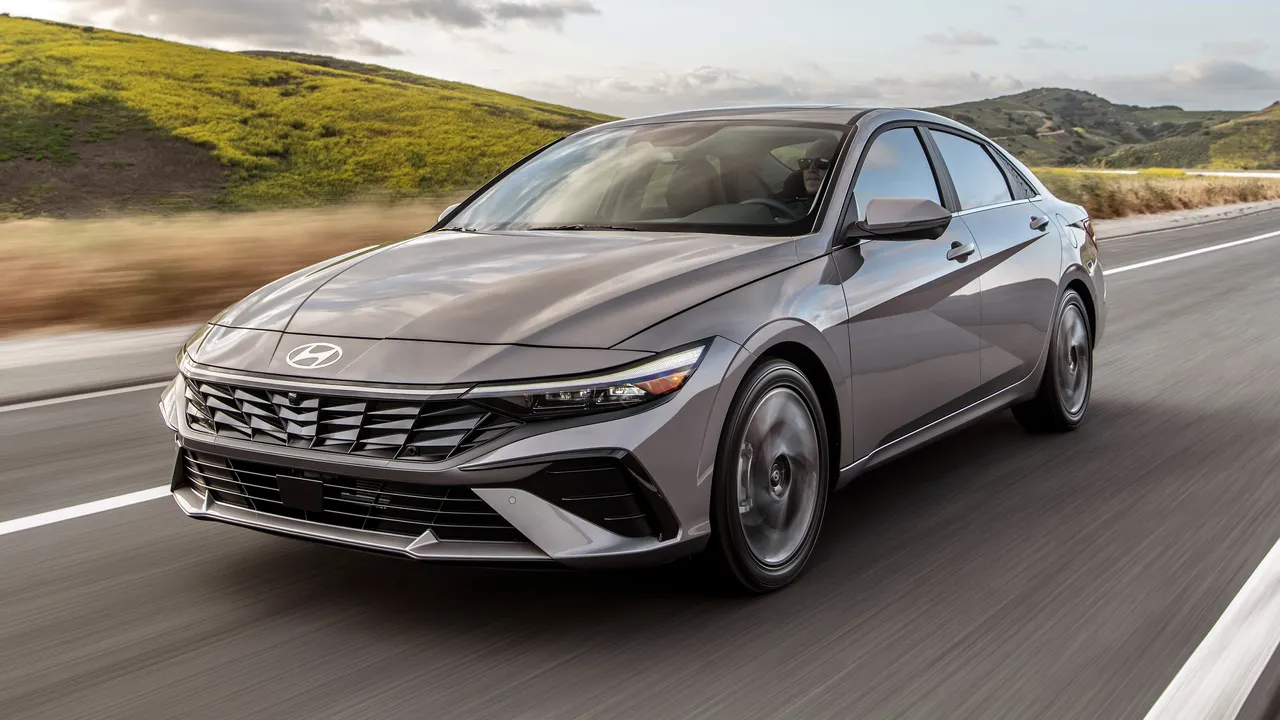
Visibility is also limited due to the low seating position. On rural roads with tall grass, hills, or sudden bends, it becomes harder to see what lies ahead, increasing the risk of surprise obstacles.
The engine performs well for daily commuting but lacks strong low-end power. When climbing hills or carrying passengers and cargo, the car can feel strained and less responsive.
Road noise becomes more noticeable on rough surfaces. Gravel, bumps, and uneven pavement create vibration inside the cabin, reducing comfort during long drives through countryside areas.
Cargo space is modest, making it difficult to carry farming tools, outdoor gear, or large supplies. This limits the Elantra’s usefulness for people living or working in rural locations.
4)Nissan Sentra
The Nissan Sentra is a comfortable and fuel-efficient sedan, but it struggles when taken off smooth city roads. Country roads with bumps, gravel, and uneven surfaces quickly reveal its weaknesses.
One of the biggest issues with the Sentra is its low ground clearance. On uneven rural roads, the underside can scrape easily, making drivers slow down often to avoid damage or scraping noises.
The suspension is designed mainly for smooth pavement. When driven on broken or rough roads, the ride becomes stiff and uncomfortable. Passengers can feel every bump, dip, and crack in the road.
Traction is another concern. The front-wheel-drive system performs fine on dry pavement but struggles on gravel, mud, or wet grass. This can make the car feel unstable on slippery rural paths.

The steering is light and easy in city traffic, but it lacks confidence on uneven country roads. Sharp turns and loose surfaces can make the vehicle feel less controlled and harder to manage.
Visibility is also limited because of the low seating position. On narrow roads with tall grass, hills, or curves, it becomes difficult to see oncoming vehicles or animals in time.
The engine is tuned for efficiency rather than power. While it works well for daily commuting, it feels weak when climbing hills or carrying passengers and cargo on longer rural routes.
Road noise becomes more noticeable on rough surfaces. Gravel and uneven pavement cause vibrations that travel into the cabin, making long drives less comfortable and more tiring.
Cargo space is average but not ideal for rural needs. Carrying tools, feed, or outdoor equipment quickly fills the trunk, limiting its usefulness for country lifestyles.
5)Volkswagen Jetta
The Volkswagen Jetta is a comfortable and stylish sedan, but it is not built for rough country roads. While it performs well in urban areas, uneven rural surfaces quickly reveal its weaknesses.
One major issue with the Jetta is its low ground clearance. On country roads filled with potholes, gravel, or uneven patches, the underside can scrape easily, making driving stressful and uncomfortable.
The suspension system is tuned for smooth highways, not rough terrain. When driven on bumpy or broken roads, the ride feels stiff and jarring, with every bump clearly felt inside the cabin.
Traction is another concern on rural roads. The front-wheel-drive system works fine on pavement but struggles on loose gravel, mud, or wet grass. This can reduce stability and driver confidence.
The Jetta’s steering feels light and precise in the city, but on uneven country roads it can feel overly sensitive. Small bumps and ruts can affect steering control, making the drive feel less secure.

Visibility is also limited by the low seating position. On narrow country roads with hills or tall vegetation, it becomes harder to see oncoming vehicles or animals until they are very close.
The engine provides smooth performance for city driving, but it lacks strong low-end torque. When climbing hills or carrying passengers and cargo, the car can feel strained and slow to respond.
Road noise is noticeable on rough surfaces. Tire and suspension noise easily enter the cabin, reducing comfort during longer drives on unpaved or damaged roads.
Cargo space is reasonable for daily errands but limited for rural needs. Carrying tools, equipment, or outdoor supplies quickly fills the trunk, making it less practical for country lifestyles.