
Finding the right vehicle for Chapel Hill student life requires balancing practicality, maneuverability, and efficiency. Campus parking can be a challenge, with tight garages, narrow aisles, and limited lot space requiring compact and agile vehicles.
Some cars perform exceptionally well in these conditions, offering a combination of size, fuel efficiency, safety, and technology tailored to student needs, while others are simply too large to fit comfortably into standard campus garages.
This guide highlights five cars that are ideal for Chapel Hill students, including the 2025 Honda Civic Hatchback, Toyota Corolla, Hyundai Kona Hybrid, Mini Cooper Hardtop, and Kia Soul, all of which provide manageable dimensions, easy parking, and reliable performance.
At the same time, it identifies five vehicles that struggle with Chapel Hill’s parking infrastructure, such as the Ford F-150, Chevrolet Suburban, Tesla Cybertruck, Jeep Wagoneer L, and BMW i7, whose length, width, or turning radius makes garage access stressful or impractical. Understanding these differences helps students choose a car that fits both their lifestyle and campus constraints.
5 Cars for Chapel Hill Student Parking
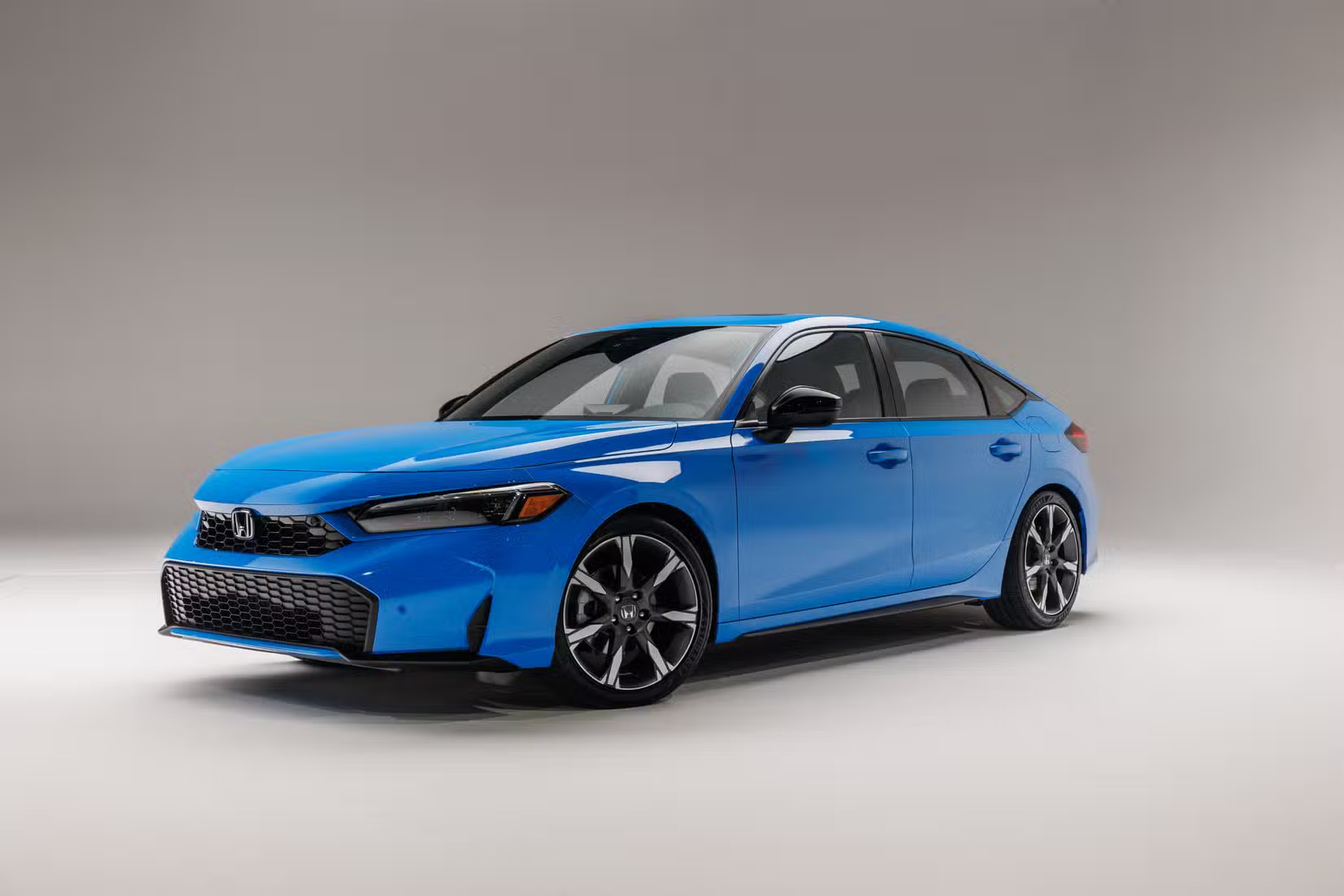
1. 2025 Honda Civic Hatchback: A Smart Parking and Commuting Solution for Chapel Hill Students
The 2025 Honda Civic Hatchback is an excellent match for student life in Chapel Hill, where crowded parking lots, tight garages, and frequent short trips are part of daily routines.
Its compact dimensions, short rear overhang, and tight turning radius make it easy to place in constrained university and urban parking spaces. Compared to larger sedans or SUVs, the Civic Hatchback fits more comfortably into tightly packed student lots, reducing parking stress.
Maneuverability is a standout strength. Responsive steering and composed handling allow the Civic to feel confident on narrow campus streets and in multi-level parking garages. Visibility also plays a key role.
The low hood and beltline improve forward sightlines, making it easier to judge distances when pulling into or out of spaces. While rear visibility is limited by the sloping roofline, available parking sensors and a multi-angle rearview camera with dynamic guidelines provide strong assistance when backing up or parallel parking.
Standard safety features such as blind-spot monitoring and cross-traffic alerts add reassurance in busy parking areas where pedestrians and cyclists are common.
Beyond parking ease, the Civic Hatchback delivers strong everyday practicality. The hatchback layout provides 24.5 cubic feet of cargo space with the rear seats up, which is more than enough for groceries, laundry, backpacks, or dorm move-in needs.
Folding the rear seats expands that space further, making it versatile for student errands. Interior storage is also well thought out, with large cupholders, a deep center console bin, and additional trays for smaller items.
Driving performance depends on powertrain choice. The available hybrid stands out with quick acceleration, reaching 60 mph in about 6.6 seconds, making it one of the quickest cars in its class while still delivering excellent fuel economy.
The standard gas version is slower but remains smooth and easy to drive for daily use. The suspension balances comfort and handling well, smoothing most bumps while keeping the car engaging through corners.
Inside, the Civic offers a clean, functional cabin with intuitive controls. Road noise is present but controlled, and wind noise stays low at speed. The infotainment system is mounted high on the dash for easy viewing, with a sharper 9-inch touchscreen and wireless smartphone integration available on higher trims.
Fuel efficiency further strengthens its appeal. The hybrid achieves up to 48 mpg combined, while the standard model still returns up to 34 mpg combined, helping students manage commuting costs.
Though priced slightly above rivals like the Corolla Hatchback, the Civic justifies the cost with better performance, quality, and technology. For Chapel Hill students balancing parking challenges, efficiency, and daily usability, the 2025 Honda Civic Hatchback stands out as a well-rounded choice.
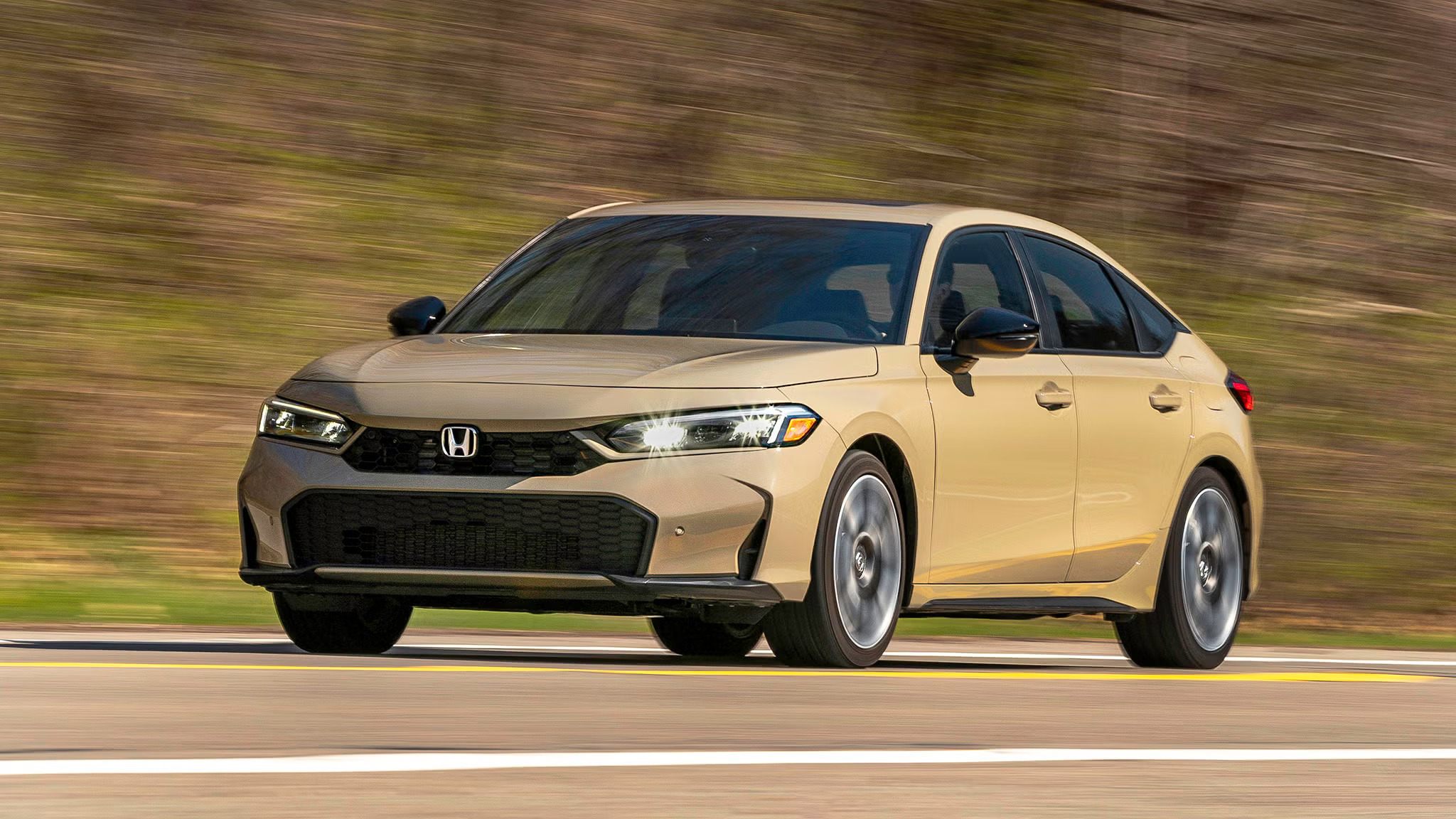
2. 2025 Toyota Corolla: Easy to Park, Dependable, but Not the Most Exciting Choice for Students
The 2025 Toyota Corolla continues to build on its long-standing reputation for reliability, efficiency, and ease of use, qualities that make it appealing for student drivers in places like Chapel Hill.
Its compact dimensions make it well suited for tight campus roads, shared garages, and crowded student parking lots. With manageable length and width, the Corolla is easier to fit into smaller spaces than many larger sedans or crossovers, which can reduce stress when parking in busy university areas.
Maneuverability is another strong point. Light steering, a tight turning radius, and predictable handling help simplify common parking situations such as parallel parking or backing into compact spaces. Visibility is good for the class, and Toyota’s focus on safety adds confidence in pedestrian-heavy environments.
Every Corolla comes standard with Toyota Safety Sense 3.0, which includes a backup camera, pre-collision warning with automatic braking, lane-centering assistance, adaptive cruise control, and road sign recognition. Higher trims add blind-spot monitoring and rear cross-traffic alerts, features that are particularly useful in crowded lots.
Reliability and efficiency remain the Corolla’s biggest advantages. The standard 2.0-liter engine produces 169 horsepower and is paired with a CVT and front-wheel drive. Acceleration is adequate rather than quick, reaching 60 mph in about 8.2 seconds, but it feels responsive enough for daily driving.
Fuel economy is strong, with estimates around 32 mpg in the city and 40 mpg on the highway. The Corolla Hybrid is the standout for budget-conscious students, offering exceptional efficiency that can exceed 50 mpg on the highway while remaining affordable to own and maintain.
Comfort is solid, with a relatively plush suspension and supportive front seats. However, interior design and infotainment feel dated compared to newer rivals, with some cheap-feeling materials and less intuitive ergonomics.
Space is another limitation. Rear-seat legroom and cargo capacity trail competitors like the Honda Civic, especially in hatchback form, which feels tight for passengers and hauling gear.
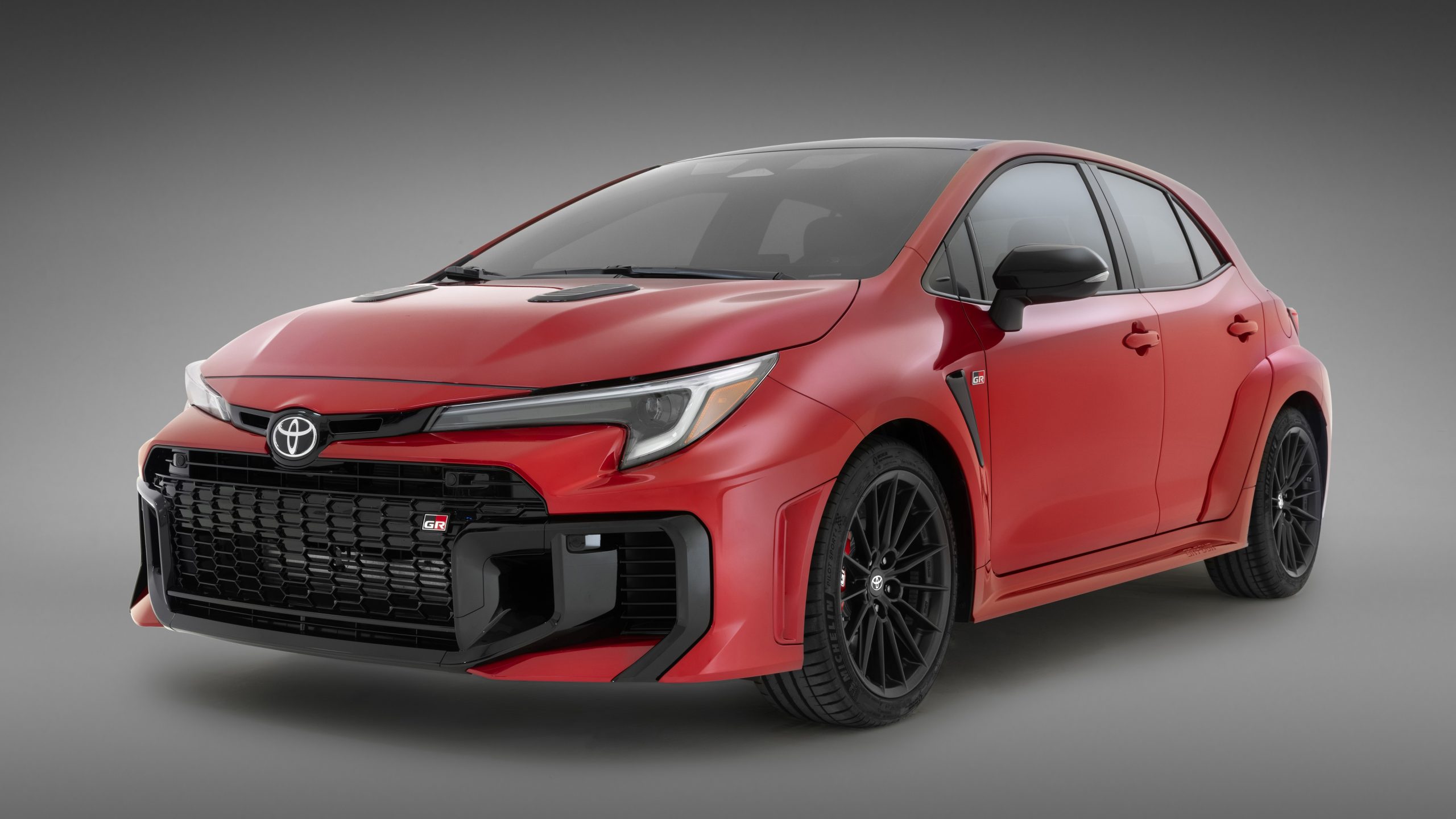
Toyota offers a wide range of trims for 2025, including LE, SE, XLE, hatchbacks, special editions, hybrids, and the high-performance GR Corolla. While the GR is an exciting outlier with 300 horsepower and all-wheel drive, it is expensive and not representative of the standard Corolla experience.
For Chapel Hill students, the 2025 Toyota Corolla works well as a dependable, easy-to-park commuter with low running costs and strong safety credentials. It is easy to recommend for those prioritizing reliability and efficiency.
Students seeking more interior space, newer tech, or a more engaging drive may find stronger alternatives elsewhere, making the Corolla a sensible but easily skippable option depending on priorities.
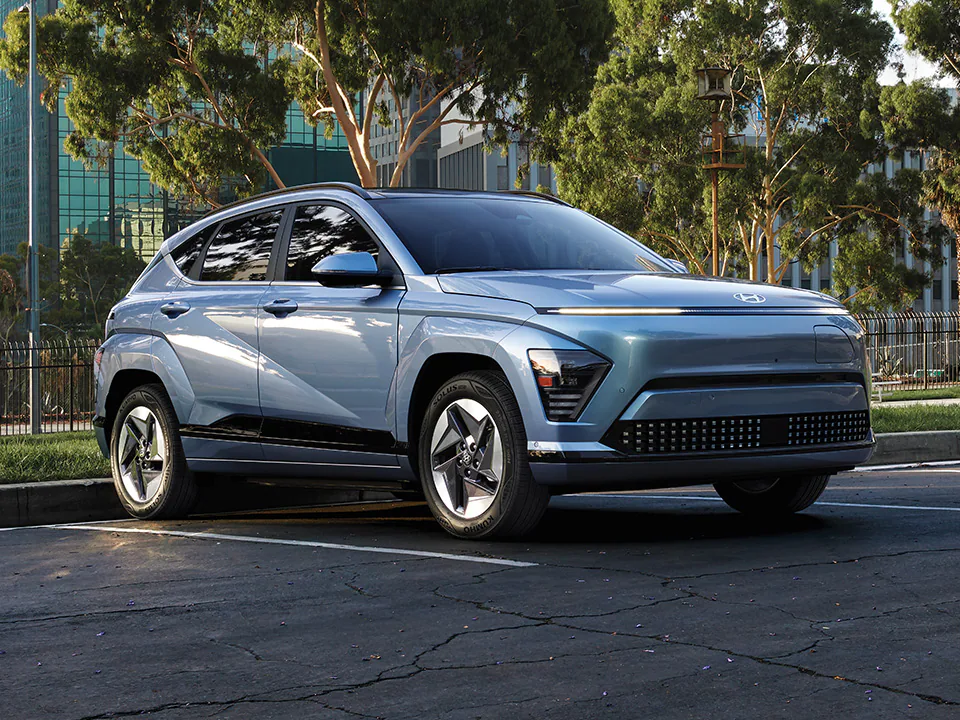
3. 2025 Hyundai Kona Hybrid: Campus-Friendly SUV with Mixed Performance
The 2025 Hyundai Kona Hybrid offers a compact SUV option suited for Chapel Hill student life, combining a small footprint for tight campus parking, hybrid efficiency, usable cargo space, and modern technology. Its size and maneuverability make it easy to fit into crowded garages or limited street spots, while hybrid fuel economy helps students save on gas during daily commutes.
Safety and convenience are also priorities, with features such as Remote Smart Parking Assist, Reverse Parking Collision-Avoidance Assist, and Forward Collision-Avoidance Assist, all of which help prevent accidents in busy areas.
Additionally, the cabin provides flexible cargo options, including fold-flat rear seats, and user-friendly infotainment with Apple CarPlay and Android Auto keeps students connected on the go.
The Kona Hybrid is part of Hyundai’s second-generation Kona, introduced in 2023, which brought a slightly larger, more refined design compared to the previous model. The hybrid shares the K3 platform with the Kia Niro, offering a more grown-up feel while remaining one of Hyundai’s smaller SUVs.
The interior benefits from expanded rear legroom and a larger boot, now at 466 liters, along with a functional, if slightly subdued, dashboard that incorporates twin 12.3-inch displays for driver and infotainment information. Physical toggle controls complement touchscreen inputs, making common adjustments more practical.
Under the hood, the Kona Hybrid pairs a naturally aspirated 1.6-liter petrol engine with a 42-horsepower electric motor and a 1.56 kWh battery, producing 127 hp and 195 lb-ft of torque. A six-speed dual-clutch automatic transmission drives the front wheels.
Acceleration is modest, reaching 0–62 mph in about 12 seconds, and overtaking on highways requires patience. Electric-only driving is limited, and fuel efficiency falls short of top competitors, averaging around 40–48 mpg in real-world driving. The ride can feel busy on rough roads, though handling on B-roads and corners is precise, offering more poise than expected for a compact hybrid SUV.
Trim options include Advance, N Line, N Line S, and Ultimate, with higher trims adding features such as wireless phone charging, LED headlights, blind-spot monitoring, and a 360-degree camera. The Kona Hybrid’s distinctive styling, practical cabin, and generous warranty make it a solid choice for students prioritizing convenience, tech, and compact SUV versatility.
However, the hybrid powertrain’s limited punch, average fuel economy, and busy ride make the Kona less compelling compared to rivals like the Kia Niro, Honda HR-V, or Toyota C-HR.
For students who value efficiency and campus-friendly features over spirited performance, it works well, but for those seeking stronger hybrid performance or smoother highway driving, other options may provide a more satisfying experience.
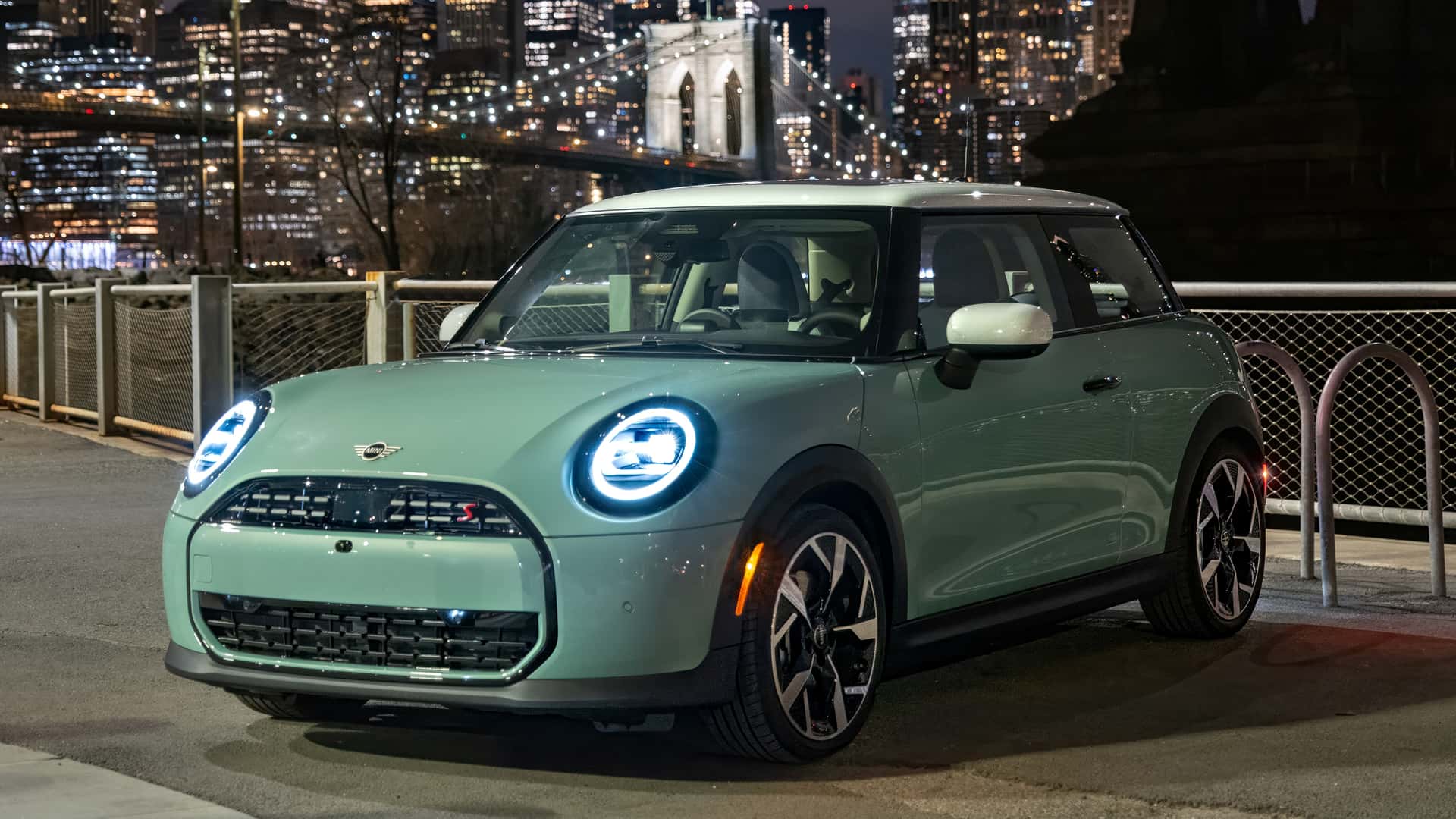
4. 2025 Mini Cooper Hardtop: Compact Charm with Notable Trade-Offs
The 2025 Mini Cooper Hardtop is tailored for Chapel Hill students seeking a fun, stylish, and practical car for campus life. Its ultra-compact size makes it simple to find parking in crowded student lots, while features like Parking Assistant, rearview cameras, and park sensors help with tight spots.
The car combines good fuel efficiency with engaging handling, offering a “go-kart” feel that turns routine commutes to UNC into an enjoyable experience.
The Mini Cooper’s small dimensions allow it to fit into challenging parallel spaces, an advantage in busy university lots. Parking assistance features help steer, brake, and accelerate automatically into spots, while Park Distance Control and rearview cameras provide obstacle alerts to reduce the risk of bumps.
A tight turning radius and nimble handling enhance its maneuverability on narrow streets and in tight campus garages, making it easy for students to move around efficiently.
Advanced driver aids such as Forward Collision Warning and Lane Departure Warning offer additional confidence in busy campus environments.
Connectivity features including Apple CarPlay and Android Auto keep students connected, while a heads-up display projects key information like speed, allowing the driver to maintain focus on the road. These modern features make the Mini both convenient and safe for daily student commuting.
With competitive fuel economy, the Mini Cooper helps manage the cost of frequent short trips around campus. Its iconic design, customizable colors, and ambient “Experience Modes” allow students to express personality while enjoying a high-tech cabin centered on a large OLED touchscreen.
The fourth-generation redesign introduces an updated grille, matrix taillights, and a minimalist, tech-forward interior. The Cooper S features a turbocharged 2.0L four-cylinder engine paired with a 7-speed dual-clutch automatic, while the base model uses a smaller engine.
Despite the removal of the manual transmission, the Mini retains its signature agile handling and quick steering, offering an engaging driving experience.
The 2025 Mini Cooper excels in fun driving dynamics, distinctive style, and a modern, immersive interior. However, the firm ride, high price, limited rear seating and cargo space, and less intuitive tech can detract from daily usability. Enthusiasts may miss the manual gearbox, which has been discontinued.
The 2025 Mini Cooper Hardtop remains a stylish, fun, and maneuverable choice for students prioritizing agility and personality. It is best suited for solo drivers or couples who value compact size and campus-friendly technology, while those seeking more comfort, space, or driver-focused engagement may find other small cars more practical.
5. 2025 Kia Soul: Spacious, Stylish, and Campus-Friendly
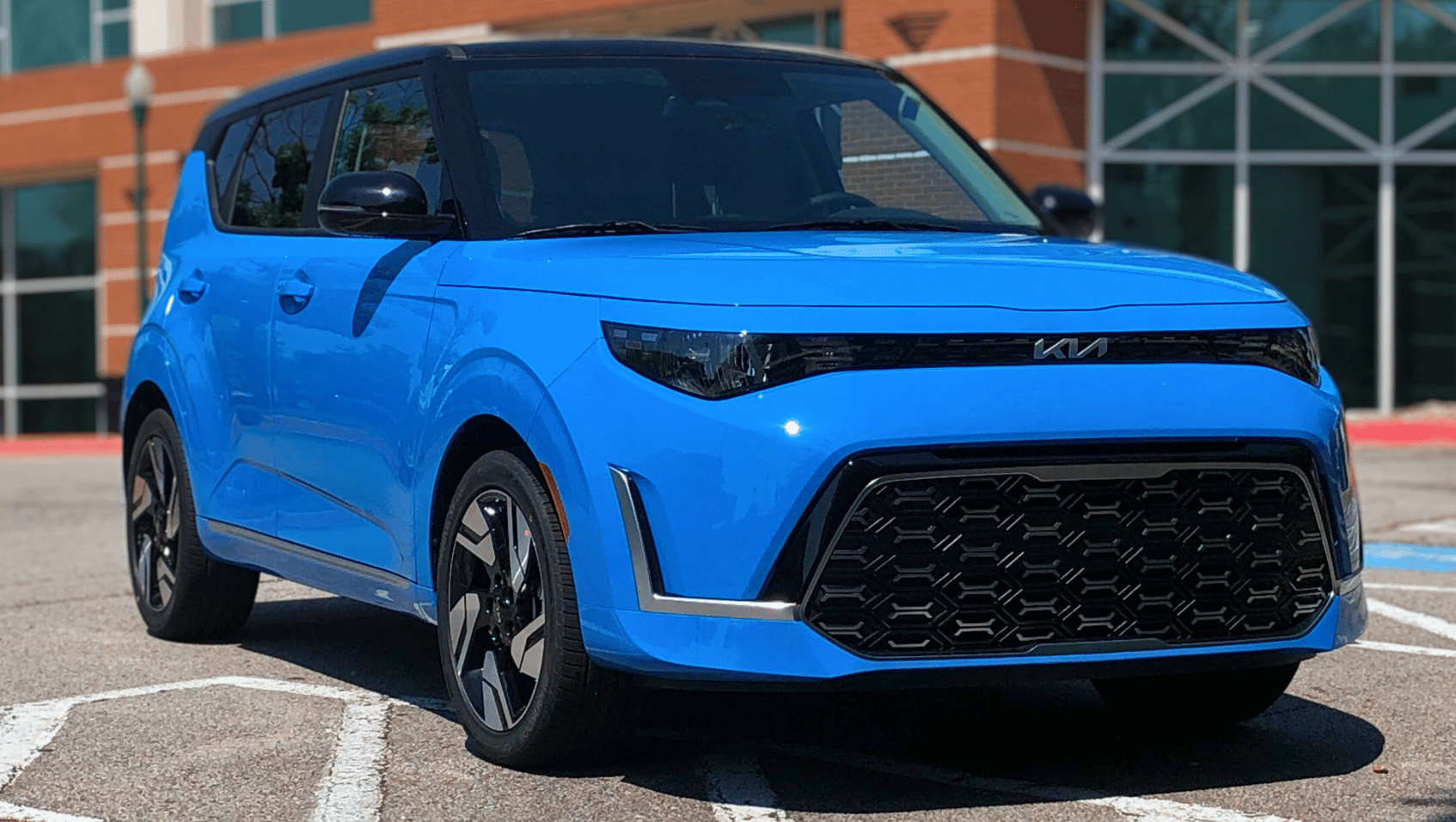
The 2025 Kia Soul offers Chapel Hill students a practical, efficient, and eye-catching option for campus life. Its compact exterior allows for easy parking in tight university lots, while the boxy shape maximizes interior space for passengers and cargo.
Coupled with fuel-efficient performance, advanced technology, and strong safety features, the Soul balances everyday usability with a distinctive style that makes it stand out in crowded campus parking areas.
The Kia Soul’s compact footprint and tight turning radius make it ideal for slipping into tight parking spots and maneuvering through busy student lots.
Available tech, including the Surround View Monitor (360° camera) and Remote Smart Parking Assist, aids parallel and perpendicular parking. Its upright, boxy design enhances visibility, allowing drivers to see obstacles and other vehicles more easily when reversing.
Despite its small size, the Soul provides a spacious interior, accommodating students, roommates, and their gear. The hatchback design and high roofline offer generous cargo capacity, with room for seven carry-on suitcases in the trunk and up to 20 with rear seats folded.
Fuel efficiency is strong for daily commutes, with an EPA rating of 27 mpg city and 35 mpg highway. The 2.0-liter four-cylinder engine paired with a CVT provides adequate acceleration for city driving, hitting 0–60 mph in approximately 8 seconds, while the CVT assists in smoother passing and highway performance.
The Soul includes standard features like Apple CarPlay, Android Auto, and touchscreen infotainment, with higher trims offering a 10.3-inch display, wireless charging, and premium audio options.
Safety is a strong point, with Forward Collision-Avoidance Assist, Lane Keeping Assist, Blind-Spot Detection, and automatic emergency braking available across trims. Kia’s 10-year/100,000-mile powertrain warranty adds long-term reliability, appealing to students on a budget.
The Soul’s distinctive, boxy exterior and customizable interior color schemes make it a standout choice among campus vehicles. Ambient lighting, a head-up display, and playful interior design add personality without sacrificing functionality. Its combination of affordability, reliability, and tech-friendly features makes it a compelling choice for students seeking both practicality and style.
The 2025 Kia Soul is an excellent campus car, blending compact dimensions, roomy interior, strong safety, and distinctive style. While its handling is not sporty and highway performance is moderate, it excels in city and campus environments, making it a reliable, budget-conscious, and versatile choice for UIUC students.
Also Read: 5 Cars for Eau Claire Small-Town Drives and 5 That Have High Maintenance Costs
5 That Don’t Fit College Garages
1. 2025 Ford F-150: Size Challenges for College Parking
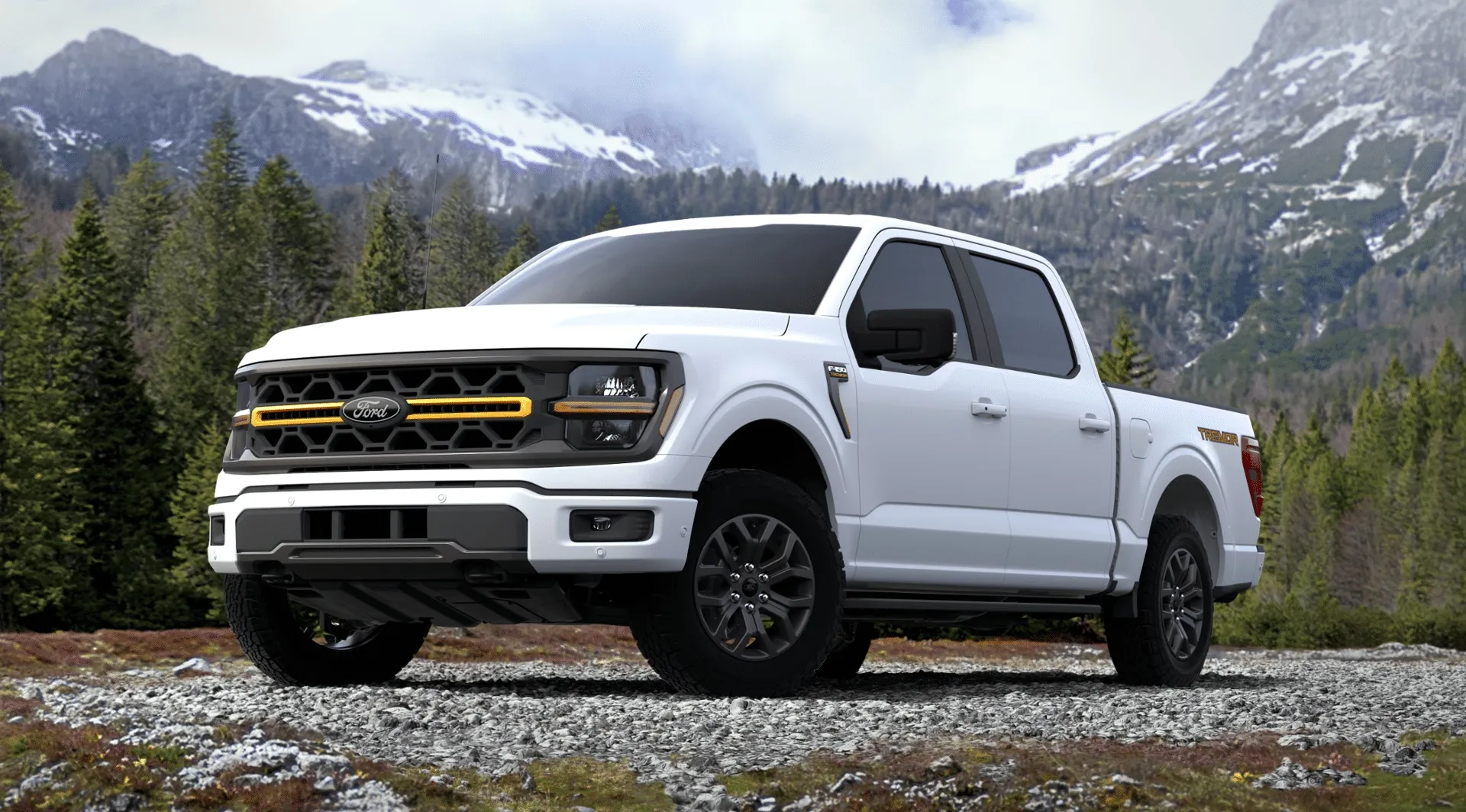
The 2025 Ford F-150 is a full-size pickup that presents major challenges for Chapel Hill student parking. Standard campus garages have stall lengths around 18 feet and clearance heights near 7 feet.
With truck lengths ranging from 17 to over 20 feet and heights between 75 and 80 inches, the F-150 often exceeds these limits, making indoor parking tricky and increasing the risk of side-swipes. Lifted trucks or models with roof-mounted accessories are especially likely to hit overhead structures.
Width and handling further complicate garage use. The truck measures nearly 8 feet wide, and certain models like the Raptor reach 96 inches with mirrors extended.
Combined with a large turning radius, this makes tight ramps, corners, and narrow aisles in multi-level garages difficult to manage, leaving little margin for error. Even standard models feel cramped in confined spaces, requiring careful attention when parking.
Most students find the F-150 better suited to open-air lots rather than covered garages. Those needing indoor parking should check posted height and length restrictions or consult the UNC Transportation & Parking website.
While the F-150 provides excellent utility and space, its dimensions make it largely impractical for standard campus garages, limiting indoor parking options and demanding extra caution.
2. 2025 Chevrolet Suburban: Large SUV Challenges for Chapel Hill Parking
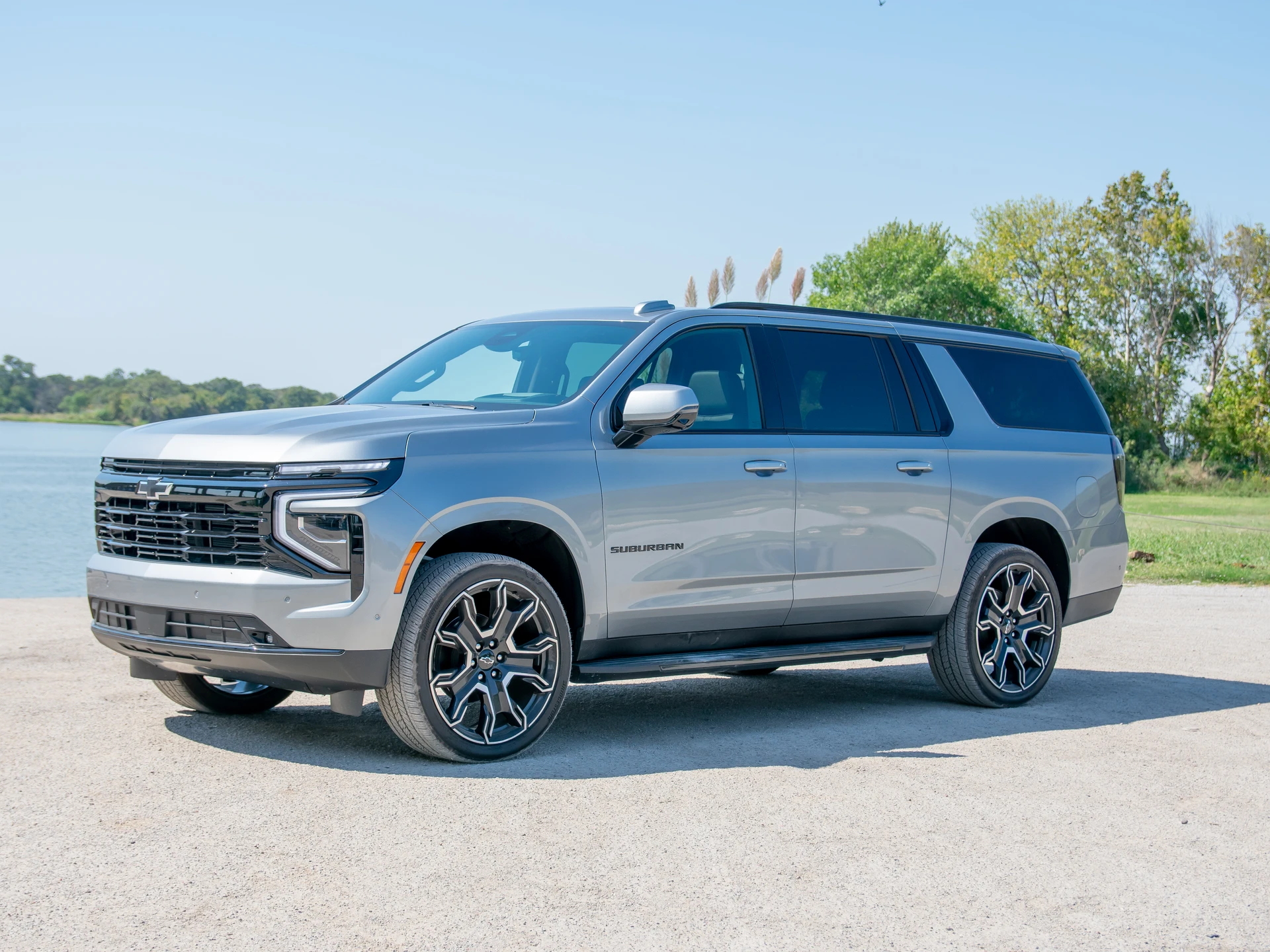
The 2025 Chevrolet Suburban is a massive SUV, measuring nearly 19 feet in length and about 6.3 feet in height, earning it nicknames like “school bus” in parking contexts. Standard Chapel Hill student garages, with typical depths of 20 feet and clearances around 7 feet, leave very little room for error.
Even if the Suburban technically fits, tight turns between concrete pillars and narrow ramps make parking difficult and risky. Roof racks or other accessories further reduce available clearance, increasing the chance of damage.
Length and width also create challenges. With a length of roughly 225–226 inches, the Suburban struggles in garages designed for vehicles between 16 and 20 feet long. Its width of 6.75 feet fits within standard 8–9-foot spaces, but door opening is limited, making ingress and egress cumbersome.
Combined with a large turning radius, these dimensions make typical garage layouts challenging for daily student use, especially in older or more compact structures.
For Chapel Hill students, the Suburban is better suited to open-air lots or off-campus parking areas rather than indoor garages. While it offers ample interior space and utility, its size makes it impractical for frequent campus use, where maneuvering and tight spaces are common. Students should plan accordingly and consider smaller SUVs or trucks for on-campus parking convenience.
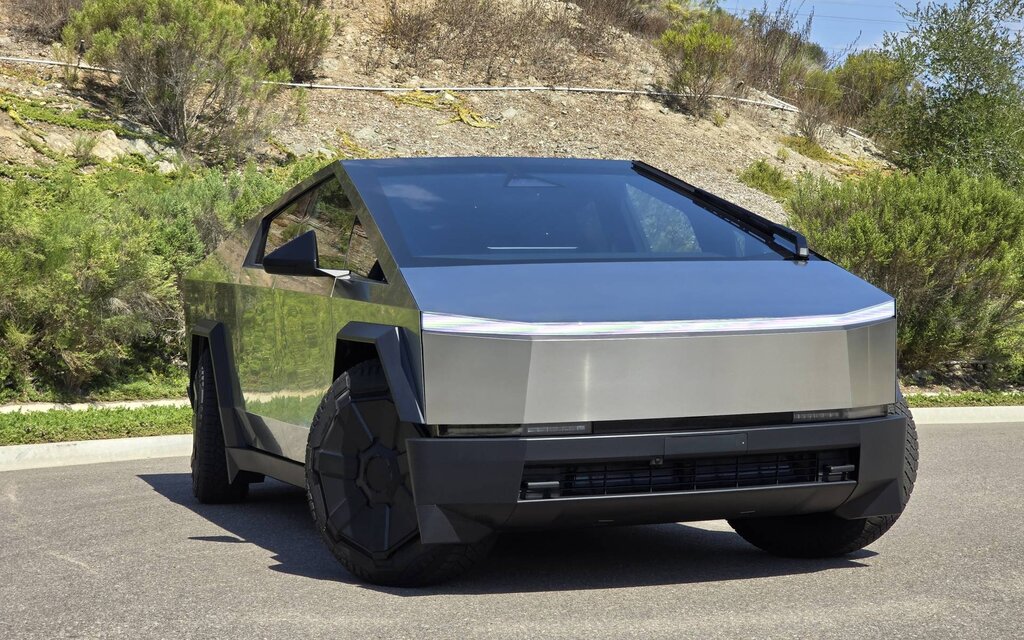
3. 2025 Tesla Cybertruck: Size Makes Campus Parking Challenging
The 2025 Tesla Cybertruck is a strikingly large vehicle, measuring 231.7 inches long and up to 95 inches wide with mirrors extended. Its massive length exceeds most standard parking spaces, leaving minimal room to maneuver or walk around the vehicle.
The angular, wide body also makes opening doors difficult in typical 9-foot-wide spaces, increasing the risk of hitting adjacent cars. While its adjustable air suspension keeps height under 6 feet at the lowest setting, length and width are the main obstacles for on-campus parking.
Chapel Hill student garages and older campus structures were not designed for vehicles of this size. Narrow aisles, tight corners, and compact spaces make precise, multi-point turns necessary to fit the Cybertruck into a space. Even when it technically fits, getting in and out of the vehicle can be inconvenient and risky.
For students, the Cybertruck’s dimensions make it largely impractical for daily campus use. While it offers futuristic design and utility, its sheer size conflicts with the constraints of Chapel Hill parking. Open-air lots or off-campus parking are more realistic options for owners, whereas standard garages and tight spaces create consistent challenges that make this vehicle unsuitable for typical student life.
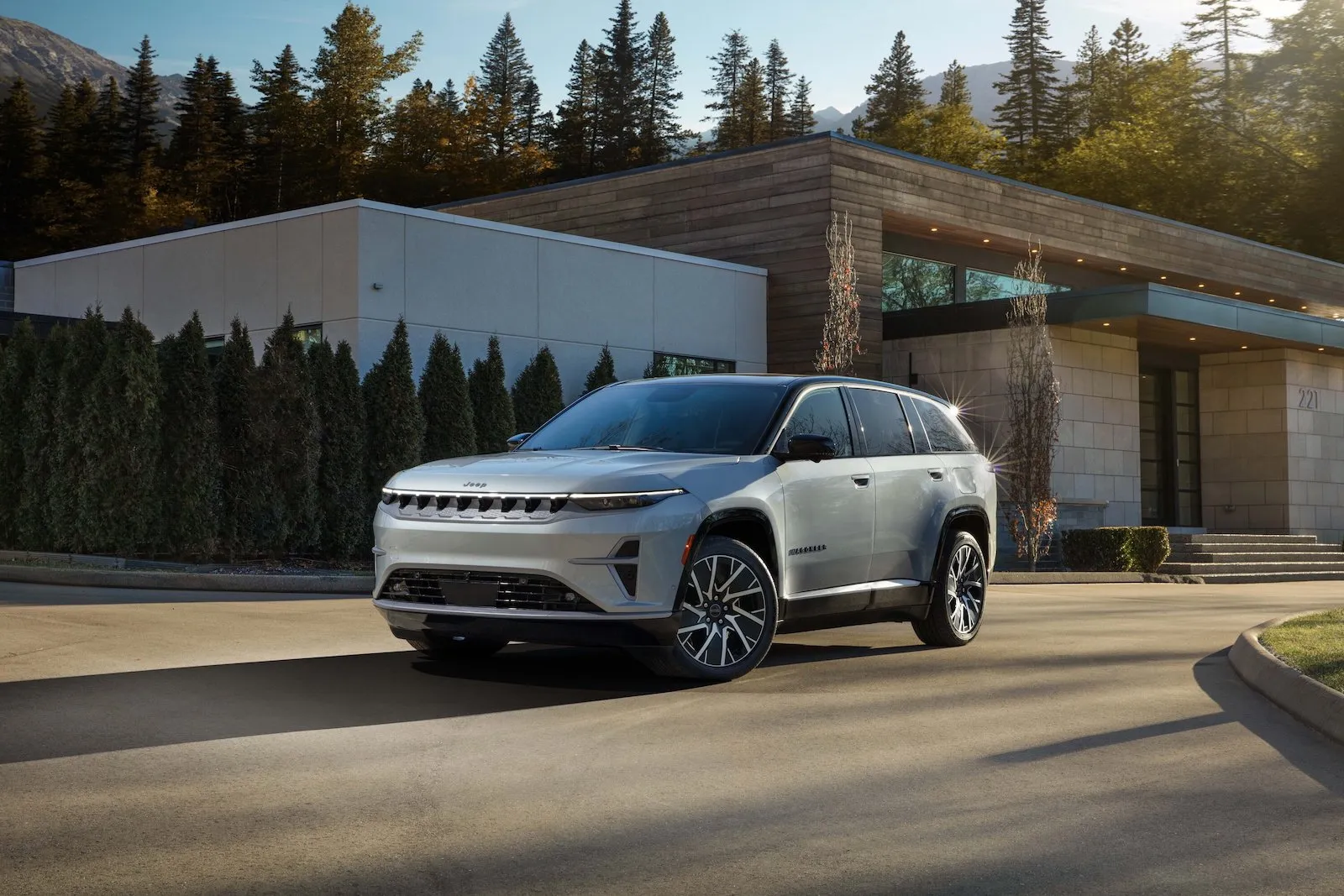
4. 2025 Jeep Wagoneer L: Oversized SUV Struggles with Campus Parking
The 2025 Jeep Wagoneer L, measuring approximately 226.7 inches in length and 83.6 inches in width, presents serious challenges for Chapel Hill student parking. Its nearly 19-foot length exceeds standard campus parking spaces by about 9 inches, often causing the vehicle to overhang curbs or drive aisles.
While the width fits under typical 9-foot spaces, door swings and the vehicle’s large turning radius make tight stalls and narrow garage aisles difficult to manage.
Height is another concern. At 77.6 inches, the Wagoneer L approaches the 7-foot minimum clearance of many multi-story garages. Any roof-mounted accessories, such as cargo boxes, further reduce headroom, increasing the risk of scrapes and limiting flexibility in selecting parking spots.
With compact and crowded student decks, even technically fitting in a space can be stressful, leaving minimal room to maneuver or avoid adjacent cars.
Chapel Hill and UNC campus parking is constrained by limited availability, construction, and reserved compact spots unsuitable for full-size SUVs. The combination of length, width, and turning radius makes daily use in these environments cumbersome.
While the Wagoneer L offers spacious interiors and full-size SUV appeal, its size makes it largely impractical for students relying on standard campus parking infrastructure.
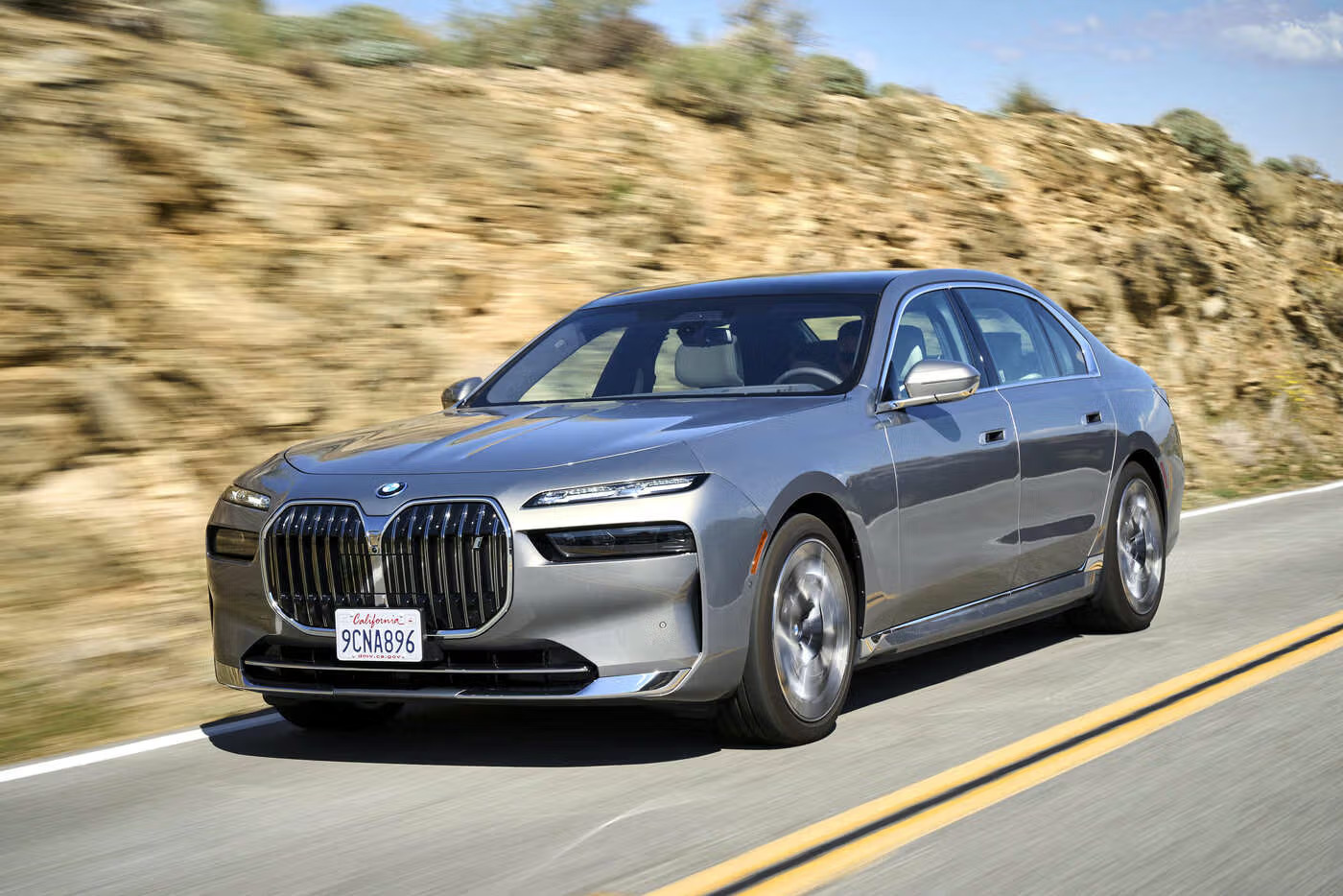
5. 2025 BMW i7: Luxury Sedan Too Large for Campus Parking
The 2025 BMW i7, a full-size luxury sedan, is impractical for Chapel Hill student parking due to its significant dimensions. Measuring 212.2 inches in length and up to 86.3 inches in width with mirrors, the i7 occupies much of a standard parking space, leaving minimal room for walking or adjusting the vehicle in tight stalls.
Its long wheelbase and wide stance further complicate turning in narrow ramps and around concrete pillars common in older campus garages.
Standard parking spaces, typically around 9 feet wide and 18 feet long, barely accommodate the i7. Older structures with slightly smaller dimensions or additional obstructions make fitting this sedan a challenge.
Limited overhead clearance and features such as wall edges, light fixtures, or support beams further restrict practical parking options, especially for students with roof-mounted accessories or taller configurations.
Even with rear-wheel steering designed to improve agility, the i7’s size results in a large turning circle, making tight corners in multi-level garages difficult. Combined with Chapel Hill’s high demand and limited campus parking, the i7 becomes cumbersome for daily student use.
While offering luxury and technology, its sheer size makes it an unsuitable choice for typical college parking, where smaller, more compact vehicles are far more practical.
Choosing the right car for Chapel Hill student life is about more than style or performance. Compact and maneuverable options like the Civic, Corolla, Kona Hybrid, Mini Cooper, and Soul offer reliable, efficient, and stress-free solutions for tight campus garages and crowded lots.
In contrast, oversized vehicles such as the F-150, Suburban, Cybertruck, Wagoneer L, and BMW i7 create significant parking challenges due to their length, width, and turning requirements.
Students who prioritize convenience, safety, and everyday usability will find smaller, tech-friendly cars better suited to Chapel Hill’s urban environment, while those drawn to large trucks or luxury sedans may need to rely on off-campus or open-air parking.
By considering these factors, students can select a vehicle that balances comfort, efficiency, and campus practicality, ensuring smooth commuting and less frustration in day-to-day student life.
Also Read: 10 Cars With Helpful Front Cameras for Tight Spots
