
For drivers who love spending weekends exploring the mountains around Asheville, choosing the right vehicle is essential. The region’s mix of paved scenic roads, gravel backroads, and rugged forest trails demands a vehicle that can handle steep inclines, loose surfaces, and obstacles without compromising comfort or daily usability.
Some SUVs and off-road vehicles are perfectly suited for this lifestyle, offering features like high ground clearance, advanced all-wheel-drive systems, durable suspension, and cargo capacity for camping or outdoor gear.
Others, while appealing for city driving, fuel efficiency, or sporty performance, struggle in mountain terrain and can quickly encounter difficulties on rough trails.
This guide highlights five vehicles that excel for Asheville mountain weekenders, combining trail readiness with everyday practicality, alongside five popular models that look capable but ultimately lack the hardware and design to handle the region’s demanding backroads and rugged outdoor routes.
5 Cars for Asheville Mountain Weekenders
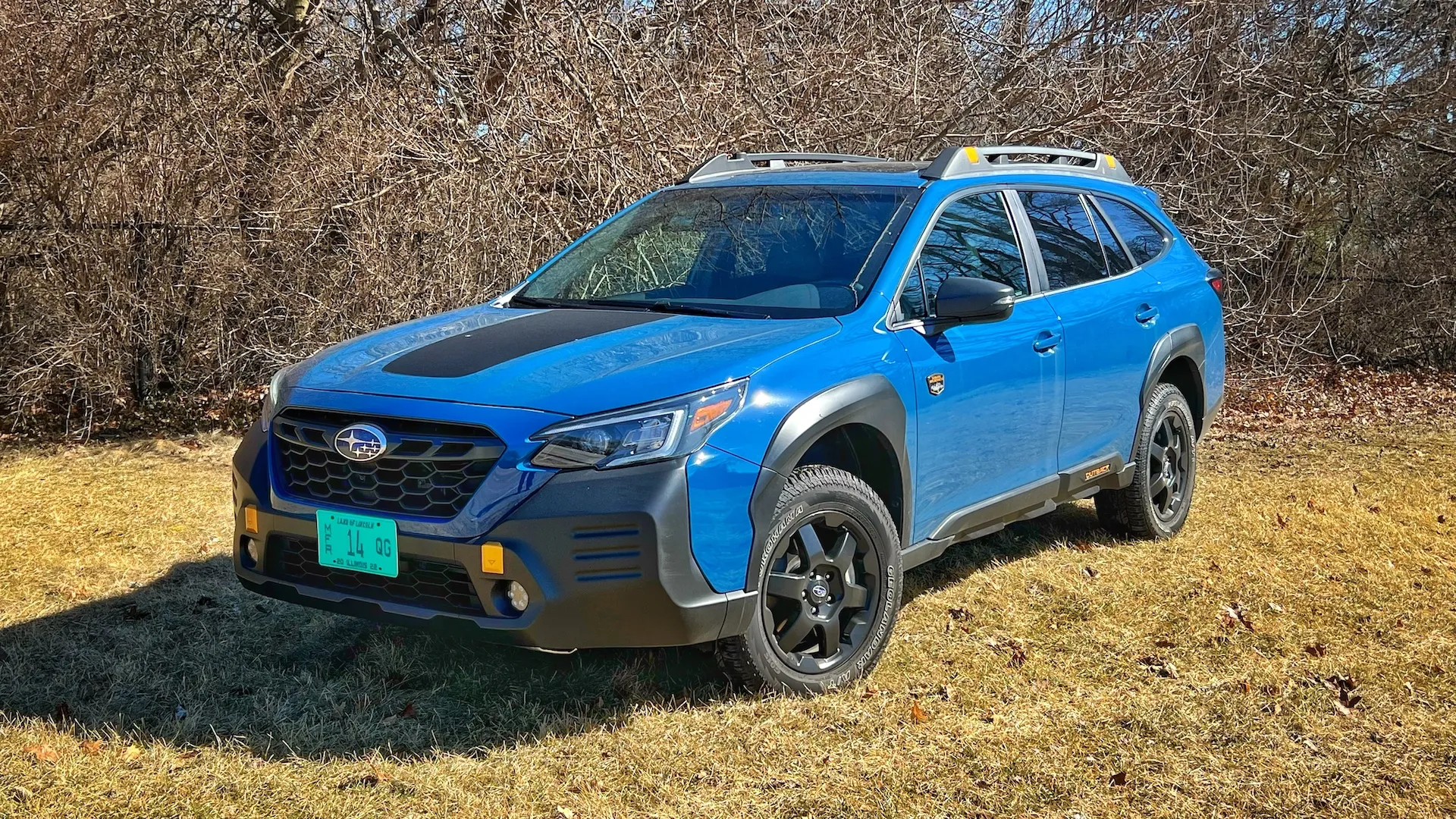
1. Subaru Outback Wilderness: Built for Mountain Trails and Everyday Life
The Subaru Outback Wilderness is a standout option for outdoor enthusiasts who need a vehicle capable of handling rugged terrain while remaining comfortable and practical for daily use. Popular among drivers in Asheville and Western North Carolina, it is designed to confidently navigate the region’s mix of paved mountain roads, gravel forest service routes, muddy trails, and rocky backroads.
The Wilderness trim is defined by its enhanced off road capability. A lifted suspension provides up to 9.5 inches of ground clearance, helping the vehicle clear rocks, ruts, and uneven surfaces while reducing the risk of underbody damage.
Protective skid plates shield vital components such as the engine and transmission, making it well suited for remote trail access and rough terrain. Redesigned front and rear bumpers improve approach and departure angles, allowing drivers to tackle steeper inclines and descents without scraping.
Traction is another strong point. Subaru’s Symmetrical All Wheel Drive comes standard, working with aggressive all terrain tires to maintain grip on loose gravel, dirt, snow, and wet mountain roads.
The X MODE system adds specialized Deep Snow and Mud settings that optimize throttle response and torque distribution for challenging conditions, making the Outback Wilderness especially capable on Blue Ridge backroads and forest trails.
Power comes from a 2.4 liter turbocharged four cylinder engine producing 260 horsepower, paired with a continuously variable transmission. While the CVT can feel less refined under hard acceleration, the turbo engine provides strong and responsive power for climbing steep grades and passing on mountain highways.
Subaru estimates a 0 to 60 mph time of about 6.6 seconds for turbo models. The Wilderness also offers a towing capacity of up to 3,500 pounds, which is useful for small trailers or outdoor equipment.
Inside, the Outback Wilderness balances durability with comfort. The updated interior features a modern dashboard with a dual panel digital instrument cluster and a 12.1 inch infotainment screen that supports Apple CarPlay and Android Auto.
A raised roofline adds rear seat headroom, and cargo capacity has increased, making it easier to haul camping gear, bikes, or pets. Fold down rear seats create a flat load area suitable for car camping, while reinforced roof rails can support rooftop tents, kayaks, or cargo boxes. Water resistant StarTex upholstery makes cleanup easy after muddy adventures.
Despite its rugged focus, the Outback Wilderness remains smooth and quiet on paved roads. This combination of off road confidence, everyday comfort, strong safety technology, and practical space explains why it is a favorite among outdoor focused drivers who want one vehicle that can handle both mountain adventures and daily life.
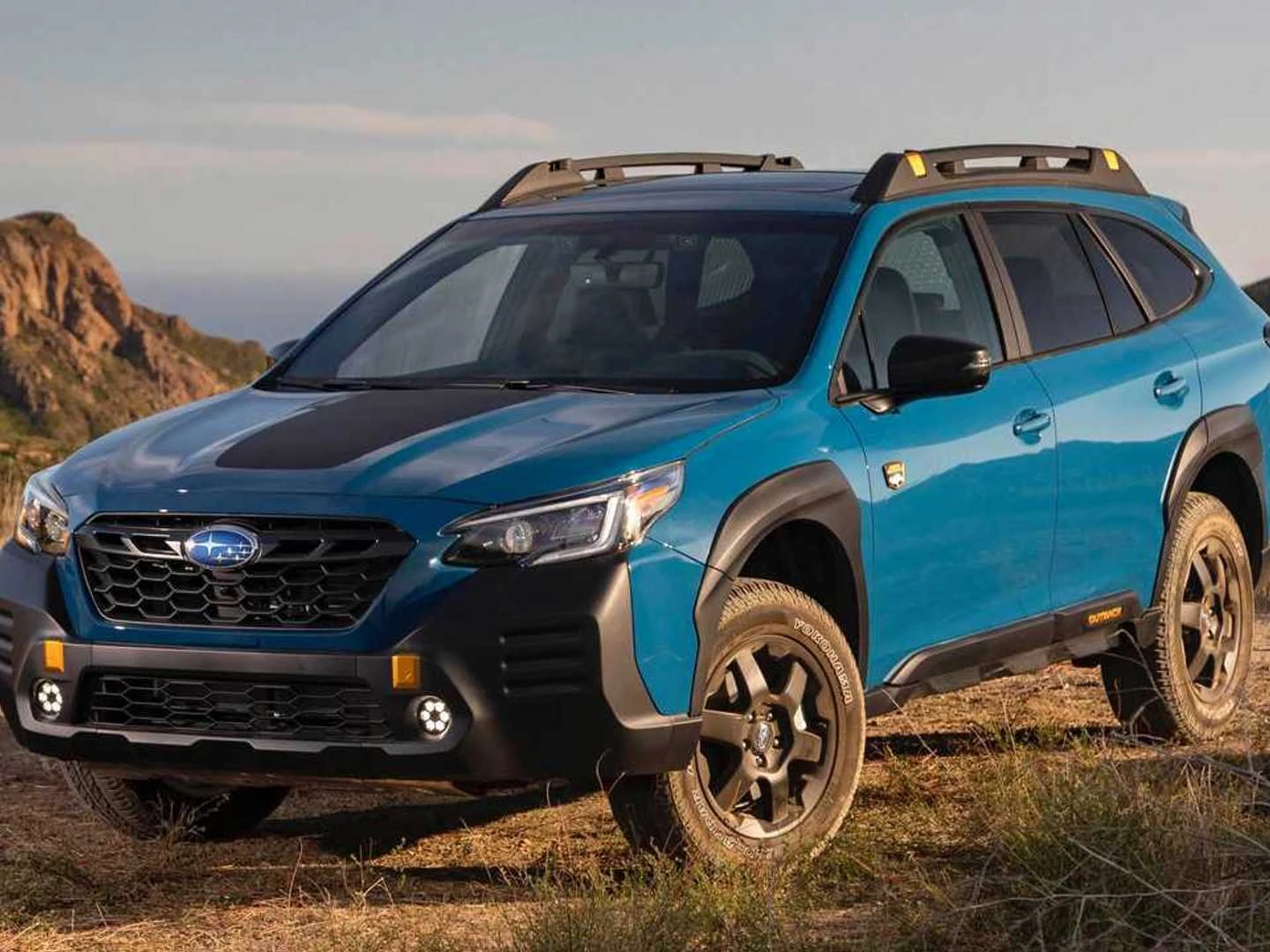
2. Toyota 4Runner TRD Pro: Unstoppable Strength for Mountain Adventures
The Toyota 4Runner TRD Pro is widely known for its toughness and reliability, making it an ideal vehicle for Asheville mountain weekend trips and serious off road exploration.
Built on a traditional body on frame platform, the TRD Pro is engineered to handle technical trails, deep mud, steep inclines, and unpredictable mountain weather with confidence. This rugged foundation sets it apart from many modern crossovers and reinforces its reputation as a true trail ready SUV.
A major strength of the 4Runner TRD Pro is its advanced off road technology. Multi Terrain Select allows drivers to choose modes such as Rock, Mud and Sand, or Mogul, automatically adjusting throttle response and traction control to maintain grip across varying surfaces.
Crawl Control functions like off road cruise control, managing speed on steep or uneven terrain so the driver can focus on steering. These systems are especially valuable on narrow forest roads and rocky Appalachian trails where precision matters.
Suspension is another highlight. The TRD Pro features TRD tuned FOX 2.5 inch internal bypass shocks with remote reservoirs. This setup delivers excellent damping and stability over rough, uneven terrain, reducing driver fatigue while maintaining control on rocky mountain paths.
Combined with a part time four wheel drive system and a locking rear differential, the 4Runner ensures consistent power delivery even when one wheel loses traction on uneven inclines.
Under the hood, the 4Runner is powered by a 278 horsepower turbocharged 2.4 liter four cylinder engine paired with an eight speed automatic transmission. Four wheel drive models include a two speed transfer case with high and low range for serious off road use.
In testing, the four wheel drive 4Runner reached 60 mph in about 7.5 seconds, offering solid performance for a truck based SUV. Towing capacity is strong as well, with ratings up to 6,000 pounds, allowing owners to bring small campers, boats, or utility trailers on weekend trips.
Inside, the 4Runner blends utility with comfort. The cabin shares much of its design with the Tacoma pickup and features durable materials, smart storage, and intuitive controls.
An available third row adds flexibility for families, while the power rear window and optional sunroof enhance the outdoor experience. Modern infotainment options include an available 14 inch touchscreen, wireless Apple CarPlay and Android Auto, and multiple USB C ports.
With excellent visibility, strong cargo options, advanced safety features through Toyota Safety Sense 3.0, and proven durability, the Toyota 4Runner TRD Pro is well suited for drivers who want a dependable, trail ready vehicle that can handle everything from paved mountain highways to challenging backcountry terrain.
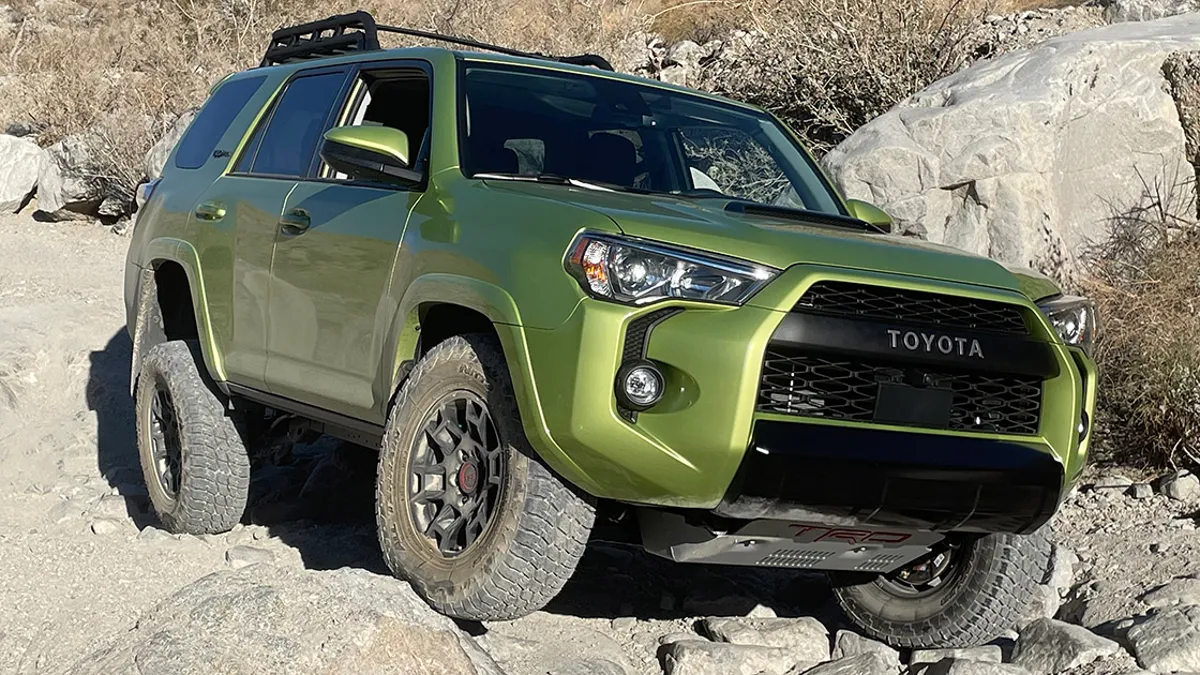
3. Jeep Wrangler Rubicon: Ultimate Trail Capability for Asheville Adventures
The Jeep Wrangler Rubicon is widely regarded as one of the most capable off road vehicles available, making it an exceptional choice for Asheville weekenders who want to explore the most challenging mountain trails.
Designed for extreme terrain rather than light duty adventure, the Rubicon delivers unmatched articulation, low range gearing, and mechanical toughness that allow it to tackle demanding routes in areas such as Pisgah National Forest and Blue Ridge Parkway backcountry roads.
At the heart of the Wrangler Rubicon’s capability is its Rock Trac four wheel drive system with a 4:1 low range transfer case. This setup delivers exceptional torque at low speeds, allowing precise control when crawling over rocks, climbing steep grades, or descending uneven terrain.
Front and rear Tru Lok electronic locking differentials further enhance traction by forcing both wheels on each axle to rotate together, even if one wheel is lifted or slipping. This is critical on rocky, muddy, or uneven Appalachian trails where traction can disappear quickly.
Another defining feature is the electronic sway bar disconnect. By allowing greater suspension articulation, this system keeps the tires in contact with the ground over large obstacles, improving stability and control.
Heavy duty Dana 44 axles and skid plates add durability, protecting vital components from damage during aggressive off road use. From the factory, the Rubicon also includes 33 inch all terrain tires, reinforcing that it is trail ready without requiring immediate upgrades.
Despite its hardcore off road focus, the Wrangler Rubicon still works for weekend life in and around Asheville. Removable doors and roof panels create an open air driving experience that is ideal for scenic mountain roads and warm weather trips along the Parkway.
The high ground clearance and robust four wheel drive system also provide confidence during heavy rain, snow, or winter weather. While interior space is more modest than its size suggests, the Wrangler can be configured to haul camping gear, bikes, or recovery equipment, and it offers solid towing capability for small trailers.
On the road, the Wrangler Rubicon feels unmistakably truck based. Its soft suspension, upright shape, and off road tires result in wind noise, body movement, and relaxed steering at highway speeds. However, the 2.0 liter turbocharged four cylinder engine paired with an eight speed automatic transmission provides strong midrange power and acceptable long distance comfort for a vehicle of this type.
What truly sets the Wrangler Rubicon apart is confidence. It grants access to remote campsites, hidden trails, and rugged terrain that most SUVs simply cannot reach. Combined with its iconic design and deep off road heritage, the Jeep Wrangler Rubicon remains a compelling option for Asheville drivers who prioritize adventure, exploration, and trail dominance above all else.
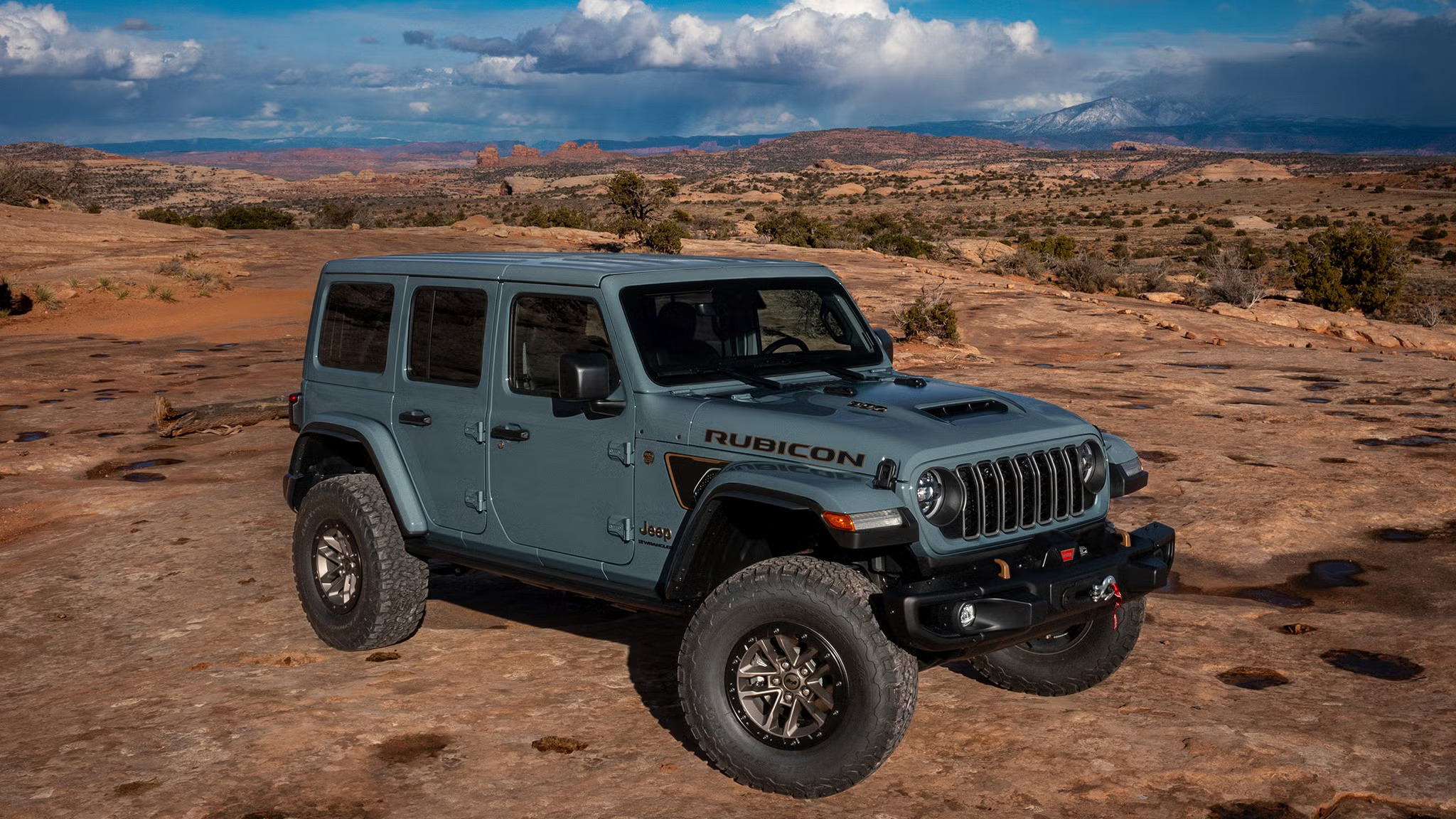
4. Ford Bronco Sport: Trail-Ready Versatility for Asheville Weekends
The Ford Bronco Sport is a strong option for Asheville weekenders who want real trail capability in a vehicle that remains comfortable and practical for everyday driving. It blends the ride quality and convenience of a compact crossover with serious off road features, making it especially appealing in Badlands trims or models equipped with the Sasquatch package.
Its smaller footprint works well in busy city traffic and on narrow mountain roads, while its rugged hardware allows confident travel into the backcountry of the Blue Ridge Parkway and Pisgah National Forest.
A key advantage of the Bronco Sport is its advanced off road technology. Standard all wheel drive is paired with Ford’s G.O.A.T. Modes system, which lets drivers select settings such as Sand, Mud and Ruts, or Rock Crawl.
These modes adjust throttle response, traction control, and transmission behavior to maintain grip on steep grades, loose gravel, and slick surfaces. Higher trims benefit from a twin clutch rear drive unit that provides torque vectoring, helping the vehicle stay composed on uneven or slippery terrain.
Badlands and Sasquatch-equipped models enhance the Bronco Sport’s trail capabilities. The HOSS 3.0 suspension system uses upgraded Bilstein shocks with increased travel to absorb rocks, ruts, and washboard surfaces common in mountain areas.
Metal skid plates and reinforced underbody protection help shield critical components, allowing drivers to explore rough trails with greater confidence. Features such as a one pedal off road driving mode and an available 360 degree camera further assist in tight or technical conditions.
Two turbocharged engine options are available. A 180 horsepower 1.5 liter three cylinder serves as the base engine, while a 250 horsepower 2.0 liter four cylinder delivers stronger acceleration and better performance at higher elevations.
Both engines are paired with an eight speed automatic transmission. Models equipped with the larger engine can tow up to 2,700 pounds, making it possible to bring along small trailers or adventure gear.
Inside, the Bronco Sport is well suited for an active lifestyle. Its boxy shape provides impressive cargo room for a compact SUV, with rear seats that fold flat for camping or hauling bikes. Optional features such as a slide out cargo table, roof rack compatibility, rear gate lighting, and washable interior surfaces add convenience for outdoor use.
For daily driving, the Bronco Sport remains comfortable and well equipped. Modern infotainment with wireless Apple CarPlay and Android Auto, a large touchscreen, and a full suite of safety features make it easy to live with during the workweek. By combining trail capable hardware with daily comfort, the Ford Bronco Sport fits perfectly into the rhythm of Asheville life.
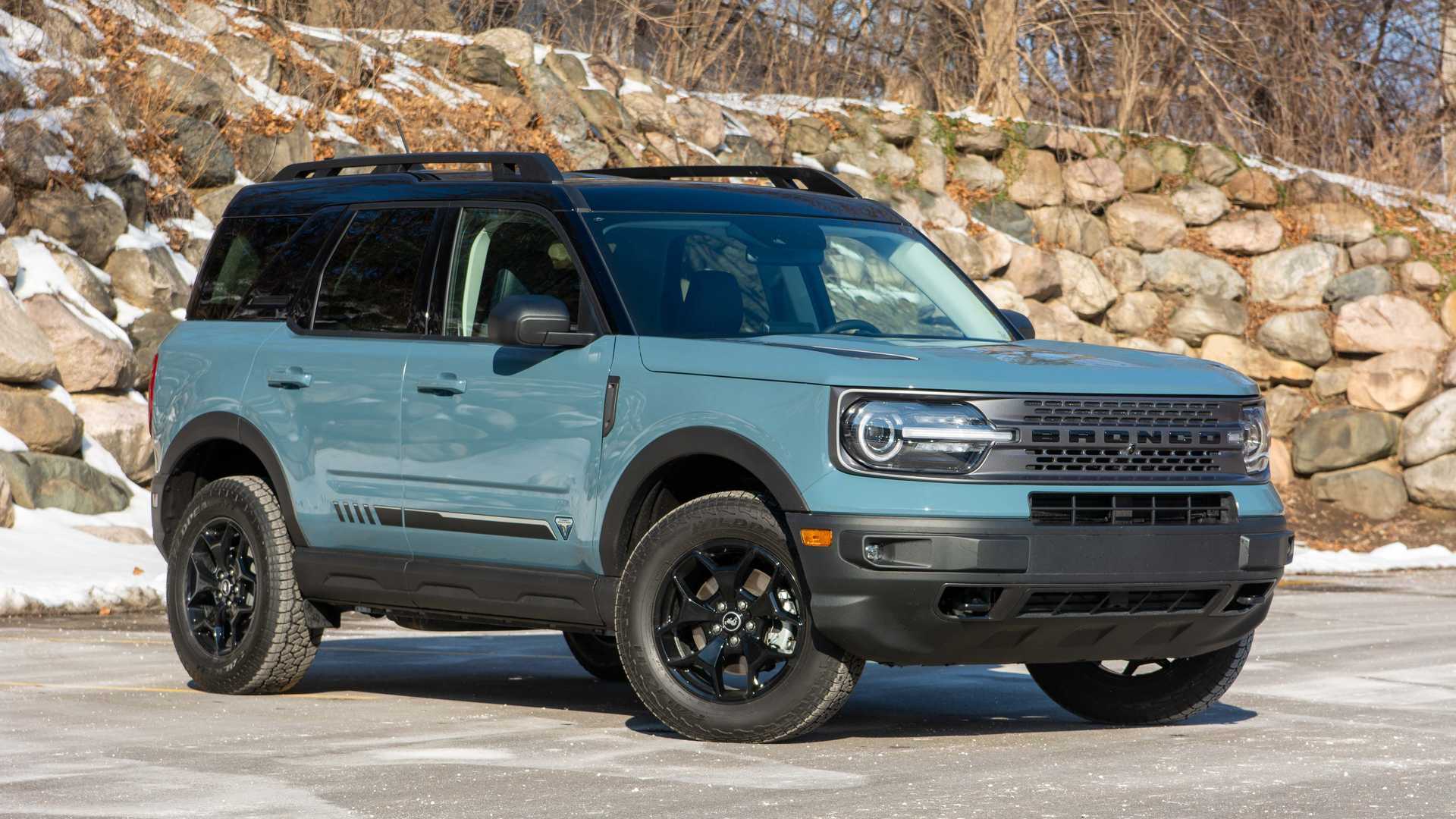
5. Land Rover Defender Octa: Luxury Power and Extreme Capability for Mountain Exploration
The Land Rover Defender Octa represents the most advanced and powerful expression of the modern Defender, blending extreme off road performance with high end comfort and technology.
For Asheville weekenders who want to explore demanding mountain terrain without giving up refinement, the Defender Octa offers a rare combination of trail dominance, on road composure, and unmistakable presence. It is engineered to handle everything from rocky climbs and stream crossings to long, winding mountain roads with ease.
A defining feature of the Defender Octa is its cutting edge suspension system. The 6D Dynamic air suspension replaces traditional sway bars with hydraulically linked dampers, allowing exceptional wheel articulation and traction on uneven ground.
This setup lets the vehicle raise its ride height to as much as 12.7 inches, improving clearance for rocks, ruts, and water crossings common in the Blue Ridge Mountains. Approach, departure, and breakover angles are also improved, reinforcing the Octa’s ability to tackle serious off road challenges.
Power comes from a twin turbocharged 4.4 liter V8 with mild hybrid assistance, producing more than 600 horsepower. This engine delivers effortless acceleration for steep climbs and quick passing on mountain highways, while remaining smooth and controlled in daily driving.
Paired with an eight speed automatic transmission and a two speed transfer case, the Defender Octa balances brute strength with precision. Advanced all wheel drive systems and specialized drive modes, including the unique Octa mode, adapt the vehicle’s responses to surfaces ranging from pavement to sand, gravel, and rock.
Despite its extreme capability, the Defender Octa excels on the road. The sophisticated suspension minimizes body movement and improves stability, making long drives through mountain passes far more comfortable than expected from a vehicle of this size. Steering response is quicker than standard Defender models, helping the Octa feel composed and confident on curving roads.
Inside, the Defender Octa delivers a premium experience. High quality materials, advanced driver assistance systems, and modern infotainment make every journey comfortable and intuitive.
Innovative seats with integrated wellness and audio technology enhance long distance comfort, while durable finishes ensure the cabin can handle muddy gear and outdoor use. The design strikes a balance between rugged utility and luxury refinement.
Visually, the Defender Octa commands attention. Its wider stance, increased ride height, and distinctive styling details give it a powerful presence that feels equally at home near luxury resorts or deep in the wilderness.
For Asheville drivers seeking a vehicle that can conquer challenging terrain, cruise effortlessly on mountain roads, and provide a luxurious retreat after a long day of exploration, the Land Rover Defender Octa stands in a class of its own.
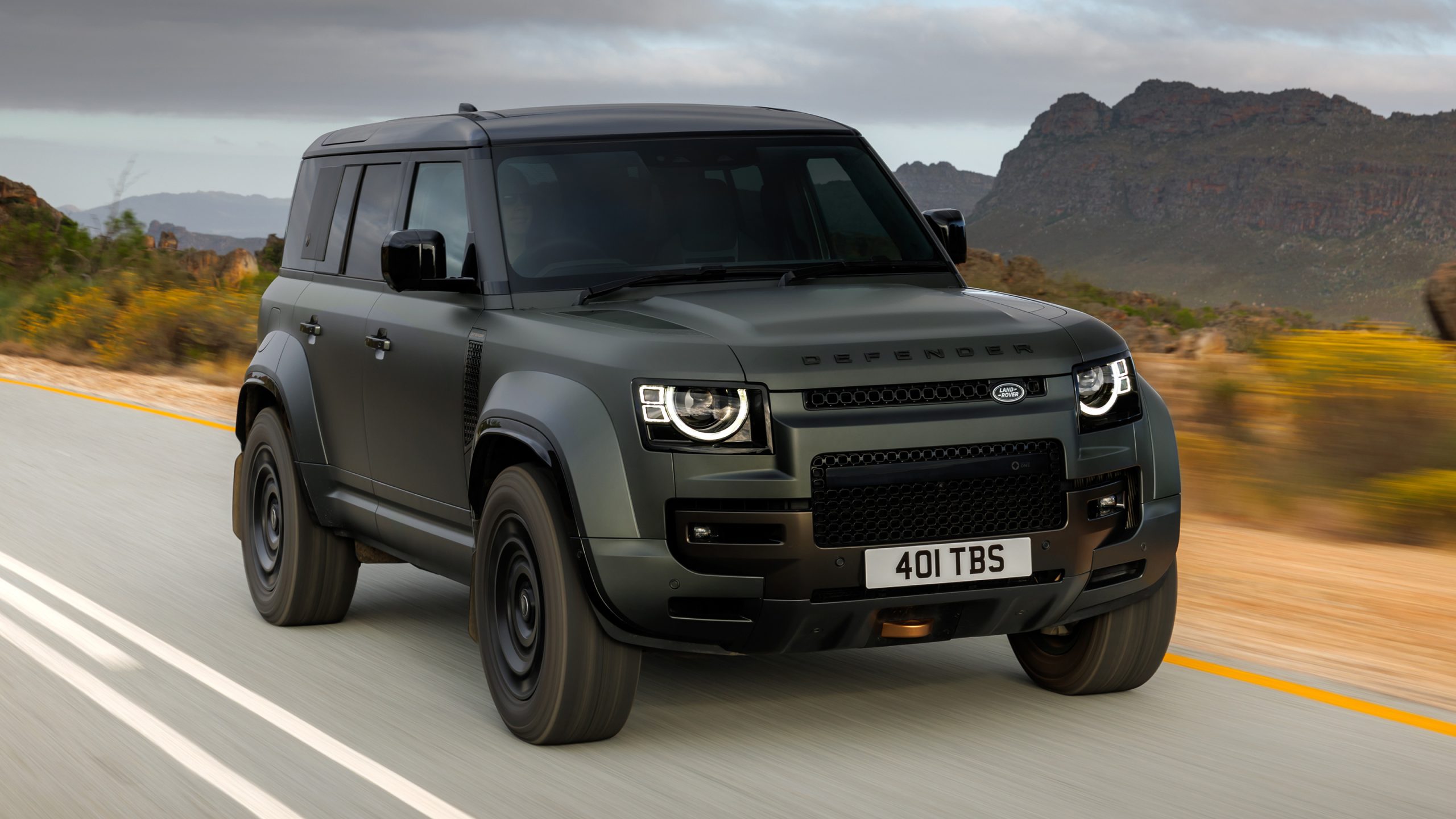
5 That Don’t Handle Trails
1. Tesla Model 3: Excellent on Pavement, Poorly Suited for Mountain Trails
The Tesla Model 3 is an impressive electric sedan known for strong acceleration, sharp handling, and advanced technology, but it is not designed for off road or trail use. While available all wheel drive improves traction on wet pavement or light snow, the Model 3 struggles significantly on the rough forest roads and trails often found around Asheville and other mountain areas.
The biggest limitation is ground clearance. With only about 5.5 inches of clearance, the Model 3 is highly vulnerable to scraping or becoming stuck on common obstacles such as ruts, rocks, and uneven surfaces. This low stance makes it easy for the car to become “beached” on raised center sections of forest service roads.
Underbody vulnerability is another major concern. The large battery pack is mounted low in the chassis and lacks the heavy duty skid plate protection found on off road capable vehicles. Sharp rocks or deep ruts can cause serious and costly damage, requiring drivers to proceed with extreme caution.
Tires further limit trail performance. Even all wheel drive versions come equipped with road focused, low profile tires that are not designed for loose gravel, mud, or dirt.
As a result, grip is limited and wheel slip is common in poor conditions. The vehicle’s weight and comfort oriented suspension also work against it, as the setup lacks the articulation and durability needed for uneven terrain and can bottom out easily.
The Tesla Model 3 can manage smooth gravel roads in good conditions, but it is fundamentally built for pavement. Attempting rugged mountain trails risks damage and getting stuck, making a more capable SUV a better choice for Asheville adventures.
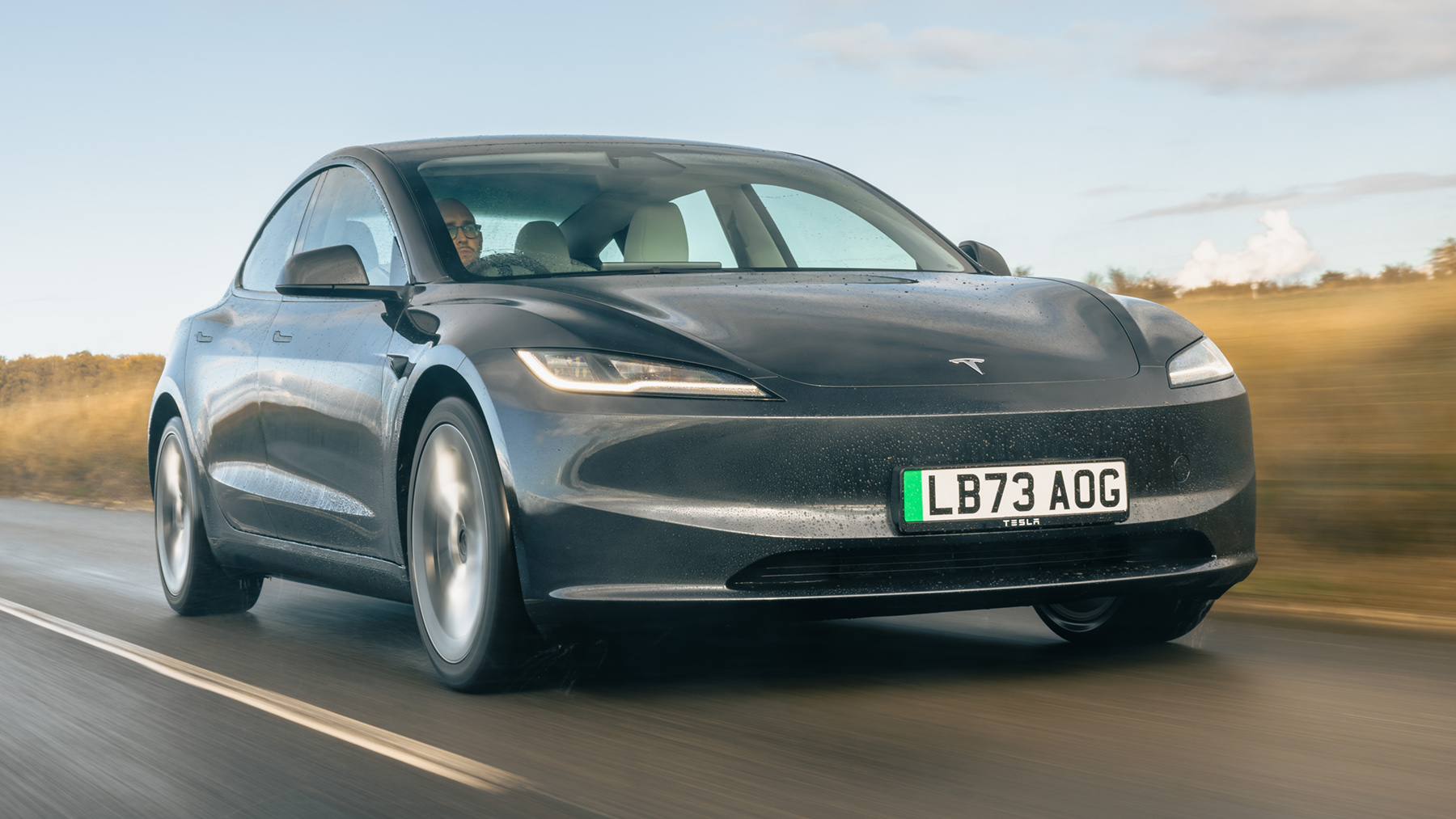
2. Dodge Challenger: Built for Asphalt, Not Mountain Trails
The Dodge Challenger is an iconic muscle car celebrated for bold styling, powerful engines, and straight line performance, but it is completely unsuited for mountain trails and rough terrain. Designed for pavement driving, cruising, and track use, the Challenger lacks the basic hardware needed to handle the rocky, uneven surfaces commonly found on trails near Asheville.
One of the biggest limitations is ground clearance. The Challenger sits low to the ground, making it extremely easy to scrape rocks, ruts, and logs. Vital components such as the oil pan, exhaust, and cooling system are exposed and vulnerable to damage even on mildly uneven paths.
Suspension design further compounds the issue, as it is tuned for stability and grip on asphalt rather than absorbing impacts or allowing wheel movement over rough terrain.
Weight is another major drawback. Challengers are heavy vehicles, and that mass works against them on loose gravel, dirt, or mud where traction is limited. Standard street tires offer little grip in these conditions, and the suspension lacks the articulation needed to keep tires planted on uneven surfaces.
While all wheel drive versions exist, they do not provide true off road capability and cannot compensate for the car’s low stance and road focused setup.
Many failed attempts at trail driving come from misunderstanding the Challenger’s purpose. It is a muscle car and grand tourer, not an SUV or truck. While it excels on paved scenic routes like the Blue Ridge Parkway, taking it onto mountain trails often leads to damage or getting stuck.
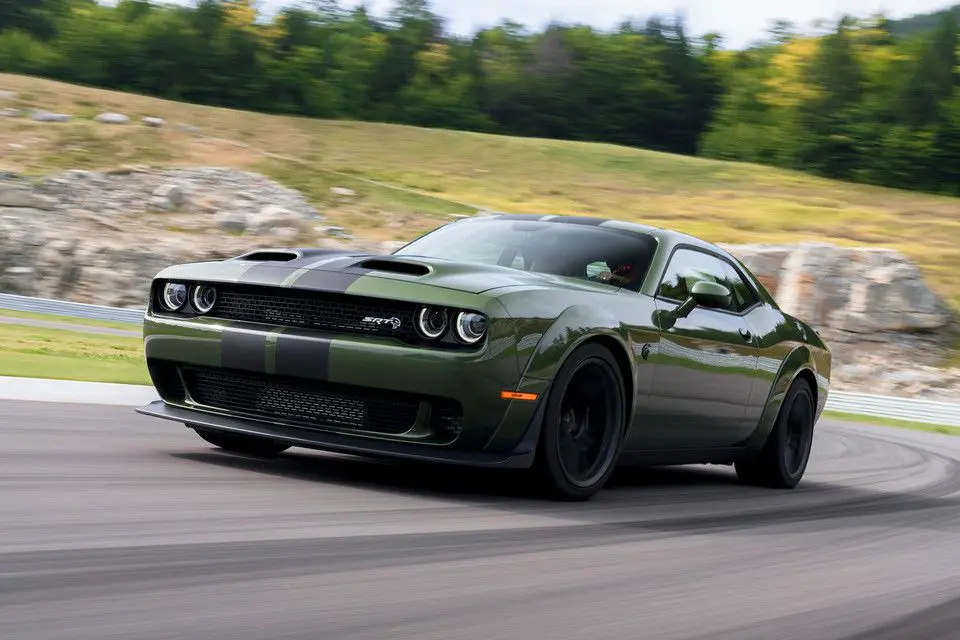
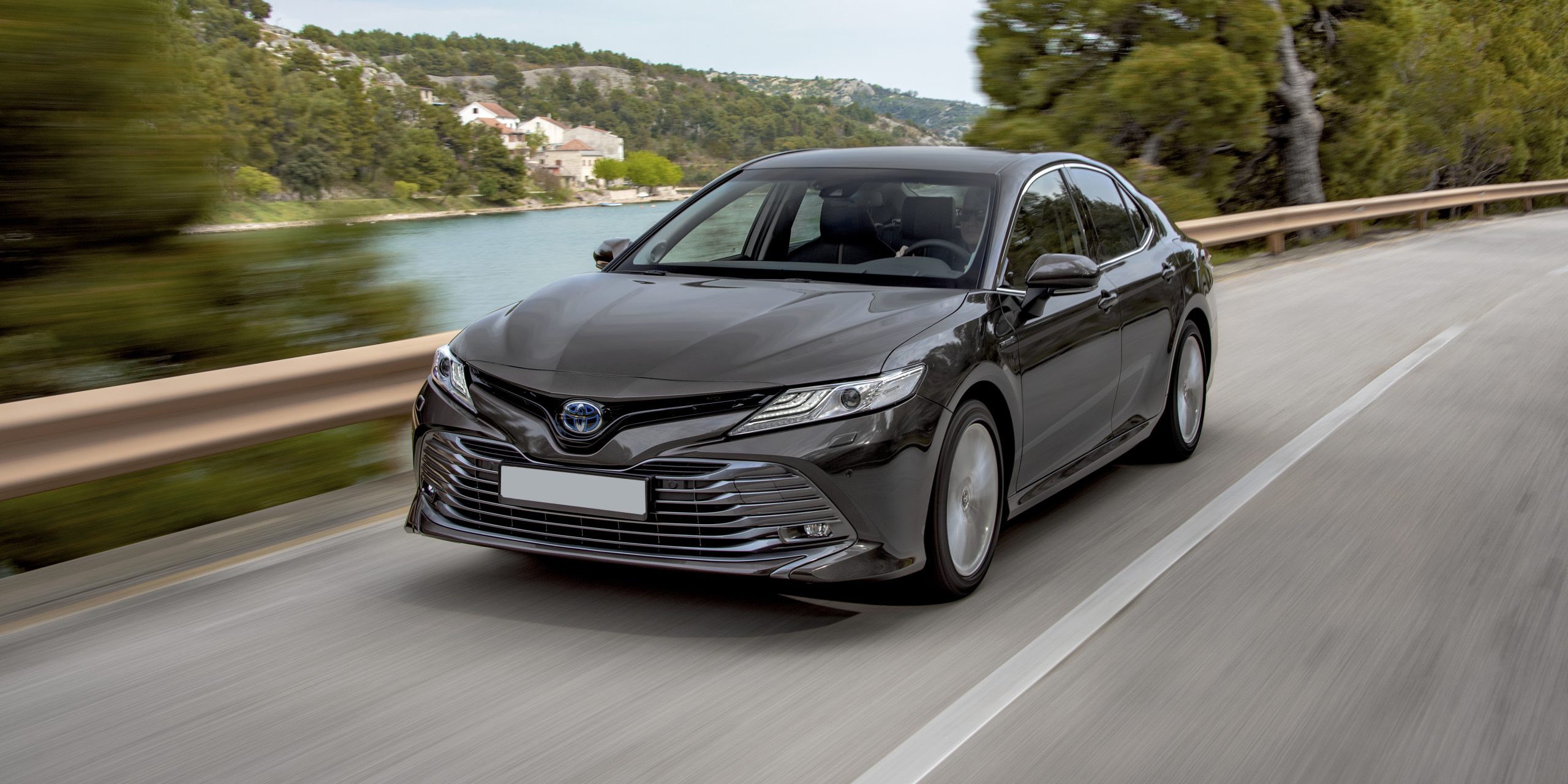
3. Toyota Camry Hybrid: Efficient Commuter, Not a Trail Vehicle
The Toyota Camry Hybrid is well known for reliability, fuel efficiency, and smooth daily driving, but it is not suited for rough mountain trails or unpaved roads commonly found around Asheville. Its design priorities focus on comfort and efficiency, which directly limit its ability to handle uneven terrain, rocks, and steep dirt inclines.
Ground clearance is one of the Camry Hybrid’s biggest shortcomings. Sitting low to the ground, the car is prone to scraping and getting hung up on ruts, rocks, and raised sections of forest service roads. The undercarriage is not protected for off road use, making damage a real risk even on mildly rough paths.
Tire choice also works against trail use. The Camry Hybrid comes equipped with street oriented tires designed to maximize fuel economy and quiet road manners. These tires lack the tread depth and sidewall strength needed for grip on loose gravel, mud, or dirt, leading to wheel spin and loss of control.
While some Camry Hybrid models offer an electronic all wheel drive system, it is not a true off road setup. The rear electric motor engages only after front wheel slip is detected, making it reactive rather than proactive.
This system is intended for wet pavement or light snow, not sustained traction on rugged surfaces. A comfort tuned suspension and CVT transmission further limit control on uneven ground, where precise low speed power delivery is important.
In short, the Camry Hybrid excels as a fuel efficient commuter and highway cruiser. For Asheville mountain trails, a higher clearance SUV with proper tires and drivetrain is a far better choice.
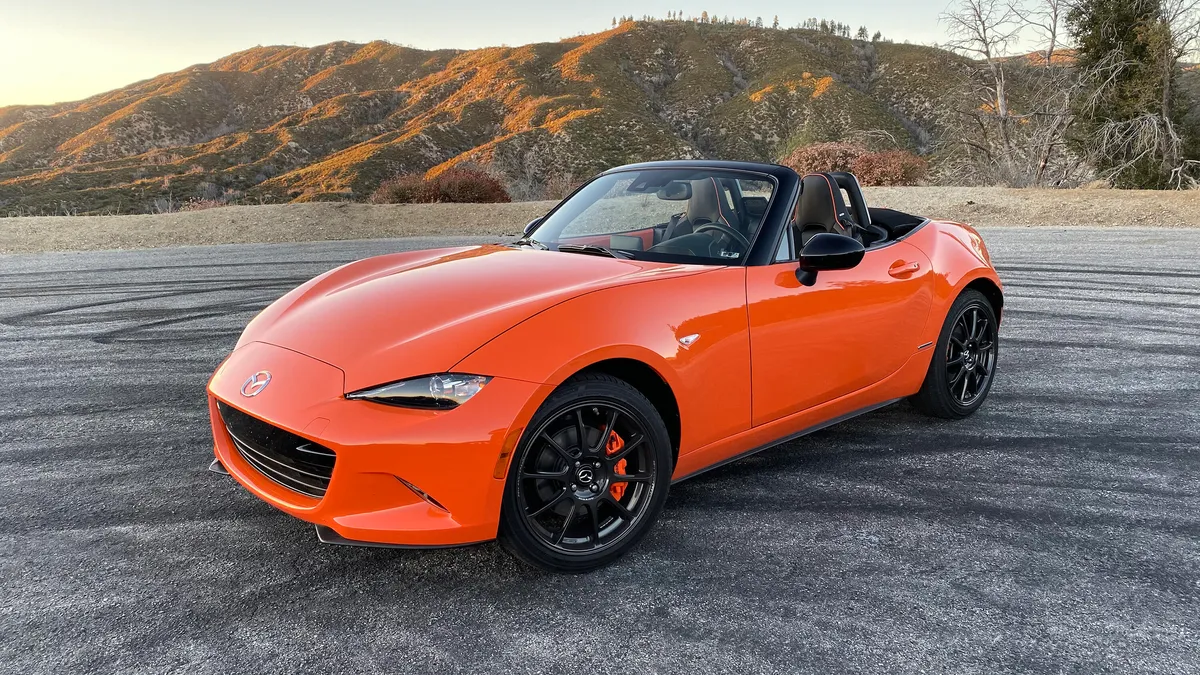
4. Mazda MX-5 Miata: Perfect for Pavement, Not for Trails
The Mazda MX-5 Miata is celebrated for its agility and handling on paved mountain roads, such as the curves of the Blue Ridge Parkway, but it is not suited for unpaved trails. Its design focuses on lightweight performance and cornering precision rather than off-road capability, making it ill-equipped for rough terrain.
The Miata’s low ground clearance is a major limitation. Its undercarriage and front spoiler easily scrape rocks, ruts, and bumps, while the soft suspension compresses quickly on uneven surfaces, causing harsh impacts and limiting wheel travel.
Combined with its rear-wheel-drive layout, lightweight body, and small performance tires, the Miata struggles for traction on dirt, mud, or gravel, and is prone to sliding or getting stuck on steep inclines.
Additionally, the car lacks underbody protection. Critical components like the engine, transmission, and fuel tank are exposed to potential damage from trail obstacles. Cargo capacity is minimal, so carrying gear for weekend adventures is impractical.
While the MX-5 Miata shines on twisty, paved mountain roads, its low stance, delicate suspension, RWD system, and street-focused tires make it unsuitable for actual off-road trails. For anyone looking to explore Asheville’s unpaved backcountry, a higher-clearance SUV or dedicated off-roader is essential.
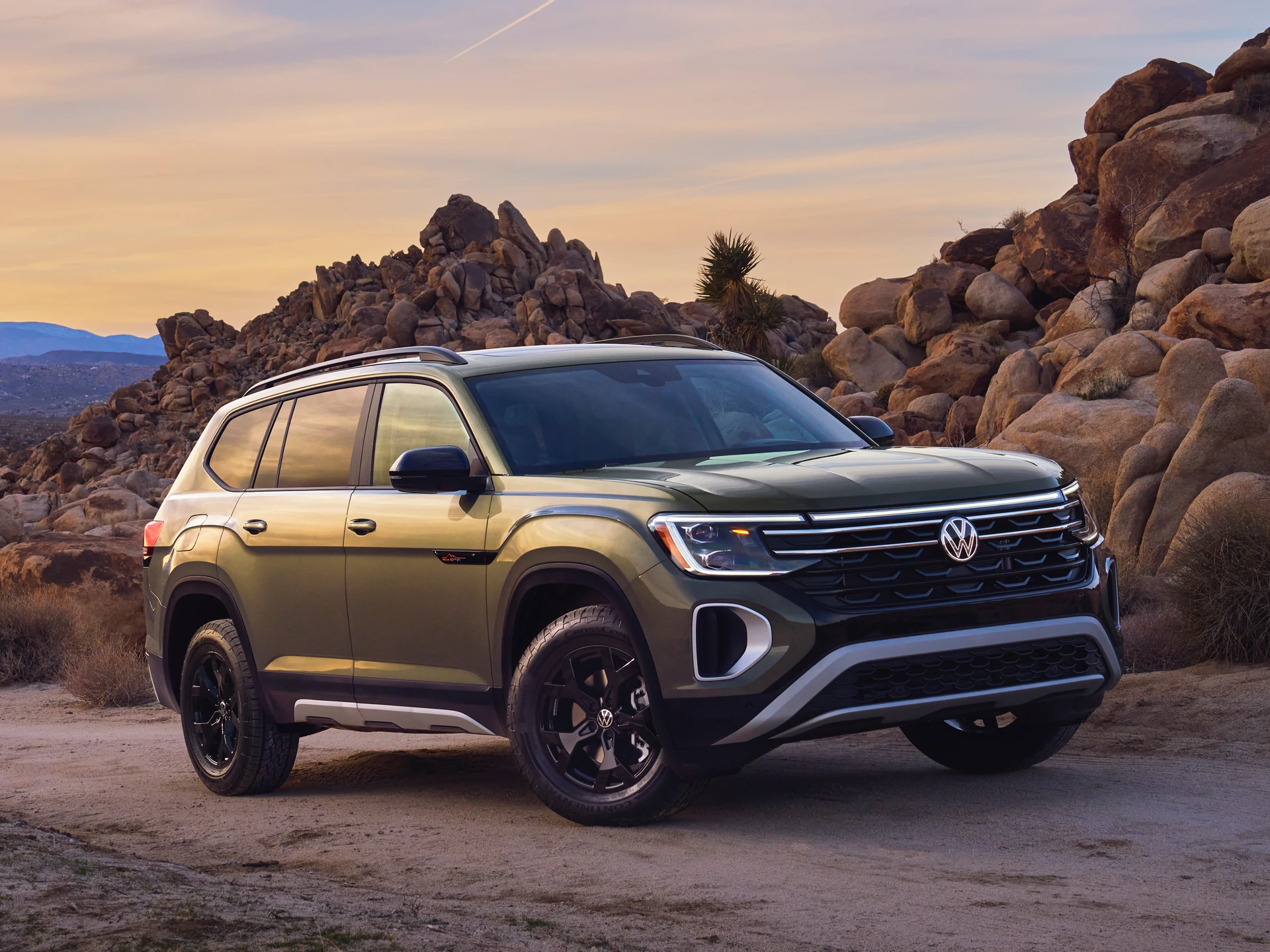
5. Volkswagen Atlas Peak Edition: Style Over Trail Capability
The Volkswagen Atlas Peak Edition markets itself as an off-road-ready SUV, but its capabilities fall short of true trail vehicles. With only about 6.3 inches of ground clearance, less than some subcompact sedans, it cannot handle serious obstacles, rocks, or rugged trails typical of mountain adventures near Asheville.
The Peak Edition is largely an appearance package. Blacked-out accents, roof rails, and unique tires give it a rugged look, but functional upgrades are minimal. Its standard 4Motion all-wheel-drive system and all-terrain tires provide traction on light gravel or moderate mud.
However, the suspension, skid plates, and ride height remain unchanged from the base model. Off-road features such as Hill Descent Control and an Off-Road drive mode help in gentle conditions but do not compensate for the lack of robust hardware required for technical trails.
This SUV excels as a family vehicle or for daily driving in snow or light off-road conditions. It delivers comfort, a commanding presence, and casual versatility. However, it is not suitable for serious off-road excursions, steep inclines, or rocky Appalachian terrain.
Buyers seeking a capable mountain-trail vehicle would be better served by a Toyota 4Runner, Jeep Wrangler, or other purpose-built off-roaders. The Atlas Peak Edition prioritizes style over substance, making it a pavement-friendly SUV with limited trail performance.
Selecting the right vehicle for Asheville adventures can make the difference between a smooth weekend in the mountains and a frustrating experience stuck on a trail.
SUVs and off-roaders like the Subaru Outback Wilderness, Toyota 4Runner TRD Pro, Jeep Wrangler Rubicon, Ford Bronco Sport, and Land Rover Defender Octa are engineered to handle rough terrain, offering ground clearance, robust suspension, and advanced traction systems that inspire confidence on gravel roads, muddy paths, and rocky inclines.
In contrast, cars such as the Tesla Model 3, Dodge Challenger, Toyota Camry Hybrid, Mazda MX-5 Miata, and Volkswagen Atlas Peak Edition are better suited for pavement, city streets, and light dirt roads.
While they may shine in comfort, efficiency, or speed, they lack the capability required for Asheville’s rugged trails. Understanding these differences ensures weekend adventurers choose a vehicle that matches both their lifestyle and the region’s challenging terrain.
Also Read: 10 Cars With Best Factory Sound Systems Under $25,000
