Planning a riverfront adventure near Wheeling requires choosing the right vehicle for both capability and durability. Some vehicles handle muddy trails, gravel banks, and shallow water crossings with ease, while others struggle to withstand the harsh conditions. This guide explores 5 Cars for Wheeling Riverfront Trips and 5 That Rust Fast, helping drivers make informed decisions.
Modern SUVs like the 2025 Ford Expedition Tremor, Honda CR-V Hybrid, Subaru Outback Wilderness, Jeep Wrangler Sport, and Toyota 4Runner TRD Pro are built to handle slippery riverbanks, uneven trails, and water crossings while offering comfort, cargo space, and modern technology.
These vehicles combine rugged performance with everyday usability, making them ideal for families or outdoor enthusiasts.
On the other hand, older or budget-friendly models such as pre-2015 Mazda 3s, pre-2006 Jeep Wranglers, pre-2005 Toyota Tacomas, first- and second-generation Ford Focuses, and older Nissan Altimas are prone to rust and structural issues, especially in wet, salty environments like Wheeling. Knowing which vehicles excel and which are vulnerable is key to a safe and enjoyable riverfront trip.
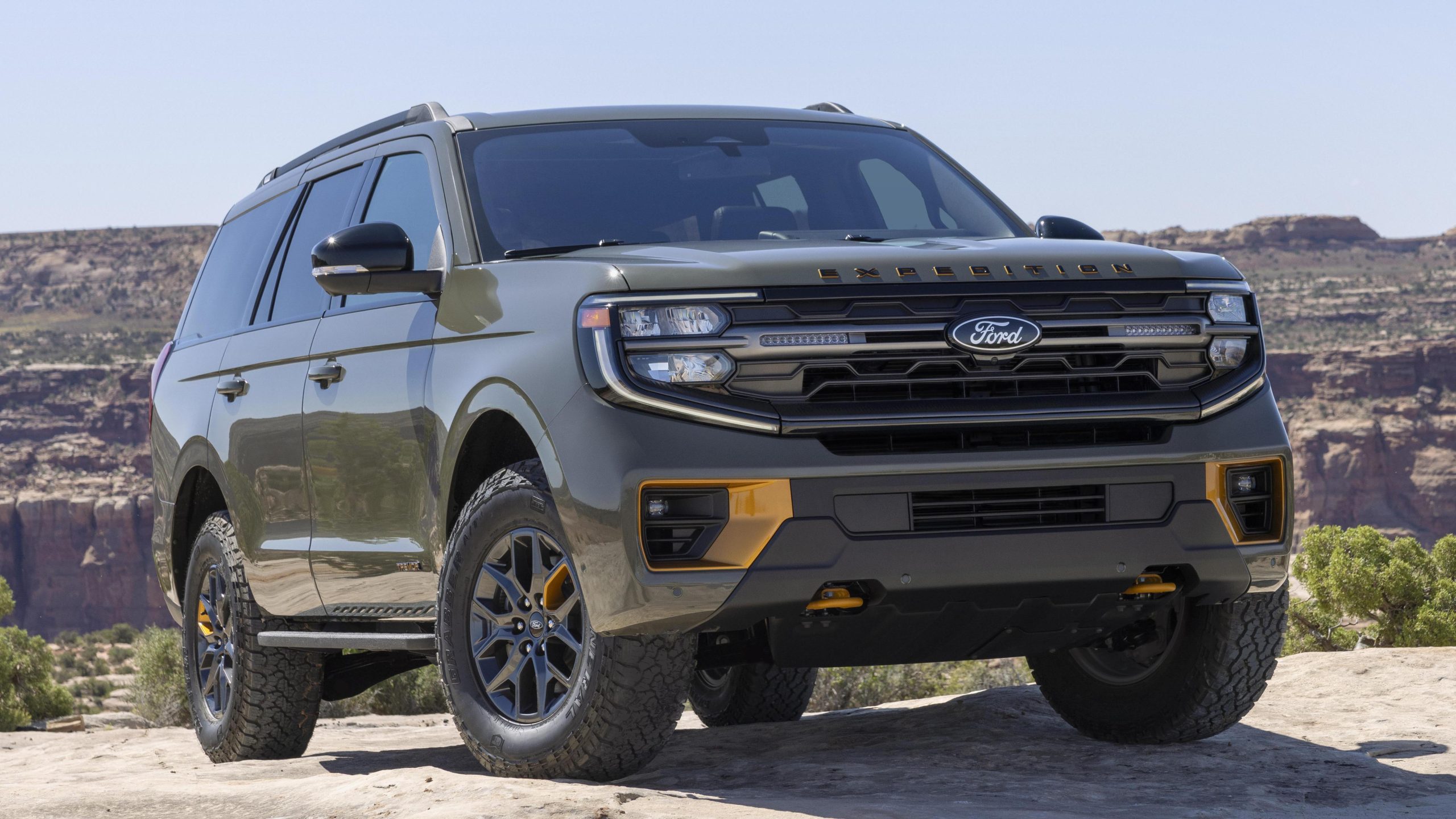
1. 2025 Ford Expedition Tremor: The Ultimate Family Off-Roader
The 2025 Ford Expedition Tremor combines rugged off-road capability with family-friendly comfort, making it ideal for trips to riverfronts, parks, and other adventurous destinations.
As part of Ford’s fifth-generation Expedition lineup, the Tremor is the brand’s first serious off-roader in this SUV segment, featuring a high-output 3.5L EcoBoost V6 engine, seating for up to eight, and advanced off-road hardware.
The Tremor excels on rough terrain with 10.6 inches of ground clearance, skid plates protecting the engine, transmission, and fuel tank, and a standard electronic locking rear differential. Its two-speed transfer case and ControlTrac full-time 4WD system offer four selectable modes: 2-high, Auto, 4-high, and 4-low.
Terrain-specific settings for mud, sand, gravel, snow, and Tremor-exclusive Rock Crawl mode optimize performance. Trail Control, Trail Turn Assist, and Rock Crawl Mode simplify technical maneuvers, while 33-inch tires and a robust suspension system handle rocky trails without sacrificing on-road comfort.
The twin-turbo V6 delivers 440 horsepower and 510 lb-ft of torque, allowing the nearly three-ton SUV to tow up to 9,600 pounds. A 10-speed automatic transmission provides smooth, responsive shifts. Advanced traction control, brake-based locking, and drive-mode optimization ensure confident handling on varied surfaces.
Inside, the Expedition Tremor impresses with a 24-inch panoramic digital driver display paired with a 13.2-inch touchscreen, offering intuitive control of navigation, media, and vehicle settings. The Flex Powered console provides hidden storage and adjustable positioning.
Luxurious seating includes heated and ventilated front seats, reclining second-row captain’s chairs, and a spacious third row with PowerFold functionality. Trail cameras, wireless Apple CarPlay and Android Auto, and a Bang & Olufsen sound system enhance convenience and entertainment.
The Tremor offers 22.9 cubic feet of cargo space behind the third row, expandable to 108.5 cubic feet with both rear rows folded. A split power tailgate adds versatility for loading and outdoor activities. Standard safety features include Ford CoPilot360 2.0, BlueCruise hands-free highway driving, adaptive cruise control, lane-keeping assist, and a 360-degree camera system.
Priced at $84,020 with competitive fuel efficiency of 15/22/18 mpg city/highway/combined, the 2025 Ford Expedition Tremor is a rare SUV that transitions from a luxurious family hauler to a capable off-road machine. It is an ideal choice for adventurous families seeking space, technology, and rugged performance.
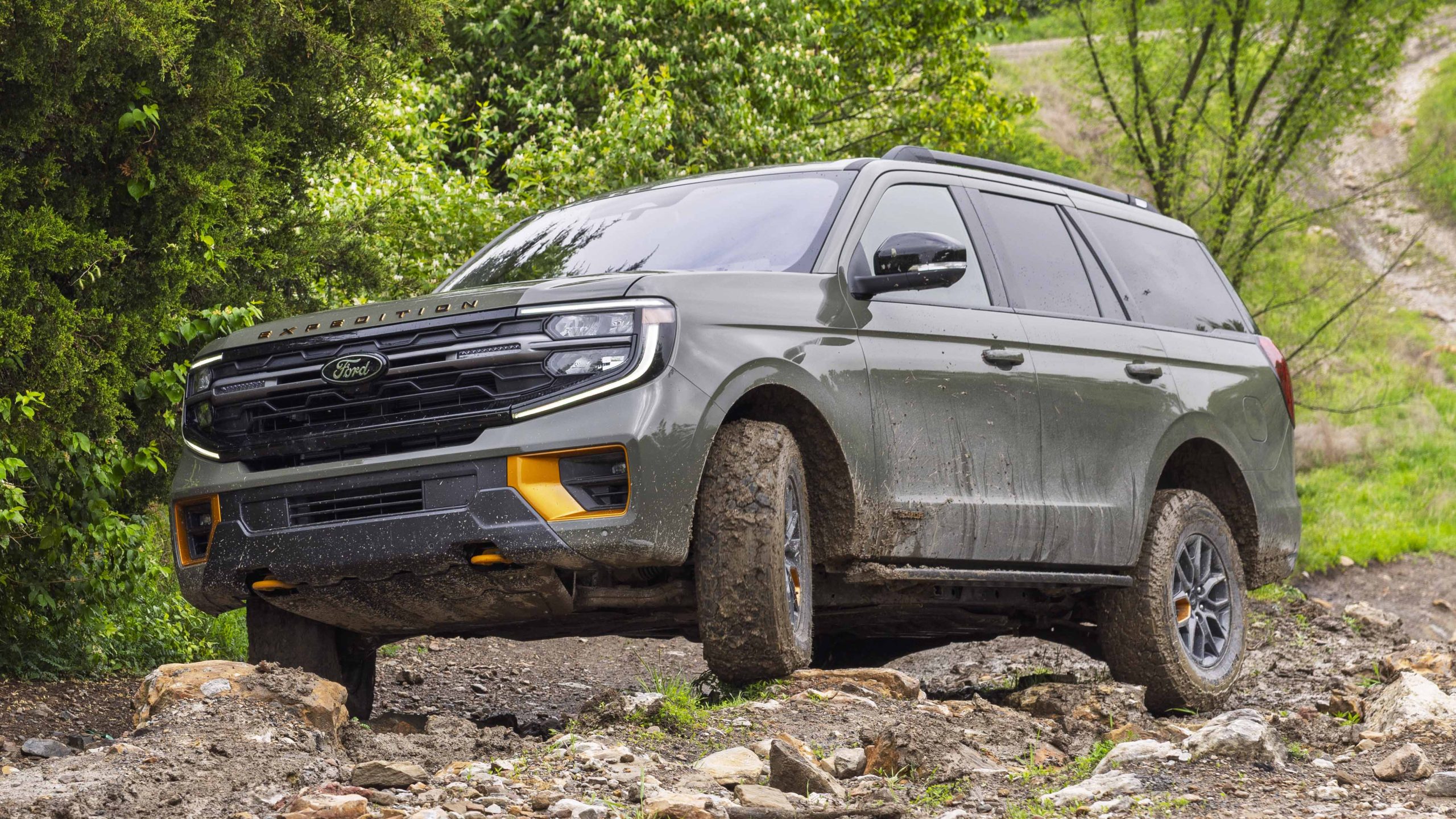
2. 2025 Honda CR-V Hybrid: Efficient, Comfortable, and Versatile
The 2025 Honda CR-V Hybrid combines fuel efficiency, reliability, and comfort, making it ideal for frequent trips to riverfronts, backroads, or daily commutes. With up to 40 mpg combined, standard Real Time AWD, and a spacious cabin, it offers a well-rounded package for drivers seeking an economical and capable compact SUV.
The CR-V Hybrid is powered by a 2.0-liter hybrid engine producing 204 horsepower. Electric motor assistance provides smooth, confident acceleration for city driving, highway merging, and passing. It features a Sport mode that sharpens throttle response for more engaging handling on winding roads.
EPA ratings show up to 43 mpg in the city and 36 mpg on the highway for front-wheel drive, with AWD models slightly lower. Testing shows consistent mid-30s mpg in mixed driving, making it cost-effective for long trips.
Standard Real Time AWD with Intelligent Control enhances traction and stability, automatically distributing power to the wheels that need it. The battery placement lowers the center of gravity, providing a stable, planted feel on varied surfaces.
The CR-V Hybrid also offers refined handling, a quiet cabin thanks to active noise cancellation, and a taut suspension that balances comfort with confidence through corners.
The interior is roomy, practical, and well-built. Front seats are heated and power-adjustable, while second-row passengers enjoy ample space. Cargo capacity reaches 36.3 cubic feet behind the rear seats and 76.5 cubic feet with them folded.
Standard Honda Sensing safety features include Adaptive Cruise Control, Lane Keeping Assist, Blind Spot Monitoring, and more, reducing driver stress on longer journeys. Upper trims add leather seating, a heated steering wheel, and a larger touchscreen.
The CR-V Hybrid maintains a clean and practical design with subtle sporty touches. Black alloy wheels and available chrome trim enhance its appearance without overcomplicating the look. Controls are straightforward, with responsive touchscreens and luxury-grade materials for a refined cabin feel.
Priced from $34,450, the 2025 Honda CR-V Hybrid offers excellent fuel efficiency, smooth hybrid performance, and a spacious, safe interior.
While it may not lead in highway fuel economy or cargo space, it excels as a functional and economical SUV for small families, riverfront excursions, and everyday driving. It balances comfort, technology, and efficiency, making it one of the most practical hybrid crossovers on the market.
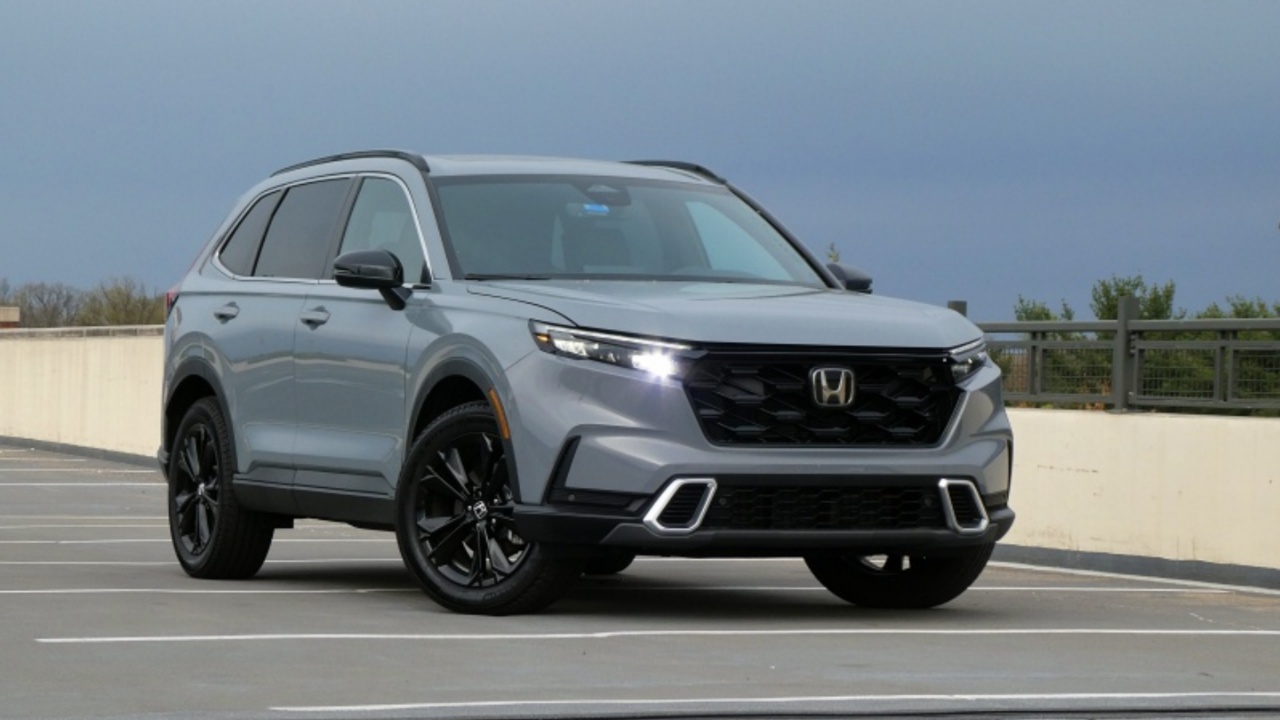
3. 2025 Subaru Outback Wilderness: Rugged Capability Meets Everyday Comfort
The 2025 Subaru Outback Wilderness is a top choice for riverfront trips and outdoor adventures, combining off-road capability, practicality, and comfort.
With standard Symmetrical All-Wheel Drive, 9.5 inches of ground clearance, and a turbocharged engine, it handles slippery banks, uneven trails, and shallow water crossings with confidence. Its durable interior and versatile cargo space make it ideal for both recreational outings and daily driving.
The Outback Wilderness excels on challenging terrain thanks to Symmetrical AWD and X-Mode, which optimizes traction for mud, snow, and steep descents. Hill Descent Control helps maintain stability on downhill sections. All-terrain Yokohama GEOLANDAR tires on matte-black wheels provide grip on a variety of surfaces.
The 2.4-liter turbocharged Boxer engine produces 260 horsepower and 277 lb-ft of torque, delivering strong low-end power and smooth acceleration for highway merges, trail climbs, and towing up to 3,500 pounds.
The interior features water-repellent StarTex upholstery, making cleanup easy after muddy adventures. Spacious seating and practical storage accommodate passengers and gear comfortably.
A hands-free power liftgate simplifies loading and unloading at river access points or trailheads. The Wilderness trim also adds aesthetic touches, such as anodized copper accents, unique fabric details, and redesigned bumpers to improve departure angles.
The Outback’s rear hatch and wide-opening doors allow easy loading of large items like bicycles, ski bags, or camping gear. Cargo space and smart seat latches make packing simple and efficient. Roof rails support kayaks, paddleboards, or rooftop tents, enhancing the vehicle’s versatility for outdoor recreation.
Despite its lifted suspension and all-terrain tires, the Wilderness remains composed and comfortable on highways. The suspension absorbs bumps well, and the vehicle tracks straight with minimal effort, reducing driver fatigue on long trips.
The CVT delivers power smoothly, maintaining engine efficiency and performance. Fuel economy averages about 25 mpg during mixed driving, which is acceptable for a turbocharged, full-time AWD vehicle.
Priced at $38,695, the Subaru Outback Wilderness is a capable and versatile SUV that balances off-road ability with everyday usability. While its stereo and infotainment system could be improved, the Wilderness trim preserves the Outback’s comfort, practicality, and reliability while adding more rugged features.
It is an excellent choice for families and outdoor enthusiasts who need a vehicle that can confidently tackle both trails and highways.
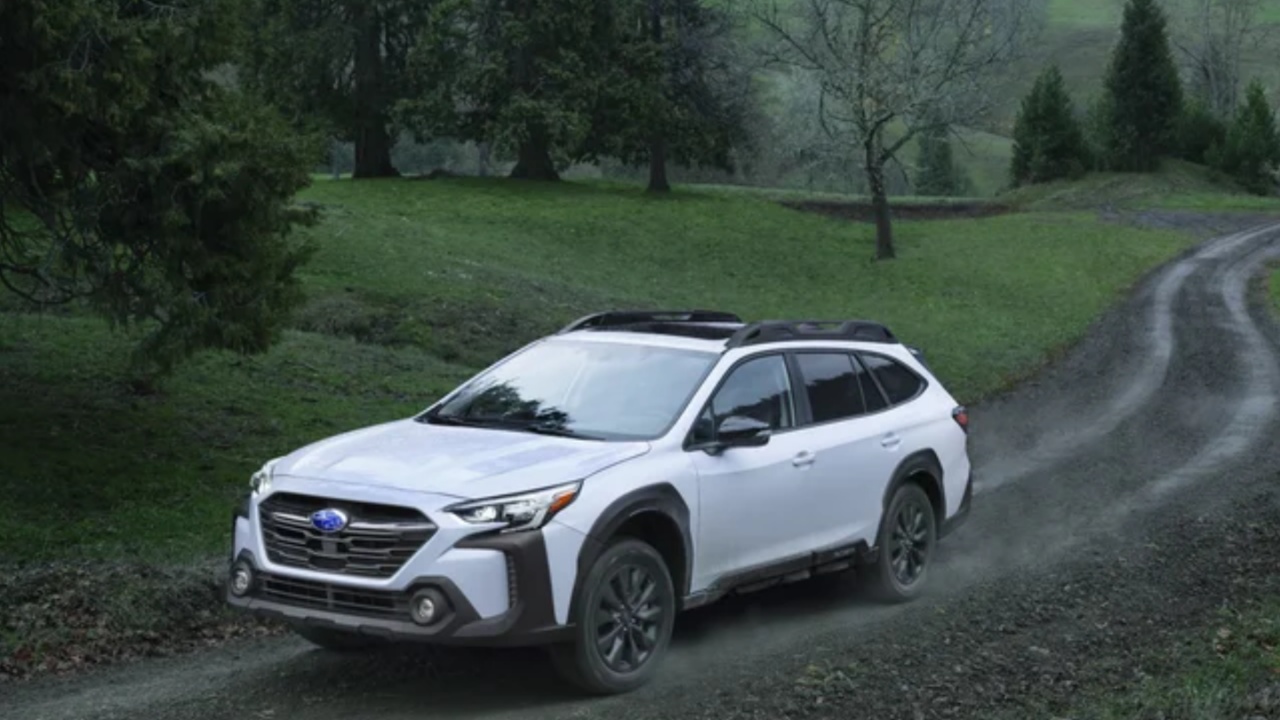
4. 2025 Jeep Wrangler Sport (Freedom-Top): Rugged Open-Air Adventure
The 2025 Jeep Wrangler Sport with Freedom Top is the ultimate choice for adventurous riverfront trips. Its removable roof panels allow for immersive open-air experiences, while legendary 4×4 capability ensures confident travel across slippery mud, loose gravel, and uneven riverbanks.
Built for adventure, it combines durability, off-road prowess, and iconic styling with updated tech features, making it ideal for outdoor exploration along water-adjacent trails.
Even the base Sport trim delivers robust 4×4 systems, providing essential grip on slick or uneven surfaces. High ground clearance and solid axles help the Wrangler clear obstacles while maintaining stability on rough terrain.
X-Mode-like functions and well-tuned suspension articulation keep all wheels planted, allowing novice drivers to navigate light trails confidently. Water fording is supported through high air intakes and sealed electrical components, enabling safe passage through shallow streams or riverside crossings.
The Freedom Top’s removable panels provide a unique, immersive way to enjoy river scenery without fully removing the doors. Combined with Jeep’s iconic convertible design, the Wrangler offers a customizable adventure experience, including removable doors for an even more engaging ride.
The Sport trim features durable cloth seats and a functional cabin built to handle mud, water, and adventure gear. Smart storage solutions help manage outdoor equipment, although cargo space remains limited. The updated interior adds power windows, locks, and a 12.3-inch Uconnect 5 touchscreen with wireless Apple CarPlay and Android Auto, enhancing usability without compromising rugged simplicity.
The 2025 model includes improved suspension tuning, sound deadening, and acoustic glass, which slightly enhance highway comfort. However, loose steering, a bouncy ride, and significant wind and tire noise mean the Wrangler prioritizes off-road capability over daily driving refinement.
Key strengths include extreme off-road performance, customizable design, open-air fun, and improved tech and livability. Downsides include limited cargo space, modest interior comfort, rough on-road manners, and below-average fuel economy.
The 2025 Jeep Wrangler Sport (Freedom-Top) is designed for enthusiasts who value trail performance, ruggedness, and iconic open-air driving.
It offers unmatched capability for riverside adventures while providing updated tech features, but it demands acceptance of compromises in comfort, noise, and cargo practicality. For those who prioritize adventure and off-road fun, it remains the benchmark for convertible SUVs.
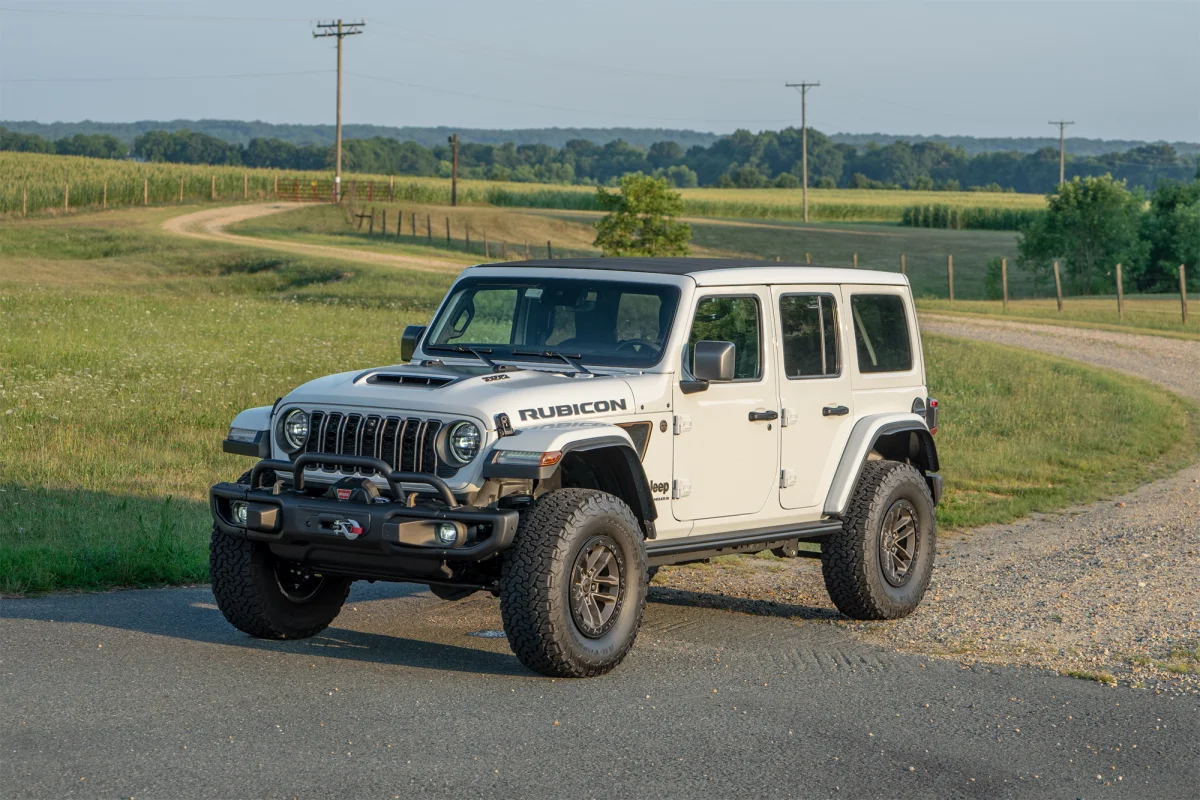
5. 2025 Toyota 4Runner TRD Pro: Rugged Off-Road Versatility
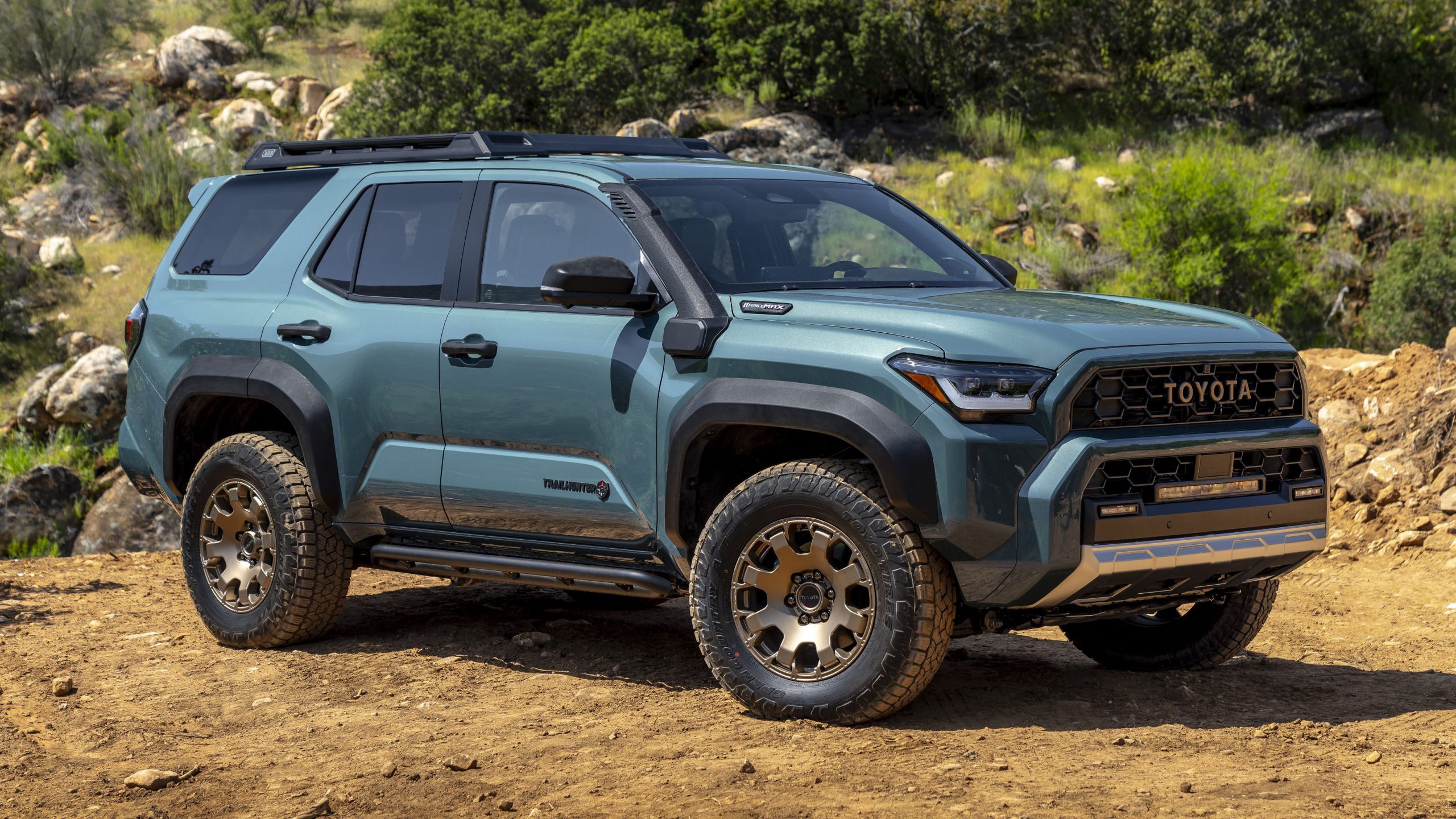
The 2025 Toyota 4Runner TRD Pro is built for off-road enthusiasts seeking a durable SUV for riverfront and trail adventures. Newly updated on the TNGA-F platform, this 6th-generation 4Runner combines body-on-frame strength with modern technology, offering a turbocharged or hybrid powertrain and advanced 4×4 systems to tackle challenging terrain while maintaining surprising highway comfort.
The TRD Pro delivers exceptional off-road capability. Multi-Terrain Select and Crawl Control allow drivers to adapt traction for mud, rocks, sand, or shallow water crossings.
A locking rear differential, disconnectable front sway bar, and 10.1 inches of ground clearance provide superior articulation and help clear obstacles, while 33-inch Toyo Open Country A/T tires ensure traction on loose surfaces.
Fox QS3 shocks with piggyback reservoirs absorb impacts from uneven riverbanks and rocky trails. Tow hooks, robust bumpers, and a high approach/departure angle protect the vehicle when climbing over obstacles or steep inclines.
The 2025 TRD Pro is available with a hybrid powertrain producing 326 horsepower and 456 lb-ft of torque, a substantial increase from the previous V6 model.
Power is delivered through an 8-speed automatic transmission and part-time four-wheel drive, providing strong low-end torque for off-road maneuvers. The hybrid system adds efficiency but can create occasional on-off transitions between electric and gas power in stop-and-go traffic.
Despite its rugged focus, the 4Runner TRD Pro offers a more refined ride on highways than prior generations. The interior is spacious for passengers and gear, featuring a 14-inch touchscreen, Multi-Terrain Monitor, onboard air compressor, and Rigid LED lighting.
While the hybrid battery slightly reduces cargo space, the cabin remains functional and well-equipped for adventure gear. TRD Pro styling is bold and aggressive, appealing to buyers seeking a commanding presence.
Strengths include outstanding off-road performance, modern technology, powerful engine options, and Toyota reliability. Weaknesses involve rougher ride on paved roads, hybrid powertrain quirks in stop-and-go conditions, reduced cargo capacity, and polarizing styling.
The 2025 4Runner TRD Pro is a versatile SUV that excels at off-road and riverfront trips while offering modern amenities and increased power. While it may divide traditional enthusiasts due to styling and the hybrid system, it successfully updates the 4Runner for a new generation, combining rugged durability with contemporary technology and performance.
Also Read: 5 Cars for Asheville Mountain Weekenders and 5 That Don’t Handle Trails
5 That Rust Fast
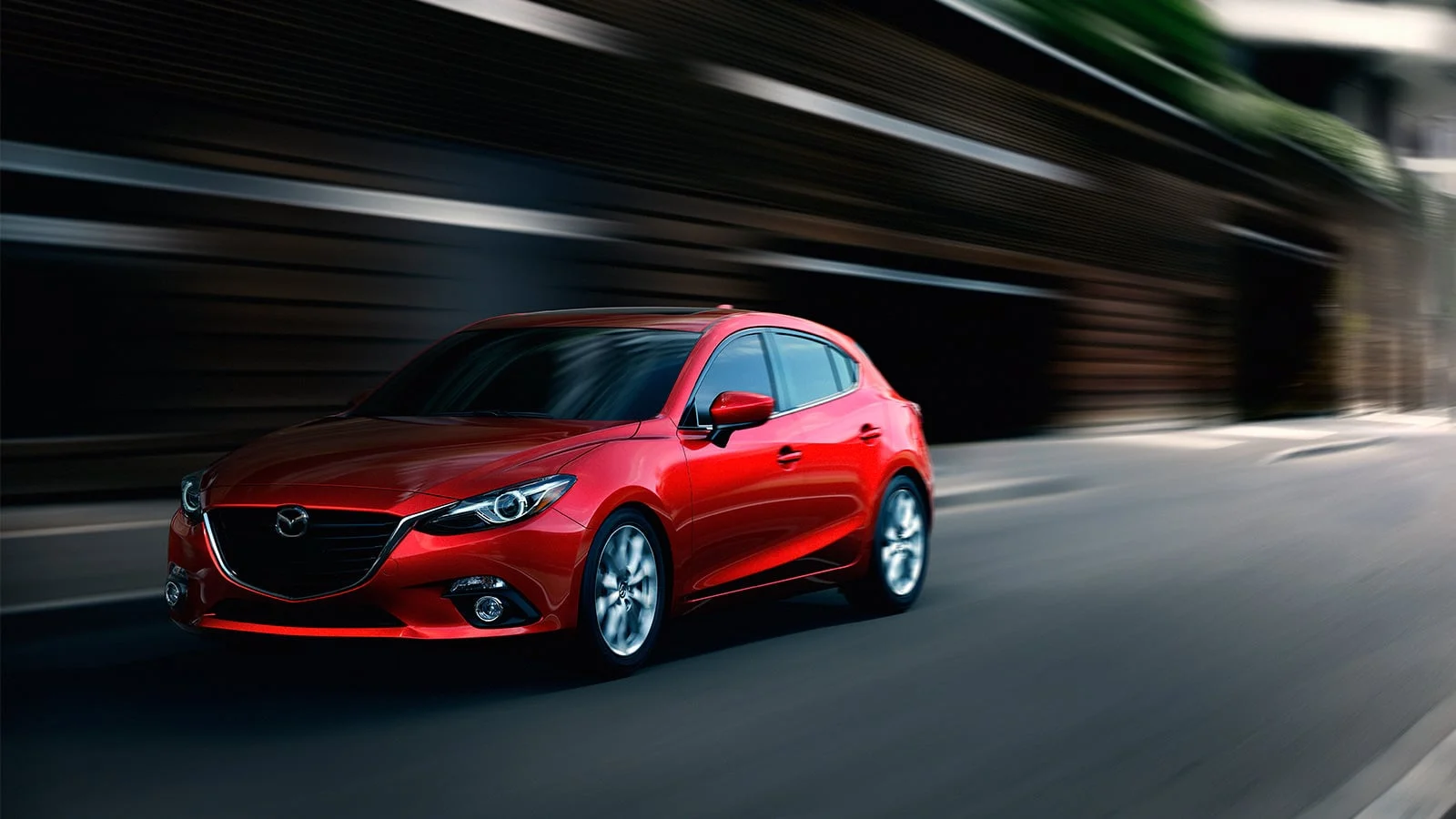
1. Pre-2015 Mazda 3: Rust Concerns
Pre-2015 Mazda 3 models are prone to rapid rust, particularly around the rear wheel arches, sills, door bottoms, and undercarriage. This vulnerability stems from thinner steel, limited factory rustproofing, and design features that trap water, dirt, and road salt.
Exposure to harsh environments, such as Wheeling’s riverfront humidity and winter road salt, accelerates corrosion, especially in seams, suspension mounts, and door edges.
Common problem areas include rear fenders, rocker panels, trunk edges, and wheel arches, where salt and moisture accumulate. Rust often begins subtly but can spread quickly, compromising both aesthetics and structural integrity.
Preventive measures are critical. Regular washing, particularly of the undercarriage and wheel wells after winter, helps remove corrosive materials. Early inspection of paint chips or surface rust allows timely treatment before damage worsens.
Professional rustproofing or undercoating can add a protective barrier against moisture and salt, extending the vehicle’s life. While newer Mazda 3 models (2024–2025) feature improved coatings, owners of pre-2015 vehicles must remain vigilant to preserve the car’s condition in environments prone to corrosion.
With proper care, the effects of Wheeling’s climate and winter salt can be mitigated, but the pre-2015 Mazda 3 remains notably susceptible compared to contemporary compact cars.
2. Pre-2006 Jeep Wrangler: Frame Rot Risks
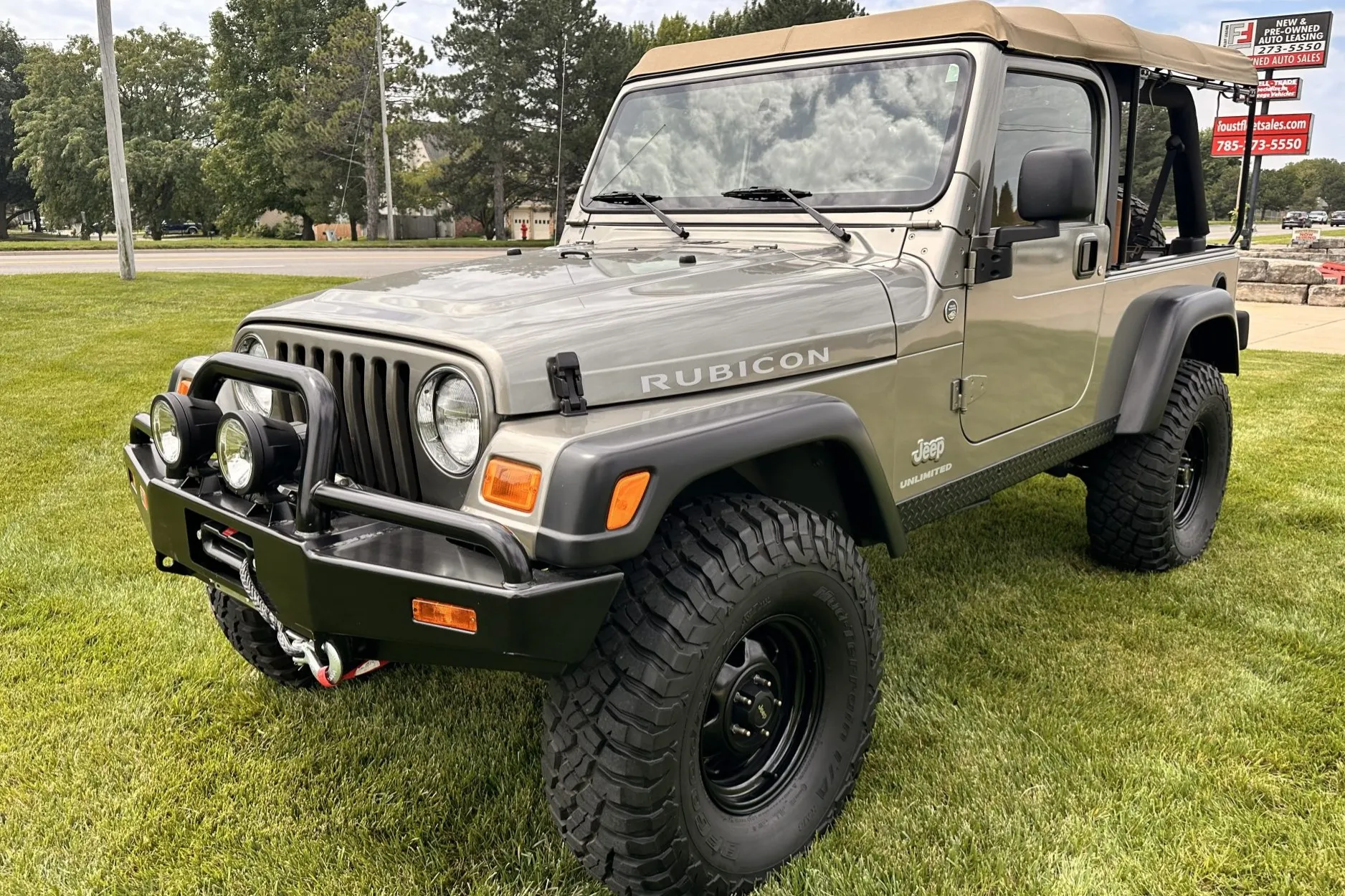
Pre-2006 Jeep Wranglers, particularly the TJ generation, are highly prone to severe frame rust, often called “frame rot.” Their boxed frame design traps water, mud, and road salt, especially in wet environments like Wheeling riverfronts, leading to internal corrosion that can compromise structural integrity.
Inadequate drainage holes and moisture-trapping foam in body panels accelerate hidden rust around critical areas such as control arm mounts, body mounts, rockers, floor pans, and door hinges.
Environmental factors like high humidity, rain, and winter road salt worsen these inherent design issues, while frequent off-road use near rivers increases dirt and moisture accumulation in concealed crevices.
Key inspection points include probing the frame near control arm and body mounts, checking the bottoms of doors, rocker panels, fender supports, and undercarriage areas around the steering box and transmission mounts. Signs of softness, holes, or rust require immediate attention to prevent further structural damage.
Preventive maintenance is essential for older Wranglers. Regular cleaning, rustproofing treatments, undercoating, and applying corrosion-inhibiting sprays like fluid film can slow the progression of rust. While these vehicles remain capable off-road, their susceptibility to frame rot demands vigilance, particularly in wet and salty riverfront conditions.
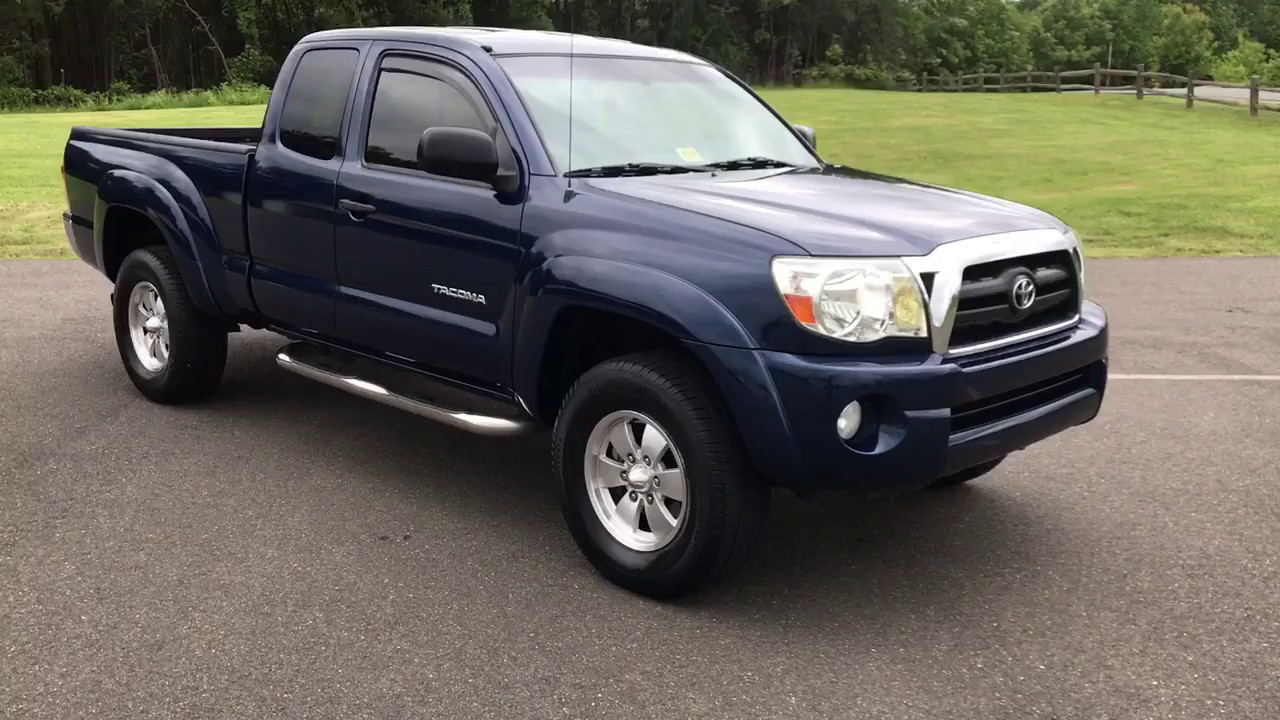
3. Pre-2005 Toyota Tacoma: Severe Frame Rust
Pre-2005 Toyota Tacomas, despite their off-road reputation, are notorious for severe frame rust. Early models used layered steel frames that trapped moisture, combined with inadequate phosphate coating on Dana-manufactured frames and poor drainage, creating ideal conditions for internal corrosion.
Humid and salty environments, such as Wheeling, Ohio near the riverfront, accelerated the decay, leading to major recalls, lawsuits, and buyback programs.
Key factors in rapid rust include flawed frame design, where stacked steel sections in high-stress areas allowed moisture and road salt to accumulate inside the rails. Inadequate protective coatings offered minimal resistance to corrosion, and limited drainage holes worsened the problem. Riverfront humidity and winter road salt intensified rusting, especially in hidden areas.
Consequences of this corrosion were severe, including potential frame failure, compromised safety, and widespread recalls. Toyota addressed the issue through class-action settlements, offering frame replacements or undercoating for affected 1995–2004/2005 Tacomas.
Owners of pre-2005 Tacomas should conduct regular inspections for soft spots or holes, ensure any recall work was completed, and apply annual rust prevention treatments, such as Krown or Fluid Film. Vigilance is crucial for maintaining the structural integrity of these otherwise capable trucks in wet or salty environments.
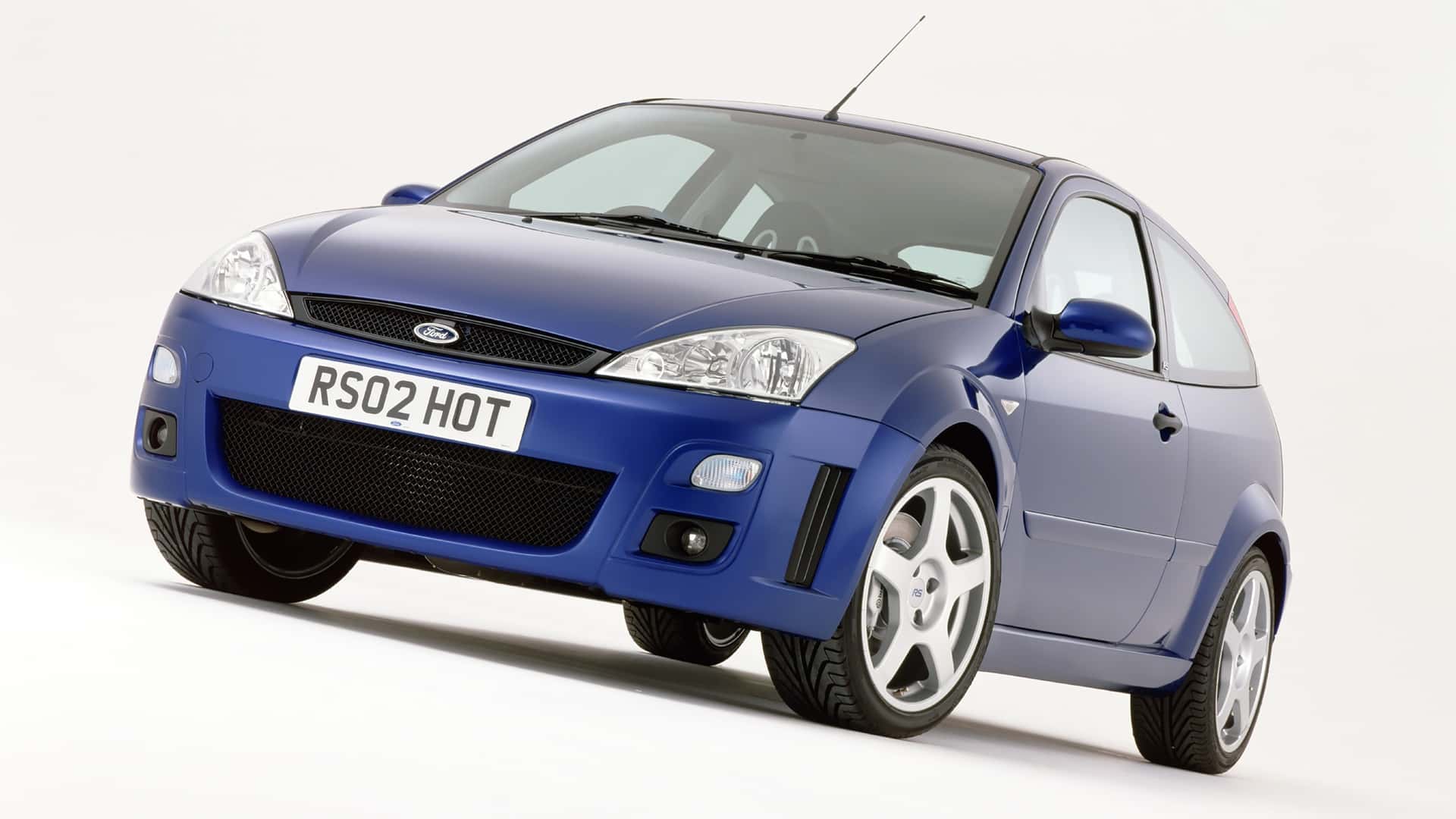
4. First and Second Generation Ford Focus: Rapid Rust Risk
First- and second-generation Ford Focus models are prone to fast rusting, often showing bubbling paint and metal loss on front fenders and rockers after just a few winters.
The issue stems from design weaknesses, such as poor drainage in wheel wells and the plenum under the windshield, where leaves and debris collect, trap water, and promote corrosion.
Rear wheel arches are particularly vulnerable, as paint chips easily and moisture accumulates where plastic liners meet metal. Inner sills, running boards, and the subframe are also susceptible, especially in older, budget-friendly vehicles with thinner undercoating.
Wheeling’s riverfront environment exacerbates rust issues. High winter road salt and de-icing agents splash onto the undercarriage, while the region’s elevated humidity maintains damp conditions that accelerate corrosion. These combined factors make problem areas deteriorate faster than in drier, less corrosive climates.
Preventative measures are essential to extend the life of these vehicles. Regular cleaning of wheel wells and the undercarriage, particularly after winter, helps remove salt and grime. Keeping plenum drains clear of leaves and debris prevents water accumulation.
Applying rust inhibitors, such as lanolin-based sprays or protective oils, to cavities and vulnerable spots adds another layer of defense. Owners who maintain these practices can slow the progression of rust and preserve both the appearance and structural integrity of early Ford Focus models.
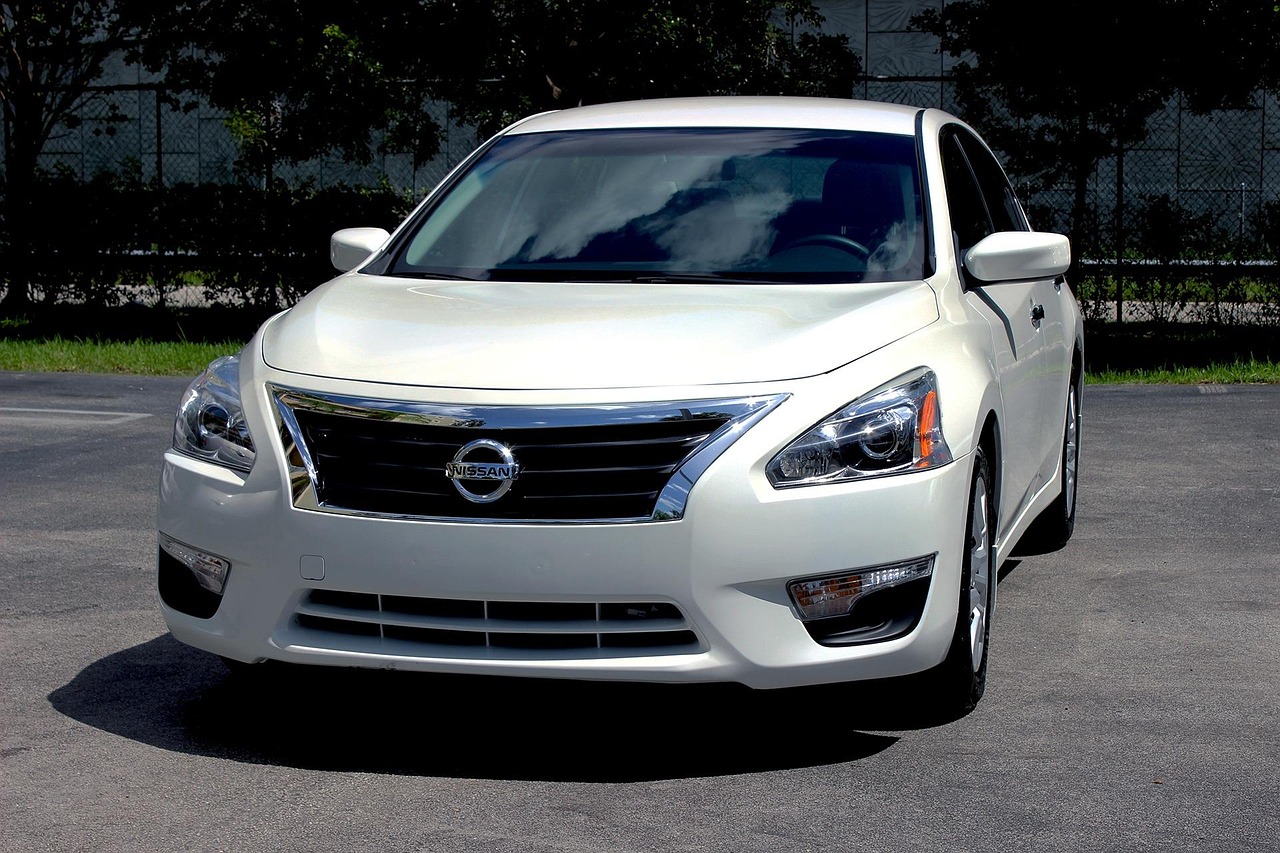
5. Older Nissan Altima: Floorboard and Wheel Arch Rust
Older Nissan Altimas, particularly 2002–2006 models, are highly prone to rust, especially around the floorboards and wheel arches. A design flaw in the floor pan traps moisture, causing internal corrosion that can compromise structural integrity.
This issue is worsened in regions like Wheeling, where winter road salt combines with water to create a corrosive environment. The trapped slurry accelerates rust from the inside out, often at surprisingly low mileage.
Key factors include poor drainage in the floor pan, which prevents water from escaping, and the accumulation of moisture mixed with salt, which corrodes the metal over time. Rust can spread to wheel arches, sills, and other hidden areas, weakening the vehicle’s body.
The consequences are serious. Severely rusted floorboards pose safety hazards, allowing exhaust gases such as carbon monoxide into the cabin and compromising passenger protection in accidents.
Repairing extensive rust damage can be costly, often exceeding the car’s value. Hundreds of consumer complaints were filed with the NHTSA, and class-action lawsuits followed, though Nissan initially did not recognize it as a safety defect.
For drivers near riverfront areas like Wheeling, the combination of inherent design flaws and corrosive winter conditions makes these older Altimas particularly vulnerable. Regular inspections, rust prevention treatments, and avoiding prolonged exposure to road salt are essential to mitigate the risk of severe floorboard and wheel arch corrosion.
Choosing the right vehicle is critical for riverfront adventures. The five SUVs recommended for Wheeling trips provide off-road capability, high ground clearance, durable interiors, and modern technology, ensuring safe and comfortable travel across mud, gravel, and uneven terrain. They are suitable for both short excursions and extended trips with passengers or gear.
In contrast, vehicles that rust quickly, including older Mazda 3s, Jeep Wranglers, Toyota Tacomas, Ford Focuses, and Nissan Altimas, require frequent inspection and rust prevention. Poor drainage, trapped moisture, and exposure to road salt can compromise safety and structural integrity.
For drivers in riverfront areas like Wheeling, proper maintenance and rust protection are essential. Understanding which vehicles perform well and which deteriorate rapidly allows adventurers to enjoy the riverfront without unexpected problems or costly repairs.
Also Read: 10 Cars That Look Stunning But Disappoint True Enthusiasts