Commuting in a busy city like Birmingham requires cars that can handle stop-start traffic, tight streets, and frequent parking while keeping running costs and maintenance low.
Not all vehicles are created equal in this regard. Some models excel at urban commuting, offering a mix of reliability, efficiency, comfort, and practicality, making daily drives less stressful and more cost-effective.
From compact hybrids like the Toyota Yaris and Honda Jazz to practical family options such as the Skoda Octavia, Kia EV3, and Vauxhall Grandland, these vehicles provide dependable performance, low running costs, and smart technology tailored to city life.
However, other cars can turn daily commuting into a costly affair. Certain models, despite offering luxury or performance, tend to rack up repair bills due to complex engines, electronics, or software issues.
Diesel vehicles like the BMW 3 Series, large SUVs such as the Audi Q7 and Land Rover Discovery, city crossovers like the Nissan Juke, and early EVs such as the Volkswagen ID.4 may struggle under urban conditions. Understanding which cars thrive in city traffic versus those prone to expensive breakdowns can save time, money, and frustration for Birmingham commuters.
5 Cars for Birmingham Commuting
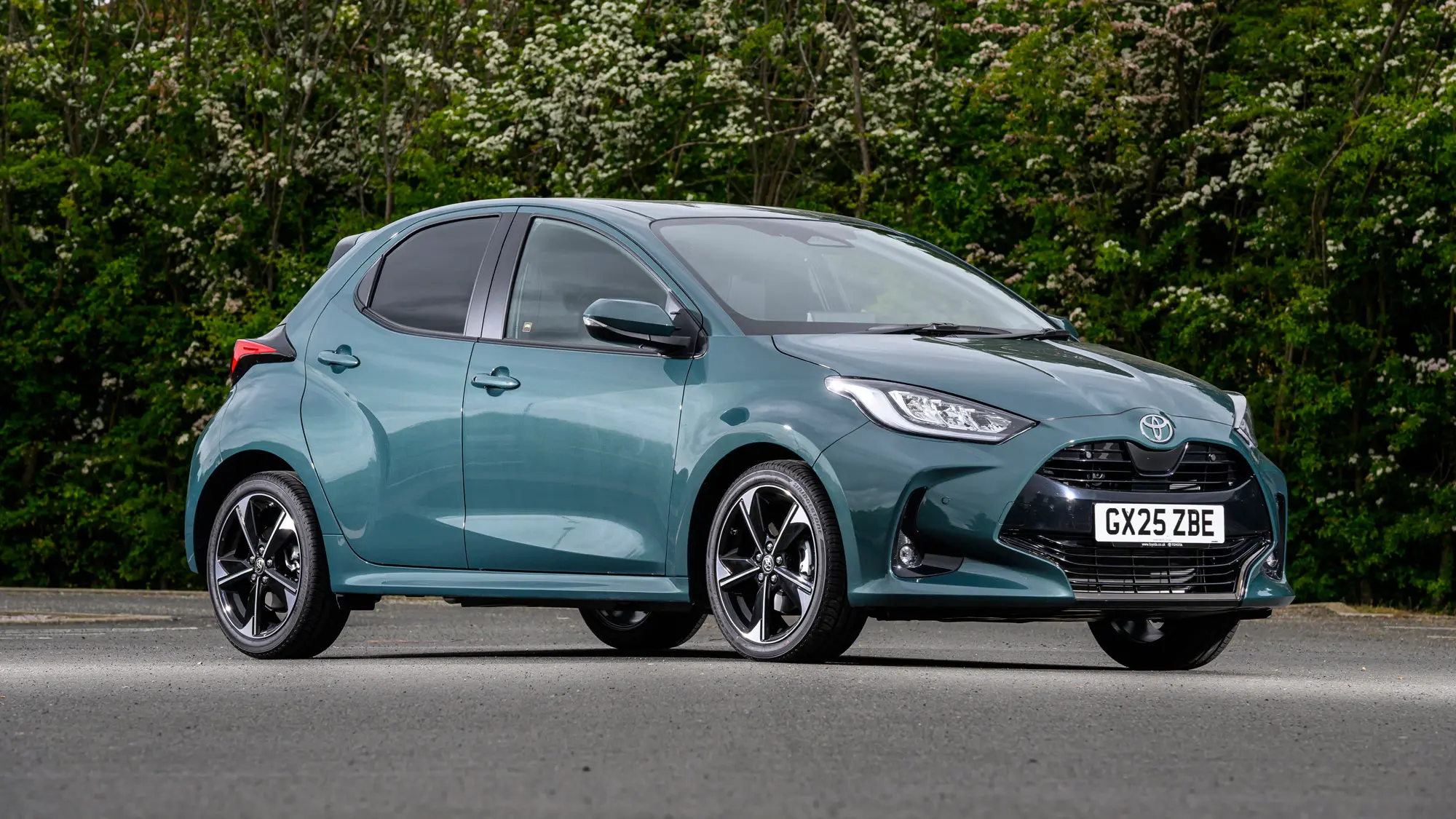
1. Toyota Yaris Hybrid (2020–Present): A Reliable, Efficient Urban Commuter
The Toyota Yaris Hybrid (2020–present) stands out as one of the smartest choices for urban driving, particularly for UK city commuters.
Recently ranked as the UK’s most reliable used car for 2025, it combines Toyota’s long-standing hybrid expertise with low running costs, modern safety technology, and impressive real-world efficiency. With average repair costs of just £375 per claim and proven durability, it is designed to minimize ownership stress as well as fuel bills.
One of the Yaris Hybrid’s greatest strengths is its fuel economy. Its self-charging hybrid system excels in stop-start conditions, regularly delivering over 60mpg in real-world urban driving.
This makes it especially well-suited to congested routes such as the A38 or M6, and ideal for Clean Air Zones and ULEZ-style restrictions due to reduced emissions. The system switches seamlessly between electric and petrol power, delivering smooth, quiet progress in traffic jams and low-speed city use.
Its compact dimensions further enhance its city-friendly appeal. With a small footprint, tight turning circle, and good visibility, the Yaris Hybrid is easy to handle on narrow streets, busy junctions, and in crowded car parks. Parking in city centres is simpler, and the light steering helps reduce fatigue during daily commutes.
Inside, the fourth-generation Yaris benefits from a clean, modern interior design. Even entry-level models feature a 7-inch infotainment system with Apple CarPlay and Android Auto, a six-speaker audio setup, and practical storage spaces. Despite its size, the cabin feels thoughtfully laid out, with improved front-seat spacing and a surprisingly usable rear seating arrangement.
Safety is another strong point. Toyota Safety Sense comes as standard, including autonomous emergency braking, lane assist, adaptive cruise control, and additional airbags designed to reduce injury in side impacts. These features provide reassurance in busy urban environments where hazards are frequent and unpredictable.
There are a few considerations. On motorways, the CVT gearbox can feel less refined and may drone at higher speeds, and outright performance is modest. However, the instant torque from the electric motor provides adequate punch around town, where it matters most.
The Toyota Yaris Hybrid is a highly economical, dependable, and stress-free choice for city driving. It focuses on efficiency, ease of use, and low running costs rather than speed, making it an excellent daily commuter for modern urban life.
2. Honda Jazz (2020–Present): Practical, Reliable Hybrid Excellence for City Commuting
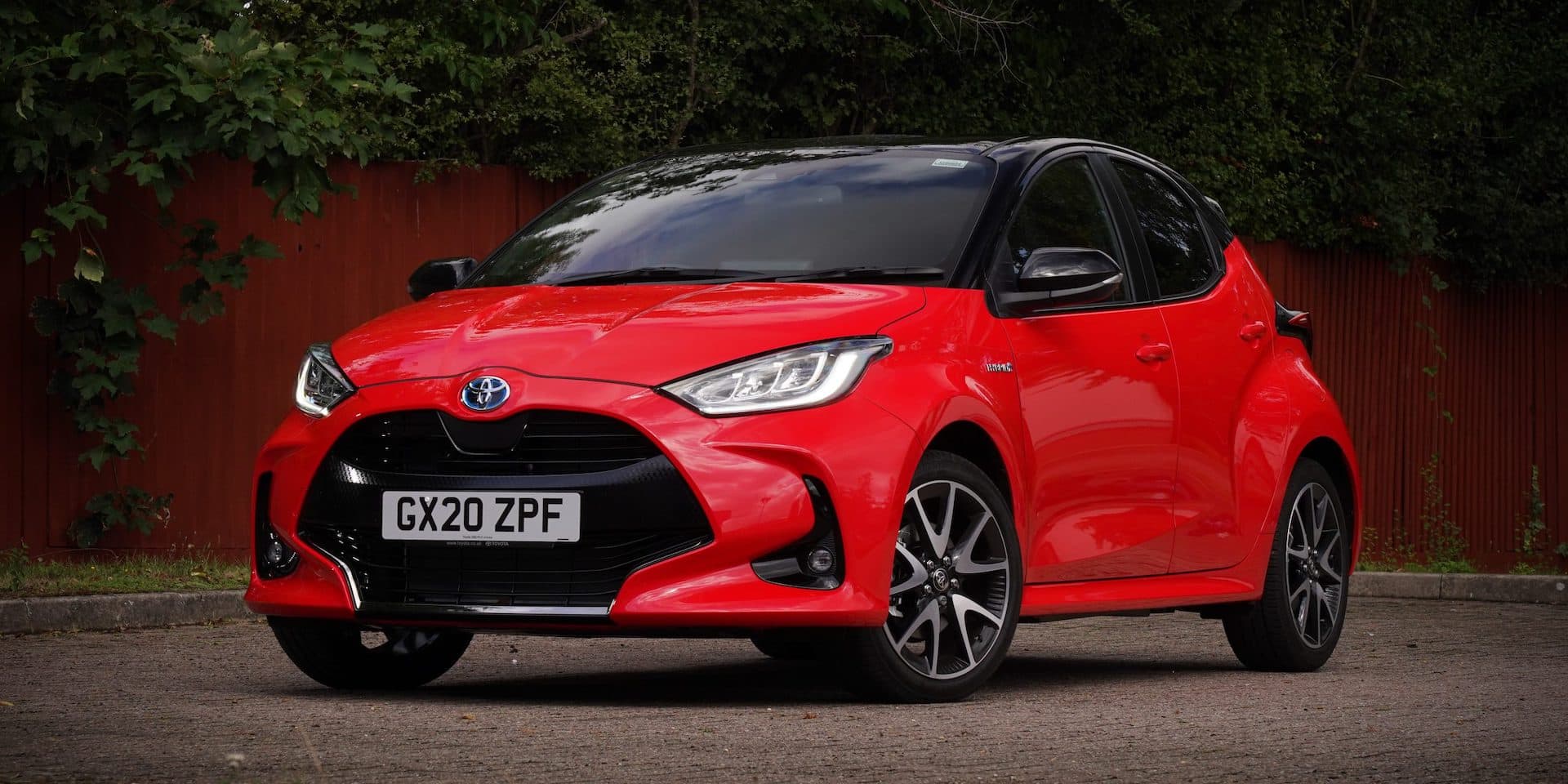
The Honda Jazz (2020–present), also known as the Honda Fit in some markets, is a standout choice in the small hatchback segment, particularly for urban commuters.
Launched in summer 2020 and offered exclusively with a 1.5-litre petrol-electric hybrid system, the latest Jazz blends excellent fuel efficiency, outstanding reliability, and class-leading practicality. In 2025, it was voted a top performer for reliability with an impressive 94.22% score, reinforcing Honda’s reputation for building dependable, low-stress cars.
One of Jazz’s biggest strengths is its efficiency in city driving. The self-charging hybrid system thrives in stop-start traffic, delivering high MPG figures and smooth, EV-like progress at low speeds.
This makes it a cost-effective option for daily commuting, with low fuel consumption, reduced emissions, and generally modest running costs. Independent data also shows that insurance and maintenance expenses are typically low, adding to its affordability over long-term ownership.
Despite its compact exterior dimensions, the Honda Jazz offers exceptional interior space. It is widely praised for having more room for passengers and luggage than many similarly sized rivals.
The highlight is Honda’s innovative “Magic Seats,” which allow the rear seats to fold or flip in multiple configurations. This provides remarkable flexibility for carrying shopping, luggage, bicycles, or other bulky items, making the Jazz especially appealing for commuters who occasionally need extra cargo capacity.
Safety is another major selling point. Every Jazz comes equipped with Honda SENSING, a comprehensive suite of driver assistance systems.
Features such as Collision Mitigation Braking, Adaptive Cruise Control, Lane Keeping Assist, and Blind Spot Detection enhance confidence on busy roads and in heavy traffic. Euro NCAP awarded the Jazz a full five-star safety rating, underlining its strong performance in crash protection and safety assist technologies.
On the road, the Jazz prioritizes comfort and ease of use over sporty driving. The ride is smooth and quiet, particularly in urban conditions, and the handling is predictable and reassuring. While it is not especially exciting to drive, and some interior plastics feel less premium, these compromises are balanced by strong standard equipment and user-friendly infotainment with smartphone integration.
Available in both standard and Crosstar versions, the regular Jazz is generally better suited to city use, while the Crosstar adds SUV-inspired styling and a slightly higher ride height. The Honda Jazz combines clever design, proven hybrid technology, and exceptional reliability into a highly practical, efficient, and sensible choice for modern city life.
3. Skoda Octavia (2020–Present): The Dependable Long-Distance All-Rounder
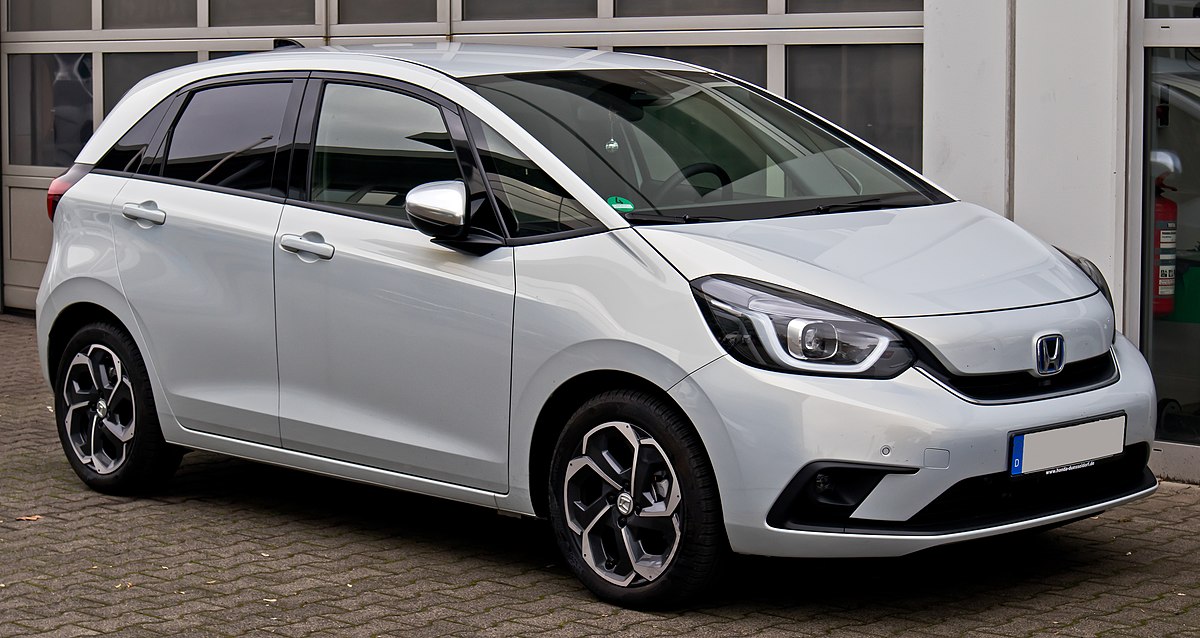
The Skoda Octavia (2020–present) has long been regarded as one of the most capable and dependable cars for high-mileage drivers, earning a reputation as a true “mile-muncher.”
Popular with long-distance commuters from areas such as Solihull, the Octavia is well known for durability, with many examples comfortably exceeding 250,000 miles. Now in its fourth generation, launched in the UK in summer 2020, it continues to build on the strengths that have defined the model for decades.
Positioned between the smaller Scala and the larger Superb, the Octavia is offered as either a five-door liftback or a practical estate. Both versions provide generous space, but the estate in particular appeals to families and frequent travellers thanks to its vast boot and excellent rear legroom.
The interior is widely praised for being refined, comfortable, and well-suited to long journeys, making it ideal for drivers who spend extended time on motorways.
A wide range of engines is available, including petrol, diesel, and plug-in hybrid options. Diesel models are especially popular with high-mileage users due to strong fuel economy, averaging around 63 mpg, while petrol versions also perform well for efficiency.
The plug-in hybrid offers very low CO₂ emissions for company-car drivers, though its electric-only range is modest. Across the range, running costs are generally low, with affordable servicing, reasonable insurance groups, and strong residual values.
Safety is another key strength. The Octavia has achieved a full five-star Euro NCAP rating, with high scores for adult and child protection as well as safety assist systems.
This contributes to its Expert Rating of A (72%) as of 2025, alongside good marks for emissions, reliability, and value for money. The car is often praised in reviews as a sensible, well-equipped choice that prioritizes comfort and practicality over excitement.
There are some drawbacks. The infotainment system has been criticized for being confusing and less intuitive than rivals, and the bold front-end styling divides opinion. Driving dynamics are competent rather than engaging, and engine performance is adequate rather than sporty.
Reliability is better than average, with a 72% rating, although gearbox repairs can be costly, and the standard three-year, 60,000-mile warranty is shorter than some competitors offer.
The Skoda Octavia remains a highly capable, comfortable, and cost-effective family car. It excels at long journeys, offers excellent space and value, and continues to be one of the most sensible choices for drivers who prioritize reliability, comfort, and efficiency over flair.
4. Kia EV3 (2024–Present): A Highly Capable, Zero-Emission Urban All-Rounder
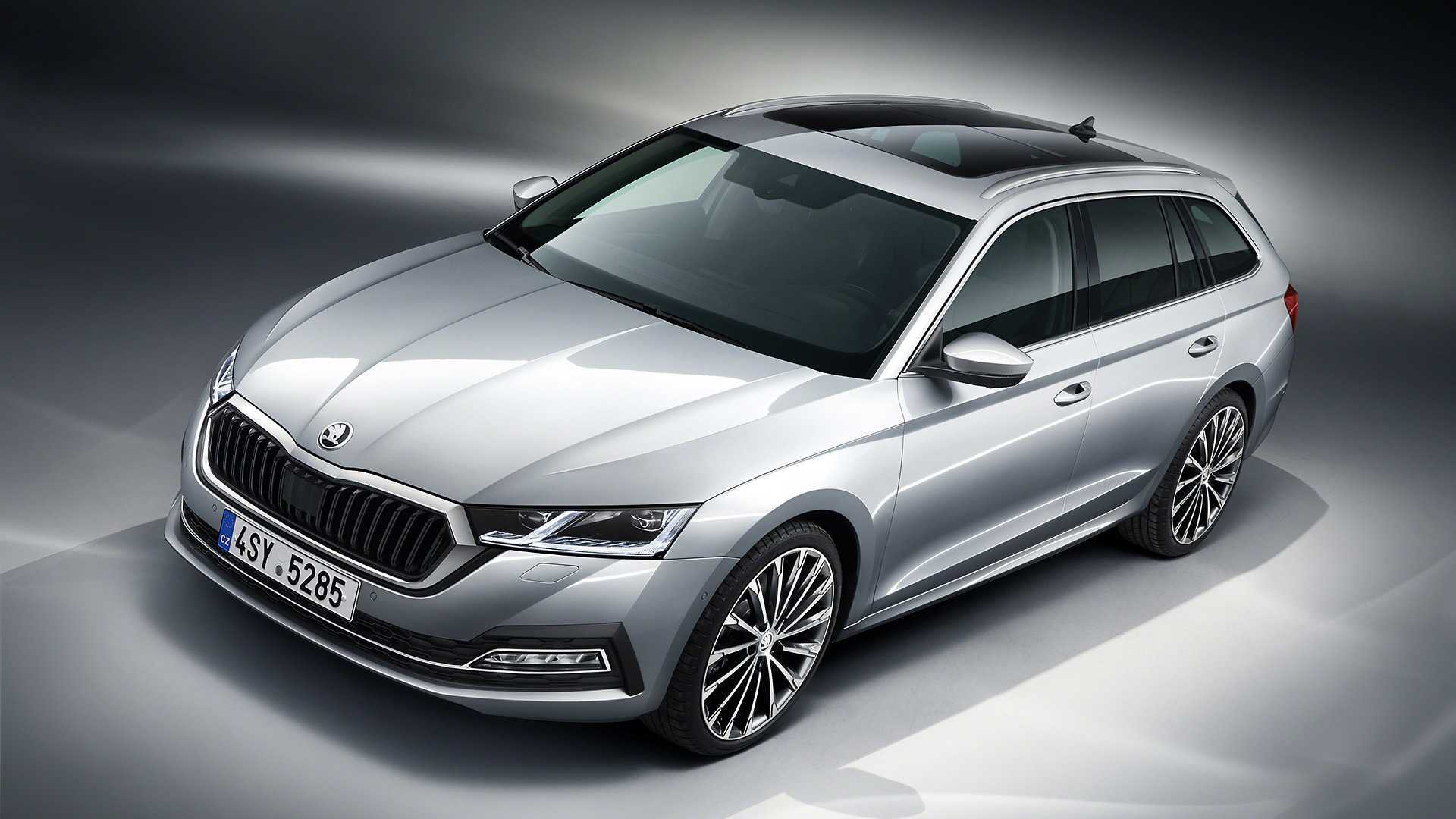
The Kia EV3 (2024–present) marks a major milestone for the brand, becoming the first Kia to achieve a perfect 100% reliability rating in late-2025 surveys. As a fully electric compact crossover, it appeals strongly to city commuters seeking zero-emission driving, freedom from Clean Air Zone charges, and significantly lower day-to-day running costs compared with petrol or diesel alternatives.
Positioned as the smallest model in Kia’s EV family, the EV3 sits squarely in the heart of the UK market, competing directly with established hatchbacks and compact SUVs.
One of the EV3’s standout attributes is its impressive driving range. Buyers can choose between a standard 58kWh battery offering up to 270 miles, or a larger 81kWh battery capable of reaching up to 375 miles on a single charge.
This generous range means daily commuting can be handled comfortably with infrequent charging, while longer journeys around the West Midlands are also well within reach. Charging costs remain far lower than traditional fuel expenses, reinforcing its appeal as a cost-effective daily driver.
Ride comfort is another strength. The EV3 is tuned with relatively soft suspension, allowing it to cope well with uneven road surfaces and potholes common in busy urban areas.
Combined with the near-silent operation of its electric motor, the result is a relaxed and refined driving experience. Instant electric torque provides brisk responses at low speeds, making it feel lively and confident in traffic without being overly aggressive.
Despite its compact footprint, the EV3 delivers strong practicality. Its upright SUV-style design provides easy access, good headroom, and a spacious cabin for passengers.
Clever storage solutions and a generous 460-litre boot make it well suited to shopping trips, family use, or everyday errands. Inside, the cabin adopts a minimalist, tech-focused layout, blending solid build quality with a growing use of recycled materials.
Technology is a major selling point. The EV3 features Kia’s AI Assistant, connected navigation using Google Maps, Digital Key 2.0 for smartphone-based access, and a comprehensive suite of advanced driver assistance systems. Regenerative braking helps extend range while reducing brake wear, further lowering ownership costs over time.
Priced from around £33,000, the EV3 is competitively positioned, with monthly payments often comparable to traditional hatchbacks.
It avoids the pitfalls of many early EVs by offering strong range, usable performance, and everyday practicality in one well-rounded package. In short, the Kia EV3 delivers electric efficiency, modern technology, and reliability in a form that feels thoughtfully designed for everyday urban life.
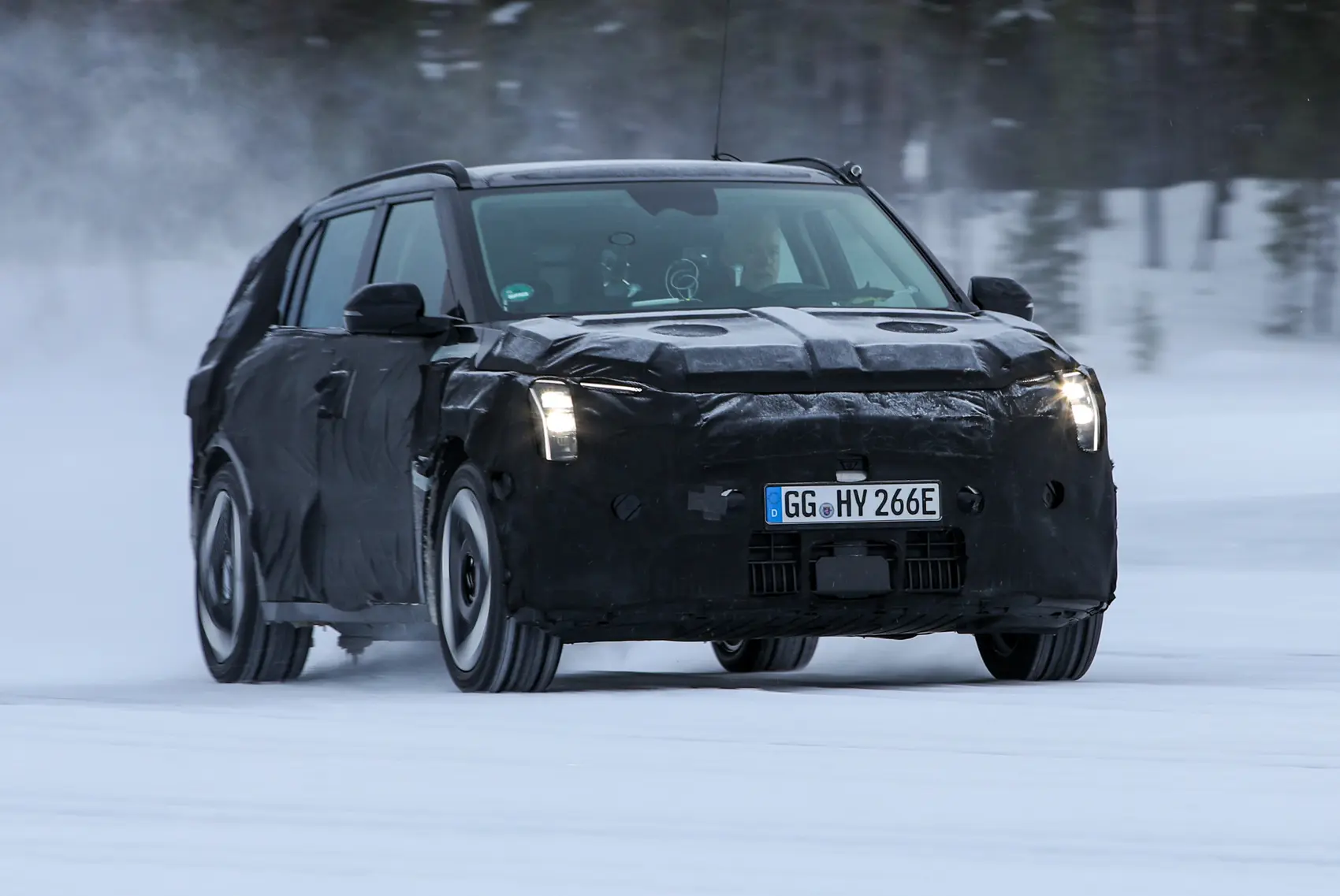
5. Vauxhall Grandland (2024–Present): A Comfortable, Practical Family Commuter
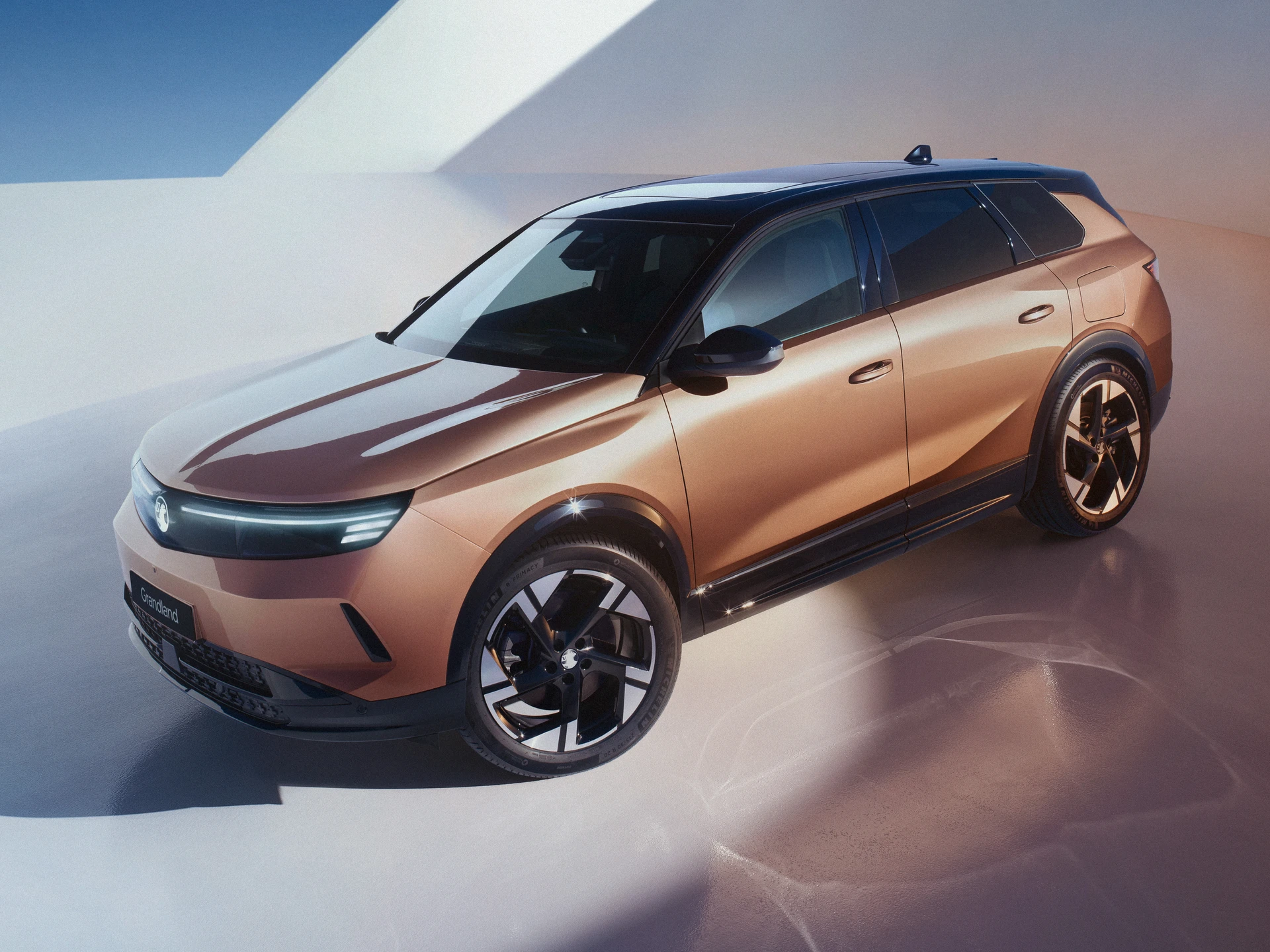
The Vauxhall Grandland (2024–present) has emerged as a strong contender in the mid-size SUV class, particularly for family-focused commuting. This second-generation Grandland has seen a dramatic rise in reliability rankings, achieving an impressive 99.6% score in 2025 and earning recognition as one of the most dependable choices in its segment.
Combined with low servicing costs and a practical design, it is well-suited to daily driving in and around large cities.
One of the Grandland’s key advantages is its high driving position, which provides excellent visibility in traffic and at busy junctions.
This upright seating, paired with light steering and available parking sensors or cameras, helps reduce stress when dealing with congested streets or tight parking spaces. Despite its size, the Grandland feels easy to place on the road, making it approachable for drivers moving up from smaller cars.
Comfort is another area where the Grandland performs well. The cabin is quiet and refined at speed, particularly on motorways, with low levels of wind and road noise contributing to a relaxed driving experience.
Ergonomically designed seats, especially in higher trims with heating functions, help reduce fatigue on longer journeys. Ride quality can be firm on rough surfaces, but opting for smaller wheel sizes improves comfort and makes it better suited to everyday use.
Inside, the Grandland offers a spacious and practical interior that works well for family life. There is good passenger space, useful storage throughout the cabin, and a versatile 40/20/40 split rear seat arrangement that allows flexibility for carrying passengers and luggage together. The design is clean and functional rather than flashy, prioritizing ease of use.
Technology is well catered for. Apple CarPlay and Android Auto come as standard, alongside large touchscreens and, on higher trims, digital instrument displays. Importantly, Vauxhall has retained physical controls for climate functions, avoiding over-reliance on touchscreens and improving usability while driving.
A wide range of driver assistance systems is also available, adding reassurance for both urban and motorway travel.
Powertrain options include mild-hybrid petrol engines and plug-in hybrid (PHEV) variants. The PHEV models are particularly appealing for short commutes, allowing electric-only driving that reduces fuel costs and emissions, while also offering benefits for company car users.
Mild-hybrid versions deliver improved efficiency over standard petrol engines, though the three-cylinder engine can be more noticeable under load.
The Vauxhall Grandland offers a balanced mix of comfort, technology, and practicality. With excellent reliability, sensible running costs, and hybrid options that suit modern commuting patterns, it remains a strong choice for families seeking a dependable and comfortable SUV for daily use.
Also Read: 5 Cars for Coral Springs Suburban Families vs 5 That Drain Savings
5 That Rack Up Repair Bills
1. Nissan Juke (Petrol, 2019–Present): Reliability Concerns and Costly Urban Ownership
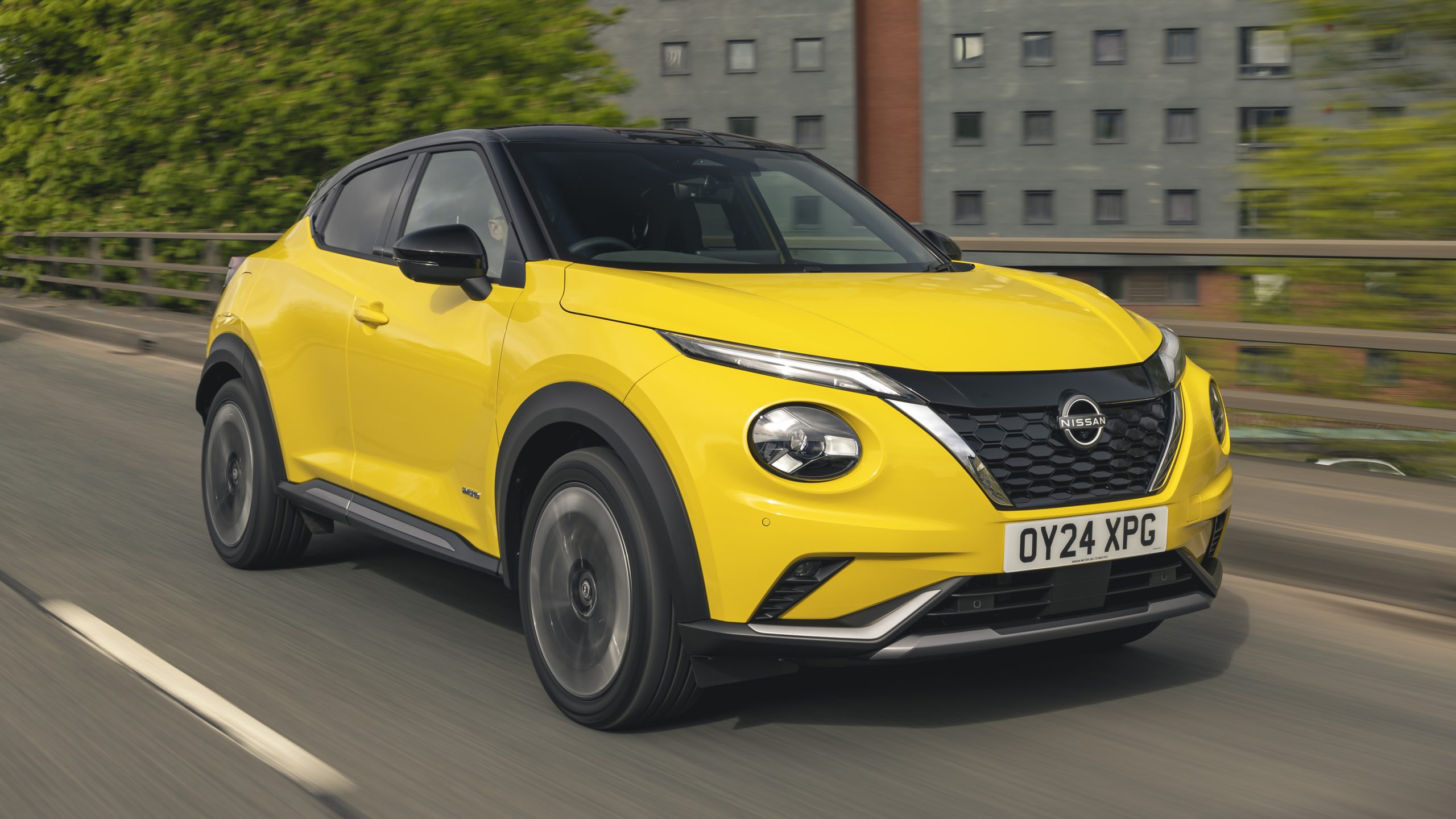
The petrol-powered Nissan Juke (2019–present) has developed a poor reputation for reliability, being rated the least reliable car in its class for 2025 with a low 55.2% score.
Owner reports indicate that around 60% of faults cost more than $1,900 to repair, with many repairs taking over a week to complete. These issues can be especially problematic for drivers who rely on their car daily in busy urban environments.
A major concern is the turbocharger. In stop-start city driving, oil feed lines can become clogged if oil changes are missed or delayed, leading to turbo failure.
Repair costs typically range from $750 to $1,750, making this one of the most expensive common faults. Timing-related issues, while less frequent on post-2019 engines, can still arise in modern turbocharged units and may cost $900 to $1,500 if problems develop and are not addressed early.
Transmission repairs are another risk area. Although newer models use a dual-clutch transmission instead of the older CVT, gearbox faults can still occur. Depending on severity, repairs can range from $190 for minor fixes to over $3,100 for major work. Suspension components also tend to wear faster in urban conditions, with costs ranging from $100 to $1,250, while frequent braking accelerates pad and disc wear.
Strict maintenance is essential to reduce these risks. Regular oil changes, adherence to service schedules, and immediate attention to warning signs can help prevent minor issues from turning into expensive failures.
2. Audi Q7 (2015–Present): Luxury Comfort with High Ownership Costs
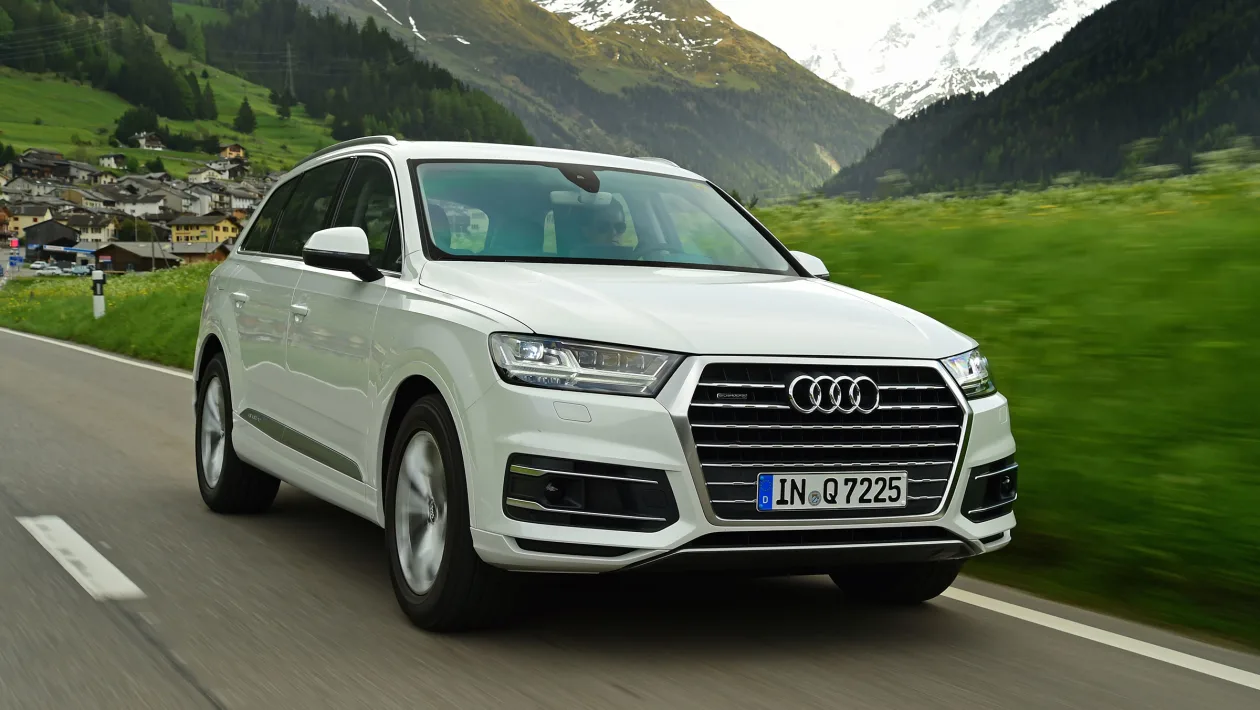
The Audi Q7 (2015–present) is a premium large SUV praised for its comfort, technology, and strong on-road presence, but it is also widely regarded as an expensive vehicle to maintain over time.
In 2025, around 29% of owners faced repair bills exceeding $1,900, with costs largely driven by the vehicle’s complex electronics and advanced diesel systems. These expenses become especially noticeable once the car moves beyond its factory warranty.
One of the main cost drivers is the Q7’s sophisticated electronic architecture. The MMI infotainment system, digital dashboards, and driver assistance features are prone to software glitches, system freezes, and module failures. Resolving these issues often requires specialist diagnostics or dealer-only repairs, quickly pushing costs into four-figure territory.
Diesel models introduce additional financial risk, particularly for drivers who mainly take short trips. AdBlue system faults, clogged diesel particulate filters (DPFs), and EGR cooler failures are common, as city driving prevents these systems from operating at optimal temperatures. Air suspension, a key comfort feature, is another expensive weak point, with leaking airbags or failing compressors leading to large repair bills.
Further issues include coolant leaks from plastic components, injector seal failures on 3.0-liter diesels, and accelerated tire wear due to the vehicle’s size and weight. High parts prices and premium labor rates compound these problems.
For urban drivers, the Audi Q7 delivers luxury but demands a substantial long-term financial commitment, making maintenance planning essential.
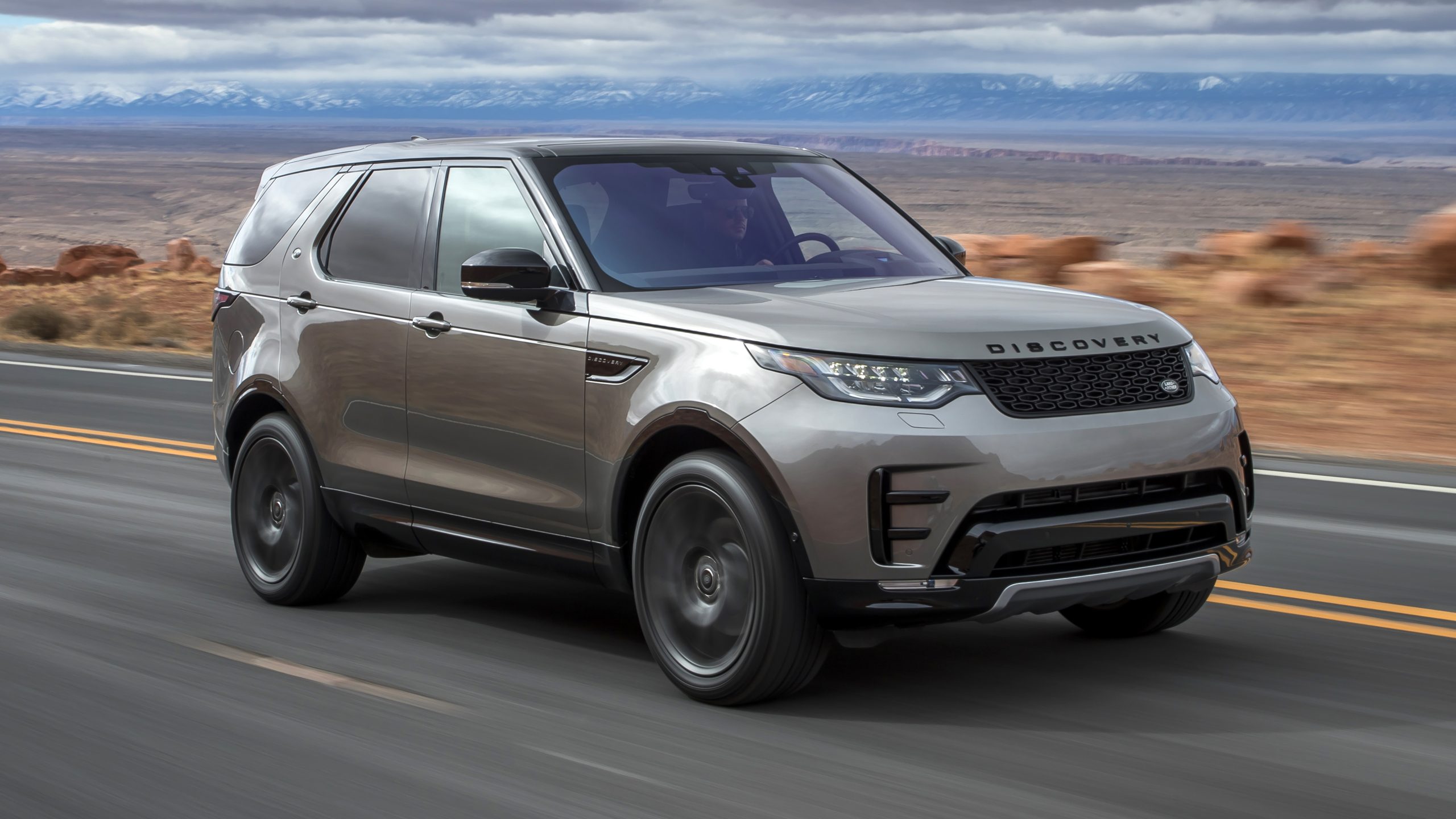
3. Land Rover Discovery (2017–Present): Premium Capability with Ongoing Reliability Risks
The Land Rover Discovery (2017–present) offers strong brand appeal, luxury comfort, and impressive off-road capability, but it continues to raise concerns when it comes to reliability and ownership costs.
Although its brand standing improved slightly in 2025, the Discovery still scored poorly for dependability, with a reliability rating of 81.8%. Notably, around half of the reported faulty vehicles were off the road for more than seven days, significantly increasing labour costs and inconvenience for owners.
A major factor behind these high repair bills is the Discovery’s complex engineering. The Discovery 5 relies heavily on advanced electronics, sophisticated four-wheel-drive systems, and luxury-grade components, all of which require specialist knowledge and expensive parts. Servicing and repairs, therefore, cost considerably more than for mainstream SUVs.
Diesel-powered models are particularly problematic in urban use. The Ingenium diesel engines, especially the 2.0-litre unit, are known for issues such as timing chain failures, turbocharger problems, oil and coolant leaks, and faults with piston cooling oil jet solenoids.
Diesel emissions systems are another weak point, with frequent DPF and AdBlue failures leading to warning lights, reduced performance, and costly repairs.
City commuting further worsens these issues. Stop-start traffic and short journeys prevent diesel particulate filters from regenerating properly, accelerating clogging and system failures. This makes the Discovery poorly suited to regular urban use, despite its size and comfort.
The Land Rover Discovery combines luxury and capability with high running costs. Its complex systems, premium parts, and sensitivity to city driving conditions make it a costly choice for everyday commuting, particularly in diesel form.
4. BMW 3 Series Diesel (2019–Present): Costly City Commuting
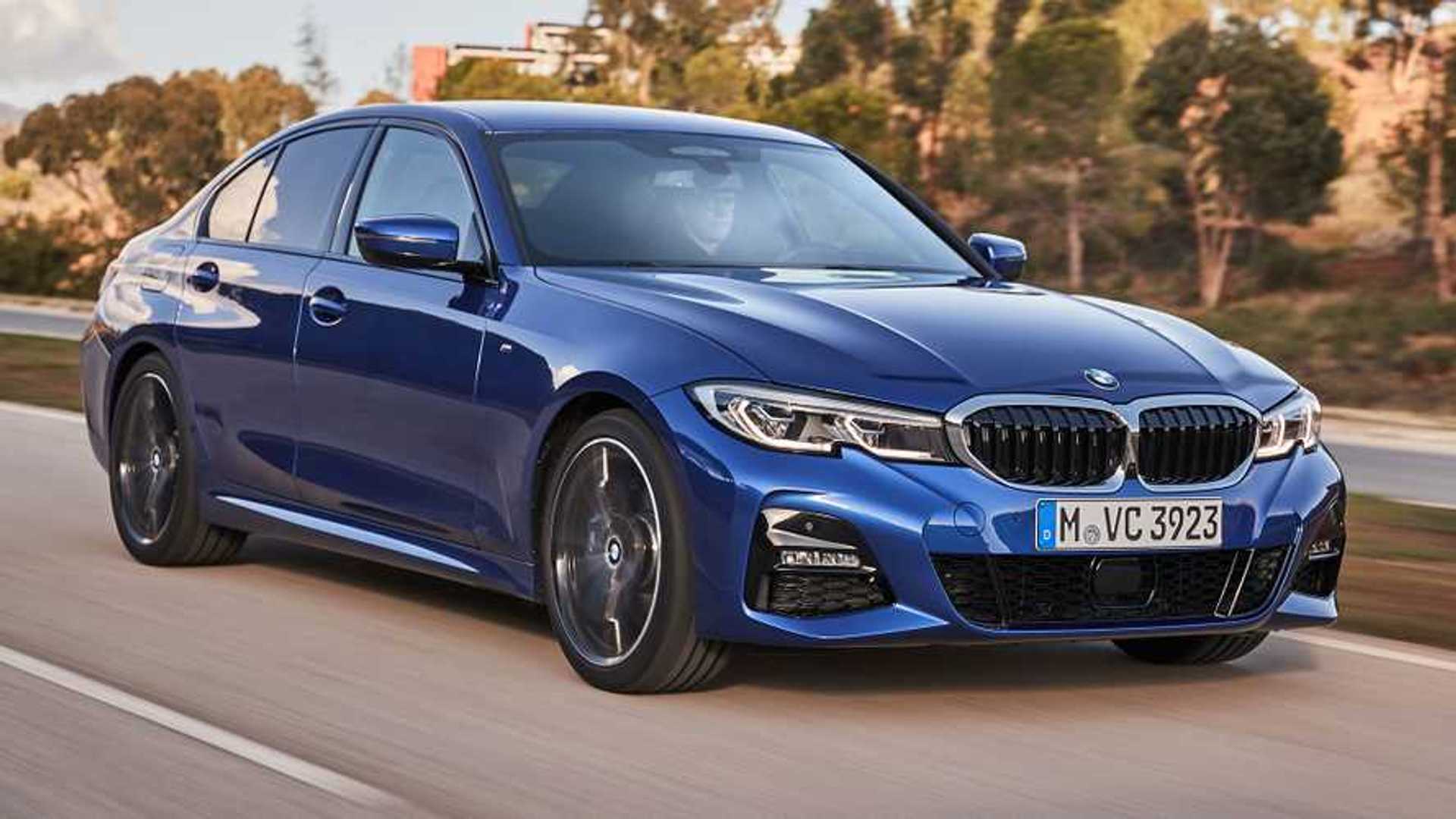
The BMW 3 Series diesel (2019–present) is associated with high repair costs, especially for city driving. In 2025, 56% of reported issues cost owners more than $1,900. Frequent stop-and-go driving prevents the engine from reaching optimal operating temperatures, causing failures in emissions systems and faster wear on critical components.
A key issue is the Diesel Particulate Filter (DPF), which traps soot and requires regeneration during sustained driving above 40 mph for around 20 minutes. Short urban trips prevent this process, leading to clogging that can trigger limp mode and require expensive cleaning or replacement.
The Exhaust Gas Recirculation (EGR) valve is also vulnerable. Oil and soot build up during cold starts, reducing performance and contributing to DPF problems. Engine oil contamination is another concern, as water vapor and unburned fuel residues dilute the oil during short trips, increasing wear and risking long-term engine damage.
BMW parts and labor costs are high compared with non-luxury brands. Birmingham’s urban roads with potholes and frequent braking further stress suspension components and brake pads, adding to repair bills.
For drivers with heavy city use, the 3 Series diesel is a poor fit. Petrol or electric variants handle short trips better, avoid many emissions-related issues, and can significantly reduce maintenance expenses while providing more reliable urban performance.
5. Volkswagen ID.4 (2021–Present): Software and Electrical Challenges for City Commuting
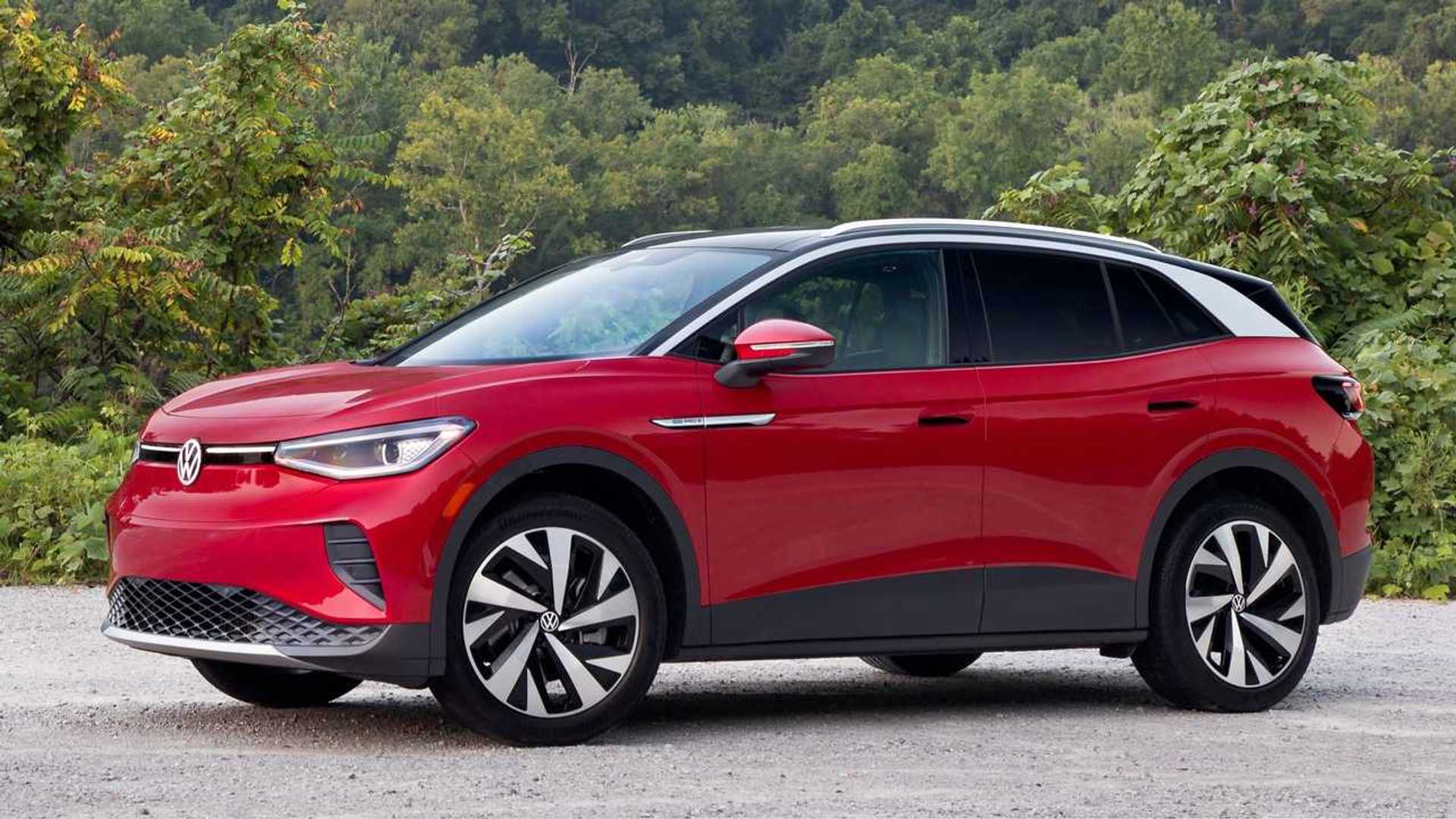
The Volkswagen ID.4 (2021–present) is a fully electric SUV praised for mechanical reliability but hampered by software and electrical issues. In 2025, it scored 79.6% for reliability, with 67% of faulty vehicles off the road for more than a week, highlighting the impact of software glitches and dealer-dependent repairs.
Key problems include the infotainment and digital cockpit systems, which can freeze or become unresponsive, and software bugs that may cause sudden power loss by deactivating the inverter or battery modules.
Some updates even require a new 12V battery to complete successfully. Electrical gremlins, such as faulty wiring and general EV component failures, are additional concerns, while recalls, like door handle issues, can delay repairs.
Charging and battery management can also create headaches. Users occasionally report inconsistent public charging or perceived range loss, particularly in colder weather, though the actual battery health is often unaffected. Urban driving in Birmingham, with frequent stop-start traffic, can put extra stress on the EV systems, bringing software and battery management issues to the surface.
While the ID.4’s mechanical systems are generally solid, early models suffer from software growing pains and hardware recalls, making dealer visits common. Owners relying on daily uptime in city environments may experience frustration due to downtime and the reliance on specialist service for resolution.
Choosing the right vehicle for Birmingham commuting means balancing efficiency, reliability, and running costs. Cars like the Toyota Yaris Hybrid, Honda Jazz, Skoda Octavia, Kia EV3, and Vauxhall Grandland excel because they combine proven technology, practicality, and low maintenance with comfort and urban-friendly dimensions.
They thrive in stop-start traffic, reduce emissions, and offer features that make city driving easier, from hybrid powertrains to intelligent driver-assist systems.
Conversely, models such as the Nissan Juke, Audi Q7, Land Rover Discovery, BMW 3 Series diesel, and Volkswagen ID.4 highlight the pitfalls of urban driving for vehicles with complex engines, premium electronics, or software-dependent systems.
Frequent short trips, heavy traffic, and tight parking can accelerate wear, trigger costly repairs, and extend downtime, making these cars less suitable for daily city use. For Birmingham commuters, understanding which cars combine dependability with practicality versus those likely to rack up repair bills is key to making a smart, stress-free choice.
Also Read: 10 Cars That Look Stunning But Disappoint True Enthusiasts