Bozeman, Montana, offers some of the most stunning and challenging terrain in the American West, from rocky trails in Hyalite Canyon to forested paths near the Bridger Mountains.
For outdoor enthusiasts, the right vehicle can make the difference between a weekend of adventure and a weekend spent stuck on the side of the trail. This guide highlights five vehicles perfectly suited for Bozeman outdoor weekends, combining off-road capability, durability, and utility to tackle everything from snow-covered passes to technical rock trails.
Equally important, we explore five vehicles that, while luxurious or popular, are prone to mechanical issues or lack the rugged design necessary for serious off-roading. Understanding the strengths and limitations of each helps adventurers choose wisely, ensuring reliability, safety, and enjoyment in Montana’s demanding backcountry.
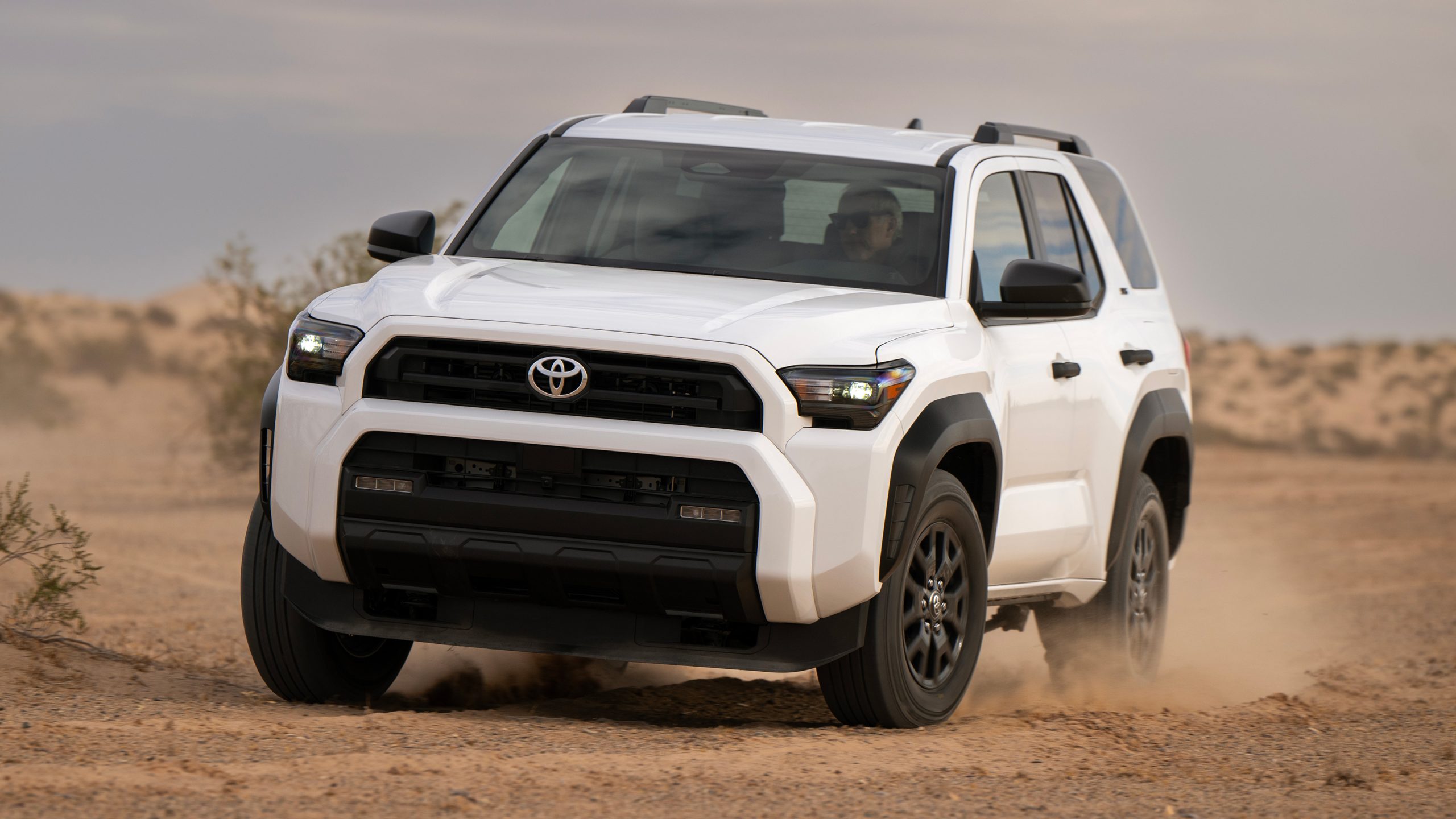
1. Toyota 4Runner TRD Pro 2025: Rugged, Modern, and Ready for Adventure
The 2025 Toyota 4Runner TRD Pro maintains its reputation as a local favorite in Bozeman due to its simplicity, reliability, and off-road capability. It continues to use a traditional body-on-frame construction while adding modern enhancements such as underbody armor, Fox shocks, and a TRD-tuned suspension.
These upgrades make it capable of handling “blue” and “black” rated trails. Factory-equipped off-road systems, including Crawl Control, Multi-Terrain Select, locking rear differential, and a disconnectable sway bar, allow the 4Runner to navigate Montana’s challenging terrain with confidence, from rocky paths to snow-covered backcountry roads.
Crawl Control manages throttle and braking at low speeds, allowing drivers to concentrate on steering over obstacles. Multi-Terrain Select adapts traction to different surfaces such as dirt, mud, sand, or snow. The locking rear differential ensures power is delivered to the wheels with grip in slippery or uneven conditions.
The TRD Pro’s suspension, featuring Fox shocks and improved wheel articulation, absorbs rough impacts and provides comfort on challenging trails. Steel underbody protection, high ground clearance, and strong approach and departure angles improve trail durability.
A powerful V6 engine, paired with part-time four-wheel-drive and weather-specific performance modes, ensures reliability on Montana’s unpredictable roads.
The sixth-generation 4Runner is built on Toyota’s TNGA-F platform and includes a turbocharged 2.4-liter inline-four engine. A performance-focused hybrid option produces 326 horsepower and 456 lb-ft of torque, routed through an 8-speed automatic transmission.
The TRD Pro features a wider stance by four inches, 33-inch Toyo A/T tires, Fox 2.5-inch QS3 shocks with remote reservoirs, an onboard air compressor, and advanced off-road electronics. These improvements make it more capable and distinct from previous models.
The TRD Pro offers trail-ready capability, modern technology, aggressive styling, and a comfortable interior with a 14-inch touchscreen. It performs well both on highways and off-road trails.
However, the ride quality on paved roads is less refined, cargo space is limited due to the hybrid battery, and the hybrid powertrain can feel inconsistent in stop-and-go traffic. Some 4Runner enthusiasts may be hesitant about the styling and additional technology, but mainstream appeal is strong, reflected in record sales during mid-2025.
The 2025 Toyota 4Runner TRD Pro combines off-road performance with modern power, technology, and design. It offers drivers the ability to explore remote trails and enjoy adventure without compromising capability or comfort.
2. Jeep Wrangler Rubicon: The Ultimate Trail Companion
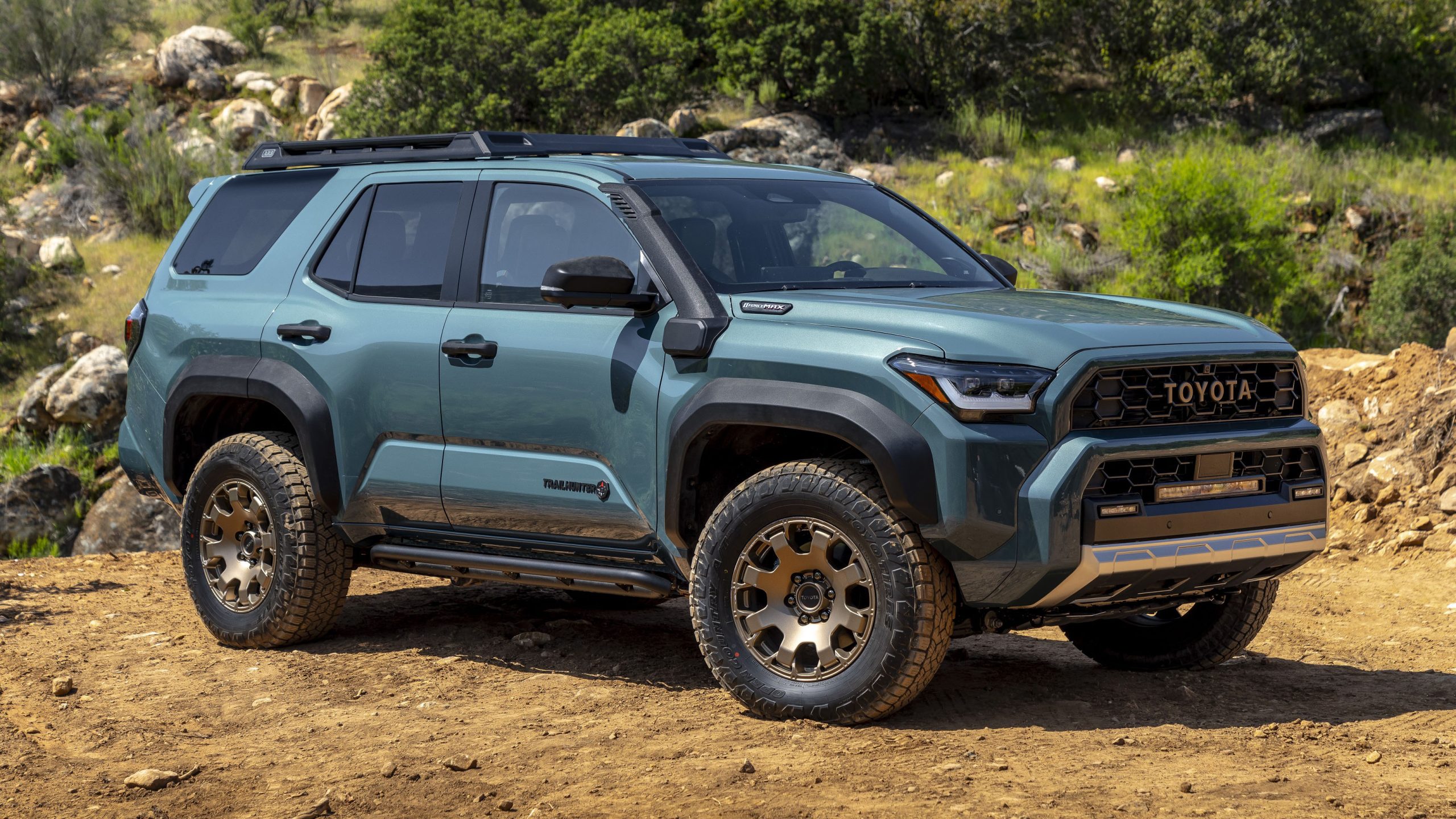
The Jeep Wrangler Rubicon is designed for extreme off-road performance, making it ideal for Bozeman’s diverse outdoor terrain. Built with front and rear locking differentials, a disconnecting sway bar, and a short wheelbase, the Rubicon excels at technical rock crawling and narrow mountain passes where larger vehicles struggle.
Factory-equipped features like the Rock-Trac 4×4 system, heavy-duty Dana 44 axles, skid plates, and rock rails provide unmatched traction, durability, and protection on challenging trails. Low-speed control is enhanced by a 4:1 low-range transfer case, allowing precise navigation over obstacles.
For those seeking additional power, the Rubicon 392 with its 6.4-liter V8 offers high-speed performance for desert runs or steep climbs. Removable doors and roof give drivers open-air freedom to enjoy Montana’s scenery.
Tru-Lok locking differentials and Rock-Trac 4×4 ensure wheels maintain traction on slippery or uneven terrain. The electronic sway bar disconnect improves wheel articulation, keeping tires in contact with the ground on steep inclines.
Heavy-duty components like Dana 44 axles and skid plates protect the undercarriage while tackling rugged trails. The available V8 engine delivers thrilling power, and the removable roof and doors enhance the adventure experience. These features make the Rubicon suitable for everything from rocky climbs in Hyalite Canyon to snowy passes in the Bridger Mountains.
While the two-door Rubicon offers agility and off-road capability, it has limitations on paved roads and for daily usability. Cargo space is small, highway handling can feel unstable due to the short wheelbase, and the eight-speed automatic transmission favors off-road control over smooth on-road shifts.
The steering has a pronounced dead spot, cabin noise is higher than modern vehicles, and fuel economy is average. These factors make the two-door version more of a recreational vehicle than a practical everyday SUV. For those needing more space and usability, the four-door version is a better choice.
The Wrangler is not just a vehicle; it is a lifestyle statement. Owners enjoy a sense of freedom, community, and adventure, with waves from fellow Jeep drivers and a connection to the brand’s historic ruggedness.
Its charm lies in its character, classic proportions, and the immersive experience it provides on and off the road. Driving a Wrangler Rubicon is an event, whether tackling trails or cruising through town. It appeals to a wide range of enthusiasts, offering both technical capability and pure joy.
The Jeep Wrangler Rubicon blends legendary off-road performance with a distinctive personality. Its combination of capability, design, and adventurous spirit makes it a standout choice for exploring Montana’s wilderness.
3. Ford Bronco Sasquatch Package: Rugged Capability for Montana Adventures
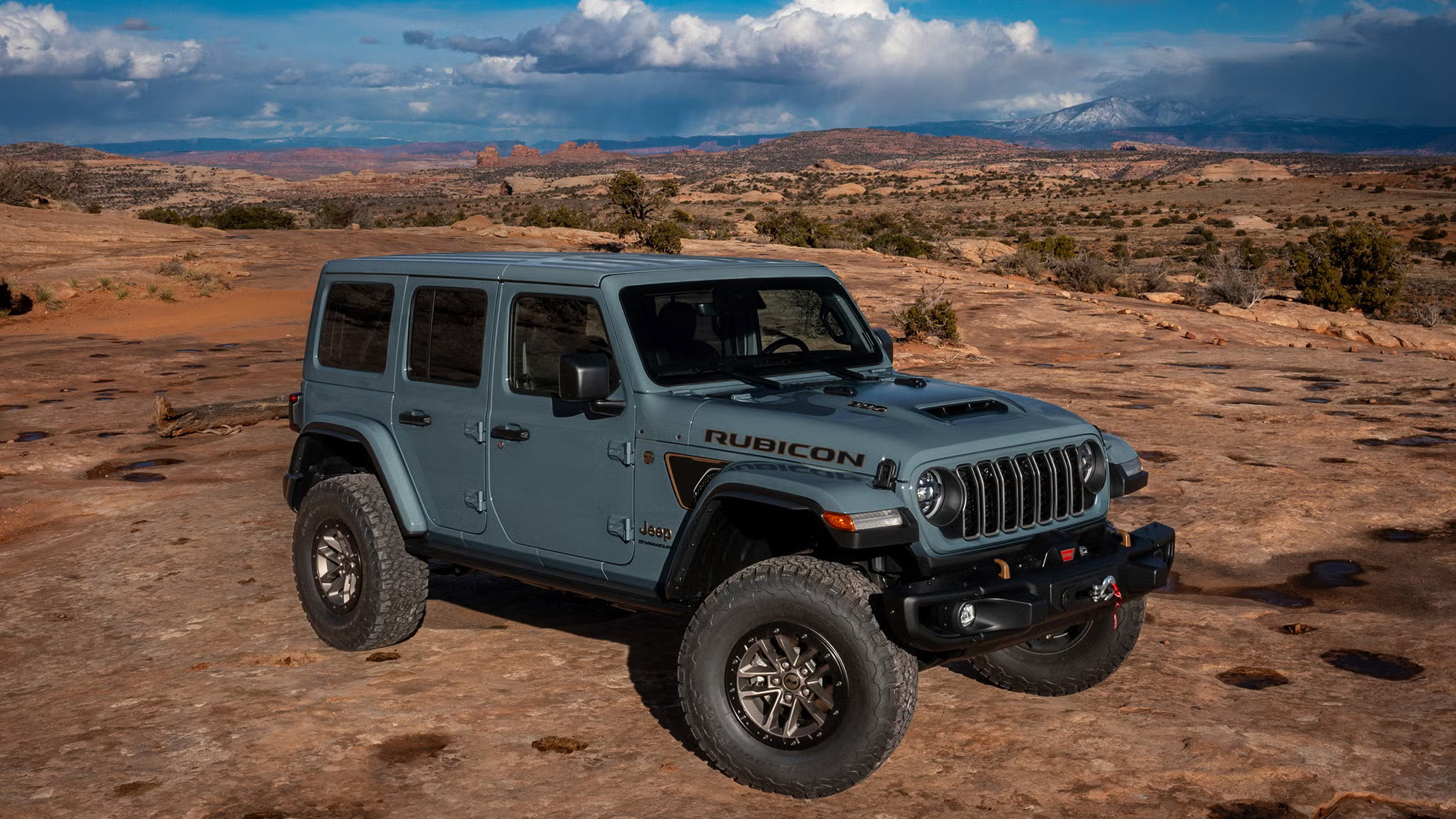
The Ford Bronco with the Sasquatch Package is built for the rugged terrain of the West and perfectly suited for Bozeman weekends. With 35-inch mud-terrain tires, beadlock-capable wheels, and 13.1 inches of ground clearance, it can handle heavy payloads such as camping gear or roof tents without compromising trail performance.
The package enhances off-road capability through locking front and rear differentials, improved suspension, and terrain-specific driving modes, allowing drivers to confidently tackle Montana’s rocky trails, snowy passes, and muddy backroads.
The Bronco Sasquatch Package delivers superior traction and articulation. Massive tires and high clearance allow it to clear obstacles and deep ruts. Electronic-locking differentials ensure that power reaches the wheels with grip, while Bilstein position-sensitive dampers and the high-clearance suspension smooth out bumpy trails, reducing driver fatigue.
The Terrain Management System, also called G.O.A.T. Modes, adjusts for sand, mud, snow, and rock crawling, optimizing performance for diverse conditions. High-clearance fender flares accommodate the large tires and give the vehicle an aggressive stance that reflects its capabilities.
The Bronco allows access to remote trailheads, making it ideal for hiking, fishing, and camping trips. Its systems and tires provide all-season performance, handling summer dirt roads as well as unexpected Montana snowfalls.
From Big Sky country’s rocky paths to forested trails, the Sasquatch Package equips drivers with confidence in tackling challenging terrain. Its 2.7-liter V6 engine, 850mm wading depth, and rugged construction ensure it remains a reliable and enjoyable off-road companion.
The Bronco excels off-road with extreme capability, rugged design, and a practical, durable interior. Features such as removable tops and doors, a large 12-inch SYNC 4 touchscreen, wireless Apple CarPlay and Android Auto, and Co-Pilot360 safety aids enhance usability and comfort.
On-road, it is surprisingly agile compared to competitors like the Wrangler, with decent power from the 2.7L V6. However, aggressive tires and soft suspension contribute to road noise and body sway. High stance and design create blind spots in urban environments, and interior space feels smaller than expected.
The Ford Bronco Sasquatch Package combines iconic styling, modern technology, and extreme off-road capability. It is an ideal choice for adventure seekers in Bozeman, providing the tools to explore challenging trails while delivering a confident and engaging driving experience both on and off-road.
4. Toyota Tacoma Trailhunter: The Overlanding Pickup for Montana
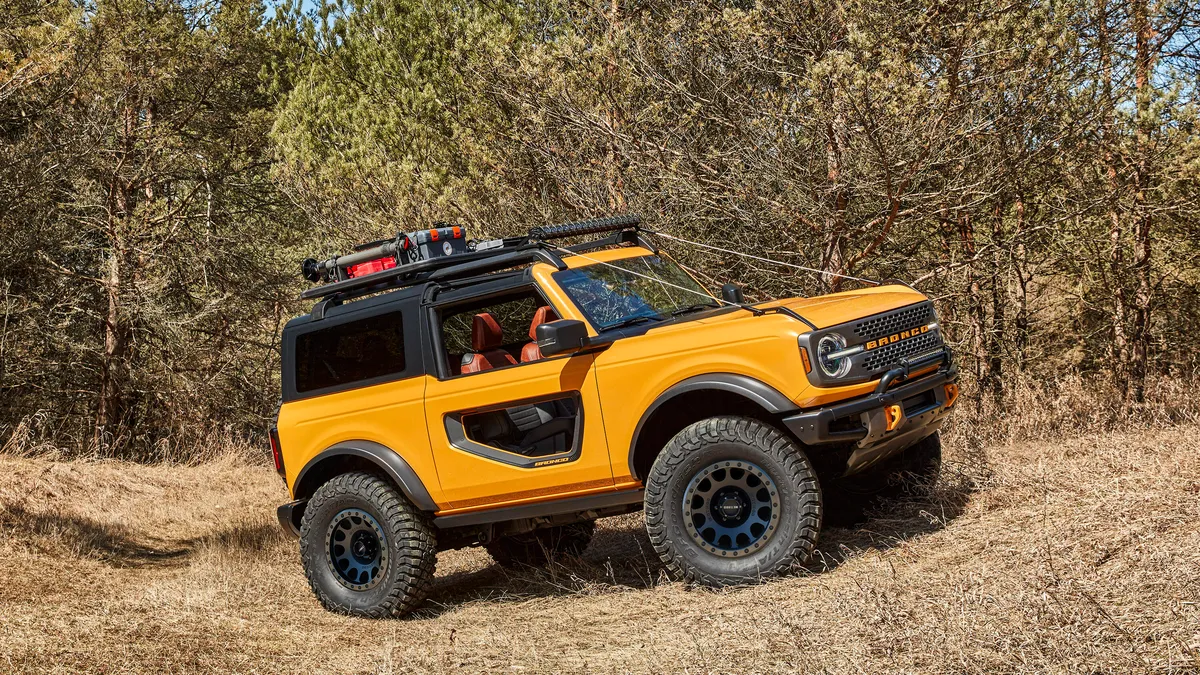
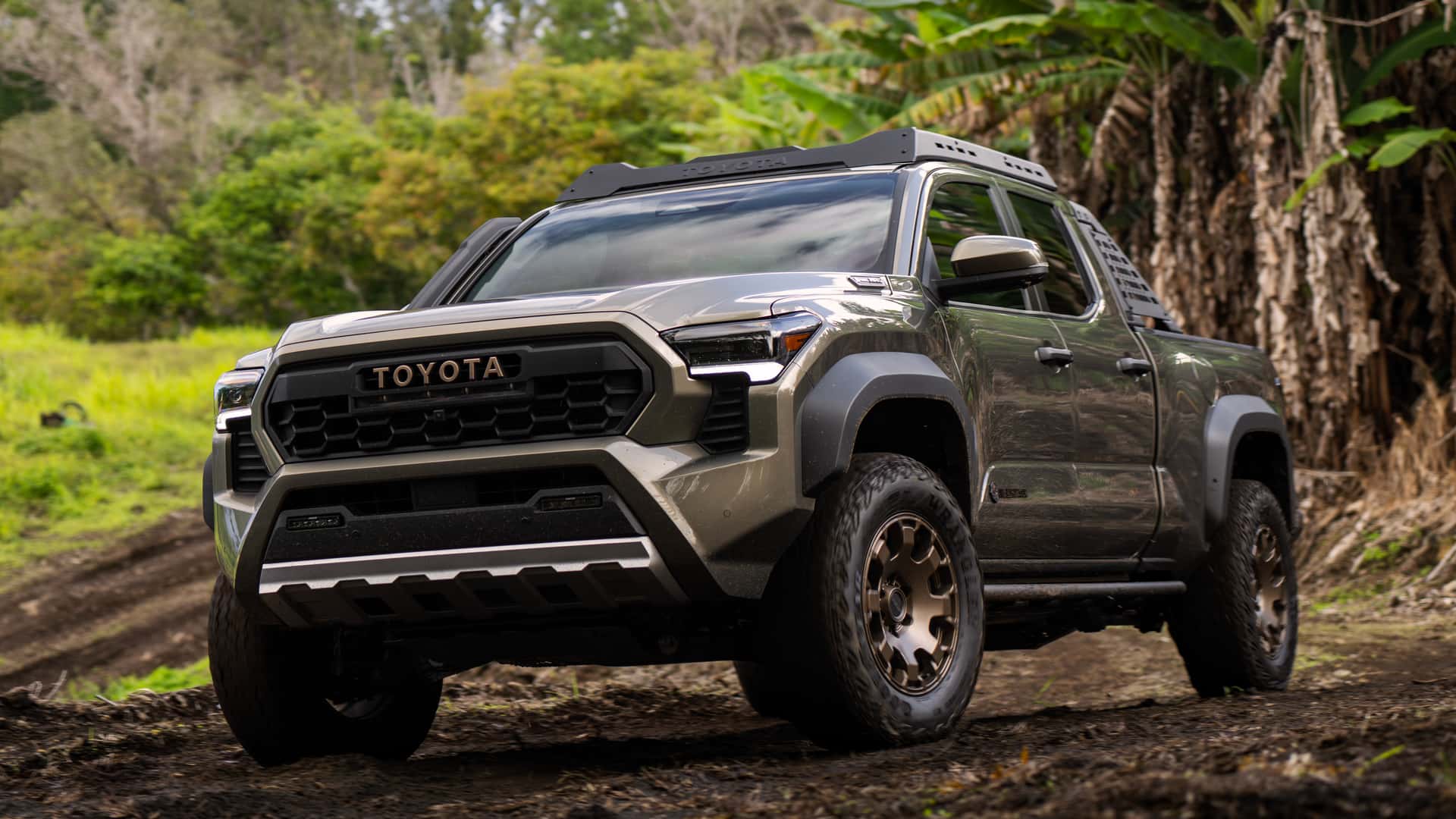
The 2025 Toyota Tacoma Trailhunter is purpose-built for overlanding and multi-day outdoor adventures, making it an excellent choice for Bozeman weekends. Factory-equipped for rugged backcountry exploration, it comes with upgraded bumpers, heavy-duty skid plates, rock rails, a snorkel, and a robust ARB/Old Man Emu (OME) suspension.
These features allow the Trailhunter to handle Montana’s rocky trails, forest paths, and water crossings with ease while carrying camping gear, roof tents, and other equipment.
The Trailhunter’s suspension uses OME monotube shocks with a 2-inch front and 1.5-inch rear lift, providing stability, comfort, and load-carrying capacity on rough terrain. Electronic features such as CRAWL Control, Multi-Terrain Select (MTS), and a rear locker optimize traction and control over challenging obstacles.
A raised air intake (snorkel) and high-clearance bumper allow for deeper water crossings and better obstacle navigation. The truck rides on 33-inch Goodyear Wrangler Territory RT tires mounted on bronze alloy wheels, offering both grip and clearance for technical trails.
The Trailhunter is designed for remote camping and gear management. A 2400W AC inverter powers electronics at the campsite, with outlets in both the cab and bed.
An onboard air compressor allows tire inflation or other tasks, and MOLLE panels on doors and the center console provide organized storage for tools and gear. A removable, rechargeable JBL FLEX speaker ensures portable audio for outdoor enjoyment.
The Tacoma Trailhunter includes a Multi-Terrain Monitor for obstacle awareness and Toyota Safety Sense 3.0 for safety. Its i-FORCE MAX hybrid powertrain delivers strong torque for climbing, towing, and off-road control.
Compared to the TRD Pro, the Trailhunter offers a more forgiving suspension setup, enhancing comfort over deep ruts and broken pavement. Inside, the interior features Mineral SofTex upholstery and slate-composite dashboard materials that feel high-quality and durable, with a less aggressive aesthetic than the TRD Pro.
While the Trailhunter is highly capable off-road, it is expensive, with a base price around $65,500. Rear-seat legroom is limited, and acceleration is moderate, making it less sporty than some competitors. The truck is sizable, requiring adaptation on narrow trails or roads, but it remains maneuverable and well-balanced for technical driving.
The Toyota Tacoma Trailhunter combines factory-built overlanding capability with comfort, modern technology, and utility. It minimizes the need for aftermarket modifications, offering a ready-to-go package for exploring Montana’s backcountry with confidence, style, and reliability.
5. Ineos Grenadier: Purpose-Built Utility for Extreme Adventures
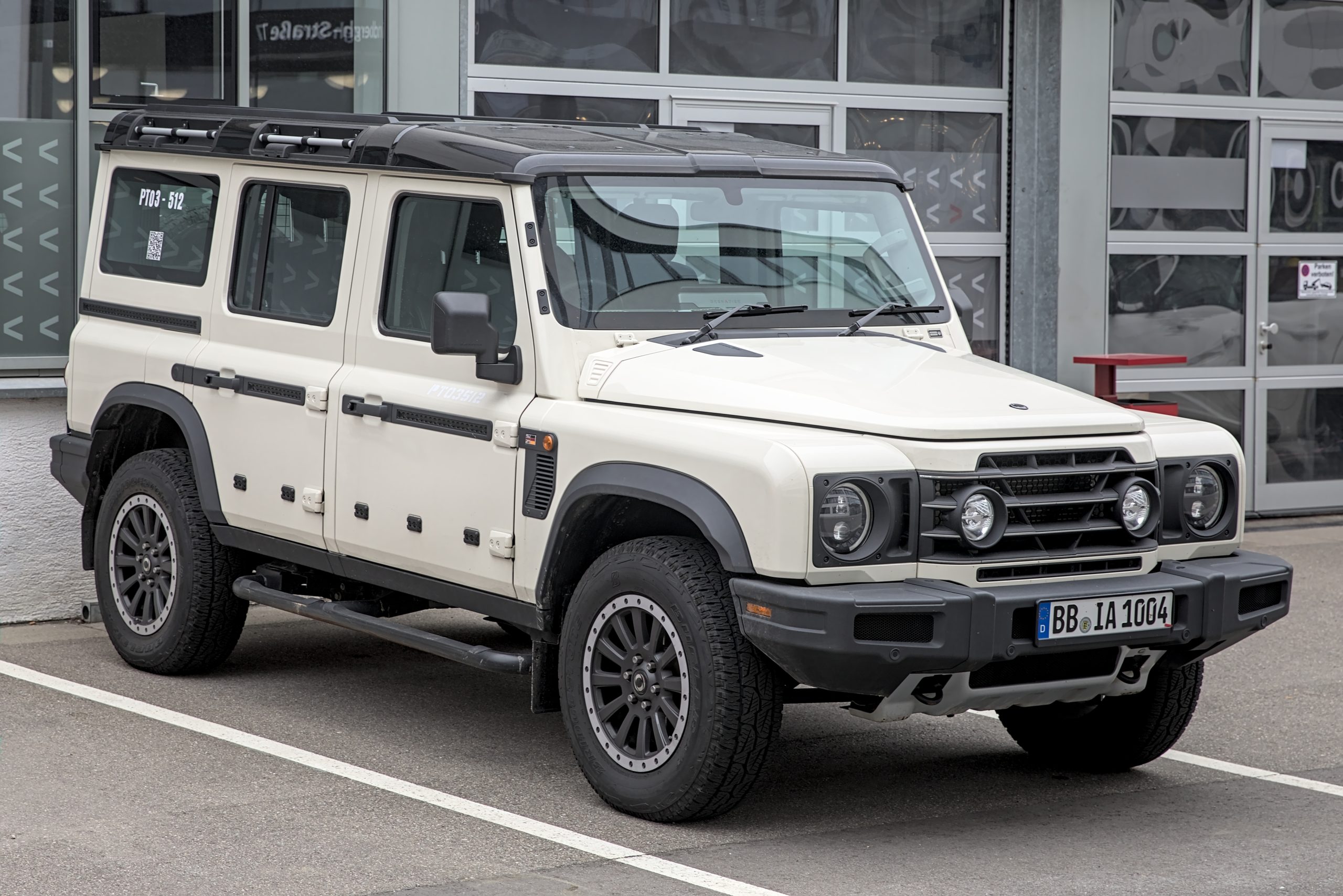
The Ineos Grenadier is a rugged, utilitarian 4×4 designed as the spiritual successor to the original Land Rover, built for harsh environments and off-road reliability.
With a galvanized steel body, ladder frame chassis, permanent four-wheel drive, and high ground clearance, it is engineered to tackle Montana’s toughest trails, hauling gear, and reaching remote campsites, fishing spots, or ski areas where conventional vehicles struggle.
Its BMW-sourced inline-six engines, both petrol and diesel, deliver ample torque for hauling up to 7,700 pounds, while a heavy-duty suspension and optional locking differentials ensure traction over rocks, mud, and steep inclines.
The Grenadier is built for extreme terrain, featuring skid plates, reinforced underbody protection, and a water-crossing mode. Its coilover suspension with beam axles maximizes articulation, while BFGoodrich KO2 tires and steel wheels provide grip and durability.
The split tailgate, roof ladder, and optional utility rails enhance practicality for overlanding or transporting bulky gear. The vehicle’s boxy design optimizes interior space and minimizes overhangs, aiding maneuverability off-road. The manually adjustable two-speed transfer case and electronically actuated diff locks add versatility for technical trails.
The Grenadier embraces simplicity and fitness for purpose, prioritizing function over luxury. Its exterior design is unapologetically utilitarian, with flat front wings, circular lights, and optional auxiliary mounting points for lighting and accessories. Interior materials are robust, designed for durability rather than luxury.
Optional Quartermaster pickup and Station Wagon variants cater to overlanding, while Fieldmaster and Trialmaster trims balance comfort and off-road capability, including snorkels and locking differentials.
Ineos partnered with Magna Steyr for a 1.1 million-mile development program to ensure durability, with fully e-coated steel sections, heavy-duty ZF automatic transmissions, and BMW engines tuned for reliability. The Grenadier’s chassis and suspension can withstand punishing environments, while its robust design supports heavy loads and challenging terrain over long distances.
Priced higher than initially projected, the Grenadier starts around £76,000, reflecting its engineering and global ambition. It is not designed as a city SUV, school-run vehicle, or luxury crossover; it is intended for adventurers who value durability, capability, and reliability over comfort or style.
The Ineos Grenadier combines uncompromising engineering, classic utility design, and high off-road capability, making it an ideal partner for Montana’s rugged outdoors. It excels in extreme conditions while remaining durable and versatile, offering a modern interpretation of a workhorse 4×4 for adventure enthusiasts.
Also Read: 5 Cars for Boston Tight Streets and 5 That Don’t Fit City Parking
5 That Break on Trails
1. Range Rover Velar: Luxury Comfort at the Expense of Extreme Off-Road Reliability
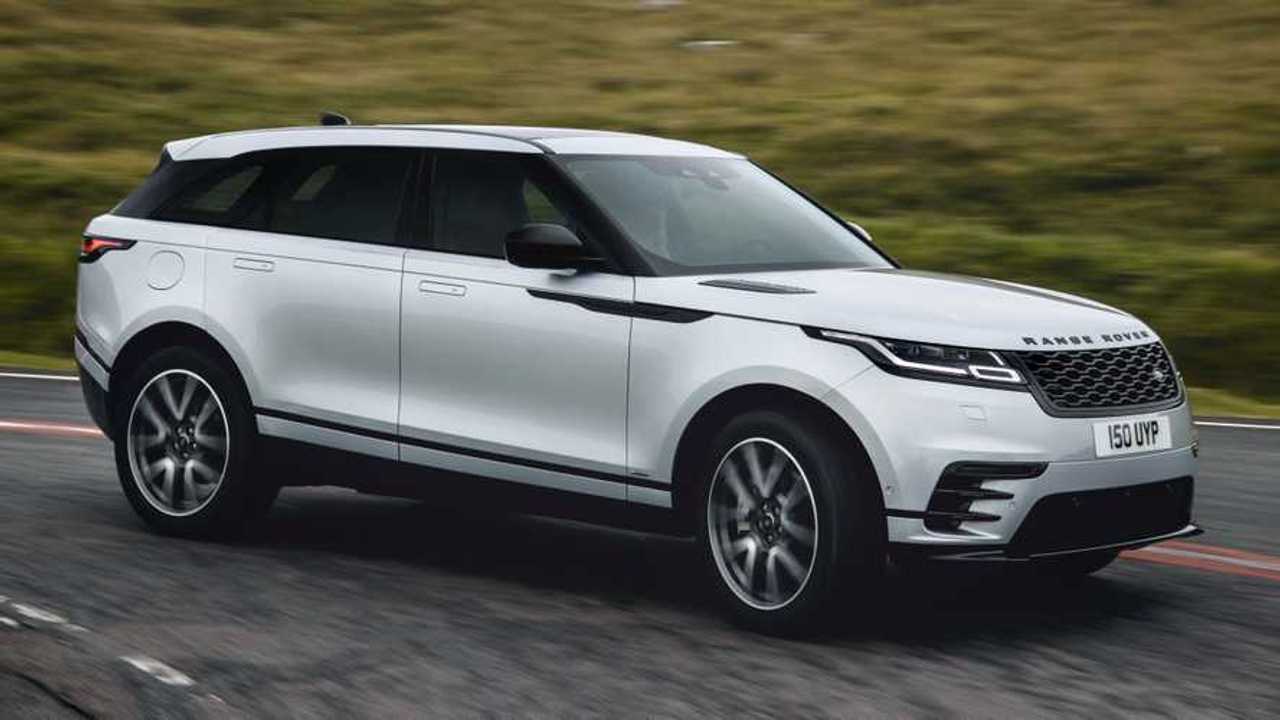
The Range Rover Velar is a stylish, comfortable luxury SUV, but it is not designed for Montana’s most demanding backcountry trails. While it carries a prestigious badge, its complex electronics, turbo systems, and air suspension can fail under extreme stress, making it a risky choice for remote or technical terrain.
Reports of electrical issues, turbo assembly failures, and timing chain problems highlight the potential for breakdowns when the vehicle is pushed beyond mild off-road conditions.
The Velar lacks low-range gearing, which restricts torque multiplication for steep climbs and technical sections. Its reliance on Terrain Response and air suspension helps in moderate conditions but introduces complexity and potential failure points.
Deep ruts, rocky paths, and extreme articulation put additional strain on suspension components, differentials, and drivetrain systems, making prolonged off-roading a liability.
For mild trails, snowy roads, wet grass, or dirt paths, the Velar performs competently. Standard all-wheel drive and Terrain Response modes allow it to navigate gravel, mud ruts, and snow with relative ease, and air suspension improves comfort and ground clearance where available.
Bozeman’s rugged trails with steep inclines and technical obstacles exceed the Velar’s intended capabilities, meaning this luxury SUV is best reserved for reaching trailheads rather than tackling hardcore backcountry terrain.
2. Mercedes-Benz GLE: Luxury SUV with Trail Limitations
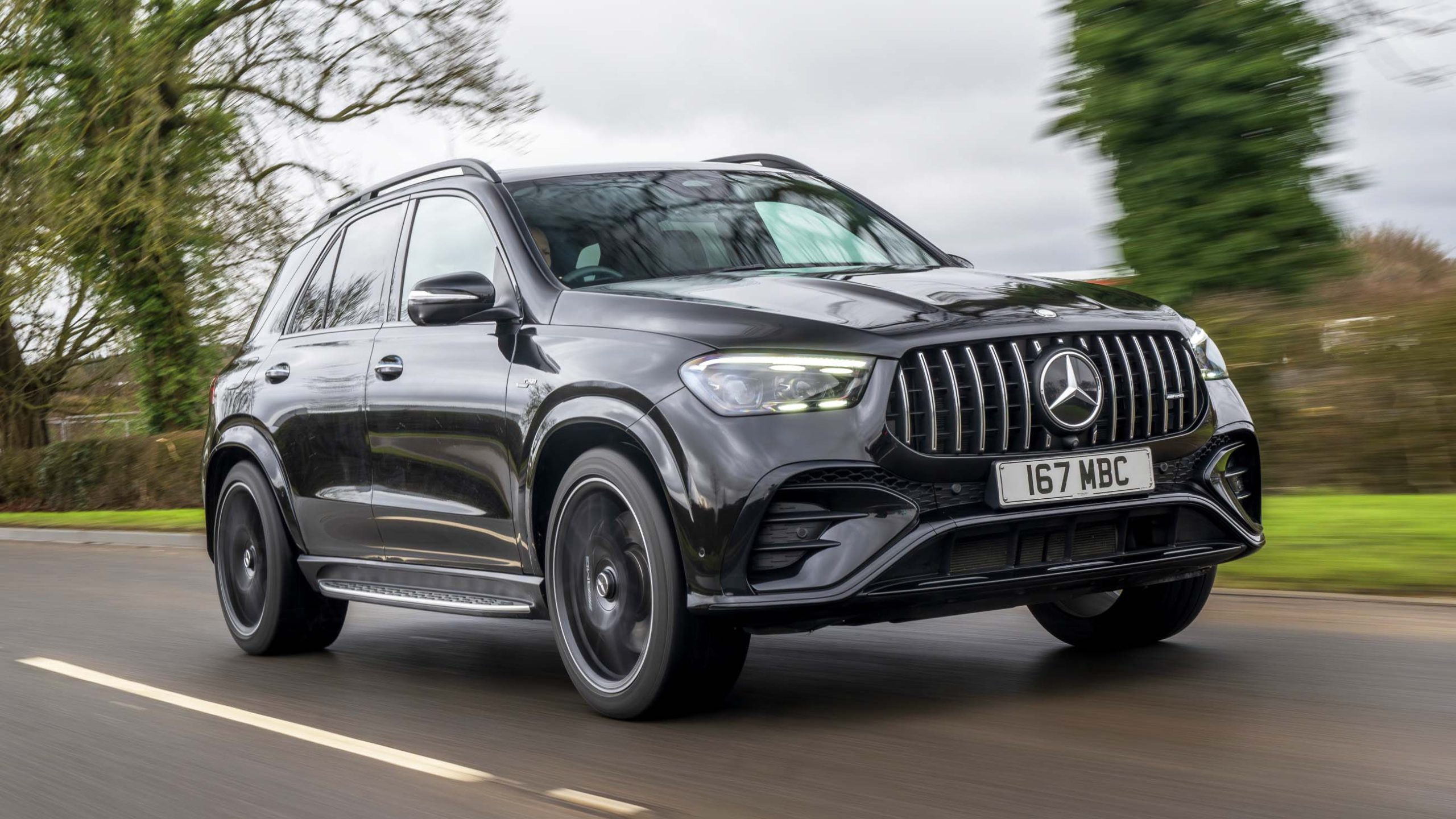
The 2025 Mercedes-Benz GLE offers a premium driving experience, but it is not built for extreme off-roading like a G-Class or dedicated 4×4. Its sophisticated air suspension, advanced electronics, and sensor systems, while enhancing comfort, can struggle on rugged trails, leading some owners to perceive malfunctions.
In Bozeman’s rocky, snowy, and uneven terrain, these systems are prone to stress, though the vehicle generally remains operational.
Drivers often report lurching or jerking caused by the auto-park or brake-hold systems, especially on inclines. Overly sensitive front sensors can trigger unexpected braking in wet or slushy conditions, creating confusion.
Anti-rollback features may cause hesitation when shifting from Park to Drive, which can feel like a breakdown. Many issues stem from misaligned expectations: the GLE is designed for comfort and mild off-road use, not for technical trails or rock crawling.
Understanding the GLE’s electronic aids and engaging off-road or low-range modes (if equipped) helps mitigate perceived issues. Regular maintenance ensures complex suspension and sensor systems operate correctly.
While capable on gravel, snow, or moderate dirt roads, pushing the GLE beyond its design limits may stress electronics and suspension, making it less suited for Montana’s most demanding backcountry trails.
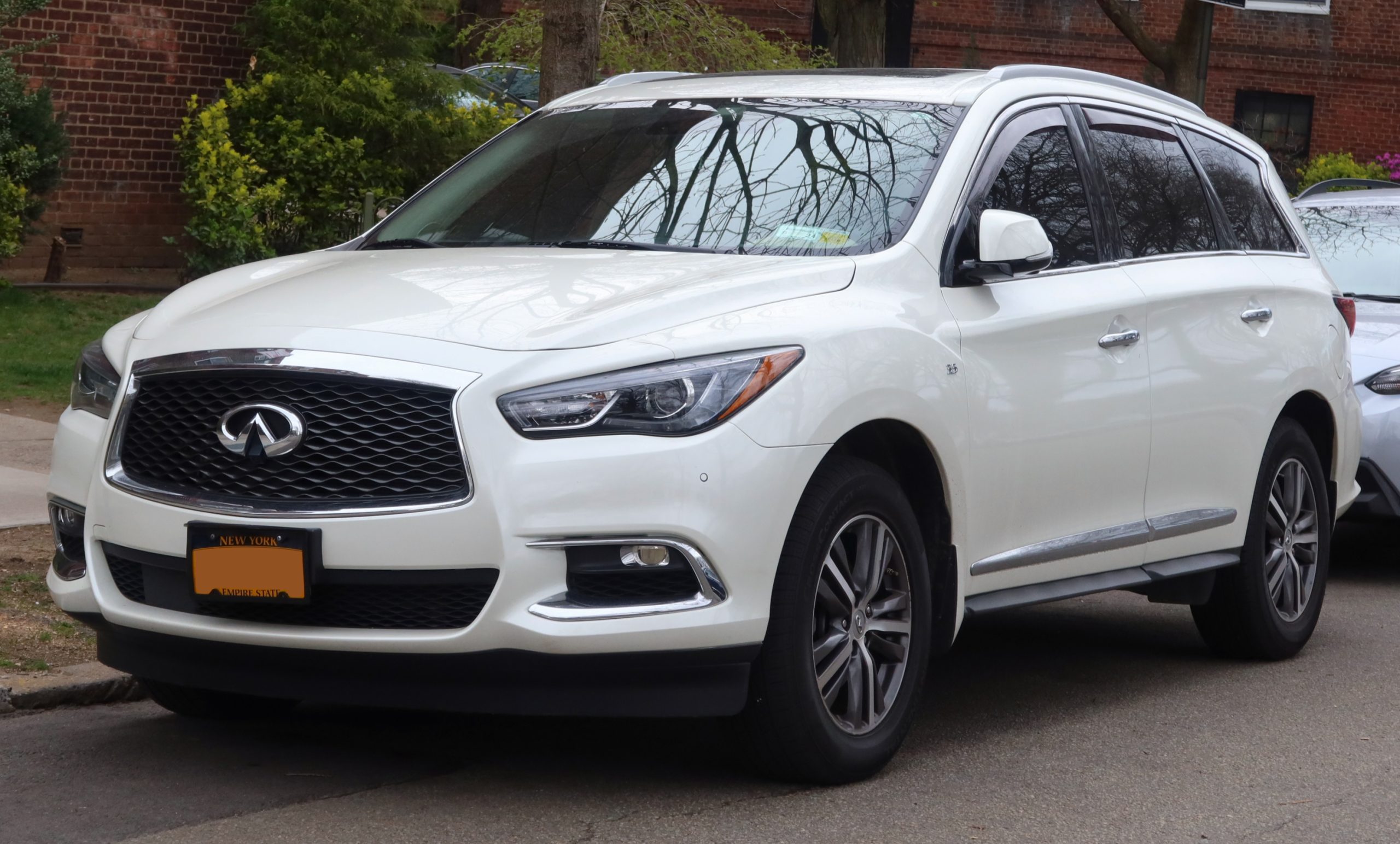
3. Infiniti QX60: Luxury Comfort, Not Off-Road Toughness
The 2025 Infiniti QX60, now powered by a 2.0-liter VC-Turbo engine, has faced documented bearing failures and recalls, highlighting durability concerns. While designed for smooth rides, technology, and passenger comfort, it is not built for rugged off-road use.
Attempting Bozeman’s challenging trails can strain its suspension, undercarriage, AWD system, and tires, often leading to component failures or costly repairs.
As a three-row luxury crossover, the QX60 lacks the ground clearance, low-range gearing, and locking differentials of true 4×4 vehicles. Its AWD system provides traction on paved or mildly rough roads but cannot handle steep, technical climbs or deep articulation.
Standard all-season tires are prone to punctures and offer limited grip on rocks, mud, or loose dirt. Sensitive electronics and luxury components are also vulnerable to jarring and flexing, making mechanical failures more likely.
Drivers may experience suspension damage, driveshaft or transmission failures, underbody scrapes, or tire punctures. Even getting stuck or losing traction can overstress the AWD system.
Bozeman’s rugged terrain, from the Bridger-Teton to Gallatin National Forest, often exceeds the QX60’s intended capabilities. For enthusiasts seeking backcountry adventure, this luxury SUV is better suited for reaching trailheads than tackling serious off-road challenges.
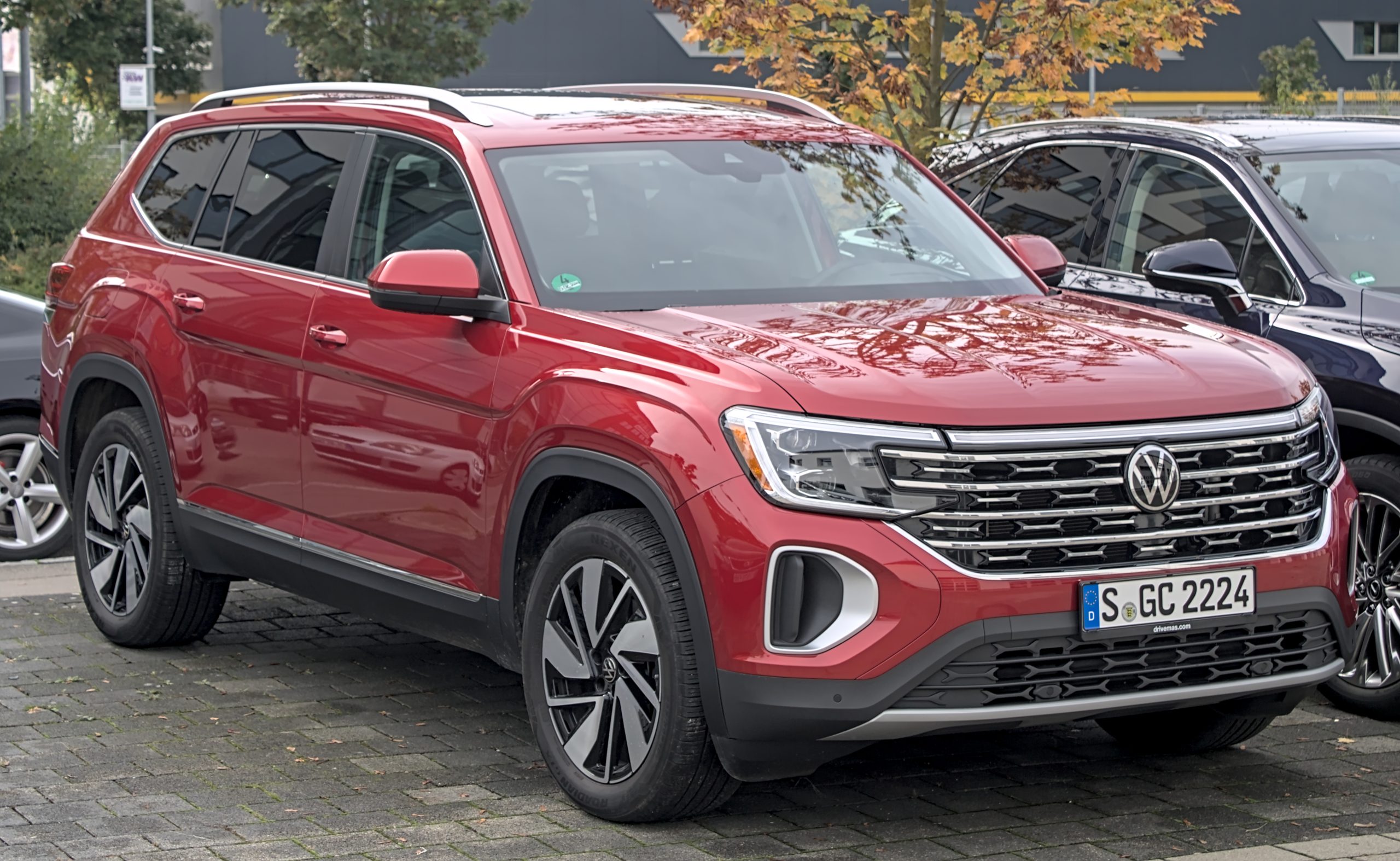
4. Volkswagen Atlas: Family SUV Struggling Off-Road
The Volkswagen Atlas is a spacious, family-oriented SUV praised for its interior comfort but plagued by mechanical issues such as transmission slipping, engine cooling problems, and brake system failures. While marketed with features like 4Motion AWD and Off-Road modes, it is primarily designed for suburban and light adventure driving, not extreme trails.
Atlas vehicles face challenges on steep, rocky, or uneven terrain around Bozeman due to limited ground clearance and suspension travel. Electronic AWD systems provide traction on slippery surfaces but lack low-range gearing and locking differentials, reducing effectiveness on technical inclines.
Brake components, including pads, often wear prematurely or fail under heavy trail stress, and driver-assistance systems like automatic emergency braking can misinterpret obstacles, causing sudden stops or sensor errors.
Owners report undercarriage scraping, uneven tire wear, and noise from tire cupping when traversing rough terrain. Sudden braking events, faulty brake pads, and software glitches further compromise reliability on backcountry roads.
While the Atlas can handle light dirt roads or snowy passes, it is not built for sustained off-road use. Bozeman’s rugged trails often exceed the Atlas’s mechanical and electronic capabilities, making it prone to performance issues or potential breakdowns when pushed beyond its intended comfort-focused design.
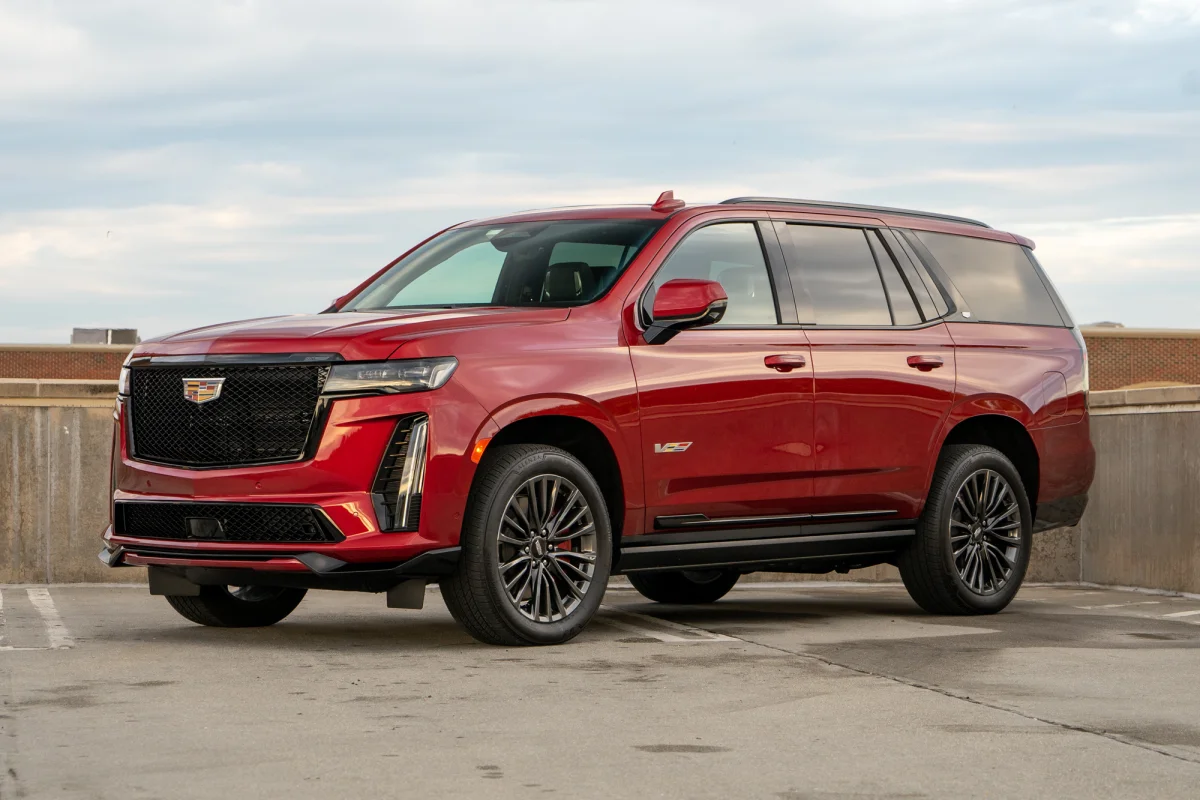
5. Cadillac Escalade: Luxury SUV Unsuited for Rugged Trails
The Cadillac Escalade, powered by a 6.2-liter V8 paired with a 10-speed automatic, is built for highway comfort and road presence rather than serious off-roading. Its history of lifter and cam failures, combined with massive weight, makes it poorly suited for the low-speed, high-torque demands of Bozeman’s rugged terrain.
Escalades have low ground clearance relative to their size, making underbody scraping on rocks and ruts common. Their soft, comfort-oriented suspension struggles with large impacts and uneven surfaces, while street-focused tires provide limited grip and durability on dirt or rocky trails.
Complex electronics and luxury components, such as air suspension and sensors, are vulnerable to damage when exposed to jarring off-road conditions. Drivers may overestimate the Escalade’s capability, assuming its 4WD/AWD systems are sufficient for extreme trails.
Areas like Hyalite Canyon and the Bridger Mountains feature steep inclines, deep ruts, and rocky obstacles that quickly test vehicles. Escalades pushed beyond their design limits can experience broken control arms, damaged oil pans, tire failures, or become stuck, particularly during outdoor events where participants attempt technical trails.
While suitable for light dirt roads or snowy passes, the Escalade is ill-equipped for Montana’s challenging backcountry terrain. Using it on rugged trails risks expensive damage and mechanical failures, making it a poor choice for serious off-road adventure.
Montana’s trails demand vehicles that prioritize durability, traction, and off-road engineering rather than luxury or city-oriented comfort. The five capable vehicles, ranging from the Toyota 4Runner TRD Pro to the Ineos Grenadier, deliver confidence, practicality, and advanced off-road systems, allowing drivers to access remote trailheads, haul gear, and enjoy outdoor adventures without compromise.
In contrast, luxury-focused SUVs such as the Range Rover Velar, Mercedes-Benz GLE, or Cadillac Escalade may struggle with electronics, suspension, or drivetrain limitations, making them prone to breakdowns on technical trails. Selecting the right vehicle is about matching design and capability to terrain.
Rugged reliability ensures the journey is part of the adventure rather than a source of frustration. For anyone planning Bozeman weekends, investing in purpose-built or well-engineered off-road vehicles provides peace of mind, durability, and the freedom to explore Montana’s diverse backcountry with confidence.
Also Read: 10 Cars That Look Stunning But Disappoint True Enthusiasts