
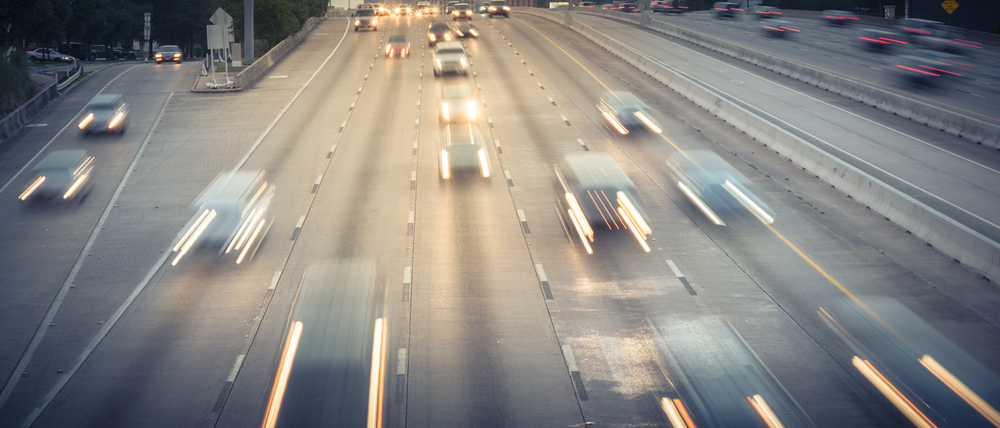
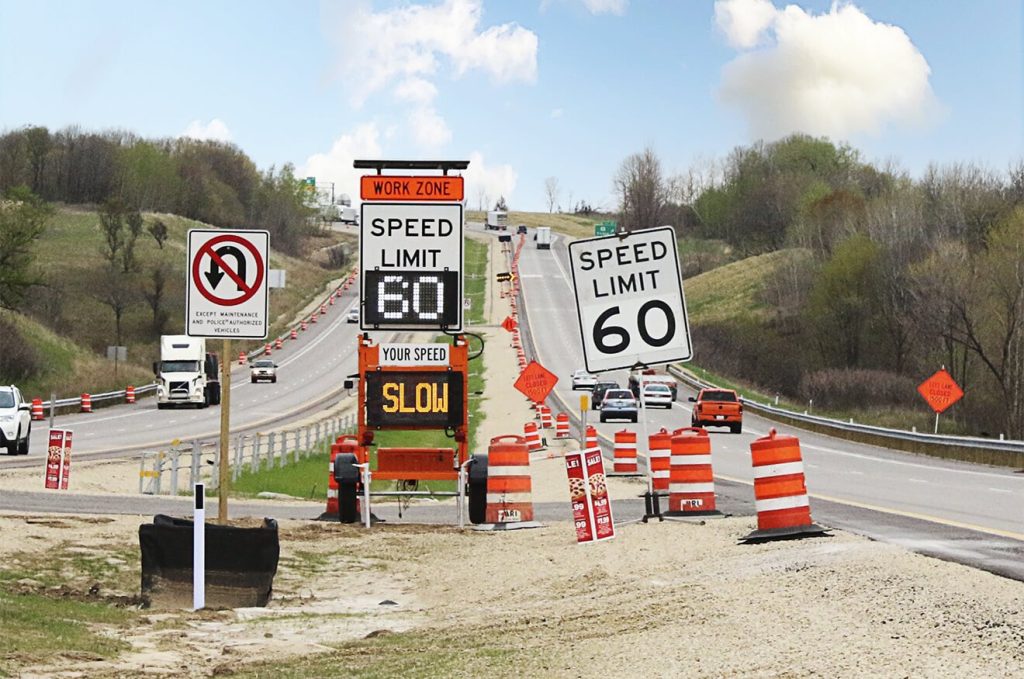
Texas is beginning to deploy digital speed limit signs that can adjust instantly based on weather, traffic flow, and roadway hazards, with updated rules already in effect on select highways.
Speed limits across Texas highways are entering a new era of flexibility. In an effort to improve safety and better reflect real-world driving conditions, state officials are expanding the use of variable speed limits.
This change is aimed at making roads more adaptive to weather events, congestion, and unexpected hazards, addressing concerns that traditional fixed limits may fall short during dangerous situations.
While the concept of variable speed limits has existed elsewhere for years, Texas only recently cleared the legal path to adopt it.
Lawmakers approved the use of digital speed limit signs two years ago, allowing posted speeds to fluctuate based on conditions. After an initial pilot program, drivers throughout the state will now begin encountering these signs more regularly.
Momentum for the change traces back to a catastrophic multi-vehicle crash on I-35W during a severe winter storm. Even though freezing temperatures had persisted for more than a day and a half, posted speed limits remained at 75 mph in toll lanes and 65 mph in the general lanes.
Many drivers failed to slow adequately, contributing to a massive 133-vehicle pileup that claimed six lives. The tragedy became a defining moment and ultimately led to the passage of legislation in 2023 authorizing variable speed limits statewide.
State Representative Terry Canales, who sponsored the bill, has argued that the ability to adjust speed limits dynamically might have reduced the severity of the crash.
If we’re not able to alter or modify the speed limit to reflect the current conditions, safety is in jeopardy. With that reasoning now embedded in law, Texas is moving forward with broader deployment of the technology.
The Texas Department of Transportation (TxDOT) has been granted authority to temporarily lower posted speed limits whenever conditions warrant it. These situations can include adverse weather, traffic congestion, construction zones, or any circumstance that compromises safe travel.
However, there are safeguards in place. Speed reductions are limited to a maximum of 10 mph, meaning a highway posted at 70 mph can only be reduced to 60 mph rather than dramatically slowed.
The first installations will appear on highways already tied into the state’s Intelligent Transportation System. This network relies on sensors and cameras to track traffic and environmental conditions, enabling officials to confirm hazards, record when speed changes are made, and restore normal limits once conditions improve.
For motorists, the rule is straightforward: obey the number currently displayed on the sign. The active speed limit is whatever is shown at that moment. While some may worry this creates an ideal setup for speed enforcement, the system doesn’t appear to function that way.
Speed changes are enforceable only when posted on an active digital sign, overhead gantry, or electronic message board, giving drivers clear notice of the current limit as they pass through.
Also Read: Top 10 Used Jaguar Models That Won’t Ruin You With Repairs
