
As electric vehicles (EVs) continue to proliferate across the U.S. automotive market, affordability remains a central concern for many buyers. While EVs once carried premiums far above their gas-powered counterparts, competition and technological advancements are driving prices down.
By 2026, a growing number of electric models will offer compelling value with accessible starting prices, practical range estimates for daily driving, and the modern connectivity and safety features drivers expect.
For families, commuters, and first-time EV buyers alike, understanding the most affordable EV options can make the transition to electric power more attainable.
Below, we highlight the 12 most affordable electric cars available in the U.S. in 2026. These vehicles span a range of body styles and sizes, from compact city runabouts to small SUVs, yet they share a focus on everyday usability and lower price tags.
In each case, affordability doesn’t come at the expense of essential performance or modern convenience features, making these EVs attractive choices for cost-conscious shoppers ready to take the leap into electrified driving.
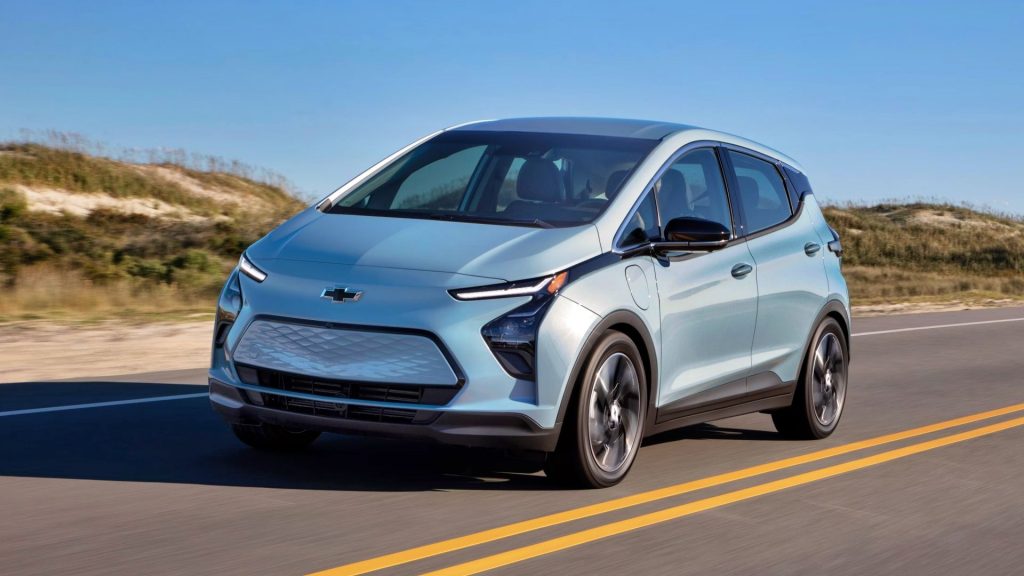
1. Chevrolet Bolt EV
The Chevrolet Bolt EV has long been one of the most wallet-friendly electric cars in the United States, and it continues that tradition into the 2026 model year. With a compact footprint and spacious interior that defies its size, the Bolt remains a practical choice for city dwellers and commuters.
Although smaller than many newer EV crossovers, its range, typically well over 200 miles per charge, keeps it competitive.
With federal tax incentives potentially available depending on eligibility and dealership pricing strategies, the Bolt EV often represents one of the lowest entry points into electric driving on the market.
2. Nissan Leaf
One of the pioneers of the mainstream EV movement, the Nissan Leaf remains relevant thanks to its affordability and proven reliability. The 2026 Leaf continues to offer a base model with a modest range tailored to everyday commuting, while long-range variants provide expanded capability for longer trips.
Its cabin focuses on simplicity and comfort, making it an appealing choice for buyers who prioritize practicality. The Leaf’s continued presence in the market provides a solid benchmark for affordable electric motoring.
The Nissan Leaf is a front-wheel-drive hatchback, and its mechanical setup reflects its role as an affordable, urban-focused EV.
The base Leaf S is equipped with a 147-horsepower electric motor paired with a 40.0-kWh battery pack, figures that feel modest by current electric vehicle standards. Stepping up to the Leaf SV Plus brings a noticeable upgrade, adding a stronger 214-horsepower motor along with a larger 62.0-kWh battery.
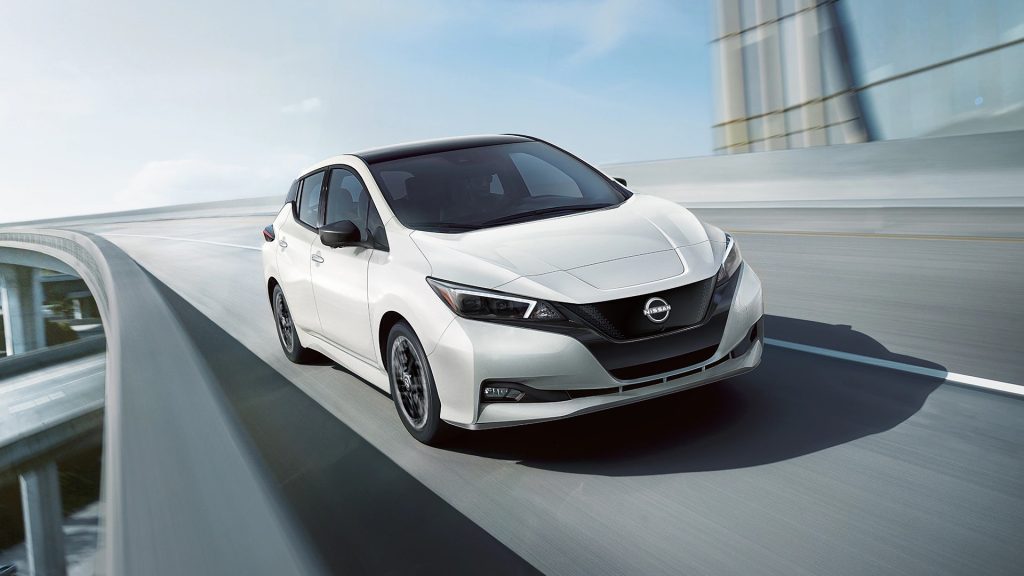
In performance testing, the standard Leaf S recorded a 0–60 mph time of 7.4 seconds at our test track. While that number doesn’t sound especially quick, the car feels livelier in everyday driving thanks to the instant torque delivery typical of electric motors.
Even so, it still trails competitors such as the Chevrolet Bolt EV and the Tesla Model 3 in outright acceleration. The more powerful Plus model should improve on these figures, though final confirmation will have to wait until we’re able to put one through the same testing.
One of the Leaf’s standout features is its e-Pedal system, which allows drivers to switch between different regenerative braking modes.
One setting lets the car coast freely when the accelerator is released, while another increases regenerative braking, slowing the vehicle more aggressively when you lift off the pedal and sending that recovered energy back into the battery.
Also Read: Top 10 Used Jaguar Models That Won’t Ruin You With Repairs
3. Mini Cooper SE
The Mini Cooper SE is a stylish and fun-to-drive option among affordable EVs, bringing the brand’s signature go-kart handling to electrified propulsion.
With a compact design perfect for urban environments, it offers a comfortable interior and a driving experience that’s more engaging than many entry-level EV competitors.
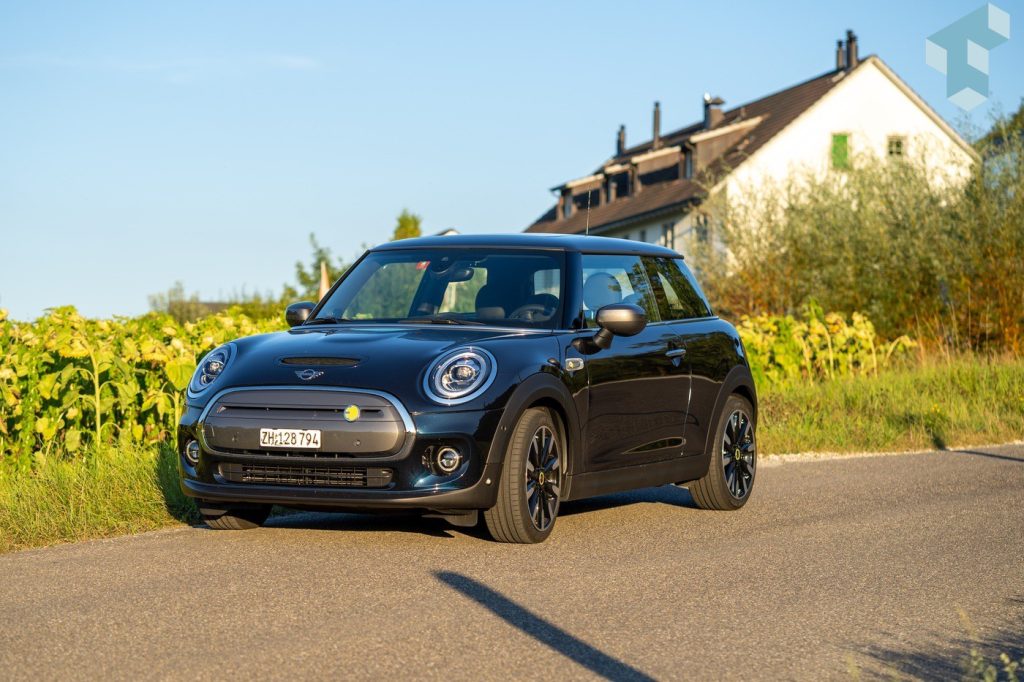
While its range may not compete with larger models, it’s more than adequate for city commutes and weekend errands, all at a price point that keeps it within reach of budget-minded buyers in 2026.
4. Hyundai Kona Electric
The Hyundai Kona Electric continues to balance practicality, range, and price as an affordable small SUV in the EV space. With a range well over 250 miles, it serves both daily commuting needs and longer drives without frequent charging stops.
Its higher seating position and SUV-like shape make it appealing to buyers who want electric driving with added versatility. The Kona Electric’s blend of value, efficiency, and usability keeps it among the top choices for affordable EV ownership.
The subcompact Hyundai Kona SUV has proven to be a strong foundation for electrification, and the 2022 Kona Electric preserves nearly everything that makes the gasoline-powered version appealing.
In place of a traditional four-cylinder engine, the electric Kona uses a 201-horsepower electric motor, paired with a sizable battery that delivers an estimated driving range of up to 258 miles on a full charge.
That figure is especially important in today’s competitive EV market, where range remains a primary deciding factor for buyers. For context, Chevrolet’s Bolt EUV is rated at roughly 250 miles of range, while the Tesla Model Y can travel as far as 326 miles between charges.
Beyond its respectable range estimate, the Kona Electric stands out with its lively acceleration, nimble handling, and one of the most generous standard warranties and complimentary maintenance programs in the segment.
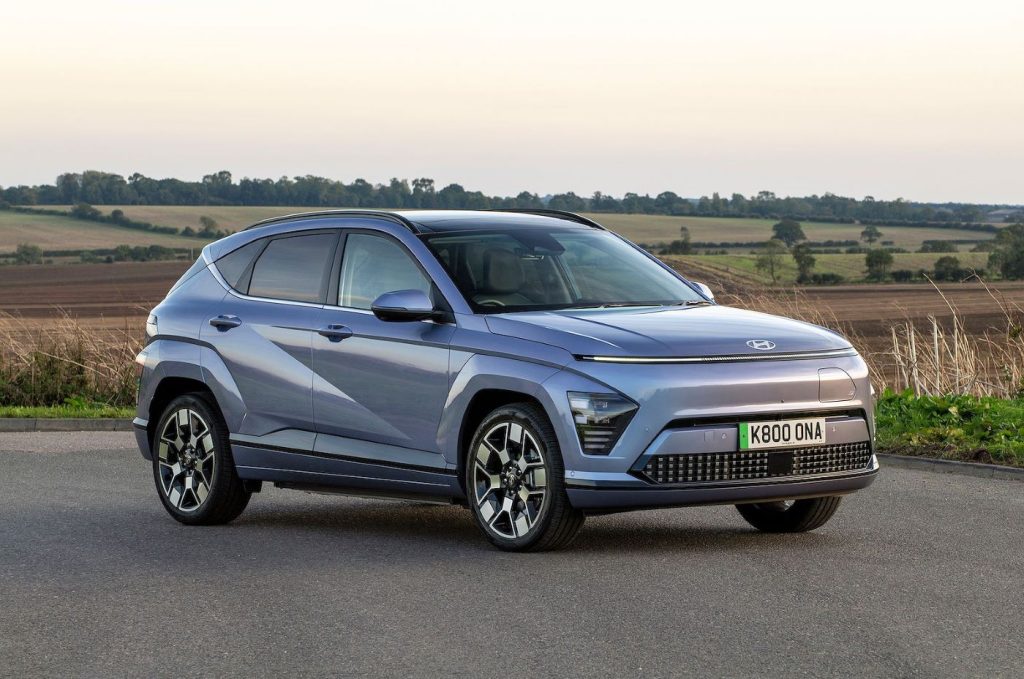
For the 2022 model year, the Kona Electric receives a series of visual and interior updates. Revised front and rear bumpers, fresh wheel designs, and subtle cabin changes help modernize the look. Inside, a 10.3-inch digital gauge cluster is now standard equipment.
Pricing for the 2022 Hyundai Kona Electric starts at $35,295 and climbs to $43,795 depending on trim level and options. The SEL represents the best overall value, especially when equipped with the optional Convenience package.
While the SEL is already well equipped, that package adds features many buyers will appreciate, including a sunroof, a wireless smartphone charging pad, and heated front seats, making it a smart balance of price and amenities.
Powering the Kona Electric is a single 201-horsepower electric motor that drives the front wheels; all-wheel drive is not available. Energy comes from a 64.0-kWh battery pack.
In testing, the Kona Electric accelerated from zero to 60 mph in 6.4 seconds, making it 0.2 second quicker than the gasoline-powered Kona. As with its conventional sibling, the electric version delivers lively and engaging driving dynamics, which makes it enjoyable on winding two-lane roads.
While it doesn’t aim to deliver sports-car levels of excitement, the Kona Electric is genuinely fun to drive for a subcompact SUV.
It remains composed and comfortable at highway speeds, and the battery’s placement low in the floor helps give the vehicle a low center of gravity. That added mass down low contributes to a planted, confident feel on the road, reinforcing the Kona Electric’s well-rounded nature as a practical yet engaging EV.
5. Kia Niro EV
Much like its corporate cousin the Kona Electric, the Kia Niro EV offers compelling value for buyers seeking a spacious small SUV form factor with electric propulsion.
With generous interior space, practical cargo capacity, and a comfortable ride quality, the Niro EV is well-suited to families and daily commuters alike. Its range closely matches that of the Kona Electric, and combined with competitive pricing, it holds strong appeal in the affordable EV segment.
The Niro EV feels lively enough in everyday driving, especially around town. Its electric motor delivers smooth, responsive power when called upon, and the accelerator is well calibrated, avoiding the overly jumpy feel that some EVs suffer from.
The Niro EV recorded a 0–60 mph time of 7.1 seconds, which is right in line with others in its class. Braking performance is solid as well, with a firm, reassuring pedal and adjustable one-pedal driving that lets regenerative braking do much of the work, reducing how often you need to touch the brake pedal.
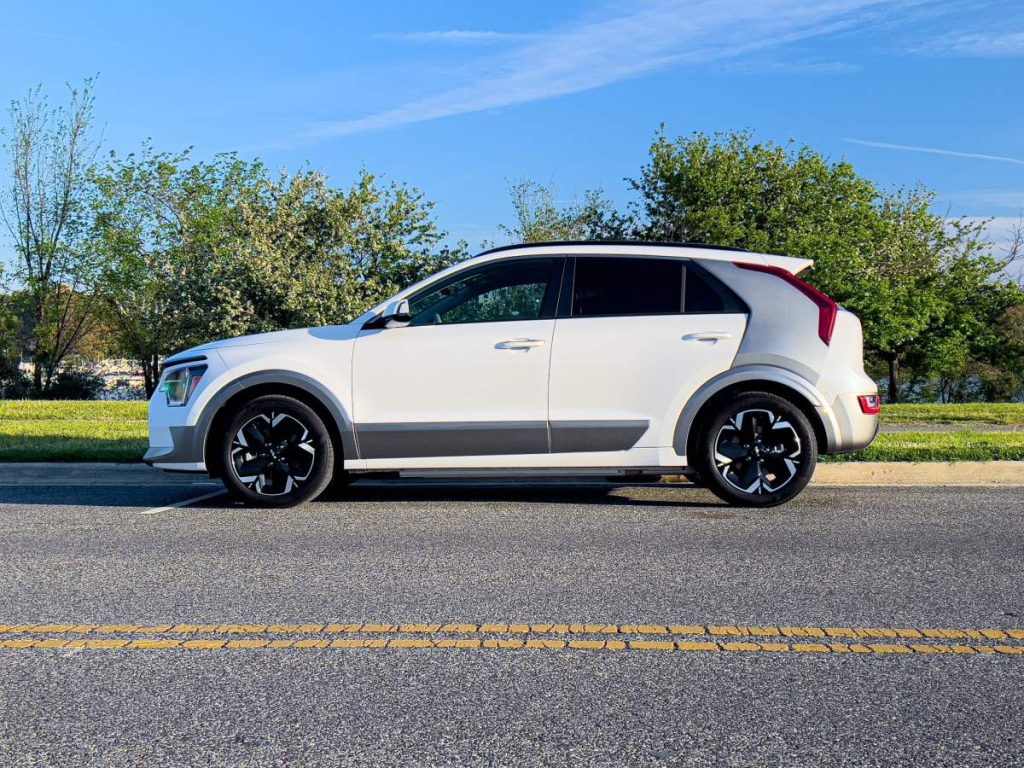
That said, the Niro EV isn’t trying to be a sporty crossover. Its suspension is clearly set up with comfort in mind rather than aggressive cornering. While it feels stable and confident on the road, overall grip levels are modest, so it doesn’t encourage spirited driving through tight bends.
Pricing places the Niro EV slightly above its closest mainstream competitors, though it remains more affordable than higher-end electric crossovers such as the Hyundai Ioniq 5, Kia EV6, and Ford Mustang Mach-E.
The upside is that Kia includes a generous amount of standard equipment, and higher trims add features that can cost significantly more on rival EVs.
Inside, the cabin is attractive and thoughtfully laid out, even if it stops short of feeling truly premium. Build quality impressed during testing, with materials that feel durable and well assembled.
One of the Niro EV’s strongest selling points is its warranty coverage. Kia backs the vehicle with a class-leading 10-year/100,000-mile warranty for both the powertrain and the battery, offering long-term peace of mind that few competitors can match.
6. Volkswagen ID.4 Standard Range
The Volkswagen ID.4 helped establish the brand’s modern EV lineup in the U.S., and the standard-range version continues to be one of the more affordable ways to enter the VW electric ecosystem.
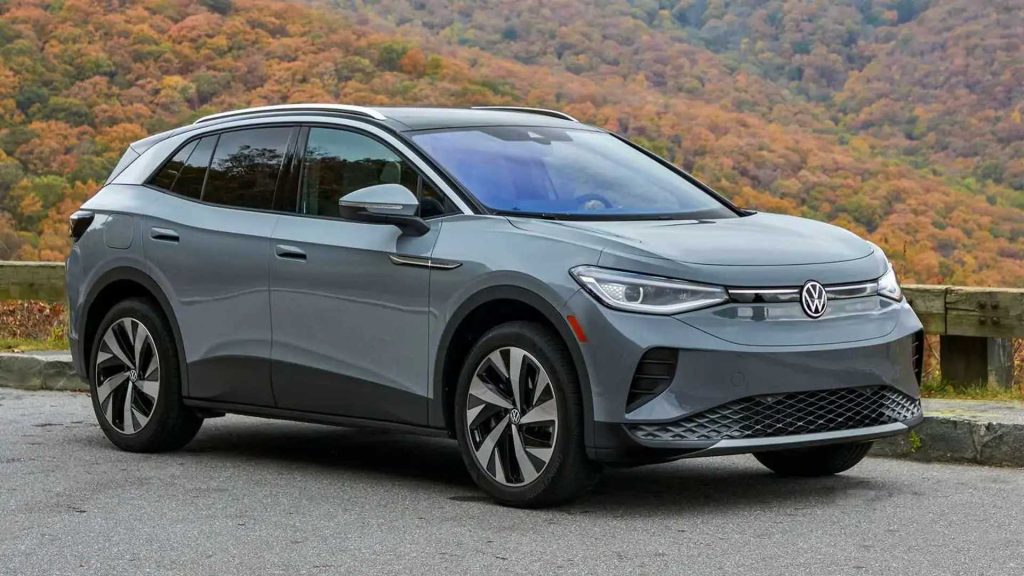
With SUV practicality and a comfortable interior, the ID.4 delivers a versatile package for 2026 buyers. While its range is competitive rather than class-leading, the ID.4’s overall value, especially considering its standard tech features, makes it a sensible choice for budget-conscious EV buyers.
7. Ford Mustang Mach-E Select
When it initially arrived, the Mustang Mach-E turned heads as a sporty electric SUV. For 2026, the Select trim remains the most affordable way into Mustang-branded electric driving, blending usable range and everyday performance with a sharp appearance.
While higher trims add luxury and performance features, the base Mach-E Select offers ample capability and modern tech at a price point that broadens its appeal. Its crossover format also provides practicality for families and commuters alike.
The Mach-E lives up to the performance expectations that come with the Mustang name. A single-motor, rear-wheel-drive Mach-E accelerated from 0 to 60 mph in 6.5 seconds, while the dual-motor all-wheel-drive version completed the same sprint in a brisk 5.2 seconds.
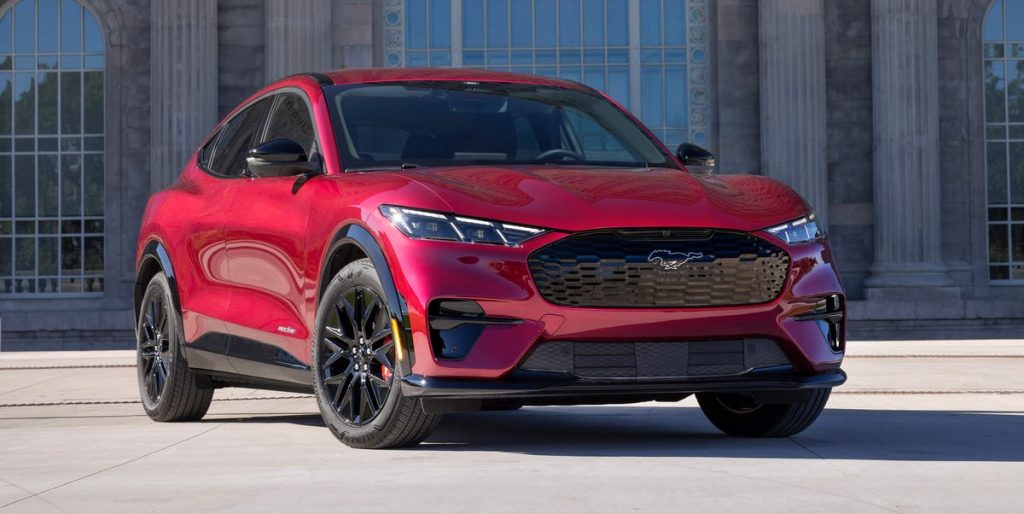
Although a handful of competing electric vehicles are slightly quicker, the Mach-E still feels satisfyingly fast overall and provides more than enough power for relaxed, confident driving. It’s also engaging on winding roads, though pushing harder exposes noticeable body roll during enthusiastic cornering.
In everyday use, the Mach-E offers a generally smooth and refined driving experience. The regenerative braking system is well tuned and supports one-pedal driving, allowing the vehicle to slow all the way to a stop simply by lifting off the accelerator.
The main compromise comes in ride quality, as the suspension can feel busy and somewhat firm over uneven or damaged pavement. While it never becomes truly uncomfortable, several rival EVs do a better job of smoothing out bumps and rough surfaces.
Ford equips the Mach-E with an impressive array of standard driver-assistance features. Highlights include the BlueCruise system, which enables hands-free driving on certain highways and under specific conditions.
The latest version performs well overall, though it could still use refinement when it comes to lane changes. Aside from that, the adaptive cruise control operates smoothly and maintains close, consistent following distances without requiring constant brake inputs from the driver.
Also Read: Top 10 Volvos Built to Go the Distance Without Breaking a Sweat
8. Tesla Model 3 Rear-Wheel Drive
Tesla’s popular Model 3 continues to represent one of the most recognizable and desirable affordable EVs available in 2026.
The rear-wheel-drive variant remains the entry point into Tesla ownership, offering efficient performance, access to Tesla’s extensive Supercharger network, and over-the-air updates that keep the software up to date.
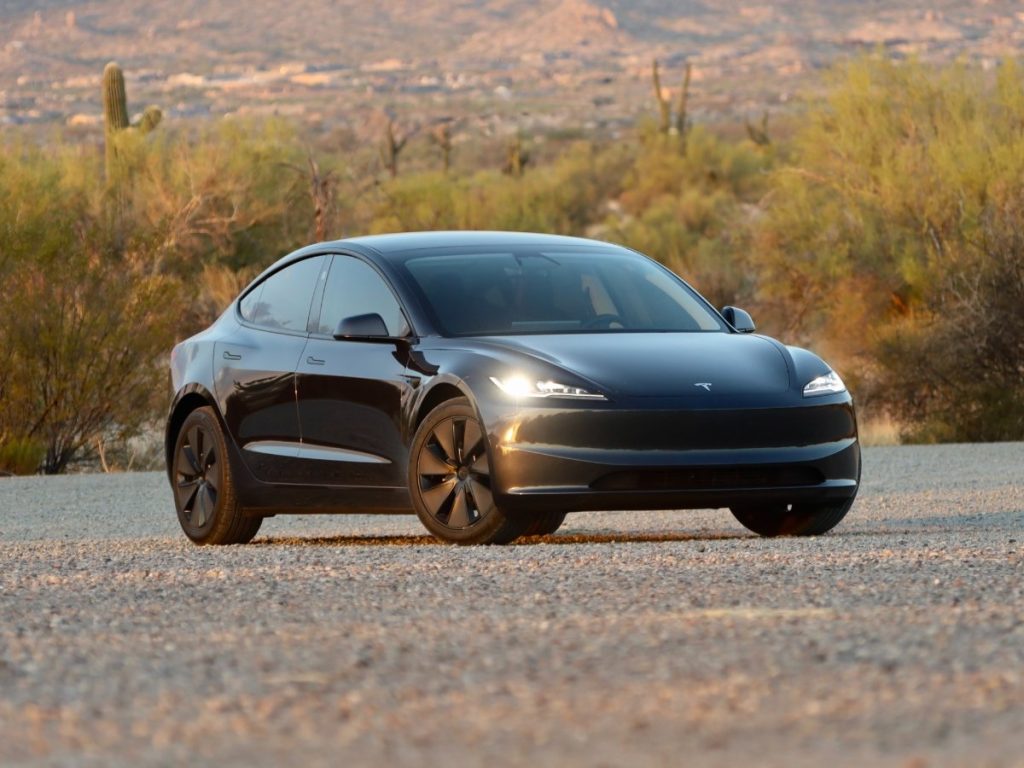
While incentives and regional pricing may influence the final cost, the Model 3’s combination of range, technology, and brand cachet keeps it firmly on the list of affordable electric cars.
9. Chevrolet Blazer EV LT
As electric SUVs grow in popularity, the Chevrolet Blazer EV brings a larger, more family-friendly alternative to compact EVs without breaking the bank. The LT trim typically represents the most accessible configuration, balancing range, practicality, and features.
While its starting price sits above some smaller EVs, the Blazer EV’s added space and utility make it an appealing choice for buyers who need a bit more room but still want an affordable electric option.
The Blazer EV RS we tested was equipped with the available dual-motor setup. On our test track, it recorded a 0-to-60 mph time of 6.2 seconds, which is fairly ordinary by modern EV standards.
That level of acceleration isn’t slow compared to a typical gas-powered SUV and provides sufficient power for daily driving, but several rival dual-motor electric SUVs feel noticeably quicker, especially when merging onto highways. Braking performance in emergency situations was also underwhelming during our evaluation.
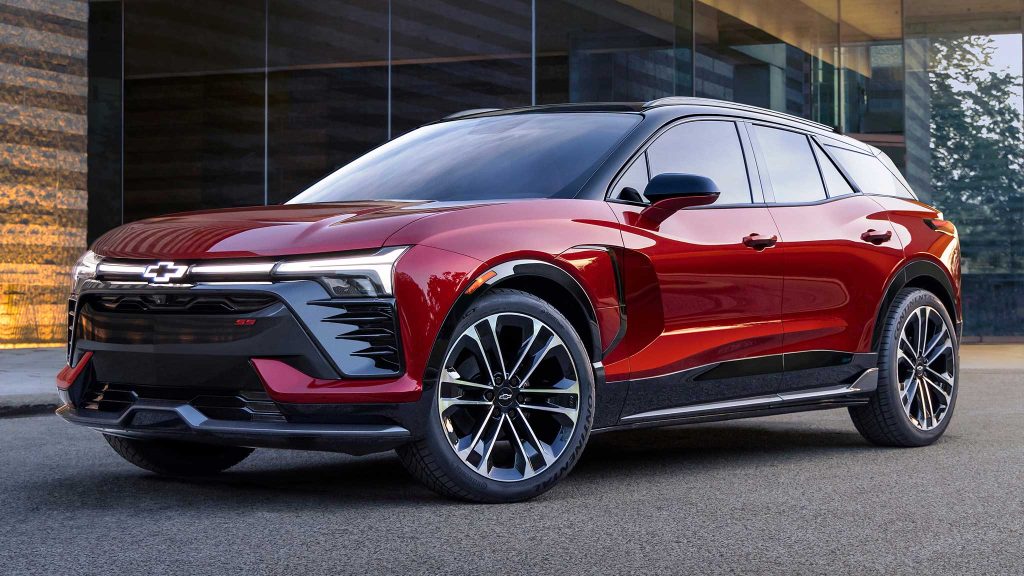
Although the Blazer EV doesn’t inspire much excitement when driven aggressively, it earns points for its approachable nature in normal driving scenarios.
The regenerative braking system is strong and can be adjusted to suit driver preference, including a one-pedal driving mode that allows the vehicle to come to a stop without using the brake pedal. Steering feel is also reasonably communicative, giving the driver a decent sense of what’s happening at the road surface.
Ride comfort is one of the Blazer EV’s strongest attributes. It absorbs bumps and rough pavement more effectively than many competitors, including well-regarded models like the Hyundai Ioniq 5. However, rearward visibility is a notable drawback.
The combination of a small rear window and thick rear roof pillars makes it difficult to see clearly out the back.
During our testing, we also encountered numerous issues with the Blazer EV’s driver-assistance systems, with frequent glitches detracting from the experience.
10. Hyundai Ioniq 5 SE Standard Range
The Hyundai Ioniq 5 redefined expectations for mainstream electric vehicles with its spacious interior, distinctive design, and solid electric range.
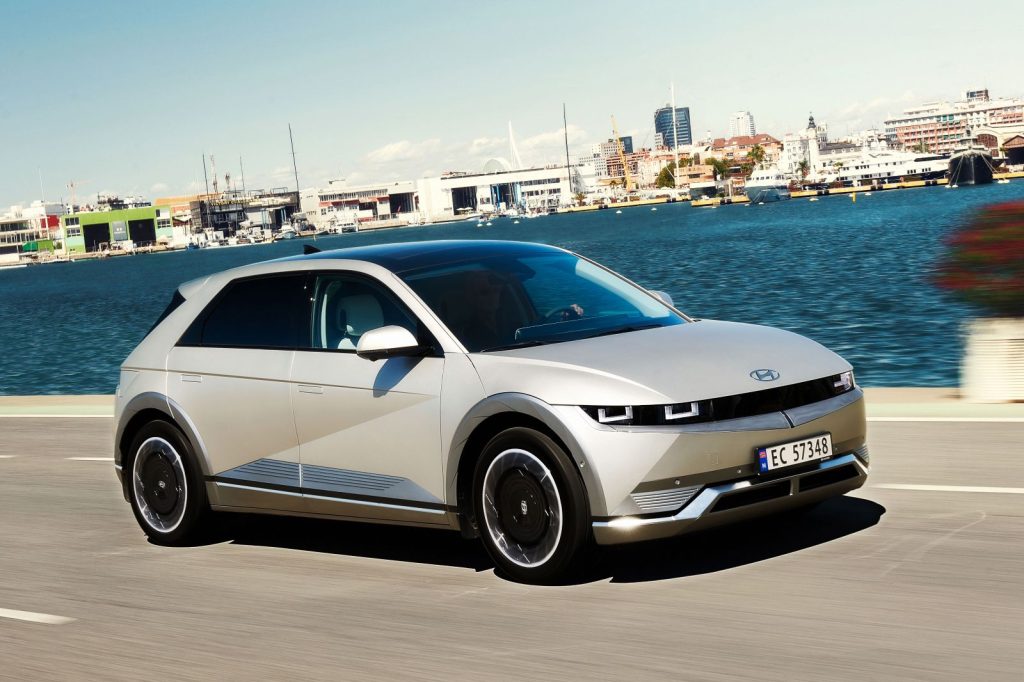
While higher trims focus on performance and premium features, the SE Standard Range model remains one of the more affordable ways to experience the Ioniq 5’s advanced platform. Its attractive blend of technology, charging speed, and daily usability keeps it competitive in 2026.
11. Kia EV6 Wind
The Kia EV6 pairs modern styling with strong efficiency and a comfortable cabin, and in the 2026 lineup, the Wind trim often represents the entry point into the EV6 range.
With a competitive range and attractive standard equipment, the EV6 Wind provides buyers with an affordable yet capable electric crossover option. Its ultra-fast charging capability for compatible networks also helps reduce long-distance anxiety for buyers on a budget.
Rear-wheel drive comes standard, while all-wheel-drive variants deliver stronger performance and can be paired with a larger battery offering up to 310 miles of estimated range.
The EV6 feels especially lively in corners for an SUV, making it genuinely entertaining on winding roads. Drivers craving maximum performance will want to look at the newly introduced GT model, whose 576 horsepower is potent enough to leave even Kia Stinger owners impressed as it pulls away with ease.
Despite its athletic nature, the EV6 remains quiet inside and offers enough interior space to comfortably compete with rivals such as the Ford Mustang Mach-E, Hyundai Ioniq 5, and Volkswagen ID.4. It stands out as one of our favorite SUVs thanks to a well-balanced blend of everyday usability, engaging performance, and solid value.
The lightning-fast GT model headlines the EV6 lineup for 2023, bringing with it a massive 576-horsepower output and an adaptive suspension system.
Complementing its performance upgrades, Kia has given the GT a more aggressive interior treatment, including sport seats and eye-catching neon green accents.
The trade-off for this added power is a notable reduction in driving range, as the GT is estimated to travel just 206 miles on a full charge, well below the 310-mile maximum range offered by the most efficient EV6 variant.
Additionally, Kia has eliminated the entry-level Light trim for 2023, making the rear-wheel-drive Wind model the new base version and increasing the starting price by $7,100.
The 2023 Kia EV6 carries a starting price of $43,925 and can climb to $62,925 depending on trim level and options.
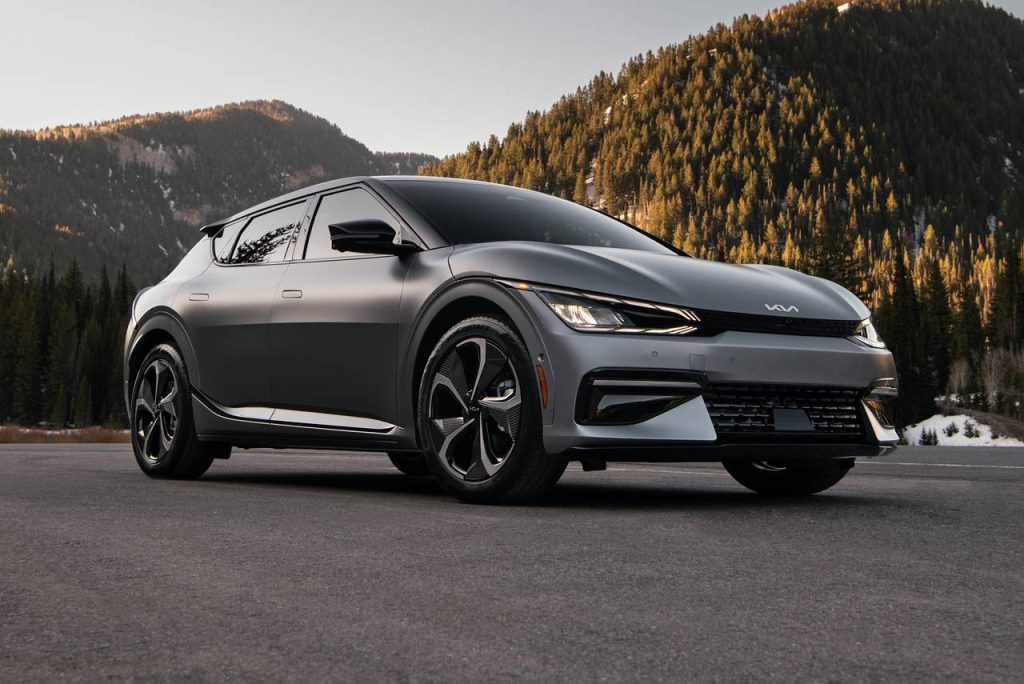
While the high-performance GT is undeniably appealing, most EV shoppers are likely to prioritize driving range rather than outright speed. For that reason, we recommend the dual-motor, all-wheel-drive Wind trim.
It strikes a strong balance by offering all-weather capability at a relatively accessible price point while producing a combined 320 horsepower, significantly more than the single-motor rear-wheel-drive version.
The EV6 lineup includes configurations with a single rear-mounted electric motor for rear-wheel drive, as well as dual-motor setups that provide all-wheel drive.
All-wheel-drive models feature a larger battery pack and offer either 320 or 576 horsepower, while the base rear-wheel-drive version produces 225 horsepower.
We sampled a GT-Line AWD model in Europe and were impressed by its quick acceleration, responsive handling, and adjustable regenerative braking system. At our test track, the 320-horsepower GT-Line AWD sprinted from zero to 60 mph in a brisk 4.5 seconds.
Choosing the rear-wheel-drive model improves driving range, though it required 6.7 seconds to reach 60 mph in our testing. For drivers focused on maximum straight-line speed, the 576-horsepower GT delivers, achieving a 0–60 mph time of just 3.2 seconds.
Sitting at the top of the EV6 range, the GT also benefits from performance-focused upgrades, including an electronic limited-slip differential, firmer chassis tuning, an adaptive suspension, and more robust braking hardware.
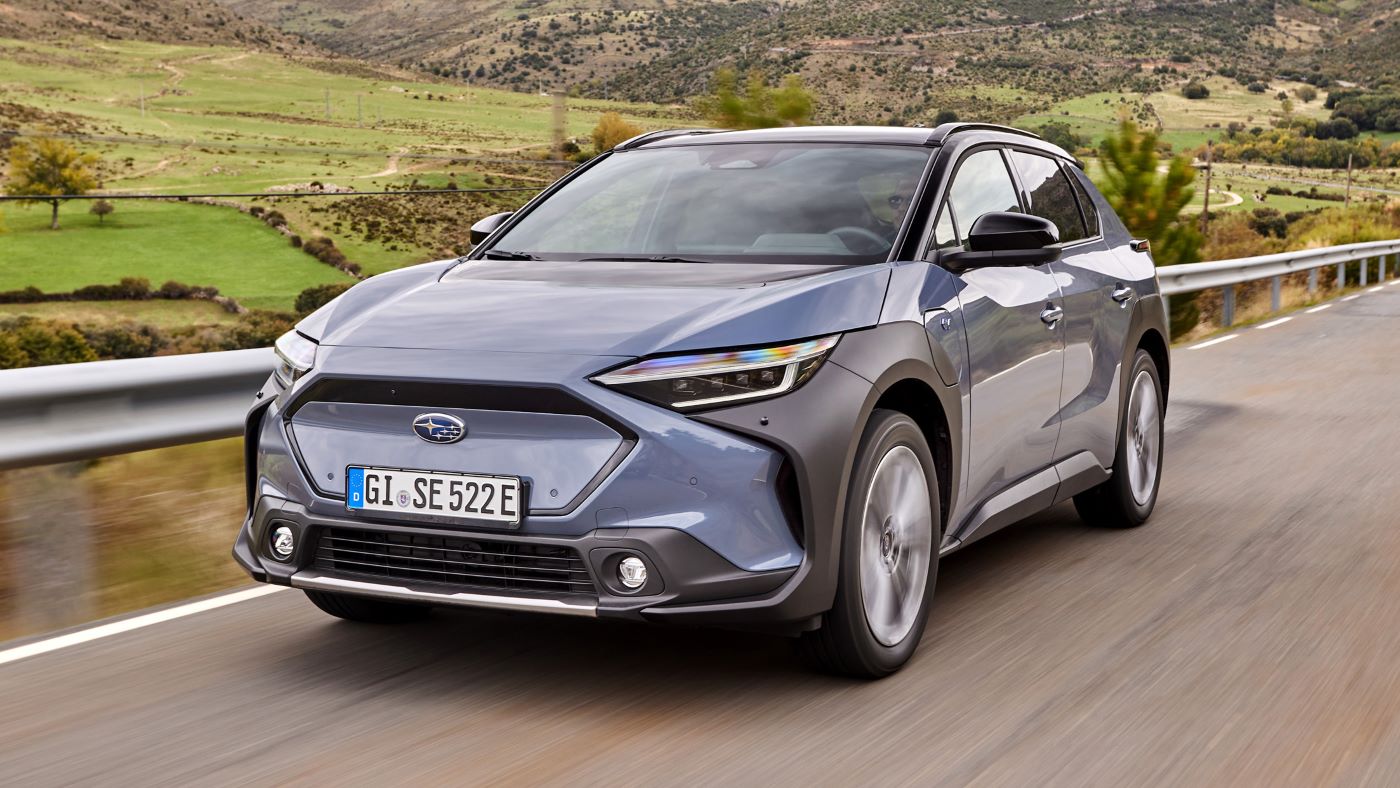
12. Subaru Solterra Base
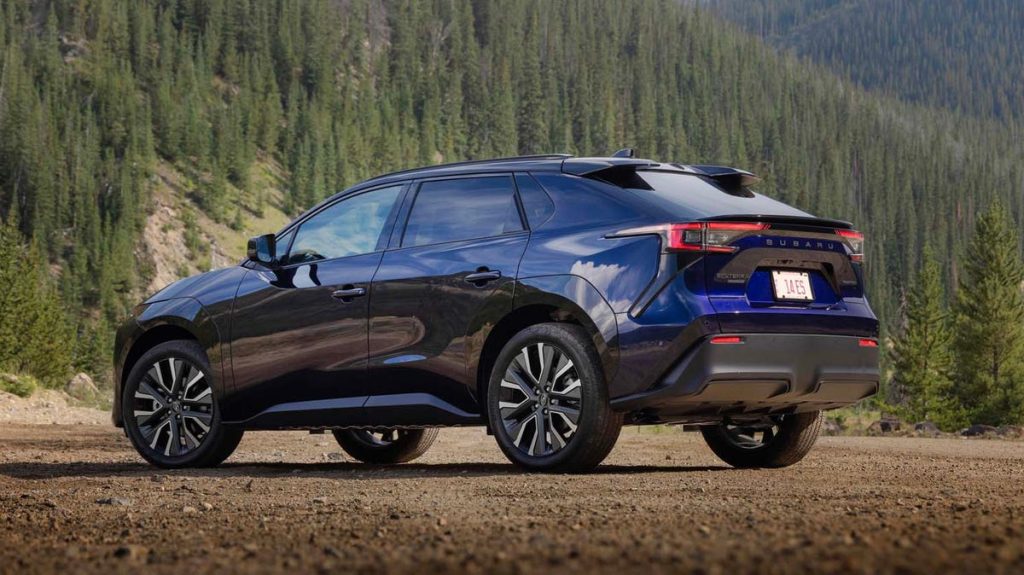
Subaru’s first all-electric SUV, the Solterra, rounds out our list as one of the most affordable electric SUVs available in 2026. Built alongside its Toyota counterpart on a dedicated EV platform, the Solterra offers standard all-wheel drive, a rarity at this price point, and a confident ride quality typical of Subaru vehicles.
Its range and cargo space make it a practical choice for daily life, and its base model pricing keeps it competitive among affordable EV options.
By 2026, the EV landscape in the United States will offer more choice than ever before, especially for buyers sensitive to price. The models above provide a range of options that balance affordability, everyday range, practicality, and modern comfort.
While dedicated EV enthusiasts may chase performance-oriented or luxury models, the most realistic electric cars for most buyers will come from this group of value-focused choices.
Federal tax incentives, state rebates, and manufacturer deals are likely to continue influencing final transaction prices, which means actual out-the-door costs could vary. Still, the baseline numbers suggest 2026 will be a breakout year for accessible EV ownership.
For first-time electric vehicle buyers or drivers simply looking to save on fuel and maintenance without sacrificing modern tech or comfort, these 12 models represent the best blend of price and capability in the U.S. market.
Whether you want a nimble city car, a family-friendly SUV, or a tech-rich sedan, the electric options available in 2026 make the shift to electric not just environmentally sound, but financially sensible too.
