Memphis delivery routes place unique demands on vehicles. Drivers face constant stop-and-go traffic, extreme summer heat, uneven pavement, tight parking, and long daily shifts that quickly expose weak components.
Choosing the right vehicle can mean the difference between consistent earnings and costly downtime. That is why understanding which cars thrive under delivery stress and which ones fail prematurely matters more than brand loyalty or surface-level performance claims.
This guide, “5 Cars for Memphis Delivery Routes and 5 That Break on Duty,” separates dependable workhorses from vehicles that struggle under real-world delivery conditions.
The vehicles highlighted here are evaluated through the lens of fuel efficiency, maintenance costs, reliability, uptime, cargo practicality, and how well they tolerate repeated stops, idling, and heat.
Some models shine because they were engineered for efficiency and durability. Others reveal design flaws, electronic weaknesses, or reliability gaps that become expensive liabilities once the miles add up. For drivers, fleets, and business owners alike, these distinctions directly affect profitability and daily operations.
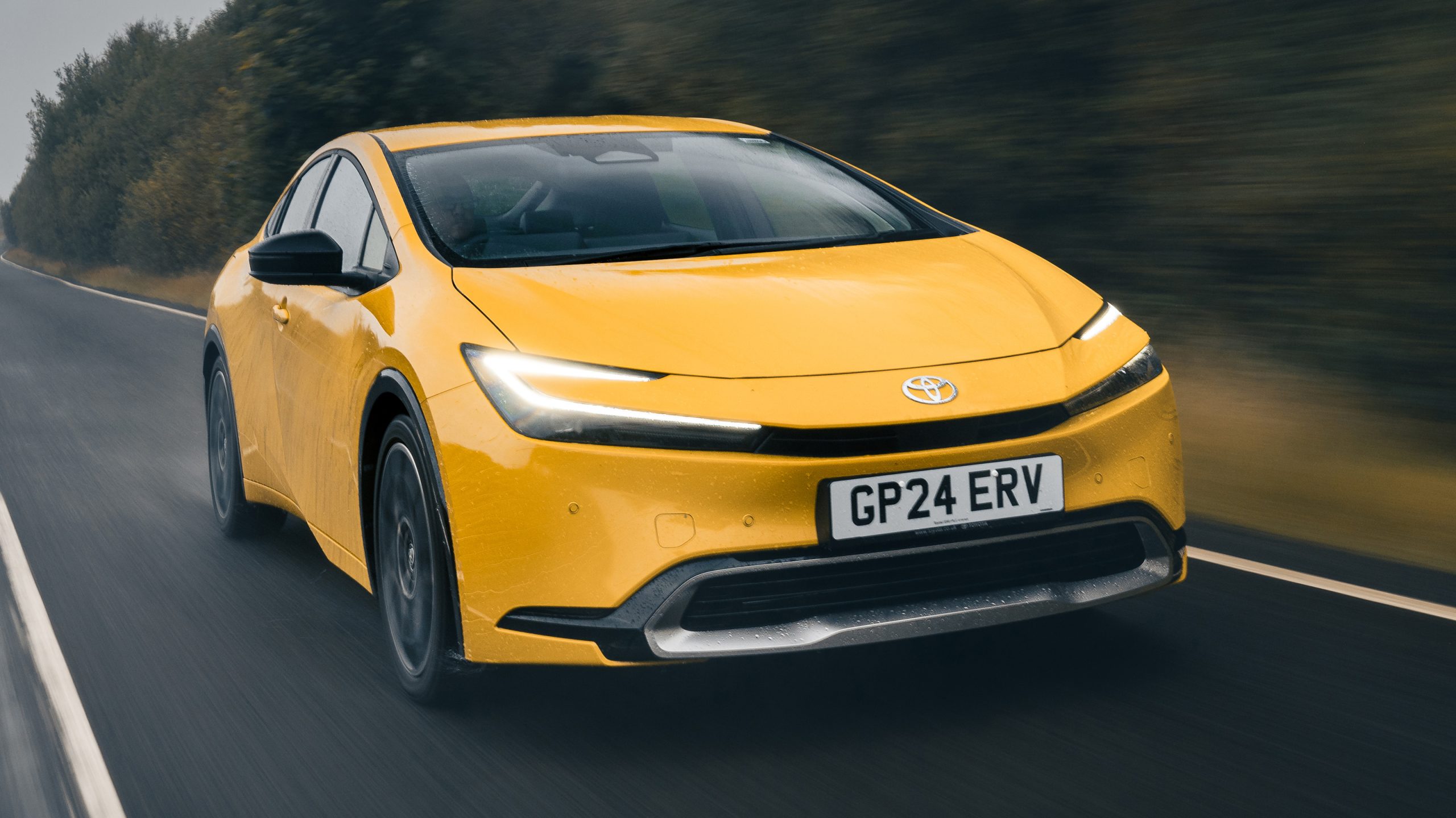
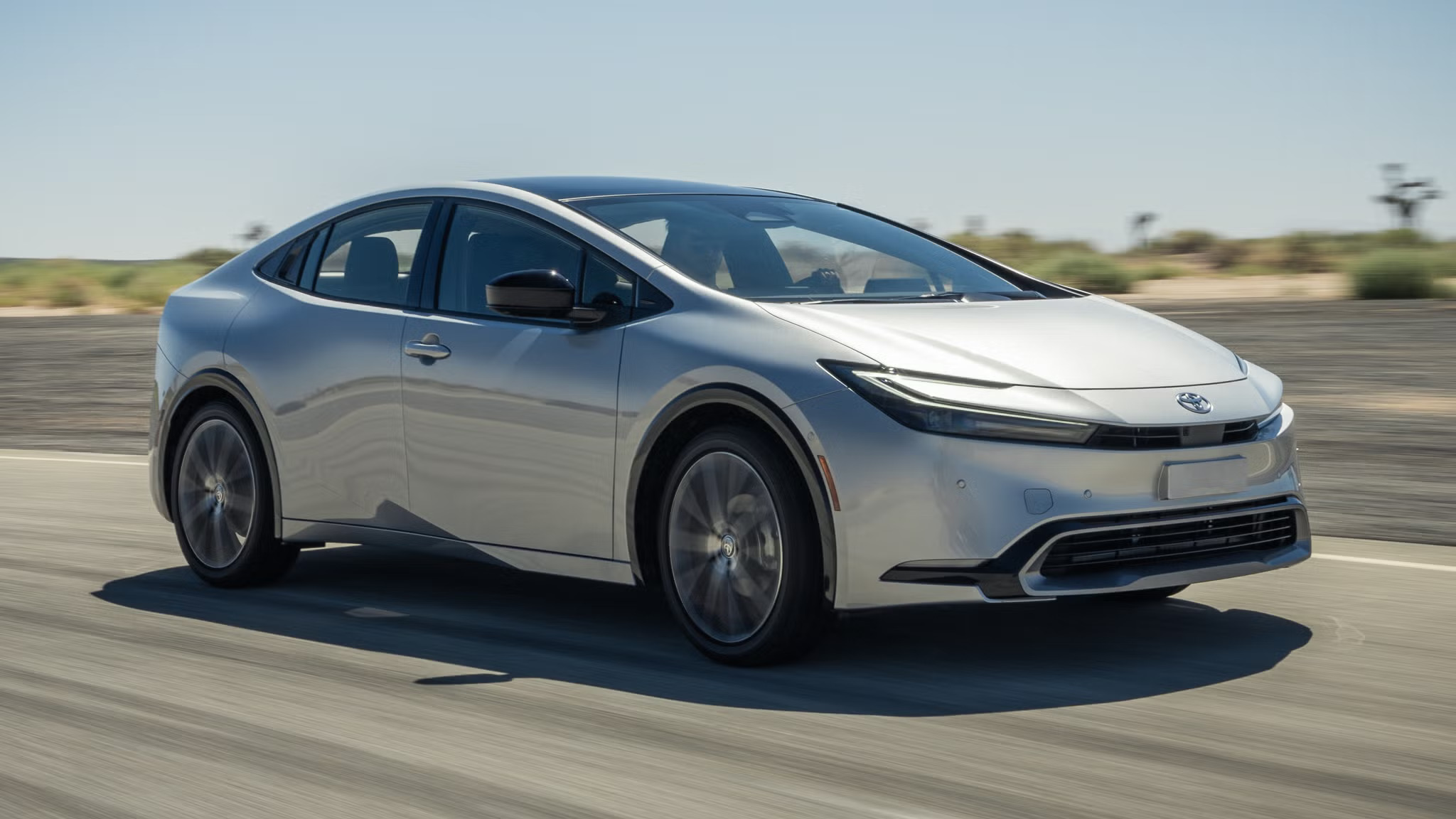
1. 2024–2025 Toyota Prius: The Ideal Urban Delivery Vehicle
The 2024–2025 Toyota Prius, available in both Hybrid and Plug-in Hybrid (PHEV) configurations, continues to set the benchmark for urban delivery vehicles. Its hybrid powertrain is particularly effective in stop-and-go city traffic, offering an estimated 57 MPG in the standard hybrid model.
The 2025 update includes a more robust battery cooling system, addressing overheating issues in hot climates, and an “e-CVT” transmission, which is mechanically simpler than traditional automatics, reducing failures even after 200,000 miles.
Fuel economy is the standout feature of the Prius, directly benefiting delivery operations. The Plug-in Hybrid SE achieves an impressive EPA-estimated 127 MPGe when operating in combined electric and hybrid modes, while the standard hybrid maintains 57 MPG. The hybrid system’s ability to maximize battery power during frequent stops makes it particularly well-suited for urban delivery routes.
Beyond fuel savings, the Prius offers reduced maintenance costs compared to conventional gasoline vehicles. Its regenerative braking system decreases wear on traditional brakes, further lowering long-term operational expenses. For businesses logging high mileage, these savings can be significant.
Toyota’s reputation for hybrid reliability ensures minimal downtime, an essential factor for tight delivery schedules. The enhanced battery system and proven e-CVT transmission contribute to the Prius’s long-term dependability.
All 2024–2025 Prius models come equipped with Toyota Safety Sense 3.0, which includes a Pre-Collision System with Pedestrian Detection, Lane Departure Alert with Steering Assist, and Dynamic Radar Cruise Control. These features improve driver safety in congested city streets and can help reduce insurance costs.
An 8-inch multimedia touchscreen with wireless Apple CarPlay and Android Auto keeps drivers connected and aids navigation. Optional features like Traffic Jam Assist (under 25 mph) and smartphone digital keys further enhance convenience.
Despite its compact design, the Prius hatchback offers sufficient cargo space for parcels, food deliveries, or small packages, making it practical for a variety of delivery tasks.
The PHEV version adds up to 44 miles of all-electric range, allowing shorter routes to be completed without gasoline. For longer trips, it seamlessly switches to hybrid mode, eliminating range anxiety.
The 2024–2025 Toyota Prius combines efficiency, safety, and reliability, making it an ideal choice for delivery operations in cities like Memphis. Its blend of low operating costs, advanced technology, and versatile cargo space ensures businesses can optimize routes and reduce expenses while maintaining a dependable fleet.
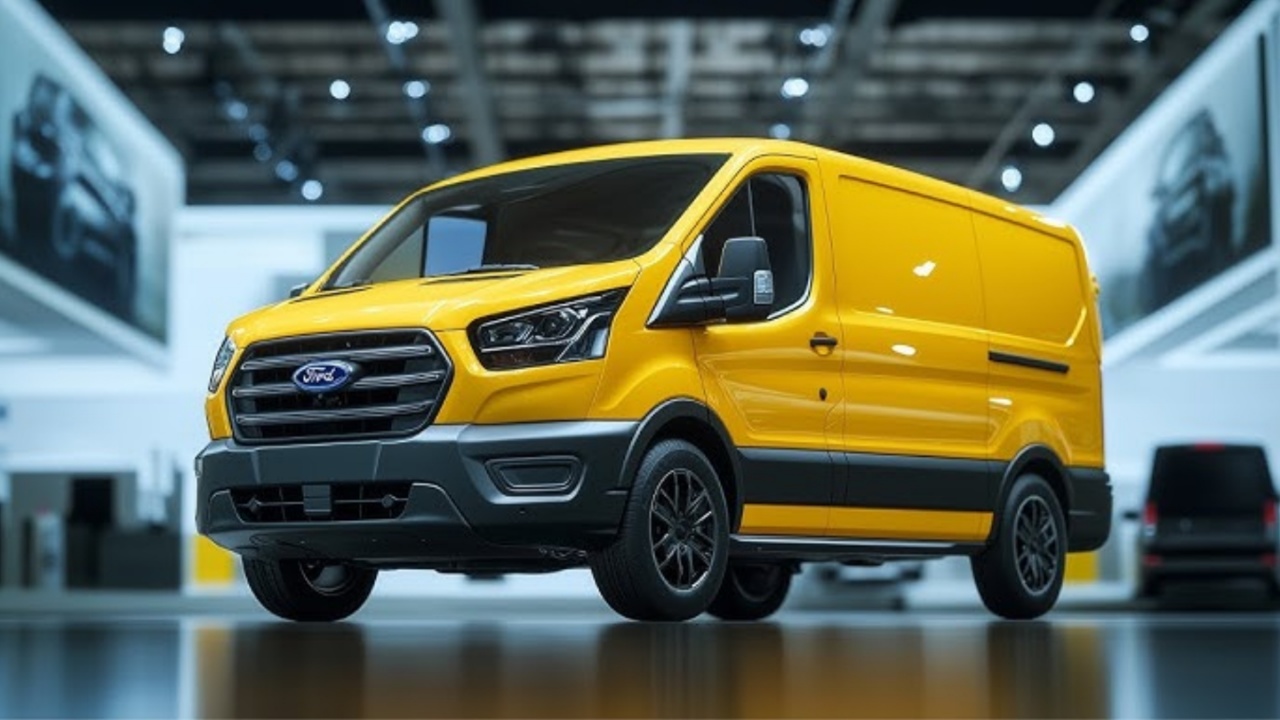
2. 2025 Ford Transit Cargo Van: Versatile and Reliable for Urban Delivery
The 2025 Ford Transit Cargo Van remains a top choice for delivery operations, offering reliability, versatility, and performance. Its 3.5L EcoBoost V6 engine or standard 3.5L V6, paired with a 10-speed automatic transmission, provides a strong balance of power and fuel efficiency.
The van is designed to handle high-idle times typical of delivery routes, while Ford’s extensive network of Commercial Service Centers ensures repairs and maintenance can be completed quickly to minimize downtime.
Built for city delivery tasks, the Transit has a manageable turning radius and responsive handling, making it easier to drive on tight streets, alleys, and in busy parking areas. It offers multiple roof heights and wheelbase options so businesses can configure the interior to suit different types of cargo. The new foldable shelving package is ideal for organizing parcels efficiently.
The Transit comes standard with the Ford Co-Pilot360 safety suite. Features include a 360-degree camera, Blind Spot Information System (BLIS), Lane-Keeping System, and Pre-Collision Assist with Automatic Emergency Braking. These systems help drivers operate safely in congested city traffic and reduce the risk of accidents.
The van includes the SYNC 4 infotainment system with a 12-inch touchscreen, wireless Apple CarPlay and Android Auto, integrated navigation, and 5G connectivity. Fleet management tools like Ford Pro Telematics allow business owners to monitor vehicle health, track driver behavior, and improve route efficiency.
The Transit Custom interior is practical and durable. Hard-wearing materials, a flat cargo floor, and ergonomic controls provide comfort for long shifts. Foldable seats, a bulkhead, and bright LED cargo lighting improve functionality. Optional upgrades such as a digital rearview mirror, integrated dashcam, and dual side sliding doors enhance convenience for deliveries.
The Transit Custom delivers a smooth ride with light, responsive steering. Front-wheel drive minimizes mechanical noise in the cabin and allows a completely flat cargo floor. The van handles both loaded and unloaded conditions effectively and provides a comfortable driving experience for extended periods.
The 2025 Ford Transit Cargo Van offers a combination of efficiency, technology, and durability for urban delivery operations. Its adaptable cargo space, safety features, and reliable build make it a practical and effective solution for businesses that require a dependable vehicle for city deliveries.
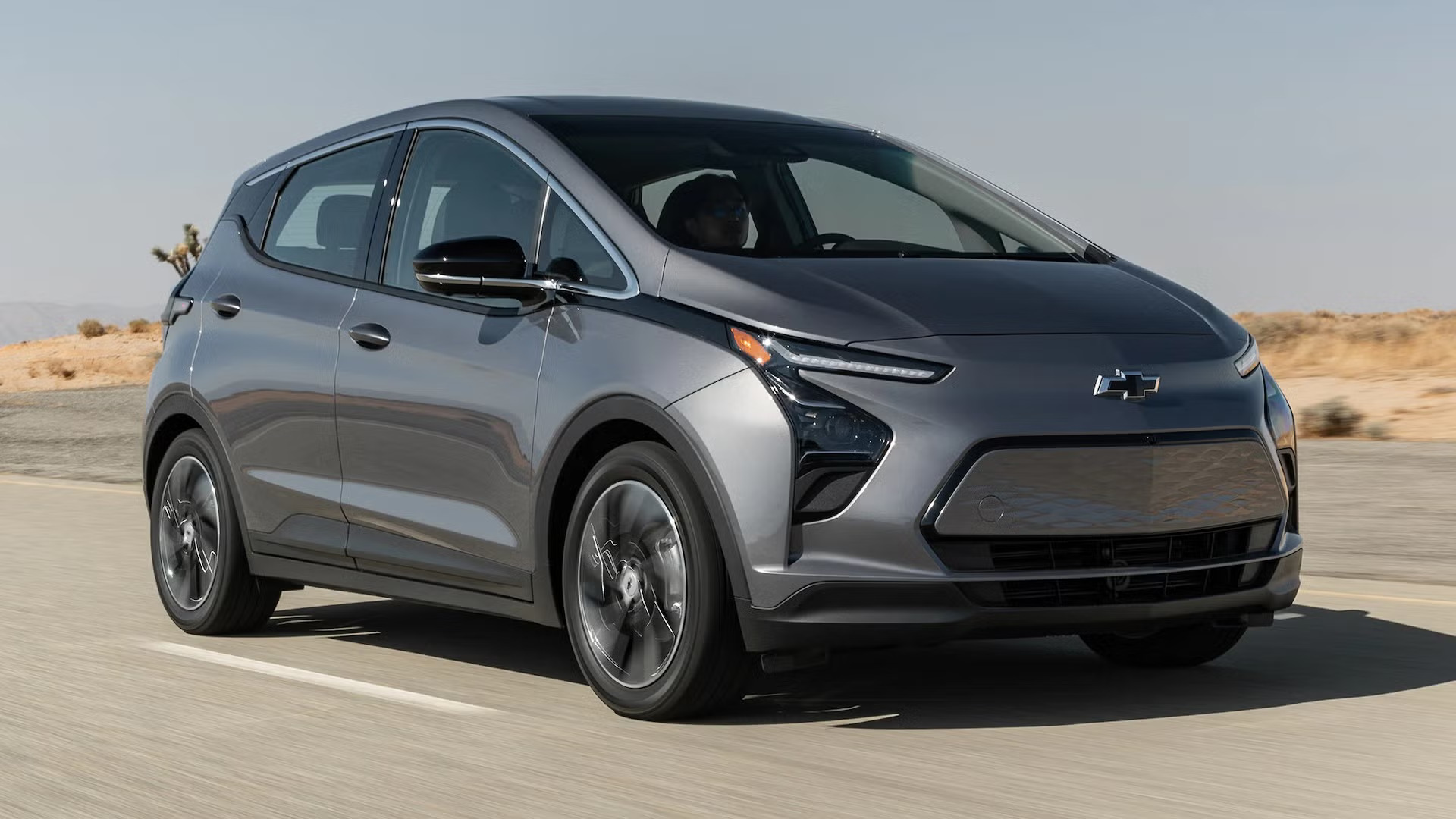
3. 2023–2025 Chevrolet Bolt EV: Efficient and Practical for Urban Delivery
The 2023–2025 Chevrolet Bolt EV is a strong choice for urban delivery operations, offering low operating costs, high efficiency, and practical cargo space. Its fully electric powertrain eliminates the need for oil changes, spark plugs, or transmission fluid maintenance, while the regenerative braking system reduces wear on brake pads.
This feature is especially valuable on routes with frequent stops, such as around Beale Street or the University of Memphis, saving thousands in maintenance costs.
The Bolt’s electric motor produces 200 horsepower and 266 pound-feet of torque to the front wheels, providing quick acceleration from stoplights and strong low-speed performance.
One-pedal driving mode enhances regenerative braking, capturing energy during deceleration and sending it back to the battery. This makes the Bolt highly efficient in city traffic, often exceeding EPA range estimates in urban use. The combined EPA rating is 120 MPGe, with real-world results indicating even better efficiency at lower speeds.
Electricity costs are significantly lower than gasoline, allowing businesses to save hundreds or thousands of dollars annually. With fewer moving parts and reduced brake wear, the Bolt requires minimal maintenance, making it one of the lowest cost-per-stop vehicles for delivery operations.
The Bolt EV offers an EPA-estimated range of up to 259 miles on a full charge, sufficient for a full day of typical delivery routes. It supports Level 1 (120-volt) and Level 2 (240-volt) charging, with Level 2 capable of fully recharging the battery in seven hours.
DC fast charging provides about 100 miles of range every 30 minutes. Its compact hatchback design fits into tight city parking spaces while providing up to 57 cubic feet of cargo space with the rear seats folded flat.
Chevrolet Safety Assist comes standard, including Front Pedestrian Braking, Forward Collision Alert, and Lane Keep Assist with Lane Departure Warning. Optional features include a 360-degree camera system, rear cross-traffic alert, and adaptive cruise control.
The interior features a 10.2-inch touchscreen with wireless Apple CarPlay and Android Auto, over-the-air updates, and wireless smartphone charging, supporting efficiency and connectivity for delivery drivers.
The Bolt EV offers a comfortable cabin with redesigned front seats, an 8-inch digital gauge cluster, and a back seat roomy enough for two adults. High consumer reliability ratings and the combination of electric efficiency, low operating costs, and practical cargo space make the Bolt EV a dependable and cost-effective choice for delivery operations in Memphis.
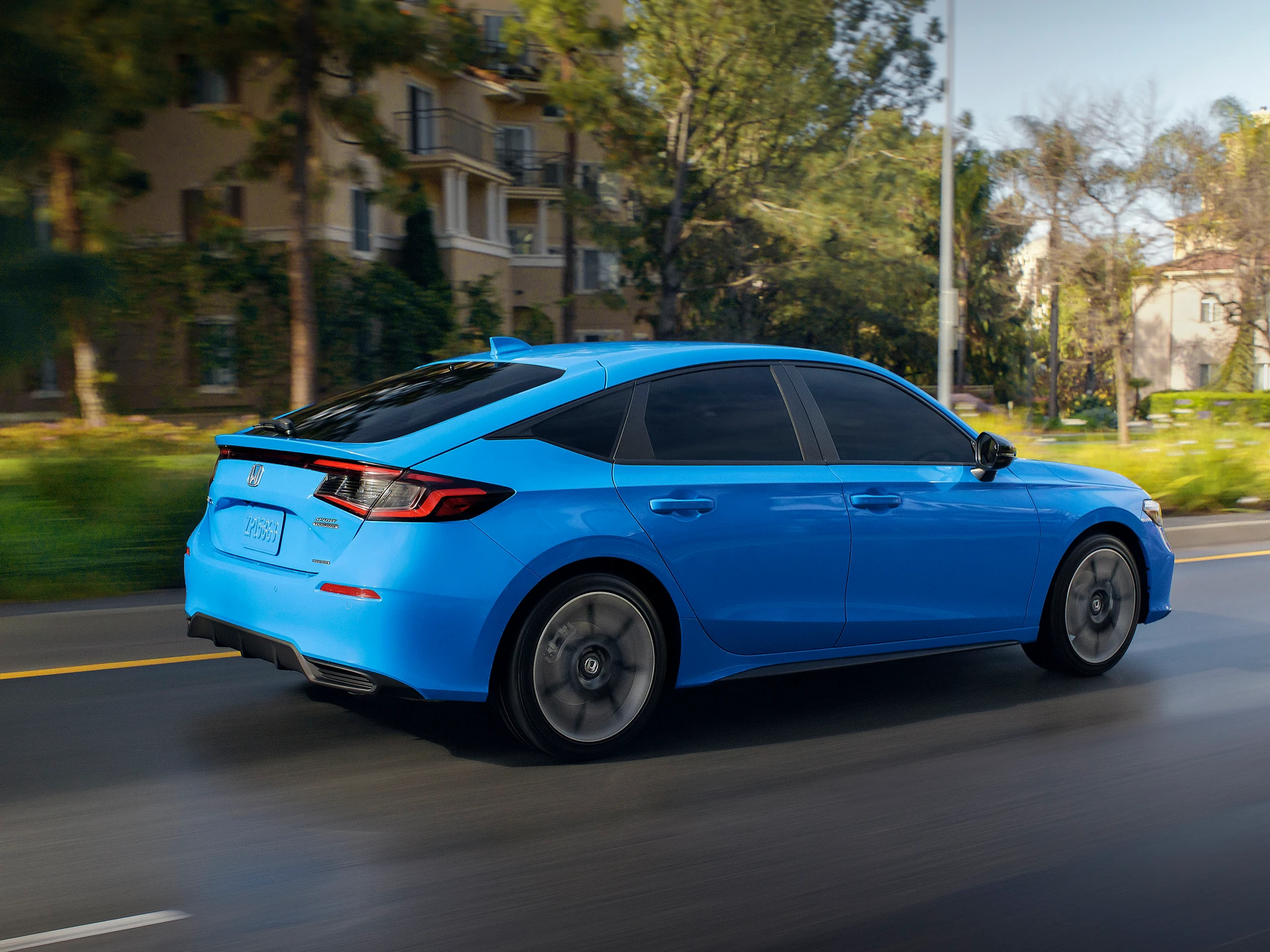
4. 2025 Honda Civic Hatchback: Efficient and Practical for City Deliveries
The 2025 Honda Civic Hatchback is an excellent choice for delivery drivers and gig workers, offering a balance of fuel efficiency, cargo flexibility, and dependable performance.
With 24.5 cubic feet of cargo space, it provides storage comparable to some small SUVs while maintaining a compact design and delivering more than 35 MPG in the standard gasoline version. Honda’s 2025 suspension tuning helps absorb city potholes without stressing the steering rack, a common weak point in less expensive subcompact vehicles.
The hybrid powertrain, available in Sport Hybrid and Sport Touring Hybrid trims, is ideal for city driving, offering an EPA-estimated 50 MPG in stop-and-go traffic. This efficiency reduces fuel costs and minimizes time spent refueling, increasing productivity on delivery routes in Memphis. The standard gasoline engine also delivers strong efficiency, with an EPA rating of up to 34 MPG combined.
The hatchback layout provides 24.5 cubic feet of cargo space with rear seats in place. The 60/40 split-folding seats expand the space for larger packages, making loading and unloading easier. Interior storage includes a large center-armrest bin, cupholders, and optional trays for smaller items or wireless charging devices, providing convenience for drivers who carry both goods and personal items.
The Civic Hatchback is well-suited for city streets, with responsive steering, precise handling, and a compact footprint that allows it to fit into tight parking spots. The suspension smooths out most bumps while maintaining firm control.
Forward visibility is excellent thanks to slim windshield pillars, and a multi-angle rearview camera helps with reversing and parking. Passenger comfort is high in the front seats, while rear-seat headroom may be limited due to the sloping roofline.
Standard Honda Sensing® technology includes Collision Mitigation Braking, Adaptive Cruise Control with Low-Speed Follow, and a multi-angle rearview camera, enhancing safety and reducing driver fatigue.
Higher trims feature a 9-inch touchscreen with wireless Apple CarPlay and Android Auto, Google Assistant integration, and advanced connectivity features to support route management and communications.
The hybrid Civic accelerates from 0 to 60 mph in 6.6 seconds, offering spirited performance for city and highway driving. The gasoline version is slower but still capable of daily deliveries. The car provides a confident driving experience with precise steering and composed handling, making it practical and enjoyable for extended periods on the road.
The 2025 Honda Civic Hatchback combines fuel efficiency, cargo capacity, maneuverability, and reliability, making it a practical and cost-effective solution for delivery drivers operating in urban environments like Memphis.
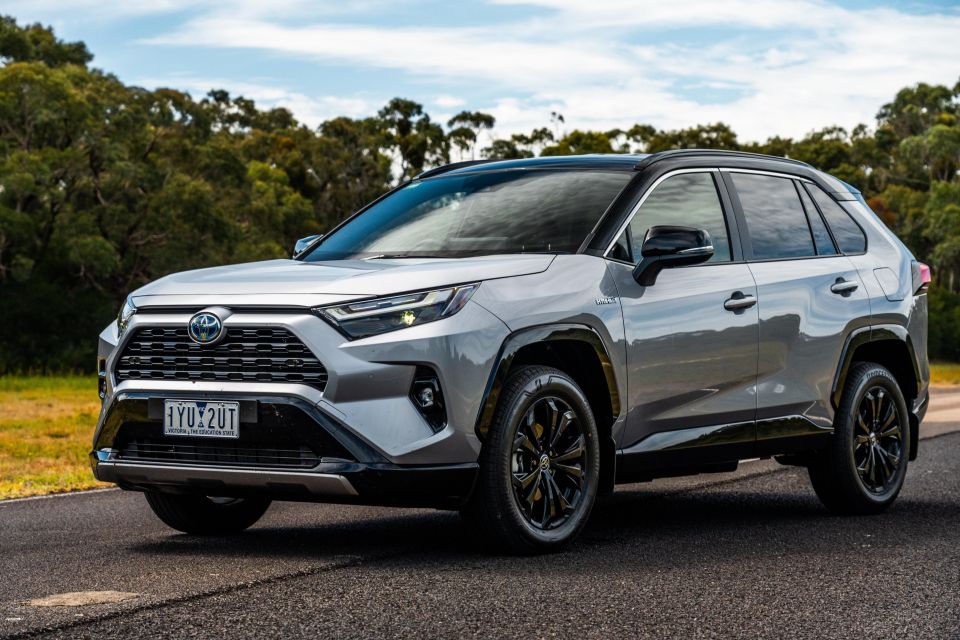
5. 2025 Toyota RAV4 Hybrid: Efficient and Reliable for Suburban and Urban Delivery
The 2025 Toyota RAV4 Hybrid is a strong option for delivery drivers covering both urban streets and suburban areas like Germantown or Collierville. Its hybrid powertrain combines fuel efficiency with responsive performance, while all-wheel drive and increased ground clearance provide stability on uneven roads without the fuel penalty of a traditional truck. Toyota’s reputation for reliability and durable hybrid components ensures minimal downtime for commercial use.
The RAV4 Hybrid excels in stop-and-go city traffic with an EPA-estimated 41 MPG in the city, 38 MPG on the highway, and 40 MPG combined. Regenerative braking captures energy that would otherwise be lost, recharging the battery during low-speed driving.
The hybrid setup also delivers 219 combined horsepower, providing quick, responsive acceleration from stops, ideal for merging into traffic or making rapid deliveries. The plug-in hybrid (PHEV) variant produces 302 horsepower and offers an EPA-estimated 42 miles of electric-only range, allowing short routes to be completed without using gasoline.
The RAV4 Hybrid offers 37.5 cubic feet of cargo space with the rear seats up and up to 69.8 cubic feet with seats folded. The low load floor and wide opening simplify loading and unloading packages.
In testing, the Hybrid accommodated 10 carry-on suitcases behind the second row and 22 with the rear seats down. The PHEV sacrifices a small portion of cargo space due to its larger battery, but maintains practical usability.
Its compact SUV size, good visibility, and optional front and rear parking assist with automated braking make it easy to drive on busy streets and fit into tight parking spots. Ride quality is smooth, and supportive seats reduce fatigue during long shifts.
Standard Toyota Safety Sense 3.0 includes a Pre-Collision System with Pedestrian Detection, Lane Departure Alert with Steering Assist, and Dynamic Radar Cruise Control. Higher trims offer heated seats, ambient lighting, and SofTex upholstery for enhanced comfort.
The RAV4 Hybrid provides infotainment displays ranging from 8.0 to 10.5 inches, depending on trim, with wireless Apple CarPlay and Android Auto, an onboard Wi-Fi hotspot, and optional navigation. Limited and PHEV XSE trims offer larger digital gauge screens and premium audio systems.
Toyota backs the RAV4 Hybrid with a three-year/36,000-mile basic warranty, a five-year/60,000-mile powertrain warranty, and a ten-year/150,000-mile hybrid component warranty. Complimentary scheduled maintenance is included for two years or 25,000 miles, reducing operating costs for delivery operations.
The 2025 RAV4 Hybrid blends fuel efficiency, cargo practicality, responsive performance, and Toyota’s renowned reliability, making it a practical and cost-effective choice for delivery drivers in both urban and suburban routes.
Also Read: 5 Cars for Edmond Suburban Life and 5 That Need Dealer-Only Care
5 That Break on Duty
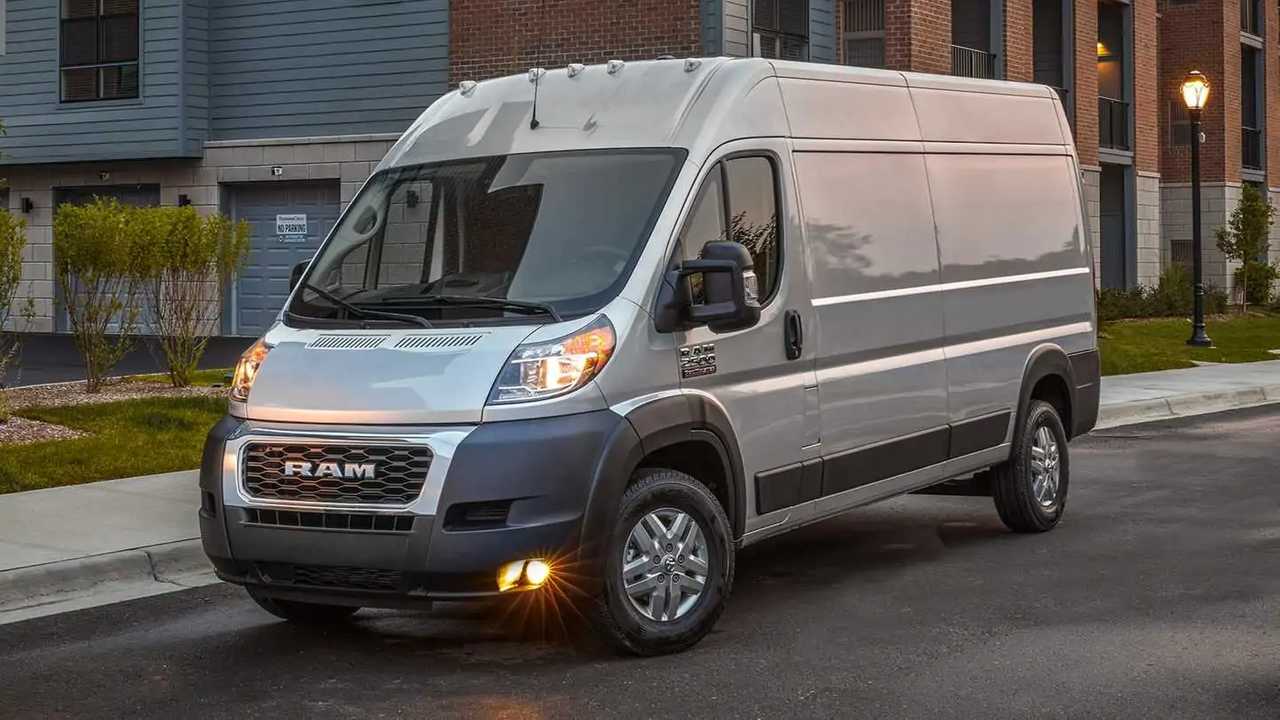
1. 2019–2022 Ram ProMaster: Sensor and Braking Issues on Delivery Routes
The 2019–2022 Ram ProMaster is widely used by Amazon DSPs but has earned a reputation for sudden braking and reliability issues, particularly in hot environments like Memphis. Frequent “limp mode” errors often result from transmission lag and cooling fan failures, leading to missed deliveries and costly towing.
A major contributor to unexpected braking is the crosswind assist system on 2022 models and some late 2021 vans. This safety feature automatically brakes one side of the vehicle in strong winds or when passing large trucks, which can feel like hitting an invisible barrier.
Malfunctioning steering angle sensors, part of the Electronic Stability Control and ABS, can also falsely detect instability, triggering pre-charged brakes or cruise control deactivation.
Other factors include false activations of Automatic Emergency Braking due to dirty or faulty sensors, premature rear brake wear on 2022 models with electronic parking brakes, and transmission recalls affecting 2019–2021 models.
Environmental conditions, heavy delivery schedules, and road layouts in Memphis can exacerbate these issues. Drivers often report these “nanny state” interventions on forums, sharing strategies to minimize disruptions.
While the ProMaster remains a popular commercial vehicle, these sensor-related quirks and mechanical vulnerabilities require attention from fleet managers to maintain safe and timely delivery operations.
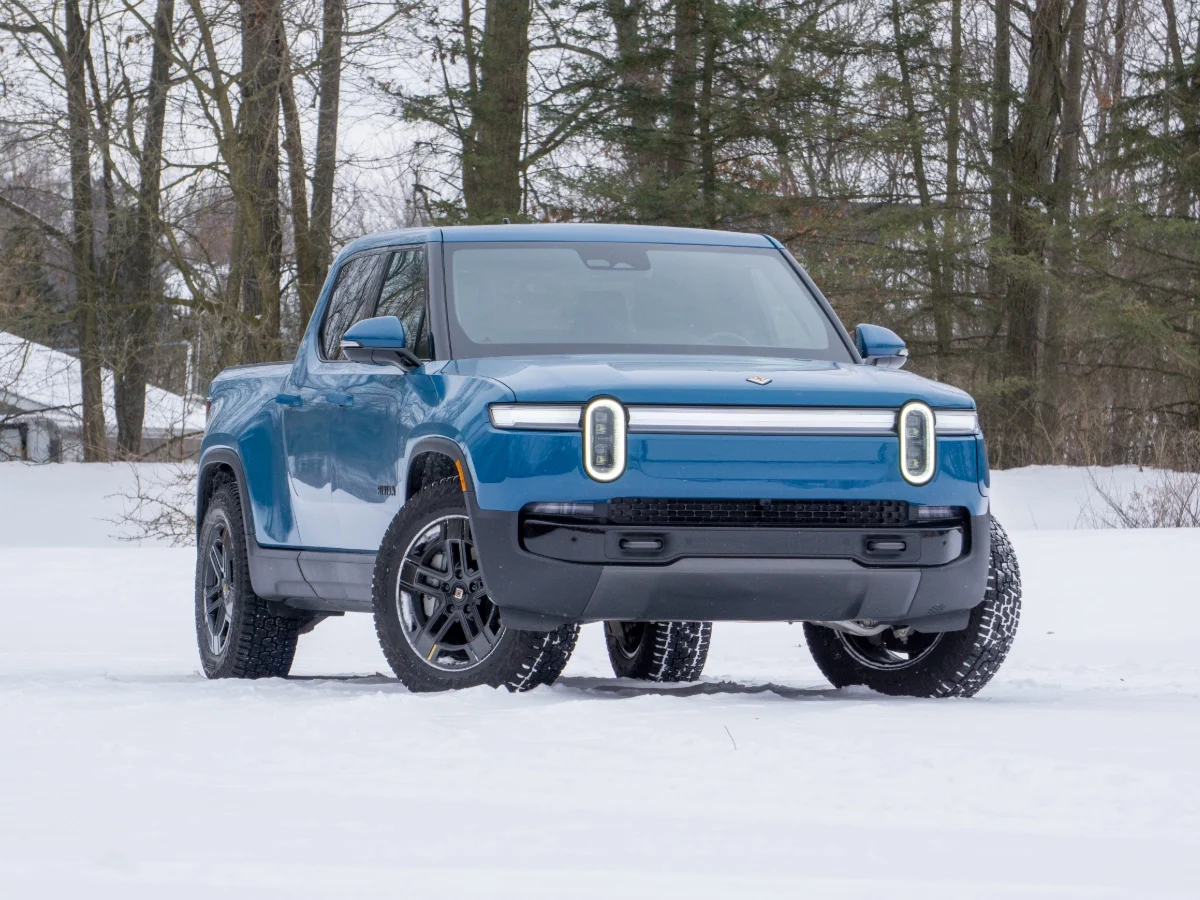
2. 2024–2025 Rivian R1T and R1S: Performance with Reliability Challenges
The 2024–2025 Rivian R1T and R1S offer impressive electric performance but present reliability concerns that make them less suitable for high-uptime commercial use. First-generation issues persist into 2025, including software glitches, suspension air leaks, and 12-volt battery problems.
These “teething issues” are common for a young manufacturer, and while customer satisfaction remains strong, Consumer Reports ranks Rivian low for reliability.
A notable safety concern is the August 2025 recall affecting 23 vehicles due to a potentially loose ground connection in the high-voltage distribution box, which could result in sudden loss of drive power. Rivian inspects and repairs affected vehicles at no cost. Other reported issues include HVAC malfunctions, software errors, and general electronic quirks.
Service availability is another limitation. The limited number of Rivian service centers can lead to long wait times for non-critical repairs, and replacement parts often take weeks to reach the Mid-South, further complicating consistent vehicle use.
While Memphis-specific problems are minimal, some delays have occurred due to public charging station outages, highlighting infrastructure limitations rather than vehicle faults. The R1T and R1S are primarily consumer vehicles, and commercial delivery applications rely on purpose-built Rivian vans, which are subject to separate recalls and considerations.
3. 2025 Jeep Wrangler: Poor Fit for Commercial Delivery Use
The 2025 Jeep Wrangler is engineered for off-road recreation rather than long, pavement-heavy delivery shifts. Its design priorities and reliability record make it a risky choice for commercial delivery work, especially for 10-hour days on city streets.
The Wrangler consistently scores low in reliability rankings, often below 30 out of 100, due to recurring steering issues such as the well-known “death wobble,” along with frequent electrical faults tied to infotainment systems and stop-start technology. Poor fuel economy further cuts into delivery margins, making operating costs significantly higher than more efficient alternatives.
A major concern for 2025 models is a serious recall affecting 2023–2025 Wrangler 4xe plug-in hybrids. A flawed over-the-air software update caused sudden loss of drive power and stalling without warning, prompting a large-scale recall by Stellantis in late 2025. Additional recalls include wiring issues that can affect the tire pressure monitoring system through a pinched remote start antenna.
Beyond recalls, owners report ongoing electrical problems, power steering failures, battery issues, fuel system inconsistencies, and occasional engine surging. Complaints also note excessive cabin noise and poor on-road comfort. These issues can be amplified under constant commercial use, increasing downtime and repair costs.
For delivery operations that rely on consistency, efficiency, and uptime, the 2025 Jeep Wrangler presents significant operational and financial drawbacks.

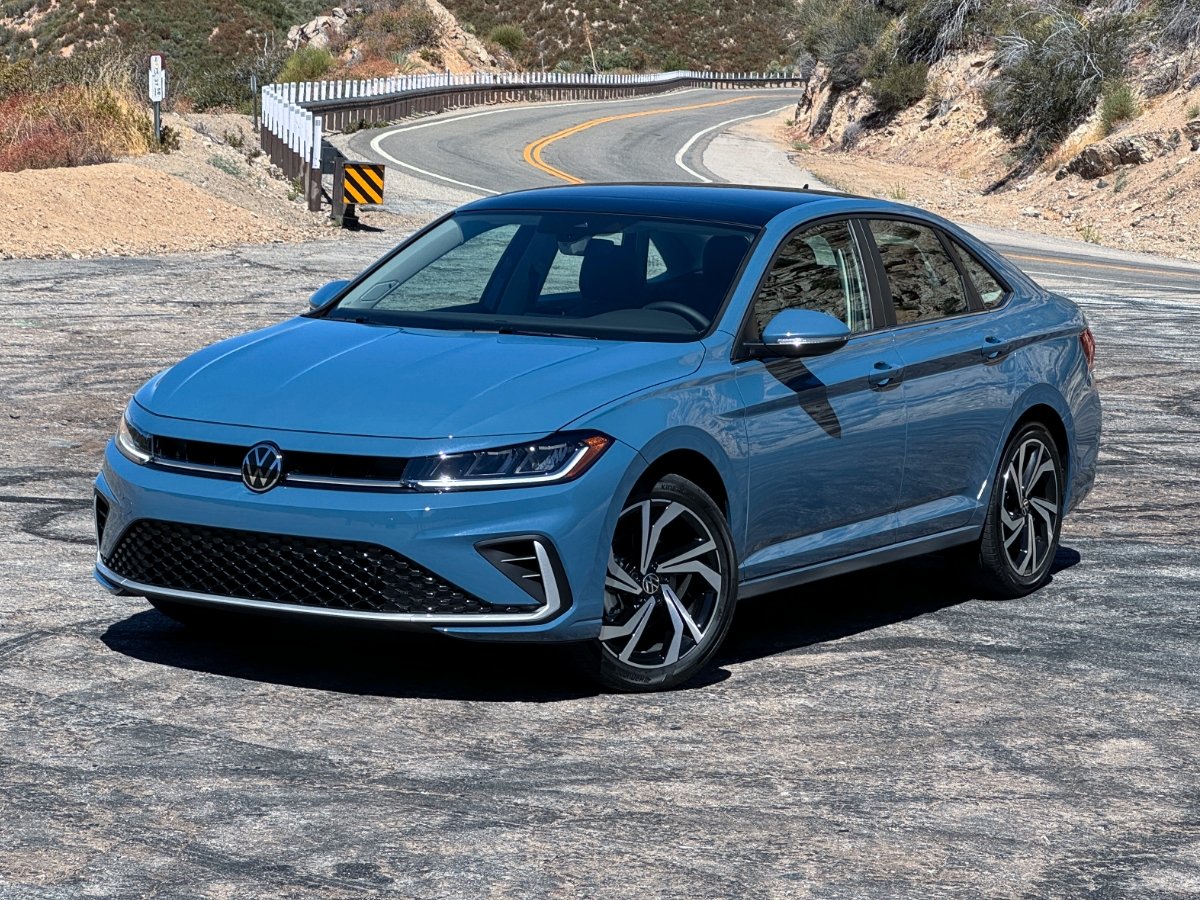
4. 2022–2025 Volkswagen Jetta: Delivery Use Exposes Electrical and Wear Issues
The 2022–2025 Volkswagen Jetta can struggle when subjected to the demands of commercial delivery work, where frequent stops, idling, and constant entry and exit place unusual stress on vehicle systems. One of the most common complaints involves the electrical architecture, which does not always tolerate repeated key-on and key-off cycles.
Owners have reported failures in power window regulators, ignition switches, sensors, infotainment systems, and start-stop functions, all of which are critical for drivers who repeatedly exit and reenter the vehicle during delivery shifts.
Powertrain concerns have also surfaced. Some drivers report harsh shifting, jerking, or slipping in automatic transmission models, particularly those using the 8-speed Hyundai-sourced transmission.
Under stop-and-go delivery conditions, these transmission and valve body issues may appear sooner than in typical commuter use. Brake wear is another weak point, with reports of premature or uneven rear brake wear on 2023 and 2025 models, a problem magnified by constant urban braking.
While the Jetta earns above-average reliability scores from sources such as J.D. Power, delivery environments are far more demanding than standard driving. High mileage accumulation, extended idling, and strict maintenance requirements can turn minor weaknesses into costly downtime. For fleets or gig drivers, these factors reduce the Jetta’s appeal as a dependable delivery vehicle.
5. 2024–2025 Nissan Frontier: Improved Truck with Emerging Delivery Concerns
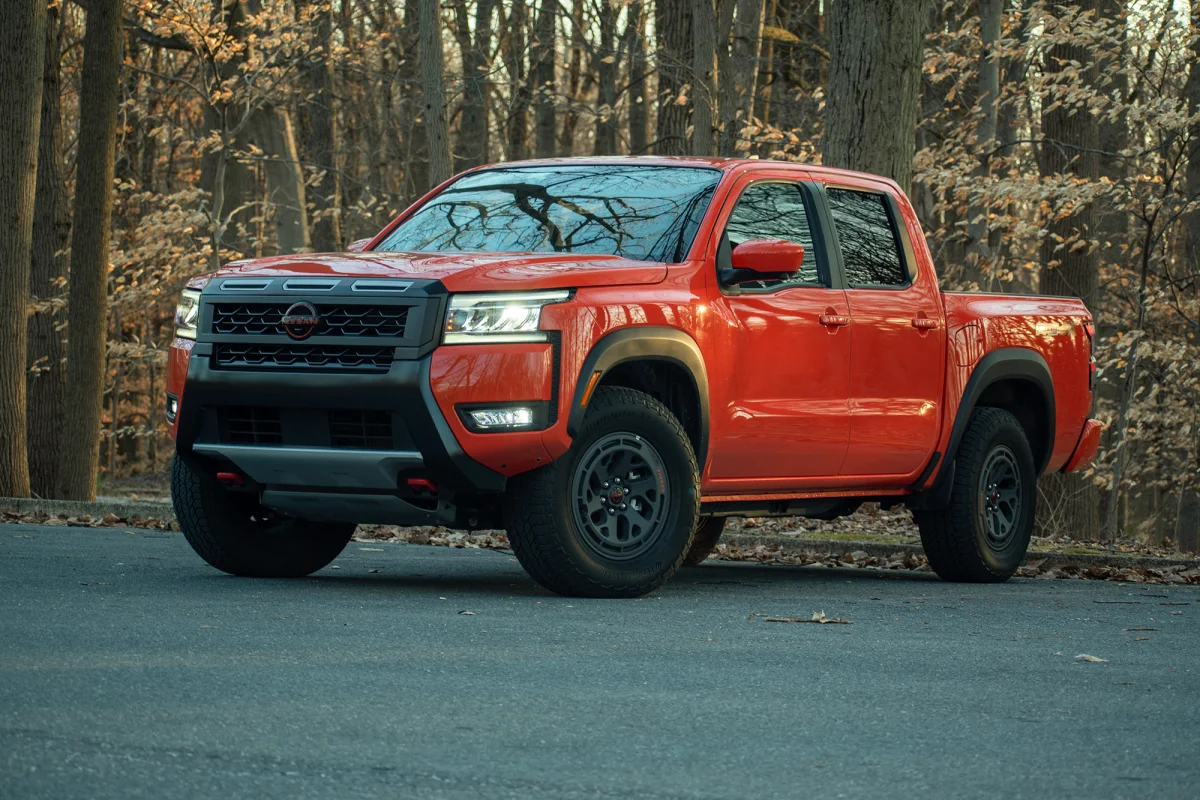
The 2024–2025 Nissan Frontier represents a step forward in refinement and durability, and it generally earns strong reliability ratings thanks to a proven V6 engine and traditional truck construction. For light commercial use, it can perform adequately, but early ownership reports suggest weaknesses that may surface more quickly under delivery-style workloads.
Some 2025 owners have reported transmission hunting, hesitation, and occasional clunking from the 9-speed automatic transmission. These behaviors are often linked to software calibration issues and can become more noticeable in stop-and-go driving common on delivery routes.
Electrical gremlins have also been reported, particularly involving sensor arrays, which can trigger warning lights or require diagnostic visits. Compared with rivals such as the Toyota Tacoma or Ford Maverick, the Frontier appears to have a higher rate of unscheduled shop visits per 10,000 miles.
Recall activity has been moderate. The 2024 model year included recalls related to suspension components and a driver-side airbag, while the 2025 model saw a minor recall affecting daytime running lights. While none are catastrophic, recalls still create downtime for fleets.
Although the Frontier is widely viewed as durable, delivery service accelerates wear on transmissions, electronics, and suspension components. Without meticulous maintenance, these emerging issues can undermine uptime, making the Frontier less appealing for intensive delivery operations.
Delivery work is unforgiving. Vehicles are pushed harder than most personal cars, often accumulating years’ worth of wear in a fraction of the time. As this breakdown shows, not every popular or capable-looking vehicle is suited for that reality.
Models like the Toyota Prius, Ford Transit, Chevrolet Bolt EV, Honda Civic Hatchback, and Toyota RAV4 Hybrid consistently prove that efficiency, reliability, and thoughtful engineering translate into fewer breakdowns and lower operating costs. They keep drivers moving instead of waiting on tow trucks or repair bays.
On the other side, vehicles that break on duty often share common traits: fragile electronics, poor heat management, software instability, or drivetrains that do not tolerate constant stop-and-go use. When uptime determines income, those weaknesses quickly outweigh performance or styling appeal.
For Memphis delivery drivers and fleet managers, the smartest investment is not the flashiest option but the one that shows up every day, runs efficiently, and stays out of the shop. Choosing wisely protects both time and profit.
Also Read: 10 Cars That Look Stunning But Disappoint True Enthusiasts