Commuting in Chico Valley requires vehicles that balance comfort, efficiency, and reliability while handling a mix of city streets, highways, and occasional rural or uneven terrain.
Choosing the right car can save money on fuel, reduce stress during long drives, and ensure peace of mind with dependable performance.
In this guide, we explore five standout vehicles ideal for daily commutes, such as the 2025 Subaru Crosstrek with its all-wheel drive and rugged versatility, the Toyota RAV4 Hybrid for fuel-efficient traction, and hybrid sedans like the Honda Civic and Toyota Camry for long-range savings and smooth rides. We also include the Mazda CX-5, which pairs premium comfort with engaging handling for winding roads.
Equally important is awareness of five vehicles that may hide problems in used listings, where cosmetic appeal or brand reputation can mask costly reliability issues.
From the 2021 Ford Bronco Sport and 2020 Jeep Wrangler to the 2022 Volkswagen Taos, Nissan Rogue Sport, and early-generation Tesla Model S, these cars highlight the need for careful inspections, service record reviews, and knowledge of common defects to avoid unexpected expenses.
5 Cars for Chico Valley Commutes
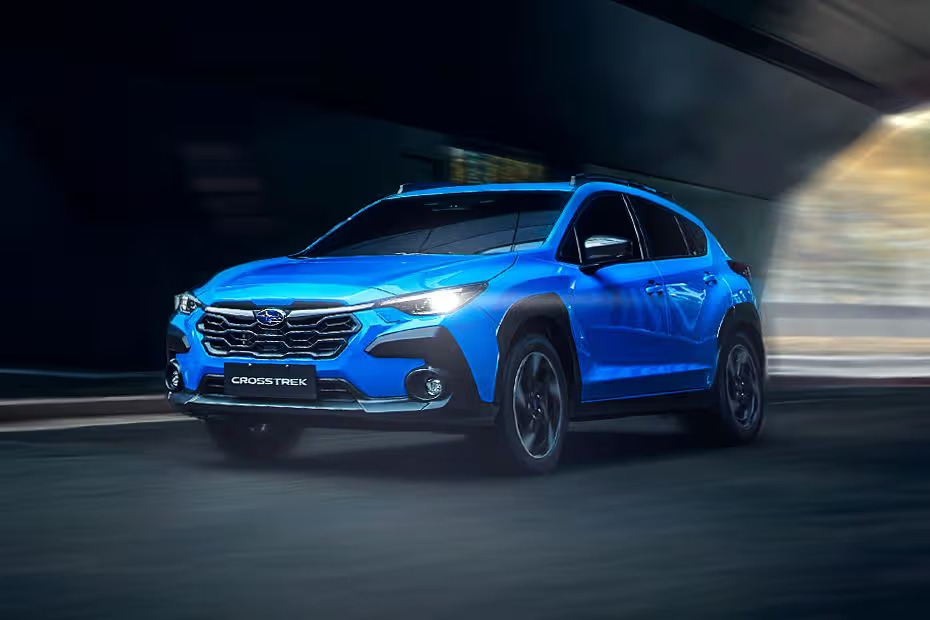
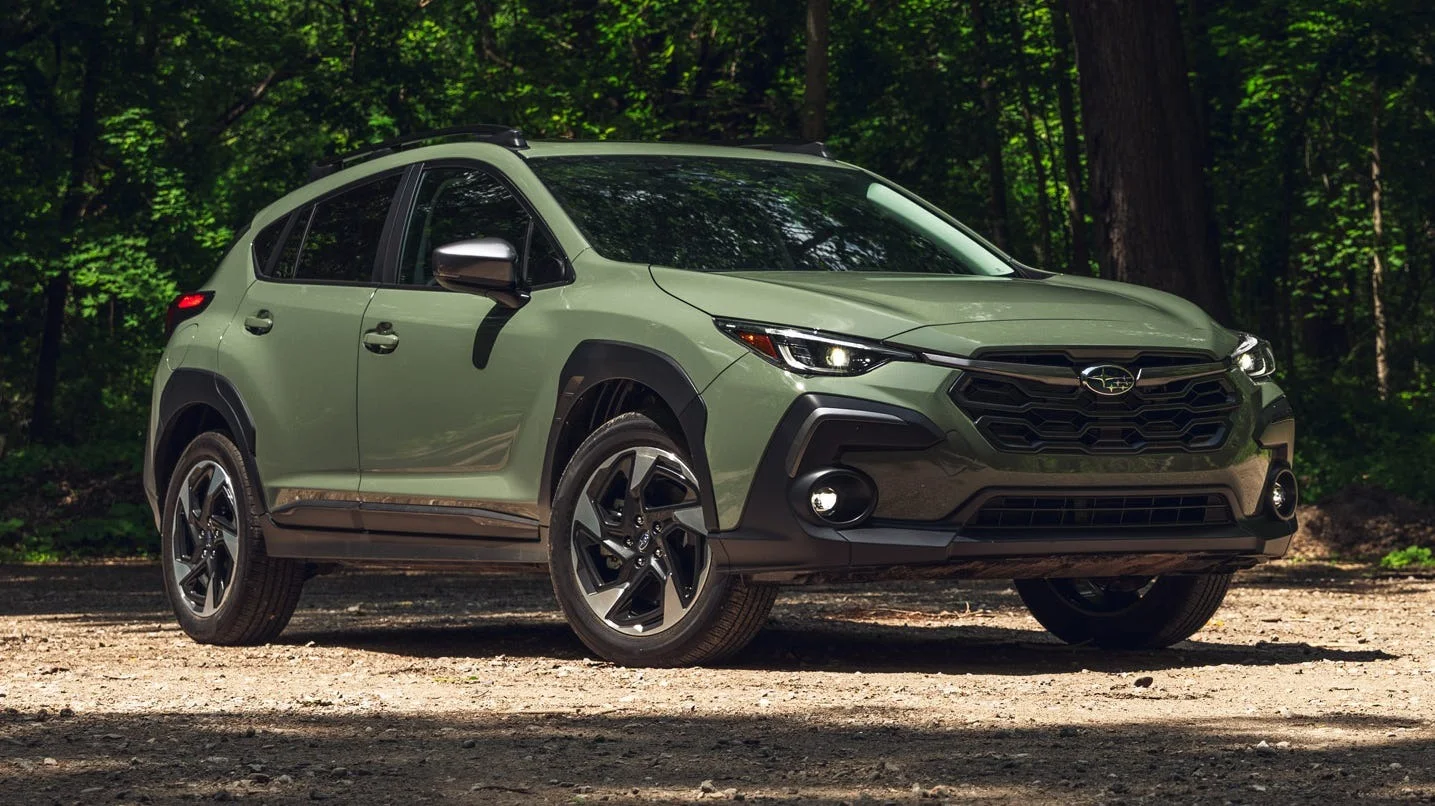
1. 2025 Subaru Crosstrek: A Dependable Commuter with Strong All-Road Capability
The 2025 Subaru Crosstrek remains a smart choice for drivers who want a compact SUV that handles daily commuting while also coping with rougher conditions common in places like Chino Valley.
Standard Symmetrical All-Wheel Drive and 8.7 inches of ground clearance give it a clear advantage on unpaved rural roads, winter weather, and light trail use, without sacrificing comfort or efficiency for everyday driving.
On pavement, the Crosstrek delivers a relaxed and controlled ride. Its suspension smooths out potholes and uneven surfaces, making weekday drives comfortable and predictable. The base 2.0-liter engine provides sufficient power for city use but feels slow during highway acceleration.
Most trims come equipped with a stronger 2.5-liter engine that noticeably improves response, making merging and passing less stressful. Steering feedback is modest, and body roll is present during cornering and braking, but the vehicle remains easy to drive and stable in typical traffic situations.
The all-wheel-drive system adds confidence on wet pavement, gravel roads, and dirt, where the Crosstrek feels secure and planted.
Fuel economy is a strong point for the Crosstrek, especially considering AWD is standard. The EPA estimates 29 mpg combined, and real-world driving shows those figures are realistic. This efficiency helps keep fuel costs manageable for longer commutes and weekend trips.
Safety is another highlight, with Subaru EyeSight Driver Assist Technology offering adaptive cruise control, lane-keeping assistance, and automatic emergency braking. While effective, the system can feel intrusive at times due to frequent alerts.
Inside, the Crosstrek favors simplicity and ease of use. Controls are large and logically placed, allowing drivers to operate them with minimal distraction. The elevated seating position, high roofline, and wide door openings make the cabin feel spacious and user-friendly.
Higher trims include an 11.6-inch touchscreen with wireless Apple CarPlay and Android Auto, along with multiple USB ports and wireless charging. The infotainment interface, however, looks dated and can be slow to respond. Cargo capacity measures 19.9 cubic feet behind the rear seats, which trails some competitors, and storage for smaller items is limited.
In terms of value, the Crosstrek may feel less feature-packed than some rivals, and Subaru’s warranty coverage is average for the segment. Its appeal lies in durability, practicality, and confidence on rough surfaces.
With optional X-MODE, solid ground clearance, and a reputation for reliability, the 2025 Subaru Crosstrek works well as a daily commuter that is equally comfortable heading off the beaten path on weekends.
2. 2025 Toyota RAV4 Hybrid: Efficient Power and Practical Comfort for Valley Commuters
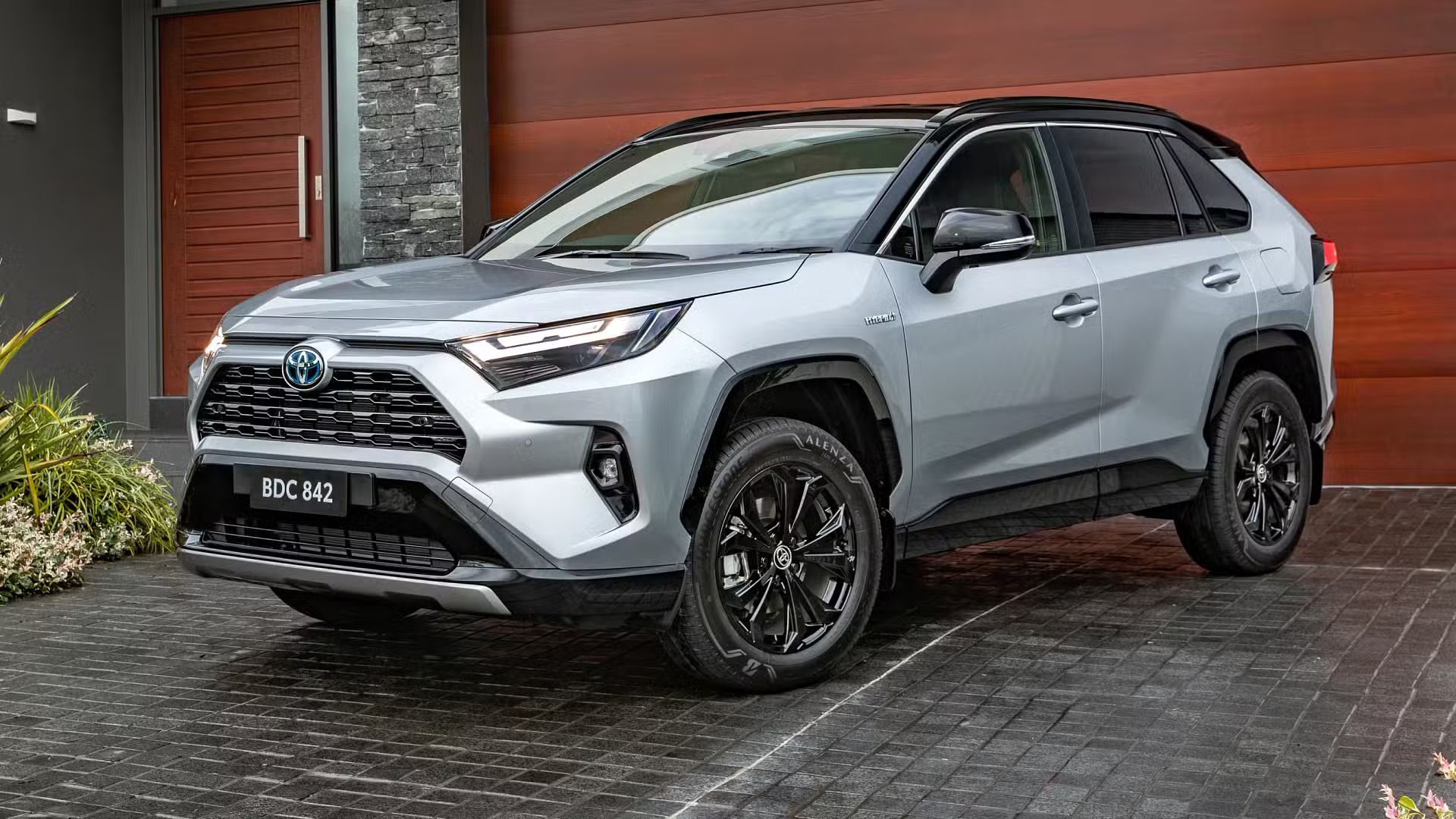
The 2025 Toyota RAV4 Hybrid stands out as an excellent option for drivers who want strong fuel efficiency, confident traction, and everyday practicality. Designed to handle daily commuting as well as longer drives that include elevation changes, such as the climb toward Prescott, the RAV4 Hybrid blends hybrid efficiency with standard all-wheel drive and generous cargo capacity.
At the heart of the RAV4 Hybrid is a 2.5-liter four-cylinder engine paired with a continuously variable transmission and three electric motors. Together, they produce a combined 219 horsepower. One of the electric motors powers the rear axle, which means electronic all-wheel drive comes standard on every trim.
This setup delivers quick, smooth acceleration around town thanks to instant electric torque, while also improving efficiency compared to the gas-only RAV4. In real-world testing, the RAV4 Hybrid accelerates from 0 to 60 mph in about 7.3 seconds, making it noticeably quicker than its non-hybrid counterpart.
Ride quality is comfortable and composed, though handling is tuned more for stability than sporty driving.
Fuel economy is one of the RAV4 Hybrid’s strongest advantages. The EPA estimates 41 mpg in the city, 38 mpg on the highway, and 40 mpg combined. These numbers make it especially appealing for stop-and-go commuting, helping drivers save significantly on fuel costs.
Highway testing shows results close to EPA estimates, confirming that the efficiency claims are realistic. For those wanting even more performance and electric driving capability, Toyota also offers the RAV4 Plug-in Hybrid, which adds more power and a limited electric-only range.
Inside, the RAV4 Hybrid prioritizes function and comfort. The cabin features durable materials, clear controls, and a smart layout with plenty of cubbies and storage spaces for everyday items. Standard features include dual-zone automatic climate control, a height-adjustable cargo floor, and a comfortable seating position.
Higher trims add heated seats, upgraded upholstery, ambient lighting, and larger digital displays. Cargo space is a major strength, with room for up to 10 carry-on suitcases behind the rear seats and 22 with the seats folded down, making it well-suited for errands, work gear, or weekend trips.
Technology is modern and user-friendly. Depending on trim, the RAV4 Hybrid offers an 8.0-inch or 10.5-inch touchscreen with standard wireless Apple CarPlay and Android Auto, along with available navigation, Wi-Fi hotspot capability, and a premium JBL sound system.
Safety is another highlight, as every RAV4 Hybrid comes standard with Toyota Safety Sense 2.5, including adaptive cruise control, lane-keeping assist, and automatic emergency braking.
With strong efficiency, standard AWD, a comfortable ride, and a reputation for long-term reliability backed by generous hybrid warranties and free maintenance, the 2025 Toyota RAV4 Hybrid delivers a well-rounded and cost-effective solution for daily commuting and beyond.
3. 2025 Honda Civic Hybrid: High-Mileage Efficiency with Engaging Everyday Performance
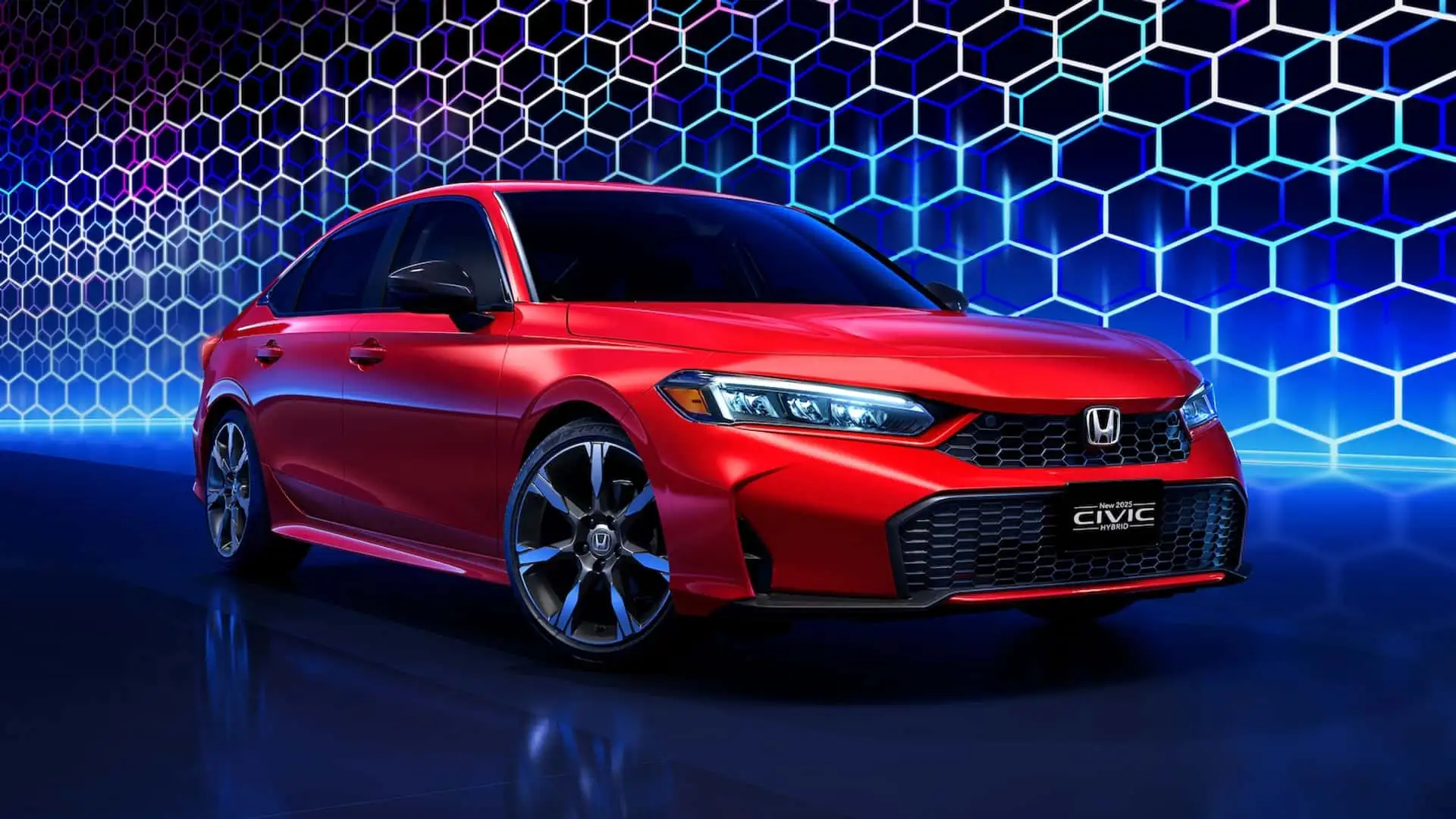
The 2025 Honda Civic Hybrid marks the return of a fuel-sipping Civic designed specifically for drivers who rack up serious miles each week. With fuel economy ratings approaching 50 mpg in the city, this model is especially well suited for long daily drives between towns, where fuel costs and comfort quickly become priorities.
Honda pairs exceptional efficiency with strong performance, refined road manners, and modern technology, creating a commuter-focused sedan that feels far more polished than past hybrids.
Power comes from Honda’s latest two-motor hybrid system, which combines a 2.0-liter Atkinson-cycle four-cylinder engine with dual electric motors. The system produces a healthy 200 horsepower and 232 lb-ft of torque, figures that rival or exceed those of the Civic Si.
Most driving is handled by the electric motor, delivering instant torque and smooth acceleration, while the gas engine steps in mainly at highway cruising speeds. This setup allows the Civic Hybrid to accelerate from 0 to 60 mph in about 6.2 seconds, making it quicker than the standard turbocharged Civic and even faster than the Si in real-world testing.
Fuel efficiency is the Civic Hybrid’s biggest draw. EPA ratings sit at 50 mpg city, and 47 mpg highway, and real-world highway testing confirms these numbers are achievable. For commuters driving long distances each day, this translates into substantial fuel savings over time.
Regenerative braking further improves efficiency while reducing wear on traditional brake components, with steering-wheel controls allowing drivers to adjust braking strength to suit their driving style.
Honda also refined the Civic’s ride and handling for 2025. Structural improvements and suspension tuning result in a more composed, comfortable ride that absorbs road imperfections well while maintaining the Civic’s trademark balance and responsiveness. Steering remains precise and natural, and despite the added weight of the hybrid system, the car feels stable and solid on the road.
Inside, the Civic Hybrid offers a thoughtfully designed cabin with high-quality materials and a clean layout. Seating is comfortable for long stints behind the wheel, and the interior avoids the awkward transitions or strange noises often associated with hybrids. Cargo space remains unchanged from non-hybrid models, since the battery and electronics are packaged under the rear seat.
Technology and safety features play a major role in reducing driver fatigue. Updated driver-assistance systems provide smoother lane-keeping and more natural adaptive cruise control behavior. Available Google built-in services, digital displays, and connected features add convenience without overwhelming the driver.
With strong performance, excellent fuel economy, and a refined driving experience, the 2025 Honda Civic Hybrid delivers low running costs with very few compromises. For high-mileage commuters who want efficiency without giving up responsiveness or comfort, it stands out as one of the most compelling compact sedans available.
4. 2025 Mazda CX-5: Premium Comfort and Engaging Handling for Everyday Drives
The 2025 Mazda CX-5 continues to stand out in the compact SUV segment by delivering a refined, near-luxury experience at a mainstream price. Well known for its upscale design, sharp handling, and strong reliability record, the CX-5 is a compelling choice for commuters in areas like Chico Valley who want comfort during daily drives and confidence on winding mountain roads.
One of the CX-5’s greatest strengths is its ride quality and cabin refinement. Mazda has tuned the suspension to strike an impressive balance between comfort and control. Rough pavement and road imperfections are absorbed smoothly, keeping the cabin quiet and composed, while the chassis remains responsive and stable through curves.
Steering is precise and well weighted, giving the CX-5 a driving feel closer to a sporty sedan than a traditional SUV. For drivers who enjoy curving roads, this engaging character sets the CX-5 apart from many rivals.
Under the hood, the standard 2.5-liter four-cylinder engine produces 187 horsepower and delivers strong throttle response around town, making city driving feel lively. At higher speeds, passing power can feel modest, but drivers seeking stronger acceleration can opt for the available turbocharged engine, which boosts output to 256 horsepower and significantly improves performance.
Both engines are paired with a smooth six-speed automatic transmission and come standard with Mazda’s i-Activ all-wheel-drive system. This setup enhances traction in rain or on uneven surfaces, adding confidence during changing road conditions.
Fuel efficiency is solid for the class. The standard engine is rated up to 31 mpg on the highway, with real-world testing showing results as high as 32 mpg. While the turbo engine trades some efficiency for performance, it remains reasonable for drivers who prioritize power and driving enjoyment. Towing capacity is modest at 2,000 pounds, but sufficient for light recreational needs.
Inside, the CX-5 impresses with an interior that rivals luxury brands in design and materials. The seating is supportive, controls are thoughtfully arranged, and attention to detail is evident throughout the cabin.
Rear-seat space is adequate rather than generous, and cargo capacity trails some competitors, but the flat load floor and smart storage solutions maintain everyday usefulness. A 10.3-inch infotainment display, controlled by a rotary dial, comes standard along with Apple CarPlay and Android Auto, offering a clean and distraction-reducing interface.
Safety is another strong point. The CX-5 includes a robust suite of standard driver-assistance features such as adaptive cruise control, lane-keeping assist, and automatic emergency braking, helping reduce stress during heavy traffic. While warranty coverage is average for the segment, the CX-5’s long-standing reputation for reliability adds reassurance.
Blending premium comfort, engaging driving dynamics, and everyday practicality, the 2025 Mazda CX-5 delivers a polished commuting experience that feels refined without feeling overpriced.

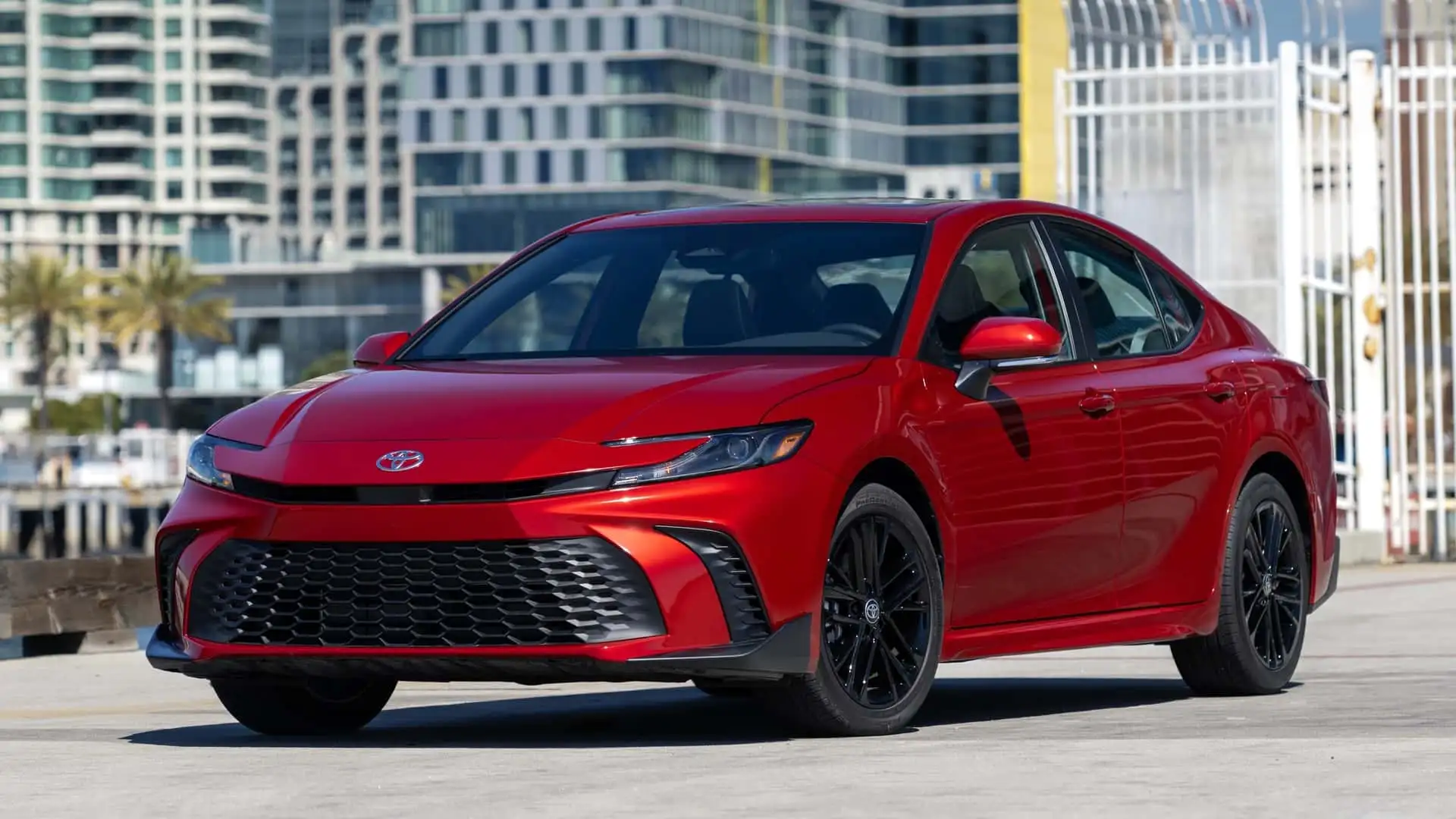
5. 2025 Toyota Camry: Efficient, Comfortable, and Reliable for Daily Commutes
The 2025 Toyota Camry continues to set the benchmark for midsize sedans, combining fuel efficiency, comfort, and advanced technology in a reliable package.
Redesigned for this model year, the Camry now focuses entirely on hybrid powertrains, offering impressive gas savings, a refined driving experience, and a suite of modern safety and connectivity features that make it ideal for Chico Valley commuters.
Fuel efficiency is a standout feature of the new Camry. The standard hybrid front-wheel-drive model delivers an EPA-estimated 51 mpg combined, with city ratings reaching 53 mpg. All-wheel-drive models are slightly lower but still offer excellent efficiency.
The hybrid system pairs a 2.5-liter four-cylinder engine with two electric motors, producing 225 horsepower in FWD trims and 232 hp in AWD versions.
This powertrain provides strong acceleration off the line, with a 0–60 mph time of 6.9 seconds for FWD and 6.8 seconds for AWD, making city merges and highway driving effortless. Toyota has also refined brake feel and steering, resulting in a confident and enjoyable driving experience.
The cabin emphasizes comfort and quietness, essential for long commutes or weekend trips. Redesigned seats, dual-zone climate control with rear vents, and low cabin noise contribute to a relaxed ride. The interior is spacious, accommodating passengers and cargo with ease.
Available upgrades include larger touchscreens, a 12.3-inch digital instrument cluster, a head-up display, ambient lighting, and premium JBL audio, enhancing convenience and entertainment. Wireless Apple CarPlay and Android Auto come standard, along with multiple USB-A and USB-C ports and wireless charging, keeping drivers connected on the go.
Safety remains a key strength for the Camry, with Toyota Safety Sense 3.0 included as standard equipment. This suite offers adaptive cruise control, lane-keeping and lane-tracing assist, pre-collision braking, automatic high beams, blind-spot monitoring, and rear cross-traffic alert.
Higher trims with the Premium Plus package add traffic-jam assist, 360-degree cameras, and front and rear automatic braking, earning the 2025 Camry an IIHS Top Safety Pick+ designation.
Styling updates for 2025 are evolutionary, with a redesigned front fascia and subtle interior improvements, while the optional sportier SE and XSE trims offer aerodynamic enhancements, dual exhausts, and two-tone color options. Pricing starts at $29,495 for the LE FWD trim, making it more affordable than the previous Camry Hybrid, while the top XSE AWD trim begins at $35,695.
With outstanding fuel economy, a comfortable and quiet interior, responsive hybrid performance, and a full suite of safety and tech features, the 2025 Toyota Camry delivers a stress-free and cost-effective daily commuting experience while retaining the reliability and refinement that have long defined the model.
Also Read: 5 Cars for Edmond Suburban Life and 5 That Need Dealer-Only Care
5 That Hide Problems in Listings
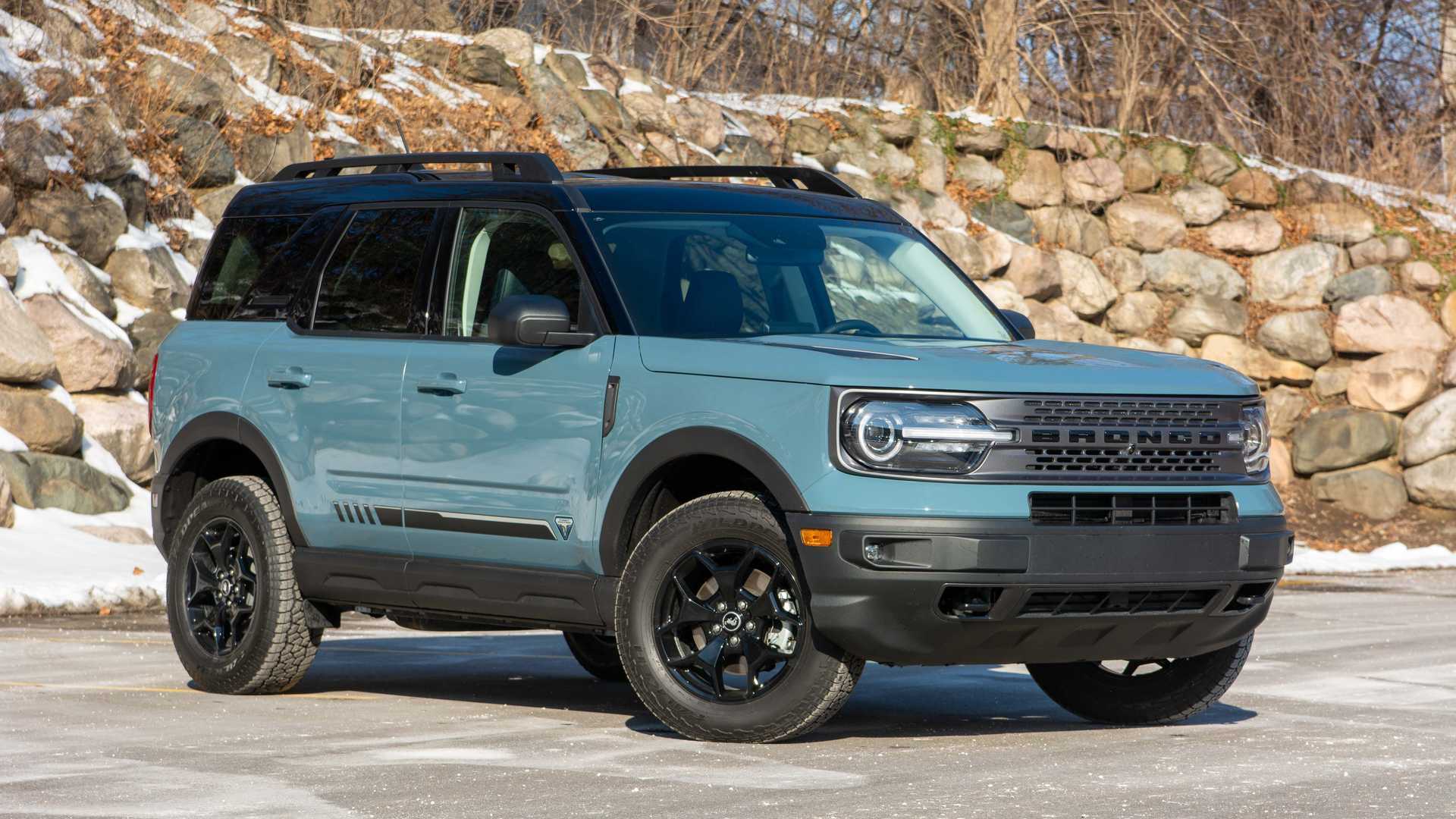
1. 2021 Ford Bronco Sport: Popular but Reliability Concerns Remain
The 2021 Ford Bronco Sport gained attention for its rugged looks and off-road appeal, but early models were plagued with significant reliability issues. Common problems include engine stalling, rough idling, and power loss, as well as transmission and drivetrain troubles.
Electrical glitches affecting sensors, stability, and traction control, along with brake system concerns such as premature wear or ABS malfunctions, were also reported. Additionally, oil, coolant, and transfer case leaks were frequent, leading to recalls, including one for potential fuel injector fires.
High demand and the Bronco Sport’s “cool factor” have sometimes led sellers to downplay or omit these issues. Dealers or private owners may not fully disclose past repairs or unresolved recalls, making careful inspection critical for buyers, especially in regions like Chico Valley, where commuting reliability is important.
Prospective buyers should check the vehicle’s recall history using the VIN, conduct a thorough pre-purchase inspection with an independent mechanic, and review service records for recurring problems.
Considering newer model years, such as 2023 and later, can also reduce the risk of encountering the early production defects. While the Bronco Sport remains attractive and capable, these steps are essential to avoid costly surprises in older used models.
2. 2020 Jeep Wrangler: Iconic Off-Roader with Hidden Reliability Concerns
The 2020 Jeep Wrangler remains a popular choice for off-road enthusiasts, but it has a reputation for reliability issues that buyers need to consider. Common problems include electrical glitches, particularly with the CAN bus wiring harness, causing stalling, jerking, and infotainment malfunctions like Apple CarPlay and Android Auto failures.
Water leaks around doors, windows, and roof seals are frequent, affecting interior comfort. Suspension and steering issues, including the notorious “Death Wobble,” can make highway driving unsettling, while transmission jerks and engine hiccups also appear in owner reports. Interior electronics may freeze, and some components feel less durable than expected for the price.
High demand and the Wrangler’s strong resale value often lead sellers to downplay or omit these defects, sometimes dismissing them as typical “Jeep quirks.” Certain electrical and suspension problems can be difficult for general mechanics to diagnose, increasing the risk that buyers may overlook them during a casual inspection.
Chico Valley buyers should take precautions by arranging a thorough pre-purchase inspection focused on the electrical system, suspension, and signs of water intrusion.
Reviewing Jeep forums and owner communities can reveal recurring issues that might not be immediately visible. While the 2020 Wrangler offers iconic styling and off-road capability, careful evaluation is essential to avoid costly surprises.

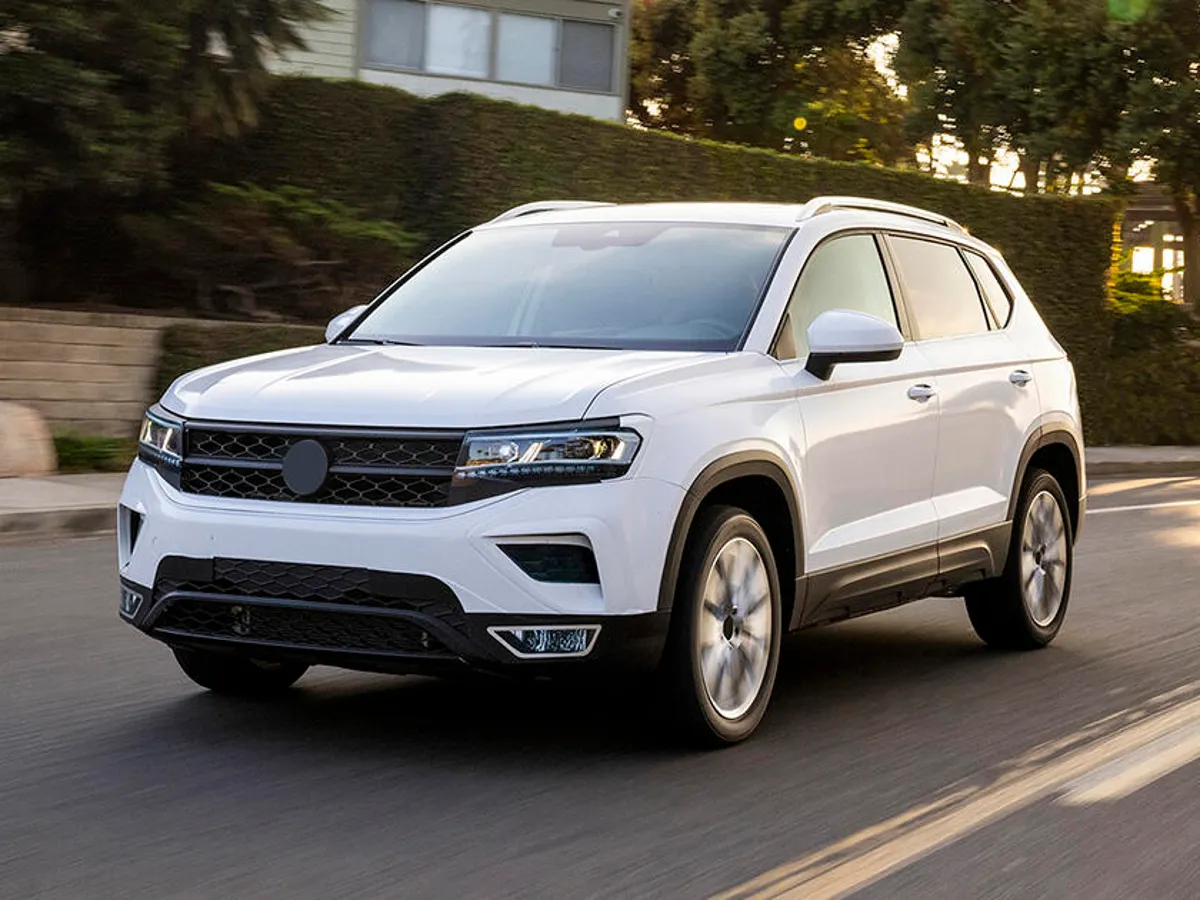
3. 2022 Volkswagen Taos: Recalls and Reliability Concerns
The 2022 Volkswagen Taos has faced multiple reliability issues, including antifreeze leaks, overheating, premature brake failure, and recurring engine and fuel system problems. Owners report fuel leaks, head gasket failures, faulty fuel pumps, rough idling, and engines going into limp mode.
Electronics are also problematic, with infotainment freezes, Android Auto failures, and persistent warning lights such as check engine and EPC alerts. Noise and water leaks further affect the daily driving experience.
Some problems may appear hidden or downplayed in listings. Issues like sporadic warning lights can vanish before dealership inspections, making diagnosis difficult. Warranty repairs often recur, leaving owners frustrated when fixes are not permanent.
A class-action lawsuit highlights defects with suction jet pumps, suggesting systemic flaws. High demand and cosmetic appeal may also encourage sellers to minimize disclosures, which can mislead buyers.
For Chico Valley commuters, these issues can translate to unexpected breakdowns, lost time, and stress. Persistent problems also complicate resale or trade-in, as repairs and defects must be disclosed.
Prospective buyers should review service records carefully, verify that all recalls have been addressed, and conduct thorough test drives to detect noises, leaks, or electronic malfunctions. Consulting VW Taos owner forums can provide insight into common issues and real-world reliability before making a purchase decision.
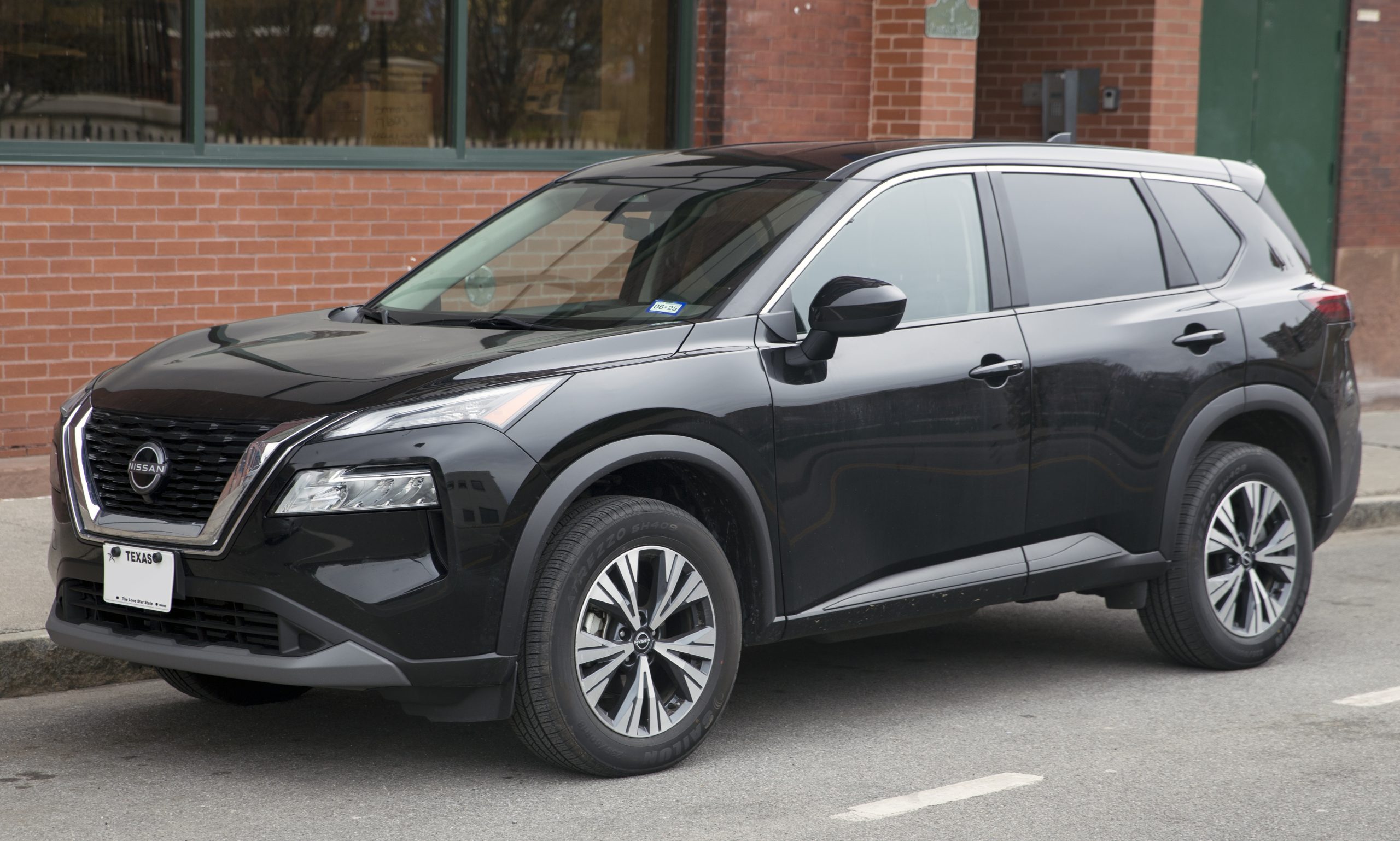
4. Nissan Rogue Sport: Attractive Price but Known Reliability Issues
The Nissan Rogue Sport is popular for its features, fuel efficiency, and competitive pricing, but it has several reliability concerns that buyers should be aware of. CVT transmission problems are particularly common, including jerking, shuddering, hesitation, and occasional stalling, often leading to costly repairs or replacements.
Engine issues such as failing plastic oil pans, premature torque mount wear, and vibrations are also reported.
Electrical glitches, including malfunctioning pre-collision and parking sensors or random dashboard warnings, are frequent, and cosmetic concerns like easily chipped paint and cracking leather seats add to long-term maintenance considerations.
Sellers may downplay or omit these issues in listings, emphasizing positive features or recent fixes instead. Some problems appear only after a few years, often beyond the warranty period, making newer listings appear trouble-free. Buyers in Chico Valley and elsewhere should remain vigilant to avoid unexpected costs.
To protect against these common defects, prospective buyers should arrange a pre-purchase inspection focusing on the transmission, engine mounts, and electronics. A thorough test drive is crucial to identify hesitation, shuddering, or abnormal noises.
Reviewing service records for repeated repairs can reveal recurring issues that may not be disclosed. While the Rogue Sport offers appealing features, careful evaluation is essential to avoid reliability pitfalls and ensure a safe, trouble-free purchase.
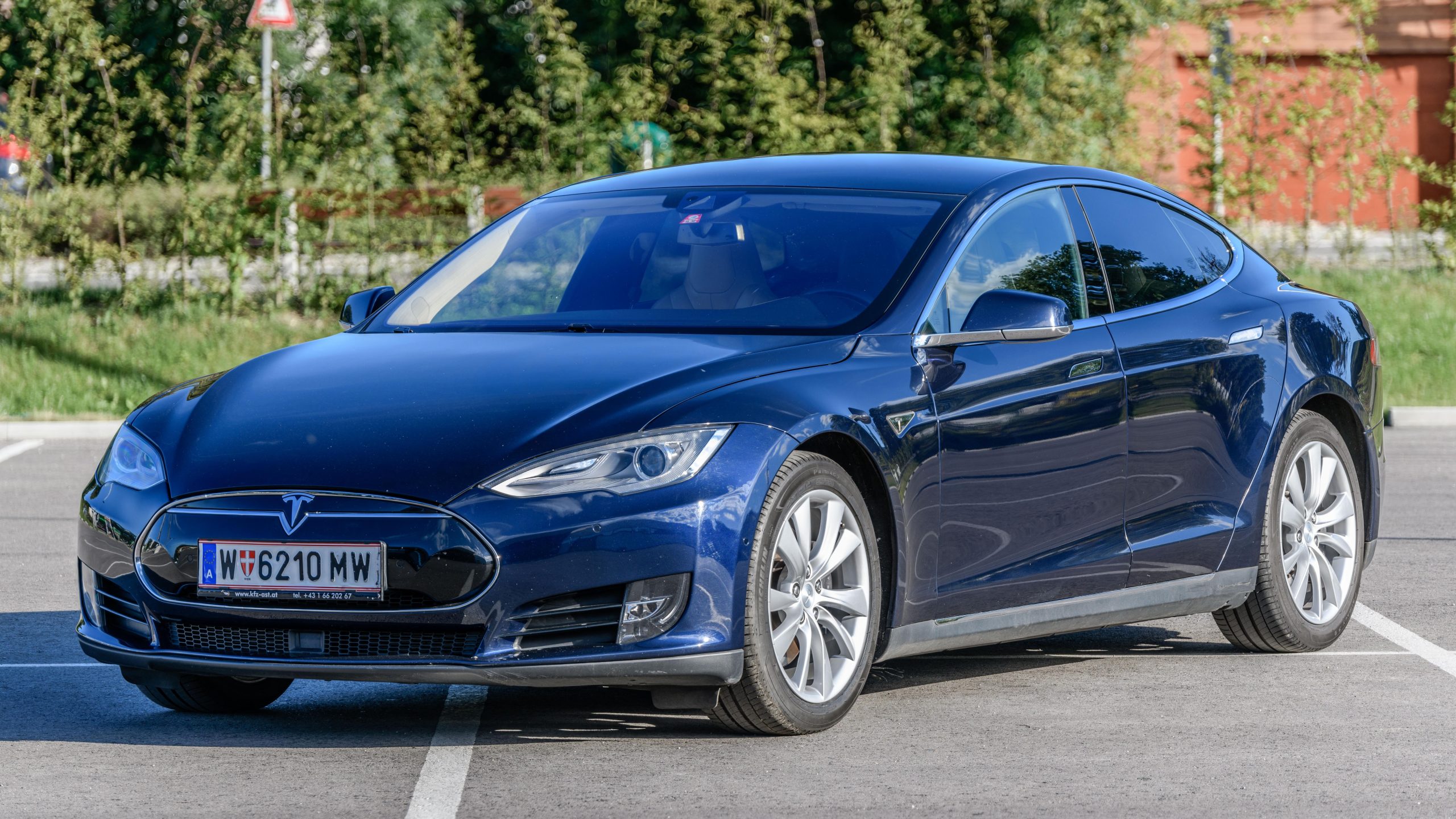
5. Tesla Model S (Early Generations): Hidden Issues in Used Listings
Early Tesla Model S vehicles, particularly from 2012 to 2016, are often listed without full disclosure of common reliability issues, which can lead to costly repairs for buyers.
Common problems include door handle failures, air suspension and steering component wear, early battery degradation, motor replacements, and charging or 12V electronics glitches. While Tesla addressed some issues via over-the-air software updates, hardware problems frequently persisted, leaving owners with unexpected maintenance needs.
Sellers often highlight the Model S’s tech, performance, and Autopilot features, downplaying or omitting these weaknesses. The brand’s “it’s a Tesla” appeal can mislead buyers into overlooking potential flaws, while early adopters may focus more on the vehicle’s innovation than its reliability.
This tendency to emphasize positives can make used listings appear more attractive than the vehicle’s actual condition warrants.
For buyers, understanding these common issues is critical. Door handle microswitches and gears often fail, suspension and steering components can require replacement, and early batteries degrade faster than later models.
Prospective owners should factor in the high cost of repairs and possible long lead times for parts. Thorough inspections, reviewing service records, and consulting owner forums are essential steps to avoid paying a premium for a Model S that may need immediate and expensive maintenance.
For Chico Valley commuters, selecting the right vehicle goes beyond looks or features. It requires a careful balance of efficiency, comfort, safety, and reliability.
The top five recommended models, including the Subaru Crosstrek, Toyota RAV4 Hybrid, Honda Civic Hybrid, Mazda CX-5, and Toyota Camry, show how thoughtful engineering, fuel efficiency, and driver-focused technology create a stress-free daily drive. Each offers practical benefits for mixed urban and rural routes while minimizing long-term ownership costs.
Conversely, vehicles like the Ford Bronco Sport, Jeep Wrangler, Volkswagen Taos, Nissan Rogue Sport, and early Tesla Model S serve as cautionary examples. Hidden mechanical, electrical, or drivetrain issues, combined with incomplete listing disclosures, make thorough pre-purchase inspections, recall checks, and service history reviews essential.
By understanding both the ideal commuter options and the potential pitfalls, buyers can make informed decisions, ensuring safe, reliable, and economical transportation for the Chico Valley lifestyle.
Also Read: 10 Cars That Look Stunning But Disappoint True Enthusiasts