
Nestled in Arizona’s high country at 5,400 feet elevation, Prescott offers the perfect escape from the desert heat with its pine-covered mountains, historic downtown, and winding scenic roads.
Whether you’re planning a romantic getaway to explore Whiskey Row, an outdoor adventure on the trails surrounding Watson Lake, or a leisurely drive through the Prescott National Forest, choosing the right vehicle can make or break your weekend escape.
The journey from Phoenix takes roughly 90 minutes via Highway 69, featuring elevation changes, mountain curves, and varying road conditions that demand reliable transportation.
The ideal Prescott weekend vehicle needs to balance comfort for highway cruising with capability for exploring backroads and forest trails.
You’ll want something fuel-efficient enough for the round trip, spacious enough for luggage and outdoor gear, and reliable enough that you won’t spend your precious weekend stranded.
However, not all vehicles that seem perfect on paper deliver in reality. Some popular models harbor hidden problems that only reveal themselves after you’ve driven off the lot issues ranging from transmission failures to electrical gremlins that can leave you calling for a tow truck when you should be enjoying mountain views.
This guide explores ten vehicles through two distinct lenses: five excellent choices that will enhance your Prescott adventures, and five problematic models that might seem appealing but hide serious reliability issues you should avoid.
5 Best Cars for Prescott Weekend Escapes
These exceptionally versatile vehicles feature capable all-wheel-drive systems and comfortable highway cruising perfectly suited for Arizona mountain getaways, providing reliable transportation through Prescott’s high-elevation environment and scenic forest roads without the limitations typically restricting Phoenix residents’ weekend adventures.
Their practical engineering includes adequate ground clearance and proven reliability that resist the breakdown anxieties found in fragile vehicles while handling Yarnell Hill climbs, Thumb Butte trail access, and Watson Lake recreation areas requiring modest off-pavement capability.
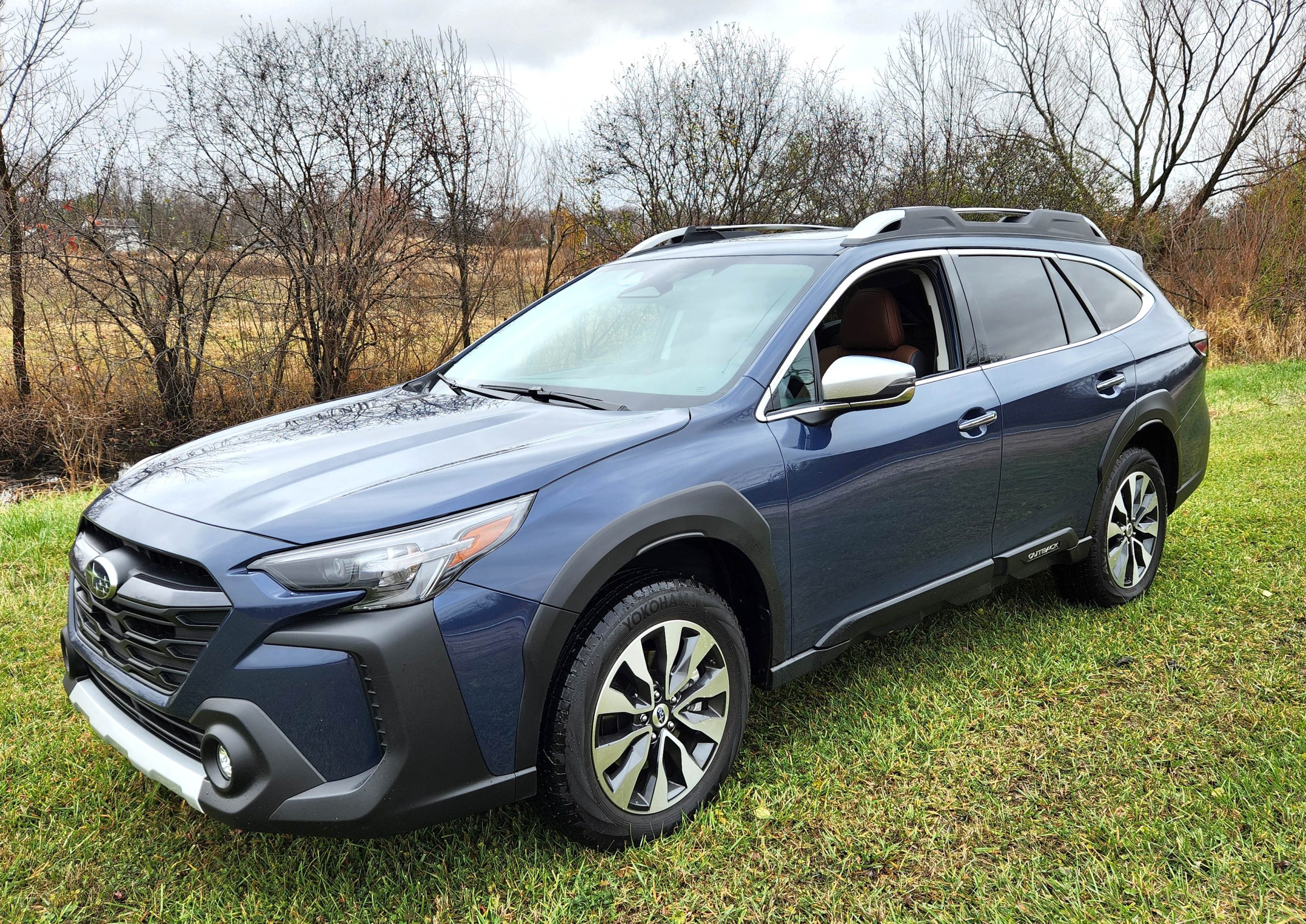
1. Subaru Outback
The Subaru Outback has become synonymous with adventure-ready capability wrapped in refined everyday practicality, making it an outstanding choice for Prescott weekend escapes.
This raised wagon or car-based SUV, depending on your perspective delivers a compelling combination of all-wheel-drive security, generous ground clearance, and car-like handling that excels on both Interstate 17 and the forest roads surrounding Prescott.
The current-generation Outback offers 8.7 inches of ground clearance, which might not sound impressive compared to body-on-frame SUVs, but it’s perfectly adequate for the maintained forest roads and improved trails around Prescott.
The standard Symmetrical All-Wheel Drive system continuously distributes power to all four wheels, providing confident traction on loose gravel, muddy spring conditions, or unexpected summer monsoon downpours.
Unlike part-time systems that only engage when slippage is detected, Subaru’s full-time AWD offers proactive grip that makes challenging surfaces feel manageable.
Inside, the Outback provides exceptional versatility with 32.5 cubic feet of cargo space behind the rear seats, expanding to 75.7 cubic feet when you fold the rear seats flat.
This means you can easily pack camping equipment, mountain bikes, hiking gear, and coolers for a weekend of outdoor activities. The low cargo floor makes loading heavy items remarkably easy no awkward lifting required.
For those who prioritize fuel efficiency, the base 2.5-liter four-cylinder engine delivers an EPA-estimated 26 mpg city and 33 mpg highway, making the Phoenix-to-Prescott round trip achievable on a single tank.
The turbocharged XT model, with its 2.4-liter engine producing 260 horsepower, provides entertaining acceleration while maintaining respectable 23/30 mpg ratings.
The power proves particularly useful when passing slower traffic on two-lane mountain roads or merging confidently onto freeways. Subaru’s EyeSight driver assistance technology comes standard, offering adaptive cruise control that reduces fatigue on longer drives and pre-collision braking that adds peace of mind on unfamiliar winding roads.
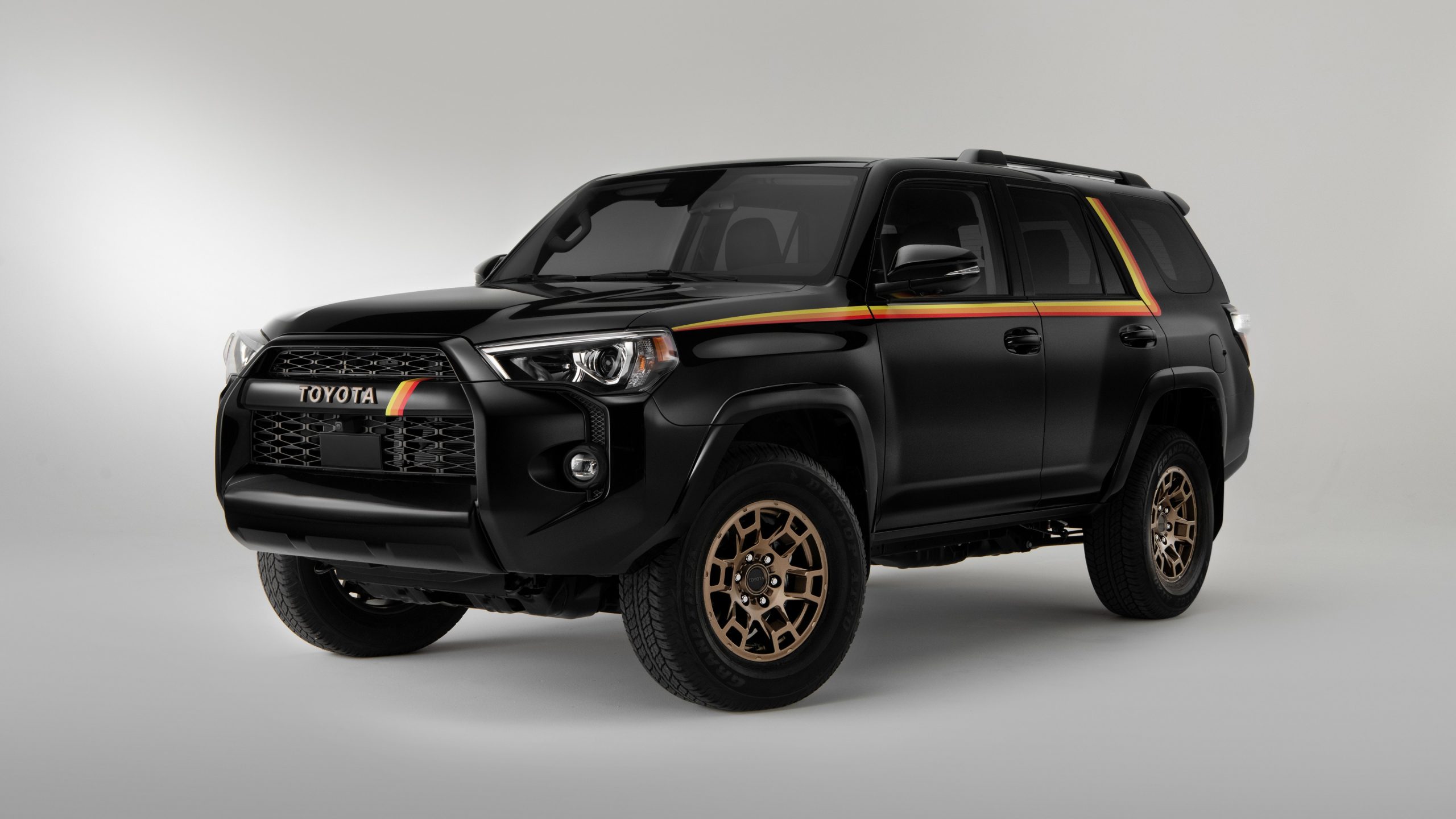
2. Toyota 4Runner
When weekend adventures demand maximum capability and bulletproof reliability, the Toyota 4Runner stands as a traditional body-on-frame SUV that refuses to compromise its off-road credentials for car-like refinement.
While competitors have shifted toward unibody construction and road-focused dynamics, the 4Runner maintains its truck-based architecture, delivering genuine off-road prowess that opens up Prescott’s more challenging backcountry routes.
The 4Runner’s 9.6 inches of ground clearance (or 9 inches on SR5 models) exceeds most crossovers, allowing you to confidently go through the rocky forest roads, water crossings, and rutted trails without constantly worrying about scraping the undercarriage.
Models equipped with Toyota’s Kinetic Dynamic Suspension System (KDSS) gain impressive articulation that keeps all four wheels planted on extremely uneven terrain, while the available rear locking differential provides serious traction when conditions deteriorate beyond what the standard four-wheel-drive system can handle alone.
The 4.0-liter V6 engine produces 270 horsepower and 278 lb-ft of torque not thrilling by modern standards, but proven and reliable. This powerplant has served Toyota faithfully for years with minimal issues, and while it won’t win acceleration contests, it delivers adequate power for highway passing and maintains momentum on steep mountain grades.
The five-speed automatic transmission feels decidedly old-school in an era of eight, nine, and ten-speed gearboxes, but its simplicity contributes to the 4Runner’s reputation for longevity.
Inside, the 4Runner prioritizes durability over luxury. The materials feel designed to withstand muddy boots, wet hiking gear, and the general abuse of outdoor adventures.
The rear seats fold flat to create 47.2 cubic feet of cargo space not class-leading, but the upright shape accommodates bulky items more gracefully than many competitors.
The available sliding rear cargo deck makes accessing gear remarkably convenient, sliding out like a drawer so you don’t have to climb into the cargo area.
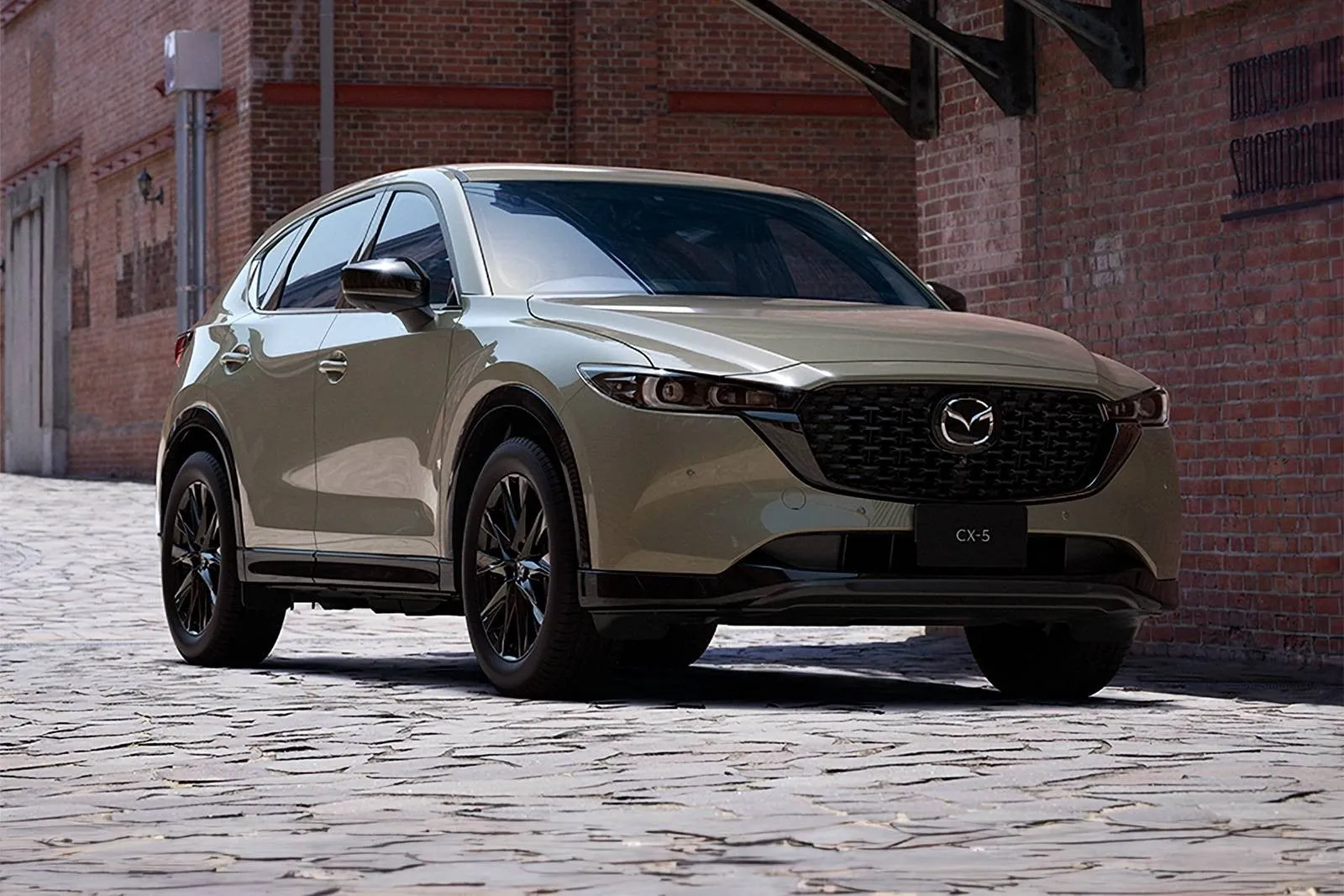
3. Mazda CX-5
For those who view the drive to Prescott as an integral part of the weekend experience rather than merely a necessary journey, the Mazda CX-5 transforms highway miles into genuine driving pleasure.
This compact crossover delivers an engaging, connected feel that’s increasingly rare in a segment dominated by isolation and numbness, making it perfect for enthusiasts who refuse to sacrifice driving dynamics even when choosing a practical family vehicle.
The CX-5’s chassis tuning strikes an admirable balance between comfort and control. The suspension absorbs expansion joints and rough pavement competently while maintaining enough firmness to eliminate excessive body roll through curves.
The steering offers actual feedback you can sense changes in road surface and feel the front tires’ grip levels, information that builds confidence on unfamiliar winding mountain roads.
This communicative character makes the CX-5 feel more like a sport sedan on stilts than a typical crossover, rewarding smooth inputs and making even mundane drives more engaging.
Power comes from either a naturally aspirated 2.5-liter four-cylinder producing 187 horsepower or a turbocharged version of the same engine delivering 227 horsepower on regular fuel or 250 horsepower on premium.
The turbo engine provides effortless passing power and confident merging, while the naturally aspirated base engine proves perfectly adequate if you prioritize fuel efficiency. Both pair with a smooth six-speed automatic transmission that responds quickly to throttle inputs and rarely hunts for the right gear.
The interior showcases Mazda’s commitment to quality materials and thoughtful ergonomics. The controls fall naturally to hand, the infotainment system responds quickly without frustrating lag, and the materials even on lower trim levels feel upscale compared to many competitors.
Cargo capacity measures 30.9 cubic feet behind the rear seats, expanding to 59.6 cubic feet with seats folded, which proves adequate for typical weekend getaway requirements without overwhelming you with excess space.
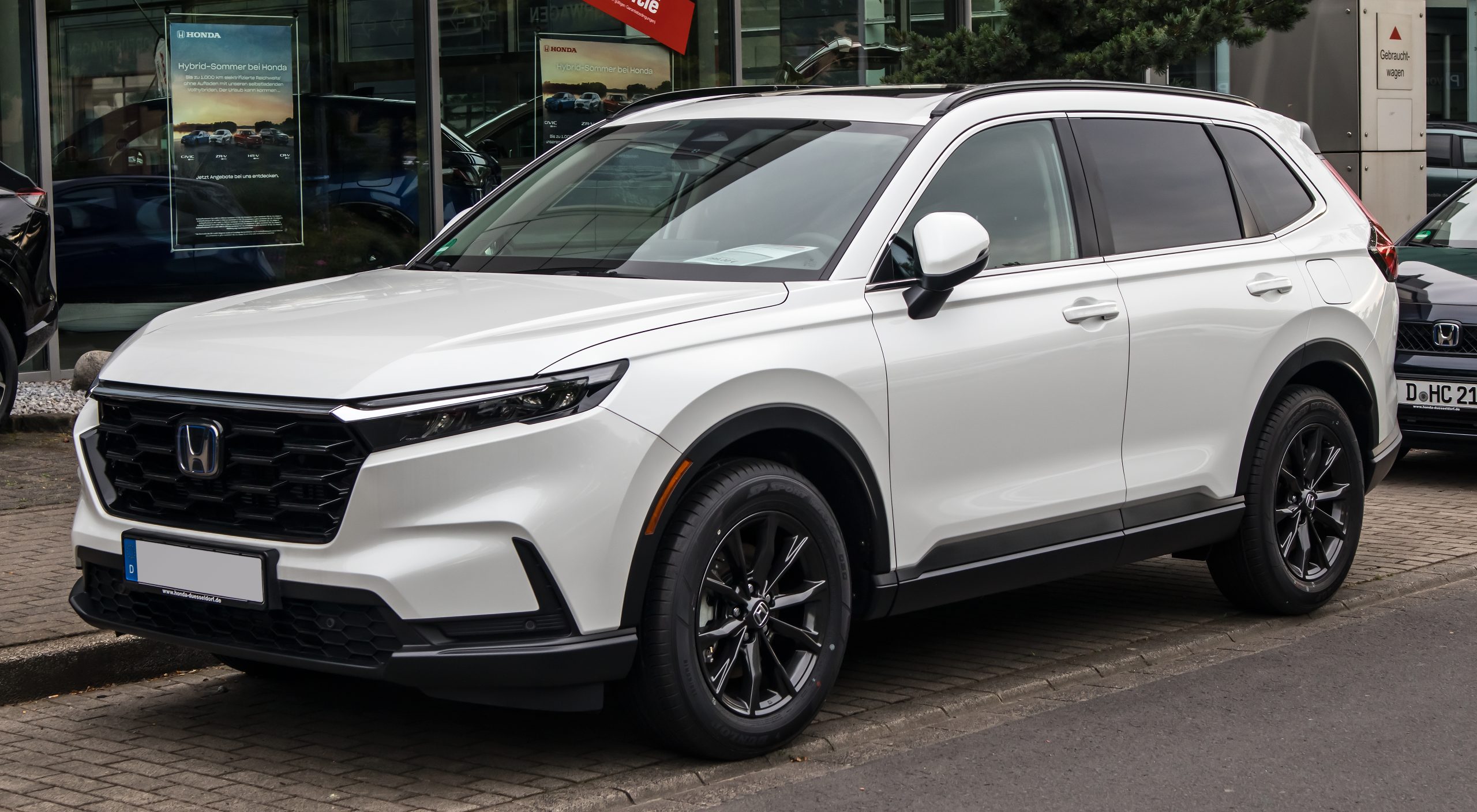
4. Honda CR-V
The Honda CR-V has earned its position as America’s bestselling crossover through relentless practicality, proven reliability, and thoughtful design that anticipates real-world needs.
While it doesn’t excel in any single dimension—it’s not the most spacious, fastest, most luxurious, or most capable it delivers a balanced package that serves weekend escape duties exceptionally well while doubling as an effortless daily driver throughout the week.
Space efficiency represents the CR-V’s most compelling attribute. Despite compact exterior dimensions that make parking and maneuvering painless, the interior feels remarkably spacious with generous headroom, legroom, and shoulder room in both rows.
The cargo area provides 39.2 cubic feet behind the rear seats significantly more than many competitors and a flat load floor makes organizing gear simple.
The rear seats recline for passenger comfort on longer trips, and when folded, they create 76.5 cubic feet of cargo capacity that can accommodate surprisingly large items.
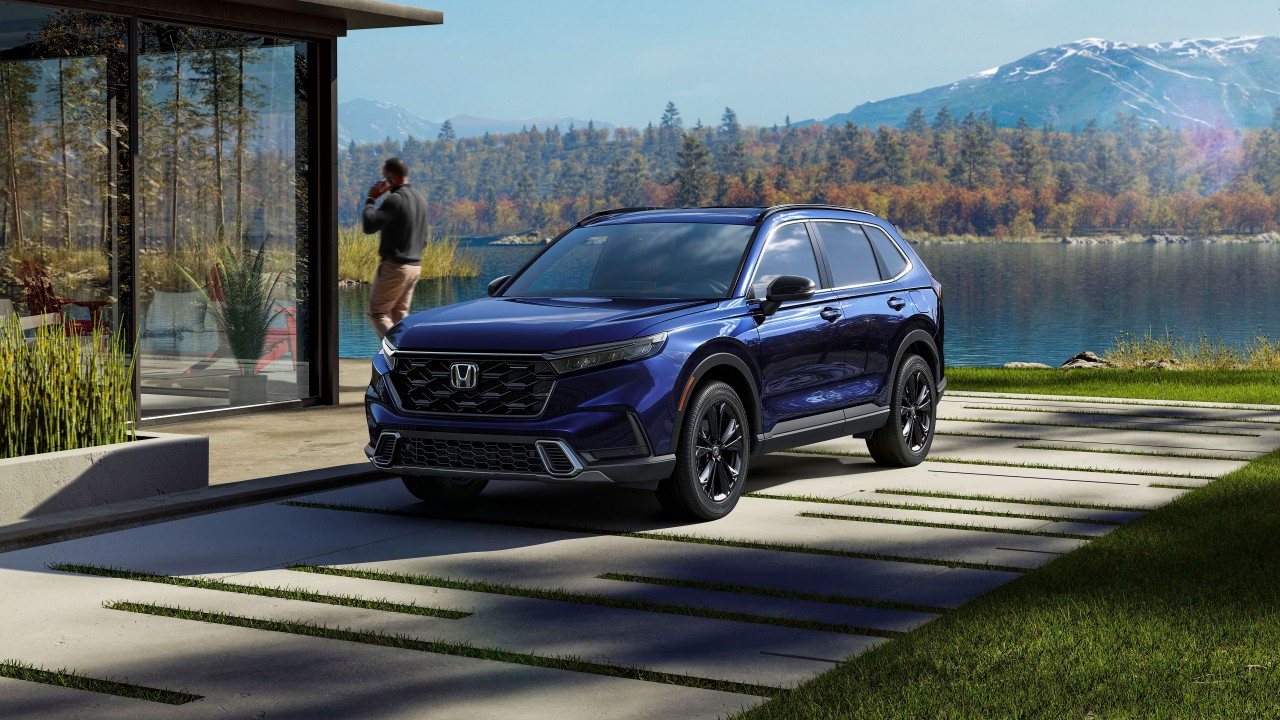
Honda’s 1.5-liter turbocharged four-cylinder engine produces 190 horsepower and 179 lb-ft of torque, delivering brisk acceleration and confident highway passing while achieving EPA ratings of 28 mpg city and 34 mpg highway with front-wheel drive (27/32 with AWD).
The continuously variable transmission (CVT) operates more naturally than most competitors’ CVTs, without the excessive droning that plagues some implementations.
While driving enthusiasts might miss the engagement of a traditional automatic, the CVT contributes significantly to the CR-V’s impressive fuel efficiency.
The available all-wheel-drive system, while not designed for serious off-roading, provides confident traction on dirt roads and during inclement weather.
Combined with 8.2 inches of ground clearance, it offers enough capability for exploring Prescott’s maintained forest roads without venturing into hardcore off-road territory.
Standard Honda Sensing safety technology includes adaptive cruise control, lane-keeping assist, and automatic emergency braking features that reduce fatigue on longer drives and provide an extra margin of safety.
Also Read: 5 Cars for Franklin Suburban Commuters and 5 That Lose Value Fast
5. Jeep Grand Cherokee
The Jeep Grand Cherokee occupies a unique position in the midsize SUV segment, offering genuine off-road capability that extends well beyond what most crossovers can manage while maintaining on-road refinement that makes daily driving pleasant.
This dual personality makes it particularly well-suited for Prescott weekends where you might encounter challenging forest roads but still want comfortable highway cruising for the 90-minute drive from Phoenix.
Multiple four-wheel-drive systems cater to different priorities. The base Quadra-Trac I offers full-time four-wheel drive that automatically distributes torque between the front and rear axles.
Quadra-Trac II adds a two-speed transfer case with low-range gearing for more challenging terrain, while the Quadra-Drive II system incorporates electronic limited-slip differentials front and rear for maximum traction in extreme conditions.
For serious off-road enthusiasts, the Trailhawk trim adds skid plates, an air suspension with increased ground clearance, and aggressive approach and departure angles.
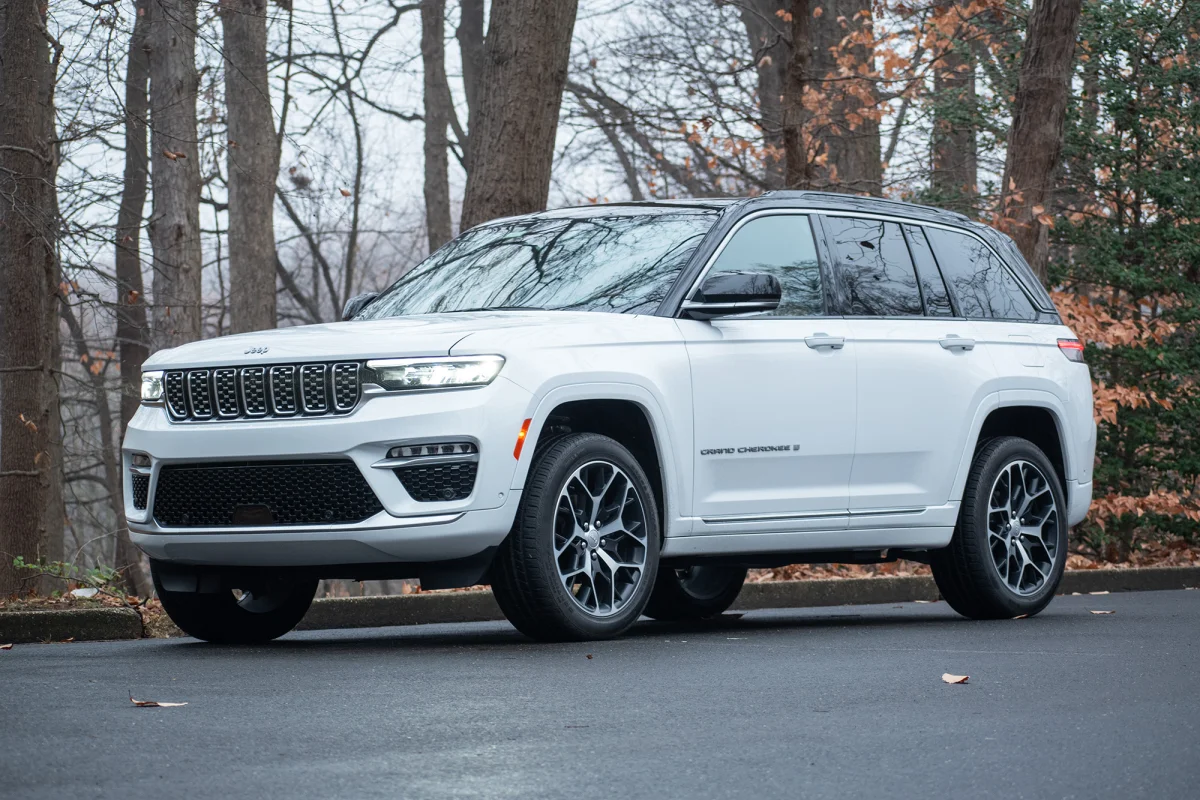
Engine options range from a fuel-efficient turbocharged 2.0-liter four-cylinder producing 270 horsepower to potent V6 and V8 options delivering thrilling performance.
The 3.6-liter V6 represents the sweet spot for most buyers, offering 293 horsepower and adequate towing capacity (up to 6,200 pounds when properly equipped) without the fuel consumption penalties of larger engines.
The smooth eight-speed automatic transmission shifts imperceptibly during normal driving but responds quickly when you demand acceleration.
Inside, the Grand Cherokee provides a more upscale environment than its exterior might suggest, with available leather upholstery, real wood trim, and advanced technology features.
The Uconnect infotainment system ranks among the industry’s best, with intuitive menus, quick responses, and logical layouts that minimize distraction. Cargo capacity measures 37.7 cubic feet behind the rear seats competitive if not class-leading expanding to 68.3 cubic feet with seats folded.
5 Cars That Hide Problems
These deceptively problematic vehicles suffer from documented reliability issues and latent defects that only emerge after ownership begins, transforming Prescott weekend plans into breakdown nightmares through sudden catastrophic failures appearing without warning despite initially smooth operation and dealer assurances.
Their concerning characteristics include failure-prone cooling systems and defective components that cannot handle Arizona’s extreme conditions combined with mountain driving stress, leading to overheating on Yarnell grades, transmission failures during Prescott trips, and complete breakdowns stranding families hours from Phoenix in remote mountain locations.
1. Nissan Pathfinder (2013-2020)
The Nissan Pathfinder underwent a significant transformation for the 2013 model year, abandoning its truck-based body-on-frame construction for a more modern unibody platform.
While this transition improved on-road comfort and fuel efficiency, the 2013-2020 generation introduced reliability concerns that have damaged the Pathfinder’s reputation and left many owners frustrated with expensive repairs and recurring problems.
The most notorious issue involves the continuously variable transmission (CVT), which has proven alarmingly unreliable across multiple Nissan models during this period.
Pathfinder owners have reported premature transmission failures, sometimes occurring well before 100,000 miles. Symptoms include shuddering during acceleration, hesitation when pulling away from stops, overheating warnings, and complete failure requiring replacement.
Nissan extended the CVT warranty to seven years or 84,000 miles on some model years, tacit acknowledgment of the problem’s severity, but many failures occur beyond this coverage, leaving owners facing repair bills exceeding $5,000 to $7,000.
The CVT problems aren’t merely inconvenient they represent a legitimate safety concern. Multiple reports describe transmissions slipping or losing power during highway merging or when accelerating uphill, creating dangerous situations.
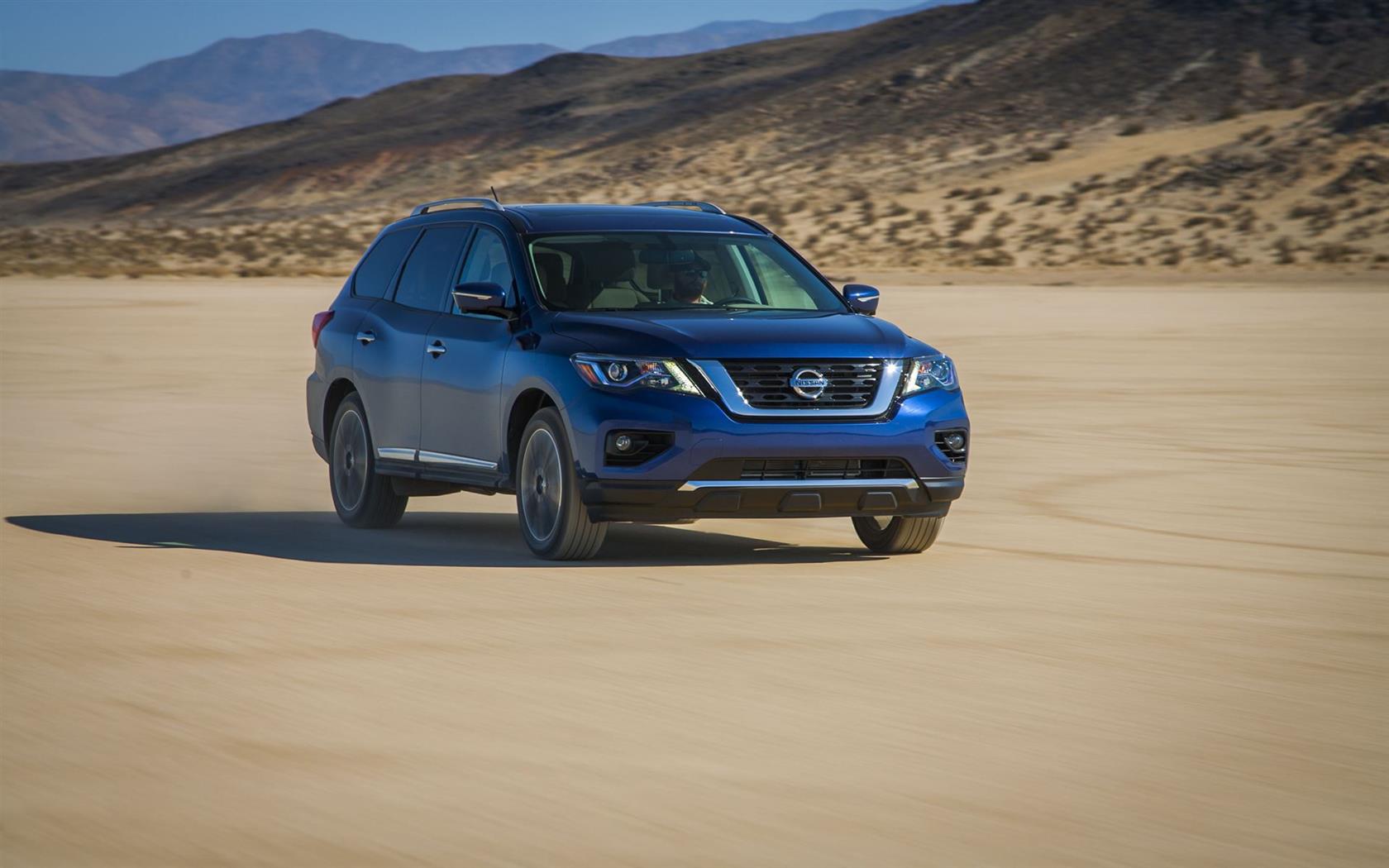
Some owners report the transmission going into “limp mode” unexpectedly, drastically reducing power and potentially stranding occupants in hazardous locations. For a vehicle marketed toward families and outdoor adventures, these reliability issues prove particularly problematic.
Beyond transmission troubles, the 2013-2020 Pathfinder suffers from various other concerns. The electrical system has proven troublesome, with owners reporting malfunctioning infotainment systems, failing sensors, and mysterious warning lights.
The climate control system frequently experiences failures requiring expensive repairs. Some owners report excessive oil consumption with the 3.5-liter V6 engine, requiring frequent top-ups between scheduled maintenance intervals. Brake problems, including premature wear and spongy pedal feel, appear more frequently than expected.
The driving experience, even when everything works properly, feels uninspiring compared to competitors. The CVT creates a disconnected feeling under acceleration, with the engine droning at high RPMs while the vehicle gradually gains speed.
Body control feels sloppy through corners, with excessive lean and imprecise steering that makes the Pathfinder feel larger than its dimensions suggest. The interior materials, particularly on lower trim levels, feel cheap and wear poorly over time, developing rattles and squeaks that diminish the ownership experience.
2. Jeep Compass (2007-2017)
The first two generations of the Jeep Compass represent some of the most problematic vehicles bearing the iconic Jeep badge, combining poor build quality with questionable engineering decisions and reliability issues that have left many owners regretting their purchase.
While the Jeep name conjures images of rugged capability and adventure, these Compass models deliver disappointment wrapped in plasticky interiors and underwhelming performance.
Engine problems plague these Compasses, particularly models equipped with the 2.0-liter or 2.4-liter four-cylinder engines. Owners report excessive oil consumption requiring constant monitoring and frequent top-ups between oil changes.
Some engines develop internal damage from oil starvation despite proper maintenance, leading to catastrophic failures. The cylinder heads prove particularly problematic, with warping issues that cause coolant to leak into the combustion chambers, resulting in white smoke from the exhaust and overheating.
Repairing these issues often costs thousands of dollars, sometimes approaching or exceeding the vehicle’s value. Transmission reliability varies depending on the specific unit installed, but none inspire confidence.
The CVT transmissions experience many of the same problems plaguing other Chrysler Group products from this era, including shuddering, slipping, and premature failure.
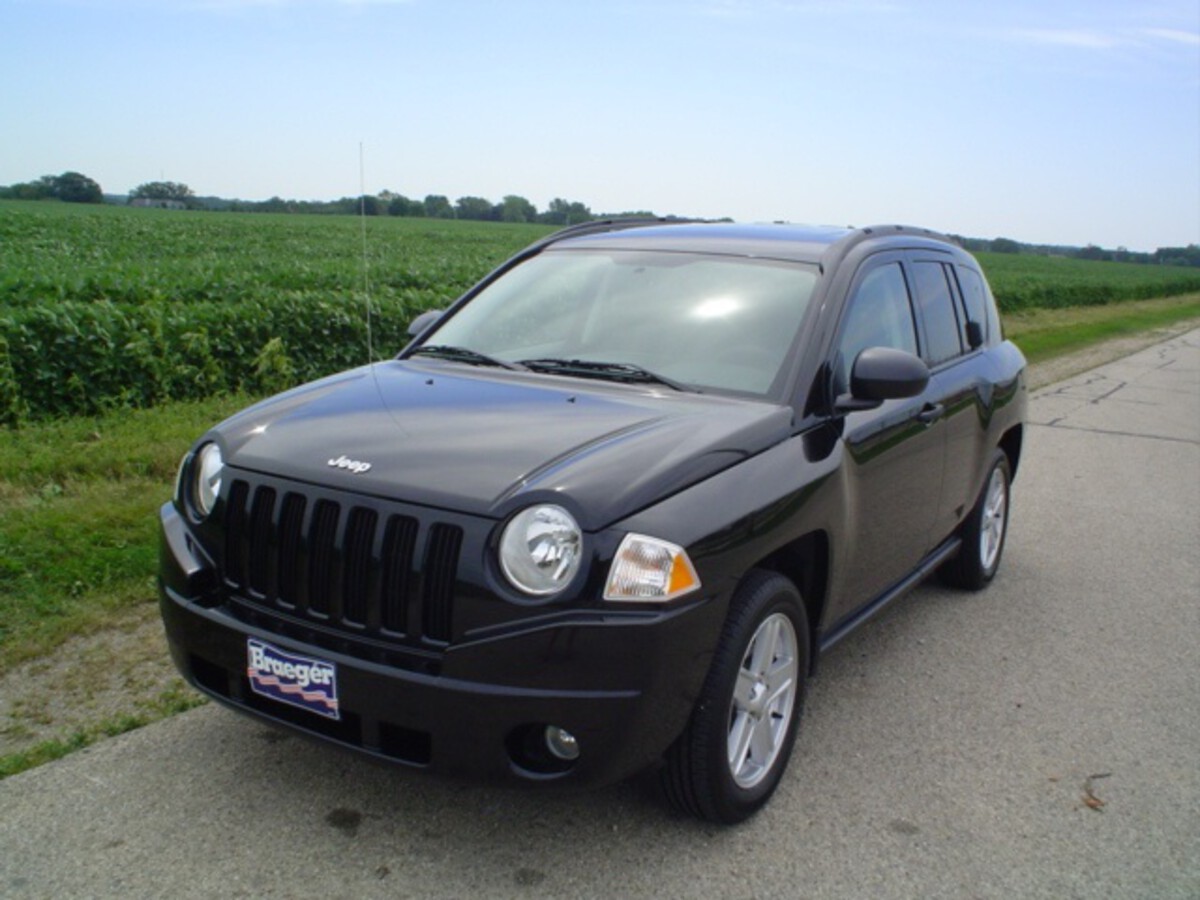
The conventional automatic transmissions prove only marginally more reliable, with owners reporting harsh shifting, delayed engagement, and electronic control module failures.
Manual transmissions, offered on some base models, generally prove more durable but can’t overcome the Compass’s other fundamental shortcomings.
Electrical problems occur with frustrating frequency. The wireless ignition node (WIN) module, which communicates with the key fob, frequently fails, leaving owners unable to start their vehicles despite having properly functioning keys. Replacing this module requires expensive dealer service.
The TIPM (Totally Integrated Power Module) can fail, causing various electrical gremlins ranging from non-functioning windshield wipers to fuel pump failures. Power window motors fail prematurely, door lock actuators stop working, and various sensors throw warning lights for problems that don’t actually exist.
The interior quality feels particularly substandard, even by the modest standards of compact SUVs. Hard plastics dominate every surface, fit and finish appears sloppy with uneven panel gaps, and materials wear poorly, developing a shabby appearance after just a few years. Wind and road noise intrude constantly, making highway driving tiresome.
The driving dynamics offer no redeeming qualities the steering feels numb and imprecise, the suspension crashes over bumps, and the handling inspires zero confidence on winding roads.
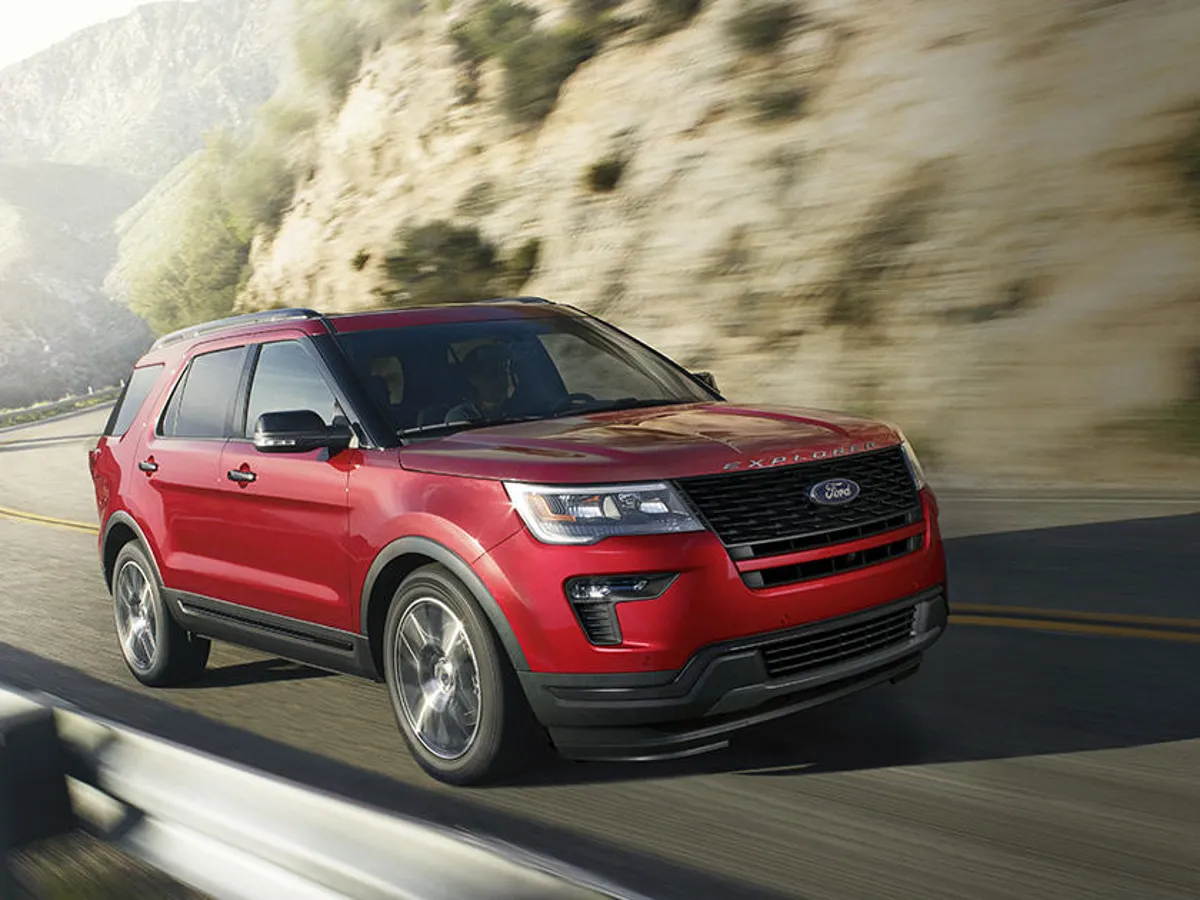
3. Ford Explorer (2011-2019)
The fifth-generation Ford Explorer, produced from 2011 through 2019, marked a significant departure from its truck-based predecessors, adopting a car-based unibody platform to improve fuel efficiency and road manners.
While this transformation succeeded in creating a more refined driving experience, the execution introduced numerous reliability issues that have tarnished the Explorer’s reputation and left many owners dealing with expensive, recurring problems.
The most serious concerns center on the engine and powertrain. The 3.5-liter EcoBoost V6 engine, available on many models and standard on Sport and Platinum trims, experiences water pump failures with alarming frequency.
The water pump’s internal design proves fundamentally flawed, with coolant leaking into areas where it can mix with engine oil or escape externally.
Because the water pump is internally mounted and driven by the timing chain, replacing it requires extensive disassembly, resulting in labor costs that push total repair bills to $2,000-$4,000. Many owners report multiple water pump failures over the vehicle’s life, creating an expensive pattern of recurring repairs.
Transmission problems affect both the six-speed automatic transmission used in earlier model years and the ten-speed automatic introduced in 2017-2018. Owners report harsh shifting, shuddering, delayed engagement, and premature failures requiring complete rebuilds or replacements.
Some transmissions slip between gears, hesitate when accelerating from a stop, or jerk violently during low-speed maneuvering. Ford issued multiple technical service bulletins and software updates attempting to address these issues, but many owners report the problems persist despite dealer intervention.
The Explorer’s electrical system proves troublesome across multiple subsystems. The SYNC infotainment system frequently freezes, reboots unexpectedly, or becomes completely non-functional. The touchscreen may stop responding to inputs or display error messages continuously.
Beyond infotainment annoyances, more serious electrical problems affect critical vehicle systems parking sensors fail, backup cameras stop working, and various modules throw fault codes requiring expensive diagnostics and repairs. The electronic parking brake system can malfunction, either refusing to release or engaging unexpectedly.
Interior quality disappointed many buyers who expected better materials and construction given the Explorer’s price point. The plastics feel cheap and develop squeaks and rattles surprisingly quickly.
Climate control systems experience failures, with blend door actuators breaking and requiring dashboard removal for replacement. The third-row seat proves cramped and difficult to access, and visibility suffers due to thick roof pillars and small windows.
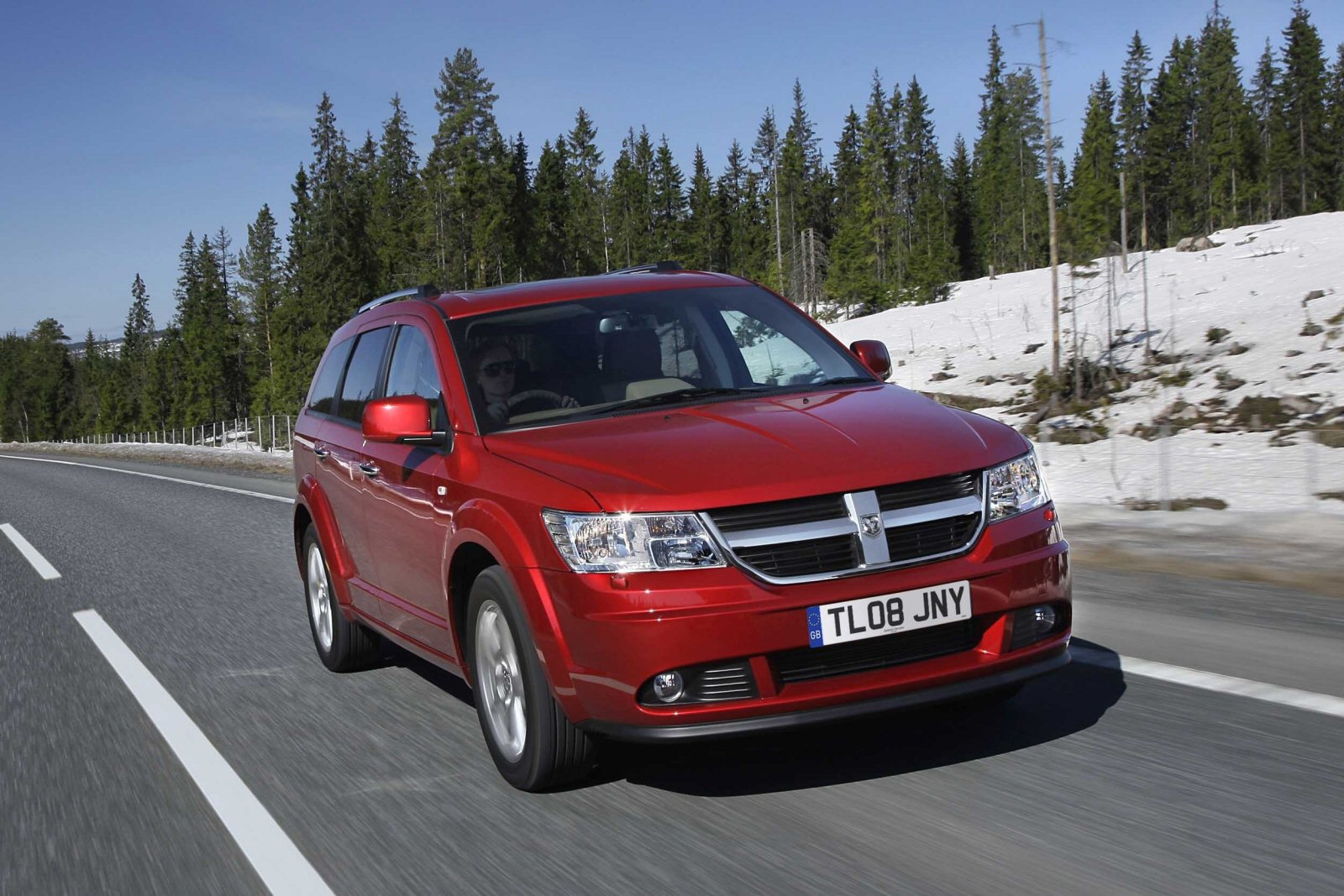
4. Dodge Journey
The Dodge Journey persisted in showrooms from 2009 through 2020 with minimal updates, a testament not to timeless design but rather to Fiat Chrysler’s neglect of this aging crossover.
By the time production finally ended, the Journey felt like a relic from a different era, offering substandard materials, outdated technology, poor fuel economy, and reliability issues that made it one of the segment’s worst choices despite its often-attractive pricing.
The powertrain options range from merely adequate to genuinely problematic. The base 2.4-liter four-cylinder engine produces just 173 horsepower, struggling to move the Journey’s substantial weight with anything resembling enthusiasm.
Acceleration feels painfully slow, particularly when carrying passengers or cargo, and highway passing requires extensive planning. The available 3.6-liter V6 provides adequate power but consumes fuel at an alarming rate, delivering EPA ratings that feel optimistic compared to real-world experience.
Neither engine inspires confidence in long-term reliability, with various owners reporting premature failures, excessive oil consumption, and expensive repairs.
The four-speed automatic transmission represents perhaps the Journey’s most glaring outdated component. While competitors moved to six-speed, eight-speed, and even nine-speed automatics, the Journey soldiers on with a four-speed that feels constantly confused, hunting for appropriate gears and allowing engine RPMs to climb unnecessarily.
This transmission contributes significantly to the Journey’s poor fuel economy while delivering an unrefined driving experience characterized by harsh shifts and occasional shuddering. Some transmissions fail prematurely, requiring expensive rebuilds or replacements that can cost $3,000-$5,000.
Electrical problems occur with frustrating regularity across all model years. The Totally Integrated Power Module (TIPM) fails with alarming frequency, causing a bewildering array of problems ranging from non-functional fuel pumps to mysteriously activating windshield wipers.
Replacing the TIPM costs upward of $1,000 at a dealer, and failures often recur after replacement. The wireless ignition node fails, leaving owners unable to start their vehicles. Various sensors malfunction, throwing warning lights for problems that don’t exist or failing to warn when genuine problems develop.
Interior quality falls well below class standards, even for budget-conscious buyers. Hard plastics cover every surface, fit and finish appears haphazard, and materials wear poorly, developing a shabby appearance remarkably quickly.
The third-row seat proves nearly useless for anyone beyond small children, with minimal legroom and difficult access. Cargo space behind the third row measures just 10.7 cubic feet barely enough for grocery bags, much less weekend luggage.
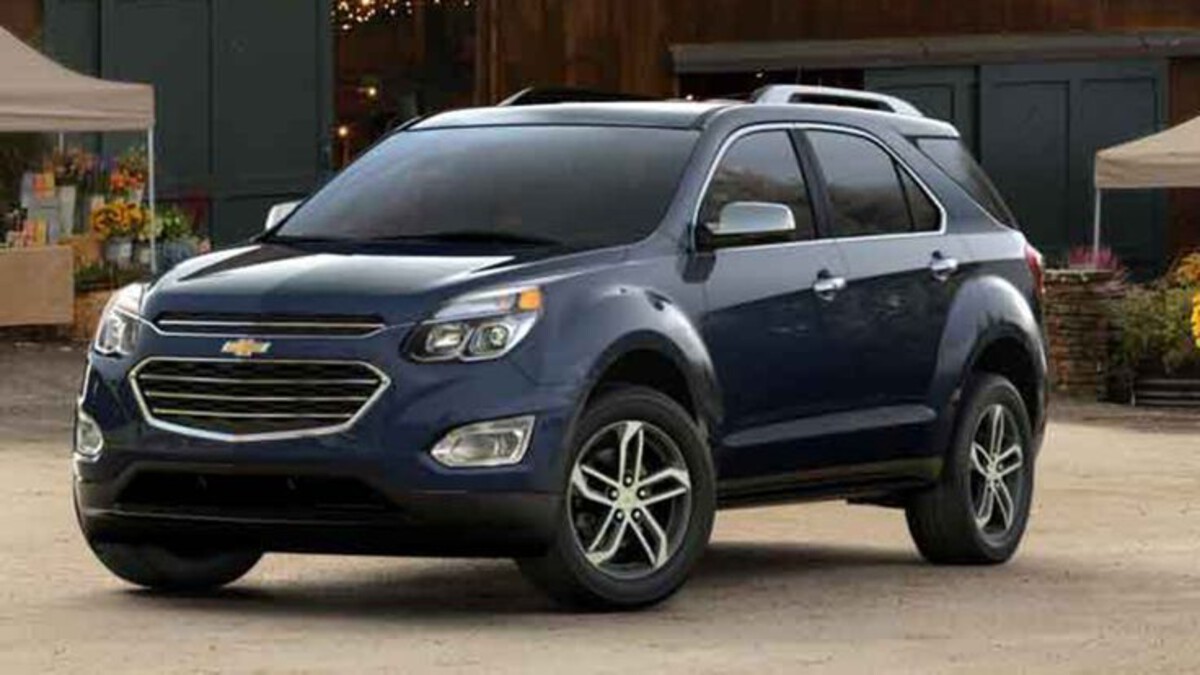
5. Chevrolet Equinox (2010-2017)
The second-generation Chevrolet Equinox, produced from 2010 through 2017, arrived with promises of improved refinement and efficiency compared to its predecessor.
While it succeeded in offering a spacious interior and comfortable ride, numerous reliability issues have emerged as these vehicles age, transforming what initially seemed like a practical choice into a potential money pit that can drain owners’ budgets with recurring repairs and persistent problems.
Engine reliability varies dramatically depending on which powerplant your Equinox received. The 2.4-liter four-cylinder engine, while adequate from a performance standpoint, suffers from excessive oil consumption issues that plague many GM vehicles from this era.
Owners report needing to add multiple quarts of oil between scheduled changes, and some engines suffer internal damage from oil starvation despite proper maintenance.
The consumption can become so severe that engines fail catastrophically, requiring complete replacement at costs exceeding $5,000. GM extended the powertrain warranty on some affected vehicles but denied many claims, leaving owners responsible for expensive repairs.
The 3.6-liter V6 engine experiences its own set of problems, particularly concerning the timing chain and related components. The timing chain can stretch prematurely, causing a rattling noise on cold starts and potentially leading to catastrophic engine failure if not addressed. Replacing the timing chain requires extensive labor, pushing repair costs to $2,000-$3,000.
The V6 also suffers from issues with the valve cover and gaskets, which can leak oil and require replacement. Carbon buildup on intake valves, common to direct-injection engines, causes rough running and reduced performance, requiring expensive cleaning procedures.
Transmission problems plague both the four-cylinder and V6 models. The six-speed automatic transmission experiences harsh shifting, shuddering during acceleration, and premature wear of internal components. Some transmissions fail completely, requiring rebuilds or replacement costing $3,000-$5,000.
GM issued technical service bulletins addressing some shifting concerns, but many owners report the problems persist despite dealer reprogramming attempts. The transmission control module can fail, causing erratic behavior and requiring expensive replacement.
Electrical gremlins frustrate owners across all model years. The power steering system can fail suddenly due to electronic control module problems, leaving drivers without power assist and potentially creating dangerous situations.
The fix requires replacing the electric power steering motor and associated components at costs exceeding $1,000. The ignition switch, part of GM’s massive recall for this component, can fail, causing the engine to shut off unexpectedly while driving.
Various sensors malfunction, HVAC controls stop working properly, and the battery drains mysteriously due to parasitic electrical draws.
The interior holds up poorly over time, with seat fabric wearing through prematurely, dashboard materials developing cracks, and various trim pieces breaking or coming loose. The driving experience feels uninspired even when everything functions properly, with numb steering, excessive body roll, and poor visibility due to thick pillars and small rear windows.
Also Read: 5 Cars for Juneau Island Life and 5 That Are Hard to Service
