
Bowling Green, Kentucky, presents a unique driving environment that demands careful consideration when choosing a vehicle for daily commuting.
This charming city, home to Western Kentucky University and the National Corvette Museum, features a mix of urban streets, rolling hills, and highways that connect residents to Nashville, Louisville, and beyond.
The climate brings hot, humid summers and moderate winters with occasional ice and snow, creating conditions that test a vehicle’s versatility and durability throughout the year.
Choosing the right daily driver for Bowling Green means finding a vehicle that can handle stop-and-go traffic around campus areas, go through the varying terrain of Kentucky’s world, and withstand the region’s weather extremes while maintaining reliability over the long haul.
The ideal car balances fuel efficiency for those daily commutes, comfort for longer highway trips, and the dependability that keeps you moving without constant trips to the mechanic.
However, not all vehicles are created equal when it comes to longevity and cost of ownership. While some cars seem to run forever with basic maintenance, others begin showing their age prematurely, draining wallets with repairs and leaving owners stranded at the worst possible moments.
Understanding which vehicles thrive as daily drivers and which ones deteriorate quickly can save Bowling Green residents thousands of dollars and countless headaches.
This guide explores ten vehicles across both categories, helping you make an informed decision whether you’re buying new or searching the used car market.
5 Best Cars for Bowling Green Daily Drives
These exceptionally durable vehicles feature robust construction and proven longevity perfectly suited for South Central Kentucky daily life, providing reliable transportation through Bowling Green’s mix of WKU campus traffic, Corvette Assembly Plant commutes, and frequent Nashville trips without the premature wear patterns typically requiring early replacement.
Their sensible engineering includes quality materials and time-tested components that resist the deterioration found in cheaply built vehicles while handling Kentucky’s weather extremes, I-65 highway miles, and daily stops around Greenwood Mall and downtown square areas.
1. Honda Civic
The Honda Civic has earned its reputation as one of America’s most reliable daily drivers, and for Bowling Green residents, it checks every practical box.
This compact sedan combines exceptional fuel economy, rock-solid reliability, and a comfortable ride that makes both short commutes and longer highway trips genuinely enjoyable.
The Civic’s engineering focuses on longevity, with many examples easily surpassing 200,000 miles when properly maintained.
For Bowling Green’s driving conditions, the Civic excels in multiple scenarios. The efficient four-cylinder engine delivers excellent gas mileage, typically ranging from 30 to 36 mpg in combined driving, which translates to significant savings whether you’re commuting to work downtown or making regular trips to Nashville.
The suspension strikes an ideal balance between comfort and handling, absorbing the imperfections in Kentucky’s roads while still providing responsive steering that makes going through the Bowling Green’s streets and parking lots effortless.
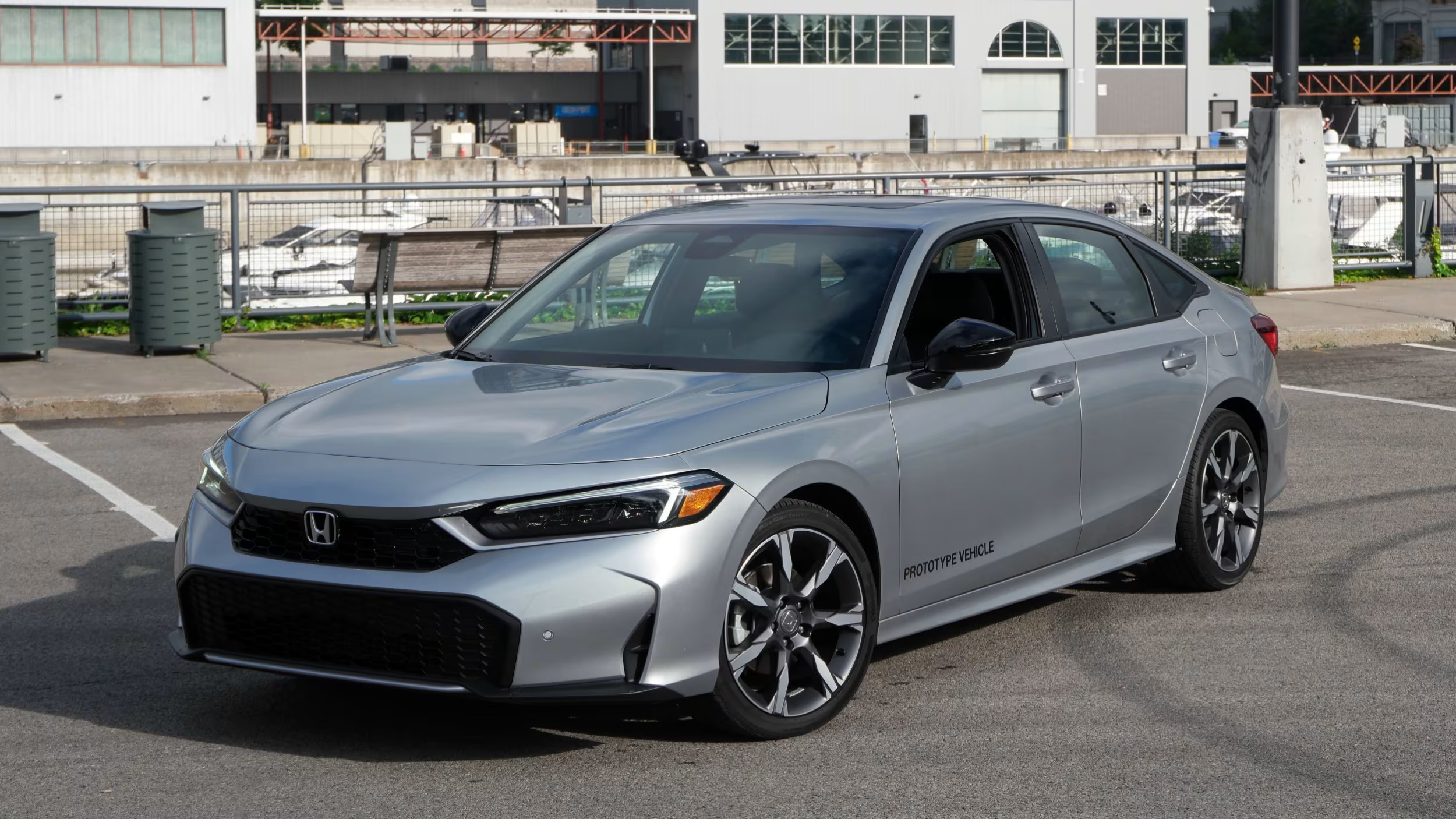
The Civic’s compact size proves advantageous in urban settings around Western Kentucky University and the downtown area, where parking spaces can be limited.
Yet despite its manageable exterior dimensions, the interior offers surprising spaciousness for passengers and cargo. The trunk accommodates groceries, sports equipment, or luggage for weekend getaways without complaint.
The used car market offers abundant Civic inventory at various price points, and the model’s reputation for reliability means even higher-mileage examples can serve faithfully for years. Insurance rates remain reasonable, and the vehicle’s strong resale value protects your investment.
For Bowling Green drivers seeking a no-nonsense, economical daily driver that simply works year after year, the Honda Civic represents an outstanding choice that rarely disappoints.
2. Toyota Camry
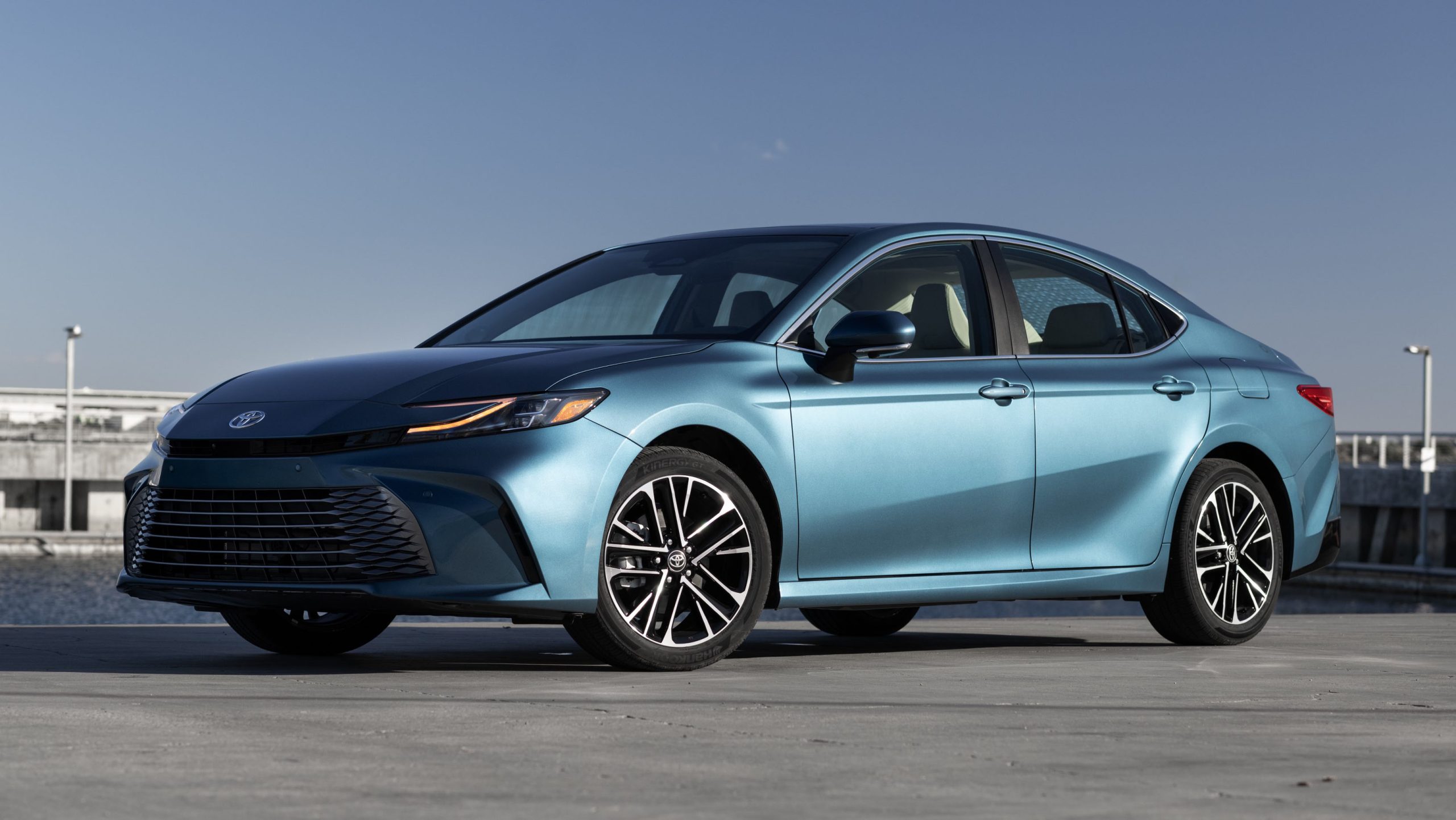
The Toyota Camry stands as the quintessential midsize sedan for good reason, offering Bowling Green drivers a perfect blend of comfort, reliability, and practicality.
This sedan has dominated American roads for decades by delivering exactly what daily drivers need: dependable transportation that requires minimal fuss and maximum confidence.
The Camry’s reputation for running seemingly forever isn’t marketing hype it’s reality backed by millions of satisfied owners who have driven their Camrys well past 200,000 miles.
For Bowling Green’s varied driving conditions, the Camry provides an ideal platform. The larger footprint compared to compact cars translates to a more planted feel on highways during trips to Louisville or Nashville, while the responsive steering still makes going through the Bowling Green’s streets and neighborhoods comfortable.
The suspension engineering deserves particular praise, as it smooths out Kentucky’s occasionally rough road surfaces while maintaining composure through curves in the region’s rolling terrain.
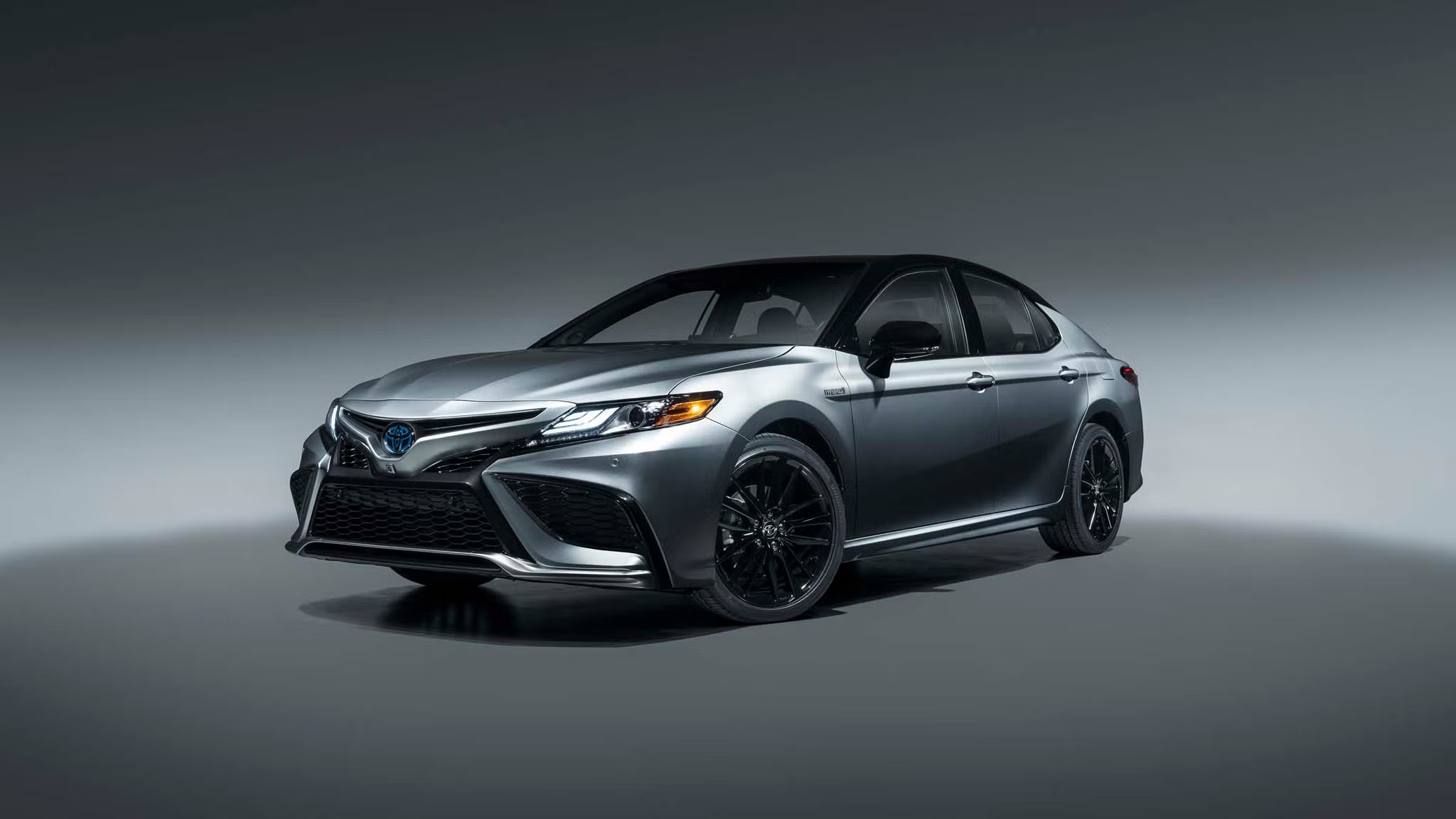
Power options cater to different preferences, with efficient four-cylinder engines delivering excellent fuel economy in the low-to-mid 30s for combined driving, while available V6 variants provide ample power for those who prefer more spirited acceleration.
Both engines share Toyota’s legendary durability, with proper maintenance enabling them to run for hundreds of thousands of miles without major issues.
The used Camry market offers exceptional value, with well-maintained examples available across all price ranges. Depreciation curves work in buyers’ favor after the initial years, allowing savvy shoppers to acquire reliable transportation at reasonable prices.
For Bowling Green residents prioritizing worry-free daily driving with minimal maintenance hassles, the Toyota Camry delivers exactly what’s needed without pretense or complications.
3. Mazda3
The Mazda3 brings something special to the daily driver conversation the rare combination of practical reliability with genuine driving enjoyment.
While many economy cars treat transportation as merely functional, Mazda engineers the Mazda3 with an enthusiasm that transforms routine commutes into engaging experiences.
For Bowling Green drivers who appreciate a vehicle that feels alive rather than merely adequate, the Mazda3 delivers satisfaction without sacrificing the dependability required for daily duty.
The driving dynamics immediately set the Mazda3 apart from conventional compact cars. The steering offers precise feedback that communicates road conditions clearly, while the suspension tuning strikes an impressive balance between comfort and sportiness.
Kentucky’s winding roads become opportunities for enjoyment rather than obstacles to endure, yet the ride quality remains compliant enough for comfortable daily commuting.
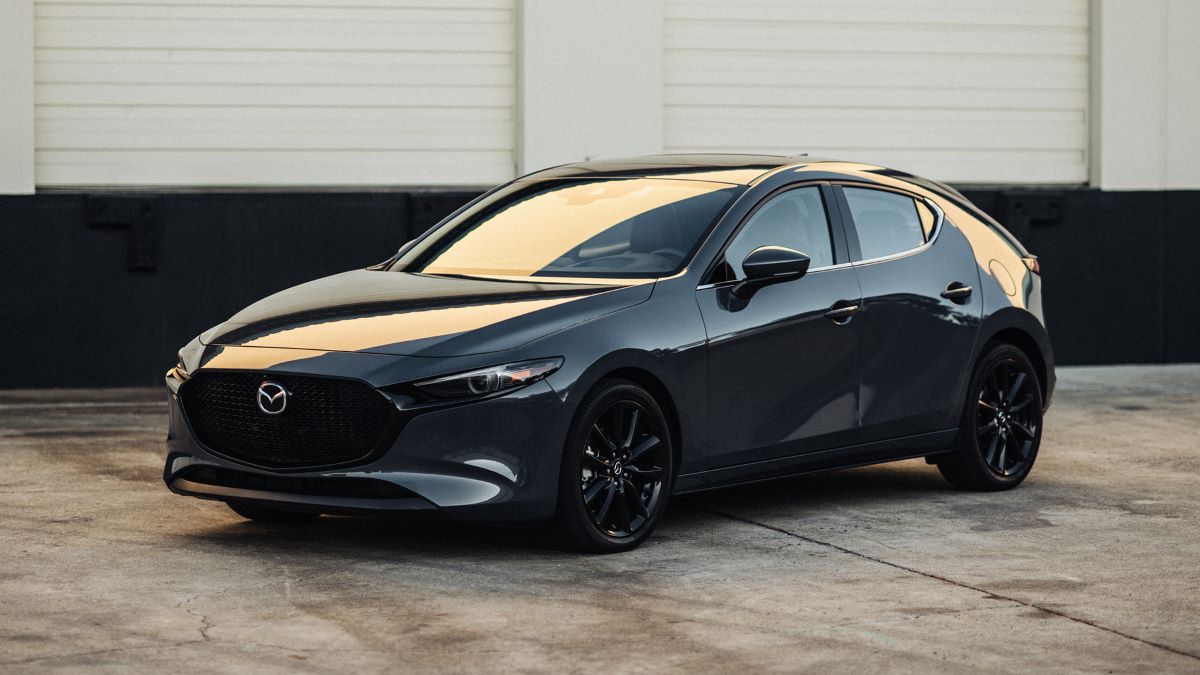
The responsive handling inspires confidence during highway merging and going through the Bowling Green’s busier intersections. Mazda’s Skyactiv engine technology delivers impressive fuel efficiency without resorting to overly complex hybrid systems that can complicate long-term ownership.
The standard four-cylinder engine provides adequate power for daily driving while returning fuel economy figures in the low 30s for combined driving.
The available turbocharged variant offers significantly more power for those wanting extra performance, yet maintains reasonable efficiency. The used Mazda3 market offers good value, with depreciation creating opportunities for buyers seeking quality at affordable prices.
For Bowling Green residents who want their daily driver to provide more than just transportation who appreciate good steering feel, responsive handling, and attractive design the Mazda3 delivers satisfaction that makes every drive a bit more enjoyable while maintaining the reliability needed for daily dependability.
4. Subaru Outback
The Subaru Outback occupies a unique position as a vehicle that effortlessly handles Bowling Green’s diverse driving conditions while providing the capability to venture beyond paved roads whenever adventure calls.
This wagon-SUV hybrid combines car-like handling with SUV practicality, all wrapped in Subaru’s legendary all-wheel-drive system that transforms winter driving from stressful to confident.
For Bowling Green residents who value versatility and year-round capability, the Outback represents an exceptional daily driver choice.
The standard all-wheel-drive system distinguishes the Outback from most competitors, providing tangible benefits during Kentucky’s winter weather. When ice or snow arrives, the Outback maintains traction and stability that front-wheel-drive vehicles simply cannot match.
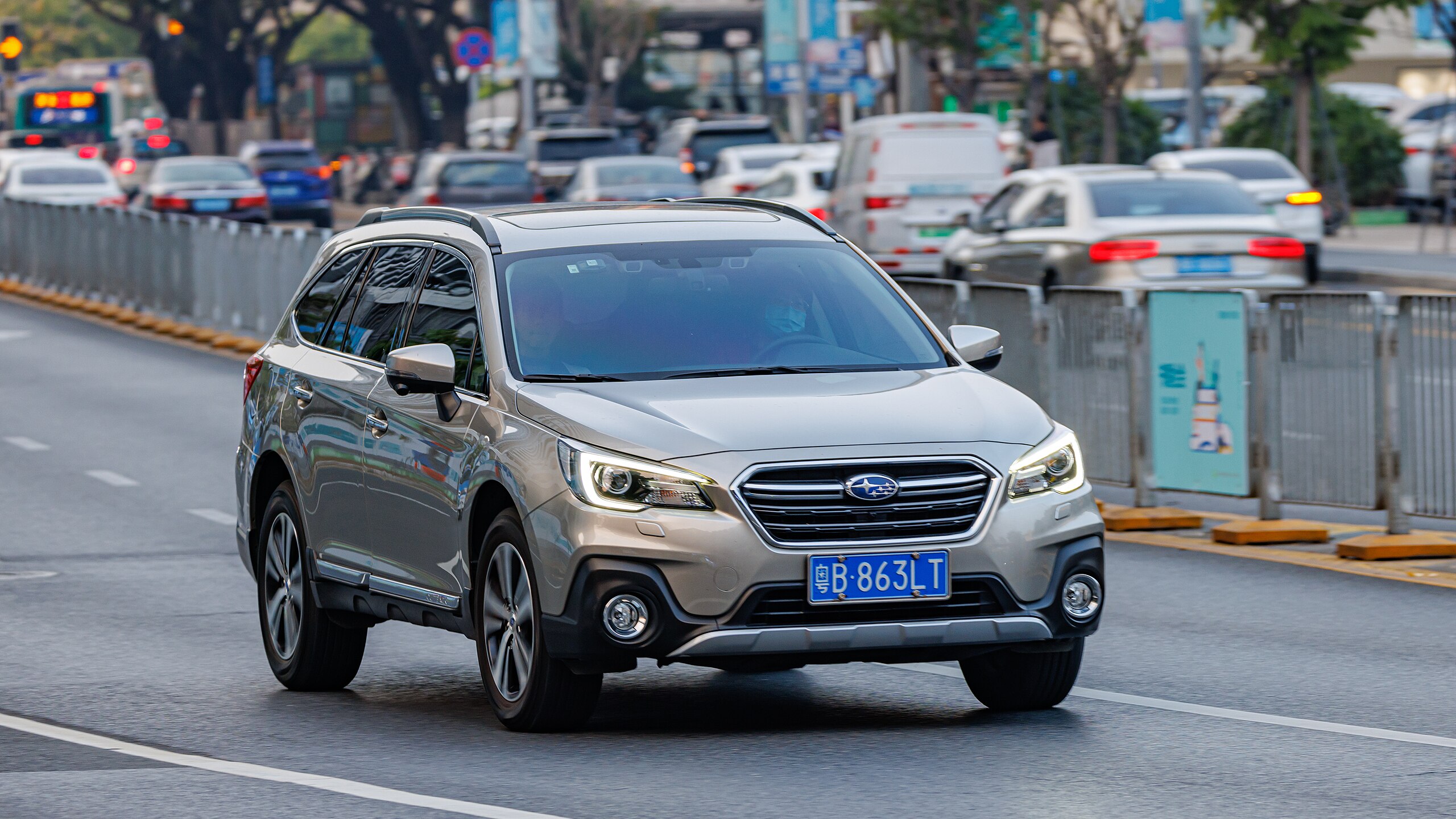
The system operates seamlessly in the background, automatically distributing power to wheels with grip, transforming potentially treacherous conditions into manageable situations.
This capability extends beyond winter, as the Outback confidently handles gravel roads, muddy paths to trailheads, and any other less-than-perfect surfaces encountered during outdoor adventures.
Modern Outbacks include EyeSight, Subaru’s comprehensive driver assistance technology, as standard equipment. The system provides adaptive cruise control, lane keeping assistance, and automatic emergency braking that enhance safety during highway trips and daily commuting.
For Bowling Green drivers seeking a single vehicle that confidently handles daily commutes, winter weather, highway trips, and weekend adventures without compromise, the Subaru Outback delivers versatility that few competitors can match.
Also Read: 5 Cars for Boulder Mountain Roads and 5 That Struggle in Snow
5. Toyota Corolla
The Toyota Corolla represents the ultimate expression of practical, economical daily transportation. This compact sedan has served as reliable basic transportation for millions of drivers worldwide for over fifty years, and its continued success stems from Toyota’s unwavering focus on efficiency, reliability, and affordability.
For Bowling Green residents prioritizing low ownership costs and bulletproof dependability above all else, the Corolla delivers exactly what’s needed without unnecessary complications or expenses.
Fuel economy stands among the Corolla’s strongest attributes, with most models achieving combined fuel economy in the mid-to-upper 30s, and hybrid variants pushing into the 50 mpg range.
This efficiency translates directly to savings at the pump, whether commuting around Bowling Green or making longer highway trips.
The engine’s modest power output proves adequate for daily driving situations, and the continuously variable transmission prioritizes efficiency over sportiness a fair trade-off for those valuing economy over excitement.
The compact dimensions make the Corolla particularly well-suited for urban driving around Western Kentucky University and downtown Bowling Green, where parking spaces can be tight and maneuverability matters.
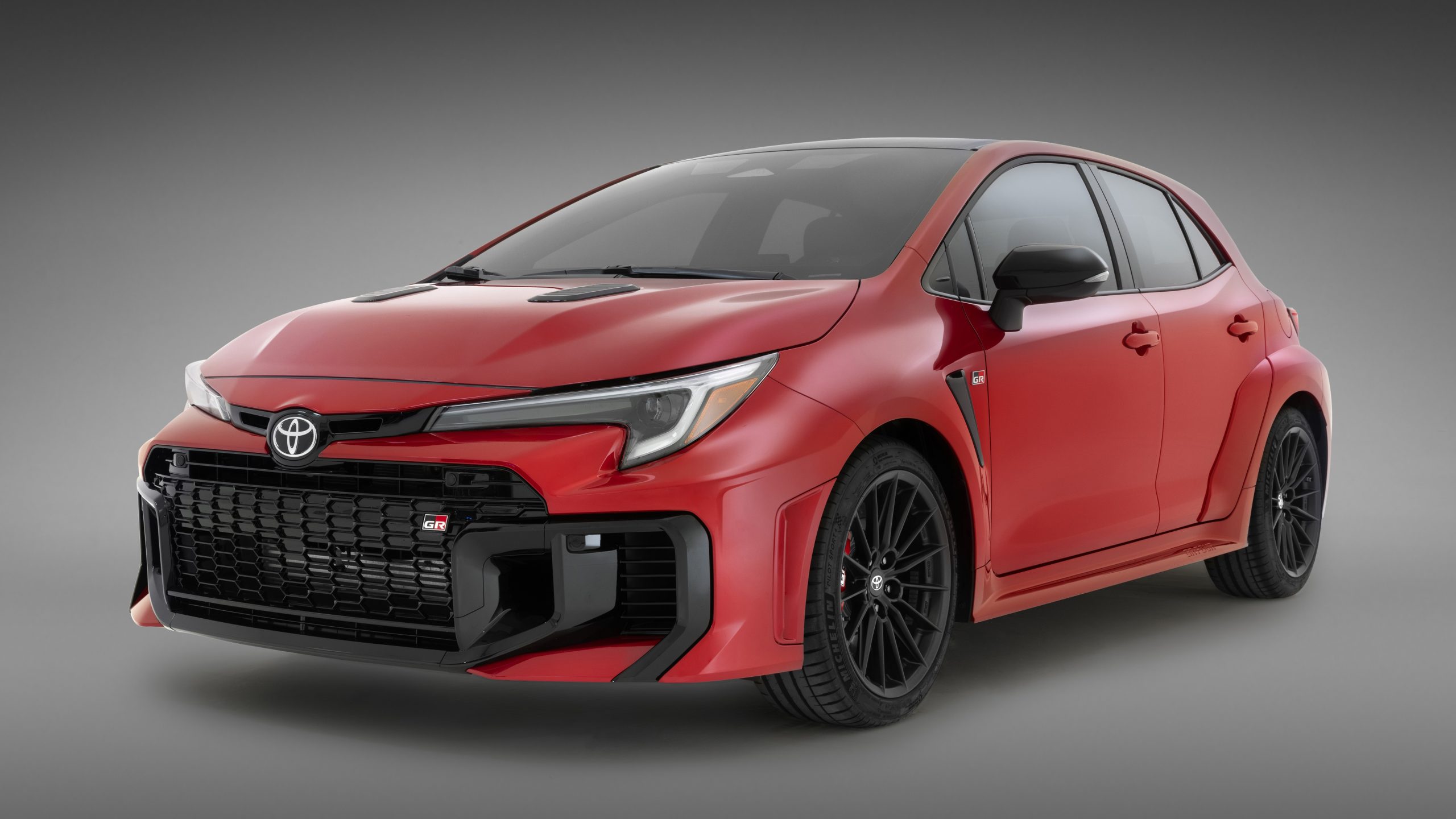
The turning radius allows easy U-turns and parking lot navigation, while the modest size simplifies parallel parking. Despite the compact exterior, the interior provides reasonable space for four adults, with rear seat room that exceeds some competitors in this class.
Reliability represents the Corolla’s greatest selling point and the primary reason millions choose it over flashier alternatives. Toyota’s engineering philosophy emphasizes proven technology and conservative design choices that maximize durability. The result is a vehicle that simply refuses to break down when properly maintained.
Routine services remain affordable and straightforward, with oil changes, tire rotations, and brake service costing less than many competitors.
The widespread availability of parts and the army of mechanics familiar with Corolla maintenance means repairs, when eventually needed, never require expensive dealer visits or lengthy wait times.
The Corolla doesn’t pretend to be exciting or luxurious. It doesn’t offer the handling finesse of a Mazda3 or the all-wheel-drive capability of a Subaru.
What it offers instead is something increasingly valuable transportation you can depend on absolutely, costs that remain predictable and low, and peace of mind that comes from driving a vehicle engineered to last.
For Bowling Green residents seeking the most economical, reliable daily driver without regard for enthusiast credentials, the Toyota Corolla represents an intelligent choice that continues satisfying owners for years and hundreds of thousands of miles.
5 Cars That Wear Out Fast
These disappointing vehicles suffer from cheap interior materials and inadequate component durability that create rapid deterioration patterns, transforming initially pleasant daily drivers into worn-out disappointments within just years of moderate Bowling Green-area use despite careful ownership and regular maintenance.
Their problematic construction includes flimsy plastics and poorly designed mechanical systems that cannot withstand normal driving conditions, leading to sagging door panels, cracked dashboards, and premature suspension wear that makes vehicles feel ancient before reaching 100,000 miles.
1. Chrysler 200
The Chrysler 200 arrived with promising styling and reasonable pricing, attracting buyers seeking American midsize sedan value. Unfortunately, the reality of ownership tells a different story, as the 200 develops numerous problems that lead to frustration, expensive repairs, and rapid depreciation.
Bowling Green drivers should approach this sedan with extreme caution, as its reliability issues can transform what seems like a good deal into an expensive mistake.
Transmission problems plague the 200, particularly models equipped with the nine-speed automatic transmission. This complex gearbox experiences erratic shifting, hesitation, shuddering, and outright failures that often require complete replacement—an expensive repair costing thousands of dollars.
The transmission’s electronic controls also malfunction frequently, creating situations where the vehicle shifts unpredictably or becomes stuck in gear.
Even “fixes” through software updates rarely resolve the underlying issues permanently, leaving owners in a frustrating cycle of dealer visits and temporary solutions.
The electrical system represents another significant trouble area. Owners report numerous electrical gremlins including malfunctioning infotainment systems, failed sensors, problematic lighting circuits, and issues with the electronic gear selector.
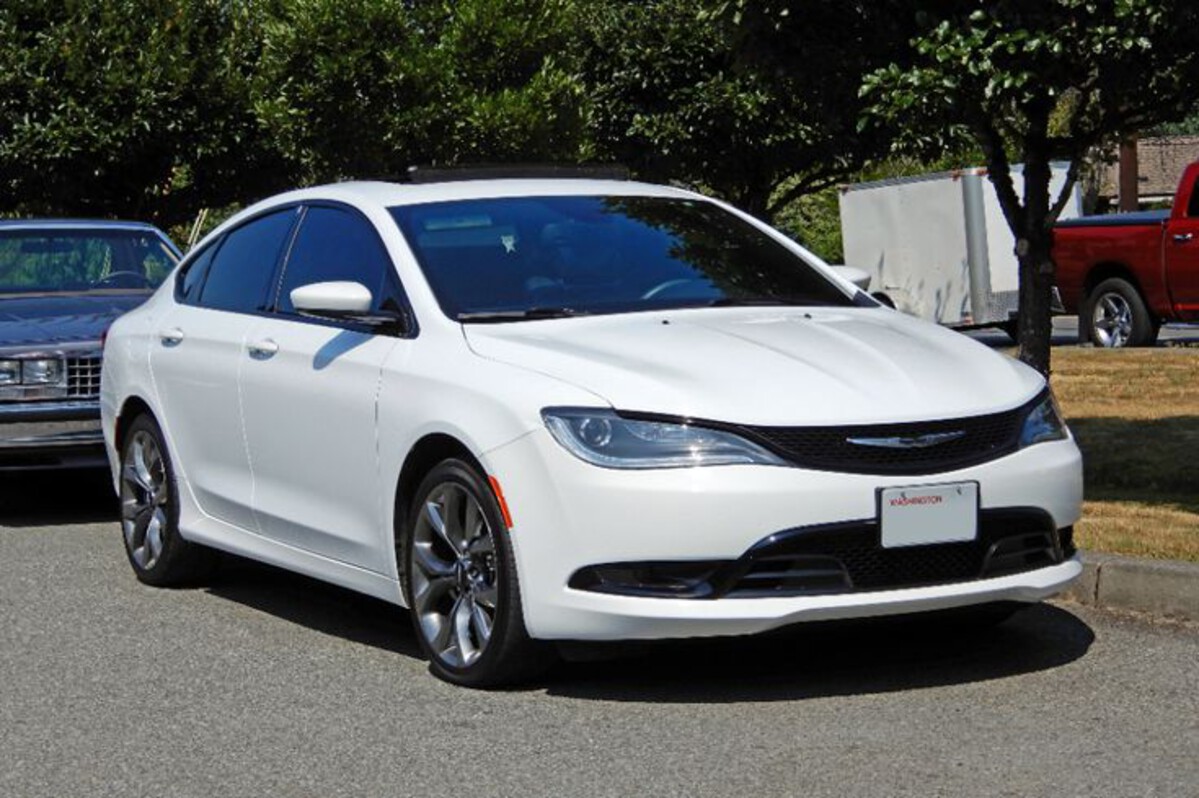
The Uconnect infotainment system, while feature-rich when working properly, frequently freezes, reboots randomly, or stops functioning entirely.
The electronic shifter has caused dangerous situations where drivers believe the vehicle is in park when it’s actually in neutral or another gear, leading to rollaway incidents.
Engine problems also emerge, particularly with the 2.4-liter four-cylinder engine that serves as the base powerplant. Oil consumption issues affect many examples, requiring owners to add oil between changes or face potential engine damage.
The engine’s timing chain and associated components can wear prematurely, creating expensive repair scenarios. Some owners report complete engine failures at relatively low mileages, leaving them with repair bills that exceed the vehicle’s depreciated value.
For Bowling Green residents, the Chrysler 200’s problems multiply the challenges of daily driving. Unexpected breakdowns create transportation crises, expensive repairs strain budgets, and the unreliability undermines confidence in the vehicle.
While the low used prices might seem attractive, the total cost of ownership including repairs, lost time, and eventual replacement makes the 200 one of the worst choices for daily driving. Better alternatives exist at every price point.
2. Nissan Altima (CVT Models)
The Nissan Altima represents a cautionary tale about how a once-respected nameplate can be undermined by a single poor engineering decision.
While Altimas from earlier eras earned solid reputations, models equipped with Nissan’s continuously variable transmission (CVT) have developed such pervasive reliability problems that savvy buyers actively avoid them.
The CVT issues alone make the Altima a risky proposition for Bowling Green daily drivers, but other problems compound the concerns. The CVT transmission failures represent the Altima’s most serious and expensive problem.
Nissan’s CVT design has proven fundamentally unreliable, with failures occurring at remarkably low mileages sometimes before 100,000 miles, and often multiple times in a vehicle’s life.
The symptoms begin with shuddering, slipping, hesitation, and whining noises, eventually progressing to complete failure that leaves the vehicle undrivable. Replacement costs typically range from $3,500 to $5,000, an expense that often exceeds the vehicle’s depreciated value.
The pattern repeats frustratingly for many owners. After spending thousands on a CVT replacement, the new transmission often develops the same problems within another 50,000 to 80,000 miles, requiring yet another expensive replacement.
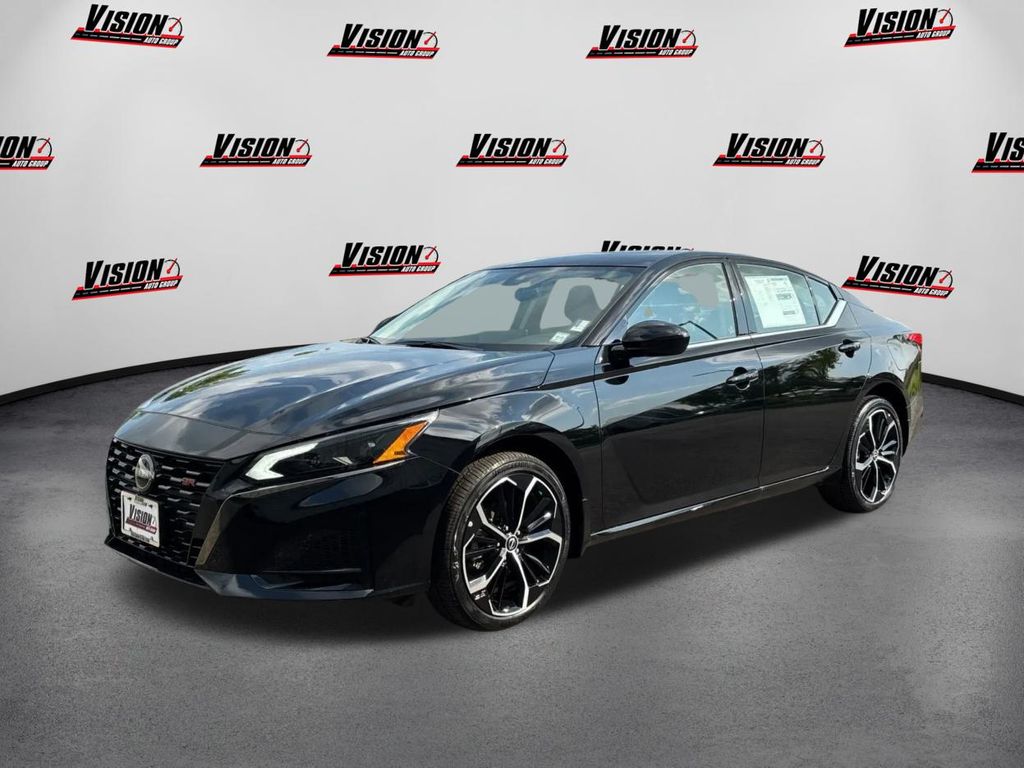
This cycle of failure and repair makes the Altima one of the most expensive vehicles to own long-term, despite its affordable purchase price.
Nissan has extended warranties on some CVTs due to the pervasive problems, but coverage remains limited and many owners fall outside warranty parameters.
Beyond the transmission nightmares, Altimas experience other significant reliability issues. The electrical system develops numerous faults, including malfunctioning sensors that trigger warning lights, failed power window motors, and problematic body control modules.
The climate control system experiences failures, leaving occupants without heating or air conditioning particularly problematic in Kentucky’s temperature extremes. Engine problems also emerge in certain Altima models.
Oil consumption issues affect some four-cylinder engines, requiring frequent oil additions between changes. Premature catalytic converter failures create expensive repair scenarios, as these emissions components cost thousands to replace.
The engine’s timing chain system can experience premature wear, potentially leading to catastrophic engine damage if the chain fails.
For Bowling Green residents, the Altima’s unreliability creates genuine hardship. The inevitable CVT failure will occur at the worst possible time during a commute to work, on a highway trip, or when finances are already tight.
The expensive repairs drain savings and create transportation crises. While the low purchase price might seem attractive, the total ownership experience will likely prove frustrating and expensive. Numerous alternatives offer better reliability at similar or even lower total costs over the ownership period.
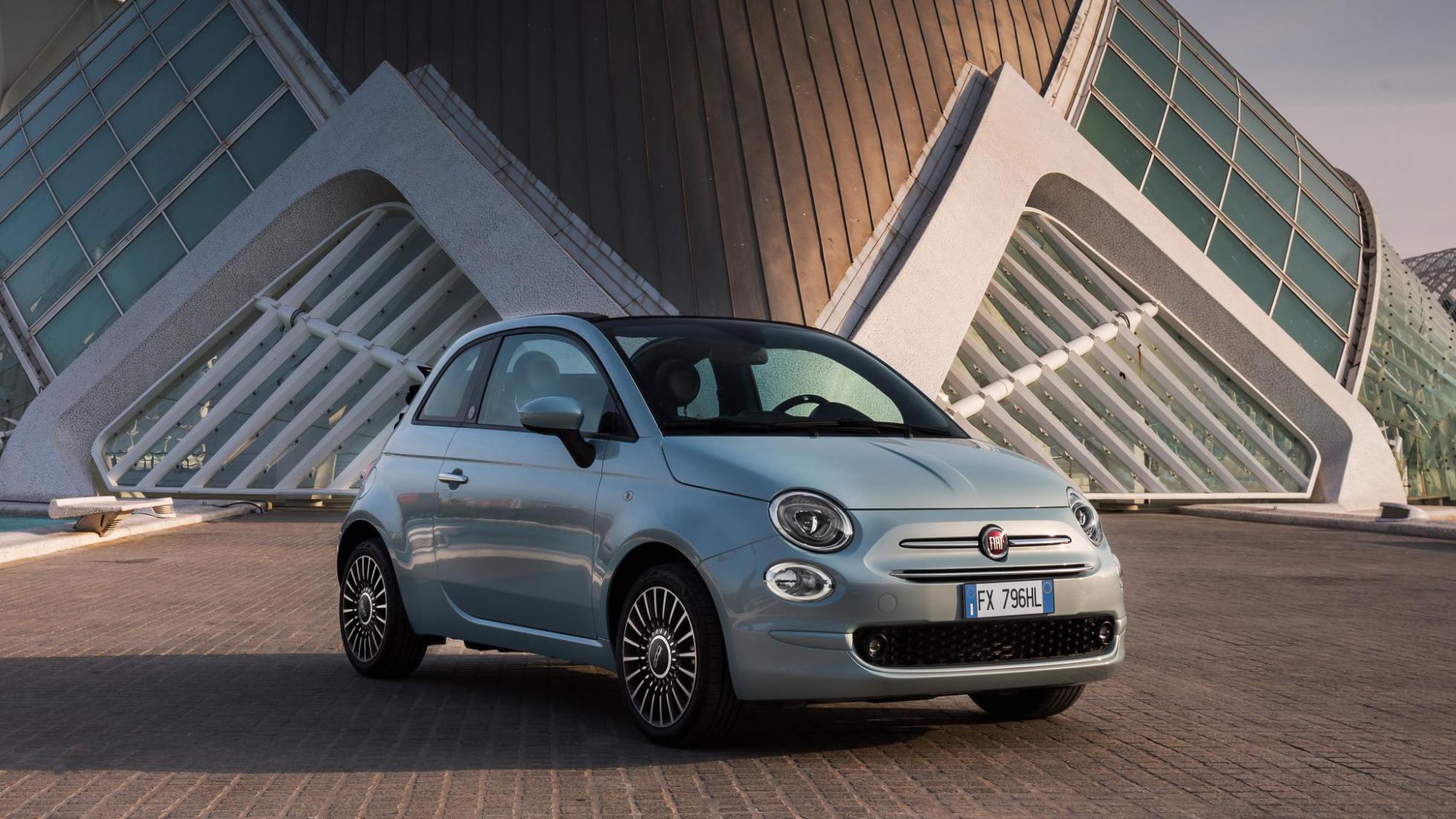
3. Fiat 500
The Fiat 500 captures attention with its distinctive retro styling and charming Italian character. This cute little city car appeals to buyers seeking unique transportation that stands out from mainstream choices.
Unfortunately, beneath the appealing exterior lies a vehicle plagued by reliability problems that make it one of the worst choices for dependable daily transportation.
Bowling Green drivers attracted to the 500’s style should carefully consider whether the inevitable problems justify the aesthetic appeal.
The dual-clutch transmission represents the 500’s most notorious weakness. This automated manual transmission delivers jerky shifts, unexpected lurching, and confusing behavior in stop-and-go traffic.
The transmission’s electronic clutch actuator fails frequently, requiring expensive replacement. The transmission control module also malfunctions regularly, creating situations where the vehicle refuses to move, stalls repeatedly, or becomes stuck in gear.
Replacement costs typically exceed $2,000, and the problems often recur even after repairs.
Electrical problems permeate every aspect of the 500’s operation. The instrument cluster displays error messages constantly, many indicating phantom problems while others warn of genuine failures.
The vehicle’s numerous electronic control modules fail regularly, controlling everything from the engine to the windows to the infotainment system.
Diagnosis becomes challenging because the electrical gremlins create intermittent problems that disappear at the dealer, only to return later. Owners report spending thousands chasing electrical issues without achieving permanent solutions.
The engine, while small and theoretically simple, experiences numerous problems. The turbocharged 1.4-liter engine found in Abarth and Turbo models suffers from premature turbocharger failures, expensive repairs that can cost $2,000 or more.
Both turbocharged and naturally aspirated engines develop oil leaks from multiple sources, creating mess and potential fire hazards. The timing belt requires replacement at relatively short intervals an expensive service that can cost over $1,000 due to the labor-intensive process.
Build quality falls far below expectations, even accounting for the 500’s affordable pricing. The interior feels flimsy, with thin plastics that crack easily and upholstery that wears through quickly. Various interior trim pieces simply fall off as the adhesives fail.
The seats provide minimal support and comfort, making even short drives uncomfortable. Wind noise and road noise penetrate the cabin excessively, making highway driving unpleasant.
For Bowling Green residents, the Fiat 500’s reliability problems create serious transportation challenges. The constant breakdowns and expensive repairs transform daily commuting into a source of stress and financial drain.
While the initial purchase price might seem reasonable and the styling appears charming, the total ownership experience proves frustrating and expensive. The 500 represents one of the worst choices for dependable daily transportation, regardless of how appealing the styling might seem.
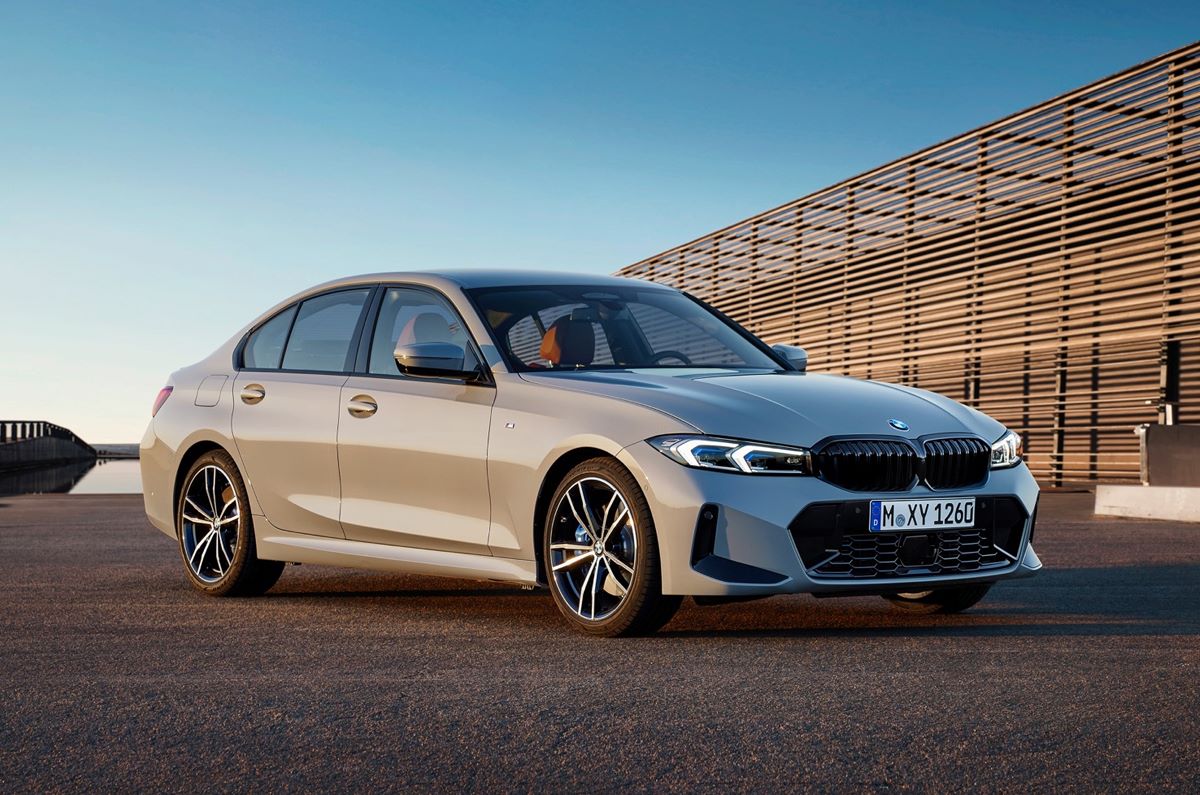
4. BMW 3 Series (Older Models)
The BMW 3 Series represents the benchmark for sport sedans, offering exceptional driving dynamics, premium materials, and the prestige of the BMW badge.
However, older 3 Series models, particularly those from the mid-2000s through mid-2010s, present Bowling Green buyers with a challenging ownership proposition.
These vehicles require extensive maintenance, experience numerous common problems, and generate repair bills that quickly exceed their depreciated values.
The driving experience might be exceptional when everything works properly, but keeping an aging 3 Series in good condition requires significant financial commitment.
The complexity of BMW’s engineering creates numerous failure points as vehicles age. The direct-injection engines found in many 3 Series models develop carbon buildup on intake valves, reducing performance and requiring expensive walnut blasting cleaning services costing $500 to $800.
The high-pressure fuel pumps fail regularly, leaving vehicles stranded and requiring replacement costing over $1,000. Water pumps fail prematurely often before 80,000 miles and can cause catastrophic engine damage if the failure occurs while driving and isn’t addressed immediately.
The cooling systems represent a constant source of problems and expense. BMW’s extensive use of plastic components in cooling systems results in premature failures of water pumps, expansion tanks, radiators, and various hoses and connectors.
A complete cooling system overhaul, often necessary on vehicles approaching 100,000 miles, can cost $2,000 to $3,000. Delaying these repairs risks severe engine damage from overheating.
Electrical problems multiply as 3 Series models age. The complex electronic systems that provide convenience and luxury become sources of frustration when various modules fail.
The instrument cluster pixels fade or fail completely. Window regulators break regularly, requiring $300 to $500 per window to repair.
The intricate iDrive infotainment system experiences various glitches and failures, and replacement costs thousands. Various sensors throughout the vehicle fail, triggering warning lights and sometimes placing the vehicle in limp mode.
The suspension components wear faster than mainstream vehicles, partly due to BMW’s performance-oriented design philosophy.
Bushings, control arms, struts, and related components require replacement more frequently and cost significantly more than comparable parts for Honda or Toyota vehicles. A complete suspension refresh can easily cost $3,000 to $4,000.
Oil leaks develop from numerous locations as gaskets age. The valve cover gasket, oil pan gasket, oil filter housing gasket, and various other seals all leak eventually, creating messy driveways and potentially causing serious engine damage if oil levels drop unnoticed. Addressing all the common oil leak sources can cost several thousand dollars.
The reality for Bowling Green owners of older 3 Series models is that these vehicles require budgeting $2,000 to $4,000 annually for maintenance and repairs, even without major component failures.
The driving experience when everything works properly remains excellent, but the financial burden of keeping these vehicles roadworthy makes them poor choices for daily drivers seeking reliable, economical transportation. Better alternatives exist that provide comfortable, capable daily driving without the constant expense and uncertainty.
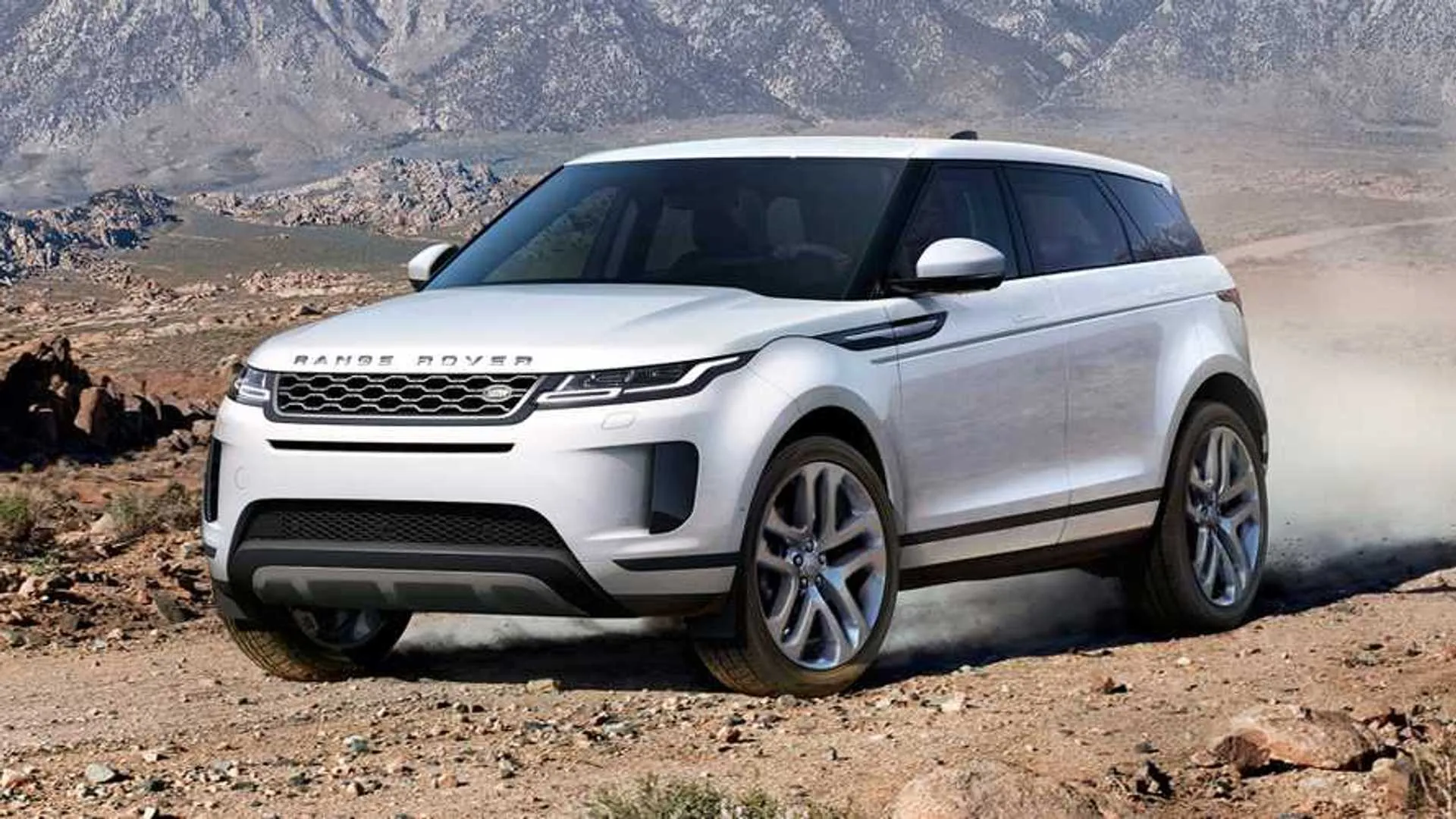
5. Land Rover Range Rover Evoque
The Range Rover Evoque captures attention with its distinctive styling, luxurious interior, and the prestige of the Range Rover nameplate. This compact luxury SUV appeals to buyers seeking upscale transportation with sophisticated British character.
However, beneath the attractive exterior lies one of the least reliable vehicles available, plagued by pervasive problems across virtually every system.
For Bowling Green drivers considering an Evoque, the reliability statistics and owner experiences tell a story of frustration, expensive repairs, and questionable long-term viability.
The transmission represents the Evoque’s most serious and common problem. Many models use a nine-speed automatic transmission that experiences catastrophic failures, often at remarkably low mileages.
Symptoms include harsh shifting, shuddering, slipping, and eventually complete failure requiring replacement. The repair costs typically range from $5,000 to $8,000 often exceeding the depreciated value of older Evoques.
The transmission problems occur so frequently that they’ve spawned numerous class-action lawsuits and generated thousands of complaints to automotive authorities.
Engine problems compound the transmission nightmares. The turbocharged four-cylinder engines experience premature failures, with timing chain issues being particularly problematic.
The timing chain can stretch or fail, potentially causing catastrophic engine damage. Turbocharger failures occur regularly, requiring expensive replacements.
Oil consumption problems affect many engines, requiring frequent top-ups between oil changes. Complete engine failures at low mileages aren’t uncommon, leaving owners with repair bills exceeding $10,000 or effectively totaling vehicles.
The electrical system develops countless problems. The complex infotainment system freezes, reboots randomly, or fails completely. The digital instrument cluster malfunctions, displaying error messages or going dark entirely.
Numerous sensors throughout the vehicle fail, triggering warning lights and sometimes causing the vehicle to enter limp mode. The electronic parking brake fails regularly, sometimes refusing to disengage or engaging unexpectedly.
Diagnosing electrical problems often requires extensive dealer visits, with repair costs mounting quickly.
The cooling system components fail prematurely, including water pumps, thermostats, and radiators. Coolant leaks develop from multiple locations, and overheating issues can cause severe engine damage.
The air conditioning system experiences frequent failures, particularly problematic given the repair costs often exceeding $2,000.
The discontinued first-generation model complicates parts availability. While the styling and brand prestige might appeal initially, the ownership reality proves frustrating and financially damaging.
Virtually any alternative from mainstream crossovers to other luxury brands provides better reliability and lower total ownership costs while delivering comparable or superior utility and comfort for daily driving needs.
Also Read: 10 Fastest Korean Cars You Can Buy Right Now
