Choosing the right car is a major decision for college students, especially in a busy and fast-growing town like College Station. Between commuting to Texas A&M or Blinn, managing tight budgets, and juggling classes, work, and social life, students need vehicles that are affordable, reliable, and easy to live with every day.
The wrong car can quickly become a financial burden, leading to unexpected repair bills, high fuel costs, or constant downtime that disrupts an already packed schedule. That is why understanding which vehicles truly support student life, and which ones create more problems than benefits, is so important.
This guide, “5 Cars for College Station Students and 5 Students Should Avoid,” breaks down practical, real-world considerations such as reliability, fuel efficiency, safety, maintenance costs, and everyday usability.
By comparing smart student-friendly options with vehicles known for higher risks and expenses, this list helps students and parents make confident, informed decisions that fit both campus life and long-term financial goals.
5 Cars for College Station Students
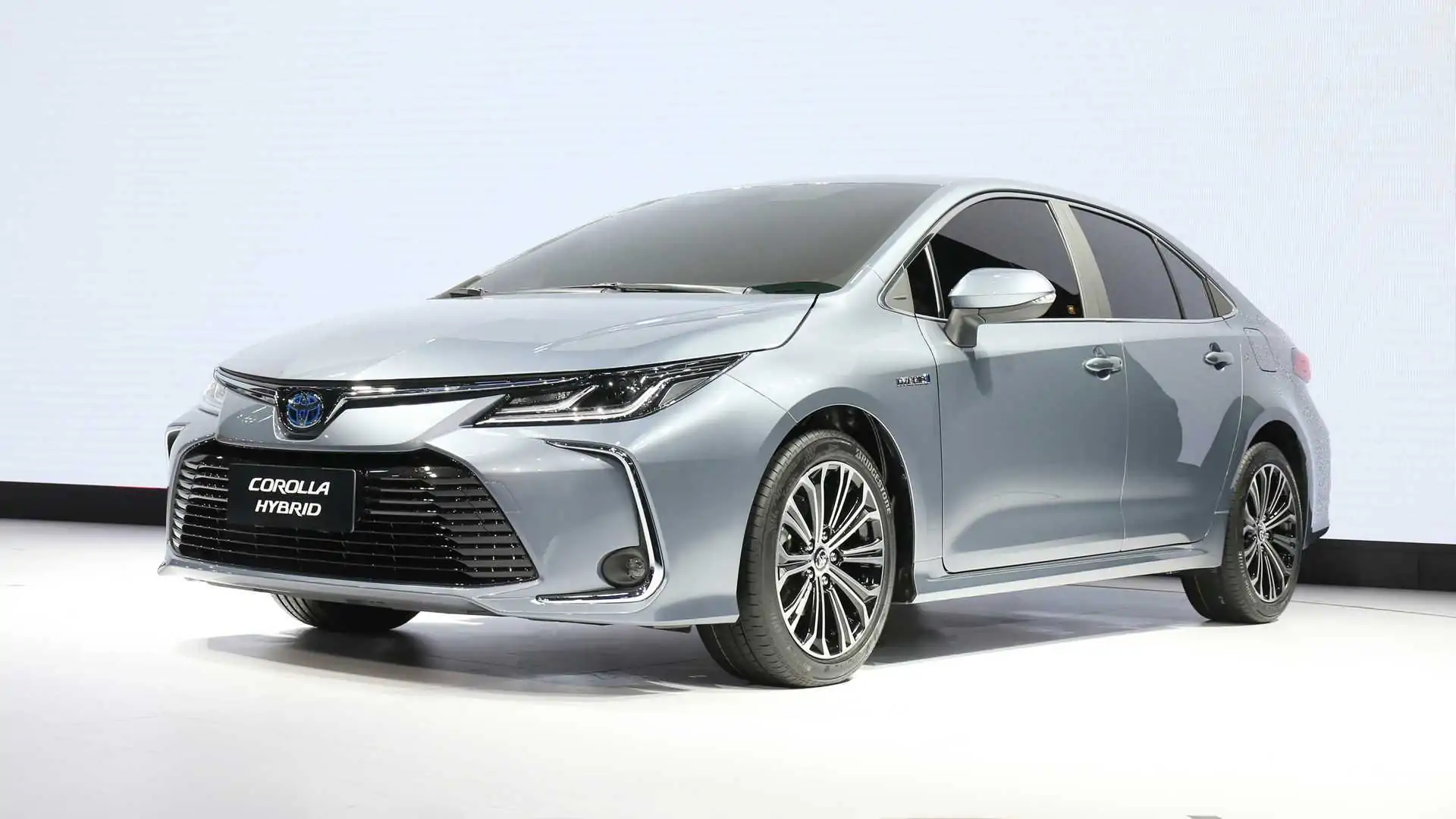
1. Toyota Corolla: The Ideal Car for College Students
The Toyota Corolla has long been a top choice for students due to its legendary reliability, affordability, and high resale value. The 2025 hybrid model is particularly attractive, offering up to 50 MPG, which is ideal for students traveling between College Station and cities such as Houston or Dallas.
Its compact size makes it easy to park in crowded areas around campus, while its low running costs help students manage tuition, books, and living expenses. With Toyota’s reputation for durability, students can rely on the Corolla for daily commuting and longer trips without worrying about unexpected breakdowns.
Fuel efficiency is one of the Corolla’s strongest advantages. The non-hybrid model achieves up to 35 MPG combined, with 32 MPG in the city and 41 MPG on the highway. The hybrid version performs even better, with ratings of up to 50 MPG combined.
Real-world highway testing shows hybrids reaching around 40 MPG, which can result in significant savings for students making frequent trips home or around town.
The Corolla also features Toyota Safety Sense 3.0, a suite of driver-assistance technologies that includes forward-collision warning, automated emergency braking, lane-departure warning, lane-keeping assist, adaptive cruise control, and road sign recognition, providing peace of mind on busy roads.
The Corolla offers a comfortable and practical interior for student life. Both sedan and hatchback models feature a clean dashboard with soft-touch materials, passive entry, push-button start, and optional features such as ambient lighting, dual-zone climate control, and heated front seats.
The sedan provides more rear legroom, while the hatchback has 18 to 23 cubic feet of cargo space, depending on options, sufficient for groceries, luggage, or sports equipment. Connectivity is also a strong point, with Apple CarPlay, Android Auto, multiple USB-C ports, and optional wireless charging, ensuring students can stay connected and entertained on the go.
Performance-wise, the Corolla uses a 169-hp 2.0-liter four-cylinder engine paired with a continuously variable automatic transmission. Hybrid models reach 0–60 mph in 9.0 seconds, while gas-only hatchbacks do so in 8.3 seconds.
The ride is smooth and controlled, and braking is reliable, though acceleration can produce some engine noise. Toyota’s warranty coverage includes a three-year, 36,000-mile limited warranty, a five-year, 60,000-mile powertrain warranty, a ten-year, 150,000-mile hybrid component warranty, and two years of complimentary maintenance.
Local availability through Bryan College Station Toyota ensures students can purchase or service the vehicle easily, making the Corolla a versatile, efficient, and dependable choice for college life.
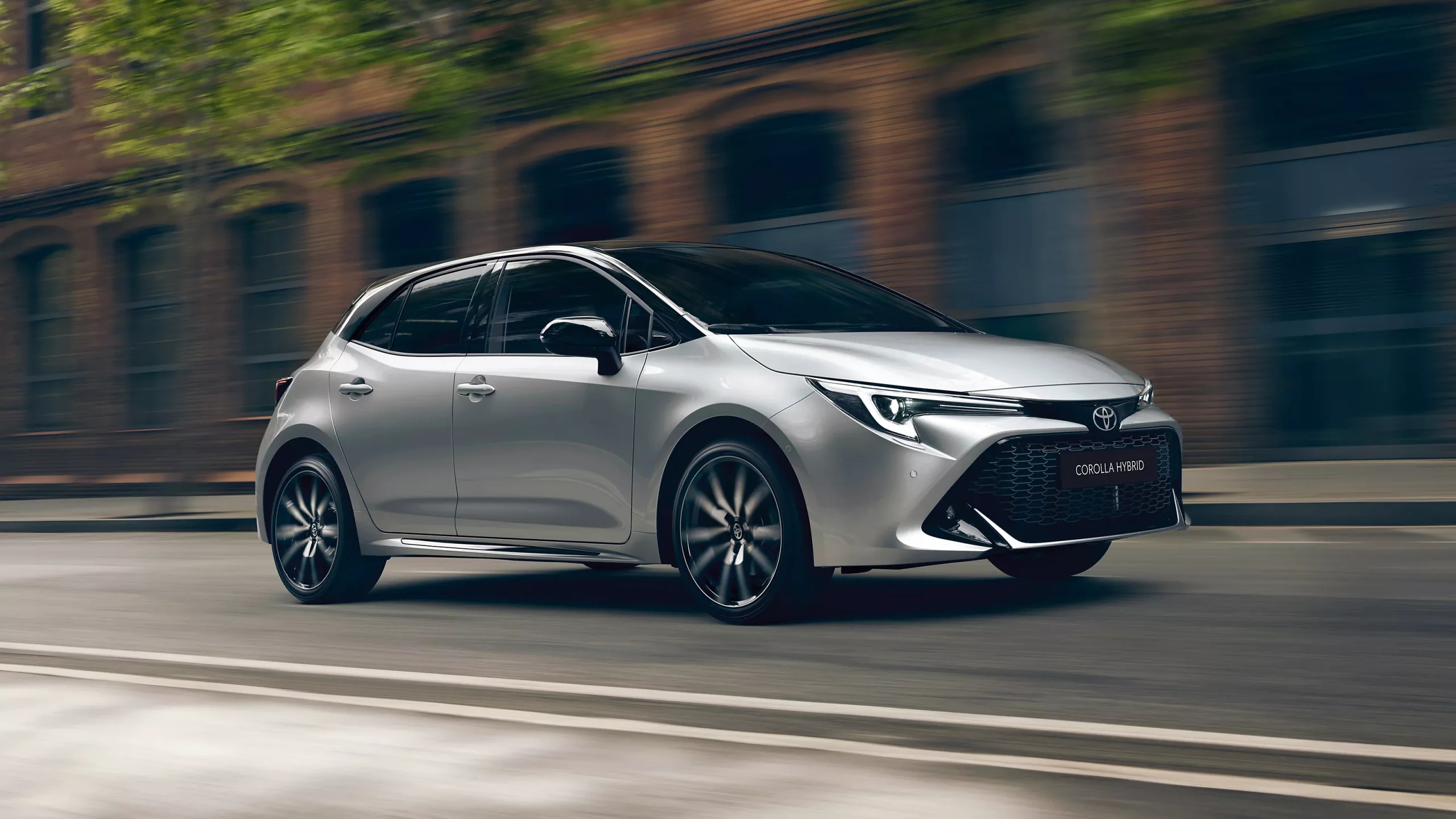
2. Honda Civic: A Practical and Fun Choice for College Students
The Honda Civic is widely praised for its reliability, low maintenance costs, and enjoyable driving experience. Its compact size makes it ideal for College Station students, allowing easy parking in tight spaces such as the Northside Parking Garage.
The Civic offers a combination of affordability, fuel efficiency, and modern features, making it well-suited for daily campus commutes, weekend trips home, and carrying gear. Hatchback models provide added cargo flexibility, while the sedan delivers comfortable seating for students and passengers.
Standard tech features like Apple CarPlay and Android Auto ensure students stay connected on the go, while the Civic’s strong resale value adds long-term financial benefits.
Fuel economy is a standout feature of the Civic. The nonhybrid model achieves up to 32 MPG in the city and 41 MPG on the highway, while the hybrid version earns up to 50 MPG city and 47 MPG highway, with real-world highway tests showing 47 MPG.
Hybrid models combine a 2.0-liter four-cylinder engine with two electric motors to produce 200 horsepower, reaching 0–60 mph in 6.2 seconds. The nonhybrid sedan, with 150 horsepower, reaches 60 mph in 8.9 seconds. Both models provide smooth rides with nimble handling, making daily driving and city traffic manageable and enjoyable.
The Civic’s interior balances comfort, practicality, and style. Both sedan and hatchback seat five passengers with generous front-row space and supportive seats. Cargo space is ample, with the sedan accommodating six carry-on suitcases and the hatchback offering even more room with rear seats folded.
Higher trims add leather upholstery, dual-zone climate control, ambient lighting, and premium audio options. Infotainment includes a standard 7.0-inch touchscreen with wired Apple CarPlay and Android Auto, while optional upgrades provide a 9.0-inch display, wireless connectivity, in-dash navigation, and a 12-speaker Bose audio system.
Safety and warranty coverage enhance the Civic’s appeal for students. The standard Honda Sensing suite includes automated emergency braking, lane-keeping assist, and adaptive cruise control. Optional features include blind-spot monitoring, rear-cross-traffic alert, and parking sensors.
Warranty coverage consists of a three-year or 36,000-mile limited warranty, a five-year or 60,000-mile powertrain warranty, an eight-year or 100,000-mile hybrid component warranty, and one year of complimentary maintenance.
The combination of fuel efficiency, comfort, safety, and technology makes the Honda Civic a practical and engaging choice for college life in a busy college town like College Station.

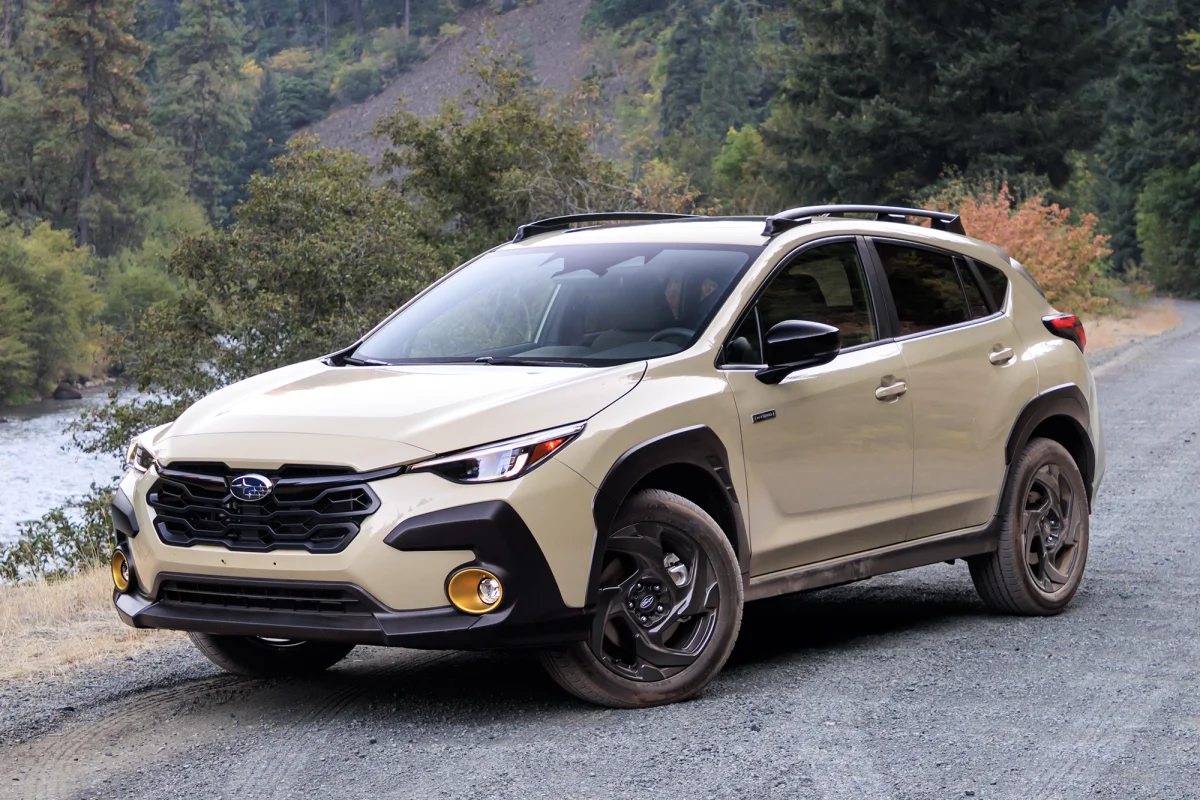
3. Subaru Crosstrek: A Versatile and Reliable Choice for College Students
The Subaru Crosstrek is an excellent option for College Station students who need a versatile, all-weather vehicle. With standard Symmetrical All-Wheel Drive and high ground clearance, it handles rainy Texas weather and light off-road conditions with confidence.
Its compact dimensions make it easy to park on campus, while the hatchback design offers generous cargo space for dorm moves, sports equipment, or weekend trips. Standard tech features like Apple CarPlay and Android Auto keep students connected, and its reputation for reliability ensures dependable performance throughout college and beyond.
Fuel efficiency and performance make the Crosstrek practical for students on a budget. The standard 2.5-liter four-cylinder engine produces 180 horsepower, paired with a continuously variable automatic transmission, allowing smooth and manageable driving in both city and highway conditions.
Hybrid options are not available, but the Crosstrek’s fuel economy is still competitive, with EPA ratings of 25-27 MPG in the city, 29-33 MPG on the highway, and 29 MPG combined. Real-world highway tests showed 36 MPG at 75 mph.
The vehicle accelerates from 0–60 mph in 8.1 seconds for the Limited trim and 8.6 seconds for the rugged Wilderness trim, which comes with all-terrain tires and enhanced off-road capability.
Inside, the Crosstrek combines comfort and practicality. The front row provides 42.9 inches of legroom and 39.8 inches of headroom, accommodating most body types comfortably. The rear seats fold 60/40 to expand cargo space from 20 cubic feet behind the second row to 55 cubic feet with seats folded.
In testing, the Crosstrek fit seven carry-on bags behind the second row and 22 with seats folded. Infotainment options range from a standard 7-inch touchscreen with wired Apple CarPlay and Android Auto to an optional 11.6-inch screen with wireless connectivity.
Audio options include a four-speaker system at base trim, six speakers in the mid-range Premium trim, and a 10-speaker Harmon Kardon system in higher trims.
Safety and reliability are key advantages for students and parents. Standard Subaru EyeSight Driver Assist Technology includes adaptive cruise control, automated braking, and lane-departure warning with lane-keeping assist.
Optional safety features add blind-spot detection, rear cross-traffic alert, and automatic emergency steering. Warranty coverage includes a three-year, 36,000-mile limited warranty and a five-year, 60,000-mile powertrain warranty.
With its combination of all-weather capability, cargo versatility, fuel efficiency, and advanced safety features, the Subaru Crosstrek is a practical, reliable, and flexible choice for College Station students.
4. Toyota Camry Hybrid: Efficient, Spacious, and Reliable for College Students
The 2025 Toyota Camry Hybrid, redesigned as a hybrid-exclusive model, is an excellent choice for College Station students seeking a combination of comfort, fuel efficiency, and reliability. Its impressive fuel economy of up to 51 MPG reduces trips to the gas station, helping students save on commuting costs to Texas A&M or trips around town.
The Camry Hybrid also offers a spacious interior, providing room for friends, textbooks, dorm gear, or apartment supplies. Standard Toyota Safety Sense features, including adaptive cruise control and automated emergency braking, give students and parents peace of mind, while Apple CarPlay and Android Auto keep students connected for music, calls, and directions.
The Camry Hybrid pairs strong efficiency with practical performance. Front-wheel-drive models use a 2.5-liter four-cylinder engine combined with two electric motors for 225 horsepower, while all-wheel-drive models add a third motor for 232 horsepower.
Both setups come with a continuously variable automatic transmission. Test drives show the hybrid system delivers smooth, responsive acceleration in city traffic, and the XSE AWD trim reaches 0–60 mph in 6.8 seconds, outperforming several competitors.
Sportier trims, including the SE, XSE, and Nightshade editions, feature tighter suspension and better body control in corners, enhancing stability without compromising ride comfort on highways and longer drives.
Interior comfort and cargo capacity make the Camry Hybrid especially practical for student life. The cabin provides generous front and rear seating, with standard cloth upholstery and dual-zone climate control. Higher trims include leather seating, heated seats, ambient lighting, and adjustable rear headrests.
Cargo space is ample, supporting dorm moves or weekend trips, while infotainment features include an 8-inch touchscreen standard, with optional 12.3-inch screens and fully digital gauge displays in top trims. Wireless Apple CarPlay and Android Auto are standard, and premium trims offer a nine-speaker JBL stereo system for a richer audio experience.
Safety and reliability remain key strengths of the Camry Hybrid. The standard Toyota Safety Sense suite includes automated emergency braking with pedestrian and cyclist detection, lane-departure warning, lane-keeping assist, and adaptive cruise control with lane-centering.
Toyota’s strong reputation for durability helps reduce unexpected repairs and maintain high resale value.
Warranty coverage includes a three-year, 36,000-mile limited warranty, a five-year, 60,000-mile powertrain warranty, a ten-year, 150,000-mile hybrid component warranty, and two years of complimentary scheduled maintenance. This combination of fuel efficiency, comfort, tech, safety, and practical design makes the Camry Hybrid a smart, dependable choice for students.

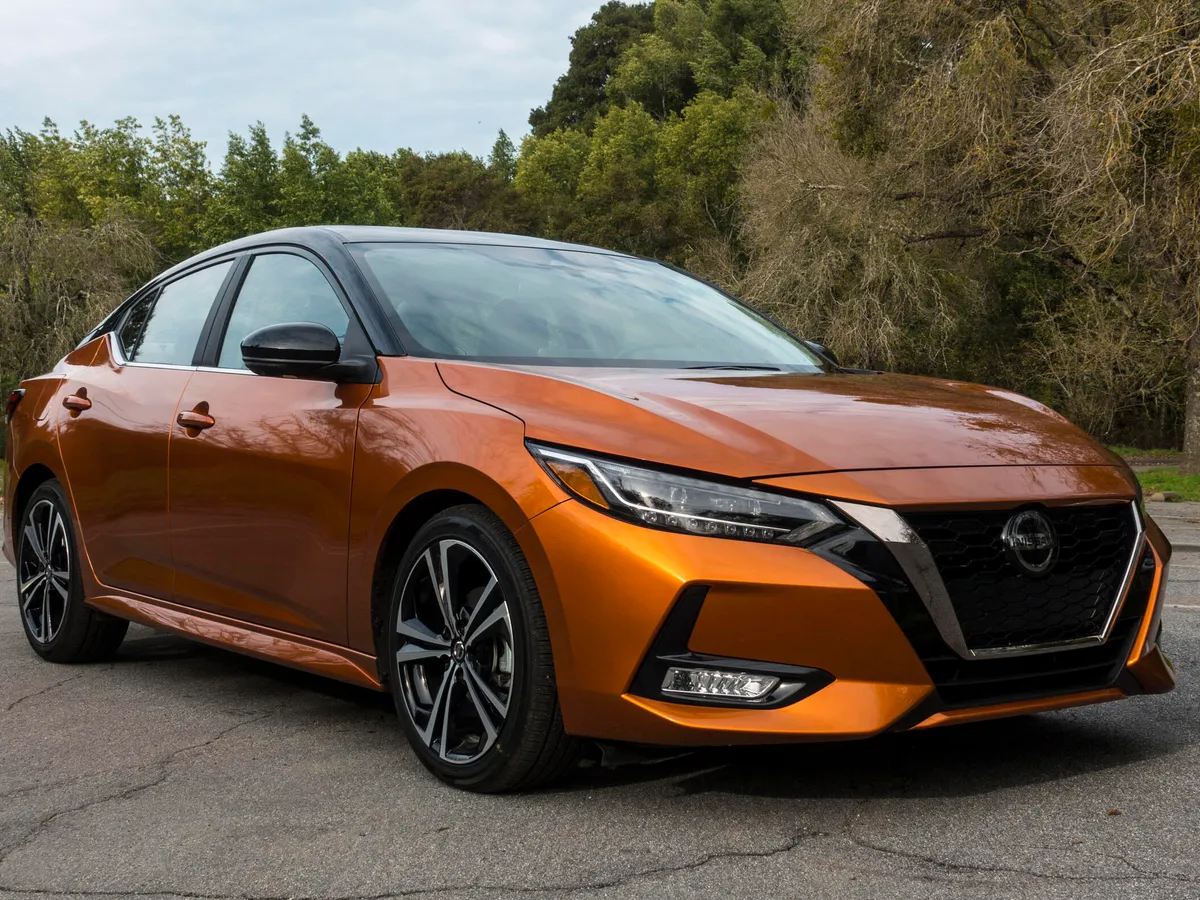
5. Nissan Sentra: Affordable, Efficient, and Student-Friendly
The 2025 Nissan Sentra is a top pick for College Station students looking for a reliable, budget-friendly vehicle. Recently recognized by Consumer Reports, the Sentra delivers excellent value with low ownership costs and practical features for everyday campus life.
Its compact size makes it easy to park on crowded streets or in campus lots, while a comfortable and modern interior provides room for students, friends, or dorm gear. Standard tech features like Apple CarPlay and Android Auto keep students connected, and its dependable performance ensures a low-cost, low-stress ownership experience.
Fuel efficiency is one of the Sentra’s key advantages. The 2.0-liter four-cylinder engine paired with a continuously variable automatic transmission (CVT) delivers 149 horsepower and front-wheel-drive performance.
EPA ratings for the 2025 model reach up to 30 MPG city and 40 MPG highway, with a combined rating of 34 MPG, helping students save on fuel costs for commuting or weekend trips.
Acceleration is measured at 0–60 mph in 8.2 seconds, which is adequate for urban and highway driving, though it trails sportier competitors. Ride quality and handling benefit from a stiffer body structure and improved dampers, resulting in a smooth, composed drive that suits everyday student use.
The interior and cargo space are practical for daily student life. Front and rear seating accommodate average-sized adults comfortably, though three passengers in the back may be a tight fit.
The trunk offers 14 cubic feet of cargo space, enough for groceries, sports equipment, or luggage, and rear seats fold down to expand capacity. Infotainment has been upgraded with a standard 12.3-inch touchscreen in higher trims, wireless Apple CarPlay and Android Auto, and multiple USB-C ports.
Audio options range from a four-speaker system in base trims to an eight-speaker Bose system in higher trims, providing versatility for entertainment and study needs.
Safety is another strong point of the Sentra. The standard Safety Shield 360 suite includes automated emergency braking with pedestrian detection, adaptive cruise control, and lane-departure warning.
Optional ProPilot driver-assist technology adds a 360-degree camera system and additional safety features for enhanced confidence on the road. Warranty coverage includes a three-year, 36,000-mile limited warranty and a five-year, 50,000-mile powertrain warranty.
With its combination of fuel efficiency, comfort, tech features, and safety, the Nissan Sentra is a practical, reliable, and economical choice for College Station students balancing academics, campus life, and weekend travel.
Also Read: 5 Cars for Riverside Inland Heat and 5 That Overheat
5 Students Should Avoid
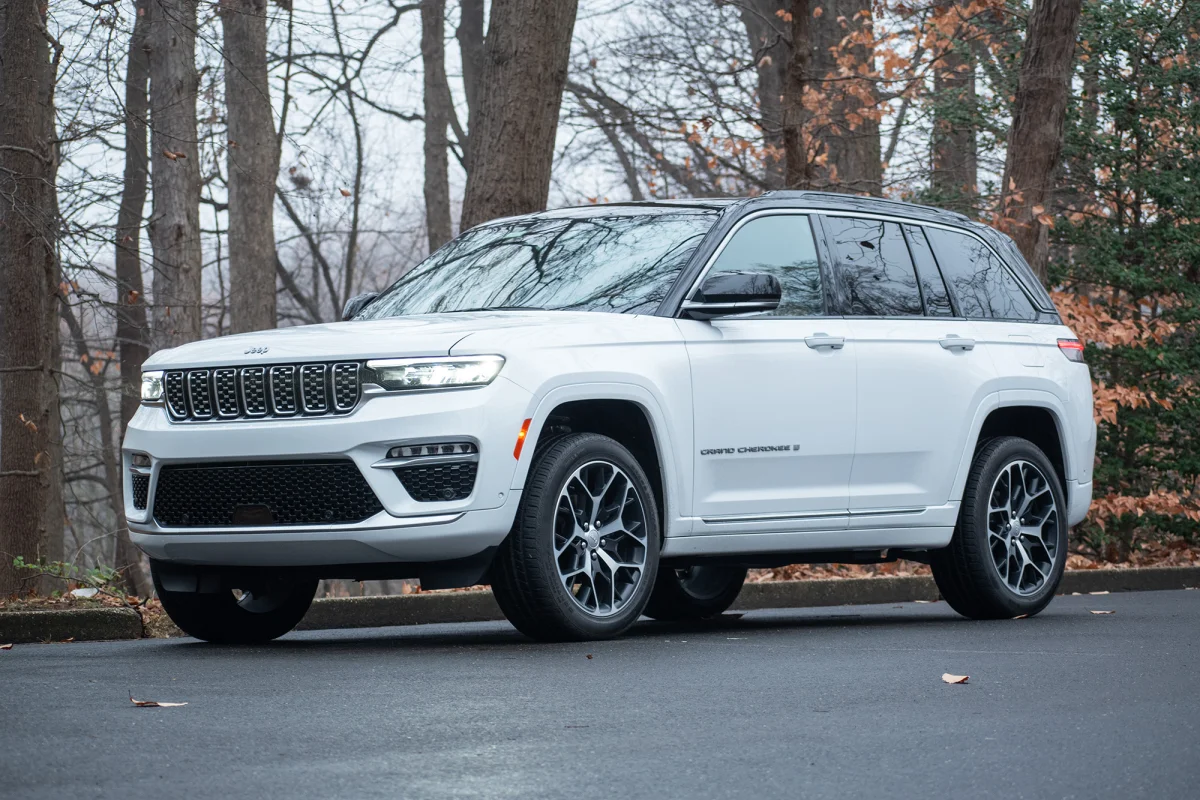
1. Jeep Grand Cherokee: High Maintenance and Costly Repairs Make It Risky for Students
The Jeep Grand Cherokee is widely recognized for poor reliability, making it a challenging choice for college students on a budget. Many 2011–2015 models are prone to transmission issues, such as jerky shifts, delayed engagement, and potential failure.
Electrical problems are also common, with the Totally Integrated Power Module (TIPM) causing widespread glitches, along with infotainment and gauge malfunctions. The 3.6L Pentastar engine can experience rocker arm failures, resulting in ticking noises, cam damage, and costly repairs often occurring around 75,000–100,000 miles.
Older models also face rust on rocker panels and underbodies, which can compromise structural integrity. Poor fuel economy, especially with V8 engines or heavy use, adds to student expenses.
These issues translate to frequent, expensive, and sometimes unexpected maintenance. Students risk being stranded, facing high repair bills, and dealing with ongoing upkeep that may interfere with class schedules or part-time jobs.
While certain model years, such as 2010, 2015, 2016, and 2021, are more reliable, any Jeep Grand Cherokee should be inspected thoroughly before purchase. Prospective owners must account for higher-than-average maintenance costs and commit to diligent care.
For college students seeking low-cost, dependable transportation, the Grand Cherokee is often a risky option unless carefully chosen and meticulously maintained.
2. Mazda CX-90 and PHEV: Luxury and Style Come with Reliability and Cost Concerns
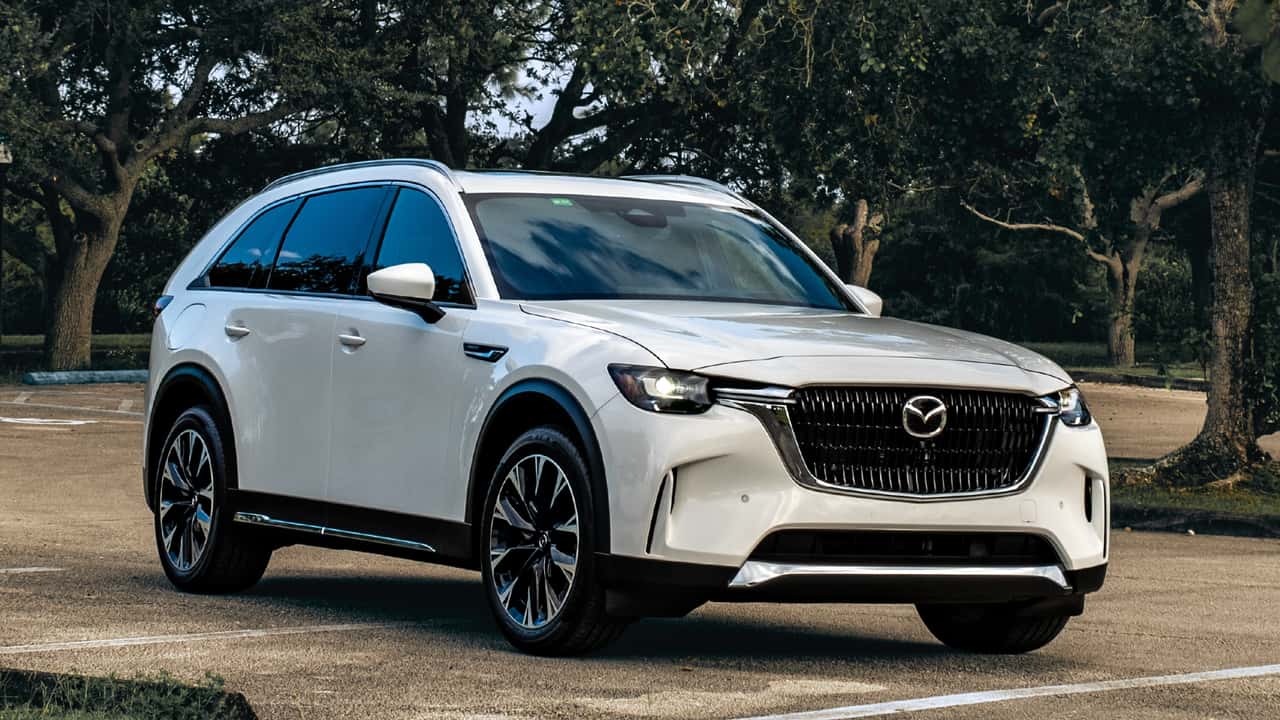
The 2025 Mazda CX-90 and its PHEV version offer luxury, safety, and advanced features, but they may not be the best choice for college students in College Station. Despite its upscale appearance, the CX-90 ranks among the least reliable vehicles in the U.S., with frequent battery and motor issues in the PHEV.
The ride can feel stiff and jarring, especially on rough roads or potholes common in Texas, while the PHEV’s transition between electric and gas power may feel jerky at low speeds. Its heavy weight also limits agility, making it less nimble for campus commutes compared with smaller, more efficient cars.
The CX-90’s high price makes it less practical for students, as many features can be found in more affordable vehicles like the Ford Mach-E or smaller Mazda models.
The PHEV’s 25-mile electric range is useful for short trips, but gas use is still frequent, and engine noise can be noticeable. While it excels in space, safety, and premium amenities, these benefits are better suited for families or drivers prioritizing luxury over cost-efficiency.
For college students, smaller sedans or compact SUVs, including the Mazda CX-5 or used hybrid models, often provide better value, lower fuel costs, easier parking, and smoother handling for daily campus life. The CX-90 may look appealing, but its price, reliability issues, and heavier feel make it less practical for student use.
3. GMC Acadia: Reliability and Costs Make It a Risky Choice for Students
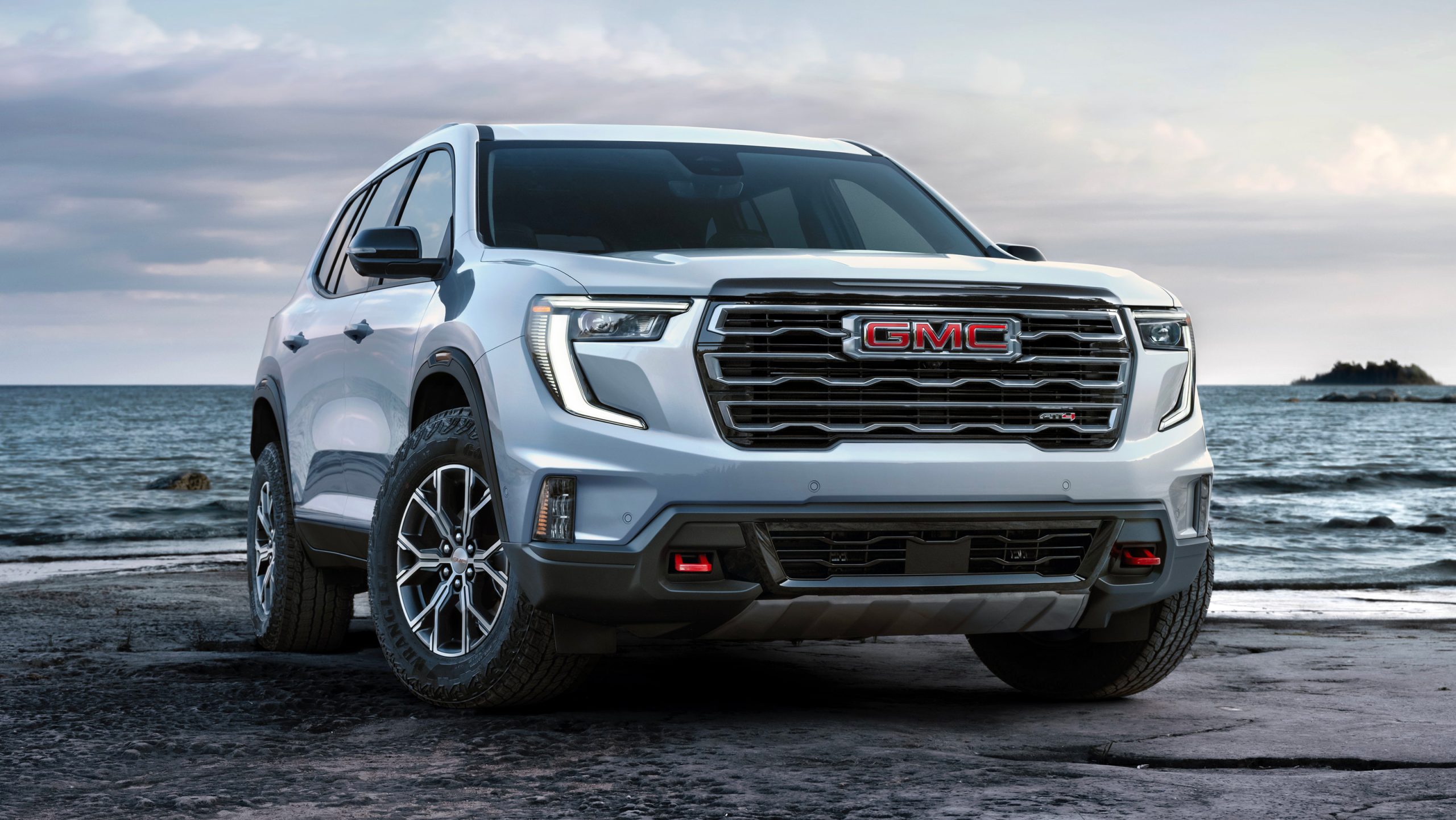
The 2025 GMC Acadia, along with many earlier models, has low reliability ratings, making it a challenging choice for College Station students who need dependable, low-maintenance transportation. Older models, particularly from 2007–2010, 2012–2013, and 2017–2018, often suffer from transmission problems, electrical glitches, and excessive oil consumption.
Transmission issues can include slipping gears, harsh shifts, or complete failure, sometimes requiring costly repairs. Electrical problems affect in-car systems and sensors, while some engines consume large amounts of oil, increasing maintenance demands. The Shift-to-Park (STP) system can also fail, preventing the car from shifting out of park and creating safety concerns.
These issues translate into higher repair costs, potential breakdowns, and added stress for students relying on their vehicles for classes, jobs, or trips home. Even with newer models like 2016, 2019, and 2022+, owners may still face higher maintenance demands compared with more reliable mid-size SUVs.
For students, smaller, fuel-efficient, and dependable SUVs from brands like Honda, Toyota, or Subaru often provide better value, lower running costs, and fewer surprises. While the Acadia offers space and style, its combination of size, fuel economy, and known mechanical issues makes it a risky and potentially expensive choice for college life in a busy town like College Station.
4. Chevrolet Blazer EV: Early Reliability Issues Make It Risky for Students
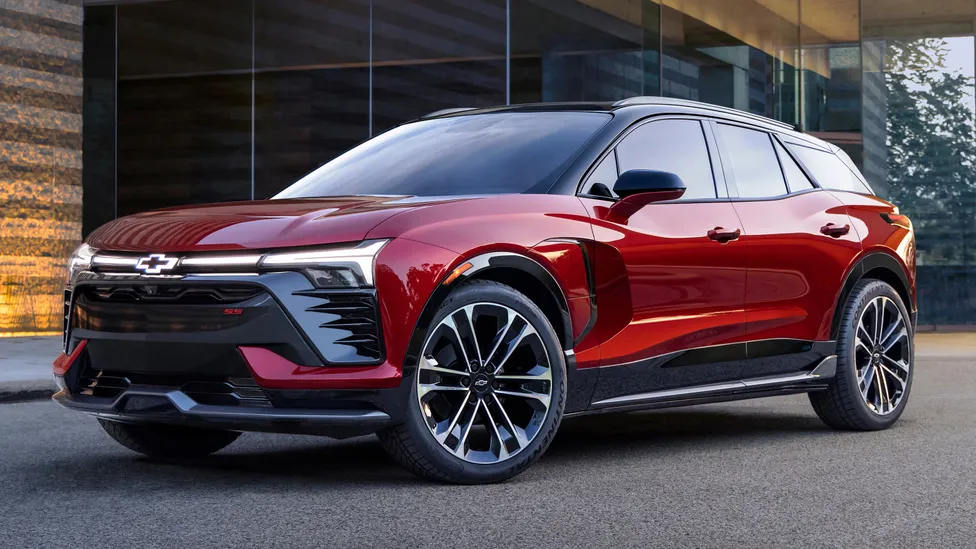
The Chevrolet Blazer EV, despite its appeal as an electric vehicle, has faced significant reliability challenges for 2025, making it a risky choice for College Station students. Early models are prone to software glitches, infotainment malfunctions, and charging issues, which can leave drivers stranded or require frequent dealer visits for fixes.
These problems are particularly concerning for students who may lack dedicated home charging and rely on dependable transportation for classes, work, and daily campus activities.
Key issues include frequent screen freezes, fault codes across battery and motor systems, and inconsistent charging performance. Repair downtime can be lengthy and costly, putting a strain on a student’s limited budget. The vehicle’s early rollout even experienced stop-sales due to software problems, highlighting significant launch challenges and raising concerns about dependability.
For students, these issues mean unexpected repair expenses, missed classes, and added stress. While later 2025 or post-2024 models may have resolved some problems, students should approach early Blazer EVs cautiously.
Alternatives such as reliable fuel-efficient cars or EVs with proven track records provide more consistent performance and lower maintenance costs. For campus life, simplicity, affordability, and dependability are more practical than the high-tech features that currently complicate the Blazer EV.
5. Jeep Wrangler: Style Comes at the Cost of Reliability and Daily Usability
The Jeep Wrangler is a popular choice for its rugged style and off-road capability, but it ranks among the least reliable mainstream vehicles, making it a risky option for college students in College Station.
Older models, including 2007–2018 JK and 2018–2020 JL, are prone to the “Death Wobble,” a dangerous steering vibration, as well as airbag faults, electrical issues with the Totally Integrated Power Module (TIPM), engine stalling, and water leaks from soft tops. These problems can make daily commuting to classes, work, or campus activities unreliable and potentially unsafe.
Wranglers also carry financial drawbacks for students. Poor fuel economy increases gas expenses, while frequent repairs and higher insurance premiums for young drivers can strain a tight student budget. The soft-top design adds noise, reduces comfort on highways, and leaves belongings vulnerable to theft.
Despite its durability and off-road appeal, the Wrangler is best suited as a secondary recreational vehicle rather than a primary campus car. Students who need dependable, low-cost daily transportation will find more practical alternatives among compact SUVs or sedans.
While the Wrangler excels for weekend adventures or off-road fun, its maintenance demands, poor on-road comfort, and safety concerns make it less suitable for a busy college lifestyle.

For college students in College Station, a car is more than transportation; it is a daily necessity that must be dependable, affordable, and stress-free. The right vehicle can support academic success, part-time work, and weekend travel without draining limited finances.
The five recommended cars in this guide stand out because they balance reliability, fuel efficiency, safety, and practicality, making them well-suited for student life. In contrast, the five vehicles to avoid highlight how poor reliability, high maintenance costs, complex technology, or inefficient design can quickly turn ownership into a costly headache.
While personal style and features matter, long-term dependability and low ownership costs matter more during college years. By focusing on proven models with strong reputations and avoiding vehicles with known issues, students can protect their budgets and schedules.
Ultimately, smart car choices allow students to focus less on repairs and expenses and more on academics, campus life, and enjoying their college experience in College Station.