
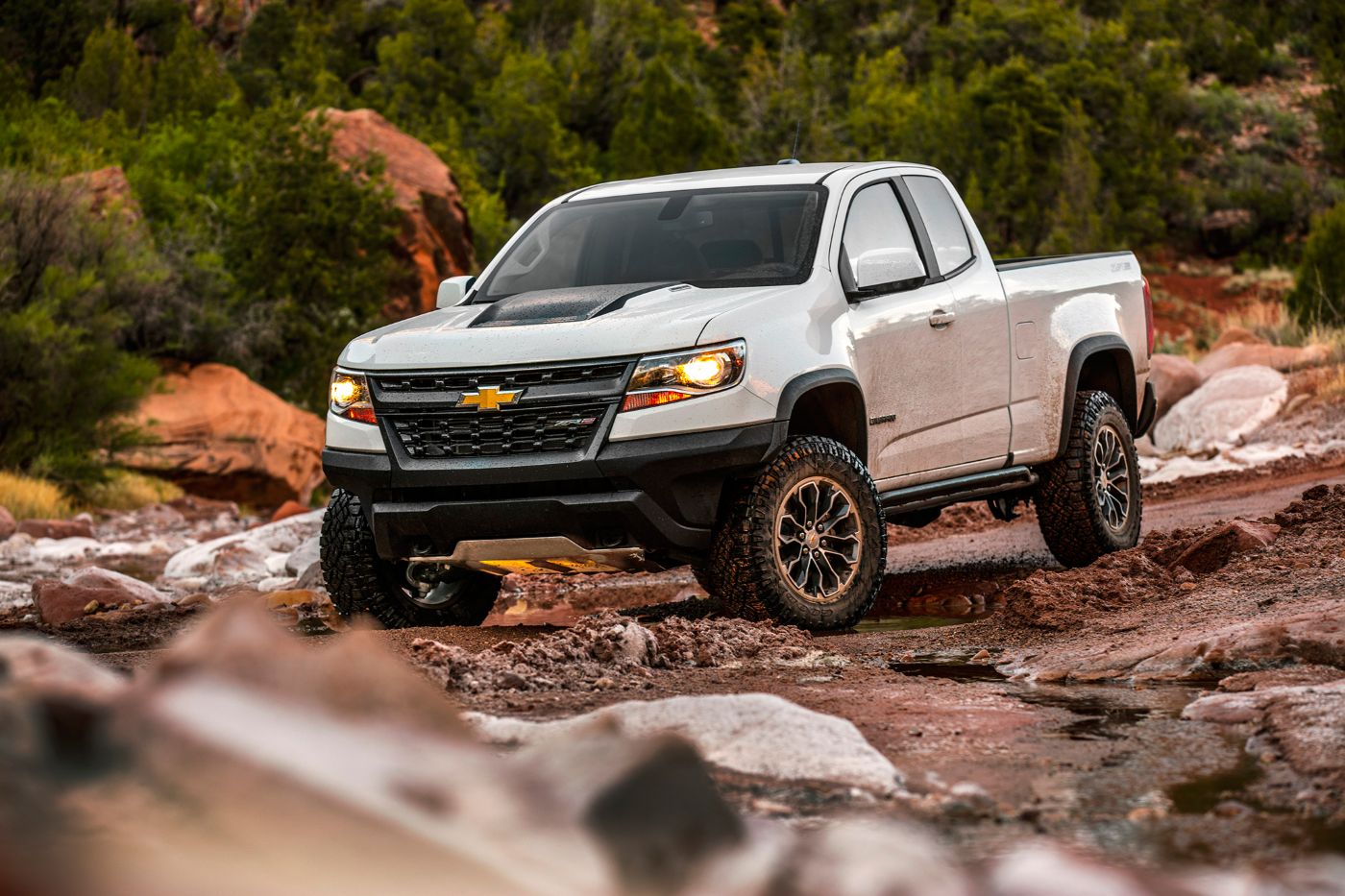
Driving in Aurora, Colorado, presents a unique challenge for pickup trucks. Located at roughly 5,400 feet above sea level, with easy access to mountain passes and the Rockies, the area demands vehicles that can handle reduced air density. As elevation rises, engines naturally lose power because thinner air contains less oxygen for combustion.
While turbocharged and diesel engines cope better with altitude, naturally aspirated engines often feel sluggish, especially when towing or climbing steep grades. This guide highlights five trucks that excel in high-altitude driving and five that tend to lose performance.
Trucks That Excel in High-Altitude Conditions
High altitude doesn’t just thin the air, it exposes weak powertrains, lazy transmissions, and cooling systems that were never designed to work uphill for hours at a time.
If you’ve ever tried towing, passing, or even just maintaining highway speed in the mountains, you already know that not all trucks are created equal once elevation climbs. Engines lose power, turbos get stressed, and gearing choices suddenly matter a lot more than brochure numbers.
This article cuts through the marketing and focuses on trucks that actually perform when oxygen is scarce. These are the pickups that keep their torque, manage heat, and deliver confidence at elevation, whether you’re hauling gear over a mountain pass, living above 7,000 feet, or working where thin air is the norm.
1. Chevrolet Silverado 1500 with 3.0 L Duramax Turbo-Diesel
The Silverado 1500 equipped with the 3.0 L Duramax turbo-diesel is an excellent choice for mountain driving. Its turbocharger compresses air, mitigating the effects of thinner air and helping maintain power and torque even at elevations above 6,000 feet.
With strong low-end torque, the truck accelerates smoothly uphill, and towing heavy trailers feels effortless. Inside, the cabin offers comfort and visibility for long mountain drives, while the cooling systems and robust drivetrain ensure reliable performance over extended climbs.
Why it works: Turbocharged diesel engine maintains torque and power, excellent low-RPM pulling, smooth transmission.
We evaluated a Silverado crew cab in High Country trim equipped with the 5.3-liter V8, four-wheel drive, and the eight-speed automatic transmission. Its acceleration and braking performance fall squarely in the middle of the pack, but they’re more than adequate for everyday driving duties and towing tasks.
From a standstill, our test truck reached 60 mph in 7 seconds at our test track. A comparable Ford F-150 posts slightly quicker times, but the Silverado never feels underpowered. In city driving, the transmission delivers smooth shifts and does a good job of capitalizing on the V8’s strong low-end torque.
On the highway, the truck holds a straight line with confidence, though steering effort feels lighter than ideal. Overall handling is predictable and stable, with body roll well controlled through corners.
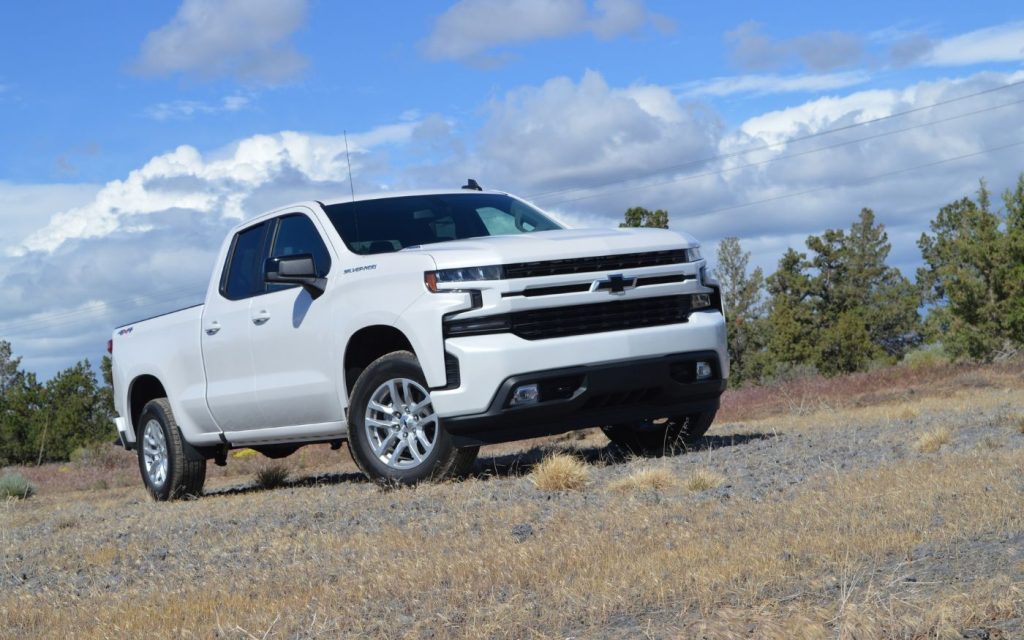
That said, bumps encountered midcorner can unsettle the Silverado more easily than expected. If off-road driving is on the agenda, a standard 4WD Silverado will manage just fine, but opting for the Z71 off-road package or stepping up to the Trail Boss trim will noticeably improve its capability.
Seat comfort in the Silverado doesn’t quite match what you’ll find in the F-150 or Ram 1500, but there’s still sufficient cushioning and support to remain comfortable on longer trips.
Highway ride quality is generally smooth, and the suspension does a solid job soaking up smaller imperfections. However, on roads with frequent dips and sharp bumps, the truck can start to feel a bit bouncy.
The climate control system is effective at quickly warming or cooling the cabin, though the abundance of small buttons can make it less intuitive to operate.
One standout feature is the available ventilated and split-heated front seats, which allow separate adjustments for the seatback and cushion, a GM-exclusive touch we really appreciate. Engine noise stays well subdued during normal driving, but when you push the throttle hard, it becomes noticeably louder and less refined.
2. GMC Sierra 1500 AT4 / AT4X (Turbo-Diesel or Robust V8)
The GMC Sierra AT4 and AT4X offer the same solid platform as the Silverado but add off-road hardware like locking differentials, skid plates, and advanced 4WD systems.
With the 3.0 L Duramax turbo-diesel or a well-tuned V8, this truck maintains power at elevation, providing confidence when driving on mountain passes or hauling gear. Its suspension and chassis balance allow for stable handling on steep, uneven roads, making it ideal for recreational or work-related mountain trips.

Why it works: Diesel torque, advanced 4WD, off-road suspension, and consistent power delivery.
3. Ford F-150 with 3.5 L EcoBoost V6
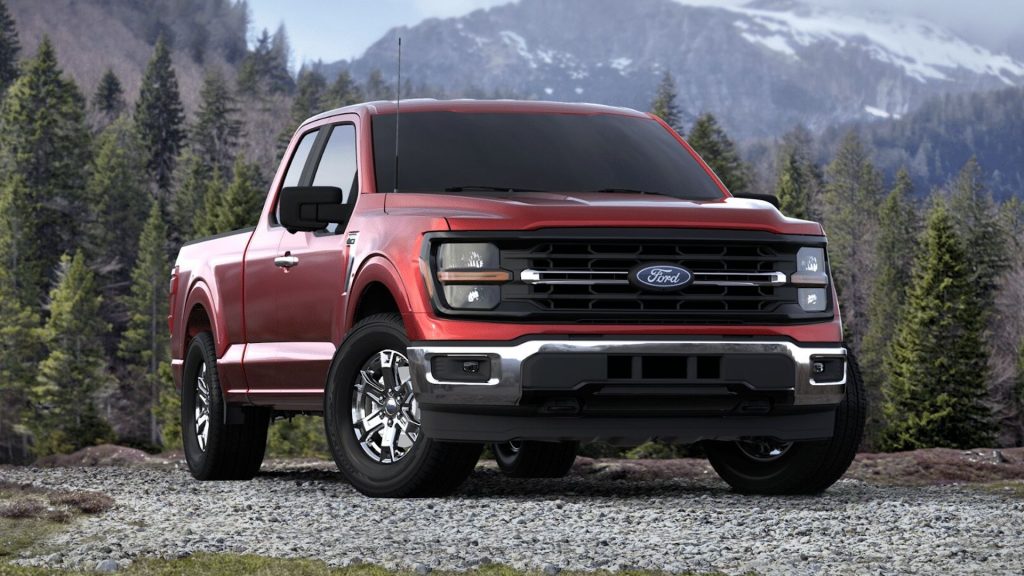
The Ford F-150’s 3.5 L EcoBoost V6 is turbocharged, giving it a significant advantage over naturally aspirated engines at high altitude.
It maintains acceleration and responsiveness even on steep grades, while the lighter half-ton truck design helps offset the effect of reduced air density. The F-150 also offers a refined cabin, smooth ride, and comfortable highway performance, important for long trips through mountainous terrain.
Why it works: Turbocharging compensates for altitude power loss; strong mid-range torque; efficient power delivery.
Ford’s lineup of EcoBoost engines spans a wide range of configurations, including three-, four-, and six-cylinder designs, and they appear across a massive number of models. Some of these engines have earned awards for their technology, but what they all share is turbocharging.
The EcoBoost family represents Ford’s response to the industry-wide push toward downsizing, a trend that replaces larger-displacement, naturally aspirated engines with smaller, turbocharged units that deliver improved efficiency without sacrificing usable performance.
A clear example of this shift can be found in Ford’s own catalog with the F-150, America’s best-selling full-size pickup. Earlier versions of the truck were most commonly associated with V8 power, but newer generations moved away from that formula.
The 3.5-liter EcoBoost V6 became a mainstay in recent F-150s, and for 2025, the hybrid version of the truck now relies on a 2.7-liter EcoBoost V6. Together, these changes highlight how downsizing has steadily reshaped the way Ford motivates its most important pickup over time.
The F-150 is far from the only Ford model to make use of the 3.5-liter EcoBoost engine. The same basic V6 architecture has appeared in a wide range of vehicles, including Ford’s flagship supercar.
As seen in our first drive of the Ford GT, a specialized version of the EcoBoost V6 powered the brand’s halo model. Beyond that, the engine has also found homes in mainstream vehicles like the Explorer, Expedition, and Transit, underscoring just how versatile and widely deployed the powerplant has been.
However, widespread use hasn’t guaranteed universal reliability. Not every Ford equipped with the 3.5-liter EcoBoost V6 has delivered trouble-free ownership.
That said, these problems don’t affect every version or every production year. Certain model years appear to be more problematic than others, and those specific iterations have been outlined below as the ones proving to be the most troublesome.
Also Read: Top 10 Most Gorgeous Italian Sports Bikes Ever
4. Ram 1500 EcoDiesel
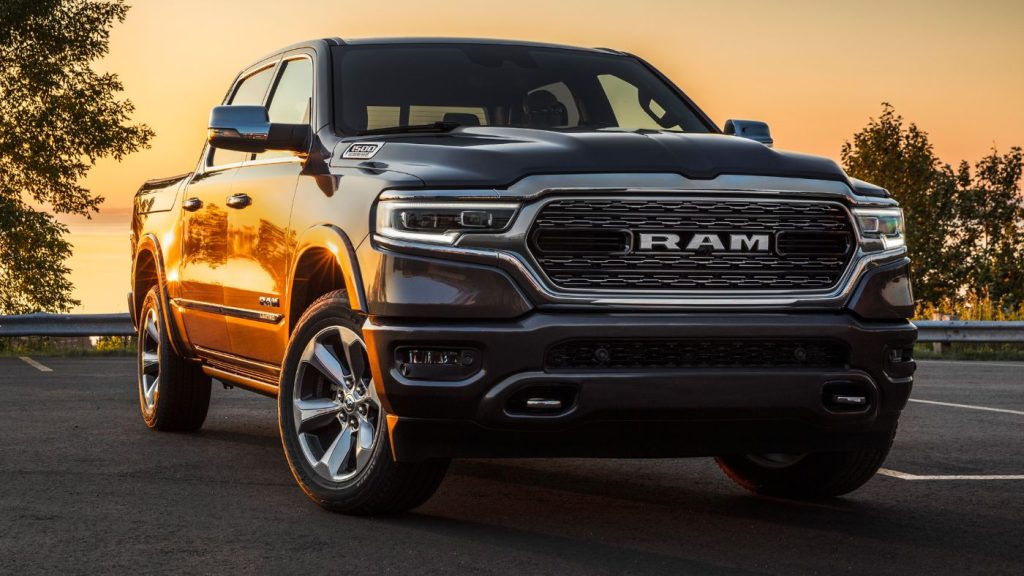
Ram’s 1500 EcoDiesel combines smooth turbocharged diesel torque with the comfort of a full-size pickup. Its torque curve allows it to maintain speed on mountain passes, even when towing.
Optional air suspension smooths out uneven roads, improving ride comfort on high-altitude highways. The EcoDiesel’s efficiency and consistency make it a top choice for drivers who frequently encounter steep grades and long climbs.
Why it works: Diesel torque curve sustains power at altitude; smooth ride; reliable drivetrain.
For fans of raw towing power, the news that Ram and Jeep were no longer going to offer the 3.0-liter EcoDiesel engine beyond 2023 was somber.
However, another reason for the discontinuation is likely the mounting emissions fines Stellantis faces, which number in the millions.
In late 2024, Stellantis was ordered to fork over $4.2 million in a settlement with the California Air Resources Board (CARB), due to some alleged shenanigans involving an emissions-defeating device included on some of Ram’s 3.0-liter diesel engines.
This wasn’t the first time a Stellantis brand was fined, either, as Stellantis-owned Dodge discontinued the Hemi engine after it couldn’t meet new emissions standards and incurred $235 million in penalties.
In place of these engines, Stellantis is now focusing on its Hurricane turbocharged gasoline engines and electric power, with the automaker teasing the Ram 1500 Ramcharger EV truck that’s set to launch in 2026.
Launched in 2011, the VM Motori-developed 3.0-liter EcoDiesel first appeared in European Fiat and Chrysler vehicles. The second-generation version, the L630, launched in the U.S. in 2014 with adaptations to meet stateside emissions standards.
This V6 diesel delivered 240 horsepower and 420 lb-ft of torque. Unfortunately, the first U.S. iteration would end up being one of the worst years for the Ram EcoDiesel, at least according to owners.
However, this engine did provide glimmers of its potential, especially in terms of how fuel-efficient a diesel truck could be. It offered an EPA-estimated 28 miles per gallon on the highway, another example of how diesel engines are more efficient than gas.
The engine improved even further by its third generation, which would be its last. The 2023 EcoDiesel provided 260 horsepower, 480 lb-ft of torque, and a maximum towing capacity of 9,600 pounds. It was also efficient enough that a 4×4 Ram 1500 could travel more than 950 miles on one tank of fuel.
With bold claims like a 690-mile range and a max towing capacity of 14,000 pounds, the Ram 1500 Ramcharger EV truck certainly has a lot to live up to when it’s released.
Ram is quite late to the party, as brands like Ford and Rivian have had options available for the last few years. Despite that, high sticker prices have been a massive hurdle for many interested in an electric pickup.
Another issue that plagues EV trucks is the unfavorable relationship between towing and range. While you may be able to travel significant distances in your electric pickup, the range can drop more than 50% once you add heavy loads such as a weighed-down trailer.
5. Toyota Tundra Hybrid (i-Force Max)
The newer Toyota Tundra i-Force Max hybrid pairs a supercharged engine with electric assist. This combination helps offset the reduced oxygen at high elevations, providing strong torque and smooth acceleration. The Tundra’s 4WD system and rugged reliability make it suitable for both daily driving in Aurora and off-road excursions into the Rockies.
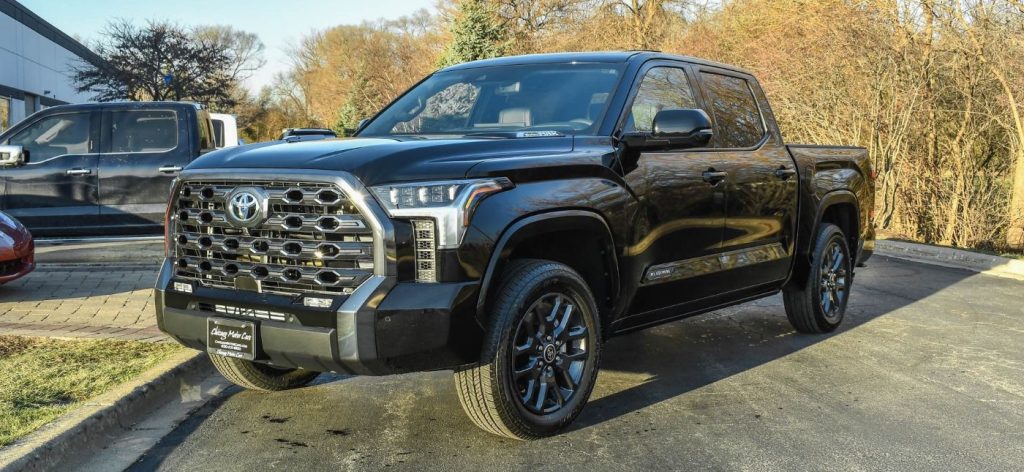
Why it works: Forced induction plus electric torque assist maintains performance uphill; reliable chassis and 4WD system.
Trucks That Lose Power at Altitude
High elevation is where horsepower claims go to die. As air gets thinner, engines that feel strong at sea level can turn sluggish fast, exposing designs that rely too heavily on displacement and not enough on smart induction or gearing.
For drivers who live, work, or tow in the mountains, this drop-off isn’t theoretical, it’s the difference between holding speed on a grade and watching the right lane disappear in the mirrors.
This article breaks down the trucks that struggle most as altitude climbs. Whether it’s naturally aspirated gas engines that gasp for air, outdated powertrains that can’t compensate, or setups that lose torque right when it’s needed, these are the pickups that give up ground when elevation rises.
1. Toyota Tacoma (Naturally Aspirated 3.5 L V6)
While dependable and reliable, the naturally aspirated Tacoma struggles at high elevation. Drivers often notice sluggish acceleration and frequent downshifting on mountain roads. The engine must work harder, leading to higher RPMs, increased heat, and reduced overall responsiveness.
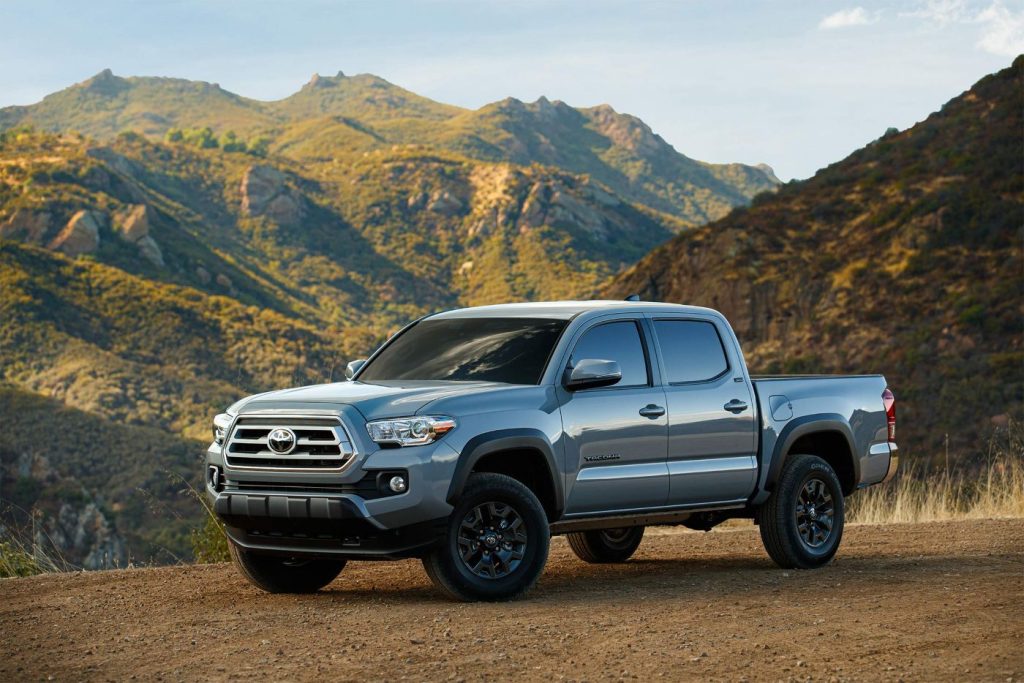
Struggles: Flat power curve at elevation, higher throttle demands, slower uphill performance.
2. Nissan Frontier (Older 4.0 L V6)
Older Nissan Frontiers equipped with the 4.0 L V6 also struggle in thin air. Without forced induction, climbing steep grades feels labored, and maintaining highway speed while towing can become challenging. Frequent downshifting is often required to keep momentum.
Struggles: Power fade at high altitude, increased engine strain, reduced acceleration.
The 3.8-liter V6 delivers solid output, and the nine-speed automatic transmission responds with quick, smooth shifts that make the Frontier easy to maneuver around town.
In everyday driving, it feels lively enough, though outright acceleration is nothing special. During testing, the Frontier reached 60 mph in 7.8 seconds, a figure that puts it right in line with other V6-powered midsize trucks like the Chevrolet Colorado and Toyota Tacoma.
Braking performance is less confidence-inspiring. The brakes have a soft feel, with a long pedal travel before meaningful stopping power kicks in, which can be unsettling during harder stops. Steering feedback is also a weak point, as the system feels overly vague and provides little sense of what the front tires are doing.
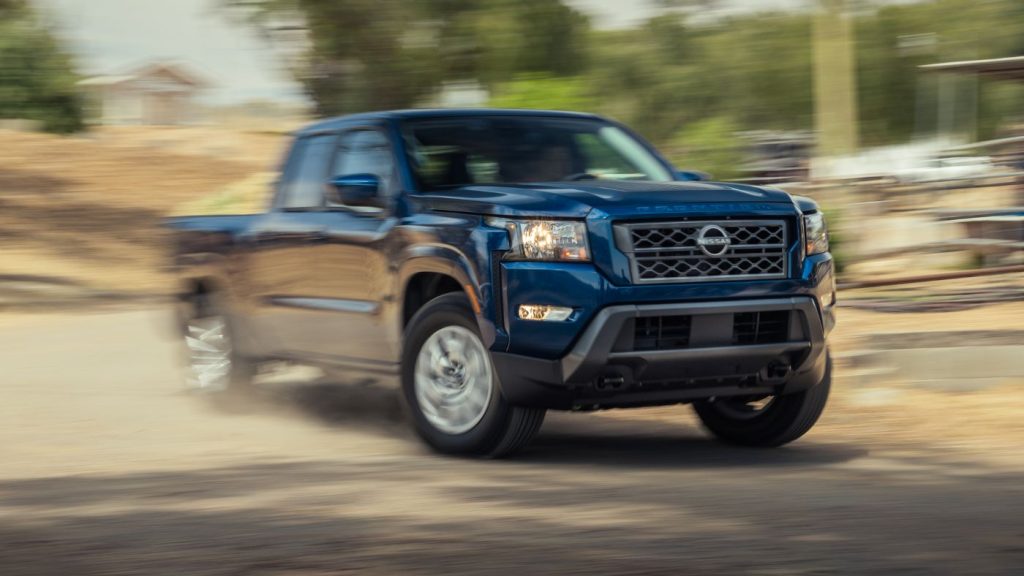
While overall handling falls within expectations for a pickup, the rear end is easily disturbed by bumps encountered midcorner, more so than in competing trucks. Off-road performance is a brighter spot, helped by Pro-4X-specific hardware such as a locking rear differential and underbody skid plates.
Compared with similarly rugged rivals like the Jeep Gladiator and Toyota Tacoma, the Frontier rides noticeably harsher. The front seats lack strong bolstering and offer minimal lumbar support, while the rear seats are even less accommodating, with flat cushions and an upright seating position that would make longer journeys uncomfortable.
Ride quality further detracts from comfort, as sharp impacts and rough surfaces are transmitted directly into the cabin.
On the plus side, the Frontier is relatively quiet for a truck. Wind noise around the large side mirrors is the most noticeable sound at speed. The climate control system performs well, quickly cooling the cabin on hot days.
The heated seats, however, are underwhelming. They never get particularly warm and tend to fade to a lukewarm level soon after the initial heat-up.
3. Full-Size Trucks with Naturally Aspirated V8s (e.g., Chevrolet 5.3 L / 6.2 L)
Many older or base-model full-size trucks rely on large naturally aspirated V8 engines. These engines lose significant power at higher elevations because the intake air is thinner. Drivers often notice slower acceleration and increased engine noise, particularly when towing or carrying heavy loads.
Struggles: Significant performance drop on steep grades, higher RPMs, and engine strain.
The 5.3-liter V8 engine has become a cornerstone of the automotive world, particularly within Chevrolet’s lineup, thanks to its reputation for strong, dependable performance. As a member of GM’s Gen IV small-block engine family, it is known for combining versatility with long-term reliability.
The LY5 variant, in particular, highlights how thoughtful engineering can balance power and fuel efficiency, which is why it remains a favorite among truck and SUV buyers who need an engine that can handle real-world demands without unnecessary complexity.
Constructed with a cast-iron block and aluminum cylinder heads, the 5.3L V8 is designed for durability while keeping weight in check. Its 5.3-liter displacement allows it to produce roughly 315 to 320 horsepower, depending on application, delivering confident acceleration and towing capability.
The inclusion of variable valve timing (VVT) further enhances performance and efficiency, ensuring responsive behavior whether the vehicle is under load or cruising at highway speeds.
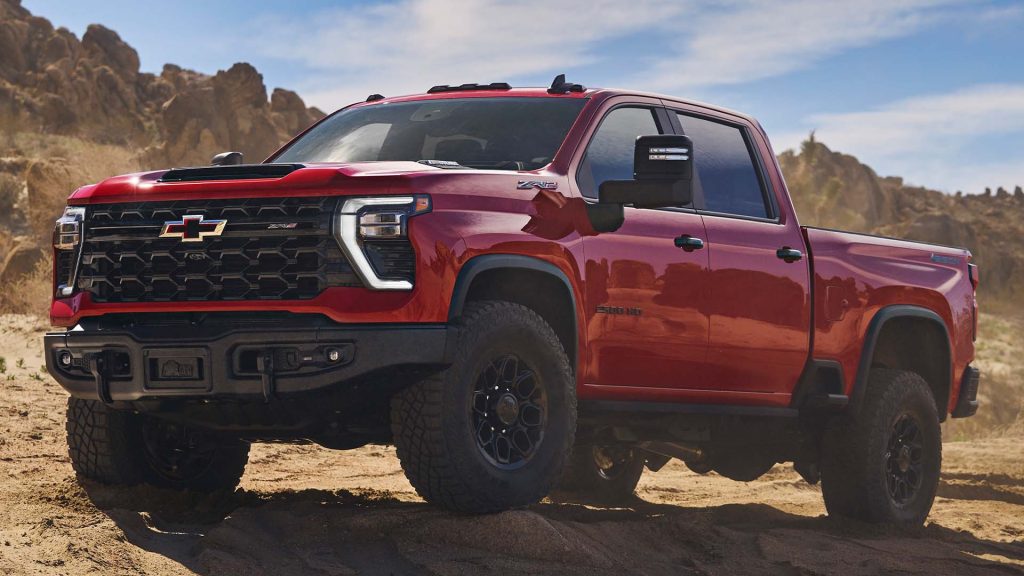
One of the engine’s greatest strengths is its adaptability across a wide range of vehicles. It has powered staples of the GM lineup such as the Chevrolet Silverado 1500 and GMC Sierra 1500, where its balance of power and efficiency suits both work and everyday driving.
In full-size SUVs like the Chevrolet Tahoe, GMC Yukon, and Chevrolet Suburban, the 5.3L V8 provides the torque needed for hauling passengers, gear, and trailers, while maintaining a smooth, predictable driving experience.
Its versatility extends into commercial applications as well, with the Chevrolet Express and GMC Savana vans relying on the same engine for dependable passenger and cargo transport.
Beyond these core models, the 5.3L V8 has appeared in additional GM SUVs and crossovers, reinforcing its reputation as a trusted and widely used powerplant. Its continued presence across so many platforms reflects the confidence manufacturers and consumers have placed in its performance, reliability, and ease of ownership.
Whether serving as a workhorse, a family hauler, or a commercial tool, the 5.3L V8 has consistently proven itself as a durable and capable engine.
From a technical standpoint, the engine’s specifications underscore why it has remained relevant for so long. It uses a 90-degree V8 layout with a displacement of 323 cubic inches, a compression ratio of 9.5:1, and sequential fuel injection. Output peaks between 315 and 320 horsepower at 5,200 rpm, with torque ranging from 335 to 348 lb-ft at 4,400 rpm.
Features such as coil-on-plug ignition and variable valve timing contribute to its smooth operation and efficiency, while its ability to run on regular 87-octane fuel adds to its everyday practicality. Altogether, these traits explain why the 5.3-liter V8 continues to be a dependable and widely respected engine in the GM portfolio.
Also Read: Top 300-HP Cars That Cost the Least to Maintain in 2025
4. Base 4-Cylinder Mid-Size Trucks
Trucks like early Ford Rangers or Chevrolet Colorados with base 4-cylinder engines are underpowered at altitude. They struggle to maintain speed on grades and feel underwhelming when hauling cargo. Drivers often report slow climbs and transmission hunting for the correct gear.
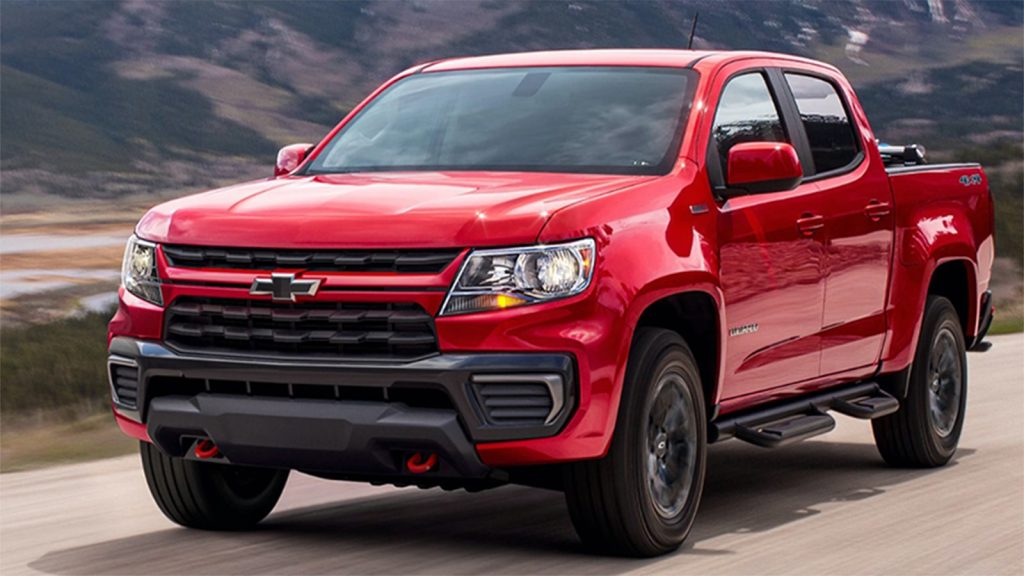
Struggles: Low torque, sluggish acceleration, poor towing capability.
5. Jeep Gladiator / Wrangler with 3.6 L Pentastar V6
While capable off-road, naturally aspirated 3.6 L Pentastar engines in older Wranglers and Gladiators lose torque and power at altitude. Climbing mountain passes with a load requires downshifting, and engine responsiveness diminishes noticeably. Turbocharged or newer variants handle elevation better, but the older NA engines struggle.
With the Gladiator, Jeep answered a long-standing request from Wrangler loyalists who wanted the open-air freedom and off-road capability of an SUV, but with the added usefulness of a pickup bed.
Based on the Wrangler, the Gladiator retains signature elements such as removable doors and roof panels, while also adding up to 1,000 pounds of additional maximum towing capacity.
Like its SUV sibling, the Gladiator prioritizes trail performance over on-road refinement, which makes it better suited to off-road adventures than more conventional mid-size pickups such as the Honda Ridgeline or Chevrolet Colorado. The trade-off is clear on pavement, where its manners are less polished.
Every Gladiator comes standard with a four-door cab, a 5.0-foot bed, and a capable four-wheel-drive system, along with trail-ready hardware across the lineup.
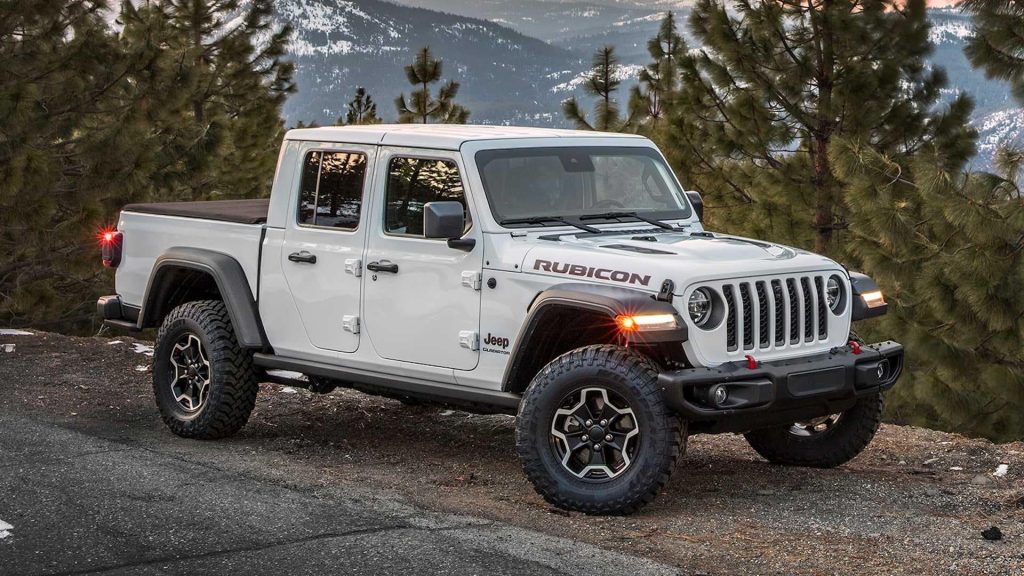
Buyers can choose between a six-speed manual transmission or an optional turbodiesel engine that significantly improves fuel economy, and every version is built with serious off-road capability in mind.
Struggles: Reduced throttle response, frequent gear changes, slower uphill speed.
When driving around Aurora or into the Rockies, engine choice is crucial. Turbocharged or diesel trucks like the Silverado 1500 Duramax, Ram 1500 EcoDiesel, or Ford F-150 EcoBoost maintain power and torque at altitude, making steep grades and mountain passes more manageable.
Naturally aspirated trucks, especially older Tacoma, Frontier, and big V8s, often feel underpowered, requiring more effort and reducing driving confidence. Choosing the right engine and drivetrain ensures better performance, safety, and a more enjoyable mountain-driving experience.
