Winter in Rochester, Minnesota, isn’t for the faint of heart. Sub-zero temperatures, snow, ice, and long commutes make vehicle choice critical. Some cars start reliably, maintain traction, and keep power in frigid conditions.
Others can feel sluggish, struggle with cold starts, or fail to provide enough confidence on slick roads. For anyone commuting daily in the Upper Midwest, knowing which vehicles excel, and which don’t, can save frustration and keep you safer.
Here, we break down five cars that perform well in freezing Minnesota winters and five common models that tend to lose power or reliability in extreme cold. All vehicles are widely available in the U.S. and reflect real-world winter performance.
5 Cold-Weather Winners for Rochester Commuters
Rochester winters are no joke. Between biting winds off Lake Ontario, snow-laden streets, and slippery sidewalks, commuting can quickly turn from routine to treacherous.
For residents who brave the cold every day, having the right gear can make all the difference, keeping you warm, safe, and surprisingly comfortable on your daily trek. From insulated footwear to tech-savvy outerwear, these cold-weather winners are essential for Rochester commuters who refuse to let winter slow them down.
1. Subaru Outback
The Subaru Outback is practically synonymous with snowy states. With standard all-wheel drive and higher ground clearance, it excels on snow-packed roads and icy streets.
Its horizontally opposed engine warms quickly and delivers predictable power even on cold mornings. For Rochester commuters, the Outback combines reliability, traction, and interior comfort for long winter drives.
In a market that increasingly favors crossovers, Subaru’s long-standing Outback station wagon has found success by adopting the style cues of an SUV while retaining the practicality and driving manners of a traditional wagon.
With its raised suspension and rugged plastic body cladding, the Outback projects an “active lifestyle” image, yet behind the wheel it feels much more like a conventional car. Buyers can choose between a turbocharged or non-turbo four-cylinder engine, both of which come standard with all-wheel drive.
The robust roof rack provides a convenient spot for bikes or a kayak without the stance of a typical SUV, making loading and unloading simpler. The Outback’s formula has been so effective that even luxury brands have tried to replicate it: its closest competitors include the Audi A4 Allroad and the Volvo V60 Cross Country, both starting nearly $20,000 higher.
This Wilderness trim comes standard with the turbocharged four-cylinder engine, a roof rack that can carry up to 700 pounds, and water-repellent interior upholstery.
While it comes only with the standard 182-hp four-cylinder engine, upgrading to the turbocharged 260-hp unit costs at least $6,000. We don’t believe the added acceleration and 800 pounds of extra towing capacity justify the expense.
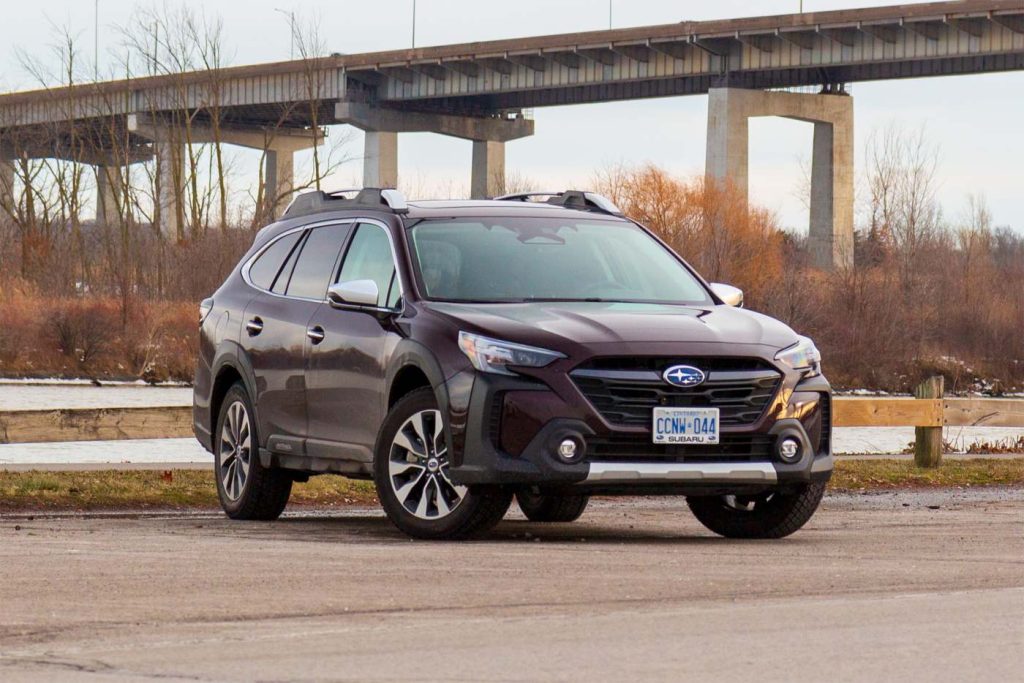
The Outback Premium, however, includes an 11.6-inch touchscreen, a 4G LTE mobile hotspot, heated front seats, a power-adjustable driver’s seat, additional USB ports, and options not available on the base model.
Of these, we’d choose the more budget-friendly package that adds blind-spot monitoring, a hands-free power liftgate, and passive entry with push-button start.
The Outback is offered with two flat-four engines: a standard 182-hp 2.5-liter and an optional 260-hp turbocharged 2.4-liter. Both engines pair with a continuously variable automatic transmission (CVT) that simulates an eight-speed gearbox to reduce engine drone.
In our tests, the Outback with the standard engine showed modest acceleration and sluggish transmission behavior. The turbo version was noticeably quicker but suffered from the same unresponsive CVT. Still, most Outback owners prioritize ride comfort and light off-road capability over outright speed.
With 8.7 inches of ground clearance and all-wheel drive, the Outback navigates snow, mud, and rough roads with ease. For maximum off-road readiness, the Wilderness model adds 9.5 inches of clearance, an upgraded suspension, skid plates, and a drive mode selector with Snow and Mud settings.
The wagon delivers a smooth, controlled ride, and its steering feels accurate and manageable on the highway, though it lacks the sporty edge WRX enthusiasts might expect. The base engine can tow 2,700 pounds, while the turbocharged version increases that capacity to 3,500 pounds.
2. Toyota RAV4 Hybrid
The RAV4 Hybrid provides immediate torque from its electric motor, which is helpful on slick roads and uphill starts. All-wheel-drive trims maintain traction, and Toyota’s engineering ensures cold-weather dependability. It also offers excellent fuel efficiency, making it ideal for long winter commutes where gas mileage and engine response both matter.
The RAV4 Hybrid delivers surprisingly brisk acceleration, making it reasonably fun to drive. There’s consistently enough power on tap for lively slingshots through traffic, and straight-line runs are equally engaging. In our testing, the vehicle sprinted from 0-60 mph in 7.8 seconds, over a second faster than the non-hybrid RAV4 and impressively quick for a compact SUV.
However, the fun diminishes when it comes to stopping and maneuvering. The brakes feel soft and provide little feedback, and the hybrid’s handling is somewhat uninspiring, though our XSE trim test model benefited from a sport-tuned suspension that kept it composed and stable through turns.
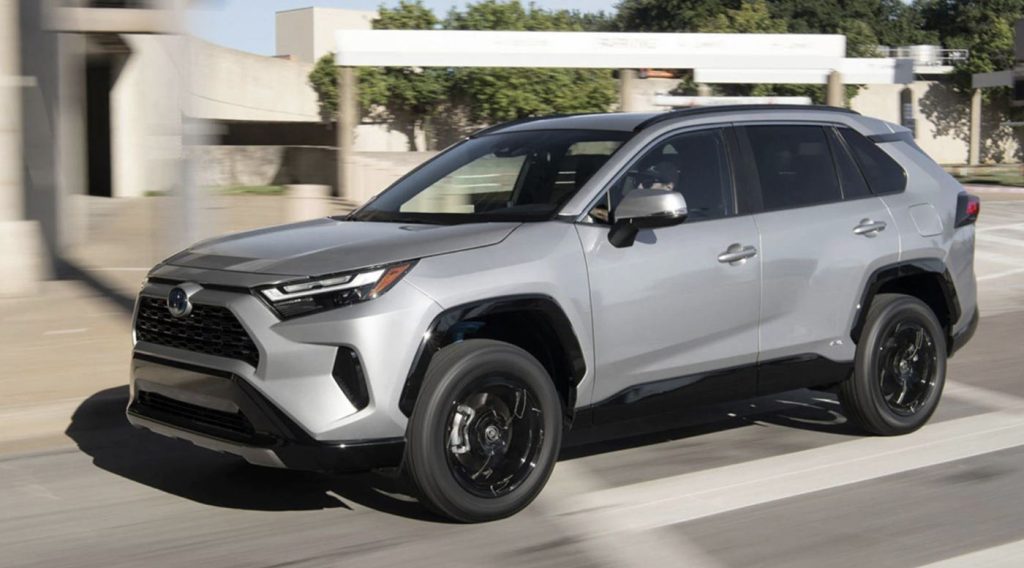
While standard all-wheel drive isn’t designed for serious off-roading, it does improve traction on snow- and ice-covered roads.
The RAV4 Hybrid is comfortable over both long and short drives, absorbing rough surfaces and bumps without ever feeling harsh or overly firm.
Driver-assist technologies stand out: adaptive cruise control functions smoothly on highways, maintaining a steady gap from vehicles ahead whether traffic is heavy or light. The 360-degree camera offers only a modest resolution, but generous natural visibility makes parking the RAV4 straightforward and stress-free.
Also Read: Top 10 Most Reliable SUVs from the Past 10 Years
3. Ford Bronco Sport
The Bronco Sport, with its turbocharged engine and intelligent AWD, handles snow and ice effectively. Terrain management modes adjust traction control and throttle response for winter conditions, making commuting safer and more predictable. Its higher ground clearance and robust chassis allow it to tackle slushy roads or partially cleared streets without hesitation.
The standard turbocharged 1.5-liter three-cylinder engine delivers sufficient power for city driving and passing on the highway, but it doesn’t offer much beyond that. Our testing focused on the top-tier Badlands trim, which is exclusively paired with the more potent turbocharged 2.0-liter four-cylinder engine.
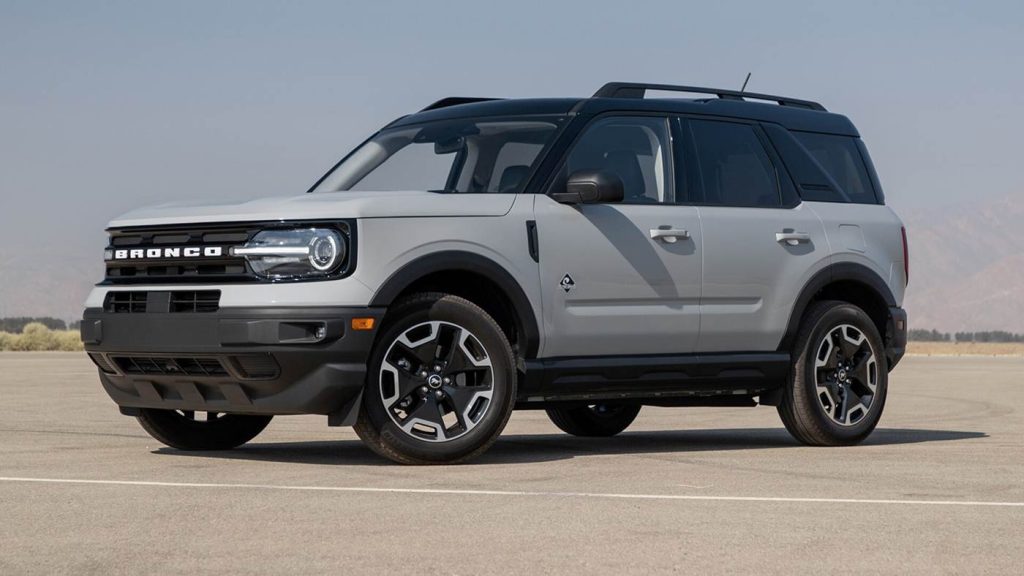
The off-road-oriented tires increase stopping distances compared with some rivals, and while they provide an advantage on dirt trails, the suspension setup produces a noticeably bouncy ride in urban settings.
The upside is that the Bronco Sport is genuinely capable off-road, surpassing any other compact SUV in its class. This is especially true for the Badlands trim equipped with the optional Sasquatch package, which adds even larger tires and off-road enhancements such as underbody skid plates and a specialized rear differential, helping the Sport maintain traction on challenging terrain.
Keep in mind, though, that the Sasquatch package comes with a premium, pushing the price close to that of the standard Bronco, a vehicle that operates on an entirely different level once you leave the pavement.
4. Tesla Model Y Dual Motor
Electric vehicles like the Tesla Model Y Dual Motor shine in cold-weather driving. Its instant torque and dual-motor AWD ensure confident acceleration and traction, regardless of snow or ice. Preconditioning the battery while plugged in allows a warm cabin and better performance even during sub-zero mornings, making it one of the most winter-capable EVs available.
The Y made its debut in 2020 as a trailblazer in the all-electric small SUV segment. While it shares similarities with Tesla’s Model 3 compact sedan, it offers a more spacious interior for both passengers and cargo.
There’s even an option for a third-row seat, though it’s admittedly small. When it comes to balancing interior space, driving range, and performance in an EV, the Model Y stands out from the crowd.
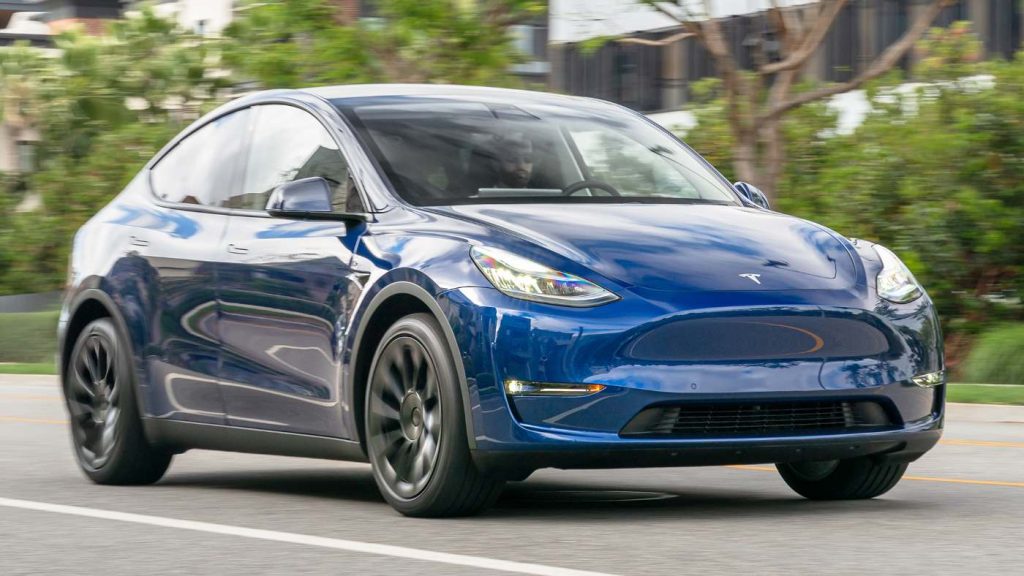
For 2022, Tesla has introduced a few minor updates to the Model Y. These include a new, lighter 12-volt lithium-ion battery replacing the traditional lead-acid unit and laminated rear windows to improve cabin noise insulation. More substantial changes are also rumored.
Specifically, Tesla may be redesigning the Y’s primary battery pack into a structurally integrated format known as the 4680. How this new battery pack will affect performance or capability remains unclear, but we’ll update this section as details emerge.
Meanwhile, the Model Y faces growing competition. The Ford Mustang Mach-E, Hyundai Ioniq 5, Kia EV6, and Volkswagen ID.4 have all recently hit the market, each offering features that could sway buyers. Check out our test team’s full Expert Rating below to see which EV might be the best fit for you.
Also Read:
5. Chevrolet Tahoe
The Chevrolet Tahoe, equipped with 4WD, provides confidence for winter commuting thanks to its weight, traction, and strong V8 engine. It performs well on snowy highways and offers enough space to carry winter gear, groceries, or passengers comfortably. Pair it with quality winter tires, and it becomes a reliable choice for long Minnesota winters.
The Tahoe has always been powered by a V-8, and that tradition continues with the latest generation. Its standard 355-hp 5.3-liter and optional 420-hp 6.2-liter V-8 engines are now joined by a 3.0-liter six-cylinder diesel.
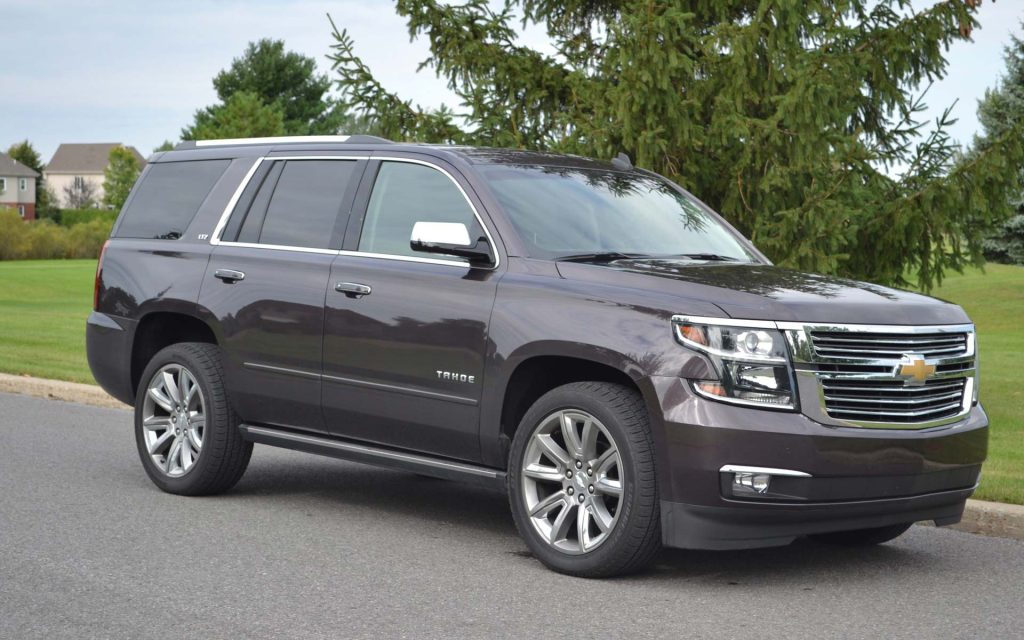
While this diesel has the lowest horsepower of the three, its 460 pound-feet of torque matches that of the larger V-8. Every Tahoe comes with a 10-speed automatic transmission and your choice of rear- or all-wheel drive.
We tested the off-road-focused Z71 trim equipped with the standard V-8, which also includes a two-speed transfer case for traditional four-wheel drive, 20-inch wheels wrapped in all-terrain tires, and underbody protection. Our test vehicle delivered adequate acceleration, a firm brake pedal, and a surprisingly quiet cabin at highway speeds.
The Z71 trim also adds air springs, allowing the Tahoe’s ride height to be adjusted automatically or manually, and adaptive dampers, features standard on the higher-end Premier and High Country trims. Both the High Country and the RST ride on flashy 22-inch wheels, enhancing their visual presence on the road.
5 Vehicles That Struggle in Freezing Temperatures
Winter in Rochester can be brutal, and not every vehicle is built to handle the cold, ice, and snow. While some cars shrug off subzero temperatures, others reveal their weaknesses when the mercury drops.
From finicky electronics to poor traction, these vehicles can turn a simple commute into a headache. Here are five types of vehicles that struggle in freezing temperatures and why they may leave you stranded.
1. Honda Civic (Naturally Aspirated Engines)
The base Honda Civic struggles on extremely cold mornings. Its smaller naturally aspirated engine takes longer to warm up, and initial acceleration can feel sluggish. While reliable in milder climates, sub-zero Rochester mornings reveal its limitations, especially on slippery or uphill roads.
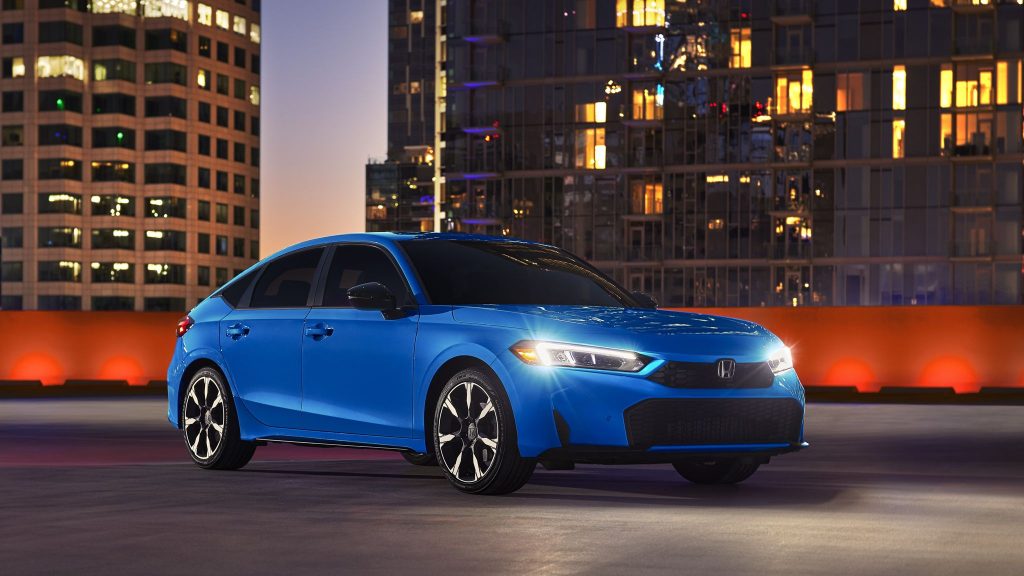
We tested a Civic Touring sedan equipped with the turbocharged engine. On our test track, it accelerated from 0 to 60 mph in 7.9 seconds, which is slightly faster than average for the small-sedan category.
Off the line, it feels a touch sluggish, but power builds smoothly and quickly, so there’s no need to push it to the floor like you would with the base 2.0-liter engine. The Civic’s continuously variable automatic transmission is well-tuned, delivering smooth acceleration and responsive bursts of speed when required.
In corners, the Civic feels stable and composed, offering a sporty driving experience that inspires confidence and even a bit of fun behind the wheel. The tires do generate noticeable road noise, but they provide impressive grip, which also contributes to braking performance that’s above average for the class.
2. Toyota Corolla (Base Engine)
The standard Corolla shares similar issues. Without a turbocharged engine, acceleration suffers in the cold, and drivers may notice hesitation when merging or passing. Turbo or hybrid trims handle winter much better, but the base engine is underpowered for Minnesota’s harsh conditions.
With the exception of the sportier SE and XSE trims, the Corolla sedan is powered by a 139-hp 1.8-liter four-cylinder that drives the front wheels through a continuously variable automatic transmission (CVT).
The more spirited SE and XSE models come with a 169-hp 2.0-liter four-cylinder engine, paired either with a CVT or an optional six-speed manual. All Corolla hatchbacks use the larger 2.0-liter engine, but only the sedan offers a hybrid powertrain.
Our testing of the Corolla SE hatchback and the XSE sedan showed that even the strongest engine in the lineup doesn’t deliver brisk acceleration. Both cars were composed around town and stable on the highway, but heavy acceleration produced coarse engine noises that slightly undermined their refinement.
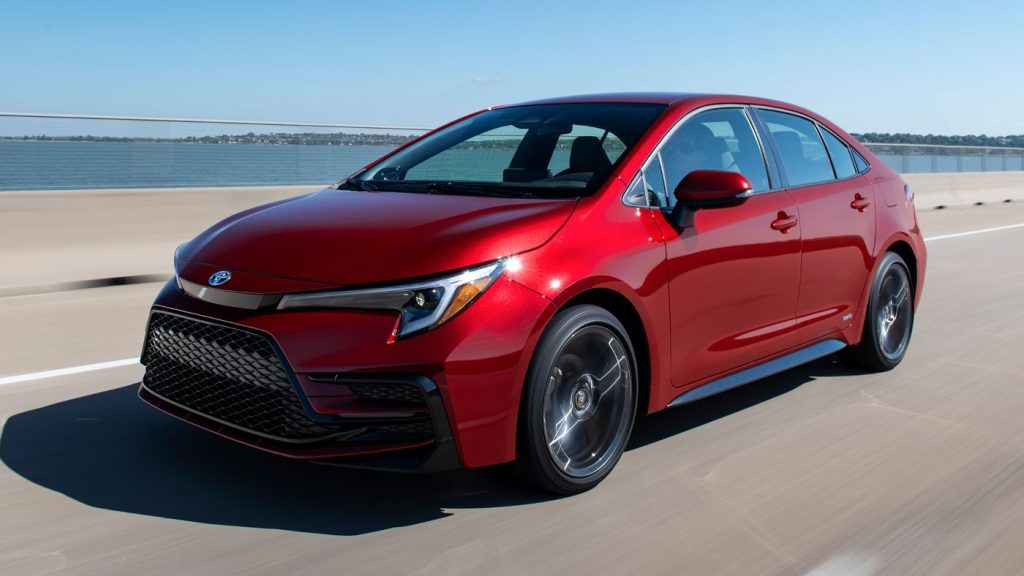
Ride quality is generally pleasant for both the sedan and hatchback, absorbing most bumps without issue, while controlled body motions give the cars more agility than previous generations.
The SE and XSE further distinguish themselves with a stiffer, sport-tuned suspension, and the XSE rides on larger 18-inch wheels compared with 15- or 16-inch rims on other trims.
Despite these enhancements, the Corolla’s progressive steering is competent but not quite as engaging as athletic rivals like the Mazda 3 or Volkswagen Golf. Braking performance at 70 mph to zero was modest for both body styles, requiring between 174 and 183 feet, though their brake pedals remained reliable and easy to modulate.
3. Ford Escape (Non-EcoBoost Base Engines)
The Escape with its base 2.5L naturally aspirated engine can feel underpowered in freezing temperatures. Cold oil thickens, causing sluggish starts, and the lack of sufficient low-end torque makes uphill acceleration slow. Choosing the EcoBoost turbo engine resolves this problem, but the base model struggles.
The Escape’s top two four-cylinder engines are turbocharged, smooth, and pair effectively with their standard six-speed automatic transmissions. The 2.0-liter engine is genuinely quick, while the smaller 1.5-liter feels sluggish.
Off the line, the 1.5-liter suffers from noticeable turbo lag as the engine waits for boost, but this is not an issue with the 2.0-liter. In our testing, the 2.0-liter emerged as one of the quickest in its class. It delivers strong acceleration with minimal engine protest and plenty of power for passing and merging onto highways.
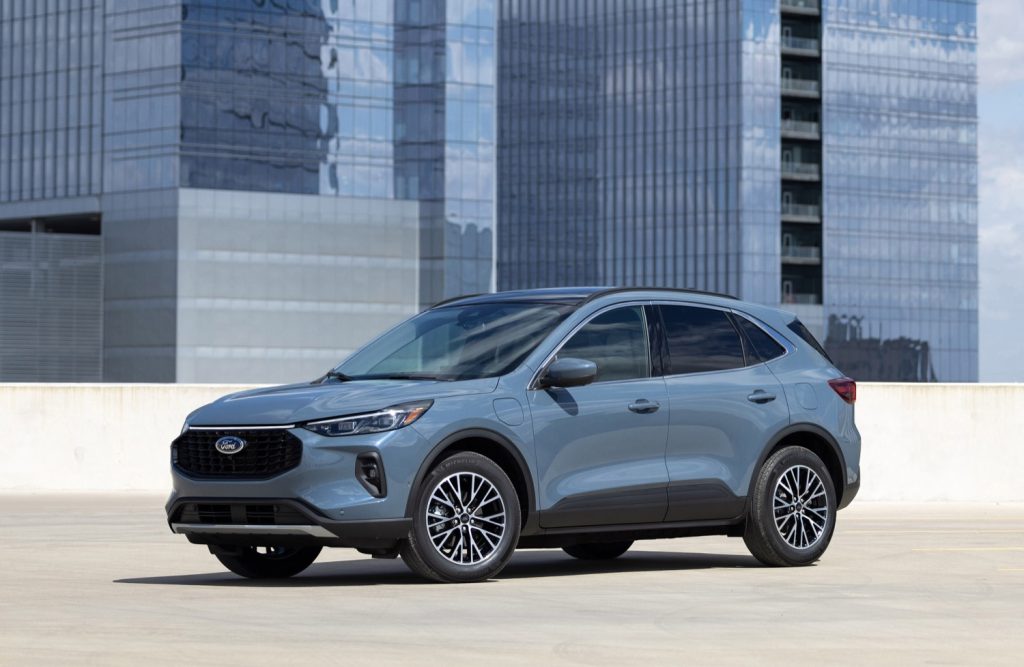
Handling is another strong suit for the Escape, making it one of the better-driving small SUVs. It achieves a pleasing balance between ride comfort and responsive feel, outperforming the Honda CR-V in this regard. Steering is light yet precise, never feeling sluggish.
However, the Escape posted the worst-in-segment result in our 70-to-zero-mph braking test, requiring 184 feet to stop. By comparison, the CR-V came to a halt nearly 20 feet shorter, suggesting the Escape could collide with something that the CR-V would avoid entirely. The Escape also offers a maximum towing capacity of 3,500 pounds.
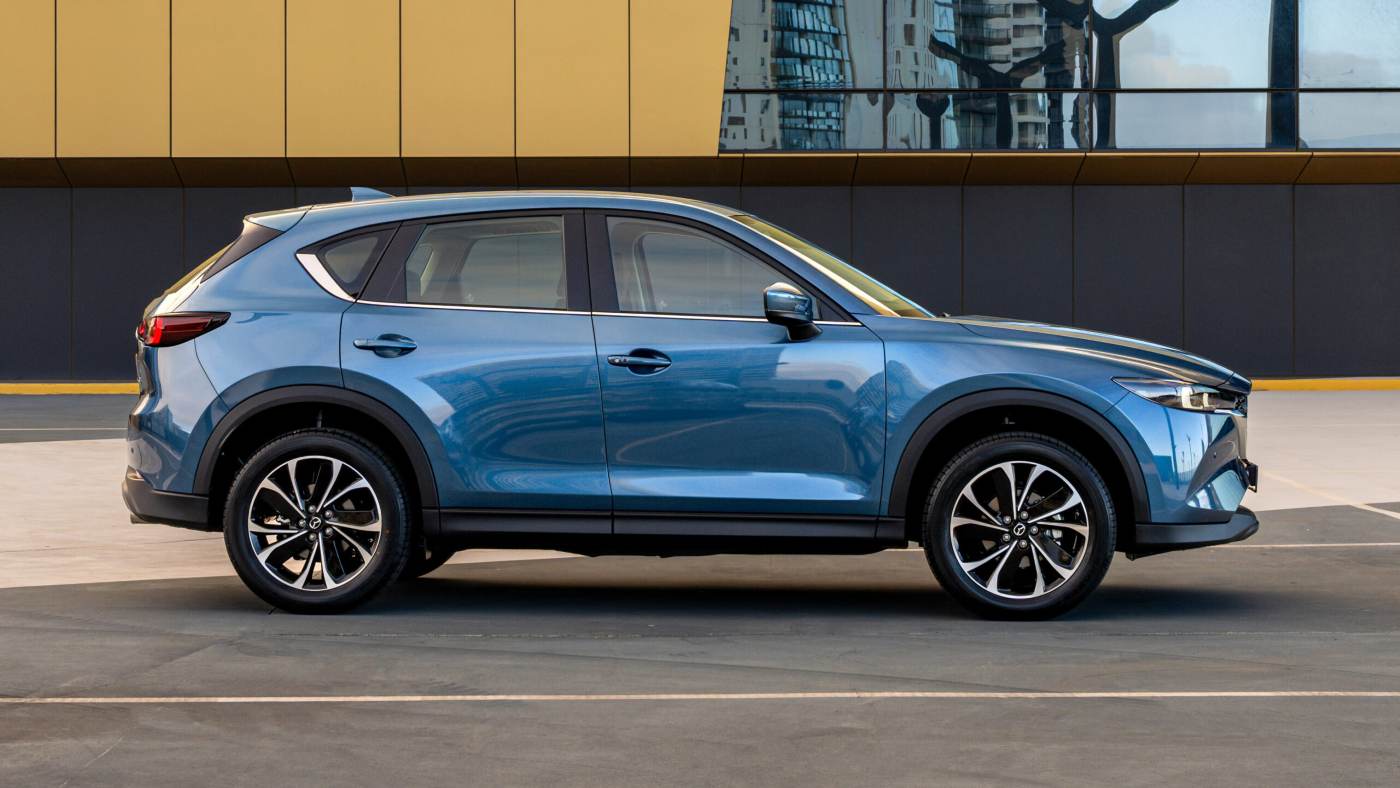
4. Mazda CX-5 (Base 2.5L Engine)
The Mazda CX-5’s base engine suffers in extreme cold, with slower throttle response and noticeable power loss. Turbocharged CX-5 trims perform much better, but the standard 2.5L engine can make winter commuting a test of patience, especially on icy or snow-covered roads.
The base engine delivers modest acceleration, and overtaking on the highway requires a bit of forethought. It performs slightly better from a standstill, our test track recorded a 0-60 mph time of 8.7 seconds, which is typical for competitors with a base engine.
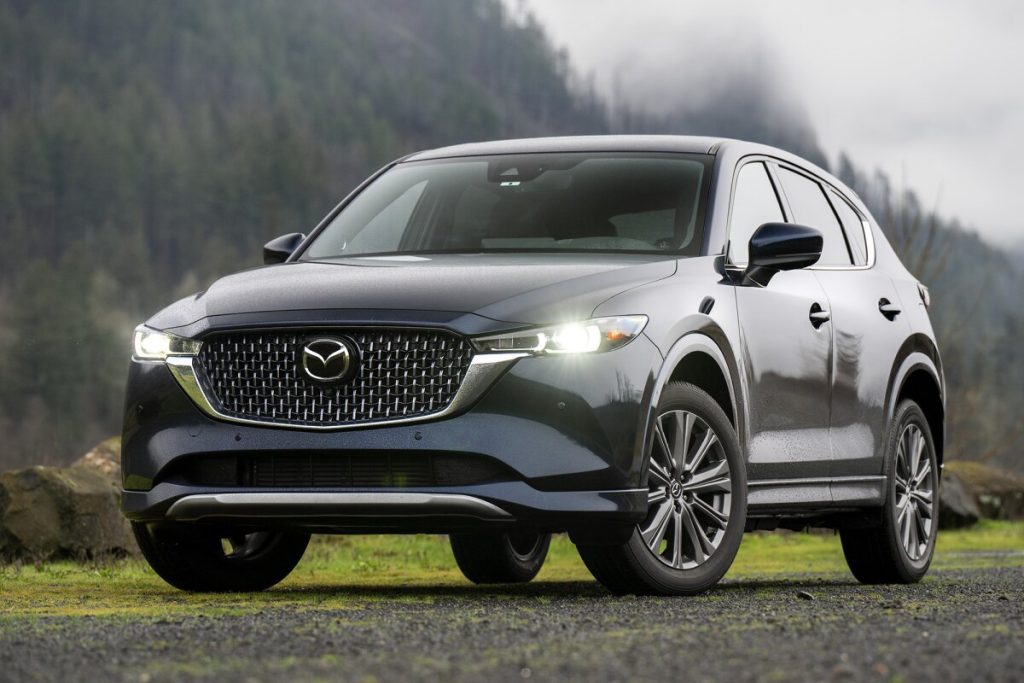
Opting for the available turbocharged engine dramatically improves performance, getting the CX-5 to 60 mph in just 6.6 seconds.
Where the CX-5 truly shines is in handling. Its steering is sharp and communicative, allowing drivers to navigate corners at higher speeds than many rivals without tire squeal or a sense of instability. The crossover remains composed through quick left-to-right transitions, making it exceptionally poised. In fact, this is the best-handling small crossover. No doubt about it.
5. BMW 3 Series (Rear-Wheel Drive Models)
Rear-wheel-drive BMW 3 Series sedans are sporty at sea level but tricky in icy Minnesota winters. Without AWD, traction is limited, and acceleration can feel jerky. Winter tires help, but on a day-to-day basis, the lack of all-wheel drive and cold-sensitive rear-wheel configuration makes these sedans less ideal for daily Rochester commutes.
Along with a sublime eight-speed automatic transmission and rear- or all-wheel drive, the 3-series is available with a turbocharged four-cylinder (330i), a plug-in hybrid setup (330e) offering up to 23 miles of all-electric range, or a potent 382-hp turbocharged straight-six (M340i) that combines eager performance with effortless delivery.
We’d recommend the four-cylinder 330i for its unexpectedly strong performance and inherently sporty character. All-wheel drive can be added for $2,000. We would also equip our example with the M Sport package, which includes unique styling cues, additional features, and a specially tuned suspension.
Paired with it, we’d select the Premium package, offering blind-spot monitoring, hands-free passive entry, a head-up display, a larger touchscreen, a heated steering wheel, and more. For enhanced dynamics, the Dynamic Handling package upgrades brakes and adaptive dampers to optimize driving performance.
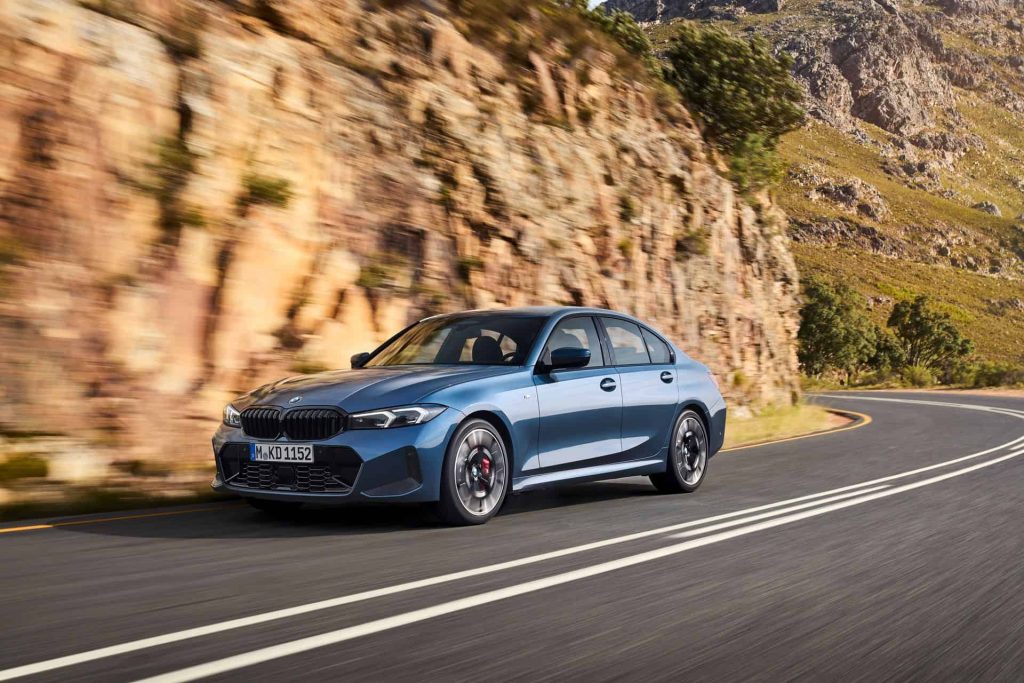
The 3-series offers two potent gas engines. The 330i features a turbocharged 2.0-liter four-cylinder producing 255 horsepower and 295 pound-feet of torque. The M340i pairs a turbocharged 3.0-liter inline-six with a 48-volt hybrid system, generating 382 horsepower and 369 pound-feet.
The 330e plug-in hybrid combines a turbo 2.0-liter engine with an electric motor for a total of 288 horsepower and 310 pound-feet. Our first drive of the 330e revealed a seamless interaction between gas and electric power, and the new Xtraboost function delivers an extra burst of power that feels like a shot of nitrous.
All powertrains use an excellent eight-speed automatic transmission and come standard with rear-wheel drive, with optional all-wheel drive for an added cost. A manual gearbox is no longer offered, purists may want to wait for the all-new BMW M3 for a traditional stick shift. Two suspension options are available: the standard setup or the adaptive-damper upgrade.
On the road, the G20-generation 3-series impressed. Steering feel has improved, offering better road feedback and variable effort compared with its predecessor, though it still falls short of the classic early 3-series models.
The 330i proved its mettle in a comparison test against other sports sedans, effortlessly transitioning from relaxed and refined to sharp and playful. It even bested the stunning Alfa Romeo Giulia in a two-car comparison. Meanwhile, our long-term M340i demonstrates the nameplate’s resurgence, with its exceptional inline-six engine and remarkable body control.
Minnesota winters test both vehicles and drivers. Cars like the Subaru Outback, Toyota RAV4 Hybrid, Ford Bronco Sport, Tesla Model Y, and Chevrolet Tahoe combine reliable starts, traction, and performance that make commuting less stressful and safer.
Conversely, vehicles like the base Honda Civic, Corolla, Ford Escape, Mazda CX-5, and rear-wheel-drive BMW 3 Series can feel sluggish and less reliable in extreme cold, highlighting the importance of selecting a vehicle tuned for winter.
With the right choice, and a set of quality winter tires, your daily commute in Rochester’s freezing temperatures doesn’t have to be a struggle. Choosing a vehicle suited to the climate ensures safety, reliability, and peace of mind all winter long.