
Costa Mesa is a beautiful part of Southern California, vibrant, walkable in many neighborhoods, and close to beaches and freeways. But let’s be honest: the area’s charm comes with one modern urban headache, tight parking.
Whether you’re squeezing into a downtown metered space near 17th Street, threading into a slim residential driveway, or trying not to scrape your doors in a multi‑level garage near South Coast Plaza, compact dimensions matter. A car that’s just a few inches too long or wide can feel like permanent anxiety on wheels.
In contrast, some vehicles, usually big SUVs, luxury sedans, and large trucks, are literal garage nightmares. They squeak by in suburban driveways but refuse to play nicely with older California carports or narrow apartment garages.
This guide is for drivers living or working in Costa Mesa, Newport Beach, Huntington Beach, and similar SoCal hubs who care about daily convenience, tight space parking, and real‑world fit.
We’ll break down 5 cars that excel in tight parking environments and 5 that regularly struggle with garages and cramped lots. If you’ve ever cursed at a parking sensor or wondered why your ride feels oversized for SoCal living, this is your article.
5 Cars That Are Great for Costa Mesa Tight Parking
Navigating the bustling streets of Costa Mesa comes with its own set of challenges, and finding a parking spot can sometimes feel like a competitive sport. Narrow lots, crowded shopping centers, and tight parallel spaces make maneuverability just as important as style or performance.
That’s where the right car makes all the difference. Whether you’re running errands, heading to the beach, or commuting to work, having a vehicle that’s compact, responsive, and easy to park can save you time, and stress.
In this guide, we’ve rounded up five cars that excel in tight Costa Mesa parking situations, blending practicality with comfort, tech, and a dash of fun. From nimble crossovers to clever compact sedans, these vehicles prove that you don’t need a giant SUV to go through the city with confidence.
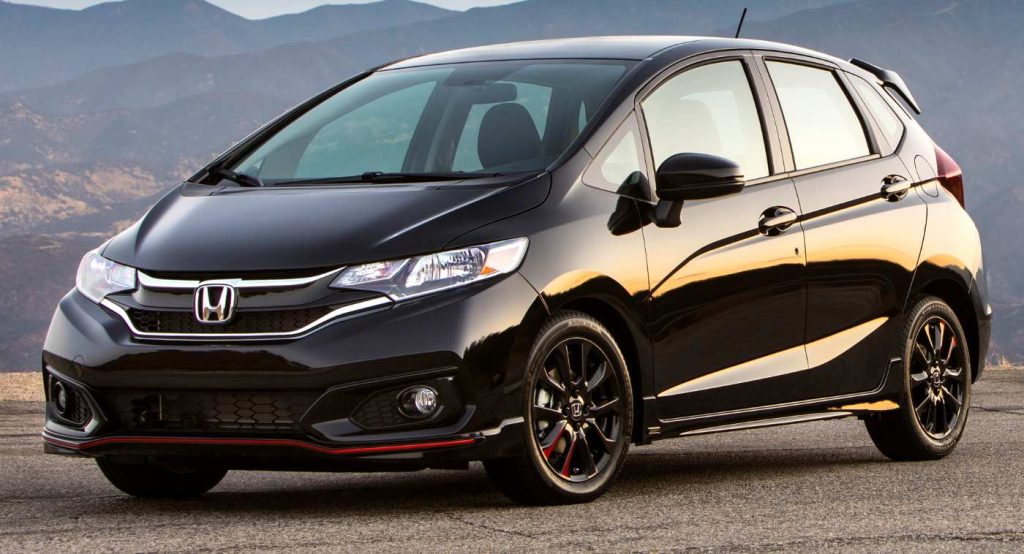
Honda Fit / Honda Fit 2nd Generation (Used)
Let’s start with a legend of urban maneuverability: the Honda Fit. Newer models are discontinued, but the used Honda Fit is still a superstar for tight parking. The Fit’s sub‑compact footprint slides into tiny spaces with ease, especially when other drivers are double‑parked.
Its “Magic Seat” interior design is famously flexible, fold the rear seats flat and you’ve got cargo space that rivals some larger cars without increasing the footprint.
Why it works in Costa Mesa: short length and excellent visibility make it easier to judge spaces, tight turning radius helps on crowded streets and narrow lots, and it’s reliable and cheap to maintain, important in dense urban driving. For anyone dealing with slim spots near 8th Street or Bristol, the Fit’s agility is an underrated daily driver advantage.
The Honda Fit, known as the Honda Jazz in some regions, has been a mainstay in the subcompact segment since its debut in the early 2000s. Its clever design, exceptional versatility, and nimble handling have earned it a dedicated following among urban drivers and small families alike.
The Honda Fit first appeared in 2001 in Japan under the name Honda Jazz. It quickly became popular thanks to its smart use of space, compact footprint, and impressive fuel economy.
The first-generation Fit stood out with its distinctive styling, surprisingly roomy interior, and Honda’s innovative “Magic Seat” system, which allowed owners to configure the cargo area in multiple ways to suit a variety of needs.
In 2002, the Fit expanded to international markets, including Europe and Australia, where it further solidified its reputation for reliability and nimble front-wheel-drive performance.
Also Read: Top 10 JDM Cars Every Enthusiast Needs to Experience in 2025
Mini Cooper Hardtop 2‑Door
The classic Mini Cooper is small, stylish, and built for urban parking. Compact doesn’t mean compromised: the Mini Cooper delivers peppy performance, decent cargo capacity for its class, and a turning circle that’s perfect for three‑point turns on residential streets.
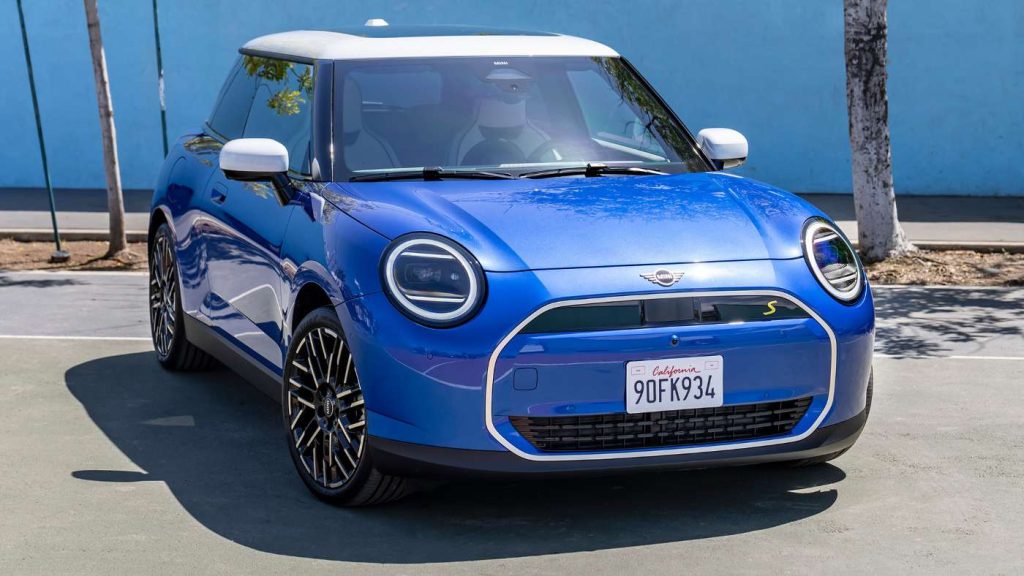
The 2‑door version is especially friendly for tight spaces, every inch of length you save is a buffer when another car is encroaching while you parallel park. Costa Mesa insight: parking in areas like the Triangle or near Mesa Verde Village often means trading inches for peace of mind, this is where the Cooper shines.
Toyota Corolla Hatchback
If you want modern tech, good fuel economy, and still want a car that’s easy to tuck into tight spots, the Toyota Corolla Hatchback strikes an ideal balance. Not quite as small as a Fit or Mini, but shorter than a traditional compact sedan, the Corolla Hatchback blends a smart footprint, smooth ride for daily commuting, and Toyota’s reputation for reliability.
The hatchback’s rear visibility and optional rear‑view camera further help when backing into spaces next to tight corners, common around Costa Mesa shopping centers and beachside parking lots. For drivers who want a usable daily without feeling like you’re driving a golf cart through SoCal traffic, this is a winner.
The Toyota Corolla is one of the most iconic entry-level cars in history and holds the distinction of being the world’s best-selling nameplate. The hatchback variant adds a practical twist with extra cargo space, making it an appealing choice for anyone who wants a versatile, affordable daily driver without moving up to a crossover SUV.
For those craving performance, the GR Corolla is the hatchback’s high-octane sibling. Launched in 2023, it marked Toyota’s return to sporty hatchbacks in the U.S. after a long hiatus. Its 300-horsepower turbocharged three-cylinder engine paired with all-wheel drive delivers a thrilling ride that’s guaranteed to put a smile on your face.
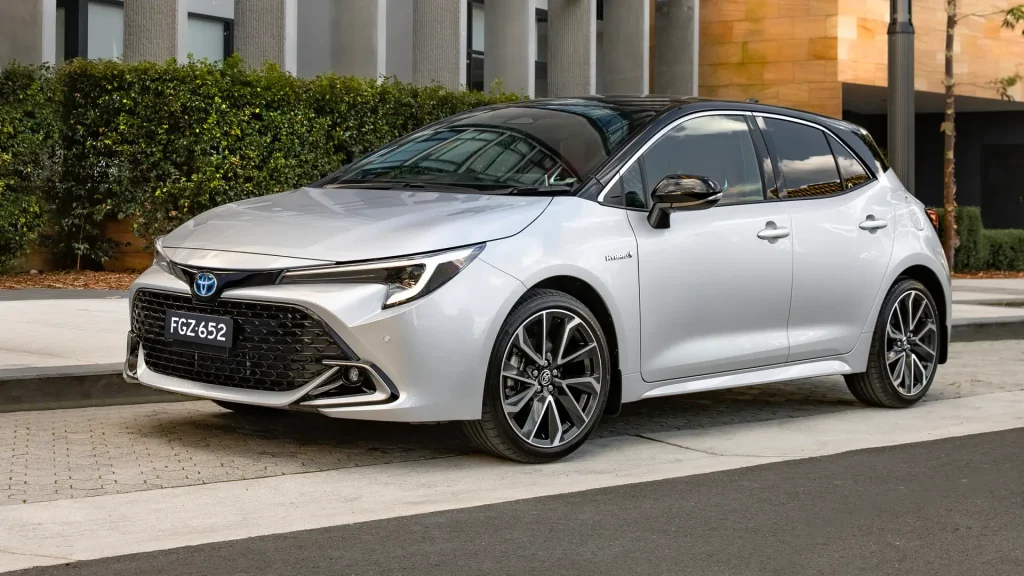
Even if speed isn’t a priority, the standard Corolla hatchback offers a roomy cabin, a practical liftgate, and nearly five extra cubic feet of cargo space compared with the sedan. The new FX Edition adds a nostalgic nod to the original 1980s Corolla hatch, featuring 18-inch white wheels, black wheel lugs, and a rear black spoiler.
The 2026 Corolla Hatchback is offered in three trims: SE, FX Edition, and XSE. All trims are powered by a 168-horsepower 2.0-liter four-cylinder engine, paired with a continuously variable automatic transmission (CVT) that drives the front wheels.
The SE trim strikes the best balance of value and features. Despite being the entry-level option, it comes equipped with modern conveniences like wireless smartphone connectivity and charging, plus a suite of driver-assist technologies, ensuring you won’t feel like you’re missing out.
Mazda CX‑30
We’re branching into small SUVs, because in 2025 every urban driver wants a little height but not a huge footprint. The Mazda CX‑30 fits that niche perfectly. You get more cargo and better visibility than a traditional sedan without the length and width penalties of the larger CX‑5 or similar class SUVs.
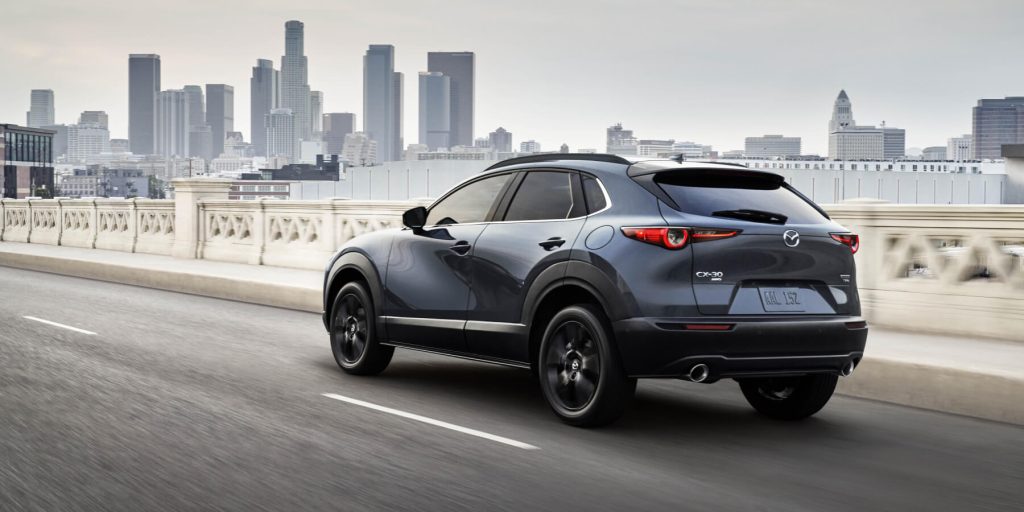
Here’s why this SUV still works in tight parking: compact dimensions fit many apartment garages in Costa Mesa where a full‑size SUV would not, responsive steering and tight turning circle help with tricky parking lot lanes, and the premium interior and good fuel economy make it a comfortable daily ride. It’s an ideal pick if you want SUV practicality without feeling like you’re driving a boat to the beach.
Toyota Prius / Prius Prime
Last on the “tight parking” roster, but far from least useful, is the Toyota Prius, especially older generations and the Prius Prime. The Prius’s shape is actually quite compact front‑to‑back and nose‑to-tail, which makes it easier to judge from the driver’s seat when squeezing into spaces.
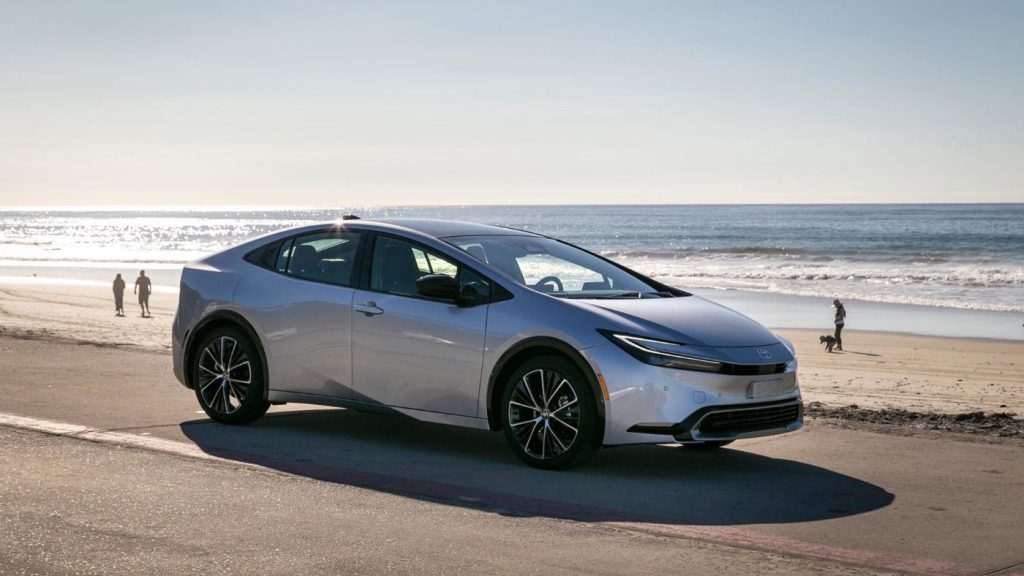
The hatchback design also means you can haul surfboards or groceries without adding a bulky cargo box on the roof, something that would make parking even more tense.
Prius advantages in Costa Mesa: exceptional visibility, hybrid fuel economy (great in stop‑and-go town traffic), and a manageable footprint in tight garages. If your daily loop involves traffic lights, beach runs, and narrow residential streets, the Prius combines efficiency and maneuverability without compromise.
Also Read: 5 Crossovers With Charging Ports That Block Cupholders and 5 That Don’t
5 Cars That Don’t Fit Garages Well (Plan Carefully)
Not every car is built with tight garages in mind. Oversized SUVs, luxury sedans, and performance machines often come with wide mirrors, long overhangs, or low ground clearance, traits that can make squeezing into a home garage a nerve-wracking exercise.
Even if you’ve got a seemingly spacious garage, a few inches can mean the difference between a smooth pull-in and scraped doors or bumpers.
In this guide, we highlight five cars that tend to push the limits of typical garage space. If you’re thinking of buying, or already own, one of these vehicles, planning ahead is crucial. From careful measurement to strategic parking strategies, knowing what you’re working with can save your car, and your sanity.
Chevrolet Suburban / GMC Yukon XL
Let’s put the big boys first: the Suburban and its corporate sister, the GMC Yukon XL. These are full‑size SUVs that feel oversized anywhere outside ranch land. Their sheer length (often over 225 inches) makes them a nightmare in standard 18‑20 foot garages, apartment complex covered parking stalls, and tight angled downtown lots.
Even if you adore them for towing or road trips, you’ll pay daily with stress when threading them into urban spaces. Pro tip: If your garage doesn’t have at least 24 feet of depth, these SUVs will hang out of the driveway.
The Chevrolet Suburban comes with a choice of two engines: a standard 355-hp 5.3-liter V-8 or an optional 420-hp 6.2-liter V-8. Both rear-wheel- and all-wheel-drive configurations are available, though the smaller engine pairs with a six-speed automatic, while the larger V-8 gets a 10-speed automatic.
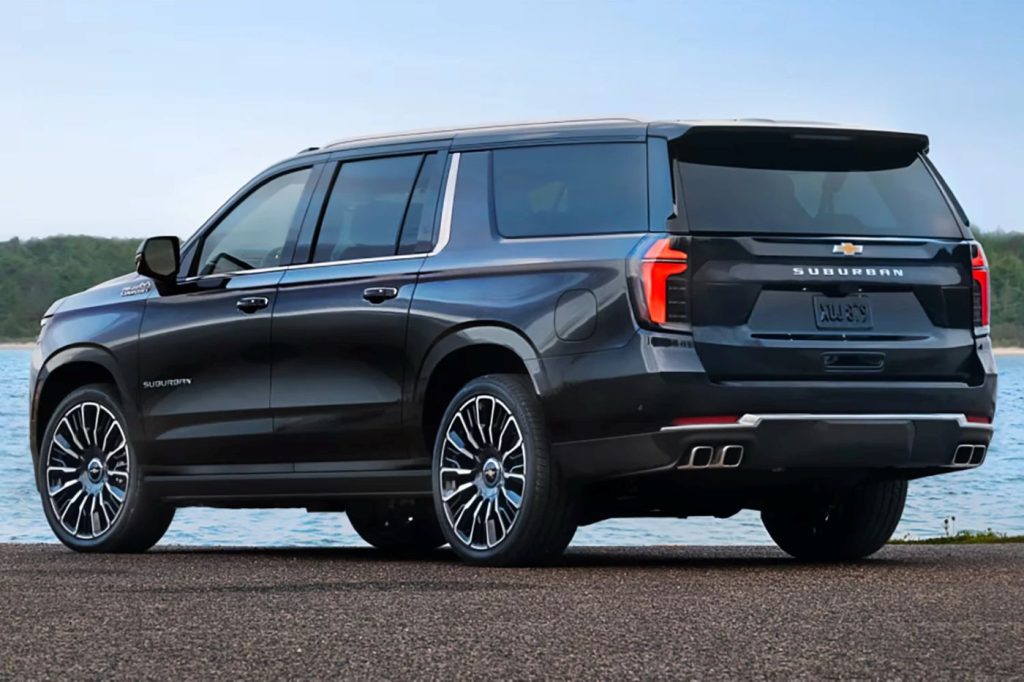
Not surprisingly, the more powerful engine delivers quicker acceleration, sprinting from 0 to 60 mph in 6.2 seconds compared with 6.9 seconds for the base V-8.
Even so, the standard engine provides ample power for daily driving and family duties. Properly equipped, the Suburban can tow up to 8,300 pounds, though the Ford Expedition edges it out with a maximum towing capacity of 9,300 pounds.
Despite its massive size and an aging rear suspension design, the Suburban drives smaller than it looks, thanks to well-controlled body motions and precise steering. Its pickup-truck underpinnings, however, mean it doesn’t ride as smoothly as some rivals, such as the Nissan Armada.
The Suburban RST we tested came equipped with standard adaptive dampers and massive 22-inch wheels, but even on smooth pavement, there were noticeable vibrations. On the bright side, the firm and responsive brake pedal was highly effective, adding confidence to its sizable presence on the road.
Ford F‑150 (Extended / Crew Cab with Long Bed)
The Ford F‑150 is America’s favorite truck for a reason, capability, comfort, and performance. But in versions with Extended or Crew Cabs and longer beds, this truck can be a real handful in garages.
The added length makes maneuvering in tight residential parking areas a daily grind, and many homes in Costa Mesa simply weren’t built with these dimensions in mind. If your lifestyle demands a full‑size pickup, consider a shorter bed or bed cap so you’re not rubbing bumpers with every alley.
The 2022 Ford F-150 offers a wide range of engines to suit virtually any need: a 290-hp 3.3-liter V-6, a 400-hp 5.0-liter V-8, a 325-hp twin-turbo 2.7-liter V-6, a 400-hp twin-turbo 3.5-liter V-6, and a 250-hp 3.0-liter diesel V-6. Each engine is paired with a 10-speed automatic transmission, and for the first time, Ford offers a hybrid powertrain.
The 400-hp hybrid combines a 3.5-liter twin-turbo V-6 with a 35-kW electric motor and a 10-speed automatic, delivering up to 700 miles of range on a single tank. It can also serve as a mobile generator, powering tools on job sites or providing electricity during outages. Buyers can choose between rear- and four-wheel drive with any of the available powertrains.
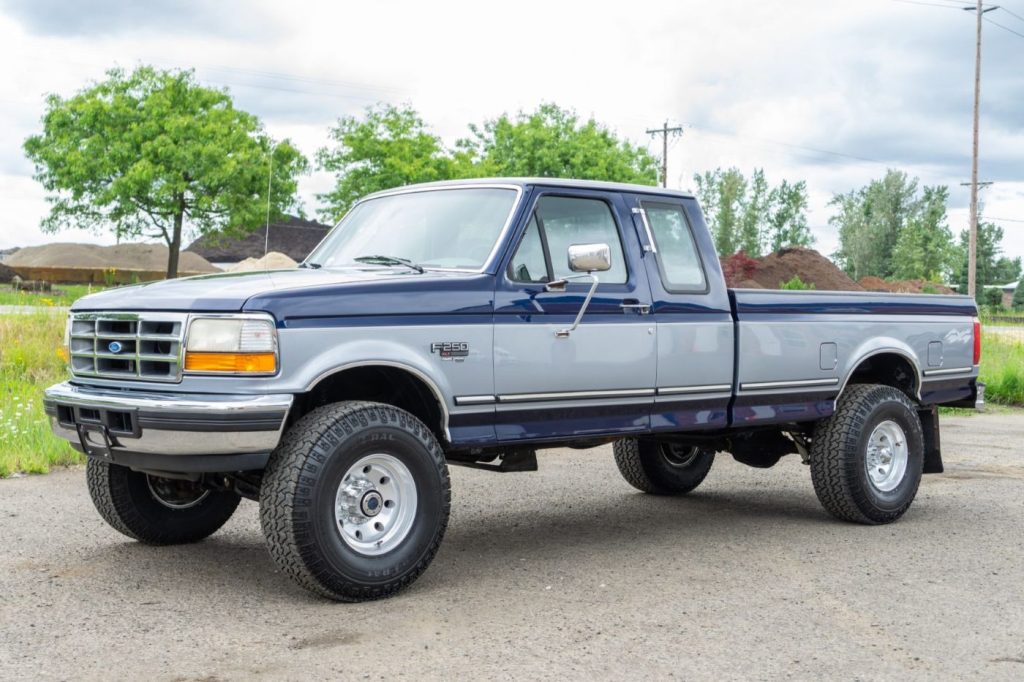
At our test track, a four-wheel-drive Lariat equipped with the hybrid powertrain sprinted to 60 mph in a brisk 5.4 seconds. The truck delivers a comfortable ride and composed handling, while higher-spec models like the King Ranch feature variable-assist steering that sharpens low-speed responses for a more nimble feel.
The F-150 Tremor is the most off-road capable model, equipped with 33-inch all-terrain tires, an upgraded suspension, a locking rear differential, and a four-wheel-drive transfer case borrowed from the Raptor. On the track, the Tremor hit 60 mph in just 5.3 seconds, trailing the more powerful Raptor by a mere 0.1 second.
Cadillac Escalade ESV / Lincoln Navigator L
Luxury versions of large SUVs, think Escalade ESV and Navigator L, are beautiful on the open highway. But those extra ESV/L inches are not just luxury, they’re parking liability.
These extended SUVs can stretch past many garage limits. The result: either you can’t close your garage door or you’re stuck in the driveway, with all the associated hassles in a dense Costa Mesa neighborhood. Luxury doesn’t count for much when every parking space becomes a high‑stakes puzzle.
Cadillac has never been a brand known for subtlety. From the iconic tailfins of the 1950s to the massive presence of today’s Escalade, understatement is not part of the equation.
For those who believe more is better, the Escalade ESV takes things to the next level: it’s the longest SUV on the market, stretching over a foot longer than the standard Escalade.
That extra length translates into significantly more passenger and cargo space, though it comes at a price, both literally and figuratively, as the Escalade ESV can easily surpass six figures, and fuel economy hovers around 18 mpg.
While the Escalade ESV dominates in size, bigger doesn’t always mean better. The Lincoln Navigator L is comparably modern and refined and earns the edge in a head-to-head comparison.
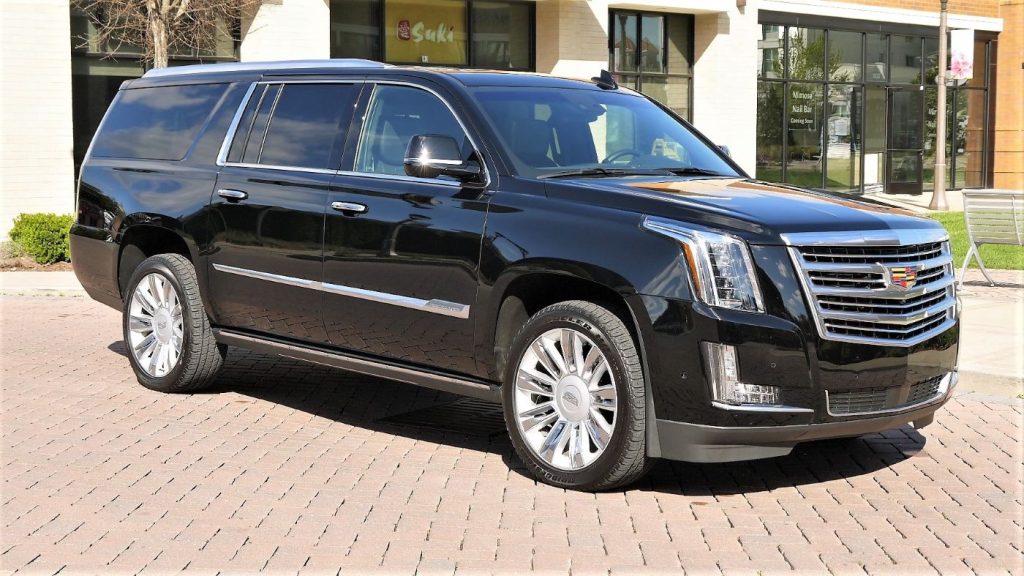
The Jeep Grand Wagoneer L offers higher towing capacity but falls short in comfort, while luxury SUVs like the Mercedes-Benz GLS and BMW X7 deliver a more upscale interior but can’t match the Escalade ESV’s enormous cabin space.
The Escalade ESV is a full-size, three-row luxury SUV available in six trims: Luxury, Premium Luxury, Sport, Premium Luxury Platinum, Sport Platinum, and Escalade-V ESV. Standard seating accommodates seven passengers, and an optional second-row bench increases capacity to eight.
The Premium Luxury trim offers the best balance of features and value. It includes Magnetic Ride Control for improved comfort and stability, as well as a panoramic sunroof that highlights an interior richly adorned with leather, features that justify the $9,000-plus price increase over the base model.
Mercedes‑Benz S‑Class / Long Wheelbase Luxury Sedans
Here’s a twist: you might think luxury sedans would be easier to park. But long wheelbase luxury models like the Mercedes‑Benz S‑Class, BMW 7 Series, and similar offerings are generally longer than comparable mainstream sedans, wider with bigger overhangs, and designed for highways, not narrow stalls.
That translates to more blind spots, tighter turning circles, and greater risk of curb rash or bumpers hitting pillars in public garages, especially the older parking structures around Costa Mesa’s business districts. If you want premium and still fit garages easily, choose mid‑size luxury, not the big‑boat flagship sedans.
The Mercedes-Benz S-Class sedan offers a choice of two powerful engines: the S500 features a 442-hp turbocharged 3.0-liter inline-six, while the S580 comes with a 496-hp twin-turbo 4.0-liter V-8. Both powertrains are enhanced with a 48-volt mild-hybrid system and are paired with a nine-speed automatic transmission and 4Matic all-wheel drive.
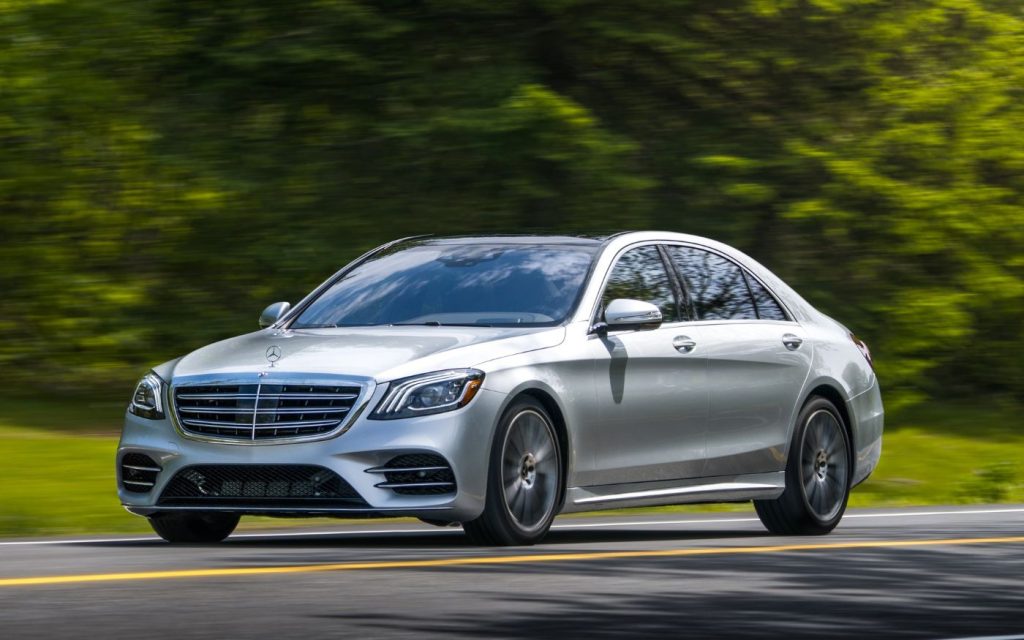
For those seeking electrified performance, the S580e plug-in hybrid combines an inline-six with an electric motor to produce 510 horsepower, driving all four wheels. The only minor drawback we noticed is that the hybrid’s brake pedal response can feel a little unusual underfoot.
Every S-Class sedan delivers impressive acceleration and a supremely isolated, luxurious ride. Standard air suspension provides exceptional comfort, while the optional E-Active Body Control system includes a “curve” mode that subtly leans the car into corners for a more engaging drive.
An all-wheel-steering option further enhances maneuverability, making the large S-Class surprisingly easy to handle in tight spaces.
Large European Wagons / Performance SUVs (e.g., Audi Q7, Volvo XC90)
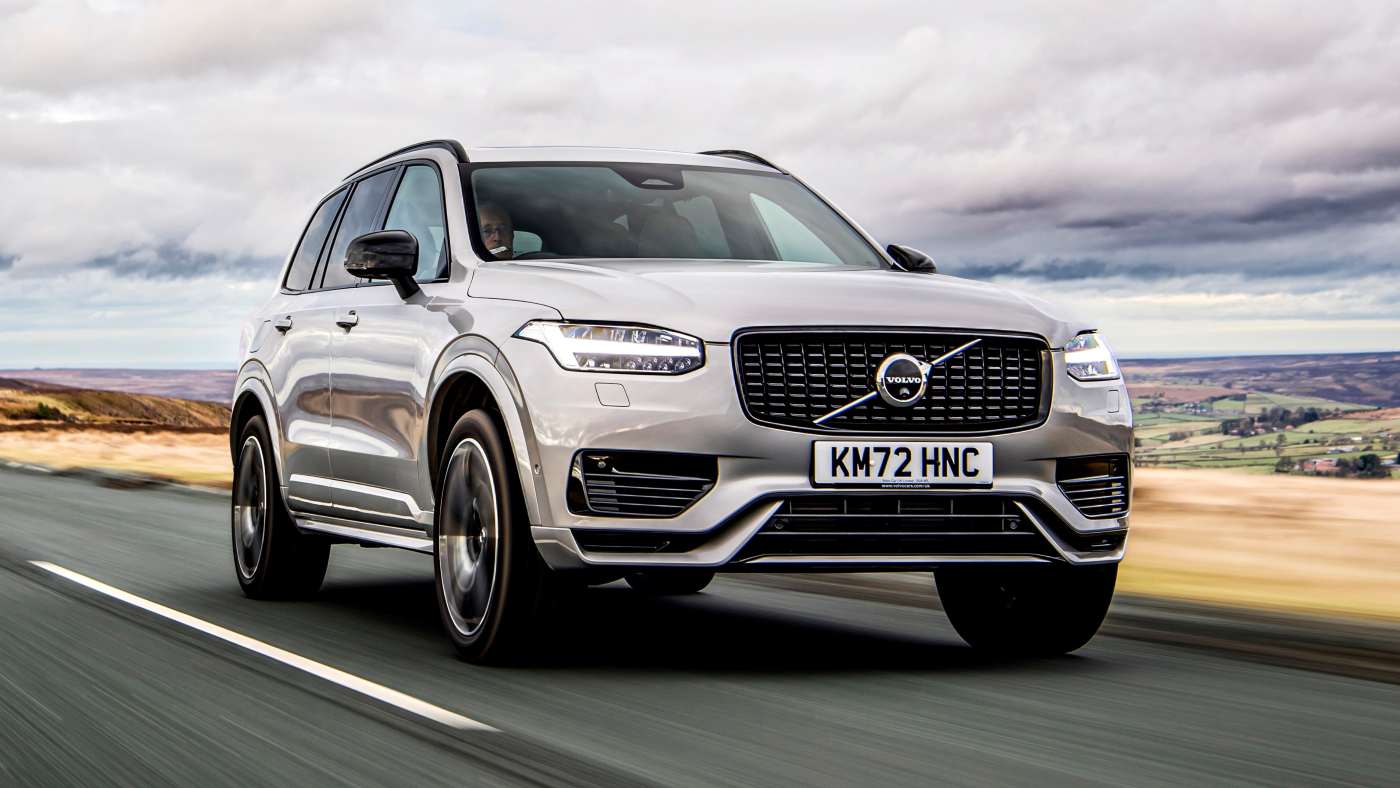
Vehicles like the Audi Q7, Volvo XC90, and similar three‑row European SUVs often get lumped in with luxury SUVs, but they’re worth calling out separately because they’re frequently just too large for tight spaces, usually have large turning radii compared to compact alternatives, and inspire confidence on highways but dread at parking sensors.
Drivers in Costa Mesa with these have learned the hard way: those few extra inches of length and width add up fast in shopping center lots and residential garages.
For 2020, Audi retained the 248-hp turbocharged four-cylinder in the Q7 but introduced a new turbocharged 3.0-liter V-6 with a 48-volt mild-hybrid system producing 335 horsepower.
These powertrains carried over unchanged into 2022. During our testing of a 2020 Q7 equipped with the new turbo V-6, we recorded a brisk 0–60 mph time of 5.0 seconds, slightly quicker than the two-row Q8, which shares much of the same mechanical architecture.
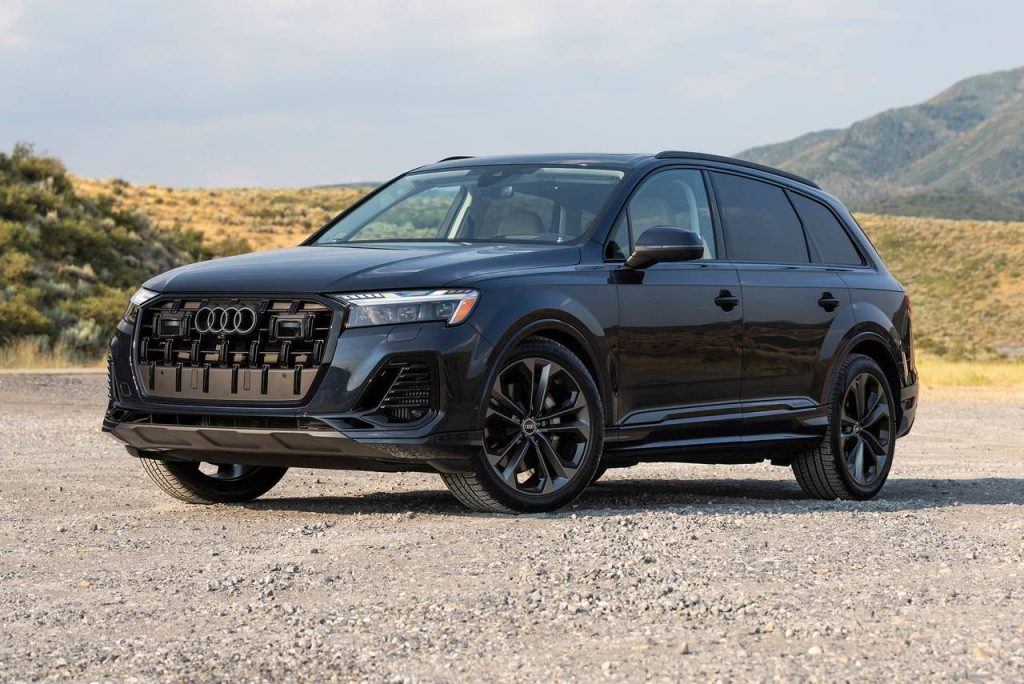
Despite its size, the Q7 feels surprisingly agile when fitted with optional performance tires on 21-inch wheels, giving it the low, planted feel of a sporty wagon.
The optional air suspension adds versatility, and when combined with four-wheel steering, the SUV becomes surprisingly engaging on twisty back roads. On top of its dynamic abilities, the Q7 rides smoothly, delivering a composed and comfortable driving experience.
Living in Costa Mesa means embracing space awareness. Your daily driver shouldn’t make you dread parking, it should make every little space feel manageable, safe, and predictable. Best bets for tight parking include the Honda Fit (used), Mini Cooper Hardtop 2‑Door, Toyota Corolla Hatchback, Mazda CX‑30, and Toyota Prius / Prius Prime.
All of these deliver compact dimensions, excellent visibility, and daily comfort, perfect for urban SoCal life. These are great machines in the right context but poor fits for narrow garages, tight apartment lots, or crowded downtown areas.
